Women-Only Heritage Tours in
India: What to Expect & How to Prepare
Women-only heritage tours across India sort of pair small curated groups, with female-led logistics and private transport, plus vetted heritage stays so first time visitors can see Rajasthan forts
Women-Only Heritage Tours in India: What to Expect, What to Wear & How to Prepare
There’s a kind of hesitation that keeps brilliant capable women from booking a trip to India on their own terms, it s that simple and not simple at all. It isn’t that they don’t want to learn or see more, it’s the logistics that stay unanswered, kind of humming in the background. Like who do I trust for the driving, what do I wear inside a Rajput fort, compared with on a hotel rooftop. And is it safe to just walk through Old Delhi’s spice markets after sunset, really. Women-only heritage tours in India were made to answer those exact questions, and not with guesswork. Instead, they use a plan that was designed by women for women, centered on the country’s most extraordinary palaces, temples, and living traditions. This guide breaks down what these tours actually include, how to pack and what to wear, plus how to get ready so your first or, honestly, your fifth trip to India feels less like a risk and more like the journey you have been postponing for years.
Why Women-Only Travel Is Booming in India
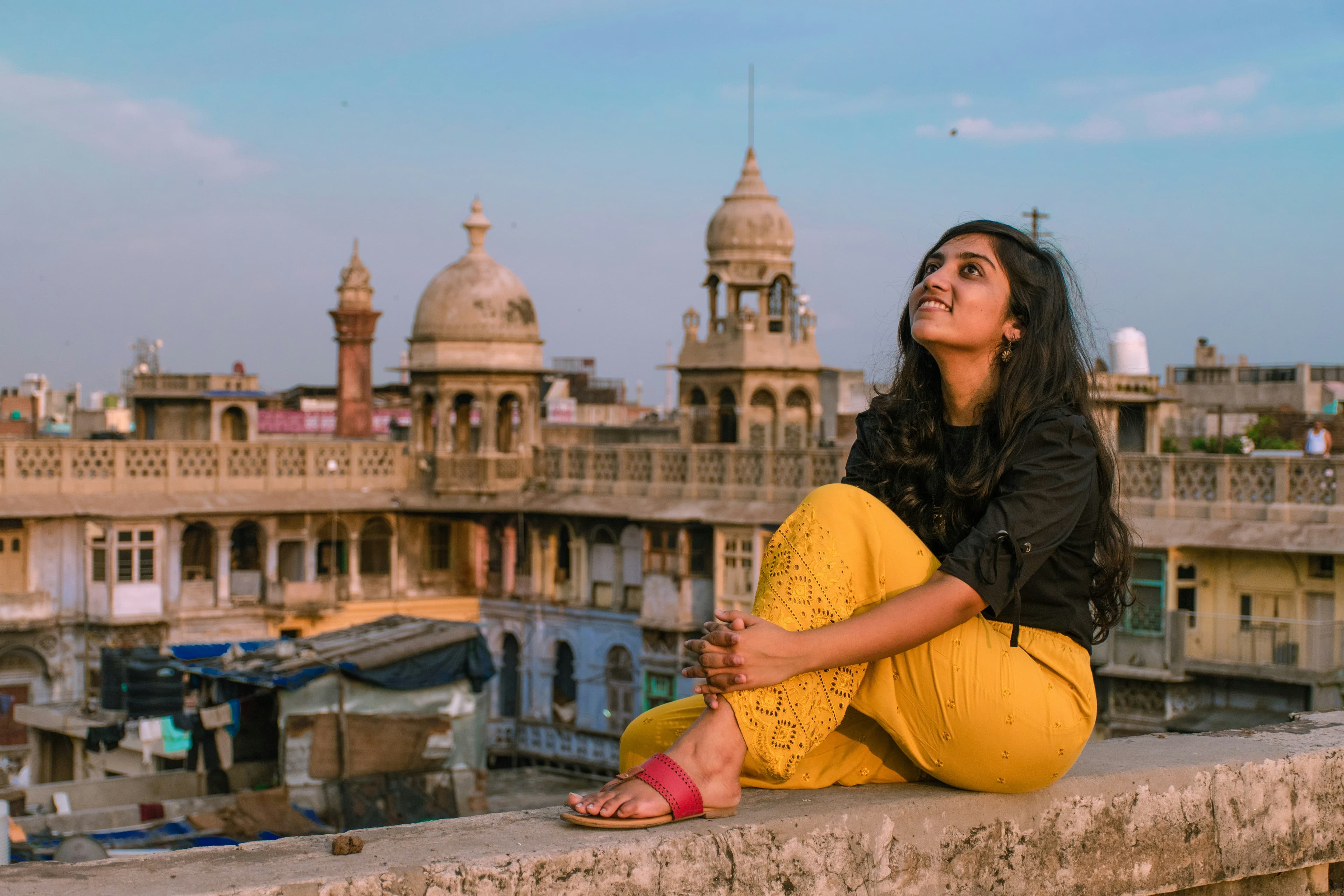
Image via unsplash
Women-only trips have sorta moved from a niche idea into a well defined category in Indian tourism, led by travelers across different age groups who are now picking companionship and shared expectations rather than going fully solo on their own, or else, accepting some mixed-group compromise. A bit of the momentum also comes from a wider shift, like women are treating travel as a kind of agency and self-directed time, not just an extension of family duty or couple travel. And yes, heritage heavy itineraries , they really pull in the culturally curious crowd-especially folks in their thirties through sixties, who seem to want meaning not just movement.
The format also kind of solves a very practical concern for international visitors. Metro systems in cities like Delhi run women-only train carriages, and at the same time many heritage hotels now train staff specifically to host all female groups, social enterprises- like women-run rickshaw collectives in Jaipur- have created whole new, safer ways to experience the old cities. A well designed women-only heritage tour braids these resources together instead of letting a traveler end up discovering everything solo, or without help.
What to Expect on a Women-Only Heritage Tour
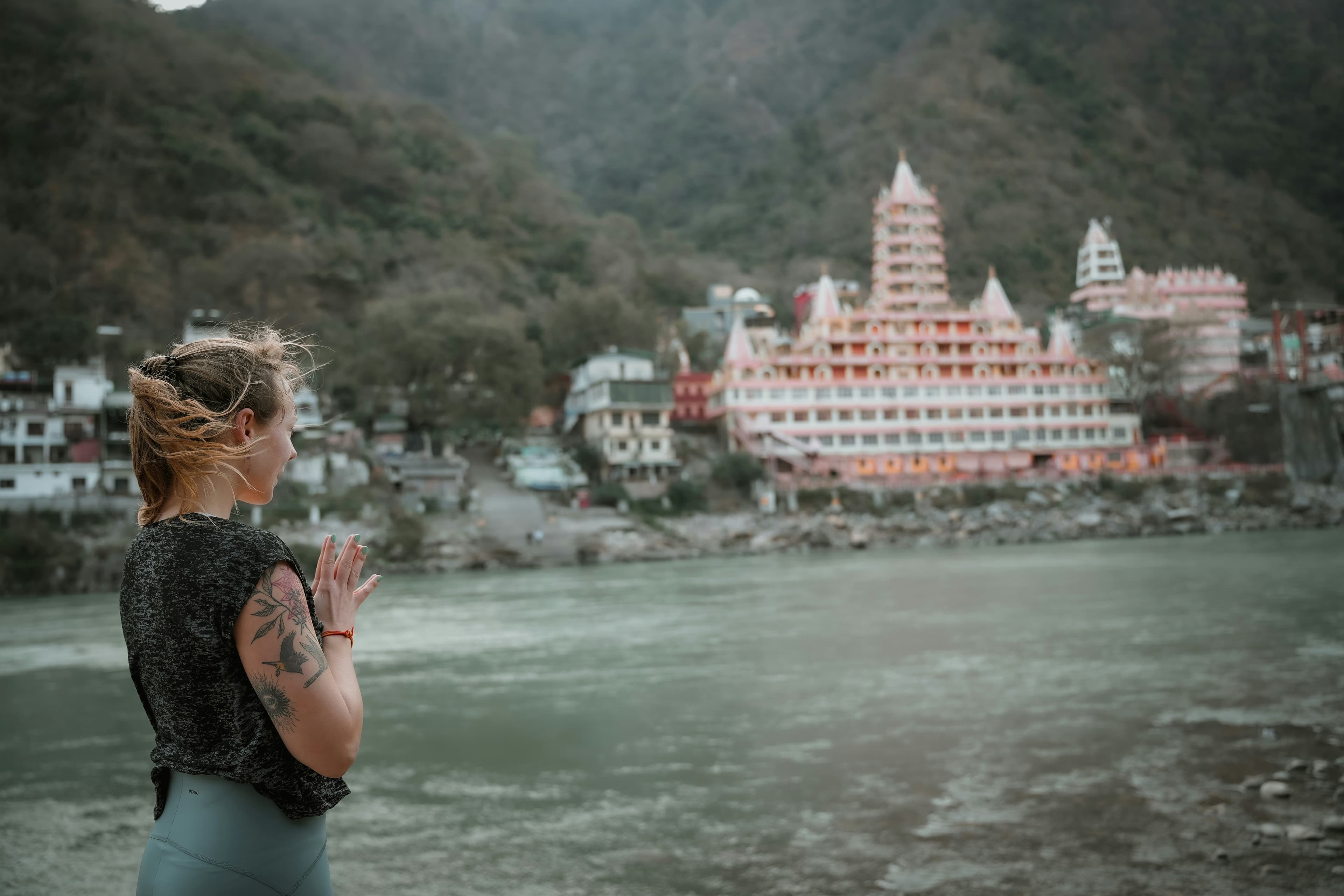
Image via unsplash
Group Size and Pace
Expect small groups, private air-conditioned transfers, and a relaxed pace - no checklist sprint. Most operators include free time for markets, spas, or simply resting after a day of fort climbing.
Accommodation
Heritage havelis, palace hotels, luxury properties - and occasional village homestays or desert camps. Twin-share with single supplement for privacy.
Local Guides and Hosts
Top women-only tours feature authentic local connections - female guides, family-hosted dinners, and women-led craft cooperatives. These are the moments travelers remember longest.
Safety Structure
Expect a private driver, 24/7 support, vetted stops, and a welcome briefing on customs. It won't replace common sense, but it removes many surprises that make first-time India travel daunting.
What to Wear in India: A Practical Guide for Women
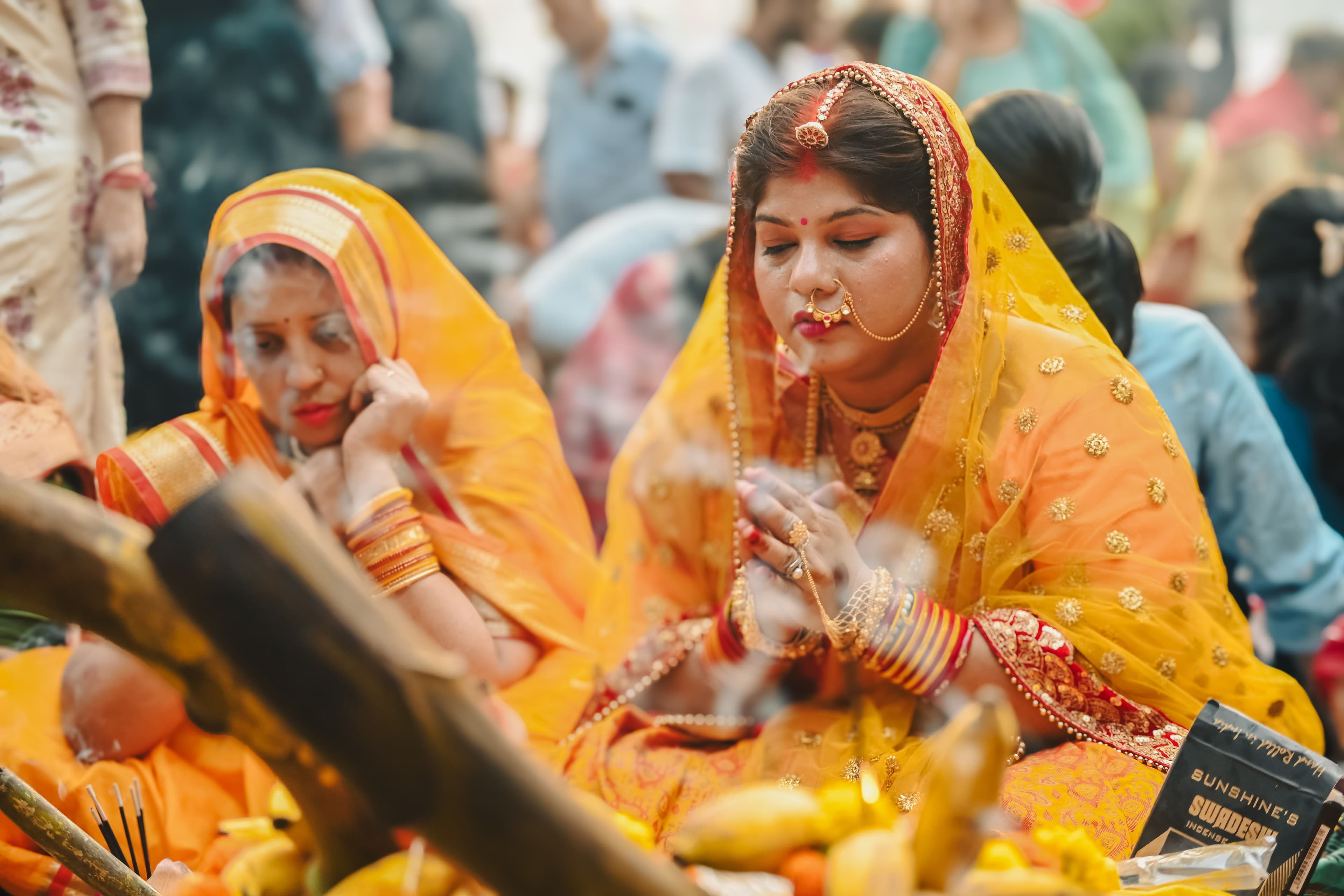
Image via pexels
The General Rule
Loose breathable clothing that covers the shoulders and reaches at least to the knee works pretty much everywhere in India, from big cities down to smaller heritage towns.
Temples, Mosques, and Gurdwaras
Cover your shoulders and also your knees , without exception, and bring along a large scarf or dupatta, that you can use sort of as a head covering too.
City Versus Countryside
Cities and beaches are more flexible, but smaller towns and rural areas expect modest dressing. When unsure, err on the side of covering up.
Evenings and Luxury Settings
Heritage hotels and upscale restaurants often welcome elegant options like a nice kurta set that’s well put together, a modest dress, or even a sari for that special dinner.
Cultural Etiquette for Women Travelers in India
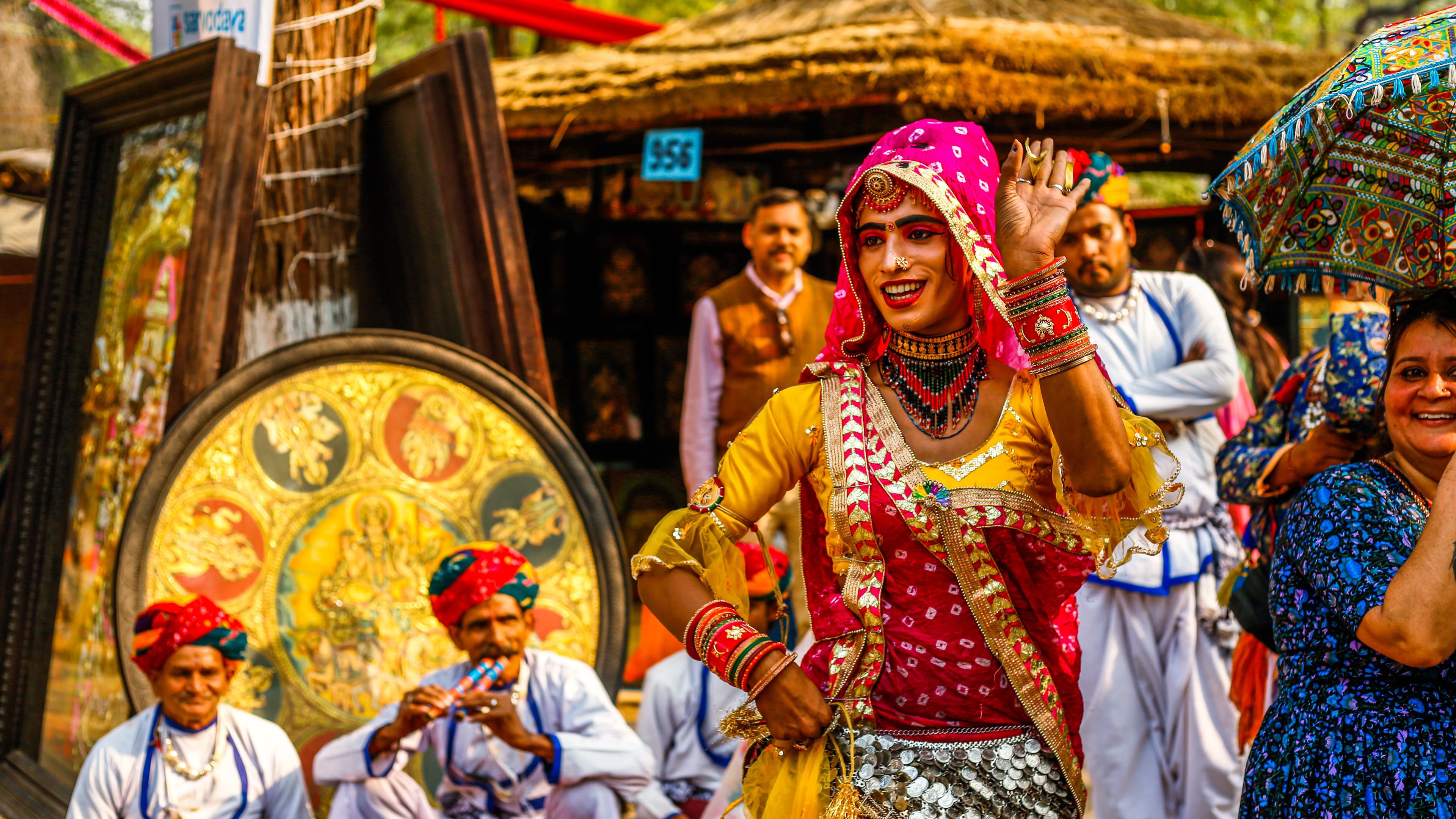
Image via pexels
Beyond clothing, a few etiquette habits go quite a ways, honestly. When you arrive, greet with a small nod, and if someone offers a greeting, you can use “Namaste” , palms together, rather than just assuming a handshake-especially around older men in traditional settings. Public displays of affection aren’t really common and they might pull extra eyes, particularly at religious sites. Also, ask permission before you photograph people, and this matters a lot for women in rural areas , or if you are at religious ceremonies.
How to Prepare Before You Go
Visa and Documents
International travelers require an e-Visa - apply online and check processing times. Keep physical and digital copies of all key documents.
Health Preparation
Visit a travel clinic 6–8 weeks before for vaccinations and malaria advice. Pack a health kit, and drink only bottled or filtered water - don't wait for signs of dehydration.
Money and Connectivity
Cards work in cities, cash in smaller towns - keep rupees for tips and shopping. Get a local SIM on arrival to stay connected.
A Conversation With Your Operator
Enquire about group size, rooming options, physical demands, and emergency support. Quick, clear answers signal a trustworthy women-only operator.
Best Time to Visit
October to March
cool, dry weather (15–27°C) across Delhi, Agra, Jaipur, and Rajasthan. Perfect for fort and palace walks.
April to June
often exceeds 40°C. Not recommended for long outdoor heritage walks
July to September
high humidity and occasional flooding. Avoid unless you're prepared for rain.
Suggested 7-Day Heritage Itinerary
Delhi
Arrive and settle in. Evening welcome dinner and briefing with your tour manager covering the week ahead, local customs, and safety essentials.
Delhi
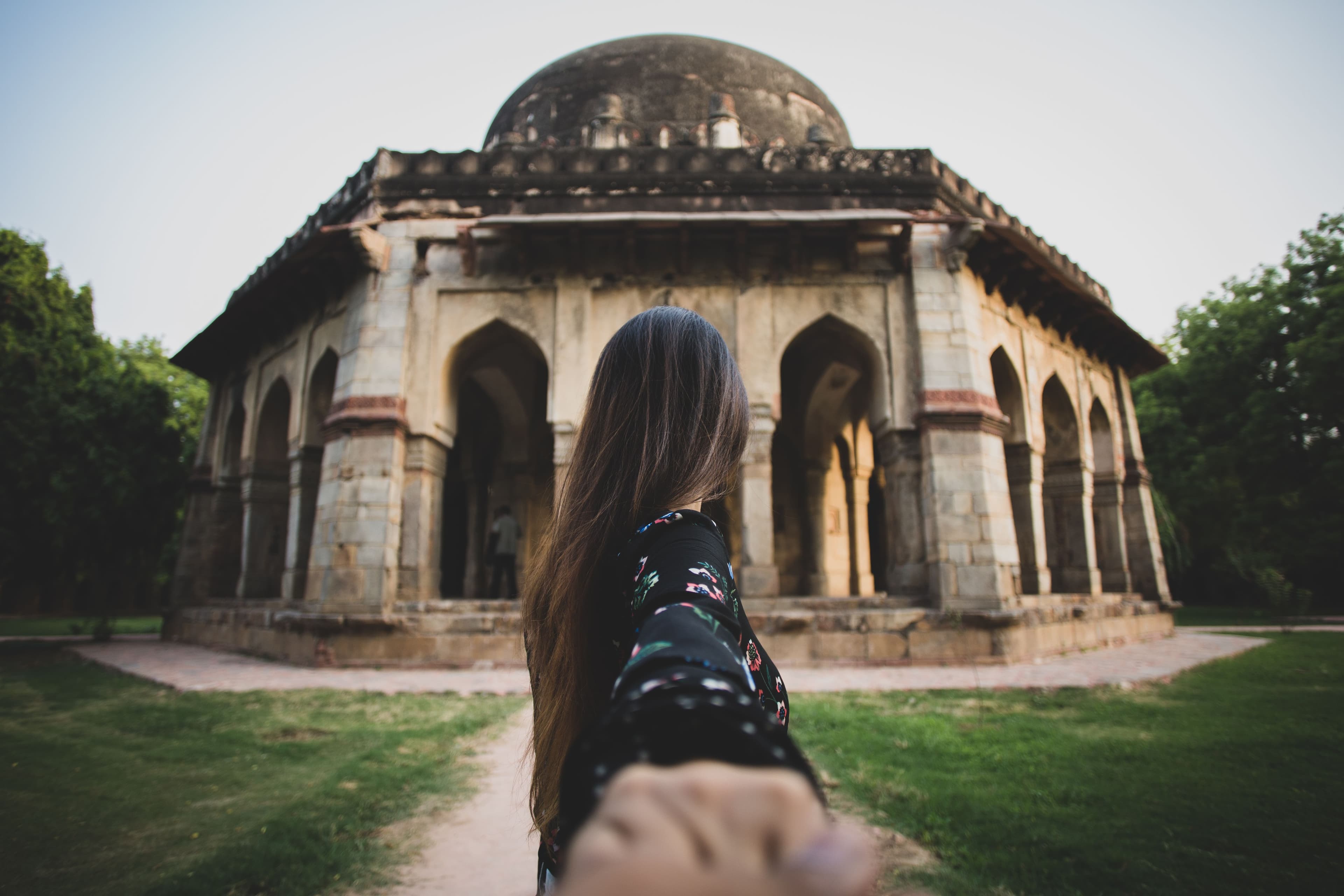
Old Delhi on foot and by cycle rickshaw through Chandni Chowk, Jama Masjid, and a Sikh gurdwara; New Delhi's India Gate and Humayun's Tomb in the afternoon.
Agra
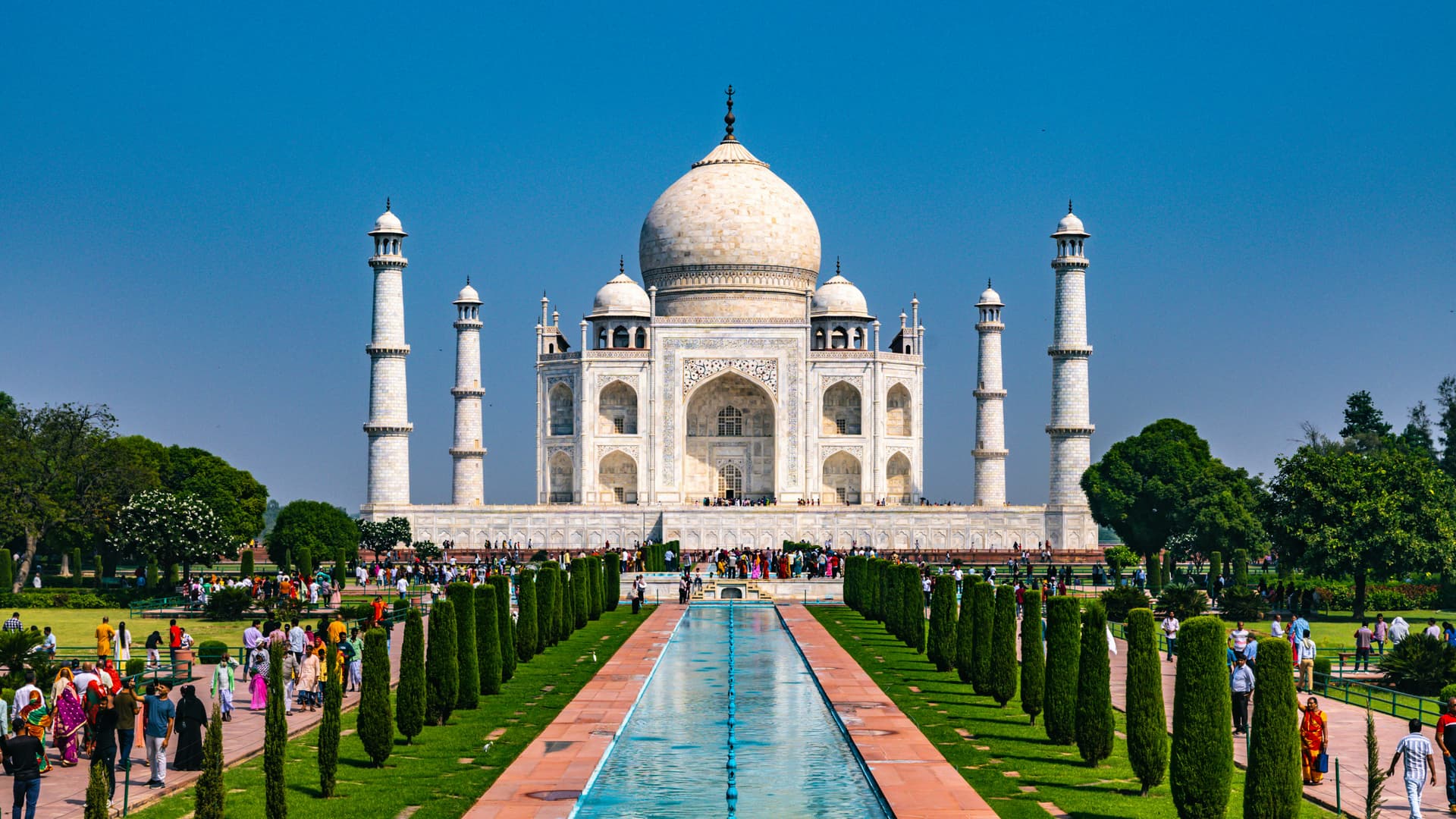
Drive or take the express train to Agra. Visit the Taj Mahal at sunset and Agra Fort, a UNESCO World Heritage Site and one of the finest surviving examples of Mughal military architecture.
Agra to Jaipur
Early Taj Mahal sunrise visit, then travel to Jaipur, stopping at Fatehpur Sikri en route.
Jaipur
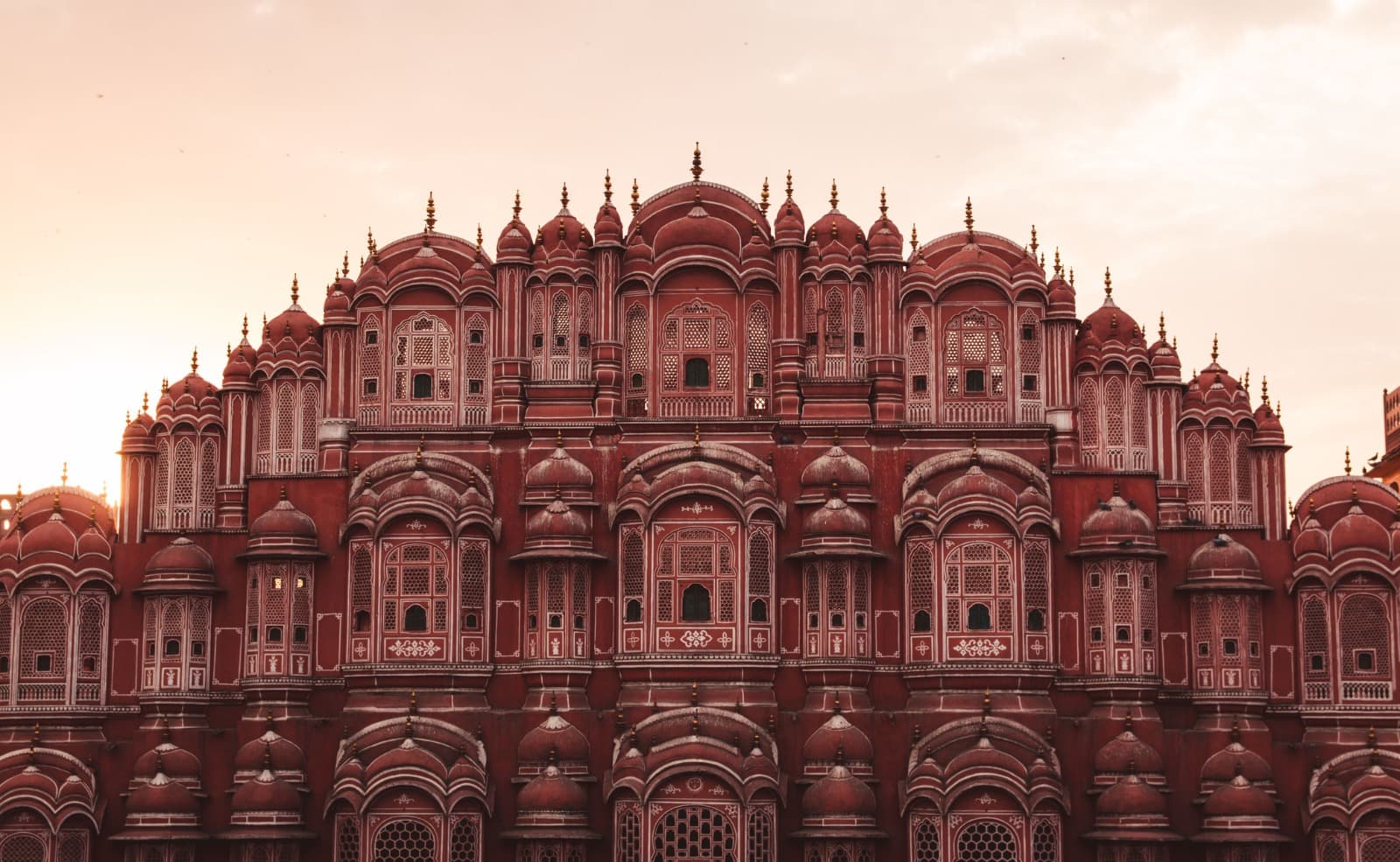
Amber Fort by morning light, the City Palace, Jantar Mantar observatory, and an e-rickshaw ride through the Old City with a women-run rickshaw collective.
Jaipur to Udaipur
Travel onward; free afternoon for spa time, a cooking class, or independent exploration of Udaipur's lakes and palaces.
Udaipur Departure
Morning boat ride on Lake Pichola past the City Palace, farewell lunch, and transfer for departure.
Luxury Travelers
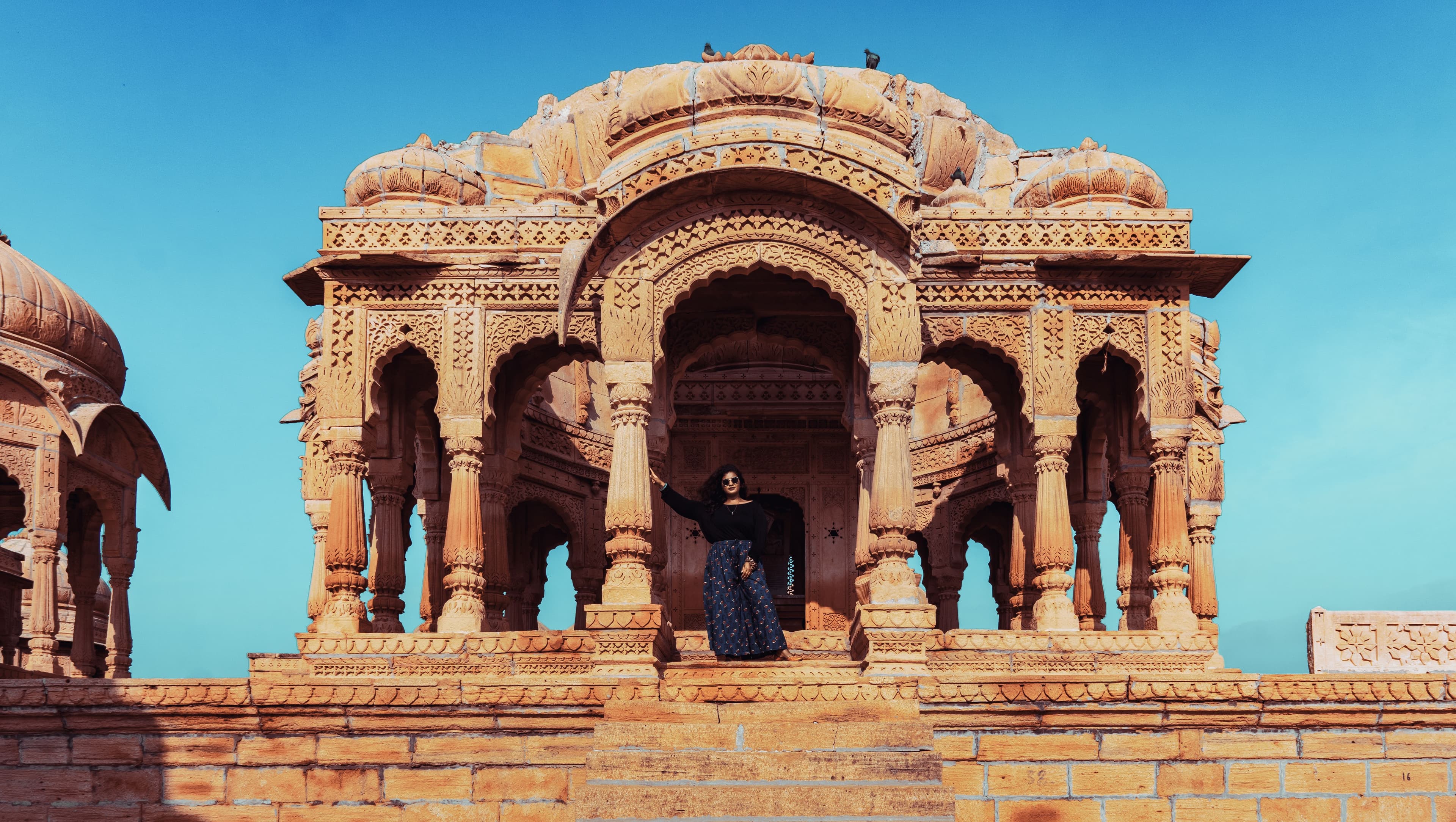
Image via pexels
BTry to ask, in a very direct way, about heritage palace hotel upgrades lots of those ex royal residences in Udaipur, Jodhpur, and Jaipur now run as five star places. Also request a private guide at each major stop, instead of tagging along with a shared group tour, because it gives you a lot more freedom for pacing ,and for taking photos when you actually want to, not when the schedule says so
Practical Travel Guide
A little preparation goes a long way. Here's everything you should know before joining a women-only heritage tour in India, from visas and transportation to packing advice and photography etiquette.
How to Reach | Major international airlines operate through Delhi (DEL) and Mumbai (BOM), with Delhi serving as the primary gateway for most heritage circuits across North India. Domestic flights and private chauffeur transfers make onward travel between destinations smooth and convenient. |
Entry & Tickets | Most international visitors require an e-Visa before arrival. Monument tickets such as the Taj Mahal, Agra Fort and Amber Fort are best booked online or arranged through your tour operator to avoid long queues during peak travel seasons. |
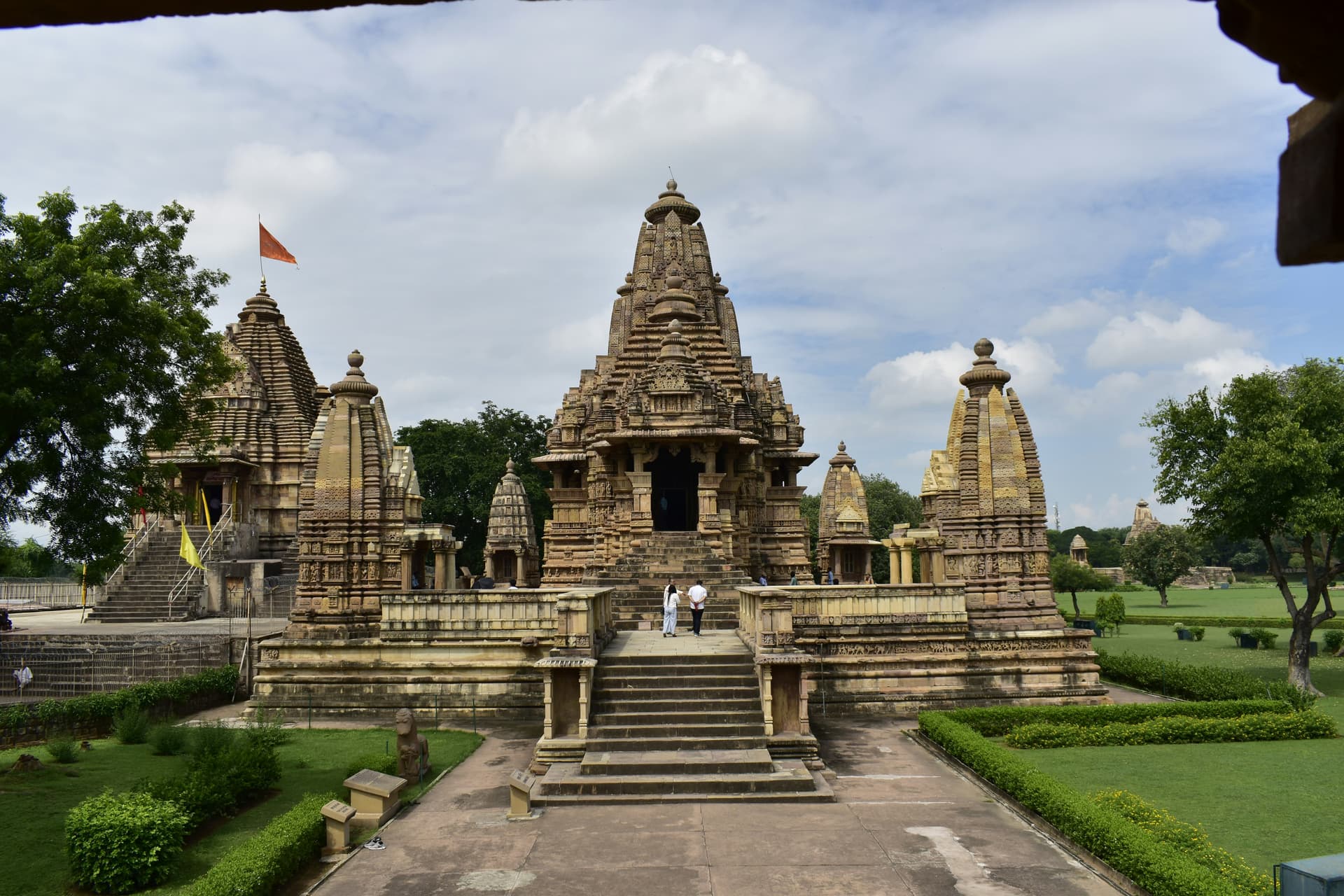
Suggested Duration | A journey of 7–10 days comfortably covers Delhi, Agra, Jaipur and Udaipur. Travelers with additional time can extend their itinerary to Varanasi, Khajuraho or South India for a more immersive cultural experience. |
Budget Estimate | Luxury women-only heritage tours generally fall within the mid-to-high four-figure USD range for a week-long itinerary. Packages typically include private transportation, heritage accommodation, expert-guided sightseeing and most meals. |
Safety Tips | Store valuables inside hotel safes, travel only with vetted drivers arranged by your operator, avoid walking alone late at night in unfamiliar areas, and keep your tour manager's contact details readily available throughout your journey. |
Packing Tips | Pack lightweight layers for changing temperatures, comfortable walking shoes, a portable charger, sunscreen, reusable water bottle and a light scarf for religious sites and cooler evenings. |
Photography Tips | Early mornings offer the best lighting at monuments such as the Taj Mahal and Amber Fort while also avoiding crowds. Always ask permission before photographing local people, especially during religious ceremonies or in rural communities. |
How to Reach
Major international airlines operate through Delhi (DEL) and Mumbai (BOM), with Delhi serving as the primary gateway for most heritage circuits across North India. Domestic flights and private chauffeur transfers make onward travel between destinations smooth and convenient.
Entry & Tickets
Most international visitors require an e-Visa before arrival. Monument tickets such as the Taj Mahal, Agra Fort and Amber Fort are best booked online or arranged through your tour operator to avoid long queues during peak travel seasons.
Suggested Duration
A journey of 7–10 days comfortably covers Delhi, Agra, Jaipur and Udaipur. Travelers with additional time can extend their itinerary to Varanasi, Khajuraho or South India for a more immersive cultural experience.
Budget Estimate
Luxury women-only heritage tours generally fall within the mid-to-high four-figure USD range for a week-long itinerary. Packages typically include private transportation, heritage accommodation, expert-guided sightseeing and most meals.
Safety Tips
Store valuables inside hotel safes, travel only with vetted drivers arranged by your operator, avoid walking alone late at night in unfamiliar areas, and keep your tour manager's contact details readily available throughout your journey.
Packing Tips
Pack lightweight layers for changing temperatures, comfortable walking shoes, a portable charger, sunscreen, reusable water bottle and a light scarf for religious sites and cooler evenings.
Photography Tips
Early mornings offer the best lighting at monuments such as the Taj Mahal and Amber Fort while also avoiding crowds. Always ask permission before photographing local people, especially during religious ceremonies or in rural communities.
Why Choose India Heritage Travel
Every women-only itinerary from India Heritage Travel, is built around the little details that make or break a first trip to India: you get a private chauffeur assigned for your entire journey, and yes it stays that way the whole time, not just for a day or two. The plan itself is customized around your pace and interests, rather than following some fixed template. You’ll also find curated stays in genuine heritage palaces and havelis, the kind that feel lived-in, not staged. Plus expert local guides , many of them women, show up at every major site so you’re never left figuring things out on your own.
Frequently Asked Questions
Yes, when structured well. Small groups, a private driver for the full journey, vetted heritage accommodation, and a local emergency contact are what make women-only heritage tours meaningfully safer than independent travel, particularly for first-time visitors.
Cover your shoulders and knees, remove your shoes before entering, and carry a scarf that can serve as a head covering - required at Sikh gurdwaras and appropriate at many temples and mosques.
Premium heritage-focused tours usually keep groups small, often between eight and fourteen travelers, to preserve access and pacing at palaces, forts, and artisan workshops.
October through March, when daytime temperatures across Delhi, Agra, and Rajasthan are cool and comfortable and major festivals like Diwali, the Pushkar Camel Fair, and Holi fall within the season.
Not necessarily - most reputable operators, including India Heritage Travel, offer a single-supplement option for travelers who prefer full privacy.
Most international travelers need an e-Visa arranged in advance, along with a passport valid well beyond your travel dates, travel insurance, and copies of your tour vouchers.
Planning a Women-Only Heritage Tour in India?
India Heritage Travel creates safe, enriching women-only heritage journeys across India's iconic landmarks, royal palaces, and spiritual sites, guided by expert female tour leaders for a truly comfortable experience.
Plan My Women-Only Heritage Tour