Introduction - Where Stone Becomes a Philosophy
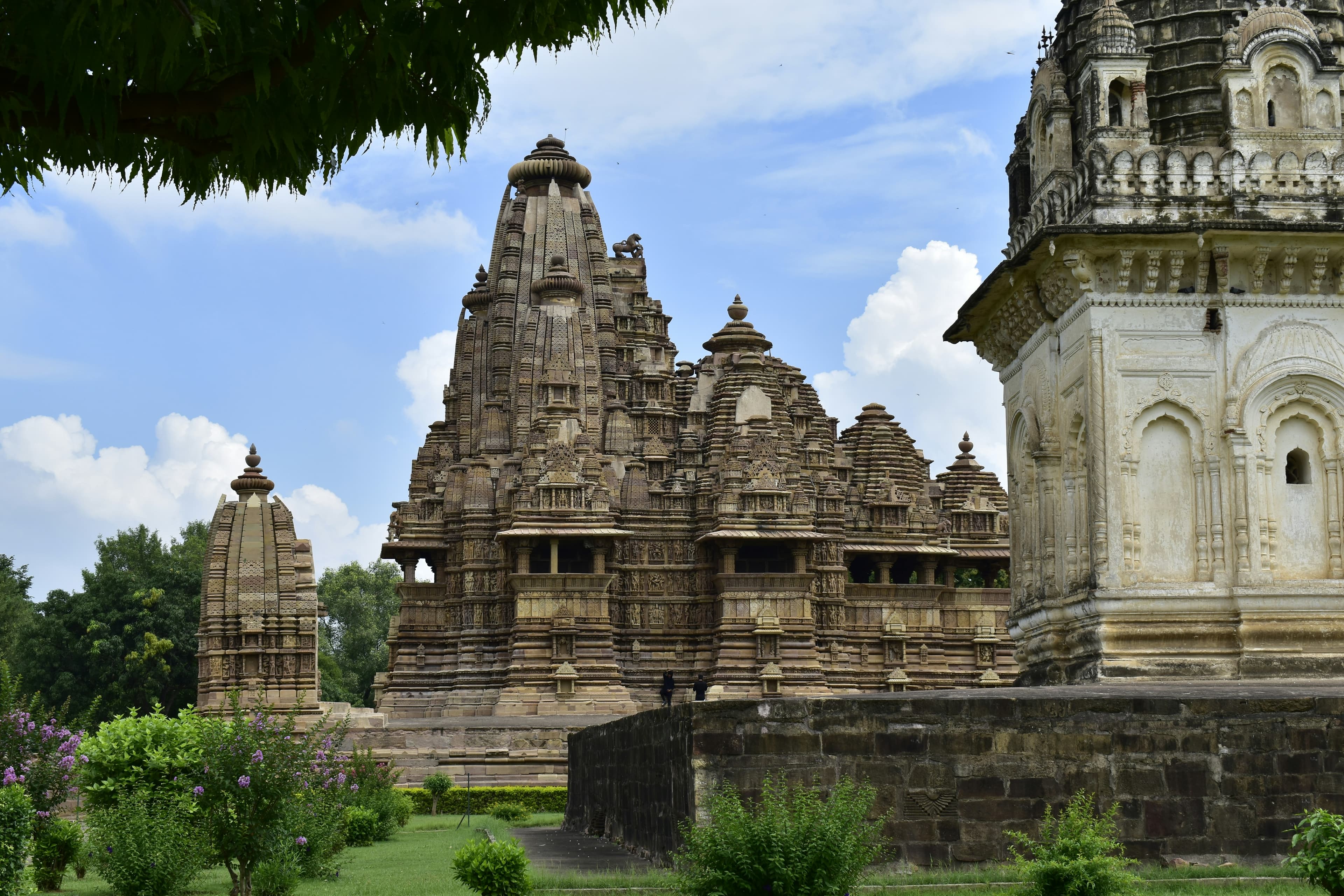
There is a moment at Khajuraho, usually in the early morning when the light falls at an angle across the carved sandstone walls, when you stop trying to understand what you are looking at and simply surrender to the fact that you are in the presence of something transcendent.
via unsplash
Khajuraho is one of those rare places - in India or anywhere - that showcases human artistic vision at its peak. Created by the Chandela rulers from 950 to 1050 CE, the temples are not just monuments but a profound cosmic idea made tangible in sandstone. While famously associated with erotic sculpture, that's only a fragment. The temples are rich with gods, celestial beings, scenes of life, and intricate symbolism that resonate quietly but deeply. This guide is designed for travellers who want to understand Khajuraho's history, architecture, and meaning - not merely tick it off a list.
History & Origins - The Chandela Dynasty and a City of Temples
via unsplash
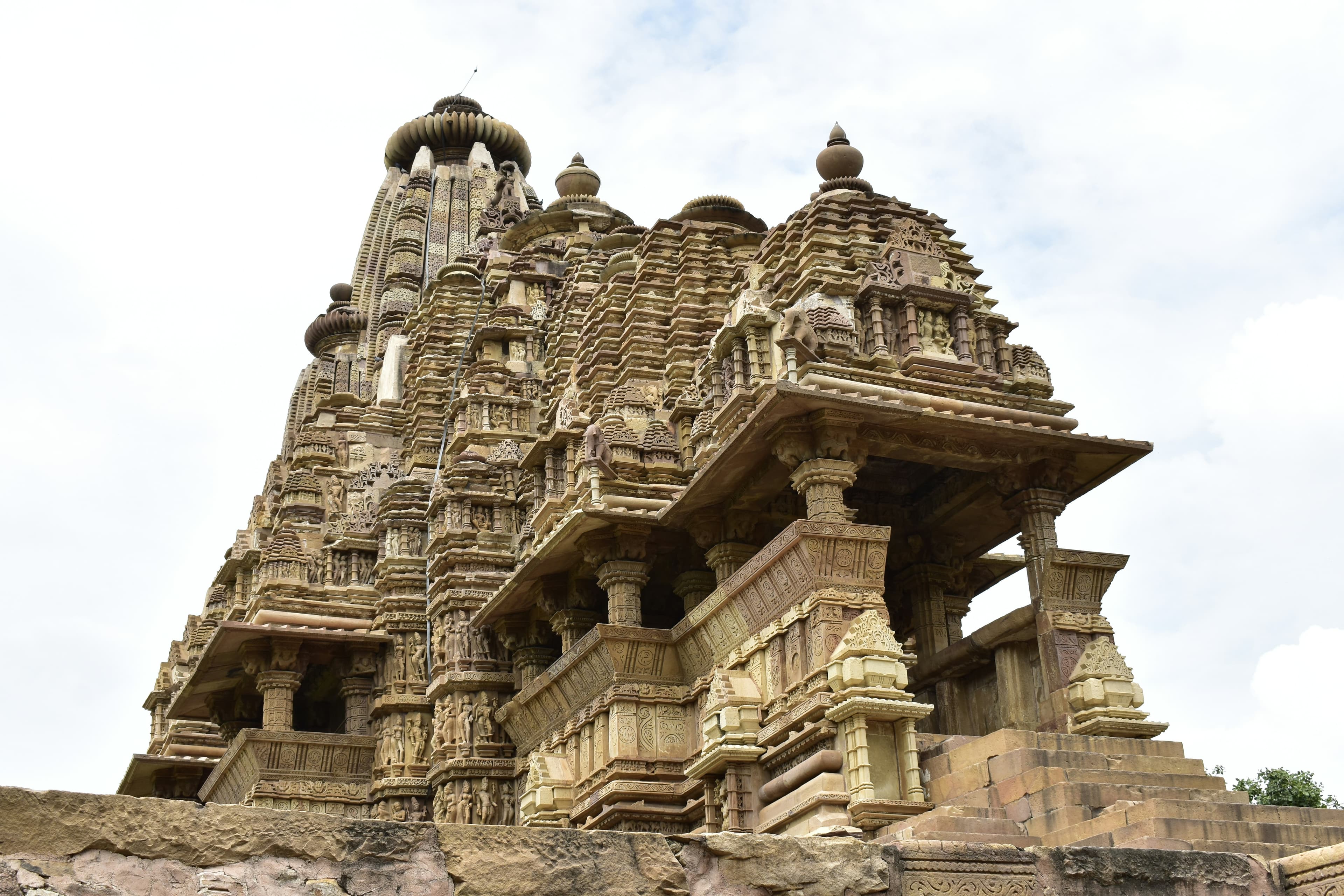
The story of Khajuraho begins with a legend, as the finest Indian stories often do. According to the Chandela origin myth, the dynasty was founded through a union between the Moon God Chandra and Hemavati, the daughter of a Brahmin priest. Their son, Chandravarman, became the first Chandela king - and the dynasty that bore his lineage would go on to rule a significant portion of central India for four centuries.
At first the place held about 85 temples. Today only 25 remain, the rest were worn down by time, weather and the invasions linked to Mahmud of Ghazni in the early 11th century. Even after that the surviving temples basically slipped out of the wider world for a few centuries. Their existence stayed in a kind of quiet note, only seen in the observations of the medieval traveller Abu Rihan Al-Biruni and the diaries of Ibn Battuta. It was only in 1838 that a British army officer, T.S. Burt, rediscovered the site while surveying the region, and then Khajuraho was pulled back into global attention again.
Architecture - The Grammar of Nagara Stone
via unsplash
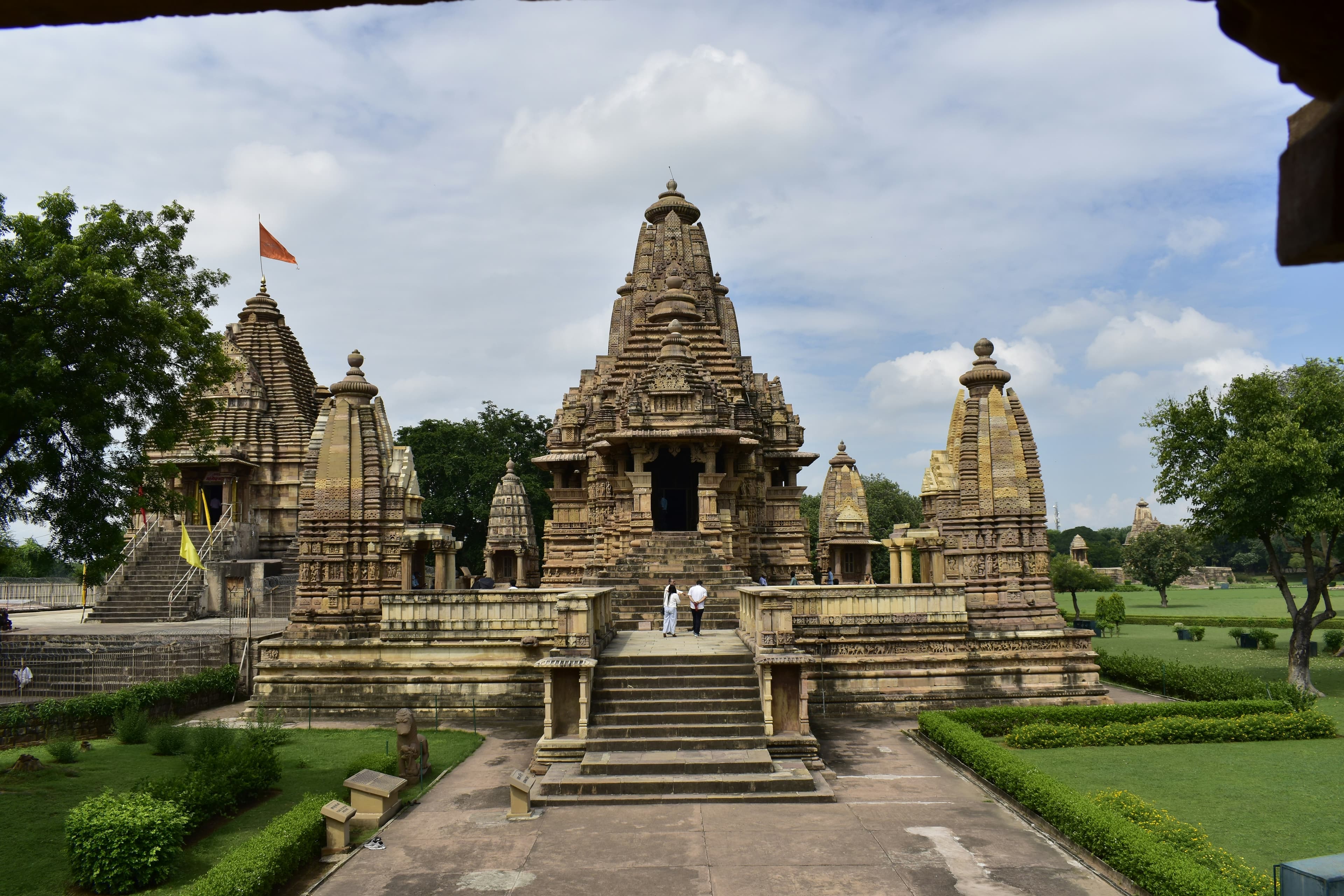
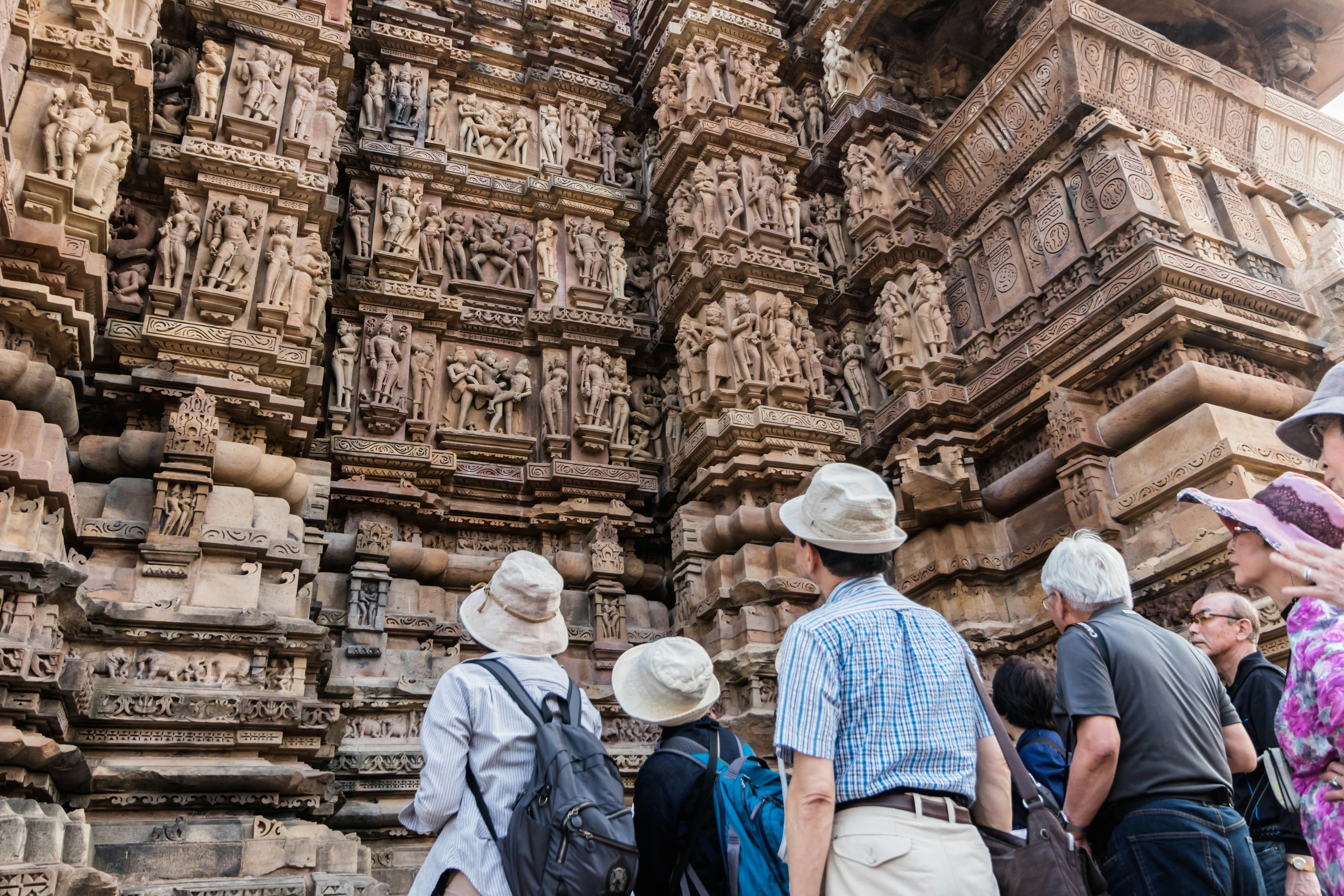
KKhajuraho represents one of the finest expressions of North Indian Nagara temple architecture, known for its soaring curvilinear shikharas that climb toward a single bright point - a reference to Mount Meru, the cosmic axis in Hindu cosmology. What distinguishes these temples is their layered design and strong vertical movement. Each temple begins on a raised jagati platform, then unfolds through projecting porches and mandapas before reaching the sacred garbhagriha beneath the central shikhara. The progression pulls your gaze - and your inner sense - upward, until you meet the ribbed amalaka and the finial on top. It feels like a guided architectural journey from earth to the divine.
Key Architectural Features
Sandstone Construction
The temples are built from locally quarried buff-coloured sandstone, giving Khajuraho its distinctive golden-honey glow, especially during sunrise and sunset.
Exterior Sculpture Bands
The outer walls are arranged into carefully organised sculptural bands depicting deities, celestial beings, musicians, warriors, animals, and the famous mithuna figures.
Miniature Shikharas
The main tower is surrounded by smaller interconnected spires, creating the impression of a sacred mountain rising organically toward the heavens.
Interior Carving
Ceilings, pillars, and interior walls are richly decorated with floral motifs, bracket figures, sacred imagery, and intricate ornamental details.
Major Attractions - The Temples in Detail
Kandariya Mahadeva Temple - The Pinnacle
via wikipedia
Kandariya Mahadeva Temple - The Pinnacle
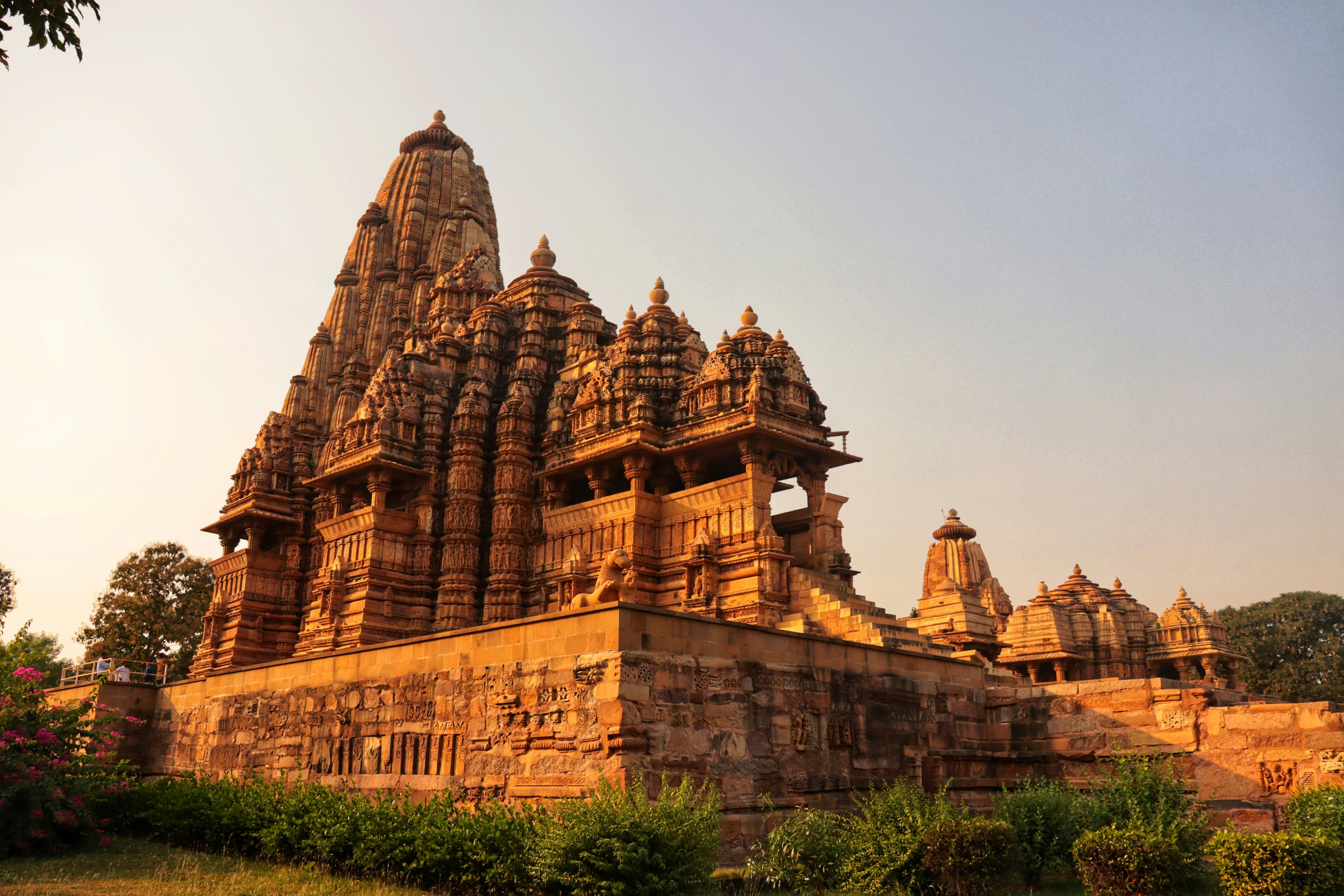
Kandariya Mahadeva is Khajuraho's largest and tallest temple, built by King Vidyadhara in the early 11th century. Rising 31 metres, its shikhara is flanked by 84 subsidiary towers, creating remarkable architectural complexity.
Lakshmana Temple - The Early Masterpiece
via wikipedia
Lakshmana Temple - The Early Masterpiece
Lakshmana Temple, built by King Yashovarman around 954 CE, is the earliest complete temple in the Western Group. It exemplifies the pancharatha plan, with rich carvings and a remarkable three-headed Vishnu inside.
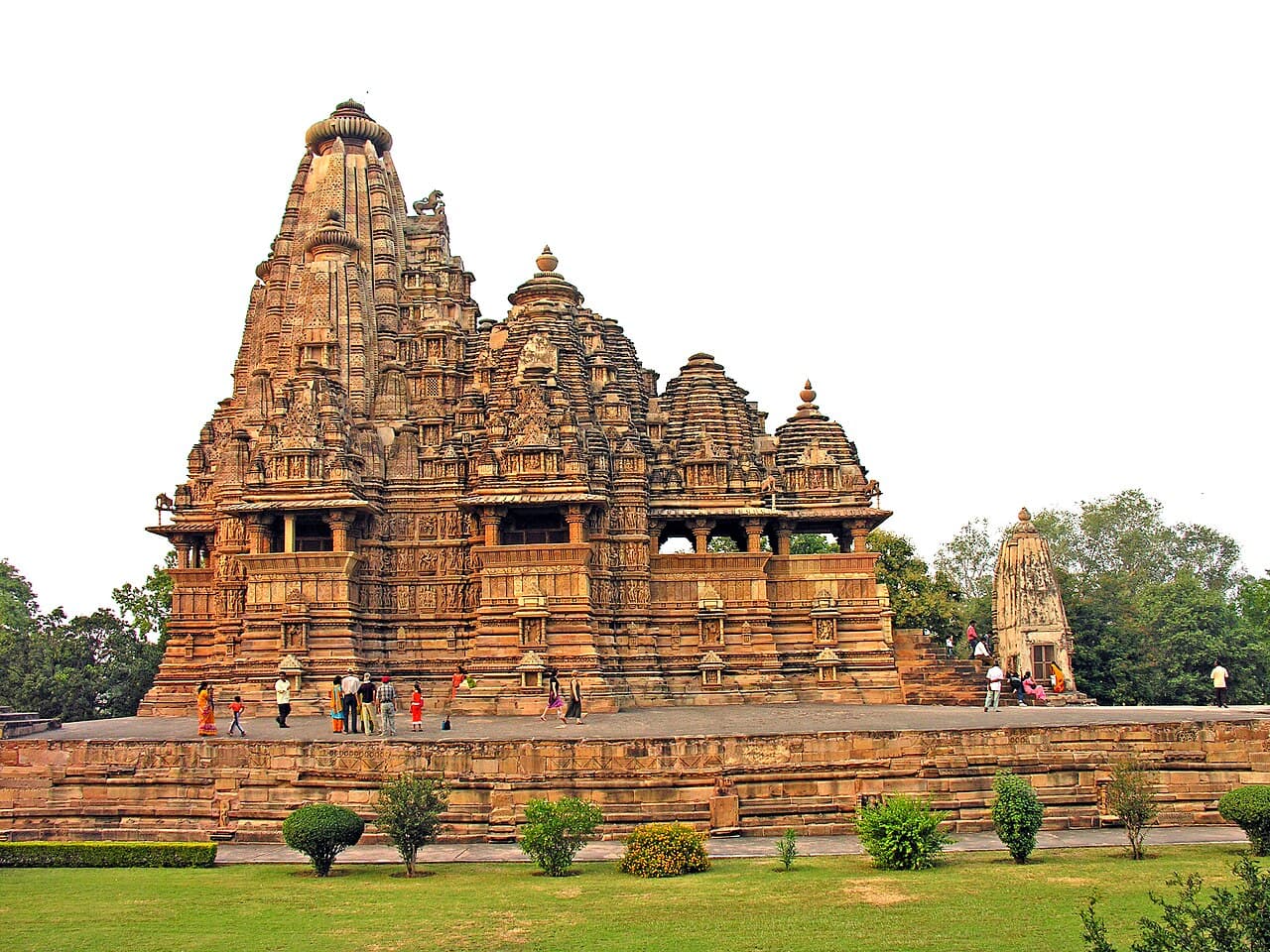
Vishvanatha Temple - The Shiva Shrine
via wikipedia
Vishvanatha Temple - The Shiva Shrine
King Dhangadeva built the Vishvanatha Temple around 1002 CE, dedicated to Shiva with a fine linga inside. The outer friezes are renowned for their apsara figures celestial dancers who appear elsewhere at Khajuraho but here achieve a unique, sensuous refinement.
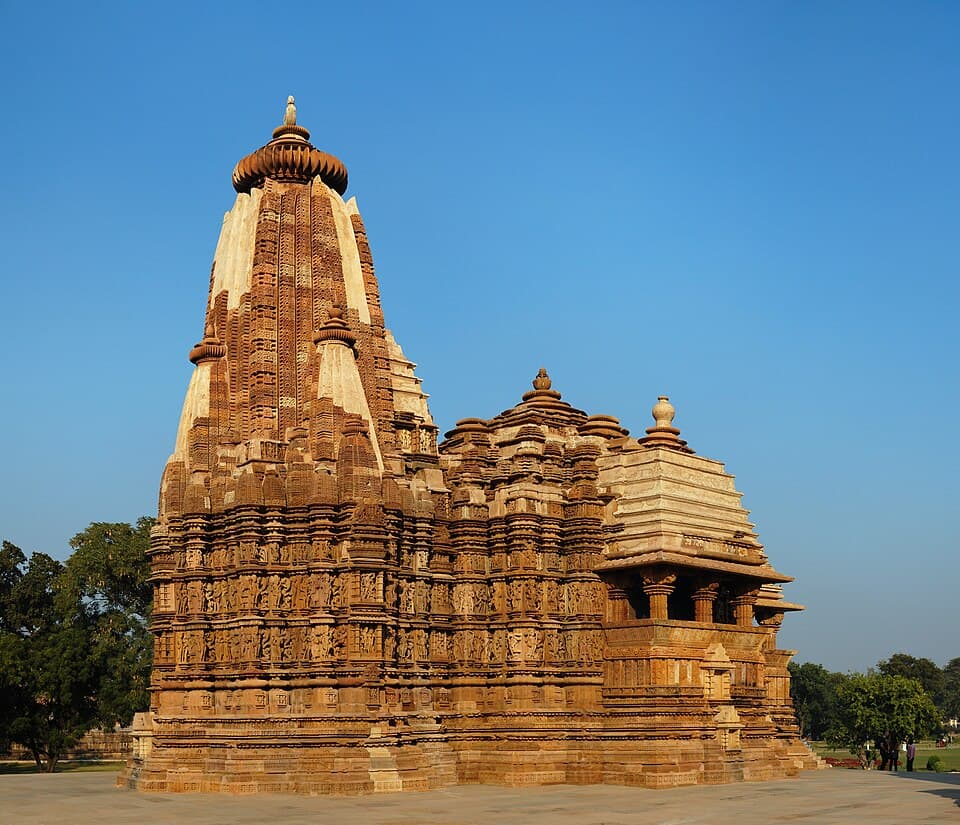
Devi Jagadambi Temple
via wikipedia
Devi Jagadambi Temple
Originally Vishnu-dedicated, later converted to a goddess shrine, the Devi Jagadambi Temple features some of Khajuraho's finest carvings including the iconic celestial beauty applying kajal, a remarkably lifelike figure.
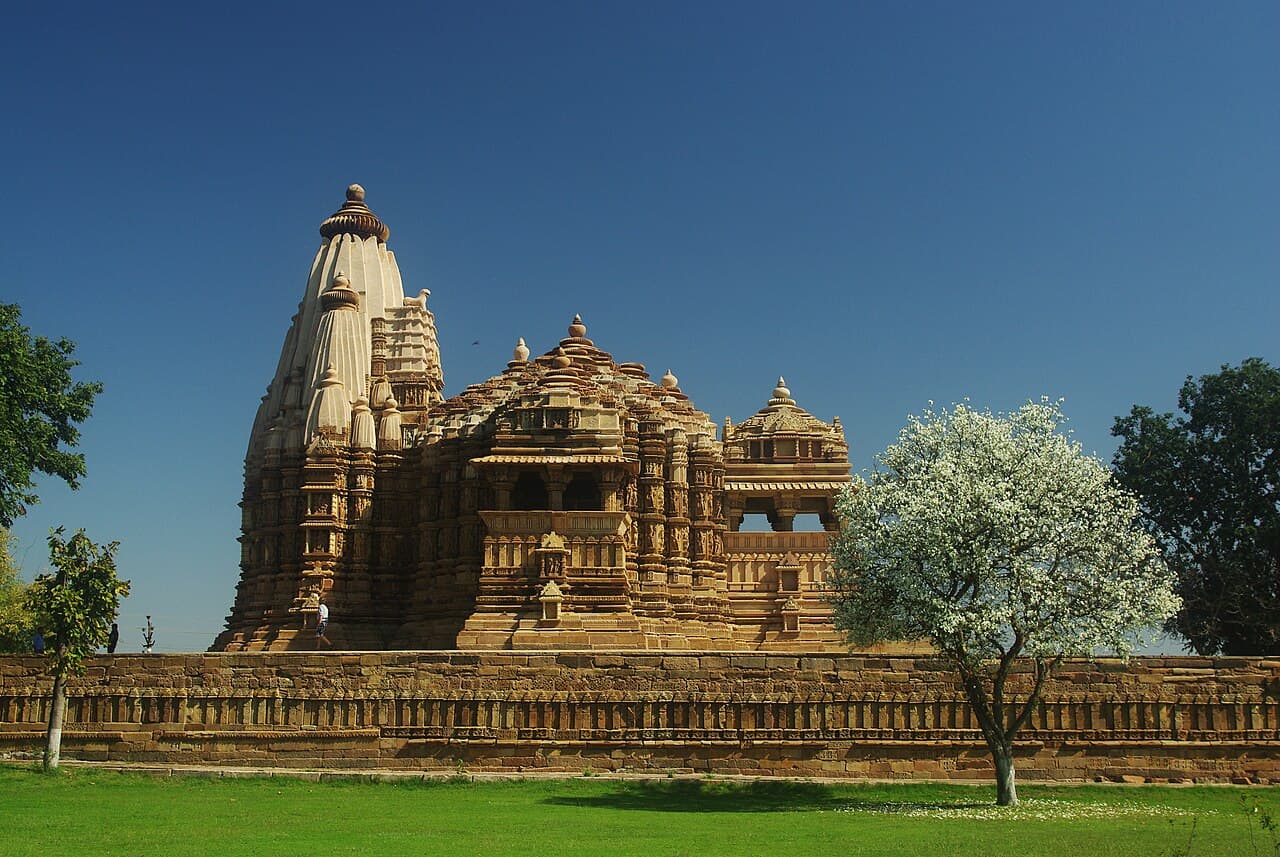
Chitragupta Temple - The Sun God's Shrine
via wikipedia
Chitragupta Temple - The Sun God's Shrine
The only temple at Khajuraho dedicated to Surya, the Chitragupta Temple features a five-foot solar chariot image one of the finest Chandela sculptures. Its exterior frieze of a hunting scene, with horses and warriors, provides a lively window into courtly life.
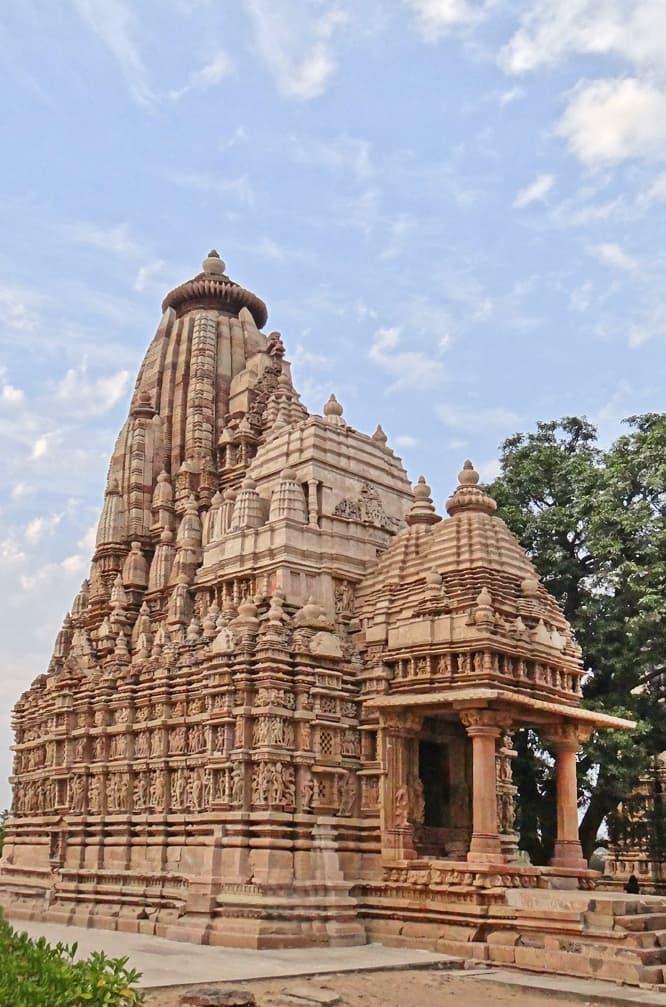
Parsvanatha Temple, Eastern Group - A Hidden Masterpiece
via wikipedia
Parsvanatha Temple, Eastern Group - A Hidden Masterpiece
Many art historians consider the Parsvanatha Temple the most finely carved at Khajuraho. Its apsara sculptures a nymph removing a thorn, applying an anklet, playing with a ball show such acute physical and psychological insight that they rival the best ancient sculpture worldwide.
The Sound and Light Show - An Essential Khajuraho Evening
via unsplash
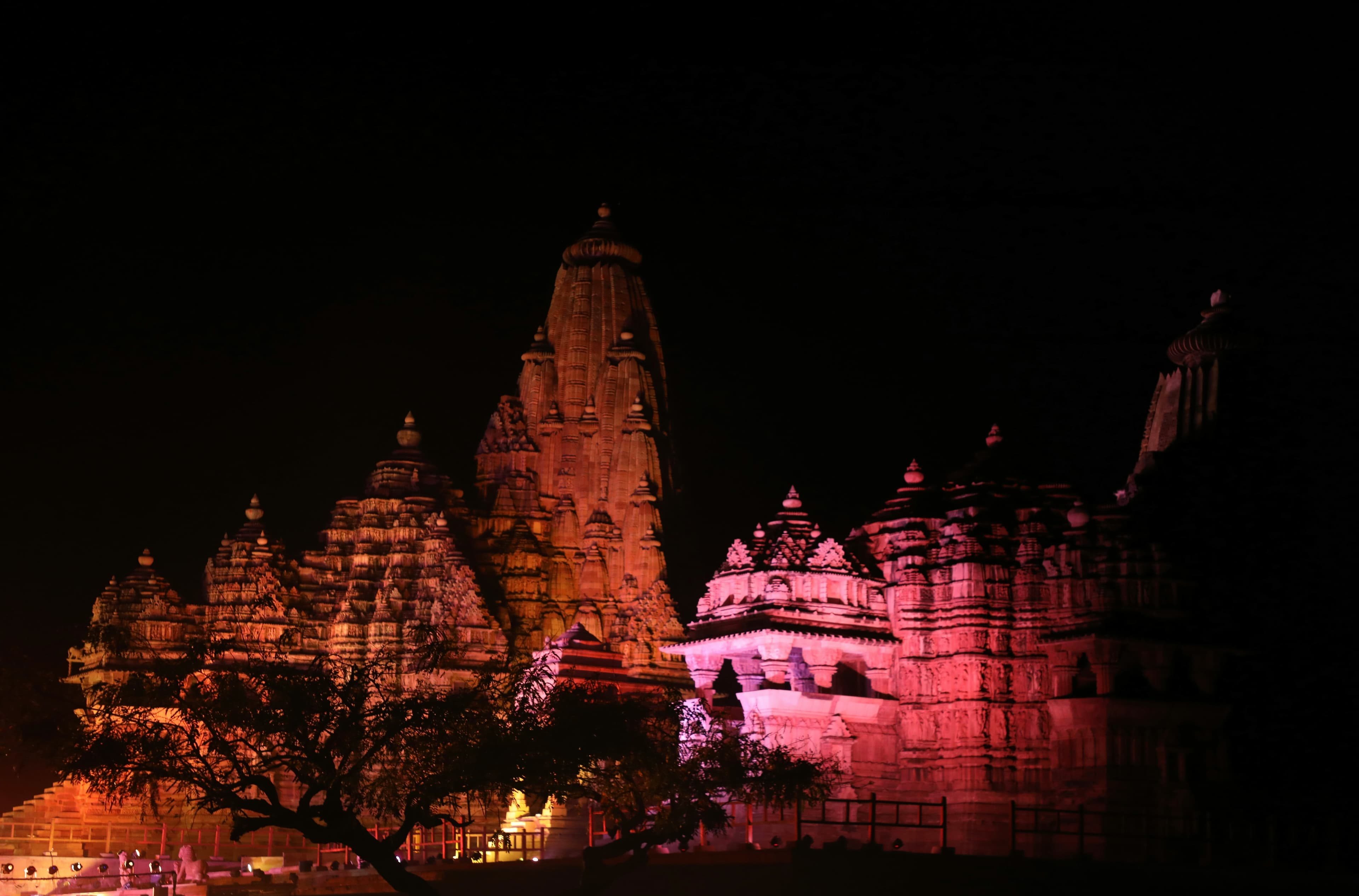
The So this Khajuraho Sound and Light Show, staged each evening in the grounds of the Western Group complex, is basically one of the better ones you can see in India. The narration is voiced by Bollywood legend Amitabh Bachchan, and it goes through the Chandela dynasty , how the temples came up, and what the carvings symbolise too, while the temple facades sort of flicker and glow under coloured lights, really quite dramatic.
Entry Fee
₹250 for Indian nationals
₹700 for foreign visitors
Children under 5 years: Free
Tickets
Available at the venue only. Advance booking is not currently available.
Language Options
Separate English and Hindi shows are available. Confirm timings upon arrival.
Recommended Arrival
Reach at least 30 minutes early during the peak season from October to February.
The Khajuraho Dance Festival - India's Most Beautiful Cultural Event
via wikipedia
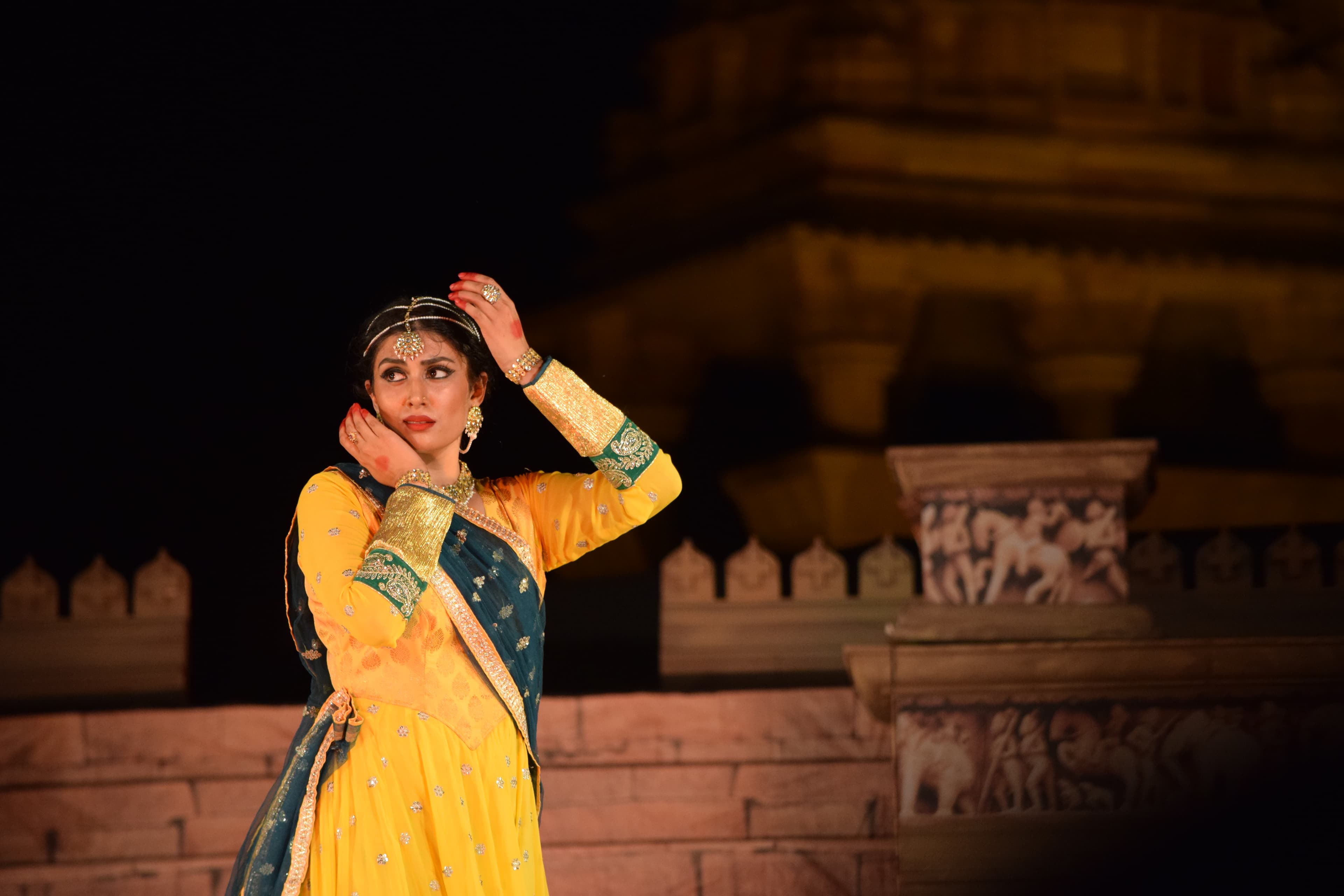
Every year, in late February or early March , Khajuraho puts on one of India’s more celebrated classical dance events the Khajuraho Dance Festival , and it usually runs for six or seven evenings in an open air amphitheatre., it feels less like “just a show” and more like real cultural motion. Like, choreography is there of course, but the mood does half the job even before the first mudra
Festival Dates
Usually held during the last week of February and the first days of March. Exact dates vary each year.
Venue
Open-air amphitheatre at Shilpgram, located close to the Western Group of Temples.
Tickets
Available through Madhya Pradesh Tourism. Popular evenings often sell out, so advance booking is strongly recommended.
Accommodation
Hotels across Khajuraho fill quickly during the festival. Booking accommodation three to four months in advance is highly advisable.
Nearby Attractions - What to Combine with Khajuraho
Panna National Park (30 km)
via wikipedia
Panna National Park (30 km)
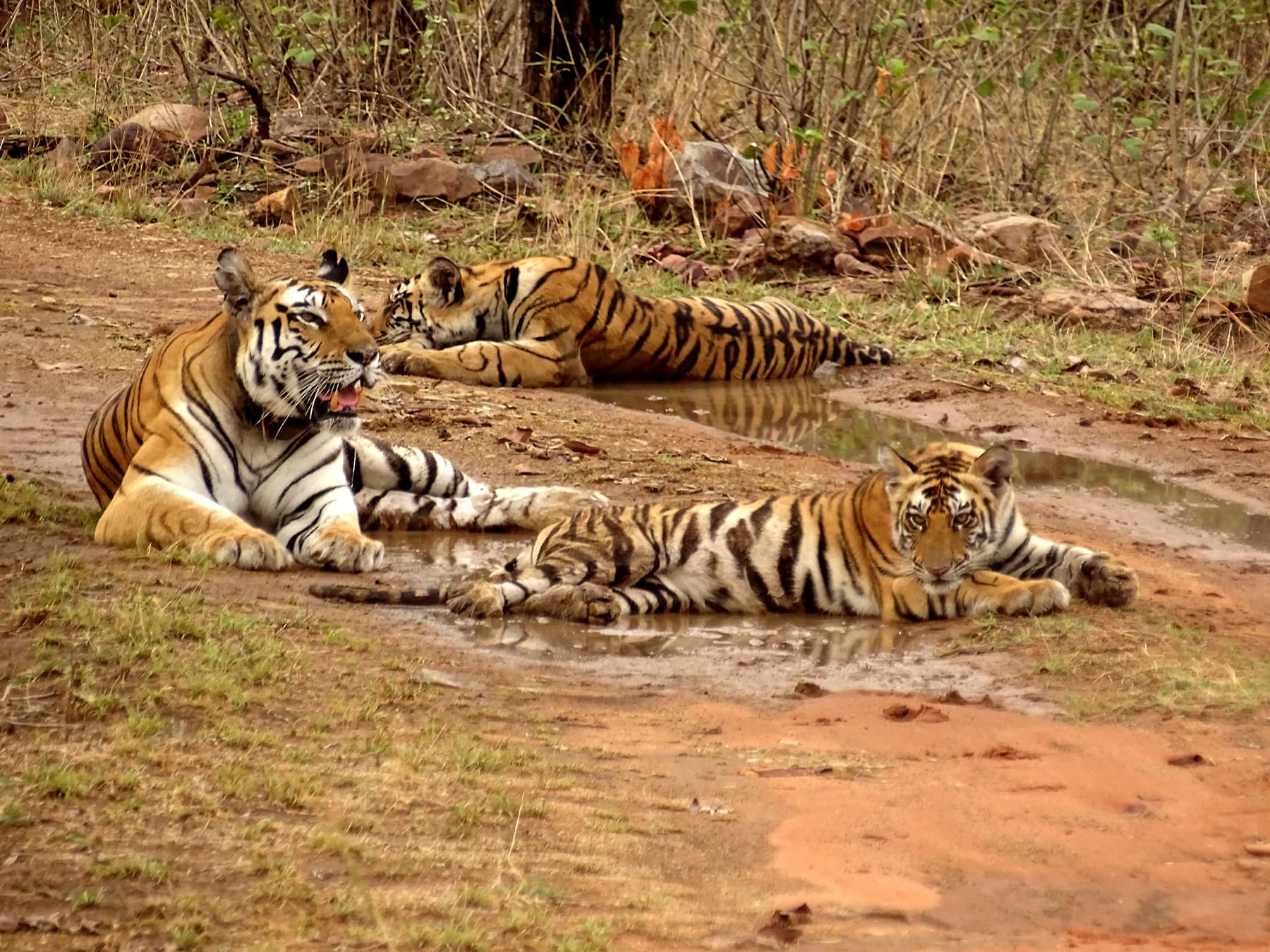
Just 30 km from Khajuraho, Panna National Park is a top tiger reserve blending heritage with wildlife. The Ken River adds scenic beauty, and sightings of tigers, leopards, crocodiles, and birds are common. Jeep safaris are available through India Heritage Travel.
Orchha (180 km)
via wikipedia
Orchha (180 km)
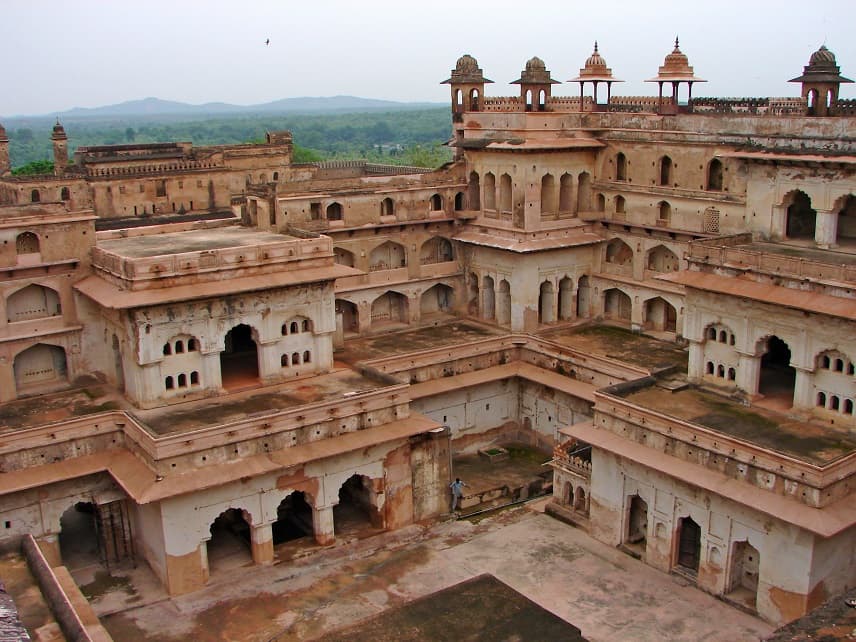
Orchha, the Bundela Rajput capital, features 16th–17th century temples, cenotaphs, and palaces along the Betwa. The Ram Raja Temple, where Vishnu receives military honours, is a unique spiritual experience. India Heritage Travel offers Khajuraho–Orchha packages.
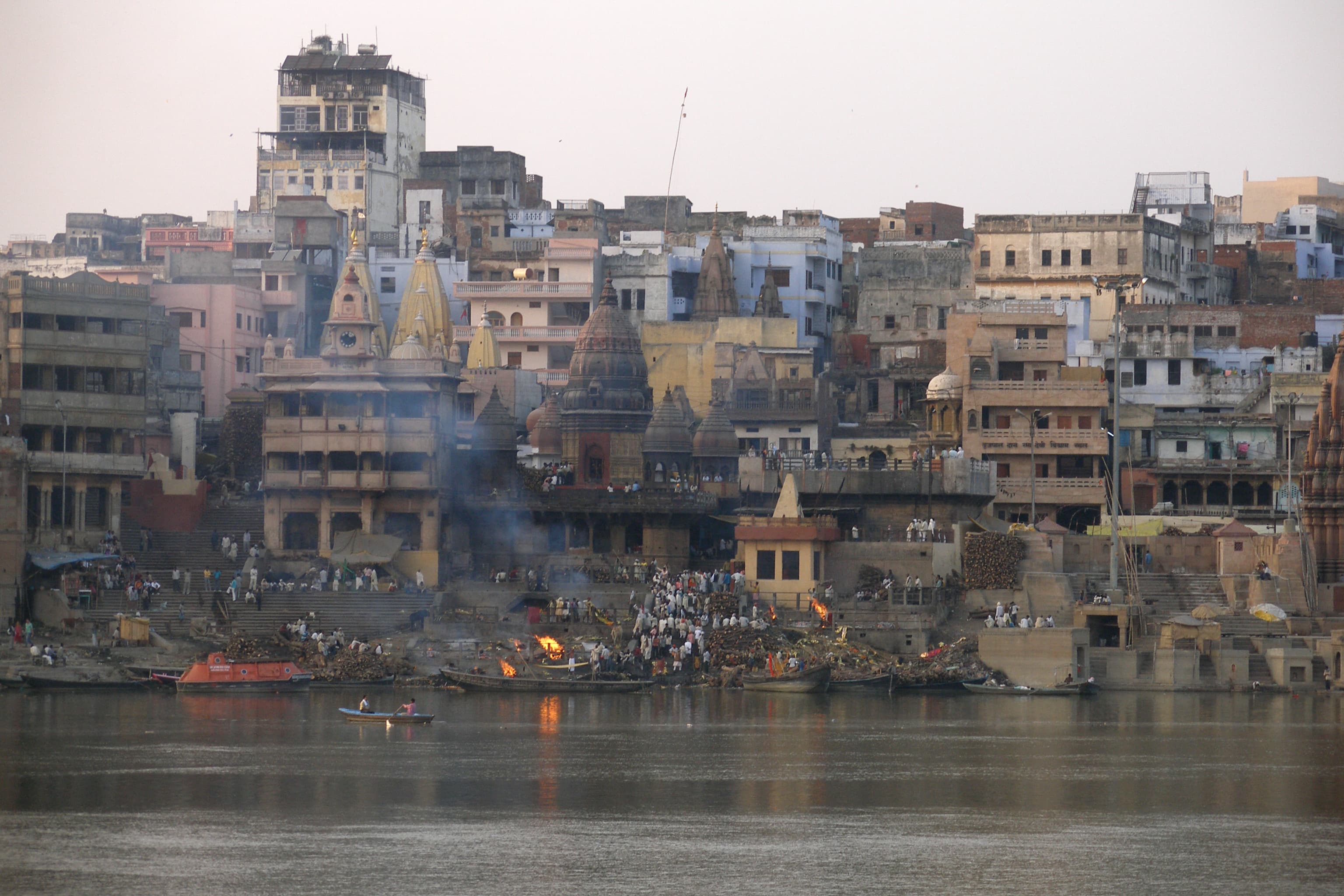
Varanasi (410 km)
via wikipedia
Varanasi (410 km)
Khajuraho and Varanasi are frequently paired in a central India heritage circuit - temple architecture meets living Hindu tradition on the Ganga. India Heritage Travel offers this combination for international travellers seeking a profound cultural experience.
Practical Travel Guide - Everything You Need to Know
Before visiting Khajuraho, it is worth understanding the latest ticket prices, opening hours, photography rules, and recommended arrival times. A little planning goes a long way toward making your visit more enjoyable.
Ticket Prices & Entry Fees
| Western Group (ASI) | ₹40 (Indian nationals) / ₹600 (foreign visitors) |
| Children under 15 | Free entry |
| Eastern Group (Jain temples) | Free or nominal charge |
| Southern Group | Free entry |
| ASI Archaeological Museum | ₹10 (Indian) / ₹250 (foreign) |
| Sound & Light Show | ₹250 (Indian) / ₹700 (foreign) |
| Online booking | www.asiagracircle.in or buy on-site |
Budget Estimates
₹1,200 – ₹2,500
Guesthouse accommodation, local restaurants, bicycle rental, public transport, and monument entry fees.
₹4,000 – ₹9,000
Comfortable hotels, private transport, a licensed guide, and quality dining experiences.
₹15,000 – ₹40,000+
Luxury resorts, expert private guides, chauffeured transportation, curated experiences, and airport transfers.
Khajuraho Temples FAQ
Everything you need to know before planning your visit to Khajuraho's UNESCO World Heritage temples.
The entry fee for the Western Group of temples is approximately ₹40 for Indian nationals and ₹600 for foreign visitors. Children under 15 years enter free. The Eastern and Southern Groups are generally free or carry a nominal charge. The Sound and Light Show requires a separate ticket: ₹250 for Indians and ₹700 for foreign visitors.
The best time to visit Khajuraho is from October to March when temperatures remain pleasant and the skies are generally clear. November and December offer excellent photography conditions, while February hosts the famous Khajuraho Dance Festival.
The erotic sculptures represent only a small portion of the temple carvings. Most sculptures depict deities, celestial beings, musicians, and scenes of daily life. Historians associate the erotic imagery with concepts of desire, spirituality, Tantric traditions, and the journey from worldly life to sacred space.
A minimum of one full day is recommended to explore the Western, Eastern, and Southern temple groups and attend the Sound and Light Show. Two days allows a more relaxed visit, while three days provides enough time to include nearby attractions such as Raneh Falls, Panna National Park, and Orchha.
The fastest option is a direct flight from Delhi to Khajuraho Airport, which takes approximately 1 hour and 15 minutes. Travelers can also take a train to Jhansi and continue by private vehicle to Khajuraho, a journey of roughly 3 hours.
Yes. The Sound and Light Show is considered one of the best in India. Narrated by Amitabh Bachchan, it presents the history of the Chandela dynasty and the symbolism of the temples while the monuments are illuminated dramatically after sunset.
The Khajuraho Dance Festival is an annual classical dance event held between late February and early March. It features performances by leading Indian classical dancers in an open-air amphitheatre near the Western Group of temples.
Yes. Khajuraho is a well-established international tourist destination and is regularly visited by solo travelers. Female guide options are available through India Heritage Travel for additional comfort and convenience.
Explore Khajuraho with India Heritage Travel
Combine Khajuraho with Orchha, Gwalior, Agra, Varanasi, or a wildlife safari in Panna National Park and discover one of India's richest heritage circuits through a carefully curated private journey.
Design My Khajuraho Journey