Welcome to the Golden Triangle
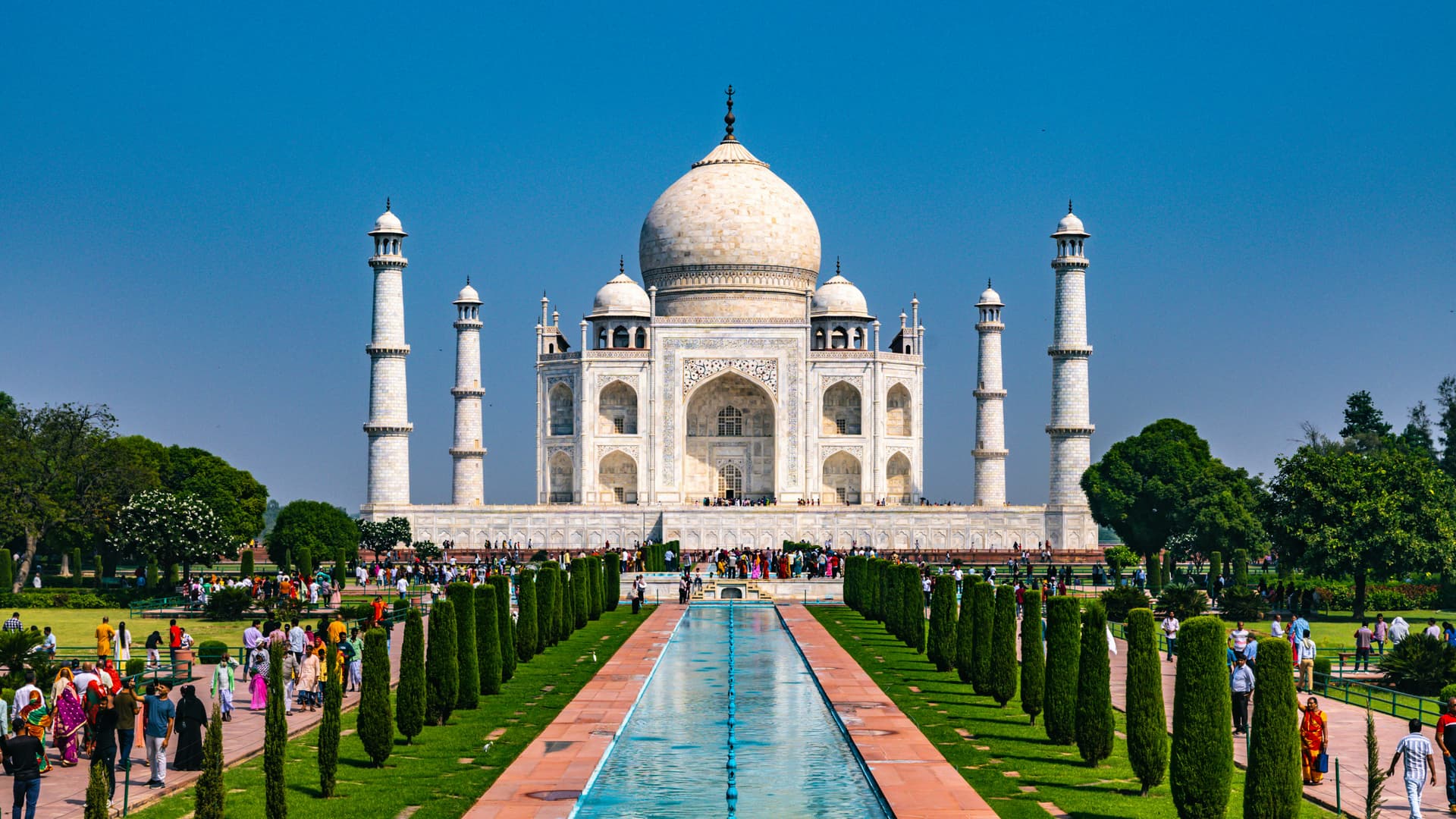
There exists a certain type of silence that descends upon tourists when they reach the end of the red sandstone gate and catch a glimpse of the Taj Mahal for the first time. The guides I worked with over the past fifteen years have said that regardless of all pictures, no one gets prepared for that special moment when the marble starts glowing somehow from within and changing colors depending on the light, and travelers who saw the pyramids and colosseums usually find themselves speechless at that point.
Top Attractions in Delhi, Agra & Jaipur
Taj Mahal (Agra)
Introduction - The Taj Mahal is a white marble mausoleum constructed by Mughal Emperor Shah Jahan in memory of his wife, Mumtaz Mahal, who passed away while giving birth in 1631. The construction period was between 1632 and 1653, involving artisans from all over the Mughal Empire, Persia, and even Europe. The complex comprises of the main mausoleum, a reflecting pool, Mughal gardens, a mosque, and a guest house in symmetrical arrangement.
Why You Should Visit - This is not just another tourist destination; it is considered the best embodiment of Mughal architecture and the most architecturally perfect building of all time. The intricate inlay work alone (pietra dura, which means inlaying of semi-precious stones into marble) required several years of work by specialist craftsmen.
Best Time - Sunrise (gates typically open around 6:00 AM) for the best light and smallest crowds; October through March for comfortable temperatures

via unsplash.com
Agra Fort (Agra)
Overview - This enormous red sandstone fortress that lies along the banks of the river Yamuna River was the main residence of Mughal Emperors until 1638. There are many palaces, mosques, and audience halls constructed during several emperors, such as Akbar, Jahangir, and Shah Jahan.
Reasons to go - Reasons to go The fort provides an important background to the Taj Mahal, as Shah Jahan was imprisoned here by his own son Aurangzeb and died looking at Taj Mahal through a marble balcony.

via unsplash.com
Red Fort (Delhi)
Overview - Constructed by Shah Jahan in 1648 to act as the headquarters of the Mughal dynasty after he shifted the capital from Agra to Delhi, the Red Fort is a huge structure built of red sandstone which was used by Mughals for almost two centuries as their home.
Reasons to Go There - It is from here that the Prime Minister of India makes his Independence Day speech on August 15th every year. It is as much a part of modern Indian history as it is of the history of the Mughals. The Diwan-i-Khas had the famous Peacock Throne inside it. balcony.
Best Time - Morning hours, October to March.

via unsplash.com
Qutub Minar (Delhi)
Introduction - This brick tower, 73 meters tall, is the highest brick minaret in the world, which was built in 1192 AD by Qutb-ud-din Aibak, marking the beginning of Muslim era in Delhi. The complex also has Iron Pillar, whose corrosion-resistant structure has baffled metallurgists for ages.
Reasons to Visit - This is the oldest and most impressive example of Indo-Islamic architecture of Delhi, and its detailed carvings demonstrate an interesting fusion of Hindu and Islamic styles. balcony.
Best Timing - Late afternoon all year round.

via unsplash.com
Amber Fort (Jaipur)
Introduction - Amber Fort, also known as Amer Fort, is located atop a hill and overlooks Maota Lake. The fort was initially constructed in 1592 by Raja Man Singh I and later expanded over generations. Its architecture is a blend of both Rajput and Mughal architecture, featuring the Sheesh Mahal, which is a mirror hall that allows one candlelight to be reflected into thousands of pieces of embedded mirrors.
Why Go? - Amber Fort can be considered the most photogenic site in the entire Golden Triangle apart from the Taj Mahal, and thanks to its hilltop location, it offers stunning views of the Aravalli hills.
Best Time - Early morning hours between 8:00 - 10:00 AM.

via unsplash.com
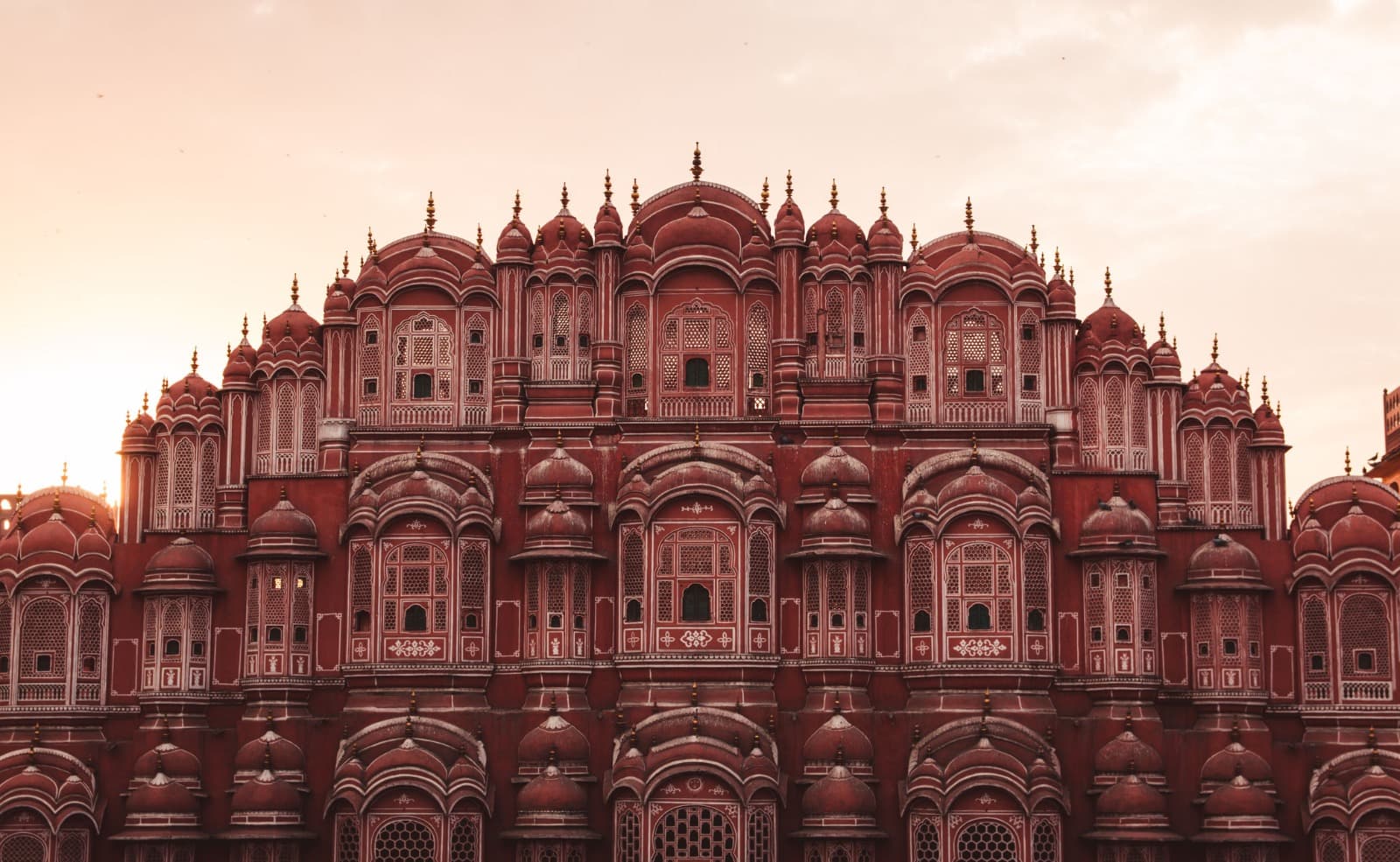
Hawa Mahal (Jaipur)
Overview - The "Palace of Winds" is a five-story sandstone structure built in 1799 by Maharaja Sawai Pratap Singh. The structure boasts 953 small windows (jharokhas), which were meant to allow royal women to observe life on the streets and at festivals unseen, following the traditions of purdah of those times.
Why Visit - This is one of the most easily recognized buildings in Jaipur, and its honeycomb-like façade demonstrates the way Rajput architects brilliantly used architecture to overcome social limitations

via unsplash.com
City Palace, Jaipur
Background - This huge building with features of Rajput and Mughal architecture is home to the royal family of Jaipur and has some portions dedicated to exhibits that showcase royal clothing, weapons, and artwork.
Reasons to Visit - It gives you direct access to Jaipur's royal past – not because of its ruins, but because it is actually a functioning palace with great museums. balcony.
Tips - The "Royal Grandeur" ticket will give you access to more private spaces within the palace.

via unsplash.com
Jantar Mantar, Jaipur
Overview - This UNESCO world heritage listed observatory constructed from 1727-1734 by Maharaja Jai Singh II houses 19 architectural instruments which can measure time, predict eclipses and monitor the movements of the stars in great accuracy for that period.
Reasons to Visit - It is one of the strangest and most scientifically important places in India – it's an actual instrument of 18th century astronomy and not just pretty buildings. balcony.
Best Time - Late morning when the angle of the sun makes it easier to comprehend the sundial instruments.

via unsplash.com
Best Time To Visit
The Golden Triangle can be visited throughout the year, but weather conditions vary significantly by season. This month-by-month guide will help you choose the ideal time for comfortable sightseeing and memorable travel experiences.
| Month | Weather | Recommendation |
|---|---|---|
| January | Cool, 8–22°C, occasional Delhi fog | Excellent - peak season, book ahead |
| February | Mild, 12–25°C | Excellent - ideal balance of comfort and lighter crowds |
| March | Warming, 17–32°C | Good - Holi festival falls here, but afternoons get warm |
| April | Hot, 22–38°C | Caution - only for early morning/evening touring |
| May | Very hot, 27–42°C | Avoid for outdoor sightseeing - extreme heat |
| June | Hot, pre-monsoon, 28–41°C | Avoid - extreme heat persists until monsoon arrives |
| July | Monsoon, humid, 26–35°C | Fair - fewer crowds, lush landscapes, but rain may disrupt plans |
| August | Monsoon continues, 26–34°C | Fair - similar to July |
| September | Post-monsoon, cooling, 24–34°C | Good - improving conditions toward month's end |
| October | Pleasant, 18–32°C | Excellent - Diwali season, comfortable touring |
| November | Cool, 12–28°C | Excellent - among the best months overall |
| December | Cool, 7–23°C | Excellent - peak season, occasional cold mornings in Delhi |
January
EXCELLENTWeather: Cool, 8–22°C, occasional Delhi fog
Recommendation: Excellent - peak season, book ahead
February
EXCELLENTWeather: Mild, 12–25°C
Recommendation: Excellent - ideal balance of comfort and lighter crowds
March
GOODWeather: Warming, 17–32°C
Recommendation: Good - Holi festival falls here, but afternoons get warm
April
CAUTIONWeather: Hot, 22–38°C
Recommendation: Caution - only for early morning/evening touring
May
AVOIDWeather: Very hot, 27–42°C
Recommendation: Avoid for outdoor sightseeing - extreme heat
June
AVOIDWeather: Hot, pre-monsoon, 28–41°C
Recommendation: Avoid - extreme heat persists until monsoon arrives
July
GOODWeather: Monsoon, humid, 26–35°C
Recommendation: Fair - fewer crowds, lush landscapes, but rain may disrupt plans
August
GOODWeather: Monsoon continues, 26–34°C
Recommendation: Fair - similar to July
September
GOODWeather: Post-monsoon, cooling, 24–34°C
Recommendation: Good - improving conditions toward month's end
October
EXCELLENTWeather: Pleasant, 18–32°C
Recommendation: Excellent - Diwali season, comfortable touring
November
EXCELLENTWeather: Cool, 12–28°C
Recommendation: Excellent - among the best months overall
December
EXCELLENTWeather: Cool, 7–23°C
Recommendation: Excellent - peak season, occasional cold mornings in Delhi
Suggested 6-Day Itinerary
A carefully crafted journey through India's Golden Triangle
Arrival in Delhi
Arrive at Indira Gandhi International Airport, transfer to your hotel, and rest. In the evening, an easy orientation walk or a relaxed dinner introduces you to the city without overloading a jet-lagged first day.
Delhi Sightseeing
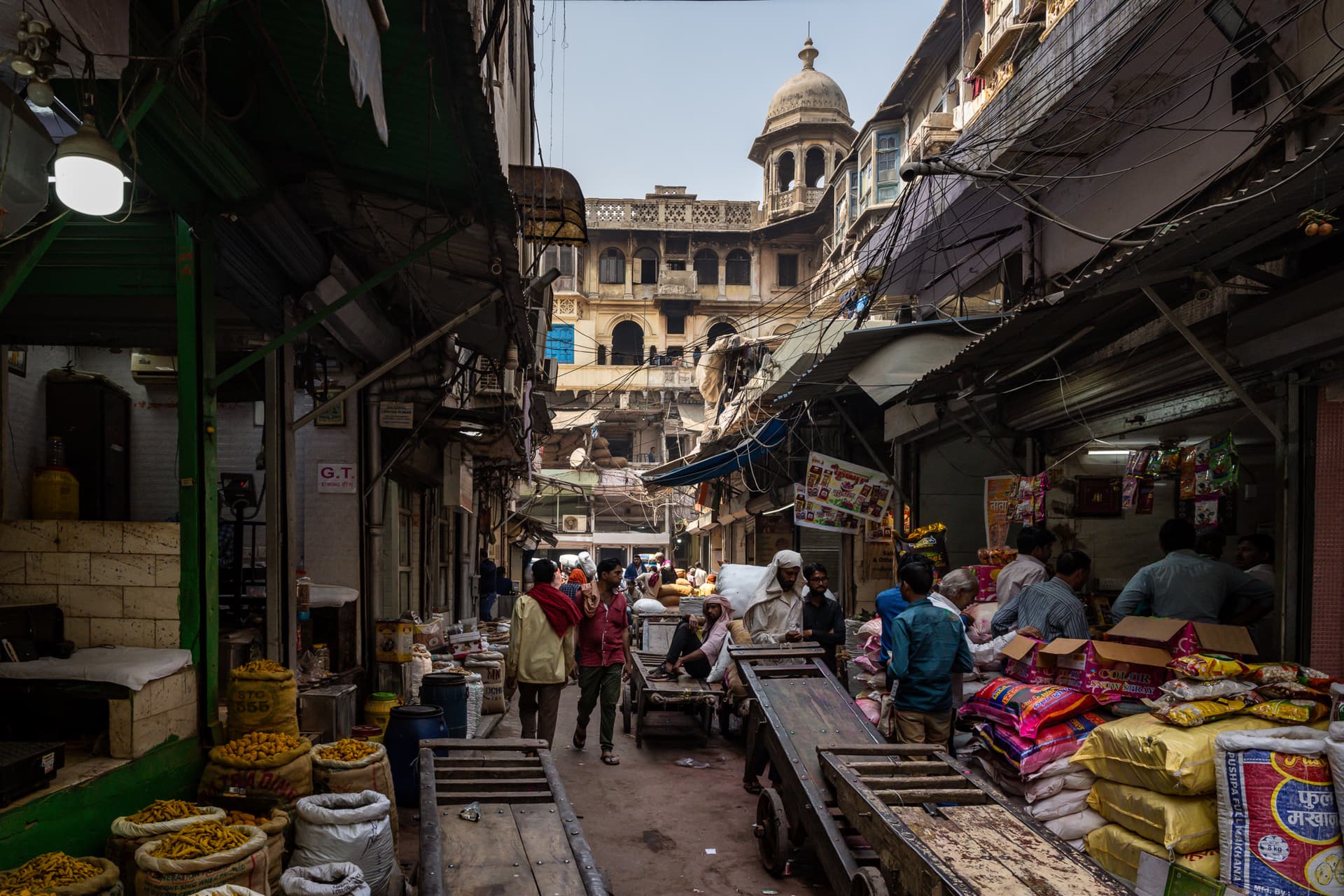
Morning visit to the Qutub Minar and Humayun's Tomb, followed by a drive past India Gate and the government quarter of New Delhi. Afternoon spent exploring Old Delhi - the Red Fort, Jama Masjid, and a rickshaw ride through Chandni Chowk's lanes.
Delhi to Agra
Depart by private car or the Gatimaan Express for Agra. Afternoon visit to Agra Fort, with time to settle in before an early start the following morning.
Taj Mahal Sunrise & Onward to Jaipur
Sunrise visit to the Taj Mahal - nonnegotiable for both light quality and crowd levels. After breakfast, depart for Jaipur (roughly 5-6 hours by road, with an optional stop at Fatehpur Sikri, Akbar's abandoned red sandstone capital, en route).
Jaipur Sightseeing
Early morning at Amber Fort before crowds build, followed by Jantar Mantar, City Palace, and a drive past Hawa Mahal. Evening free for bazaar shopping in Johari or Bapu Bazaar, or a traditional Rajasthani dinner with folk performance.
Jaipur to Delhi Departure
Morning at leisure or a visit to Nahargarh Fort for final views over the city, then transfer back to Delhi for international departure - or extend the trip toward Ranthambore, Udaipur, or Varanasi if time allows.
Frequently Asked Questions
Everything you need to know before planning your Golden Triangle Tour through Delhi, Agra, and Jaipur.
Most travelers need 5 to 7 days to comfortably cover Delhi, Agra, and Jaipur without feeling rushed. A 6-day itinerary is generally considered the ideal balance of pace and depth for first-time visitors.
October through March offers the most comfortable weather conditions. November, December, January, and February are widely regarded as the best months for sightseeing.
Yes, but it will feel relatively fast-paced. A 4-day itinerary usually includes one night in Agra and one night in Jaipur, making it suitable for travelers prioritizing efficiency.
Yes. The Golden Triangle is considered one of the most comfortable routes in India for solo female travelers, especially when arranged with a private vehicle and driver.
A private chauffeur-driven car offers the most flexibility and comfort. For the Delhi–Agra leg, the Gatimaan Express is also a popular and efficient option.
Yes. Booking online in advance is highly recommended, particularly during peak season, to avoid long queues and secure your preferred entry time.
Modest clothing that covers the shoulders and knees is recommended. Shoes should be removed before entering temples and certain palace interiors.
Yes. The Taj Mahal remains closed to visitors every Friday due to prayer services.
Luxury tours typically include heritage hotels, premium vehicles, expert guides, personalized itineraries, and exclusive travel experiences, while budget tours focus on affordability.
Absolutely. Popular extensions include Ranthambore National Park, Udaipur, Varanasi, and Pushkar.
Ready to Experience the Golden Triangle?
Every Golden Triangle journey we create is tailored around your travel style, pace, interests, and comfort preferences. From private chauffeurs and expert guides to handpicked heritage hotels, we design experiences that feel personal, seamless, and unforgettable.