Best Time to Visit the Golden Triangle
Plan your perfect journey through Delhi, Agra, and Jaipur
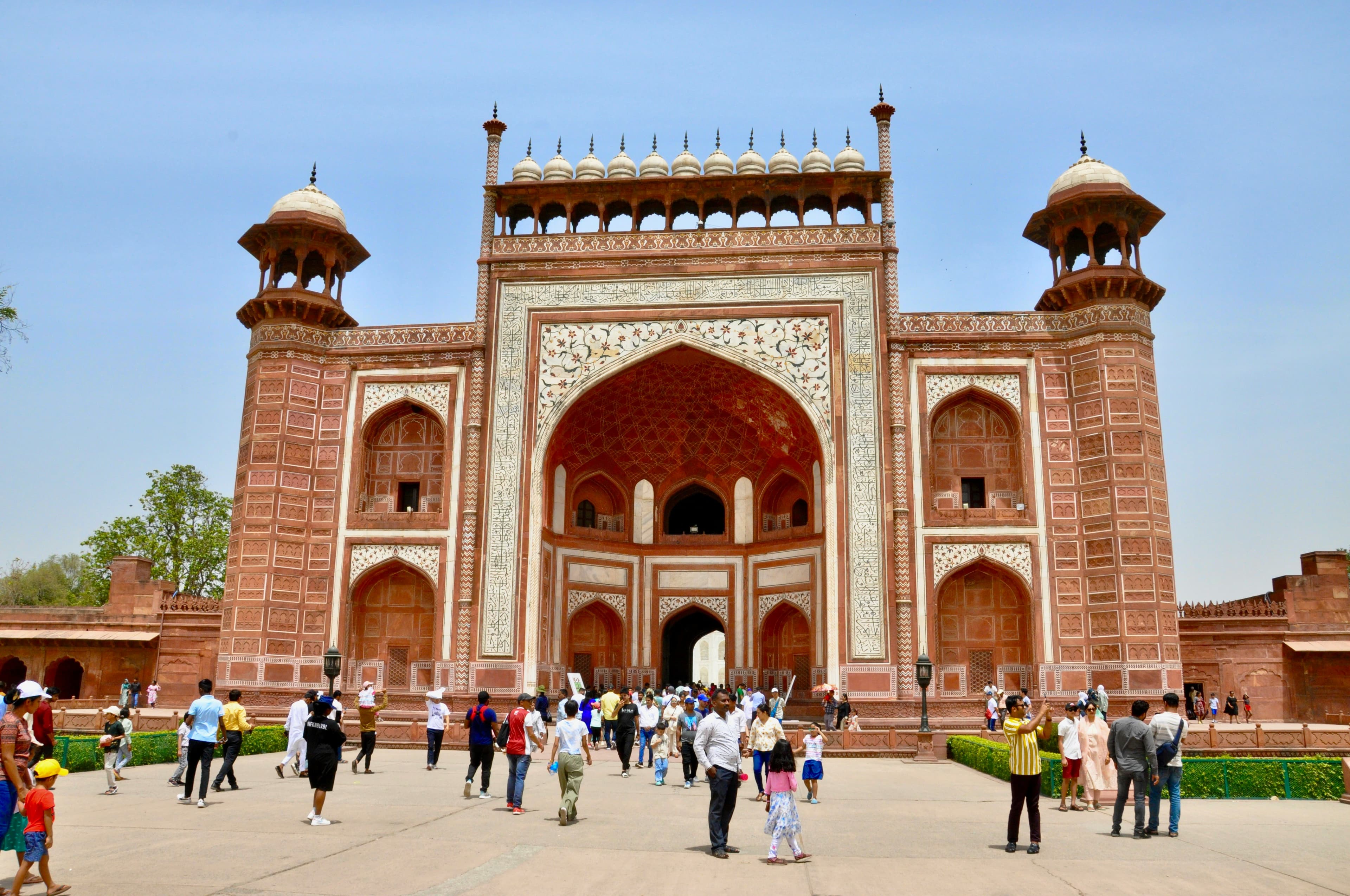
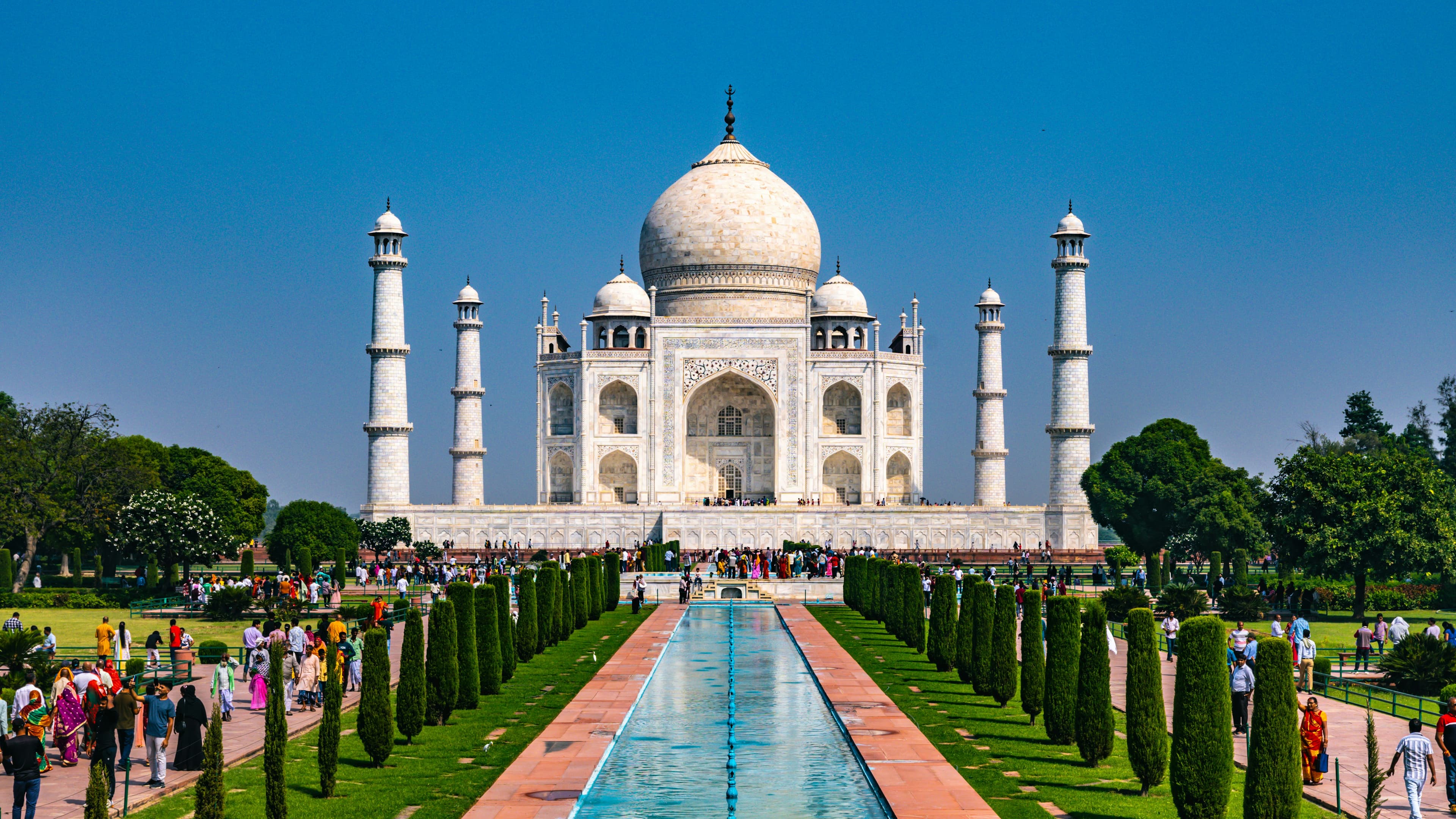
There is a certain light that bathes the Taj Mahal shortly after sunrise - gentle, rose gold, and fleeting. It's as if the marble were breathing. Mist rises from the waters of the Yamuna River, monkeys screech in the gardens, and for a few precious minutes, one of the world's most photographed monuments feels almost entirely your own.
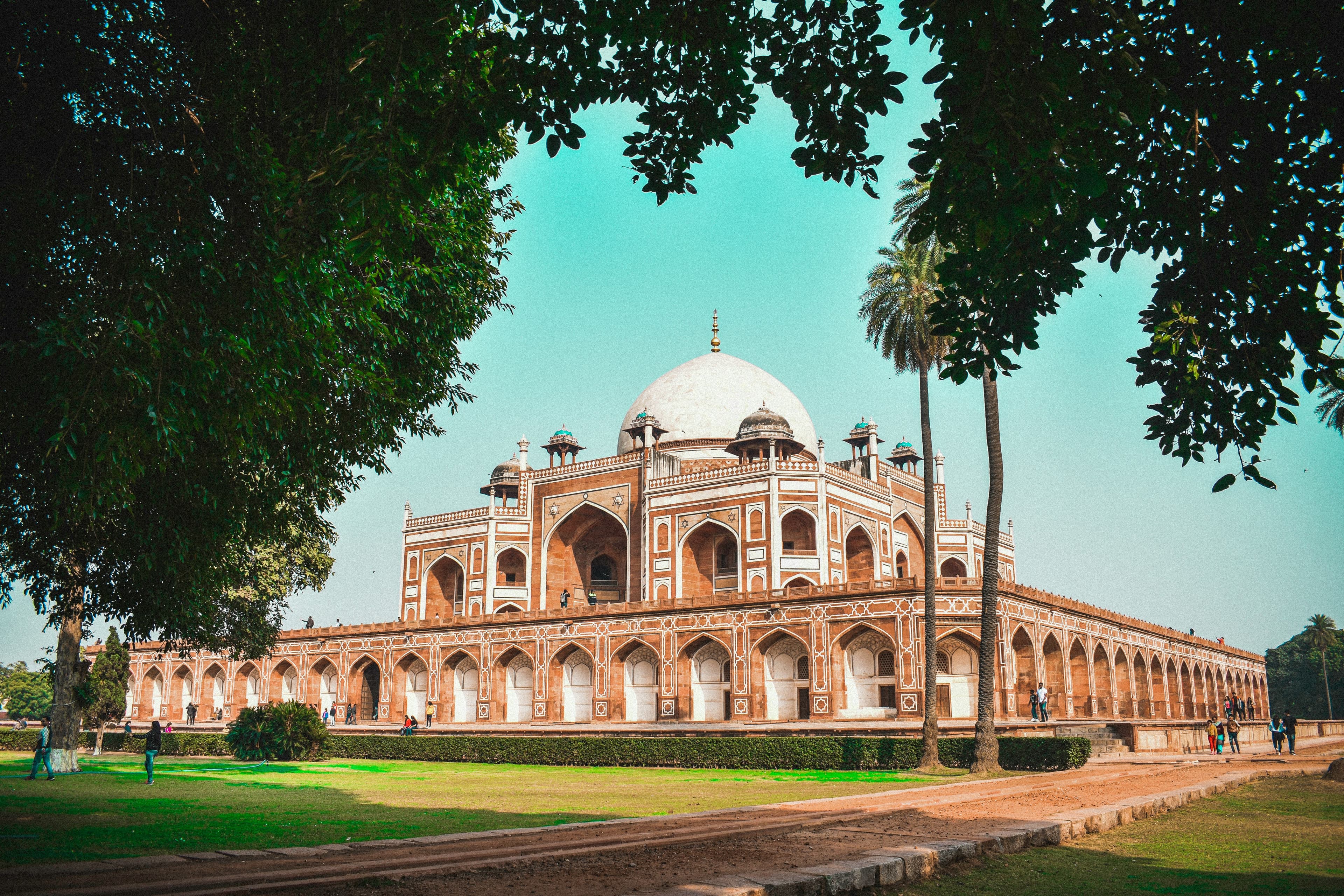
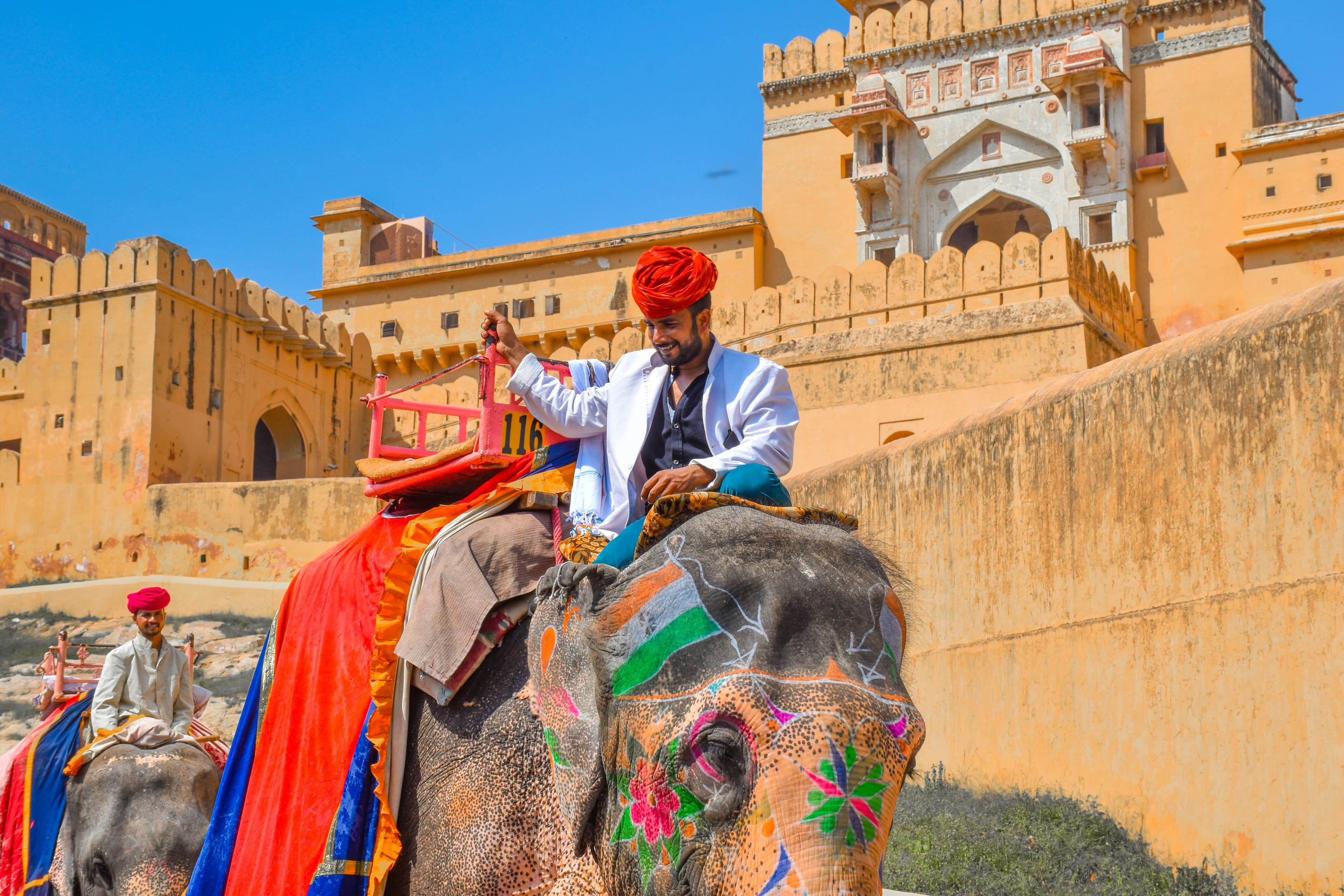
A few hundred kilometers away, the sandstone walls of Amber Fort glow under the same morning light, while the courtyards of Jaipur's City Palace come alive with marigold offerings. In Delhi, Humayun's Tomb quietly waits behind its red sandstone gateways, offering the perfect introduction to the Mughal grandeur that defines the Golden Triangle.
This is the Golden Triangle at its absolute best. Yet many travelers discover too late that this experience is highly seasonal. Visit at the wrong time and soaring temperatures, dense crowds, or weather disruptions can dramatically change the atmosphere of your journey.
- In this guide, we break down the best time to visit Delhi, Agra, and Jaipur month by month, season by season, and traveler type by traveler type.
What Is the Golden Triangle Tour?
Three iconic cities, one unforgettable journey
The Golden Triangle is India's most iconic travel circuit, connecting Delhi, Agra, and Jaipur. Together these three historic cities showcase the country's rich blend of Mughal architecture, Rajput heritage, royal palaces, UNESCO World Heritage Sites, vibrant culture, and timeless traditions.
Delhi
Capital CityIndia's capital city, known for Mughal monuments, colonial architecture, bustling markets, and modern urban energy.

Agra
Mughal HeritageHome to the Taj Mahal, Agra Fort, and Fatehpur Sikri - three of India's most celebrated Mughal landmarks.
Jaipur
Royal LegacyRajasthan's Pink City, famous for its hilltop forts, royal palaces, colorful bazaars, and cultural heritage.
Most Golden Triangle itineraries take 5 to 7 days, although many travelers extend their journey into Rajasthan, Ranthambore, Varanasi, or other destinations. Because of the relatively short duration, choosing the right season is one of the most important decisions you can make.
Best Time to Visit the Golden Triangle
The best time to visit the Golden Triangle is from October through March, when temperatures remain comfortable, skies are clearer, and sightseeing conditions are at their best.
November to February offers the most pleasant weather, while October and March provide an excellent shoulder-season balance.
Oc - Mar
Best Overall
Nov - Feb
Ideal Weather
Apr - Jun
Budget Season
Jul - Sep
Photography
Weather Overview
Compare weather, crowds, and travel experience month by month.
| Month | Temperature | Crowd | Experience | Rating |
|---|---|---|---|---|
| January | 8–21°C (46–70°F) | High | Crisp mornings, foggy starts, brilliant clear days | Excellent |
| February | 11–25°C (52–77°F) | High | Pleasant, blooming gardens, ideal sightseeing | Excellent |
| March | 16–32°C (61–90°F) | Moderate | Warm but manageable, Holi festival energy | Very Good |
| April | 22–38°C (72–100°F) | Low | Hot, dry, intense midday sun | Fair |
| May | 27–43°C (81–109°F) | Very Low | Peak heat, best for indoor luxury and deals | Caution |
| June | 28–42°C (82–108°F) | Very Low | Hot with pre-monsoon humidity building | Caution |
| July | 27–37°C (81–99°F) | Very Low | Monsoon onset, lush but humid | Fair |
| August | 26–35°C (79–95°F) | Very Low | Rainy, green, atmospheric | Fair |
| September | 25–35°C (77–95°F) | Low | Monsoon retreating, occasional showers | Good |
| October | 19–33°C (66–91°F) | Moderate | Festive season begins, comfortable evenings | Very Good |
| November | 13–28°C (55–82°F) | High | Crisp, golden light, Diwali season | Excellent |
| December | 8–22°C (46–72°F) | Very High | Cool, festive, peak luxury travel season | Excellent |
Temp: 8–21°C (46–70°F)
Crowd: High
Experience: Crisp mornings, foggy starts, brilliant clear days
Temp: 11–25°C (52–77°F)
Crowd: High
Experience: Pleasant, blooming gardens, ideal sightseeing
Temp: 16–32°C (61–90°F)
Crowd: Moderate
Experience: Warm but manageable, Holi festival energy
Temp: 22–38°C (72–100°F)
Crowd: Low
Experience: Hot, dry, intense midday sun
Temp: 27–43°C (81–109°F)
Crowd: Very Low
Experience: Peak heat, best for indoor luxury and deals
Temp: 28–42°C (82–108°F)
Crowd: Very Low
Experience: Hot with pre-monsoon humidity building
Temp: 27–37°C (81–99°F)
Crowd: Very Low
Experience: Monsoon onset, lush but humid
Temp: 26–35°C (79–95°F)
Crowd: Very Low
Experience: Rainy, green, atmospheric
Temp: 25–35°C (77–95°F)
Crowd: Low
Experience: Monsoon retreating, occasional showers
Temp: 19–33°C (66–91°F)
Crowd: Moderate
Experience: Festive season begins, comfortable evenings
Temp: 13–28°C (55–82°F)
Crowd: High
Experience: Crisp, golden light, Diwali season
Temp: 8–22°C (46–72°F)
Crowd: Very High
Experience: Cool, festive, peak luxury travel season
Golden Triangle in Winter (October-March)
Winter is widely considered the best season to experience the Golden Triangle. Comfortable weather, major cultural festivals, excellent photography conditions, and ideal sightseeing temperatures combine to create the most rewarding travel experience of the year.
Best Overall
October – March
Most comfortable conditions
Temperature
15°C – 28°C
Daytime range
Travel Rating
Excellent
★★★★★ Best season
Why Visit in Winter
Comfortable Temperatures
Daytime temperatures generally stay within the mid-teens to high twenties Celsius, making it comfortable to explore Amber Fort, Fatehpur Sikri, Humayun's Tomb, and the Taj Mahal without the fatigue caused by extreme heat.
Best Sightseeing Conditions
Blue skies, lower humidity, and soft natural light provide the ideal conditions for monument visits, walking tours, and outdoor exploration throughout Delhi, Agra, and Jaipur.
Festival Season
Winter coincides with some of India's most celebrated cultural events including Diwali, Pushkar Camel Fair, Jaipur Literature Festival, and Republic Day celebrations in Delhi.
Photography Opportunities
Crisp air, warm golden sunlight, and reduced atmospheric haze create exceptional conditions for both professional and amateur photographers.
Luxury Travel Advantages
Heritage hotels, palace properties, rooftop dining, garden breakfasts, and open-air cultural experiences are at their best during the winter season.
Advantages
- ✓Comfortable walking and sightseeing temperatures
- ✓Excellent photography conditions
- ✓Major festivals take place during this season
- ✓Heritage hotels and luxury experiences at their peak
Considerations
- •High demand means higher hotel rates
- •Advance booking is strongly recommended
- •Popular monuments can become crowded at midday
- •Winter fog in Delhi may occasionally affect flights
Golden Triangle in Summer (April-June)
Summer is easily the most debated season for visiting the Golden Triangle. While soaring temperatures make sightseeing more demanding, significantly lower prices, quieter monuments, and luxury hotel deals create opportunities that many experienced travelers actively seek out.
Hottest Period
May – June
Often exceeds 40°C
Biggest Advantage
Best Rates
Luxury hotels at lower prices
Travel Rating
Fair
★★★☆☆ Best for budget travelers
What to Expect in Summer
Heat Conditions
Summer temperatures frequently rise above 40°C (104°F), especially in Agra and Jaipur during May and June. Midday sightseeing can become challenging, making early mornings and evenings the most comfortable times to explore.
Lower Travel Costs
Flights, luxury hotels, private tours, and heritage palace stays often become 30–50% more affordable compared to peak winter pricing, making summer the most budget-friendly season.
Smaller Crowds
Visitor numbers drop significantly. Early morning visits to the Taj Mahal, Agra Fort, and Amber Fort often feel more relaxed and less crowded than during the winter season.
Luxury Hotel Opportunities
This is the season when many of India's most prestigious palace hotels and five-star resorts offer room upgrades, promotional packages, and exceptional value for luxury travelers.
Advantages
- ✓Lower hotel and tour prices
- ✓Fewer visitors at major attractions
- ✓Easier access to premium accommodations
- ✓Better chances of complimentary upgrades
Considerations
- •Extreme heat limits daytime sightseeing
- •Outdoor activities best reserved for mornings and evenings
- •Greater risk of heat exhaustion and dehydration
- •Hazy skies can reduce photography quality during midday
Golden Triangle in Monsoon (July-September)
Monsoon is perhaps the most underrated season for exploring the Golden Triangle. While many travelers automatically focus on winter, experienced visitors and photographers often appreciate the dramatic skies, lush landscapes, and quieter atmosphere that arrive with the rains.
Rainy Season
July – August
Highest rainfall, easing by September
Biggest Advantage
Green Landscapes
Dramatic skies and unique views
Travel Rating
Good
★★★★☆ Best for photographers
What to Expect in Monsoon
Rainfall Patterns
Monsoon showers are usually short, intense bursts rather than all-day rainfall. July and August see the highest precipitation, while conditions gradually improve throughout September.
Green Landscapes
Rajasthan's normally dry terrain transforms dramatically. Fields become lush green, lakes around Jaipur fill with water, and the sandstone forts stand out beautifully against vibrant natural surroundings.
Fewer Tourists
Visitor numbers remain relatively low compared to winter, allowing a more relaxed experience at major attractions including the Taj Mahal, Agra Fort, Amber Fort, and City Palace.
Photography Benefits
Dramatic clouds, rain-soaked marble, reflective surfaces, and rich colors create photographs that look completely different from the classic winter images seen across most travel brochures.
Advantages
- ✓Unique photography opportunities
- ✓Beautiful green landscapes and filled lakes
- ✓Lower costs and fewer crowds
- ✓Cooler than peak summer months
Considerations
- •Humidity can remain high
- •Sudden rain showers may interrupt sightseeing
- •Outdoor activities require more flexibility
- •Certain open fort areas may have limited accessibility
Best Time for Different Types of Travelers
The ideal season depends not only on the weather but also on the kind of experience you're seeking. Whether you're planning a luxury escape, a family vacation, a honeymoon, or a photography-focused journey, different seasons offer different advantages.
Luxury Travelers
November – February | April – JuneWinter showcases palace hotels, heritage properties, rooftop dining, and garden breakfasts at their finest. Summer offers exceptional hotel bargains, luxury upgrades, and premium experiences at significantly lower prices.
Couples
October – MarchComfortable temperatures, sunset views at Amber Fort, romantic walks through Jaipur's historic streets, and candlelit dinners at heritage havelis make this the ideal season for couples.
Honeymooners
November – FebruaryWinter's festive atmosphere, luxury accommodations, pleasant weather, and iconic experiences create the perfect setting for a memorable honeymoon journey.
Solo Female Travelers
October – MarchCooler weather allows for full days of exploration, while bustling city streets and well-planned private tours provide a comfortable and enjoyable travel experience.
Families
November – FebruaryChildren and multi-generational family groups benefit from comfortable temperatures, making sightseeing at forts, palaces, and monuments much more enjoyable.
Photographers
November – February | July – SeptemberWinter offers classic golden-hour light and clear skies, while monsoon delivers dramatic clouds, rain-washed architecture, reflections, and lush landscapes.
Expert Recommendation
There is no single perfect season for every traveler. Winter remains the strongest all-around recommendation, but photographers, luxury travelers seeking exceptional value, and repeat visitors often discover unique advantages during monsoon and summer months. The best time ultimately depends on the experiences you value most.
Festivals That Make the Golden Triangle More Special
Weather is only one part of choosing the best time to visit the Golden Triangle. Festivals can completely transform your experience, adding celebrations, traditions, colors, and cultural moments that many travelers remember long after the monuments themselves.
Diwali
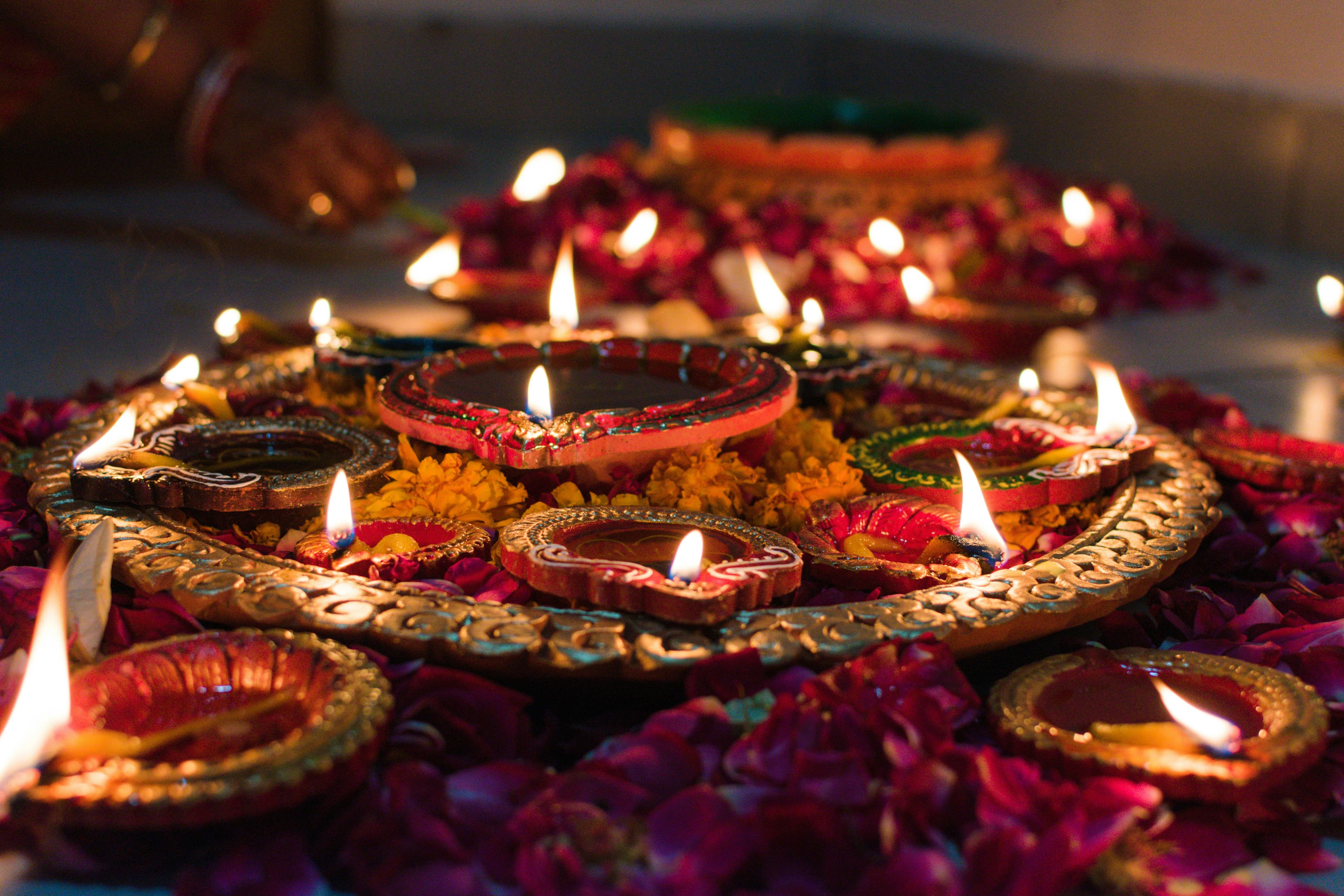
Experience the Festival of Lights as palaces, monuments, and city streets across Delhi, Agra, and Jaipur glow with millions of lamps, fireworks, and celebrations.
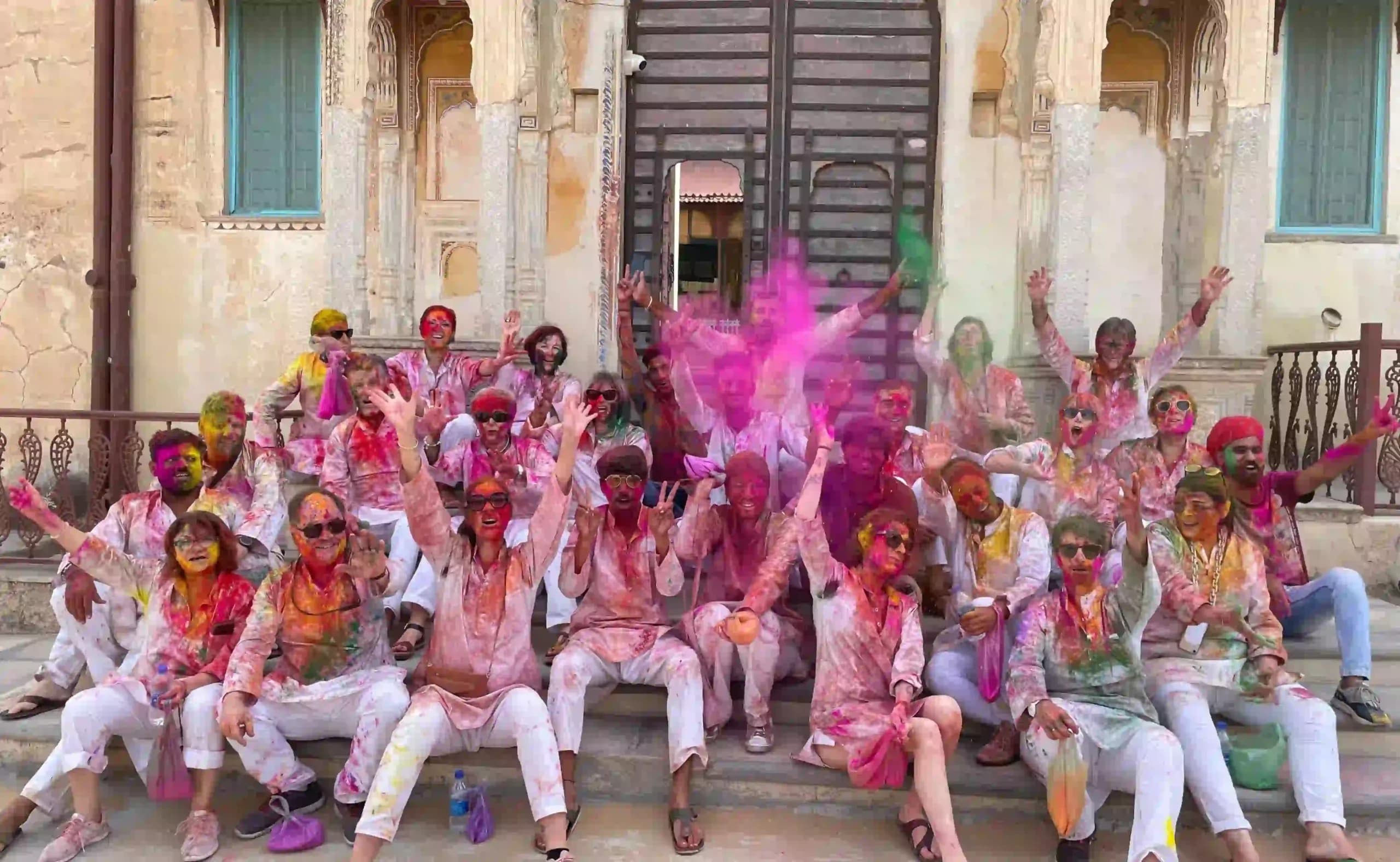
Holi
Witness India's most colorful festival as Jaipur and nearby regions come alive with music, celebrations, and vibrant clouds of color.
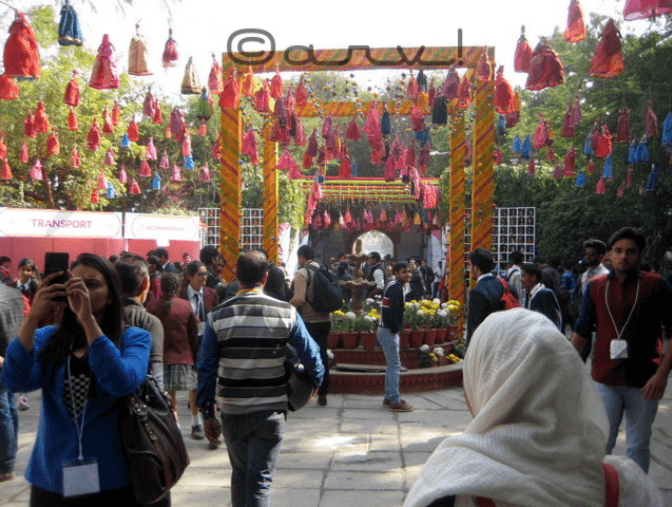
Jaipur Literature Festival
Join writers, thinkers, artists, and travelers from around the world at one of the most respected literary festivals globally.
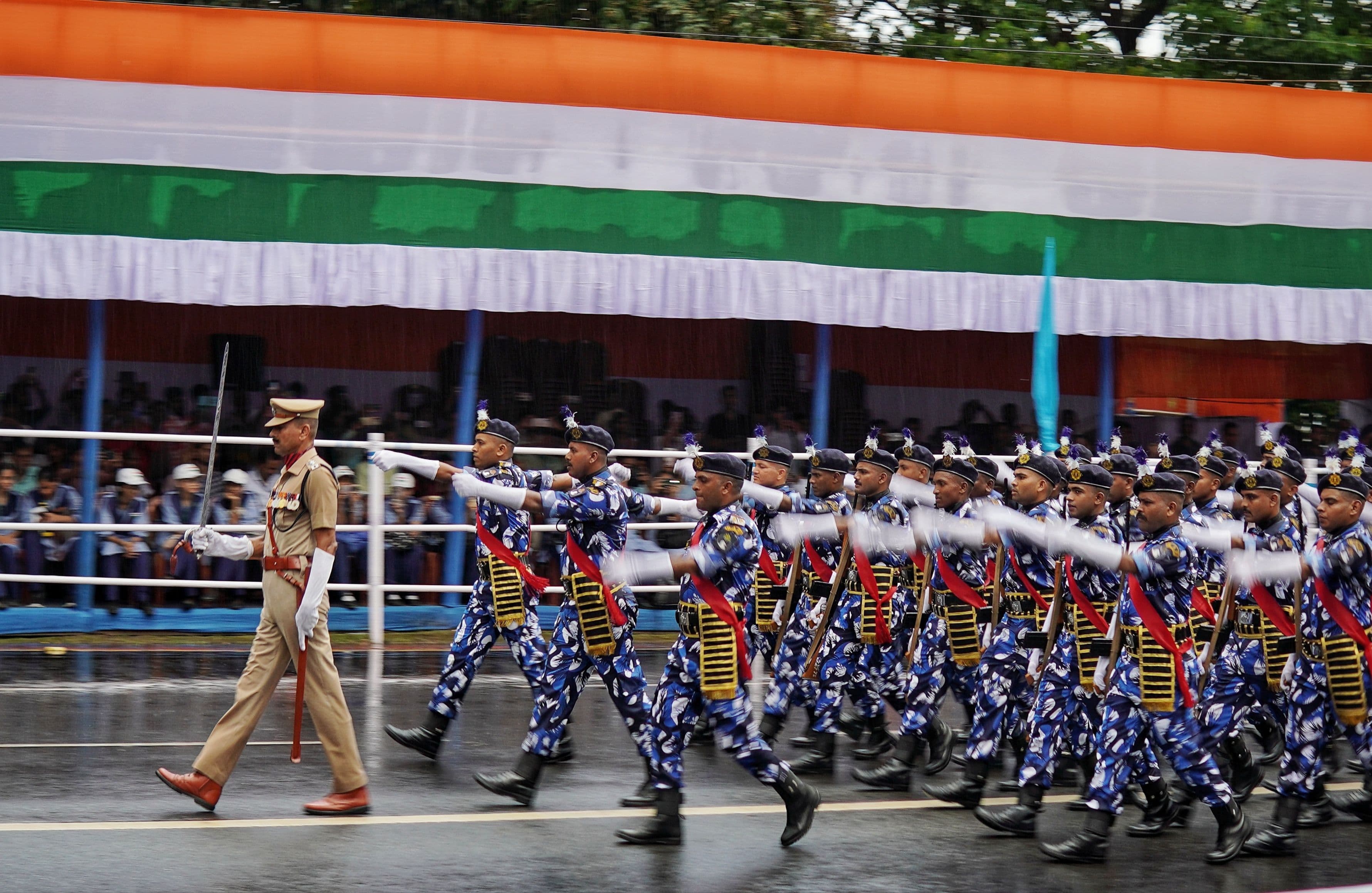
Republic Day
Witness India's grand national celebration in Delhi featuring spectacular parades, military displays, and cultural performances.
Best Time to Visit Each City
Although the Golden Triangle is often discussed as a single journey, each city has its own seasonal personality. Understanding these differences can help you plan a smoother and more rewarding trip.

Delhi
The best time to visit Delhi is from October through March, when temperatures are comfortable for walking tours and sightseeing. November and December offer pleasant weather and festive celebrations, while January mornings can occasionally be affected by fog.
Highlights

Agra
Agra is at its most magical during winter, when cool mornings make sunrise visits to the Taj Mahal truly unforgettable. The city's most iconic photography opportunities are best experienced during this period.
Highlights

Jaipur
Jaipur thrives during the cooler months, when visitors can comfortably explore its hilltop forts, bustling markets, and royal palaces. Evenings are particularly enjoyable for rooftop dining and cultural experiences.
Highlights
Ready to Plan Your Golden Triangle Trip?
Get personalized recommendations based on your travel dates
Why Travel with India Heritage Travel?
Choosing the right season is only part of planning a successful Golden Triangle journey. Choosing the right travel partner ensures that every detail—from hotels and guides to transportation and experiences—is perfectly aligned with your expectations.
Fully Customized Itineraries
Every Golden Triangle journey is tailored around your travel dates, interests, pace, and preferred seasonal experiences rather than a fixed template.
Private Chauffeur-Driven Travel
Travel comfortably between Delhi, Agra, and Jaipur with a dedicated private driver, avoiding the complexity of navigating India's busy transport network.
Handpicked Luxury Accommodations
Stay in carefully selected heritage palaces, boutique properties, and five-star hotels chosen to maximize each season's unique advantages.
Expert Local Guides
Gain deeper insights into India's history, architecture, culture, and traditions through experienced multilingual local guides.
Women-Only Travel Experiences
Specially designed itineraries provide comfort, flexibility, and peace of mind for independent female travelers exploring India.
Season-Based Travel Planning
Whether you're planning around festivals, photography opportunities, luxury experiences, or budget considerations, we design journeys around the season that suits you best.
Golden Triangle Travel FAQs
Answers to some of the most common questions travelers ask when planning a Golden Triangle journey through Delhi, Agra, and Jaipur.
November and February are widely considered the two best individual months, offering the most comfortable temperatures with minimal fog or extreme heat.
Yes. October offers a strong shoulder-season balance of improving weather, moderate crowds, and the beginning of India's festive season.
January is typically the coldest month, with morning temperatures in Delhi occasionally dropping to around 8°C (46°F) and periods of fog.
Summer (April–June) brings intense heat but significantly lower prices, fewer tourists, and excellent luxury hotel deals, making it attractive for value-focused travelers.
Rainfall is usually concentrated in short, heavy showers rather than continuous all-day rain. July and August are generally the wettest months.
Early mornings during October, March, or September often provide a good balance of comfortable weather and lighter visitor numbers.
Diwali usually falls in late October or November and is one of the most spectacular times to experience Delhi, Agra, and Jaipur.
Yes, although October through March is generally preferred because of cooler temperatures, comfortable sightseeing conditions, and lively daytime activity.
Layered clothing is recommended. Light clothing works well during the day, while a jacket, sweater, or shawl is useful during cool mornings and evenings.
Booking 2–3 months in advance is strongly recommended for November–February travel, particularly if you want luxury hotels or festival-period departures.
Still Have Questions About Your Golden Triangle Tour?
Our travel specialists can help you choose the ideal season, itinerary, hotels, and experiences for your Golden Triangle journey.
So, When Is the Best Time to Visit the Golden Triangle?
If there is one key takeaway from this guide, it is that the Golden Triangle is at its absolute best between October and March. During this period, travelers enjoy comfortable temperatures, clear skies, vibrant cultural experiences, and ideal sightseeing conditions across Delhi, Agra, and Jaipur.
Among these months, November and February stand out as the strongest overall choices, while October and March offer an excellent balance between weather, crowd levels, and value.
Summer and monsoon seasons may be less conventional, but they reward travelers with lower prices, quieter monuments, unique photography opportunities, and a completely different perspective on India's most famous travel circuit.
Ready to Explore the Golden Triangle?
Whether you're planning a luxury winter escape, a cultural festival journey, a romantic honeymoon, or a photography-focused adventure, our travel specialists can create a personalized Delhi–Agra–Jaipur itinerary tailored entirely to your travel style, interests, and schedule.