Why North India Is India's Heritage Heartland
North India’s heritage density kind of boils down to geography plus power. Delhi, Agra, and Jaipur were like at the middle of successive empires- the Delhi Sultanate, then the Mughal Empire, and afterward the Rajput kingdoms, that sometimes pushed back while also joining in, depending on the moment. Each one built in a way meant to outlast the last, so the timeline sort of stacks. So you end up with a place where you can follow almost a thousand years of South Asian architecture, all in the span of about a week, yes. You’ll see 12th-century victory towers, then 16th-century garden tombs, 17th-century marble mausoleums, and even hilltop forts that are still occupied by descendants of the very families that raised them.
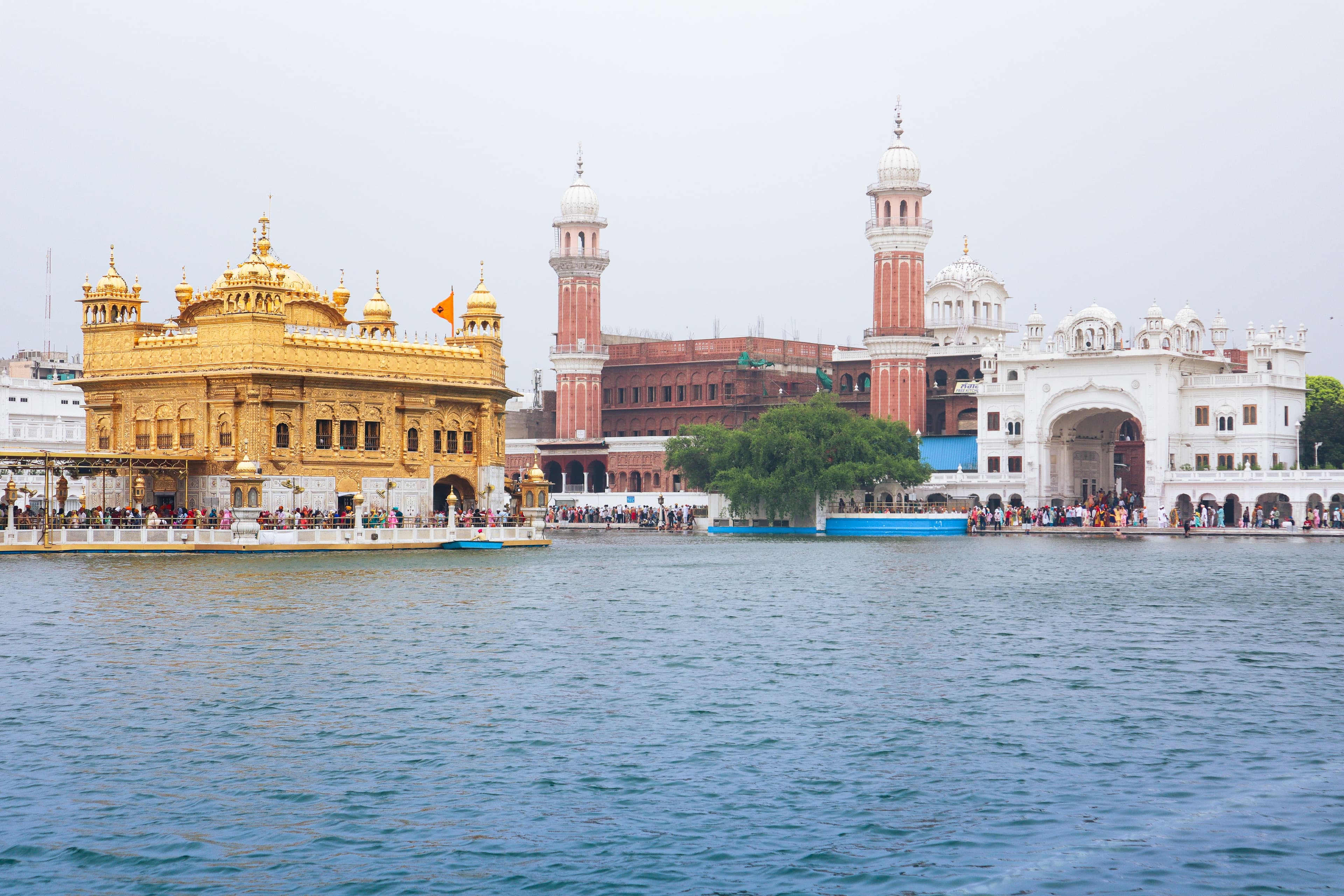
Image via pexels
A Quick History: Delhi Sultans, Mughals and Rajputs
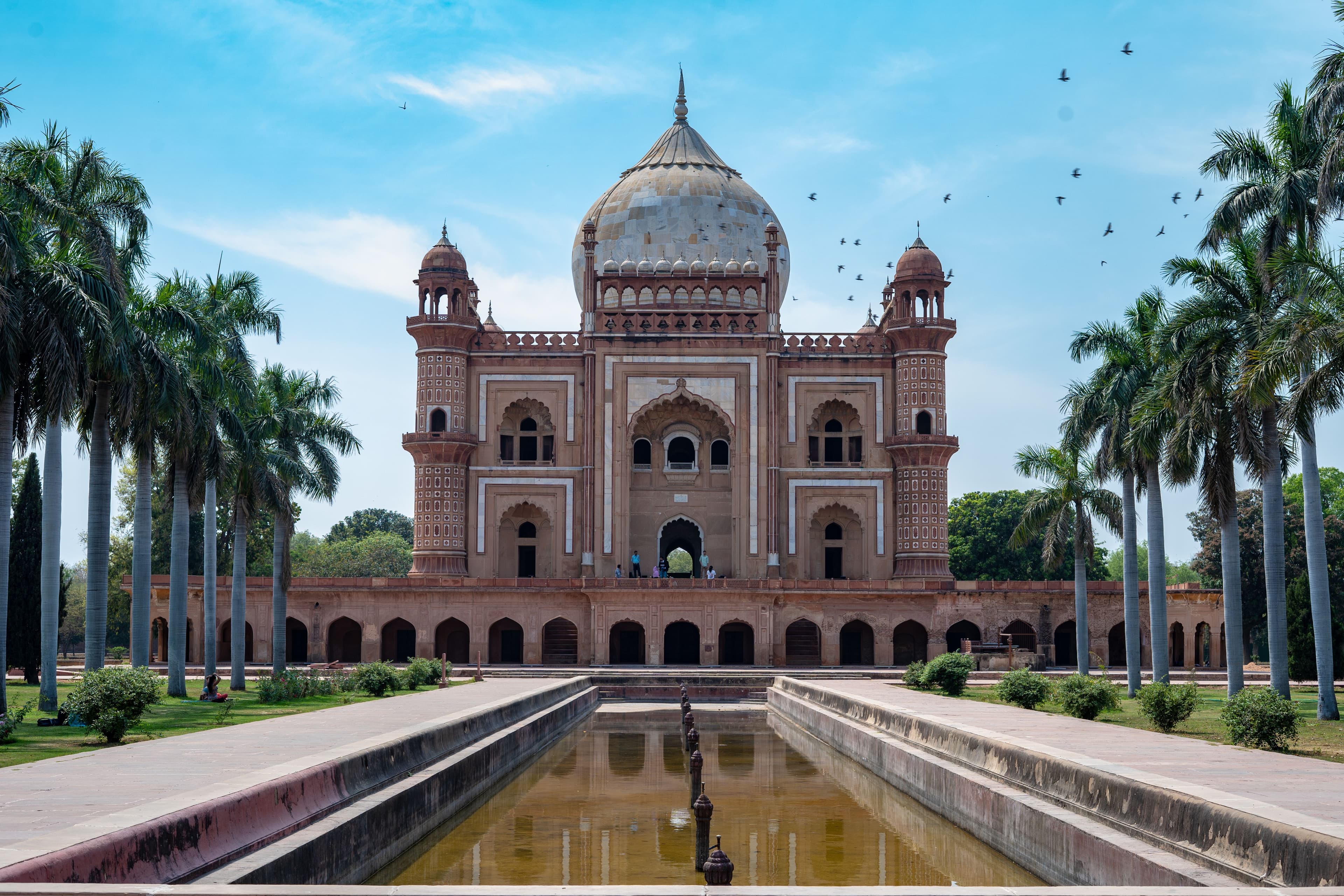
Image via pexels
It starts with the Delhi Sultanate, which from around the 12th century began sending Indo-Islamic architecture into the subcontinent - the Qutub Minar, begun in 1199, remains its most enduring monument. Then comes the Mughal Empire, founded in 1526, which refined those earlier ideas to produce Humayun's Tomb, Fatehpur Sikri, Agra Fort, the Red Fort, and at the peak of Mughal wealth, the Taj Mahal. Running alongside this imperial story, the Rajput kingdoms of Rajasthan - Jaipur, Jodhpur, Udaipur - built hill forts and city palaces, blending their own martial traditions with Mughal ornamentation, resulting in masterpieces like Amber Fort and Jaipur's City Palace.
Beyond the monuments of power lies North India's living religious heritage - the Sikh Golden Temple in Amritsar, established in the 16th century, and the ghats of Varanasi, one of the world's oldest continuously inhabited cities and a Hindu pilgrimage hub for millennia. Put these three strands together - Sultanate, Mughal-Rajput, and spiritual - and you understand why North India's heritage circuit feels far richer than any single monument, no matter how famous.
Architecture and Cultural Significance
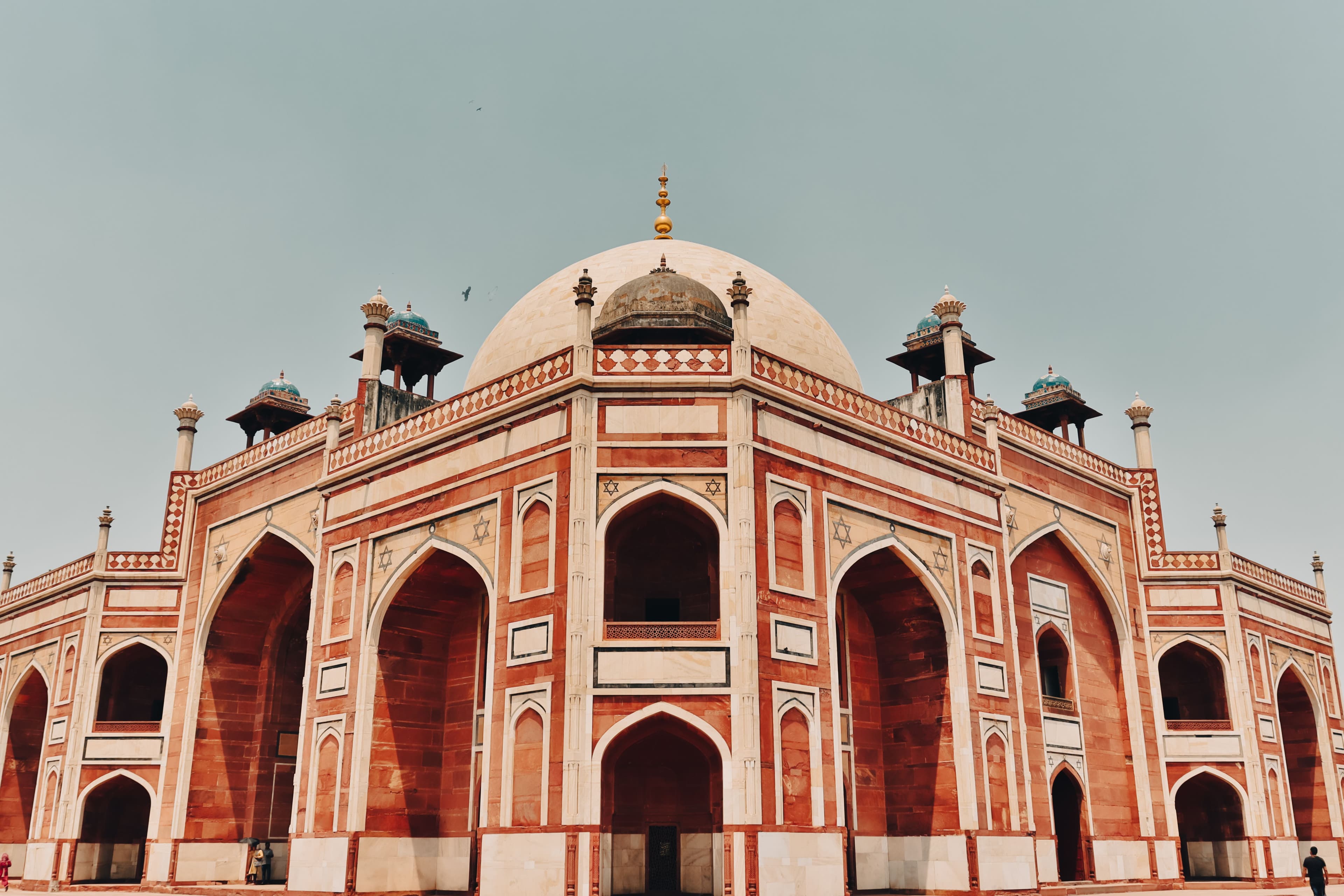
Image via pexels
Tracking North India's architecture in order reveals a clear evolution. The Qutub complex begins with its austere victory-tower style, which then flows into Humayun's Tomb and its pioneering Charbagh garden-tomb plan. Over the decades, Mughal architects kept refining the idea - returning to it again and again - until it reached its most celebrated form at the Taj Mahal.
Meanwhile, Rajput palace architecture developed its own distinctive language - filigreed sandstone screens, mirrored halls, and fortifications built for both defence and display. Over time, these approaches blended with Mughal decorative techniques through sustained cultural exchange between the two courts. Understanding this progression transforms a dry list of famous names into a genuinely fascinating story.
Top Heritage Sites in Delhi
Red Fort Complex
Image via pexels
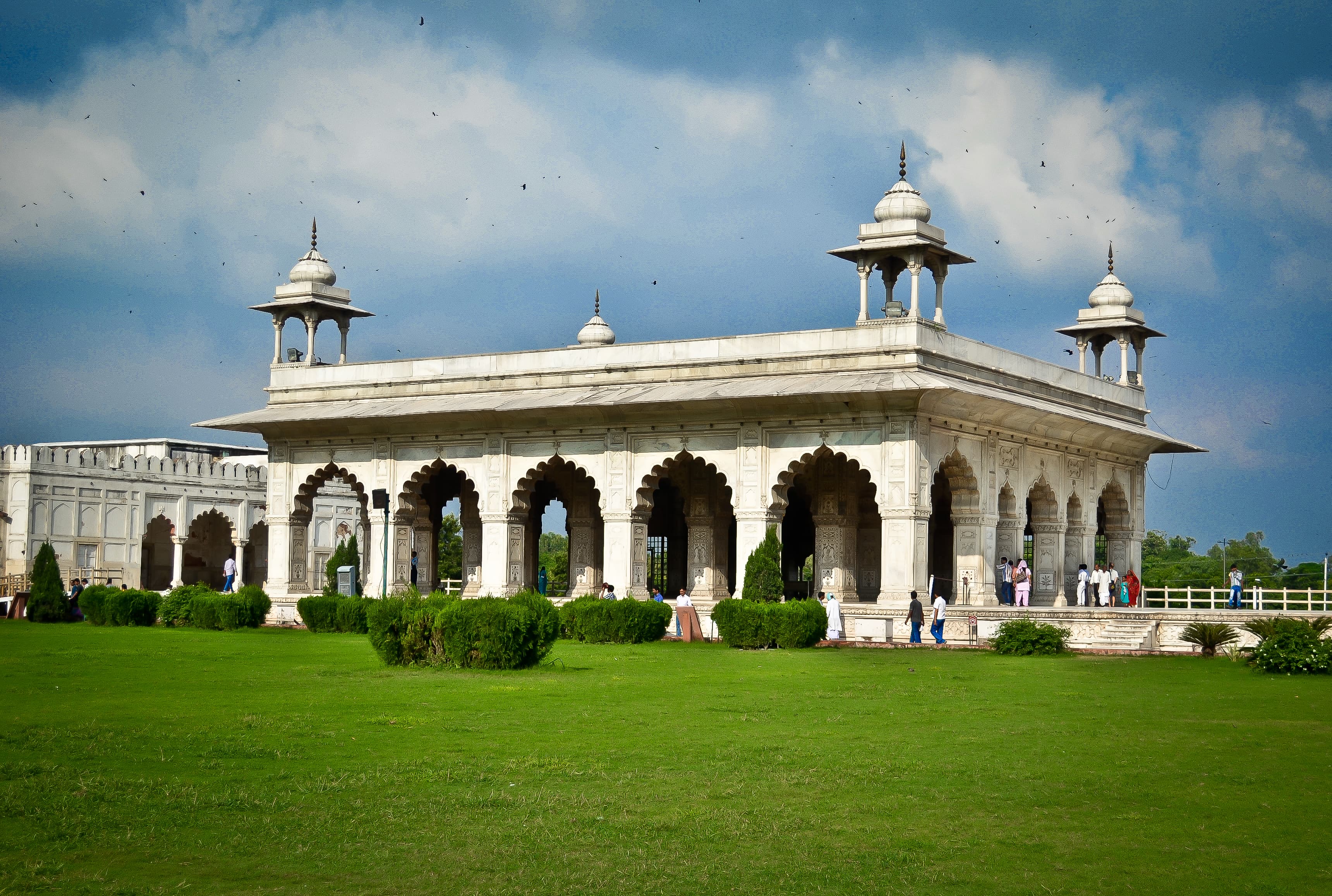
Red Fort Complex
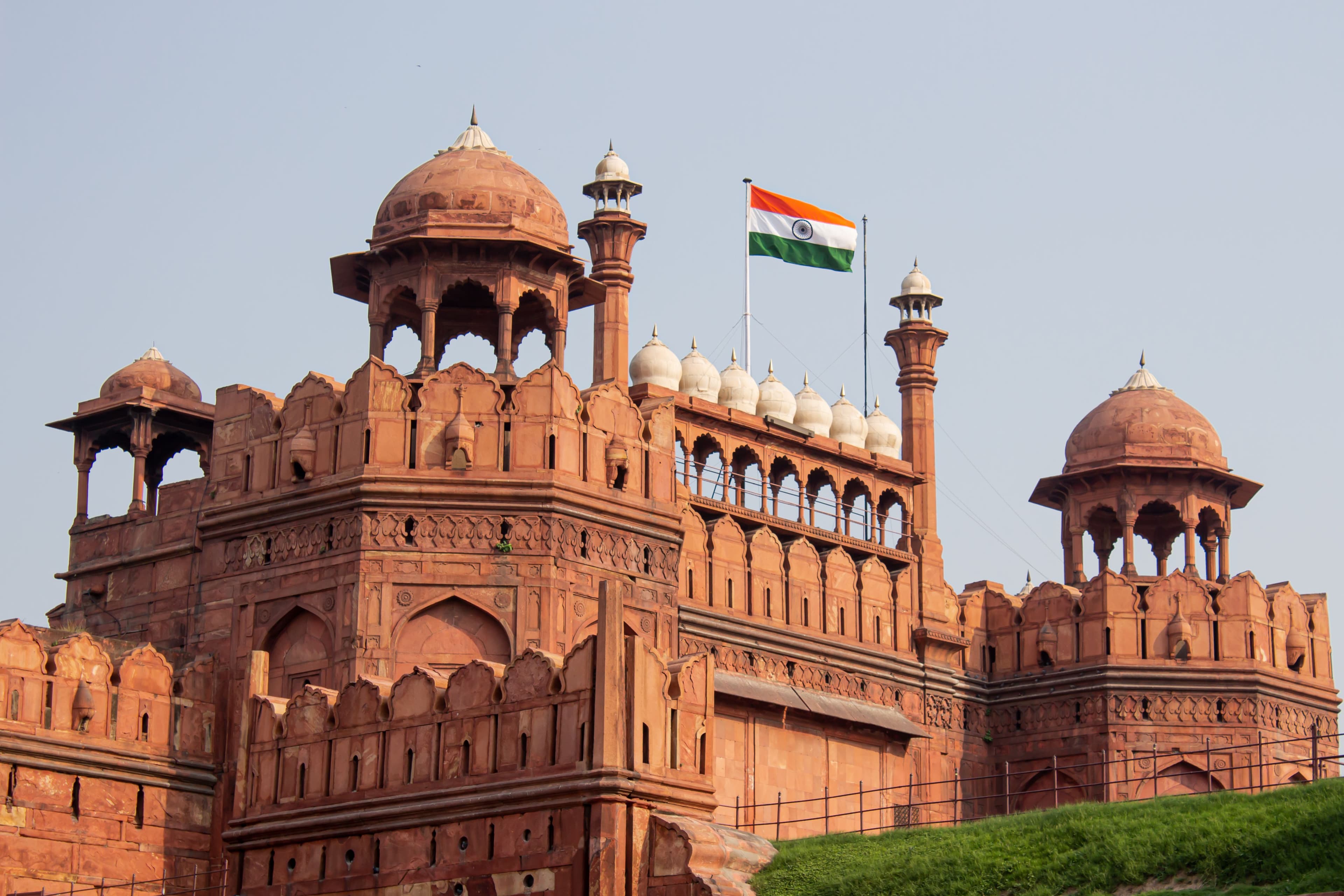
Built by Shah Jahan (1639–1648), the Red Fort served as the Mughal power centre for 200 years and earned UNESCO status in 2007. It still feels alive - hosting the annual Independence Day address. For full history and visitor information, explore our Red Fort Travel Guide.
Humayun's Tomb
Image via pexels
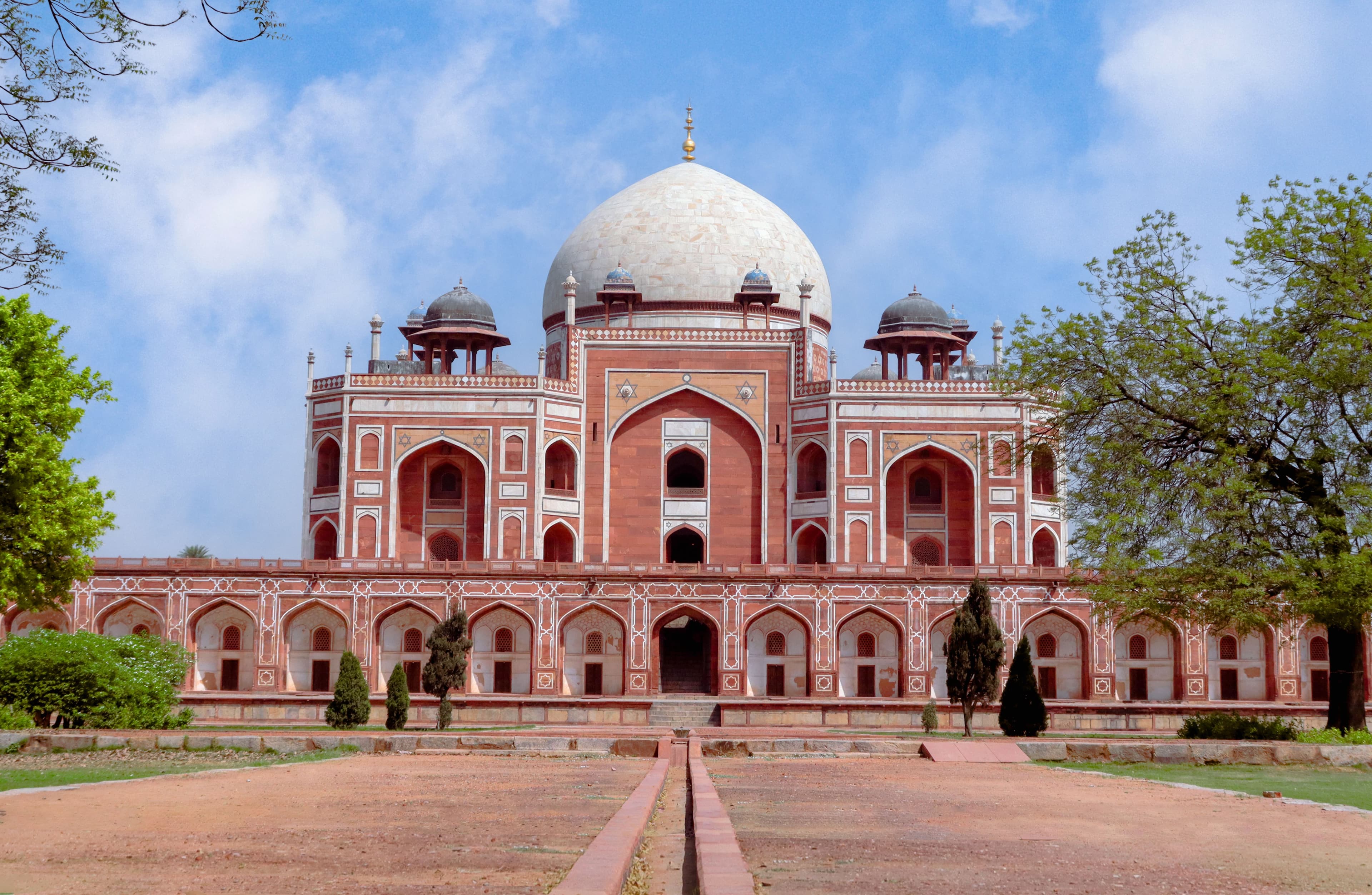
Humayun's Tomb
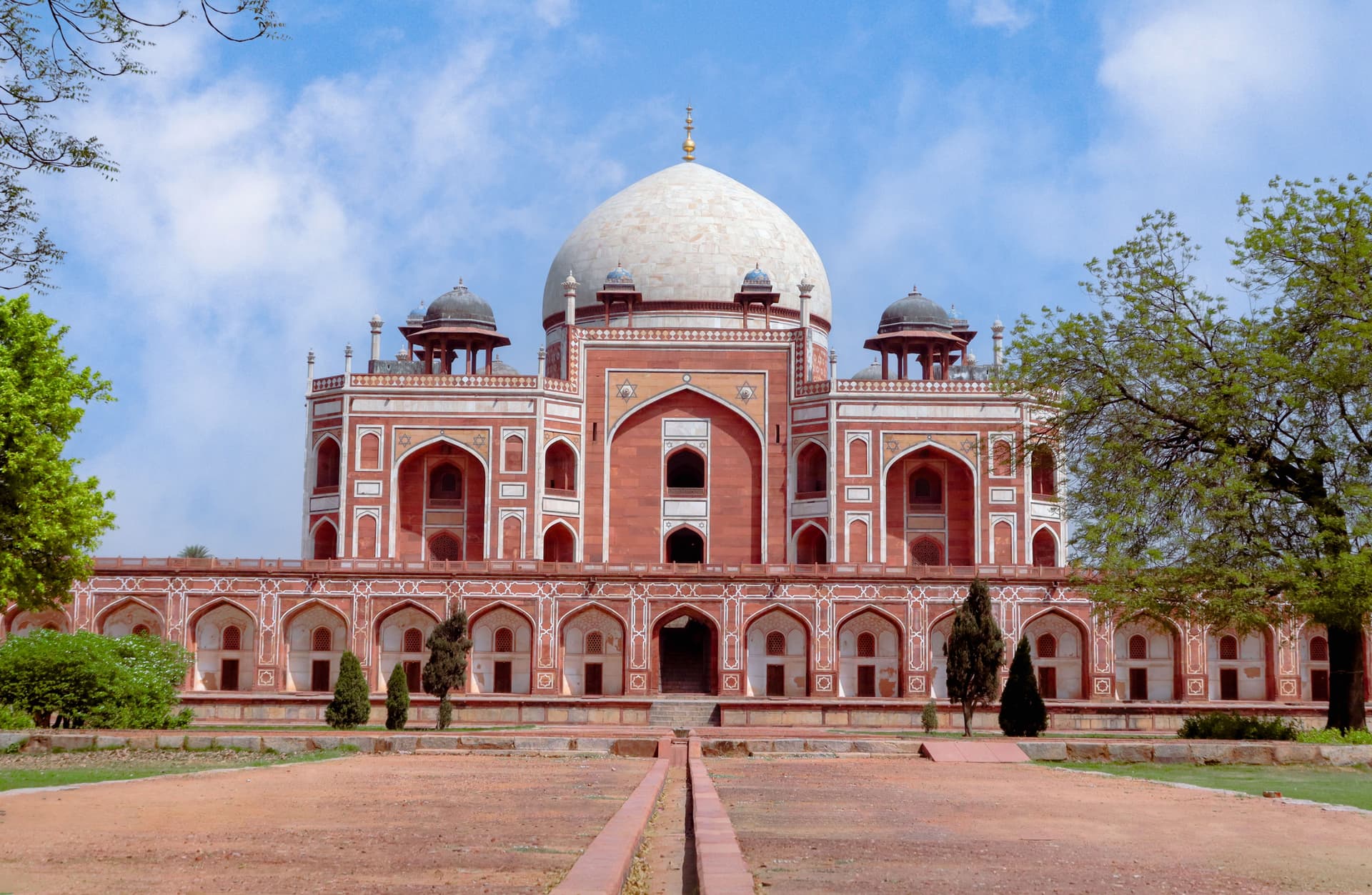
Humayun's Tomb - the subcontinent's first great garden-tomb - was built by Bega Begum in 1572. Its Charbagh design became a blueprint, inspiring the Taj Mahal 80 years later. Explore our full Humayun's Tomb Guide for the complete story.
Qutub Minar
Image via pexels
Qutub Minar
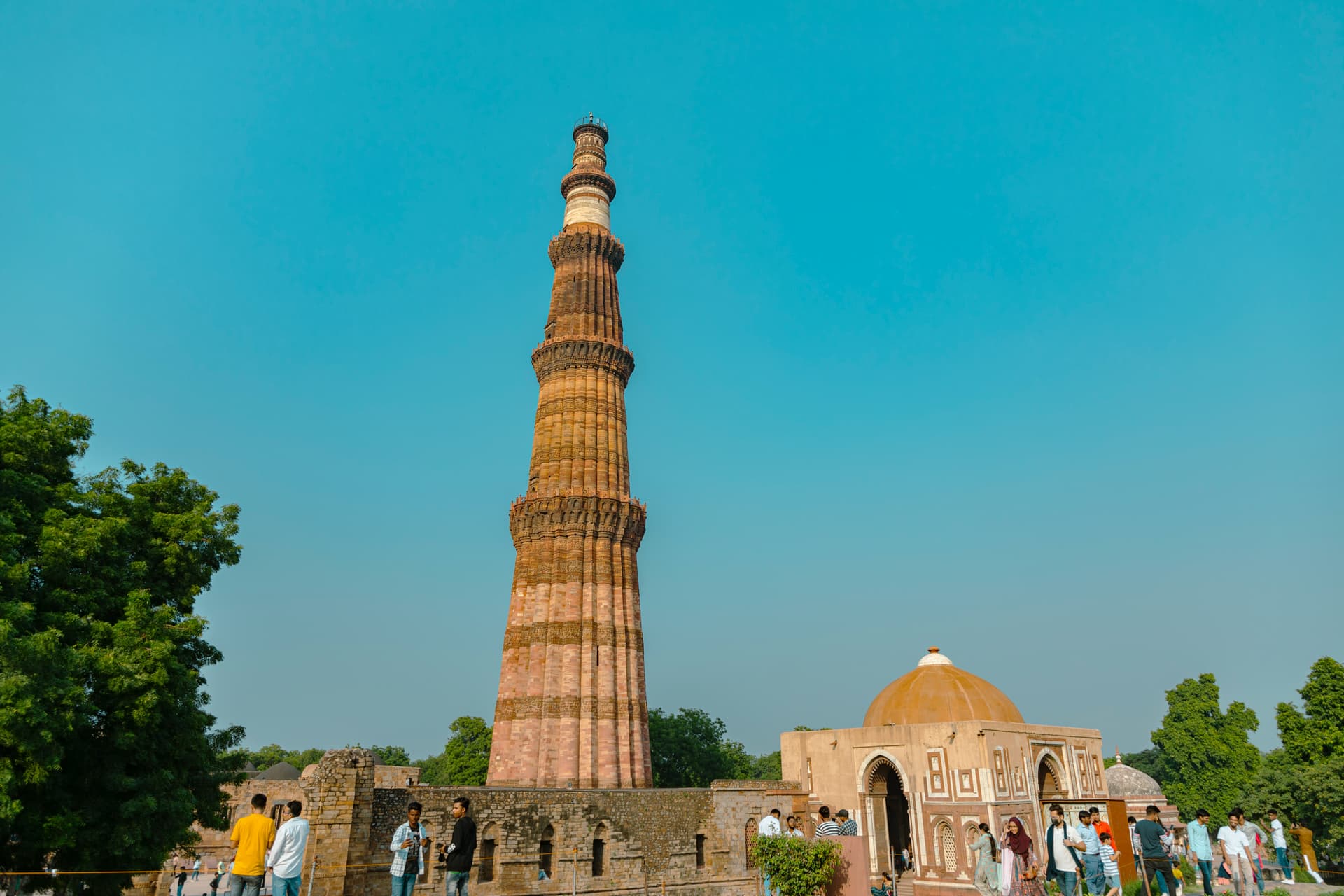
Qutub Minar - the world's tallest brick minaret at 72.5 metres - was begun in 1199 and finished by Iltutmish. The UNESCO-listed complex also features the Quwwat-ul-Islam Mosque and the remarkable Iron Pillar. Step back into Delhi's earliest Indo-Islamic era with our detailed Qutub Minar Travel Guide.
Top Heritage Sites in Agra
Taj Mahal
Image via pexels
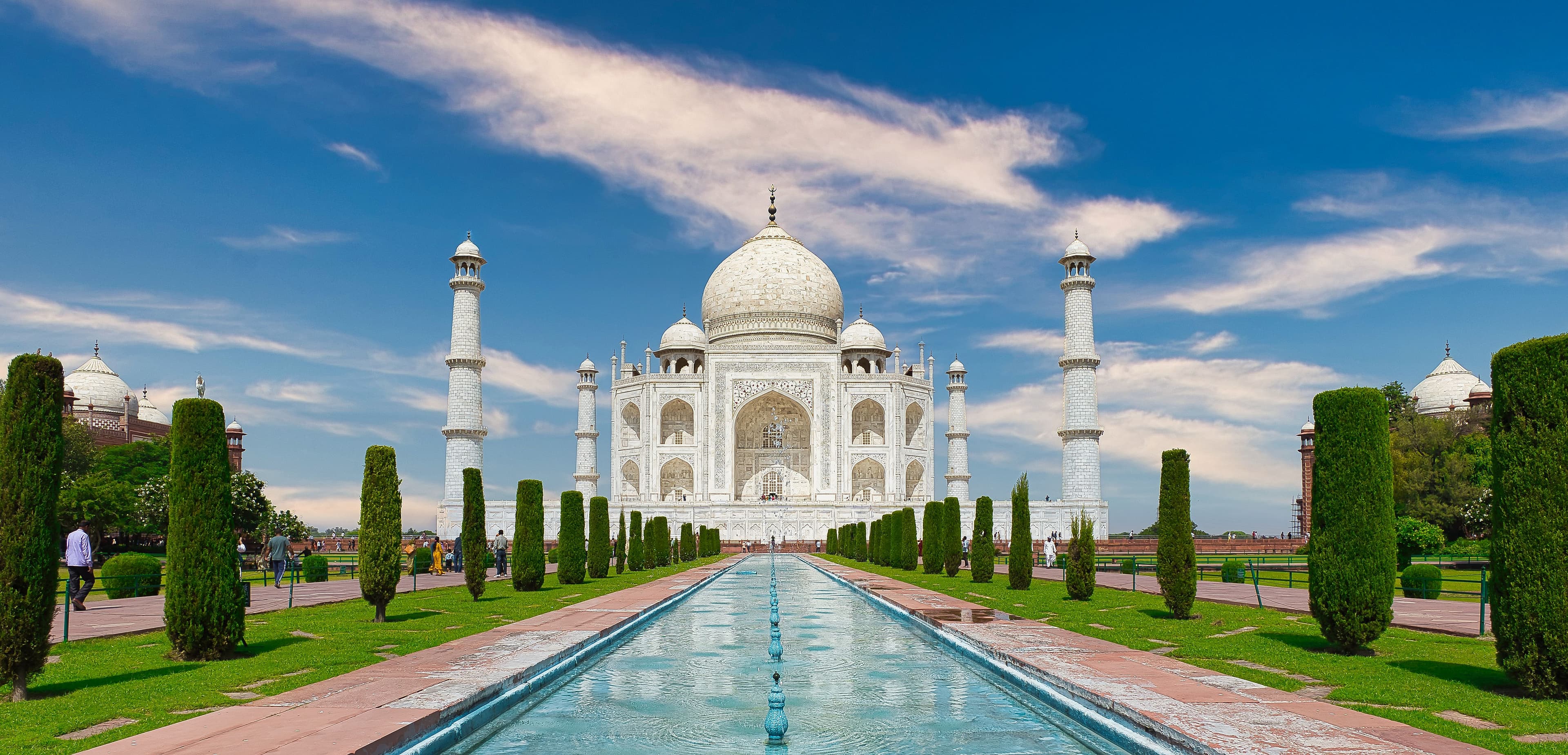
Taj Mahal
The Taj Mahal - built by Shah Jahan between 1631–1653 - still carries an almost unreal presence. A UNESCO site since 1983, it's India's most visited monument. For the full experience, visit at sunrise - and check our complete Taj Mahal Travel Guide for all the practical details.
Agra Fort
Image via pexels
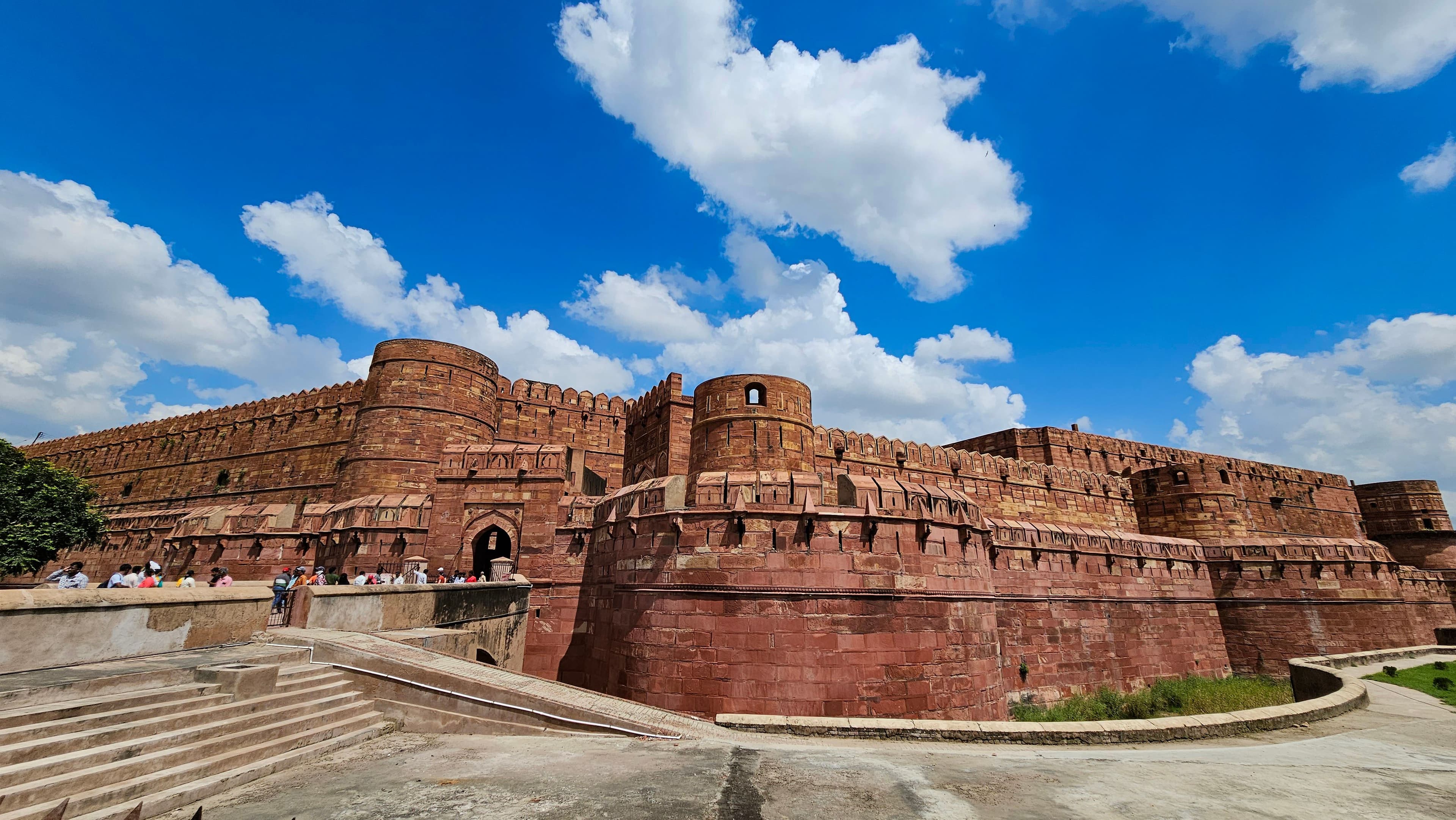
Agra Fort
Akbar's 16th-century Agra Fort, built in red sandstone, was the Mughal seat until the capital shifted to Delhi. Inside its 2.5 km walls are palaces, halls, and the Musamman Burj - where Shah Jahan reportedly watched the Taj Mahal in his final days. A UNESCO site (1983) - visit our Agra Fort Travel Guide for all the details.
Fatehpur Sikri
Image via pexels
Fatehpur Sikri
Akbar built Fatehpur Sikri as his new Mughal capital in the 16th century, but water shortages forced its abandonment within years. The result is a remarkably preserved Mughal town, with the Buland Darwaza and Jama Masjid as its crowning features. UNESCO listed it in 1986 - for more, visit our Fatehpur Sikri Travel Guide.
Top Heritage Sites in Rajasthan
Amber Fort, Jaipur
Image via pexels
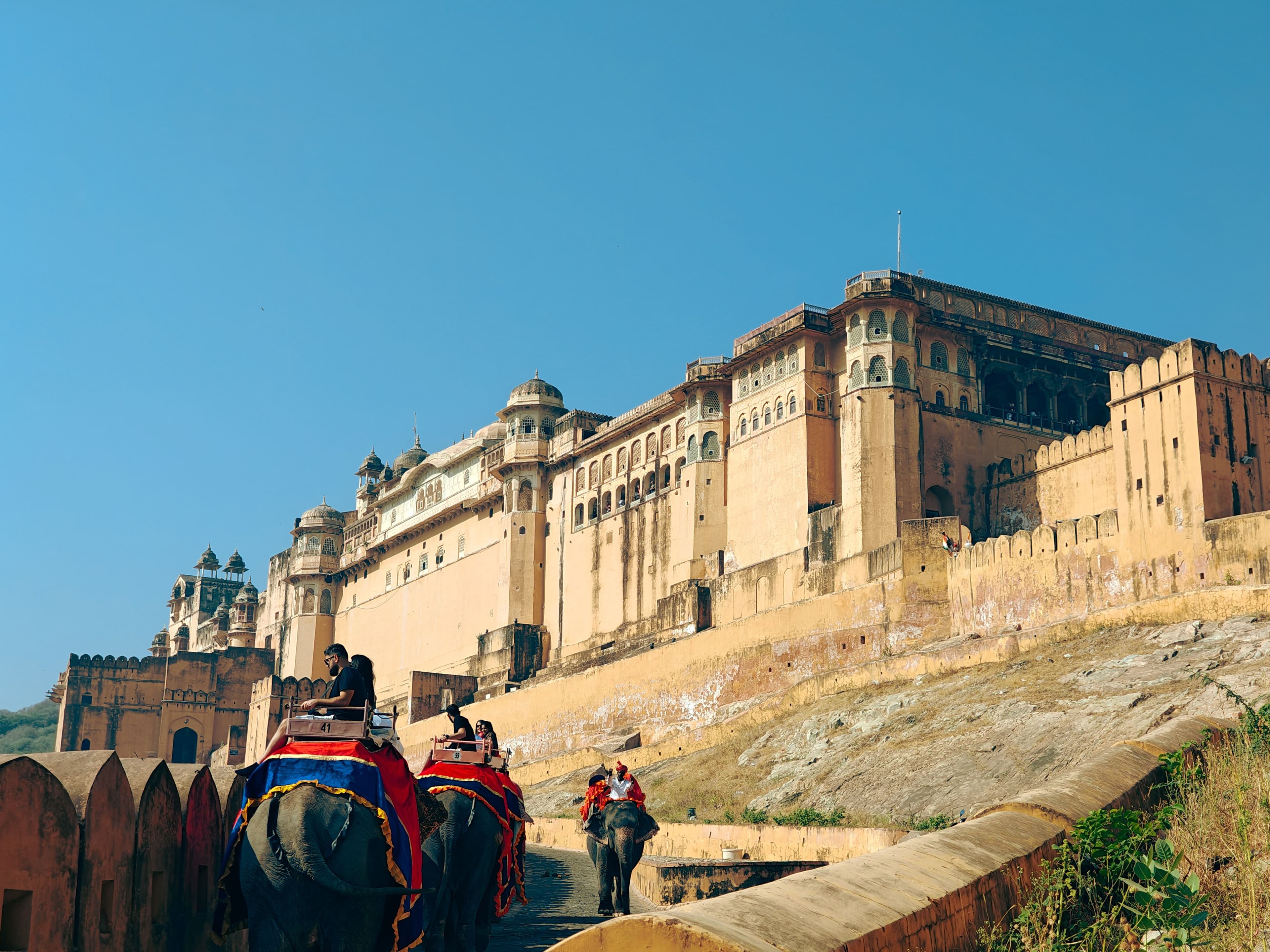
Amber Fort, Jaipur
Overlooking Maota Lake, Amber Fort blends Rajput and Mughal styles across its hilltop setting. Its Sheesh Mahal and Diwan-e-Aam draw visitors, and it's part of the UNESCO-listed Hill Forts of Rajasthan (2013). Discover more in our Amber Fort Travel Guide.
City Palace and Jantar Mantar, Jaipur
Image via pexels
City Palace and Jantar Mantar, Jaipur
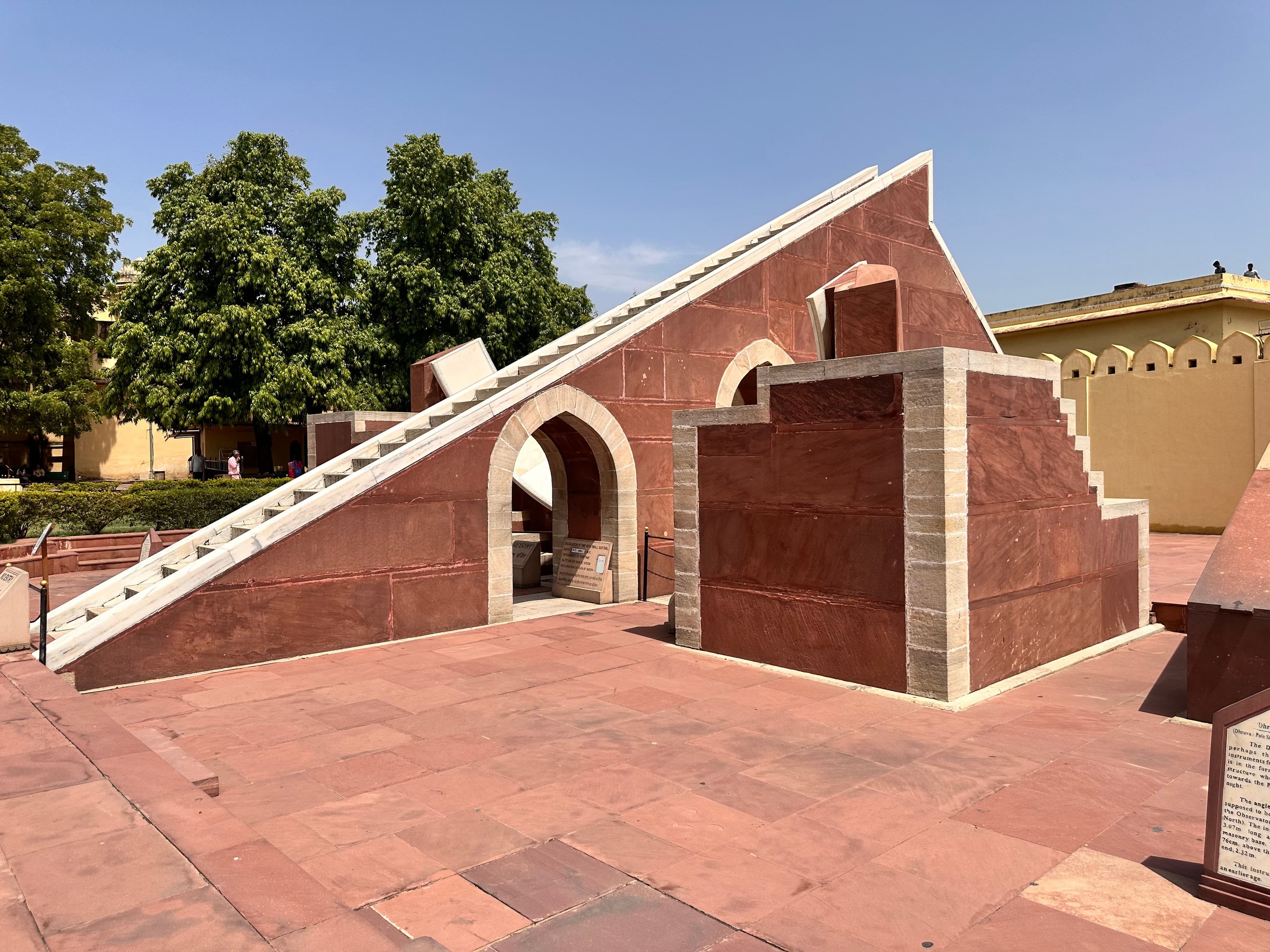
Jaipur's City Palace houses the royal family and the Chandra Mahal museum. The adjoining Jantar Mantar - an 18th-century observatory - is famous for its colossal sundial. The city is a UNESCO site (2019), and Jantar Mantar has its own UNESCO tag (2010). Check our Jaipur Travel Guide for more.
Mehrangarh Fort, Jodhpur
Image via pexels
Mehrangarh Fort, Jodhpur
Mehrangarh Fort - towering over Jodhpur's blue houses - is among India's most dramatic and best-preserved forts. Its sandstone walls, ornate palaces, and endless desert vistas leave a lasting impression. Visit our comprehensive Mehrangarh Fort Travel Guide for complete details.
Religious and Spiritual Heritage Sites
Golden Temple, Amritsar
Image via pexels
Golden Temple, Amritsar
Harmandir Sahib - the Golden Temple - is Sikhism's most sacred site, set within a holy pool and crowned with gold. Its langar serves free meals to all visitors, making it as much about welcome as architecture. Read our full Golden Temple Travel Guide.
Varanasi Ghats
Image via pexels
Varanasi Ghats
Varanasi, one of the world's oldest living cities, lines the Ganges with ghats for ritual bathing, cremation, and worship. Watching the evening Aarti from the river is unforgettable - heritage that's still alive. Visit our Varanasi Travel Guide.
Hidden Gems and Underrated Heritage Sites
Nahargarh Fort , Jaipur
Image via pexels
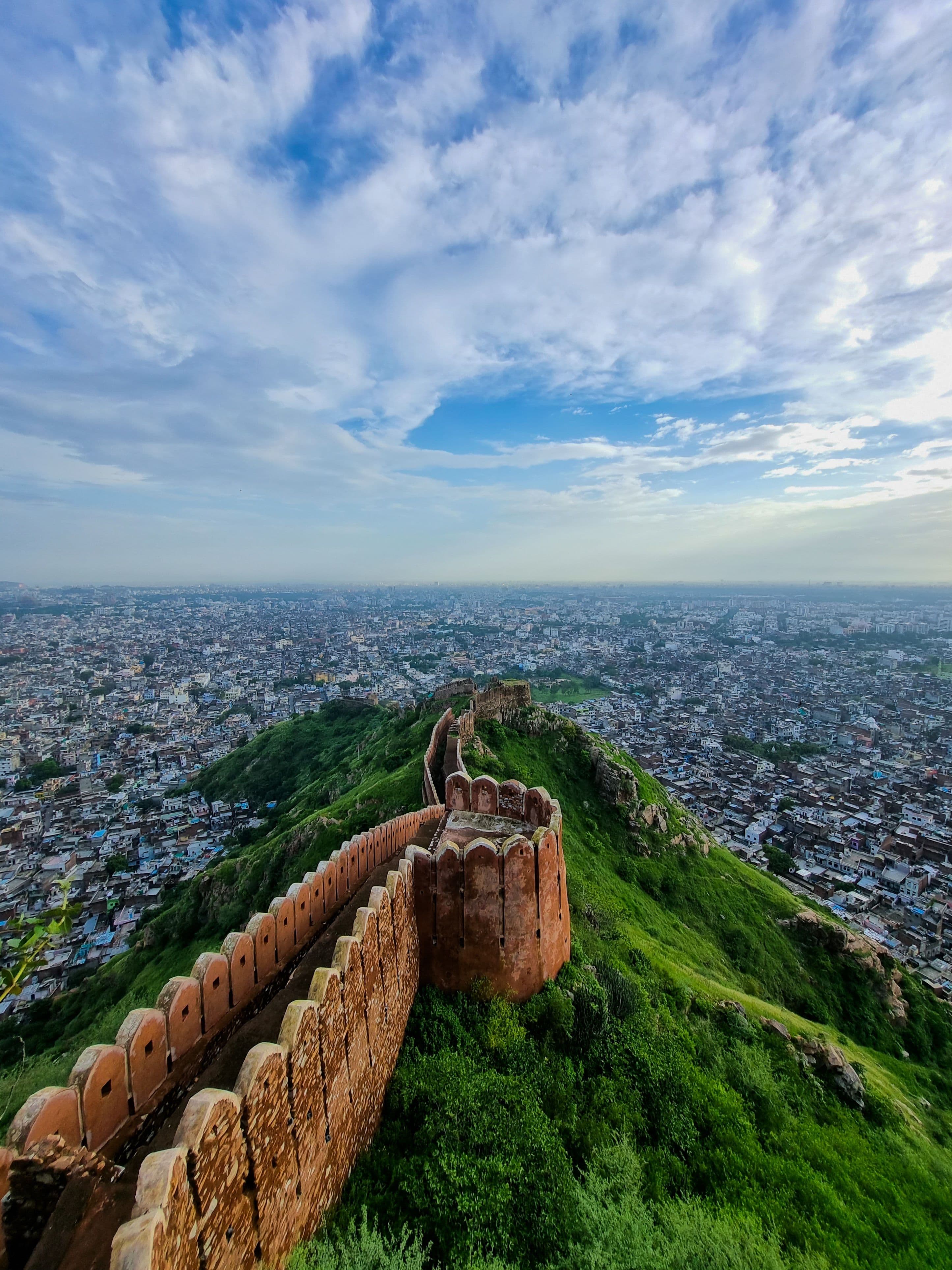
Nahargarh Fort , Jaipur
it sits up on a ridge sorta watching over the city, it is far less crowded than Amber Fort , and yeah the sunset views are really good , maybe even better if you catch the late light.
Chandigarh’s Capitol Complex
Image via pexels
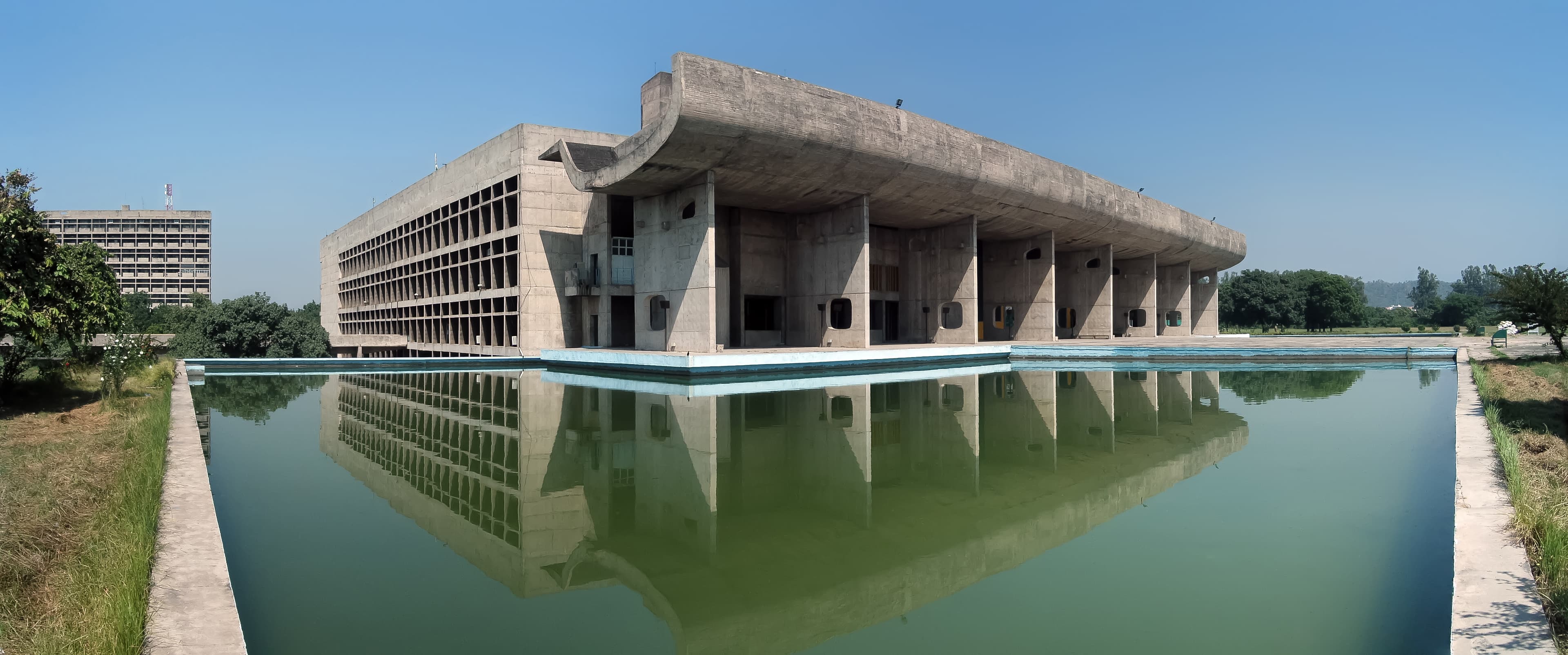
Chandigarh’s Capitol Complex
Le Corbusier's mid-20th-century government complex in Chandigarh - a UNESCO World Heritage Site - offers a bold modernist contrast to North India's ancient monuments. Explore our complete Chandigarh Heritage Travel Guide.
Salimgarh Fort , Delhi
Image via pexels
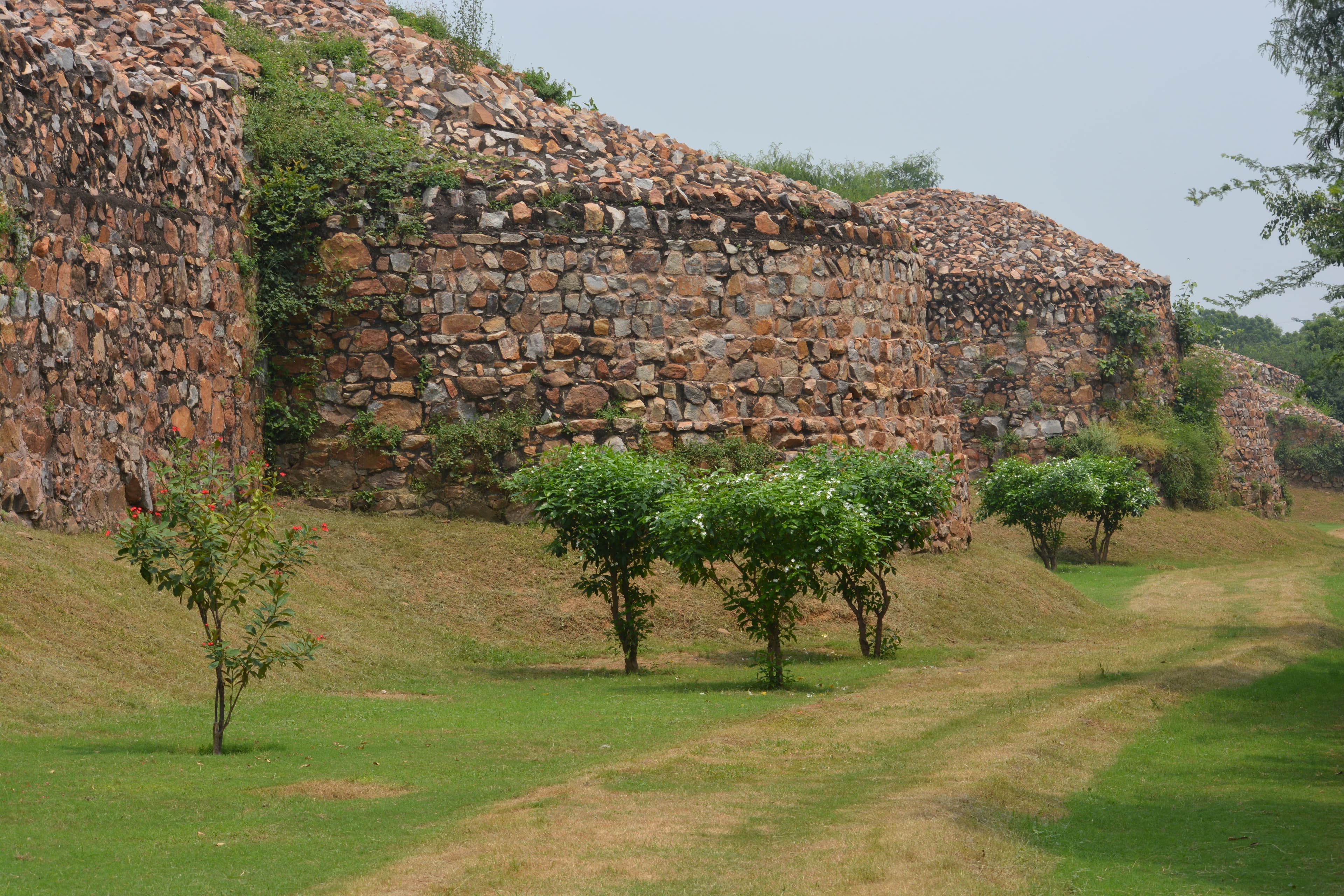
Salimgarh Fort , Delhi
This 16th-century fortification is right by the Red Fort, there’s a bridge connection, and it tends to be visited much less , by comparison, which is nice.
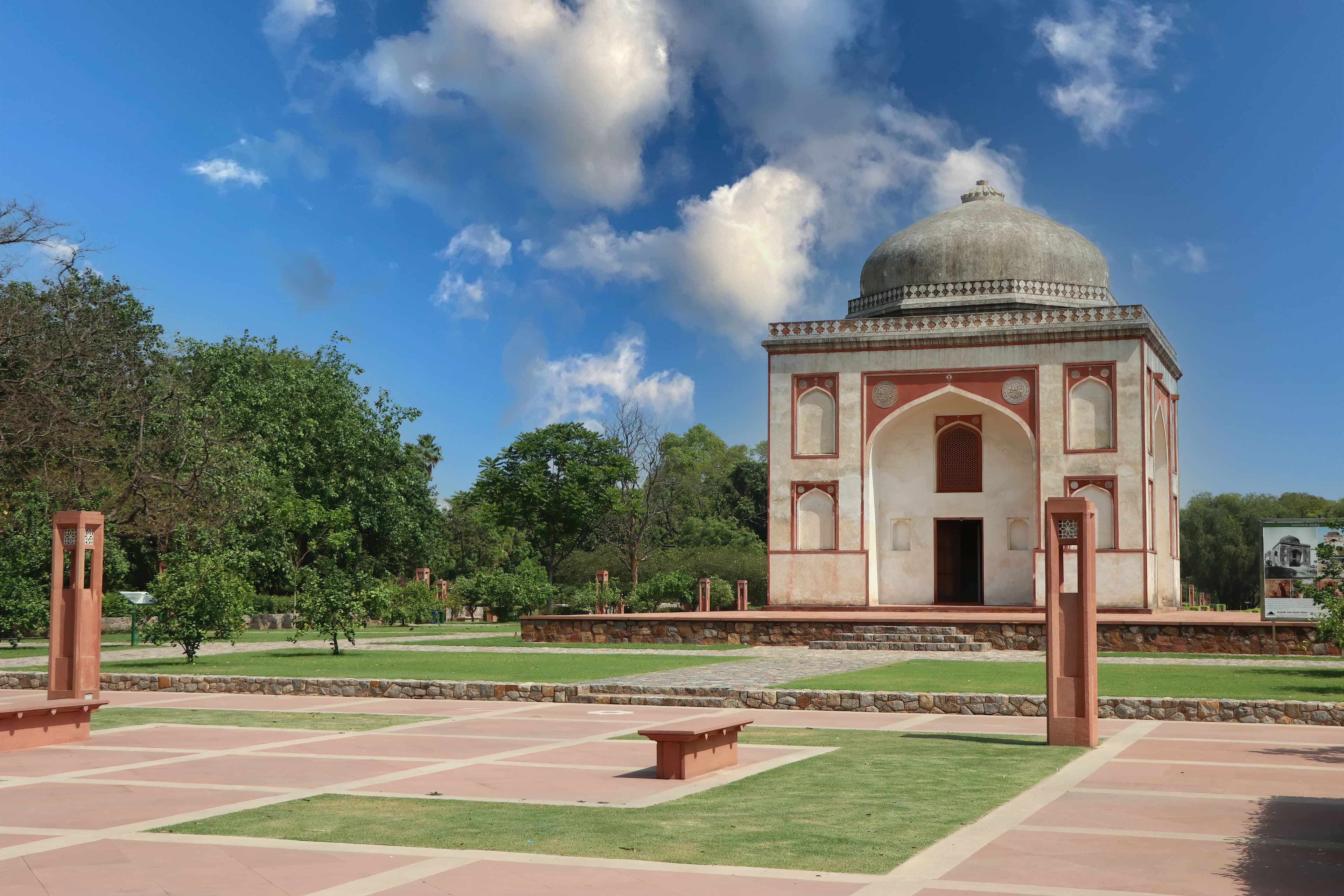
Sunder Nursery , Delhi
Image via pexels
Sunder Nursery , Delhi
it’s a restored heritage park next to Humayun’s Tomb, but it also has its own little cluster of quieter Mughal tombs that most people don’t really notice
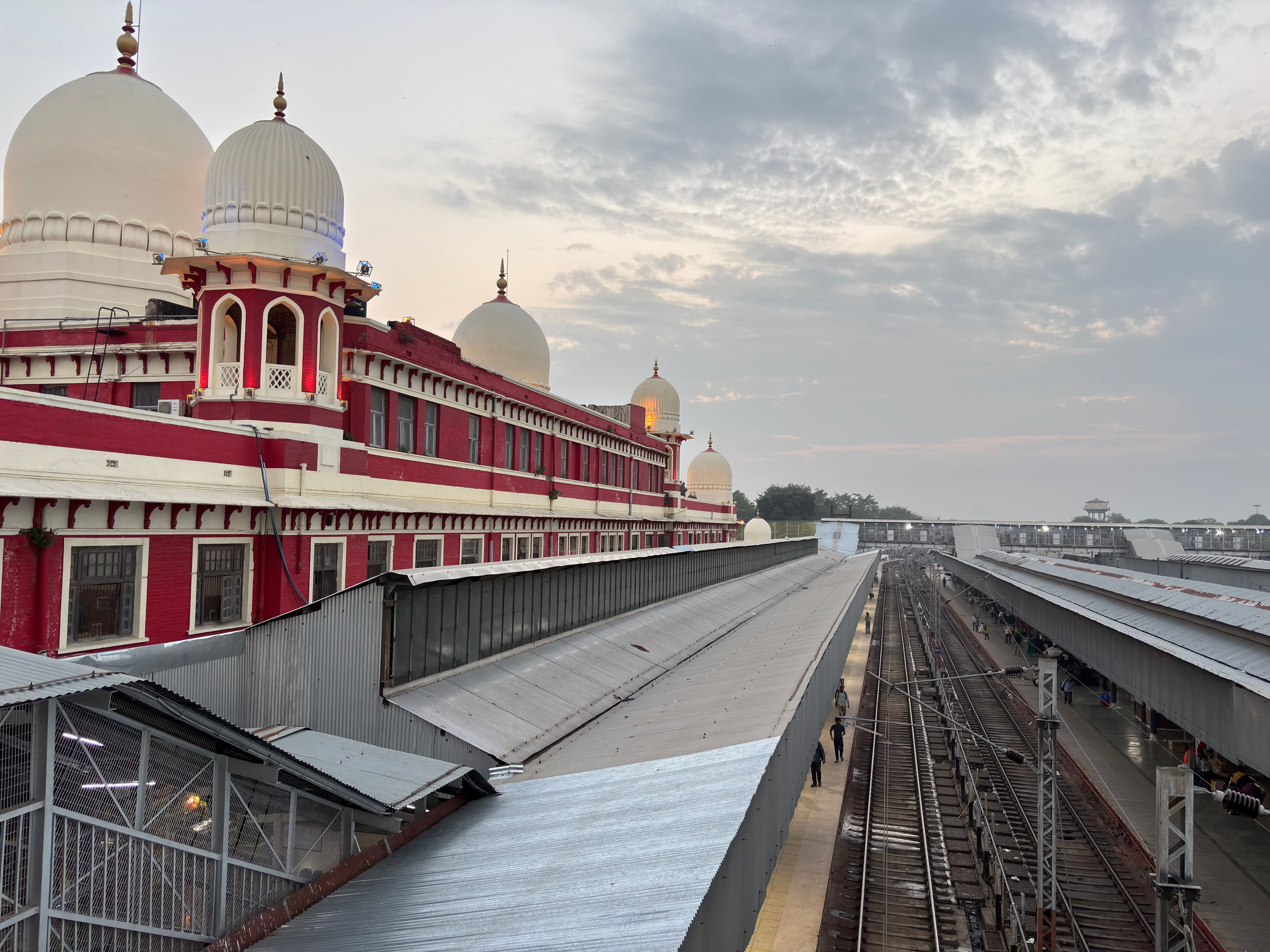
Lucknow
Image via pexels
Lucknow
just a short flight from Delhi, this 18th-century Nawabi structure contains one of the world’s largest vaulted halls , and somehow it manages it without supporting beams.
Best Heritage Experiences Across North India
Image via pexels
Sunrise by the Taj Mahal, early enough before the mausoleum kind of opens to the day’s full crowds.
The evening Sound & Light Show at the Red Fort , where they sort of narrate Delhi’s story against the glowing ramparts.
You get an elephant or a jeep ride up to Amber Fort main gate, after which there’s a private Sheesh Mahal walkthrough , a bit slow and very personal.
A boat trip along the Varanasi ghats at dawn, then later an evening Ganga Aarti ceremony , yes very different vibe but still connected.
Ticket Prices at a Glance
The table below provides approximate entry fees for some of North India's most popular heritage attractions. Ticket prices may change periodically, so it's always advisable to confirm the latest rates on the official Archaeological Survey of India (ASI) or respective state tourism websites before your visit.
| Heritage Site | Indian Nationals | Foreign Nationals |
|---|---|---|
| Taj Mahal, Agra | ₹50 + ₹200 (Mausoleum) | ₹1,300 |
| Agra Fort | ₹40 | ₹550 |
| Fatehpur Sikri | ₹35 | ₹550 |
| Red Fort, Delhi | ₹35 | ₹500–550 |
| Humayun's Tomb, Delhi | ₹35 | ₹550 |
| Qutub Minar, Delhi | ₹35 | ₹550 |
| Amber Fort, Jaipur | ₹200 | ₹700 |
| City Palace, Jaipur | ₹200–700 (By Zone) | Up to ₹3,000 |
| Jantar Mantar, Jaipur | ₹50 | ₹200 |
| Mehrangarh Fort, Jodhpur | ₹100–130 | ₹600–700 |
| Golden Temple, Amritsar | Free | Free |
| Varanasi Ghats | Free (Boat Extra) | Free (Boat Extra) |
Best Time to Visit North India's Heritage Sites
October – March
Best time - pleasant days, ideal for long walks and sightseeing
April – June
Intense heat (40°C+) - harsh in Rajasthan's desert towns
July – September
Monsoon - cools things down but heavy rain in Delhi/Agra can disrupt plans
Budget Estimates
₹2,500–4,000
per day (trains, guesthouses, street food, entry tickets).
₹6,000–10,000
per person (private car, boutique hotels, sit-down dining).
₹18,000+ per day
chauffeur-driven vehicle, five-star and heritage-palace stays, private historian guides.
Solo Traveler Tips
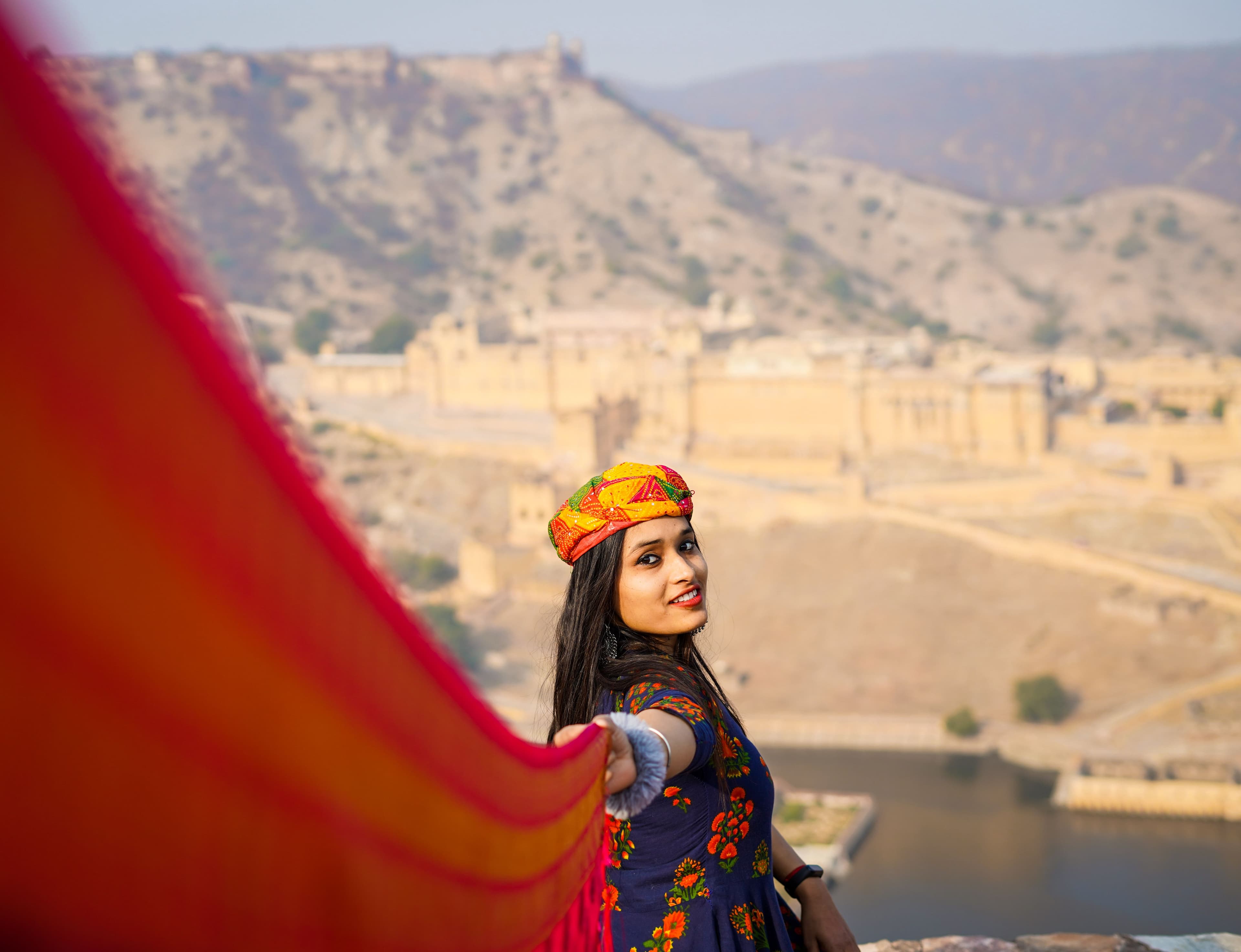
Image via pexels
INorth North India’s major monuments feel fairly comfortable for solo travelers, with a steady kind of visitor flow and some formal ticketing all the way through. For solo female travelers, having transport already arranged between cities, using vetted guides, and staying somewhere with strong solo-traveler reviews actually makes a meaningful difference-especially in the busier zones like Old Delhi, and at Varanasi’s ghats where, a local guide brings context plus a bit of peace of mind, too.
Frequently Asked Questions
The top heritage sites in North India include the Taj Mahal, Agra Fort and Fatehpur Sikri in Agra; the Red Fort, Humayun's Tomb and Qutub Minar in Delhi; and Amber Fort, City Palace and Jantar Mantar in Jaipur, alongside spiritual sites like the Golden Temple in Amritsar and the ghats of Varanasi.
North India is home to numerous UNESCO World Heritage Sites, including the Taj Mahal, Agra Fort, Fatehpur Sikri, the Red Fort Complex, Humayun's Tomb, Qutub Minar, Jaipur City and the Hill Forts of Rajasthan, along with the Jantar Mantar in Jaipur.
A focused Golden Triangle circuit covering Delhi, Agra and Jaipur takes 5 to 7 days. Adding Amritsar or Varanasi for spiritual heritage typically extends the trip to 10 to 12 days.
October through March offers the most comfortable weather across Delhi, Agra and Rajasthan, with cool mornings ideal for walking between forts and monuments. April through June brings intense heat that makes midday sightseeing difficult.
The Taj Mahal is the essential first stop for most travelers, but pairing it with Agra Fort and at least one Delhi monument, such as the Red Fort or Humayun's Tomb, gives a fuller picture of how Mughal architecture evolved.
Yes, with sensible precautions. Major sites are well-ticketed and busy with visitors throughout the day. Many solo female travelers prefer a private guide or a women-only tour for added comfort, particularly when moving between cities.
Planning a North India Heritage Journey?
India Heritage Travel creates private chauffeur-driven itineraries that combine Delhi's Qutub Minar, Red Fort, and Humayun's Tomb with Agra's Taj Mahal, Jaipur's Amber Fort, and Varanasi's spiritual ghats into seamless North India heritage journeys guided by local experts.
Plan My North India Heritage Tour