Overview of Mahabalipuram
Mahabalipuram is on the Coromandel Coast , in Tamil Nadu , Chengalpattu district. There, the Bay of Bengal meets long stretches of granite outcrop , and it kind of feels like time is slowed down. Back in the 7th century, this quiet fishing town was more than just scenery , it was a functioning Pallava port. Ships came and went with cotton, spices and a steady flow of “ideas” too, moving onward toward Southeast Asia.
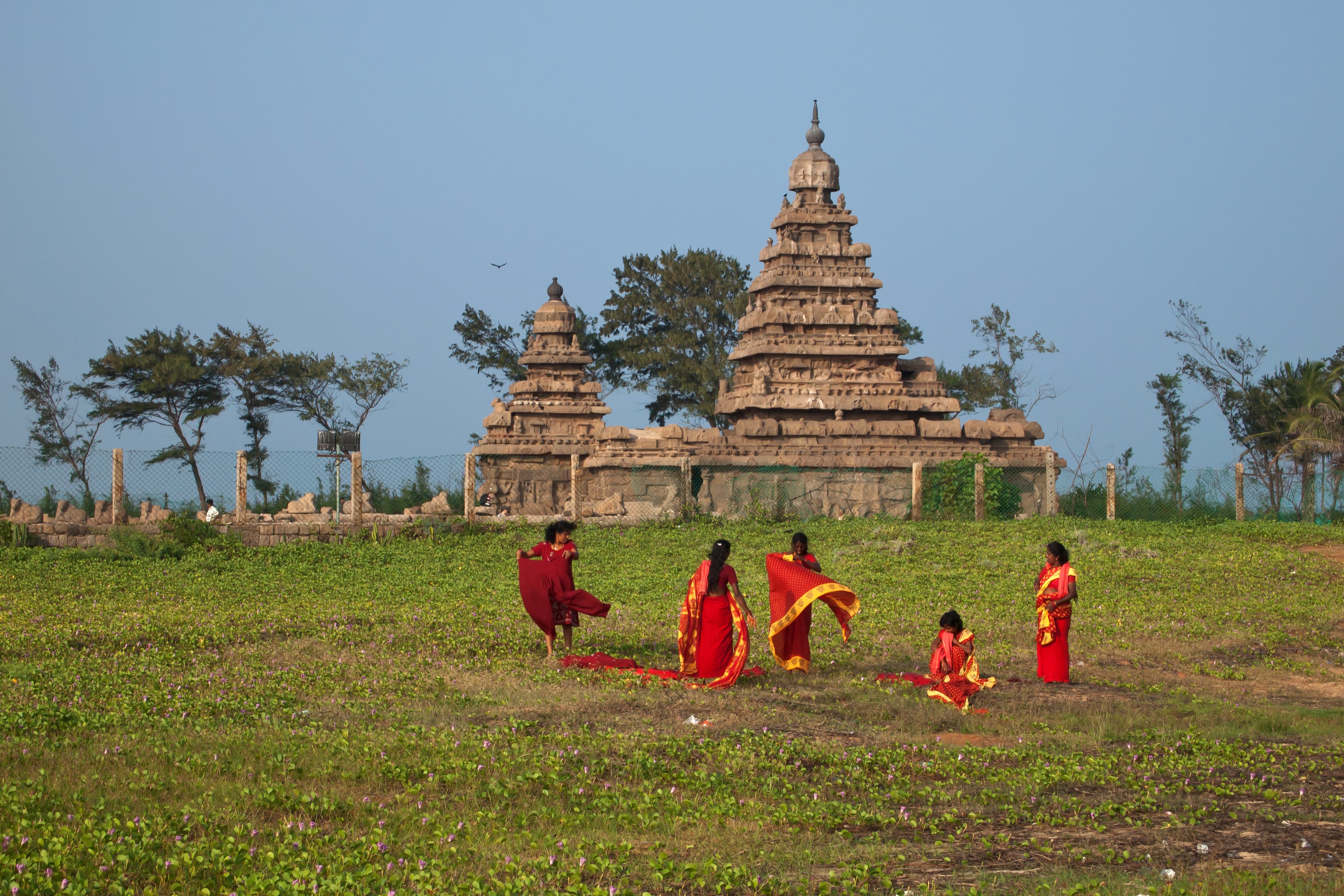
Image via wikipedia
What the Pallava kings left behind isn’t just another set of ruins in a directory, it’s something far more strange and specific: an open air workshop of rock carved caves, monolithic chariot shaped shrines and even a separate stone temple that has been facing the tide for more than 1,300 years. Now the town tries to juggle both, a kind of low key beach town cadence. Batik studios , stone carving workshops and small seafood shacks are only a short walk from the monuments that once sparked an architectural tradition across South India and out into Southeast Asia.
History of Mahabalipuram: The Pallava Dynasty and a Port City of Legends
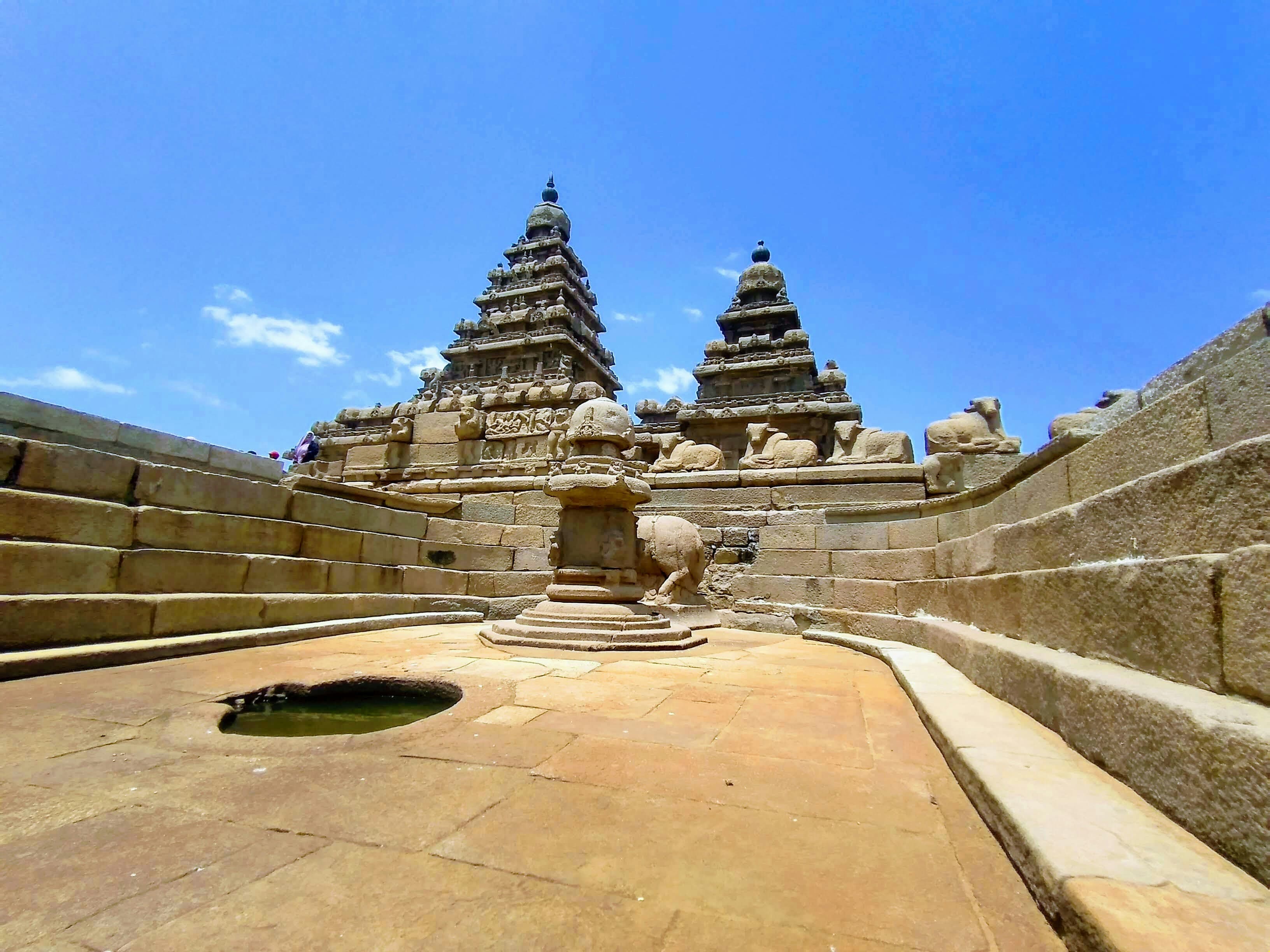
Image via pexels
Any serious Mahabalipuram travel guide must begin with the Pallavas, who ruled much of southeastern India between the 3rd and 9th centuries. It was under Narasimhavarman I - nicknamed Mamalla, or "great wrestler" - that the site, then called Mamallapuram, gained prominence in the 7th century. He commissioned the rock-cut mandapas and earliest monolithic rathas, using the port as a stage to project Pallava naval and cultural influence along the Coromandel Coast.
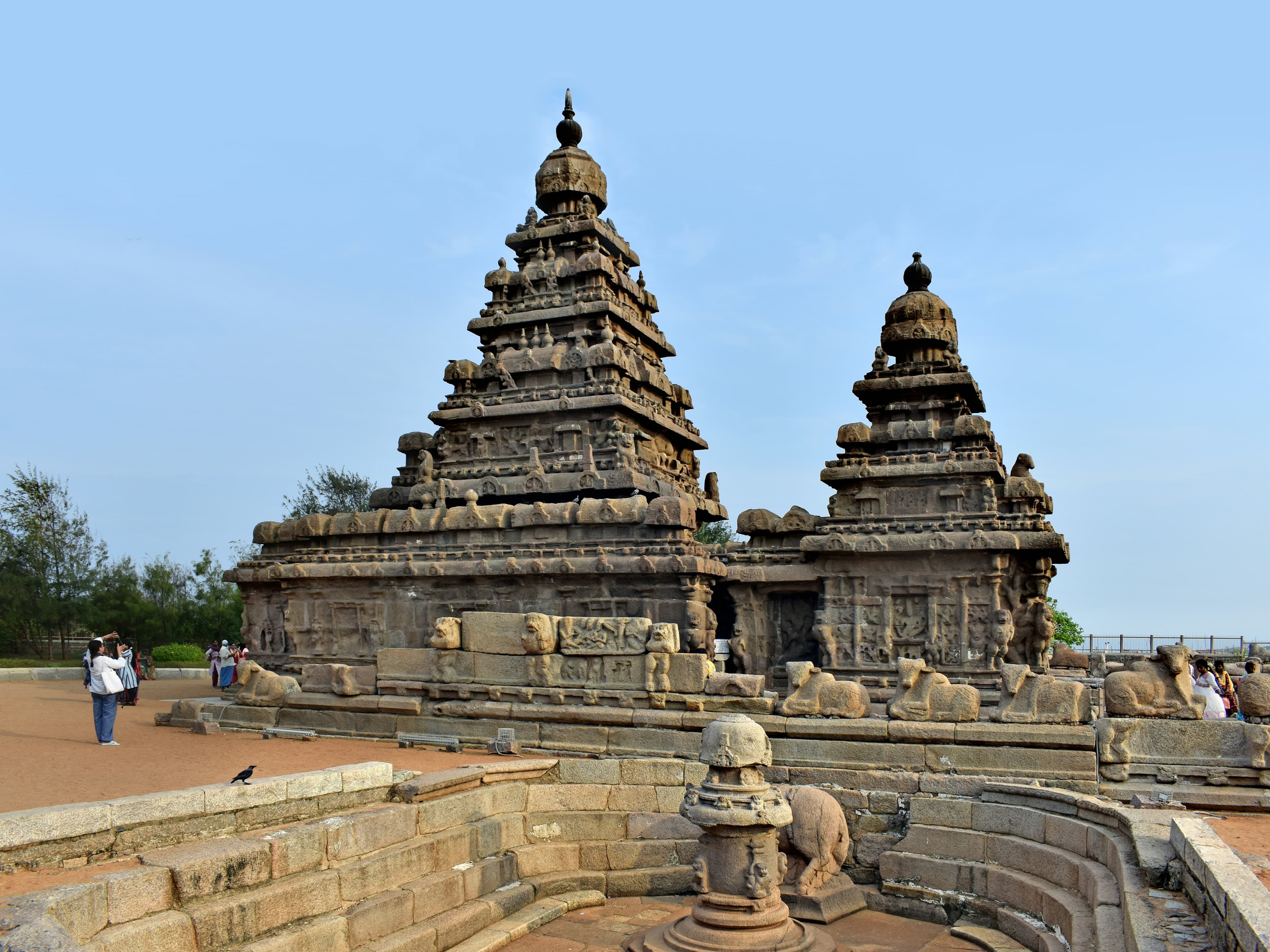
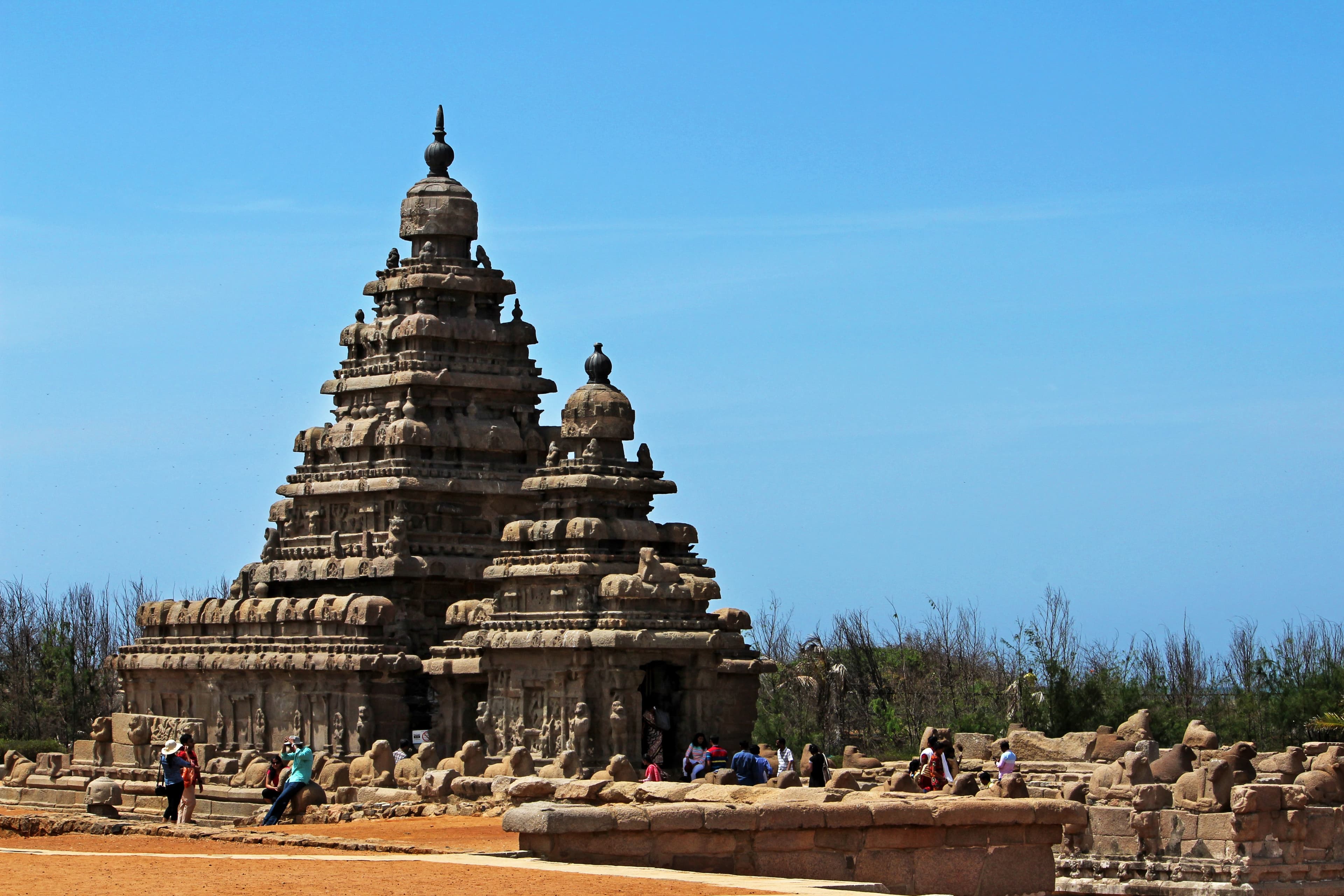
Narasimhavarman II built the Shore Temple in the early 8th century a granite structural temple, a major engineering leap. European sailors called it the "Seven Pagodas." The 2004 tsunami revealed offshore ruins, confirming local legends. By the 9th century, the port declined, but the monuments remain weathered yet enduring, a testament to early Dravidian architecture.
Architecture and Cultural Significance
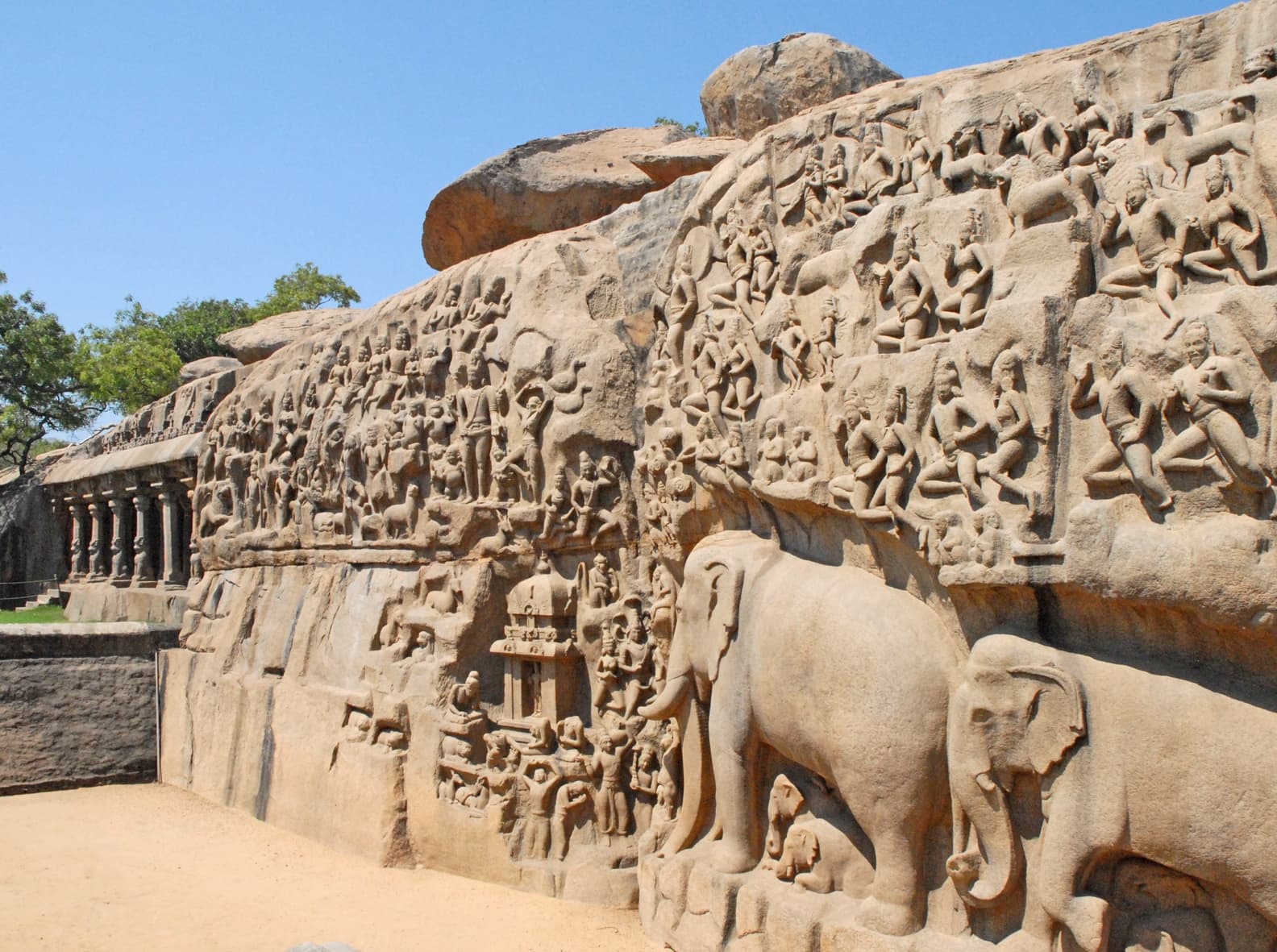
Image via unsplash
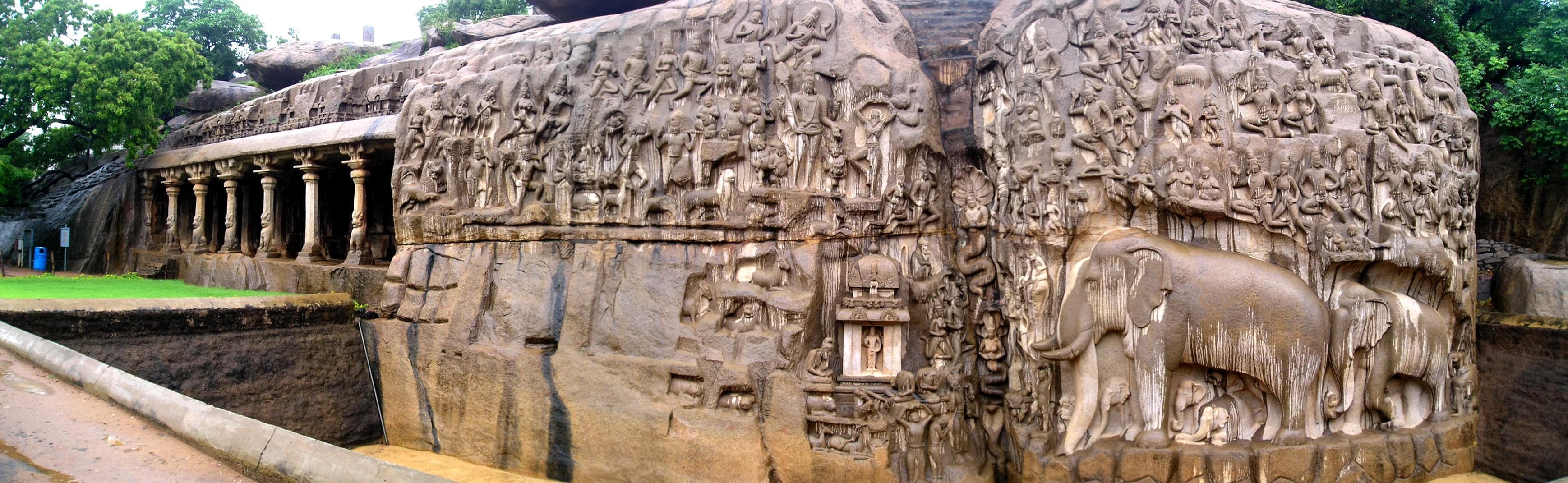
Mahabalipuram's architectural significance lies in its remarkable range of techniques within a few square kilometres tracing Dravidian temple design from rock-cut cave temples to monolithic rathas, bas-relief panels, and the structural Shore Temple. Culturally, it's a religious complex as much as a sculpture gallery, with panels depicting Krishna lifting Govardhana Hill, Durga fighting Mahishasura, and the celebrated Arjuna's Penance a granite relief where even a natural rock crack is designed as the mythical Ganges. This fusion of devotion and technical audacity makes it one of India's most studied heritage sites.
UNESCO World Heritage Status
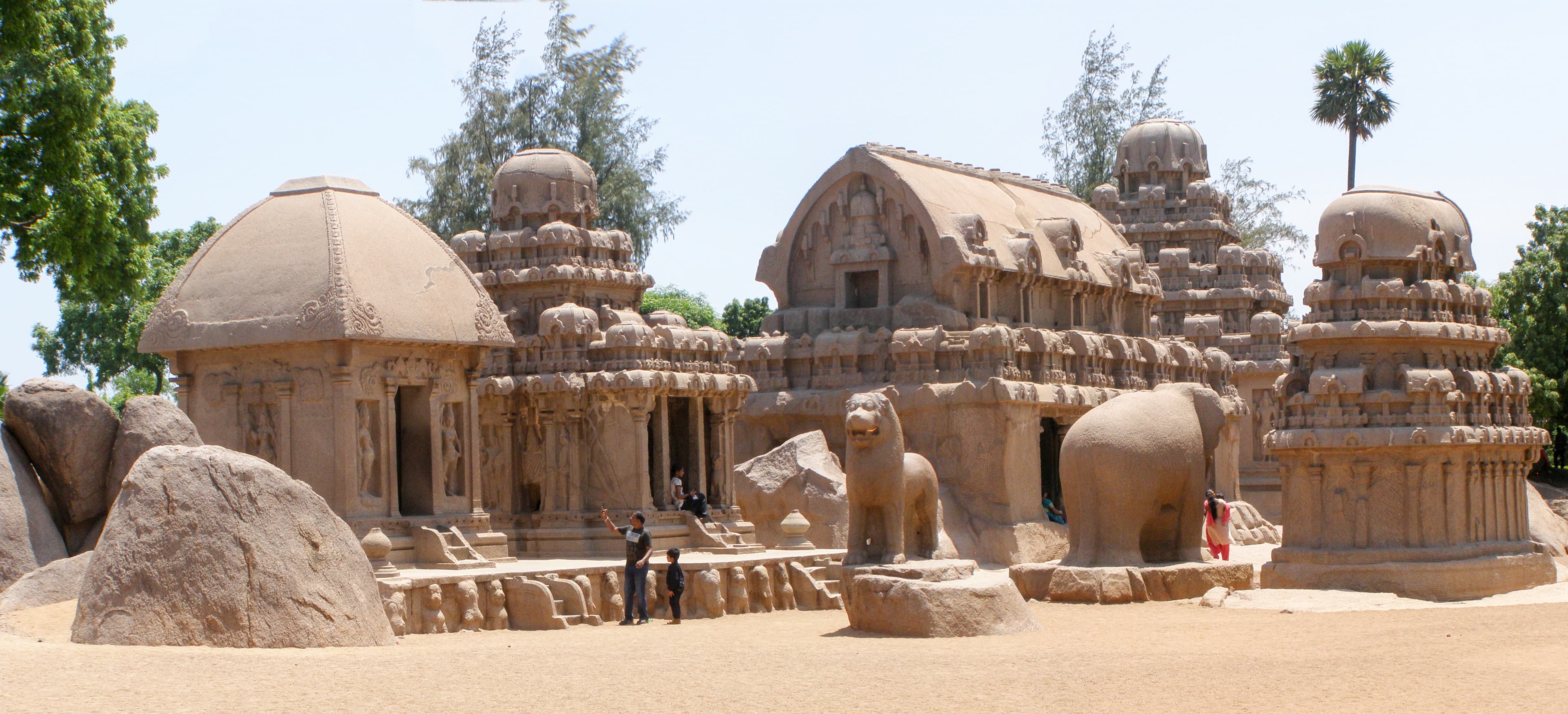
Image via wikipedia
The Group of Monuments at Mahabalipuram was inscribed as a UNESCO World Heritage Site in 1984 a recognition of the rock-cut and structural temples produced under Narasimhavarman I and II in the 7th–8th centuries. The designation covers the Shore Temple, Five Rathas, rock-cut mandapas, Arjuna's Penance, and smaller structures now managed by the Archaeological Survey of India. Conservation efforts continue, especially around the salt-battered Shore Temple, making it one of the best-preserved accounts of early Pallava workmanship in India.
Major Attractions: What to See in Mahabalipuram
Shore Temple
Image via wikipedia
Shore Temple
The Shore Temple Mahabalipuram's signature monument is an early 8th-century granite temple by the Bay of Bengal. Its salt-worn surface tells stories of centuries. Visit at sunrise or sunset for golden light.
Five Rathas (Pancha Rathas)
Image via wikipedia
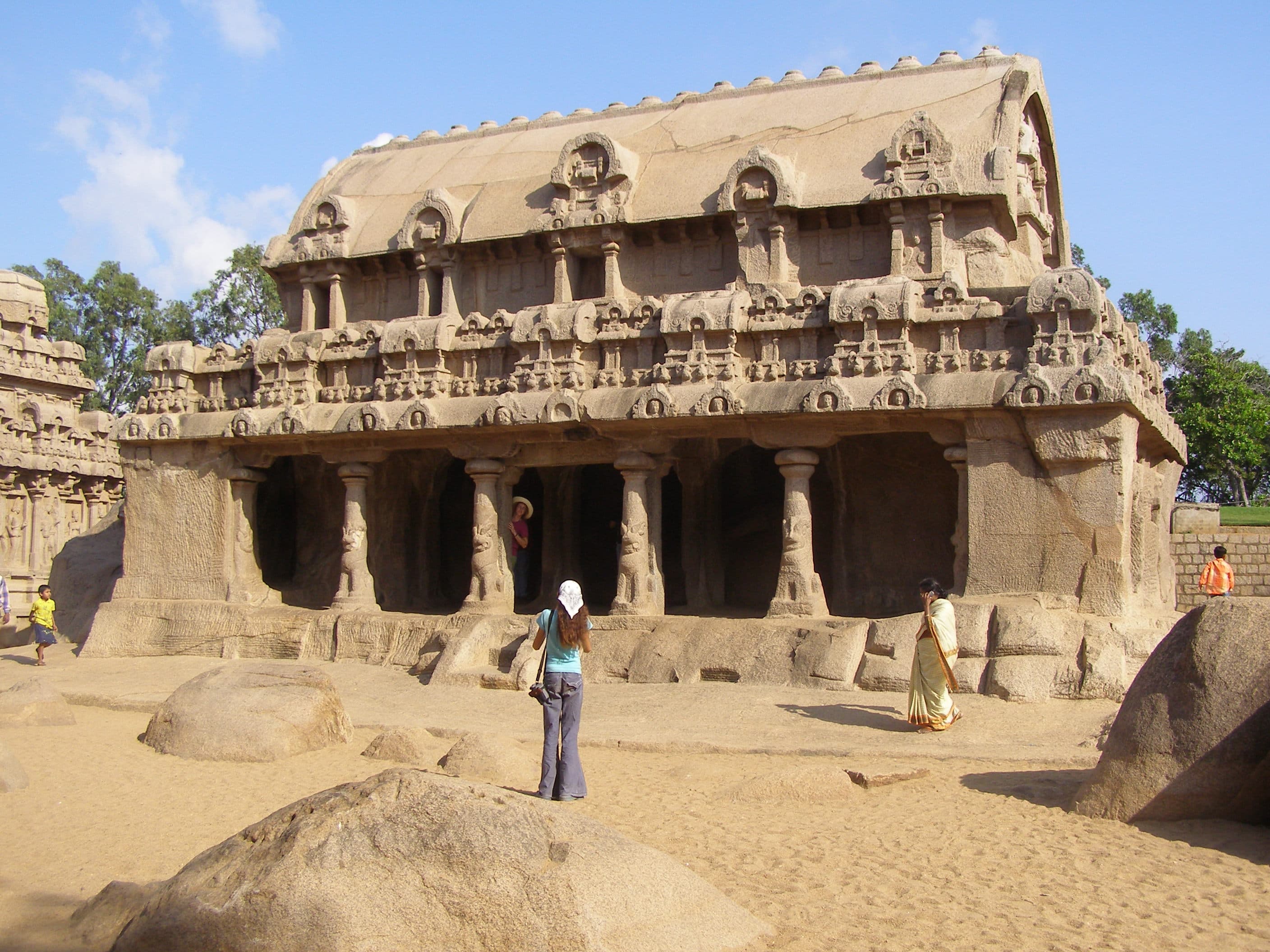
Five Rathas (Pancha Rathas)
The Five Rathas are five single-rock granite shrines near the Shore Temple, each in a different style. Unfinished carvings reveal Pallava craftsmanship in motion.
Arjuna's Penance
Image via wikipedia
Arjuna's Penance
This giant bas-relief gods, elephants, and a rock crack as the Ganges spans two boulders. Scholars still debate if it's Arjuna's penance or Bhagiratha's story, making it endlessly fascinating."
Krishna's Butter Ball
Image via wikipedia
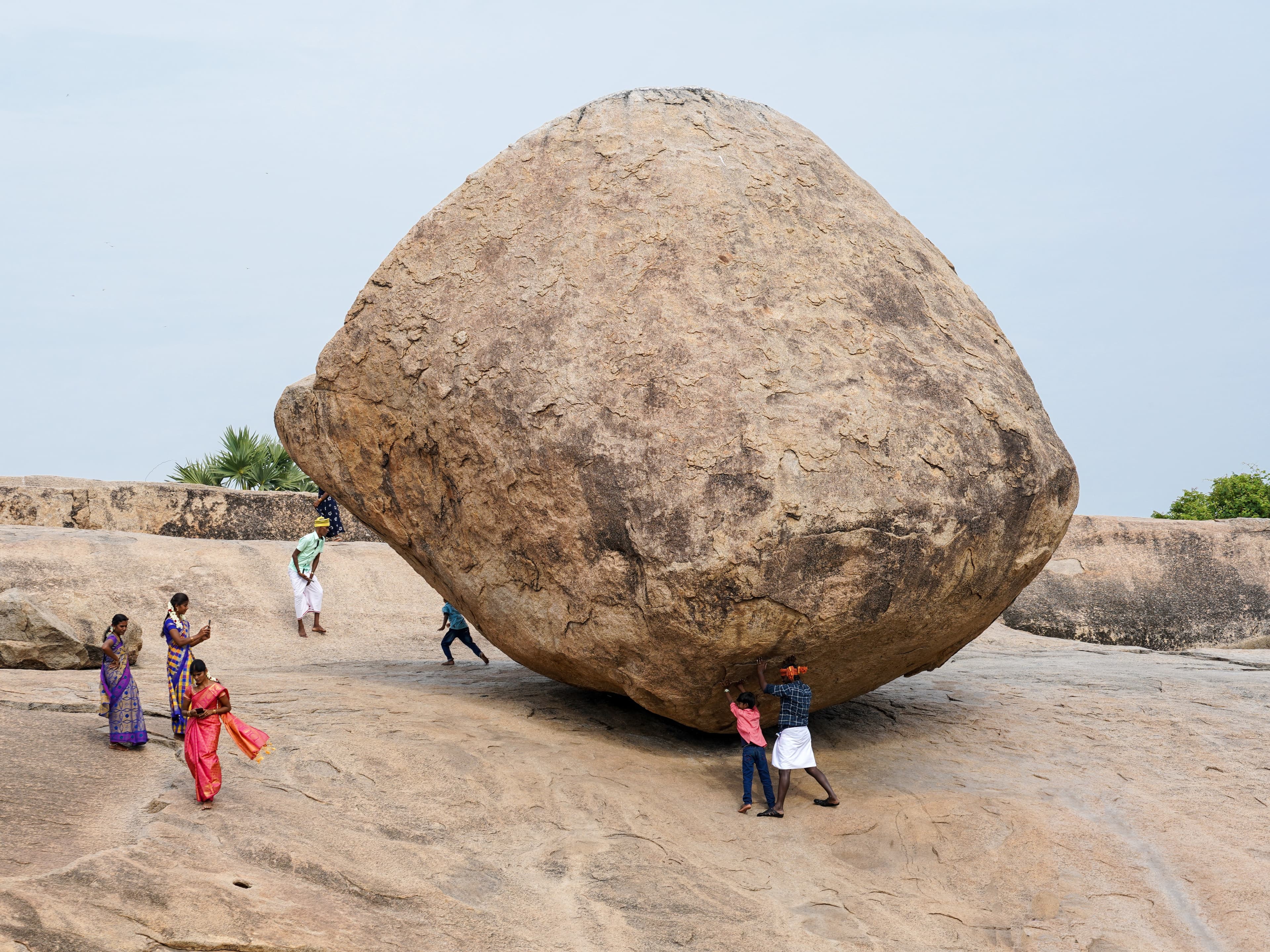
Krishna's Butter Ball
A giant spherical boulder balancing on a slope, defying gravity. Engineers and colonial officers couldn't budge it. Today, it's a photo favourite - standing beside it makes you feel tiny."
Cave Temples
Image via wikipedia
Cave Temples
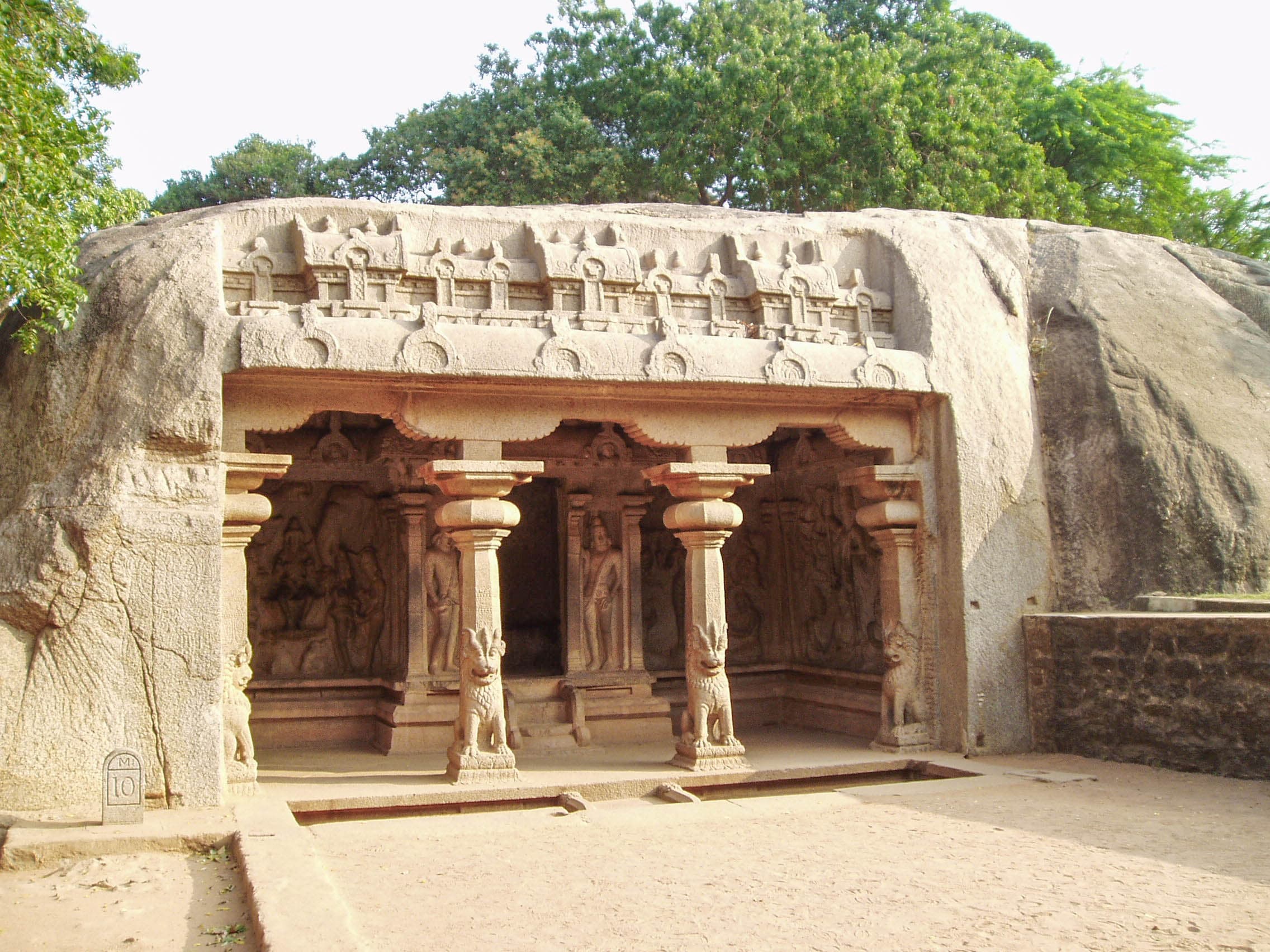
The Varaha Cave (Vishnu's boar) and Mahishasuramardini Cave (Durga's battle) are shaded, quiet, and packed with some of the finest carvings stone you can read up close."
Mahabalipuram Beach and Lighthouse
Image via wikipedia
Mahabalipuram Beach and Lighthouse
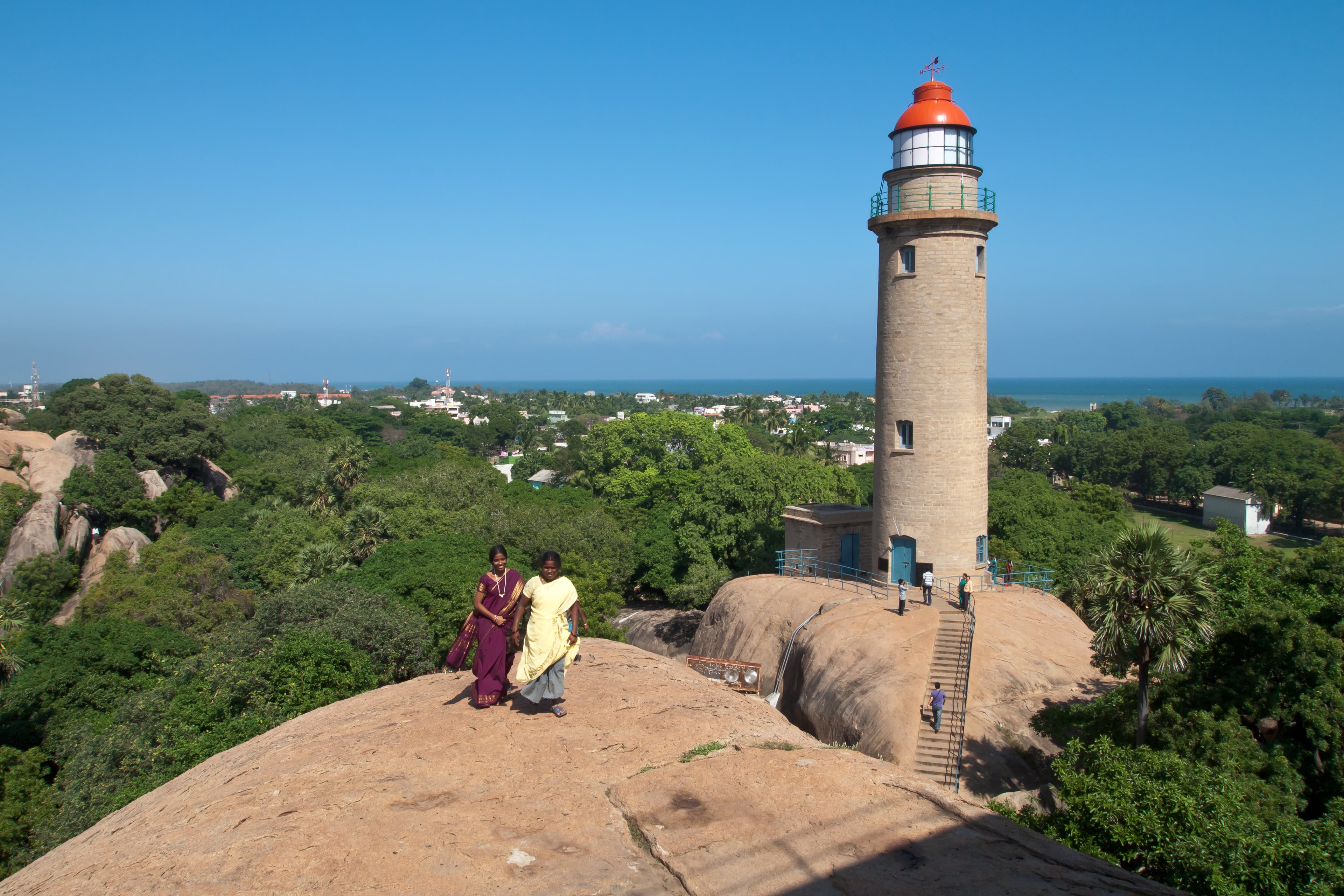
Mahabalipuram's beach is a working coastline with fishing boats and cafés, offering views of the Shore Temple. The lighthouse both ancient and modern gives another angle across the granite hills and sea."
Where to Eat: Food in Mahabalipuram
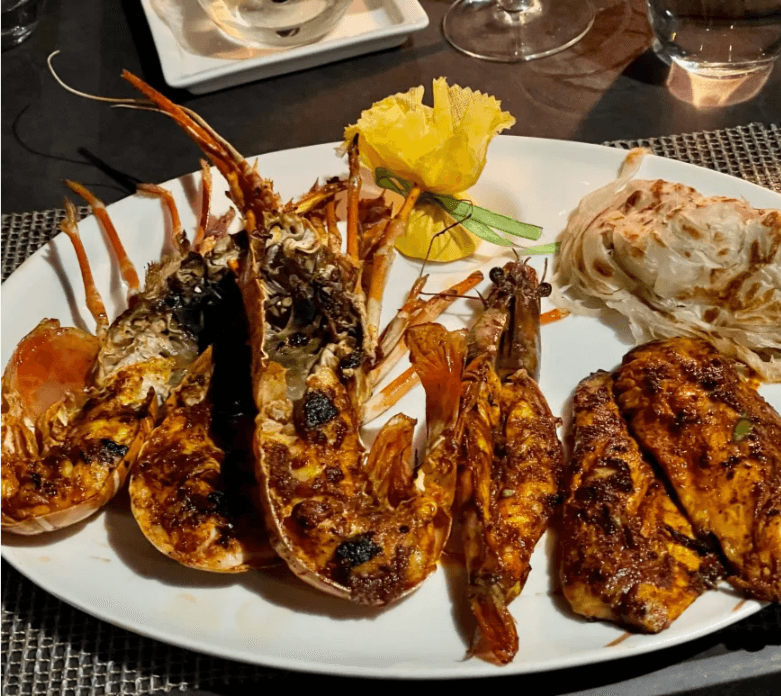
Image via mahabalipuram.com
Mahabalipuram's food scene leans heavily on the coast fresh crab, prawns, kingfish, and squid grilled or folded into South Indian curries at beachfront shacks along Othavadai Street. Boutique resorts offer refined Chettinad and continental menus with sea views. Don't miss a proper South Indian breakfast idlis, dosas, and filter coffee best enjoyed early before sightseeing. Vegetarian options are plentiful, and most restaurants adjust spice levels on request.
Nearby Attractions Worth the Detour
Dakshinachitra
Image via pinterest
Dakshinachitra
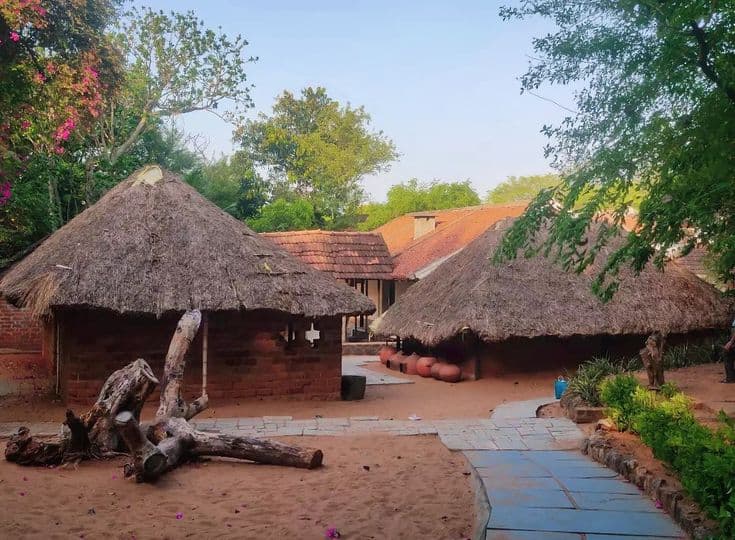
is basically a kind of museum that shows South Indian architecture, crafts and also folk performances, it’s around 45 minutes north from where you start.
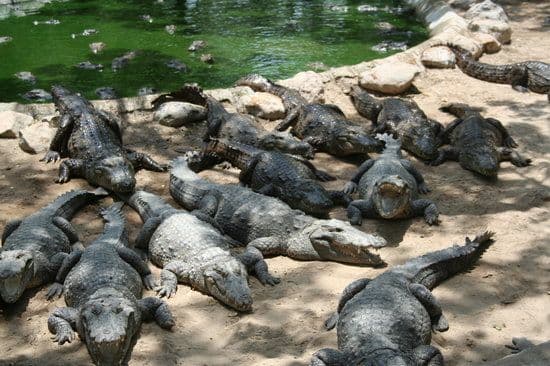
Madras Crocodile Bank Trust
Image via pinterest
Madras Crocodile Bank Trust
Then there’s the Madras Crocodile Bank Trust, a conservation park by the East Coast Road, and honestly it’s the one families usually love for a relaxed visit.
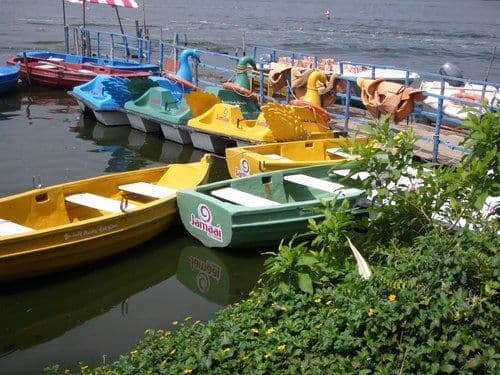
Muttukadu Boat House
Image via pinterest
Muttukadu Boat House
If you’re going along the coast, Muttukadu Boat House is a decent stopn backwater boating, plus water sports, so it works well en route between Chennai and Mahabalipuram. "
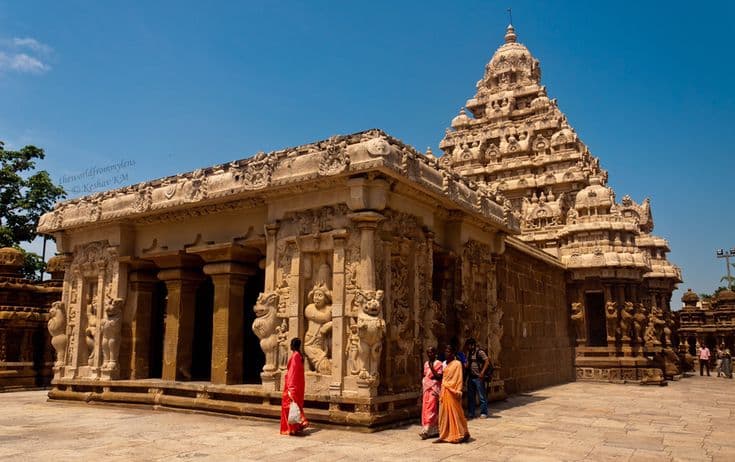
Kanchipuram City
Image via pinterest
Kanchipuram City
For temple and silk lovers, Kanchipuram is the “City of a Thousand Temples” and also India’s silk-weaving center, about 1.5 hours inland. "
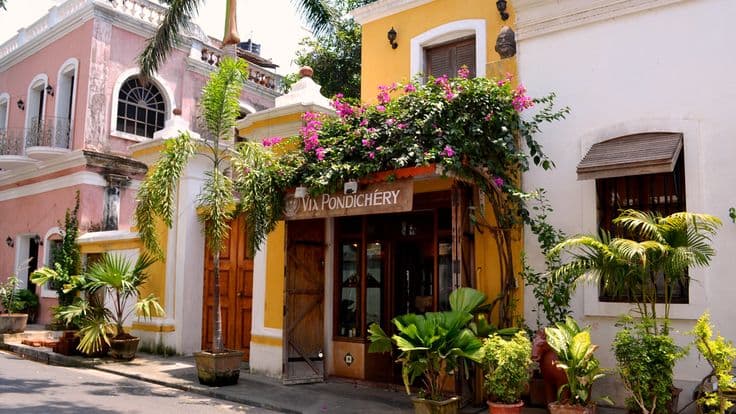
Puducherry
Image via pinterest
Puducherry
And don’t forget Puducherry (Pondicherry), the old French colonial town, roughly 2 hours south. It’s often stitched together with Mahabalipuram on longer Tamil Nadu plans."
Entry & Ticket Details
| Indian Nationals | ₹40 per person |
| Foreign Nationals | ₹600 per person |
| Children (Under 15) | Free |
Note: One ticket covers Shore Temple, Five Rathas, Arjuna's Penance, and cave temples. Fees are subject to change - please check the official ASI portal before your visit.
Best Time to Visit Mahabalipuram
November to February
is kind of the most comfortable stretch , with gentle coastal temperatures and, the Mahabalipuram Dance Festival gives that extra cultural layer during your visit
March to June
however comes with serious heat , usually sitting around 35–40°C so it is better to not linger outdoors for too long.
October to November
where you might get brief heavy showers but, you can also catch those dramatic cloud filled skies which are great for photography .
Budget Estimates
₹2,500 – ₹4,000
for local transport, street or casual dining, and entry tickets.
₹6,000 – ₹10,000
per day maybe, private car, boutique stay, sit-down meals.
₹15,000+ each day
chauffeur-driven vehicle, beachfront luxury resort, private guide , plus curated dining.
Solo Female Traveler Tips
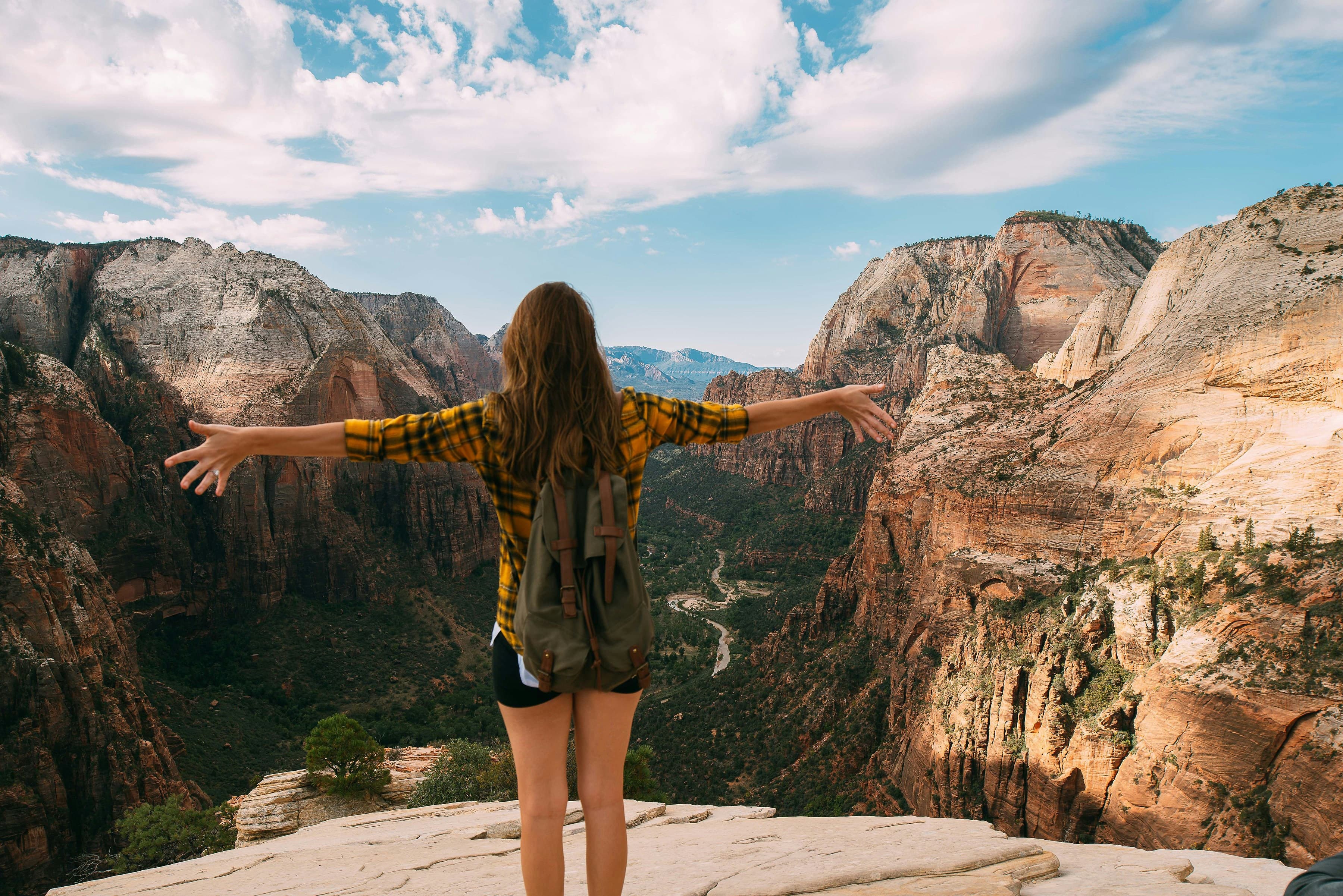
Image via unsplash
Mahabalipuram Mahabalipuram is kind of a manageable, walkable town with this steady flow of visitors all day long, so it can feel like a comfortable stop for solo travelers. For solo female travelers, staying within daylight hours around the monuments, using a pre-arranged private vehicle instead of trying to hail transport on the street, and booking accommodation that has strong reviews specifically for solo, and women guests are pretty simple ways to travel with more ease. A vetted local guide also brings extra context, and honestly, an additional layer of comfort, specially if it is your first visit to Tamil Nadu.
Why Choose India Heritage Travel
Private chauffeur-driven transfers from Chennai - timed for sunrise or sunset.
Fully customised itineraries - blend Mahabalipuram with Kanchipuram, Puducherry, or Tamil Nadu.
Handpicked luxury stays - boutique heritage to five-star beach resorts.
Local historians and ASI-certified guides - bring mythology and engineering to life.
Women-only tours with verified women-safe arrangements.
Premium door-to-door service - for couples, families, and solo travellers.
Frequently Asked Questions
Mahabalipuram is famous for its Group of Monuments, a UNESCO World Heritage Site of rock-cut and structural temples carved by the Pallava dynasty in the 7th and 8th centuries, including the Shore Temple, the Five Rathas and the giant relief known as Arjuna's Penance.
Mahabalipuram is roughly 60 kilometres south of Chennai along the East Coast Road, a scenic drive that takes about 1.5 to 2 hours depending on traffic.
Entry costs approximately ₹40 for Indian nationals and ₹600 for foreign nationals, with children under 15 admitted free. One ticket covers the Shore Temple, Five Rathas, Arjuna's Penance and the cave temples.
November to February offers the most comfortable weather, with cool sea breezes and the Mahabalipuram Dance Festival. Early morning visits between October and March are ideal for photography and smaller crowds.
A focused visit to the main monuments takes half a day to a full day. Travelers who want to add the beach, craft villages, Tiger Cave and nearby Dakshinachitra should plan two days.
Mahabalipuram is generally considered one of the more relaxed heritage towns in Tamil Nadu for solo travelers, though the usual precautions apply. Traveling with a vetted local guide or a women-only tour adds an extra layer of comfort and safety.
Planning a Mahabalipuram Heritage Journey?
India Heritage Travel creates private chauffeur-driven itineraries that combine Mahabalipuram's Shore Temple, Pancha Rathas, Arjuna's Penance, with Kanchipuram's temples, Puducherry's French Quarter, and Tamil Nadu's coastal heritage into seamless cultural journeys guided by local experts.
Plan My Mahabalipuram Tour