Introduction - The Tower That Changed Delhi Forever
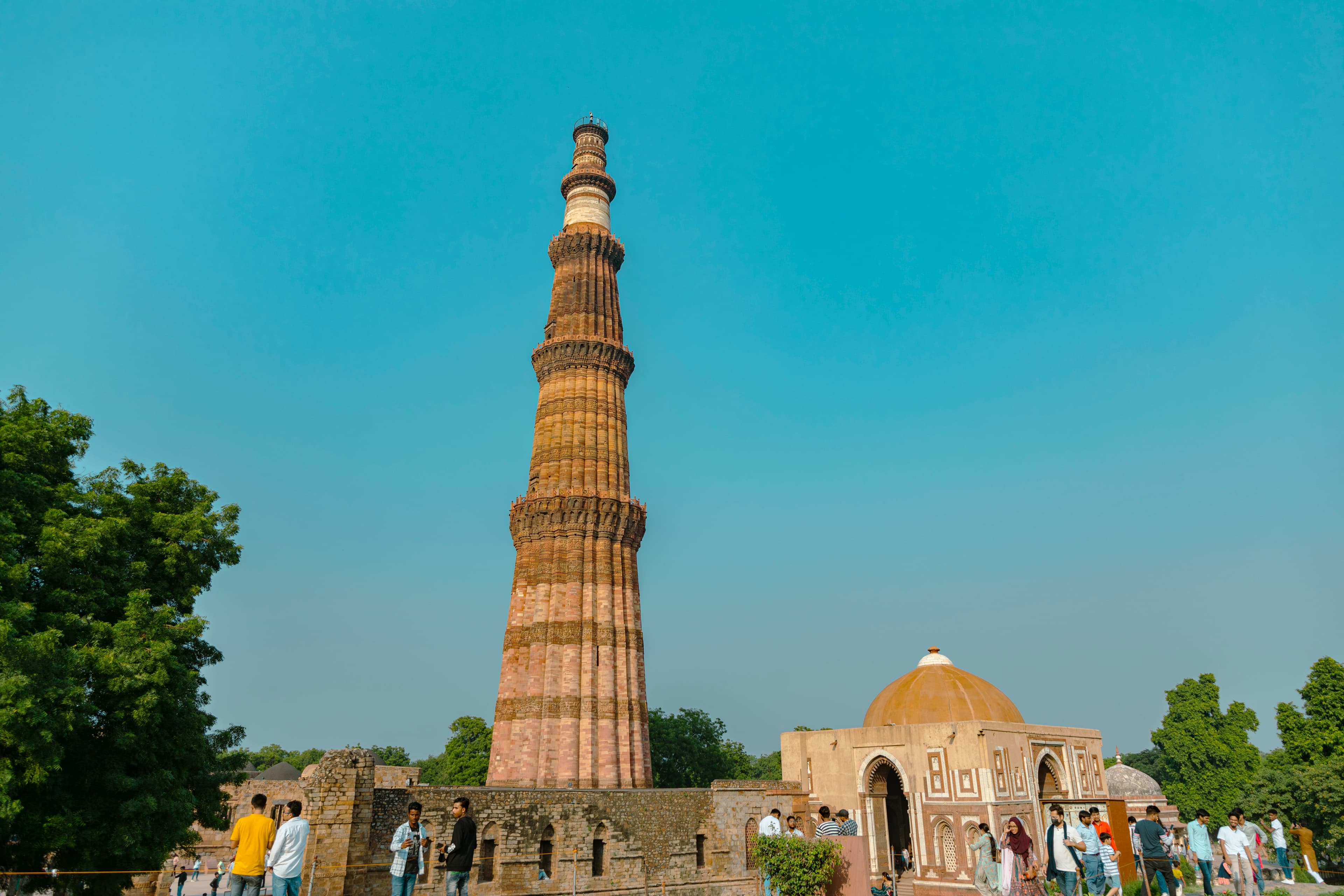
There There, the Qutub Minar is one of Delhi’s most striking monuments. it’s standing 72.5 metres high, a towering red sandstone minaret that kind of dominates the Qutub Complex in Mehrauli, and honestly it gives visitors this strong feeling for what medieval Delhi’s skyline must have looked like, back in 1193. This Qutub Minar travel guide talks about the monument’s seven-century past, its remarkable mix of architectural styles, and the broader Qutub Complex too - including the Alai Minar, Alai Darwaza, tombs, madrasa ruins, and that well known 1,600-year-old Iron Pillar. So whether you only have 90 minutes or you can stay for several hours, the whole place rewards both a quick walkthrough and a deeper dig around.
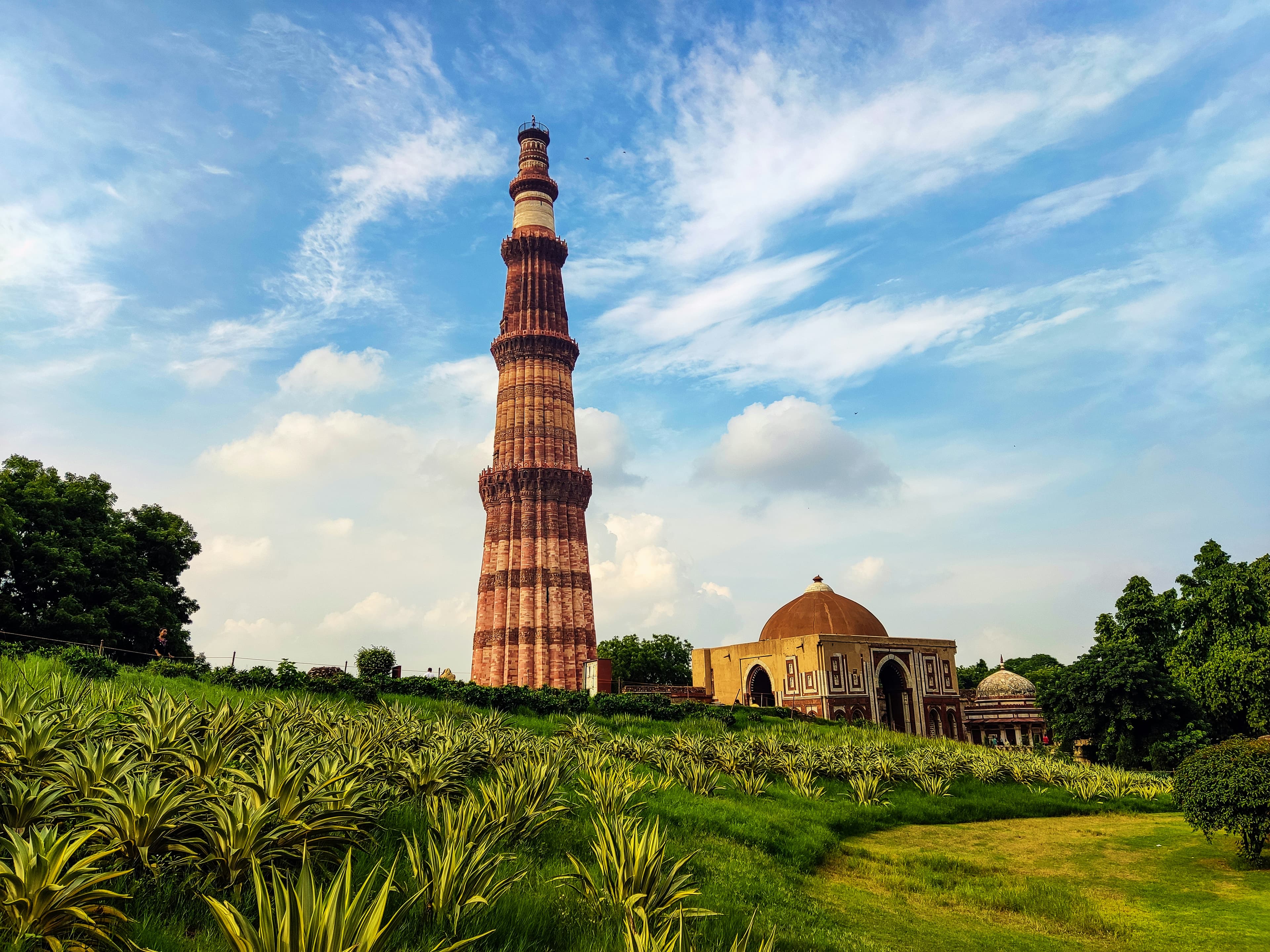
Image via unsplash
History & Origins - Seven Centuries Written in Stone
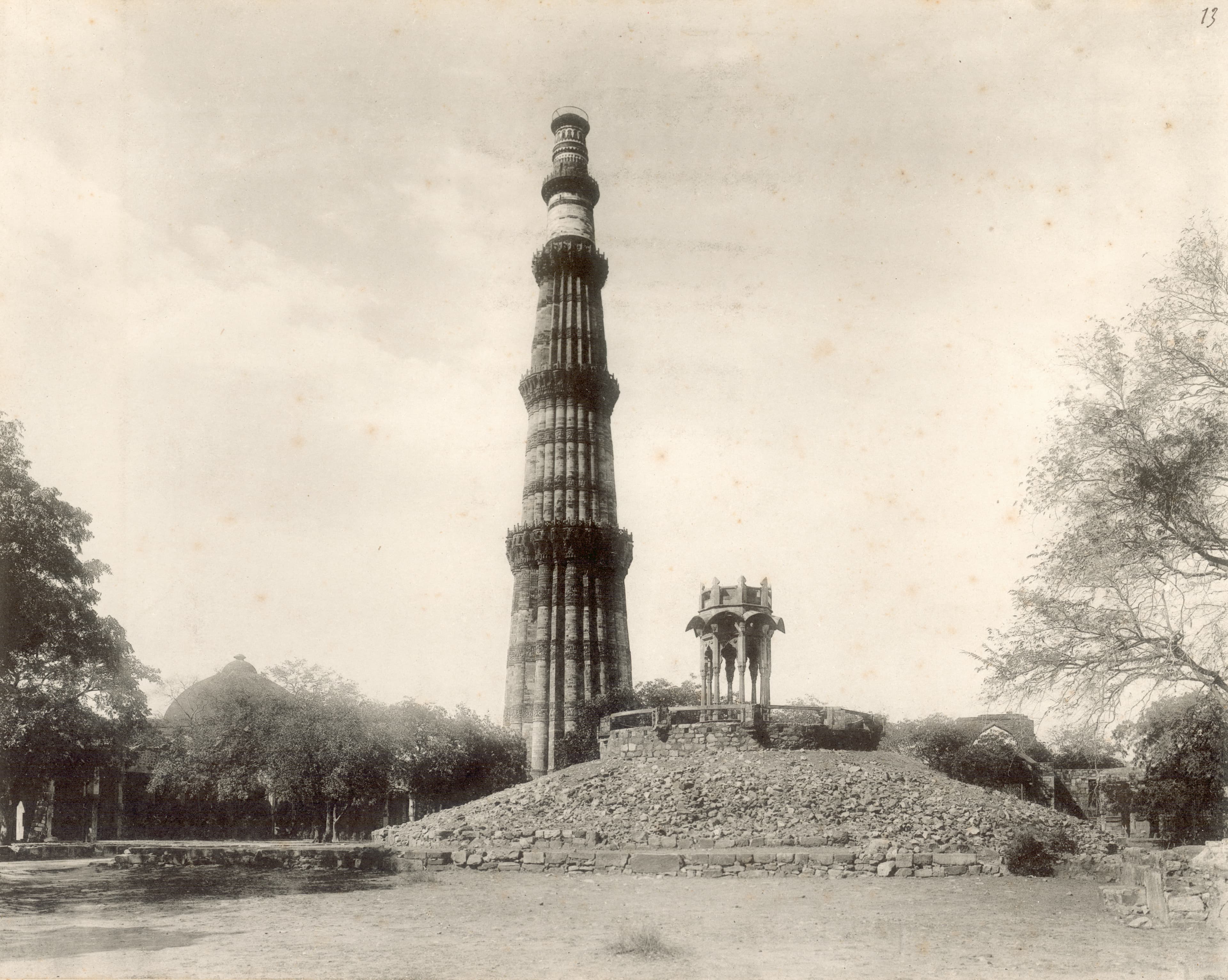
Image via wikipedia
So um, The Qutub Minar was put up after the Second Battle of Tarain, 1192 CE , when Muhammad of Ghor ended up beating Prithviraj Chauhan III . This was a sort of opening, allowing Islamic rule to spread across northern India. Later on, his commander , Qutb-ud-din Aibak , became the first Sultan of Delhi in 1206 , and in fact he also started what people call the Delhi Sultanate. Right before Aibak died in 1210, he began building the Quwwat-ul-Islam Mosque along with the Qutub Minar. This was done near the old Rajput fortress, Qila Rai Pithora . The minaret then worked as both a spot for the call to prayer , and a strong sign of the new Sultanate’s, authority.
The The name “Qutub Minar” is sometimes translated as “Tower of Qutb-ud-din” honouring that sultan who began it. But “Qutb” also has a more deeper Islamic weight to it, because the qutb (or qutub) is understood as the spiritual axis of the world in Sufi cosmology. It s basically the pole, or the hinge, around which everything revolves , sort of like a pivot. So the name ends up holding two resonances at once, like a double echo ; it’s the tower of the sultan, and at the same time the axis of the sacred order he was announcing.
Architecture - Five Storeys of Indo-Islamic Genius
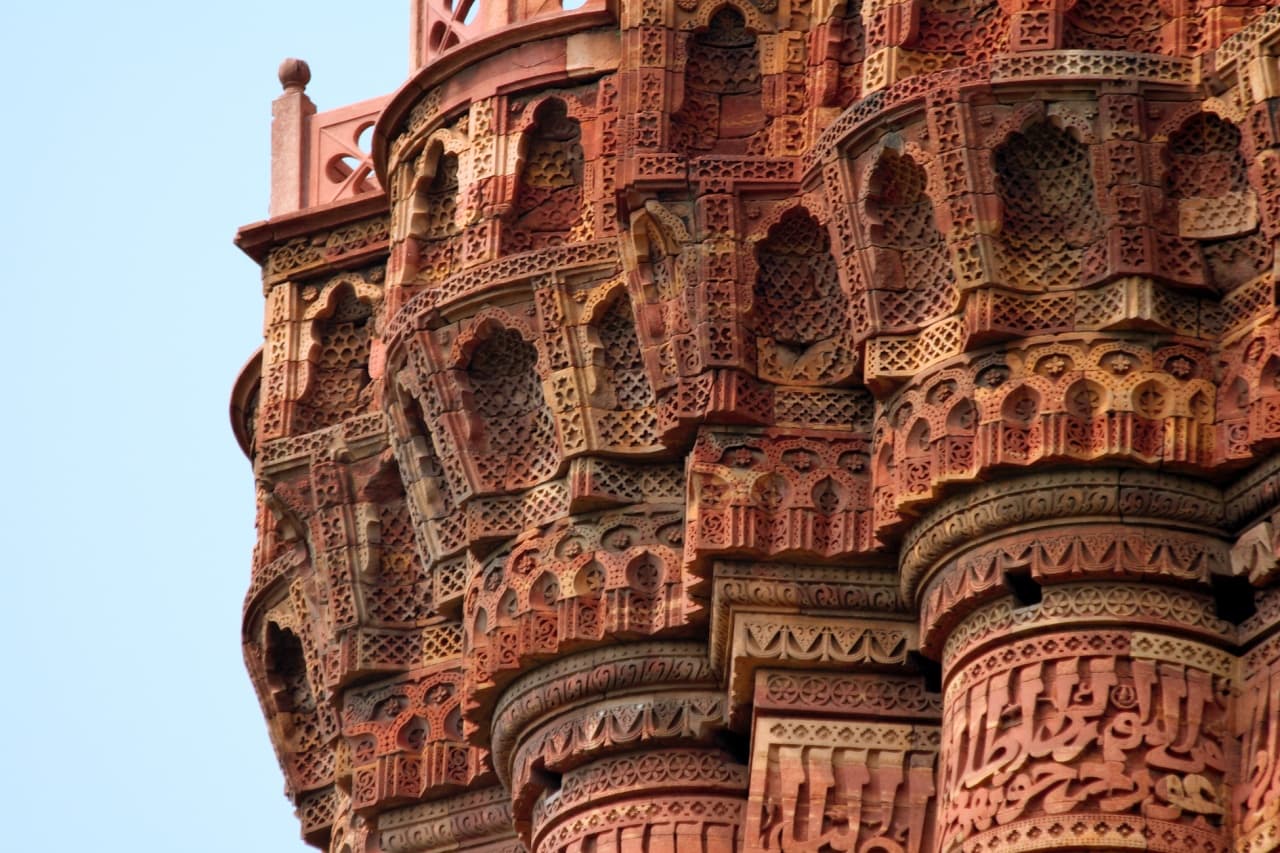
Image via wikipedia
The Qutub Minar is about 72.5 metres , or 238 feet high, and it starts with a base diameter of roughly 14.3 metres, then it narrows down to around 2.7 metres up near the top. Inside there are 379 steps, though theyre not really reachable right now for the general public . You can also notice its five storeys from outside , each one basically showing the separate building phases carried out by different rulers, in a kind of layered way, which is pretty clear when you look.
The Five Storeys
First three storeys (Aibak and Iltutmish)
Red sandstone with alternating fluted bands and projecting balconies. The intricate corbelled brackets create a honeycomb muqarnas pattern a clear influence from Persian and Central Asian Islamic architecture.
Fourth storey (Iltutmish, restored by Firoz Shah)
Still sandstone , but the surface is more even and less deeply grooved. The balcony brackets on this level are plainer, compared to the lower storeys, seems simpler overall
Fifth storey (Firoz Shah Tughlaq, 1368
Pale marble crowns the top storey, contrasting sharply with the red sandstone below a hallmark of the Tughlaq period's restrained, austere style.
The Qutub Complex - Twelve Monuments in One Sacred Precinct
Quwwat-ul-Islam Mosque - India's First Mosque
Image via wikipedia
Quwwat-ul-Islam Mosque - India's First Mosque
Quwwat-ul-Islam Mosque - India's first post-conquest mosque - was built using columns from 27 Hindu and Jain temples, creating a unique Indo-Islamic style. Later enlarged by Iltutmish and Khilji, it now features a screen wall, prayer hall, and the Iron Pillar.
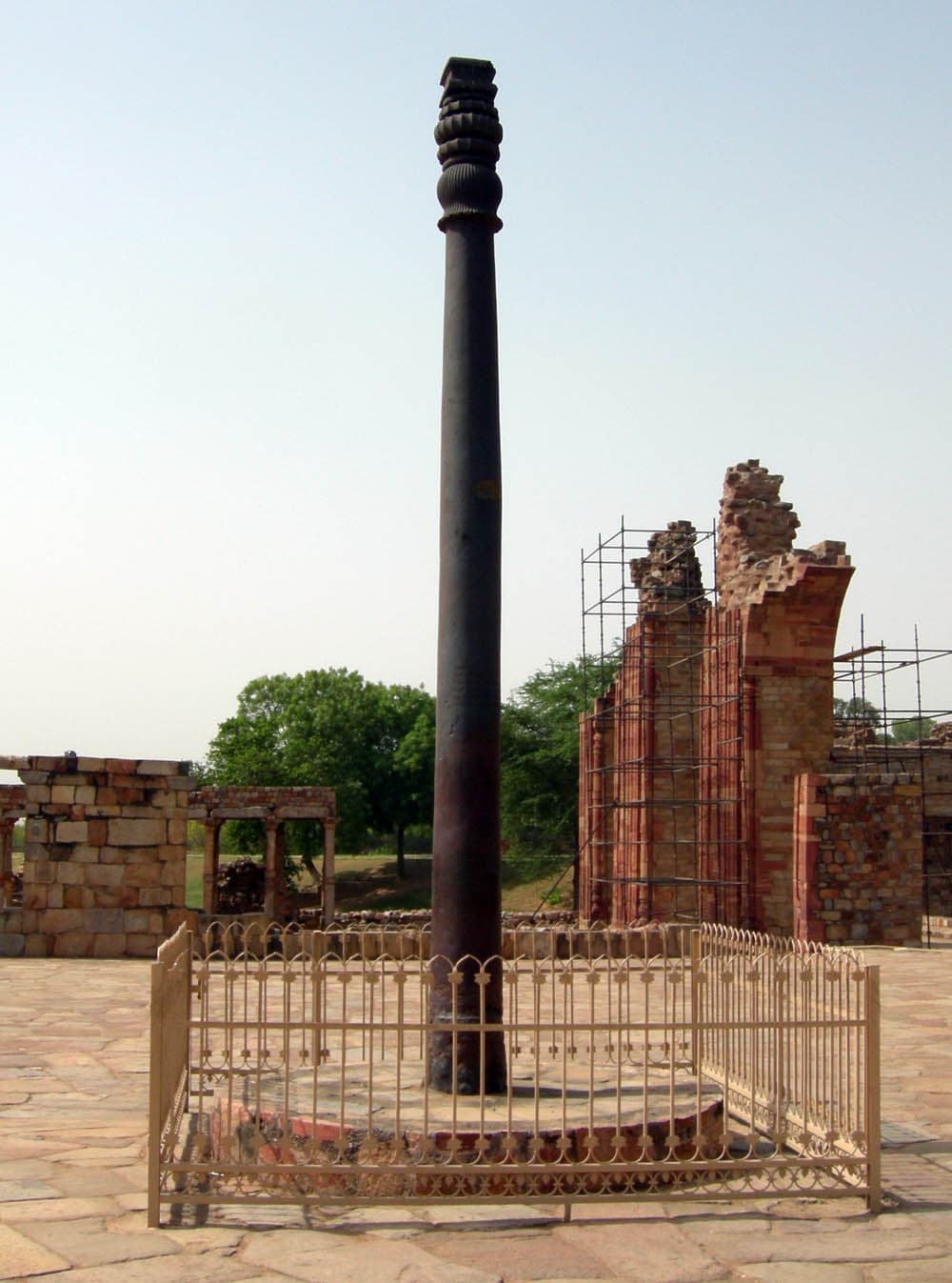
The Iron Pillar of Delhi - The Ancient Metallurgical
Image via wikipedia
The Iron Pillar of Delhi - The Ancient Metallurgical
The 7-metre Iron Pillar - weighing 6 tonnes - dates to Chandragupta II and originally stood in Udayagiri. Remarkably rust-resistant for 1,600 years, its high phosphorus content creates a protective layer. A fenced testament to ancient Indian metal craft.
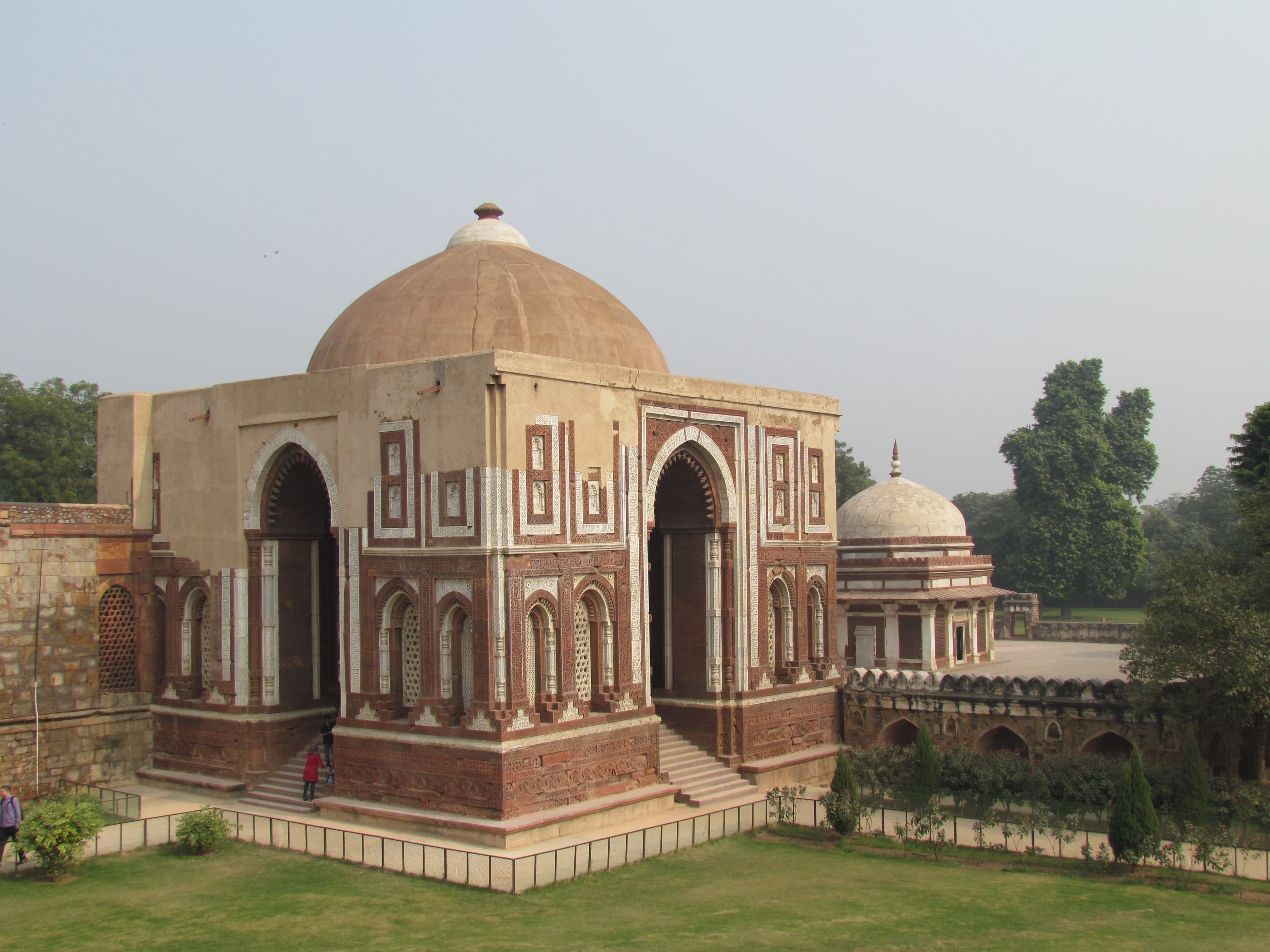
Alai Darwaza - The Most Beautiful Gateway in Delhi
Image via wikipedia
Alai Darwaza - The Most Beautiful Gateway in Delhi
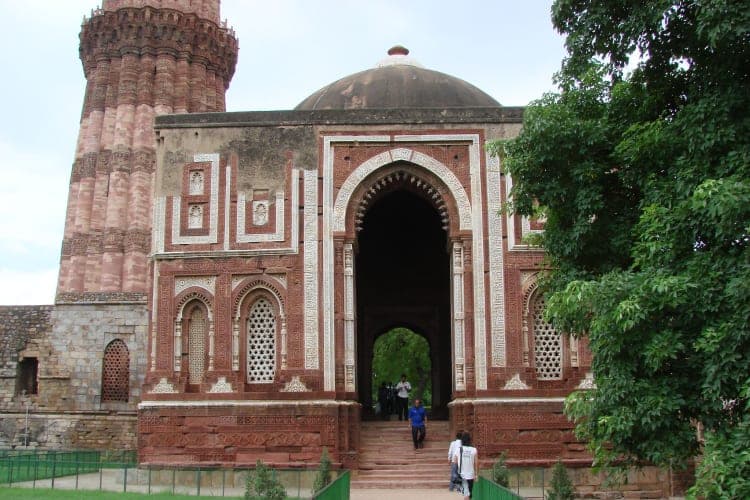
The Alai Darwaza (1311) - Alauddin Khilji's southern gateway - is celebrated as Delhi's finest single monument. Featuring true pointed arches, red sandstone with white marble inlay, and intricate lattice screens, it marks a milestone in Indian Islamic architecture.
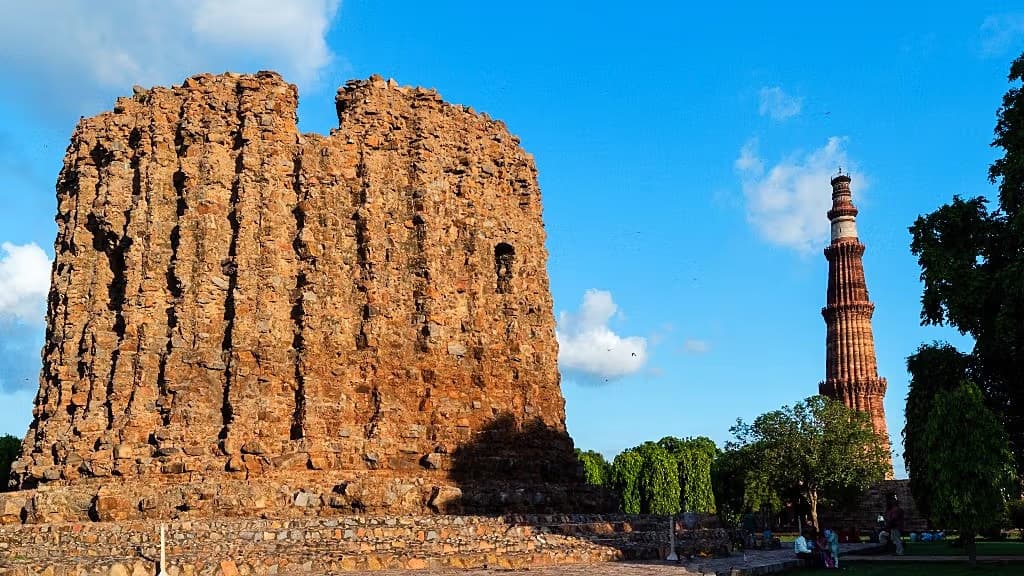
The Alai Minar - Ambition Left Unfinished
Image via wikipedia
The Alai Minar - Ambition Left Unfinished
Khilji's Alai Minar was meant to be twice the height of Qutub Minar - nearly 150 metres - but only a 24-metre stump was completed before his death in 1316. It stands today as a powerful symbol of abandoned ambition.
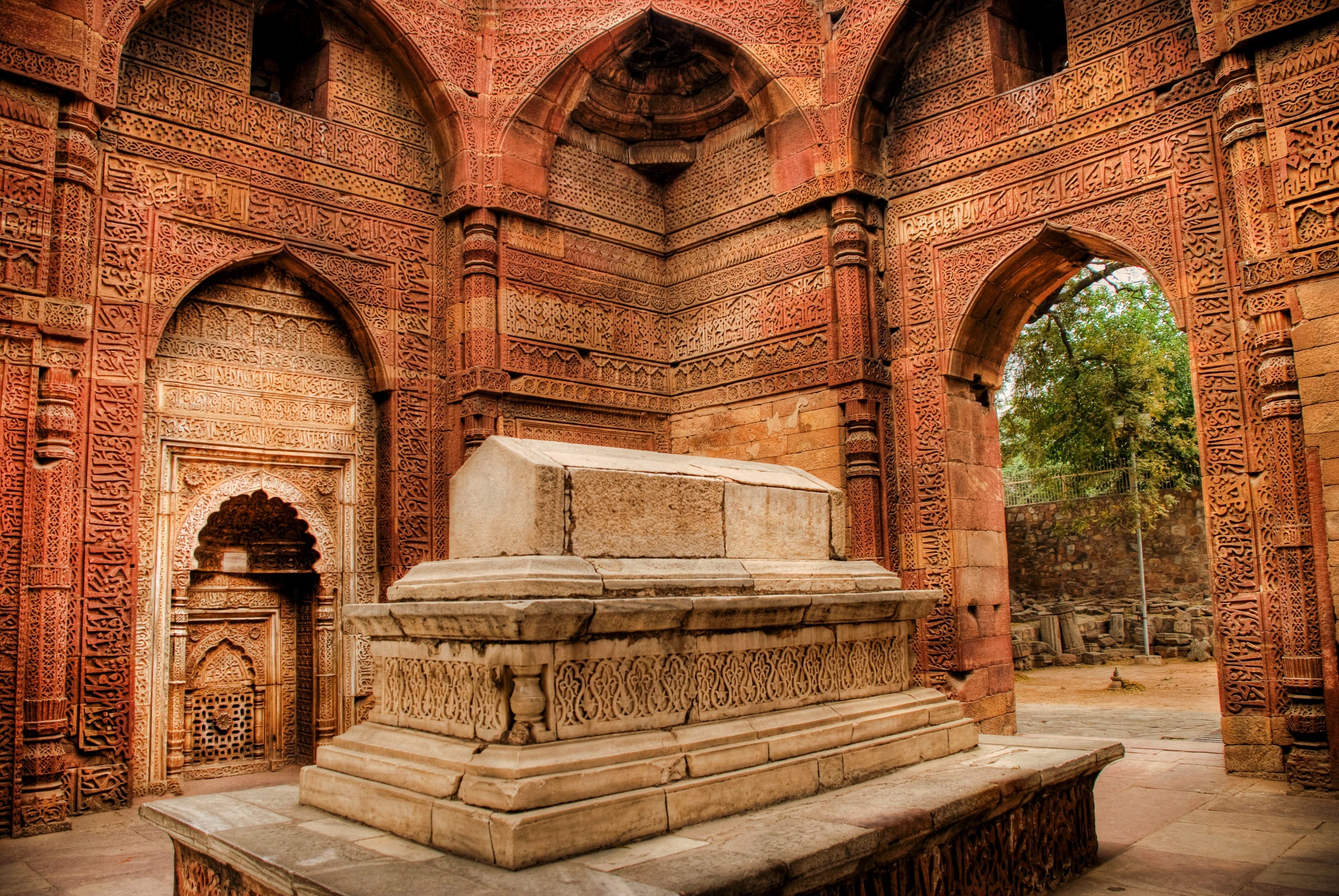
Tomb of Iltutmish
Image via wikipedia
Tomb of Iltutmish
Iltutmish's 1235 mausoleum - one of India's first - dazzles with dense red sandstone carvings inside. The collapsed dome opens it to the sky, making it quieter and arguably the finest stonework in the entire Qutub Complex."
Tomb of Alauddin Khilji and His Madrasa
Image via wikipedia
Tomb of Alauddin Khilji and His Madrasa
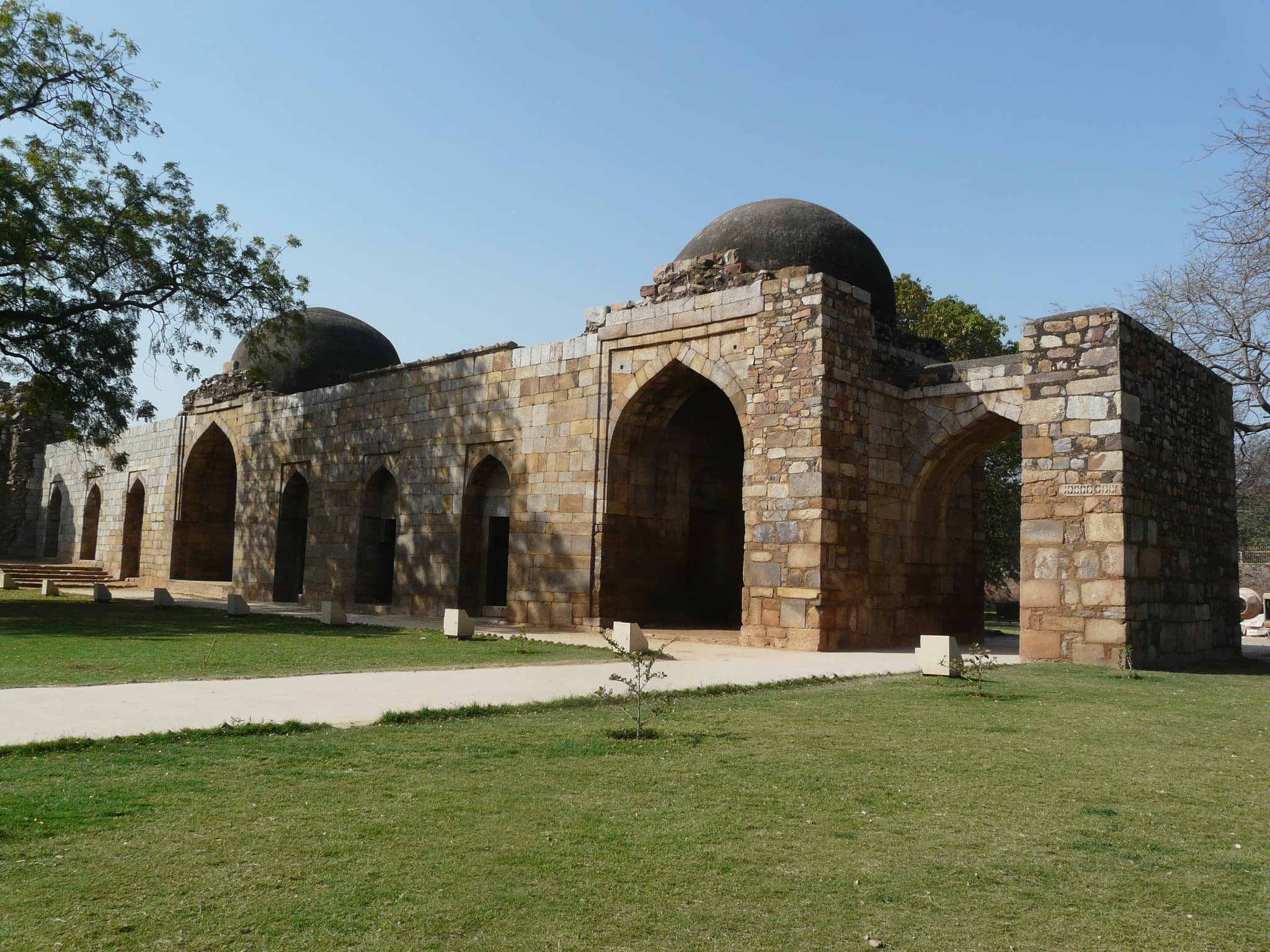
The ruined tomb and madrasa of Alauddin Khilji, tucked in the southwestern corner, remain the Qutub Complex's quietest corners. Despite the collapsed dome and damaged walls, the scale hints at Khilji's grand vision for the site as a centre of Islamic power and learning.
The Sound and Light Show - A Qutub Complex Evening
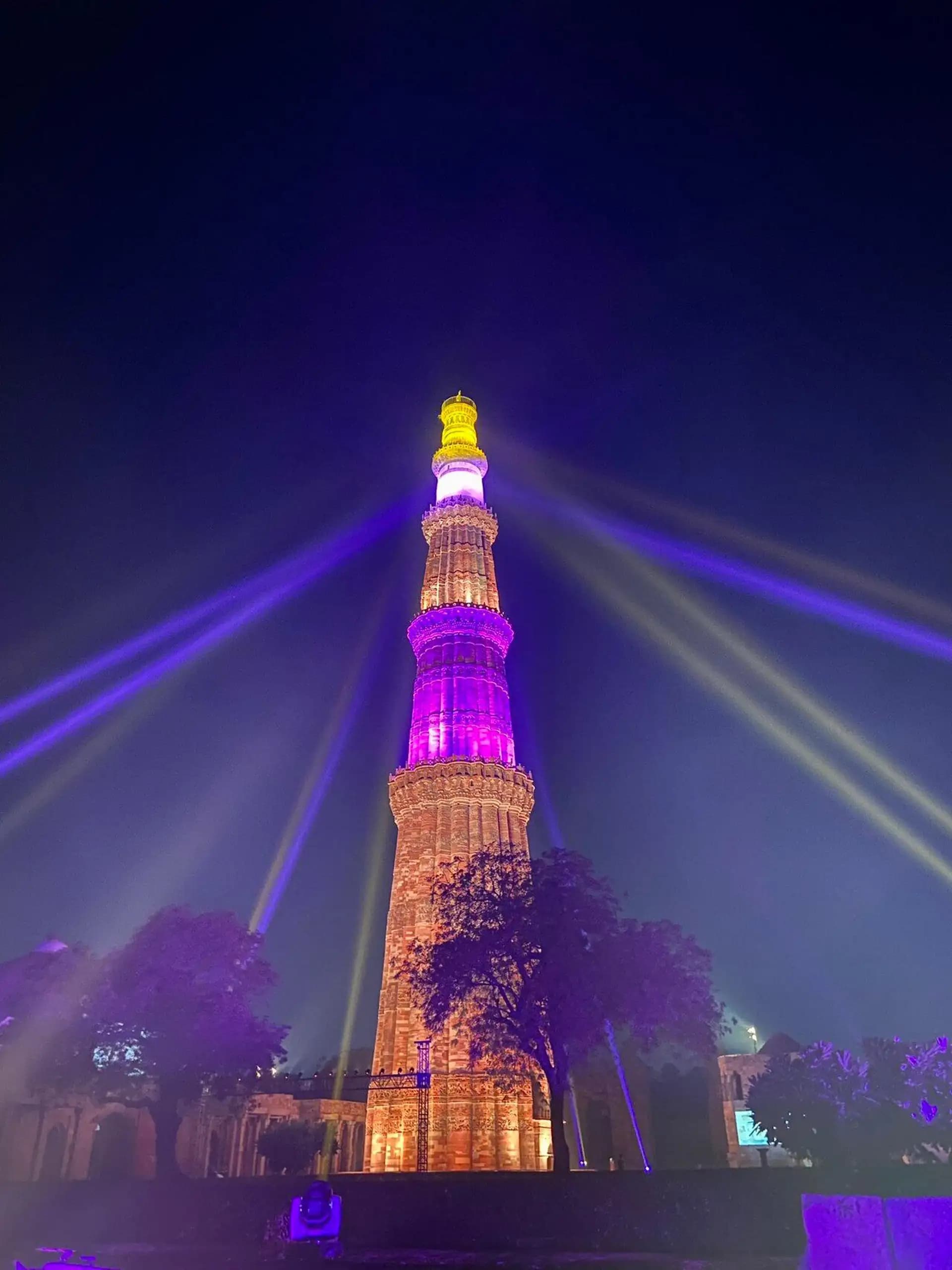
Image via getyourguide.com
The Qutub Complex hosts a Sound and Light Show on most evenings, narrating the history of the Delhi Sultanate against the dramatically illuminated backdrop of the Qutub Minar and its surrounding monuments. The minar at night - lit from below, its calligraphy catching the warm amber light, the medieval ruins spread around it in silver shadow - is a genuinely magnificent sight.
Show timings vary by season and are subject to change - confirm current timings at the ASI ticket counter or on the ASI website on the day of your visit
Entry for the show is separate from daytime complex entry - a combined or evening-only ticket is available
The show lasts approximately 40 to 50 minutes and is available in English and Hindi
Arrive at least 30 minutes before the show to secure good seating - benches are provided but space is limited
Food & Practical Comforts Near the Qutub Complex

Image via unsplash
The Qutub Complex itself has a basic refreshment stall near the entrance - adequate for water and a cold drink but nothing more. The serious dining options are in the surrounding Mehrauli and South Delhi area, which has become one of Delhi's most interesting dining neighbourhoods.
Recommended Dining Options Near Qutub Minar
Lodi
The Garden Restaurant (5 km, Lodhi Road) - a heritage garden setting offering excellent Indian and continental food. Perfect for a post-Qutub lunch.
Indian Accent (1.5 km, The Lodhi Hotel)
Ranked among Asia's finest - this Modern Indian restaurant is the only Indian name on San Pellegrino's World's 50 Best list. Advance booking is essential.
The Garden of Five Senses (10 minutes)
A beautifully landscaped public garden with a pleasant café - a calming post-Qutub stop
Mehrauli Village market
The lanes of old Mehrauli village, immediately north of the complex, have simple dhabas and tea stalls where you can eat as authentically as anywhere in Delhi
Nearby Attractions - Building a South Delhi Heritage Day
Mehrauli Archaeological Park (Adjacent - Free Entry)
Image via wikipedia
Mehrauli Archaeological Park (Adjacent - Free Entry)
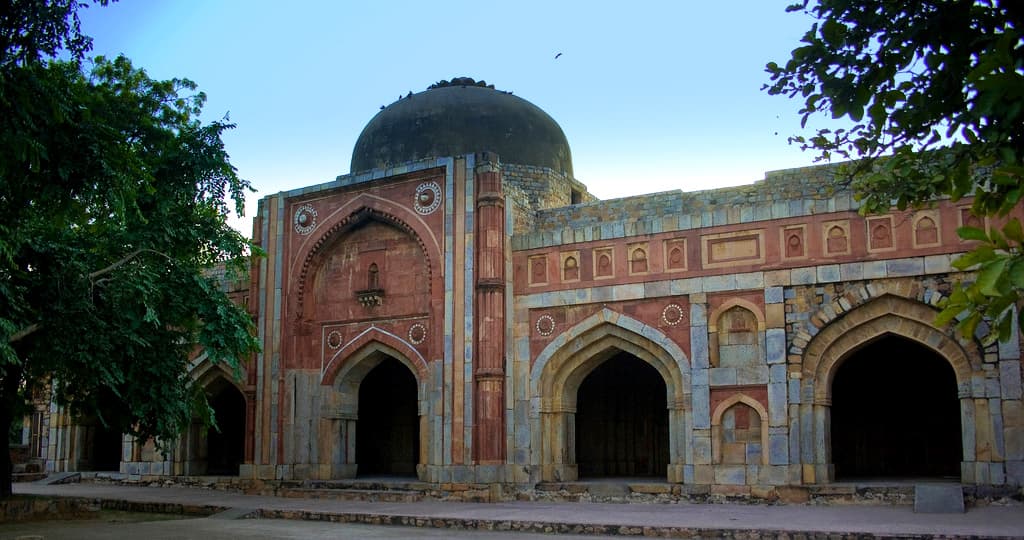
Adjacent to Qutub is a 100-acre park with 70+ medieval monuments - India's earliest true arch (Balban's Tomb), the stunning Jamali Kamali Mosque, and the atmospheric Rajon ki Baoli stepwell. Entry is free and surprisingly uncrowded.
Garden of Five Senses (2 km)
Image via wikipedia
Garden of Five Senses (2 km)
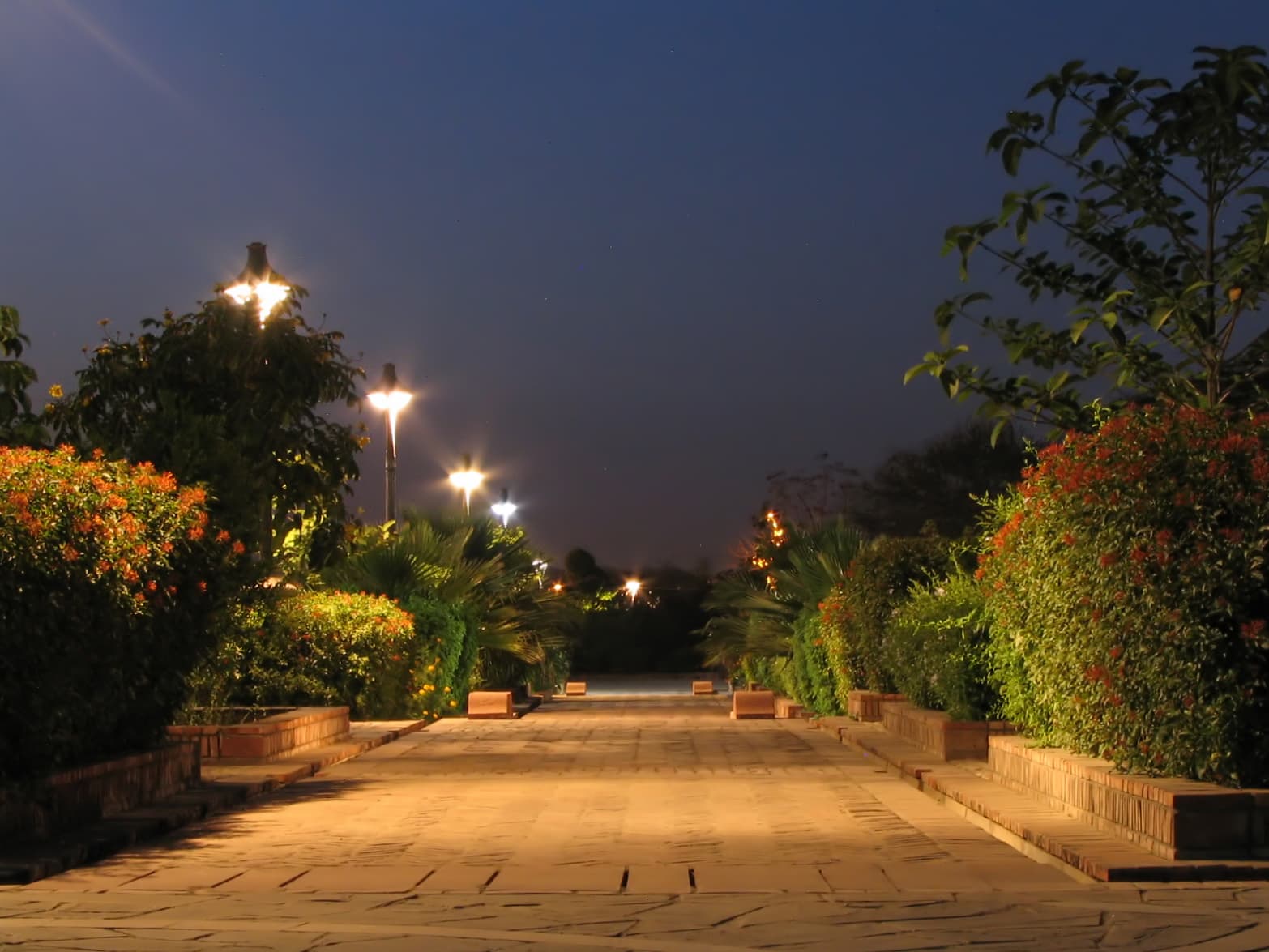
This 20-acre public garden, designed around the five senses, features fragrant flowers, bamboo groves, and art installations. A calm retreat from the Qutub Complex - best visited between October and March.
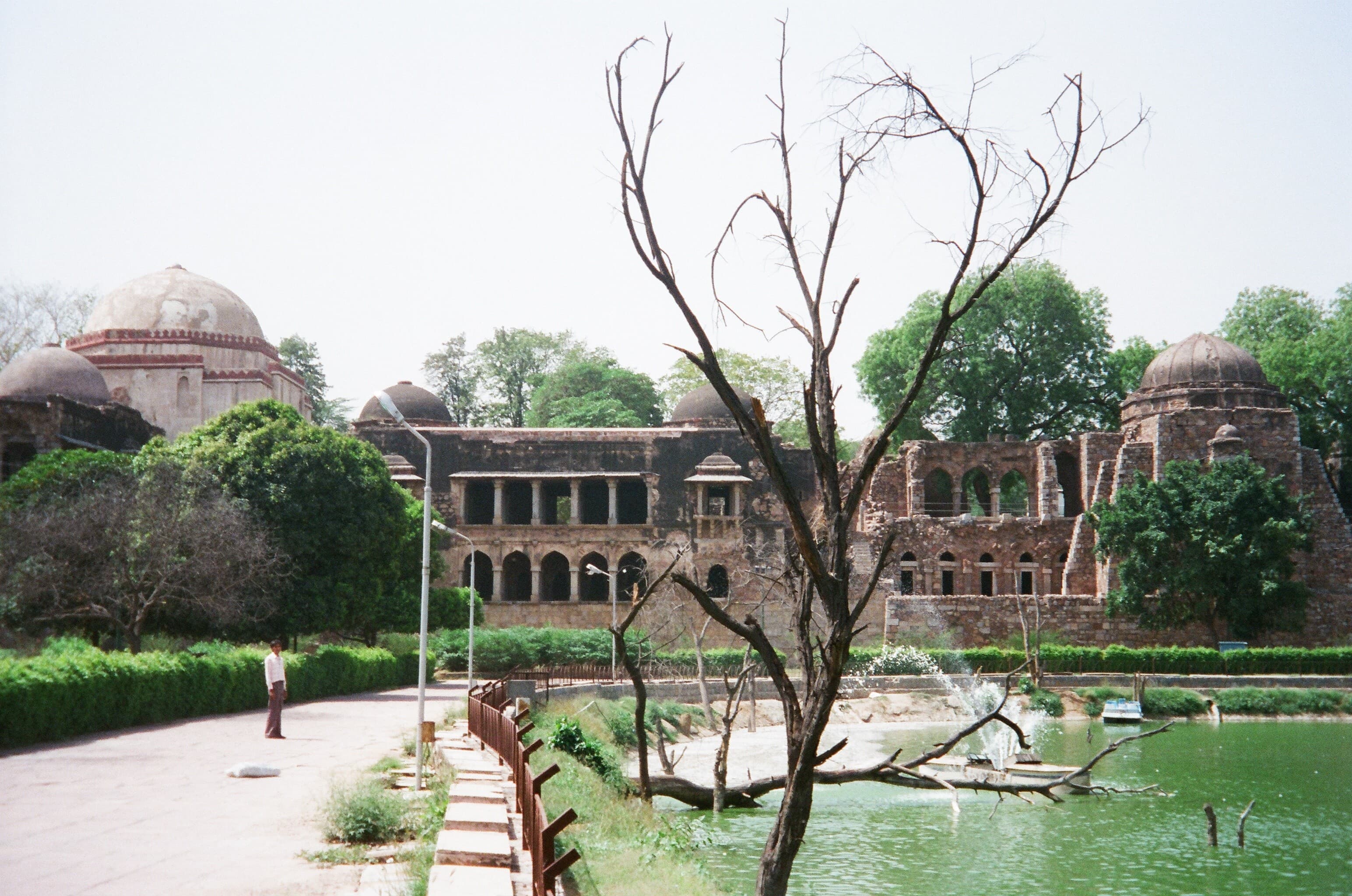
Hauz Khas Village and Complex (3 km)
Image via wikipedia
Hauz Khas Village and Complex (3 km)
Hauz Khas Complex, built around Alauddin Khilji's reservoir, features Firoz Shah's tomb and madrasa in a park setting. The adjacent village offers Delhi's best dining, galleries, and boutiques - an ideal post-Qutub evening.
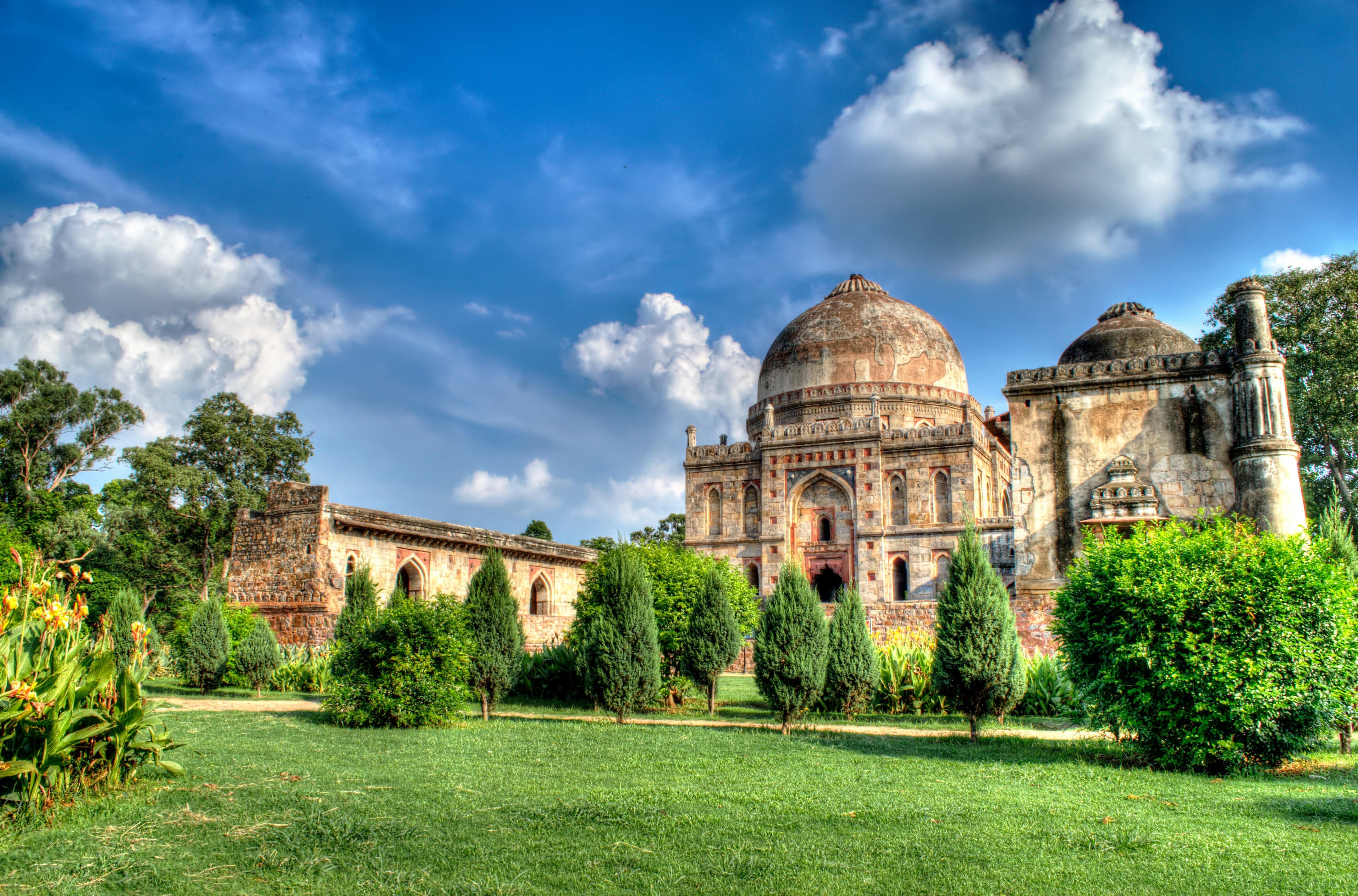
Lodhi Garden (8 km)
Image via wikipedia
Lodhi Garden (8 km)
Lodhi Garden - 90 acres of 15th-century Lodi tombs in beautifully landscaped parkland. Bara Gumbad, Shisha Gumbad, and Muhammad Shah's tomb complement Qutub's Sultanate story. Nearby, the Lodhi Art District adds a modern edge.
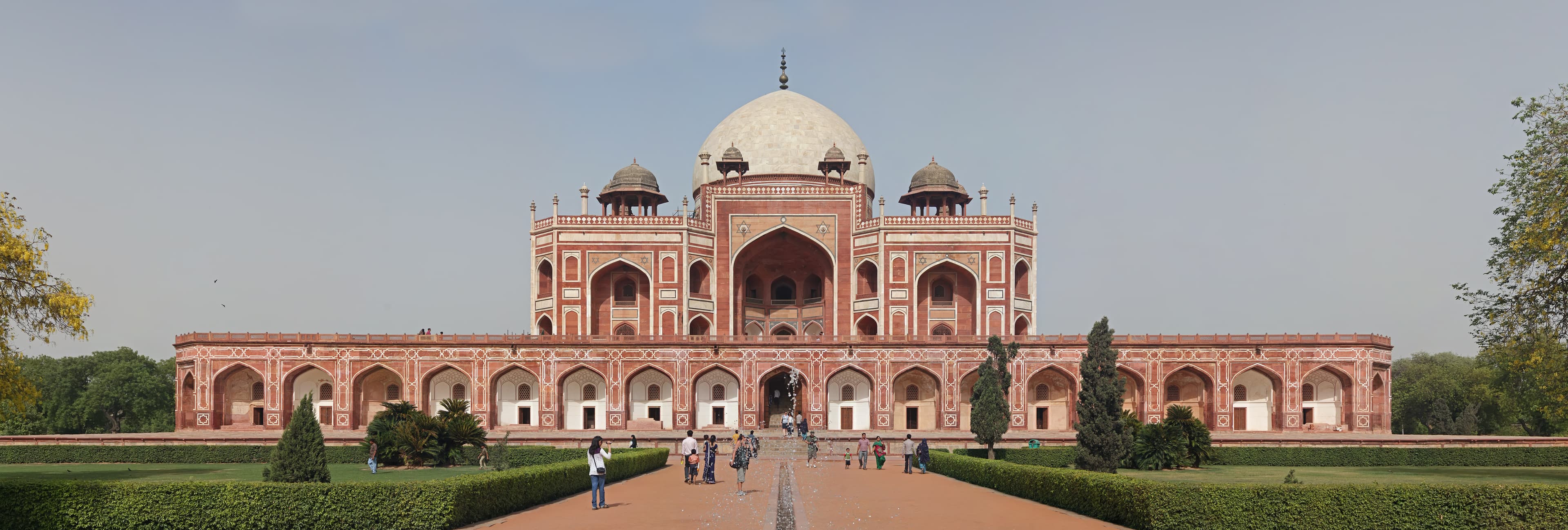
Humayun's Tomb (10 km)
Image via wikipedia
Humayun's Tomb (10 km)
Humayun's Tomb (1565) - Taj Mahal's predecessor and UNESCO-listed - pairs perfectly with Qutub for a day of Sultanate and Mughal heritage. India Heritage Travel's signature Delhi experience.
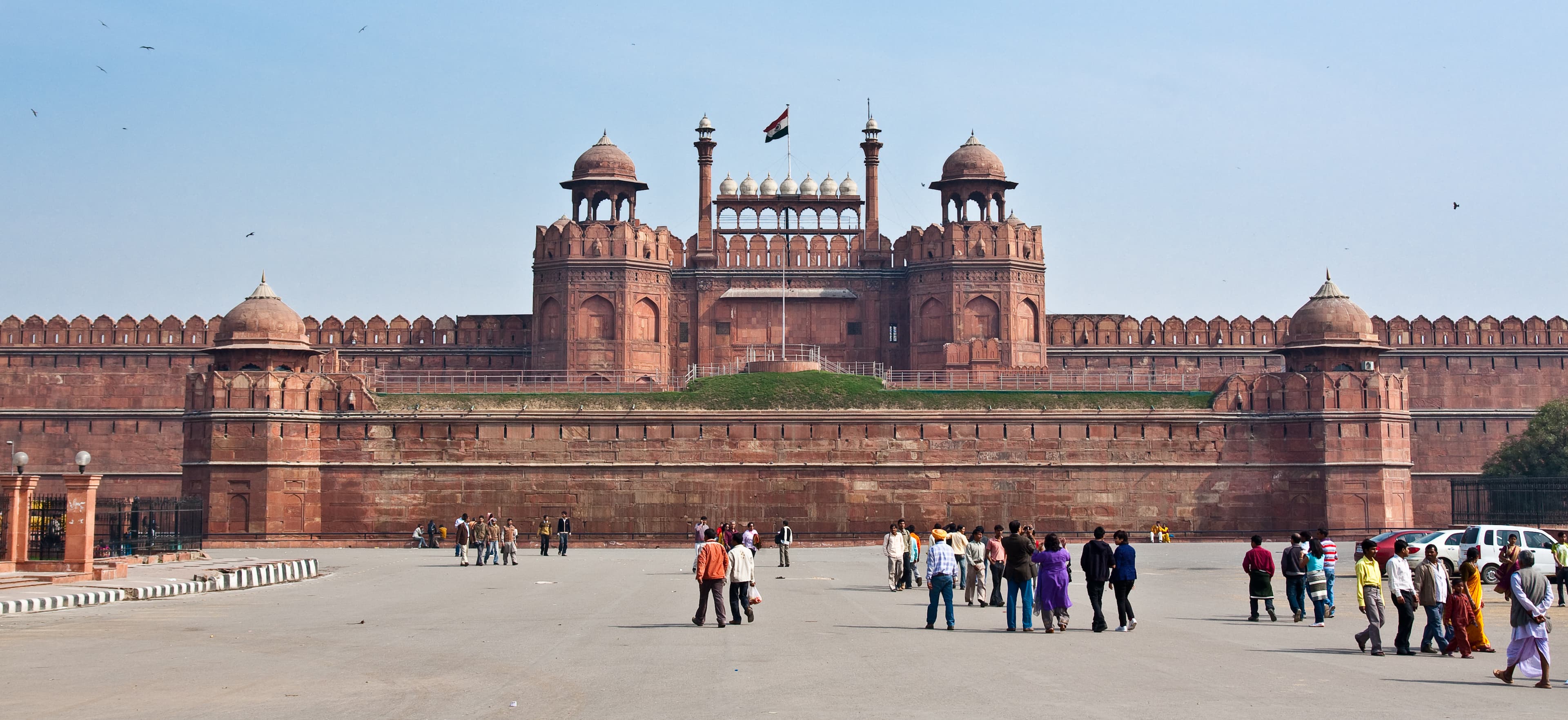
Red Fort and Old Delhi (15 km)
Image via wikipedia
Red Fort and Old Delhi (15 km)
Old Delhi - Red Fort, Jama Masjid, and Chandni Chowk - offers the Mughal apex, complementing South Delhi's Sultanate heritage. India Heritage Travel's one-day Old and New Delhi tour covers the city's entire historical sweep.
Entry Fees & Ticket Information
| Indian Nationals | ₹40 per person |
| Foreign Visitors | ₹600 per person |
| Children (Under 15) | Free |
| SAARC / BIMSTEC countries | Concessional rates - check ASI website for current pricing |
| Sound and Light Show | Separate ticket - confirm pricing at counter on arrival |
| Tripod / Professional | Check with ASI staff on arrival |
Online booking: www.asiagracircle.in or purchase at site counter
Why Choose India Heritage Travel for Your Qutub Minar Visit?
Specialist Knowledge of Delhi Sultanate History and Architecture
Private Chauffeured Transfers Throughout
Fully Personalised Delhi Itineraries
Luxury Heritage Delhi Accommodation
Safe and Thoughtful Tours for Women Travelers
Designed for International Luxury Travelers
Frequently Asked Questions
The entry fee for the Qutub Minar complex in 2025 is ₹40 for Indian nationals and ₹600 for foreign visitors. Children under 15 years of age enter free of charge. SAARC and BIMSTEC country nationals receive concessional rates - check the ASI website for current pricing.
The Qutub Minar complex is open daily from 7:00 AM to 5:00 PM, seven days a week. There are no weekly closure days, unlike many other ASI monuments. The best time to visit is at opening (7:00 AM) for the finest morning light on the carved eastern face of the tower and the fewest crowds.
No - the interior staircase of the Qutub Minar (379 steps) has been closed to the public for safety reasons since 1981, following an accident in which several visitors were injured in a panic during a power outage.
The Iron Pillar of Delhi, standing in the courtyard of the Quwwat-ul-Islam Mosque within the Qutub Complex, is approximately 7 metres tall, weighs roughly 6 tonnes, and is estimated to be 1,600 years old - cast during the Gupta period (4th–5th century CE).
The most efficient way to reach the Qutub Minar is by the Delhi Metro Yellow Line. Take the Yellow Line to Qutub Minar Metro Station - the complex is approximately 800 metres from the station exit, a 10-minute walk.
90 minutes covers Qutub Minar, Iron Pillar, and Alai Darwaza. With a guide exploring Iltutmish's Tomb and Alai Minar, allow 2.5–3 hours. Mehrauli Archaeological Park (free, 70+ monuments) adds 1–2 hours - highly recommended.
Planning a Qutub Minar Heritage Journey?
India Heritage Travel creates private chauffeur-driven itineraries that combine Qutub Minar, Alai Darwaza, Iron Pillar, and Mehrauli Park with Humayun's Tomb, Lodhi Garden, Old Delhi's Red Fort, and Jama Masjid into seamless Delhi heritage journeys guided by local experts.
Plan My Delhi Heritage Tour