Overview of the Red Fort
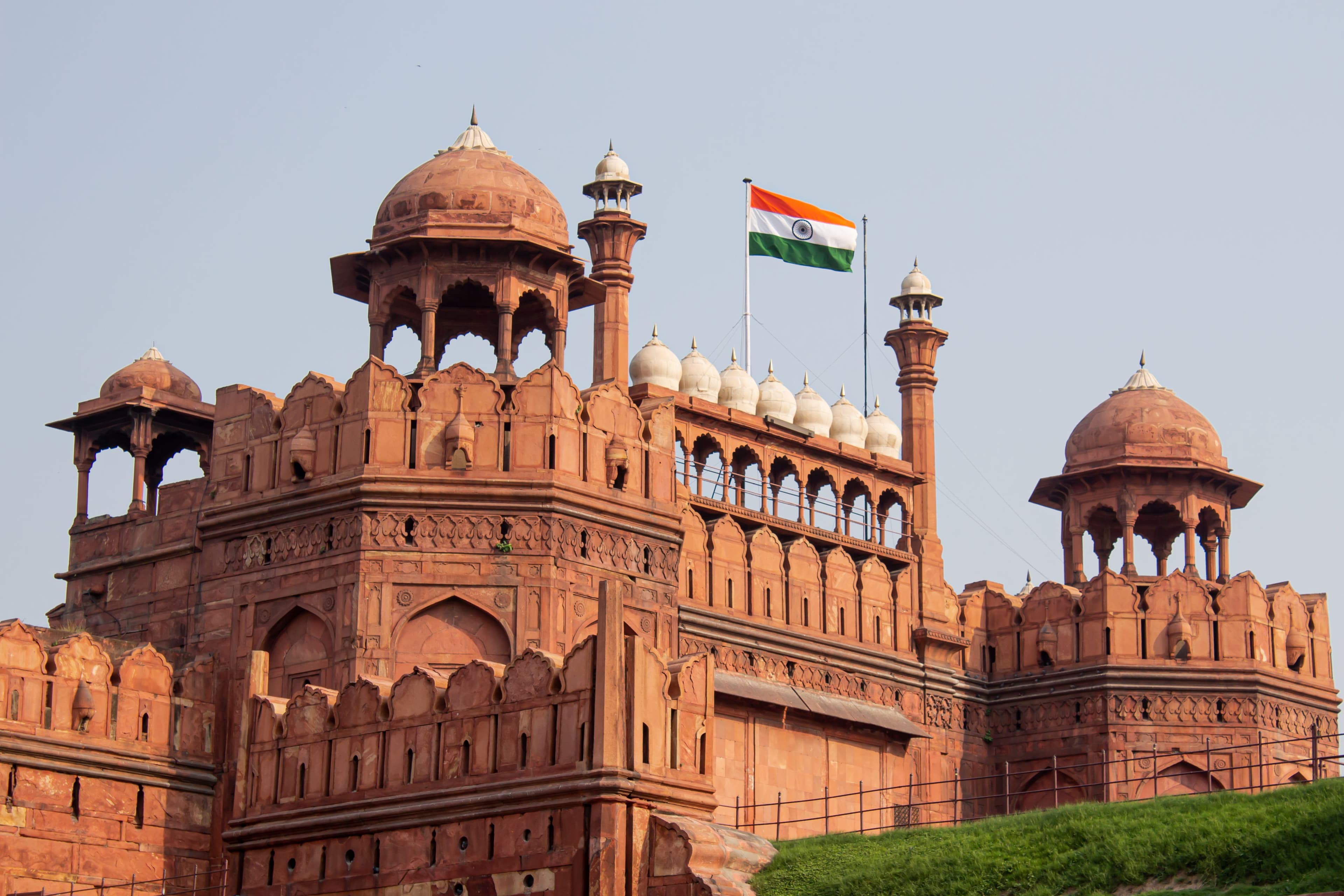
The The Red Fort is sitting on the banks of the Yamuna River in Old Delhi, sort of at the very centre of what once was Shahjahanabad , the Mughal capital established by Shah Jahan in the 17th century. It covers about 255 acres or so and it is boxed in by 2.4 kilometres of red sandstone walls. You could say it was made like a self-contained imperial town , with palaces , halls for audiences, a mosque , a bazaar , gardens and even canal works all stacked inside one fortified complex. For around 200 years it served as both the residence and the administration centre for the Mughal emperors. Nowadays it works as a museum-monument, plus a kind of living emblem of the Indian state , where the Prime Minister speaks to the nation from the ramparts every August 15.
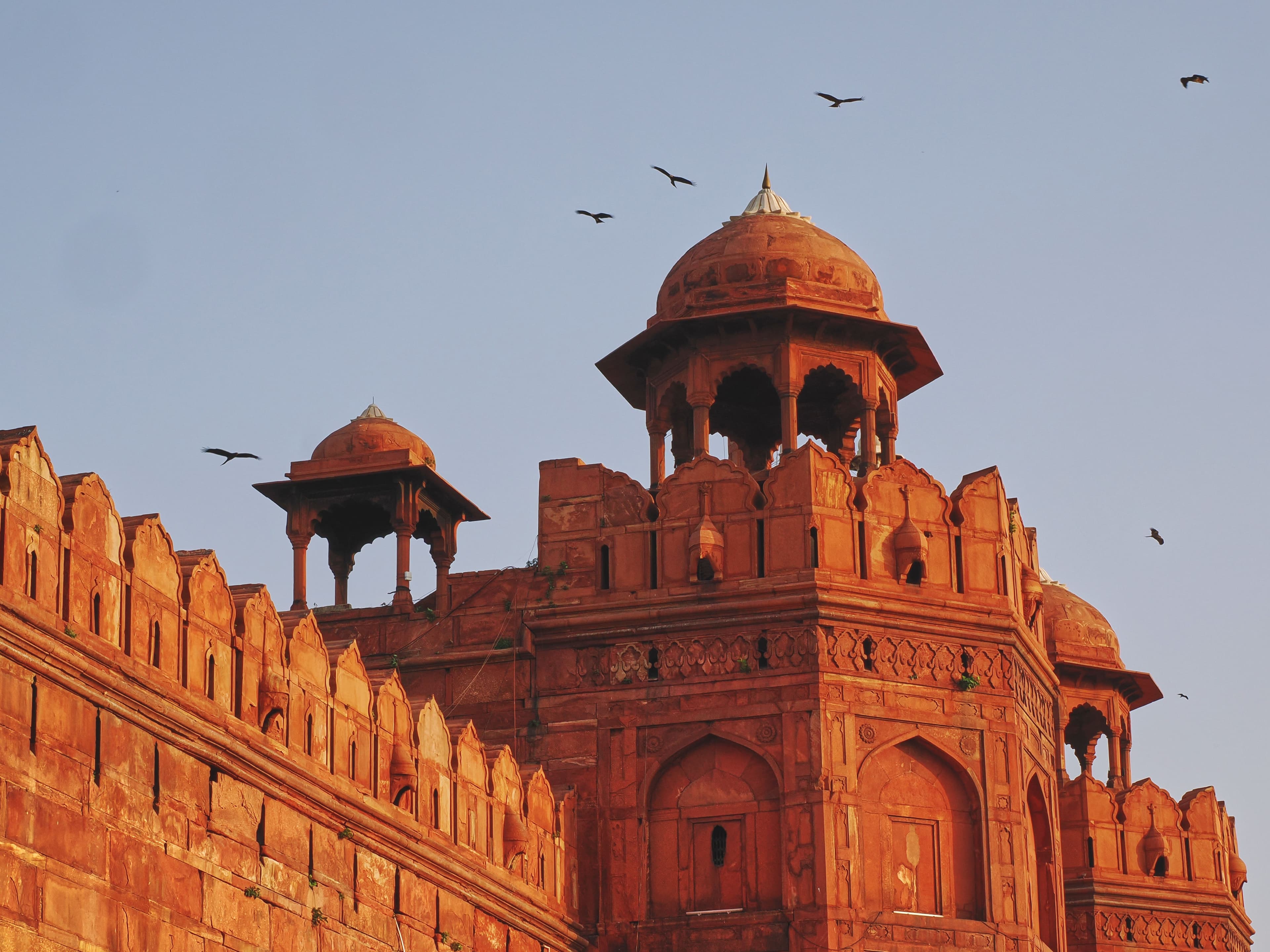
Image via pexels
History of the Red Fort: Shah Jahan and the Mughal Empire
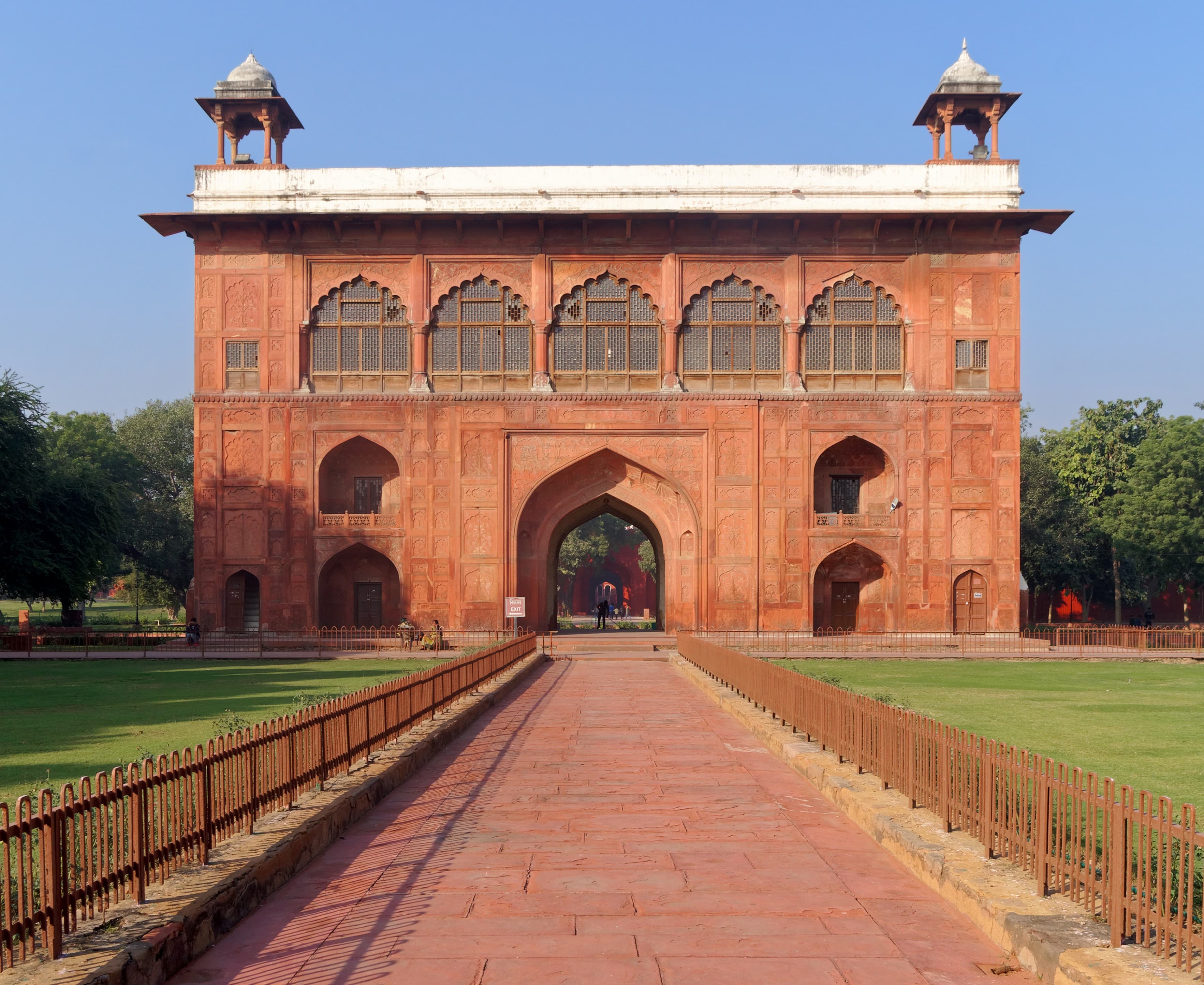
Image via wikipedia
A proper Red Fort travel guide always begins with Shah Jahan - the fifth Mughal emperor, also the ruler who built the Taj Mahal. In 1639, he shifted the Mughal capital from Agra to Delhi and began constructing his palace-fortress, supervised by architect Ustad Ahmad Lahauri. The fort, called Qila-i-Mubarak ("the Blessed Fort"), was completed in 1648 after nine years of work.
The fort’s fortunes seemed to stick with the empire’s, you know, in some way. In 1739 , the Persian ruler Nadir Shah marched into Delhi and took a lot of the fort’s treasure with him, reportedly even the legendary Peacock Throne and, depending on who you ask, the Koh-i-Noor diamond too. Then after the 1857 Indian Rebellion the British grabbed direct control, they knocked down a big chunk of the fort’s palace structures and they repurposed huge sections into military barracks, so much of what visitors see today is really only a sliver of the original place
Architecture and Design
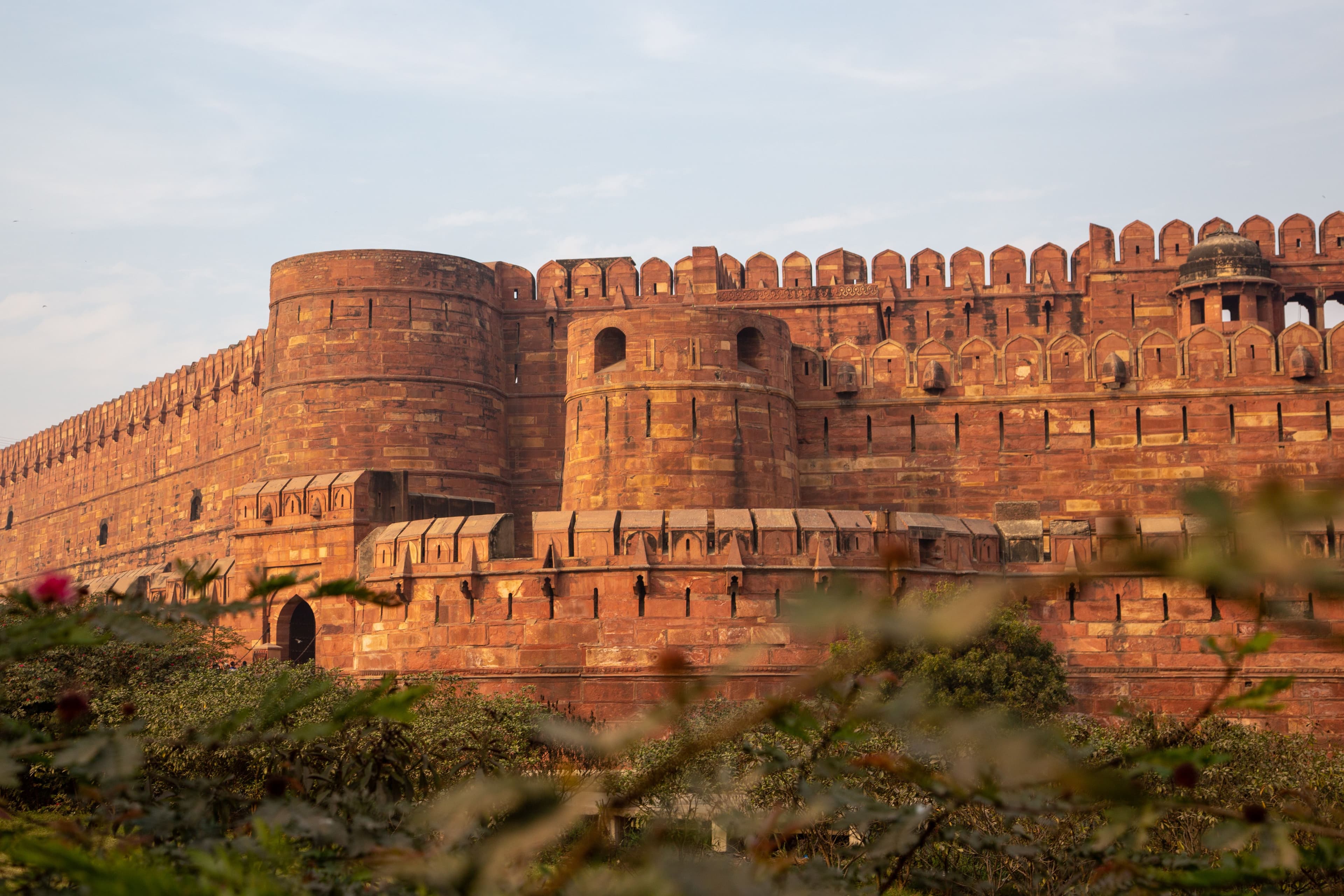
Image via pexels
The The Red Fort is often seen as the high point of Mughal architectural achievement , and UNESCO’s citation itself talks about it as the zenith of Mughal creativity. Its layout follows Islamic palace planning principles , but you notice that each little pavilion kind of leans into a blend of Persian, Timurid, and Indian building traditions - that mix is there when you look closely at the carved marble screens, the scalloped arches, the floral pietra dura inlay, and even the double-domed rooflines across the whole complex.
Major Attractions Inside the Red Fort
Lahori Gate and Chhatta Chowk
Image via wikipedia
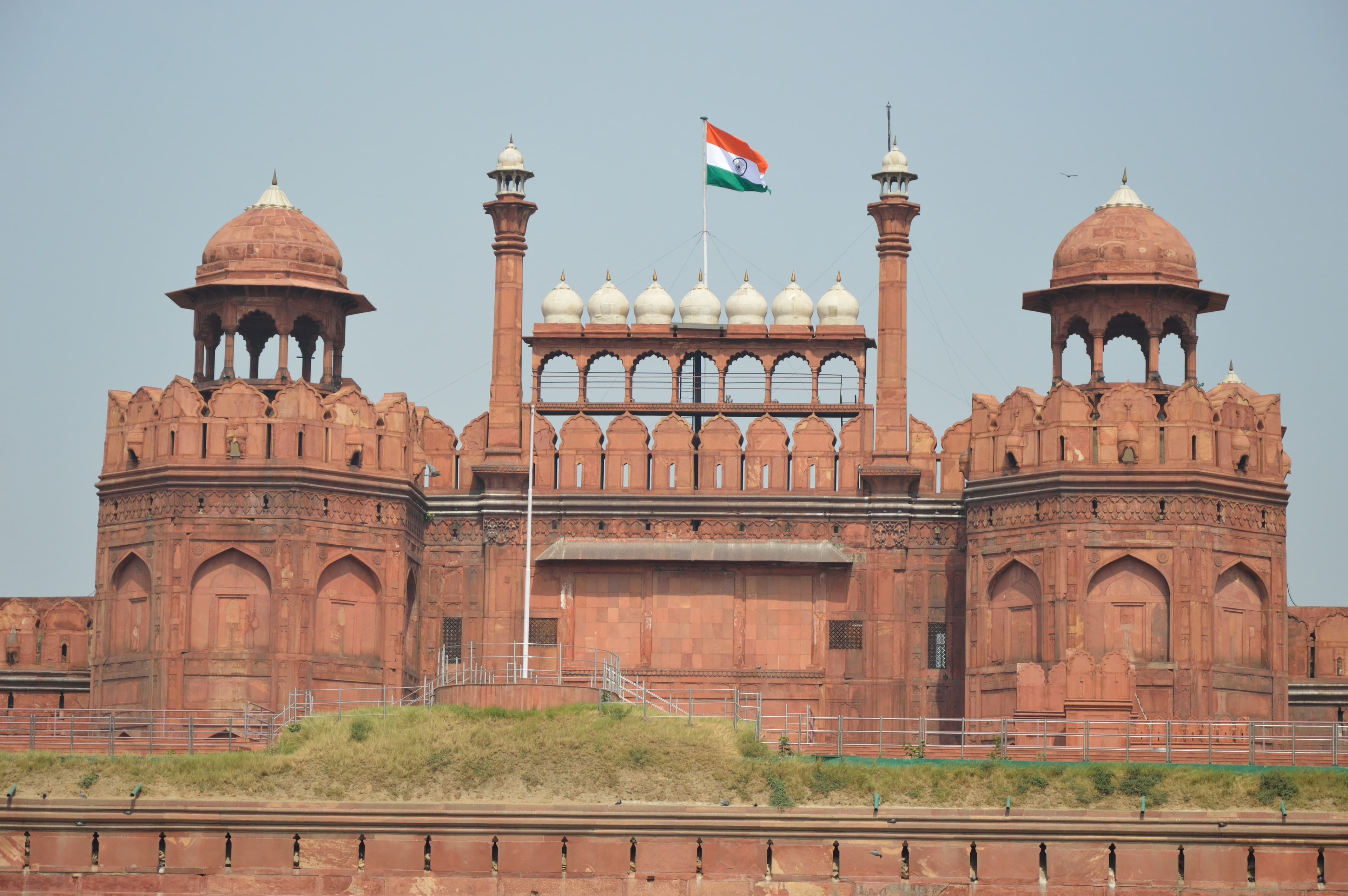
Lahori Gate and Chhatta Chowk
Lahore Gate, the Red Fort's main entrance, hosts the Prime Minister's Independence Day address. Chhatta Chowk - a vaulted arcade market - once sold imperial silk and jewellery; today it offers souvenirs and handicrafts.
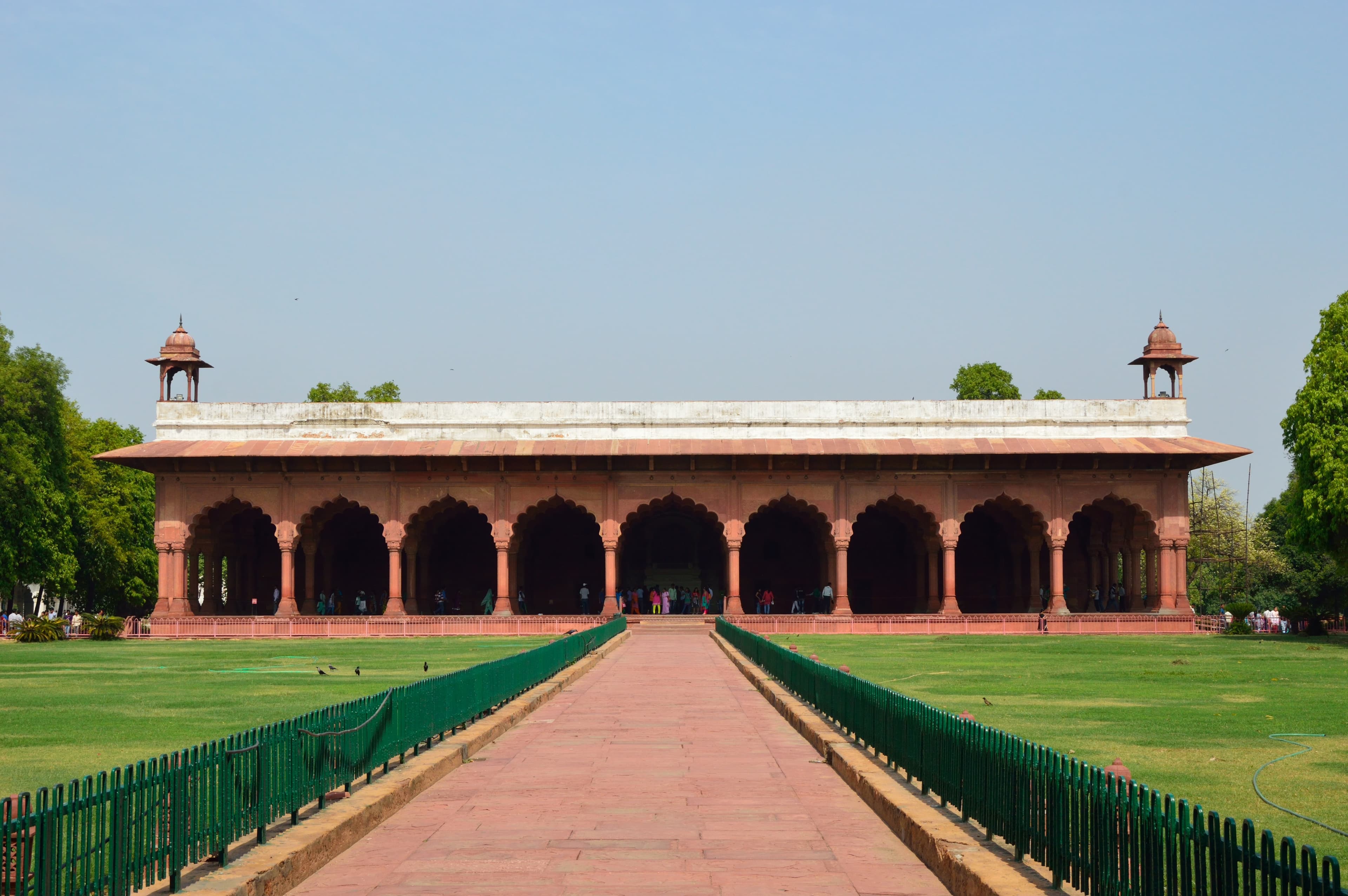
Diwan-i-Aam (Hall of Public Audience)
Image via wikipedia
Diwan-i-Aam (Hall of Public Audience)
The Diwan-i-Aam is the pillared hall where the emperor met the public, seated on a raised marble throne inlaid with precious stones. Its red sandstone columns frame the courtyard, making it one of the fort's most photogenic spaces.
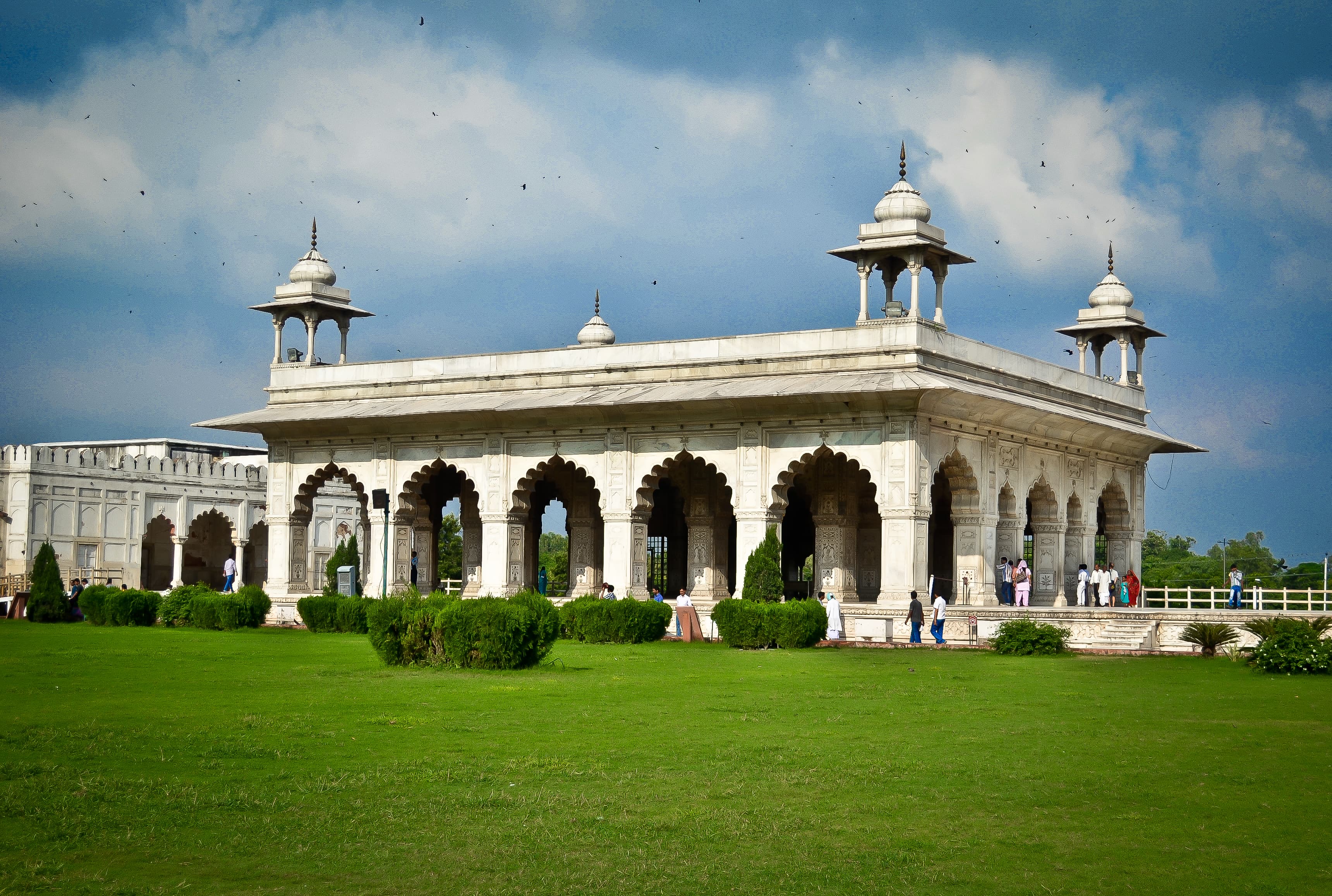
Diwan-i-Khas (Hall of Private Audience)
Image via wikipedia
Diwan-i-Khas (Hall of Private Audience)
The Diwan-i-Khas once housed the legendary Peacock Throne, with a Persian couplet inscribed: "If there is a paradise on earth, it is this, it is this, it is this." Its marble pavilion, floral inlay, and silver ceiling made it the fort's most opulent corner.
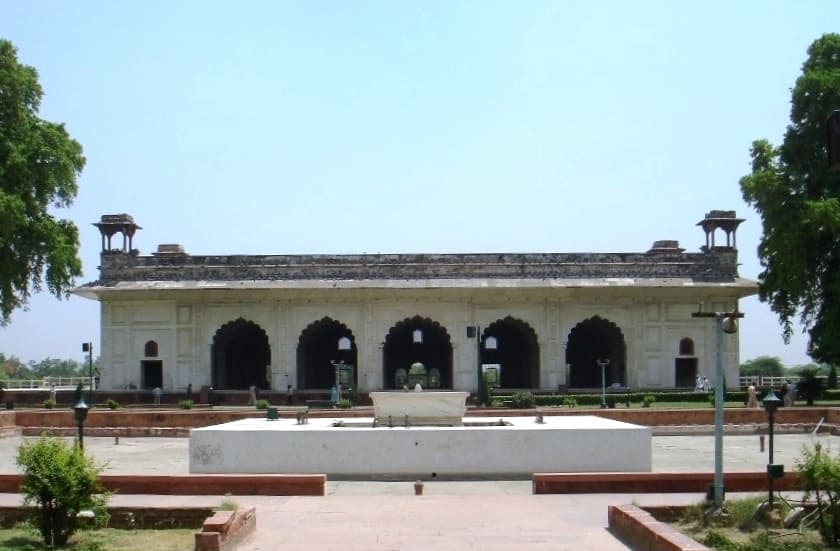
Rang Mahal, Khas Mahal and Moti Masjid
Image via wikipedia
Rang Mahal, Khas Mahal and Moti Masjid
Rang Mahal ("Palace of Colours") housed the emperor's wives, with a mirrored ceiling and marble water channel. Khas Mahal served as his private residence, while Moti Masjid - the "Pearl Mosque" - is a small white marble mosque added by Aurangzeb.
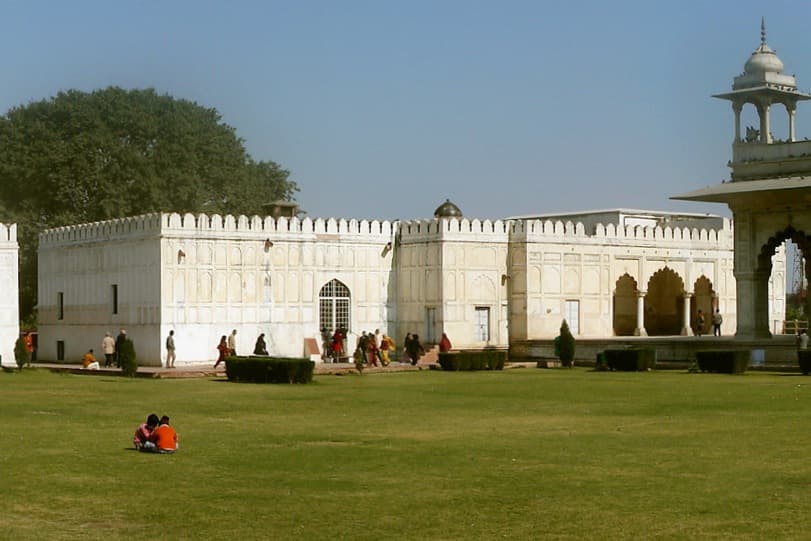
Hammam and Nahr-i-Behisht
Image via wikipedia
Hammam and Nahr-i-Behisht
The Hammam served as the fort's royal baths, with hot and cold water piped through channels for the imperial family. Running alongside several pavilions, the Nahr-i-Behisht - the marble water channel - cooled the private apartments, remaining one of the fort's most elegant engineering details.
Museums and Exhibitions
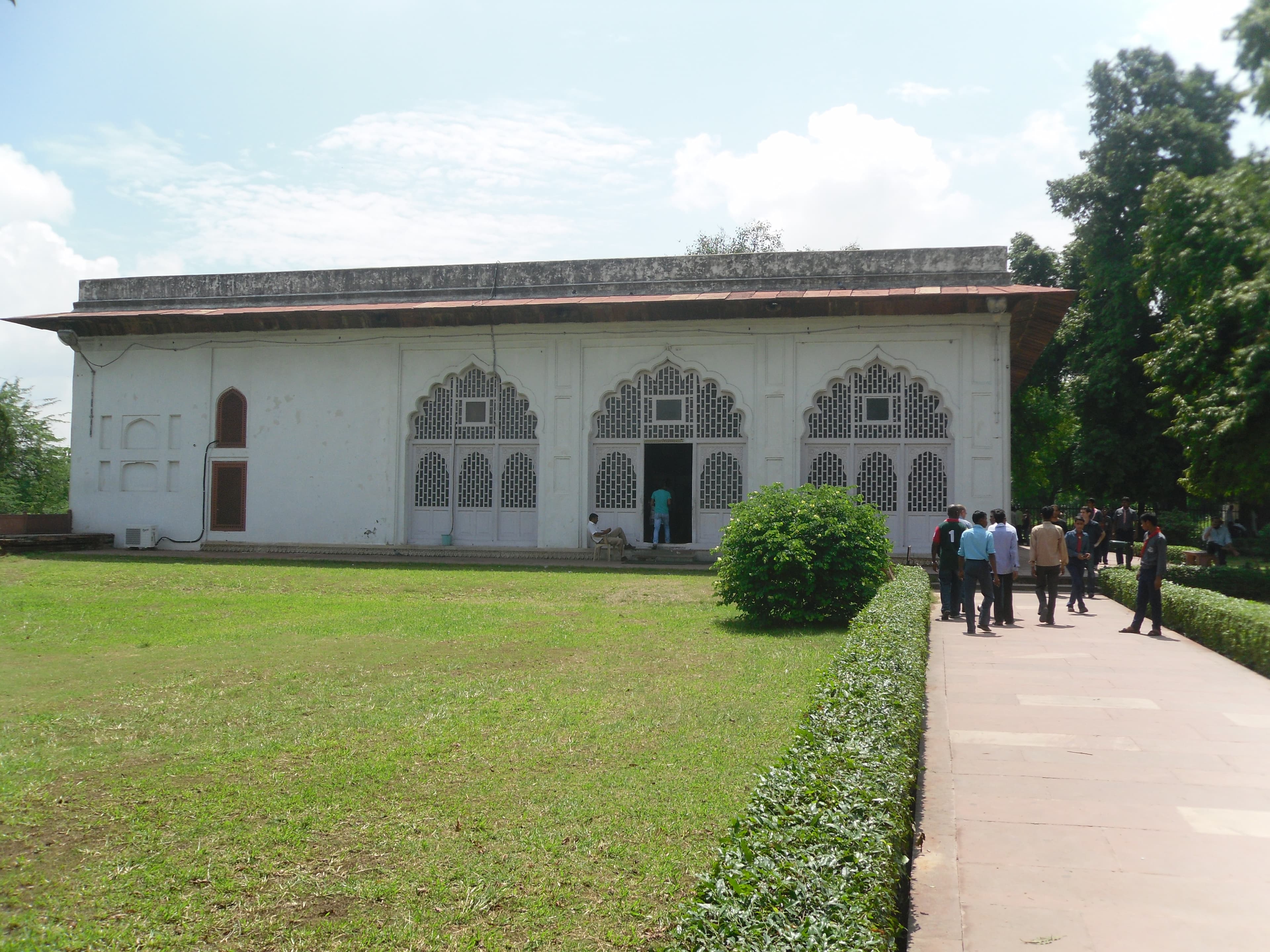
Image via wikipedia
A few museums that opened in 2019 now live in the fort’s colonial-era barracks, kinda like they’ve always belonged there. One barrack is set aside for the 1857 War of Independence, another is devoted to the Jallianwala Bagh massacre, and a third spotlights Subhas Chandra Bose along with the Indian National Army. There’s also a fourth, called Drishyakala, which feels like a collaboration between the Archaeological Survey of India and the Delhi Art Gallery, featuring Indian art that’s connected to the fort’s own story. These places are air conditioned, not usually jammed up, comparatively calm you could say, so they’re a pretty solid option for the hottest hours of the day.
Nearby Attractions
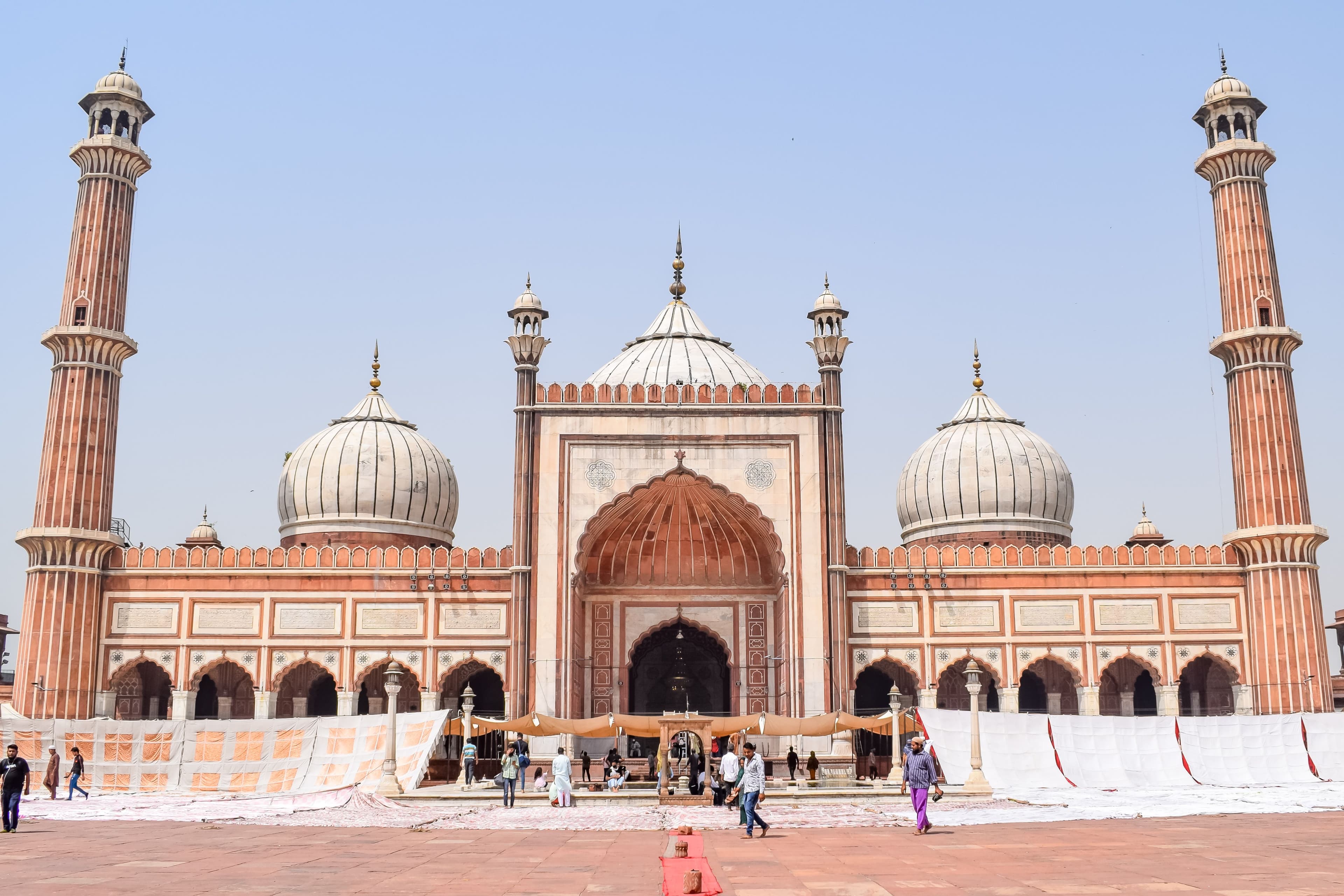
Jama Masjid
Image via wikipedia
Jama Masjid
India’s largest mosque, like a 10 minute walk from the Red Fort and one more of Shah Jahan’s big commissions, not to be missed.
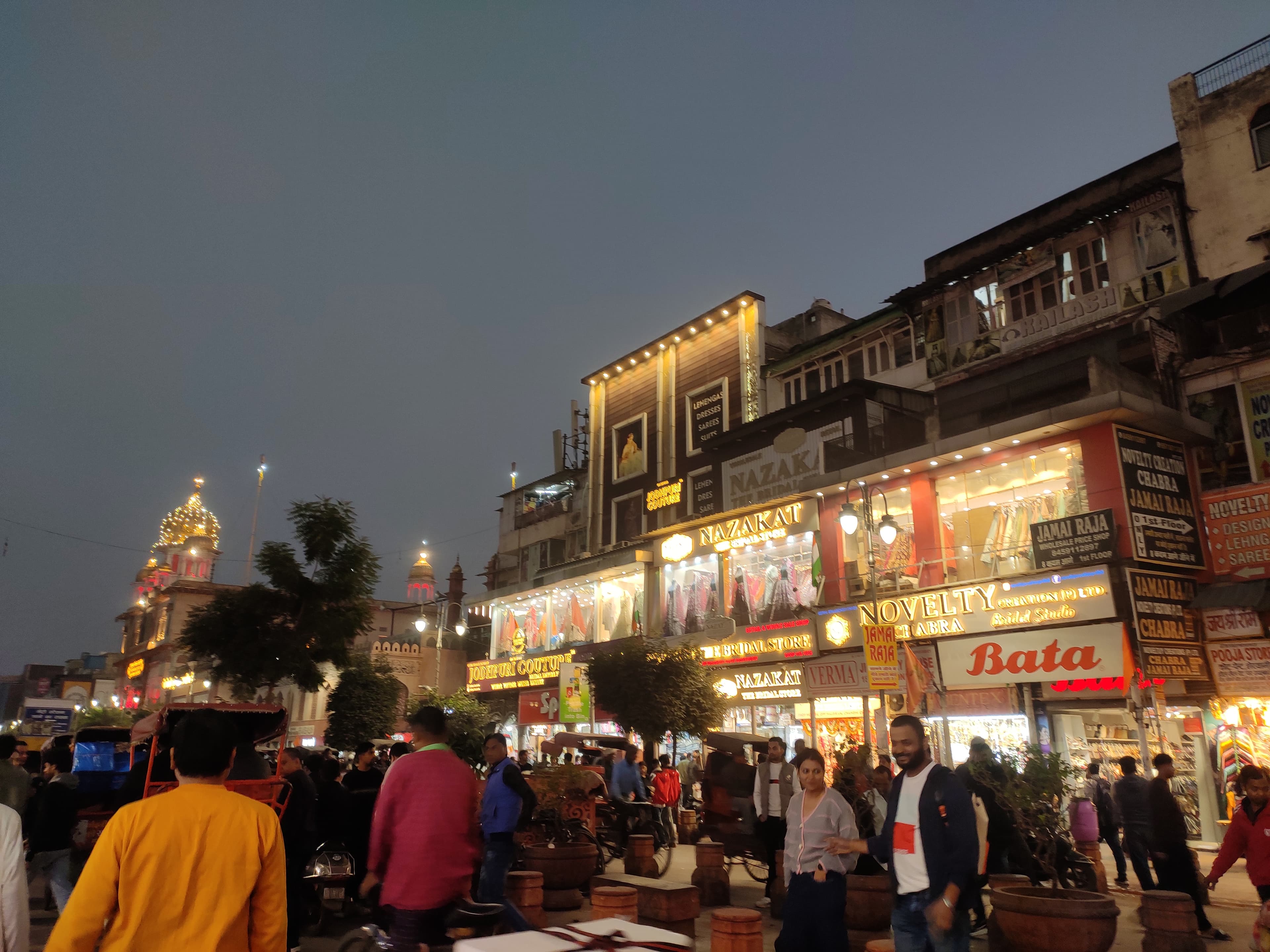
Chandni Chowk
Image via wikipedia
Chandni Chowk
that historic market street running westward from the fort, thick with food stalls, spice bazaars and jewelry lanes , kinda busy in a good way.
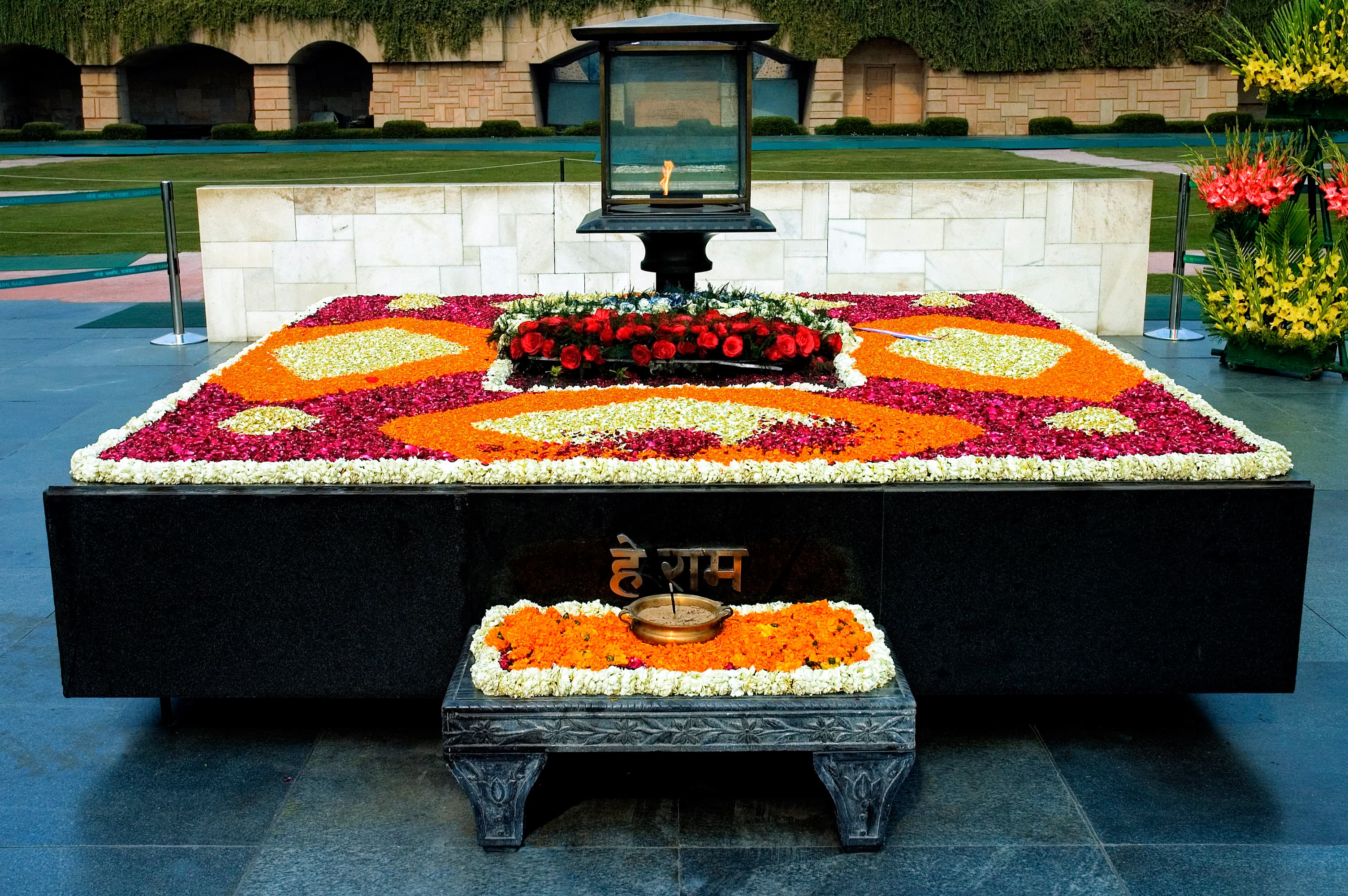
Raj Ghat
Image via wikipedia
Raj Ghat
Mahatma Gandhi’s memorial, a short drive away, placed in calm gardens where it’s easy to slow down.
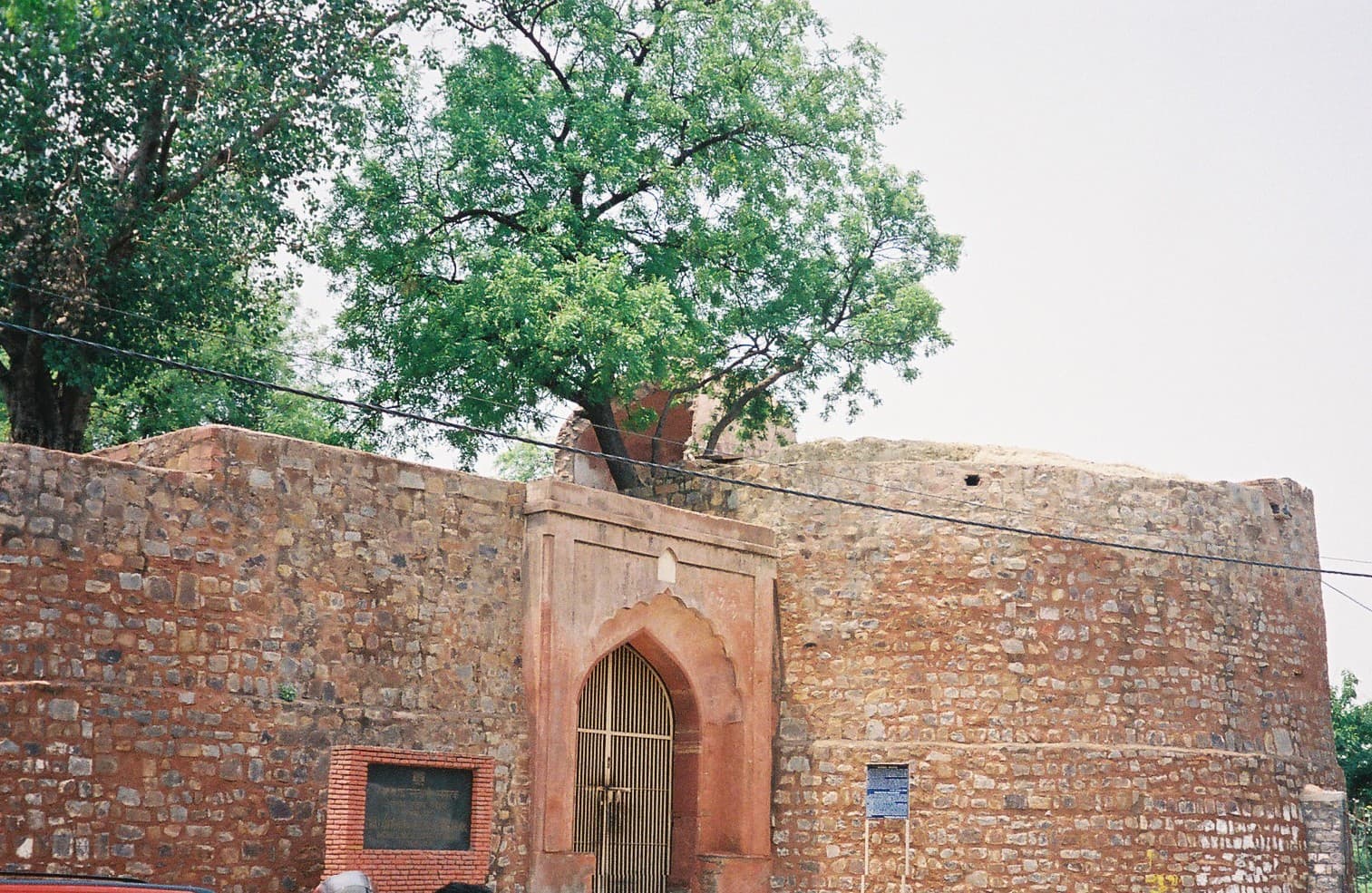
Salimgarh Fort
Image via wikipedia
Salimgarh Fort
the neighboring 16th-century stronghold, usually folded into a Red Fort visit, because you can cross through the connecting bridge.
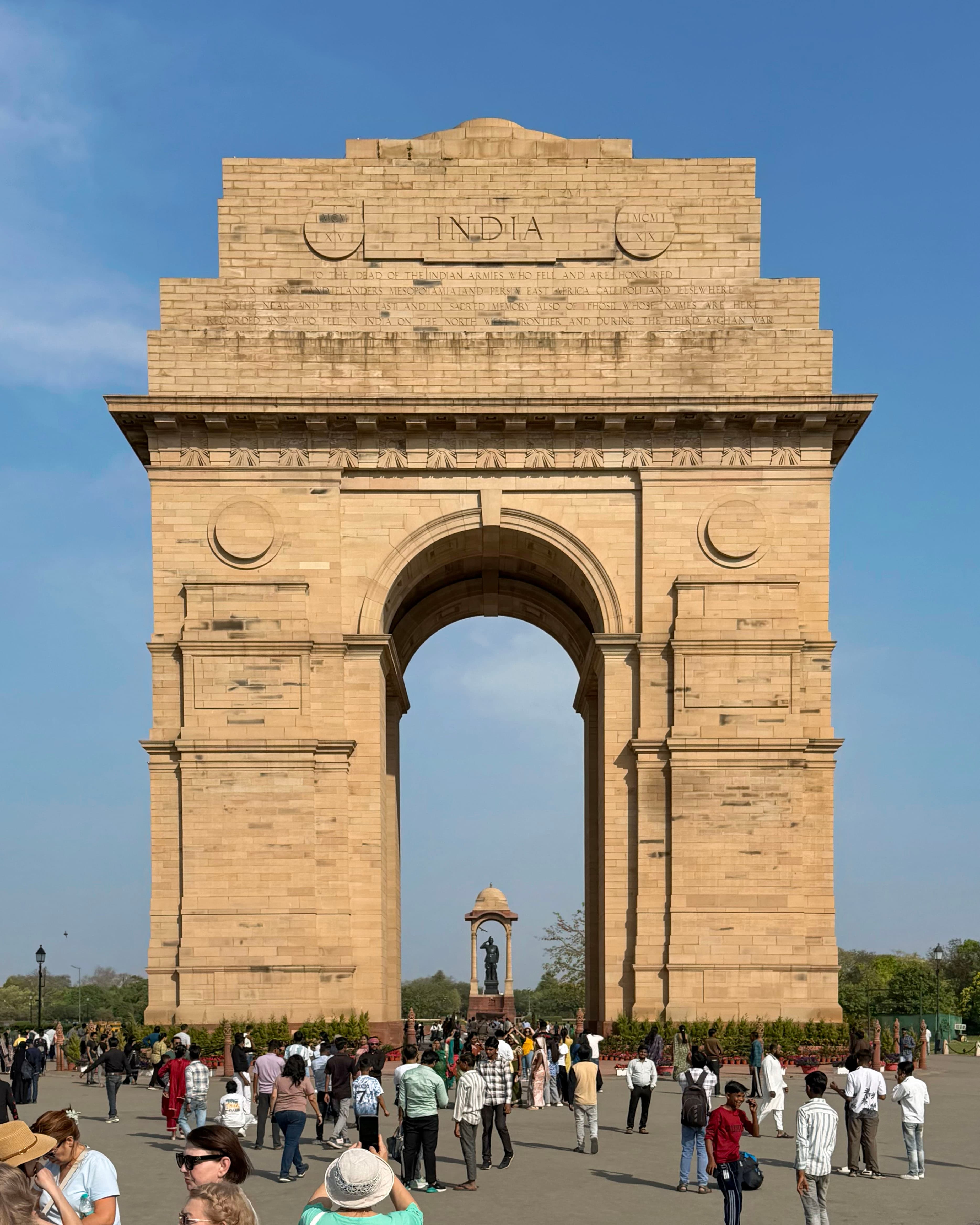
India Gate and Humayun’s Tomb
Image via wikipedia
India Gate and Humayun’s Tomb
farther south, both work as natural add ons for a wider Delhi heritage day, and they just fit the route.
Suggested Red Fort Itineraries
Whether you have a few hours or several days in Delhi, these carefully planned itineraries help you experience the Red Fort alongside the city's most important heritage, cultural, and culinary highlights.
Half-Day Itinerary
9:30 AM
Arrive at opening time and explore the Red Fort's palaces, courtyards, and museums.
11:30 AM
Walk to Jama Masjid and admire one of India's most impressive Mughal mosques.
12:15 PM
Enjoy lunch at Chandni Chowk or the iconic Karim's restaurant.
Early Afternoon
Return to your hotel or continue with your Delhi sightseeing plans.
One-Day Old Delhi
Morning
Explore the Red Fort at opening time followed by shopping at Chhatta Chowk.
Midday
Visit Jama Masjid and enjoy a guided food and spice market walk through Chandni Chowk.
Afternoon
Take a traditional rickshaw ride through Old Delhi and visit Raj Ghat.
Evening
Return for the Red Fort Sound & Light Show before dinner.
Two-Day Delhi Heritage
Day 1
Red Fort, Jama Masjid, Chandni Chowk food walk, and the evening Sound & Light Show.
Day 2 Morning
Explore Humayun's Tomb and Qutub Minar, Delhi's most important UNESCO sites.
Day 2 Afternoon
Drive past India Gate and Rashtrapati Bhavan, then enjoy a rooftop dining experience overlooking Delhi.
Best Time to Visit the Red Fort
October to March
tends to feel the most comfortable season, it has cooler day time temperatures that fit walking around the open courtyards and along the ramparts.
April to June
Pare insanely hot, usually they get past 40°C, so it really makes sense to do early morning visits. Weekday mornings, especially Tuesday and Wednesday, are much quieter, kind of noticeable, compared to weekends or public holidays.
Budget Estimates
₹2,000 – ₹3,500
per day, mostly metro and local transport, street food, and those entry tickets, too.
₹5,000–₹9,000
per day. With private car, a boutique style hotel, and maybe even a proper seated meal, not only quick bites.
₹15,000+ per day
Usually that’s a chauffeur driven vehicle, a five star Delhi stay, a private historian guide.
Solo Traveler Tips
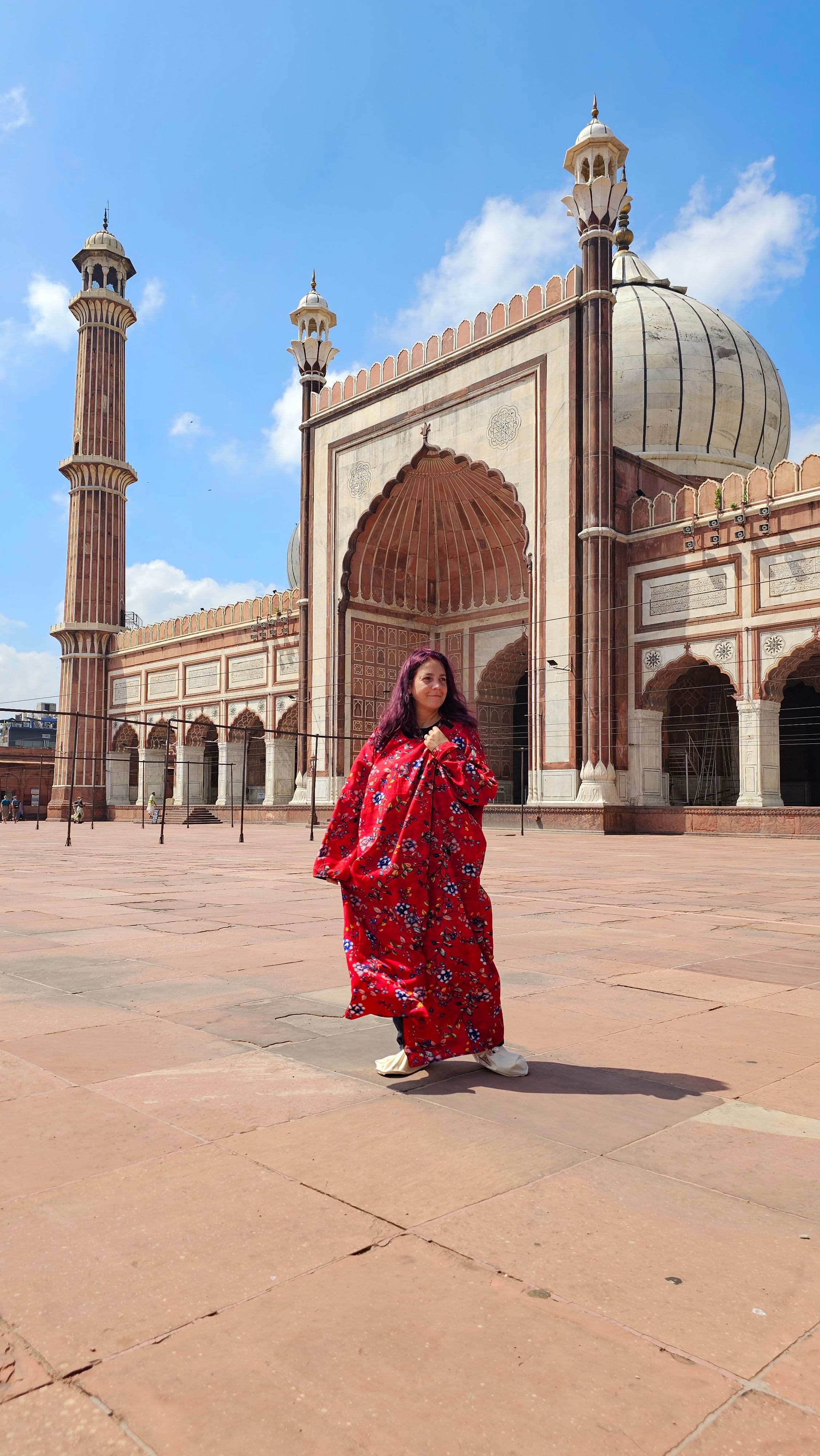
Image via pexels
The The Red Fort itself , with its steady flow of people and formal security checks, is a pretty comfortable stop for solo travelers and well you know, those little procedures are kind of predictable. The nearby Old Delhi lanes feel busier and more chaotic, so solo visitors-especially solo female travelers-often find it easier to wander Chandni Chowk and the food lanes with a pre-arranged guide, than trying to go around solo on a first visit. Keeping it to daylight hours near the fort , and choosing a private vehicle instead of street-hailed transport, are simple ways to move with more ease, more quietly too.
Why Choose India Heritage Travel
Specialist Knowledge of Delhi Sultanate History and Architecture
Private Chauffeured Transfers Throughout
Fully Personalised Delhi Itineraries
Luxury Heritage Delhi Accommodation
Safe and Thoughtful Tours for Women Travelers
Designed for International Luxury Travelers
Frequently Asked Questions
The Red Fort is famous as the Mughal Empire's seat of power for two centuries, for its Persian-Timurid-Indian architecture, and as the site where India's Prime Minister hoists the national flag every Independence Day.
Entry costs approximately ₹35 for Indian, SAARC and BIMSTEC nationals and around ₹500–550 for foreign nationals, with children under 15 admitted free. The Sound & Light Show is ticketed separately.
The Red Fort is open Tuesday through Sunday from 9:30 AM to 4:30 PM and is closed every Monday. The evening Sound & Light Show runs separately after sunset.
The easiest way is the Delhi Metro's Violet Line to Lal Qila station, a two-minute walk from the entrance, or the Yellow Line to Chandni Chowk station, about a ten-minute walk away. Taxis and private chauffeur transfers can drop off directly at Delhi Gate.
Two to three hours covers the main palaces and museums comfortably. Add another hour if you plan to browse Chhatta Chowk market or attend the evening Sound & Light Show.
Yes. The Red Fort Complex was inscribed as a UNESCO World Heritage Site in 2007, recognised for representing the zenith of Mughal architectural creativity and its role in India's history.
Planning a Red Fort Heritage Journey?
India Heritage Travel creates private chauffeur-driven itineraries that combine Red Fort, \ Jama Masjid, Chandni Chowk, and Old Delhi's Mughal alleys with Qutub Minar, Humayun's Tomb, and Lodhi Garden into seamless Delhi heritage journeys guided by local experts.
Plan My Delhi Heritage Tour