Why Ranthambore Belongs on Your Itinerary
Ranthambore National Park has few rivals among Indian landscapes in combining two different narratives in one place. There is the story of an eleventh-century fort built on top of a ridge of dry deciduous forest, and the story of the artificial lakes at the bottom that used to be visited by Jaipur maharajas and attract tigers nowadays. Ranthambore luxury heritage and wildlife tourism is all about being able to connect these two histories.
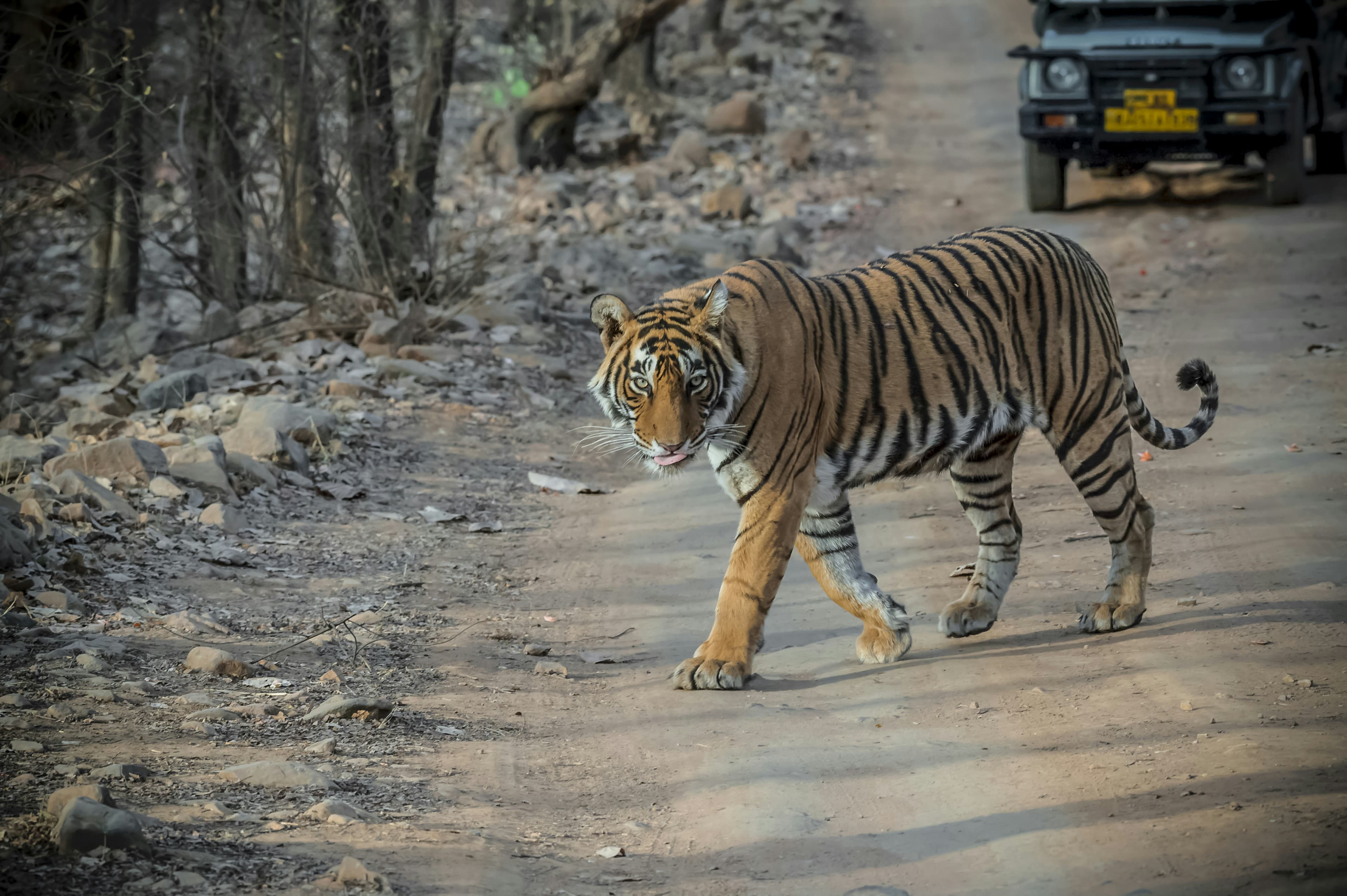
For most tourists this destination is one of the high points of their tour of Rajasthan, for a good reason too There is no park where one could see a royal tiger walking right past the gate of the park with its unique architecture or resting nearby a hunting lodge. However, visiting the park is not so easy because it requires a lot of preparations beforehand and constant waiting since there is no guarantee of having sightings at any moment in time as the areas to be visited are choosen randomly and the best safari is defined as the one when everything has been observed.
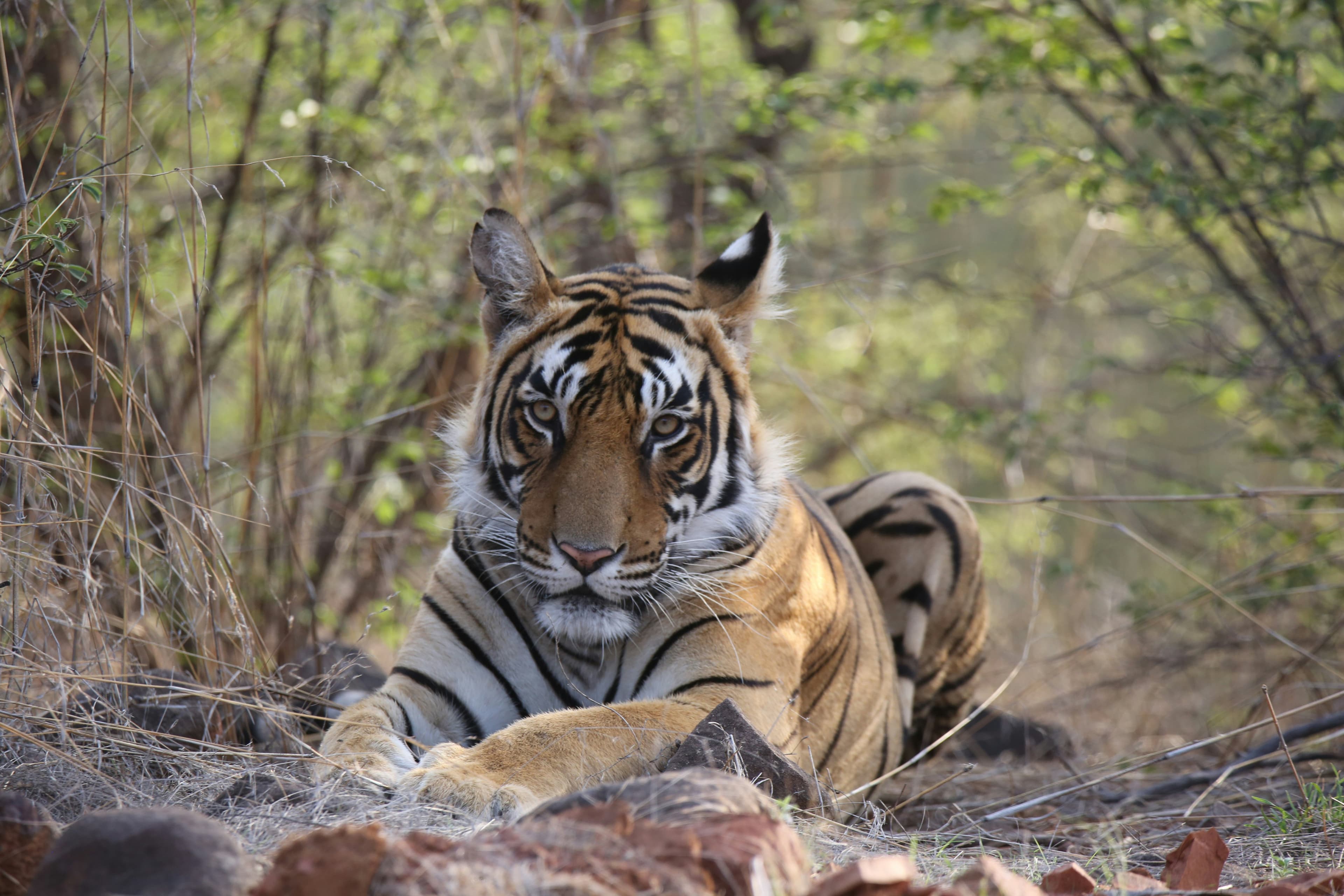
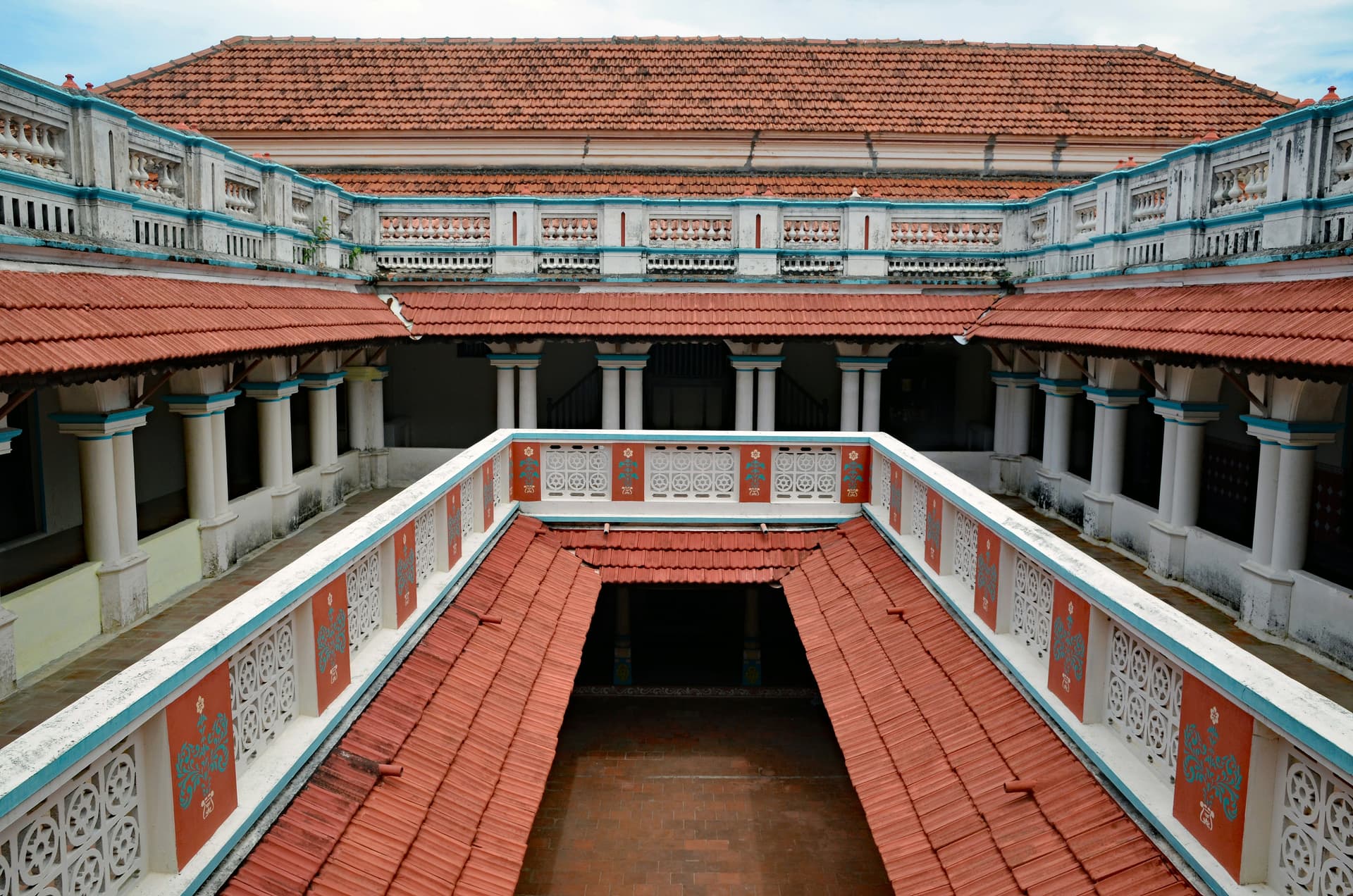
Image via unsplash
The guide includes the history of the ruins, the process of safaris organized in the park, types of acommodation that will satisfy all visitors.
Ranthambore at a Glance
| Detail | What to know |
|---|---|
| Location | Sawai Madhopur district, eastern Rajasthan; the park entrance is around 10 km from Sawai Madhopur Junction |
| Park area | About 1,334 sq km including core and buffer zones; ten safari zones |
| Known for | Bengal tigers, the Ranthambore Fort (UNESCO World Heritage Site), Padam Talao, Raj Bagh ruins, Trinetra Ganesh Temple |
| Distances (by road) | About 180 km from Jaipur (3 to 3.5 hours); roughly 380 to 400 km from Delhi (6 to 7 hours) |
| Season | Park closed July to September; best overall October to June |
| Ideal for | Wildlife lovers, couples, families with older children, photographers, heritage enthusiasts |
| Ideal stay | Two to three nights, with at least three safaris |
A Short History: From Chauhan Fortress to Royal Hunting Ground
There is no definitive evidence about Ranthambore Fort's foundation. Some credit Chauhan ruler Sapaldaksha in the mid-10th century, while others argue its origins predate that. Pre-10th-century evidence suggests the fort formed part of the Chauhan defensive network long after Sapaldaksha's death - Prithviraj Chauhan used it as his stronghold against Muhammad of Ghor in 1192. In 1299, Chauhan king Hammir Dev gave refuge to a rebel general of Alauddin Khilji, who besieged the fort in 1301 - an event celebrated in Rajput folklore.
After independence, preservation began when the territory became a sanctuary, then a Project Tiger reserve in 1973, and finally a national park.
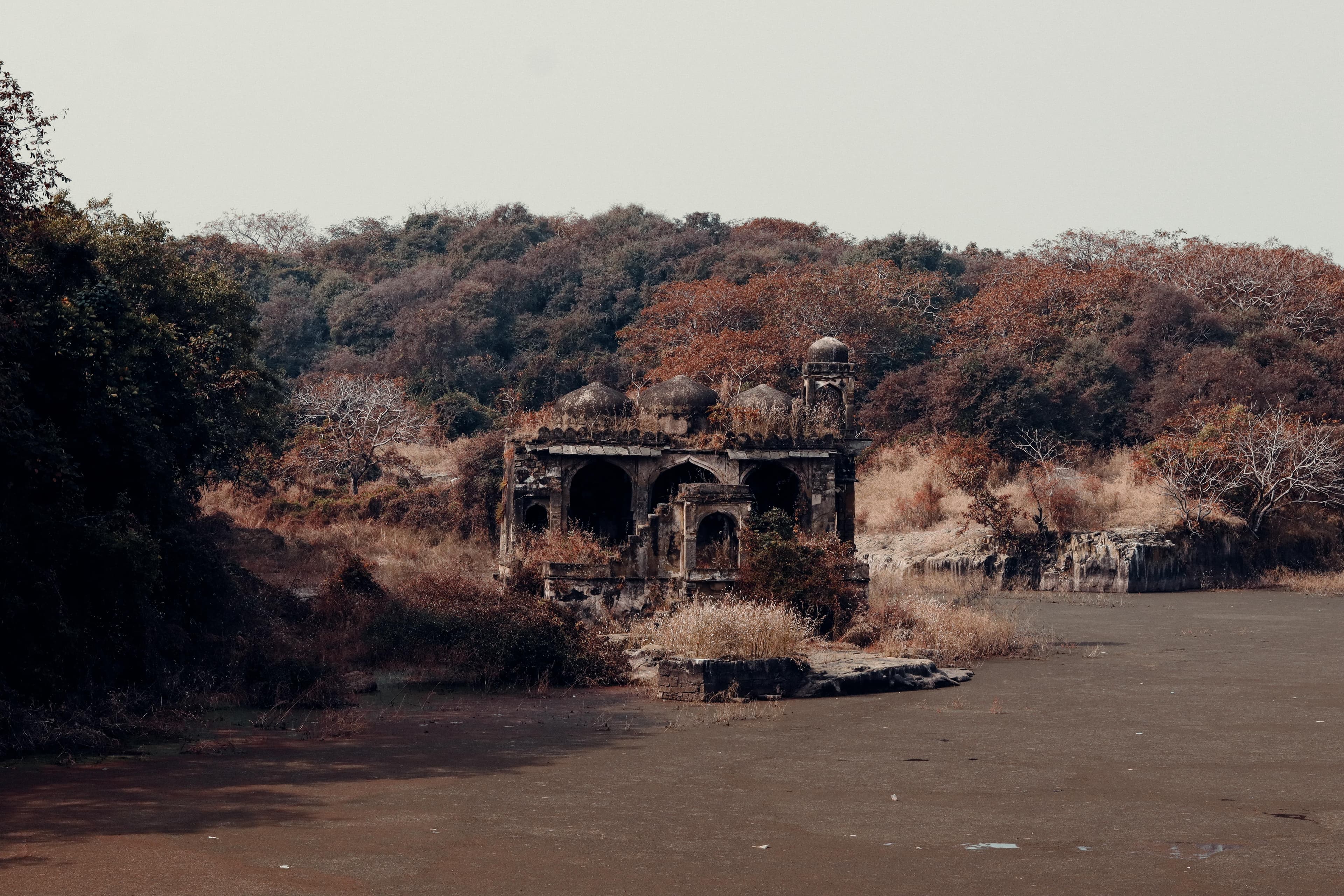
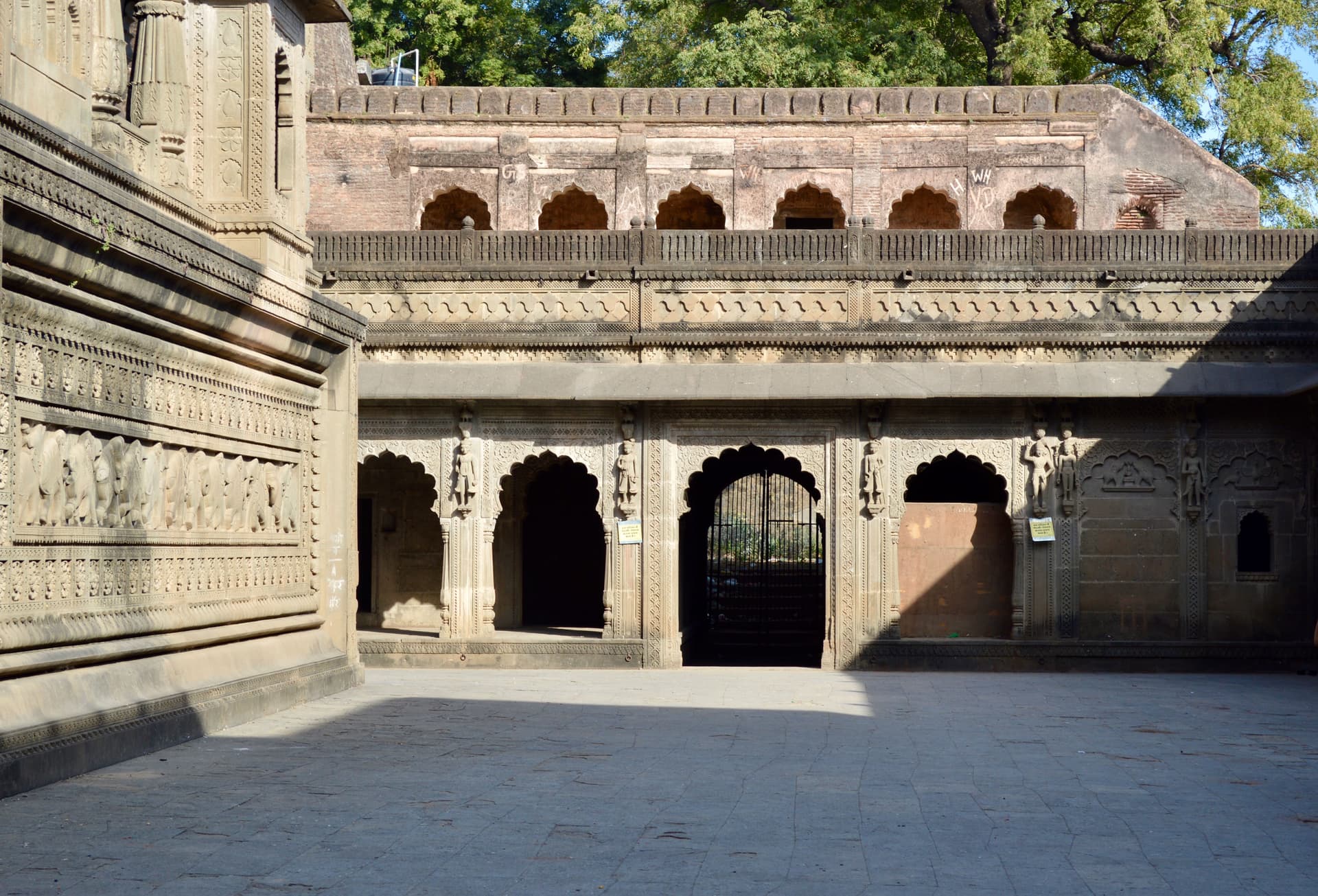
Image via unsplash
Ranthambore Luxury Heritage and Wildlife: The Major Attractions
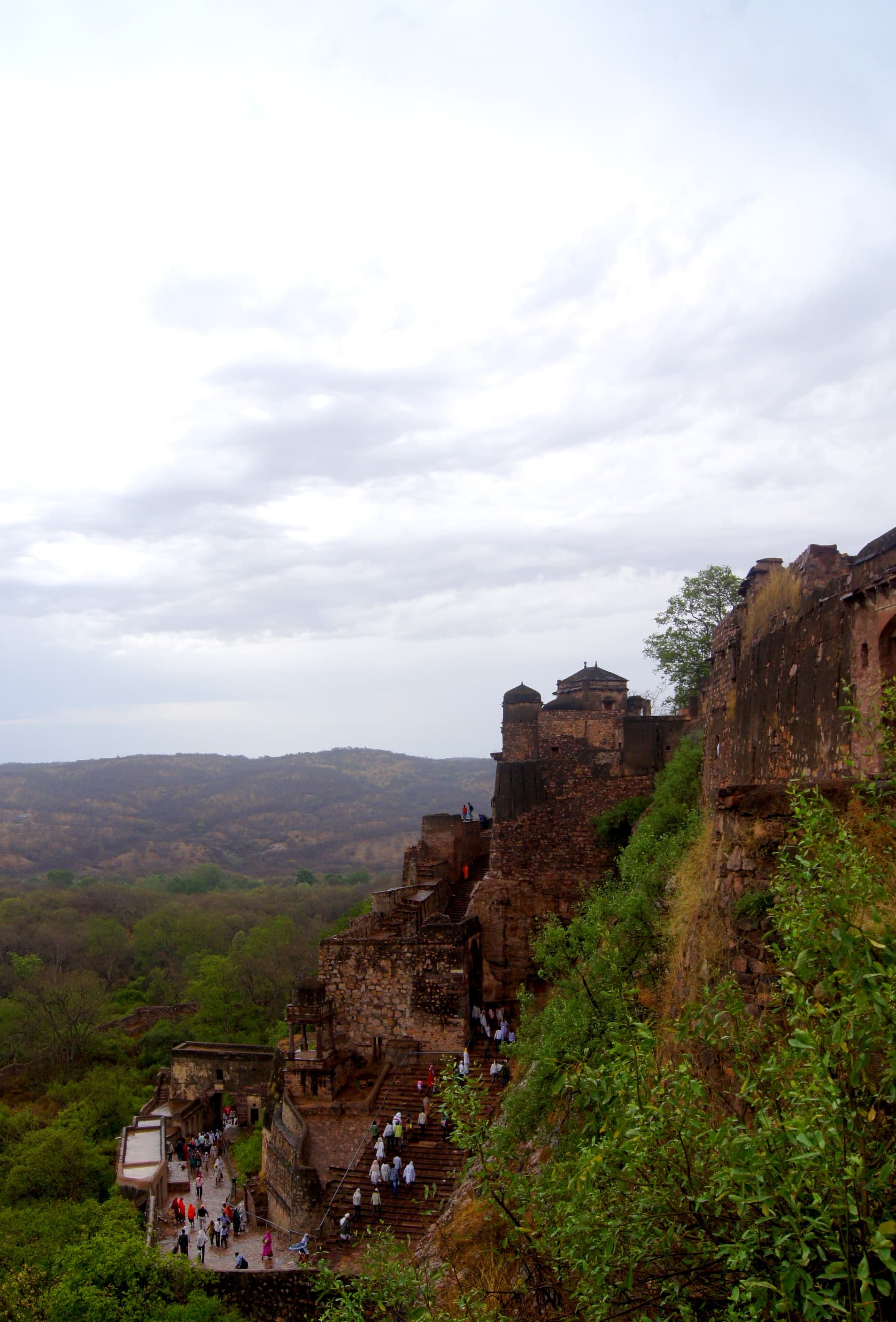
Ranthambore Fort
Image via wikipedia
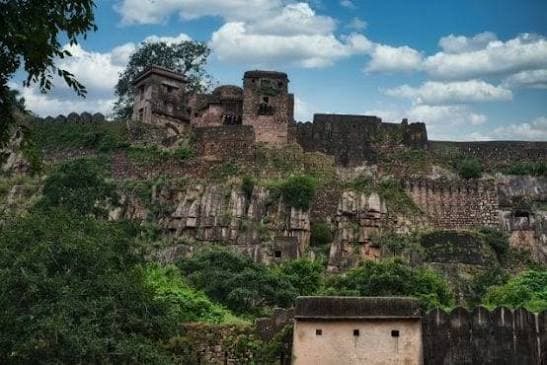
Ranthambore Fort
Ranthambore Fort sits on a plateau rising 700 feet above the forest, holding gates, stepwells, palaces, and temples — including the 12th–13th century Jain temples of Sumatinath and Sambhavanath, Shiva temples, Rani Haveli, Battees Khamba, and Naulakha Gate. Remember, the fort lies inside a tiger reserve.
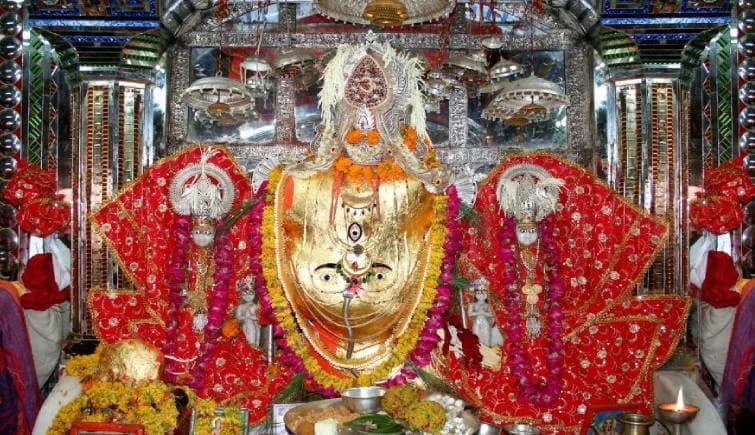
Trinetra Ganesh Temple
Image via wikipedia
Trinetra Ganesh Temple
The Trinetra Ganesh Temple is present inside the fort, and this temple is one of the most popular temples of Ganesh in the country. The God has three eyes in this temple, and the temple gets visited by tens of thousands of pilgrims on Wednesdays and on festival days.
Padam Talao and Jogi Mahal
Image via wikipedia
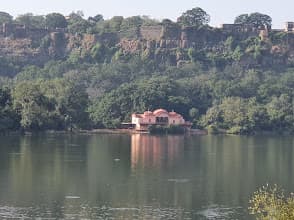
Padam Talao and Jogi Mahal
The Padam Talao is the biggest lake within the park and also one of the major sources of water for wildlife. The water lilies grow from June to September. The Jogi Mahal located next to this lake used to be the hunting camp for the royalty but now is a guesthouse that is not open for everyone.
Raj Bagh Ruins and the Lakes
Image via wikipedia
Raj Bagh Ruins and the Lakes
The Raj Bagh Talao is regarded as the most elegant of the lakes and is a favorite abode of the sambar deer, whereas the Raj Bagh ruins which have domes, walls, and pillars are connected with the Jaipur royal lineage. The kingfishers, storks, and marsh crocodiles are found at Malik Talao.
Ranthambore Safari Guide: Zones, Timings and Booking
There are a total of ten safari zones in the park. The safari zones 1-5 constitute the main zones with higher density of tigers, while safari zones 6-10 constitute the buffer zones with reduced costs of permits and reduced number of vehicles. Zone 1 has the fort background and Padam Talao, Zone 2 has Raj Bagh, Zone 3 has Malik Talao and thick forest, Zone 4 has Kachida valley (leopard and sloth bear zone), and Zone 5 has open grasslands. All zones and their routes are allocated through the booking process.
| Period | Morning safari | Evening safari |
|---|---|---|
| 1 Oct to 31 Jan | 6:30 to 10:00 AM | 2:30 to 6:00 PM |
| 2:30 to 6:00 PM | 6:00 to 9:30 AM | 3:00 to 6:30 PM |
| 1 Apr to 30 Jun | 5:30 to 9:00 AM | 3:30 to 7:00 PM |
Timings shift by season and can be revised, so confirm before you travel.
- • Gypsy (open jeep). Accommodates six people, easy to move around and suitable for taking photos.
- • Canter (open bus). Accommodates twenty people, affordable price per person but less mobility.
- • Permit booking. Permits are issued via the official Rajasthan wildlife website, said to open about 90 days before, with the need to provide your ID or passport information. Private agencies and hotels can assist you but make sure you have a real permit.
- • Price. Prices vary depending on category and nationality of passengers and fluctuate from time to time; the fee for a guide is included.
Wildlife and Responsible Tourism
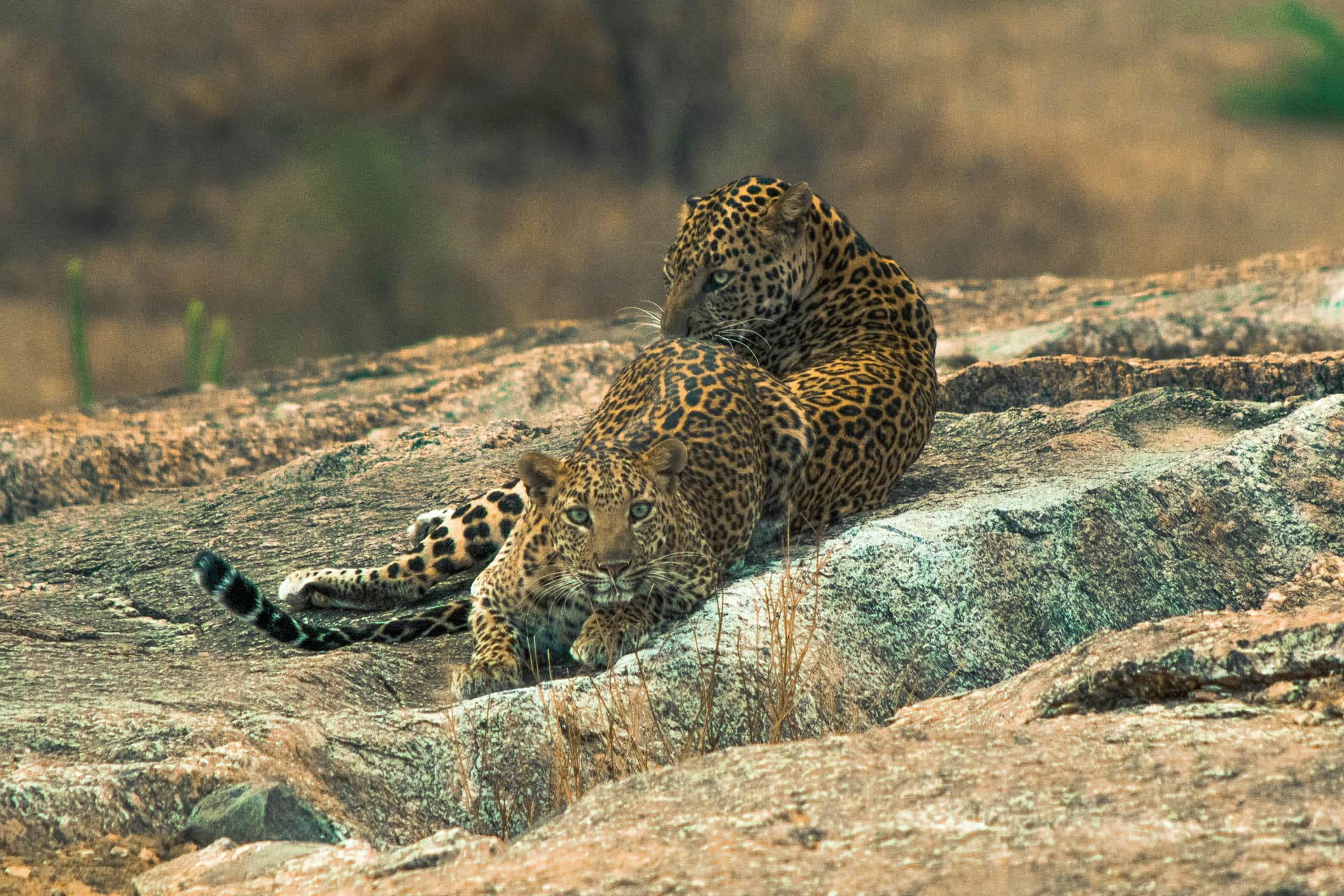
Tigers of Ranthambore are the highlight, and the number of tigers reported is in excess of 70 individuals in 2019 records; do refer to updated official statistics for publication. Along with this, there are leopards, sloth bears, hyenas, marsh crocodiles, sambar, chital, nilgai and numerous birds in the park. Birds' enthusiasts must visit Malik Talao and Surwal Lake during winters.
The sustainable tourism model ensures that the experience is preserved for all. The same involves the use of approved transport and guides, maintaining silence, avoiding the feeding or calling out of the animals, staying within the perimeter of your transport, no use of single-use plastics, and accommodation that offers job opportunities to the local people.
Architecture of the Fort and Ruins
- • Red Karauli stone. The Hindu temples of the 12th and 13th centuries have reddish stones that glow when the sun rises.
- • Red Karauli stone. The Hindu temples of the 12th and 13th centuries have reddish stones that glow when the sun rises.
- • Hunting architectural style. Jogi Mahal and Raj Bagh represent how maharajas made the forest suitable for their hunting purposes.
- • Water engineering system. Lakes, tanks and step wells are constructed in such a way to hold monsoon water for the whole year.
- • Multiple religions. Temples for both Hindu and Jain religions are located in the same fort.
Cultural Significance
The location of Ranthambore National Park has its roots in history, devotion, and conservation. Pilgrims from different parts of India visit Trinetra Ganesh and invitation cards are also sent to Ganesh for his marriage from distant lands. The villages surrounding the park have co-existed with the forest since centuries past and locals also act as guides, drivers and hotel attendants. It offers a wonderful opportunity to understand coexistence of heritage and conservation.
Where to Stay: Heritage Hotels and Luxury Camps
Ranthambore has one of India’s finest selections of luxury wildlife accommodations. They can be grouped into three broad categories. Property specifications, prices, and policies keep on changing, and we confirm everything just prior to making a reservation.
However, while assessing the quality of such facilities, ensure that you assess the distance of the facility from the entrance of the national park (the further it is, the more time you spend commuting and less time you have for sleeping prior to early morning game drives), if the accommodation itself organizes safaris and helps in getting necessary permits.
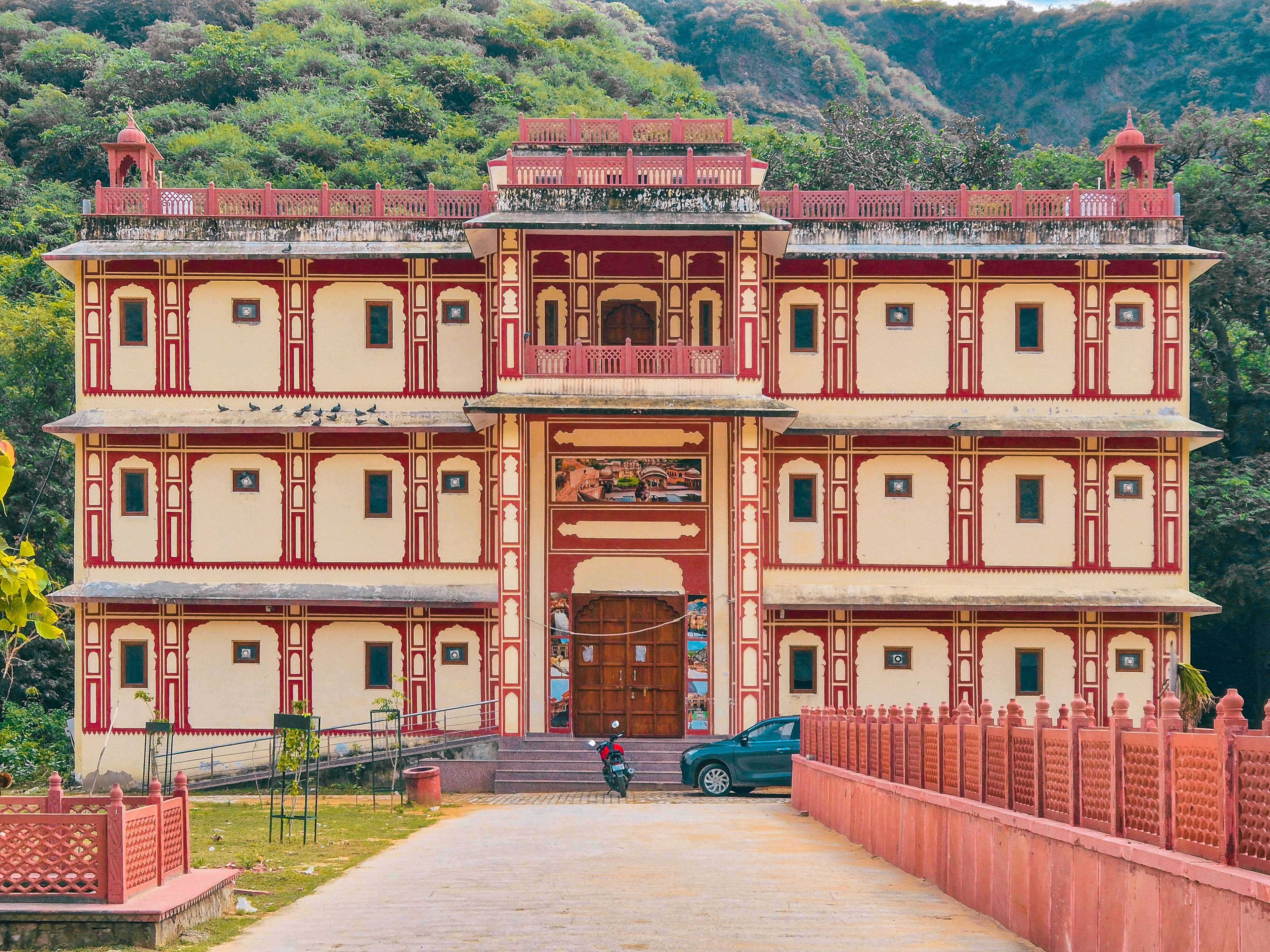
Image via pexels
Best Experiences
- • Morning Safari to Padam Talao. Ranthambore’s traditional setting – mist, deer, and the fort looming in the background.
- • Private safari led by a naturalist. Get a guide that is familiar with the areas and alarm calls.
- • Tri netra Ganesh Darshan. Visit both the temple and the ruins of the fort.
- • Birding or lakeside picnic. Flocks flock during winter at Surwal and Malik Talao.
- • Village visits and craft tours. Get up close and personal with village life around the park.
- • Candle light dinner at a heritage lodge. Perfectly complemented by a day spent in the forest.
Hidden Gems
- • Kachida Valley. A difficult terrain with forests that contain leopards and sloth bears in Zone 4.
- • Sham Bagh Talao at sunrise. A serene lake with sambar and soft light.
- • Surwal Lake during winter. Good place for birding.
- • Lanes of villages near Sawai Madhopur. The real Rajasthan without tourists.
- • Karauli and Dholpur. Lesser known royal cities of Rajasthan accessible from Ranthambore.
What to Eat
Dining at Ranthambore's heritage hotels and luxury camps leans heavily on Rajasthani tradition - dal-baati-churma, gatte ki sabzi, and laal maas appear on menus for non-vegetarian guests, while vegetarians are well served with fresh thalis and continental options across the luxury camps. The kitchens here are accustomed to international palates and handle dietary restrictions with advance notice.
Most accommodations arrange signature experiences like jungle breakfasts and lantern-lit bush dinners, adding a sense of theatre to mealtimes. On safaris, though, come prepared - carry water and snacks, since there are no food or drink facilities anywhere inside the park.
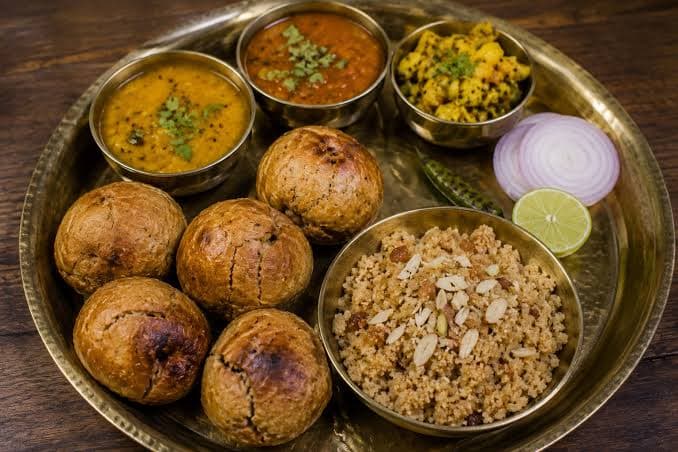
Image via encrypted-tbn0
Nearby Attractions
- • Jaipur. Located at 180 km distance; combination with Amer Fort, City Palace, and Hawa Mahal.
- • Karauli. Secretive royal state with City Palace and Madan Mohan and Kaila Devi temples.
- • Bundi and Kota. Painted palaces and step wells located towards south.
- • Keoladeo (Bharatpur). An excellent bird sanctuary near Agra road.
- • Chambal Valley and Dholpur. Safaris on river with gharials and dolphins.
Luxury Travel Tips
Image via pexels
Luxury Travel Tips
Pick a camp with naturalists, book gypsy safaris ahead and plan at least three or four safaris. Inquire about private dinners and spa time in between safaris. For honeymoons, ask for a tent that is isolated from other campsites.

Family Travel Tips
Image via pexels
Family Travel Tips
Pick itineraries which are family-friendly, carry sun protection products, and ensure safari age requirements. Canters are good for larger family groups, whereas gypsy safaris are better for family flexibility. Set expectations: tigers are timid animals.

Solo Female Traveler Tips
Image via pexels
Solo Female Traveler Tips
Safaris and resorts in Ranthambore are well organized and are usually fine for solo travelers. Wear neutral colors, use hotel transfers, and listen to guide’s instructions. Women-only itineraries can be planned through India Heritage Travel.
Practical Travel Guide
Best Time to Visit
October-March for pleasant climate; April-June are very hot months (up to mid-40s in C), but this period is considered as the best for tiger sighting as the animals assemble around water bodies. The park remains closed from July to September.
How to Reach
- • By Rail: Sawai Madhopur Junction - about 10 km from the park.
- • By Air: Nearest major airport is Jaipur - about 180 km away.
- • By Road (from Jaipur): Approximately 3–3.5 hours.
- • By Road (from Delhi): Approximately 6–7 hours.
Entry and Ticket Details
Safari permits are mandatory and can be booked in advance through official website. The cost varies according to Zone type, vehicle and nationality. Access to the Fort is controlled.
Suggested Duration
Minimum: two nights with three safaris. Recommended: three nights.
Safety
Staying in the car is key during these outings. It is best to listen to the guide and not get too close to anything. Having water nearby helps especially when it is cold out in the mornings with those open jeeps.
Photography
For the camera a long lens is needed like the 200 to 400 mm one. Taking pictures in the morning or evening seems to turn out better. Keeping things quiet is important and it might be better not to use drones at all. I am not totally sure about all the details but that covers most of it.
Suggested Itineraries
One-Day Ranthambore Safari Itinerary from Jaipur
| Time | Plan |
|---|---|
| 4:00 AM | Private chauffeur departure from Jaipur (seasonal) |
| 7:30 AM | Morning safari with a naturalist |
| 11:00 AM | Brunch and rest at a heritage lodge |
| 1:00 PM | Visit Trinetra Ganesh or the fort, subject to access |
| 3:00 PM | Evening safari |
| 7:00 PM | Return to Jaipur or overnight |
Three-Day Heritage and Wildlife Escape (Recommended)
- • Day 1: Reach via Jaipur or Delhi, check into a heritage stay or luxury camping and go for an evening safari.
- • Day 2: Early morning safari, relaxed brunch, visit to the fort and Trinetra Ganesh temple depending upon availability and another safari in the afternoon.
Why Choose India Heritage Travel
Ranthambore rewards careful planning, since safari permits, zones, and property standards all vary - and India Heritage Travel builds journeys around that reality. We arrange privately driven tours with knowledgeable drivers from Jaipur, Delhi, or Agra; customised itineraries blending heritage, wildlife, and culture; personally researched luxury hotels and camps; naturalist and historian guides; women-safe transport and accommodation; and full support with safaris, permits, and transfers.
Frequently Asked Questions
October to March offers comfortable weather, while April to June is hot but generally considered best for tiger sightings. The park is closed from about July to September for the monsoon.
Ranthambore has ten safari zones. Zones 1 to 5 are core zones with the highest tiger density, and zones 6 to 10 are buffer zones. Zones are allotted by the booking system, so you cannot usually choose.
Permits are sold through the official Rajasthan wildlife booking portal, with bookings reported to open about 90 days in advance. You will need ID or a passport. Hotels and tour operators can assist, but confirm the permit is genuine.
No. Tigers are wild animals, and even in the best zones sightings depend on luck. Plan at least three safaris and enjoy the wider landscape, lakes, ruins and birdlife.
Ranthambore is about 180 km from Jaipur (roughly 3 to 3.5 hours) and about 380 to 400 km from Delhi (6 to 7 hours). Sawai Madhopur Junction is about 10 km from the park.
Yes, but the fort lies inside the tiger reserve, so access is regulated. Check current routes and timings. The temple is busiest on Wednesdays.
Planning a Ranthambore Luxury Journey?
India Heritage Travel crafts private Rajasthan itineraries featuring Ranthambore's tiger safaris, Ranthambore Fort, and heritage stays — combined with Jaipur, Agra, and Karauli.
Plan My Ranthambore Luxury Journey