
Chettinad Heritage Mansion Hotels: India's Forgotten Palaces of Luxury Travel
Set between Madurai and Thanjavur amid plains of red earth, Chettinad remains largely unexplored by most tourists - which makes it even more exciting. The Chettiars originated here, and their prosperity during the 19th and 20th centuries led to the construction of around ten thousand grand mansions.
Today, only a small number survive as heritage hotel mansions, where guests sleep under teakwood ceilings from Rangoon, breakfast in courtyards with handmade Athangudi tiles, and walk streets that blend forgotten European colonial charm with traditional Tamil temple-town character. For those seeking something unique alongside luxury, Chettinad's heritage mansions are worth far more than any five-star hotel.

Image via unsplash
Chettinad Heritage Mansion Hotels: An Overview
Chettinad is not a town but rather a network of 75 villages in Sivaganga and Pudukkottai districts of Tamil Nadu, with Karaikudi being the market town. Instead of being drawn to Chettinad by some monument, it is a whole constructed world that makes people visit it. From well-planned grid streets to numerous mansions, which are now abandoned and whose occupants left for Chennai, Singapore, Myanmar, and other places. Some houses are restored and transformed into heritage mansion hotels in such villages as Kanadukathan, Kothamangalam, and Pallathur, thus offering tourists the opportunity to see the interior of these magnificent houses, which used to be closed from prying eyes for a hundred years.
This is what distinguishes Chettinad from other heritage sites in India. There is no entry ticket to some palace or fortress. It is a gradual experience of walking down a quiet street, drinking filter coffee under a pillar veranda and chatting with a caretaker whose family was tending this mansion for three generations.

Image via unsplash
History - The Rise and Fall of the Nattukottai Chettiars
Traditionally known as the Nagarathars, the Chettiars were salt, spice, and gem traders who hailed from a place close to the coastal village of Poompuhar. It is believed that a great flood drove them to settle elsewhere during the medieval period, and the Pandya king, Sundara Pandiyan, granted them permission to inhabit this arid stretch of land in return for developing the economy of the region.
It was the British colonial trade that made these people famous. As traders and financiers, the Nattukottai Chettiars developed extensive networks in places like Burma, Malaya, Ceylon, and Vietnam, extended credit to farmers as well as rulers, and accumulated massive amounts of wealth. During the period between around 1850 and the beginning of the Second World War, that wealth was used in the construction of houses – each family competing with each other in size, materials, and decorations.

Image via static.wixstatic
During the Second World War, the trading networks of the Chettinad came to a grinding halt, businesses went bust, families started leaving the place for cities and overseas destinations, and houses were abandoned – some of them inhabited by caretakers, others deserted and boarded up. Ironically enough, it is this decline that helped preserve Chettinad;
Chettinad Architecture Decoded
The key to the photographed Chettinad architecture is its combination. Expert masons with knowledge of temple architecture used Tamil spatial arrangement, which is a progression of courtyards from public to private, while the patrons sourced their decorative elements from all the ports that their ships visited.

Image via elledecor.in
Athangudi Tiles
Called Athangudi tiles because of the place where they are still manufactured by hand, these tiles are made using cement and poured manually on top of glass molds, resulting in an irregular but beautifully designed floor that no other factory tile can replicate. Some workshops in Athangudi even manufacture these tiles the same way they did a hundred years ago.
Burma Teak and European Materials
The ceiling beams and pillars were often crafted out of teak obtained from Burma, and floated down the Irrawaddy River and across the Bay of Bengal. The interiors consisted of stained glass from Belgium, marble from Italy, iron from England, and Japanese tiles – all encircling the uniquely Tamil courtyard interior.
Cultural Significance: Homes Built Like Temples
Chettinad mansions were never simply residences. Every Nagarathar family has its own clan temple, belonging to one of the nine clans, and the mansion's courtyard served a dual purpose - hosting rituals for birth, marriage, and death. Temple grammar was deliberately applied to domestic architecture.
It is precisely this fusion of architecture and ritual practice that has kept "Chettinad, Village Clusters of the Tamil Merchants" on UNESCO's tentative list of World Heritage Sites since 2014.
Major Mansion Hotels and Attractions

Chettinadu Mansion, Kanadukathan
Image via wikipedia
Chettinadu Mansion, Kanadukathan
Constructed in 1902, and spanning about 80,000 square feet, this mansion is restored with period furniture and its original lime plaster walls, and provides some of the most complete information on the lifestyle of an upper-class Chettiar family.

Visalam, Kanadukathan
Image via wikipedia
Visalam, Kanadukathan
The construction of this Art Deco-style mansion by a Chettiar father for his daughter Visalakshi, after which this mansion is named, is a story of devotion as well as of architecture.

Saratha Vilas, Karaikudi
Image via wikipedia
Saratha Vilas, Karaikudi
Restored under the guidance of French architects, Saratha Vilas embraces the cosmopolitan heritage of Chettinad through its original tile work and courtyard, along with a cultural walk and cooking classes.

Pillaiyarpatti Cave Temple
Image via wikipedia
Pillaiyarpatti Cave Temple
A rock-cut Ganesha temple believed to date back over a thousand years, and one of the oldest religious sites in the region a compelling half-day addition to any mansion-hotel stay.
Hidden Gems Beyond the Postcard
- • More tranquil mansion towns of Kottaiyur and Pallathur which have considerably less tourists than Kanadukathan, and thus provide perfect conditions for unhurried photography.
- • The Athangudi tile-making establishments - small, family-owned businesses that allow you to see how the tiles are being molded and dried.
- • Chettinad antique stores - stock piles of salvaged doors, brass lamps, and carved pillars of the dismantled mansions.
- • Kandanur and Devakottai narrow lanes – among the most untouched mansion streets in Chettinad.
Best Experiences in Chettinad
- • Take a walk down a mansion road during the golden hour when the facade will look golden due to the sunlight and the doors to courtyards tend to be kept open.
- • Enjoy taking a hands-on cooking class for Chettinad in the kitchen of an old mansion.
- • Obscure yourself with the making of Athangudi tiles.
- • Vist a functioning antique warehouse and comprehend the scope of buildings that were once erected.
- • Join an early morning ritual at a clan temple.
Chettinad Cuisine: A Feast Worth the Detour
The story of trade practices of Chettinad is told not just through architecture but also the cuisine. Generations of interaction with Burma, Malaya, and Ceylon have resulted in some dried spices, star anise and stone ground masalas being included in the repertoire of Chettinad that are not part of the cuisine in other regions of Tamil Nadu. Some of the traditional dishes in Chettinad include Chettinad chicken curry, mutton chukka with a lot of pepper, kola urundai (meatballs) and appalams that have tamarind-based curries. The vegetarian cuisine of Chettiars too is unique and worth trying in a Chettinad household.
Nearby Attractions
- • Madurai (90 kilometers away) – Meenakshi Amman Temple and Thirumalai Nayakar Mahal
- • Thanjavur (90 to 100 kilometers away) – Chola Temple which UNESCO World Heritage Site recognizes as Brihadeeswarar Temple
- • Tiruchirappalli (90 to 95 kilometers away) – Rock Fort Temple and Sri Ranganathaswamy Temple situated in Srirangam
- • Devakottai – The town of Devakottai contains multiple Chettiar mansions which belong to this particular community
Practical Travel Guide
Best Time to Visit Chettinad
October through February provides the best climate, with cool mornings being perfect for taking long walks on the streets of the mansion. Summer season (April-June) is extremely hot; however, at this time of year, the egg lime walls and courtyard coolness are most impressive.
How to Reach Chettinad
- • By Air: The nearest airports for this area are Madurai International Airport, which is located 90 to 100 kilometers away and Tiruchirappalli International Airport, which is 90 to 95 kilometers away
- • By Rail: The nearest rail link is Karaikudi Junction, where the rail links connect this area to Chennai, Madurai, and Tiruchirappalli.
- • By Road: This place enjoys good road links as there are highways that connect this place to Chennai in a journey of 9-10 hours and Madurai in 2-2.5 hours.
Entry, Duration, and Budget
● Getting to this spot is not too bad with the options available. The airports nearby are Madurai international which is about ninety to one hundred kilometers away and Tiruchirappalli international at roughly ninety to ninety five kilometers. It seems like flying could work depending on where you start from.
Safety, Packing, and Photography Tips
Chettinad is a safe place to visit and common precautions for touring India must be taken, but it is safe enough for women tourists too, especially with a driver.
Luxury Travel Tips
Image via pexels
Luxury Travel Tips
hoose a mansion hotel where the restoration story adds to its charm. Arrange private transport - Chettinad's sights are close but public transport is scarce. And request a private tour of an occupied mansion; many families welcome visitors into their homes.
Family Travel Tips
Image via pexels
Family Travel Tips
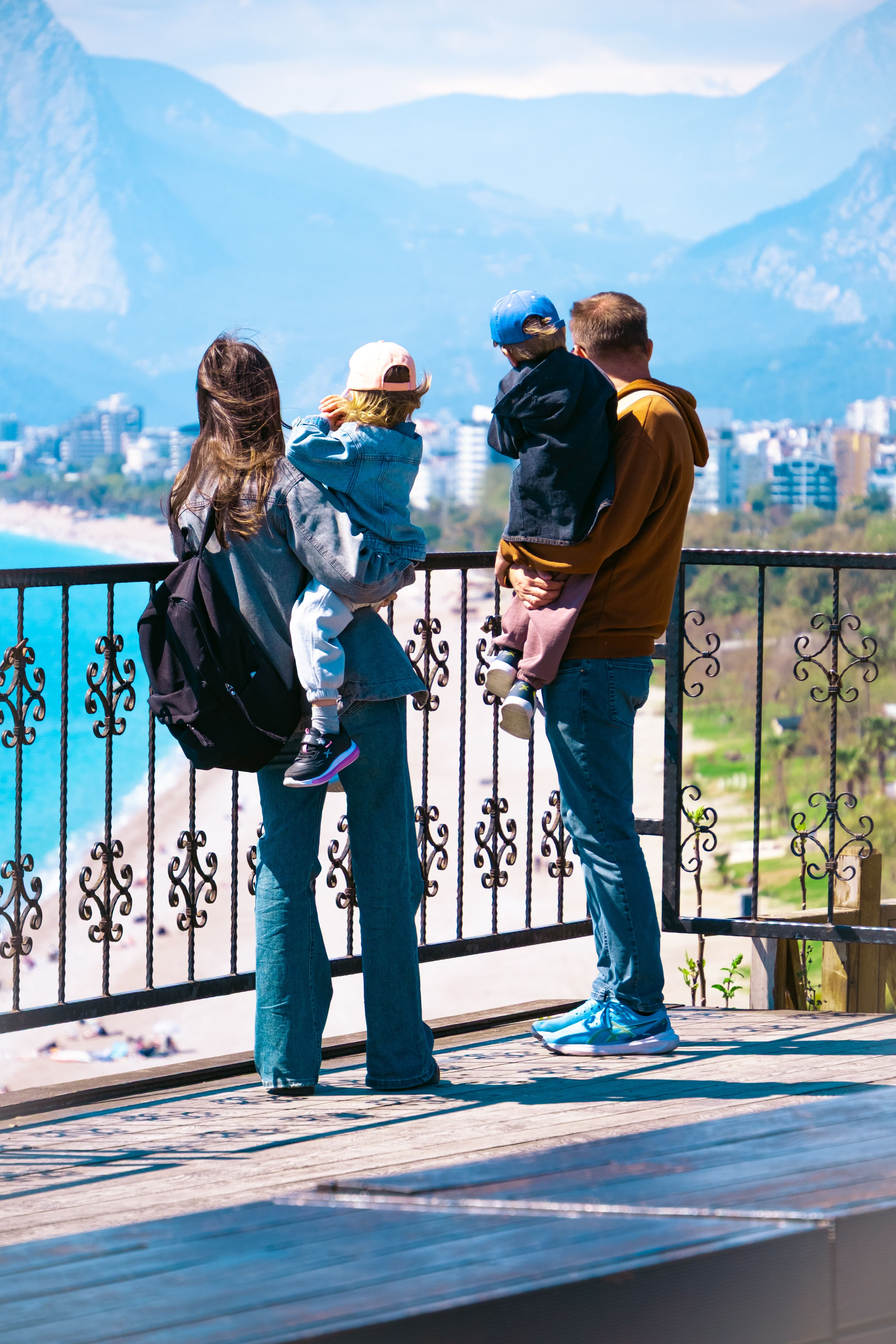
Choose heritage mansion hotels with staff and driver support to minimise reliance on local transport. Chettinad's quiet villages are perfect for early morning walks, but a guide helps you understand what you'd otherwise miss. Dress modestly when visiting temples and occupied mansions, respecting local traditions.

Solo Female Traveler Tips
Image via pexels
Solo Female Traveler Tips
Kids will enjoy Chettinad's tile and antique workshops more than architectural tours - include them in your itinerary. Mansion hotels with courtyards or gardens give children space to explore safely. And avoid long travel days; Chettinad is best enjoyed at a leisurely pace.
Why Choose India Heritage Travel
Chettinad deserves full context, not just a pin on a map. India Heritage Travel offers tailor- made Chettinad tours with chauffeur-driven transfers, stays in restored mansions, exclusive access to tile factories, and Chettiar dinners in occupied homes. With experienced local guides, women-safe planning, and concierge service throughout, we craft personalised itineraries that connect Chettinad with Madurai or Thanjavur. If its forgotten mansions have captured your imagination, reach out to start planning your private Chettinad heritage tour.
Frequently Asked Questions
Nawalgarh's heritage stays are set inside genuine 19th and early 20th-century merchant havelis, many still fresco-painted and family-owned, offering a more intimate and historically authentic experience than larger palace hotels found elsewhere in Rajasthan.
One full day covers the essential havelis, but two days allow a more relaxed pace, an overnight boutique haveli stay, and a side trip to nearby Dundlod or Mandawa.
Yes - Nawalgarh's compact, walkable old town and steady heritage tourism make it a comfortable destination for solo women, especially when paired with a private guide or a women-focused tour arrangement.
October to March offers the most comfortable temperatures for exploring havelis on foot; summers are extremely hot and best avoided for daytime sightseeing.
Nawalgarh is roughly 135–140 km from Jaipur, reachable by private car in about 2.5–3 hours, by direct train in around 2.5–4 hours, or by public bus in around 4 hours.
Yes - Mandawa is about 30 km away and Dundlod Fort roughly 7 km away, making both easy half-day or full-day additions to a Nawalgarh-based itinerary.
Planning a Nawalgarh Heritage Stay?
India Heritage Travel crafts private Rajasthan itineraries featuring Nawalgarh's painted havelis, fresco walks, and Shekhawati heritage - combined with Mandawa, Jaipur, and Bikaner.
Plan My Nawalgarh Heritage Stay