Jawai Travel Guide: Where Luxury Meets Leopard Country
Somewhere between Udaipur’s lakes and Jodhpur’s blue-washed lanes , Rajasthan keeps a hush it is not really in a hurry to share. It is that long ribbon of billion-year old granite hills where leopards stroll past goat herds like it’s the most ordinary thing in the world, no pause no drama, and where shepherds do the same, almost as if the cats are just part of the landscape. They call this Jawai, and for a lot of first time visitors it is still kinda unfamiliar , a name that doesn’t ring right away. Yet photographers, safari veterans , and luxury travelers speak it with quiet reverence, especially the ones who got to see a leopard silhouette against a Rajasthani sunset.
This Jawai travel guide is made for exactly those kind of travelers-someone who actually wants the real story of Jawai, told with the depth of a proper field guide, but still with the warm tone of someone who’s been there and noticed the small details. So whether you’re planning a tight, two-night leopard safari, or you’re weaving Jawai into a longer, private Rajasthan plan, here’s the stuff that matters most before you go.

via jawaisafaris.com
What Is Jawai? An Overview of India's Leopard Country
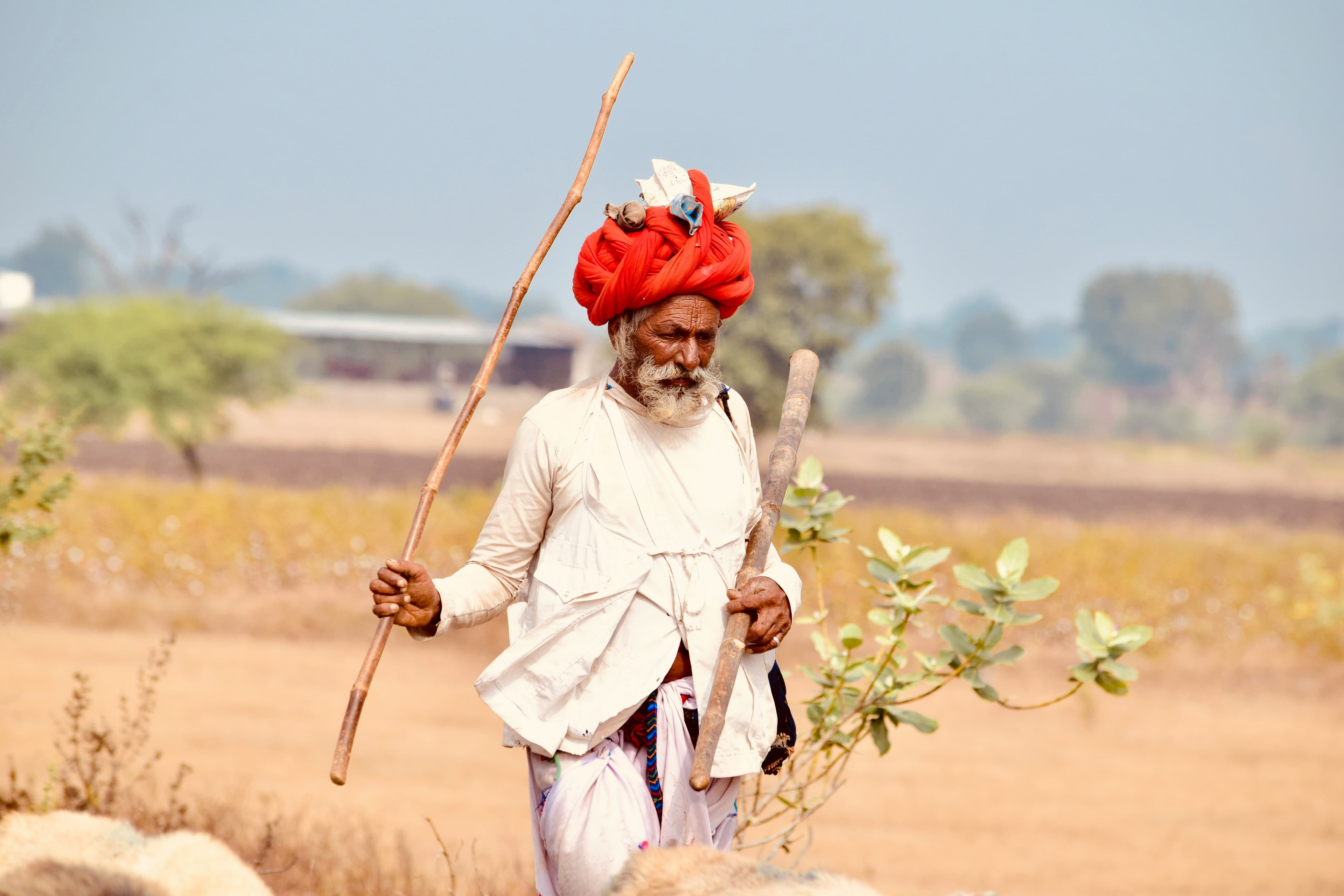
Jawai isn’t, like, a national park exactly, or a sanctuary, not even one single town either it’s more of a region, sort of spread across about 60 square kilometers of Pali district in southern Rajasthan. It kind of forms itself around the Jawai Dam and those rugged granite hills that wrap around the area. If you ask ten guides where Jawai officially begins you’ll hear ten other answers, and well, that’s part of the charm. It feels like wild India without ticket booths, or park gates, at least not in the normal way.
The scenery is basically the main act, even before the leopards really make an appearance. Weathered granite outcrops- some of the very oldest exposed rock formations on Earth - rise out of scrubland and millet fields. They’re full of caves and crevices, which become these near-perfect leopard dens. And around all that: you’ve got the Jawai River and the dam-fed wetlands, seasonal grasslands, and a scattered set of villages. Among them Bera, Perwa, and Sena, where farming, herding, and wildlife-watching have overlapped quietly for decades, like it’s just the most normal arrangement.
via pinterest
The Story Behind the Stone: A Brief History of Jawai
Jawai’s story is really two histories, kind of stacked on each other, like you know… one on top of the other. The geological side goes back over a billion years, to Precambrian granite that makes up some of the Aravalli region’s oldest bones. Wind heat and time have worked that whole span, grinding and shaping the hills into the smooth boulder-strewn forms safari-goers now cruise past at dawn, sort of without even thinking about it.
Then there’s the human history. It’s much more recent, but not less important. The Jawai Dam was built across the Jawai River - a tributary of the Luni - in the mid-20th century, mainly to bring irrigation and drinking water to Pali and nearby villages. But what nobody really accounted for was the wetland ecosystem the dam would end up making. A wetland that today pulls in migratory birds and marsh crocodiles, and keeps a strong food supply in place, which then supports Jawai’s leopards. Over all of that, there’s also the long presence of the Rabari community, and their relationship with the resident leopards… that might be the most remarkable thread of Jawai’s whole narrative, and also what the next section is about.
via unsplash
The Rabari: Guardians of Jawai's Wild Heart
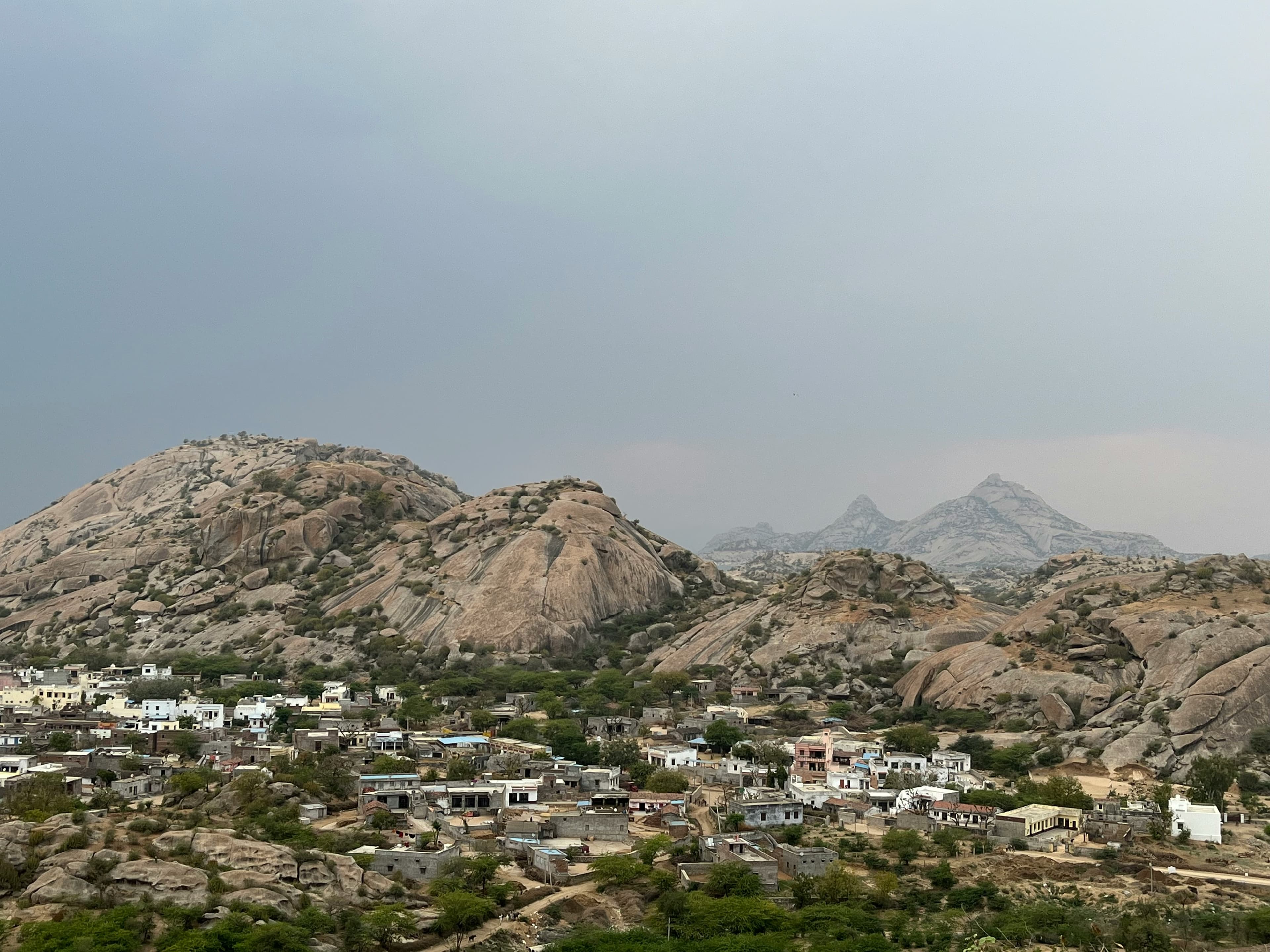
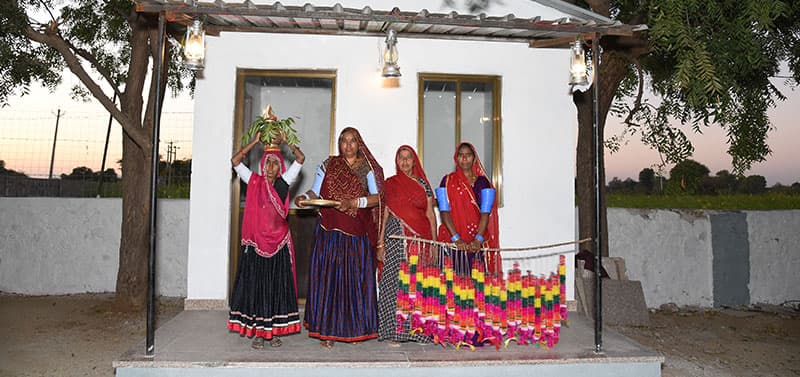
Way before Jawai ever popped up on some wildlife travel map, the Rabari were already here, kinda quietly, as if it was always. This semi-nomadic pastoral group- you can spot them right away, the men in crisp white robes with crimson turbans, and the women wearing mirrored indigo- toned skirts has kept grazing sheep goats and cattle over these granite hills for generations. They move with the seasons, sort of like their ancestors did, not in a grand schedule, just in a practical way.
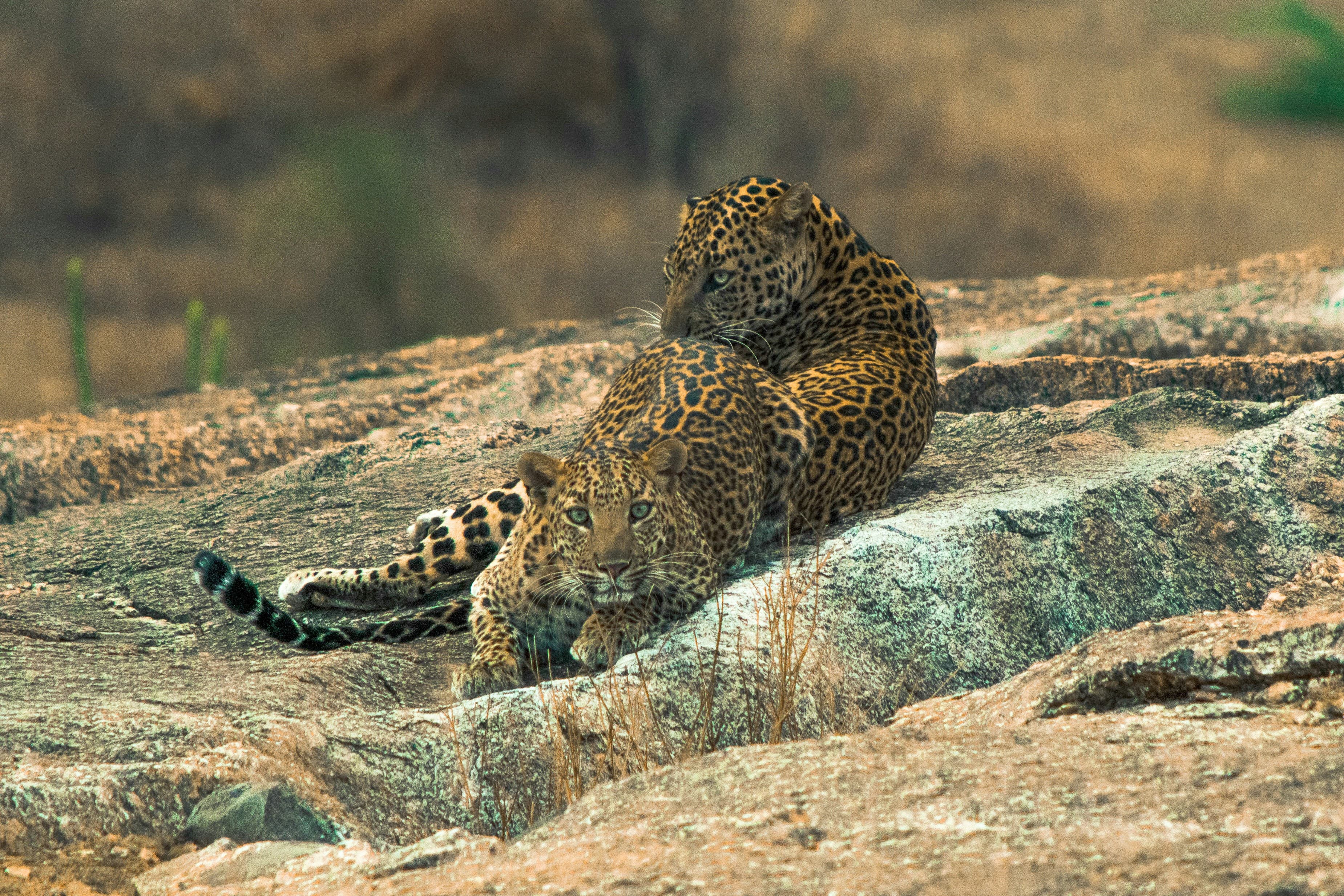
The Rabari community sits at the heart of Jawai's leopard story. Their deep tolerance for leopards - born of tradition and belief - discourages revenge even when livestock is lost, and that restraint has allowed the leopard population to thrive. Spend half a day here and you'll witness coexistence firsthand: a Rabari shepherd calmly pointing out a denning spot to a naturalist. For many travellers, an afternoon in a Rabari hamlet - sharing chai and hearing their stories - becomes the most memorable part of a Jawai trip, leopards included.
via jawainaturestay.com
Where the Wild Things Are: Leopards, Wildlife & Safaris
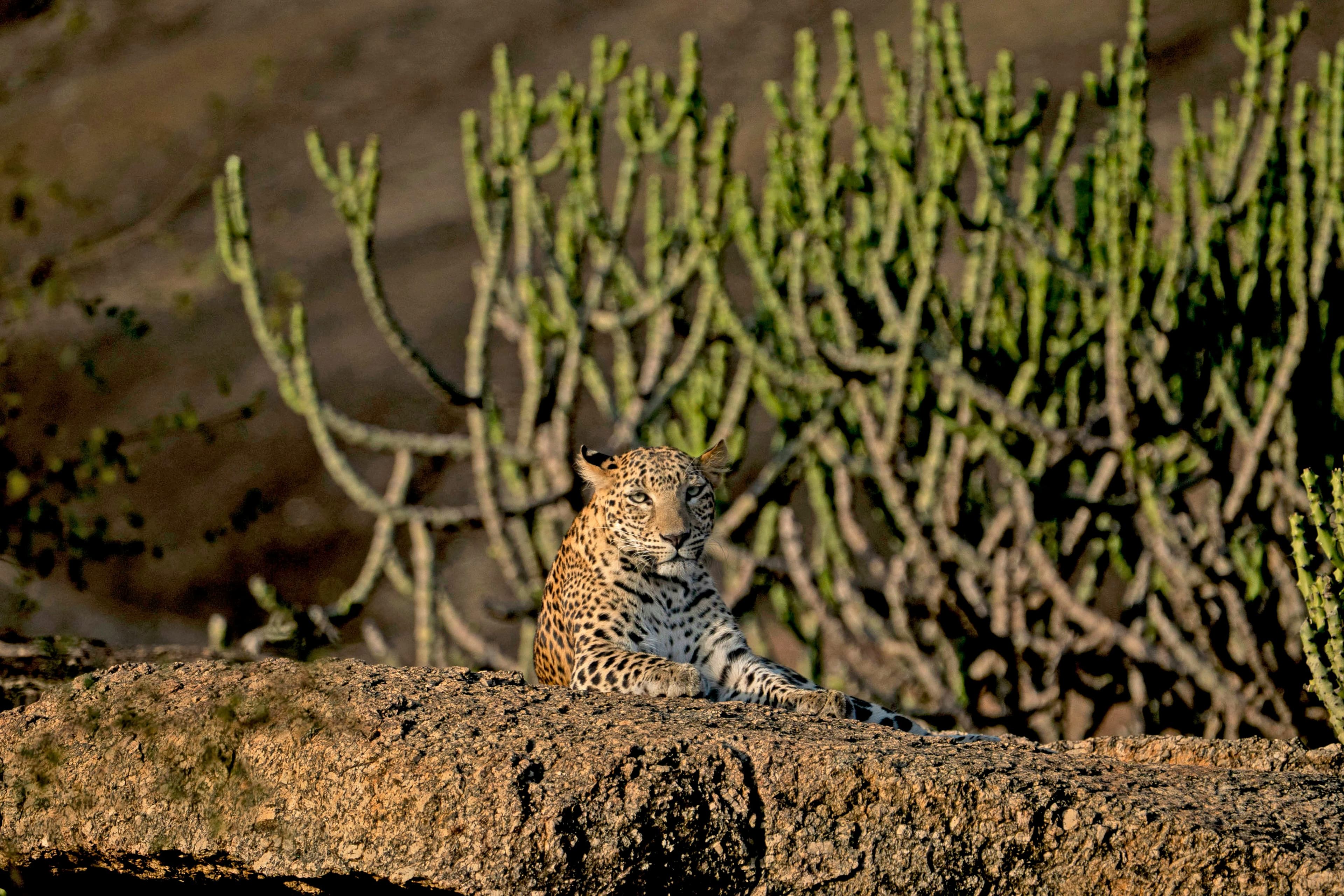
Jawai is often spoken about as having one of the highest numbers of free ranging leopards anywhere in India, mostly because of the dense granite caves, lots of prey around, and, most important really, low human wildllife conflict. You tend to get the best sightings in the cooler months. That’s when leopards are out more, and the timing lines up with safari friendly early morning, plus the late afternoon. Local naturalists sort of follow individual leopards like birders do with rare birds, name, territory, and usual routines.
via unsplash
The dams wetlands kind of support marsh crocodiles that bask out in the open on the banks, and also striped hyena, jungle cat, chinkara (Indian gazelle) plus a consistent, slow turn over of birdlife. In winter the migratory species come in towards the water’s edge, like demoiselle cranes and a mix of waterfowl, so Jawai is quietly an excellent spot for watching birds, plus wildlife photography right alongside its leopard safaris.
Major Attractions In and Around Jawai
- • Jawai Dam & Bandh: the region’s centerpiece-ish, a huge reservoir wrapped by granite hills, and you kinda just want to watch it at sunrise or sunset …because then the crocodiles cranes and even the occasional leopard silhouette are sort of in the same frame.
- • The Leopard Hills of Bera: the most safari packed patch in Jawai , with many known leopard territories tucked between those boulder formations, it feels very plot-heavy.
- • Perwa & Sena Villages: Rabari settlements at work , where granite hills meet millet fields. It’s pretty good for slower wandering, and yeah more culture forward than you’d expect.
- • Dev Giri Temple: a hilltop shrine giving panoramic views over the dam, and the surrounding hills too, though it really pops during golden hour.
- • Kambeshwar Mahadev Temple: a Shiva temple placed inside a dramatic rocky setting , and it’s closely braided into local devotion life.
Best Experiences in Jawai
- ✦ Dawn and dusk jeep safaris : these are the two windows when leopard activity seems to really peak, guided by naturalists who know each individual cat by name plus its own territory.
- ✦ Dawn and dusk jeep safaris : these are the two windows when leopard activity seems to really peak, guided by naturalists who know each individual cat by name plus its own territory.
- ✦ Village walks with the Rabari : a not-rushed , guided introduction to everyday pastoral life, craft traditions and how the community relates with local wildlife.
- ✦ Photography focused safaris : slower paced drives that lean on light, quiet patience, and positioning more than chasing a checklist of sightings.
- ✦ Birdwatching at the wetlands : especially rewarding between November and February, because migratory species are at their most numerous then.
- ✦ Stargazing from camp : very low light pollution, so the winter nights at Jawai’s tented camps look genuinely spectacular.
A Taste of the Desert: Food in Jawai
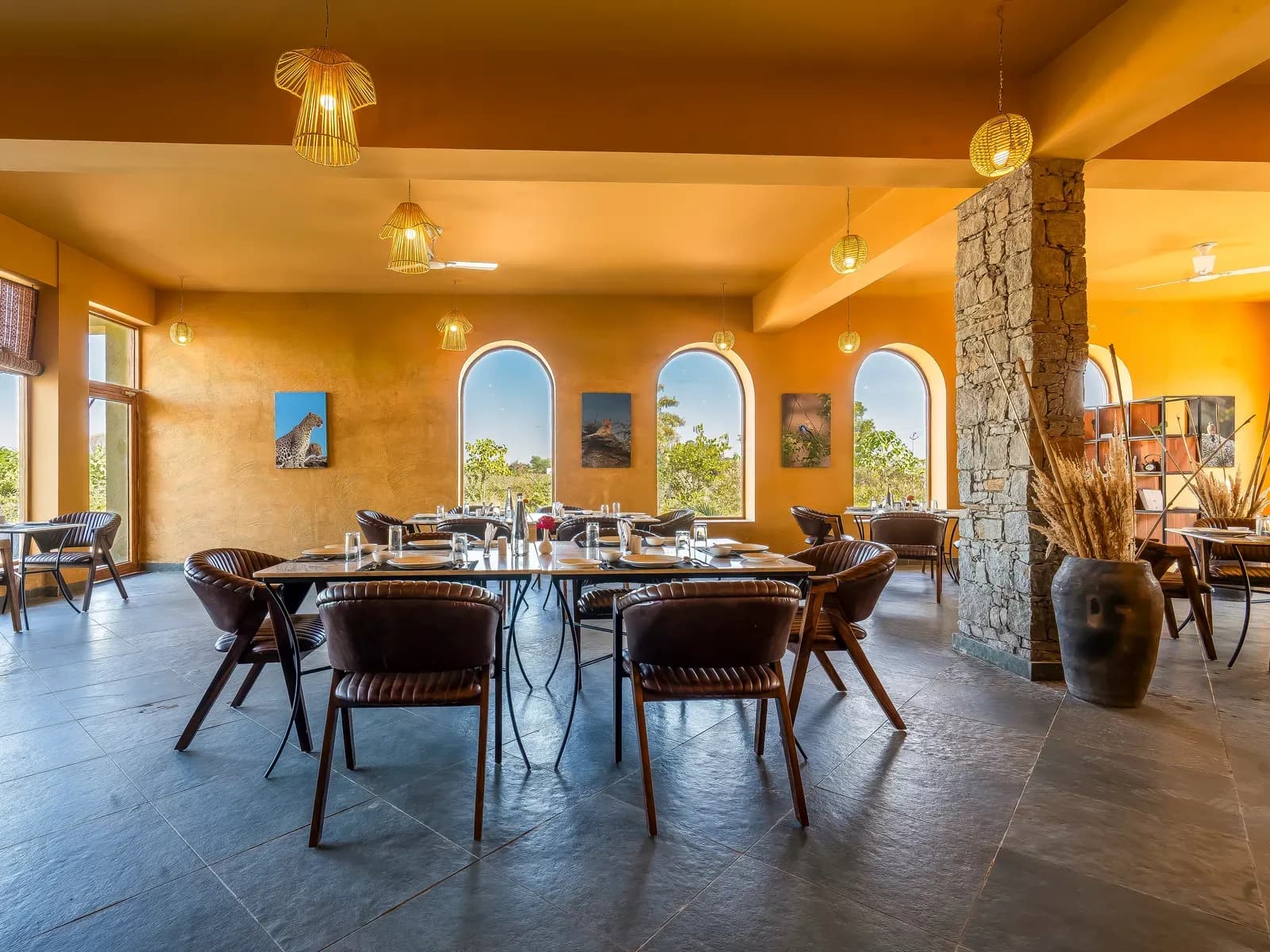
Dining in Jawai leans hard on Rajasthani tradition: dal-baati-churma, bajra rotis, gatte ki sabzi, and laal maas for meat-eaters. Upscale camps use local seasonal produce and serve dinner outdoors - under the stars, often with a bonfire, set against the granite hills. Simple food, handled with care, and usually a quiet highlight travellers remember long after the safari ends.
via kurjajawai.com
Nearby Attractions for a Complete Rajasthan Itinerary
- • Location: Roughly midway between Udaipur and Jodhpur - an easy, natural addition to a longer Rajasthan itinerary.
- • Ranakpur Jain Temples: 1.5–2 hours away - intricately carved marble temples.
- • Kumbhalgarh Fort: UNESCO-listed Hill Fort, a bit further along the same route.
- • Udaipur: 2.5–3 hours southeast - palaces and lakes.
- • Jodhpur: 2–2.5 hours northwest - Mehrangarh Fort and Blue City.
Luxury Travel Tips
via pexels
Luxury Travel Tips
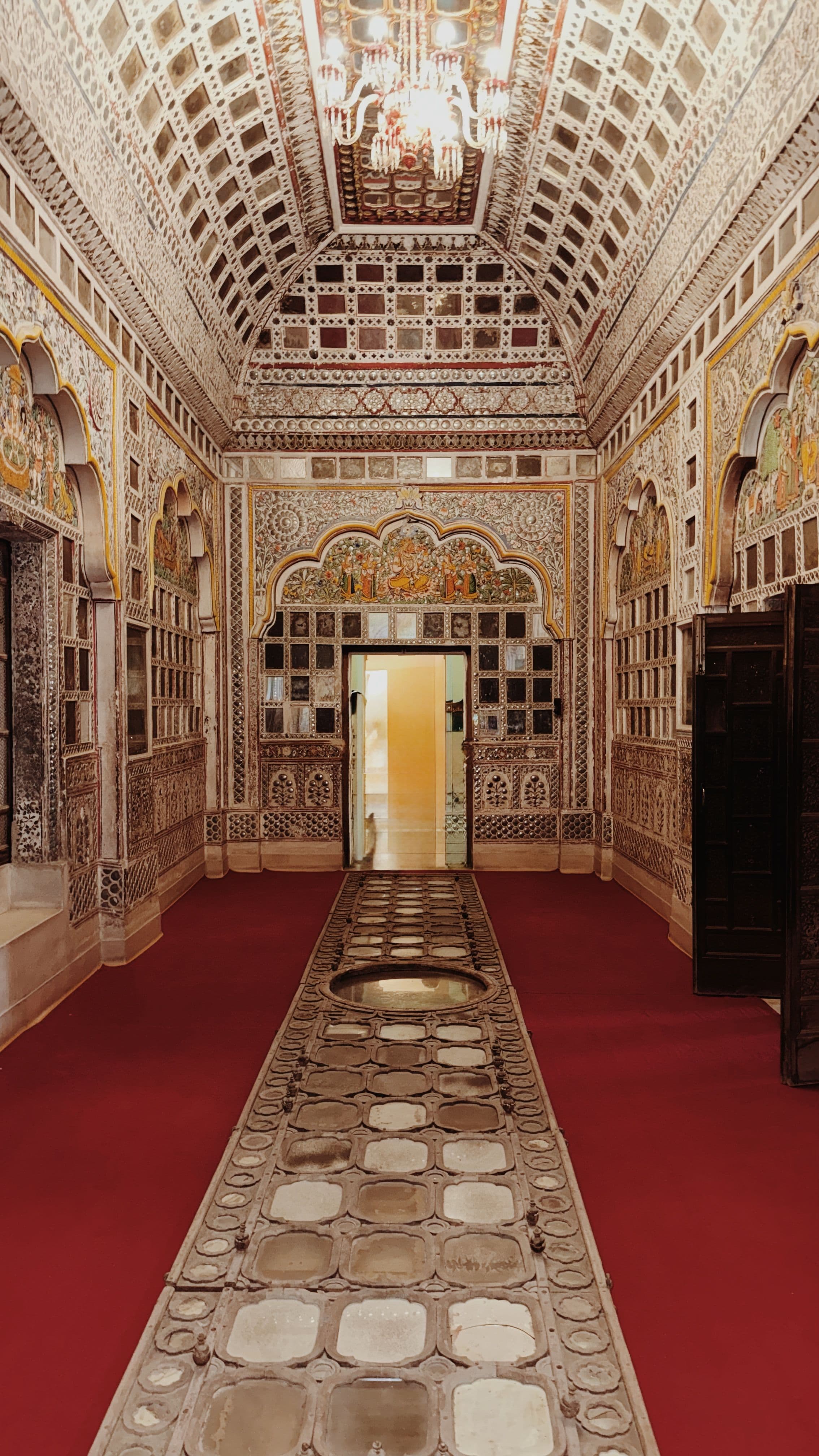
A great Jawai safari depends on expert naturalists, not luck - book boutique camps with private jeeps and flexible timings. Add plunge pools, open-air baths, and chauffeur transfers from Udaipur or Jodhpur for a seamless experience.
Family Travel Tips
via pexels
Family Travel Tips
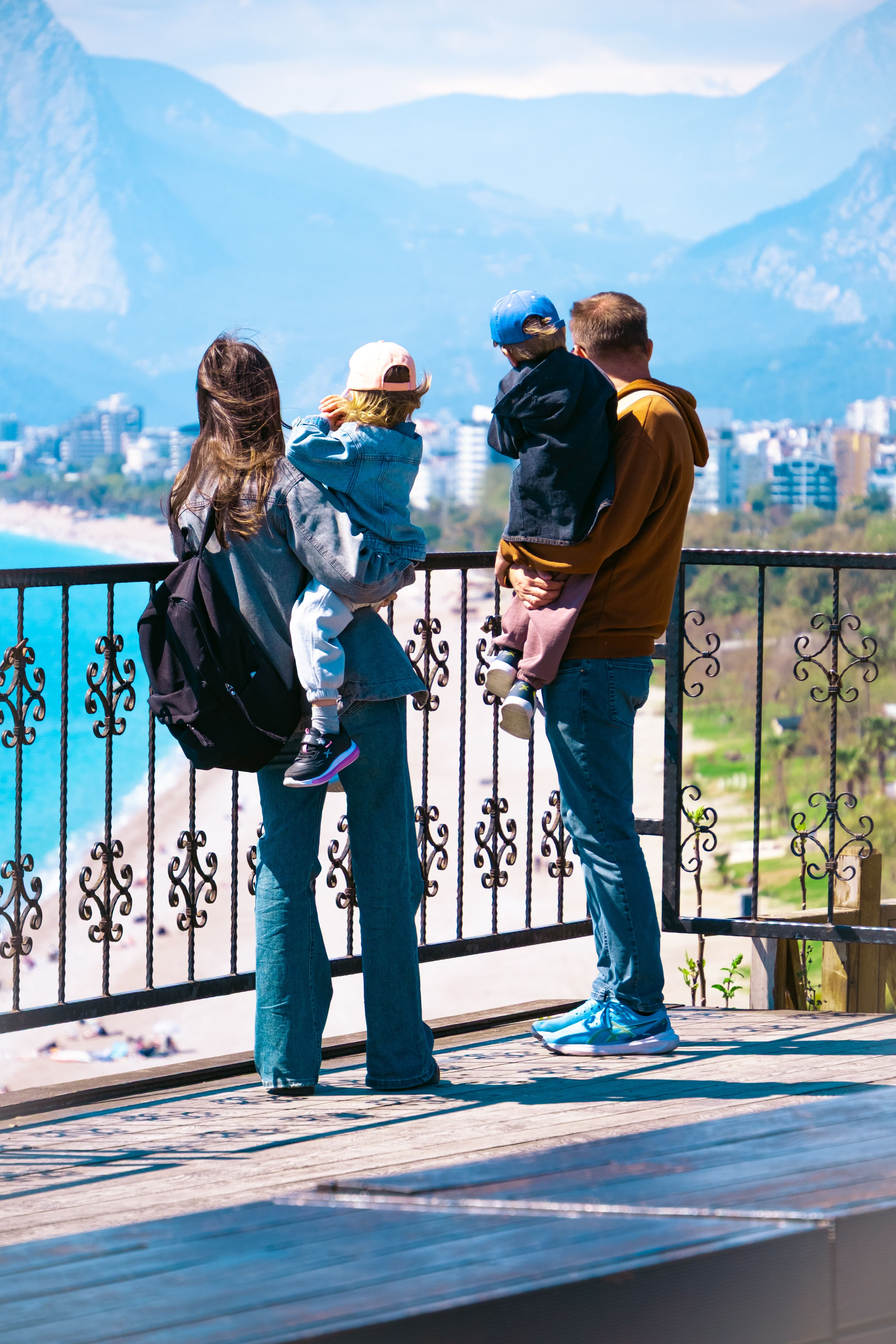
Jawai works well for families with older kids who can handle 2–3 hour safaris. Choose camps with flexible meal times and family-friendly tents, and consider a single safari rather than back-to-back drives. Rabari village walks offer a low-intensity cultural break between safaris.
Solo Female Traveler Tips
via pexels
Solo Female Traveler Tips
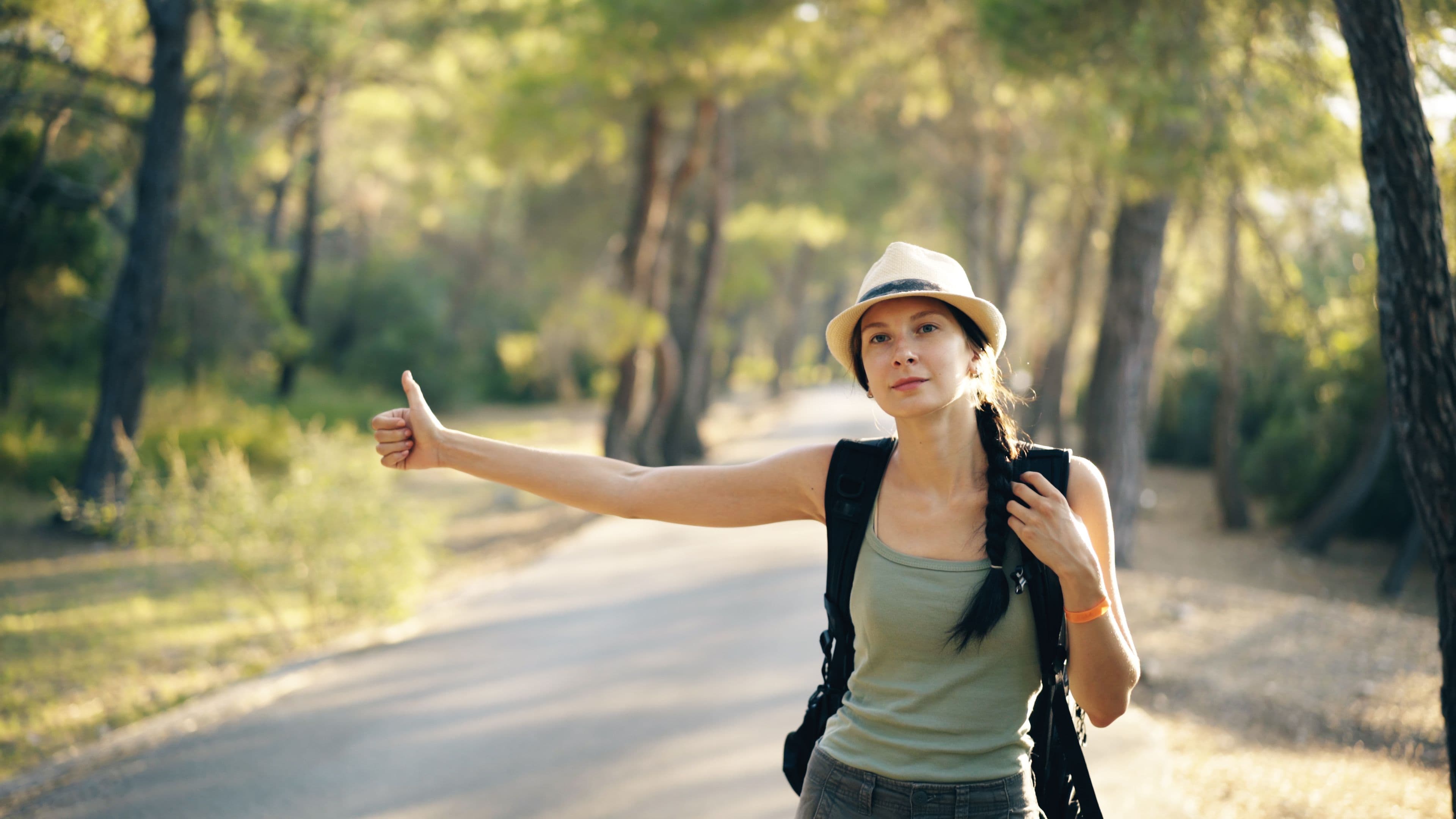
Jawai is safe and low-key for solo women travellers with a reputable operator offering checked camps and guided transfers - private vehicles and dedicated guides add peace of mind. Dress modestly in villages and temples, and confirm a private safari vehicle in advance.
Practical Travel Guide
Best Time to Visit Jawai
The best time for Jawai is October to March - daytime temperatures hover around 10°C–25°C, with the most consistent leopard sightings. Mornings and evenings are chilly (November–January), so pack layers. April–June is scorching - best skipped. July–September brings lush green hills but fewer safari days due to rain.
How to Reach Jawai
The nearest airports are Udaipur (2.5–3 hours) and Jodhpur (2–2.5 hours). By train, Sumerpur Jawai Bandh is the closest halt on the Jaipur–Ahmedabad line, while Falna and Marwar Junction are convenient alternatives. By road, Jawai sits roughly midway between Udaipur and Jodhpur - easily reached via private chauffeur transfer.
Entry, Permits & Safari Ticket Details
Jawai isn't a gated sanctuary - safaris are arranged directly through your camp, with permits handled by the operator. A typical jeep safari lasts about three hours at sunrise or mid-afternoon, with private vehicles costing more than shared. Most luxury camps include one or two safaris per night's stay.
Suggested Duration
Just one or two nights will do for a focused leopard safari, but if you take two to three nights you get space to add village strolls, bird watching and keep things gentler, less rushed-so it ends up as the preferred choice in most India Heritage Travel itinerary plans.
Budget Estimates
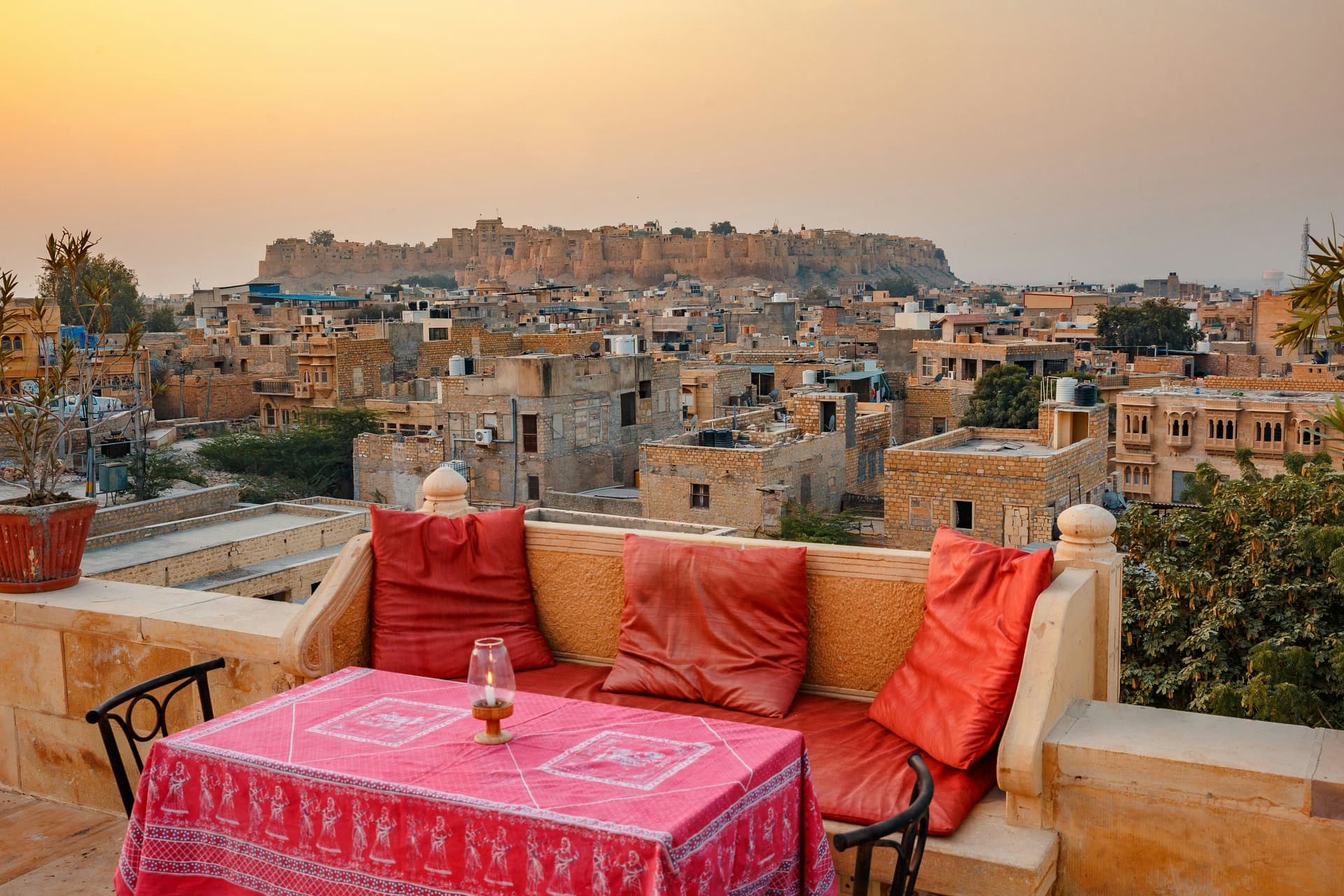
It’s a destination which will suit all kinds of travelers, ranging from budget heritage hotels to luxury palace hotels. The mid-range hotels like boutique havelis will give great value for money, especially since they give views of the fort. The street food and the thalis are cheap, while the rooftop dining is expensive because of the view.
Packing Tips
Lightweight, breathable, modest clothing works best year-round, with a warm layer for winter evenings when desert temperatures can drop sharply after sunset. Comfortable walking shoes are essential for the fort's uneven stone stairways, and a scarf or shawl is useful both for sun protection and for visiting temples and cenotaphs.
Suggested Jawai Itinerary
Half-Day Jawai Experience
- • Late Morning: Arrive, check in at your camp, and settle in.
- • Evening: Head out on a safari, followed by a hilltop sundowner before dinner.
One-Day Jawai Itinerary
- • Early morning leopard safari, departing around sunrise—like, a little before it fully gets going.
- • Breakfast back at camp, then rest during the warmer midday hours, sort of a quieter pause.
- • Afternoon village walk through Perwa or Sena to meet the Rabari community, you know to say hello and see everyday rhythms.
- • Evening safari, set to catch the peak leopard activity and the best light, when everything looks calmer
Day 3 (Optional) - Desert Experience
- • Day 1: Arrive from Udaipur or Jodhpur, get settled into the camp , then in the evening go for safari and a casual sundowner moment.
- • Day 2: At sunrise, take a safari, later do a slower late morning birdwatching session around the dam wetlands, then afternoon take a Rabari village walk, and for the second evening go for safari but in a different territory.
- • Day 3 (optional): Keep it easy with a final morning safari or photography session, after that visit Dev Giri or Kambeshwar Mahadev Temple before you head out toward Ranakpur, Kumbhalgarh or your next stop somewhere else in Rajasthan.
Why Choose India Heritage Travel
Jawai is a place where the guide and camp make all the difference - and that's exactly what India Heritage Travel focuses on. We create private Jawai itineraries with chauffeur-driven transfers, hand-picked luxury tented camps, and expert naturalists who know these hills and leopards personally. From custom pacing and boutique stays to women-safe arrangements and dedicated support, every detail is managed from start to finish. Ready to build your own Jawai leopard safari - standalone or as part of a broader Rajasthan journey? Our team can deliver a private, fully costed itinerary within 24 hours.
Frequently Asked Questions
Yes - Jawai offers a different kind of wildlife experience. Instead of a fenced reserve, you watch leopards in an open, human-inhabited landscape - more atmospheric and unpredictable than a traditional national park safari.
October through March offers the coolest weather and the most consistent sightings, with peak activity typically in the early morning and late afternoon safari windows.
Most travelers arrange a private road transfer, which takes roughly 2.5–3 hours from Udaipur and 2–2.5 hours from Jodhpur. Jawai also has its own small railway halt, Sumerpur Jawai Bandh, right beside the dam.
Generally yes, particularly when booked through a reputable operator that vets camps, arranges private transfers, and provides a dedicated guide throughout the stay.
One to two nights covers a focused leopard safari, while two to three nights allows time for birdwatching, village walks and a more relaxed pace.
Planning a Jawai Leopard Safari?
India Heritage Travel crafts private Rajasthan itineraries - Jawai leopard safaris, luxury camps, Jodhpur's Blue City, and Udaipur's lakes - with expert naturalists and local guides.
Plan My Jawai Leopard Safari