Maheshwar: Royal Heritage Beside the Narmada
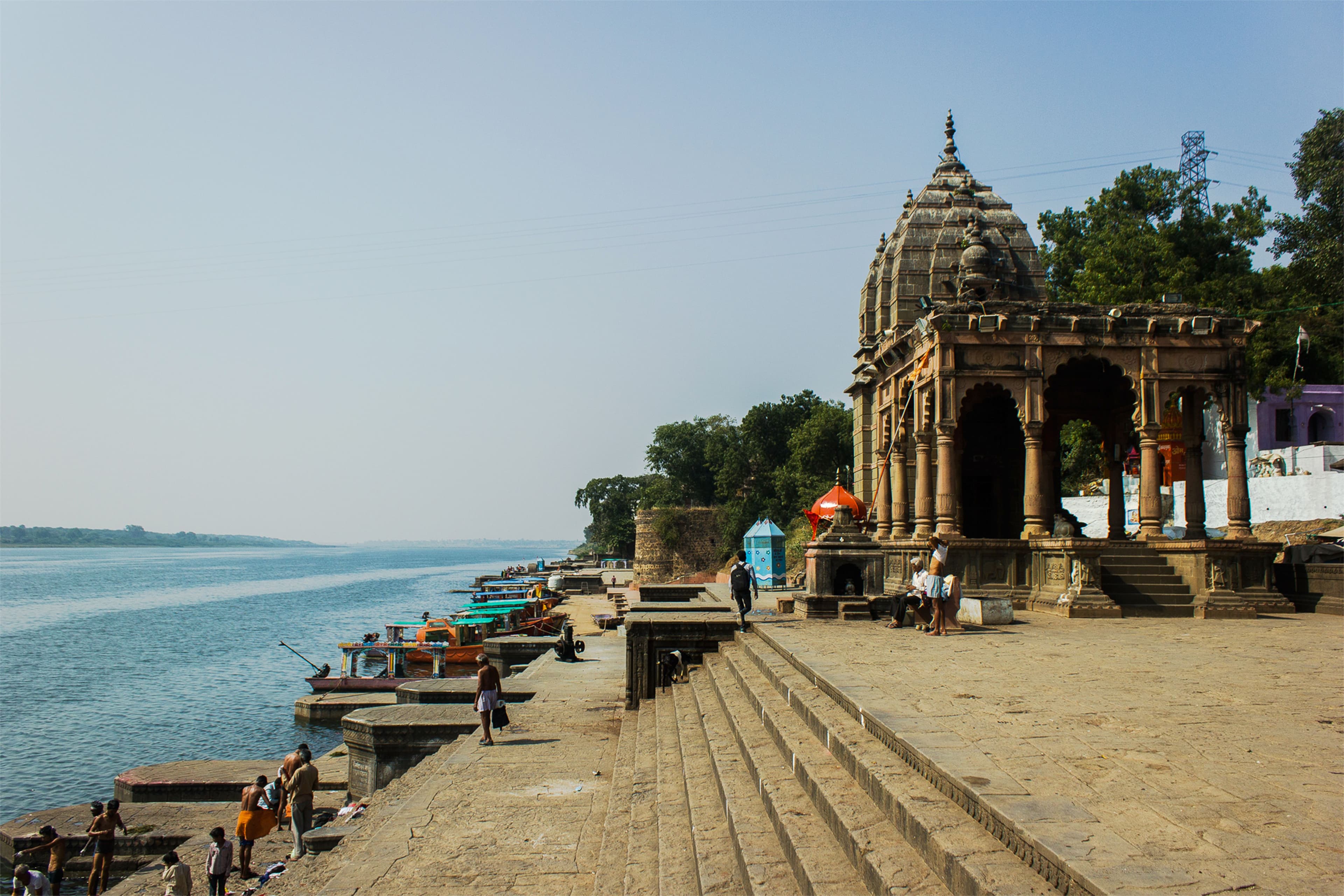
There is something unique about the time around Maheshwar, immediately following sunset, when the ghats of the town burst into light from the lamp-lit ceremonies of aarti. This is the point that remains with all who visit the town, and it is also the essence of why Maheshwar heritage travel is so far removed from standard Golden Triangle travel. This is not a destination which exists only for inclusion on a sightseeing itinerary. Rather, it is a working town on the banks of the Narmada River, home to an 18th-century capital city of queens, a revived weaving community and a daily lifestyle that is untouched by mass tourism.
This guide will help you plan your trip with the best of factual information, on-the-ground details and practicalities to help you see Maheshwar as it should be experienced.
via pexels
Overview: Where Is Maheshwar and Why It Matters
Maheshwar is a small temple town on the north side of the Narmada river. It is in Khargone district of Madhya Pradesh and about 90 km south of Indore. Ujjain is around 145 km away. The old name was Mahishmati. It comes up in the Ramayana and Mahabharata as a powerful place along the river back then.
Ahilyabai from the Holkar family made it the capital of the Malwa kingdom in the 1760s. Her legacy with the fort and temples is still there. The weaving of handmade sarees feels like the main thing the town is about now. It seems that part gets a bit mixed up with the older stories sometimes. I am not totally sure how to frame it. From a tourist’s perspective, Maheshwar has one thing that is becoming rare in India, and that is a heritage site that has not grown out of proportion. There are no tall buildings that have come up by the riverside, and the fort here is actually used as a residence by some of the people living there.
via pexels
History: From Ancient Mahishmati to Ahilyabai's Capital
The date of the first fortification of the hill at Maheshwar is a matter of dispute among historians. While some attribute this to the Paramara dynasty, others attribute it to the later construction during the Mughal era. The history of spiritual significance of this place dates back to the time of the Mauryans. One thing that is clear is the transformation of the town under the rule of the Holkar dynasty. Malhar Rao Holkar captured the fort in 1733 and did some renovation work.
From 1765 to 1796, Ahilyabai reigned from Maheshwar, and she set up her own offices in the citadel, referred to as Ahilya Wada. In the reign of Ahilyabai, Maheshwar became an important hub for constructing temples and trade along the river as well as crafting at the royal courts, such as the art of making sarees, which can be attributed to her. Through the restoration efforts made in the 1970s by Prince Richard Holkar, a descendent of the same family, the citadel got renovated into a heritage hotel.
via pexels
Architecture: Reading the Stone of Ahilya Fort
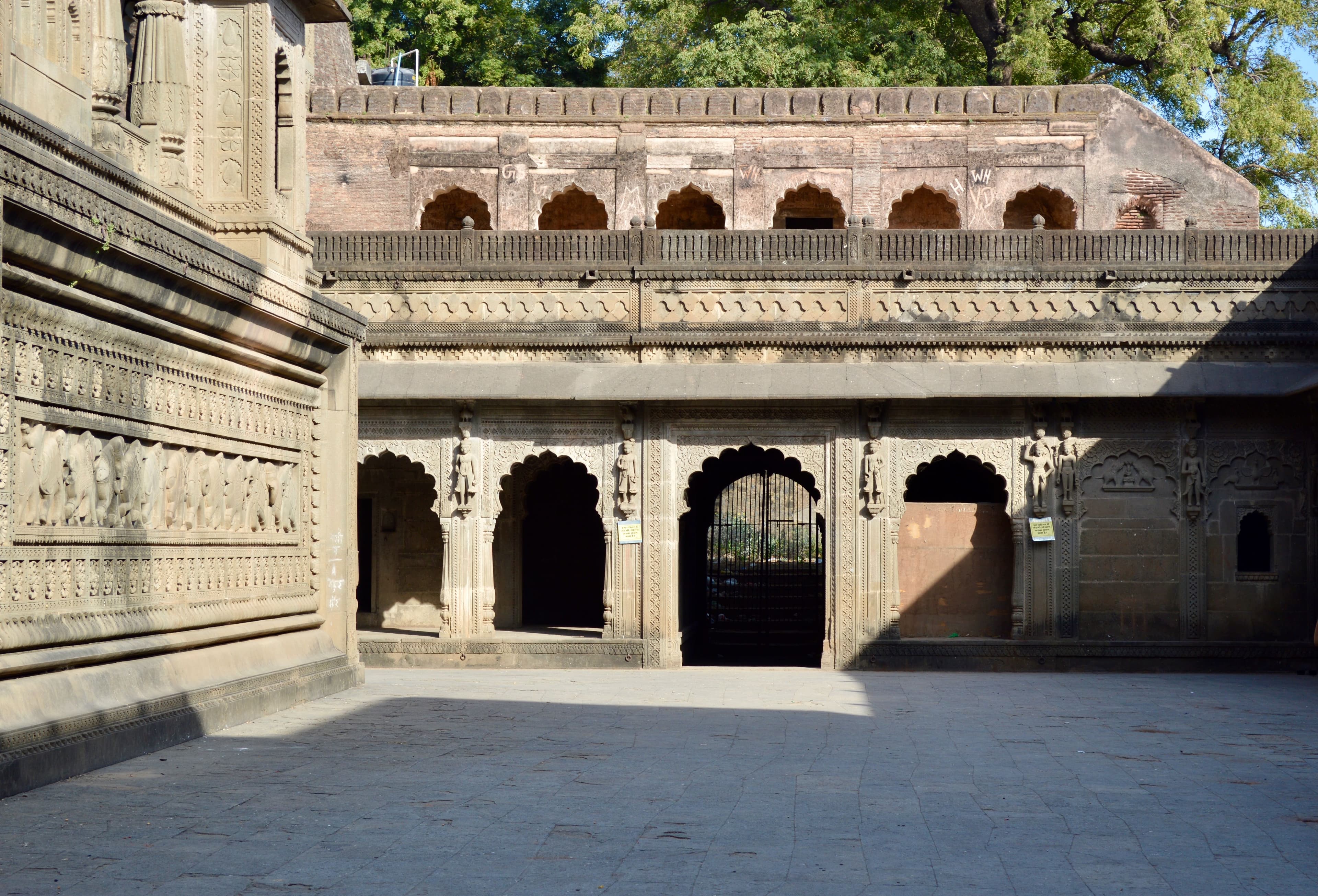
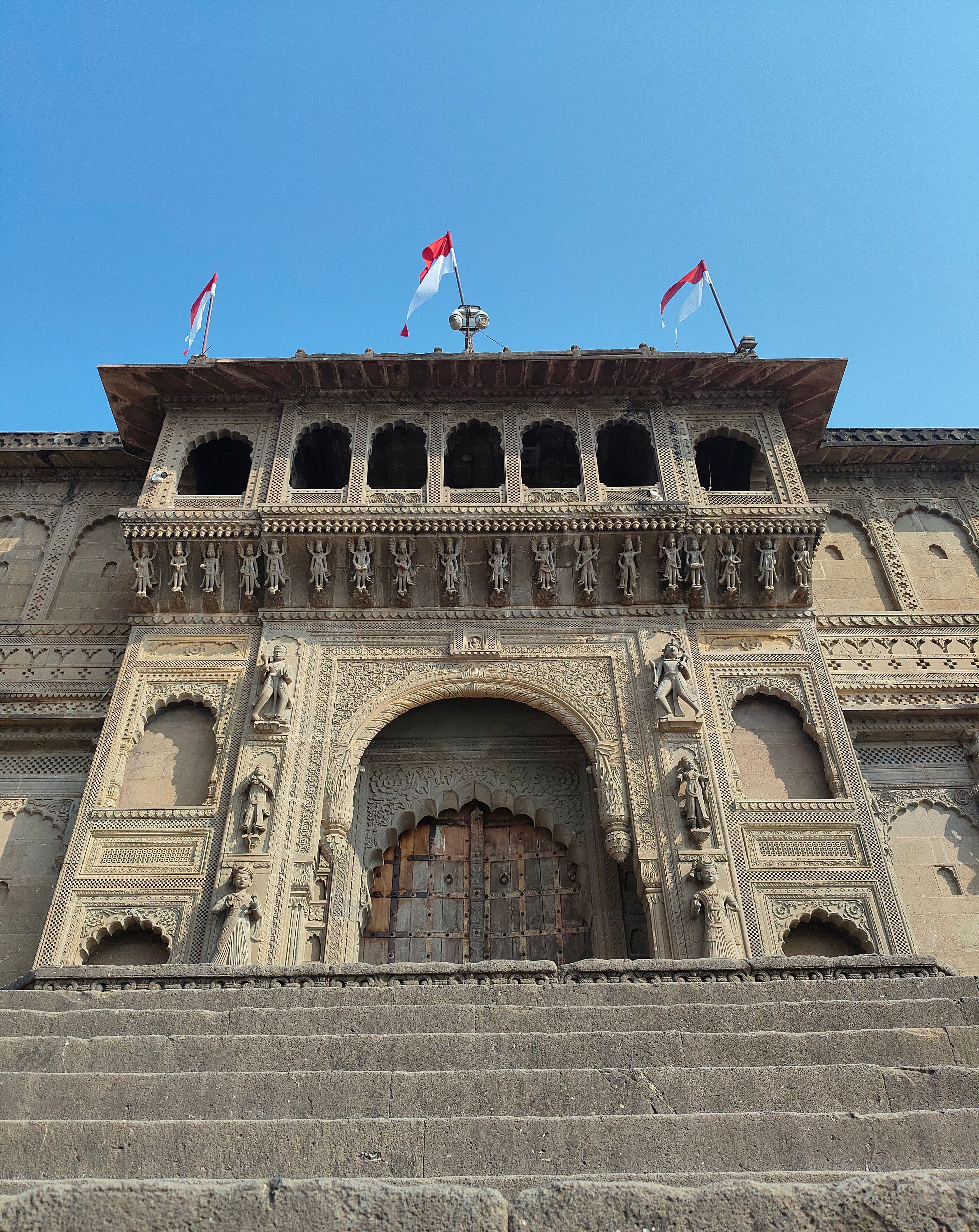
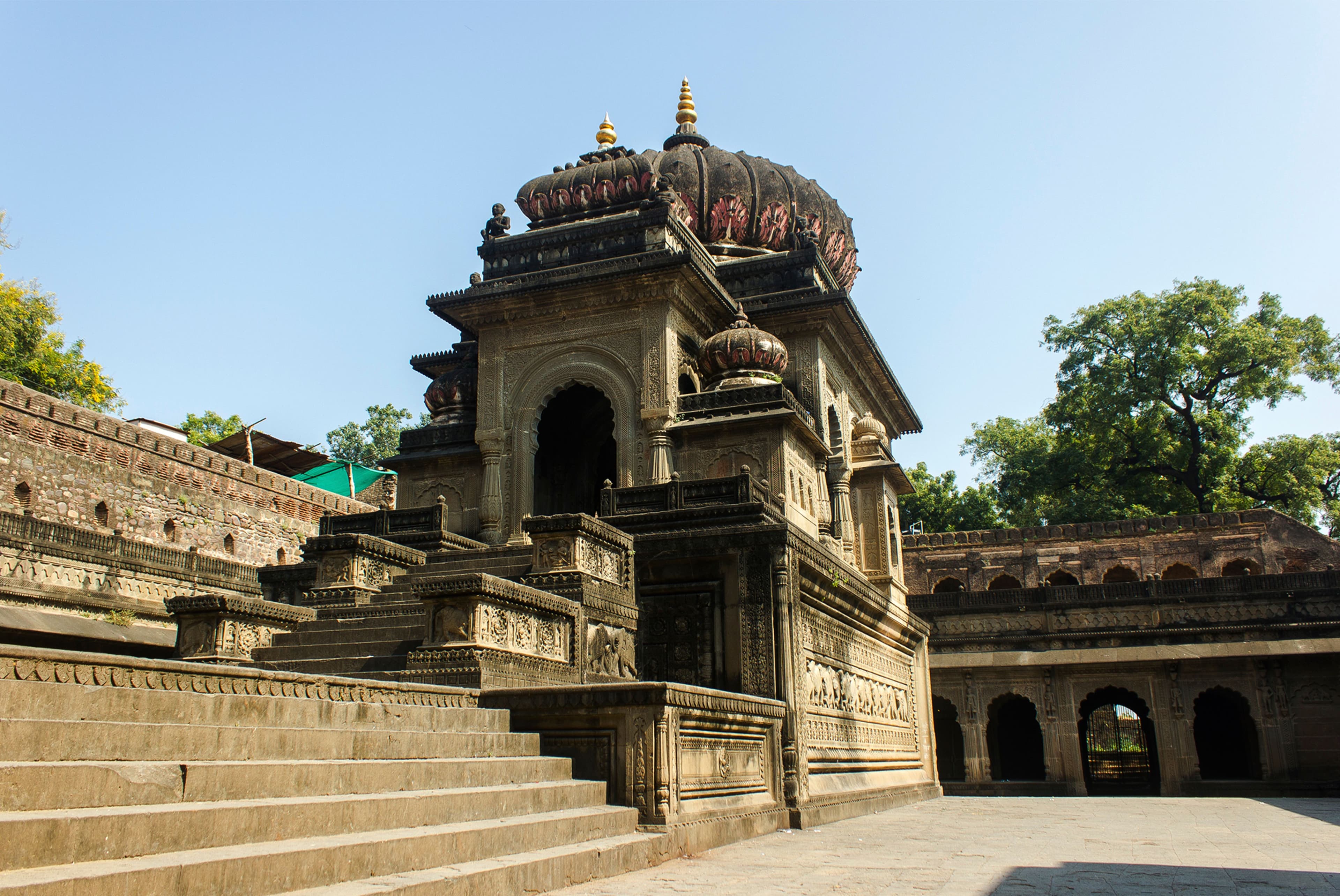
The Ahilya Fort occupies an area of around three acres on the hillock that rises directly from the Narmada River, surrounded by high walls, which have five gates. Two of these gates, which are frequently used, are called Kamani Darwaza and Ahilya Dwar, which were designed to allow the elephants and palanquins of Holkar to enter them easily. Architecturally, this fort combines the Maratha scale with Rajput ornamentation, and sometimes, also the Mughal, and even French architectural influence added during later renovation work.
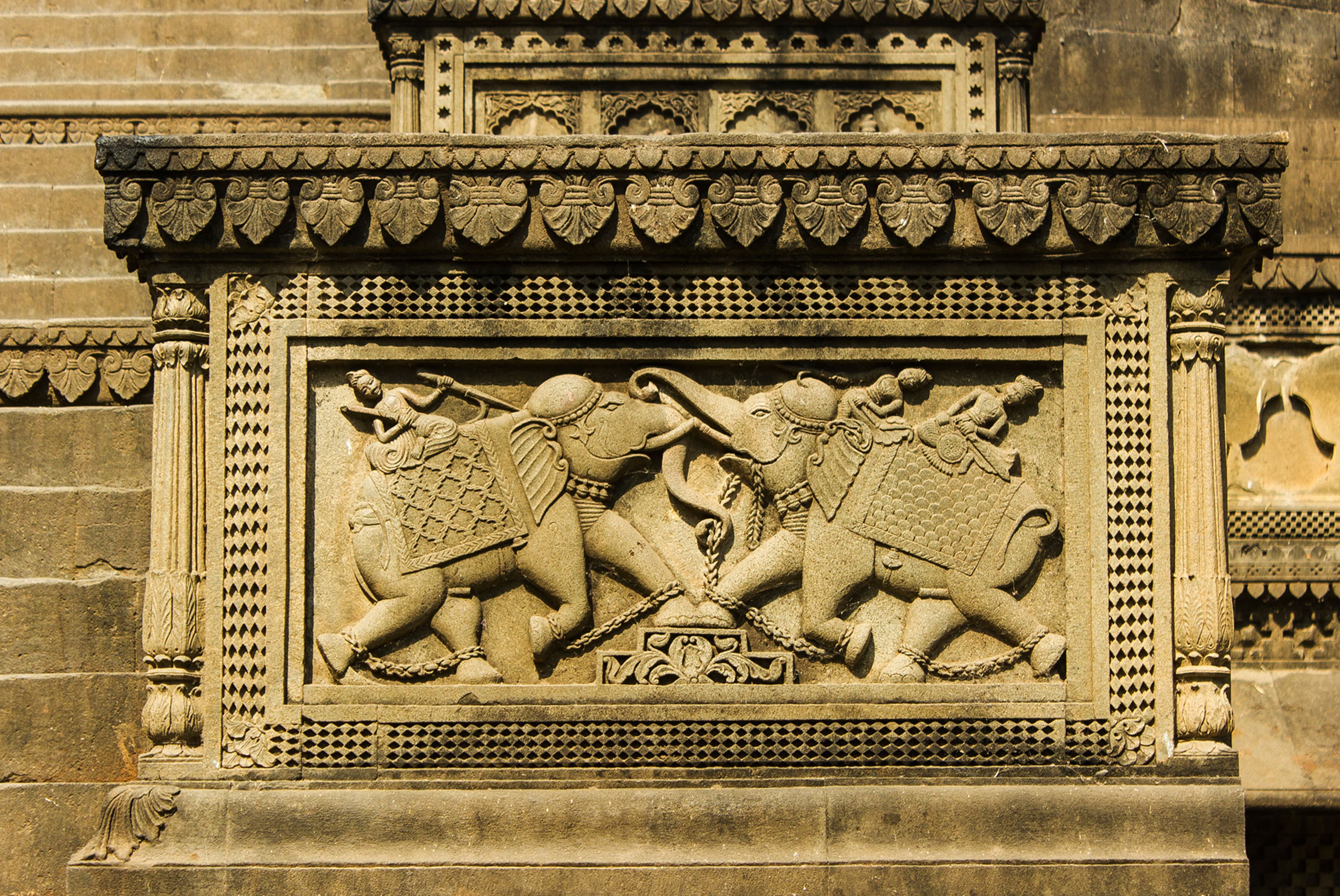
One only needs to observe the carvings on the plinths and temple friezes to notice the very motifs that were eventually adapted on Maheshwari saris – wave motifs signifying the river, diamond motifs, and stylized motifs of cotton flowers. The chhatris or memorial towers within the fort have been erected in memory of Ahilya Bai Holkar and other members of the Holkar family. The steps within the fort take one down directly to the river Narmada via the Paani Darwaza or the water gate.
via pexels
Cultural Significance: A Living River Town
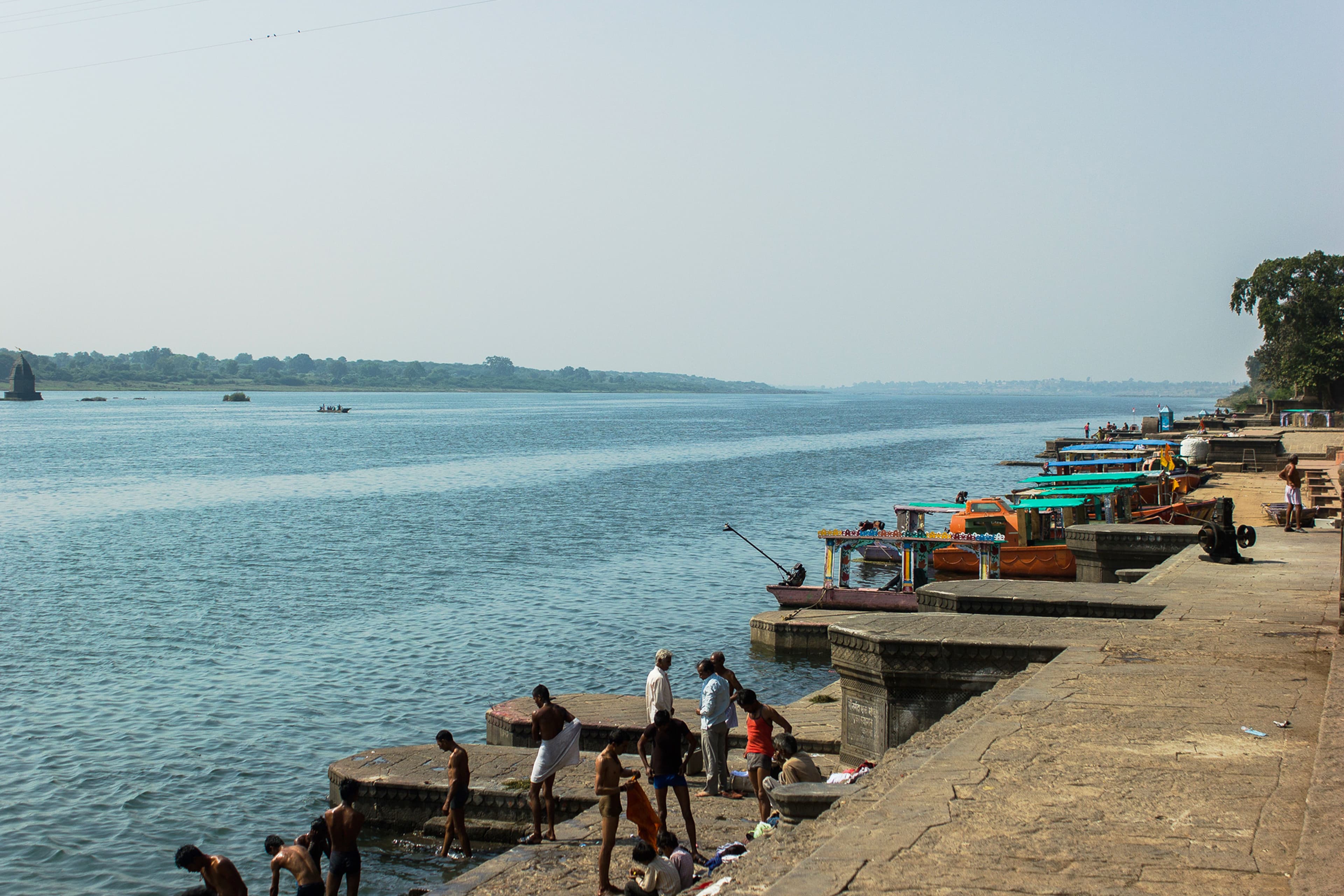
Maheshwar’s significance is not limited to being an architecturally significant site. The Narmada is one of the holiest rivers in India and the cycle of bathing, worship and evening aarti at the ghats continues to remain intact for generations. The temples of the town, the handloom alleys and the crematoriums on the banks of the river are located in a radius of a few hundred meters of each other, making Maheshwar often compared to the more famous Varanasi.
Ahilyabai Holkar is still a living legend in people’s memories as she was the one who ruled the country, constructed many temples, and established many dharmshala in the country from Kashi to Rameswaram but she ruled from this one river side town only. The legacy of Ahilyabai still influences the way Maheshwar presents itself.
via pexels
Major Attractions in Maheshwar
Ahilya Fort
via wikipedia
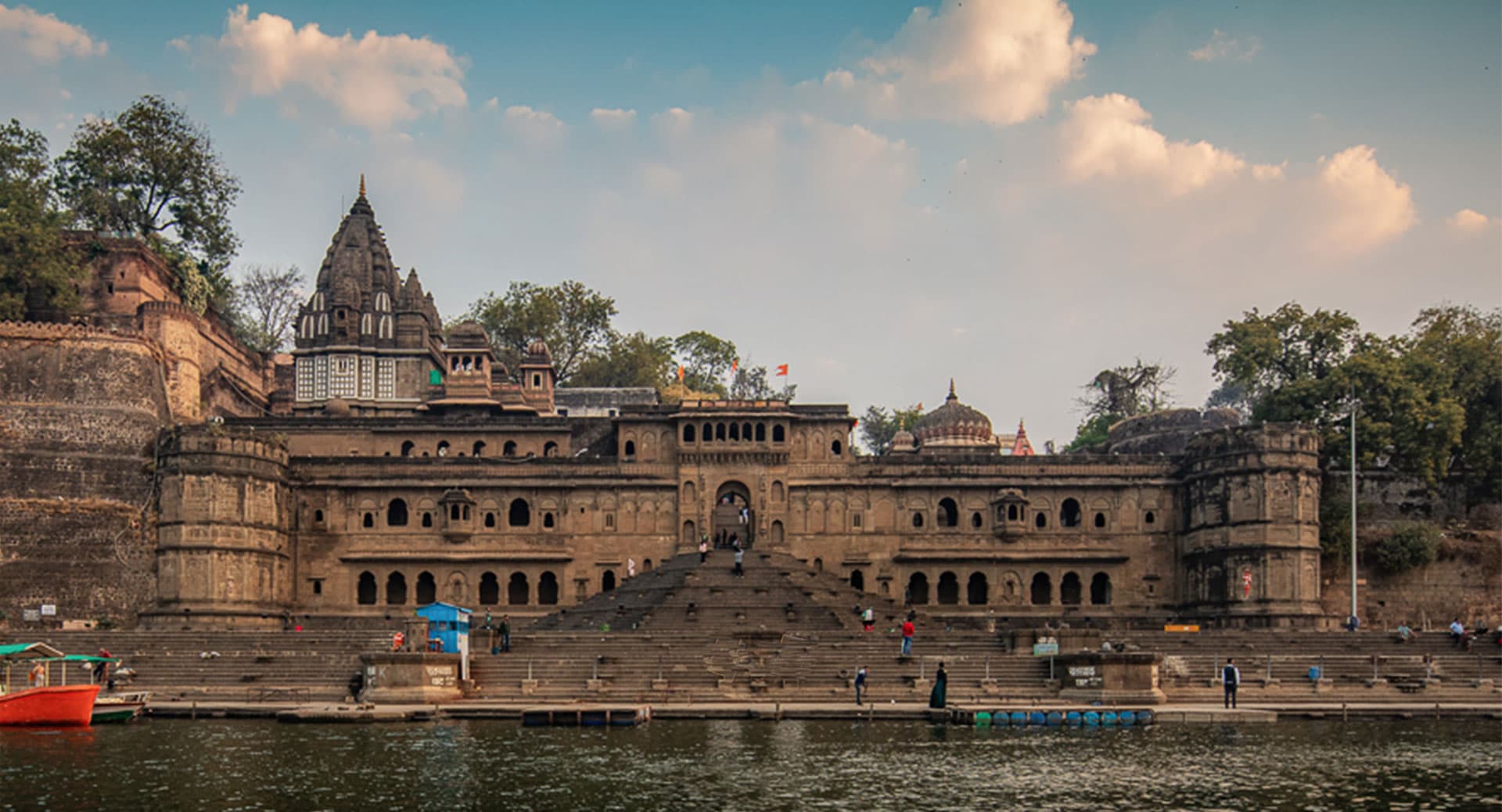
Ahilya Fort
Ahilya Fort is Maheshwar's defining landmark and, for many, the reason to visit. Parts now serve as heritage hotels, while the museum, Ahilyabai's gaadi darbaar, and fort walls remain open to daytime visitors — with the river view as its finest reward.
Ahilya Ghat and Baneshwar Temple
via wikipedia
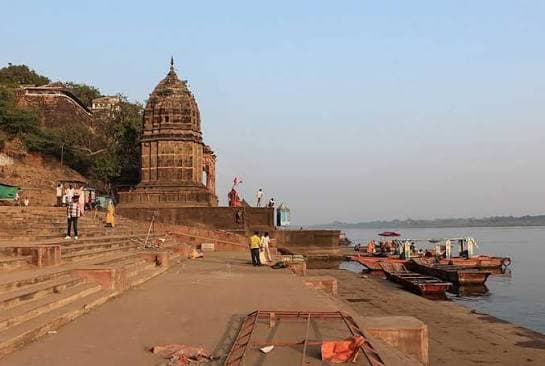
Ahilya Ghat and Baneshwar Temple
Ahilya Ghat, near the fort, is the heart of daily activity in Maheshwar. From here, boats take visitors along the Narmada for a water-level view of the fort and a visit to Baneshwar Temple, which stands in the middle of the river.
Kashi Vishwanath and Rajarajeshwara Temples
via wikipedia
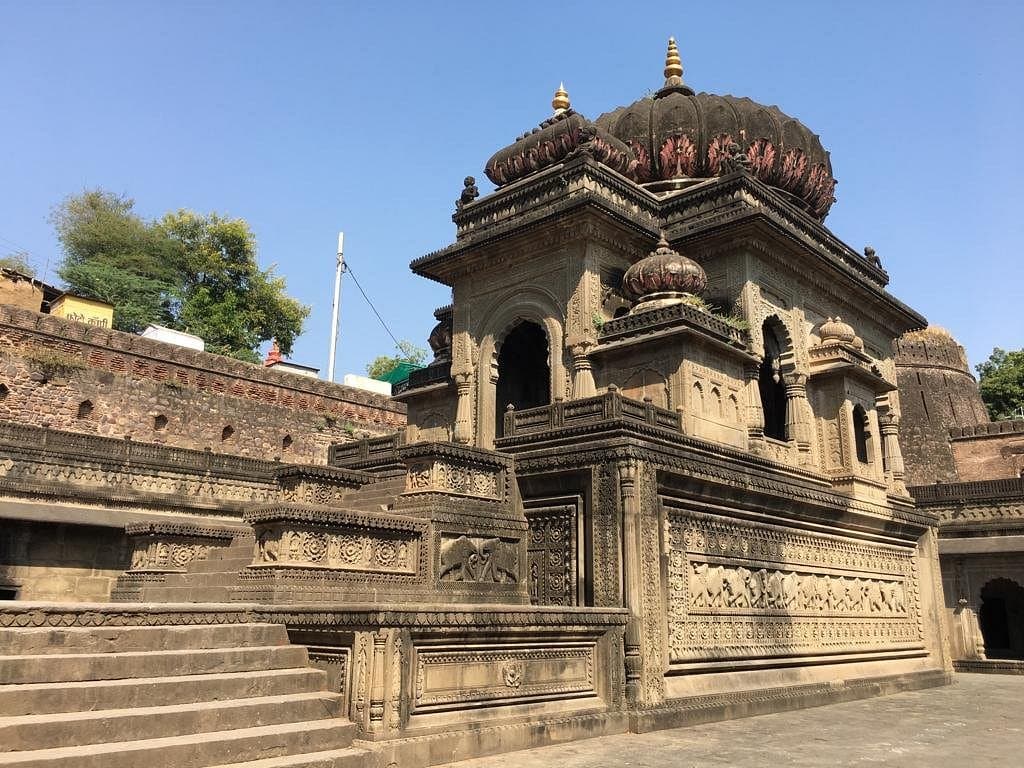
Kashi Vishwanath and Rajarajeshwara Temples
There is a group of Shiva temples located near the fort and ghats, and Kashi Vishwanath Temple and Rajarajeswara (also known as Rajarajeshwar Temple) are among the most popular ones. Their intricately carved shikharas and courtyards deserve the same attention as the fort, especially during evening aarti.
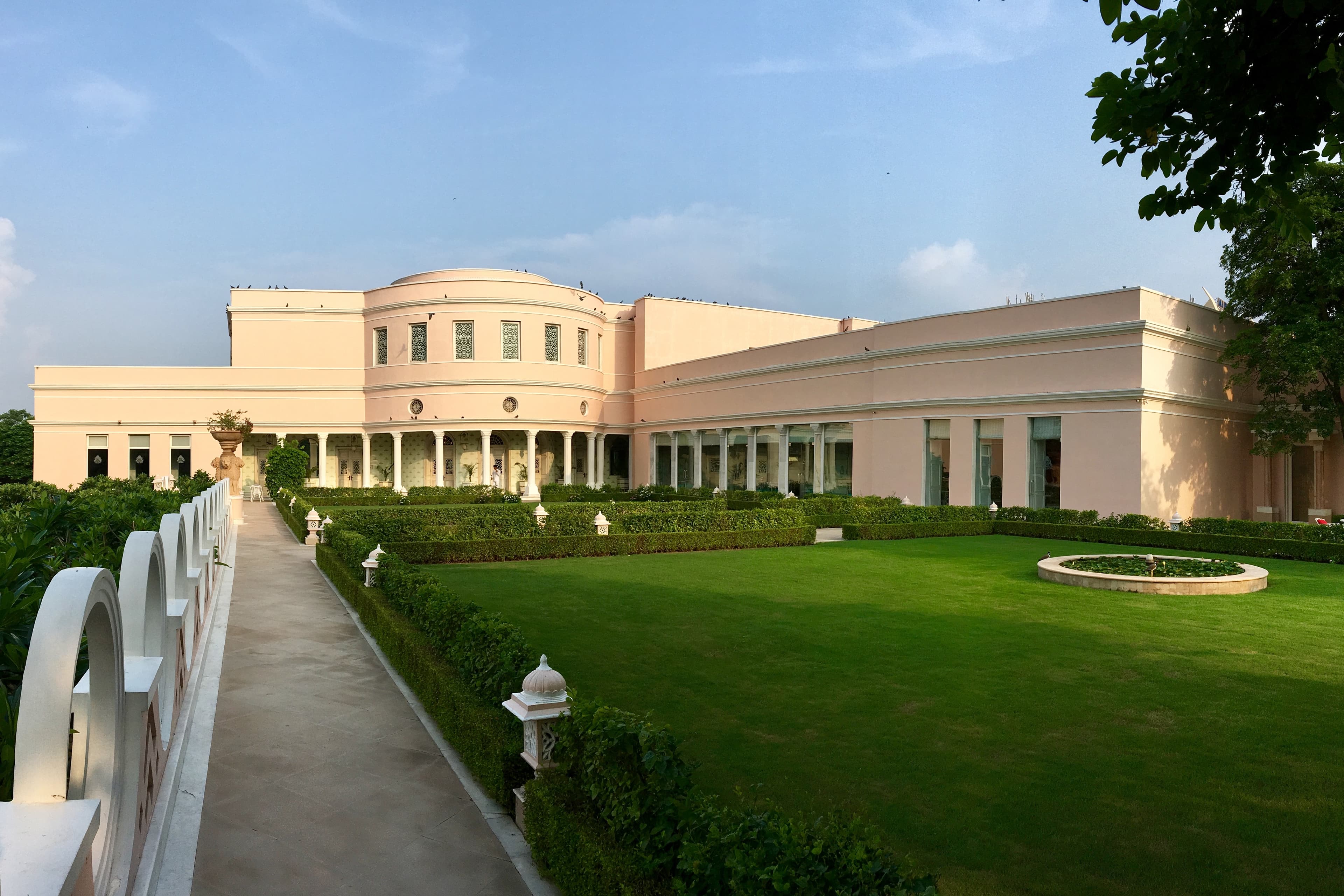
Rai Praveen Mahal
via wikipedia
Rai Praveen Mahal
Built in 1618 by Raja Indramani for Rai Praveen, a celebrated poet, singer and dancer of the court, this small one-storey structure sits in the Anand Mahal gardens. It remains one of Orchha's most poetic details — a palace built not for wars or gods, but for the arts.
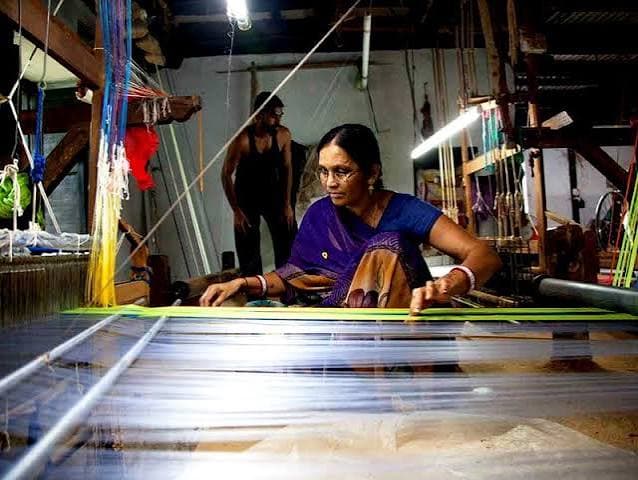
Rehwa Society and the Weaving Lanes
via wikipedia
Rehwa Society and the Weaving Lanes
In 1978, Richard and Sally Holkar formed the Rehwa Society, which revived the dying art of hand weaving in Maheshwar and now employs about 250 weavers working 100 to 150 looms in the fort complex. The society's workshop is open to tourists, as well as the surrounding weaver communities, Mominpura and Dalalpura, where sarees are woven on family looms and not in showrooms.
Hidden Gems Beyond the Main Ghats
- • Baneshwar Temple which can be visited only via a boat ride, and located on the banks of the Narmada river and is most photogenic during sunset.
- • The village of the weavers, away from the market place where the looms are set up in people’s homes.
- • The archaeological museum in the fort, a small collection of coins, weapons and manuscript from the period of the Holkar dynasty.
- • The ghats of early morning before 7 am, when the pilgrims are bathing.
- • The less frequented Kaleshwar Temple.
Best Experiences for Every Kind of Traveler
- • Sunset cruise on the Narmada River, capturing the view of Ahilya Fort and Baneshwar Temple.
- • Guided historical walk to the fort, ghats, and weaving areas with an expert in local history.
- • Witnessing or trying hand weaving with Rehwa Society and then shopping from the weavers.
- • Days end Narmada aarti at the ghats.
- • Full day chauffeur-guided tour of Maheshwar and Mandu.
Food in Maheshwar: What to Eat and Where
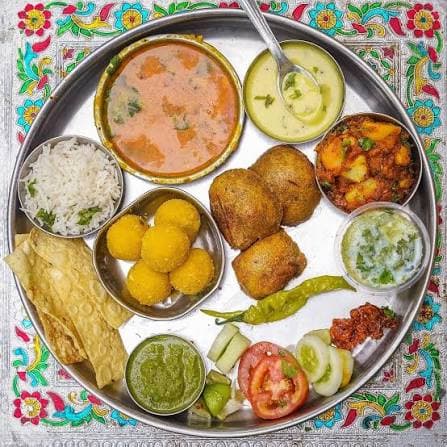
Maheshwar's cuisine is uncomplicated and entirely vegetarian, following Malwa conventions. Start your day with poha and jalebi, and try dal bafla- a local variant of Rajasthan's dal baati- along with bhutte ka kees, a regional corn dish.
Chai and snacks are available at riverside stalls throughout the day. Small cafés and Ahilya Fort's restaurant serve fuller meals, including thalis made from seasonal produce and Narmada Valley grains.
via encrypted-tbn0
Nearby Destinations from Maheshwar
Being close to many more tourist attractions within the Madhya Pradesh state, most of the tour itineraries tend to include Maheshwar as one of the destinations. One such destination that is around two hours away from Maheshwar is the Mandu town, which is basically a hill station of ruins and monsoon palaces of the Afghan era. Another destination is the Omkareshwar that lies around 65 km away from Maheshwar and is believed to be one of the 12 Jyotirlinga temples of India.
Practical Travel Guide
Best Time to Visit Maheshwar
The months between October and March provide the best time, with cool weather both early in the morning and late in the evening being ideal for ghat strolls and river cruises. However, even in winter, temperatures can be high in the noon, hence dressing in light clothes is more effective than heavy clothes. The months of April to June are very hot and best avoided.
How to Reach Maheshwar
- • By Air: Nearest airport is Devi Ahilyabai Holkar Airport, Indore (~90 km away).
- • By Rail: Closest station is Barwaha (~39 km). Many travellers also arrive via Indore station.
- • By Road (from Indore): Approximately 2 hours by car.
Entry and Ticket Details
There are usually no charges to visit the outer grounds of the fort and the ghats, but there could be some charges for certain parts of the museum or visiting Ahilya Fort. It is advisable to check the entry fee requirements before planning your trip.
Suggested Duration and Budget
A full day would be more than sufficient to explore the fort, ghats, and temples comfortably. While two or three days would provide you the chance to explore the weaving areas, have a boat ride, do a heritage walk and take a side trip to Mandu or Omkareshwar. The budget traveler would be able to explore the place easily by having a one-day tour from Indore, whereas an expensive visit in the heritage property would require two nights' stay within or around the fort.
Suggested Maheshwar Itineraries
Half-Day Itinerary
- • Morning: Ahilya Fort, fort walls, and museum.
- • Late morning: Ahalya Ghat and the main temples.
One-Day Itinerary
- • Early Morning: Walk around the ghats when the city is still quiet.
- • Morning: Full tour of the fort, the museum, and the darbar hall.
- • Afternoon: Rehwa Society and weaving lanes.
- • Evening: Narmada boat ride at sunset and then aarti at the main ghat.
Two-Day Itinerary
- • Day 1: fort, ghats, temples, and a boat cruise during the sunset, and then dinner at a heritage place.
- • Day 2: morning walk through the weavers lane, shopping and then half-day excursion to either Mandu or Omkareshwar and back to Indore.
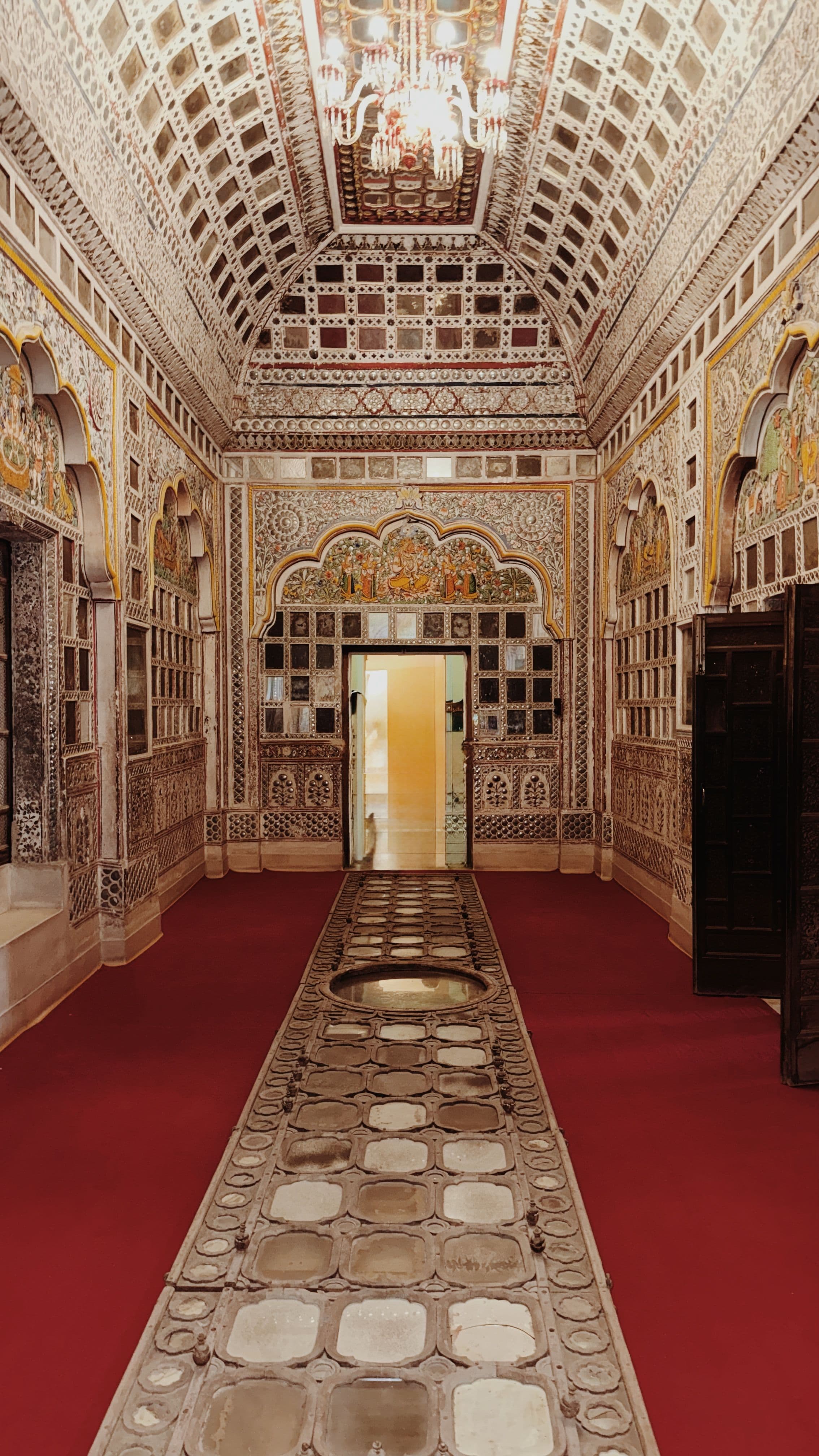
Luxury Travel Tips
via pexels
Luxury Travel Tips
Maheshwar is best experienced with time, not as a day trip. Stay near Ahilya Fort, use a private car from Indore, and hire a local guide. For combining it with Mandu or Omkareshwar, book a private tour with good stays.

Family Travel Tips
via pexels
Family Travel Tips
Maheshwar is easy for families with kids of any age- the fort's level terraces are comfortable to walk, the river here is calm for boating, and weaving demonstrations engage children far more than a standard monument tour.

Solo Female Traveler Tips
via pexels
Solo Female Traveler Tips
Maheshwar is calm and solo-friendly, particularly for women. Pre-arrange your driver and guide, choose a decent heritage stay, avoid the ghats after dark, and consider group travel for extra ease.
Why Choose India Heritage Travel
Planning Maheshwar well is about local access and pacing- and that's where India Heritage Travel adds value. We arrange chauffeured cars across Indore, Maheshwar, Mandu, and Omkareshwar, design itineraries around your interests (architecture, textiles, food, photography), and secure elegant heritage stays in forts and havelis. Our guides bring Holkar history, temple architecture, and Maheshwari weaving to life, with women-safe transport and hotels throughout. If Maheshwar is part of your wider Madhya Pradesh itinerary, our specialists can build a private, fully customised route around your dates.
Frequently Asked Questions
Yes. Maheshwar combines a well-preserved Holkar-era fort, active riverside temples and a living handloom tradition in a compact, low-crowd setting, making it one of Madhya Pradesh's most rewarding heritage stops.
October to March offers the most comfortable weather for walking the ghats and taking a boat ride, with cooler mornings and evenings than the rest of the year.
Maheshwar is about 90 km from Indore, roughly a two-hour drive, and is also the location of the region's nearest major airport.
The outer fort premises and ghats are generally free to visit, though certain museum sections may carry a small fee; it is best to confirm current charges with a local guide before your visit.
One day covers the fort, ghats and main temples comfortably. Two to three days allow time for the weaving lanes, a sunset boat ride and a side trip to Mandu or Omkareshwar.
The Rehwa Society, based inside Ahilya Fort, sells sarees, dupattas and stoles woven on-site and is the most reliable source for authentic, traceable Maheshwari handloom.
Planning a Maheshwar Heritage Stay?
India Heritage Travel crafts private Madhya Pradesh itineraries featuring Maheshwar's Ahilya Fort, Narmada ghats, and Maheshwari weaving combined with Mandu, Omkareshwar, and Indore.
Plan My Maheshwar Heritage Stay