Nagaur: Forgotten Forts, Royal Stories & Ranvas
Most first-time visitors to Rajasthan never quite hear the name Nagaur. It just sits quietly on that old trade road between Jodhpur and Bikaner , sort of there in the background, overshadowed by its more photogenic neighbors and honestly, that is exactly the charm. This Nagaur travel guide is here because Nagaur isnt some small side note to Rajasthan royal story, no it is one of its oldest chapters , and it holds a fort that is older than Mehrangarh too, plus a palace-turned hotel that feels unusual in a very good way, and even a rural cattle fair that still moves along exactly as it was about a century ago.
For travelers who already wandered through Jaipur’s pink sandstone and Udaipur’s lake palaces, Nagaur gives something rarer, a kind of size without fireworks, and history without too many crowds. In this guide you’ll get the full picture, from the fort’s layered Nagavanshi Rajput Mughal past , to the practical stuff like how to reach Nagaur, where to stay, what to eat, and how to weave it into a larger Rajasthan route so it doesn’t feel random, but rather, quietly necessary.
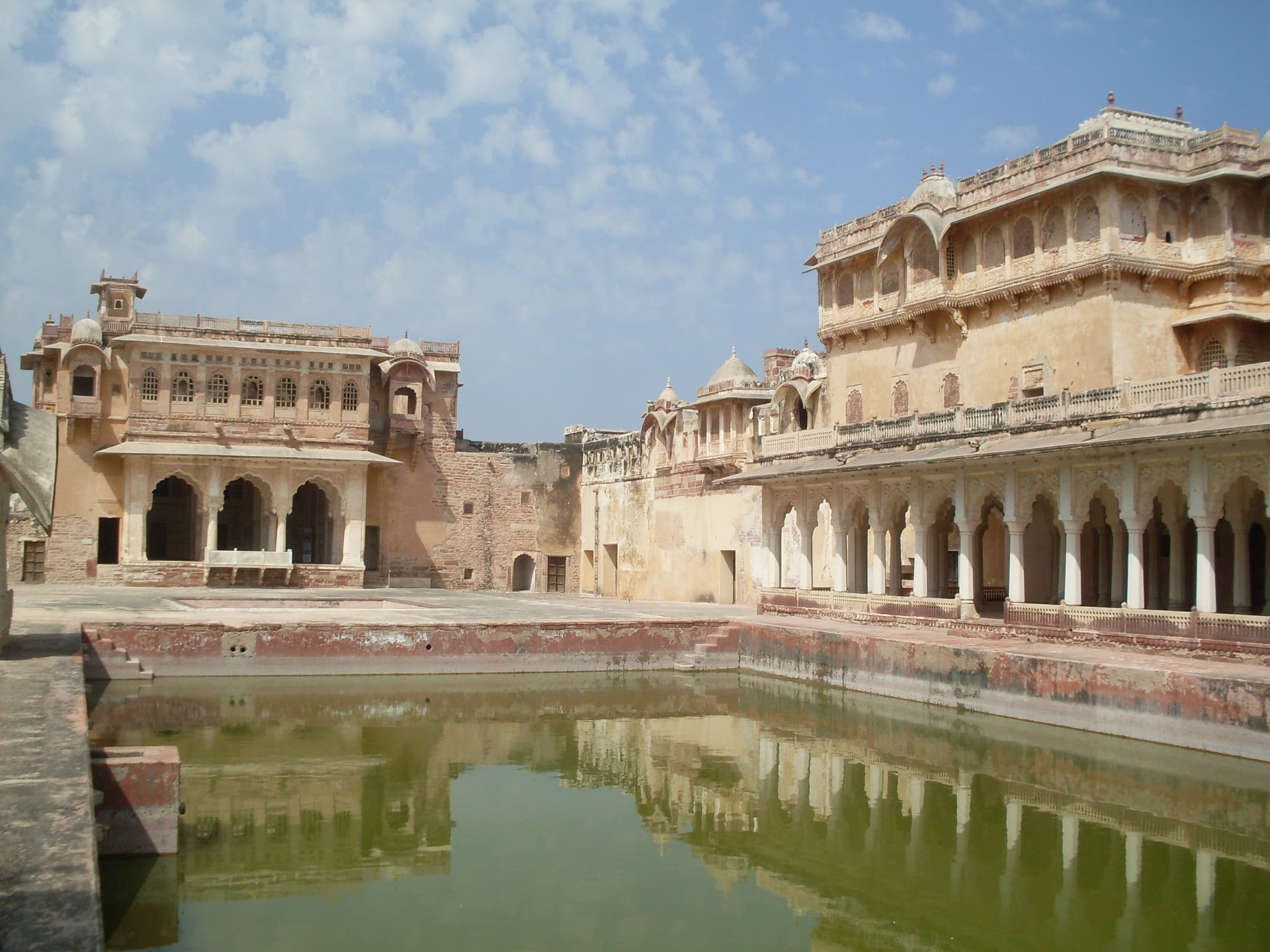
via wikipedia
Overview: Rajasthan's Quietest Royal Secret
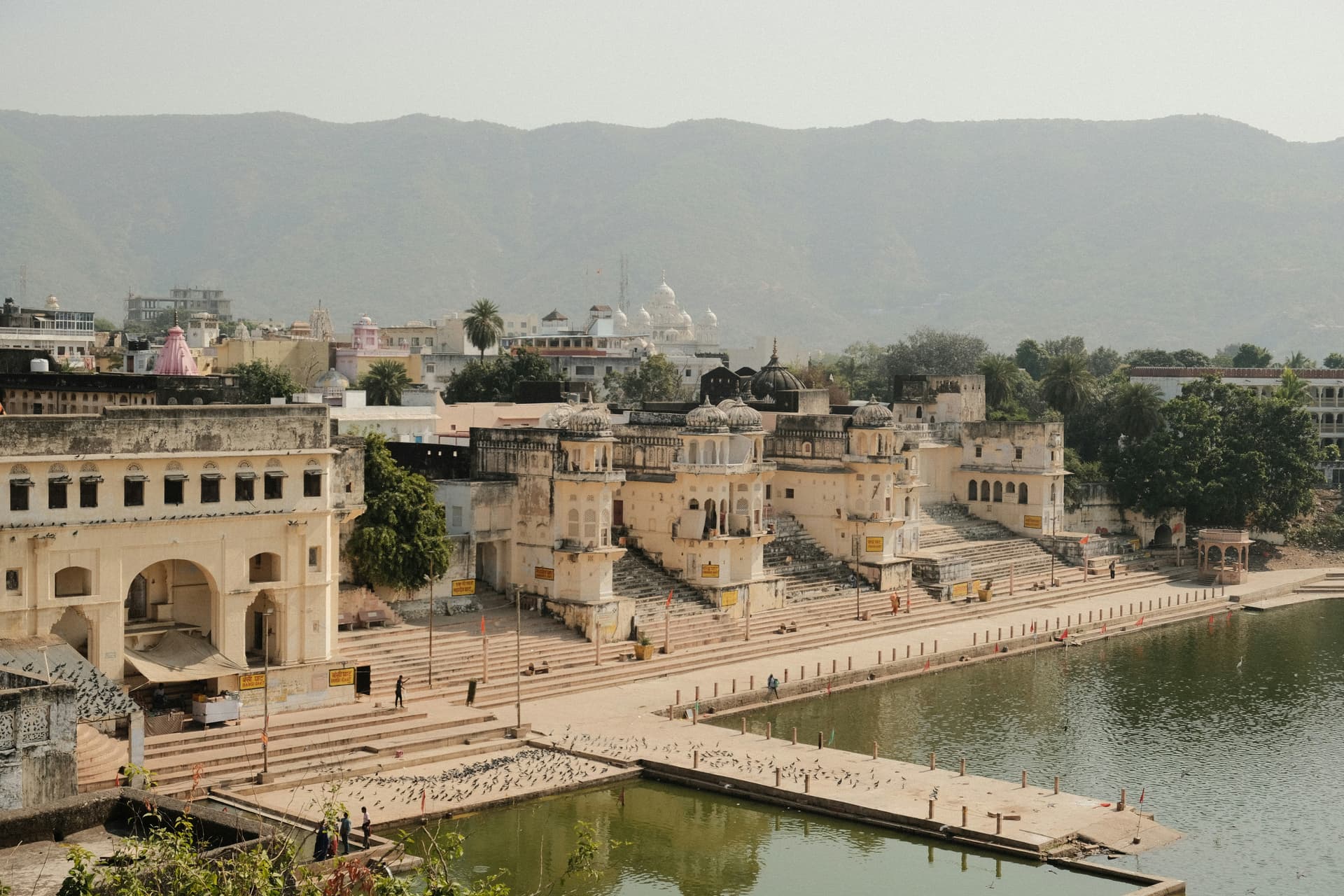
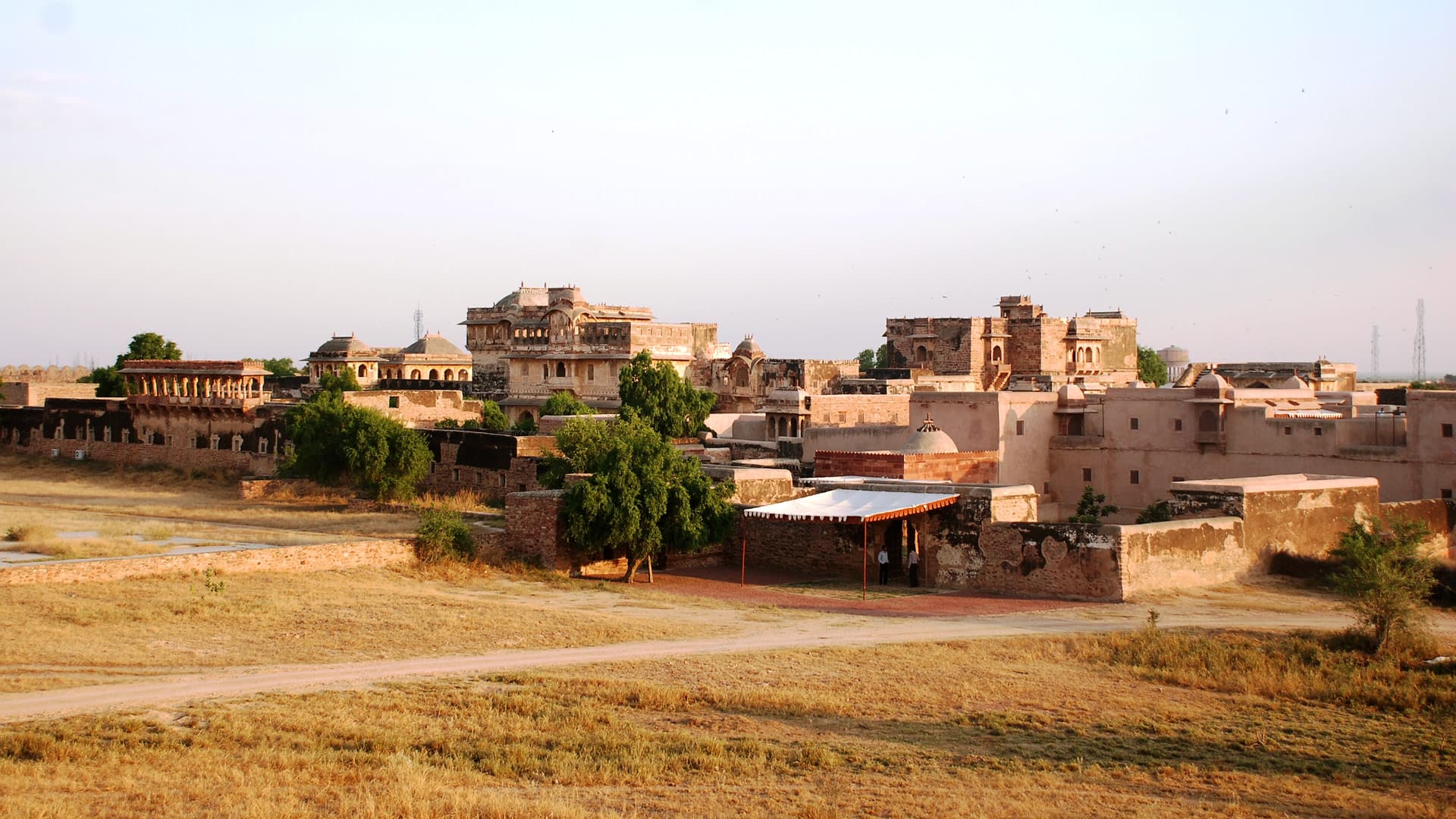
Nagaur sits in northwestern Rajasthan, halfway between Jodhpur and Bikaner, on the edge of the Thar Desert. Without a hilltop to build on, its rulers relied on sheer scale - constructing massive earthen and sandstone ramparts around the town. The result is Ahhichatragarh Fort, one of India's largest fort complexes, yet it sees only a fraction of the visitors Jodhpur or Jaipur attract.
That relative quiet is sort of a boon for the traveler this guide has in mind. You know, someone who wants the real weight of Rajasthan’s inheritance without the long lines, the selfie sticks, or that “I’m in a museum” feeling. Nagaur really leans into slow movement, like an afternoon drifting through frescoed courtyards in near silence, or a morning at the cattle fair, where you can observe a market ritual that goes back before the fort even existed.
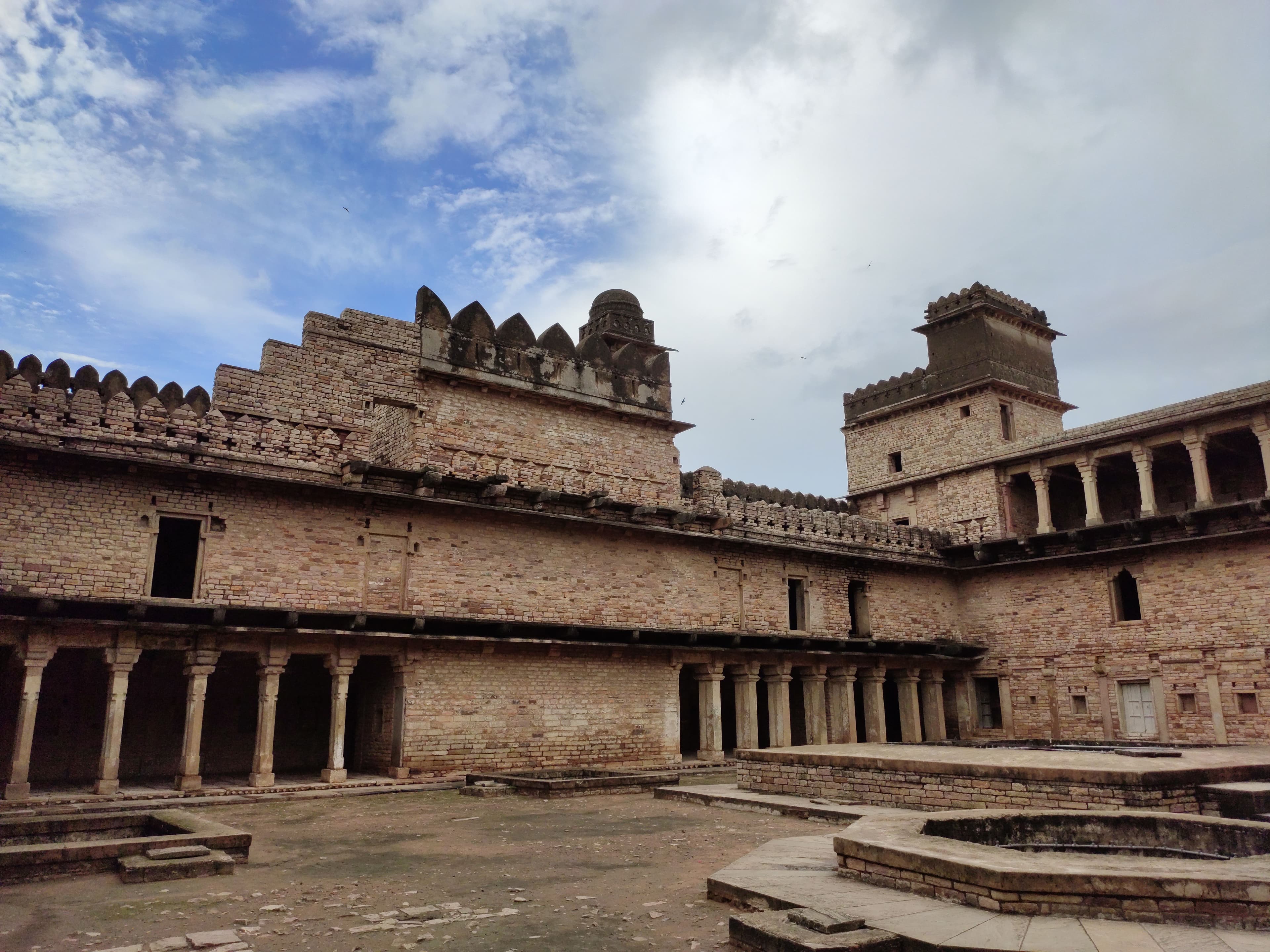
via pexels
History of Nagaur: From Nagavanshi Kings to Rathore Rule
Nagaur’s history goes back further than most travelers are already used to hearing about, in Rajasthan. Local tradition and a few inscriptions basically map the town’s beginnings to the Nagavanshi rulers, who are said to have built the first mud and earthen walls of what later became Ahhichatragarh as soon as the 4th century, and yes the name itself is a kind of word-mix, Naga (serpent) plus pur (town), so the fort keeps its well-known sobriquet Fort of the Hooded Cobra. The town is also tossed into the Mahabharata in passing too, which is one more reason people feel it is so very old compared with Rajasthan’s more loudly advertised royal centers.
After that, over the centuries , Nagaur kept changing ownership in a loop. Chauhan and other Rajput lineages held it at different moments, then medieval incursions from Delhi as well as Gujarat brought Muslim rulers who left their own architectural and cultural fingerprints during those campaigns. By the 16th and 17th centuries, the fort was seeing heavy rebuilding, a lot of reshaping, and it kept evolving. From the 17th century onward, Nagaur finally landed in the steady control of the Rathore Maharajas of Jodhpur, and they, eventually, turned it from just a military anchor into a place for art, leisure, and royal respite, more refined than what it started out as.
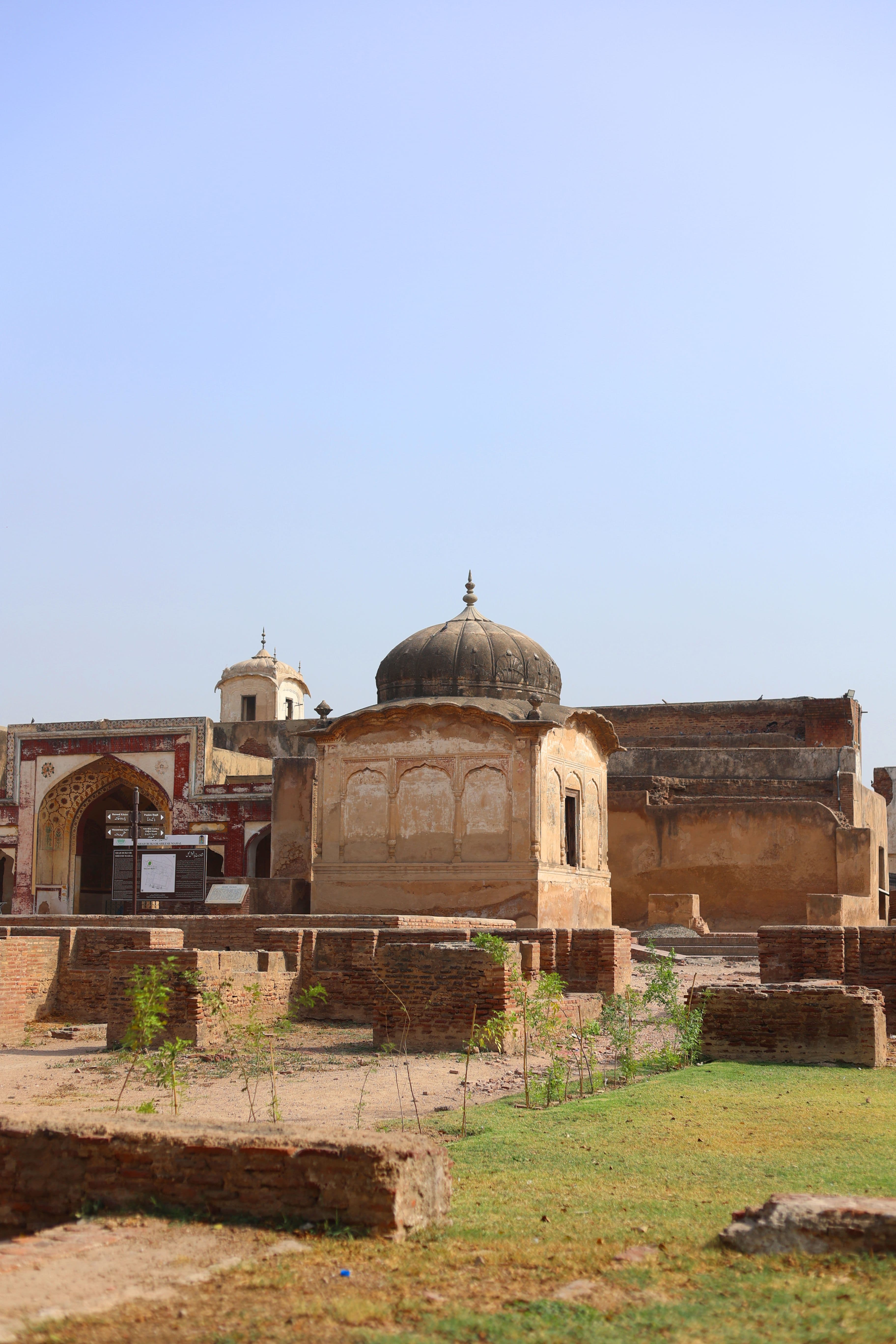
via pexels
Ahhichatragarh Fort: Architecture of the Hooded Cobra
Ahhichatragarh Fort is huge by almost any measure, like a fortified township that kind of stands on its own, surrounded by thick sandstone and rubble-masonry walls, the whole thing broken up with bastions. Inside, the architecture seems to tell two things at once. First there is that practical military logic of walls gates and garrison quarters. Then theres this more ornamental refinement, a Rajput-Mughal palace complex, built more for pleasure than for fighting.
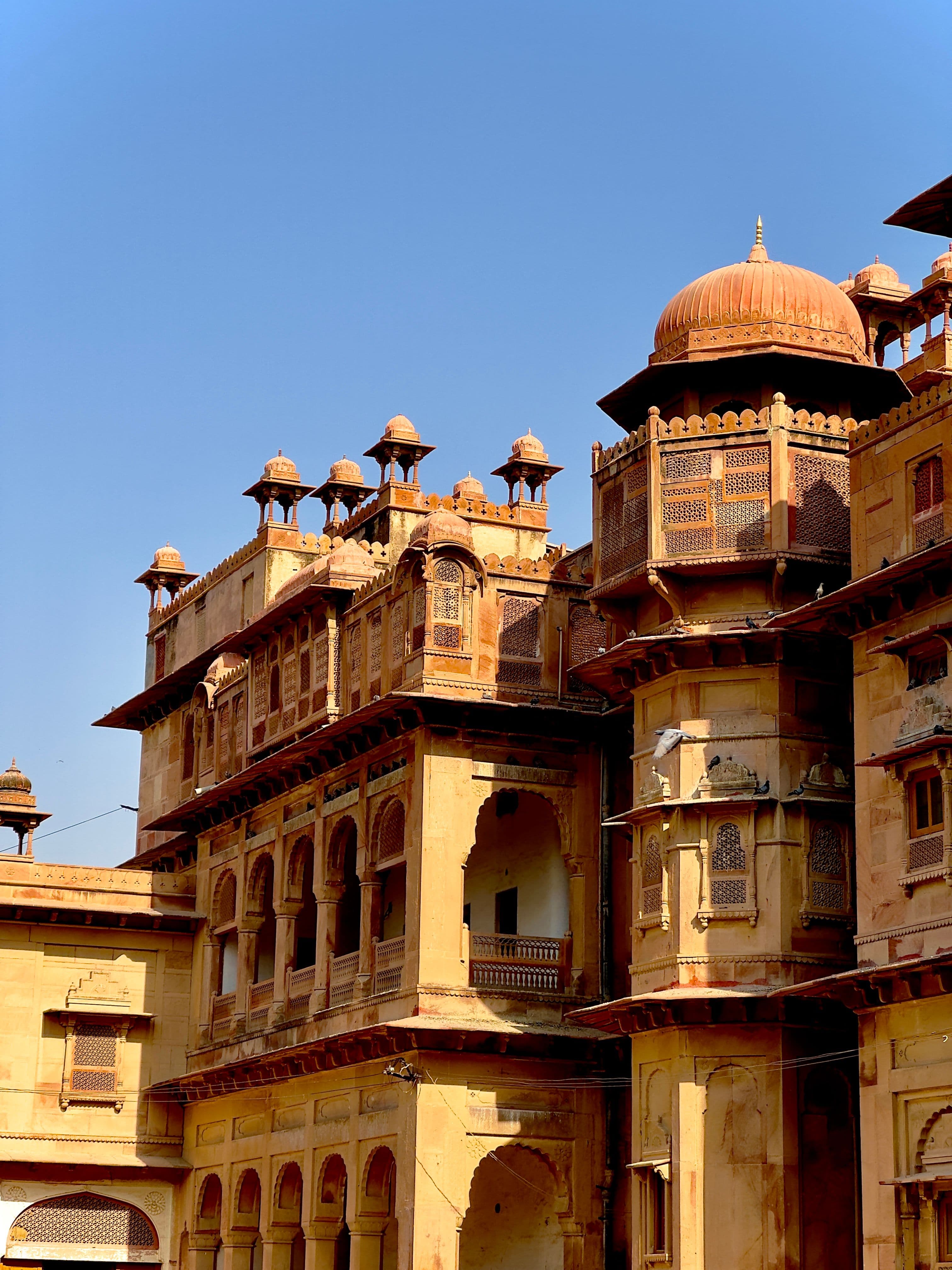
via pexels
The Bakhat Singh Mahal and Water Gardens
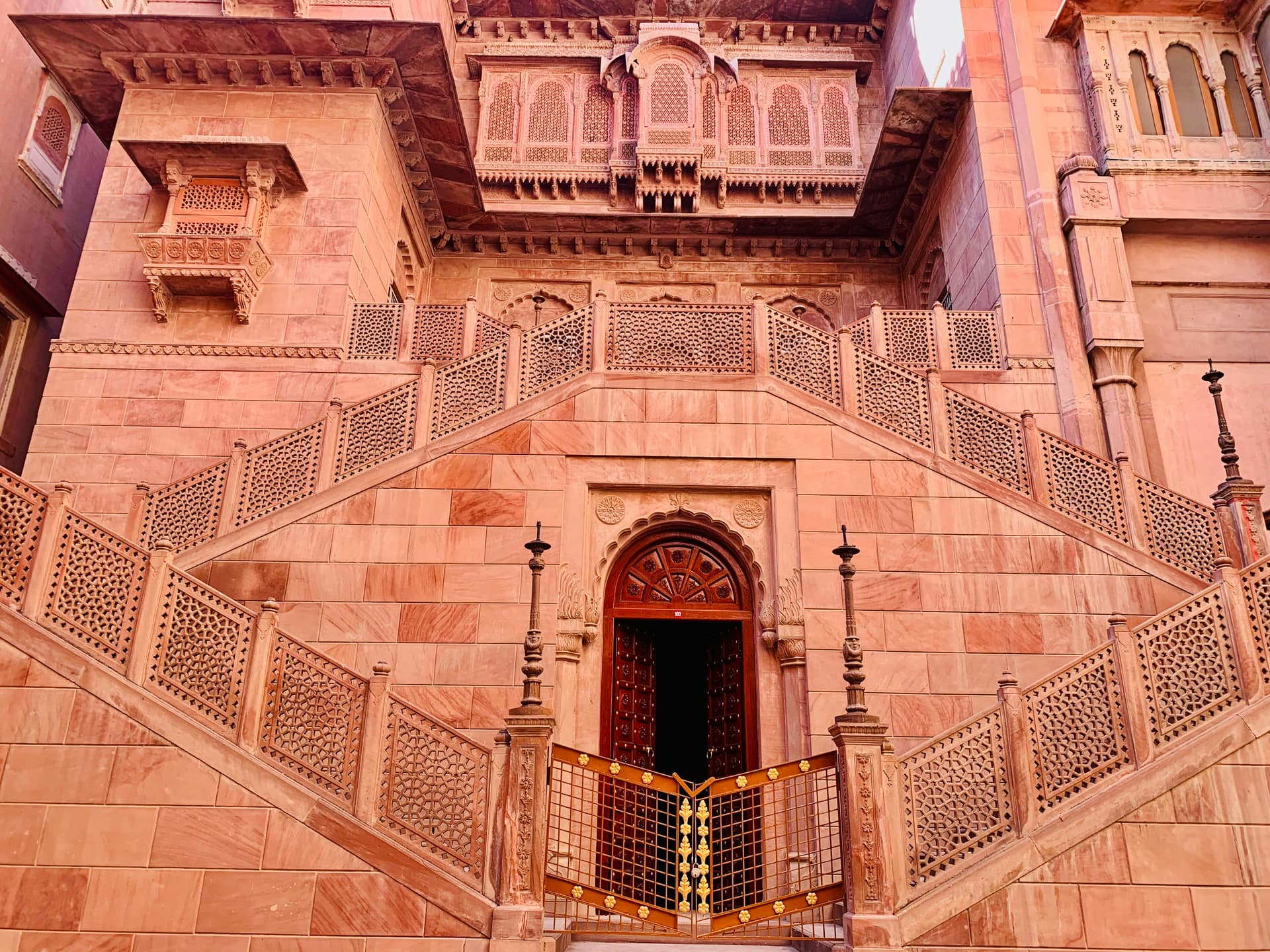
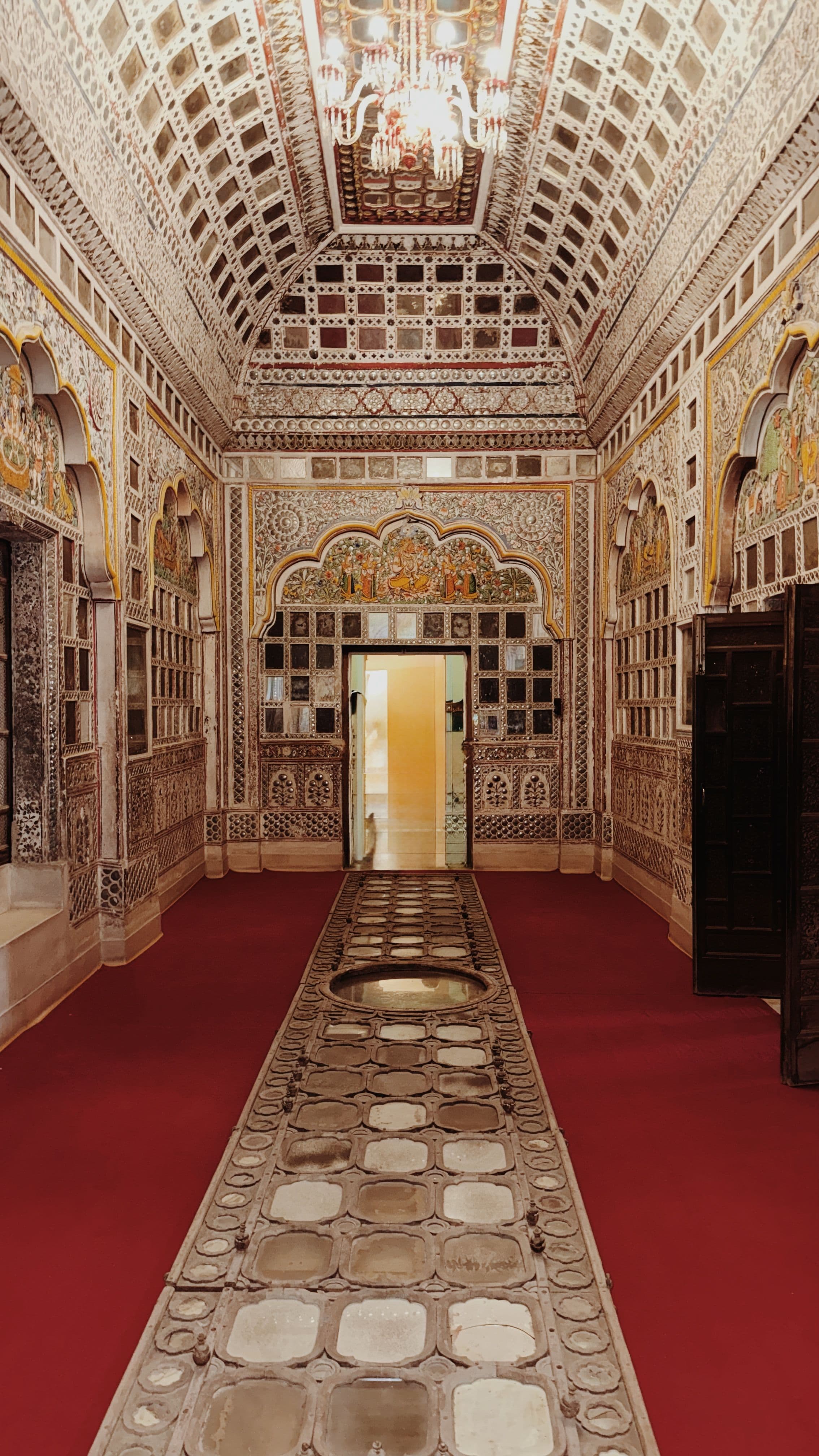
At the heart o f the fort, you’ll find the palace group commissioned by Maharaja Bakhat Singh, not really one single building but more like a cluster of pavilions courtyards and halls, all set around reflecting pools and those geometric water channels made to keep the interiors cooler in Rajasthan’s relentless summers. The frescoes here also look unusually well preserved, and their style is pretty distinct too. Rajput figurative painting mixes with Mughal decorative motifs, so it becomes this clear visual record of cultural exchange that shaped Marwar’s royal courts.
Ranvas: The Palace of the Queens, Reborn
If Ahhichatragarh is the fort's body, Ranvas feels like its soul, and somehow both names make more sense once you’re there. The name points to “abode of the queens,” but it also does more than that, it hints at the group of ten havelis Maharaja Bakhat Singh laid out inside the fort walls, meant for his ranis in the 18th century. Basically, you get a cluster of private residences, arranged around shared courtyards, each haveli carrying a queen’s name, the one who once lived there, and not just as a theme.
As part of the same restoration program that brought the fort back to life these royal quarters were turned into the Ranvas heritage hotel. There are 27 rooms made out of the original havelis, and each one is furnished with a careful mix of traditional Rajasthani handiwork and quieter European-style decor, with antique pieces that belong there, plus objects that come from the personal collections of the Jodhpur royal family. Guests eat at different places across the property, like a terrace, a courtyard, or even a rampart at sunset , and if you’re up for it, you can join guided walks through the fort’s museum wings, where royal armor, textiles, and decorative arts are kept.
via pexels
Cultural & Spiritual Heritage
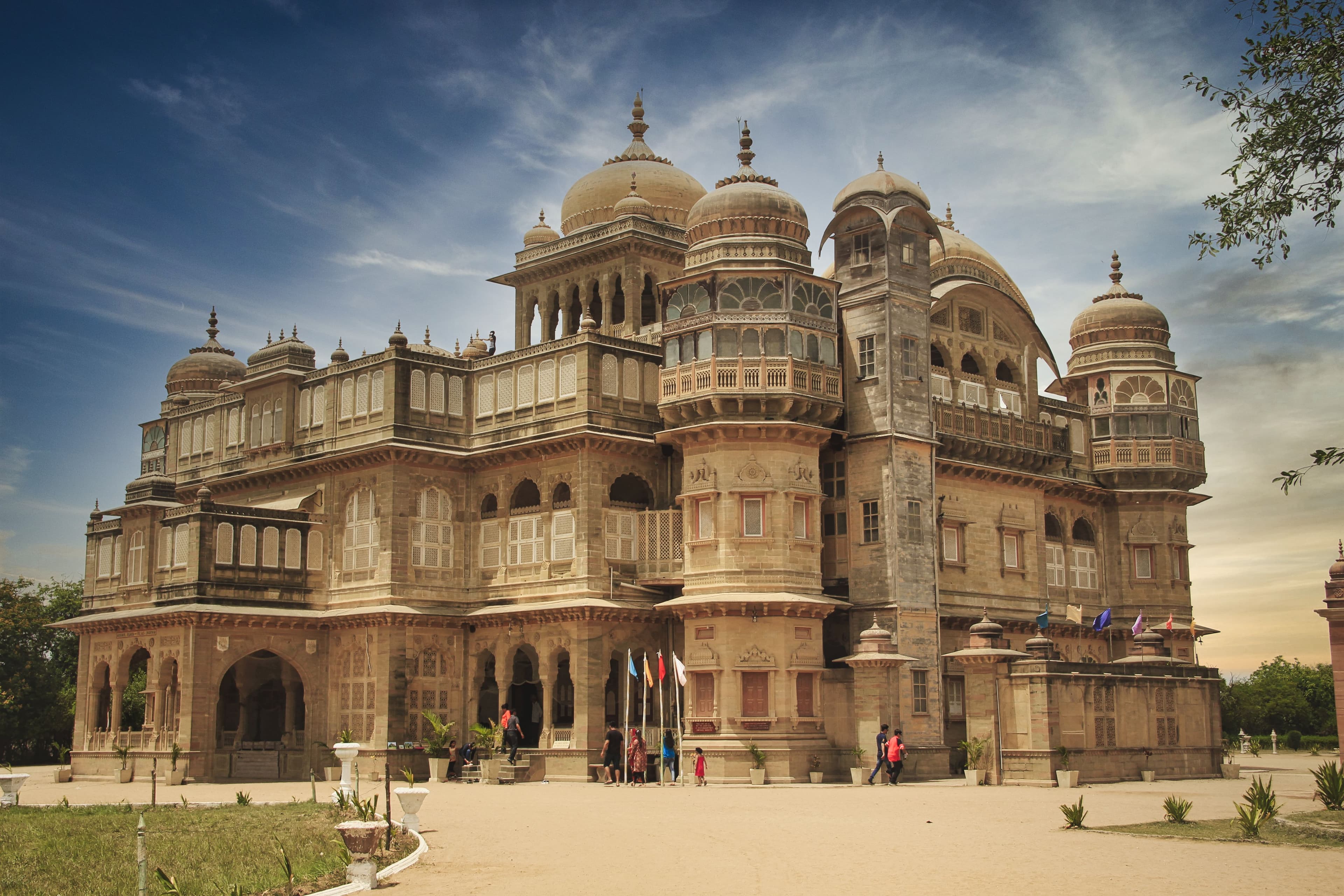
Nagaur’s identity is not just Rajput. Honestly the place feels like a real cultural crossroads, sort of, where Rajput courts, Mughal governance, and a firm Sufi spiritual thread meet, and that thread goes way back before much of the fort’s current architecture even shows up.
You have the dargah of the Sufi saint Hazrat Hamiduddin Nagauri, a respected 13th-century mystic, and his shrine pulls in pilgrims from all around, giving Nagaur a devotional vibe that feels different from Rajasthan’s more temple-driven cities. And this Sufi current didn’t stay locked in religion only. It also touched Ranvas’ celebrated cuisine, drawing on Mughal-Sufi food traditions as much as Marwari home cooking. Then, beyond that, you can add the Bansiwala temple, and the cenotaphs of Amar Singh Ji, so a heritage walk through Nagaur’s older quarters feels layered, not flat.
via pexels
Major Attractions & Hidden Gems
- • Ahhichatragarh Fort & Museum Galleries - armor textiles, and royal relics shown through the re-stored palace wings, feels kinda like you walk inside a living museum
- • Deepak Mahal and Bakhat Singh Mahal - the forts most ornate frescoed interior halls, with that rich color drama everywhere
- • Hazrat Hamiduddin Nagauri Dargah - a centuries old Sufi shrine sitting right in the spiritual core of the town
- • Bansiwala Temple and Amar Singh Ji's Cenotaphs - these heritage pauses are calmer, for a walking route or a tuk-tuk spin through old Nagaur
- • Nagaur’s historic havelis and stepwell architecture - merchant-era houses, plus water structures, sort of scattered around the old lanes, rarely noticed by visitors from outside
- • Nagaur’s artisan lanes - where jutti makers still work, clay artisans, durrie weavers, and blacksmiths keep generations old crafts going, even if you only have a short stop
- • The Thar Desert’s edge - you can reach it on a jeep safari or camel cart, for anyone wanting a small taste of desert Rajasthan without going as far as Jaisalmer
The Nagaur Cattle Fair
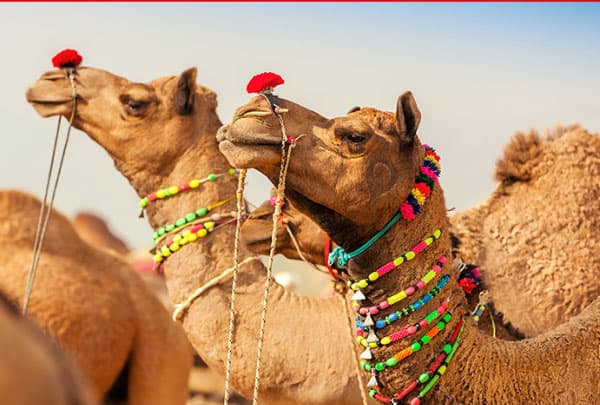
Once a year , Nagaur kind of transforms into something else. The Nagaur Cattle Fair - which locals, yeah, also call the Ramdeoji Fair, is considered India’s second-largest livestock fair after Pushkar. It pulls in more than 70,000 camels, bullocks, horses and oxen, along with lots of farmers and traders from Rajasthan, Punjab, Haryana, and even Gujarat. It shows up every year in the Hindu month of Magha, so it usually lands somewhere in that late January to February window, but the exact dates keep shifting around , thanks to the lunar calendar.
Honestly, it’s not only a place to trade. The animals get decorated in a careful way, with beads, painted horns, and colorful ornaments before they are paraded in front of buyers; the fairgrounds then fill up with folk music, camel and horse races, turban-tying contests, and traditional performances, that happen beside the trading itself. If you are a traveler looking for rural Rajasthan tourism and something genuinely cultural, not those kind of staged shows, then the Nagaur Cattle Fair is about as close as it gets , it’s a working agricultural tradition, and it is spectacular to witness.
via topindianholidays.com
Best Experiences in Nagaur
- ✦ A guided heritage walk through Ahhichatragarh's palace wings, museum galleries and gardens
- ✦ A tuk-tuk cultural tour through old Nagaur, stopping at the Sufi dargah, temples and artisan workshops
- ✦ A private dinner in one of the fort's restored courtyards, lit by oil lamps
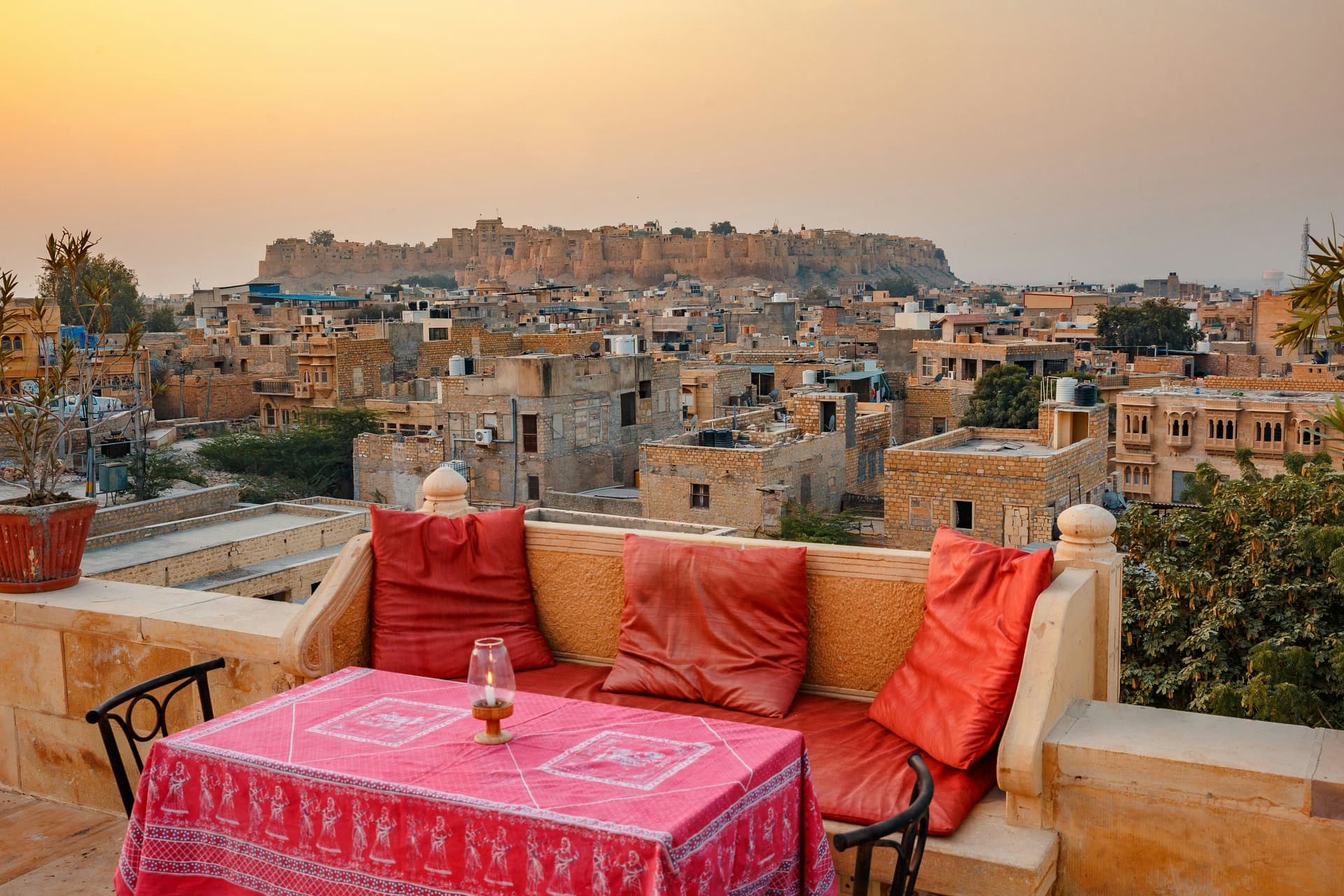
- ✦ Sundowners on the fort ramparts, watching the town settle into evening below
- ✦ A jeep safari or camel cart ride into the surrounding desert landscape
- ✦ Time simply spent in Ranvas's gardens and pool courtyard - a rare chance to sit still inside a functioning Rajput palace
Nearby Attractions
- • Khimsar - a desert fort-turned-hotel roughly 90 km away, on the edge of the Thar Desert's sand dunes
- • Kuchaman Fort - a dramatic hilltop fort within the wider Nagaur district, historically used to mint gold and silver coin
- • Jodhpur - around 135–140 km southwest, home to Mehrangarh Fort and the Blue City
- • Bikaner - roughly 110–120 km northwest, known for Junagarh Fort and its own distinct desert culture
Practical Travel Guide
Best Time to Visit Nagaur
October thru March usually feels the most workable, with warm afternoons and that cooler, crisp night air. If you’re aiming for the Nagaur Cattle Fair then late January- around Feb, really is the sweet spot, otherwise summer (April to June) is kinda rough because the desert heat can be intense and steady.
How to Reach Nagaur
By air: The nearest airport is Jodhpur, roughly 135–140 km away , while Bikaner (about 110 km) and Jaipur (around 250 km) are also workable backups. By rail: Nagaur has its own railway station, with regular links to Jaipur,Jodhpur Bikaner and Delhi. By road: the town sits on well-kept highways connecting Jodhpur, Bikaner, Ajmer and Jaipur, and honestly the simplest way is with a private chauffeur-driven car which is the standard arrangement on India Heritage Travel’s Rajasthan journeys. From Jodhpur or Bikaner, expect about 2.5–4 hours of driving .
Entry, Tickets & Duration
Ahhichatragarh Fort has a modest entry fee for its museum and gardens, with an extra charge for cameras. Guests at Ranvas usually get fort access included. A half-day covers the main sections, but a full day allows time for the older lanes. An overnight stay at Ranvas is ideal for experiencing the fort in the quiet early morning and evening, after the crowds have gone.
Budget, Safety & Packing
Nagaur works on a modest day-trip budget or a luxury overnight at Ranvas - higher pricing reflects its heritage status, not poor value. The town is calm and safe, ideal for solo travellers and families with a private guide and driver. Pack light layers for daytime and a warm shawl or jacket for cooler evenings.
Budget Estimates
It’s a destination which will suit all kinds of travelers, ranging from budget heritage hotels to luxury palace hotels. The mid-range hotels like boutique havelis will give great value for money, especially since they give views of the fort. The street food and the thalis are cheap, while the rooftop dining is expensive because of the view.
Packing Tips
Lightweight, breathable, modest clothing works best year-round, with a warm layer for winter evenings when desert temperatures can drop sharply after sunset. Comfortable walking shoes are essential for the fort's uneven stone stairways, and a scarf or shawl is useful both for sun protection and for visiting temples and cenotaphs.
Suggested Itinerary
Half-Day Itinerary
- • Morning: Take a guided wander through Ahhichatragarh Fort palace wings, plus museum galleries too
- • Late morning: Amble around the water gardens and stop at the Bakhat Singh Mahal frescoes
- • Midday: Lunch at Ranvas, then keep moving on toward Jodhpur or Bikaner
One-Day Itinerary
- • Morning: Proper tour of Ahhichatragarh Fort, and Ranvas’s restored havelis as well
- • Midday: Bite in the fort’s courtyard one place or another
- • Afternoon: Tuk tuk cultural loop in old Nagaur , Sufi dargah , temples and artisan lanes all in one go
- • Evening: Golden hour on the fort ramparts before you head out, or if you stay overnight
Two-Day Itinerary
- • Day 1: Reach and check into Ranvas , afternoon fort visit , then dinner in a fort courtyard
- • Day 2 morning: Jeep safari or camel cart into the wider desert scenery
- • Day 2 afternoon: Heritage walk through the old town, plus artisan meet ups, then departure toward Khimsar , Jodhpur or Bikaner
Luxury Travel Tips
via pexels
Luxury Travel Tips
For a comfortable and exclusive Nagaur experience, stay at Ranvas with a private chauffeur and local guide. Add a private courtyard dinner and request early or after-hours access to the palace galleries for a quieter, more personal visit.
Family Travel Tips
via pexels
Family Travel Tips
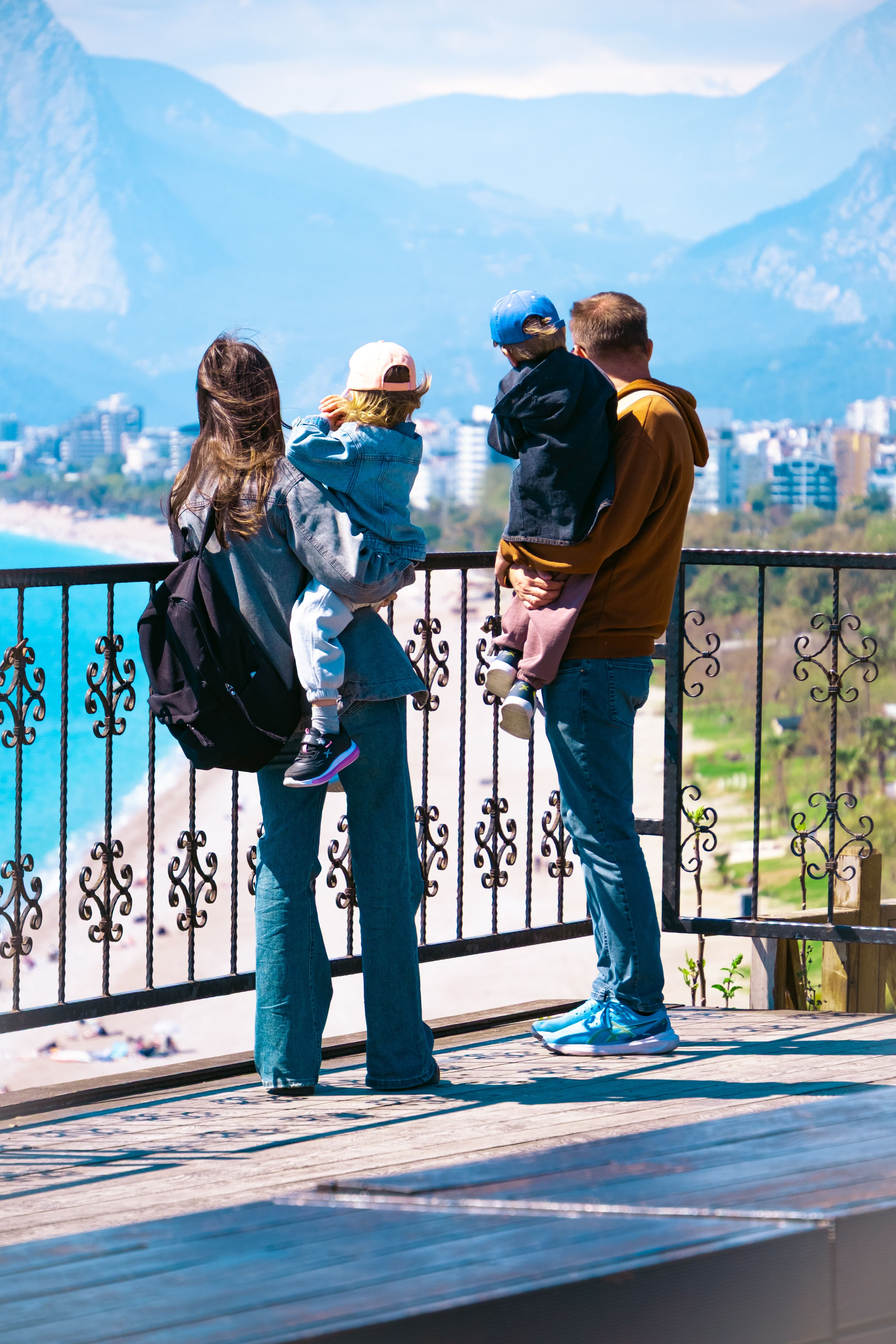
Nagaur's open courtyards, water gardens, and camel cart rides keep kids engaged. The fort is less overwhelming than Mehrangarh, making it a manageable half-day stop for families with younger children.

Solo Female Traveler Tips
via pexels
Solo Female Traveler Tips
Nagaur is calm and genuinely comfortable for solo travellers, especially women - as long as you book a private, women-safe itinerary with a trusted guide and driver, similar to India Heritage Travel's women-only tours across Rajasthan.
Why Choose India Heritage Travel
Nagaur is easy to miss - and easy to get wrong. A rushed day trip barely scratches its layered history, and planning solo can be frustrating. India Heritage Travel weaves Nagaur into relaxed Rajasthan itineraries with private chauffeur tours, tailored pacing, carefully chosen heritage stays (like Ranvas), expert guides fluent in its Rajput-Mughal-Sufi past, and women-safe arrangements for solo travellers. This guide is a start - but a well-crafted itinerary makes Nagaur one of the most memorable days of your Rajasthan journey.
Frequently Asked Questions
Nagaur is best known for Ahhichatragarh Fort - one of Rajasthan's oldest - and Ranvas, its restored royal women's quarters turned heritage hotel. The town is also famous for the Nagaur Cattle Fair, its Sufi shrine, and its historic position on the trade route between Jodhpur and Bikaner.
A half-day covers Ahhichatragarh Fort and the town's main sights. A full day allows for the fort, Sufi dargah, havelis, and a relaxed lunch. Those staying overnight at Ranvas usually take 1–2 nights to experience the fort after the day crowds disappear.
October to March is ideal, with pleasant days and cool evenings. For the Nagaur Cattle Fair, plan around late January to February - dates vary slightly with the Hindu lunar calendar.
Nagaur has its own railway station, connected to Jaipur, Jodhpur, Bikaner, and Delhi. The nearest airport is Jodhpur (135–140 km), with Bikaner and Jaipur as alternatives. Most travellers arrive by private chauffeur-driven car as part of a wider Rajasthan itinerary.
Nagaur isn't a replacement for Jodhpur or Jaipur - it's a complement. Where those cities offer grandeur and crowds, Nagaur offers scale without spectacle: a vast, historic fort nearly empty, and a rare palace-hotel experience at Ranvas.
Planning a Nagaur Journey?
India Heritage Travel crafts private Rajasthan itineraries, combining Nagaur's forts and Ranvas Palace with Jodhpur, Bikaner, and Jaisalmer - with expert local guides.
Plan My Nagaur Tour