Overview: Welcome to Pushkar
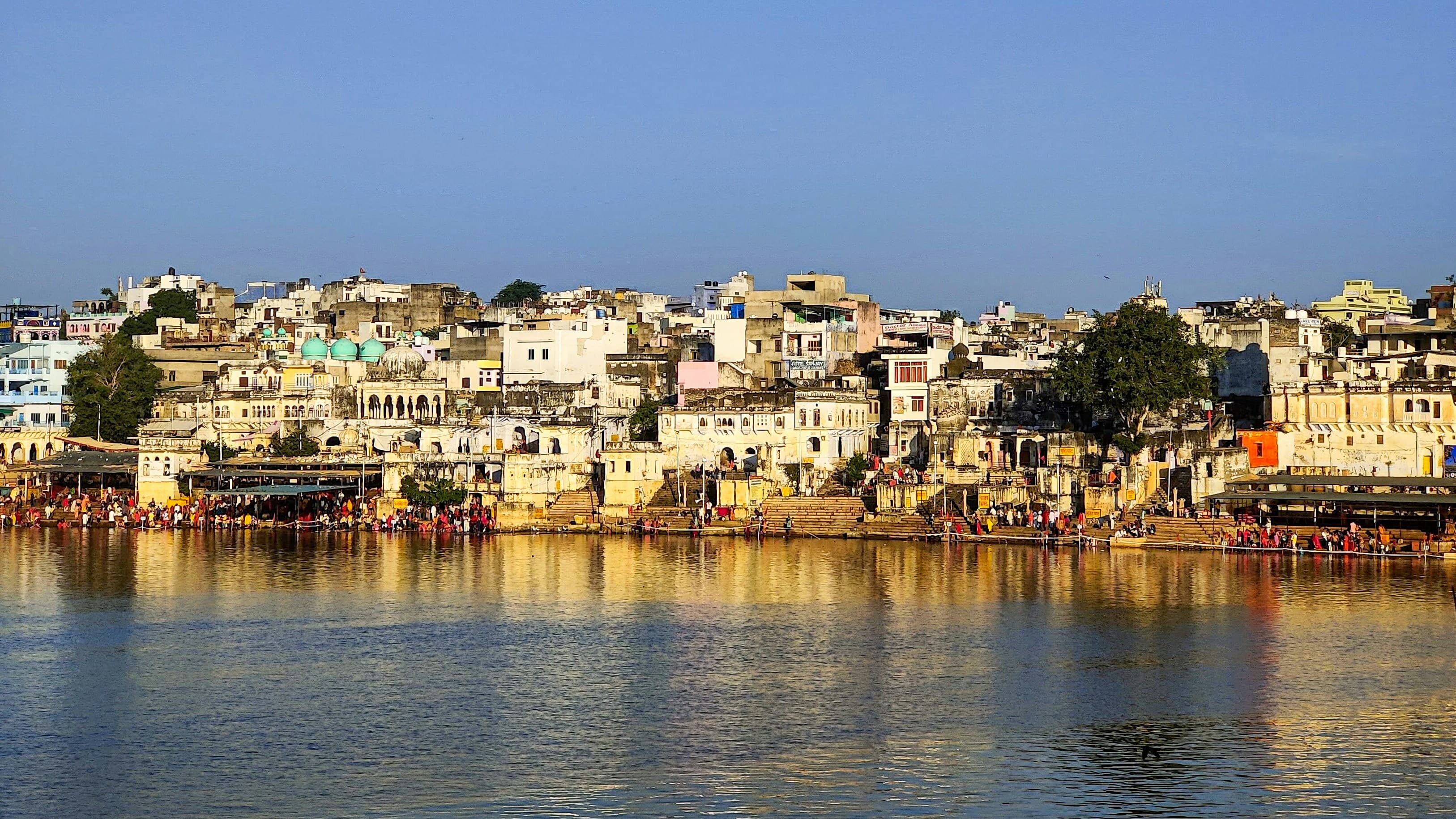
This Pushkar travel guide starts with a kinda simple truth , few towns in India really have as much spiritual weight in such a small footprint. Pushkar is set in a natural amphitheatre from the Aravalli hills in Rajasthan, kind of hugging a lake that Hindu scriptures describe as one of the most sacred bodies of water on earth. Pilgrims come here to bathe off a lifetime of sins, you know that feeling. Travelers come too, for the same lake , the same golden light, and for the sense that this tight, temple-lined town hasn’t really blinked in centuries.
Just eleven kilometres from the noise of Ajmer , Pushkar feels like a different world entirely - camels strolling down lanes strung with marigolds, sadhus in saffron robes, silversmiths hammering at doorway workshops, and rooftop cafés serving banana pancakes to people who planned on a day and somehow stayed a week. It is both intensely devotional and, in the same breath, strangely bohemian.
via unsplash
For India Heritage Travel guests, Pushkar makes one of Rajasthan’s most satisfying additions to a private, heritage-minded itinerary - a place that is best experienced slowly , and with a guide who knows what to notice, and how to open doors a solo traveler would just walk past without even realizing.
The History of Pushkar: A City Born of a Lotus
Every Pushkar travel guide worth reading kind of has to start with the mythology, because in Pushkar, myth and geography get mixed up like they’re basically the same thing. Like, according to the Padma Purana, Lord Brahma - the creator god of the Hindu trinity - released a lotus flower from his hand while looking for a place to do a grand yagna, a sacred fire ritual. Where the petals touched the ground, three lakes appeared: Pushkar, Madhya Pushkar, and Jyeshtha Pushkar. Brahma picked the largest one for his ritual, and Pushkar - literally “born from a lotus flower” - took its name from that whole moment, or rather the consequence of it.
But then, the ritual needed a consort and Brahma’s wife Savitri was running late, kinda late. So he decided to keep the auspicious hour still intact , and he married a local woman named Gayatri instead. When Savitri finally arrived and saw another goddess sitting right next to him , she cursed Brahma, saying he would not be worshipped anywhere in the world , except in Pushkar. So yeah, that’s why temples dedicated to Brahma are nearly nonexistent elsewhere , and why the Jagatpita Brahma Mandir here is treated as one of the most important temples in the country even if you compare it pretty widely.
via unsplash
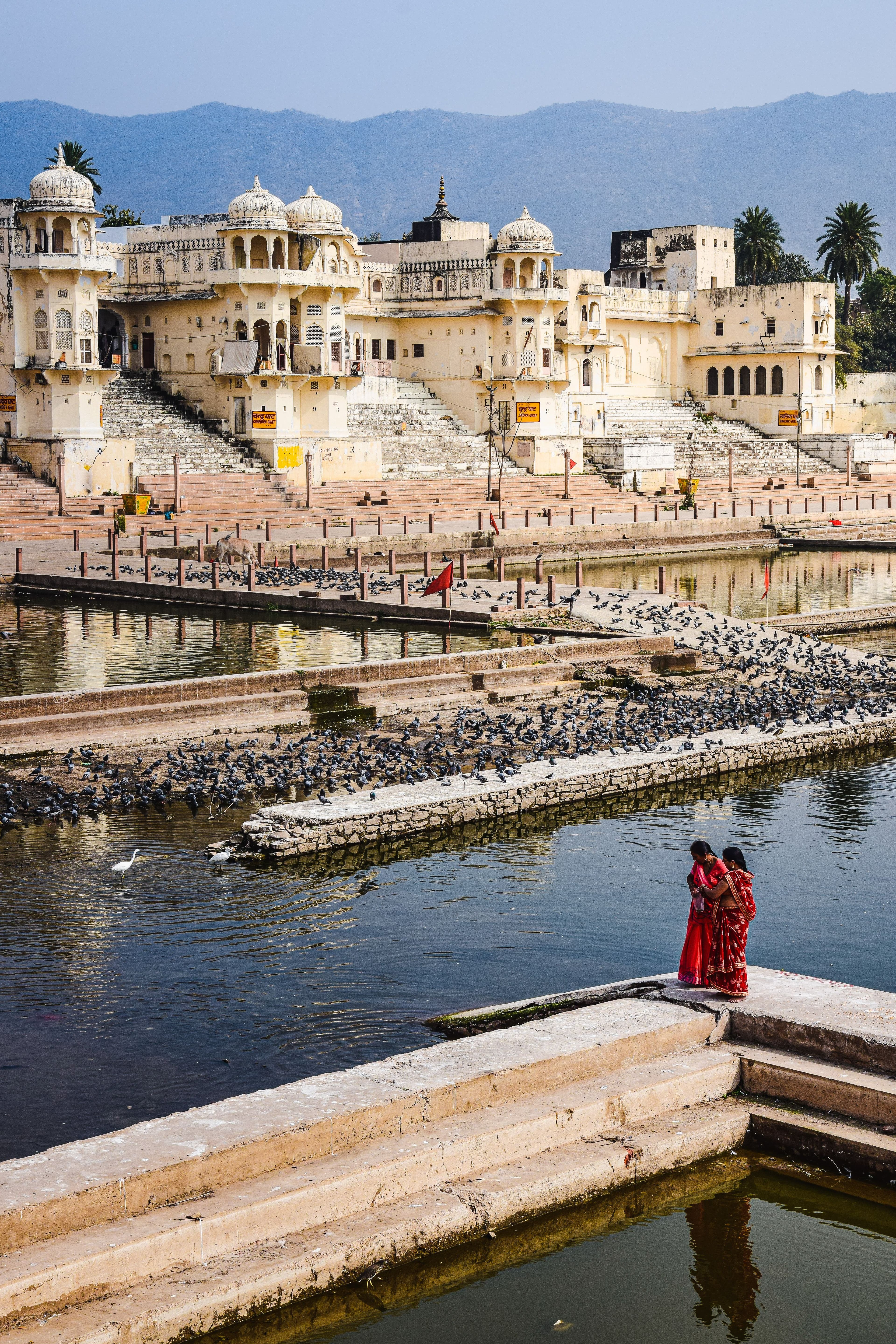
The temple's core is believed to date back roughly 2,000 years, though the present structure was largely rebuilt in the 14th century after cycles of destruction and restoration. Pushkar's temples, ghats, and havelis reflect this layered past - ancient foundations, medieval Rajput patronage, and unbroken pilgrimage that has continued for centuries.
Architecture & Cultural Significance
Jagatpita Brahma Mandir really shows itself before you even get close to the gates , like it’s impossible to miss-there’s a red shikhara , a spire that rises over the nearby rooftops and you can spot it from across the lake. Then a run of marble steps climbs up to a pillared entrance archway, which people say was donated by devotees over generations , and the doorway itself is plated in silver , with thousands of coins pressed into the floor and walls as offerings. Once you go inside, the mandapa-sort of a pillared hall-leads you toward the garbhagriha, the inner sanctum , where a four-faced, four-armed idol of Brahma sits together with Gayatri , and near him his hamsa (swan vehicle) is carved as his symbolic mount.
via pexels
On a cultural level, this temple kind of holds Pushkar’s entire pilgrimage identity in place, like really. The day to day aarti-lamplight, bell tones and chanting-happens at dawn and dusk, and it draws both devotees, and those random curious travelers toward the temple steps. It’s still one of those experiences that feels less scripted, more lived in, and honestly moving even if you’ve seen other places before.
Pushkar Lake and the 52 Sacred Ghats
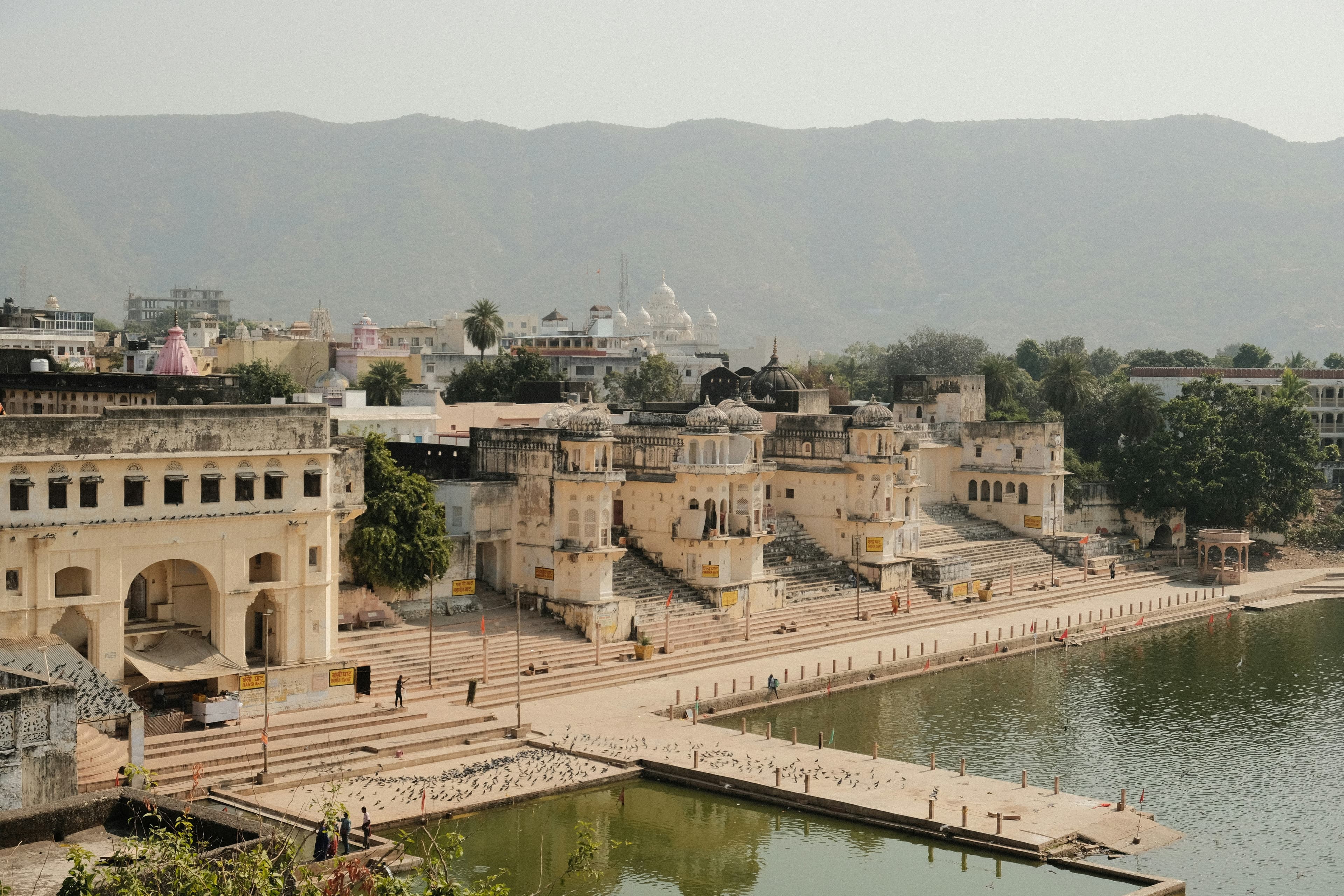
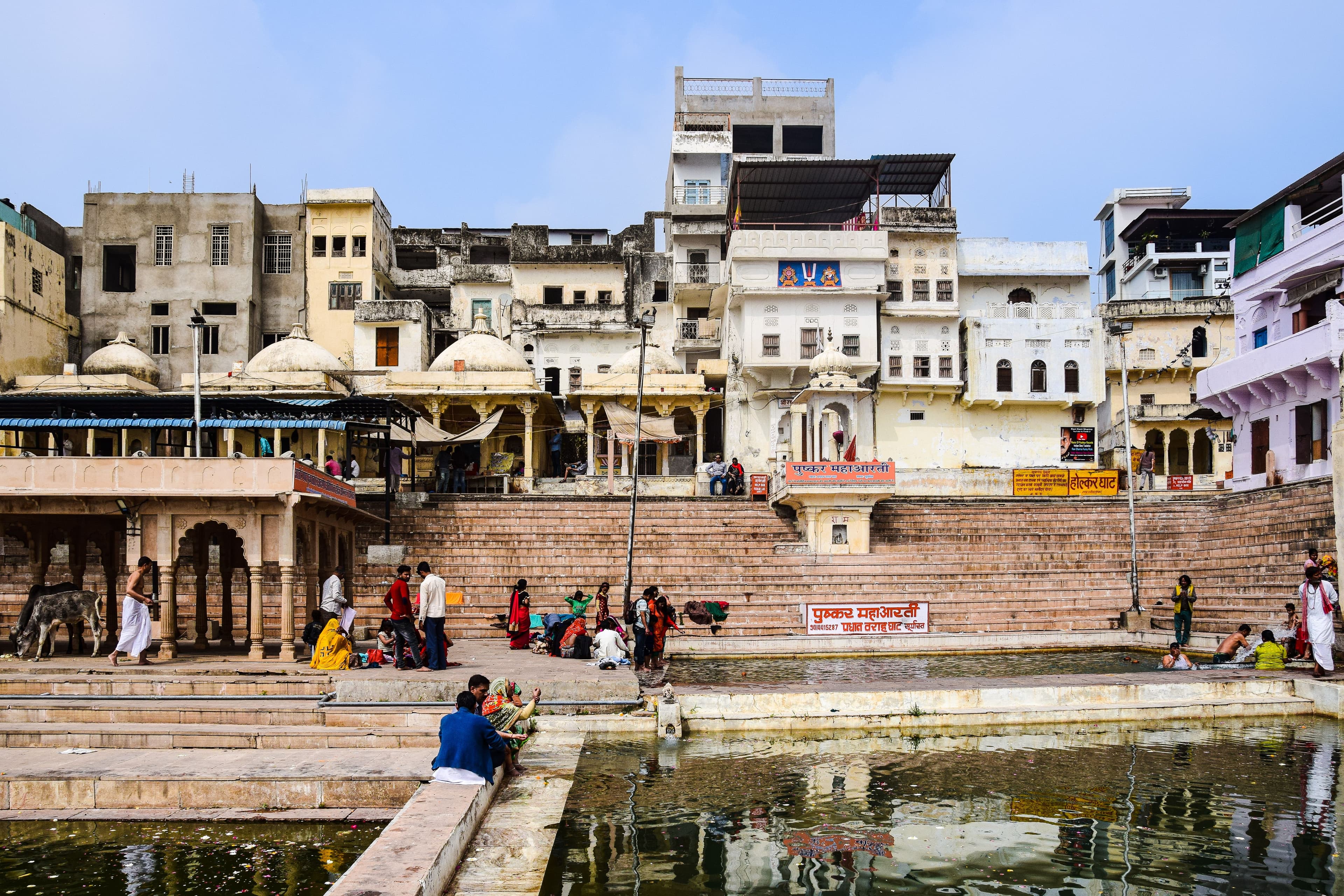
Pushkar Lake is kinda the reason this town even exists, and it stays the emotional centre of, well any visit. It’s ringed by 52 ghats-stone steps leading down to the water, each one donated by some other royal family, merchant guild, or devotee over the centuries-so it’s treated as so holy that even one bath here is said to equal years of penance somewhere else.
Each ghat also has its own name, strange old legend, and a patron deity, and locals will casually tell you which ghat goes with which pilgrimage ritual. Varaha Ghat, Brahma Ghat, and Gau Ghat are among the ones most people end up seeing, though. You’re expected to remove your shoes before stepping onto the ghats, and if you’re photographing bathing pilgrims, do it with sensitivity, because it’s not exactly a “do what you want” situation. Also many of the ghats have priests who can arrange a short puja for a donation-honestly it’s a beautiful part of Pushkar, even if it can be a little persistent sometimes, as people say.
via unsplash
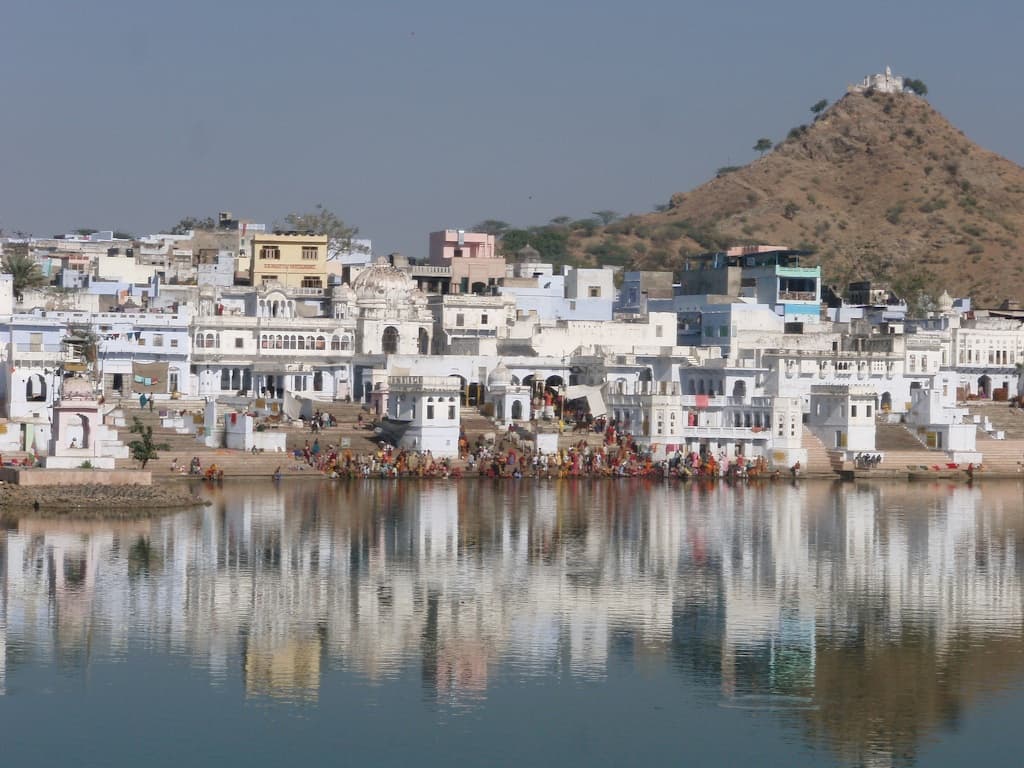
At sunrise and then at sunset, the lake turns the whole town this gold like color, and that’s usually when the spiritual side of Pushkar feels the most clear. You get temple bells overlapping from multiple directions, incense drifting across the water, and this low murmur of mantras rising from the ghats below.
Major Attractions in Pushkar
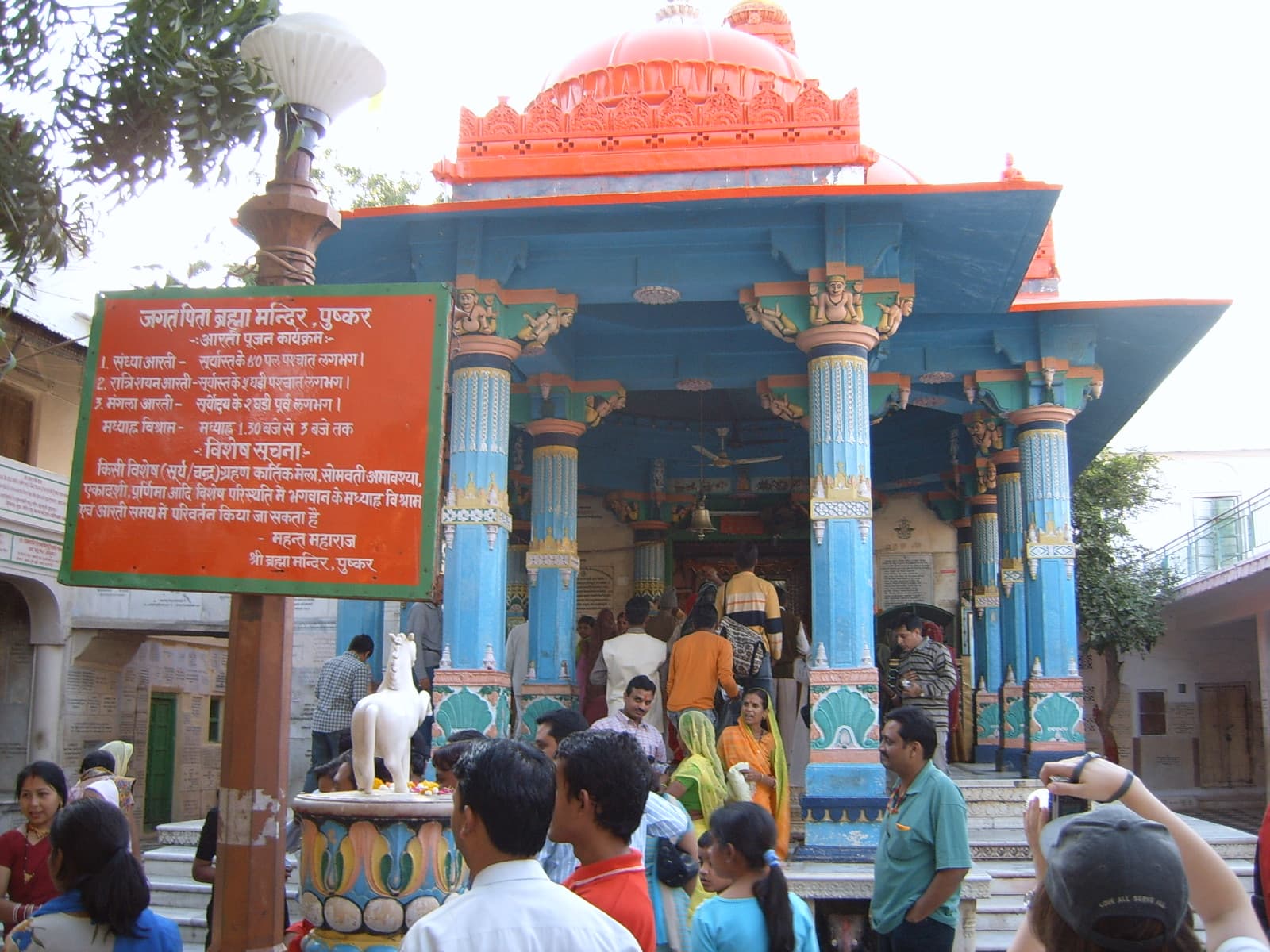
Jagatpita Brahma Mandir (Brahma Temple)
via wikipedia
Jagatpita Brahma Mandir (Brahma Temple)
Brahma Temple is the undeniable showstopper of Pushkar - the only temple in India dedicated to Lord Brahma. Visit at dawn for the aarti and explore before the midday crowd arrives.
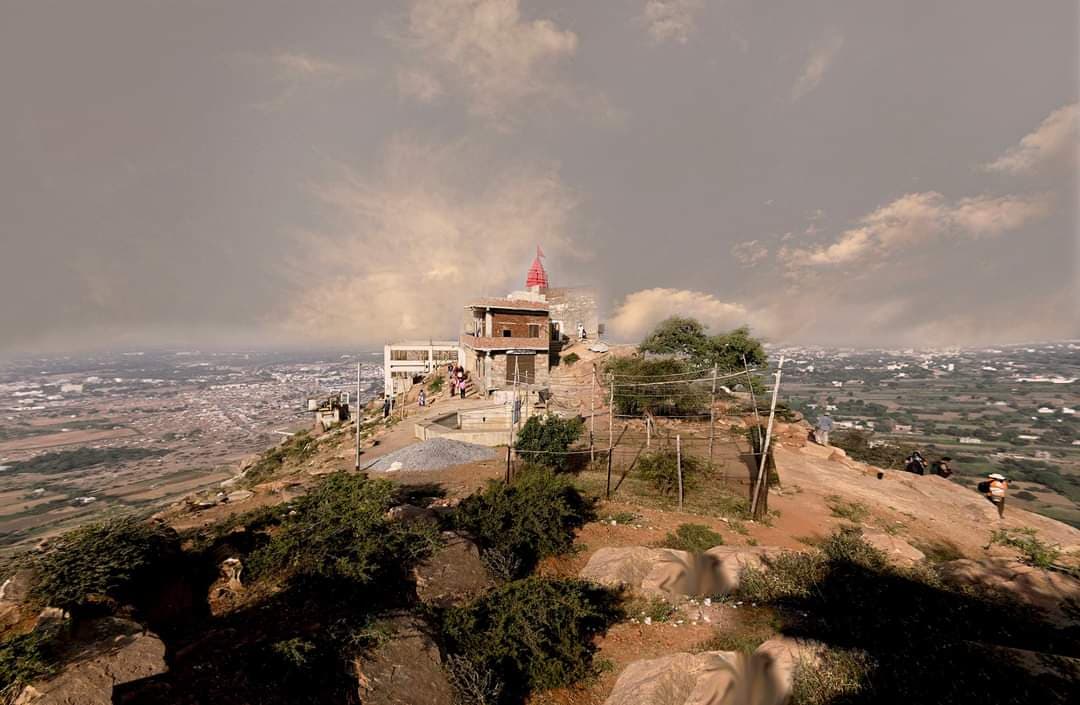
Savitri Mata Temple
via wikipedia
Savitri Mata Temple
Savitri Mata Temple sits on a hilltop above Pushkar, reached by a 30–45 minute climb or ropeway. The reward is a stunning panoramic view - the entire lake, temple town, and desert stretching to the horizon.
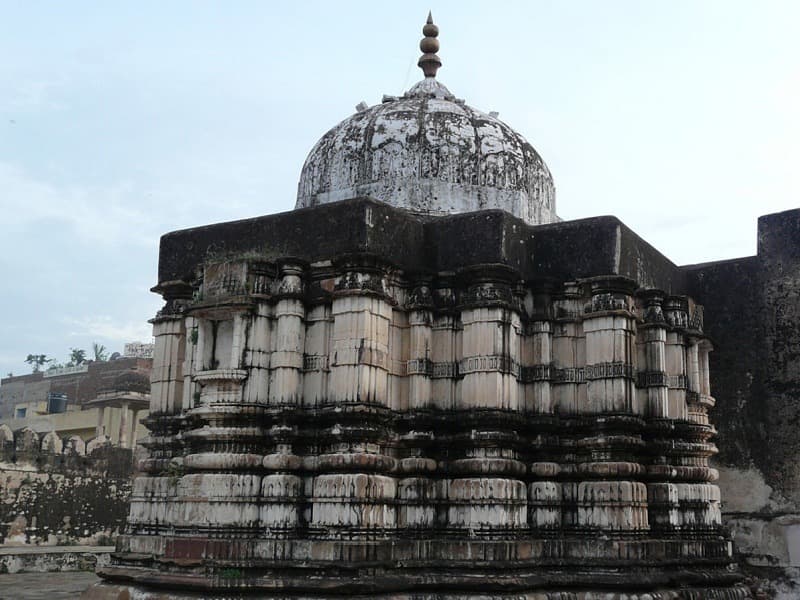
Varaha Temple
via wikipedia
Varaha Temple
Varaha Temple - dedicated to Lord Vishnu's boar incarnation - is one of Pushkar's oldest surviving shrines. It offers a quieter, more peaceful alternative to the crowds around Brahma Temple.
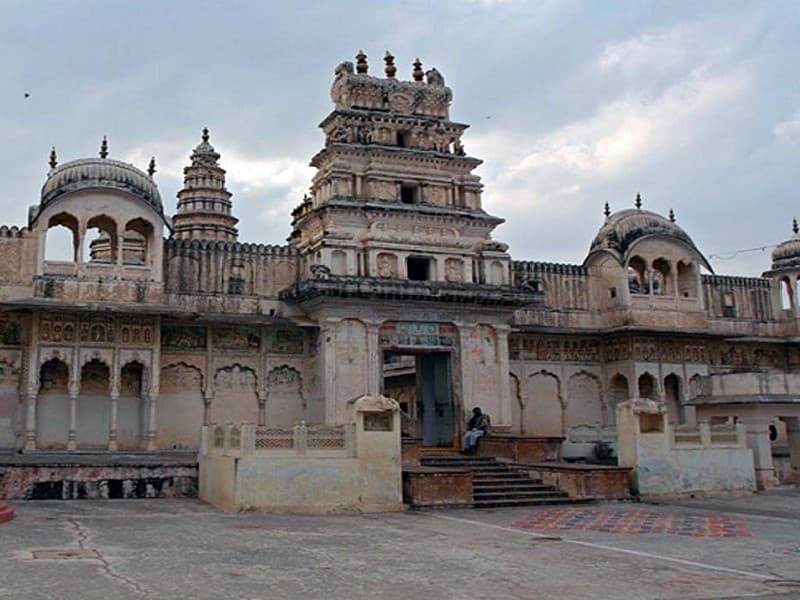
Rangji Temple
via wikipedia
Rangji Temple
Rangji Temple - built in a bold South Indian Dravidian style with a tall gopuram - stands out against Pushkar's usual Rajasthani skyline. A must-see for architecture enthusiasts.
Pushkar Lake ghats
via wikipedia
Pushkar Lake ghats
Don't miss Pushkar Lake - plan at least one sunrise and one sunset here during your stay. The changing light over the ghats is unforgettable.
Hidden Gems Away from the Crowds
- • Apteshwar Mahadev Temple - a small, sort of atmospheric cave style Shiva shrine near the ghats, the kind a lot of tour groups just… miss entirely.
- • Old Rangji Temple viewpoint - it’s this kind of calm lane behind the main temple, so you get an uncrowded photo angle of the gopuram, if you go at the right time, like really early or later.
- • Pushkar hills sunset point - a short climb west of town, away from the Savitri ropeway throng, it’s favored by photographers chasing that golden hour look.
- • The camel breeding villages on Pushkar’s desert edge - arranged via a private guide, these basically show you a more genuine scene of the Raika herding community that supports the annual camel fair.
- • Man Mahal Palace - a modest 16th century royal guesthouse that became a heritage hotel, it sits above the lake, and honestly it’s worth your time even if you’re not sleeping there.
Best Experiences in Pushkar
Camel Safari & Desert Experiences
Take a camel safari into the nearby Thar desert fringe, it’s basically Pushkar’s signature adventure, going from a one hour sunset saunter over the dunes to an overnight desert camp where Rajasthani folk music plays, under the stars.
Hot Air Ballooning
Seasonal hot air balloon flights (usually during the cooler months and around the camel fair) give you a view you cant really beat, straight from above , seeing the lake, temples and desert in one sweeping frame.
Yoga & Wellness
Pushkar’s spiritual reputation draws a lot of yoga schools and wellness retreats, some do quick drop in sessions, while others run multi day programmes. It really feels like a natural match for travelers who want heritage sightseeing but also a slower , more restorative rhythm.
Evening Aarti at the Ghats
Honestly , one of the best free experiences in Pushkar: reach any main ghat close to sunset, sit quietly, and let the whole ritual just unfold on its own.
The Pushkar Camel Fair (Pushkar Mela)
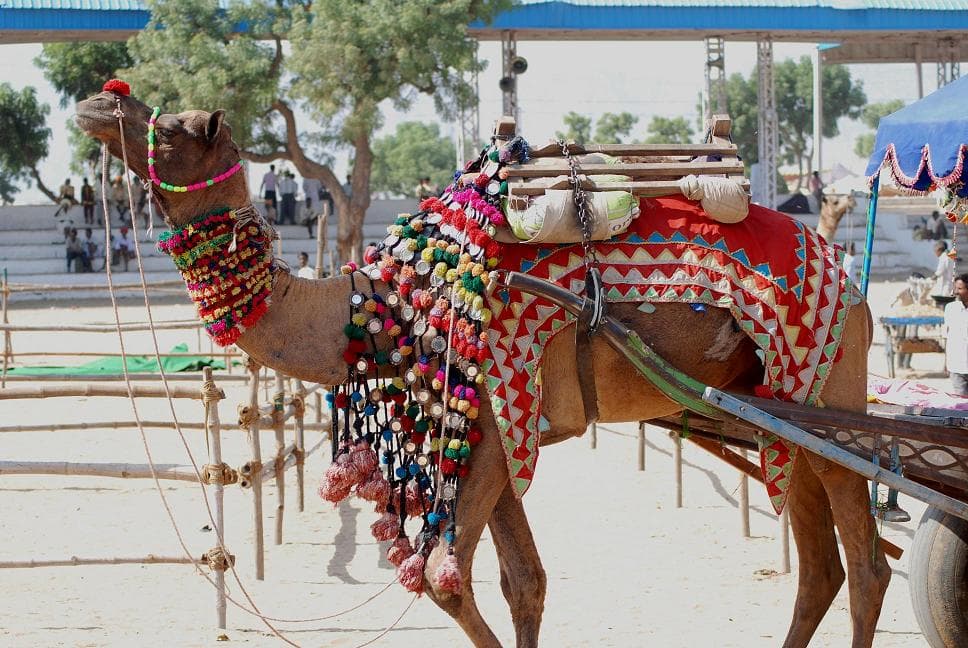
If you can time your trip around it , the Pushkar Camel Fair is worth sort of building your whole itinerary on its own. It’s held every year in the Hindu month of Kartik, and the fair draws more than 50,000 camels horses and cattle, brought in by traders, and by the Raika herding communities from all over Rajasthan. You’ll also see camel races, tug of war contests , moustache and turban competitions, plus folk music performances that feel very up close.
For 2026, the Pushkar Camel Fair is approximately set for 17 to 24 November, and it sort of peaks on Kartik Purnima — the Kartik full moon — around 23 to 24 November. That’s when hundreds of thousands of pilgrims bathe in Pushkar Lake at dawn, in what’s widely seen as one of the most powerful group rituals in India. Since the exact dates follow the lunar calendar, it’s smart to double check the latest schedule for this year near your travel dates, and to lock in accommodation months ahead . In fair season Pushkar has limited room inventory, and those spaces go quickly.
via wikipedia
Food & Cuisine: What to Eat in Pushkar
Since the whole town is considered sacred , Pushkar stays strict vegetarian, and alcohol plus even eggs are barred inside the municipal limits - somehow this rule has helped spark one of India’s most inventive veg food scenes. Rooftop cafés gazing over the lake dish out everything from the usual Rajasthani thalis (dal baati churma is the local favorite) to those traveler-crowd Israeli, Italian, and Mediterranean menus that appeared over the years, largely for decades of steady backpackers.
Don't miss malpua - sweet syrup-soaked pancakes from stalls near the ghats - or a glass of bhang lassi from a licensed shop if you're curious. For a more refined experience, Pushkar's heritage hotels offer curated vegetarian tasting menus reimagining Rajasthani classics for luxury travellers.
Pushkar Bazaar & Local Shopping
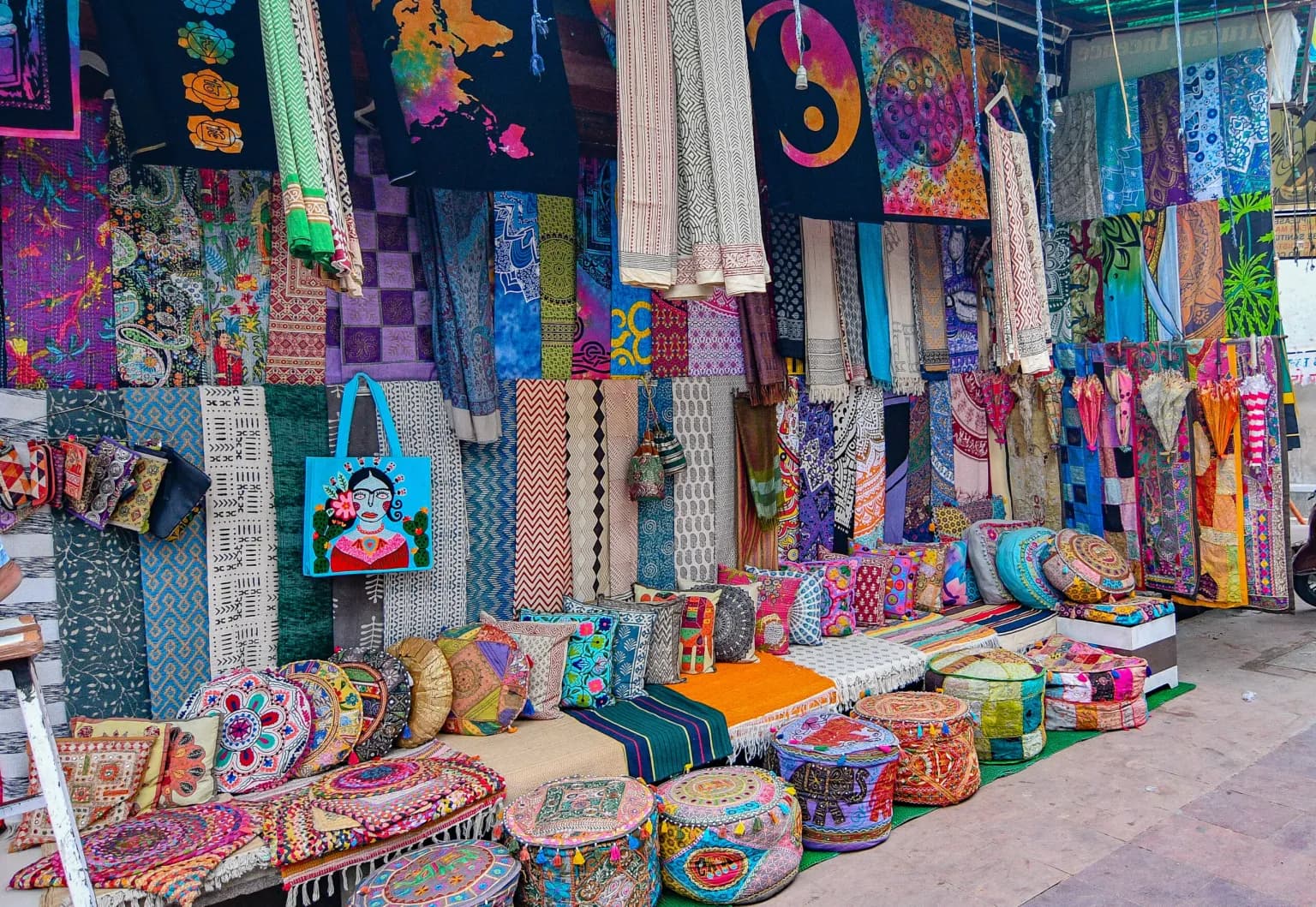
The lanes linking the ghats to the Brahma Temple become Pushkar Bazaar - one of Rajasthan's most rewarding spots for unhurried shopping. You'll find chunky silver jewellery priced by weight, Bandhani tie-dye textiles in saturated reds and yellows, hand-block printed fabrics, leather juttis, semi-precious stones, and brassware.
Bargaining is expected and part of the experience - start at around half the quoted price and settle somewhere in the middle.
via somanytraveltales.com
Nearby Attractions Around Ajmer
- • Distance: Pushkar is 11–15 km from Ajmer - most itineraries combine them naturally.
- • Ajmer Sharif Dargah: A revered Sufi sanctuary for Khwaja Moinuddin Chishti, drawing devotees from all faiths.
- • Ana Sagar Lake: Features Mughal-era marble pavilions (the Baradari) - a peaceful lakeside stop.
- • Mayo College: Ajmer's colonial-era architectural gem, worth a quiet afternoon stroll.
Luxury Travel Tips
via pexels
Luxury Travel Tips
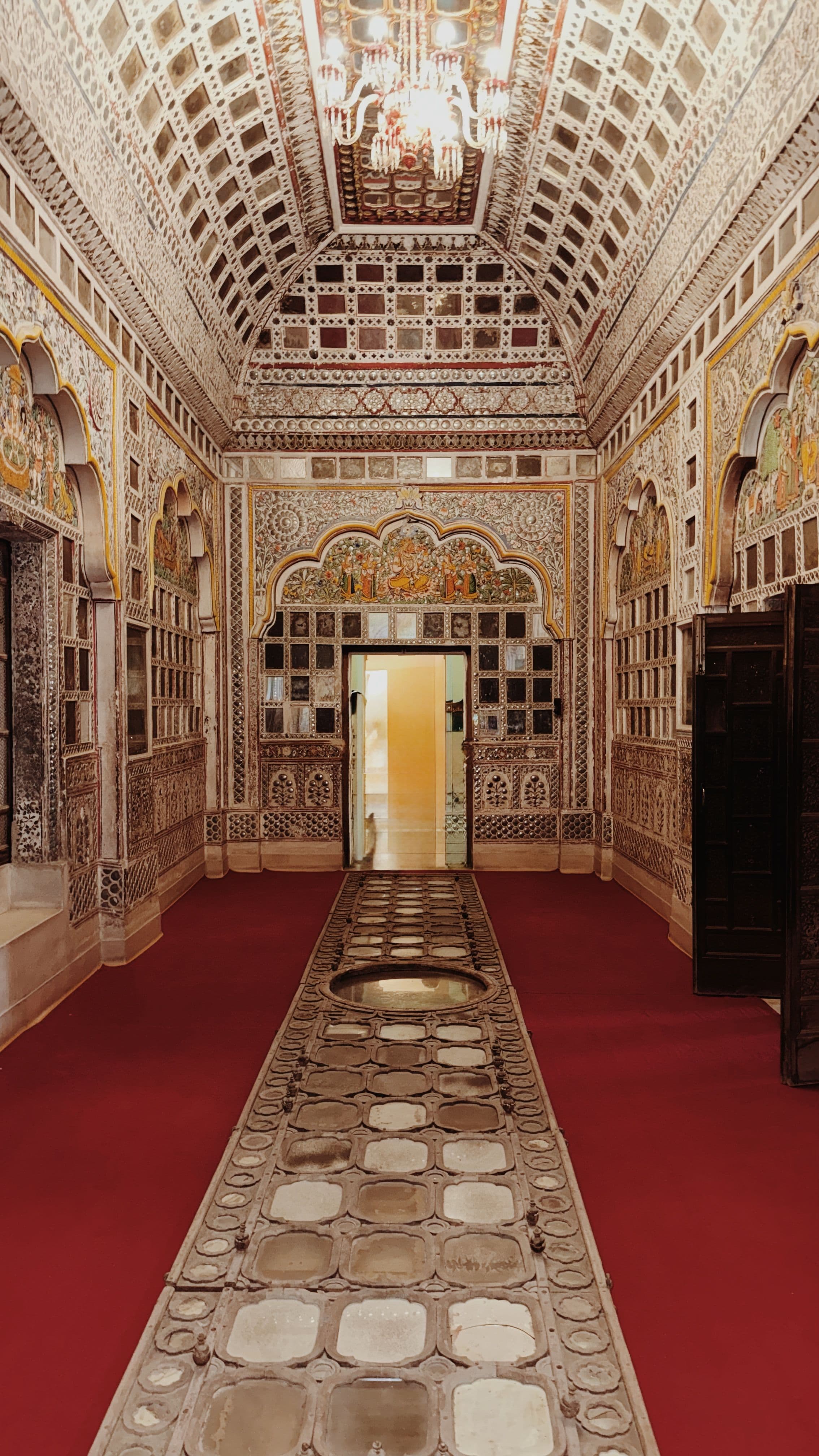
Choose a heritage boutique hotel or a luxury tent camp by the lake over a regular hotel. Pushkar's unique atmosphere really comes alive when you stay somewhere special. It transforms your trip in ways you won't anticipate.
Family Travel Tips
via pexels
Family Travel Tips
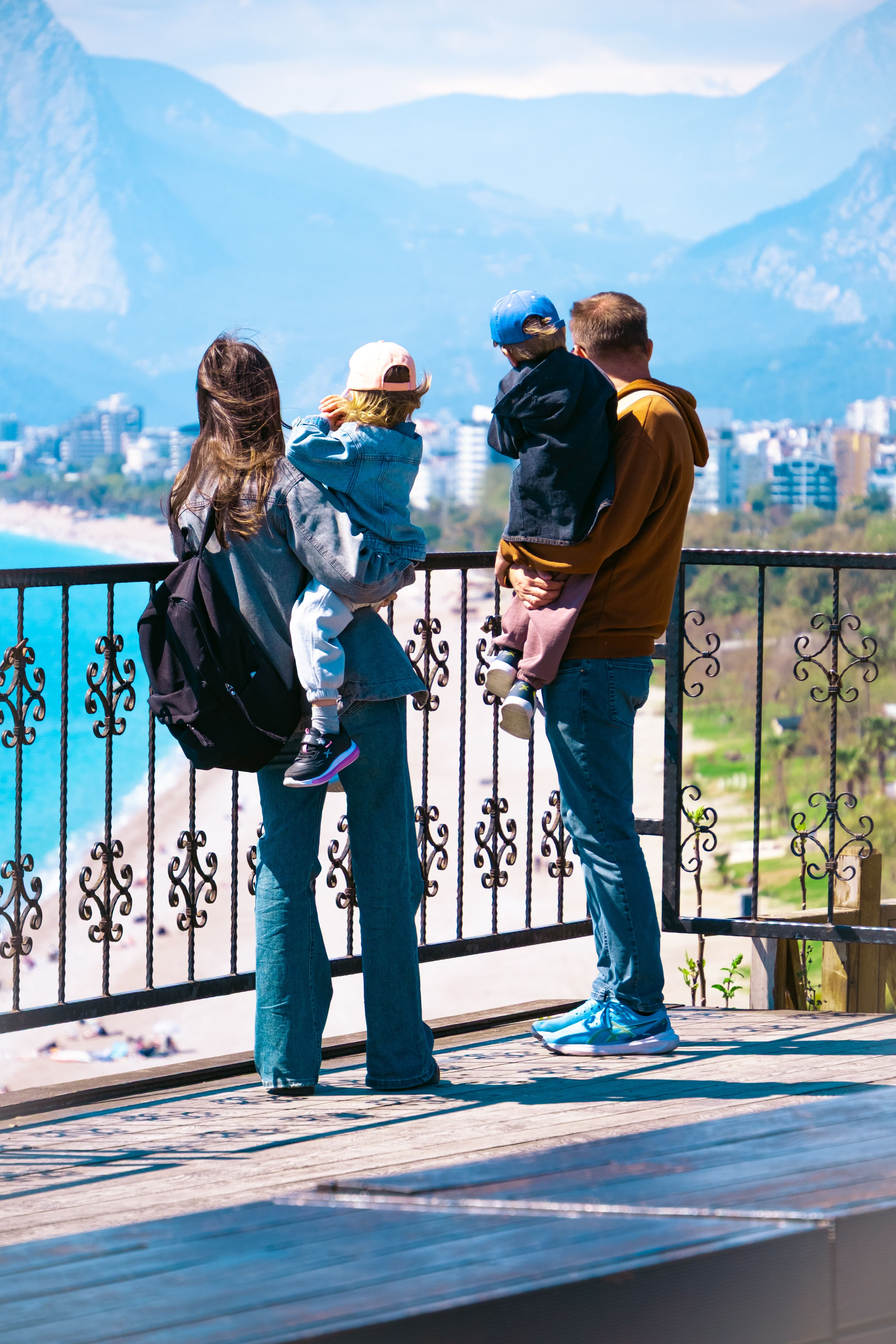
Camel rides and the colourful bazaar stalls are highlights for children - give yourself extra time and don't rush. Bring bottled water, sun hats, and snacks, as food options become limited away from the main café strip.

Solo Female Traveler Tips
via pexels
Solo Female Traveler Tips
ushkar is one of Rajasthan's more relaxed towns for solo women, but normal safety precautions still matter - especially after dark. For temples and ghats, dress modestly with shoulders and knees covered to avoid unwanted attention.
Practical Travel Guide
Best Time to Visit Pushkar
October to March is kinda the sweet spot, cool and comfy temps for temple hopping, desert camel safaris and yes, strolling along the ghats. November tends to be the busiest time too, basically peak season because of the Pushkar Camel Fair. Then from April to June it’s very hot and dry, like no real mercy, and July to September brings the monsoon. That monsoon, well it makes the lake look gorgeous and full. At the same time it also brings humidity, so it feels a bit thicker outside.
How to Reach Pushkar
Pushkar doesn't have its own airport - Jaipur International Airport (140–150 km, 2.5–3 hours by road) is the best-connected option, while Kishangarh Airport (50 km) has limited flights. The nearest railway station is Ajmer Junction (11–15 km), linked to Delhi, Mumbai, and Jaipur by express trains. By road, Pushkar is 20–30 minutes from Ajmer, 2.5–3 hours from Jaipur, and 8–9 hours from Delhi - private chauffeur-driven transfers are the most comfortable choice and the standard for India Heritage Travel guests.
Entry & Ticket Details
MGetting into Pushkar’s temples and ghats is free mostly, even so donations are pretty customary, and the priests that do the ghat-side pujas often ask for a small fee… it’s best to agree on a specific amount before the ritual starts, otherwise it gets awkward. Also, the Savitri Mata ropeway is not free, and neither are the hot air balloon rides since those are paid experiences, you can usually sort them out on site, or you book ahead during busy season.
Suggested Duration
One full day is enough to catch the main temples and ghats , but it can feel a bit fast. If you do it over two days , you can also add the bazaar , a desert camel safari, and a sunset hilltop viewpoint, all of it without that constant feeling of rushing around.
Budget Estimates
Budget travellers can manage on ₹1,500–2,500 per day with guesthouses and street food. Mid-range stays and boutique hotels cost around ₹4,000–7,000 daily. Luxury travel with private guides, heritage stays, and curated experiences runs ₹15,000+ per day (excluding transfers).
Packing Tips
Pack modest, breathable outfits covering shoulders and knees, along with a light jacket for cooler evenings (November–February). Comfortable walking shoes are essential for the ghats and bazaar. Also carry a reusable water bottle and plenty of sun protection.
Suggested Pushkar Itinerary
Half-Day Itinerary (If Passing Through)
- • Morning or late afternoon: head over to the Jagatpita Brahma Mandir and sort of walk the main ghats.
- • Wander through Pushkar Bazaar, check out silver jewellery and those textiles too
- • Hang around for sunset aarti at the lake, then continue on your journey…
One-Day Itinerary
- • Early morning : Catch sunrise at the ghats, then head straight to the Brahma Temple aarti.
- • Mid morning : Go see Varaha Temple and also the Rangji Temple
- • Midday : Lunch at a rooftop cafe, looking out over the lake.
- • Afternoon : Take the ropeway or just a hike up to Savitri Mata Temple, for those sweeping panoramic views.
Two-Day Itinerary
- • Day 1: Try to follow that one-day itinerary above, and end with the evening aarti… like not too late, ok.
- • Day 2 morning: go for a desert camel safari into the dunes past town, with breakfast in the desert if it has been arranged privately.
- • Day 2 afternoon: take a day outing to Ajmer for the Dargah Sharif and Ana Sagar Lake, just a small trip but still worth it.
- • Day 2 evening: have a farewell dinner at a heritage place, and if you book it through your tour operator, there can be a private folk music performance too.
Why Choose India Heritage Travel
Pushkar rewards those who wander beyond the tourist trail - and that's where India Heritage Travel makes a difference. With private chauffeur-driven tours, tailored itineraries (spiritual, culinary, or relaxing), curated luxury haveli and lakeside stays, skilled local guides, women-only options, and concierge support from start to finish, we turn a good trip into an unforgettable one. Reach out to start planning your private Pushkar itinerary.
Frequently Asked Questions
Pushkar is famous for the Jagatpita Brahma Mandir - one of the only major temples in the world dedicated to Lord Brahma - its sacred lake ringed by 52 ghats, and the annual Pushkar Camel Fair, one of the largest livestock and cultural festivals in India.
October to March offers the most comfortable weather for sightseeing, with November standing out as peak season because of the Pushkar Camel Fair.
One full day covers the core temples and ghats, while two days allow time for a camel safari, the bazaar, and a day trip to nearby Ajmer.
From Jaipur, Pushkar is roughly a 2.5–3 hour drive. From Delhi, it's approximately 8–9 hours by road, or a flight into Jaipur followed by a private transfer, which is the most comfortable option for most travelers.
Yes, Pushkar is generally considered relatively relaxed for solo women travelers by Rajasthan standards, though standard precautions, modest dress near temples, and a trusted local guide or women-focused tour are recommended, especially during the crowded camel fair period.
Planning a Pushkar Journey?
India Heritage Travel creates private Pushkar experiences combining the sacred lake, Brahma Temple, 52 ghats, and the legendary Camel Fair with seamless Rajasthan heritage journeys guided by local experts.
Plan My Pushkar Journey