Bikaner Travel Guide: Rajasthan's Last Great Desert Kingdom
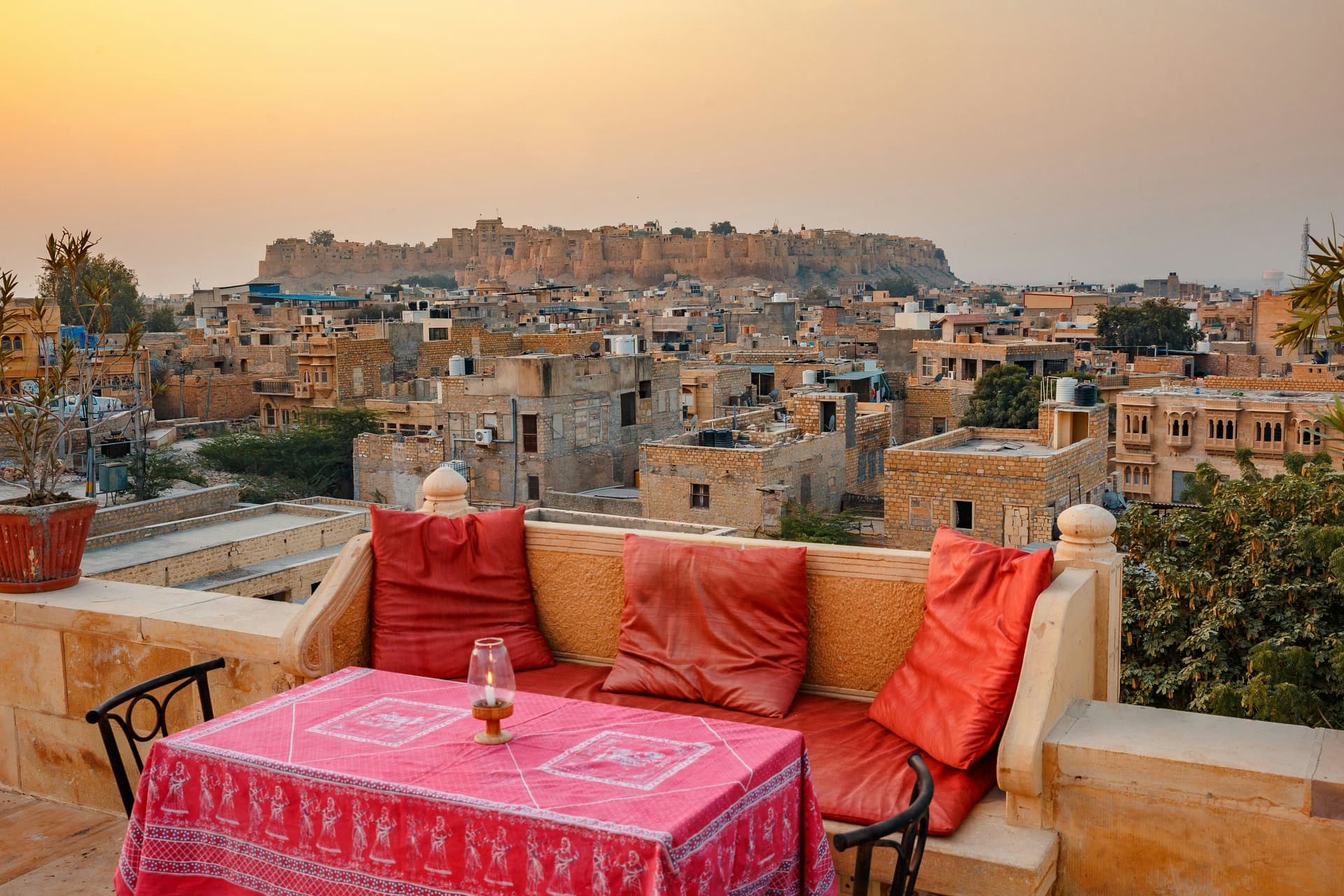
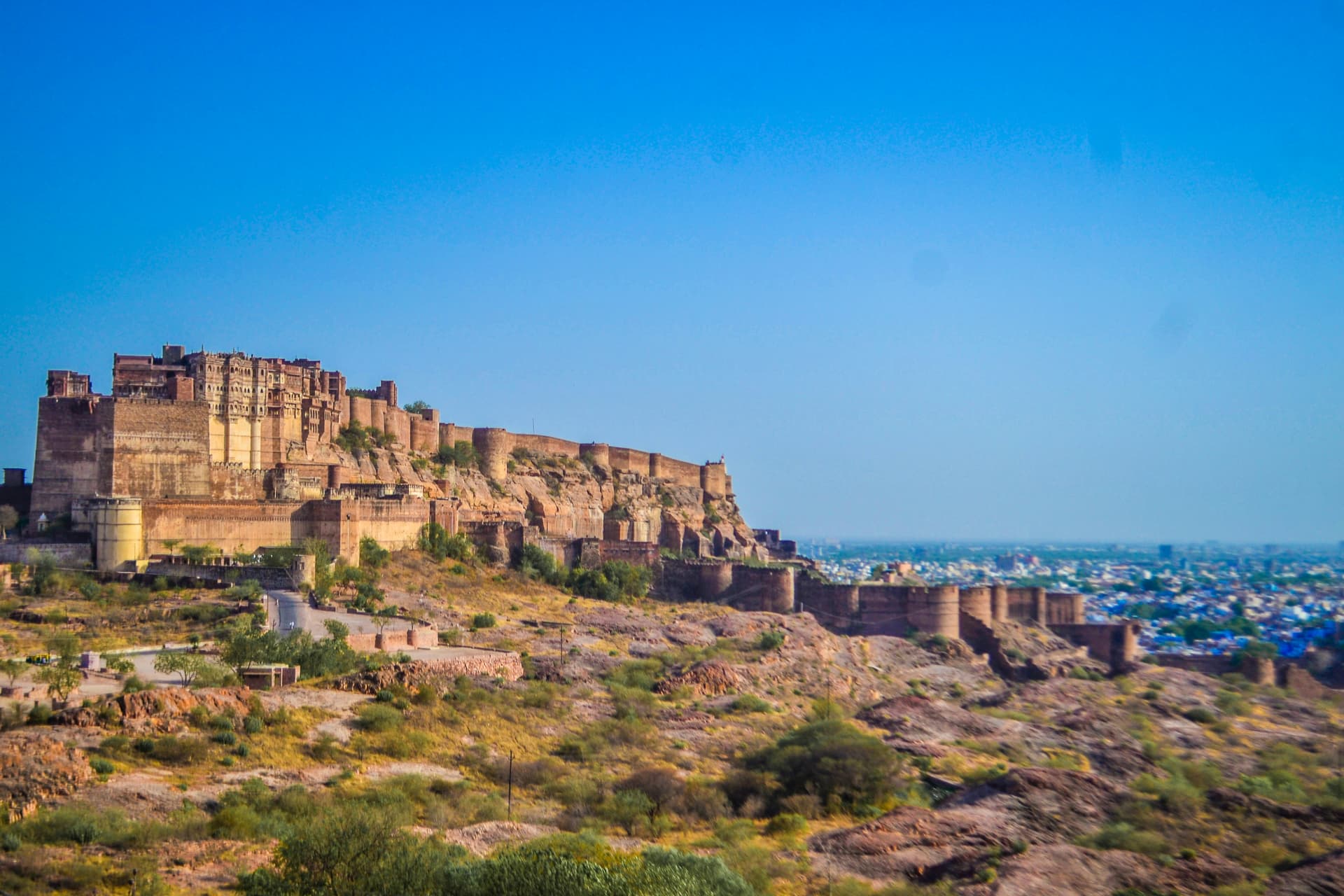
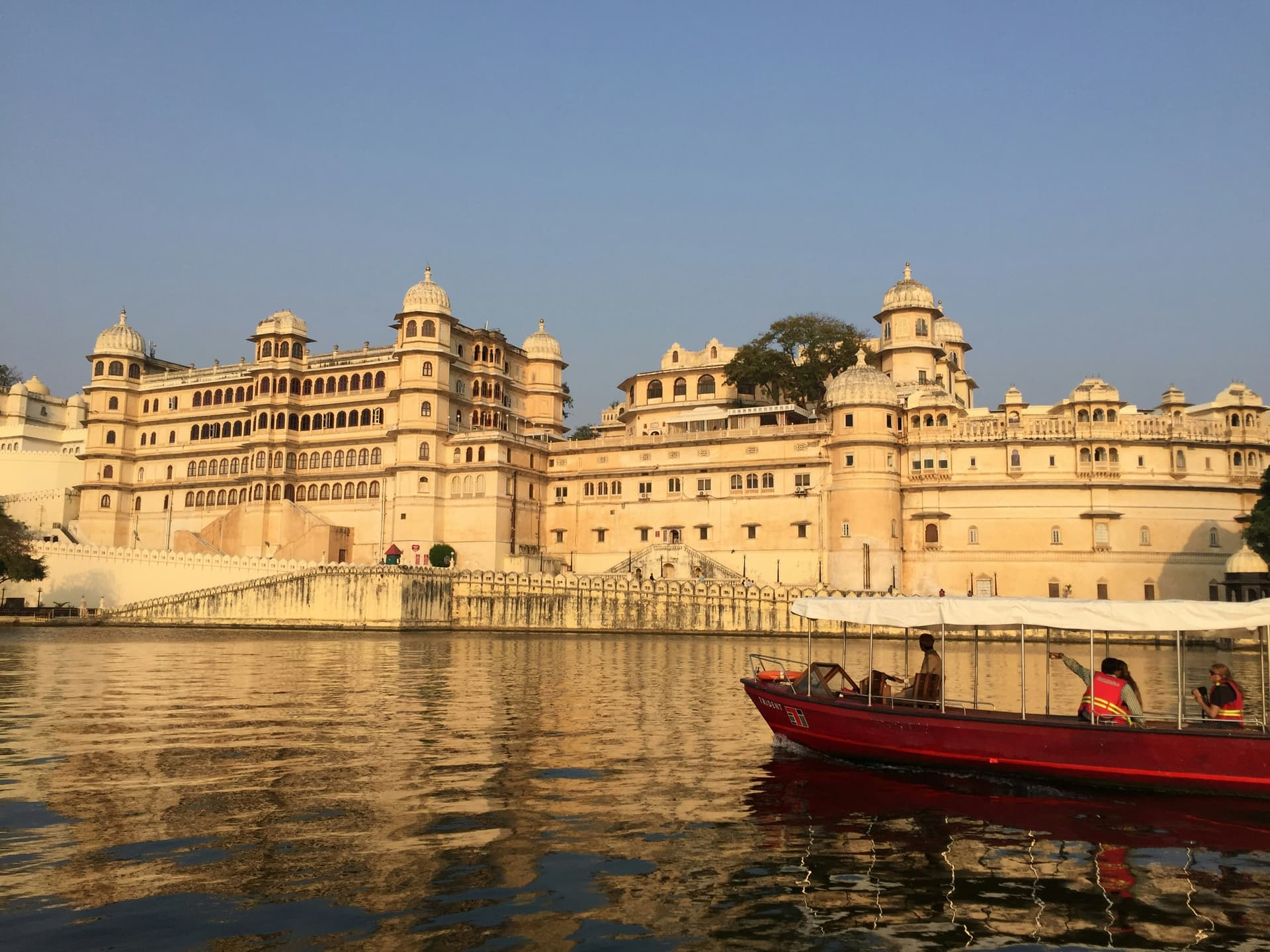
Most first-time visitors to Rajasthan seem to sprint between Jaipur, Udaipur, and Jodhpur, and somehow they never properly get around to Bikaner- which is exactly why this Bikaner travel guide is here . Tucked up in the northern reaches of the Thar Desert, Bikaner feels like the state’s best-hidden heritage gem : a walled, red-sandstone town packed with merchant havelis, a desert fort that still reads as “unconquered”, a temple where thousands of rats are revered like royalty, and a lakeside palace where maharajas once received the Prince of Wales. If you’re the sort of traveler who wants Rajasthan but with fewer people, deeper history, straightforward architecture, and a more unhurried , almost private pace of touring - then Bikaner gives a side of Rajasthan that Jaipur and Jodhpur increasingly can’t.
This guide meanders through Bikaner’s history, highlights both the big-ticket sights and the quieter little corners, plus covers food , festivals, and shopping. You’ll also get a full practical section- when to go, how to reach it , what to budget, and how to map out a half-day one-day, or two-day visit, with extra notes for luxury travelers , families, and solo women travelers too.
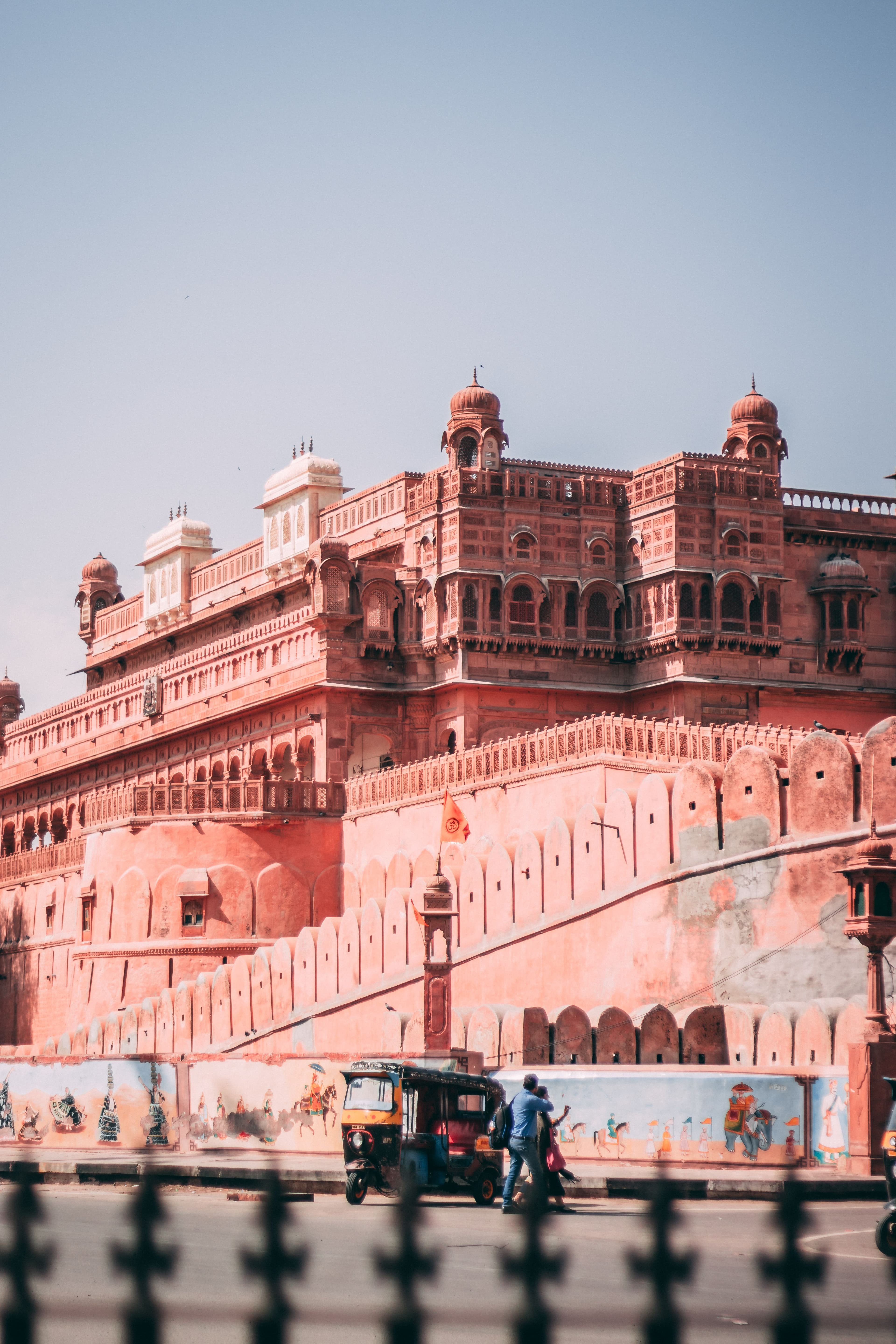
via pexels
Quick Facts About Bikaner
| Founded | 1488 CE, by Rao Bika of the Rathore Rajput clan |
| State / Region | Rajasthan, northern Thar Desert |
| Nickname | The Camel Country / The Red City |
| Known For | Junagarh Fort, Lalgarh Palace, Karni Mata Temple |
| Best Time to Visit | October to March |
| Nearest Railhead | Bikaner Junction (city centre) |
| Nearest Airports | Jodhpur Airport (~235–250 km); Bikaner (Nal) Airport, limited connectivity |
| Ideal Trip Length | 1–2 days (fits well into a Jaipur–Bikaner–Jaisalmer–Jodhpur circuit) |
History of Bikaner and the Rathore Heritage
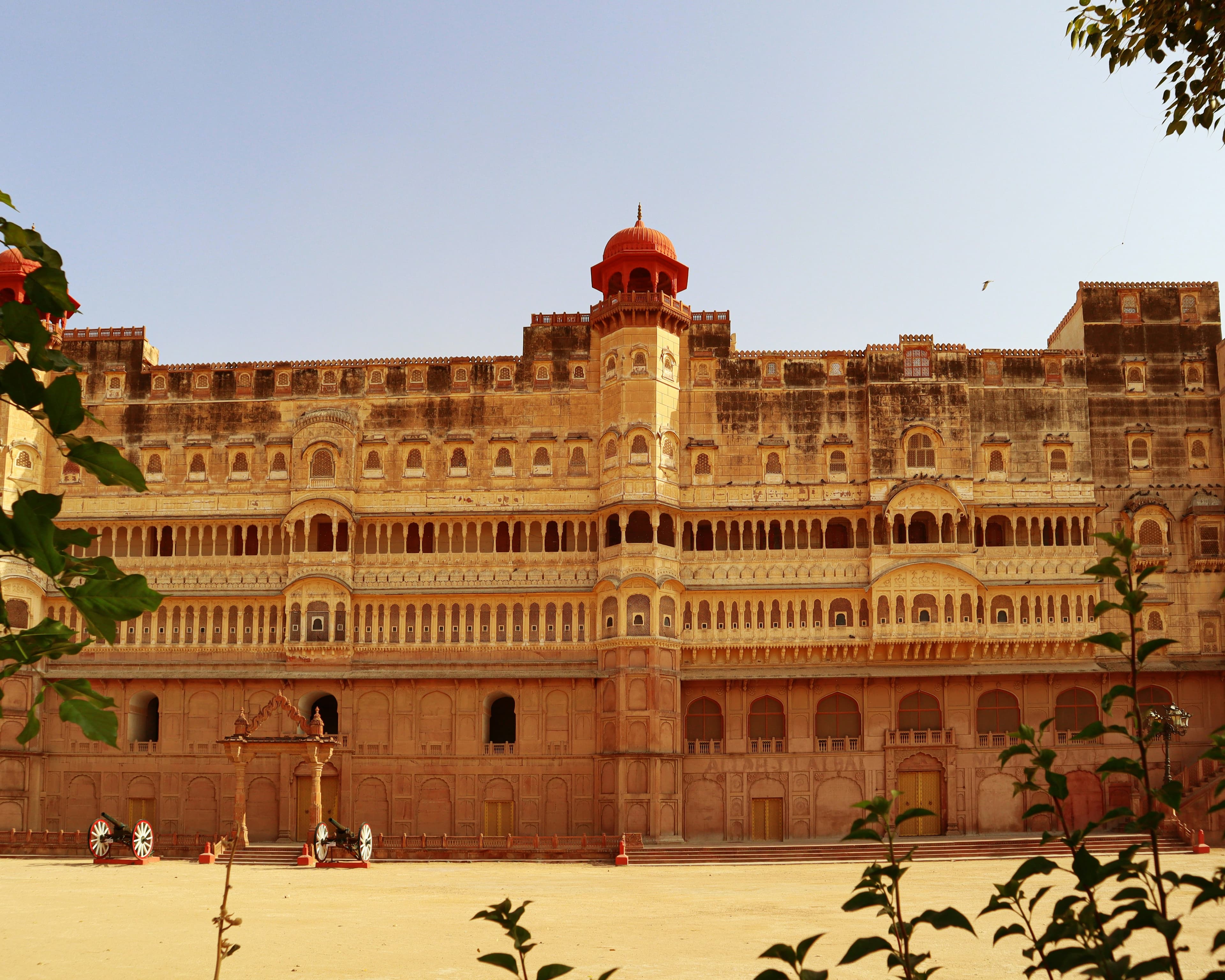
Bikaner story starts around 1465 CE , when Rao Bika, the fifth son of Rao Jodha (who founded Jodhpur ) decided to go his own way, rather than waiting his turn on the throne. He got help from his uncle Rao Kandhal, and with the blessing from the folk deity Karni Mata, Bika pushed through the dry region that people then called Jangladesh , taking it away from the local Jat clans. By 1488 CE , he laid the ground work for a new capital and even gave it his own name, Bikaner , kind of “the settlement of Bika”, as people say.
Then, under his descendants, Bikaner became more like a solid Rathore stronghold. Rai Singh, the sixth ruler, later grew into one of Emperor Akbar’s most trusted generals in the late 1500s, and he used Mughal era wealth and influence to reshape the fort, so it became this architectural showpiece you can still see today. The rulers of Bikaner had to manage Mughal connections, deal with Rajput tensions tied to Jodhpur, and after an 1818 treaty they also faced British paramountcy. Through all of that, they kept fostering one of Rajasthan’s richest miniature painting traditions, and they ran the well known Bikaner Camel Corps, which served quite effectively in the Boxer Rebellion and also in the First World War.
via unsplash
Architecture and Cultural Significance
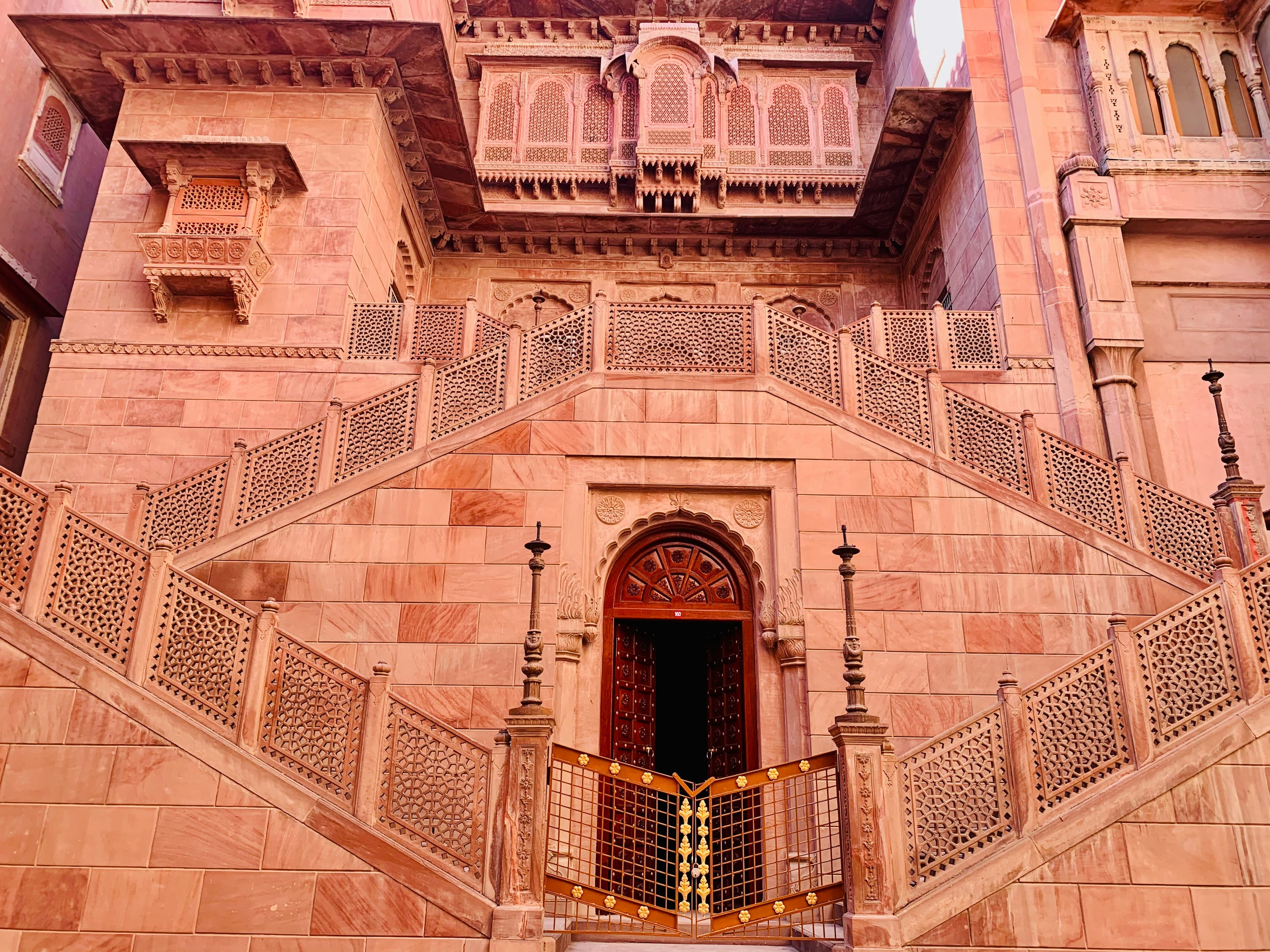
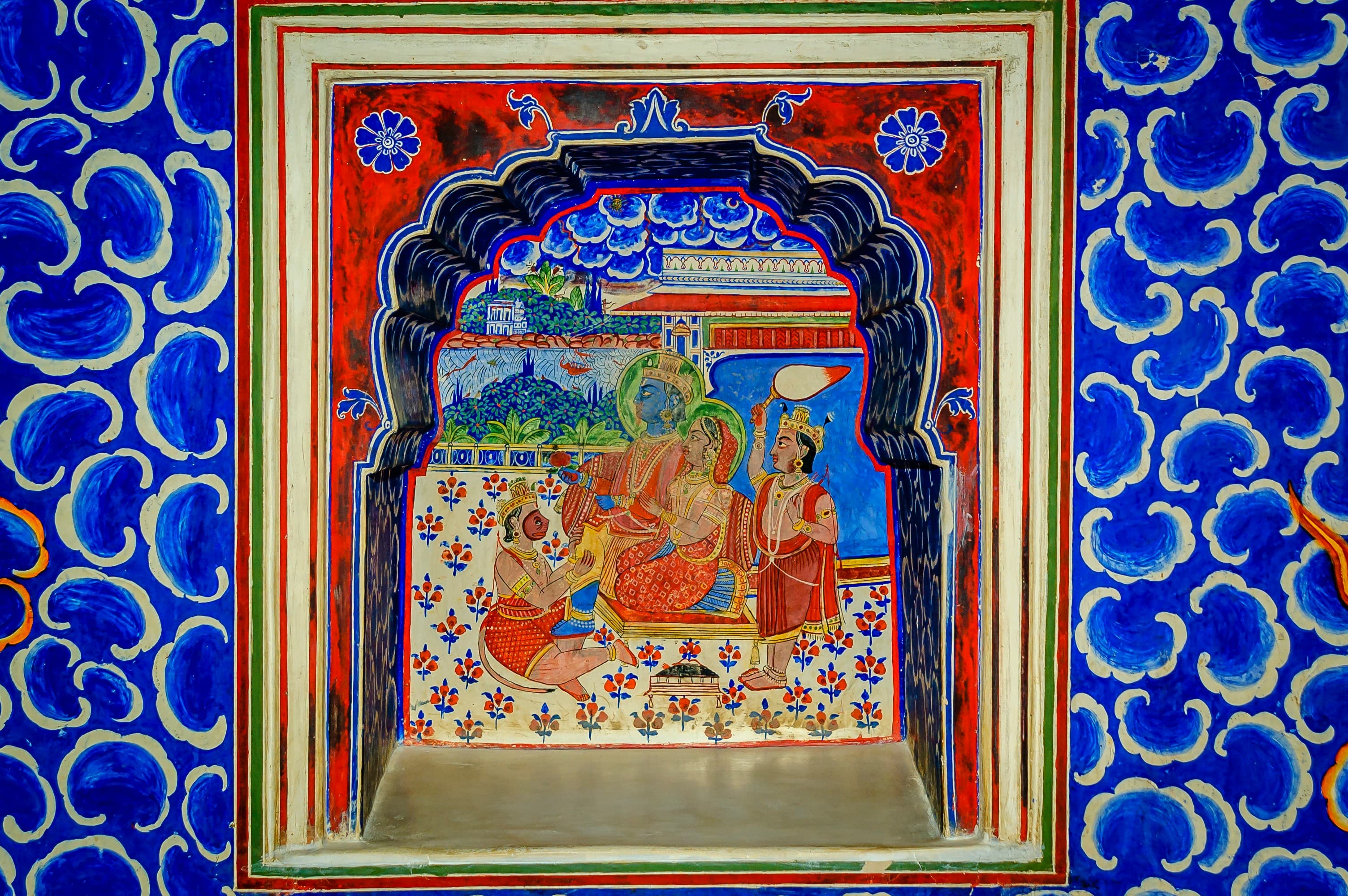
Bikaner’s built heritage is kind of instantly recognizable: nearly everything that matters - the fort, the palaces, those merchant havelis - is carved out of the local dulmera red sandstone, that gives the city this rosy glow late in the afternoon. It’s not like Jaisalmer’s honey-gold stone or Jodhpur’s blue old town, Bikaner’s palette feels warmer and more personal, and its makers grew into a very specific local approach: those tightly laced jharokha windows, gold-leaf frescoes, and the well known Usta method, where gold-relief painting is done on camel hide and plaster. That last one is still practiced by only a handful of families in the old city.
via unsplash
Major Attractions: Places to Visit in Bikaner
Mehrangarh Fort
via wikipedia
Mehrangarh Fort
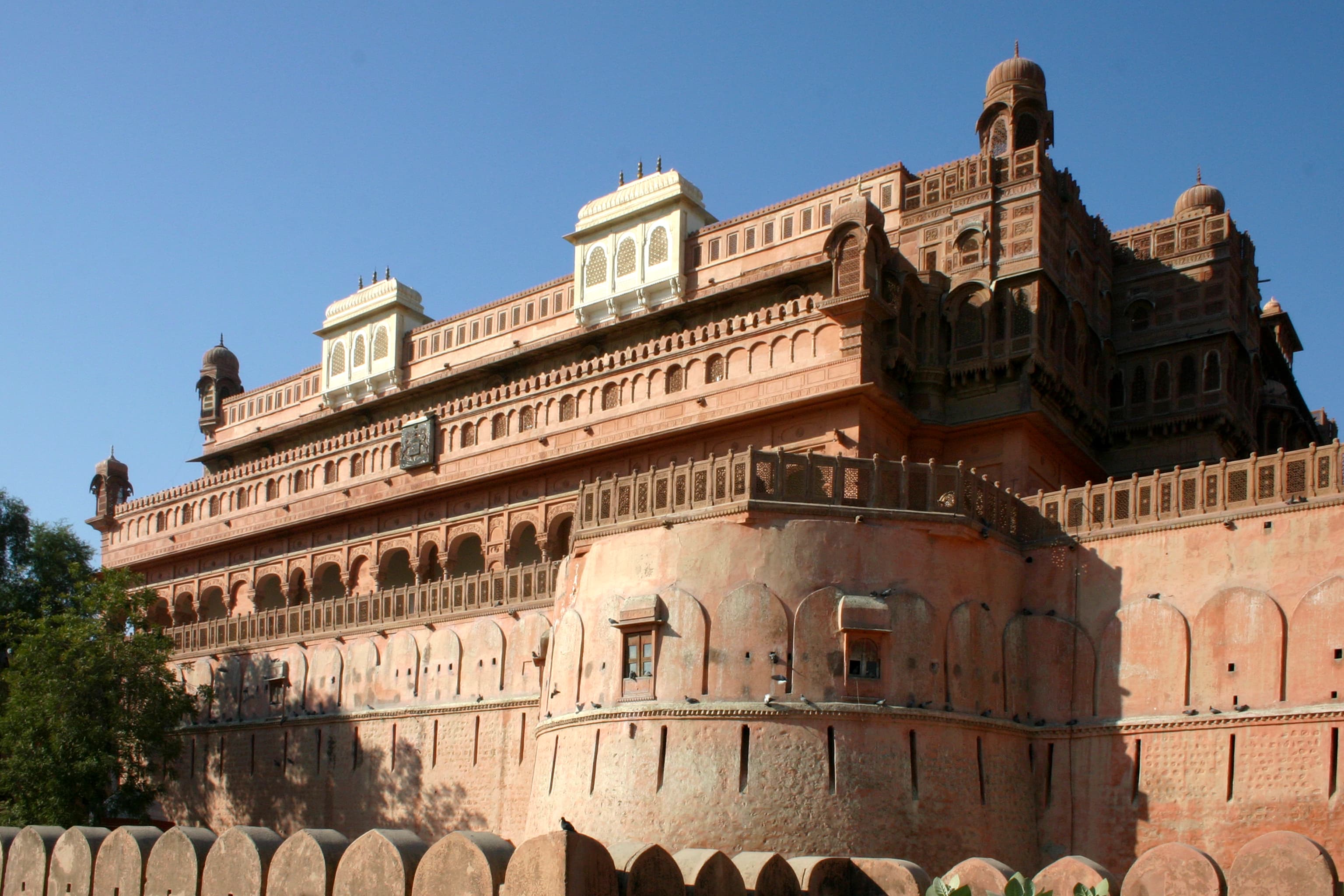
Junagarh Fort (1589–1594) - a flat-land fortress never captured - features seven palaces, including Anup Mahal and Badal Mahal, with a museum of royal artefacts. Open 10 AM–4:30 PM; ₹50/₹300 entry; 2–3 hours; 2 km from Bikaner Junction.
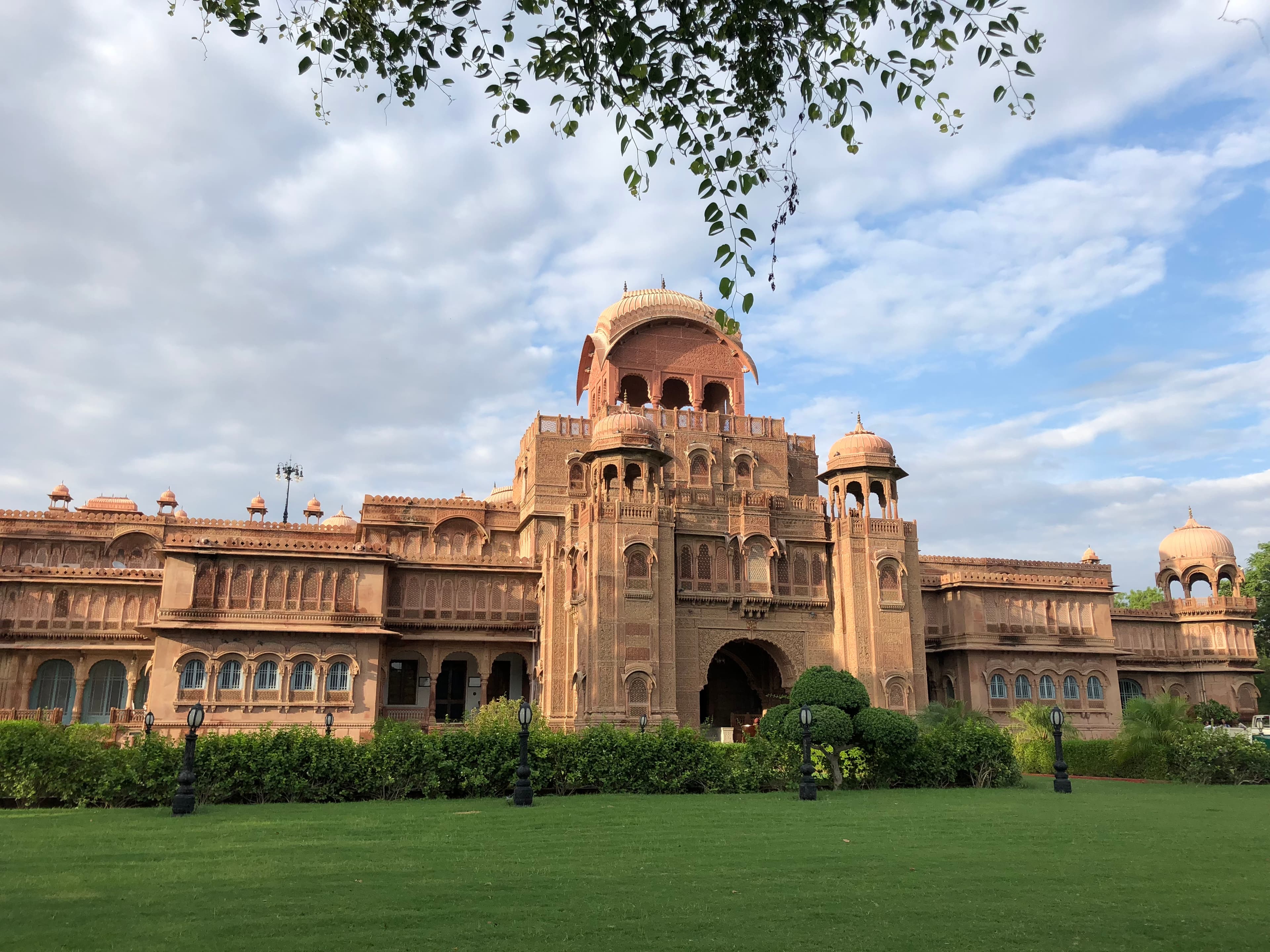
Lalgarh Palace
via wikipedia
Lalgarh Palace
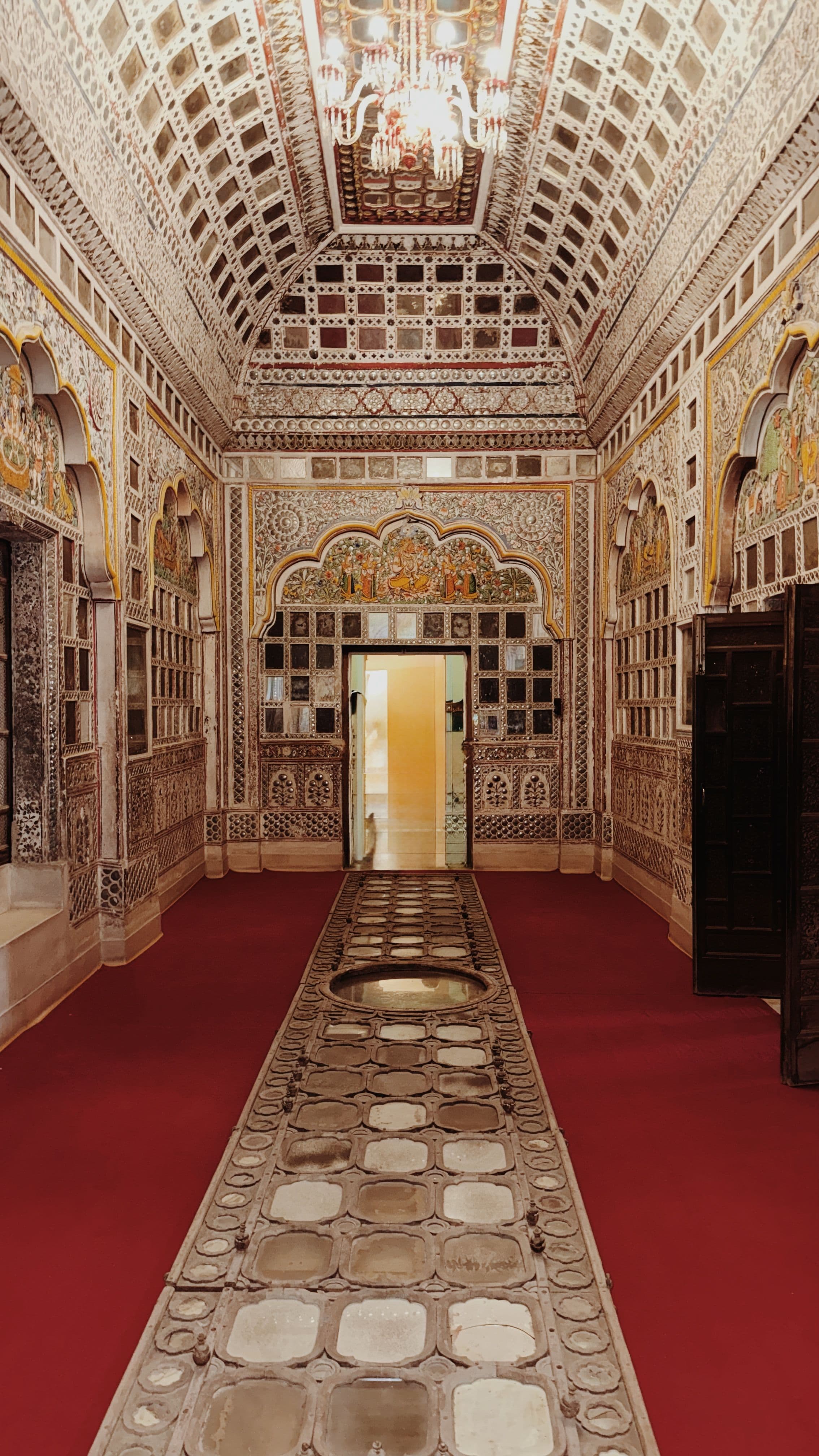
Lalgarh Palace (1902–1926) - designed by Sir Samuel Swinton Jacob - blends Rajput, Mughal, and European styles in red sandstone with lace-like lattice work. The complex includes the Shri Sadul Museum and a heritage hotel.
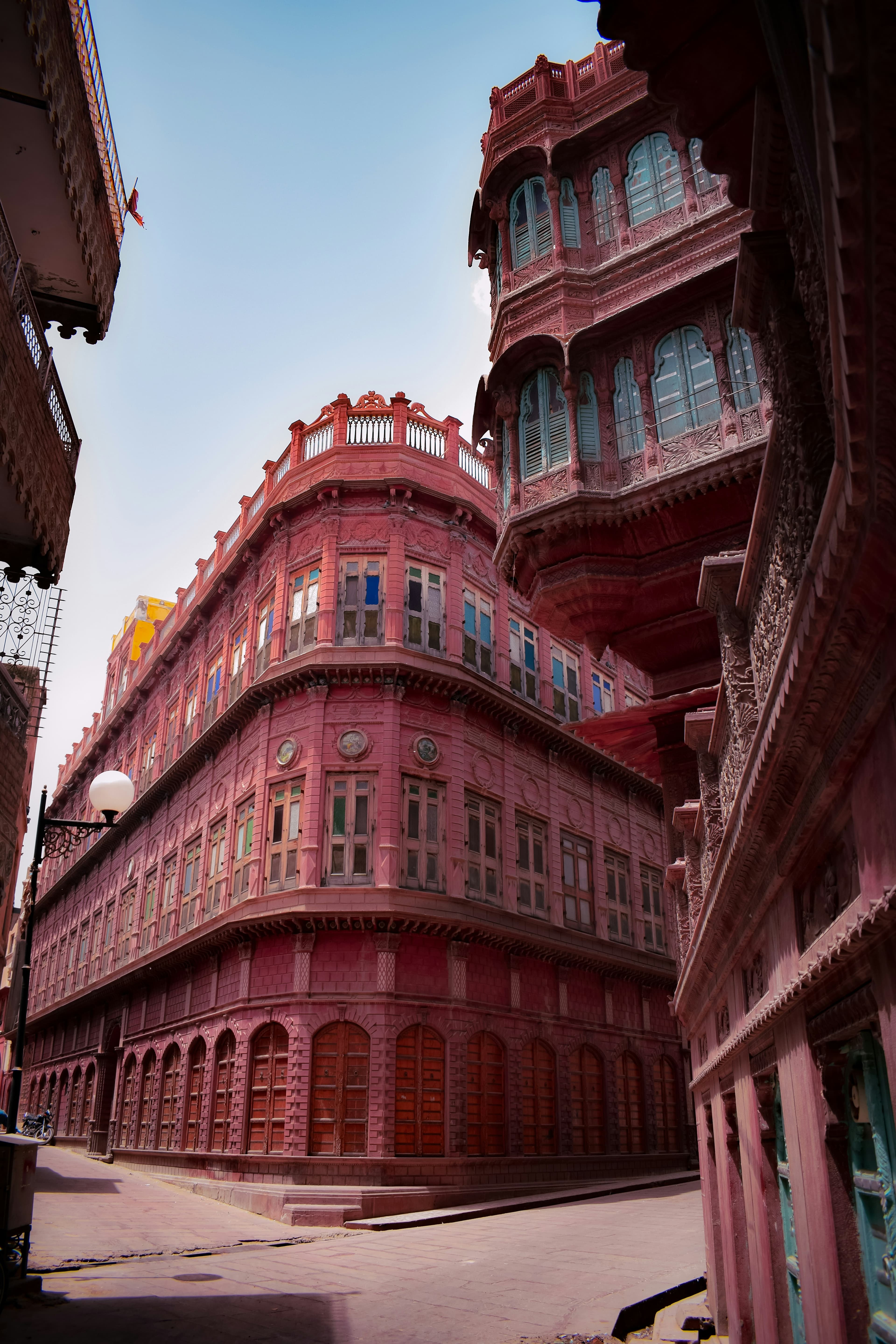
Rampuria Havelis
via wikipedia
Rampuria Havelis
The Rampuria Havelis in Bikaner's old city - red sandstone merchant mansions with jharokha balconies, floral reliefs, and Victorian-Rajput fusion - are best explored on a guided heritage walk through the narrow lanes.
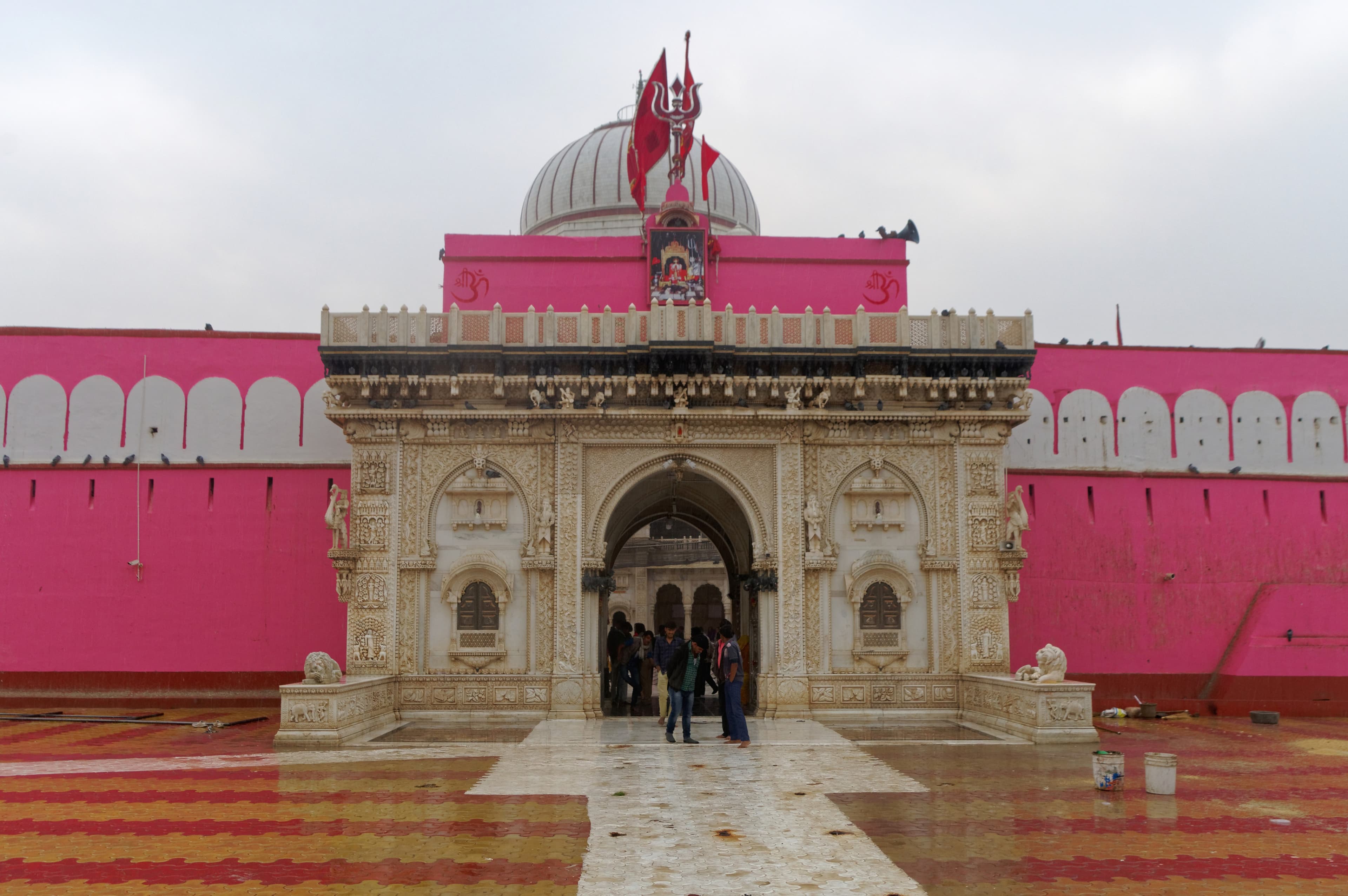
Karni Mata Temple, Deshnok (The Rat Temple)
via wikipedia
Karni Mata Temple, Deshnok (The Rat Temple)
Karni Mata Temple (30 km from Bikaner) - a Mughal-style shrine with marble and silver doors - is home to over 20,000 sacred rats, where white rats are considered lucky. Visitors walk barefoot; open 4 AM–10 PM.
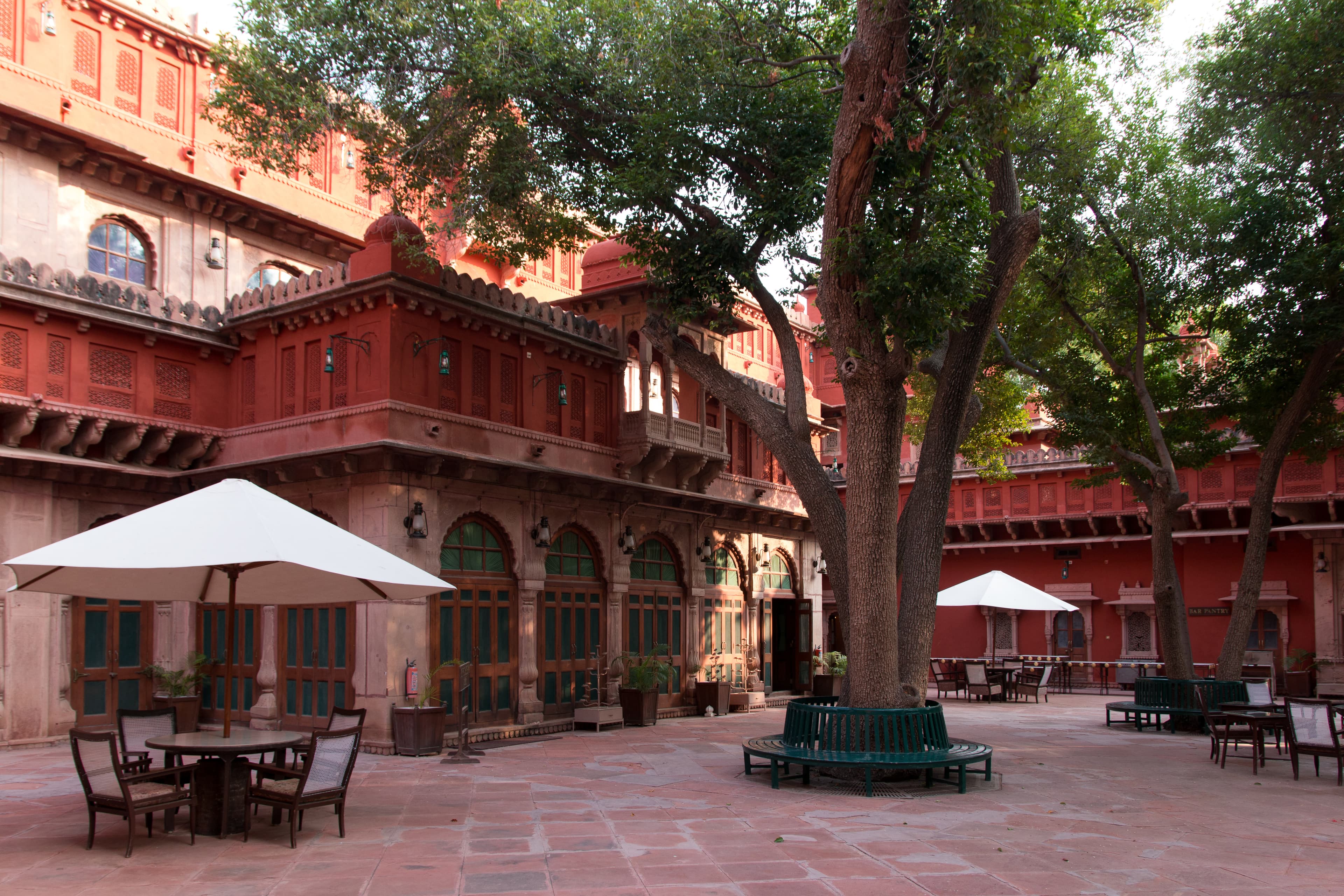
Gajner Palace & Lake
via wikipedia
Gajner Palace & Lake
Gajner Palace - a former royal hunting lodge on Gajner Lake - is now a heritage hotel set in a 6,000-acre wildlife sanctuary. Spot blackbuck and migratory birds, or simply enjoy lakeside sunset views.
Other Heritage Sites Worth Your Time
- • Bhandasar Jain Temple - this is a 15th–16th-century Jain temple built from marble and sandstone, it’s pretty well known for gold-leaf frescoes and also that very detailed pillar carving, kinda intricate all the way through.
- • National Research Centre on Camel (NRCC) - India’s only proper camel research institute, it has a camel museum, camel-milk ice cream ,and hundreds of camels spread across several breeds. It’s usually open in the afternoons, more or less 2:00–5:30 PM.
- • Devi Kund Sagar - the royal cenotaph complex where Bikaner’s maharajas were cremated, and the chhatris are ornately carved memorial pavilions, you know, the whole place looks ceremonial.
- • Prachina Museum - it’s a small museum inside the Junagarh complex, mainly about royal costumes and textiles, not too large but it feels curated.
Best Experiences in Bikaner
- • Watch the sun sink behind Junagarh Forts ramparts from Sursagar Lake, just outside the walls. it kind of looks like everything calms down there, even the air.
- • Try timing your trip to the Bikaner Camel Festival, usually around the 2nd weekend of January, for camel races, folk music and a Mr. Bikana beauty pageant — for the camels.
- • Book a dinner or even an overnight stay at Gajner Palace, for a truly royal desert lake type of experience.
- • Arrange a short camel cart or camel safari outing into the dunes at dusk, away from the city, so it feels quieter and more unhurried.
Local Food: What to Eat in Bikaner
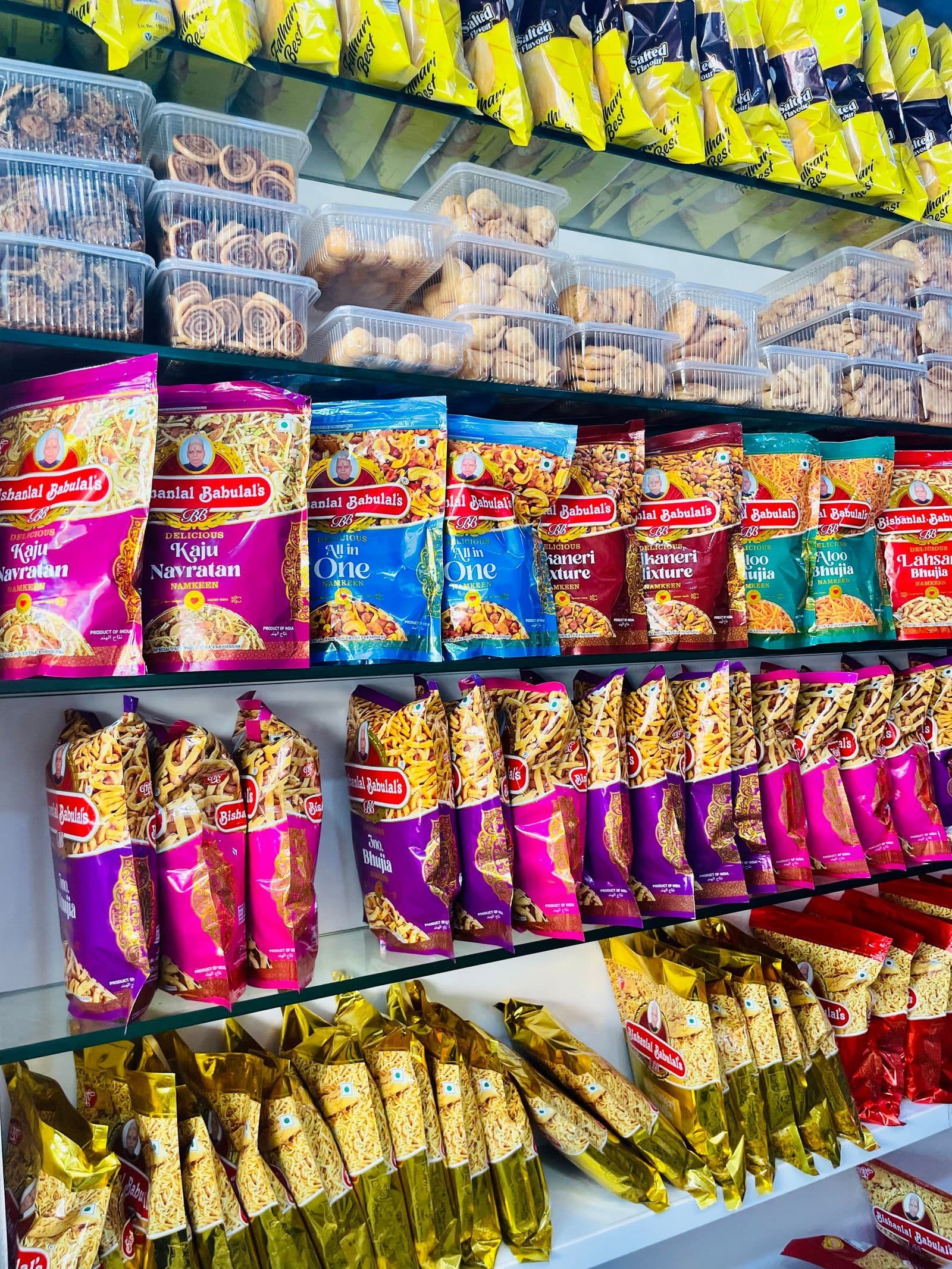
Bikaner is, gram for gram, India’s namkeen sort of capital. Bikaneri Bhujia, that crisp , spiced noodle-snack made from moth-dal flour, is said to have first been readied in 1877 during the reign of Maharaja Dungar Singh and it got a Geographical Indication (GI) tag in 2010, so the name is protected for items really made in the Bikaner area. The locals also like to say the city’s alkaline groundwater and that dry desert air give it a crunch you just can’t copy anywhere else, and these days it’s shipped worldwide by brands that trace their roots back to Bikaner’s old bhujia bazaars.
And yeah, beyond bhujia, don’t skip rasgulla (Bikaner insists its own separate, drier style), ghewar in festival months, and a proper Rajasthani thali with dal-baati-churma on the table. If you want something a bit more royal sounding, ask about Bikaneri-style laal maas, or go for the vegetarian tasting menus served at heritage hotels like Lallgarh Palace and Gajner Palace.
via cntraveller.in
Shopping and Handicrafts in Bikaner
- • Bikaneri bhujia and namkeen – get them from well established local houses in the old city, for that real flavour, not just “good enough”.
- • Usta art pieces - gold-relief boxes, coasters, and camel leather items… the craft is really quite unique to Bikaner.
- • Camel leather goods (mojari shoes, bags) from artisan workshops, where they actually make it.
- • Miniature paintings in the Bikaner style, a special offshoot of the wider Rajasthani school, quite different once you see it.
- • Textiles and block printed fabric, shop around the old city bazaars near Kote Gate, that whole area is nice for browsing.
Nearby Attractions
Bikaner can work quite well on its own, or like just one smaller stop inside a longer Rajasthan loop. Deshnok and its Karni Mata Temple, ( 30 km ) is the obvious extra, but don’t skip thinking about Kolayat , about 50 km, for those holy ghats. Also, Katariasar’s Bishnoi dunes are a more genuine desert-village diversion, and if you have a bit more time, you can continue driving to Jaisalmer ( around 330 km, roughly 6 hours ) or Jodhpur ( about 250 km, roughly 4–5 hours ), since both places sit very naturally with Bikaner as part of a heritage route.
Suggested Bikaner Itinerary
Half-Day Itinerary (4–5 hours)
- • Morning, head to Junagarh Fort n its museum for about 2–3 hours
- • Late morning, take a quick wander through the Rampuria Haveli lanes in the old city
- • Lunch, grab a Rajasthani thali at some heritage hotel restaurant , or just an old city eatery, where ever it feels right
One-Day Itinerary
- • Morning; Junagarh Fort, and the museum too.
- • Late morning: the old city havelis, plus a quick bhujia-tasting stop (just for a munch and some local flavor)
- • Afternoon: Karni Mata Temple at Deshnok, round trip approx 1.5–2 hours, so plan accordingly
- • Evening: catch the sunset at Gajner Lake or Sursagar Lake, after that dinner, and you are basically done with the day.
Two-Day Itinerary
- • Day 1 morning: Junagarh Fort and museum, kinda
- • Day 1 afternoon: Lalgarh Palace Shri Sadul Museum, and then old-city haveli walk, not rushin
- • Day 1 evening: Overnight at a heritage hotel; dinner with folk music if it happens
- • Day 2 morning: Karni Mata Temple , Deshnok
- • Day 2 afternoon: Bhandasar Jain Temple, National Research Centre on Camel, and a bit of shopping near Kote Gate
- • Day 2 evening: Overnight or dinner at Gajner Palace, before the departure , yeah
Practical Travel Guide
Best Time to Visit Bikaner
October through March is by far the best window , with daytime temperatures usually pleasant enough for sightseeing and cool desert evenings. Summers (April–June) are extremely hot, often going past 40°C , and they’re best avoided if you plan on extended outdoor wandering. If you can line up your visit with the Bikaner Camel Festival (typically early to mid January) you’ll catch the city in its most festive mood , like really at its most lively .
How to Reach Bikaner
- • By air: Jodhpur Airport is the most practical option, roughly 235–250 km away . it usually means about 4–5 hours by road too; Bikaner’s own Nal Airport has limited flight connectivity, so most people still end up flying into Jodhpur, Jaipur or Delhi and then driving or taking the train onward, kind of straight forward.
- • By train: Bikaner Junction is well connected to Delhi, Jaipur, Jodhpur, plus other big cities, and it’s quite close to the city centre so you don’t have to do too much rerouting.
- • By road: National highways link Bikaner with Delhi (approx. 450–460 km), Jaipur (approx. 330–355 km), Jodhpur (approx. 235–250 km), and Jaisalmer (approx. 330 km) ; for heritage or luxury travelers, private chauffeur-led transfers are often the most comfortable choice, no fuss, no hurry.
Entry, Tickets & Duration
Junagarh Fort usually charges about ₹50 for Indian nationals and ₹300 for foreign nationals (and this can be revised from time to time ) plus a little camera fee. Most of the big spots, like Karni Mata Temple, you can enter without paying , but people often give donations anyway. Plan roughly 2–3 hours at Junagarh Fort , then 1–2 hours for Lalgarh Palace along with its museum and after that 1–1.5 hours for Karni Mata Temple, ok including the travel bit.
Budget Estimates
Budget travelers can stretch that to roughly ₹2,500–4,000 a day, for lodging , meals , local movement, and entry fees… Mid range travelers should plan around ₹6,000–12,000 per day, for a more comfortable heritage hotel plus private transport. For luxury folks staying at places like Gajner Palace or Lallgarh Palace, with a private driver setup and carefully arranged experiences , costs usually go up to ₹20,000–35,000+ each day. India Heritage Travel can map out a precise quote, based on the properties you want and the pace you like.
Budget Estimates
It’s a destination which will suit all kinds of travelers, ranging from budget heritage hotels to luxury palace hotels. The mid-range hotels like boutique havelis will give great value for money, especially since they give views of the fort. The street food and the thalis are cheap, while the rooftop dining is expensive because of the view.
Safety Tips
- • Bikaner is, in general , a pretty safe and warm city for international visitors and solo travelers, including women, but you should still keep the usual precautions in mind.
- • stay hydrated too, because the dry desert climate removes moisture from you faster then most people expect.
- • when you’re going to temples, dress modestly, and do remember to take off your shoes before entering Karni Mata Temple and some other shrines as well.
Packing Tips
- • You’ll want light, breathable, modest clothing for daytime , and then sort of a warm layer for cool desert evenings, especially during November–February.
- • Comfort matters too-closed shoes for fort and haveli walks, but keep in mind you should have easily removable footwear for temple visits.
- • Also bring sunglasses, a wide brimmed hat, and sunscreen with high SPF. For women, a scarf or shawl is handy, it helps with sun protection, and it also works for temple etiquette .
Photography Tips
- • Golden hour ( early morning, or just before sunset ) is when Bikaner’s red sandstone hits the most lively colour, so plan for fort and haveli photography accordingly.
- • Camera fees can apply inside Junagarh Fort and in certain museums too, and photography can be restricted in parts of the Karni Mata Temple, so check locally before you start shooting.
- • Sursagar Lake and Gajner Lake both give you great reflection style shots of their own palaces at dusk, like a mirror sort of look, try it.
Luxury Travel Tips
via pexels
Luxury Travel Tips
Stay at Lalgarh or Gajner Palace for heritage immersion. Explore with a private guide, and top it off with a sunset boat ride or private palace lawns dinner - an experience far from the tourist trail.
Family Travel Tips
via pexels
Family Travel Tips
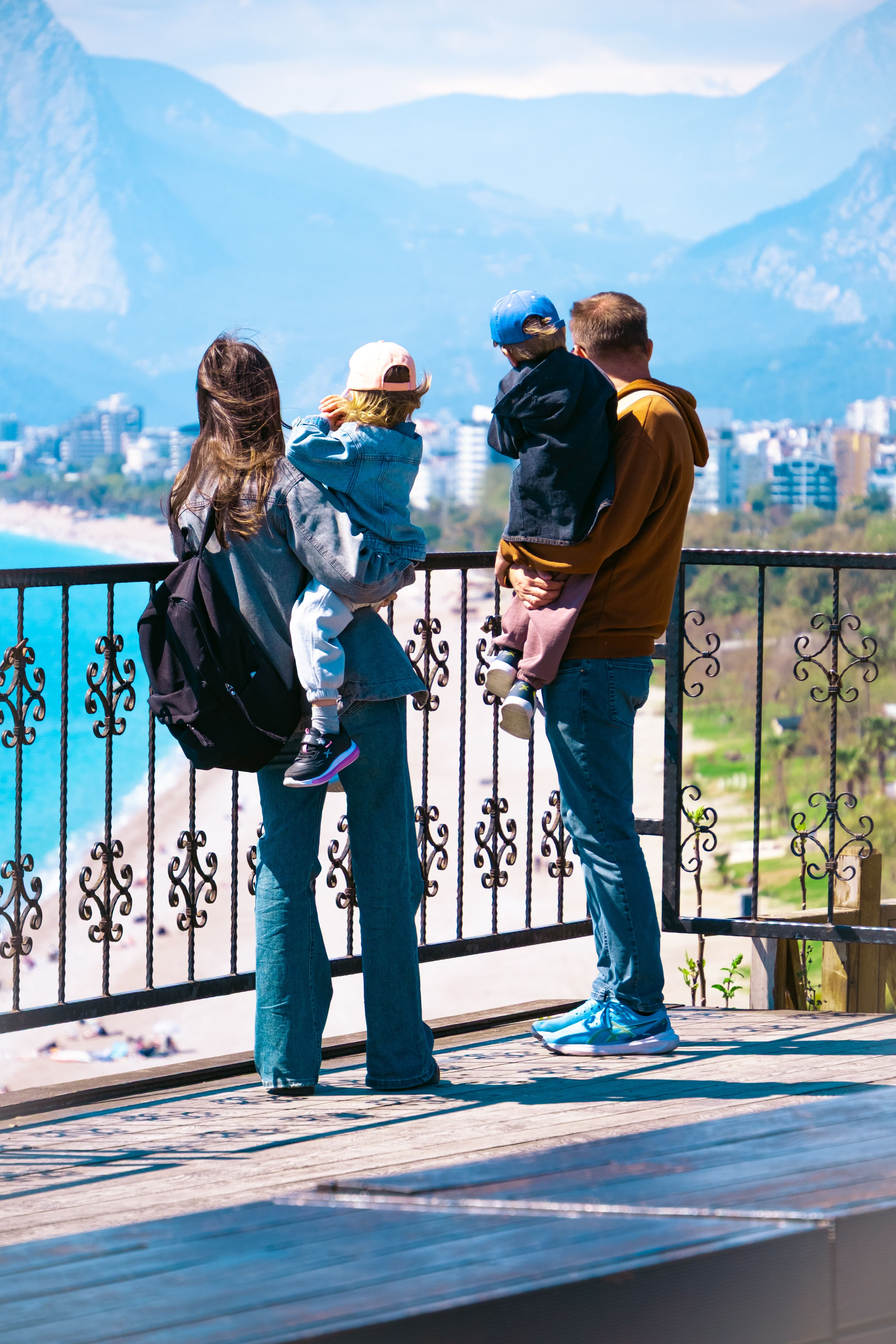
Bikaner is family-friendly with short distances between sights. Kids enjoy the camel rides and camel-milk ice cream at the Camel Centre, and Junagarh Fort's open courtyards are easy to explore. Just build in shade breaks during midday heat.
Solo Female Traveler Tips
via pexels
Solo Female Traveler Tips
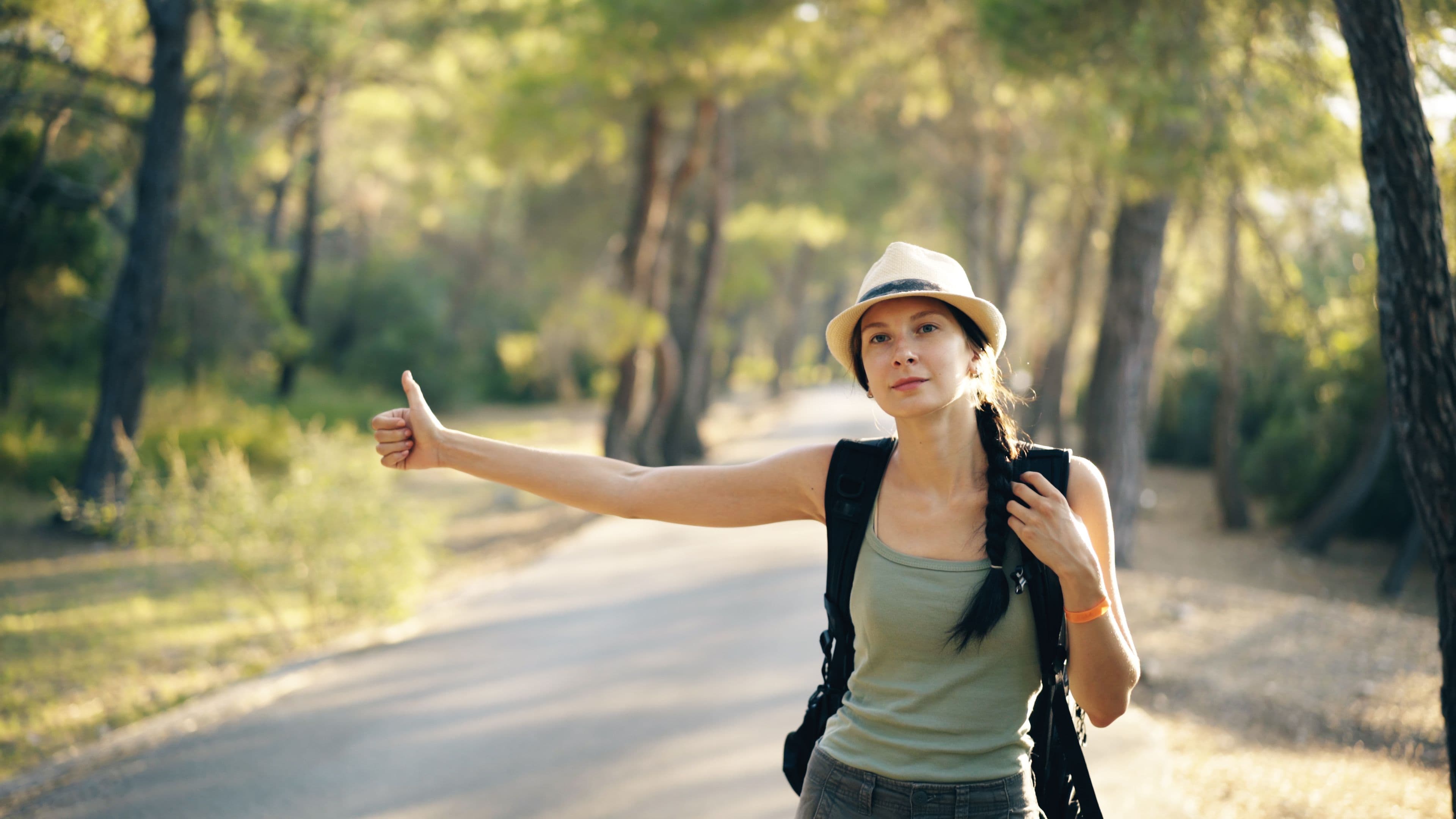
Bikaner is solo-female-friendly, but a private guide ensures safety and ease. India Heritage Travel's women-safe tours include trusted local guides and heritage stays, handling all logistics for you.
Why Choose India Heritage Travel
Most of the safety advice in this guide, is already baked in to the way India Heritage Travel puts together each itinerary: private, vetted chauffeur transport for the whole duration of every trip, plus fully customised days that are built around your personal comfort level and the kind of things you like to see. We also choose curated luxury and heritage stays, each one hand-inspected for safety and service, and we make sure you have expert local guides on the ground ,including female guides for women-only and solo female itineraries. There s also a dedicated women-safe travel planning approach, from the route logistics to evenings and activities, not just a general plan.
Frequently Asked Questions
One full day covers the essentials - Junagarh Fort, the old city havelis, and Karni Mata Temple. Two days lets you add Lalgarh Palace, Gajner Palace, and a more relaxed pace, which is what most heritage and luxury travelers prefer.
October to March, when daytime desert temperatures are comfortable for sightseeing. Early January is ideal if you want to catch the Bikaner Camel Festival.
Yes, Bikaner is generally considered relaxed and welcoming, but arranging a private, vetted driver-guide - as India Heritage Travel does for its women-safe tours - is the most comfortable way to see the fort, old city, and Deshnok without navigating logistics solo.
Bikaner has a small domestic airport (Nal Airport) with limited flights; most travelers fly into Jodhpur Airport (roughly 235–250 km away) or Delhi/Jaipur and continue by road or train. Bikaner Junction railway station has good connectivity to major Indian cities.
It's home to over 20,000 rats considered sacred reincarnations of the goddess Karni Mata's devotees. Visitors walk barefoot through the temple, and spotting a rare white rat is considered especially auspicious.
Planning a Bikaner Journey?
India Heritage Travel creates private chauffeur-driven itineraries that combine Bikaner's Junagarh Fort, Lalgarh Palace, Karni Mata Temple, and Gajner Palace with Jodhpur's Blue City and Jaisalmer's Golden Fort into seamless Rajasthan desert heritage journeys guided by local experts.
Plan My Bikaner Tour