Why Murshidabad Belongs on Your Bengal Itinerary
Before Calcutta came into being, Bengal was administered from Murshidabad. Throughout the entire 18th century, the small town by the Bhagirathi River was the capital of the Nawabs, the finance centre of the Jagat Seths and a place of interest for European merchants. Today, the marble palace, ruins of mosques and tranquil gardens of Murshidabad can be found in the paddy fields, mango groves and silk looms of rural Bengal.
The heritage of Murshidabad's Nawab era and its silk weave tell a tale of past glories and of a skill which once funded them.
Murshidabad is a place to explore the unknown. It is devoid of the hustle and bustle of the entrance gate crowds; whatever luxury there is is basic in nature. What you get is an experience of exploring history through intuition; starting with a palace of neo-classical architecture housing an armoury of thousands of weapons, proceeding with the lakeside ruin of the palace of Siraj ud-Daulah and ending at the weaving workshop of a village lane.
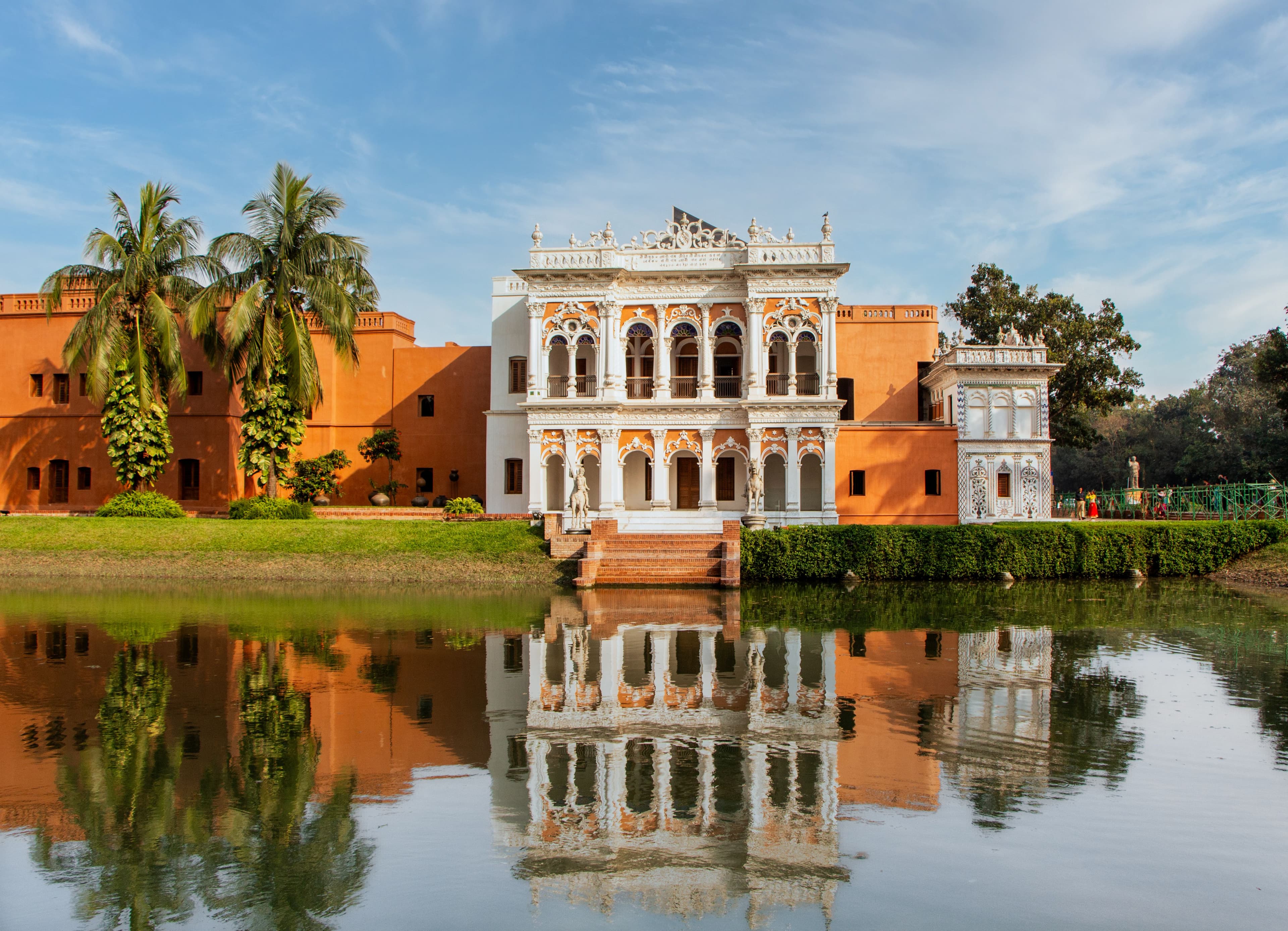
Image via pexels
The history of Murshidabad which makes it historically rich, the monuments which deserve a visit, the history of the local silk and handlooms as well as a truthful insight of how
Murshidabad at a Glance
| Detail | What to know |
|---|---|
| Location | What to know West Bengal, on the eastern bank of the Bhagirathi River, about 14 km north of Berhampore (Baharampur) |
| From Kolkata | Roughly 200 km by road; a long day trip or, better, an overnight |
| Known for | Hazarduari Palace, Nizamat Imambara, Katra Mosque, Motijheel, Kathgola gardens, Bengal silk |
| Character | Quiet, historic, riverine; ruins mixed with living neighbourhoods |
| Ideal for | History and architecture lovers, photographers, textile enthusiasts, slow travellers |
| Ideal stay | Two days, using Berhampore or a Kolkata-based private-car circuit |
A Short History: Capital of the Bengal Nawabs
The town is named after Murshid Quli Khan, the appointed Mughal governor who shifted the capital of the Bengal Subah from Dhaka to Murshidabad during the early 18th century and created the town named after him. As the rule of the Nawabs of Bengal followed his, the town prospered and became one of the wealthiest towns in India. The banking family like Jagat Seths funded the rulers while European factories existed nearby at Cossimbazar for trade of silk and textiles.
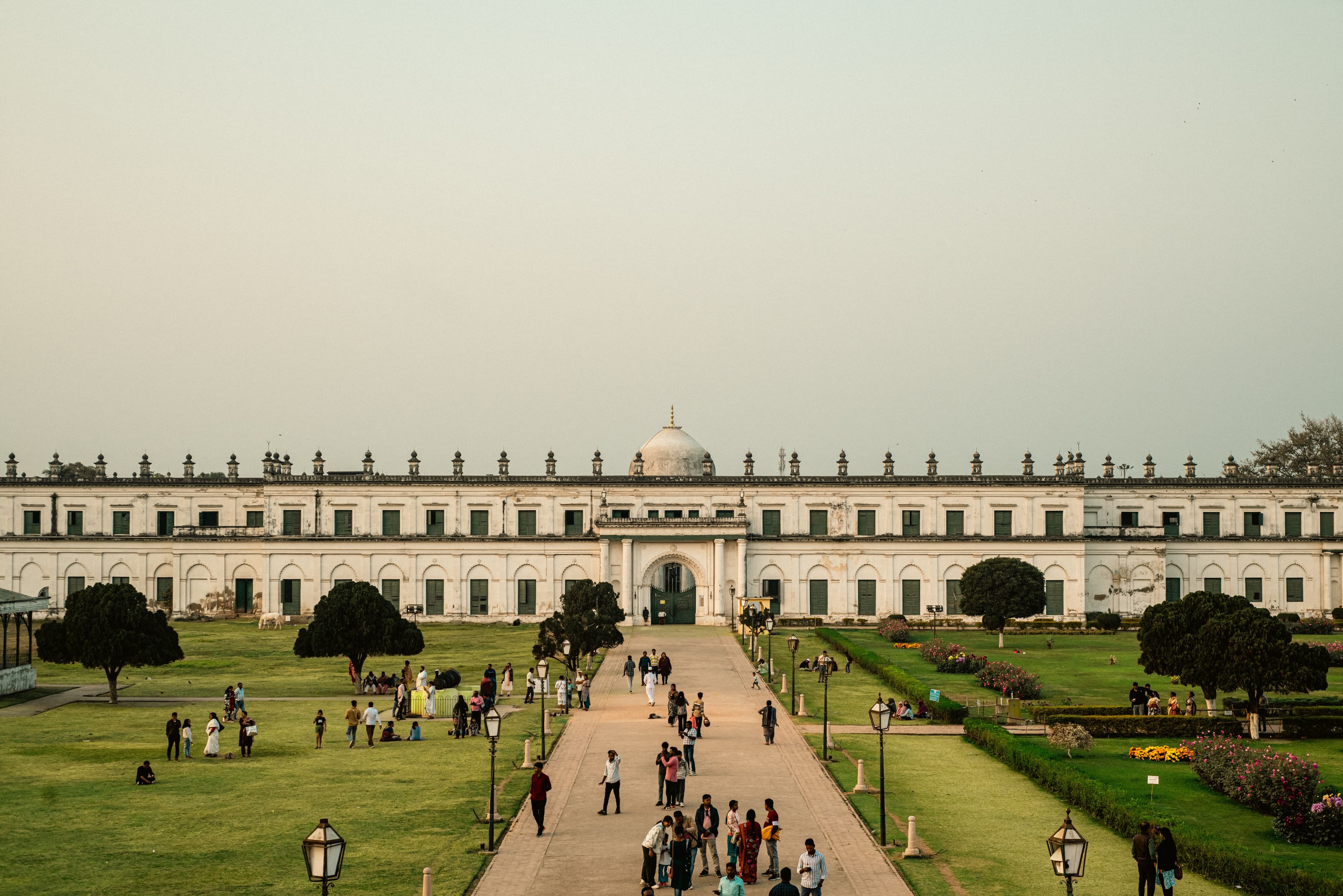
This prosperity came to an abrupt end in 1757 when the young Nawab Siraj ud-Daulah was defeated at the Battle of Plassey, betrayed partly by his own commander Mir Jafar, and soon assassinated. Calcutta became the treasury and court of Bengal, and the Nawabs became purely ceremonial. The latter Nawabs of Bengal, Nazims as they are called due to British supremacy, continued their building and the Hazar Duari Palace and reconstructed Nizamat Imambara belong to this period.
It explains the peculiar atmosphere of this town, grandiose yet melancholy, a capital which lost its kingdom but preserved its monuments. The Hazar Duari Palace was declared Monument of National Importance in 1977 and is maintained by the Archaeological Survey of India since
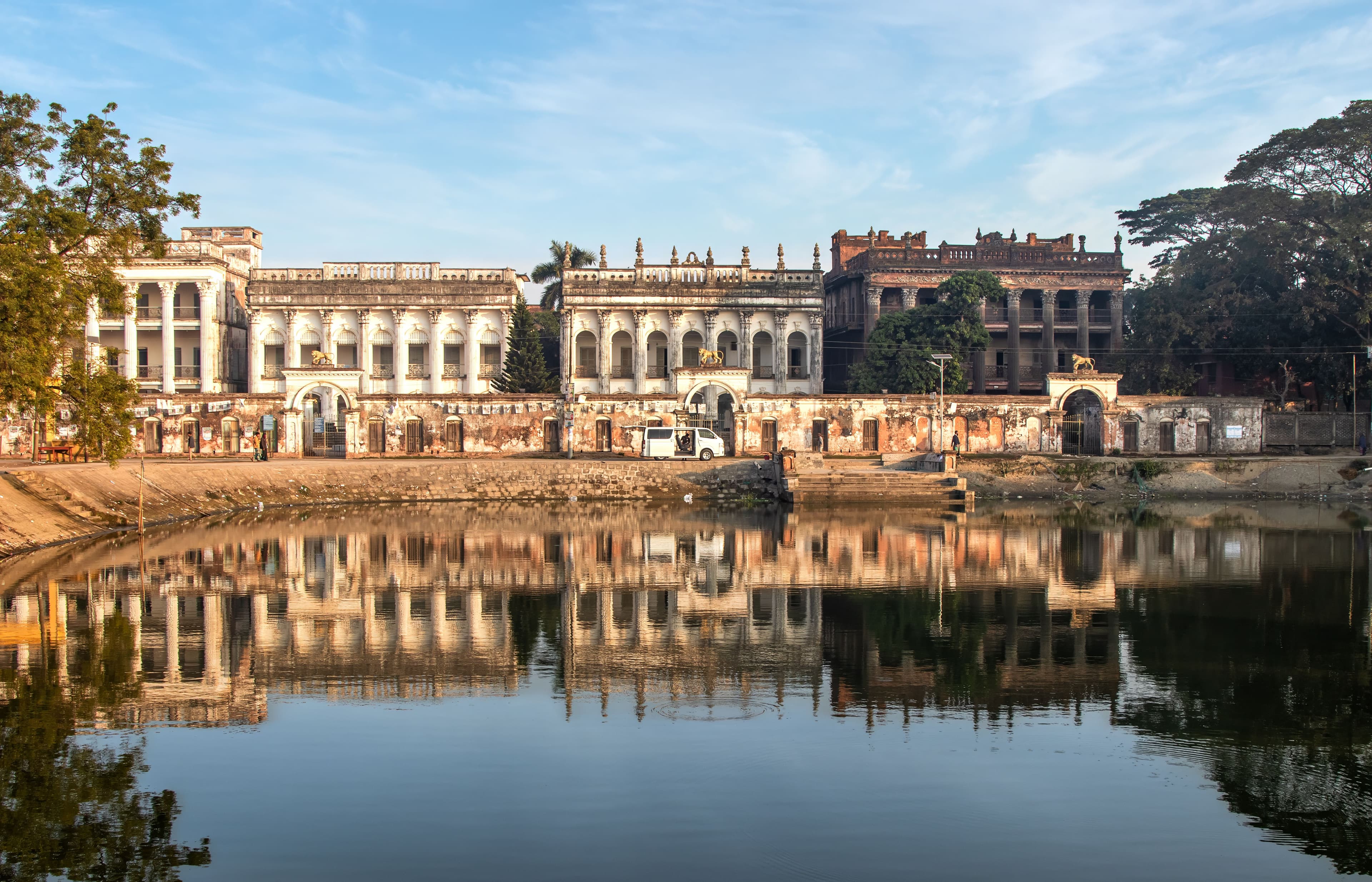
Image via pexels
Murshidabad Nawabi Heritage and Silk: The Major Attractions
Hazarduari Palace
Image via wikipedia
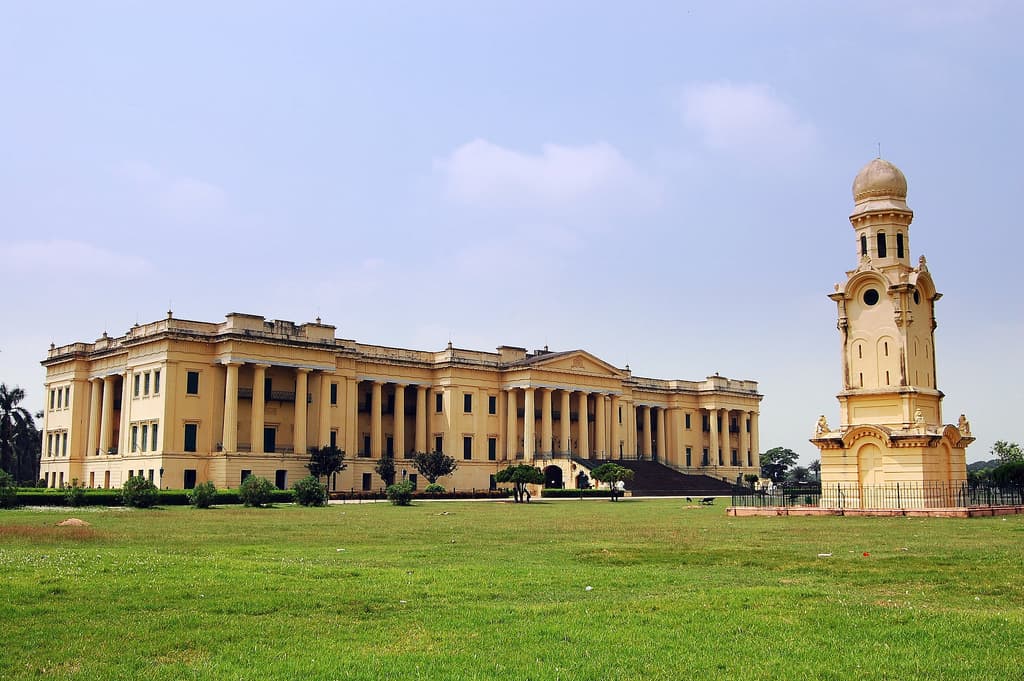
Hazarduari Palace
Hazarduari Palace - the "Palace of a Thousand Doors" - is Murshidabad's grandest architectural ensemble, designed by Colonel Duncan MacLeod of the Bengal Engineers in neoclassical Italianate style for Nawab Humayun Jah between 1829 and 1837. Its famed thousand doors are a mix of real and false, depending on the source. The three-storeyed palace, with its galleries, now houses a museum.
Nizamat Imambara
Image via wikipedia
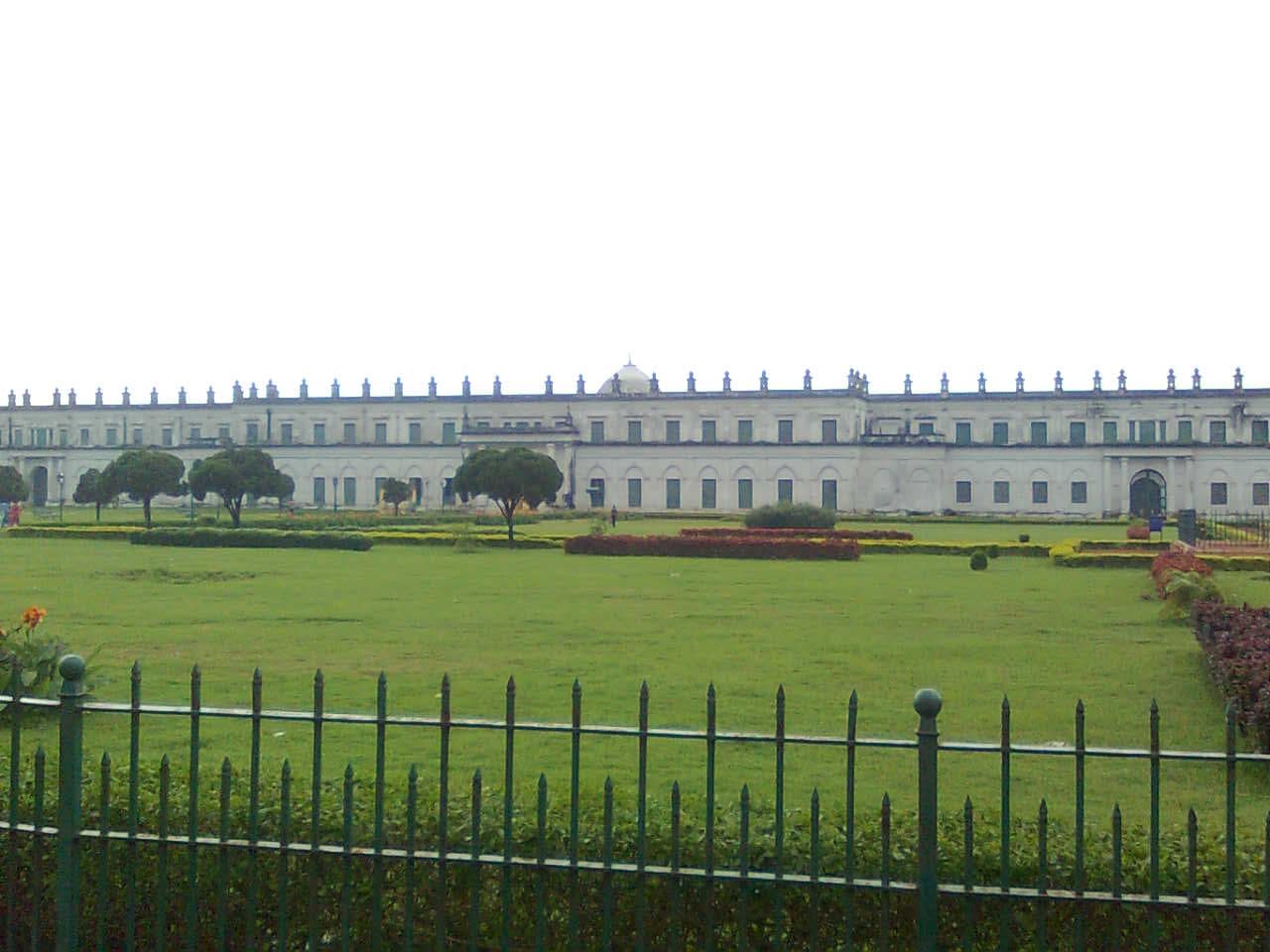
Nizamat Imambara
The Nizamat Imambara, another huge Shia prayer hall, also exists in the same complex. The original structure, which was related to Siraj ud-Daulah, got burnt in 1846, and the current one was constructed in 1848. The Jahan Kosha gun of the Mughal era can be found on the grounds of the Nizamat Imambara. The Medina Mosque and the Clock Tower are also nearby. Public entry might not always be permitted; therefore, it is advised to check beforehand.
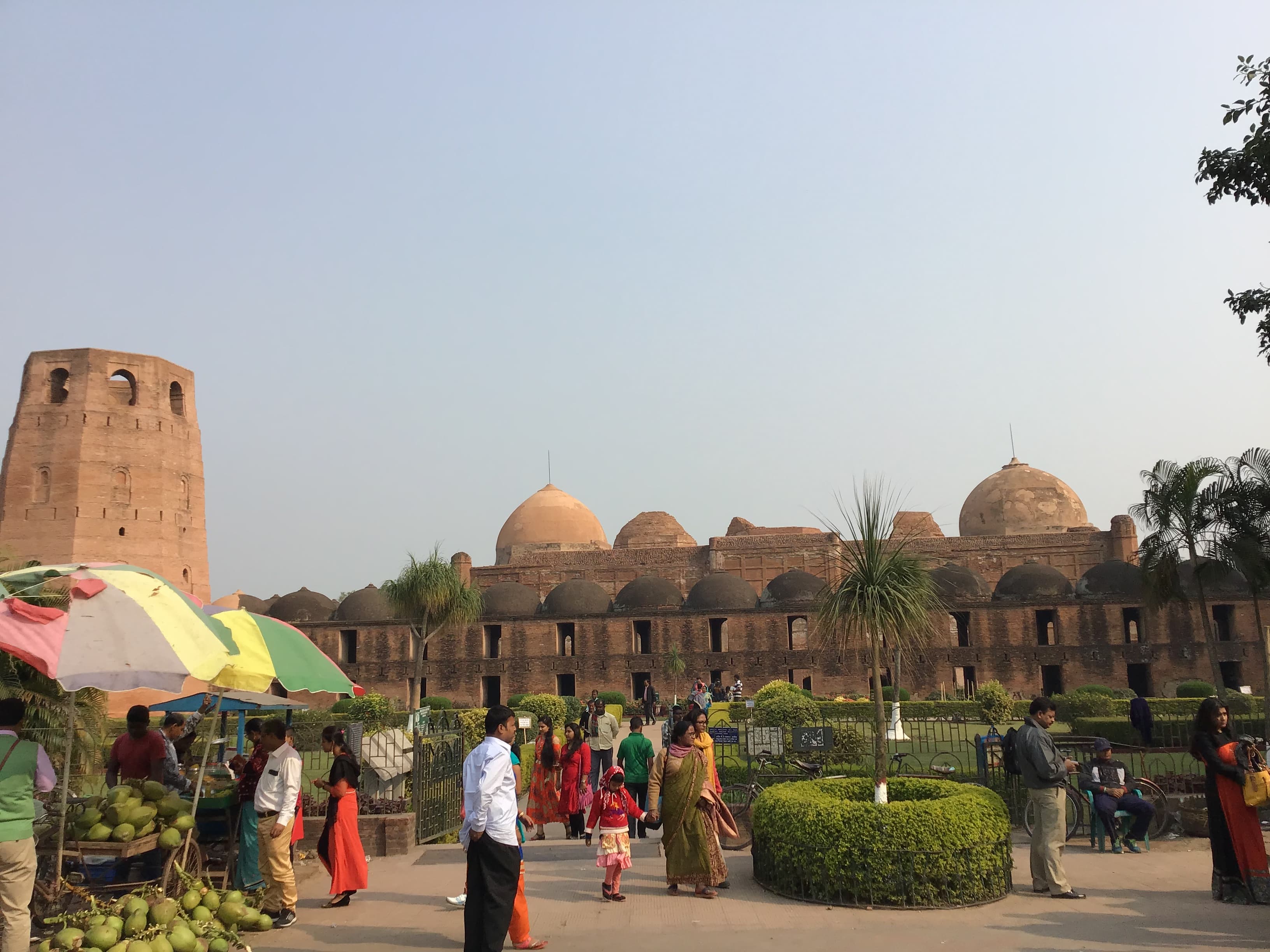
Katra Mosque
Image via wikipedia
Katra Mosque
Built by Murshid Quli Khan as a mosque and madrasa, the Katra Mosque was reportedly modelled on the Kaaba and designed to house hundreds of Quranic students. The founder's grave lies beneath its entrance stairs. The 1897 earthquake cracked its arches and left sections leaning, but the scale and the red brick remain moving.
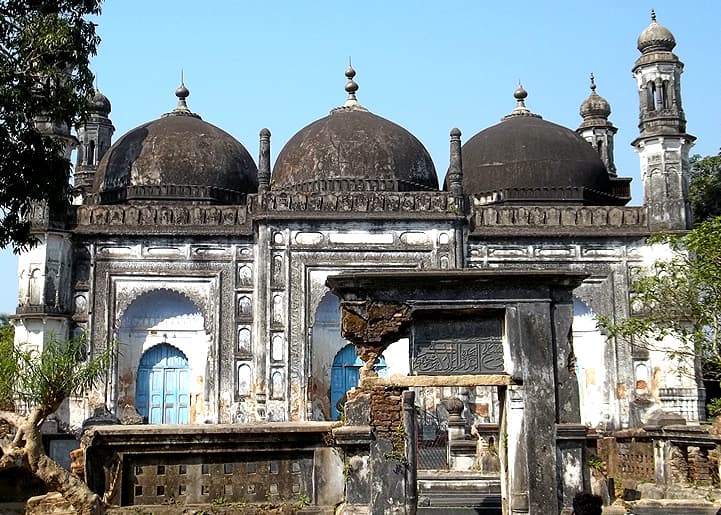
Motijheel (Pearl Lake)
Image via wikipedia
Motijheel (Pearl Lake)
Just off the Berhampore road, Motijheel is a horseshoe-shaped lake with the shell of a palace once occupied by Siraj ud-Daulah's grandmother, Ghasiti Begum, and later by Lord Clive. There is a small museum and an overgrown family graveyard. Visit in the late afternoon and leave before dark.
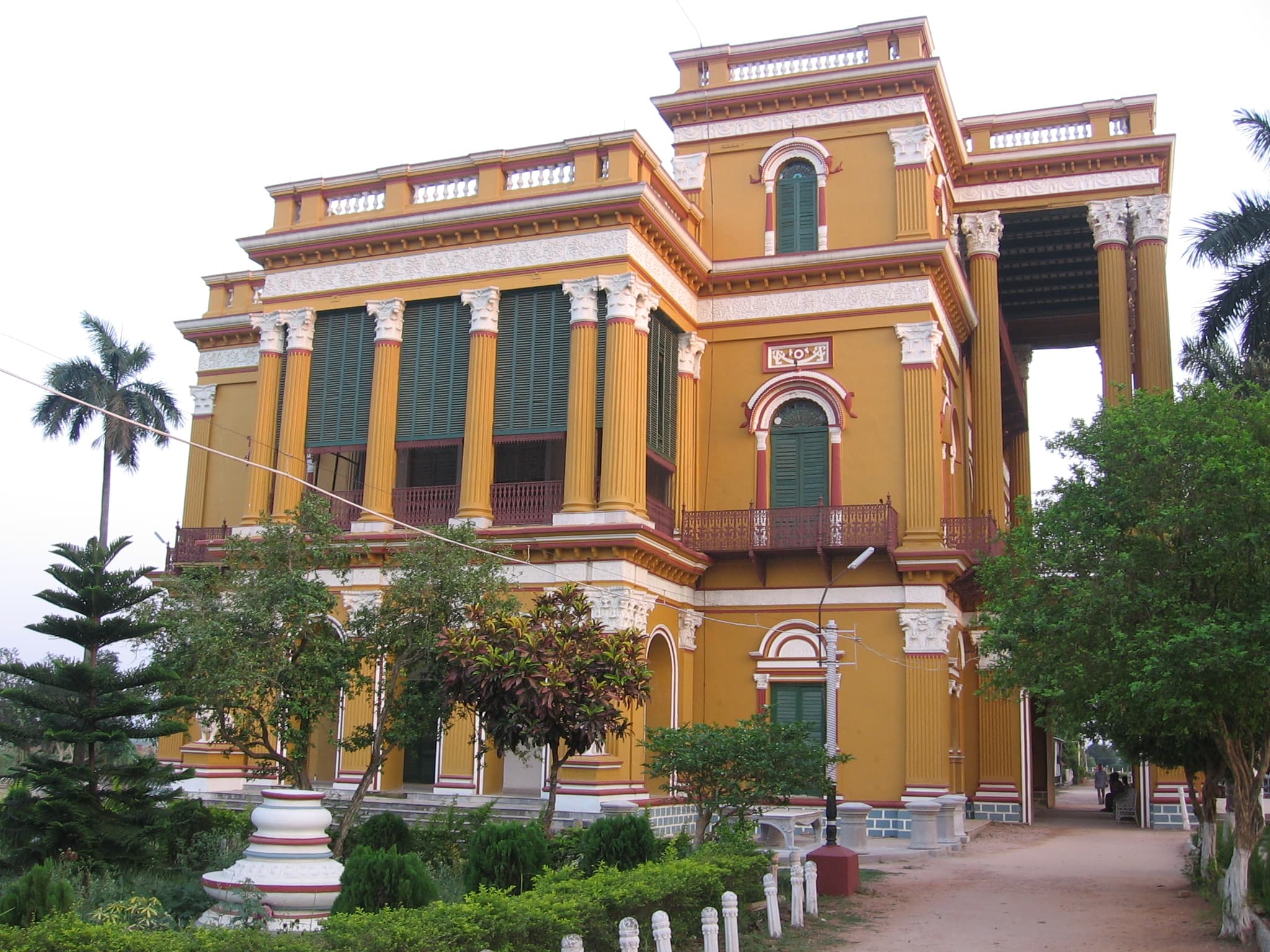
The Jagat Seth Legacy at Kathgola Gardens
Image via wikipedia
The Jagat Seth Legacy at Kathgola Gardens
The Kathgola garden, which belongs to the descendants of the Jagat Seth family, is made up of orchards, pavilions, marble sculptures, ornamental baths, and a Jain temple. This garden speaks volumes of the wealth of the community, the Jains merchants, who helped finance the Nawabs. An entrance fee is required to enter the garden.
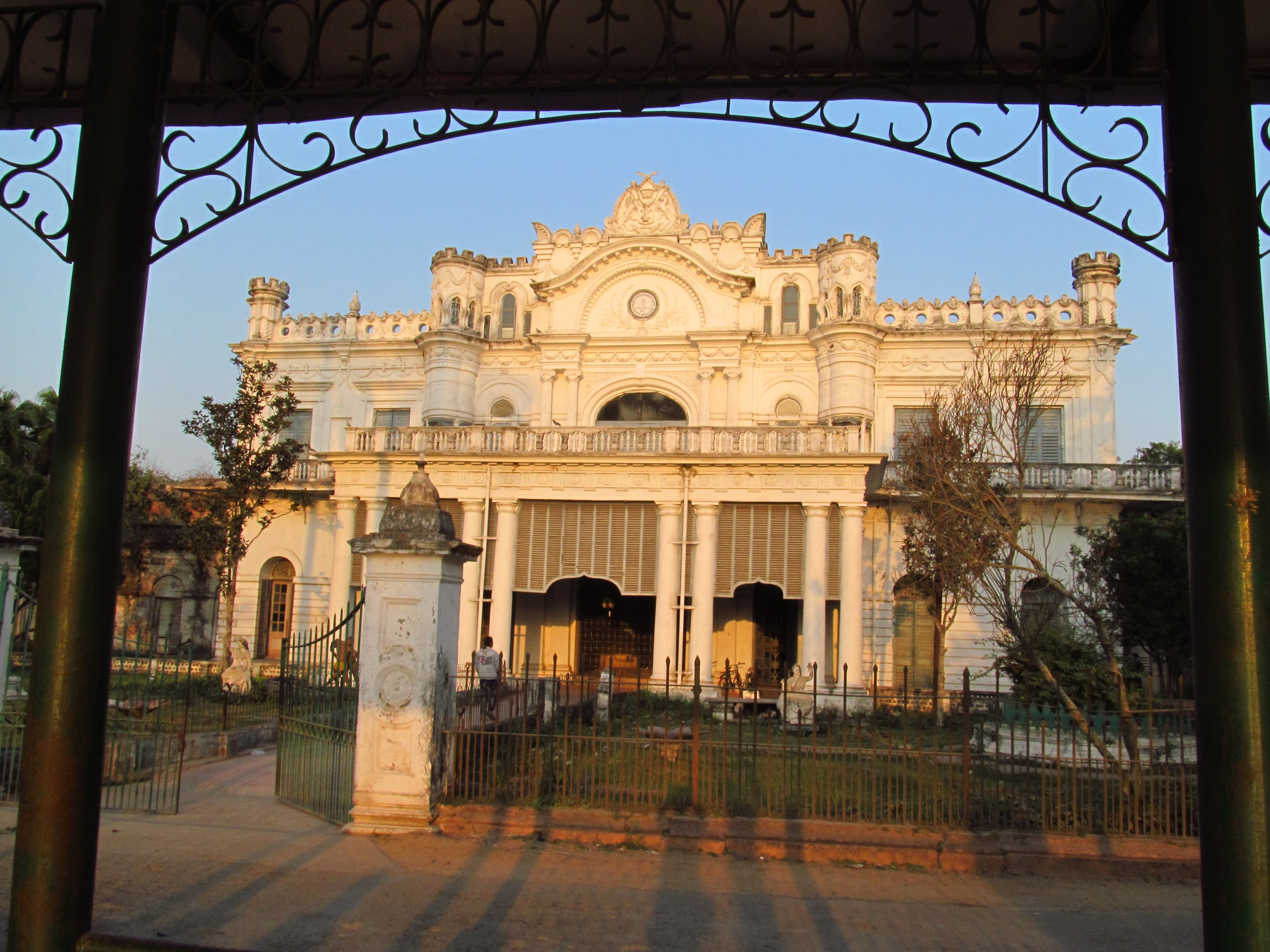
Khushbagh & Across the River
Image via wikipedia
Khushbagh & Across the River
The Khushbagh is the resting place of the Nawabs and is an area full of tranquility and shade to relax in. The Wasif Manzil is one more old Nawabi palace close to the main building complex. Across the river, there is the Kiriteswari Temple, which is a sacred Hindu temple.
Architecture: Indo-Islamic Grandeur Meets Neoclassicism
- • The Katra mosque is an example of Mughal and Bengal brick architecture having arched structures, rooms, and a big courtyard.
- • Examples of neoclassical palaces are the Hazarduari palaces that incorporate European architectural vocabulary through the Italianate style into a nawabi setting.
- • Architecture for Muharram rites includes the Imambara and the Medina Masjid.
- • Designs combining garden and pavilion traditions are exemplified by Kathgola and Khushbagh, incorporating Persian garden design into the wet Bengal environment.
- • Marble Jain temples are represented by the Kathgola tracery, reflecting the mercantile background of the nawabs.
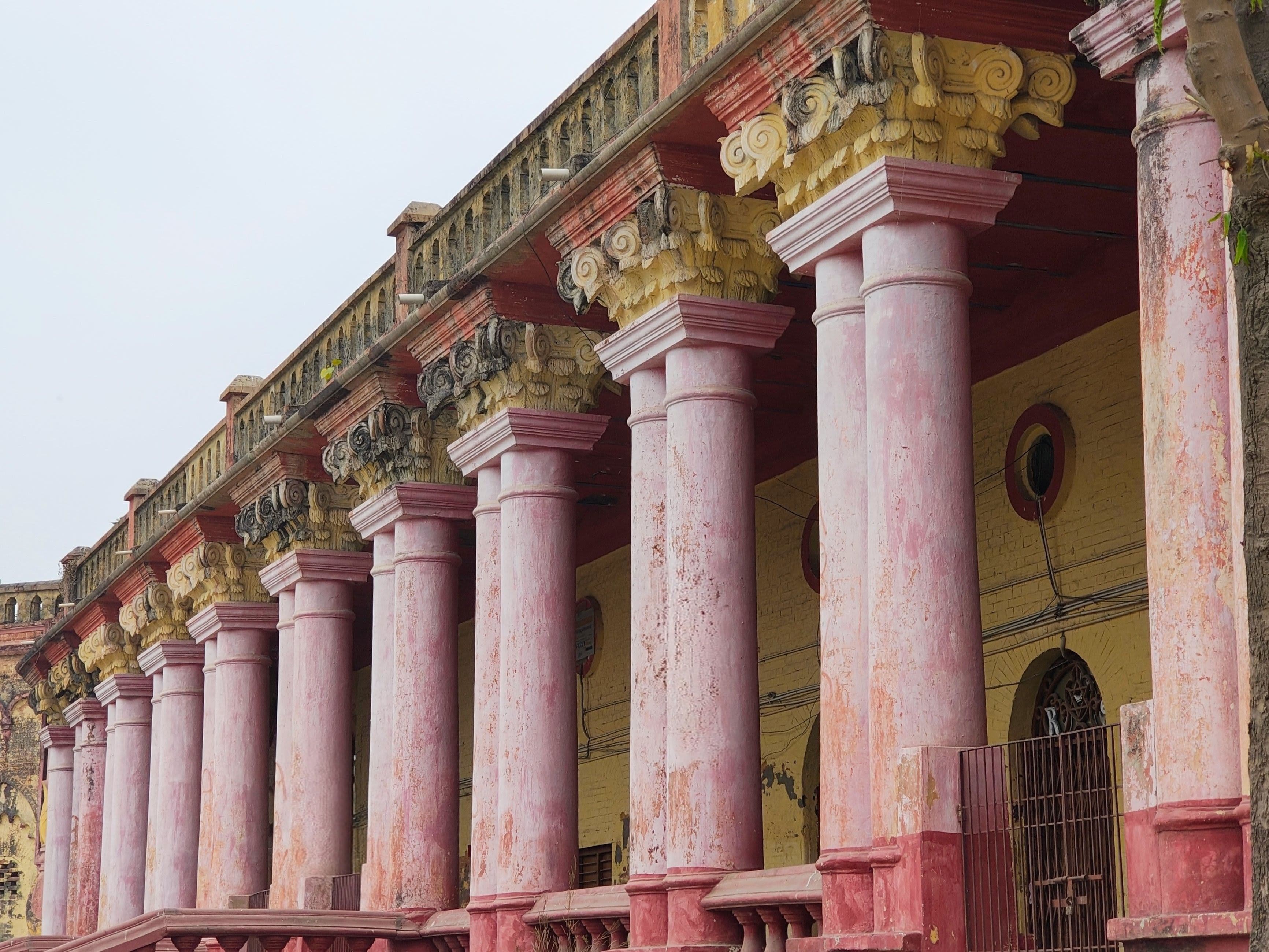
Image via pexels
Silk and Handloom Heritage
The name Murshidabad cannot be separated from the name of silk because this place was known for its mulberry sericulture and its Murshidabad silk used for making saris and scarves. Factories were set up by the Europeans in the 17th and 18th centuries near this town in order to buy their raw silk and other textiles. Silk wealth played an important role in the development of the town.
The most famous of all the textiles is the Baluchari sari. This was first made in the 18th century in Baluchar village of Murshidabad district. In this sari, the pallu has pictorial depictions, which were once of the nawabs and European officers and now depict mythological stories from the Ramayana and Mahabharata. Later, the production was transferred to Bishnupur in Bankura district and now this place produces authentic Baluchari. This sari has also been given the Geographical Indication tag in the year 2011. Other silks like Garad and Korial are also famous.
One of the must-dos is visiting the loom. Your guide will help you arrange for a visit to the loom in a weaver’s home or cooperative, and then buy your silk there directly. Ensure that you see a silk mark
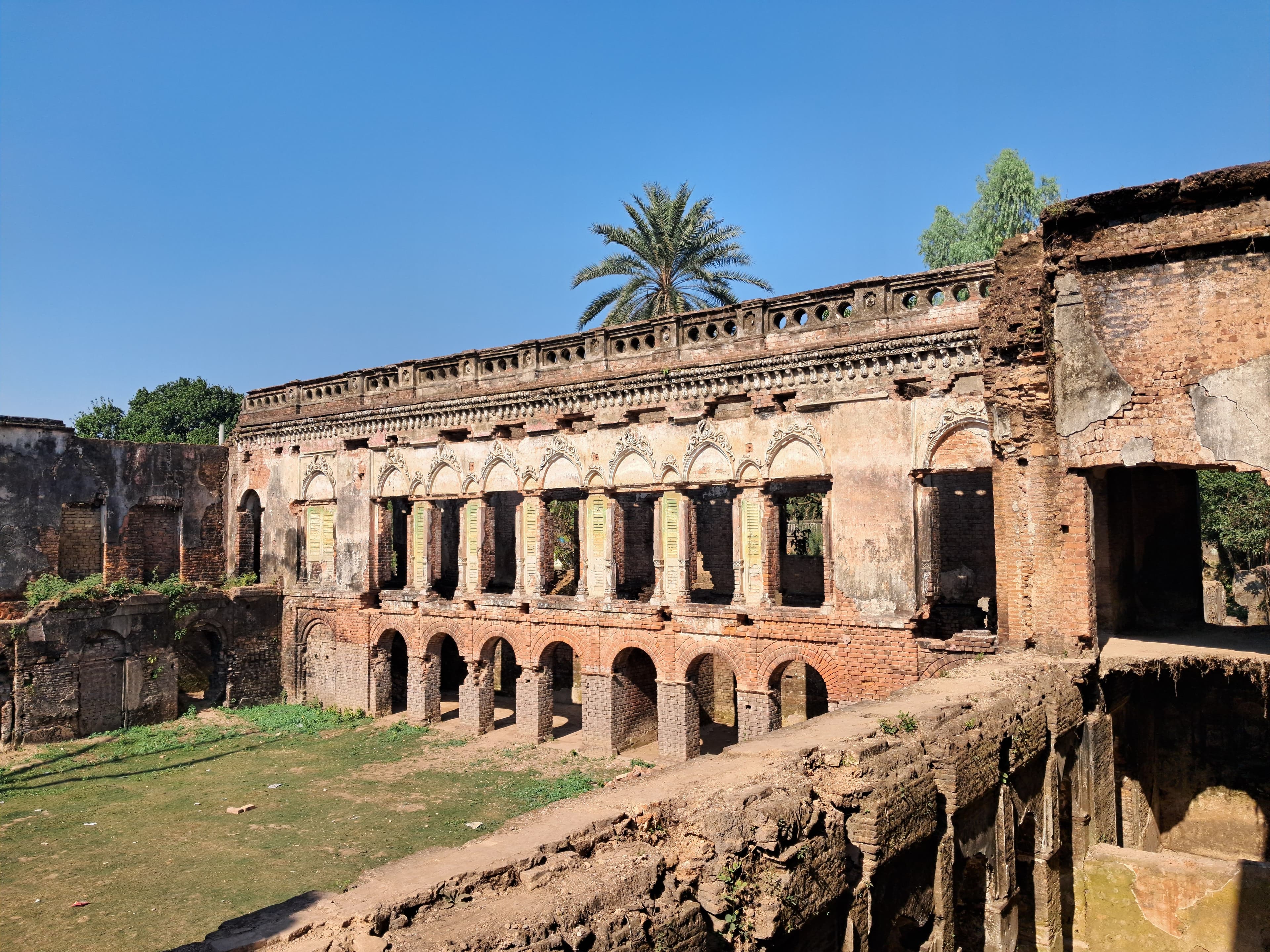
Image via pexels
Cultural Significance
The city of Murshidabad was the meeting point of Mughal administration, Bengali culture, Jain business, and European commerce. The celebration of Muharram lends vitality to the Imambara, Bengali festivals like Durga Puja dictate the time schedule, and farming centered on the production of silk and mangoes forms the backbone of the village’s economic activities. For visitors, it is the chance to explore Bengal outside of Kolkata.
Where to Stay
Be realistic about the accommodation facilities. Murshidabad is certainly not a holiday place, and there are very few hotels in the town, which tend to be modest ones, with some government- owned ones and budget hotels available in the vicinity of Hazarduari and Berhampore. Berhampore is 14 km south and the most realistic place to stay at. I could not confirm the existence of any heritage hotel of the likes of Rajasthan.
| Option | What it offers | Best for |
|---|---|---|
| Berhampore base | A range of hotels and lodges, 14 km from the main monuments | Practical overnight stays, early starts |
| Riverside lodge near the Hazarduari | Simple, quiet stays by the Bhagirathi | Atmosphere, short walks to the monuments |
| Kolkata base with private car | Luxury hotels in Kolkata with a long day trip or an overnight at a vetted property | Comfort-focused travellers with limited time |
At India Heritage Travel we vet any overnight, and when a property is not at the standard our guests expect, we plan the journey as a comfortable private-car day from Berhampore or Kolkata instead.
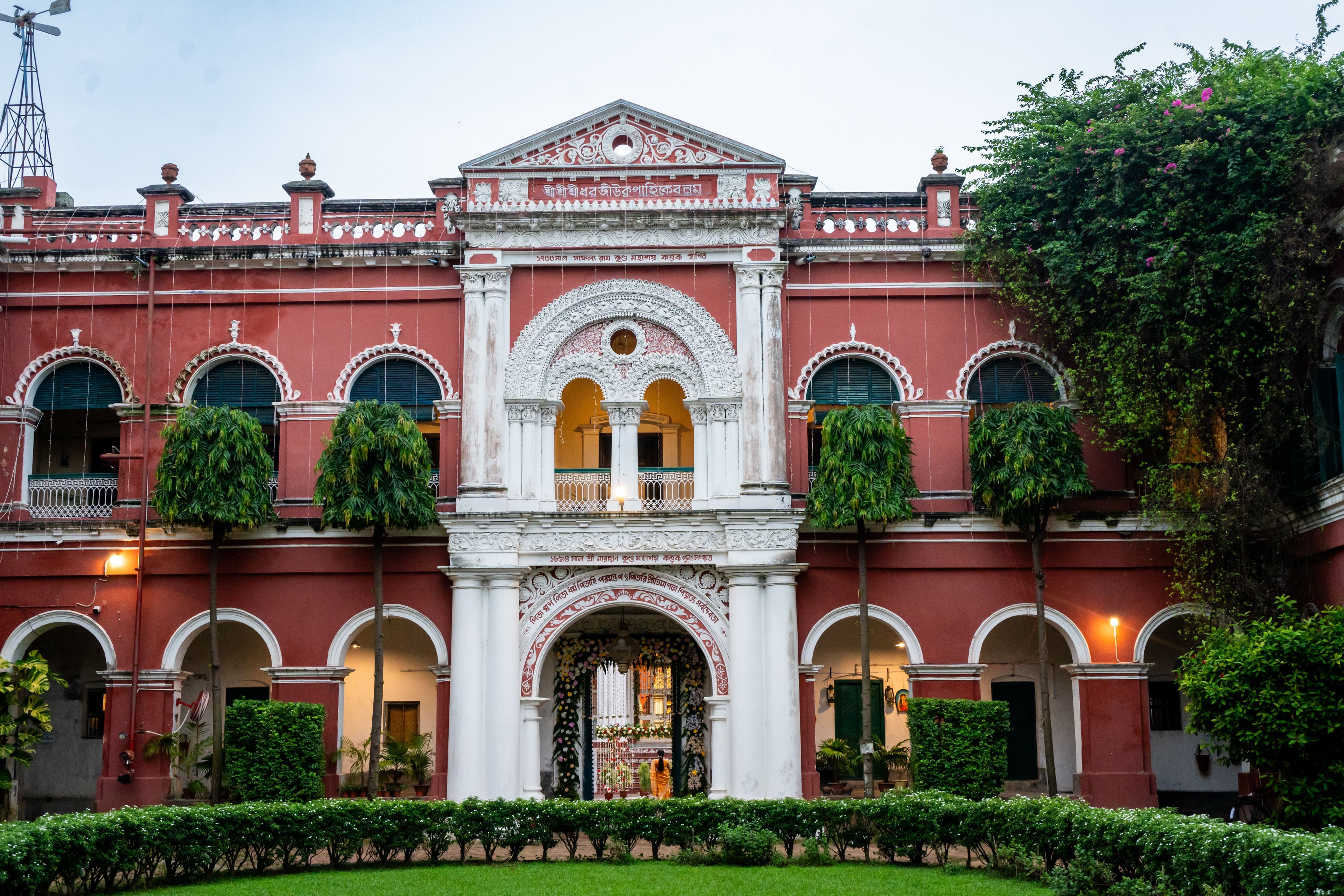
Image via pexels
Best Experiences
- • A morning at the Hazarduari. Arrive at opening time for quiet galleries and good light.
- • A silk-loom visit. Watch weavers at work and learn to tell handloom from power loom.
- • Sunset at Motijheel. Soft light on the lake and ruins.
- • A Bhagirathi river walk. Boats, bathing ghats and village life at slow pace.
- • Heritage walk with a guide. Link the Imambara, Medina Masjid, clock tower and Khushbagh.
- • Time your visit to Muharram or Durga Puja. Culturally vivid, but crowded, so book early.
Hidden Gems
- • Khushbagh. A peaceful garden-cemetery for the Nawabs.
- • The Kaliji-khaki Begum Mosque. A ruined early 18th-century mosque damaged by river floods.
- • Jain temples of Azimganj. Evidence of the merchant communities who powered the economy.
- • Nashipur Rajbari. A grand mansion with a faded, atmospheric courtyard.
- • Village silk lanes. Everyday life around the looms, rarely seen by visitors.
What to Eat
The cuisine in Murshidabad is Bengali but also has a nawabi tone to it. You can have fish cooked in mustard gravy, rice and dal, seasonal vegetables, and also Mughlai preparations like biryani and kebabs. Bengali sweets form an important part of the cuisine – sandesh, rasgulla, mishti doi, and other specialities. It’s worth mentioning that mangoes and litchis are also specialties of the area. As far as the eating arrangements go in the town itself, they are limited, so do plan accordingly.

Image via encrypted-tbn0
Nearby Attractions
- • Berhampore (Baharampur). The district center with markets and silk stores.
- • Cossimbazar and Jiaganj. Former trade centers with vestiges of colonial architecture and Jain temples.
- • Lalbagh. The administrative division where most landmarks are located.
- • Plassey (Palashi). The location of the famous 1757 battle, just a stone’s throw from Lalbagh.
- • Kolkata. The successor city to the glory of Bengal, a perfect place to begin or conclude your journey.
Luxury Travel Tips
Image via pexels
Luxury Travel Tips
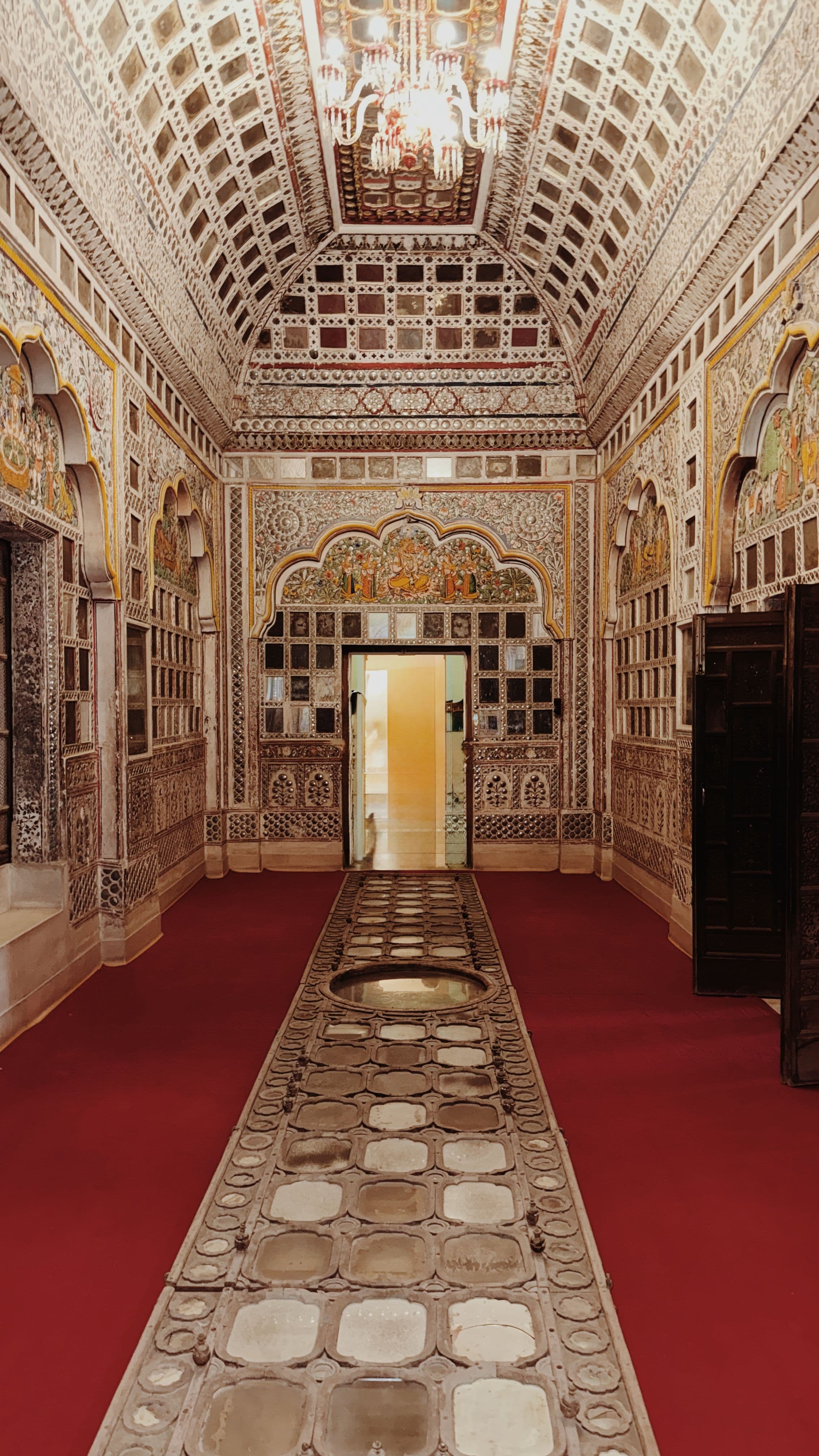
Consider visiting Murshidabad in terms of culture and not luxury. Get a private transport along with a guide and settle down in Kolkata or Berhampore. The benefit will be the chance to explore a unique heritage site without crowds.
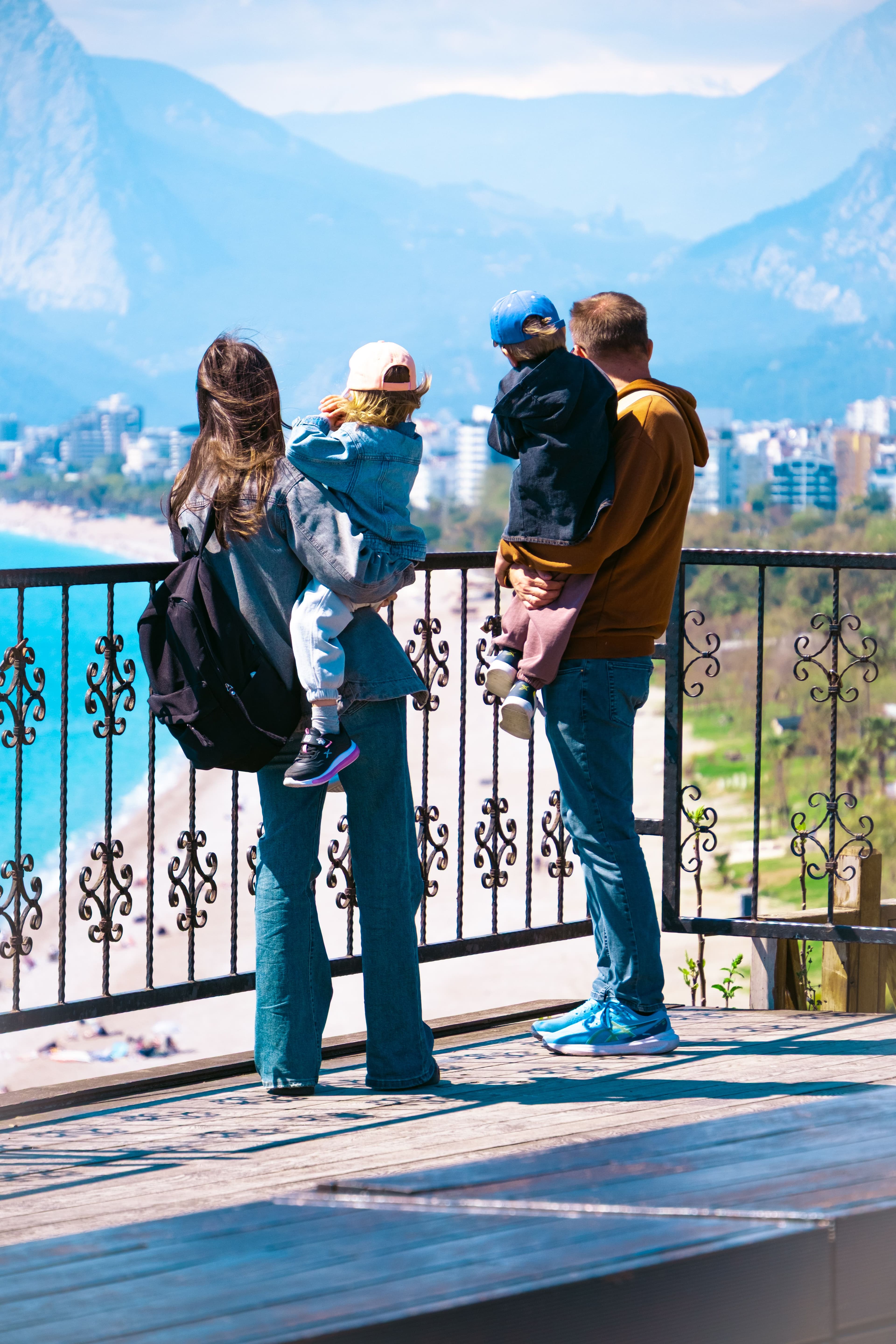
Family Travel Tips
Image via pexels
Family Travel Tips
Older children who like stories of nawabs, cannons and palaces will enjoy it. Allow time for breaks, carry water and snacks, and keep younger children away from ruined structures and the riverbank.

Solo Female Traveler Tips
Image via pexels
Solo Female Traveler Tips
Murshidabad is usually very conservative but friendly towards tourists who are respectful to their culture and practices. Dress conservatively, especially in mosques and shrines; use a reliable driver for the trip; stay away from places like Motijheel when empty at night, and tell someone about your itinerary.
Practical Travel Guide
Best Time to Visit
October to March for cooler, drier weather. Summers are hot and humid, and the monsoon brings heavy rain and river flooding.
How to Reach
- • By Air: Nearest airport is Kolkata.
- • By Rail: Nearest stations are Murshidabad and Berhampore Court, with services to Kolkata.
- • By Road: Kolkata is about 200 km away - approximately 4 to 5 hours by private vehicle.
Entry and Ticket Details
Hazarduari: a small entry fee for Indians and an even higher fee for foreigners, working reportedly around 9 AM to 5 PM except on Fridays. Imambara and Kathgola have their individual entry fees. The figures are from old references, so verify before visiting.
Suggested Duration
Minimum: one long day from Kolkata. Recommended: two days with a night in Berhampore.
Safety
Carry cash, as cards are not universally accepted; avoid isolated sites after dark; watch your step on uneven ruins; drink bottled water.
Photography
Seek permission in Hazarduari Palace and also in places where people actively practice religion. The golden hour on the Hazarduari lawn and Motijheel lawn is fabulous.
Why Choose India Heritage Travel
Murshidabad rewards careful planning, since facilities are limited and opening rules vary - and India Heritage Travel builds journeys around that reality. We arrange chauffeur-driven tours through long stretches of Bengal, tailored itineraries blending history, silk, and rivers at your own pace, well-screened comfortable stays with honest advice on limited luxury options, historian guides who explain the Nawabs, Plassey, and the architecture, women-safe drivers and stays for solo and all-woman groups, and top-class assistance from enquiry to departure, including visits to the looms.
Frequently Asked Questions
Yes, especially for travellers interested in history, architecture and textiles. It was the capital of Bengal in the 18th century and offers a palace museum, ruined mosques, a lakeside palace and a living silk tradition, with few other visitors.
Murshidabad is roughly 200 km from Kolkata, around 4 to 5 hours by road. A private car with a driver is the most flexible option, and trains also run to Berhampore Court and Murshidabad stations.
October to March offers the most comfortable weather. Summers are hot, so go at sunrise only, while the monsoon months of July to September bring green landscapes and fewer visitors.
The Hazarduari Palace, Nizamat Imambara, Katra Mosque, Motijheel, Kathgola gardens and Khushbagh are the highlights. Wasif Manzil, Kiriteswari Temple and Nashipur Rajbari make good additions.
October to March is best. Summers are hot and humid, and the monsoon can bring heavy rain and flooding. Several sites close on Fridays.
The region has long been a centre of mulberry silk and handloom weaving. The famous Baluchari sari originated at Baluchar near Murshidabad in the 18th century, though authentic production is now mainly at Bishnupur.
Planning a Murshidabad Heritage Journey?
India Heritage Travel crafts private Bengal itineraries featuring Murshidabad's Hazarduari Palace, Nawabi heritage, and silk weaving traditions — combined with Kolkata, Plassey, and Berhampore.
Plan My Murshidabad Heritage Journey