Why Karauli Belongs on Your Rajasthan Itinerary
Between the bustling streets of Jaipur and the tiger reserve of Ranthambore lies a kingdom that escapes most tour plans. The Karauli heritage tour takes one to a small fortified town along the Bhadravati river, a palace of red sandstone steeped in the legacy of its rajas, a Krishna temple where pilgrims stand in long lines for only one offering of sweets, and a hilltop shrine of the goddess visited by thousands of devotees each year in springtime.
It is an unrefined place, and this is what makes it special. What Karauli offers is the experience of a traveller who cares more about atmosphere than spectacle: the painted ceilings of partially renovated palaces, evening prayers in a courtyard scented with smoke, and a journey into ravine land to a dilapidated fort. For those who have toured the Golden Triangle and seek the real Rajasthan beyond these famous cities, this is a unique discovery.
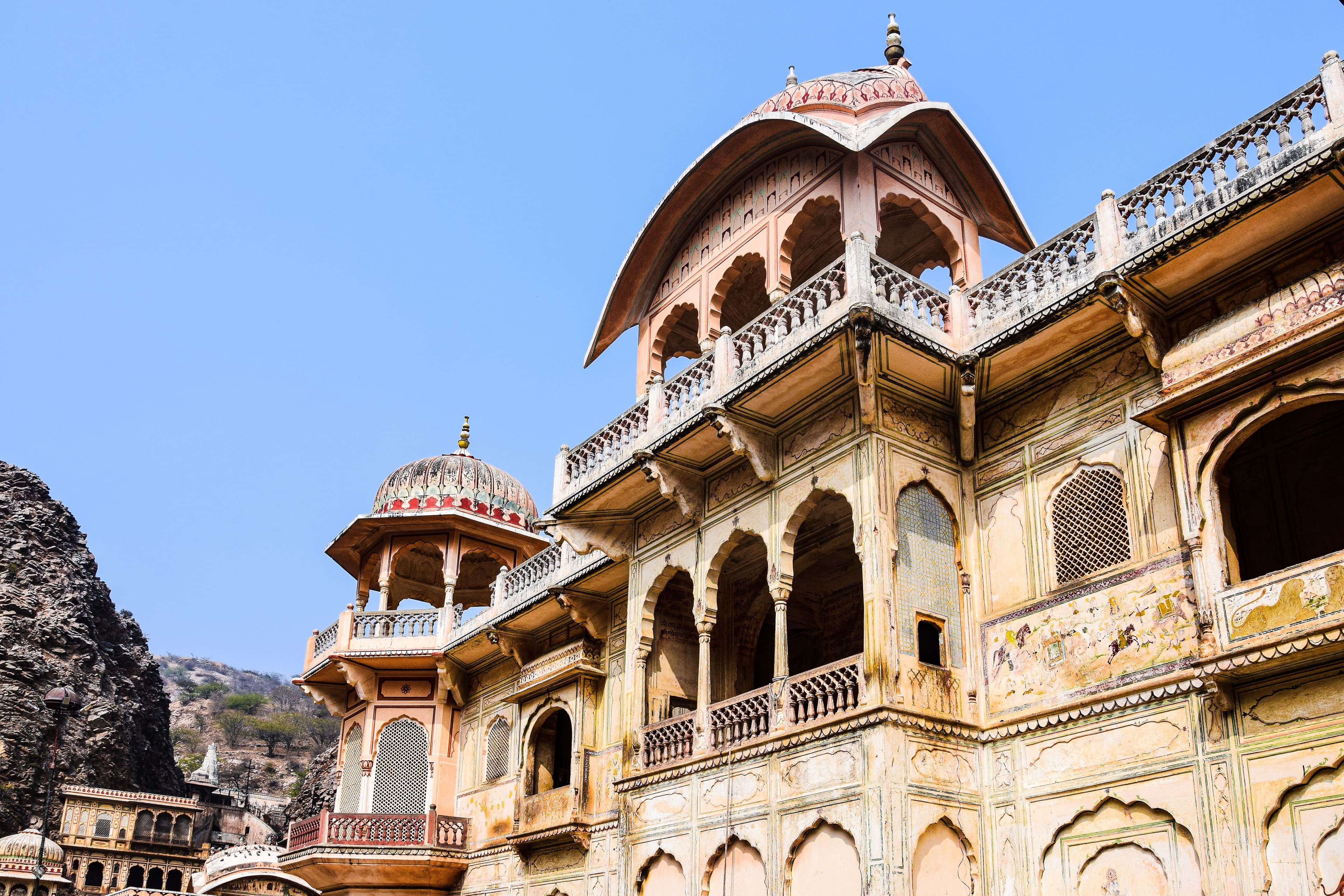
Image via encrypted-tbn0
This guide tells you all you need to know about the history behind the sights you see, the sites worth visiting, how to pick your accommodation, and how to plan your journey to and from Jaipur and Agra. This guide is upfront about what is faded, closed down, or not proven, because reliable luxury travel requires realistic expectations.
Karauli at a Glance
| Detail | What to know |
|---|---|
| Location | East Rajasthan, in the Braj region, on the Bhadravati river, a tributary of the Banas |
| Distances (by road) | Karauli is about 160–180 km from Jaipur, 180 km from Agra, 100 km from Sawai Madhopur (Ranthambore), 110 km from Bharatpur, and 290–300 km from Delhi. |
| Known for | City Palace, Madan Mohan Ji Temple, Kaila Devi Temple, Timangarh Fort, Kaila Devi Wildlife Sanctuary |
| Heritage stay | Bhanwar Vilas Palace, a royal-family heritage hotel built in 1938 |
| Character | Quiet, devout, local; red sandstone, ravines and Krishna devotion |
| Ideal for | Heritage and temple lovers, offbeat travellers, photographers, and families seeking spiritual travel. |
| Ideal stay | One to two nights, combined with Jaipur, Ranthambore or Agra |
A Short History: The Hidden Kingdom of the Jadauns
Royal family of Karauli comes from the Yaduvanshi Jadaun Rajputs whose ancestry goes back to Krishna and the Yadavas. There have been differences on the early dates of the origins of the family. According to one version, the kingdom was founded by Raja Bijai Pal somewhere around the 10th century in the place then called Kalyanpuri. Another source says the walled city and the palace were built by Arjun Pal sometime around the 14th century.
The area came under the Mughal Empire in the period of Akbar, was then conquered by the Marathas and was brought under the protection of the British Empire in 1817. In its zenith, the area stretched across the current district as well as the adjoining parts of Alwar, Bharatpur, Dholpur and Gwalior areas. The rulers of the area had used the surname "Pal" instead of "Singh". The eighteenth century can be termed the period of Raja Gopal Singh, who constructed the major portions of the present day palace as well as the temple of Madan Mohan and Kaila Devi. The nineteenth century saw a succession of the throne through adoption and the adoption of Raja Madan Pal in 1857 earned him extra gun salute due to his allegiance to the British.
Following independence, it became part of Rajasthan, while the palace was presented as a gift to the Madan Mohan Temple Trust in the 1950s and was renovated. This ensures that it remains a part of active worship rather than becoming a stagnant museum.
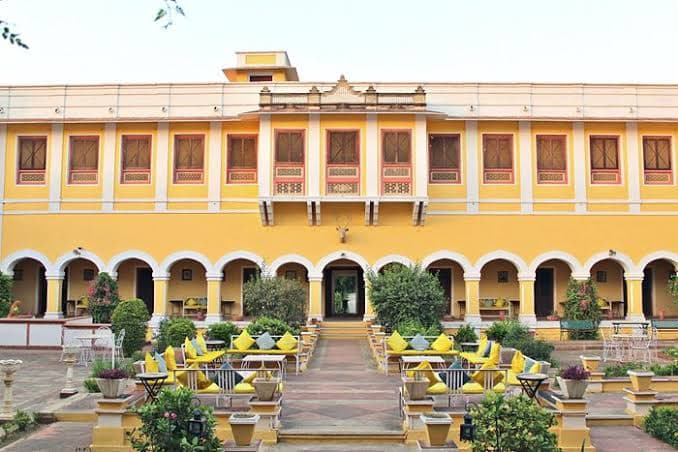
Image via encrypted-tbn0
Karauli Heritage Travel: The Major Attractions
Karauli City Palace
Image via wikipedia
Karauli City Palace
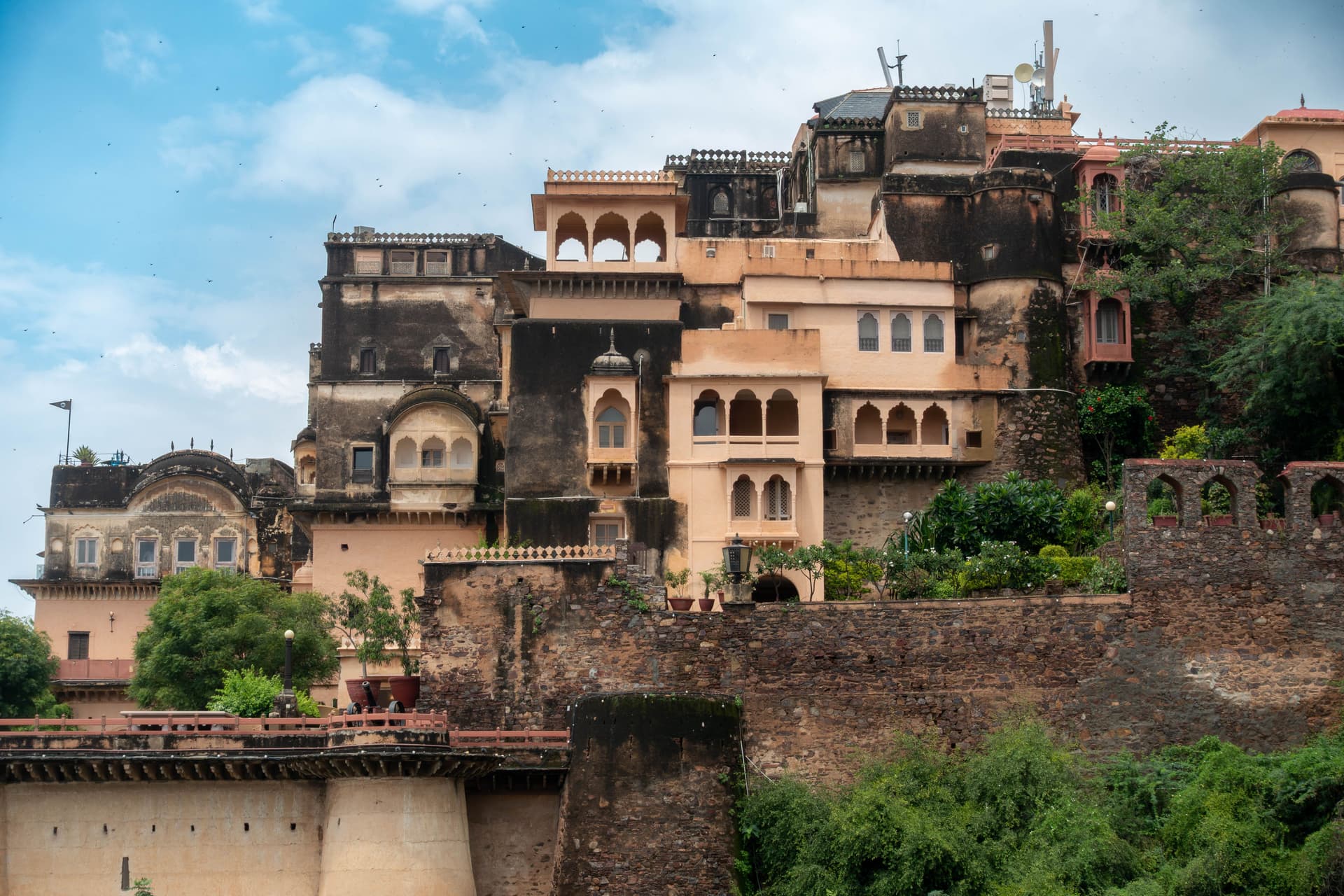
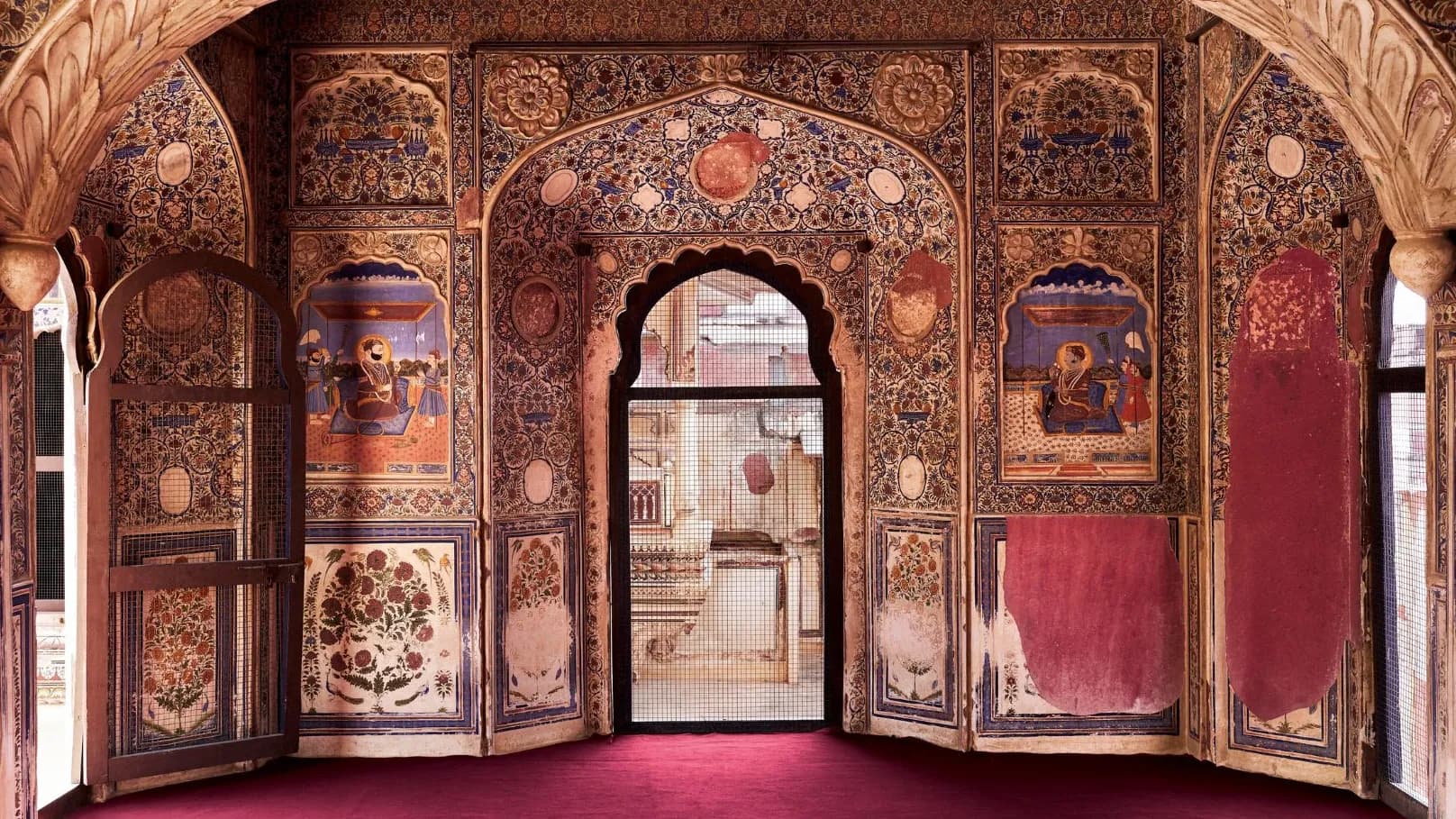
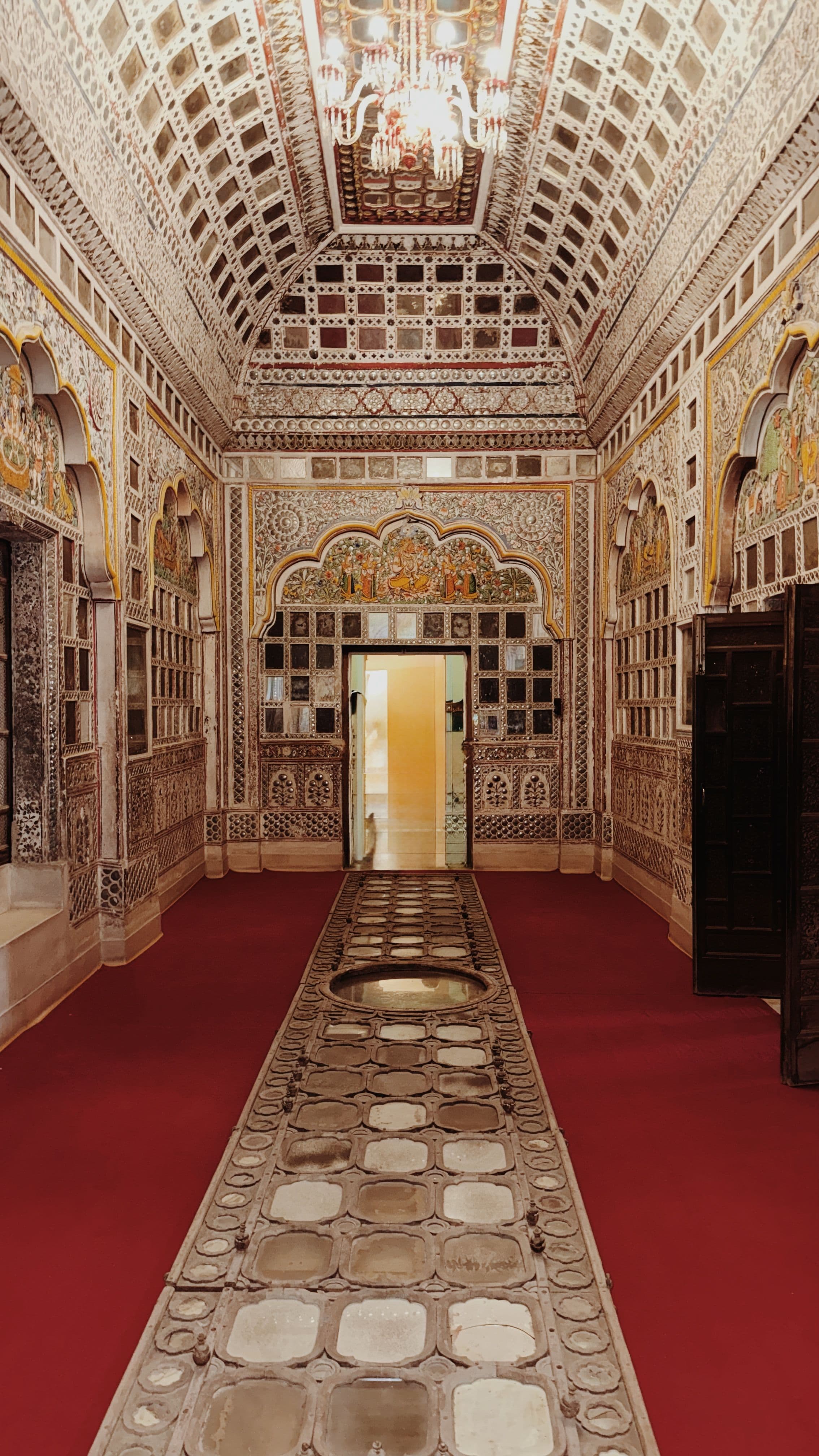
Entered through Ganesh Gate, Karauli's City Palace (locally called Rawal) was rebuilt in red sandstone by Gopal Singh, with 19th-century white stone additions. Highlights include the Diwan-i-Aam's painted wooden doors, the Rang Mahal's tinted-glass jharokhas, the Moti Mahal, and the Barah-dwari portrait room - while mirrored bedrooms were cooled by an ingenious water-pipe system.
Madan Mohan Ji Temple
Image via wikipedia
Madan Mohan Ji Temple
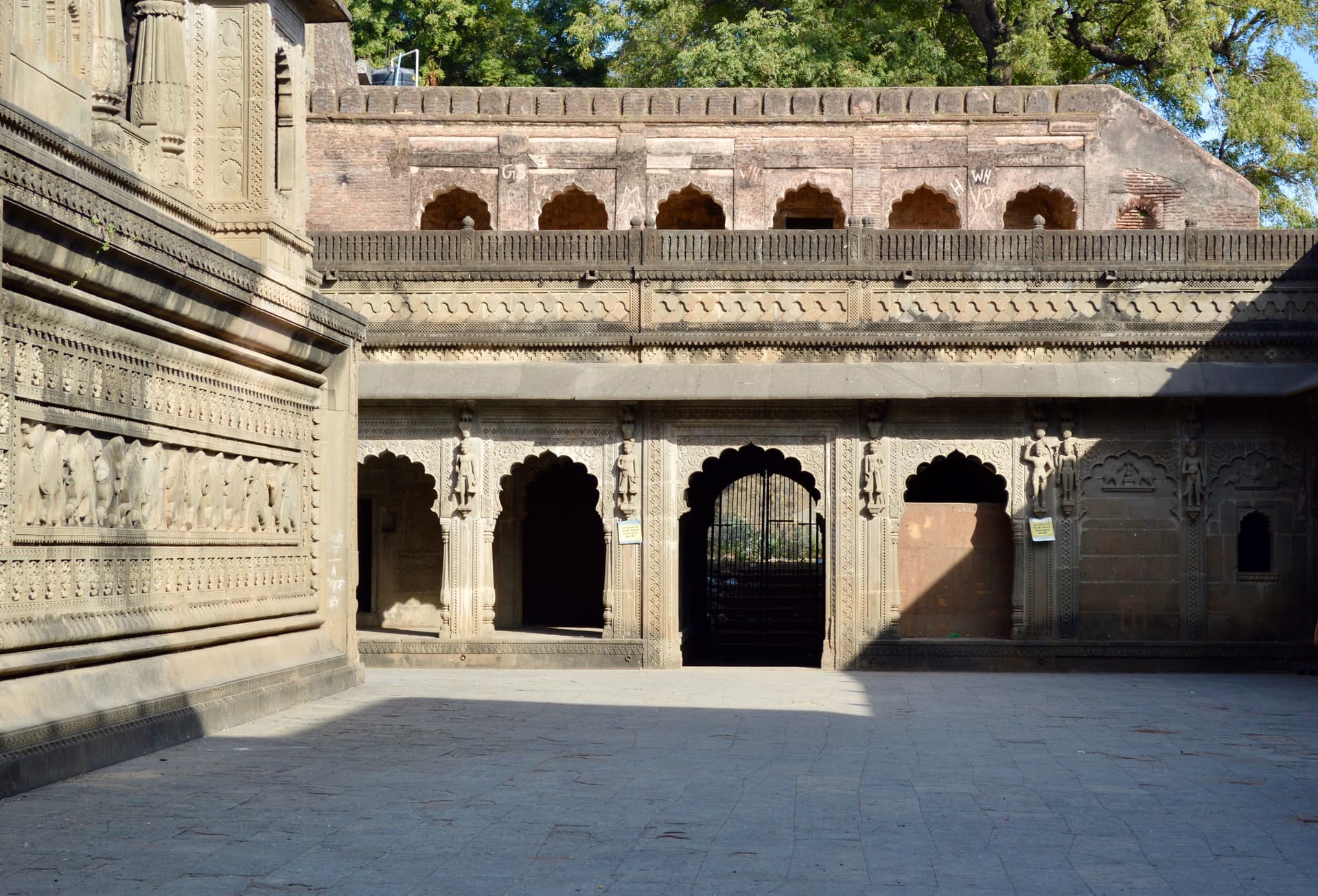
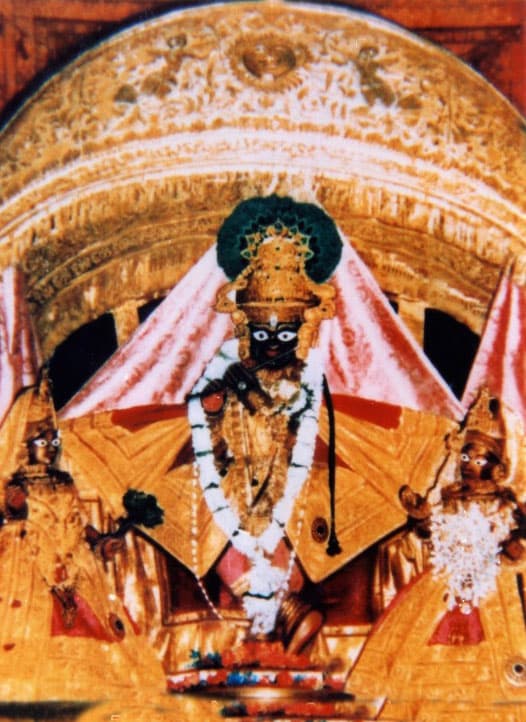
Madan Mohan Ji Temple, near Karauli's palace on the Bhadravati River, honours Lord Krishna. Legend credits King Gopal Singh with rescuing the idol from Mughal-threatened Vrindavan in a dream. It draws pilgrims on Janmashtami, Radhashtami, Gopashtami, and Holi.
Kaila Devi Temple
Image via wikipedia
Kaila Devi Temple
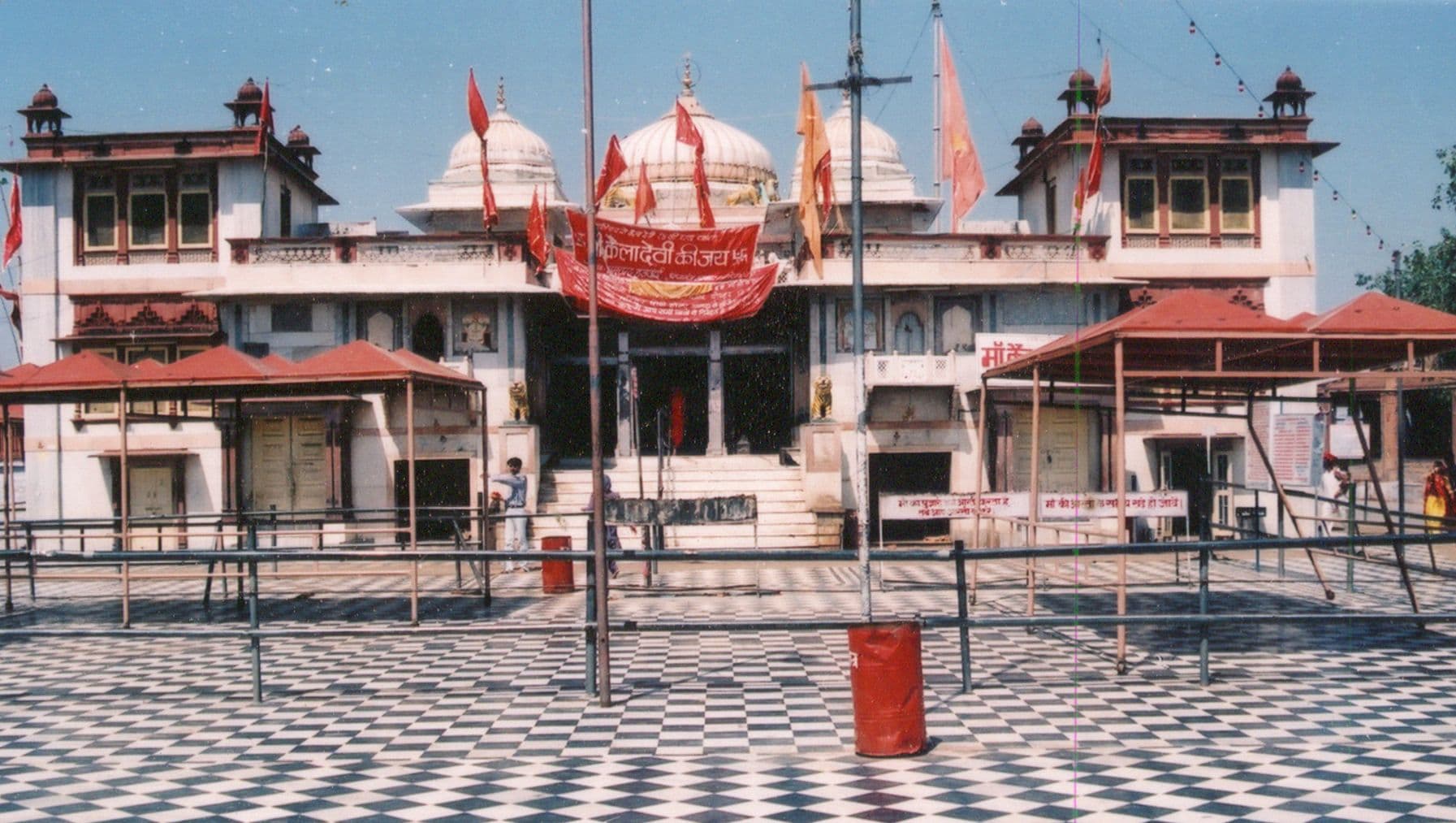
Kaila Devi Temple, 23 km from Karauli, is a major pilgrimage site in eastern Rajasthan, set in the Aravalli hills beside the Kalisil River. The marble temple, dedicated to an incarnation of Mahalakshmi and Yogamaya, has been patronised by the Jadaun kings for centuries and was last renovated in marble in 1947.
Timangarh Fort
Image via wikipedia
Timangarh Fort
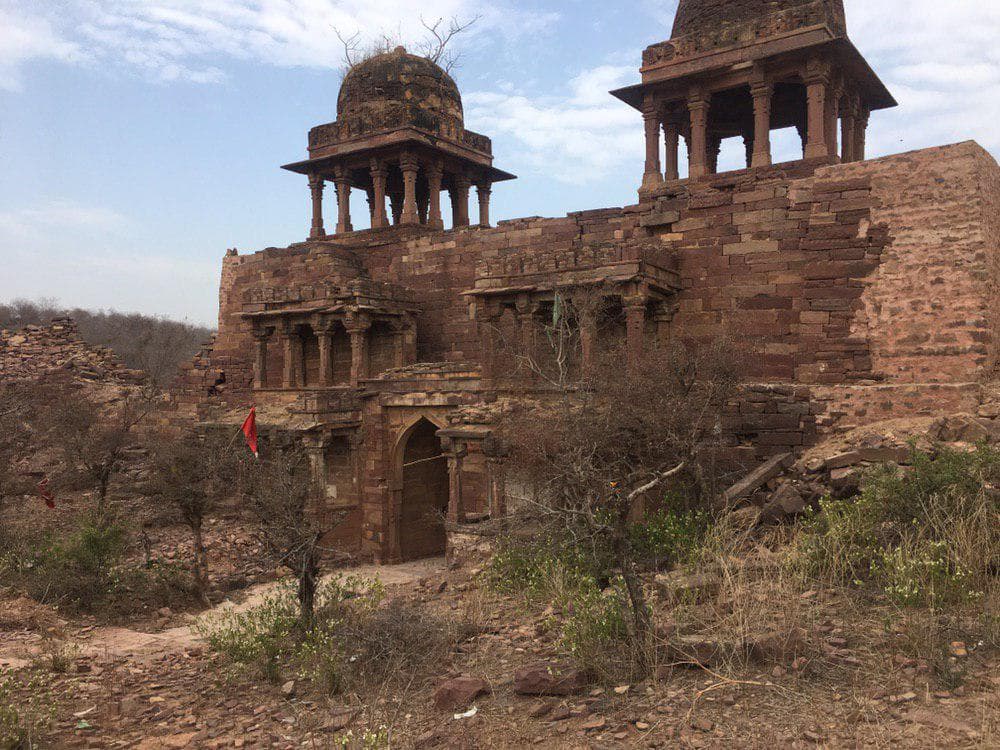
There is an ancient Timangarh Fort near Karauli which is said to be built by a king named Timan, and is famous for its ancient idols carved on stones and metals. Some of these artifacts are exhibited in the Bhanwar Vilas Palace. The road to this site is quite rough, and it is better to travel in a jeep accompanied with a guide.
Kaila Devi Wildlife Sanctuary
Image via wikipedia
Kaila Devi Wildlife Sanctuary
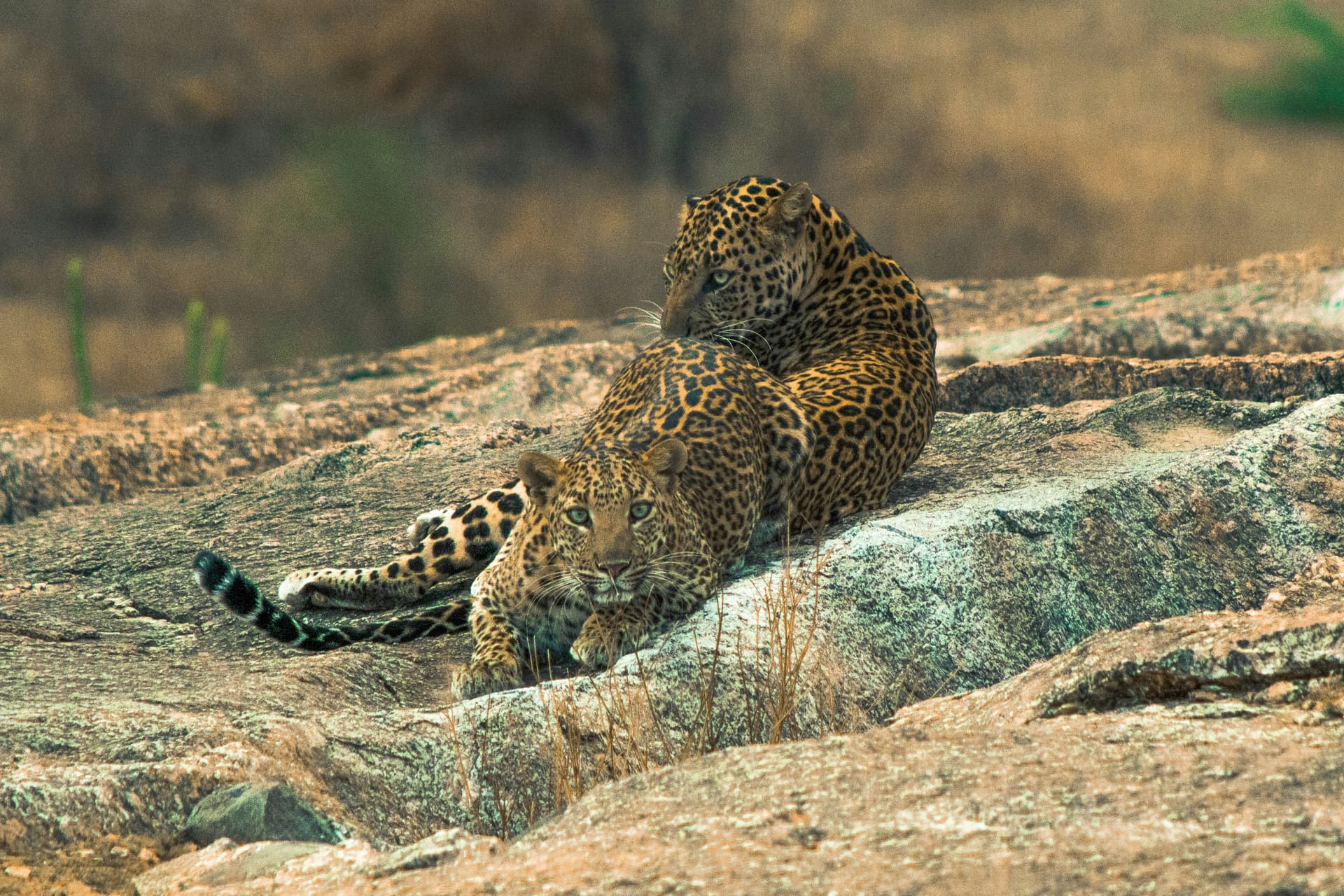
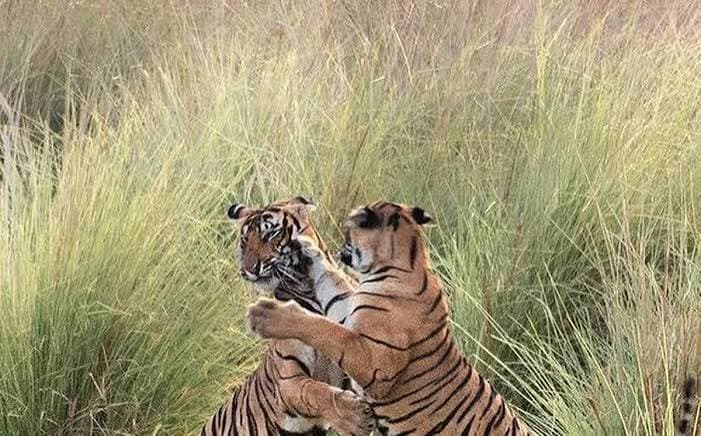
The wildlife sanctuary is located around 25 km away from Karauli and is situated in the deep ravines of the Aravallis, acting as a buffer zone for the Ranthambore landscape. One can find chinkara, boar, jackal, and birdlife here, and the chances of spotting leopards and sloth bears are rare.
Palace and Temple Architecture: What to Look For
- • Red sandstone. The local material is responsible for the warm colour of the City Palace along with exquisite jali work and stone carving.
- • Syncretic motifs. Delhi inspired structures combined with Rajput planning with the latter having unique additions in the form of painted stone structures.
- • Coloured glass and mirror work. Rang Mahal and mirrors in the bedrooms are examples of how light can be used to decorate.
- • Painted ceilings and doors. Floral patterns found in Diwan-i-Aam are some of the best preserved decorations in the palace.
- • Design to combat heat. A well and tank were used for fountain water along with keeping the rooms cool.
- • Temple courtyards. Madan Mohan and Kaila Devi temples have an open courtyard where the essence of worship takes precedence over the architecture.
Cultural Significance
Karauli lies in a region rich in cultural significance - the birthplace of Lord Krishna - so its people venerate Krishna with deep devotion. The idol of Madan Mohan links the town to Vrindavan, while Kaila Devi connects it to the goddess tradition.
Festivals shape Karauli's year: Holi and Janmashtami at the temples, the Chaitra festival at Kaila Devi, the February cattle fair at Mela Gate, and Maha Shivratri.
Where to Stay: Heritage Hotels in Karauli
The availability of accommodation is quite restricted in Karauli, but this is what makes it special. The Bhanwar Vilas Palace, constructed way back in 1938 for the royalty, is the only place that all the tour guides will recommend staying at. It provides about 40 air-conditioned rooms and suites, a pool, museum of some old stuffs, and also various activities like folklore shows, jeep safari or camel ride. Moving barefoot in the cool stoned corridors of the hotel is an integral part of the stay experience.
On the other hand, if you are someone who wants to have more options available to himself, you can choose to stay in places like Jaipur, Sawai Madhopur or even Agra, and make a trip to Karauli for a long day or a night.
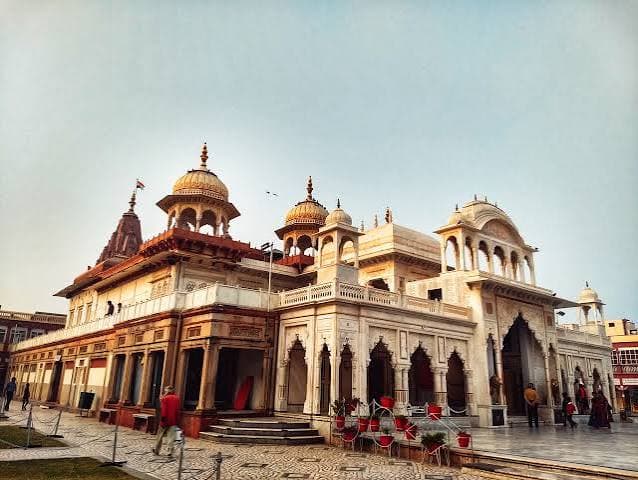
Image via encrypted-tbn0
Sariska and the Aravalli Wild Side
The greatest strength that Alwar possesses compared to other historical cities is the presence of wildlife in its surroundings. Sariska Tiger Reserve covers an area of more than 1,200 square kilometers within its buffer, located in the Aravalli hills. The region was declared as a tiger reserve in 1978 and then as a national park in 1982. When the tigers disappeared from the reserve, in 2008, two tigers were introduced to this place by relocation from Ranthambhore using an air transfer method; their number reached 30 by 2023.
Tiger spots can be seen in the period of March to May when the animals usually come out looking for water, while one can enjoy the pleasant winter days at the park. Even without seeing a tiger, you can have a look at sambar, nilgai, leopard, and many other birds. The Pandu Pol Temple and spring and Siliserh forests are located nearby. The safaris are carried out during dawn and dusk, while the jeeps and canters are allowed entry into the Sariska Gates via certain zones that have a higher probability of encountering animals. The timing for the park, as well as the rates, is very frequent, and it can even be closed during monsoon times, so keep an eye on the timings.
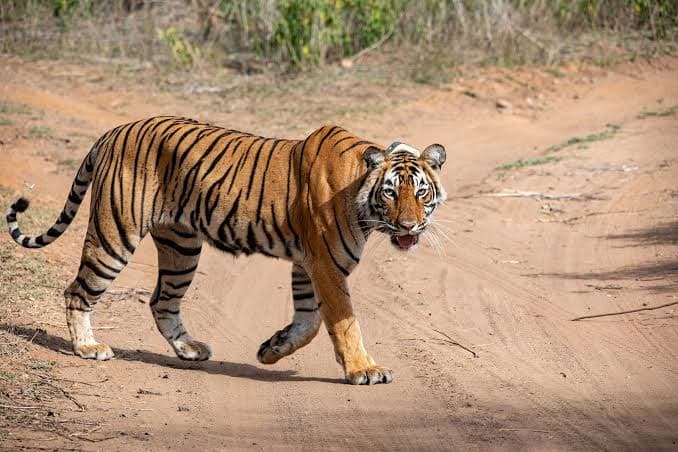
Image via assets.cntraveller.in
Hidden Gems
- • Terrace at City Palace. Tranquil view of the town, river, and ravines.
- • Chhatri of Raja Gopal Singh. Outlying cenotaph with frescoes, although some places are not maintained.
- • Bank of river Bhadravati in evening. Soothing illumination of the temples and palaces.
- • Mela Gate and Bazaars. Local products, beadwork and brasswares, particularly during fairs.
- • Mandrayal. Other temple and fort to visit in the area.
What to Eat
Karauli's food is simple, devout, and largely vegetarian. Temple prasad is a highlight - laddus and kachauri offerings - while local dhabas serve besan-mixed rotis, dal, sabzi, and seasonal produce.
Bhanwar Vilas Palace serves Rajasthani, Indian, and continental dishes and can accommodate dietary requests. Outside the main town, restaurant choices are limited - plan lunch in town and carry bottled water, as reliable options are mostly found there.
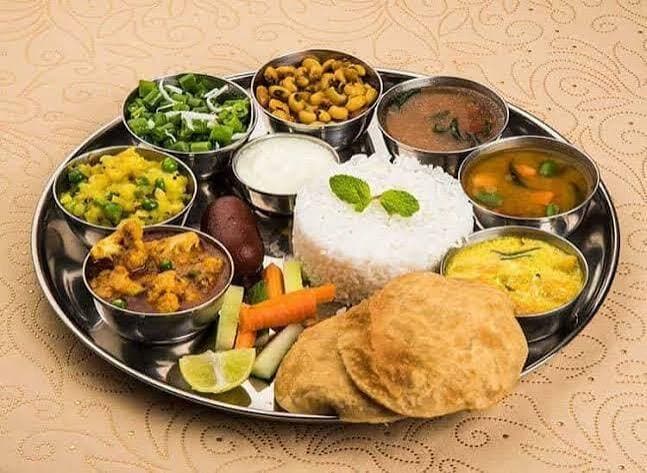
Image via encrypted-tbn0
Nearby Attractions
Karauli sits within easy reach of several major destinations. Ranthambore National Park (about 100 km) is ideal for wildlife enthusiasts, while Jaipur (160–180 km) can be combined with Dausa and Abhaneri. Agra and Fatehpur Sikri (around 180 km) connect Karauli to the Taj circuit, Bharatpur's Keoladeo National Park (110 km) is perfect for birdwatching, and Gwalior (140 km) offers more Rajput and Maratha forts.
Luxury Travel Tips
Image via pexels
Luxury Travel Tips
Karauli is not a fancy destination, which means that luxury in Karauli means accessibility, convenience, and time consumption. Accessible in the context of a private car and driver; convenience in the shape of an experienced guide and one-night accommodation at Bhanwar Vilas, and time through the timely visit of temples.
Family Travel Tips
Image via pexels
Family Travel Tips
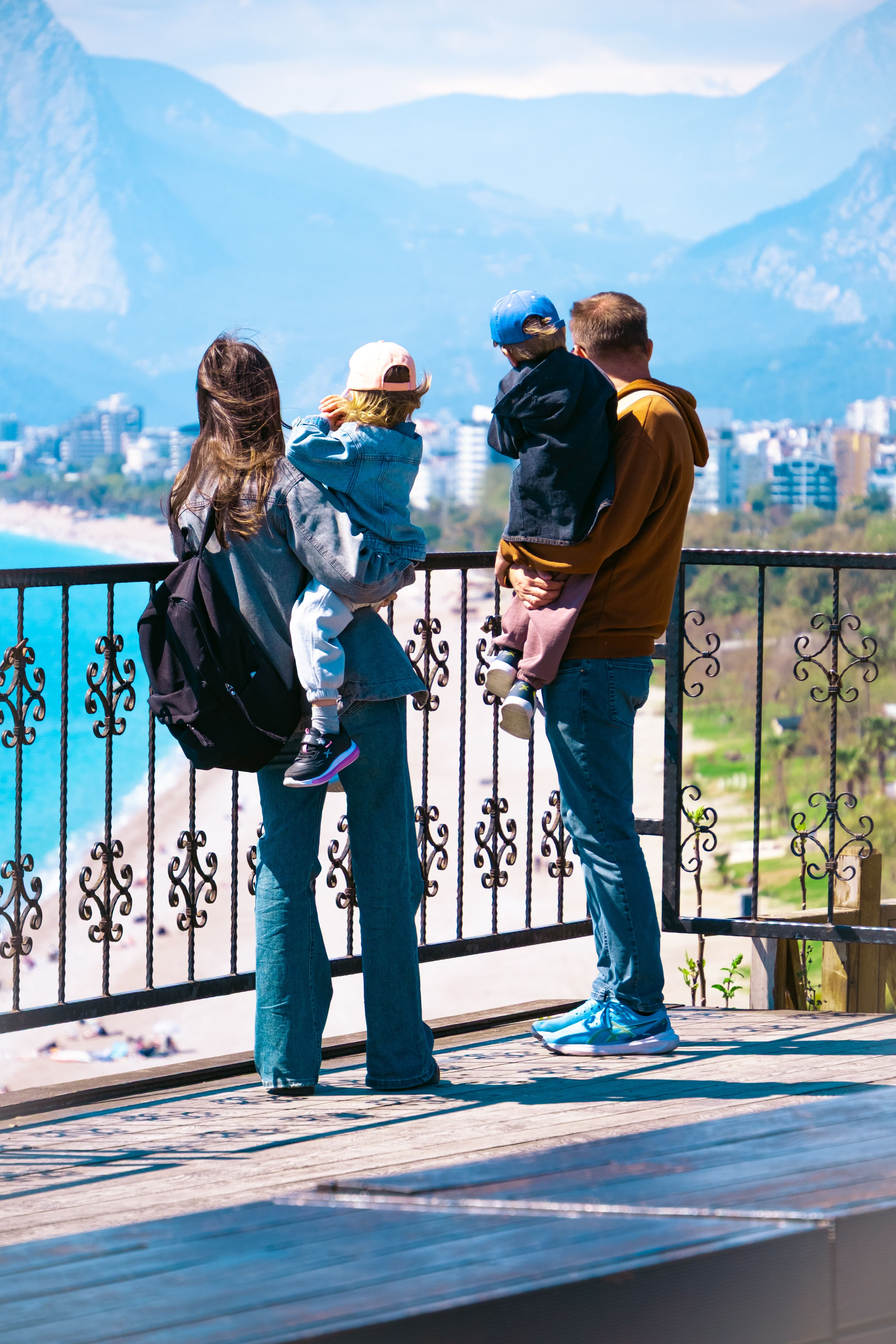
All the children would adore riding camels and horses, as well as the mirror rooms at the palace. Since the temples are always crowded, it’s best to visit them early in the morning while keeping your things safe, and taking snacks and enough water.

Solo Female Traveler Tips
Image via pexels
Solo Female Traveler Tips
Karauli exists as a small town which holds deep spiritual significance. Visitors should wear proper attire which includes shoulder and knee coverage and they need to carry a scarf for temple visits. The chauffeur should operate the vehicle safely while the traveler avoids dark travel through remote regions. The traveler needs to find a protected accommodation for their stay. India Heritage Travel offers women travelers safe journeys through their drivers and guides who have professional experience and their selection of secure accommodation options.
Practical Travel Guide
Best Time to Visit
Period during winter-spring (October-March). The summers are extremely hot (max. temperature is about 47 C at Kaila Devi) and winters are moderate. Kaila Devi festival takes place in March-April, and cattle festival in February.
How to Reach
- • By Air: Nearest airport is Jaipur (approx. 160–180 km).
- • By Rail: Nearest stations are Gangapur City (approx. 30 km) and Hindaun (approx. 29 km), both on the Delhi–Jaipur line.
- • By Road: From Jaipur, Agra, or Sawai Madhopur, a private vehicle is the only practical option.
Entry and Ticket Details
Entry tickets to the City Palace cost some money (different rate for Indian and foreign visitors) and are available approx. from morning till early evening; check locally. All temples are free to visit.
Suggested Duration
Minimum: one long day from Jaipur or Sawai Madhopur. Recommended: one night in Karauli, plus a half-day at Kaila Devi.
Safety
Carry cash, drink bottled water, avoid rural roads after dark, and follow temple crowd rules, particularly during fairs.
Photography
Golden hour at the palace and riverbank is superb. Many temples restrict photography inside the sanctum, so always ask.
Suggested Itineraries
One-Day Karauli Itinerary from Jaipur or Sawai Madhopur
| Time | Plan |
|---|---|
| 7:30 AM | Private chauffeur pick-up from your hotel |
| 11:00 AM | City Palace: Diwan-i-Aam, Rang Mahal and terrace |
| 12:30 PM | Madan Mohan Ji Temple |
| 1:30 PM | Lunch at a trusted local venue or the heritage hotel |
| 3:00 PM | SDrive to Kaila Devi Temple (about 23 km) |
| 5:00 PM | Aarti and sunset in the hills; return journey |
Two-Day Heritage and Temple Escape (Recommended)
- • Day 1: Arrive in the morning and visit the City Palace and old city and join the evening Aarti ceremony at Madan Mohan Ji. Accommodation will be at a heritage royal hotel.
- • Day 2: In the morning visit Kaila Devi and include Timangarh or the wildlife sanctuary guided tour, and proceed to Ranthambore, Jaipur or Agra.
Why Choose India Heritage Travel
Karauli rewards careful planning, as access, timings, and facilities vary - which is where India Heritage Travel steps in. We arrange chauffeur-guided tours for rural routes, customised itineraries linking Karauli with Jaipur, Ranthambore, or Agra, personally inspected heritage stays, local guides versed in palace and temple history, women-safe travel with vetted drivers and accommodations, and first-class assistance from start to finish.
Frequently Asked Questions
Yes, especially for travellers who want an uncrowded, authentic side of Rajasthan. Karauli combines a red-sandstone City Palace, the Madan Mohan Ji and Kaila Devi temples, and ruined hill forts, with far fewer visitors than the main circuit.
Karauli is roughly 160 to 180 km from Jaipur and about 180 km from Agra by road. It is around 100 km from Sawai Madhopur (Ranthambore) and about 290 to 300 km from Delhi.
Early winter to spring, about October to March, is the most comfortable. The Kaila Devi fair in March and April and the February cattle fair are lively but crowded. Summers are very hot.
The City Palace, Madan Mohan Ji Temple, Kaila Devi Temple, Timangarh Fort and the Kaila Devi Wildlife Sanctuary are the main attractions, along with the walled city and riverside.
Kaila Devi Temple is about 23 km from Karauli by road. A private car or taxi is the easiest option; buses run mainly during the fair.
Bhanwar Vilas Palace, a royal-family heritage hotel built in 1938, is the best-known option. Many travellers also stay in Jaipur, Sawai Madhopur or Agra and visit Karauli by private car.
Planning a Karauli Heritage Journey?
India Heritage Travel crafts private Rajasthan itineraries featuring Karauli's City Palace, Madan Mohan Ji Temple, and Kaila Devi - combined with Ranthambore, Jaipur, and Agra.
Plan My Karauli Heritage Journey