Alwar Luxury Heritage Retreats:
Forgotten Palaces, Wild Aravallis and Royal Stays
Discover Alwar's luxury heritage retreats, royal palaces, Siliserh Lake Palace, Hill Fort Kesroli, Tijara Fort-Palace and Sariska Tiger Reserve in this complete Rajasthan travel guide.
Why Alwar Belongs on Your Rajasthan Itinerary
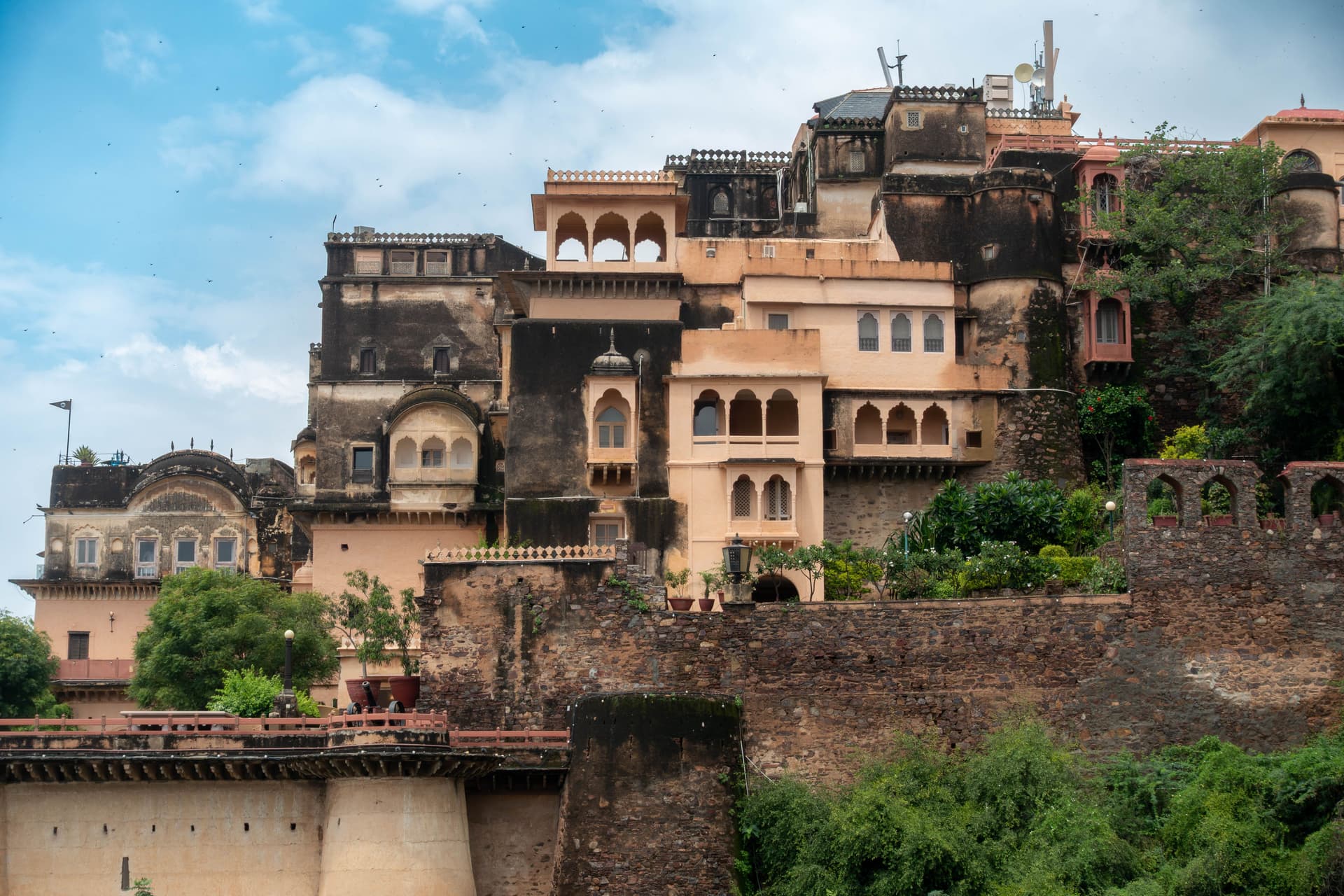
Name most tourists' top royal cities of Rajasthan and Alwar will not appear in their minds. It is just what distinguishes it from all other destinations. Located in the foothills of Aravalli and situated on the road from Delhi to Jaipur, this former princely state gives an opportunity to experience truly unique Alwar luxury heritage accommodation such as a fort which used to be home to emperors, the palace with corridors wide enough to pass an elephant's howdah through, lake palace intended for a beloved queen and the tiger reserve less than an hour away.
It is safe to say that you will hardly encounter crowds there. All palaces of Alwar are faded but not forgotten, all streets are alive but not full of tourist facilities and the best accommodation will give you feeling of a host and not of an extra booking. For those travellers who have seen everything in the Golden Triangle or simply want something less rushed and more romantic, this area of Rajasthan is one of the gems to explore.
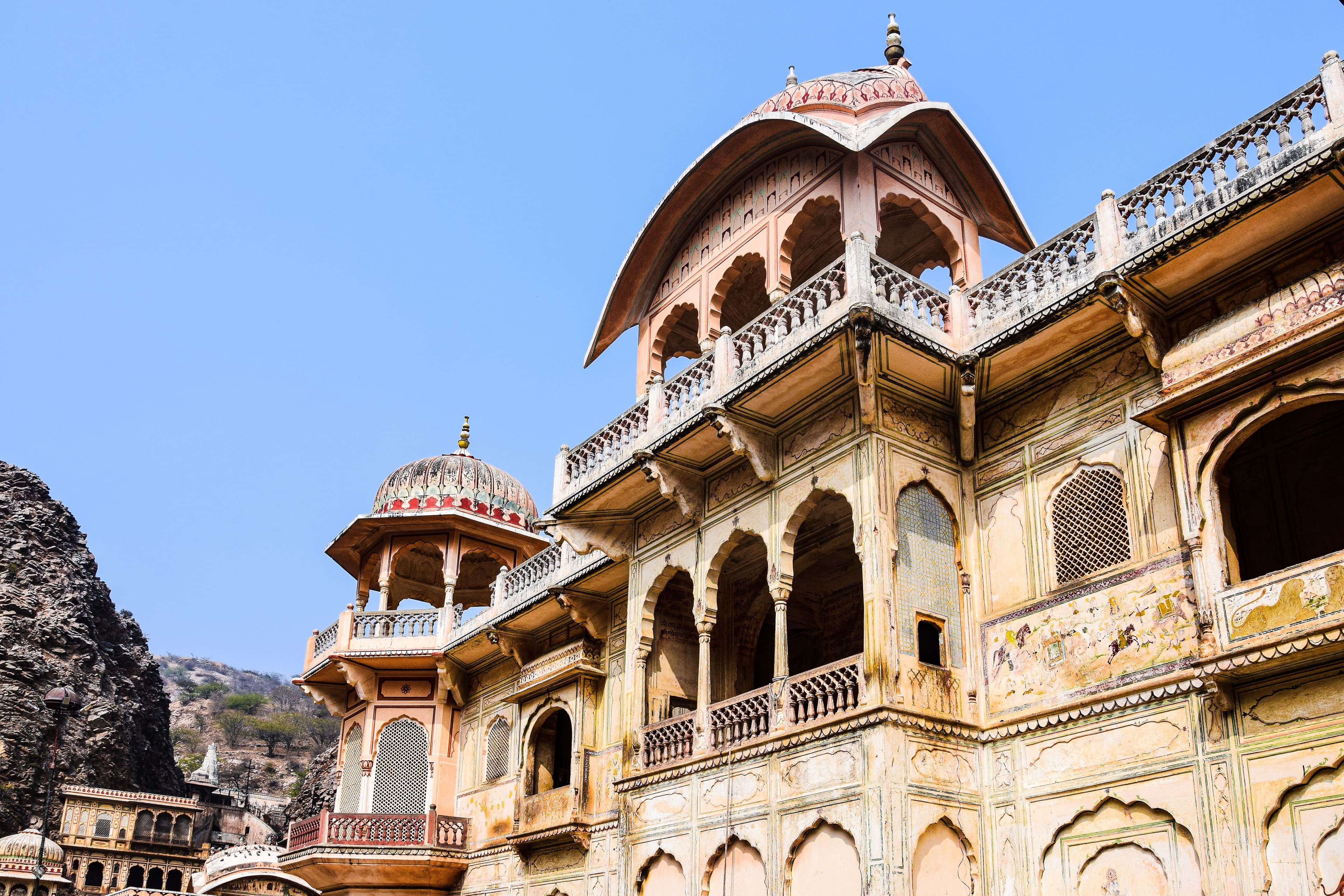
Image via pexels
Alwar at a Glance
Alwar lies in East Rajasthan, roughly 150 km south of Delhi and 150 km north of Jaipur, along the Delhi–Jaipur rail and road corridor. It's known for Bala Quila (Alwar Fort), the City Palace Museum, Moosi Maharani Ki Chhatri, Siliserh Lake, and Sariska Tiger Reserve. Quiet and layered with Rajput and Mughal influences, Alwar carries a strong wildlife and nature element.
Heritage stays include lake palaces, hill forts, and fort-palaces such as Siliserh Lake Palace, Hill Fort Kesroli, and Tijara Fort Palace. Alwar suits couples, heritage lovers, wildlife and photography enthusiasts, Delhi-based weekenders, and slow travellers. Ideal stay: two nights, ideally with one in a heritage property.
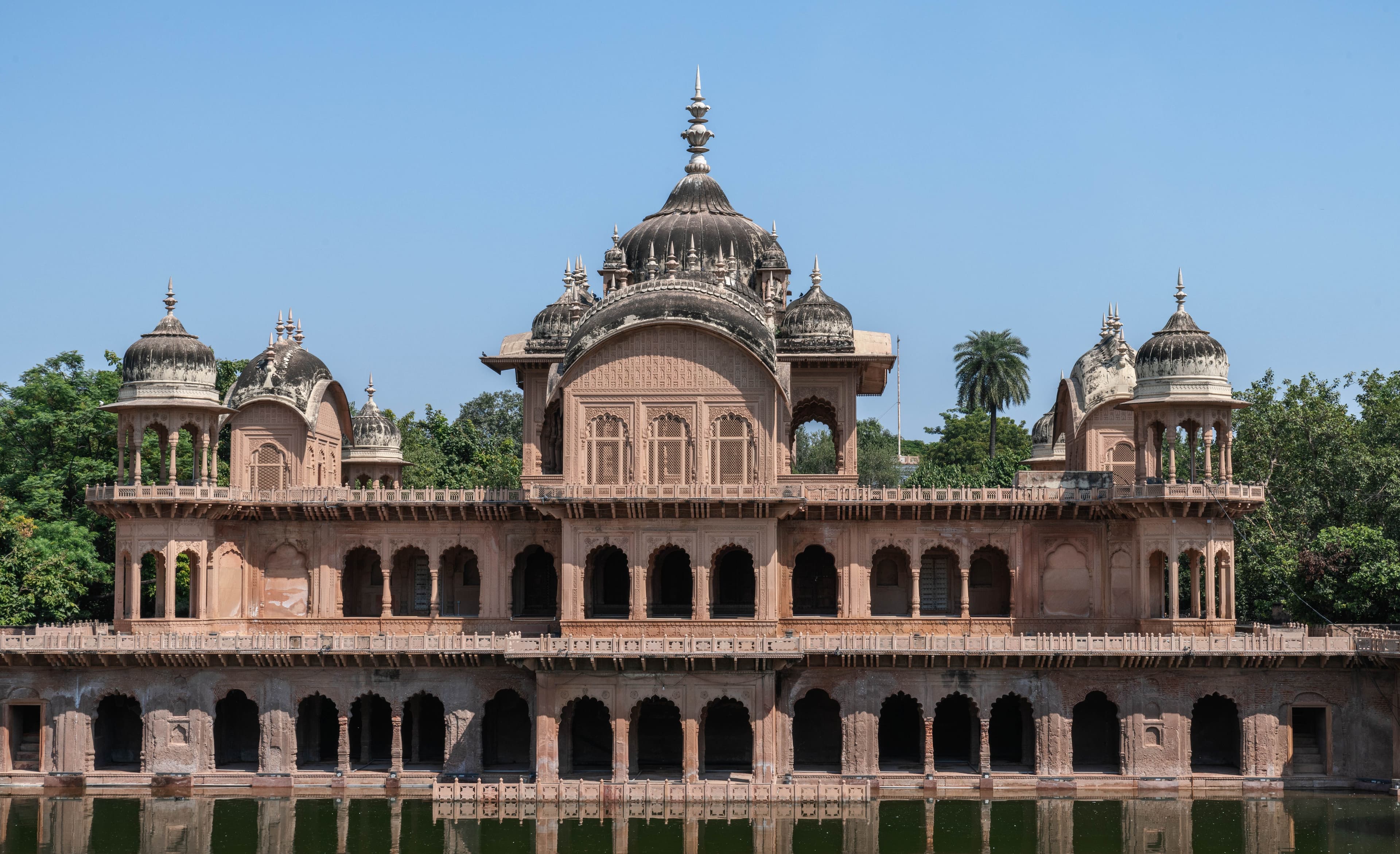
Image via pexels
A Short History of Alwar's Royal Heritage
This place is old indeed. It belongs to the Matsya kingdom and has been ruled by various Rajput clans, such as Nikumbhs and Yaduvanshis. The Nikumbh Rajputs have built a massive hill fort, located above the city. The legend holds that it has once welcomed the Mughal emperors Babur and Jahangir.
The city of Alwar is relatively new. The princely state was founded in 1770 when Pratap Singh Naruka, beginning as a jagirdar, took control of the hill fort in 1775. His successor, Bakhtawar Singh, lost a battle against neighbouring Jaipur and signed a treaty - brokered by the East India Company - making Alwar one of the first Rajput states to enter the British alliance.
In the late 19th century, Maharaja Vinay Singh's reign saw the creation of Siliserh Lake, formed by damming a stream in 1845. Maharaja Jai Singh, who ruled into the early 20th century, commissioned palaces and lakes including Vijai Mandir Palace (1918), Jai Samand Lake (1910), and a hunting lodge in Sariska. Alwar later became part of independent India.
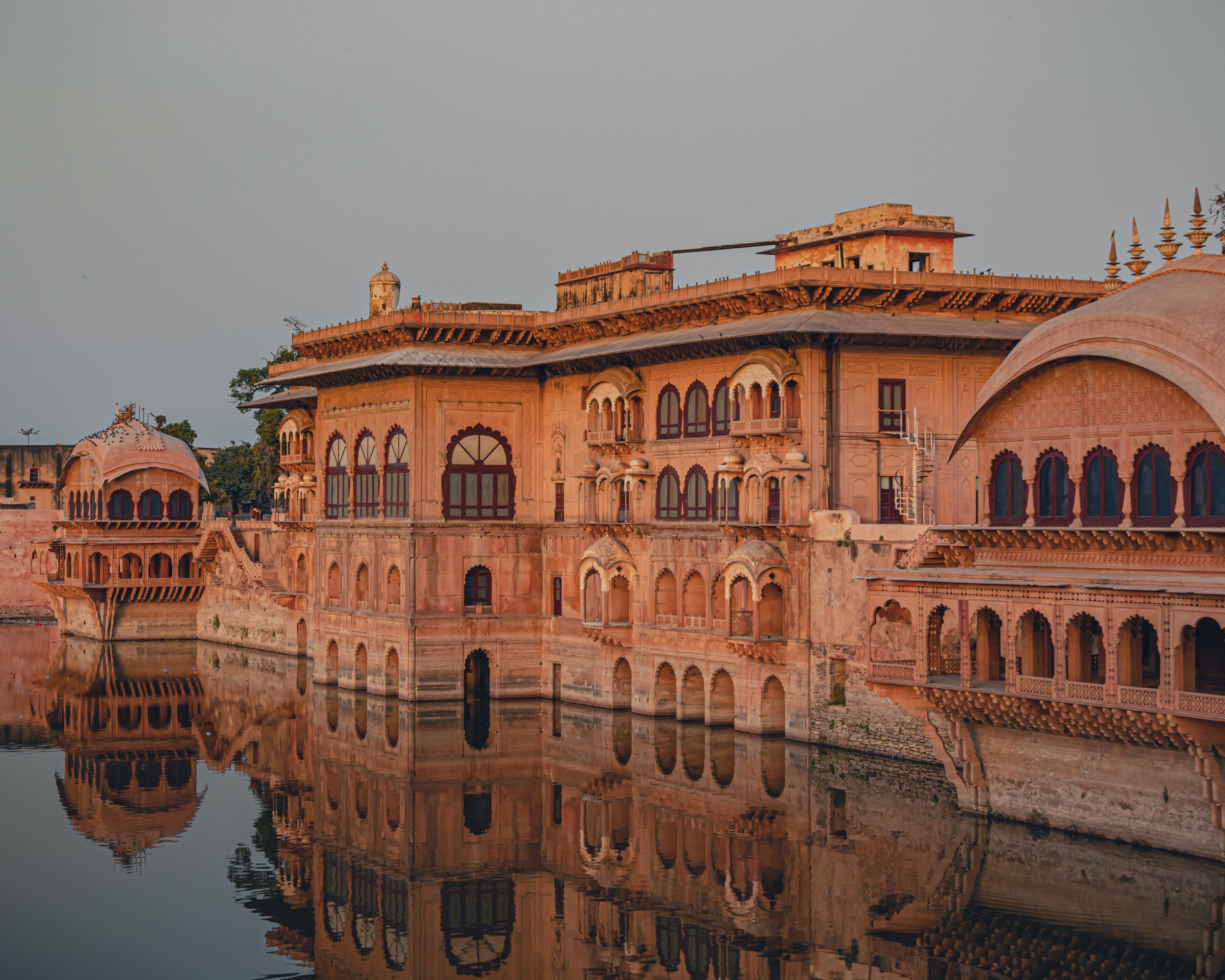
Image via pexels
Forgotten Palaces and Landmarks Worth Your Time
Bala Quila (Alwar Fort)
Image via wikipedia
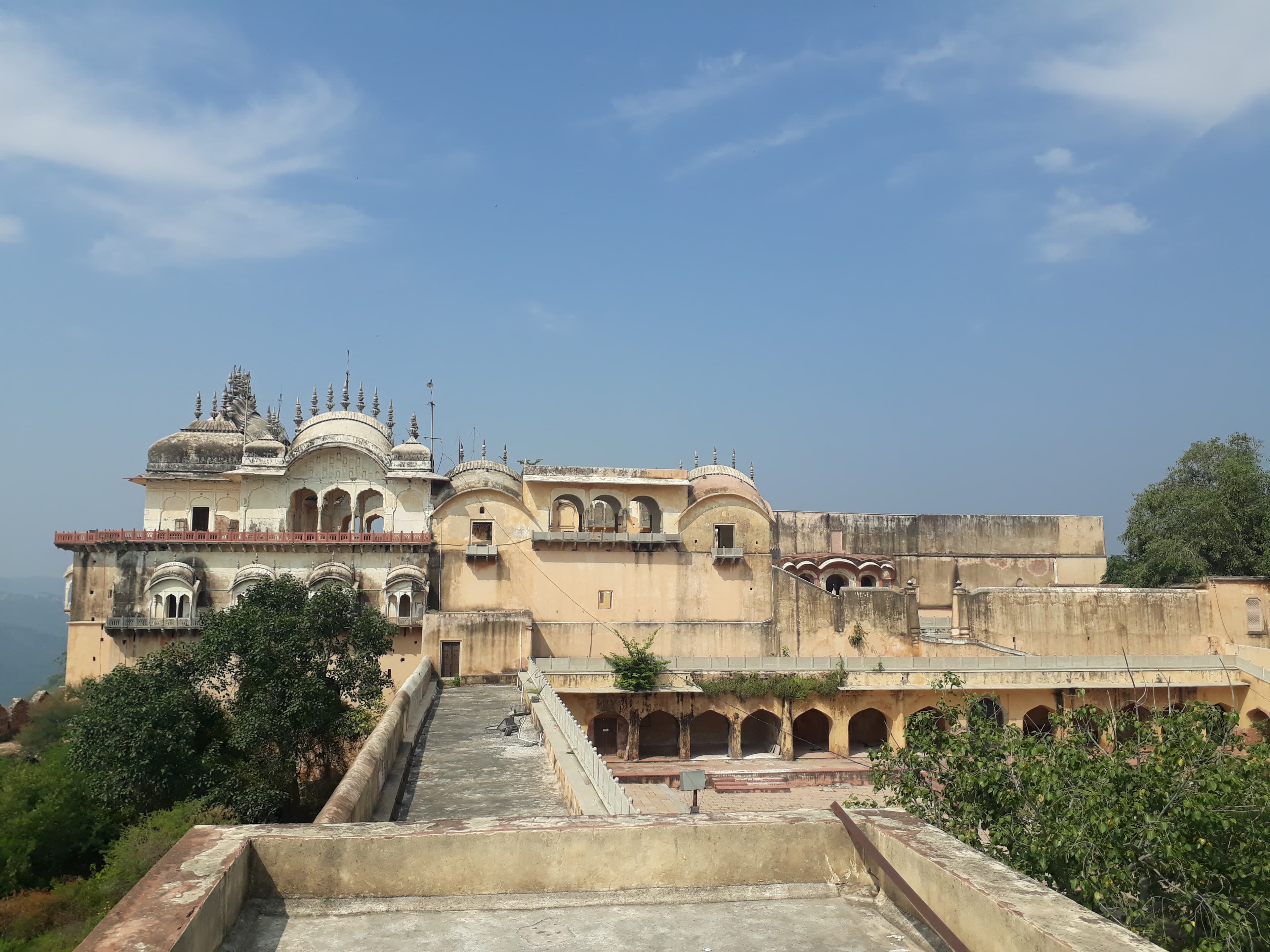
Bala Quila (Alwar Fort)
Bala Quila, meaning "young fort," crowns an Aravalli ridge about 300 metres above Alwar. Its ramparts stretch for kilometres, studded with dozens of towers and gates, offering sweeping views over the plains - yet it remains surprisingly under-visited.
Alwar City Palace and Vinay Vilas
Image via wikipedia
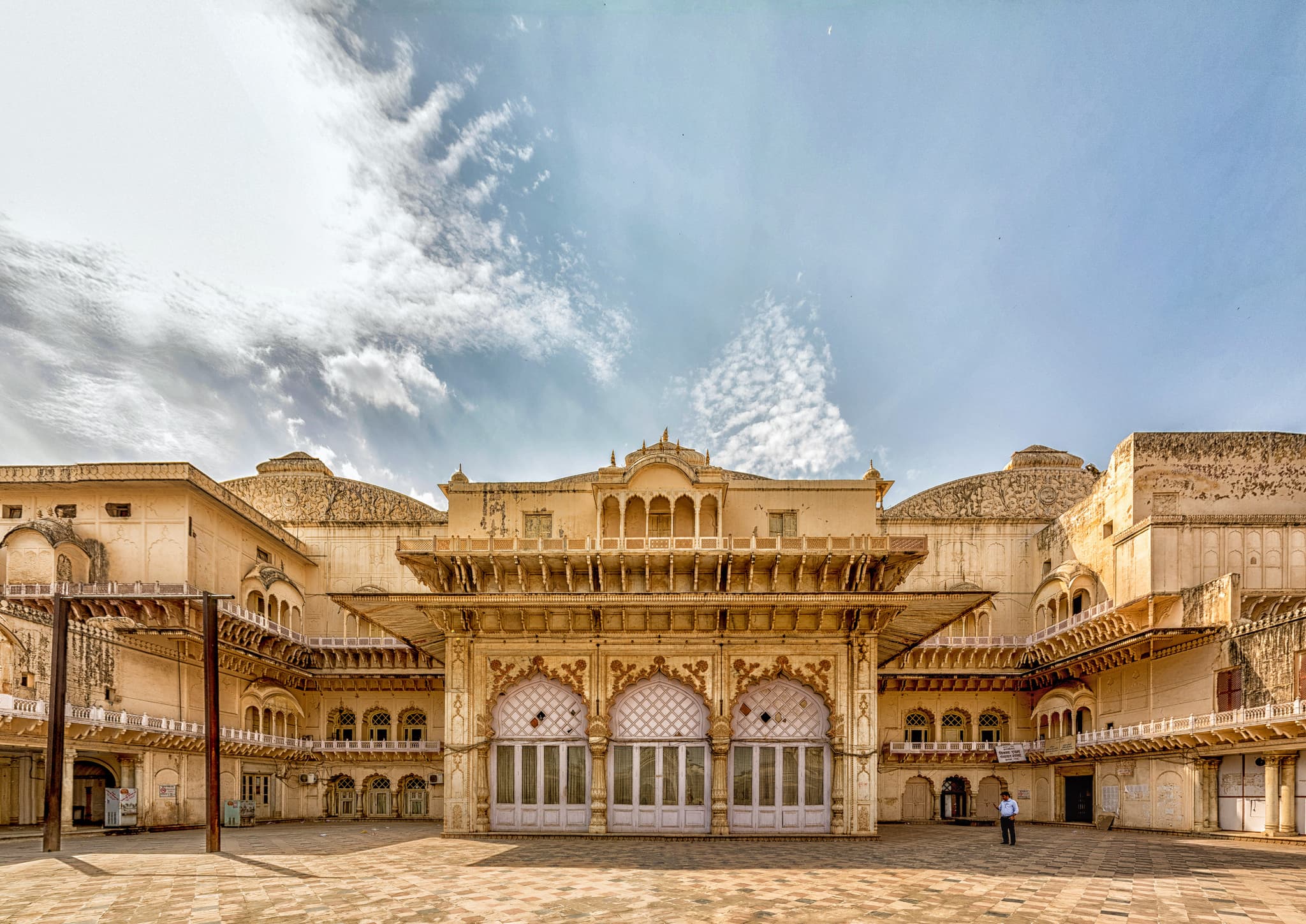
Alwar City Palace and Vinay Vilas
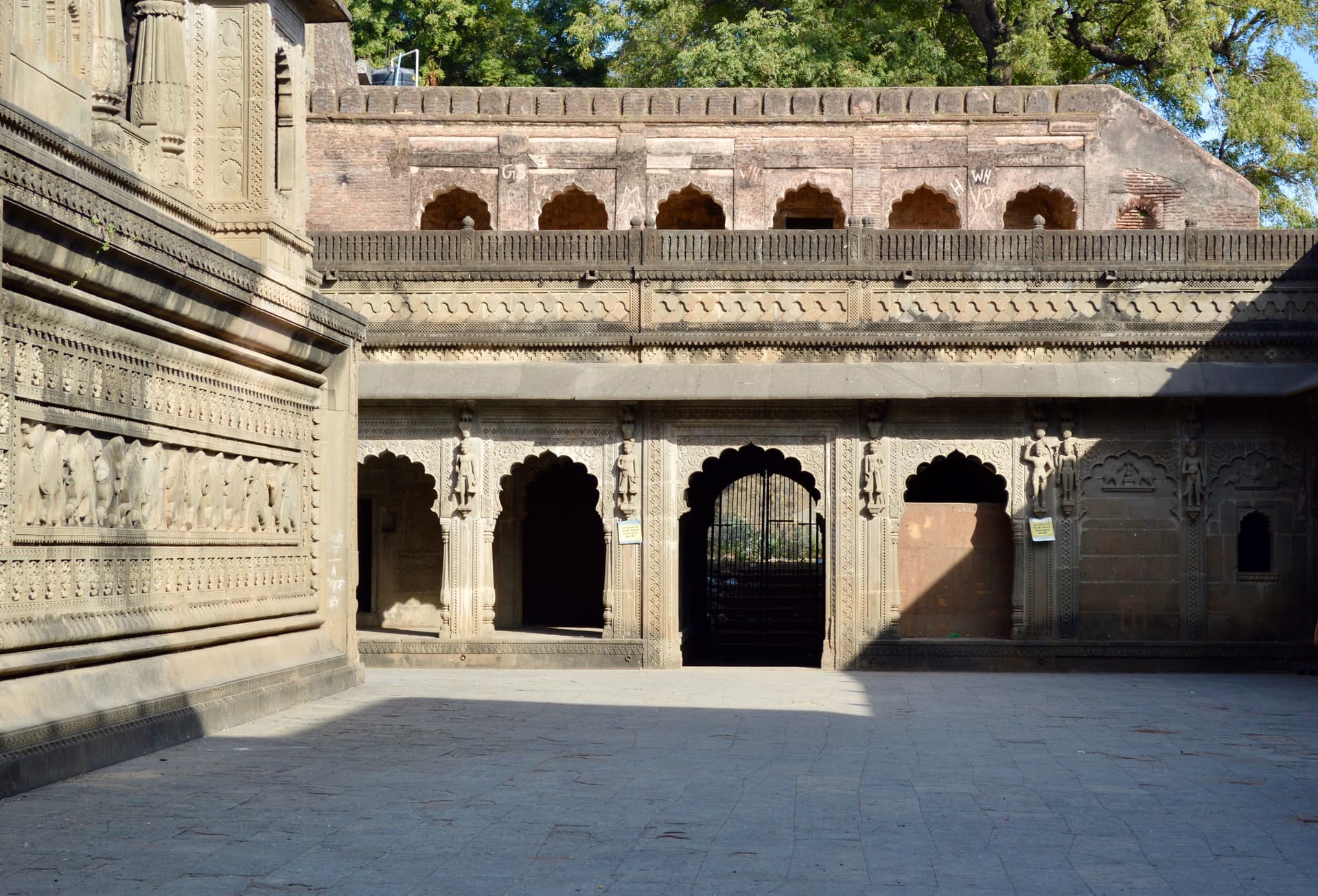
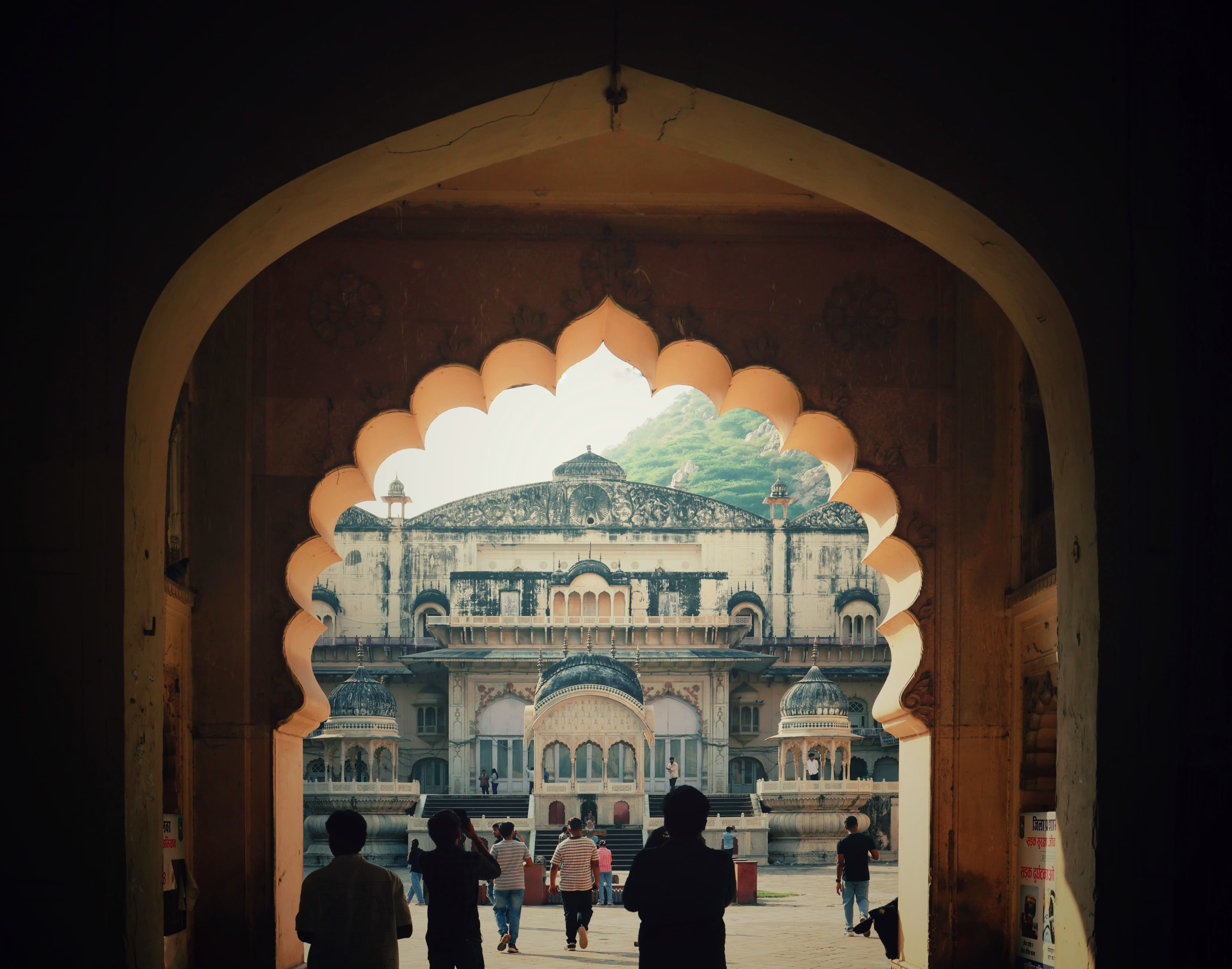
The City Palace, also known as Vinay Vilas Mahal, was built in the late 18th century under Raja Bakhtawar Singh and Maharaja Vinay Singh, blending Rajput and Mughal architecture. Notable for its gently sloping corridors instead of stairs, it houses a museum of weapons, paintings, documents, furniture, and a famous silver dining table.
Moosi Maharani Ki Chhatri
Image via wikipedia
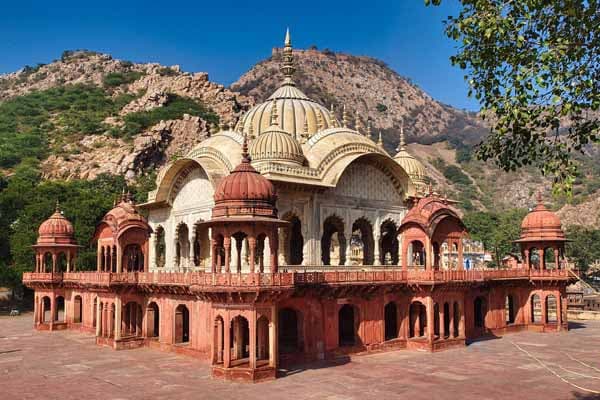
Moosi Maharani Ki Chhatri
Adjacent to the City Palace is a very memorable monument of Alwar. It is a cenotaph situated on a raised platform made from pink stone, which honors the memory of Raja Bakhtawar Singh along with his queen named Moosi, who burnt herself alive on his funeral pyre. The monument looks beautiful after sunset because of its domes and pavilions.
Siliserh Lake and Lake Palace
Image via wikipedia
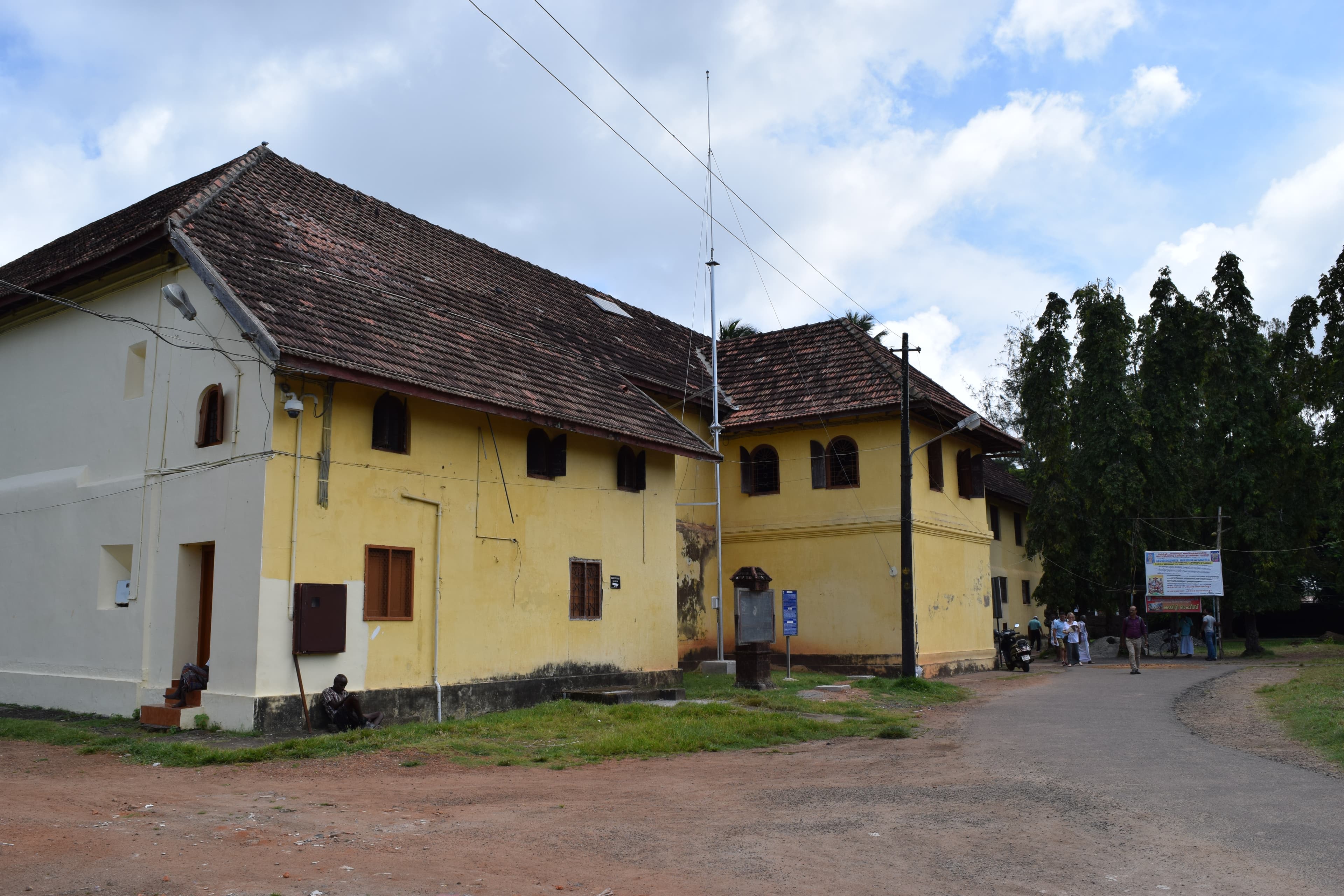
Siliserh Lake and Lake Palace
Siliserh Lake, about 8 miles southwest of Alwar, was built by Maharaja Vinay Singh in 1845. The lakeside palace - originally a gift for Queen Shila Devi and later a hunting lodge - now operates as a heritage hotel with lake-facing balconies, offering boating, birdwatching, and deer sightings on the surrounding slopes.
Sariska Palace and the Jai Singh Legacy
Image via wikipedia
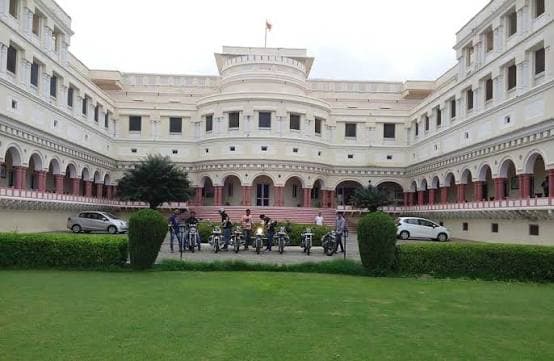
Sariska Palace and the Jai Singh Legacy
The Sariska Palace was built by Maharaja Jai Singh for his private use among the forest region which currently forms the main part of the tiger sanctuary. There have been changes to the current condition and amenities offered over the years. Please make sure to inquire about the current condition before you decide on whether you are going to stay there or not.
Tijara Fort-Palace
Image via wikipedia
Tijara Fort-Palace
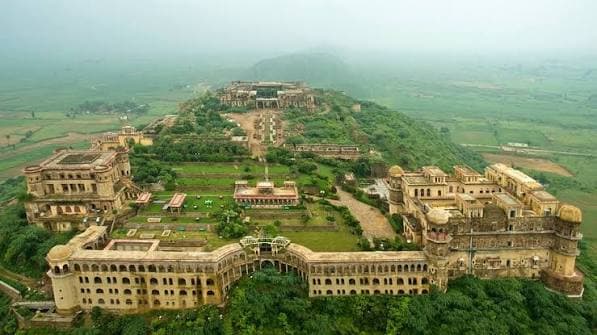
In the northern part of the town, there lies Tijara Fort-Palace that was built in the 19th century and which has been converted into a heritage hotel. This is the most refined heritage stay in Alwar and is ideal if one is traveling by car from Delhi.
Palace and Fort Architecture: What to Look For
Alwar's buildings tell a story of Rajput confidence meeting Mughal refinement. Once you know the vocabulary, every visit becomes richer. Cenotaphs - dome-shaped memorial pavilions at Chhatris - and inclined rampways in the City Palace (built for royal processions instead of stairs) are two defining features.
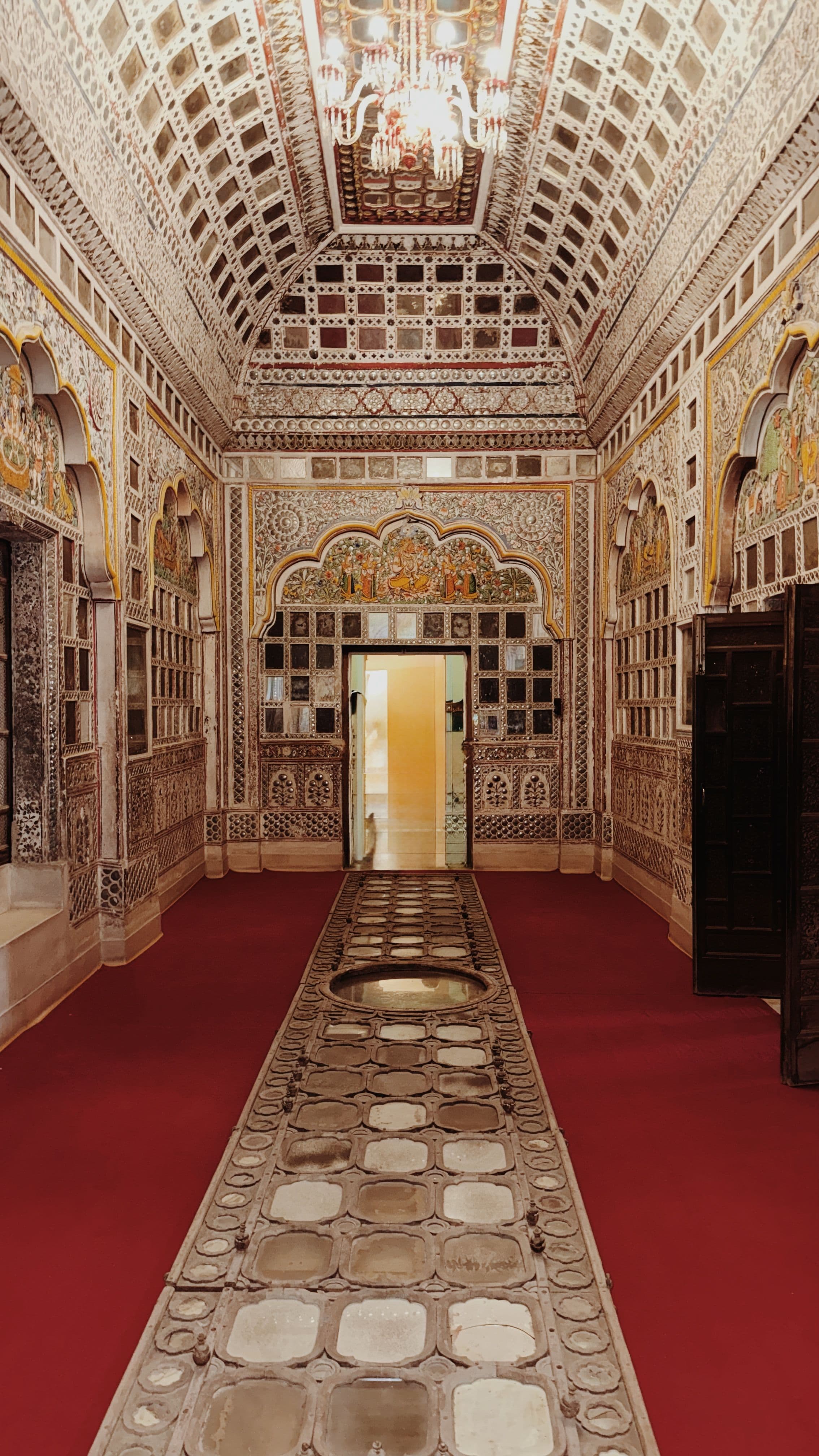
Mirror work decorates ceilings in the Sheesh Mahal tradition. Bala Quila's hill-fort defences - long walls, bastions, and gates - reflect a strong military influence. And Siliserh's lake palace, once a hunting lodge, now offers relaxation with views from its balconies and terraces.
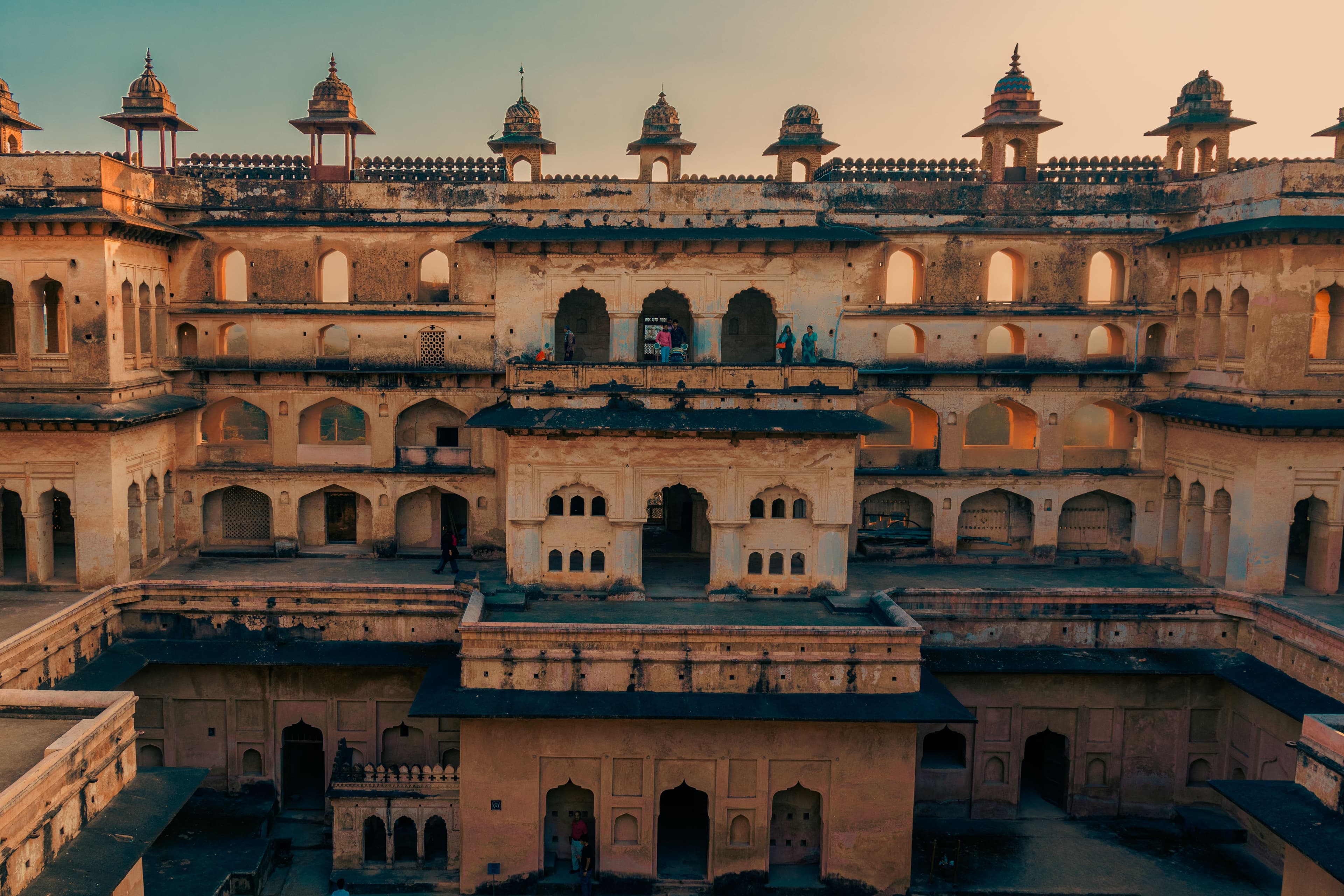
Image via pexels
Cultural Significance
Alwar was part of the ancient Matsya region and developed at the convergence of Rajput, Mughal, and later British cultures. It also acts as a bridge between the Mewat region, Shekhawati, and Braj - giving the area its distinctive cuisine, craftsmanship, and celebrations.
This blending is visible in the City Palace, its temples, and royal traditions - as well as in the village life around the Aravalli hills, shaped by seasonal crops and local customs.
Alwar Luxury Heritage Retreats: Where to Stay
And this is the real essence of the journey for many people. The culture of Alwar can be classified into three types, depending upon the type of tourist that visits. Property, price and quality vary, which we always confirm before suggesting.
| Type | Examples | Best for |
|---|---|---|
| Lake palace | Siliserh Lake Palace, a former royal hunting lodge on Siliserh Lake | Romantic weekends, sunsets, birdwatchers |
| Hill fort | Hill Fort Kesroli, a 14th-century fort converted into a hotel (opened to guests in 1998) | Atmosphere seekers, history lovers, photography |
| Fort-palace | Tijara Fort-Palace, a 19th-century property restored as a heritage hotel | Comfort and polish on a Delhi road trip |
| Forest retreat | Properties near Sariska, plus Sariska Palace subject to current status | Tiger safari combined with a heritage stay |
Sariska and the Aravalli Wild Side
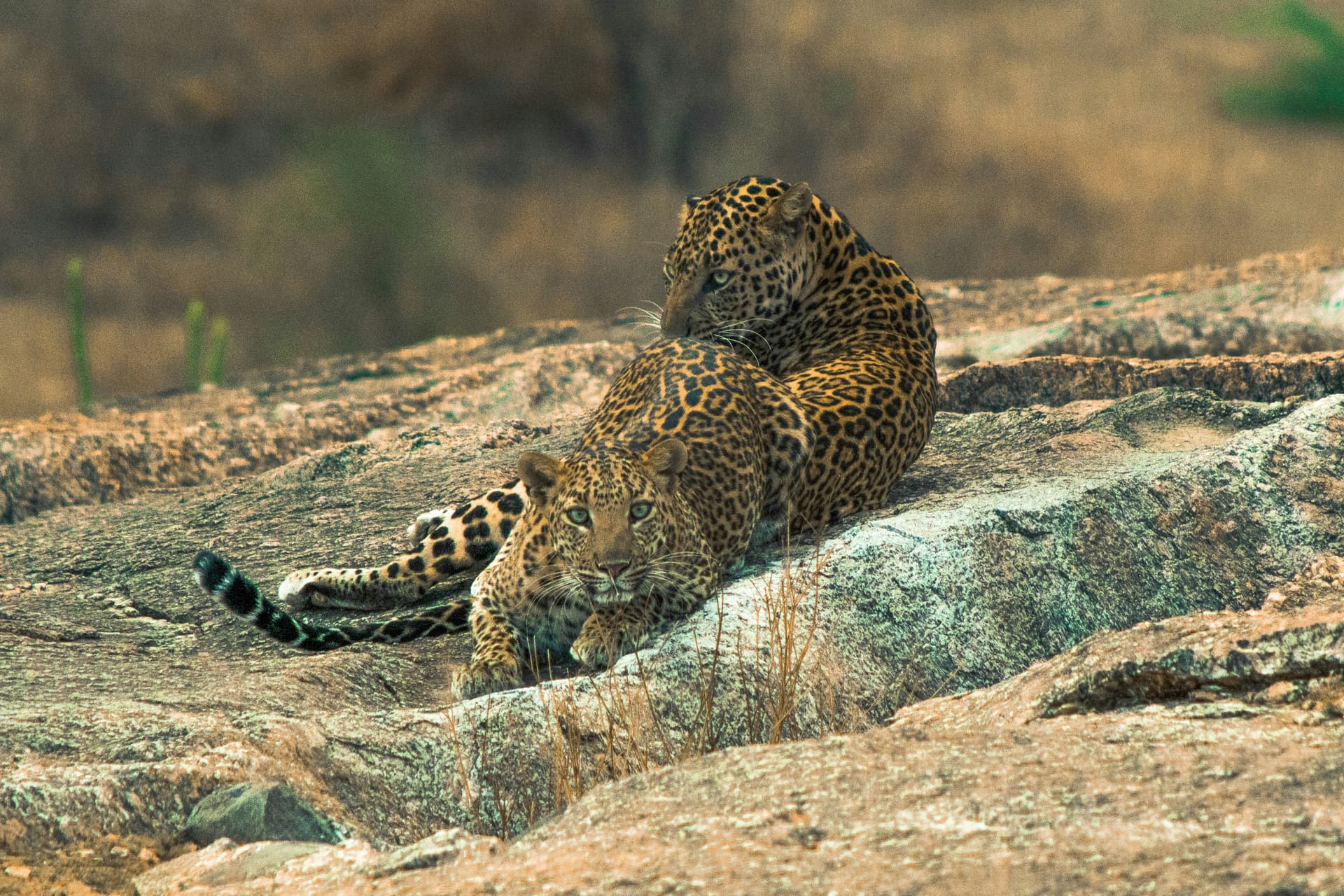
The greatest strength that Alwar possesses compared to other historical cities is the presence of wildlife in its surroundings. Sariska Tiger Reserve covers an area of more than 1,200 square kilometers within its buffer, located in the Aravalli hills. The region was declared as a tiger reserve in 1978 and then as a national park in 1982. When the tigers disappeared from the reserve, in 2008, two tigers were introduced to this place by relocation from Ranthambhore using an air transfer method; their number reached 30 by 2023.
Tiger spots can be seen in the period of March to May when the animals usually come out looking for water, while one can enjoy the pleasant winter days at the park. Even without seeing a tiger, you can have a look at sambar, nilgai, leopard, and many other birds. The Pandu Pol Temple and spring and Siliserh forests are located nearby. The safaris are carried out during dawn and dusk, while the jeeps and canters are allowed entry into the Sariska Gates via certain zones that have a higher probability of encountering animals. The timing for the park, as well as the rates, is very frequent, and it can even be closed during monsoon times, so keep an eye on the timings.
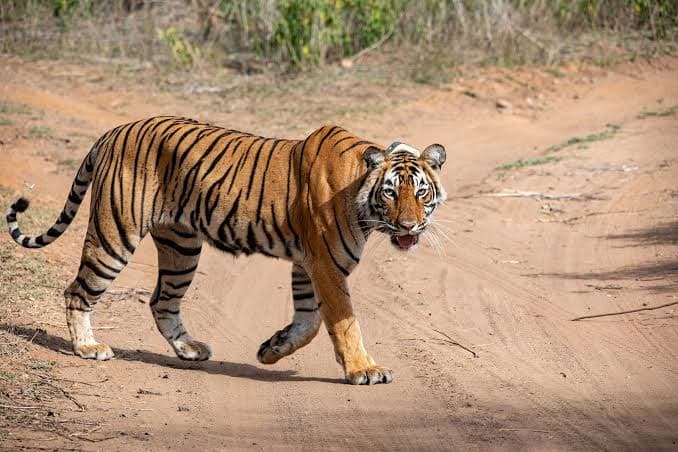
Image via assets.cntraveller.in
Hidden Gems
- • Bala Quila at dawn. If permission can be sorted out, the experience is unforgettable.
- • Moosi Maharani Ki Chhatri during twilight. Soft lights casting a glow on pink sandstone and less crowded.
- • Jai Samand Lake. A peaceful setting where sunsets are watched, which was built by Maharaja Jai Singh in 1910.
- • Pandu Pol. A spring inside the forest and a Hanuman Temple, located within the Sariska landscape.
- • Garbhaji waterfall. A nearby waterfall, an hour’s drive from the city and best experienced during the rainy season.
What to Eat
Alwar is famous for its alwar ka mawa, a milk-based dessert that has become the city's signature gift. Alongside it, you'll find classic Rajasthani dishes - dal baati churma, gatte ki sabzi, bajra roti with garlic chutney, and kadhi.
Because of its proximity to Delhi, northern Indian cuisine is equally prominent here. Heritage hotels often serve royal family recipes, and nearly all can accommodate vegetarian meals.

Image via encrypted-tbn0.gstatic.com
Nearby Attractions
Alwar sits within easy reach of several remarkable sites. Abhaneri's Chand Baori, one of India's most striking stepwells, lies about 50 km from Sariska, while Jaipur (150 km south) and Delhi (150 km north) make natural extensions of a Rajasthan itinerary. Bhangarh Fort, 30 km from Sariska, offers 17th-century ruins and intriguing legends, and the 15th-century Neemrana Fort-Palace - on the Delhi–Jaipur route - provides a luxurious lunch or overnight stop.
Luxury Travel Tips
Image via pexels
Luxury Travel Tips
Opt for either lakeside or fort accommodation, get a personal vehicle and a guide to take you around, and ask for a sundowner either on the lake or on the terrace. Newlyweds can opt to spend their honeymoon one night in heritage accommodation and another near Sariska.
Family Travel Tips
Image via pexels
Family Travel Tips
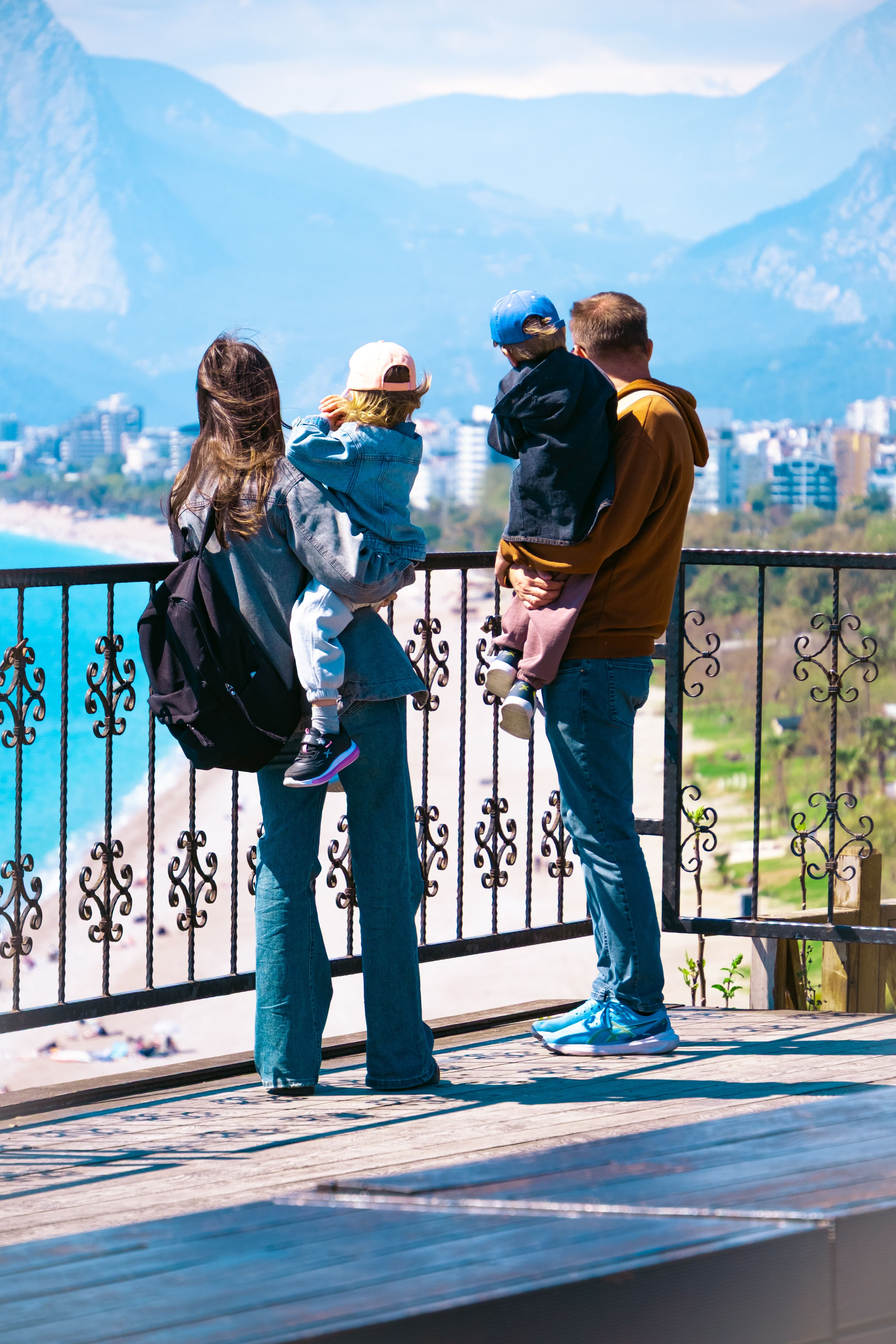
Children enjoy the boat rides and safari, and the museum is easy to navigate. Choose daytime safari slots, carry water, and note that hill-fort climbs and lake edges need supervision.

Solo Female Traveler Tips
Image via pexels
Solo Female Traveler Tips
Alwar is a tiny and peaceful city. Wear conservative clothing while in town, get around with an approved driver, book safe accommodation and communicate your intentions. Women-Safe Tours in India can create safe itineraries for women with reliable drivers, guides and accommodation.
Practical Travel Guide
Best Time to Visit
Pleasant climate during October to March. Hot summers (maximum temperatures around 41 degrees centigrade) and most of the rainfall occurs during July & August. The period from March to May is good for tigers, but the temperature is very high.
How to Reach
- • By Rail: Alwar Junction lies on the Delhi–Jaipur railway line.
- • By Road: Approximately 150 km (around 3 hours) from both Delhi and Jaipur.
- • By Air: Nearest airports are Delhi (143 km) and Jaipur (150 km).
- • Local Transport: A private car is the only practical way to reach Siliserh and Sariska.
Entry and Ticket Details
Entry fees and hours for the City Palace Museum, Siliserh and Sariska change; confirm before travel. Sariska requires a safari booking. Bala Quila may require permission.
Suggested Duration
Minimum: 2 days / 1 night. Recommended: 2 nights, adding Sariska and a lake or fort stay.
Suggested Itineraries
One-Day Alwar Heritage Itinerary
| Time | Plan |
|---|---|
| 8:00 AM | Private chauffeur pick-up from Delhi or Jaipur (or from your Alwar hotel) |
| 11:00 AM | City Palace Museum and Sheesh Mahal |
| 12:30 PM | Moosi Maharani Ki Chhatri |
| 1:15 PM | Lunch with Alwar ka mawa for dessert |
| 3:00 PM | Siliserh Lake and Lake Palace, with a boat ride |
| 5:30 PM | Sunset tea on the terrace; return journey |
Two-Day Palaces and Tigers Escape (Recommended)
- • Day 1: Begin your journey by driving from Delhi or Jaipur to visit the City Palace museum and the chhatri, after which the next destination would be your lakeside or fort heritage accommodation for your check-in for the night. In the evening, you can relax at Siliserh, and have a private dinner.
- • Day 2: Early-morning wildlife safari at Sariska followed by a late breakfast, and Sightseeing of Pandu Pol or Bhangarh. One can expand the tour for three days to include places such as Bala Quila, Abhaneri or Neemrana.
Why Choose India Heritage Travel
Alwar rewards careful planning, since access, opening hours, and property quality all vary - which is exactly where India Heritage Travel helps. We arrange private chauffeur tours from Delhi or Jaipur, customised itineraries (heritage, wildlife, romantic, or photography-focused), vetted luxury heritage stays, professional local storyteller guides, women-friendly travel with safe transport and stays, and premium end-to-end service including safari bookings.
Frequently Asked Questions
Yes. Alwar combines a hill fort, a city palace museum, royal cenotaphs, a lake palace and Sariska Tiger Reserve within a short distance, without the crowds of Jaipur or Udaipur. It suits weekend trips from Delhi or Jaipur.
Alwar is about 150 km from both Delhi and Jaipur, roughly three hours by road. It is also on the Delhi to Jaipur railway line, though a private car is more practical for reaching Siliserh and Sariska.
October to March offers comfortable weather. Summers are hot and the monsoon falls mainly in July and August. For tiger sightings in Sariska, March to May is considered best, but plan for heat.
Bala Quila, the City Palace Museum (Vinay Vilas), Moosi Maharani Ki Chhatri, Siliserh Lake and Lake Palace, and Sariska Tiger Reserve are the main attractions. Bhangarh, Abhaneri and Neemrana are popular nearby additions.
Yes. Options include a lake palace at Siliserh, hill-fort and fort-palace stays such as Hill Fort Kesroli and Tijara Fort-Palace, and retreats near Sariska. Standards vary, so India Heritage Travel can recommend and arrange the best fit.
Tigers were reintroduced to Sariska in 2008 and the population has grown, but sightings are never guaranteed. Book several safaris, choose the main Sariska Gate zones, and travel in the dry season.
Planning an Alwar Heritage Journey?
India Heritage Travel crafts private Rajasthan itineraries featuring Alwar's Bala Quila, City Palace, and Siliserh Lake - combined with Sariska Tiger Reserve, Neemrana Fort-Palace, and Jaipur.
Plan My Alwar Heritage Journey