Mandu: Romantic Luxury Among Medieval Ruins
Such is the silence that prevails in Mandu not the silence of vacancy, but of fullness. It lives in the courtyards of Jahaz Mahal, the waters of Munj Talao, and the hills from where Baz Bahadur rode out to hear Roopmati's songs.
For those seeking luxury heritage stays with a true Mandu experience, no destination in India compares. Mandu offers monuments free from tourist crowds, romance that avoids cliché, and luxury that feels well deserved.
via pexels
Overview: Why Mandu Belongs on Every Heritage Traveller's List
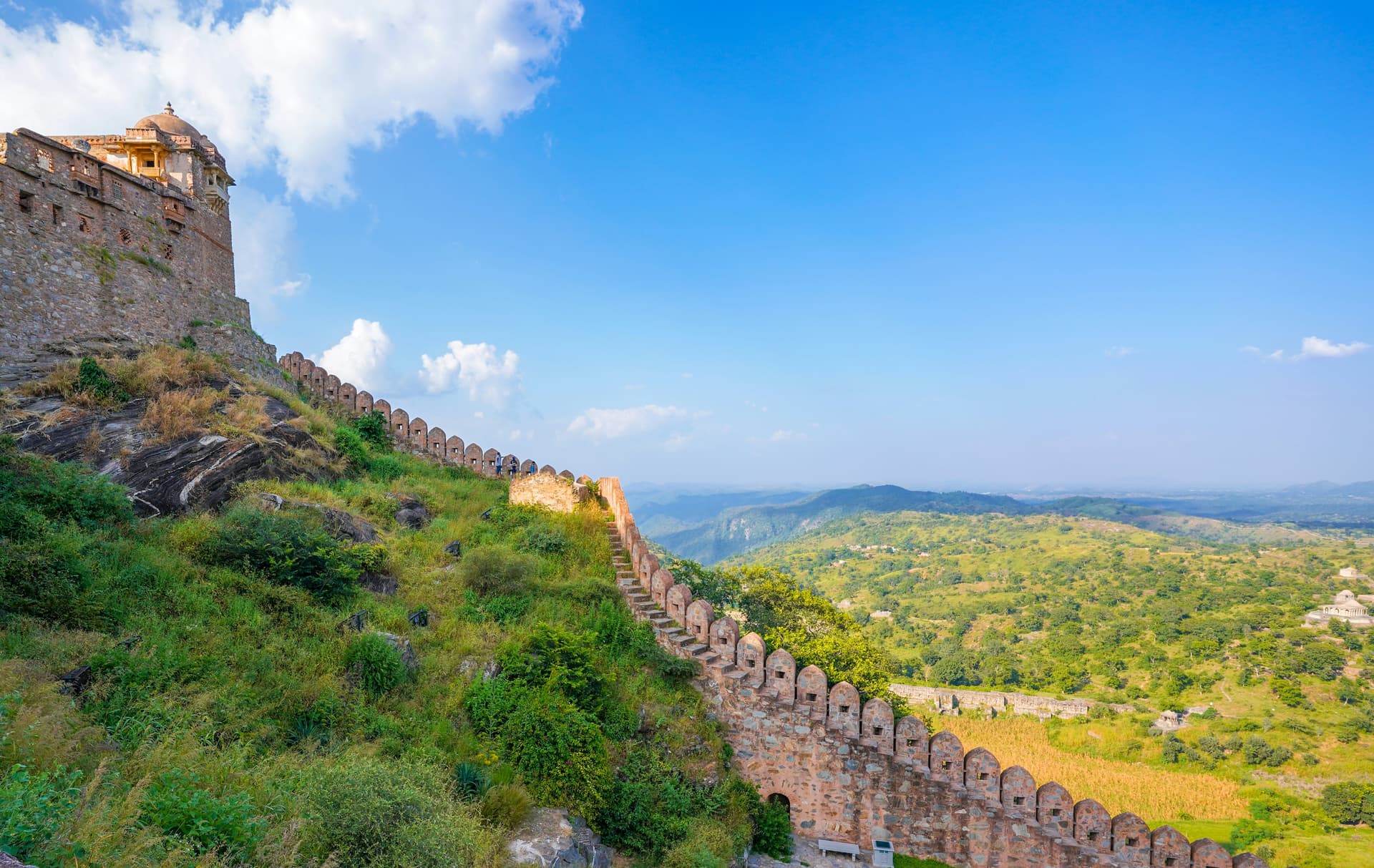
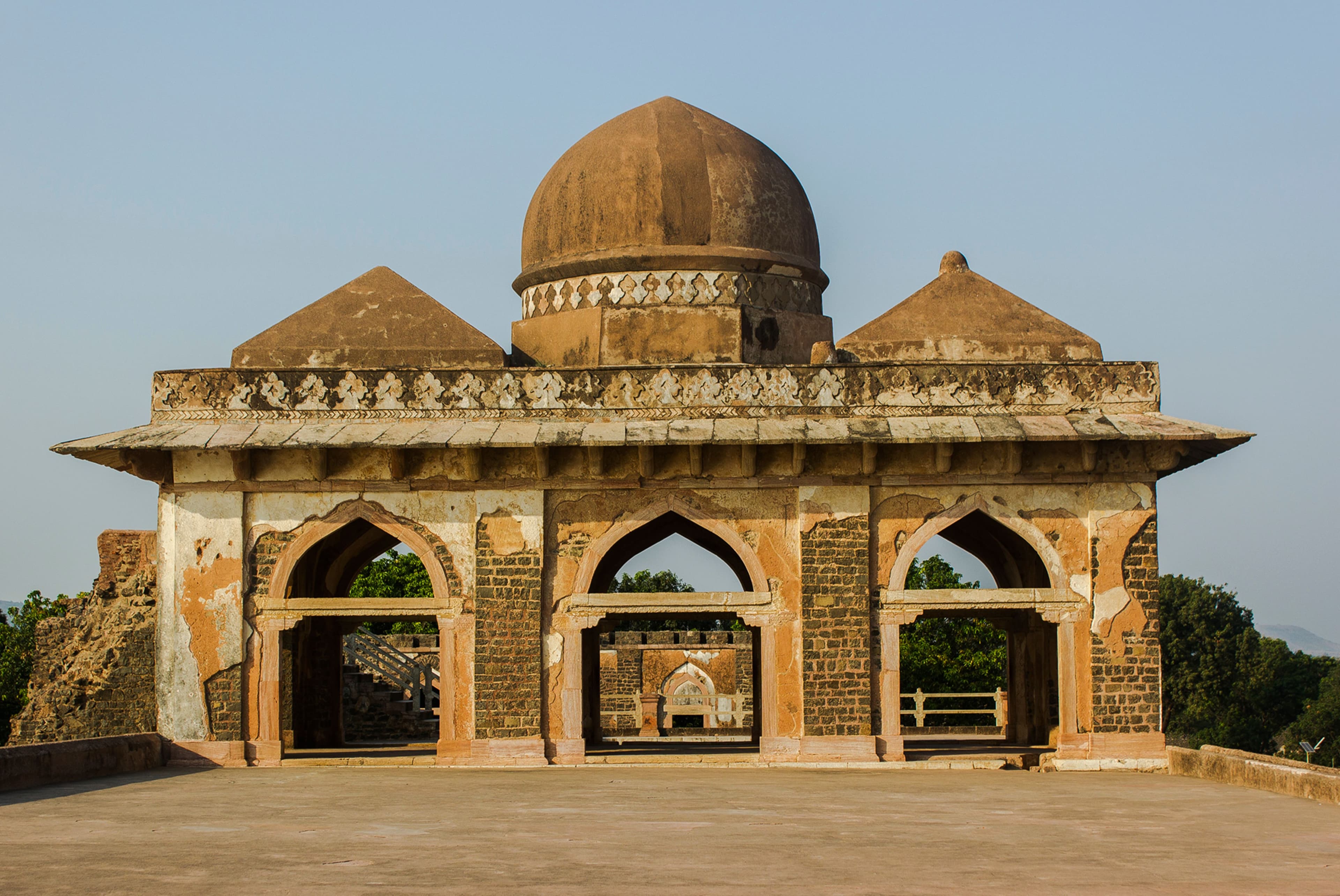
Mandu, also Mandav or Mandavgad, is an old capital city of Malwa Sultanate which is situated on a plateau in the Vindhya Range. This city is located about 90-100 km away from Indore. While most monuments found in India are monuments that are building structures, Mandu is a collection of monuments that are palaces, mosques, tombs and step wells.
What makes Mandu special is its atmosphere. While other Indian monuments are usually surrounded by glass panes or similar structures, there is none at all in Mandu, and one may stroll around freely, take photographs during the golden hour in their private courtyard. Along with the majestic views of Mandu, this gives Mandu its unique atmosphere for romantic couples, single women or cultural gourmets.
via pexels
History of Mandu: From Military Outpost to Royal Capital
But Mandu existed much earlier than those palaces which later became a symbol of this town. According to historical references, the importance of Mandu as a military frontier of Malwa Plateau began to increase in the 11th and 12th centuries as the place was a fortified town under Paramara kings as far back as the 6th century.
The most prosperous period of Mandu was 15th century. After independence of Malwa from Delhi in 1401, Dilawar Khan declared independence of Malwa and named himself as its ruler. At the same time, his son Hoshang Shah decided to build his capital in Mandu, which is why he started construction of different buildings there, namely Jami Masjid mosque, Ashrafi Mahal palace and his mausoleum. Later on, when Mahmud Khilji and his successors ruled Malwa Sultanate, architecture of Mandu developed to its best due to combination of Afghan, Persian and local Indian Hindu styles.
via pexels
But romance proved to be more durable than the other stories. In the middle of 16th century, King Baz Bahadur of Mandu fell in love with Roopmati, who was a beautiful singer, and built a palace for his wife in such a way that she could look at Narmada River
Architecture: Where Afghan, Persian and Hindu Craftsmanship Meet
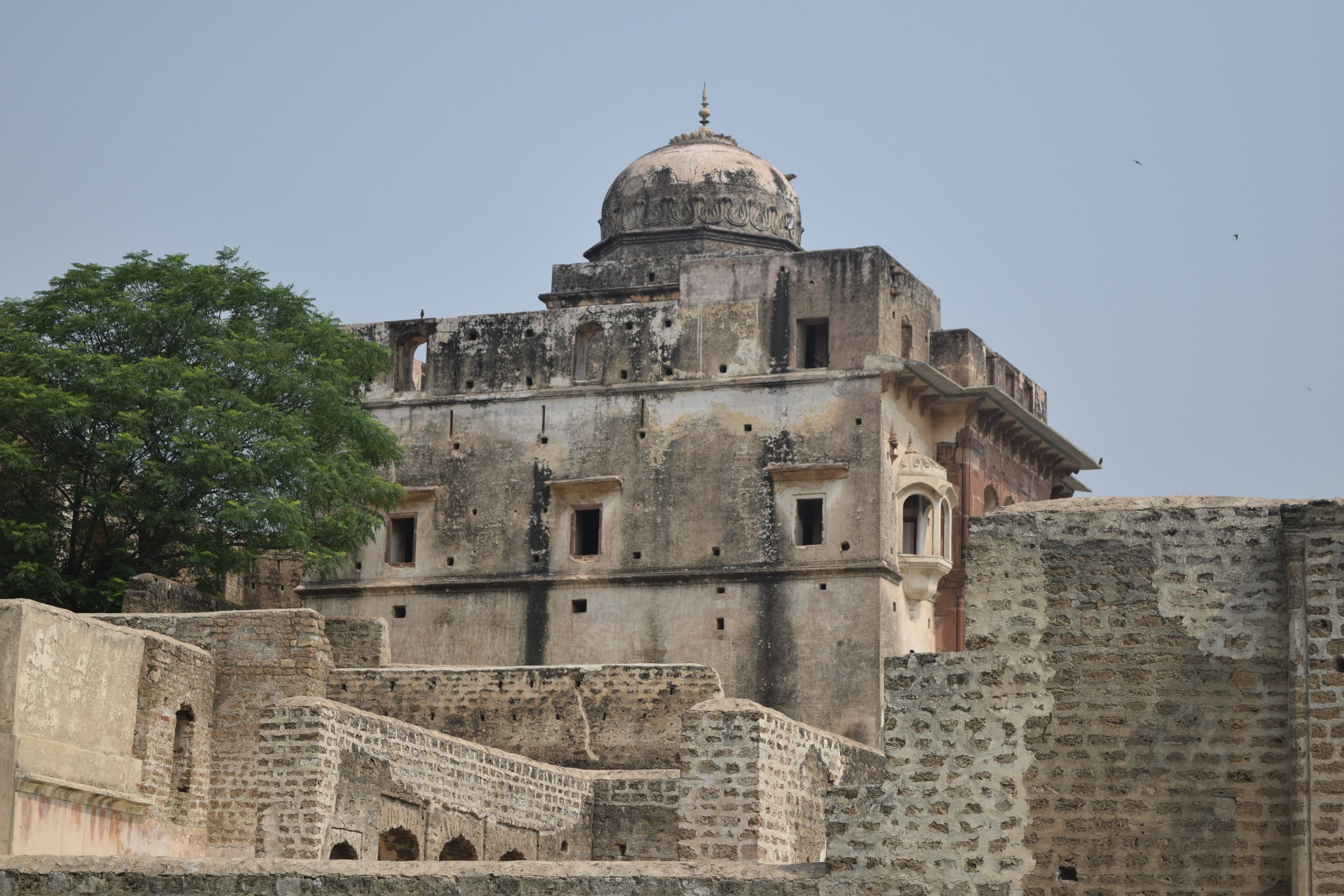
Adaptive architecture is evident in Mandu’s structures. Construction took into consideration the climatic and material aspects of the environment. The buildings have massive stonework in the walls for cooling, large terraces that capture the evening breeze, and reservoirs and wells designed to capture the rainwater from the monsoon season and save it for the dry season.
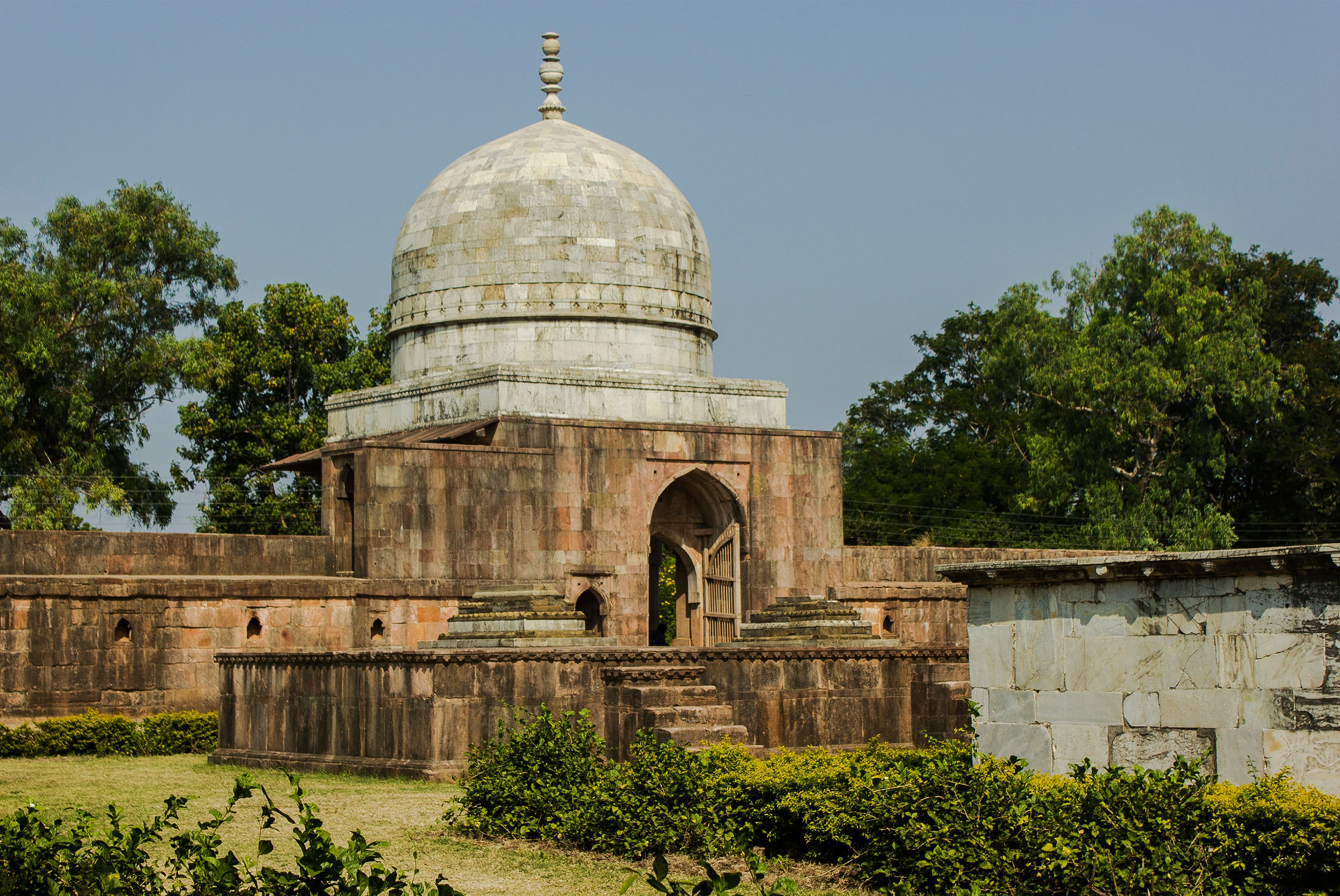
This creates a unique vocabulary of architecture which consists of Afghan arches, Persian glazed tiles, jali screens, and Hindu-influenced brackets and pillars. All these elements are used in a very restrained manner which is not common in the later ornamental Mughal structures. Hoshang Shah’s Tomb which is almost completely made up of white marble is one of the best examples of this blend and is thought to have influenced the Taj Mahal.
via pexels
Cultural Significance
Mandu Ind Monuments are on the NESCO Tentative World Heritage List since 1998 because of their exceptional architecture and well-preserved town planning that has been recognized by the Archaeological Survey of India. In addition to their status as monuments, the Ind Monuments of Mandu hold great cultural importance in the realm of poetry and folk tales, such as the story of Baz Bahadur and Roopmati.
Major Attractions in Mandu
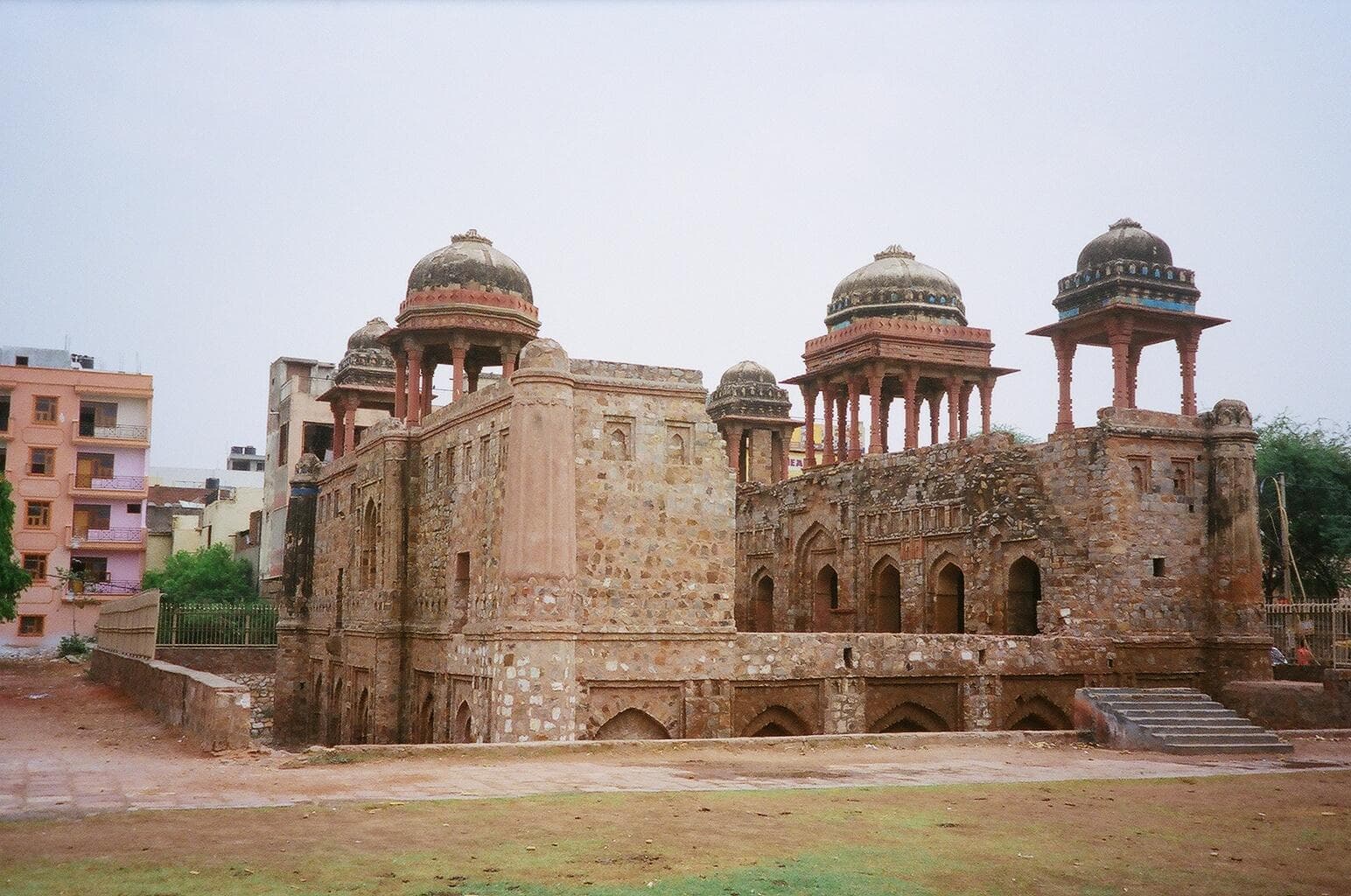
Jahaz Mahal (Ship Palace)
via wikipedia
Jahaz Mahal (Ship Palace)
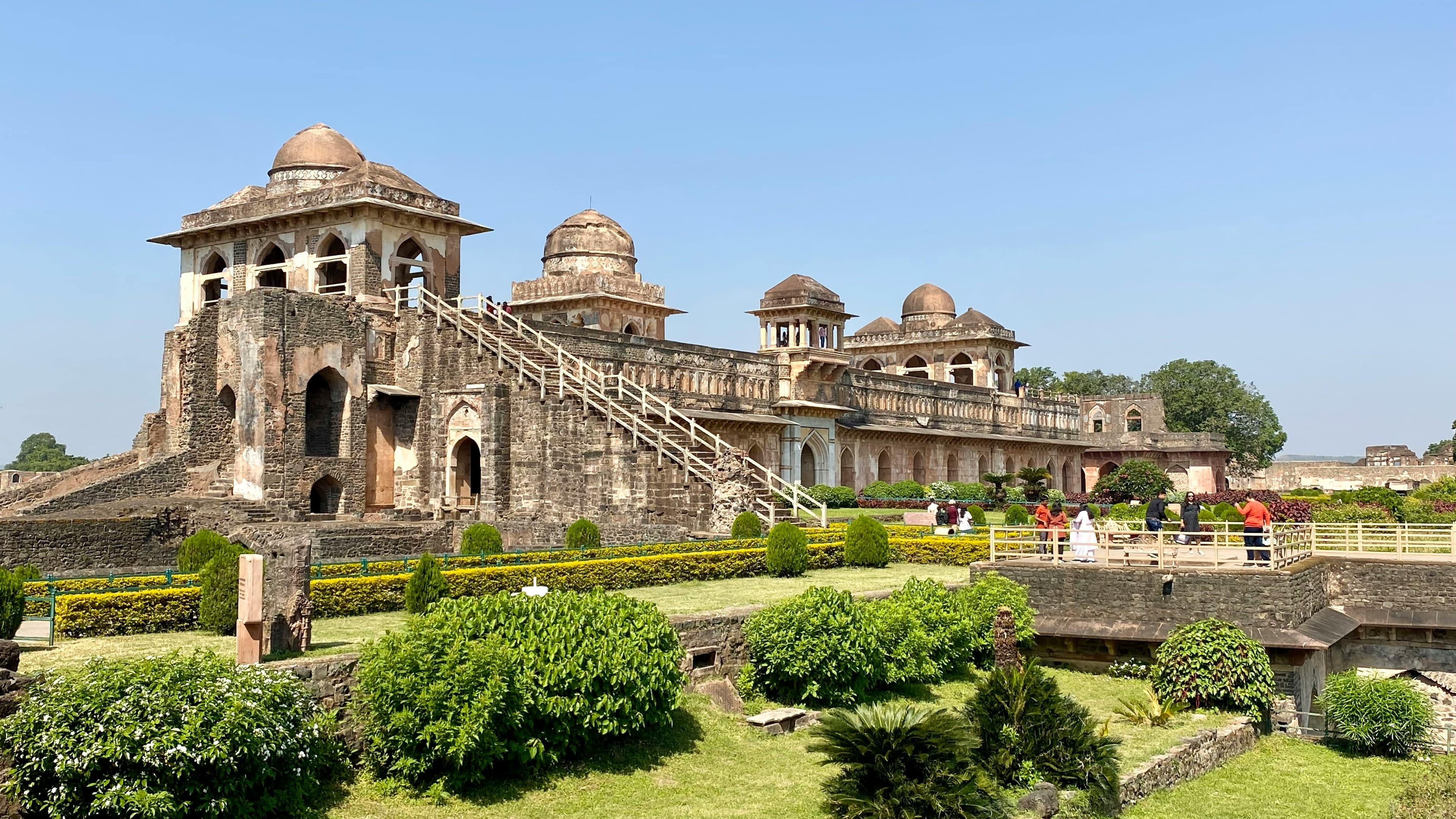
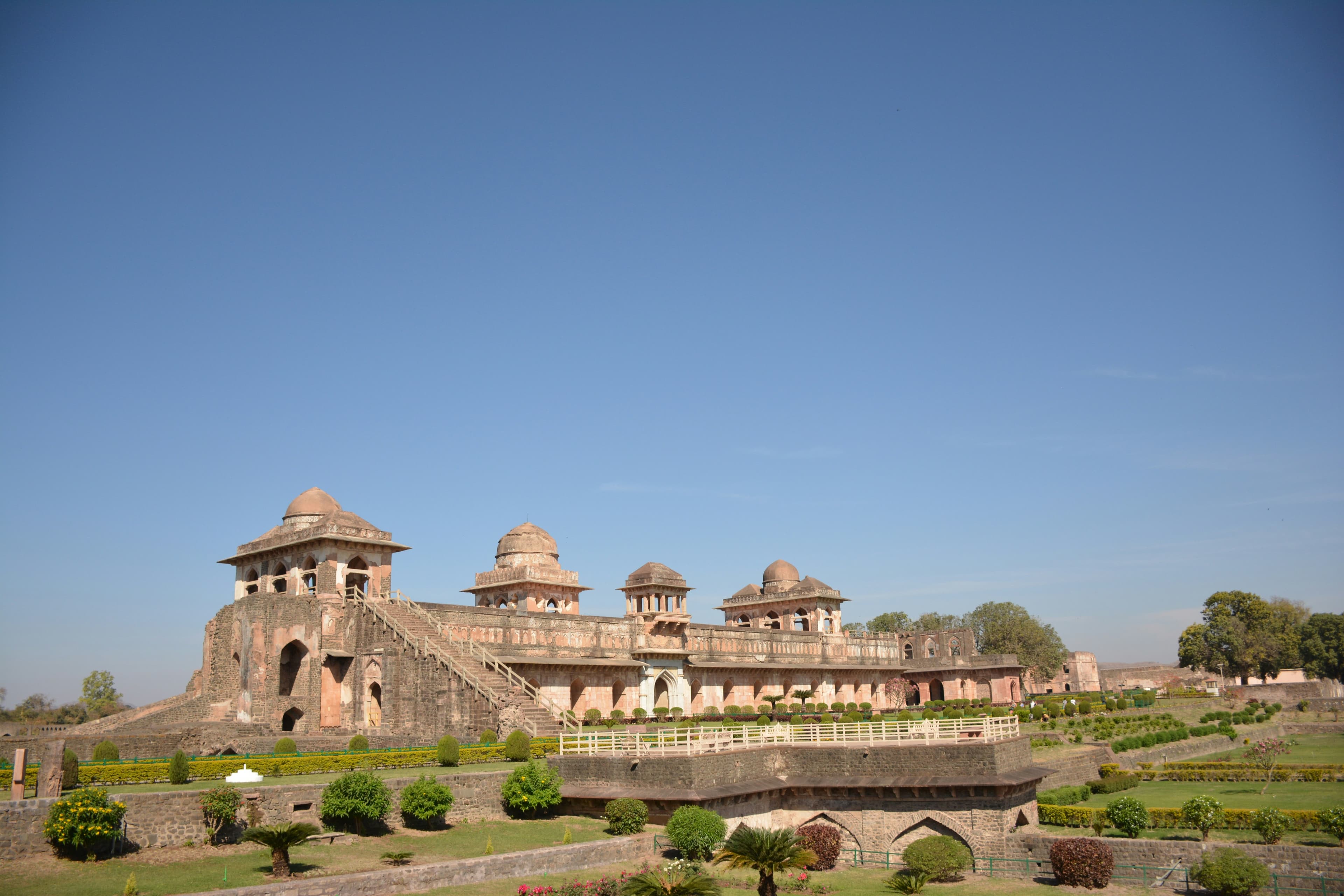
Built between Munj Talao and Kapur Talao lakes, Jahaz Mahal spans 120 metres and appears to float on water, especially during and after the monsoon. Originally a pleasure palace and harem quarters, it remains Mandu's most photographed monument.
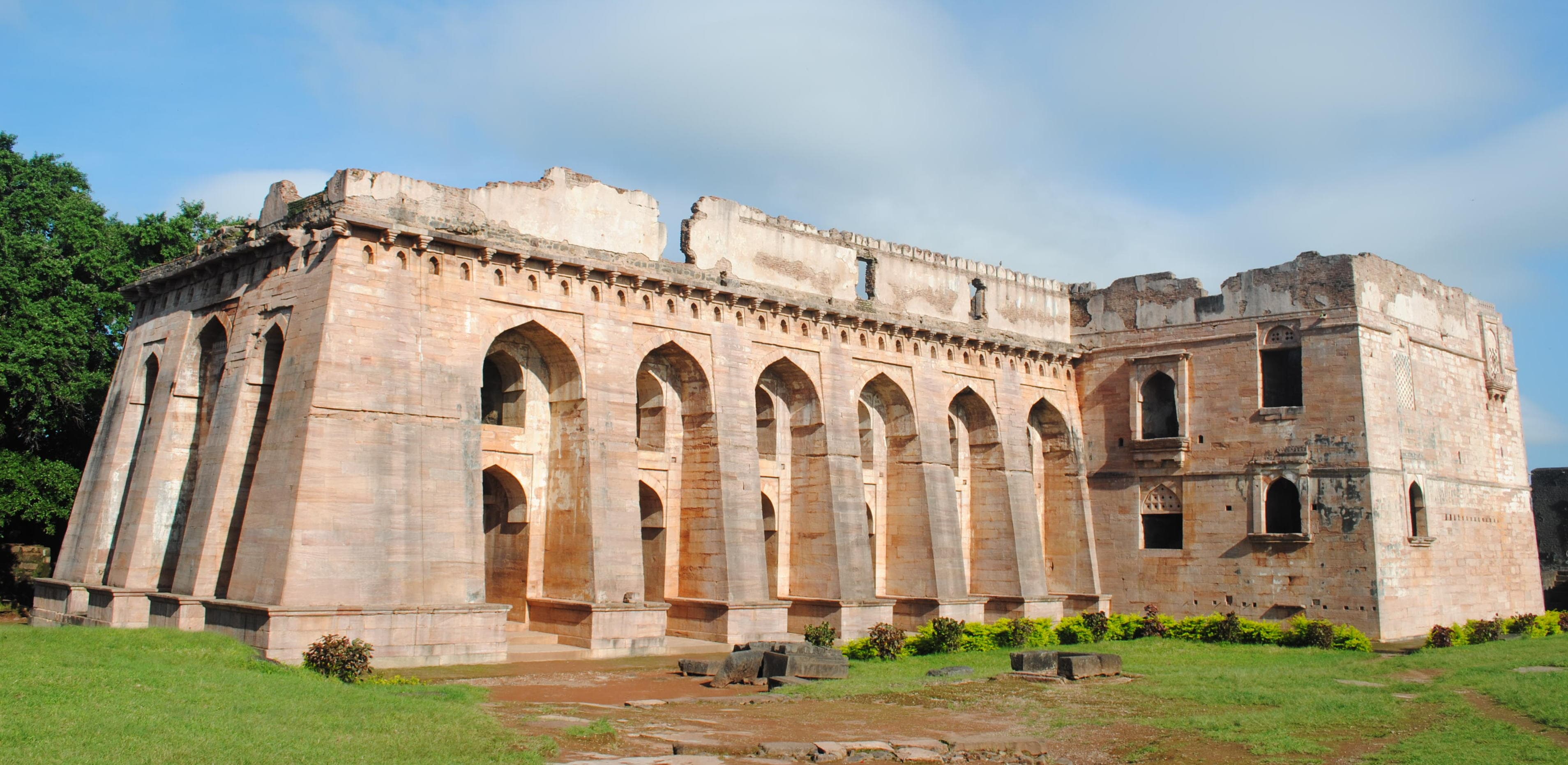
Hindola Mahal (Swing Palace)
via wikipedia
Hindola Mahal (Swing Palace)
Named so because of its sloping and buttressed walls that make it look like a swing, the hall was used as an audience hall, perhaps for a royal darbar.
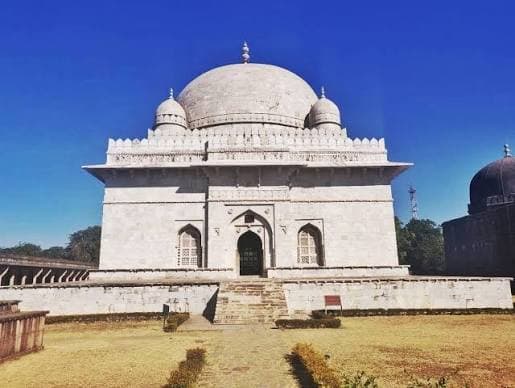
Hoshang Shah's Tomb
via wikipedia
Hoshang Shah's Tomb
India's first marble mausoleum, built for the ruler who founded Mandu as Malwa's capital. Its lattice screens, corner turrets and proportion have been studied by historians as a likely precursor to the Taj Mahal.
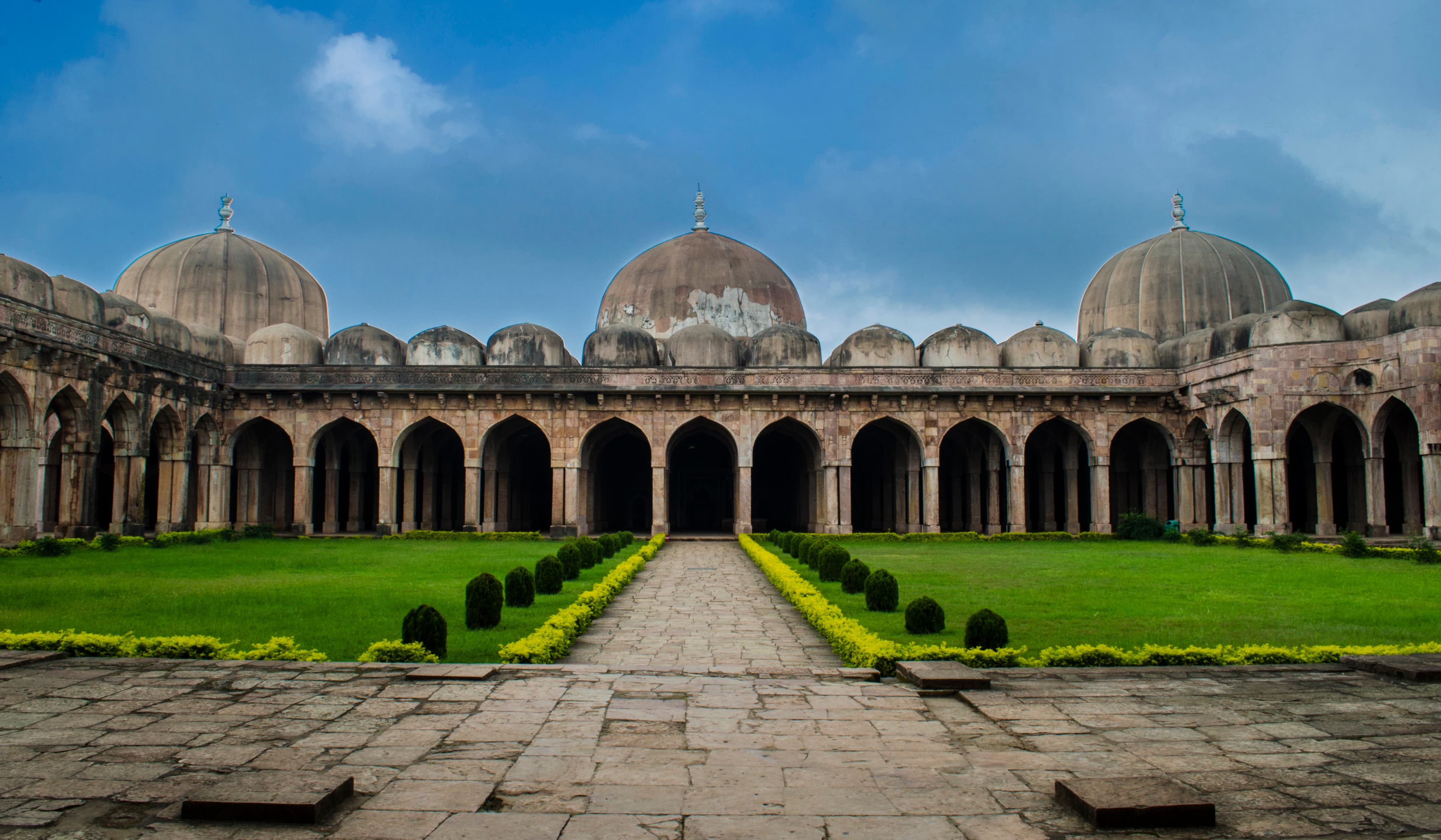
Jami Masjid
via wikipedia
Jami Masjid
Begun by Hoshang Shah and completed by Mahmud Khilji in 1454, this mosque was inspired by the Great Mosque of Damascus, with a vast courtyard and a striking domed porch reached by a wide flight of steps.
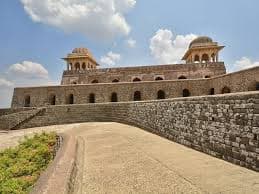
Rani Roopmati's Pavilion
via wikipedia
Rani Roopmati's Pavilion
Originally built as an army observation post, this pavilion was later expanded so Roopmati could see the Narmada River from her window. It remains Mandu's best sunset point, with sweeping views across the valley.
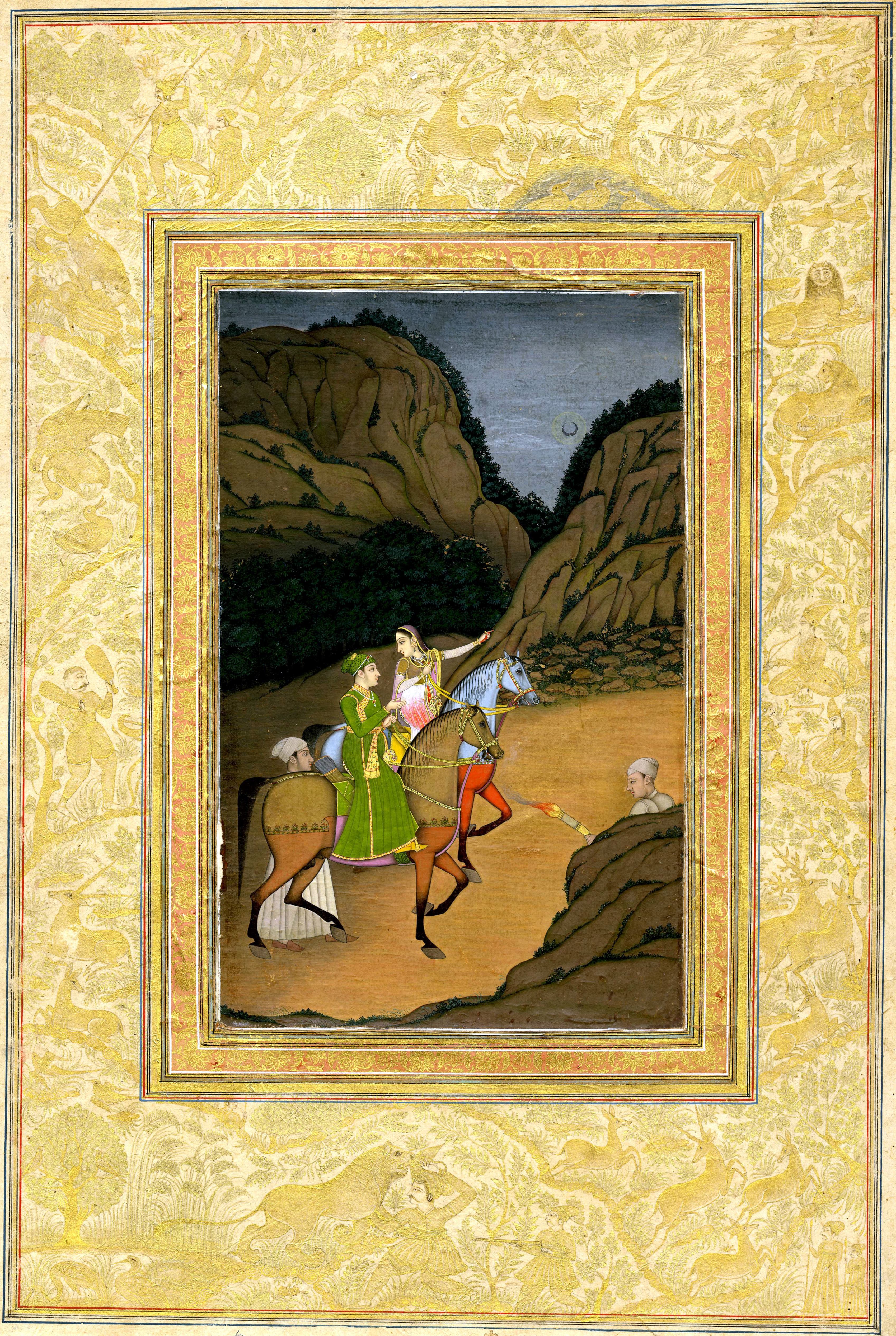
Baz Bahadur's Palace
via wikipedia
Baz Bahadur's Palace
A 16th-century pleasure palace with expansive courtyards and terraces, built in a mix of Rajput and Mughal styles, and visible from Roopmati's Pavilion above.
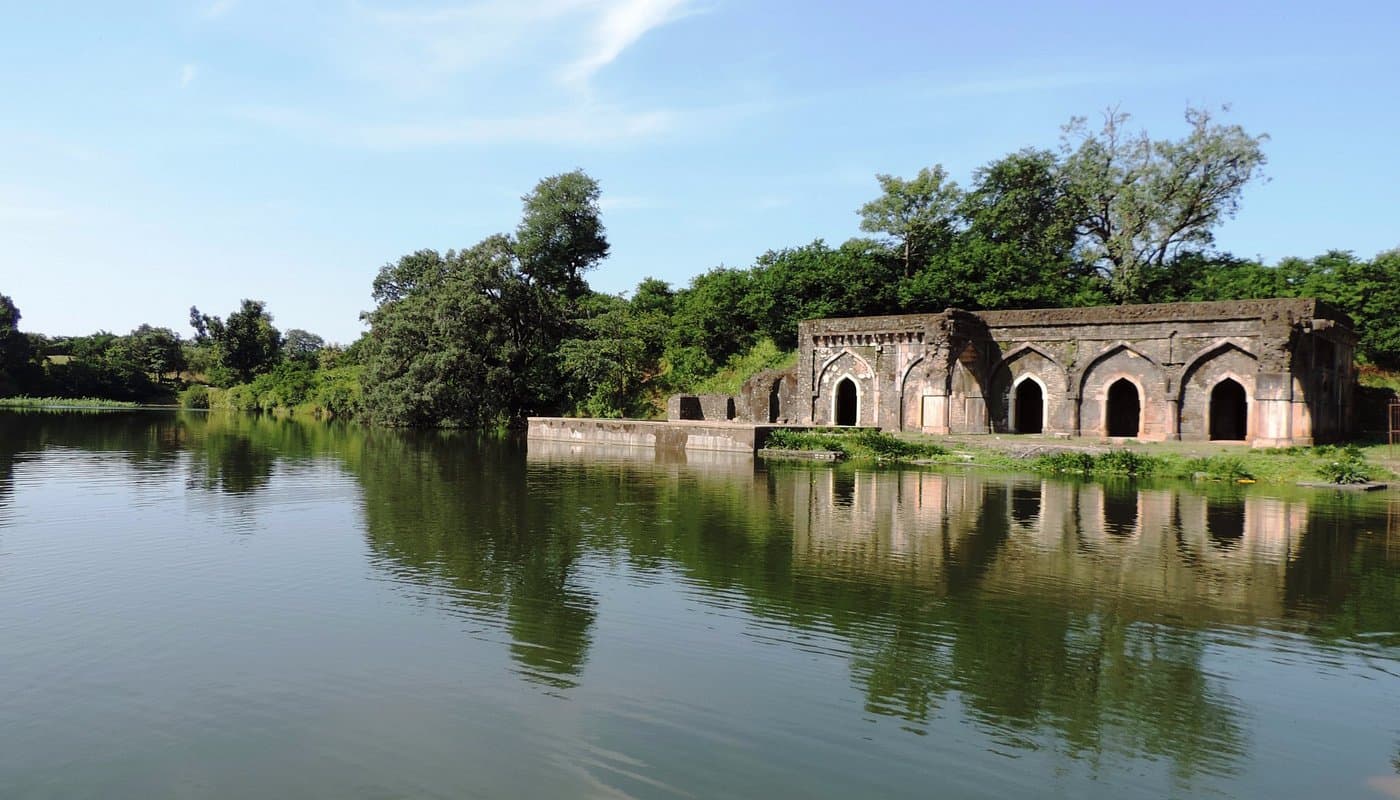
Ashrafi Mahal & Rewa Kund
via wikipedia
Ashrafi Mahal & Rewa Kund
Ashrafi Mahal began as a madrasa before later rulers added a tomb and victory tower. Rewa Kund, meanwhile, is a sacred water tank linked to Roopmati's daily rituals, still fed by a sophisticated Mughal-era water channel.
Hidden Gems Most Visitors Miss
- • Nilkanth Palace: This is a Mughal palace built on the ruins of an ancient Shiva temple, with channels cut into rocks for water.
- • Lohani Caves & Echo Point: They are serene caves cut out of rocks near the Songarh Fort that have echoing valleys.
- • Champa Baoli: Underground stepwell which was a part of the cooling system but not much visited because of its novelty.
- • Roof Top of Taveli Mahal: It is an empty site having a panoramic view of the two lakes and ASI Museum of Antiquities.
Best Experiences for a Mandu Luxury Heritage Stay
- • Watching the sunset at the pavilion of Rani Roopmati while being told about the love story by the guide.
- • Visiting during the monsoon season when all the lakes get filled with water and the waterfalls are found on the plateau making Jahaz Mahal look like a ship at sea.
- • Morning heritage walk in the Royal Enclave before the onset of summer and before arrival of any other visitors.
- • Sound and light show in the evenings near Hindola Mahal covering 600 years of Malwa's history through its ruins.
- • Long photography sessions since the light in Mandu is suitable for photography.
Food: What to Eat in Mandu
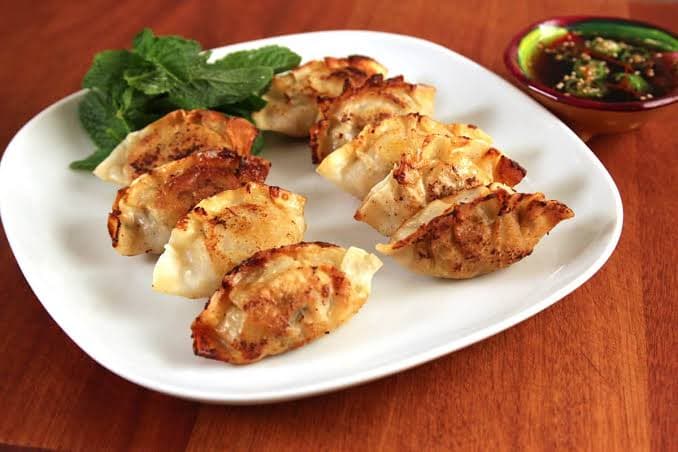
Malwa cuisine is robust and traditional, built on millets, wheat, and gram flour. Don't miss Dal Bafla - steamed wheat dumplings served with spiced lentils and ghee - or Bhutte Ki Kees, grated corn slow-cooked in milk with mustard seeds, a monsoon favourite when corn is sweetest.
Malwa's cuisine is hearty and traditional - try Dal Bafla (steamed dumplings with lentils and ghee) and Bhutte Ki Kees (grated corn slow-cooked in milk), a monsoon speciality.
via encrypted-tbn0.gstatic
Nearby Attractions Worth Combining With Mandu
- • Maheshwar – a tranquil town located on the banks of River Narmada famous for its fort, temples and handwoven Maheshwari sarees, only 90 minutes away.
- • Indore – the commercial capital of Madhya Pradesh and entry point into Madhya Pradesh, famous for its Rajwada Palace and Lal Bagh Palace.
- • Omkareshwar – a holy temple town on the banks of River Narmada, located around 2.5-3 hours from Mandu.
- • • Ujjain – one of the holiest cities of Hindu religion and also famous for its Mahakaleshwar Jyotirlinga.
Luxury Travel Tips
via pexels
Luxury Travel Tips
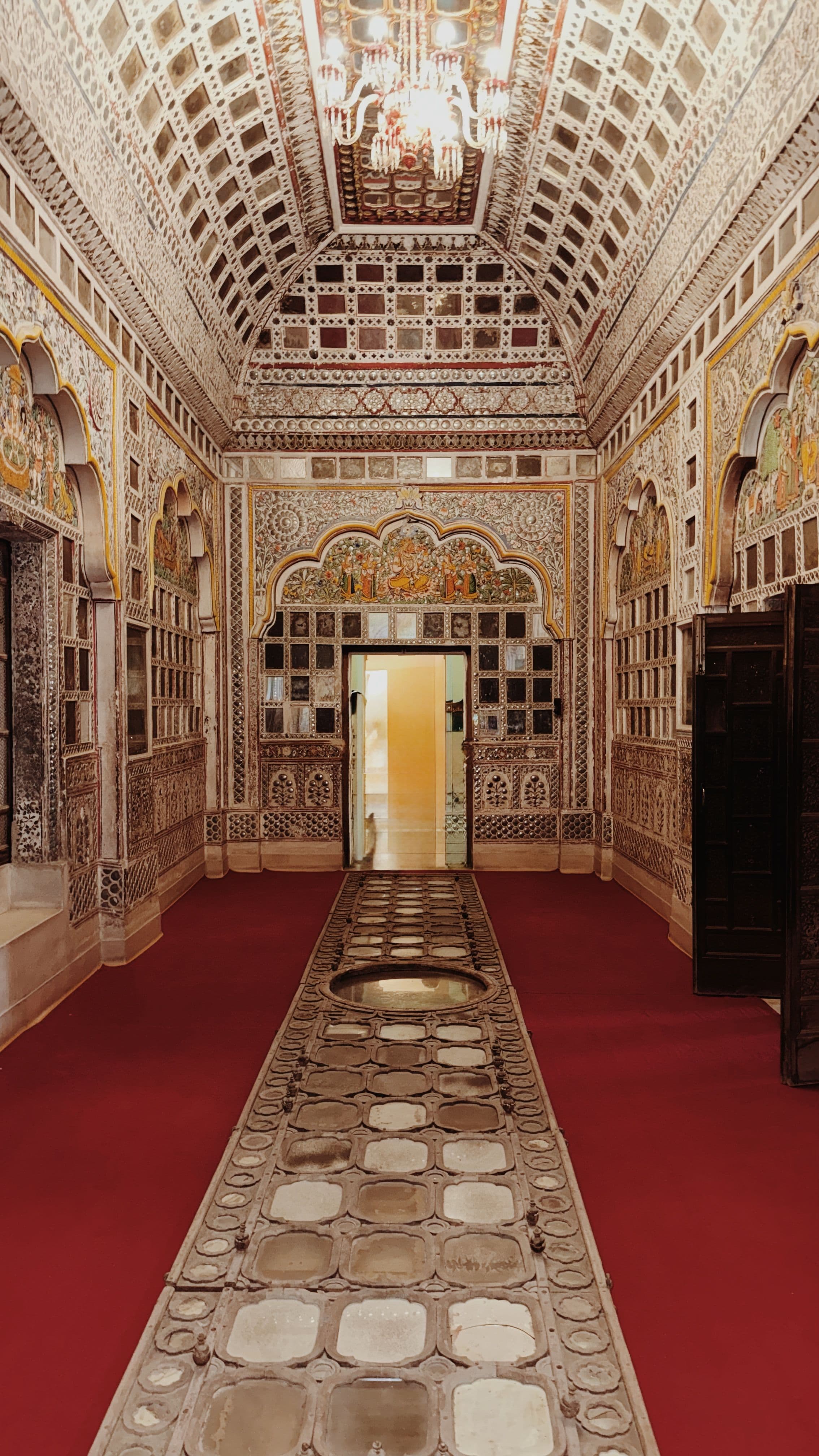
For a luxury Mandu experience, stay at a heritage property overlooking the lakes or ruins. Hire a private guide to bring the monuments' history and romance to life, and arrange a chauffeur for seamless movement between sites
Family Travel Tips
via pexels
Family Travel Tips
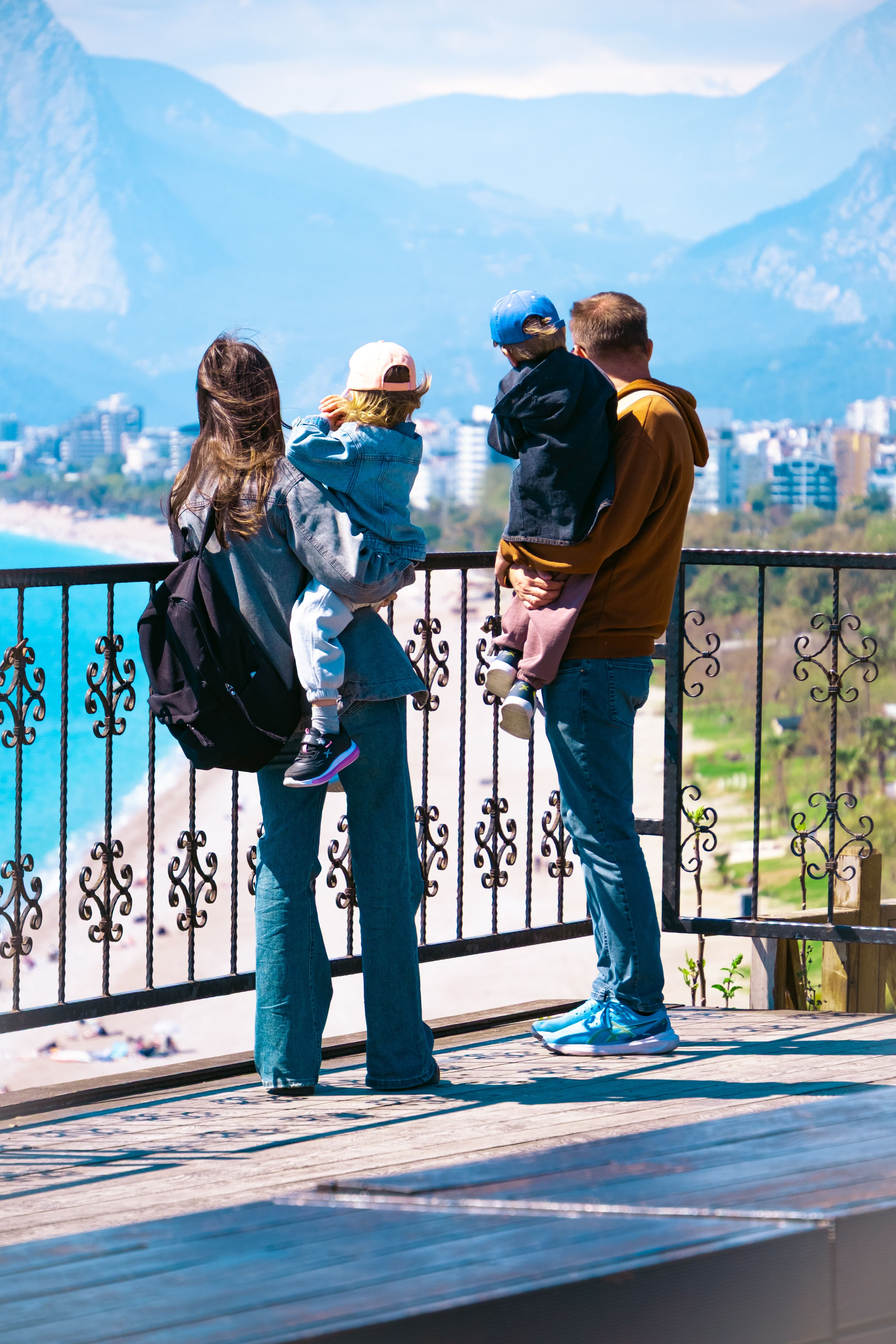
Book six to eight weeks ahead for the October–March season to secure an Orchha-facing suite, as these are limited and fill up fast with weddings. Arrange a private off-hours palace tour through your hotel, and choose a chauffeur-driven circuit covering Orchha, Khajuraho and Gwalior instead of a group tour.

Solo Female Traveler Tips
via pexels
Solo Female Traveler Tips
Avoid isolated monuments after dark, and keep a guide or driver with you for safety and context. Dress modestly at Jami Masjid and similar sites, and share your itinerary - mobile signals can be unreliable here.
Practical Travel Guide
Best Time to Visit Mandu
Mandu looks its best when the monsoon hits from July to September. Full lakes and green hills with mist in the gorges make it feel special. It seems like the most romantic time so maybe that is when people should visit. Sightseeing works out better in winter from October to March. Pleasant weather and cool evenings help a lot. I think that part is easier to handle for walking around. There is plenty to see anyway.
How to Reach Mandu
- • By Air: Nearest airport is Indore (~100 km), with flights from Delhi, Mumbai, and other major cities.
- • By Rail: Indore Junction is the main stop, followed by a 2-hour road journey to Mandu.
- • By Road (Private Car): The most comfortable option - about 2 hours via Dhar. Private transfers can be arranged from Indore.
- • By Bus: Available from Gangwal and Sarwate stands, but timings are limited and require planning.
Entry & Ticket Details
The majority of the monuments in Mandu are maintained by the Archaeological Survey of India, and the entry fees charged per individual are about ₹25-40 for Indians and a relatively higher fee (₹250-600, depending on the monument one wishes to visit) for foreign tourists. The majority of the monuments are open from sunrise to sunset, and you will have to check the timings.
Suggested Duration
A quick day in Mandu covers the main places but it feels short on time. With two days you can go slower and see sunrises along with sunsets. It seems that gives a better feel for the heritage side of things. Some people might not need that much time but the experience changes when you add those moments.
Mandu Itinerary - Day by Day
Day 1
- • Morning: Arrive from Indore, check into your heritage stay, breakfast overlooking Munj Talao - ease into Mandu's slow rhythm.
- • Midday: Explore Jahaz Mahal, Hindola Mahal, Taveli Mahal, and Champa Baoli stepwell - the Royal Enclave is Mandu's architectural heart.
- • Afternoon: Visit Jami Masjid and Hoshang Shah's Tomb - India's first marble monument.
- • Evening: Sunset at Rani Roopmati's Pavilion, dinner under the stars - panoramic Narmada valley views and Mandu's most romantic hour.
Day 2
- • Morning: Baz Bahadur's Palace and Rewa Kund water complex - the legend of Baz Bahadur and Roopmati comes alive.
- • Midday: Nilkanth Palace and Songarh Fort viewpoint - offbeat, uncrowded, rich in Mughal-Malwa detailing.
- • Afternoon: Local lunch, Lohani Caves, bazaar walk - taste Malwa's food culture and browse crafts.
- • Evening: Private sound-and-light experience or a quiet lakeside walk - a gentle close to a slow, romantic itinerary.
Why Choose India Heritage Travel
Mandu's depth deserves more than a standard package tour. India Heritage Travel designs private, narrative-driven heritage journeys for couples, honeymooners, solo women, and culture lovers - with leisurely chauffeur-driven tours, itineraries shaped around your pace and interests, luxury heritage stays, licensed historian guides, women-safe options, and best-in-class service from arrival to departure. If Mandu's medieval romance has captured your imagination, reach out to turn this guide into a private luxury heritage itinerary.
Frequently Asked Questions
Mandu is famous for its 15th-century Afghan-Mughal architecture, the romantic legend of Baz Bahadur and Roopmati, and Hoshang Shah's Tomb - India's first marble monument.
One full day covers the major monuments; two days allow a relaxed, luxury-paced visit including sunrise and sunset experiences.
Monsoon (July–September) offers the most romantic, lush scenery, while winter (October–March) provides the most comfortable sightseeing weather.
Mandu is about 90–100 km from Indore, roughly a 2 to 2.5-hour drive via the Indore–Dhar road; private car is the most comfortable option.
Yes, Mandu is a small, relatively low-crime town. Solo female travellers are advised to avoid isolated areas after dark and consider a private guide or chauffeur for added safety and context.
Mandu is not yet an inscribed UNESCO World Heritage Site; the Group of Monuments at Mandu has been on UNESCO's Tentative List since 1998.
Planning a Mandu Heritage Stay?
India Heritage Travel crafts private Madhya Pradesh itineraries featuring Mandu's medieval ruins, Jahaz Mahal, Roopmati's Pavilion, and romantic heritage stays combined with Maheshwar, Indore, and Ujjain.
Plan My Mandu Heritage Stay