Nawalgarh: Heritage Mansions & Boutique Haveli Stays
It is a special kind of silence that only gets interrupted by the ringing of a passing bicycle bell or the crowing of a kite in the sky sounds that bring life to the painted walls of Nawalgarh and tell their story to anyone who bothers to look.
Nawalgarh Heritage Haveli Stays have become one of Rajasthan's most exciting revelations for travellers who want more than palace photographs - who want to stay where a dusty desert trade centre once dreamt of rivalling European capitals in artistic grandeur. This guide covers Nawalgarh's history, architecture, best havelis, boutique hotels, and everything else you'll need.
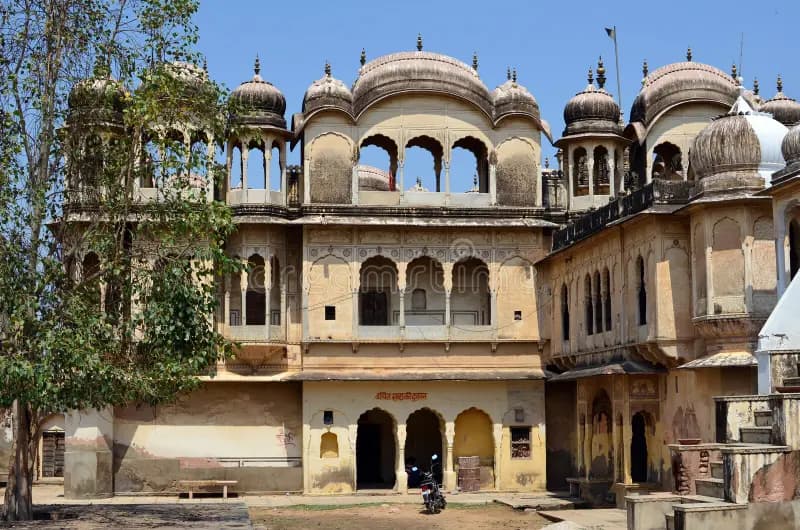
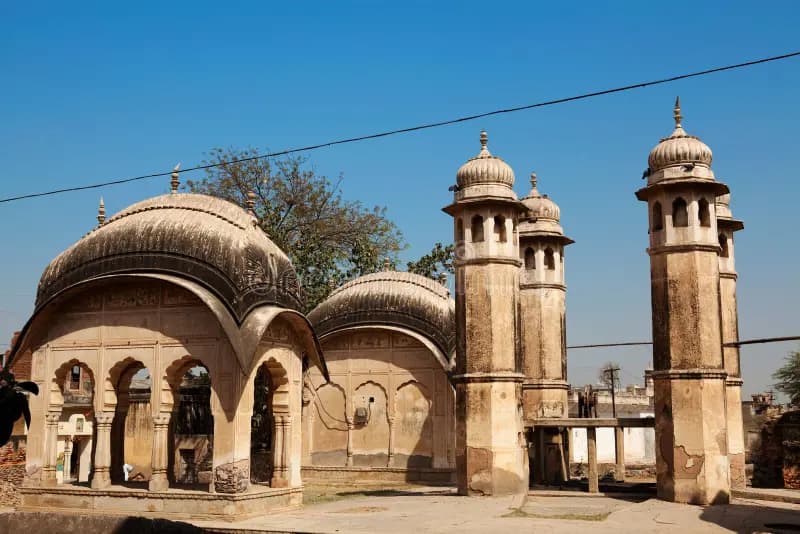
Image via thumbs.dreamstime
Overview: Where Nawalgarh Fits Into Shekhawati's Story
Nawalgarh is located in Jhunjhunu district of Rajasthan, approximately mid-way between Jhunjhunu and Sikar. It is a part of the Shekhawati region whose name means ‘garden of the Shekhawat clan’. If Jaipur and Udaipur have the royal palace, Shekhawati has its own unique attraction, an open-air museum of trader’s mansions painted not by kings but by the merchants who have funded a major part of the commercial history of India. As for Nawalgarh, with all its frescoed havelis, forts, and courtyards, this town is usually believed to be the best single point of departure to see Shekhawati.
As most of Nawalgarh’s attractions are hidden behind closed doors and walls, this town requires time to explore. It is definitely not a list-checking attraction – it is the town to be seen walking around and preferably accompanied by a local guide.
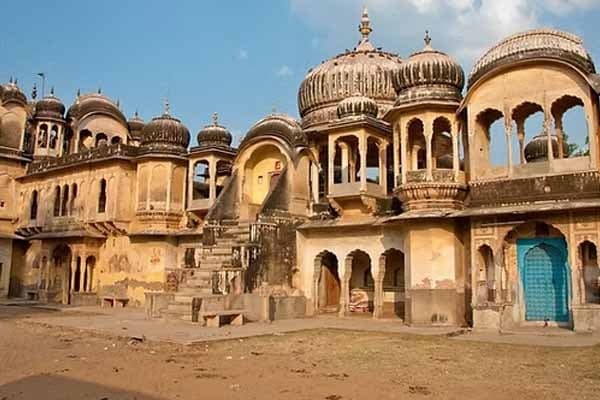
Image via rajasthantourplanner
History of Nawalgarh: From Fortified Outpost to Merchant Capital
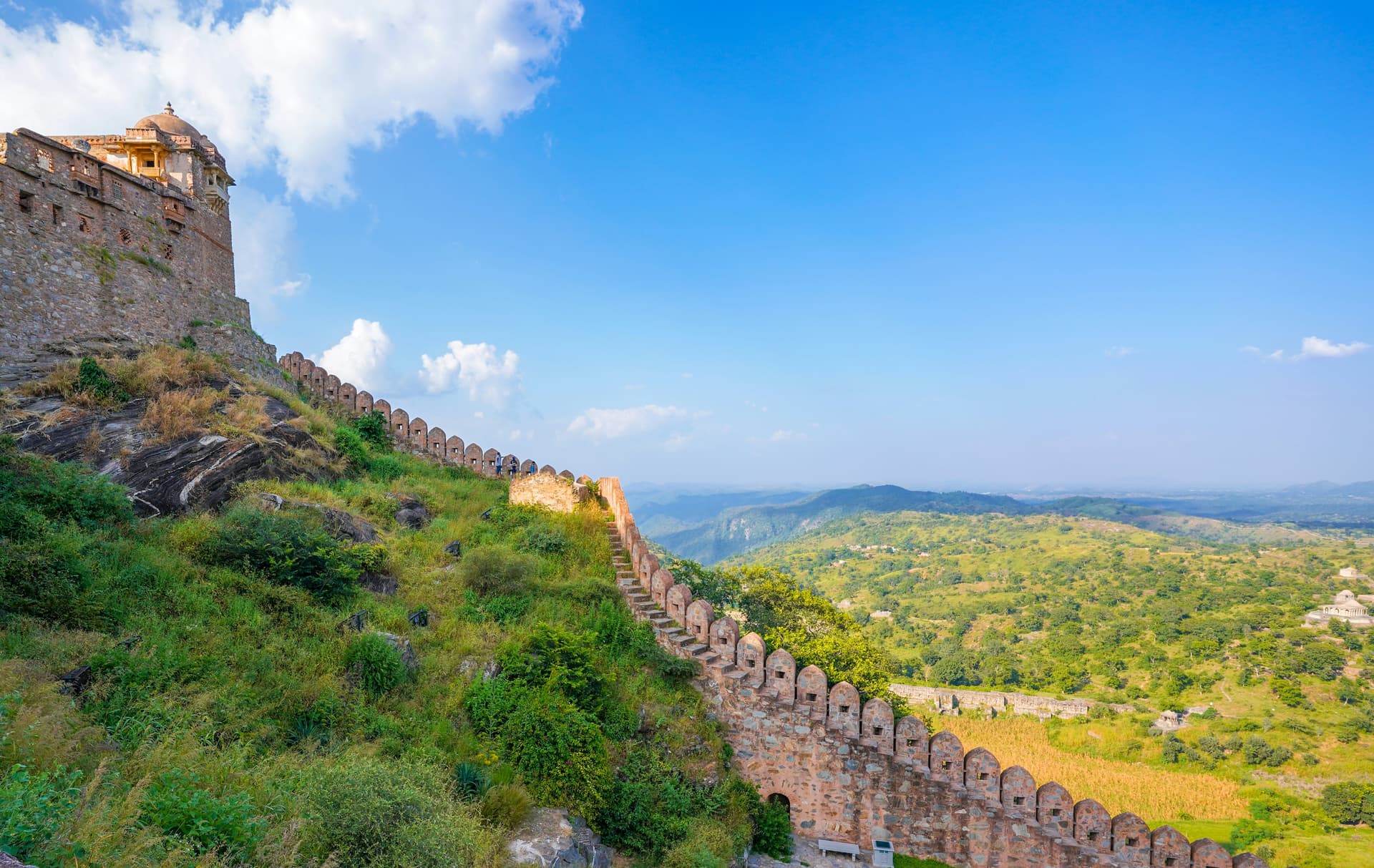
Nawalgarh was established in 1737 by Thakur Nawal Singh Ji Bahadur, a member of the Shekhawat Rajputs clan who created a walled town with four gates, supported by two fortresses. The Bala Qila stands at the centre of Nawalgarh town, while the Fatehgarh Fort acts as the outer fortress. For decades after its establishment, Nawalgarh served as a military town and the administrative centre for the Shekhawat thikana.
The shift from being a military town to becoming a cultural town came later due to reasons other than royal patronage. Nawalgarh and Shekhawati region were on the routes used by caravans going from the ports of Gujarat to the commercial centers of north and central India. The Marwari merchants who settled in Nawalgarh became prosperous through their trading activities in cotton, opium, and banking. During the nineteenth century, the merchants started moving to booming places such as Calcutta, Bombay, and other places, but they didn’t stop providing financial support to their native land. Instead, they spent a large part of their new found money in building havelis to show off their success to the world. The ancestors of many of the leading businessmen houses of India today hail from the region
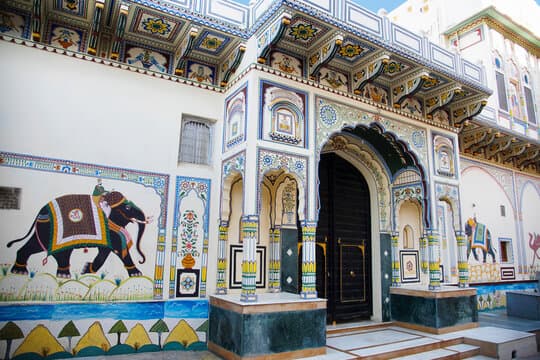
Image via t4.ftcdn.net
Architecture and Artistic Legacy
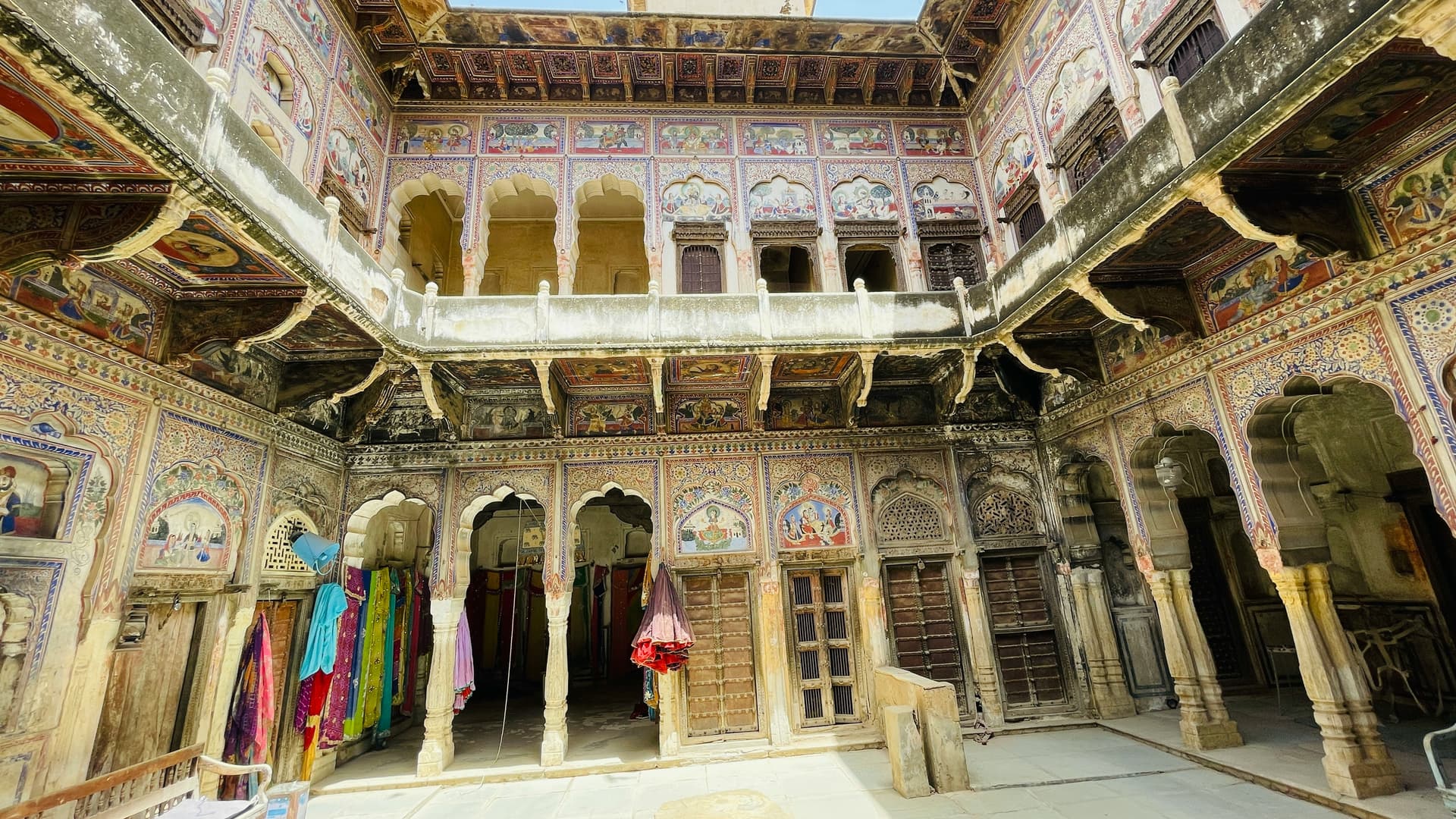
What distinguishes Nawalgarh from other fortified cities of Rajasthan is the compactness and creativity of its domestic architecture. The haveli was created as a closed world for the extended family – typically a group of brothers with their own families – with the help of one or more courtyards, which divided the spaces of privacy and public, of men and women, and of everyday life and festivity.
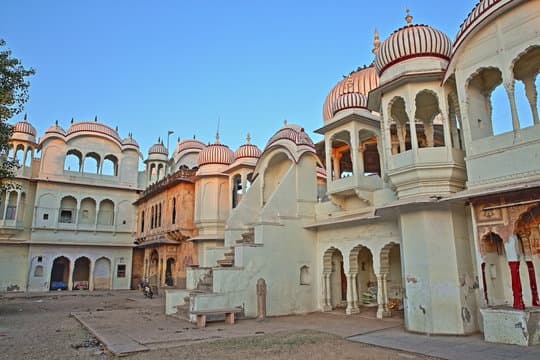
Image via t4.ftcdn.net
The Fresco Tradition: A Desert Canvas
The most characteristic element of Shekhawati frescoes lies in the technique of creating frescoes with the help of the true fresco and fresco-secco processes wherein local craftsmen called chiteras applied the pigments of natural origin onto wet or semi-wet lime plaster. In that way, the color was embedded in the walls. That is why such many paintings have been preserved for over one hundred years despite the harsh desert climate. The topics of these paintings include the Ramayana, life of Krishna, hunting scenes, procession of royalty as well as the most unusual topic – the pictures of steam trains, ocean liners, hot air balloons, gramophones and men wearing top hats – created by artists, who had never even seen those objects in reality but had some description of them or printed picture.
Haveli Layout and Design Elements
The family used the entrance gateways (deodhis) as their main decorative area to display their financial status through elaborate architectural designs. The courtyard area known as chowks created a barrier which separated the reception space from the family privacy areas. The house received wooden door and window jharokhas which served two purposes by bringing in sunlight and fresh air while maintaining female privacy within the home. The ceiling artwork included painted surfaces and dome structures which featured aerial views of nearby cities including Jaipur. The vocabulary contained mixed elements which combined courtly Rajput architectural features with Mughal decorative elements and colonial European design elements from later times.
Cultural Significance
The Shekhawati mansions are often called an "open-air museum" and rightly so. Unlike palace frescoes painted to please a king, these were created for civic purposes, revealing what mattered to a wealthy Indian merchant family of the time.
With over 200 surviving painted mansions in Nawalgarh alone, heritage organisations are now considering Shekhawati's havelis as potential UNESCO sites. Conservation efforts and repurposing as museums and boutique resorts are already underway at the state level.
Major Attractions in Nawalgarh
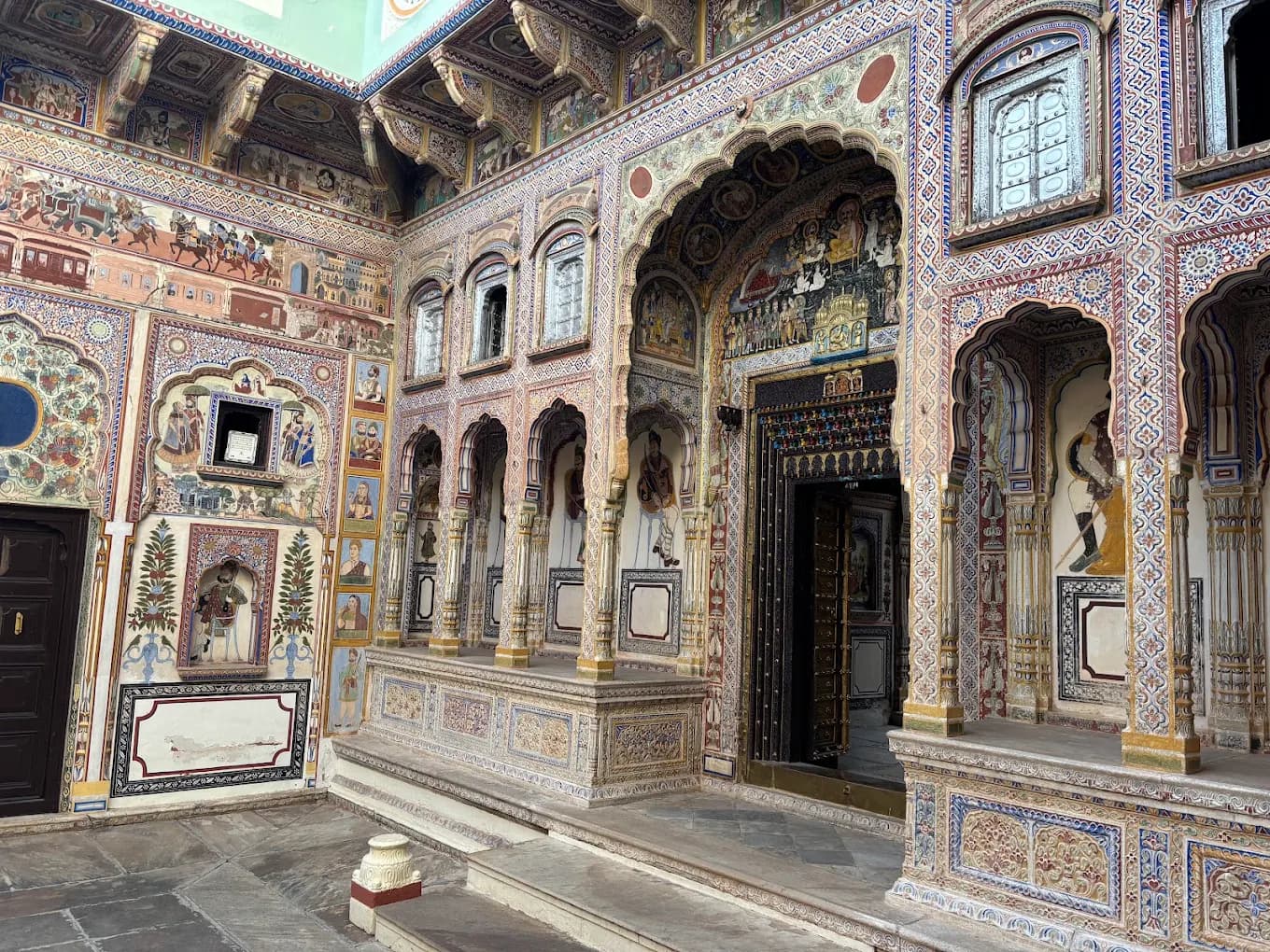
Podar Haveli Museum
Image via wikipedia
Podar Haveli Museum
Podar Haveli (1902), now a museum run by the Podar family, is Nawalgarh's top heritage attraction. Restored frescoes and exhibits of turbans, jewellery, and paintings make it the perfect first stop.
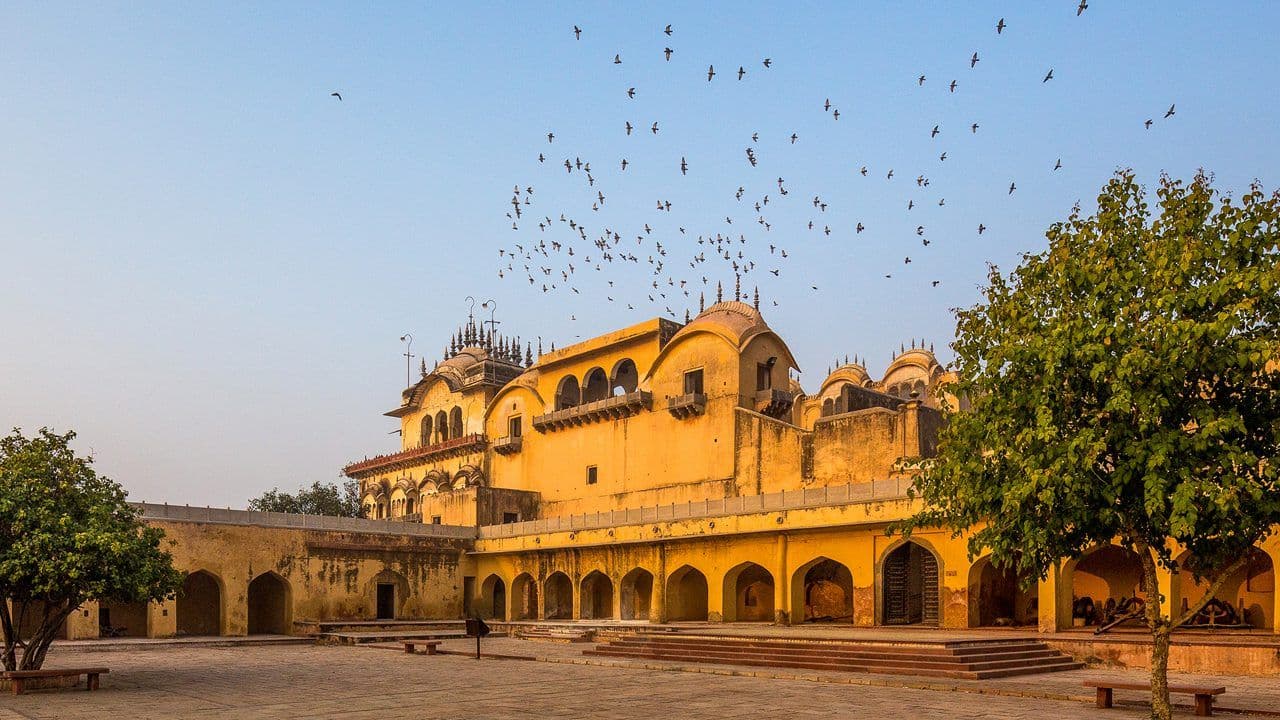
Nawalgarh Fort (Bala Qila)
Image via wikipedia
Nawalgarh Fort (Bala Qila)
Bala Qila, Nawalgarh's first fort, was built in 1737 in the heart of town. Much of it has merged into the modern town, but the mirrored Sheesh Mahal and a painted ceiling depicting a bird's-eye view of Jaipur remain intact.
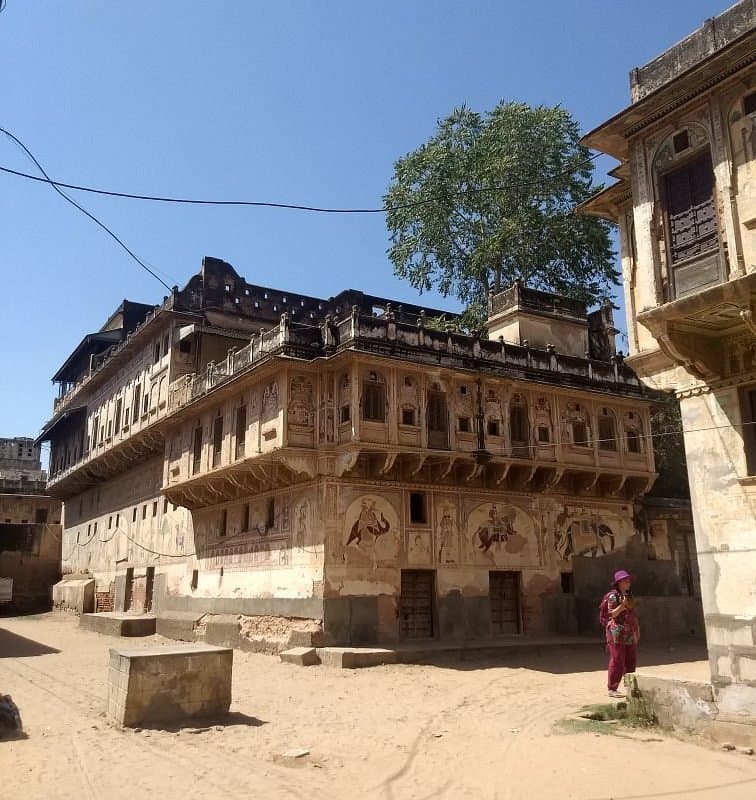
Aath Haveli Complex
Image via wikipedia
Aath Haveli Complex
Aath Haveli is a cluster of eight interconnected mansions built by one family - one of Nawalgarh's most atmospheric stops precisely because it hasn't been fully restored. Peeling paint and quiet, half-lived-in courtyards offer an unfiltered sense of how these mansions have aged over a century.
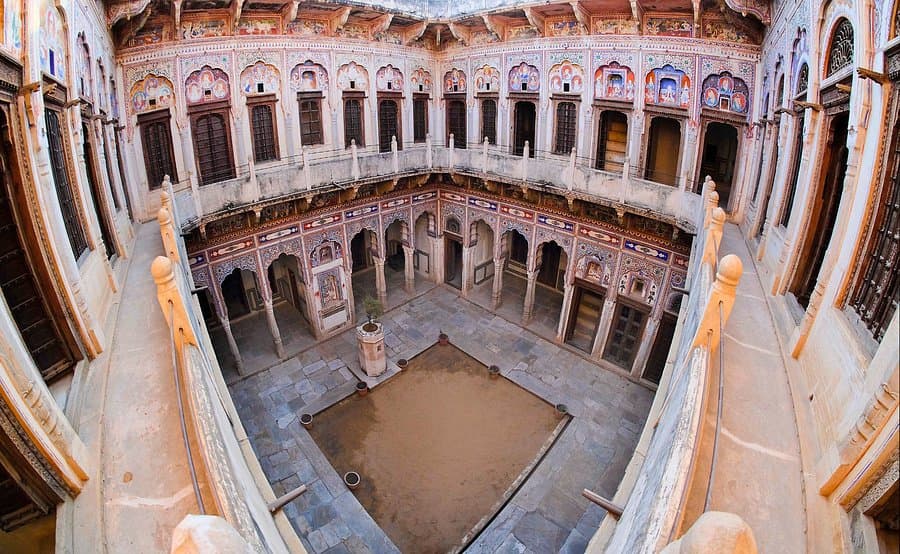
Morarka Haveli
Image via wikipedia
Morarka Haveli
Just a brief distance away from the Podar Haveli is the Morarka Haveli, constructed in the early part of the twentieth century, which has the distinction of preserving a set of fresco cycles intact and of serving, currently, as a research facility on the painted tradition of Shekhawati, thus constituting an excellent destination for visitors.
Hidden Gems and Offbeat Experiences
- • Bansidhar Bhagat Ji Haveli: One of the town's finest interiors, with a rare painting of Jesus Christ at the entrance - a testament to Shekhawati merchants' fascination with the wider world.
- • Smaller, Unrestored Havelis: Many are still home to family members who will let you in for a small donation - offering a more authentic glimpse.
- • Heritage Walks: Early morning walks through the old bazaar reveal the town at its most alive.
- • Local Artisans: Visit weavers and jewellers practising traditional crafts.
Best Experiences in Nawalgarh
- • A heritage walk that takes you from Podar Haveli to Morarka Haveli and then to Aath Haveli by walking.
- • Golden hour photography sessions where one can capture the gate frescoes and jharokha carvings.
- • Traditional cooking session of Rajasthani cuisine in the courtyard of a heritage haveli.
- • Folk music storytelling sessions arranged in the courtyard of a heritage haveli for private tours only.
- • Trip to Nawalgarh along with Mandawa and Dundlod (fresco towns).
Best Experiences for Discerning Travelers
- • Private guided walk through the pillar galleries of Chaumukha Temple
- • Sunset at the Sun Temple - away from the crowds
- • Afternoon safari across Kumbhalgarh's forests
- • Relaxing evening at a heritage property under the Aravalli silhouettes
Food and Culinary Experiences
Nawalgarh's food culture is shaped by its Marwari trading heritage - pulses, cereals, and preserved vegetables take centre stage over fresh leafy greens, given the desert climate. A typical haveli meal includes dal-baati-churma, ker sangri, gatte ki sabzi, and bajre ki roti served with ghee.
Most haveli stays offer open-air dinners where guests can learn about Rajasthani cooking firsthand.
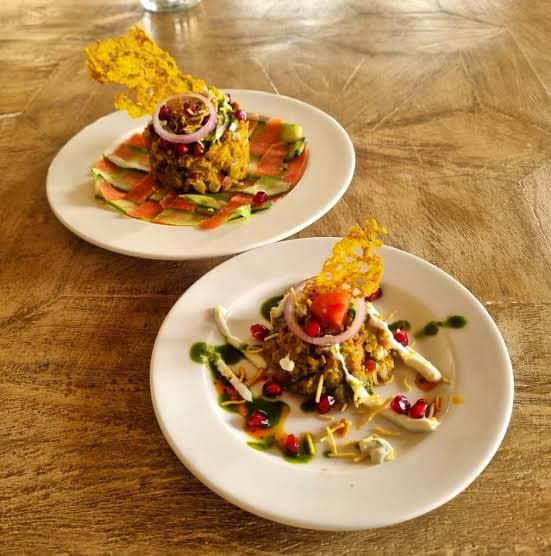
Image via encrypted-tbn0.gstatic.com
Nearby Attractions
- • Mandawa – located approximately 30 km away and often referred to as the most photogenic fresco town in Shekhawati, Mandawa itself boasts a few haveli hotels.
- • Dundlod Fort – located around 7 km from Nawalgarh and built in the 18th century, it is a Rajput fort that includes a museum and some courtyard architecture.
- • Fatehpur – an intact fresco town located an hour away that houses the Nadine Le Prince Cultural Centre.
- • Jhunjhunu – located 40 km away and being the headquarters of the district, it too possesses several havelis and temples.
- • Mahansar – a less-known, quieter fresco town with the Sone Chandi Ki Haveli.
Practical Travel Guide
Best Time to Visit
The period from October to March is considered perfect, since the days are warm but cold enough in the morning to walk between the havelis. The summer months (April to June) are very hot desert months where visiting sites during the middle of the day becomes impossible due to excessive heat, while the monsoons (July to September) are wet months with rains here and there.
How to Reach Nawalgarh
- • October – March: The ideal window - pleasantly warm days and cool mornings, perfect for walking between havelis.
- • April – June: Scorching desert heat makes midday sightseeing uncomfortable.
- • July – September: Monsoon brings humidity and intermittent rain.
Entry and Ticket Details
Podar Haveli Museum is usually operational daily through morning till early evening hours, with small admission charges for both local and foreign tourists and extra fees for camera use – information that needs to be updated by checking directly at the entrance since timings and rates change frequently. The remaining havelis of Nawalgarh, such as the Aath Haveli and Morarka Haveli, normally have minimal admission fees or ask for small donations to the caretakers.
Suggested Duration
A minimum of a full day would be required to visit the main havelis of Nawalgarh; whereas two days can help you spend some time on Dundlod as well.
Budget Estimates
Nawalgarh caters to all budgets: budget travellers can manage on ₹2,000–4,000 per day with guesthouses, local transport, and thali meals; mid-range travellers can expect ₹6,000–10,000 daily for heritage haveli stays, private transport, guided tours, and sit-down dining; and luxury travellers should budget ₹15,000+ per day for a luxury haveli suite, private chauffeur, local guide, and curated dining experiences.
Luxury Travel Tips
Image via pexels
Luxury Travel Tips
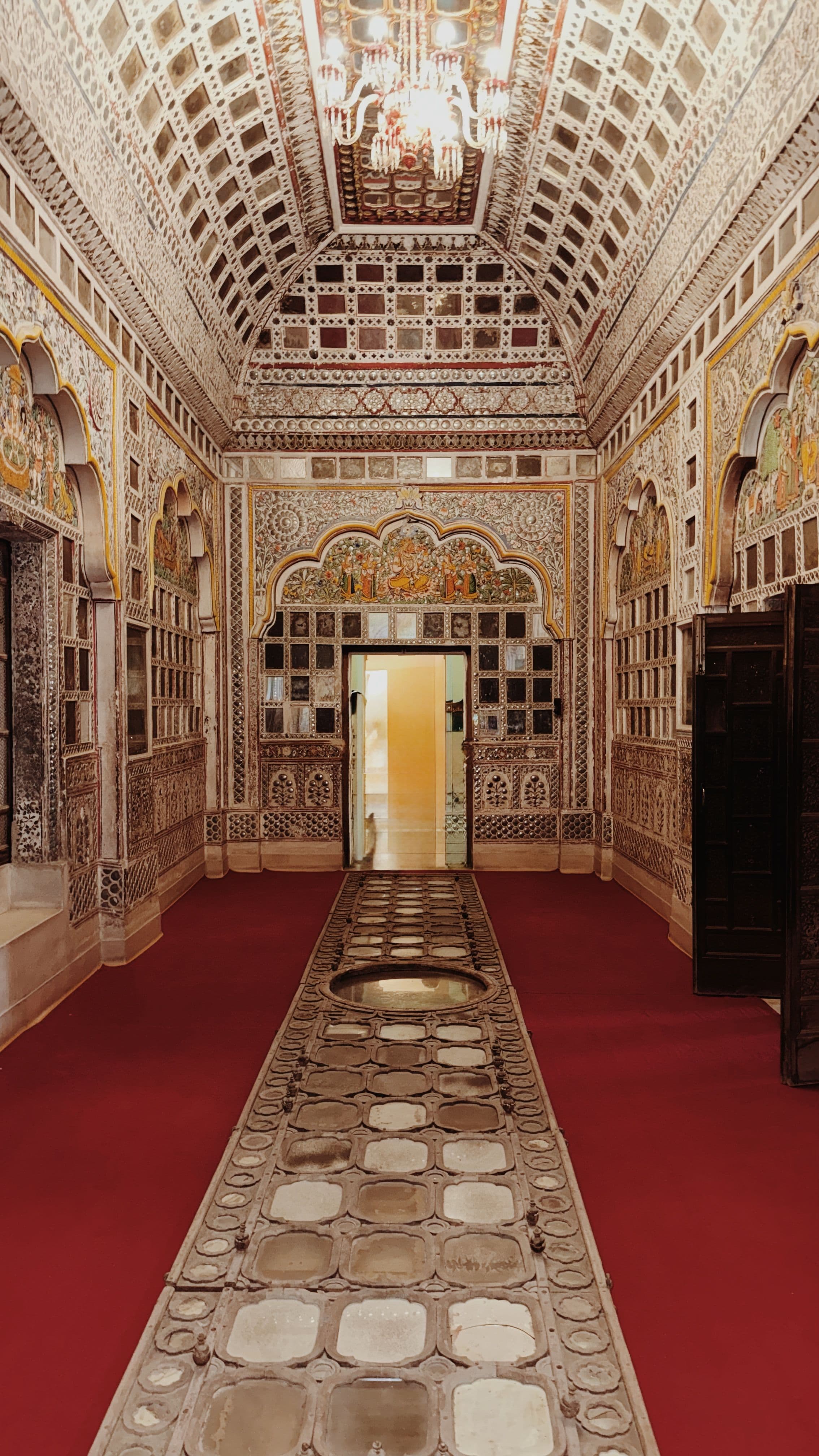
For a luxury Nawalgarh experience, choose a private chauffeur-driven tour over public transport - you control how long you linger in each haveli. Stay in a boutique haveli rather than a highway hotel, so you experience these buildings rather than just seeing them. A private after-dark event adds the perfect final touch.
Family Travel Tips
Image via pexels
Family Travel Tips
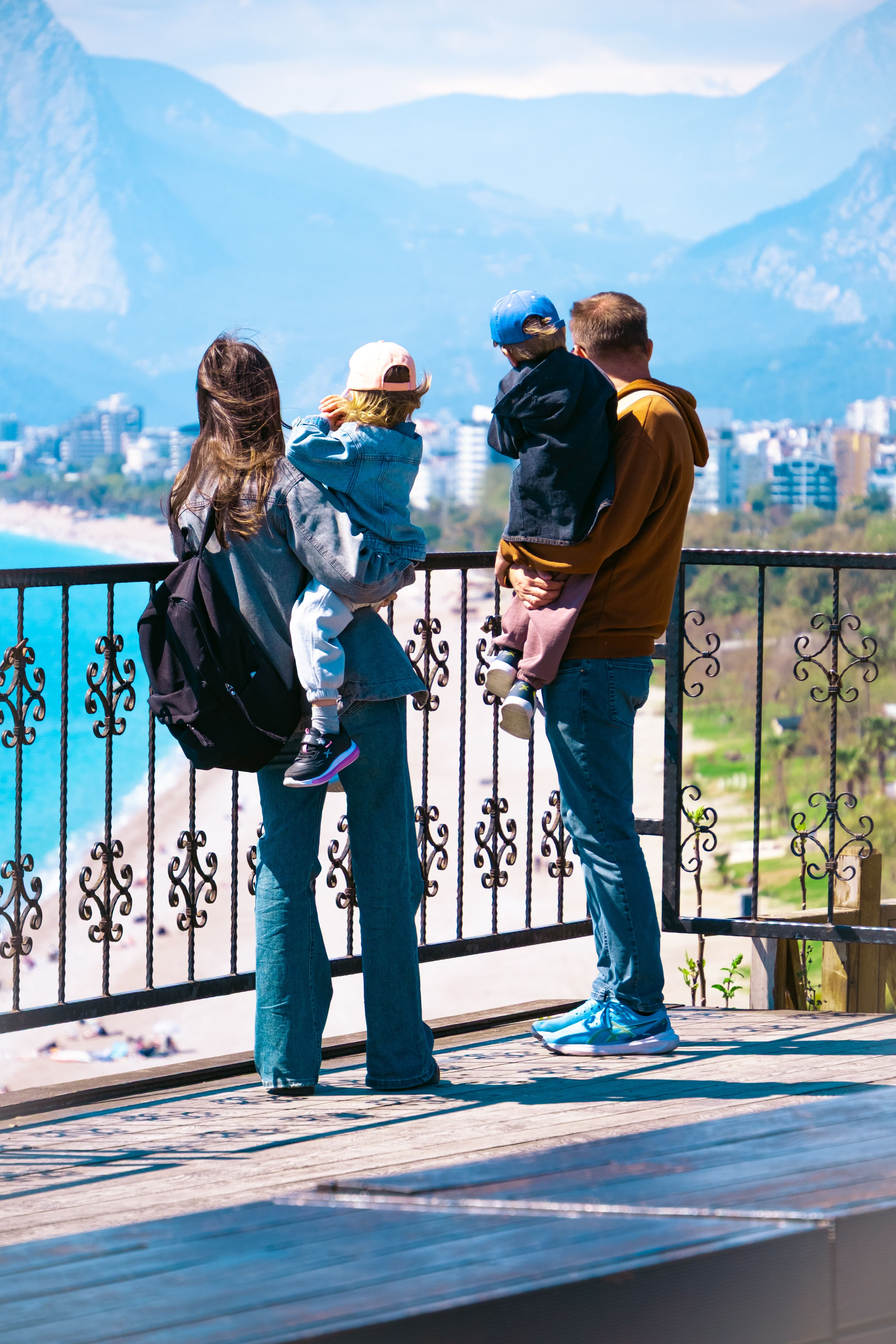
Nawalgarh works well for families with older kids - the hidden details in murals (trains, bicycles, Europeans) turn haveli tours into a treasure hunt. Choose a hotel with a courtyard or garden for downtime, and plan around shorter walking stretches, as the havelis aren't easy to navigate with little ones.

Solo Female Traveler Tips
Image via pexels
Solo Female Traveler Tips
Nawalgarh is well-suited for solo women travellers, especially with a local guide for the first day. A private driver or guide simplifies haveli access, and India Heritage Travel's women-friendly tours offer added reassurance.
Suggested Itinerary
Half-Day Itinerary
- • Morning Visit Podar Haveli Museum for an introduction to Shekhawati architecture and culture
- • Late Morning Walk to Morarka Haveli and the Aath Haveli complex through the old bazaar
- • Midday Rajasthani thali lunch at a heritage haveli courtyard restaurant
One-Day Nawalgarh Itinerary
- • Early Morning Sunrise photography walk through the old town's fresco lanes
- • Morning Podar Haveli Museum and Morarka Haveli
- • Midday Lunch, then rest during peak heat at your haveli stay
- • Afternoon Nawalgarh Fort's Sheesh Mahal and the Aath Haveli complex
- • Evening Local market stroll and a courtyard dinner with folk music
Two-Day Nawalgarh and Shekhawati Itinerary
- • Day 1 Morning–Evening Follow the one-day Nawalgarh itinerary above; overnight at a boutique heritage haveli stay
- • Day 2 Morning Day trip to Dundlod Fort (7 km) and Mandawa (30 km) for further fresco haveli exploration
- • Day 2 Afternoon Return to Nawalgarh or continue onward to Fatehpur or Jhunjhunu, depending on your onward route
Why Choose India Heritage Travel
Planning a Nawalgarh haveli stay on your own means navigating unmarked gates and unreliable options. India Heritage Travel removes the hassle with private chauffeur-driven tours, fully personalised itineraries (Nawalgarh, Mandawa, Dundlod, Jaipur, and beyond), exclusive access to authentic boutique havelis, expert local guides, and women-safe travel options. With concierge-style service for couples, honeymooners, and culture-seekers, we turn this guide into a customised holiday built around your definition of luxury.
Frequently Asked Questions
Nawalgarh's heritage stays are set inside genuine 19th and early 20th-century merchant havelis, many still fresco-painted and family-owned, offering a more intimate and historically authentic experience than larger palace hotels found elsewhere in Rajasthan.
One full day covers the essential havelis, but two days allow a more relaxed pace, an overnight boutique haveli stay, and a side trip to nearby Dundlod or Mandawa.
Yes - Nawalgarh's compact, walkable old town and steady heritage tourism make it a comfortable destination for solo women, especially when paired with a private guide or a women-focused tour arrangement.
October to March offers the most comfortable temperatures for exploring havelis on foot; summers are extremely hot and best avoided for daytime sightseeing.
Nawalgarh is roughly 135–140 km from Jaipur, reachable by private car in about 2.5–3 hours, by direct train in around 2.5–4 hours, or by public bus in around 4 hours.
Yes - Mandawa is about 30 km away and Dundlod Fort roughly 7 km away, making both easy half-day or full-day additions to a Nawalgarh-based itinerary.
Planning a Nawalgarh Heritage Stay?
India Heritage Travel crafts private Rajasthan itineraries featuring Nawalgarh's painted havelis, fresco walks, and Shekhawati heritage - combined with Mandawa, Jaipur, and Bikaner.
Plan My Nawalgarh Heritage Stay