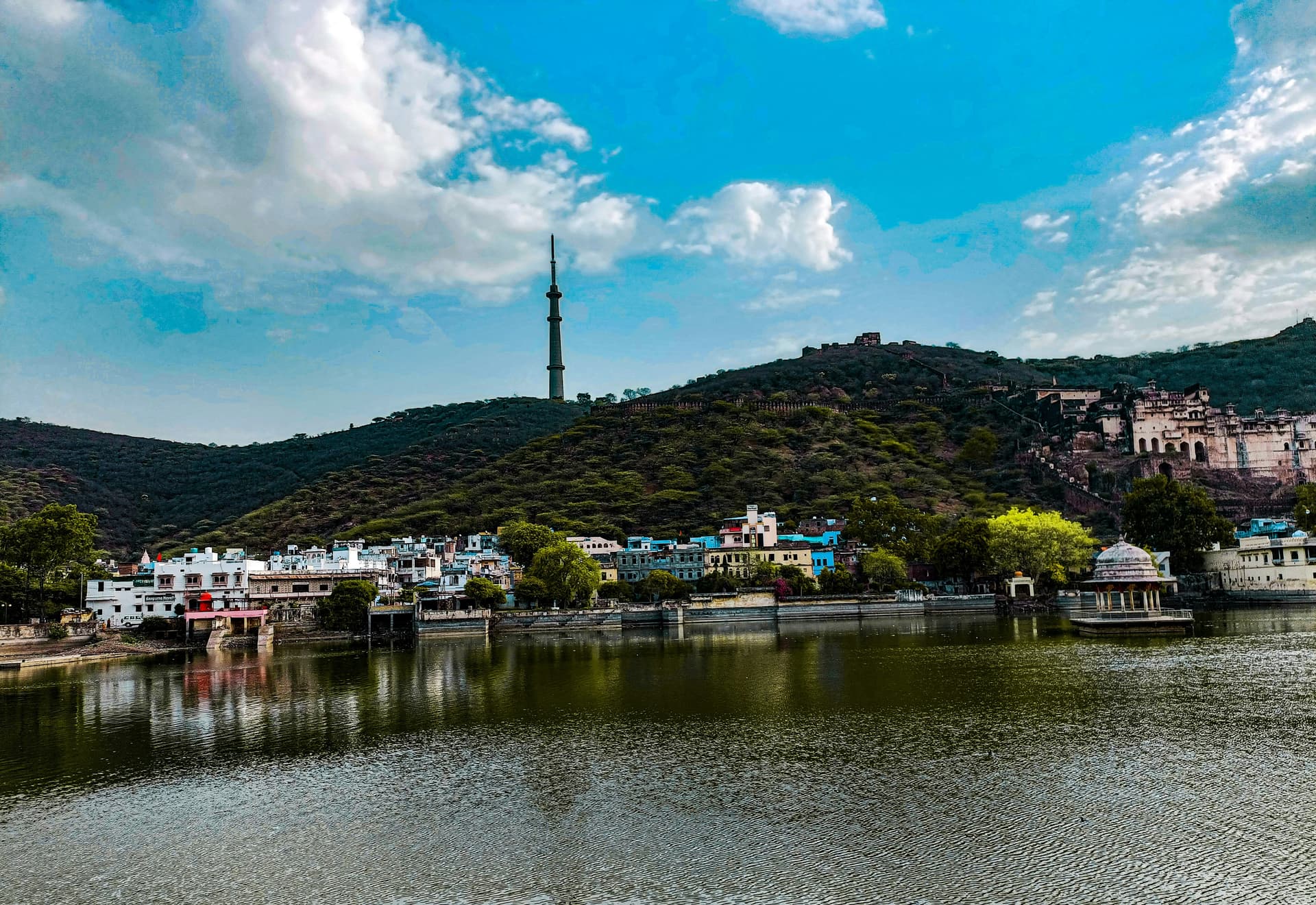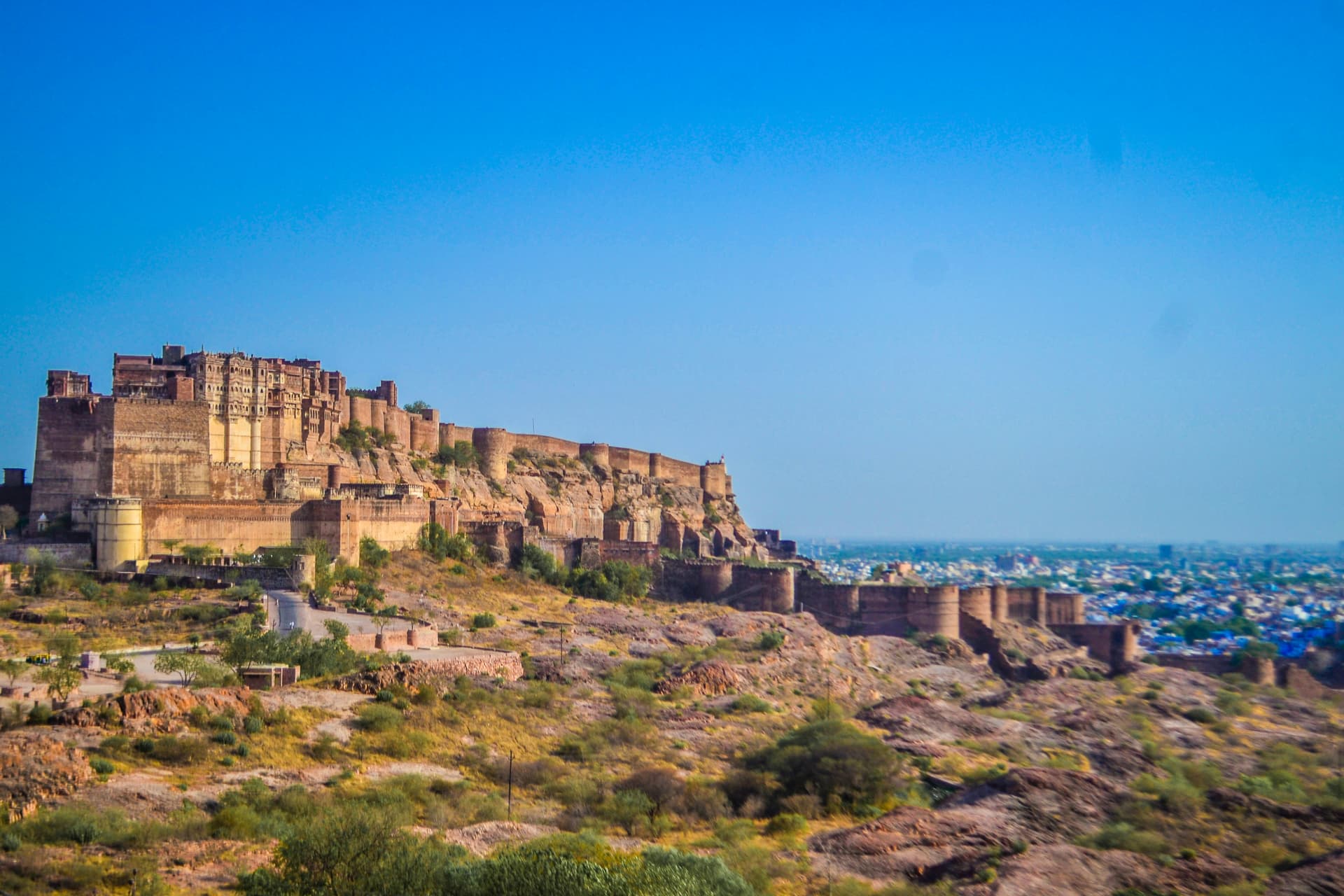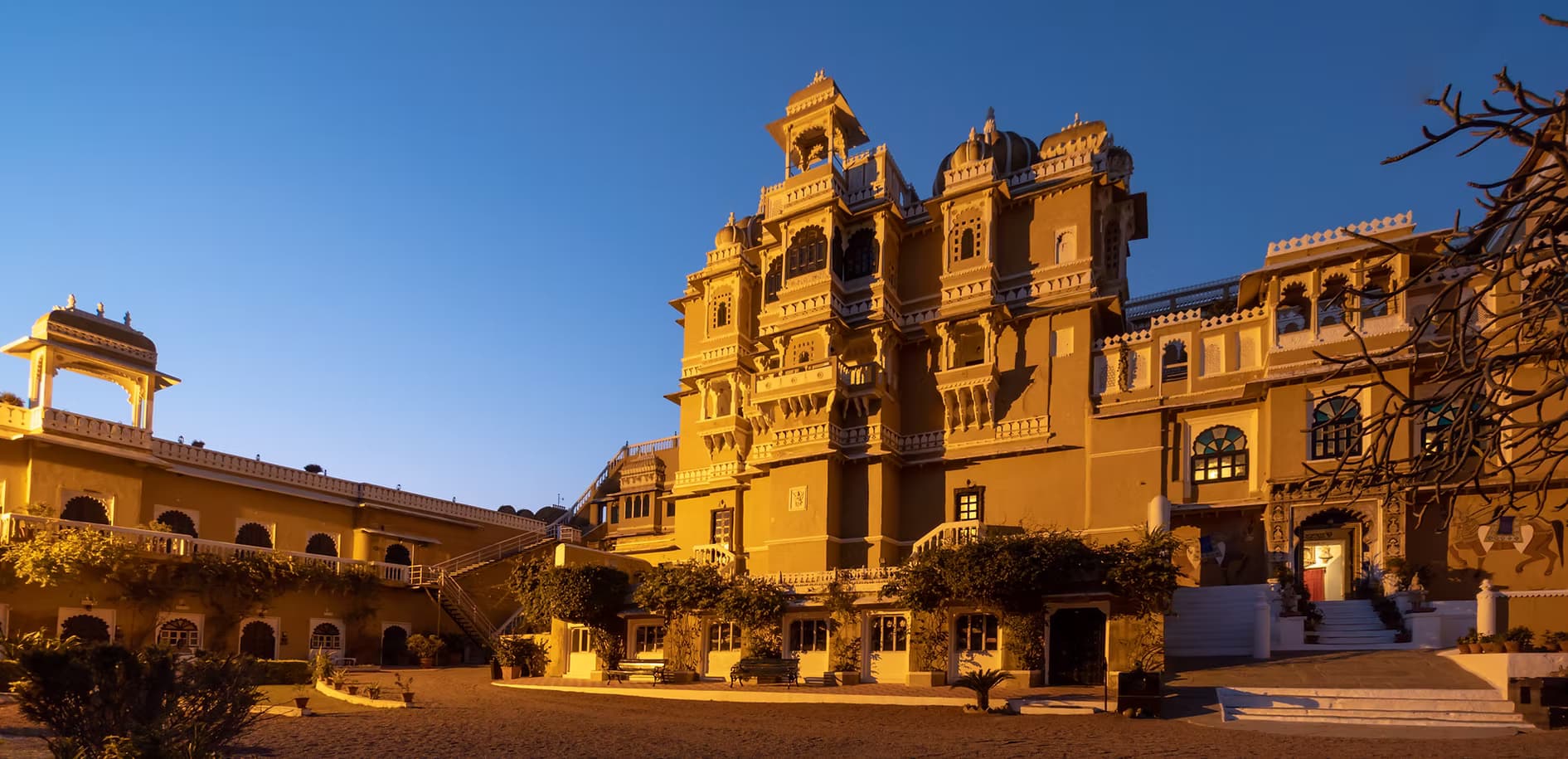
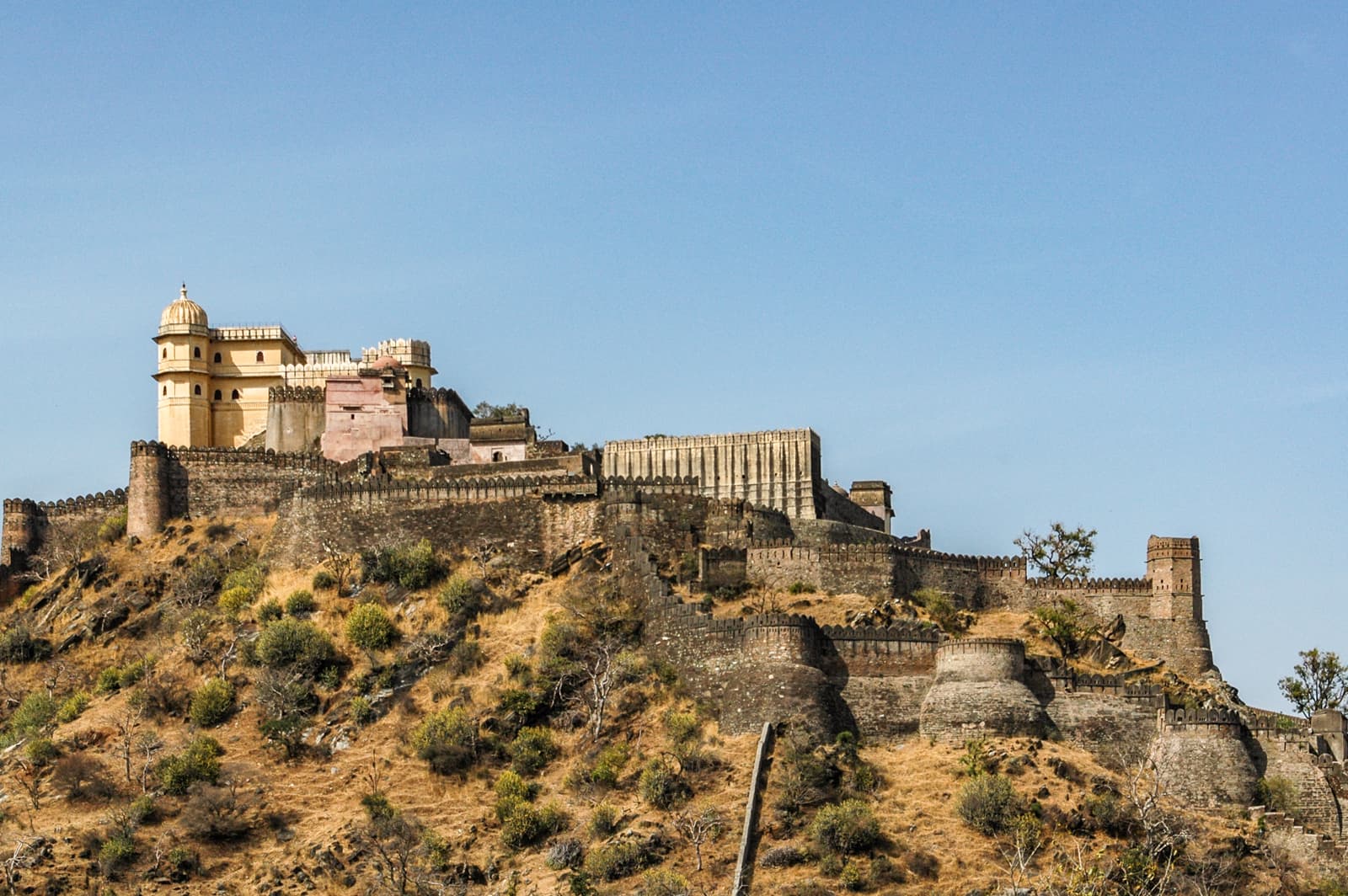
Kumbhalgarh Travel Guide: Forts, Forests & Mountain Luxury
Those walls at Kumbhalgarh run longer than you'd guess. Second only to the Great Wall. That fact stopped me cold the first time I heard it.
You'd think everyone would want to linger there. But most just snap their pictures and keep driving to Jodhpur. This piece is for the ones who see it as more than a roadside attraction on the way from Udaipur.
Ninety minutes north puts you in the Aravalis. The mountains hide it well. What actually happens is you round a bend and the fort commands the whole view. From what I've seen it kind of stays with you.
The length of those walls is no joke. Turns out there's good reason to plan some real time there. The area is also a wildlife sanctuary that is still active today. There is a strong Rajput history here too. Over time, more travelers have been visiting for the scenery. You will find luxury stays among pine and dhok trees. Nights bring the sounds of wolves. The fortress walls glow at night when there is a sound and light show. In this guide, you will get the site history, the architecture details, wildlife notes, local food, and a sample plan for your day.
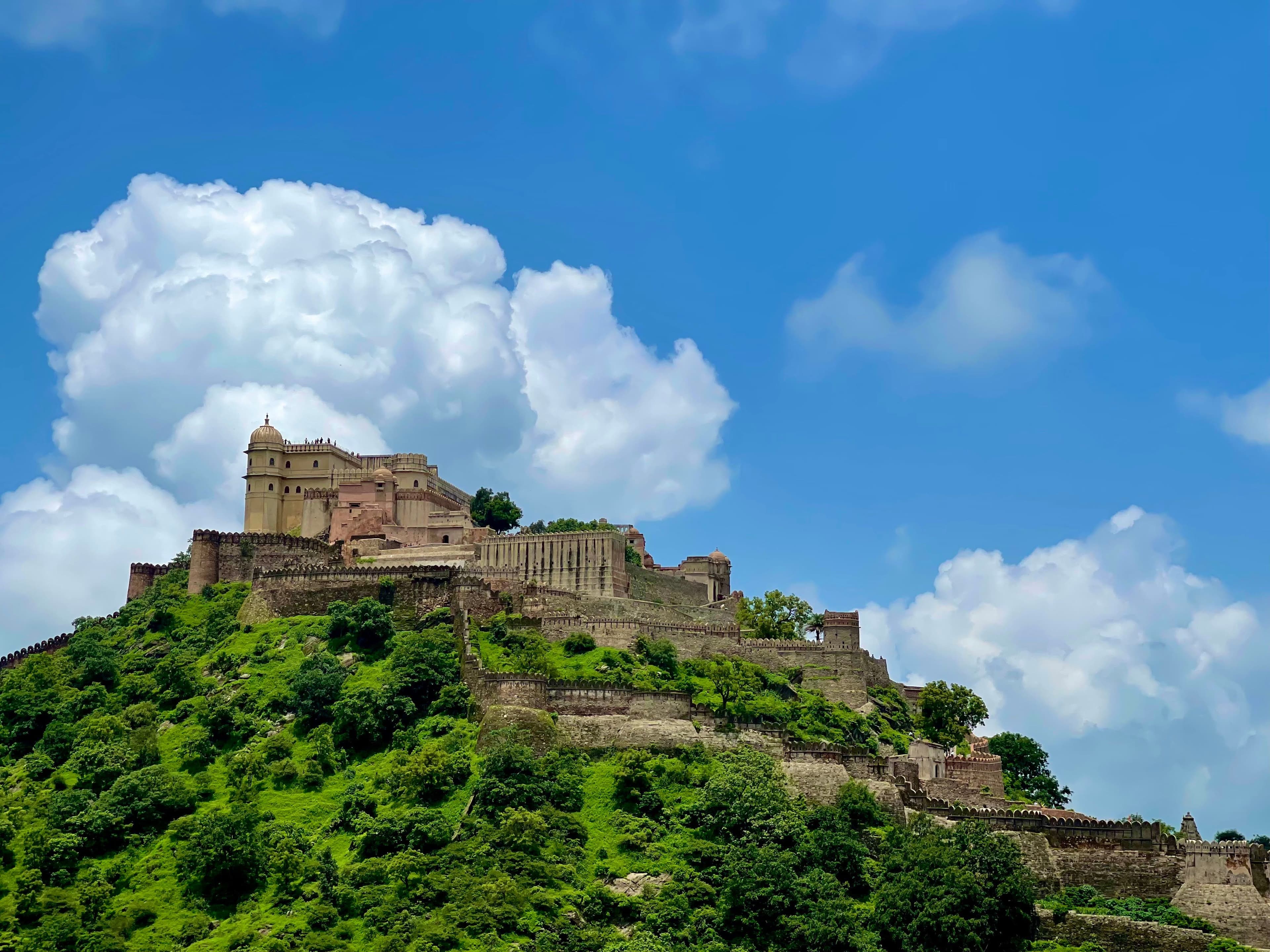
Image via pexels
Overview: Why Kumbhalgarh Belongs on Every Rajasthan Itinerary
The hilltop fort complex at Kumbhalgarh contains over 360 temples, three palaces, and seven fortified gates. Unlike Rajasthan's other forts, Kumbhalgarh is surrounded by the thick forests of the Aravallis, now declared a wildlife sanctuary - giving it a quiet, distinct character. Visitors come for its history but stay for the silence: on a calm day, you can hear birds chirping, and the view from the top stretches across thirteen mountain peaks, reaching as far as the Thar Desert on clear days.
Kumbhalgarh makes an excellent short break from Udaipur and a wonderful stopover between Udaipur and Jodhpur - with the Ranakpur Jain temples and the tranquil Rajsamand Lake along the route. India Heritage Travel often includes it in private itineraries for guests seeking a peaceful heritage escape.
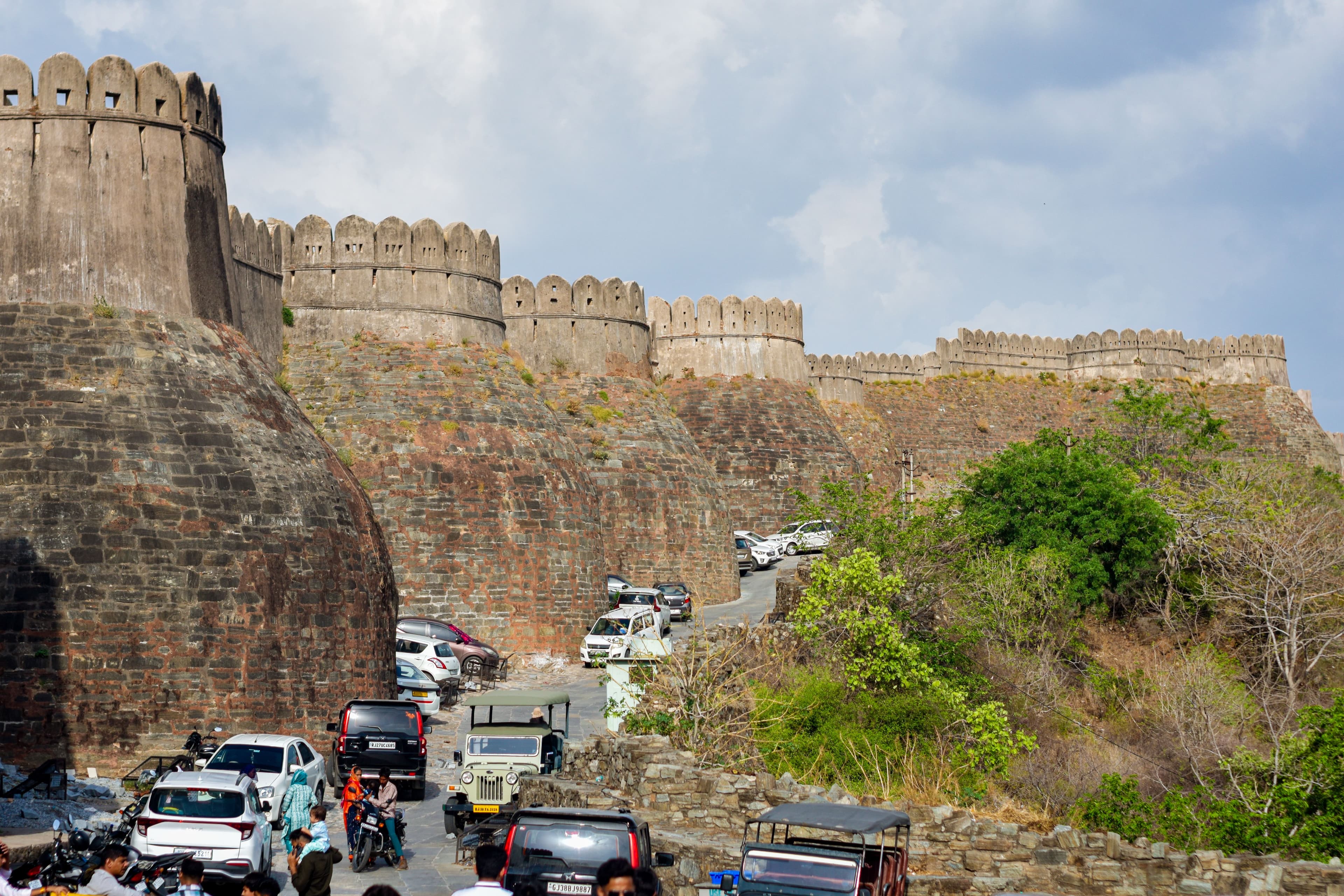
Image via pexels
History of Kumbhalgarh Fort
Kumbhalgarh was built between 1443 and 1458 by Rana Kumbha, the Sisodia Rajput ruler of Mewar, under the supervision of architect Mandan - partly on the ruins of a 6th-century fort. A local legend says early construction kept crumbling until a pilgrim offered himself in sacrifice; a small shrine near the main gate marks the spot where his head fell, with the fort and walls built where his body lay.
There's a local legend that sheds light on the fort's unyielding foundations: early attempts at construction kept crumbling until a spiritual advisor suggested that only a voluntary human sacrifice would ensure the walls would stand strong. According to the story, a devoted pilgrim offered himself, and a small shrine near the main gate marks the spot where, legend has it, his head fell after the sacrifice - with the instruction that the fort and walls be built where the rest of his body lay.
Kumbhalgarh is known for its military record. For over a hundred years, Rajputs and several Sultanates and Mughals fought against each other in that region. During that time, the fort held out against siege after siege. Some attacks came in the early 1300s, when Alauddin Khilji led troops against it and failed.
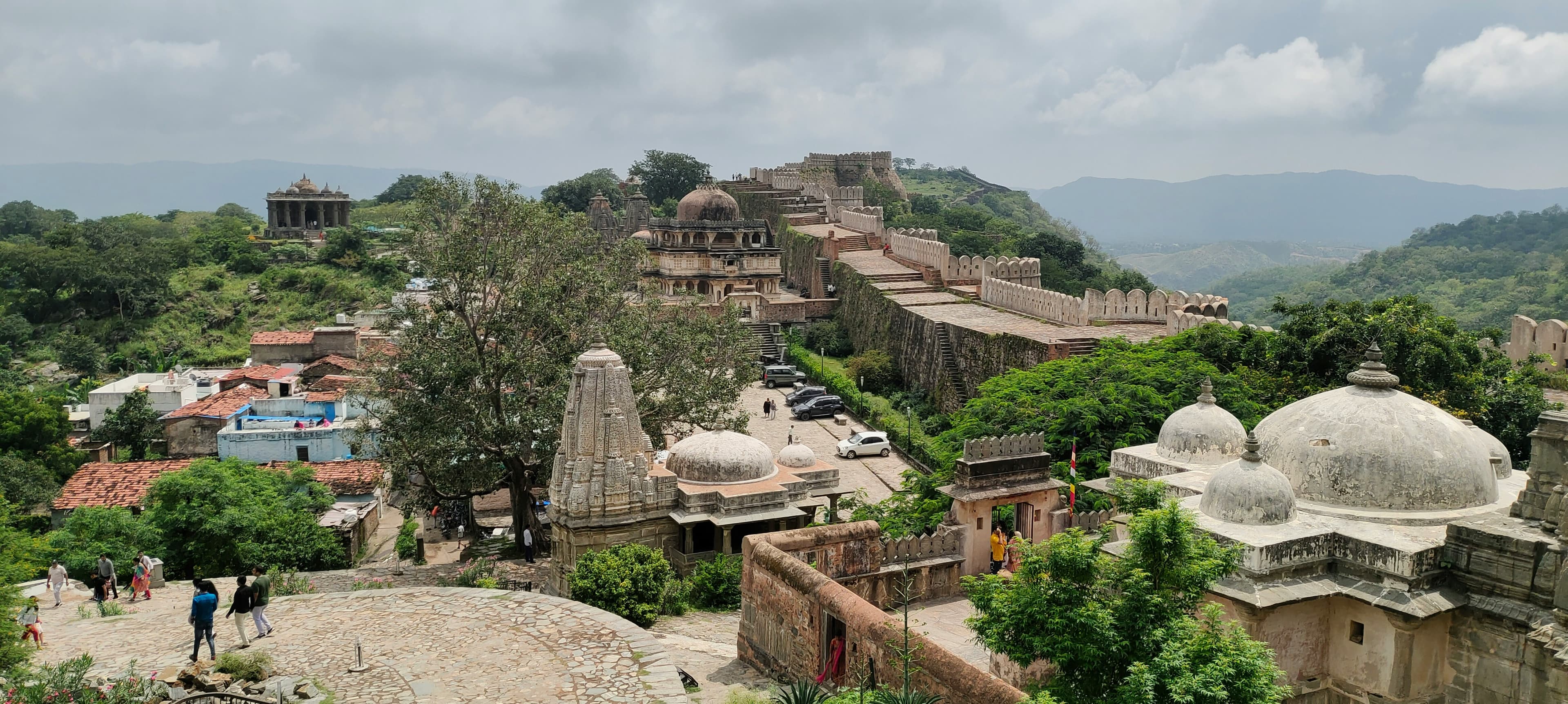
Image via unsplash
But the most crucial heritage of the fort does not lie in the wars it had hosted but in the people who have been residing in it and the fact that the famous Rajput king Maharana Pratap was born there. Along with this, it should be noted that in this very fort the attempt on the life of Prince Udai Singh II was carried out and he established the city of Udaipur, making one conclude that the fort is the birthplace of Udaipur. Moreover, in the 19th century, Maharana Fateh Singh developed the fort even further and in 2013, along with Chittorgarh, Jaisalmer, Ranthambore, Gagron and Amber, Kumbhalgarh fort entered the World Heritage Site "Hill Forts of Rajasthan".
Architecture & Engineering of the Great Wall of India
The Kumbhalgarh fortress looks different from other fortresses owing to its sheer size. Its external wall extends to cover a distance of about 36 kilometers in line with the outlines of the Aravalli Hills. However, the walls of the fortress are not equally thick throughout. They have an average width of 15 to 25 feet. There are claims that the wall was made to be thick enough to allow a running horse on each of its eight sides.
To get into the fort you use any of the seven gates namely; Aret Pol, Hulla Pol, Hanuman Pol, Ram Pol, Bhairava Pol, Paghra Pol, and Nimboo Pol. The gates are built to impede any force advancing towards it. Their aim is to ensure that it becomes difficult to scale up to the summit.
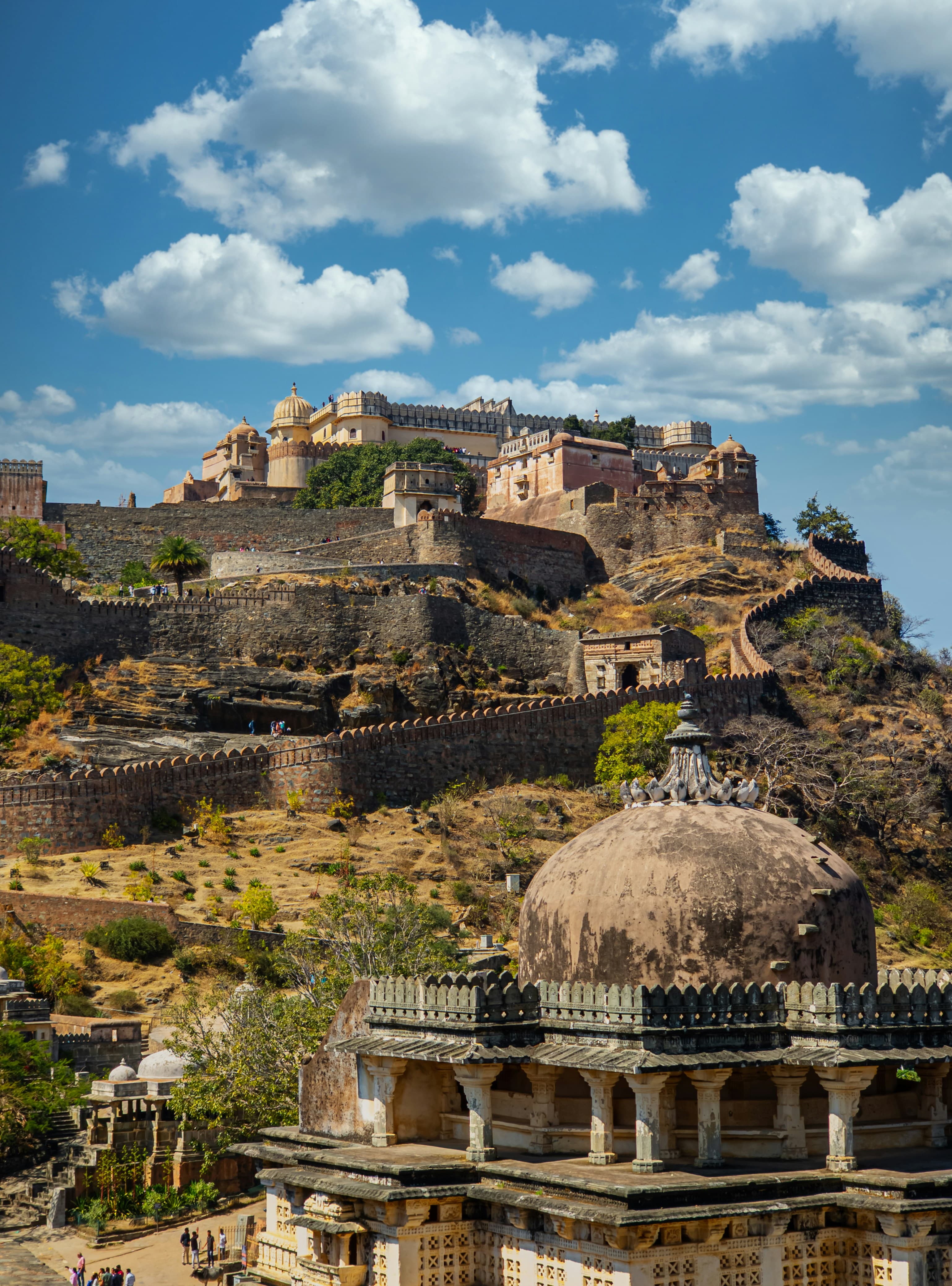
Image via unsplash
Thing is the temples are everywhere along the ridges. More than 360 of them. Around three hundred Jain. Rest are Hindu. And the spiritual feeling matches the fortified setup which makes sense when you think about it.Trikuta Temple is hard to overlook. Tied to Brahma Vishnu and Shiva all at once. You'd think that'd be enough but the Vedi Temple has this form and design that stands apart.Then the practical features repay a slow walk. Take the rainwater tanks. Lakhola Tank dates to Rana Lakha. Granaries that could support everyone through a long siege. Watchtowers positioned for signals to circle the full 36 km. So basically it was built to last.This combination of defense and all the temple craft is why UNESCO marked it as having outstanding universal value. The interesting part is how it all comes together without feeling forced. From what I've seen anyway.
Cultural Significance
The Kumbhalgarh Fort situated in Mewar seems to be more of an area of origin than an area which is visited. The people take it as an area where the warrior king of Maharana Pratap was originated who struggled against Mughals for his freedom. This story has been passed on from generation to generation through the folklore of Rajputs and not just from classes on history but also from the night show organized at the fort using light and sound show.
Walking through the fort, one sees both Jain and Hindu temples existing together. This makes a perfect picture of how the religion flourished in Mewar for a very long time. The Kumbhalgarh Fort Festival, organized for three days, adds much more color to the whole picture. This includes folk music, dances, and cuisine of Rajasthan.
Kumbhalgarh Wildlife Sanctuary: Forests, Forts & the Aravalli Wild
Indian wolves have made it their home. Only spot in the entire state of Rajasthan where they stick around year after year. They set the whole thing up in 1971 and in practice it supports quite the mix of animals. Leopards for starters. Sloth bears striped hyenas golden jackals and jungle cats. You will see sambhar nilgai chausingha the four horned antelope and chinkara too.
Counts show more than 200 different bird kinds. Grey junglefowl and painted francolin tend to catch a watchers eye. So basically the fort and this rich wildlife setting are one and the same. Kind of blows my mind every time I consider it. From what Ive seen visitors focus on the walls and the old stories instead. They overlook the living sanctuary wrapped around them.
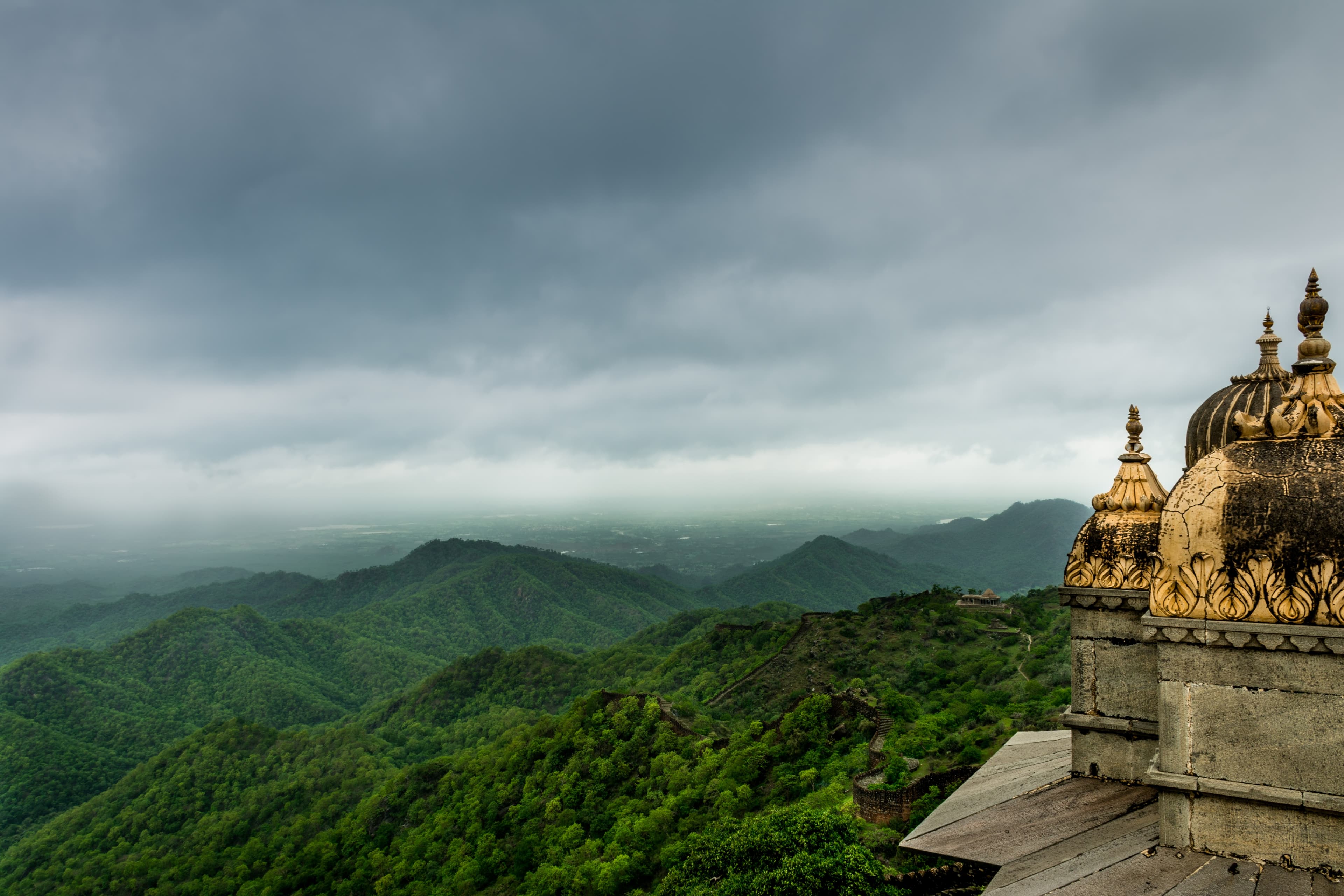
Image via wikipedia
As the dry deciduous forest of the sanctuary including dhok, salar, and khair trees among the scrub land of the Aravalli hills becomes lively between October and June, the jeep safari is usually done early morning and in the evenings when the maximum activity of the wild takes place. Considering that the area is hilly as compared to flat national park, the jeep ride is not like a normal safari but a trek into the forest that can be arranged through India Heritage Travel.
Major Attractions Inside and Around Kumbhalgarh
Kumbhalgarh Fort & the 36-km Wall
Image via wikipedia
Kumbhalgarh Fort & the 36-km Wall
The highlight tour: walk through Ram Pol, make your way up to the temples and watchtowers and along a section of the wall from where you can look out over the Aravallis in all their glory.
Badal Mahal (Palace of the Clouds)
Image via wikipedia
Badal Mahal (Palace of the Clouds)
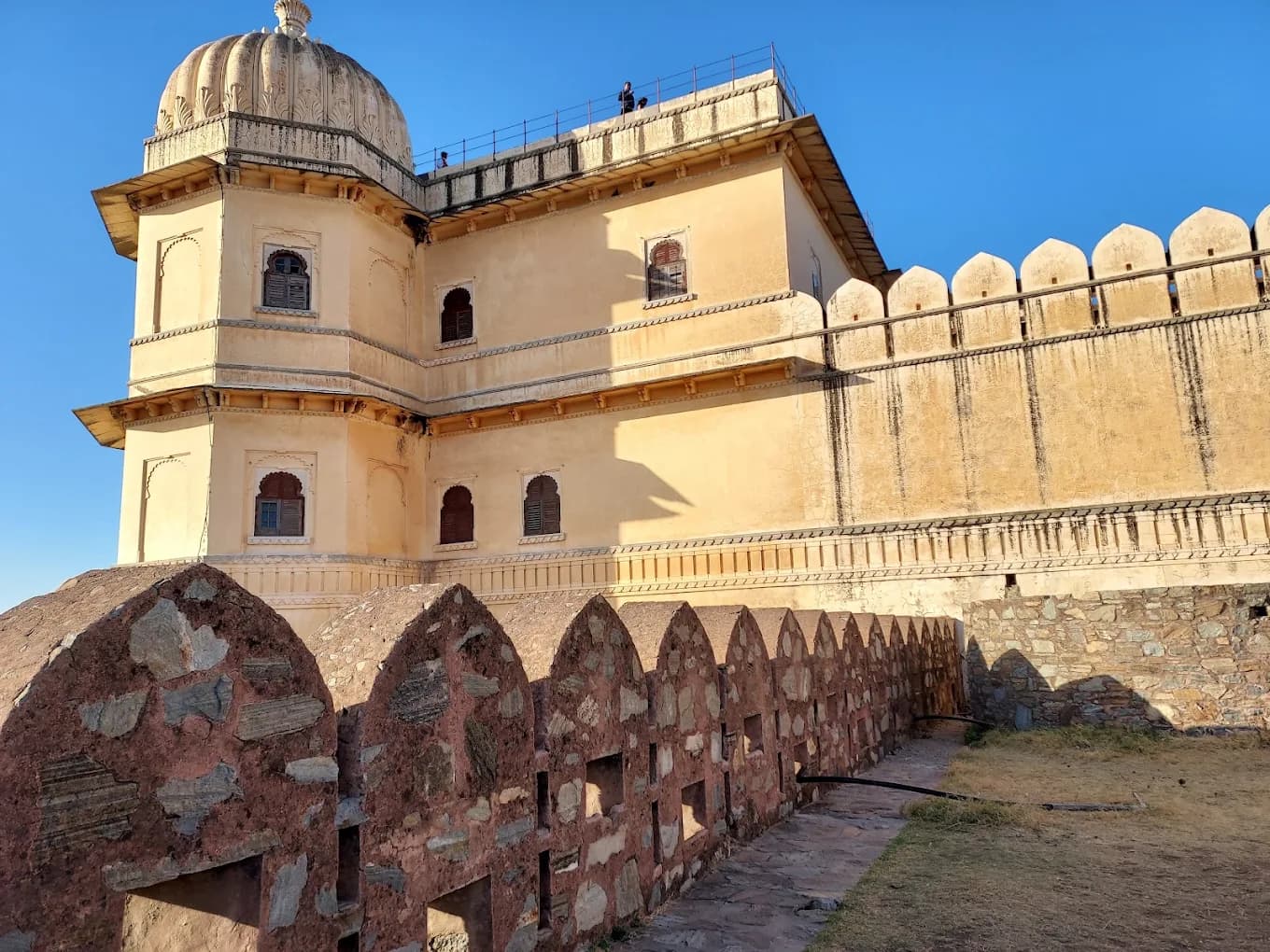
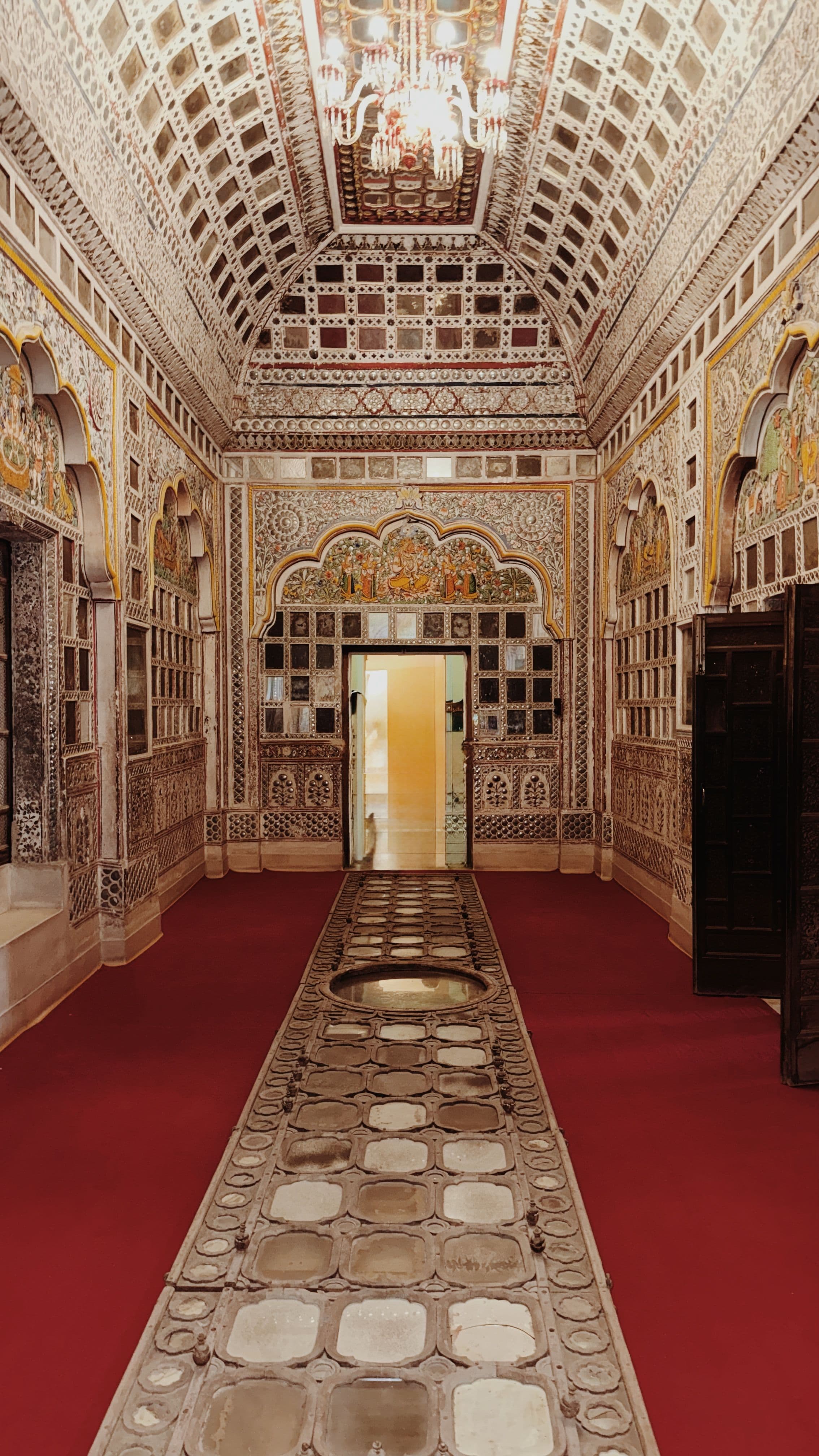
The royal quarters above, which are painted in light hues of blue, cream, and coral, are the most photogenic quarters in the entire fort and the ideal place for viewing sunsets.
Neelkanth Mahadev Temple
Image via wikipedia
Neelkanth Mahadev Temple
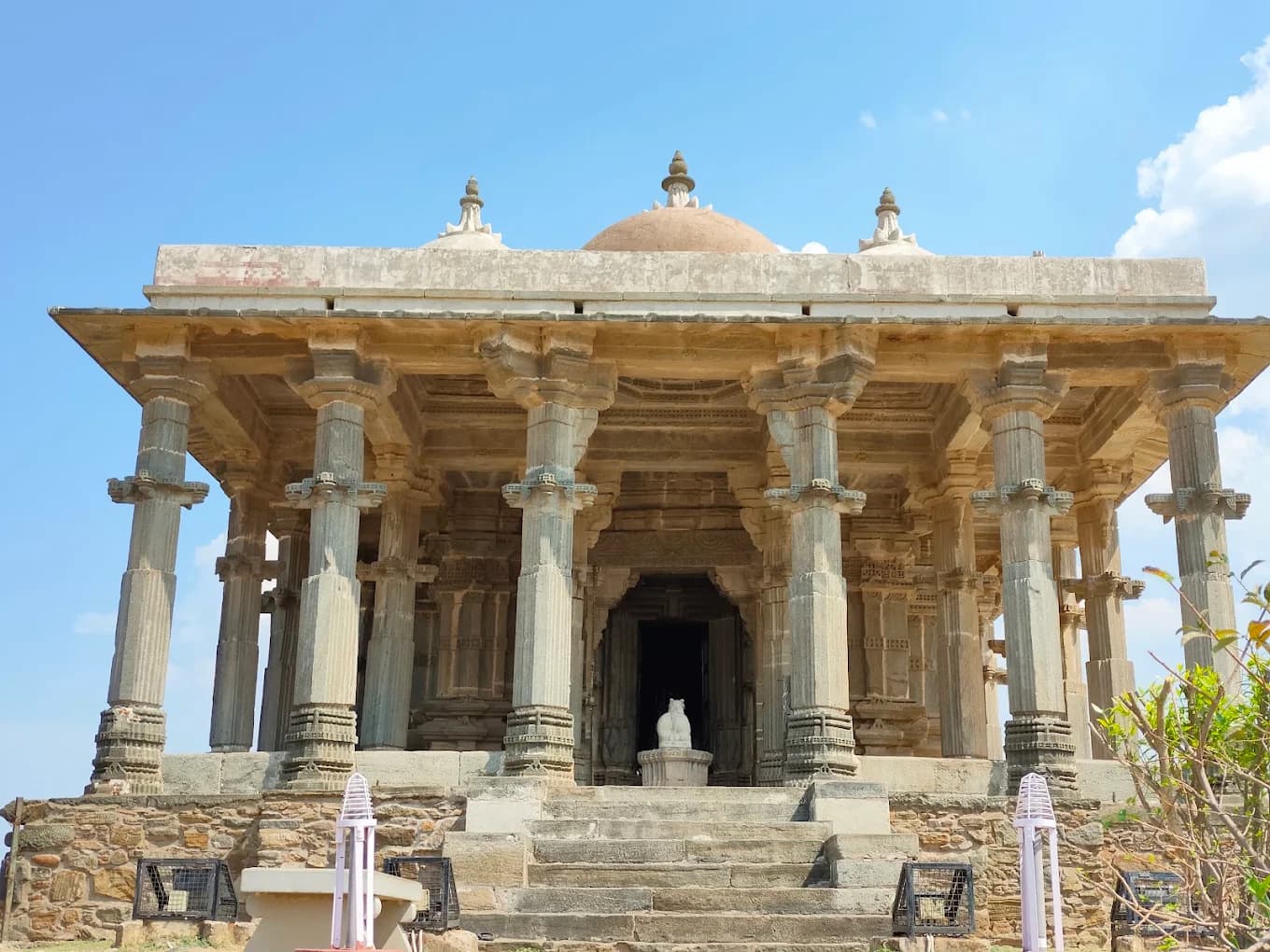
The splendid temple dedicated to Lord Shiva, located in the vicinity of the fort and has the largest monolith Shiva linga in the whole of Rajasthan.
Kumbhalgarh Wildlife Sanctuary Safari Zone
Image via wikipedia
Kumbhalgarh Wildlife Sanctuary Safari Zone
The accommodation can be accessed from near the entrance of the fort where jeep safaris are available. They are organized by the forest department or by India Heritage Travel.
The Light and Sound Show
Image via wikipedia
The Light and Sound Show
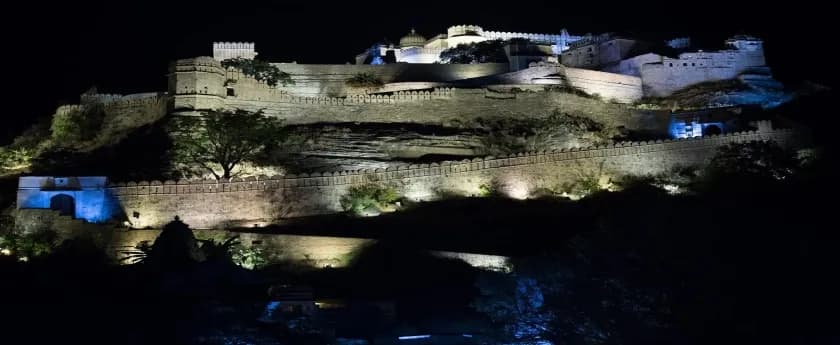
45-minute narration of Mewar's history in the evening - a truly different experience from what you get during the day - that brings alive the walls of the fort under the night sky.
Hidden Gems Most Travelers Miss
- • Vedi Temple – less famous than other temples inside the fort that are almost vacant even in peak seasons.
- • The unidentified sacrificial temple near the entrance – easy to miss but full of legends among locals.
- • Village paths near the fort – rural life of Mewar, stone houses, and mustard fields with no tourists.
- • Rajsamand Lake while traveling from Udaipur – a peaceful side trip with picturesque sculpted embankment (Nauchowki).
- • Early morning walks in the fort before the tourist buses from Udaipur reach in midday.
Best Experiences in Kumbhalgarh
- • Sunrise watching from the Badal Mahal terrace while the mist is hanging low in the valley below.
- • Guided dawn or dusk jeep safari within the wildlife sanctuary.
- • Evening light and sound show with a follow-up private dinner in candlelight at heritage resorts.
- • Half-day trekking along one of the approved sections of the wall of the fort, escorted by a local historian.
- • Day trip to the marble carved Jain Temple of Ranakpur, which is about 45 minutes away.
Food & Where to Eat
Kumbhalgarh may not feel big, but the meals here are anything but. You can try Mewari and Marwari dishes without trouble. Many visitors ask for dal baati churma.Others order gatte ki sabzi. Ker sangri is also a common pick. Ker sangri comes from the Thar desert belt. It is cooked with berries and beans.
Around the fort, many boutique hotels serve thalis for dinner. Each thali brings several Rajasthani dishes in one meal. The vegetables used for these dishes often come from the hotels own garden plots. Some hotels also have roof top places to eat. Others have forest view restaurants. Diners can watch the fort scenery while the sun goes down.
Nearby Attractions Worth Combining
- • The Ranakpur Jain Temple is close. Just 45 minutes. It has many white stone sticks, 1,444 of them.
- • Haldighati is far, about 40 km. People say a big fight happened here. Maharana Pratap fought the Mughals.
- • On the way to Udaipur, you see Rajsamand Lake and Kankroli. There are hill temples too.
- • Udaipur is not too near, about 85 km. It is the city with many lakes.
Suggested Kumbhalgarh Itinerary
Half-Day Visit (from Udaipur)
- • 7:00–7:30 AM - Depart from Udaipur
- • 9:00–9:30 AM - Arrive at Kumbhalgarh Fort
- • 9:30 AM – 12:30 PM - Explore the Fort and Badal Mahal (allow ~3 hours)
- • Early Afternoon - Start return journey to Udaipur
- • Late Afternoon / Early Evening - Arrive back in Udaipur
One-Day Itinerary
- • Morning (9:00 AM – 1:00 PM): Explore Kumbhalgarh Fort and Badal Mahal
- • Afternoon (3:30 PM – 5:30 PM): Jeep safari in the wildlife sanctuary surrounding the fort
- • Evening (6:45 PM – 7:30 PM): Light and Sound Show at the fort
Two-Day Itinerary (Recommended)
- • Day 1: Drive from Udaipur Image via Rajsamand Lake, check into a heritage or boutique resort by early afternoon, explore the fort in the golden late-afternoon light, and attend the evening light-and-sound show.
- • Day 2: Sunrise safari in Kumbhalgarh Wildlife Sanctuary, breakfast at resort, another exploration of the fort with the less visited temple cluster inside the fort, detour to Ranakpur Jain Temple and further journey to Udaipur/Jodhpur.
Luxury Travel Tips
Image via pexels
Luxury Travel Tips
For the best Kumbhalgarh experience, book a fort-facing suite, hire a private guide, and arrange a candlelit dinner with Aravalli views. Early or late entry to the fort helps avoid the day-tripper crowds from Udaipur.

Family Travel Tips
Image via pexels
Family Travel Tips
Wear sturdy shoes for the fort's uneven paths - especially for kids and seniors. Pick a resort with jeep safaris and nature walks, and carry water and snacks. The sound-and-light show works for kids 7+; bring a mat as seating isn't provided.

Solo Female Traveler Tips
Image via pexels
Solo Female Traveler Tips
Take pre-arranged private vehicles instead of local buses for safer evening returns. Book stays vetted for women's safety and steer clear of isolated fort sections after sunset. Ask for a female guide to accompany you on the fort walk and jeep safari.
Practical Travel Guide
Best Time to Visit
October-March are generally the most comfortable temperatures while visiting this place. During the cooler months – December- January you will experience more comfortable temperature when exploring the fort and going on safari. April-June months may be hotter but offer high chances of seeing both the sloth bear and antelope while going on safari. July through September are the monsoon months which makes the Aravallis green but might also mean that parts of the sanctuary may become inaccessible at times.
How to Reach
Kumbhalgarh doesn't have its own airport, railway, or bus depot - you reach it Image via Udaipur. The nearest airport and railway station are both in Udaipur (~85 km), about two hours away by private transfer. Driving is the best option; a private chauffeur-driven car offers the most comfortable way to cover the scenic 2–2.5 hour route.
Entry, Tickets & Duration
Kumbhalgarh Fort is open daily from 9:00 AM to 5:00 PM. Entry fees are approximately ₹15–100 for Indian nationals and ₹150–200 for foreign nationals - rates vary by season, so reconfirm before visiting. The Light & Sound Show runs around 6:45–7:30 PM daily with a separate ticket counter. Plan 3–4 hours for the fort, or a full day if adding the wildlife safari.
Budget Estimates
Kumbhalgarh suits all budgets: budget travellers can manage on ₹3,000–5,000 per day with basic guesthouses and local meals; mid-range stays at heritage hotels with private cabs and guided tours cost ₹7,000–12,000 daily; luxury travellers can expect ₹18,000+ per day for boutique resort suites, private chauffeurs, dedicated historian guides, and curated dining.
Safety, Packing & Photography Tips
Paths inside Kumbhalgarh are uneven - wear sturdy, closed-toe shoes. Carry a torch (or use your phone's flash) for the sound-and-light show's darker halls, and stay hydrated in Rajasthan's dry climate. On wildlife safaris, remain inside the vehicle until your guide allows you to get out.
Why Choose India Heritage Travel
Kumbhalgarh deserves more than a rushed day trip - it's for travellers willing to go beyond the usual routes. India Heritage Travel plans it with a private driver from Udaipur, curated heritage or boutique stays near the sanctuary, and local guides who bring the fort's 500-year history to life. For solo women travellers, every stay and guide is vetted for safety, with support extending from airport pickup to private sunset dining by the fort walls.
Frequently Asked Questions
Kumbhalgarh is famous for its 36-kilometre perimeter wall - the second-longest continuous fortification in the world after the Great Wall of China - and as the birthplace of the Rajput warrior-king Maharana Pratap.
Kumbhalgarh is approximately 85 kilometres from Udaipur, about a 2 to 2.5-hour drive through the Aravalli Hills.
October to March offers the most comfortable weather for fort walks and safaris, with December and January being the coolest months.
Yes - it is the only sanctuary in Rajasthan known to support a resident wolf population, alongside leopards, sloth bears, and over 200 recorded bird species, making it a strong pairing with the fort visit.
Yes, Kumbhalgarh can be visited as a day trip from Udaipur, especially if you are staying in the city and want to explore the fort and wildlife sanctuary in a single day.
The fort is open daily from 9:00 AM to 5:00 PM, with a separate evening light-and-sound show around 6:45–7:30 PM. Entry fees are modest but vary by nationality and are periodically revised.
Planning a Kumbhalgarh Heritage Experience?
India Heritage Travel crafts private Rajasthan itineraries featuring Kumbhalgarh Fort's 36 km walls, ancient temples, and wildlife safaris - combined with Udaipur, Ranakpur, and Jodhpur.
Plan My Kumbhalgarh Journey