Mandawa Heritage Haveli Stay: Inside Rajasthan's Painted Havelis
There is a special kind of silence that envelops Mandawa during the evening hours, when the last camel wagon clatters through the sandstone lane, and the wall paintings glow golden in the sunset. This is the Rajasthan of painted havelis - an open-air art gallery in the Shekhawati region, where merchant mansions seem to have sprouted from the desert like pages from an abandoned book.
This is what a Mandawa heritage haveli stay is really about not just visiting, but sleeping, waking, and carrying the experience with you into your dreams.
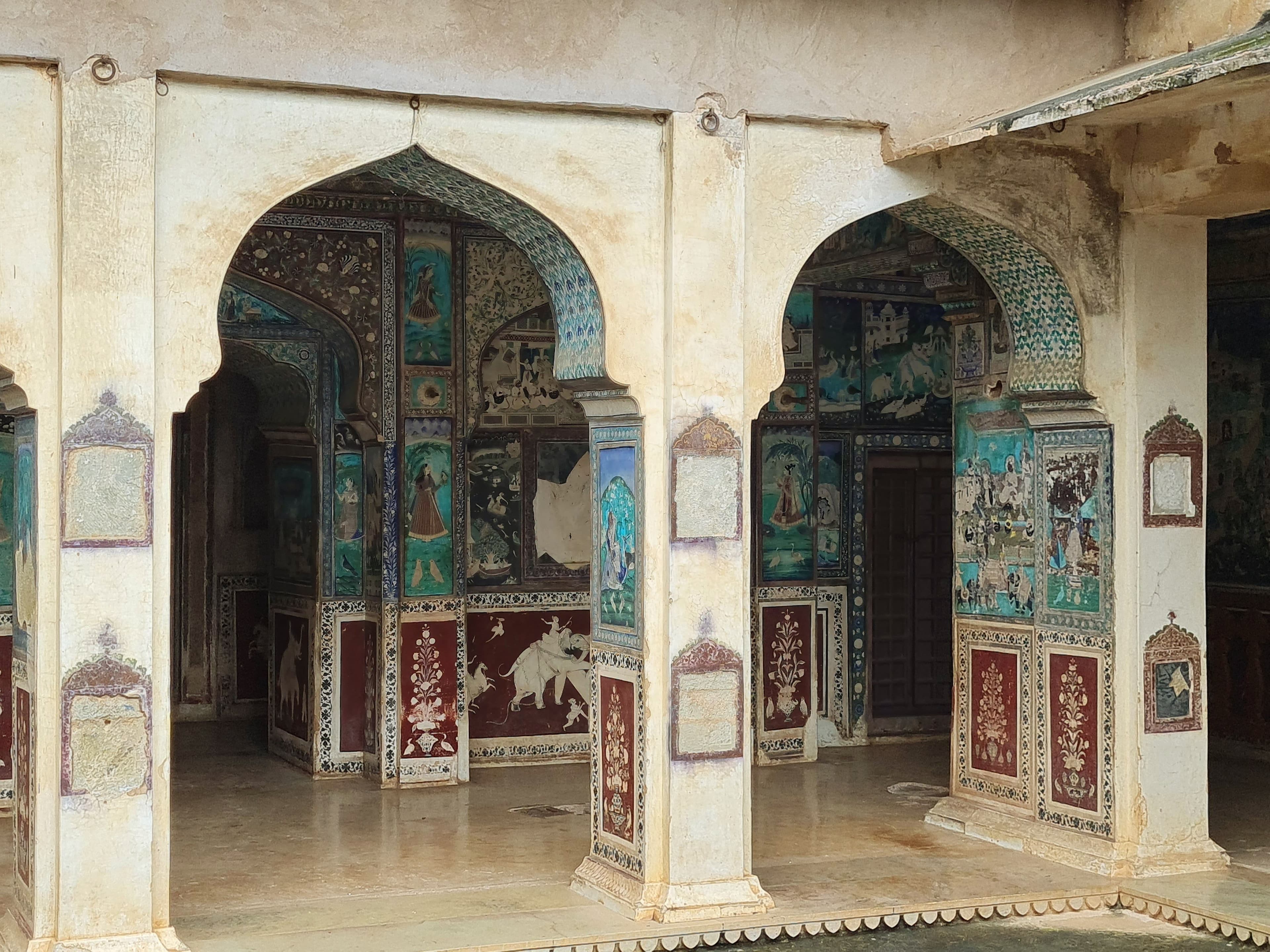
Image via pexels
Overview: Why Mandawa Belongs on Your Rajasthan Itinerary
Travelers who visit Rajasthan always come seeking the three big destinations – Jaipur, Udaipur, Jodhpur – without discovering the existence of another small town which is located between them called Mandawa. Located in the Jhunjhunu district of the Shekhawati region, Mandawa has never been a royal capital. It was a merchant town that was formed by the family of merchants that had made their wealth from the opium, spices, textiles, and the silk route of Central Asia to Indian Sub-continent.
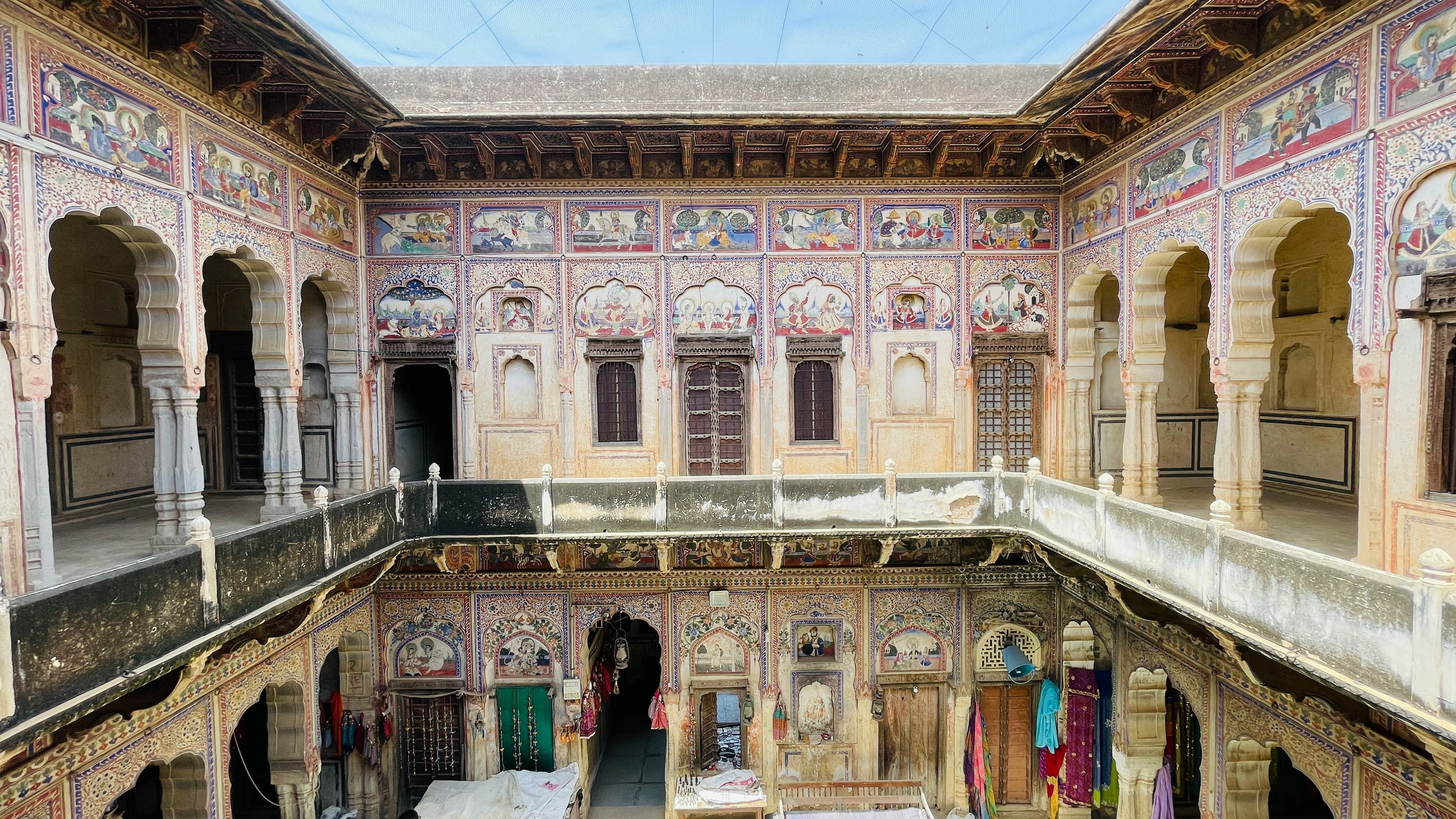
The heritage left behind by those merchants is not found anywhere else in the country. The town of Mandawa is full of the havelis of the merchants which are painted on all walls, doors, and ceiling of those houses in the fresco style. Peacocks are depicted along with steam trains, Hindu gods are shown beside British officers in the pith helmet. Alongside the Ragamala paintings, gramophone and the automobiles are also depicted in those paintings. This is a painted history of the transitional era which survives till date.
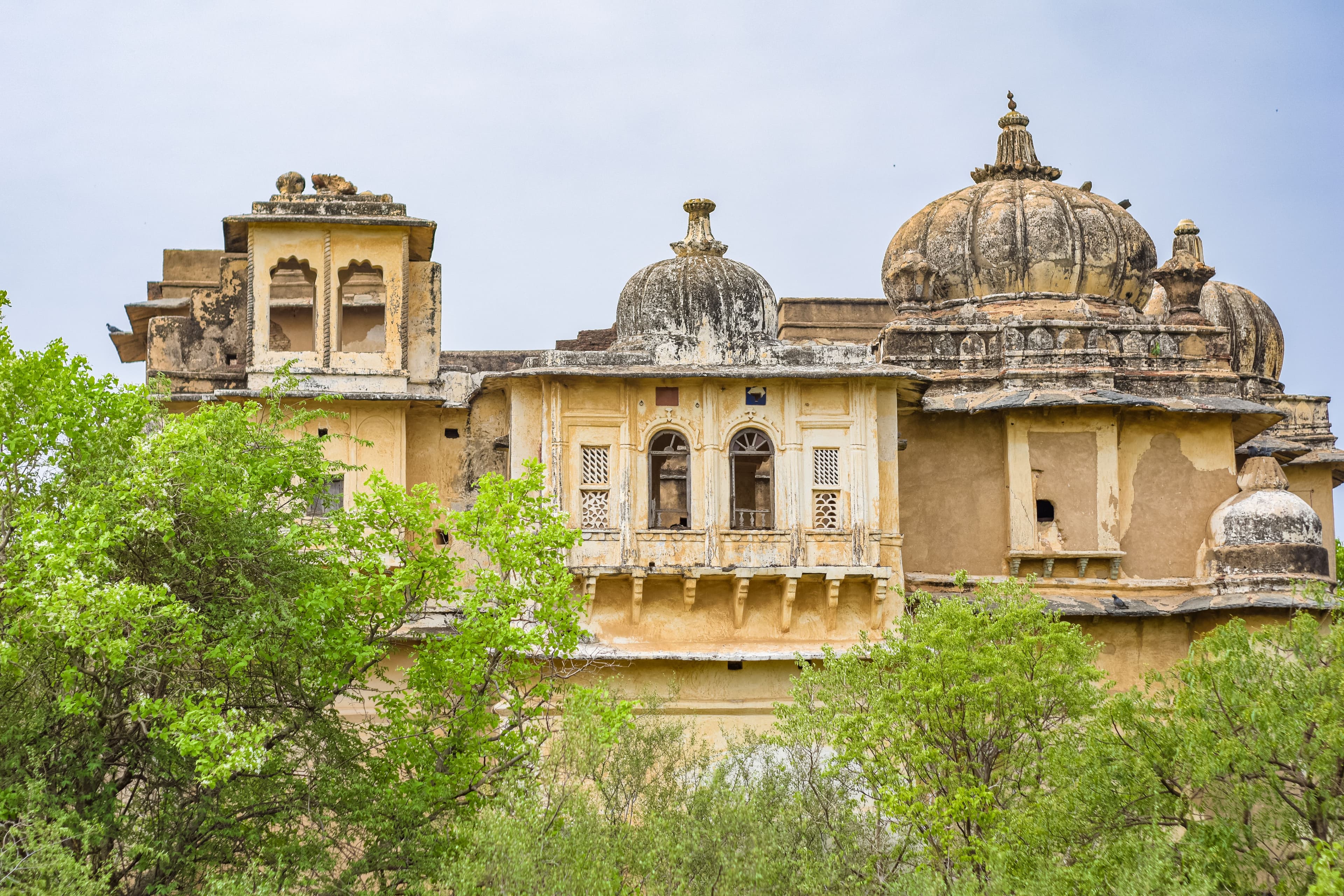
Image via unsplash
History of Mandawa: From Silk Route Outpost to Painted Town
The history of Mandawa goes back to the beginning of the eighteenth century. At that time, Mandawa was created as a fortified outpost for trading activities on a branch of the ancient silk route which linked China, Central Asia and Indian ports together. In 1735, Thakur Nawal Singh, a chieftain of the local Shekhawat Rajput community, erected the Mandawa fort, located in the center of the city to protect the rising trade town and to control the area.
However, it is only in the nineteenth and twentieth centuries that this place has become really prosperous thanks to the decline of the Mughal Empire and colonial trade of the British Empire. Many members of Marwari and Jain merchant families migrated to colonial Indian cities of Calcutta and Bombay to make money, and then used this money to erect splendid buildings in Shekhawati, including Mandawa, and surpass their rival or neighbor in richness.
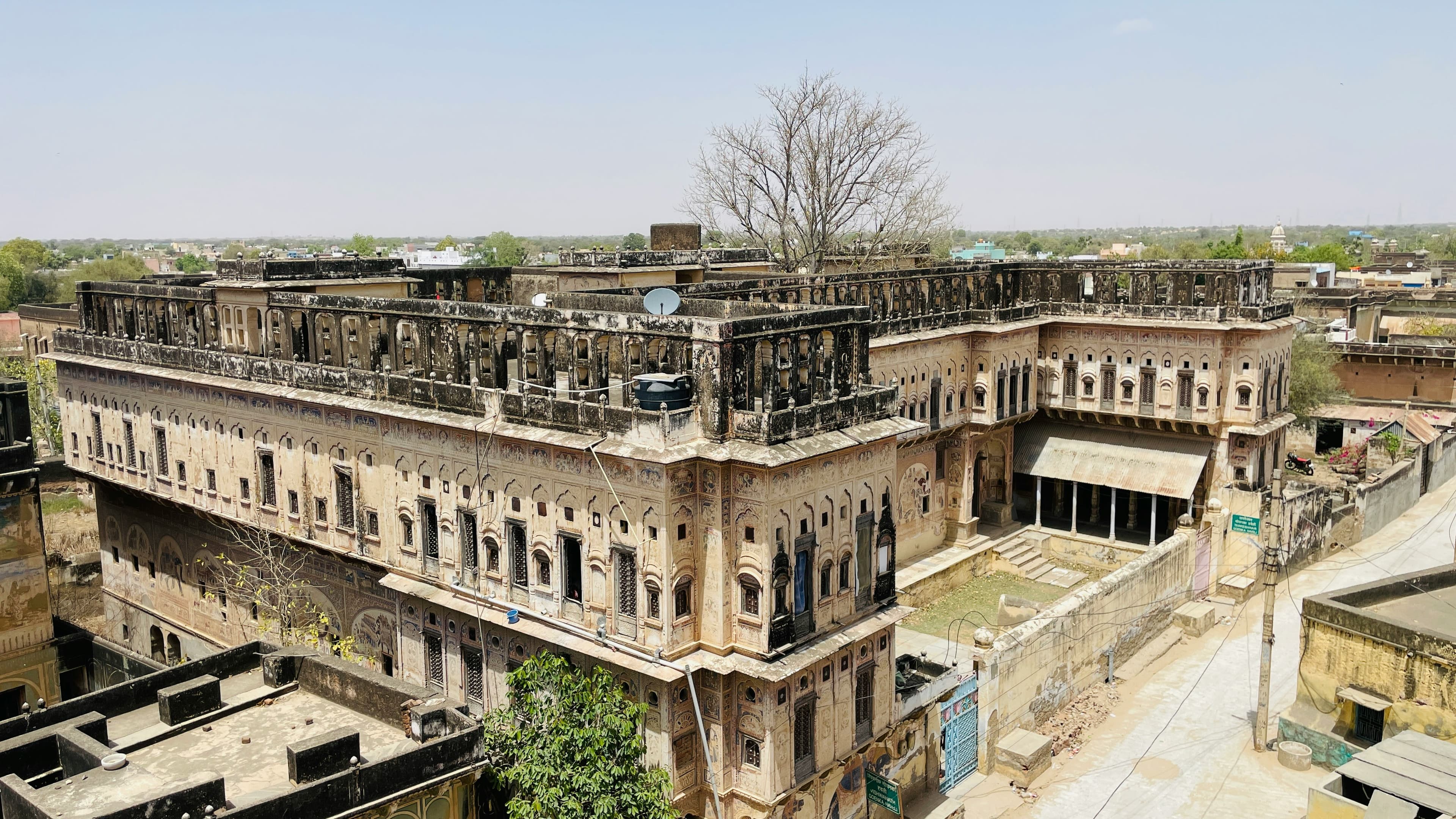
Image via unsplash
It is exactly the peculiarity of this situation that creates the uniqueness of the Havelis of Shekhawati. The members of the families who did not live in Mandawa any more were competing in creation of the most richly decorated building of this kind, hiring various
Haveli Architecture and the Art of the Fresco
The havelis have a courtyard surrounded by various winged rooms, with tall wooden doors decorated with iron nails and jaali, which is carved wood or stone latticework. Not only was this a method of providing ventilation, but also enabled the women of the household to observe life outside without being seen by anyone else. This is a common form of architecture found in Mandawa’s havelis; what sets them apart is their fresco painting.
Image via unsplash
The paintings were done on damp lime plaster, using natural pigments which would combine with the wall during the process of drying. Those done before the 1818 treaty between Jaipur and the British were fairly simple designs, either floral patterns or arched designs. In the period after 1830, when the merchants became wealthy, the paintings became more elaborate – decorating the courtyards and façades with subjects derived from Hindu mythology, princes and huntsmen, and even having European influences – steam trains, hot air balloons, gramophones and portraits of British officials according to verbal descriptions. Notice the trompe l’oeil – painted windows, shadows and architectural designs in three-dimensional perspective.
Cultural Significance of Mandawa's Painted Havelis
Mandawa’s havelis stand out for more than how they look. They also show how people and ideas moved across time. You can see this in the way the merchant class handled the fall of Mughal rule. You can also see it in the growth of British business and in the draw of faraway colonial towns. Even with those outside forces, many owners still worked to keep a strong Rajasthani feel in their own homes.
In a number of havelis, you will find Ragamala paintings. They use old tales and love stories to present classical music styles. In the same places, other wall panels may show something very different. A family leader might be painted in Western clothes next to a brand new car. That mix is the reason heritage teams and preservation groups keep returning to Shekhawati’s havelis. When you walk through Mandawa now, it often feels closer to reading than to sightseeing. The walls seem to hold a record from two centuries of Indian life.
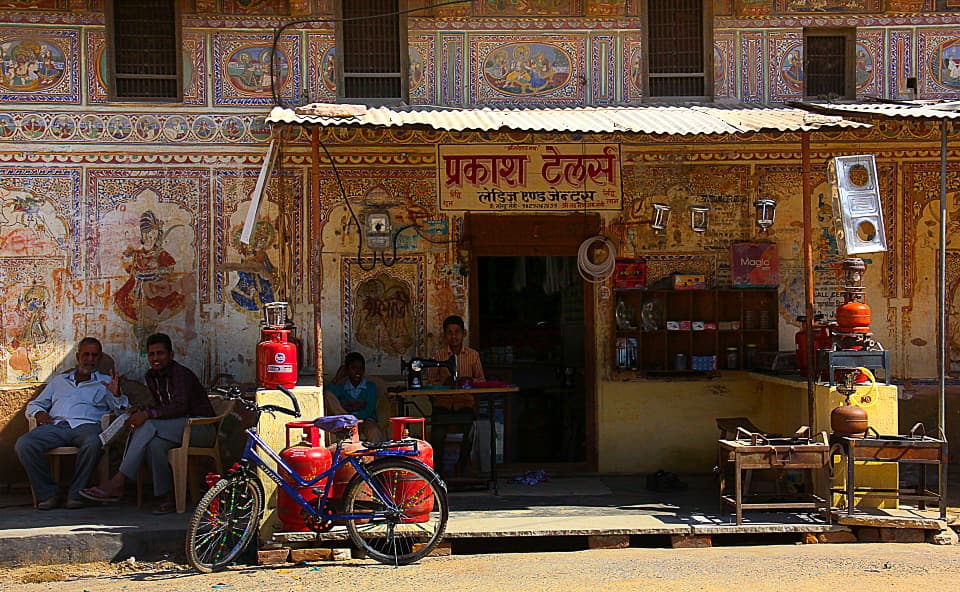
Image via maverickbird
Major Attractions in Ranakpur
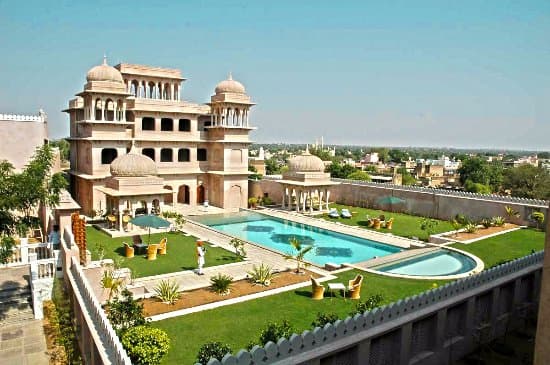
Mandawa Fort (Castle Mandawa)
Image via wikipedia
Mandawa Fort (Castle Mandawa)
Mandawa Fort, built in 1735 by Thakur Nawal Singh, is now a luxury hotel and the town's landmark. Its mirror-and-tile interiors echo the Sheesh Mahal at Amber Fort, while from the top, you get sweeping views over Mandawa's painted rooftops and narrow streets.
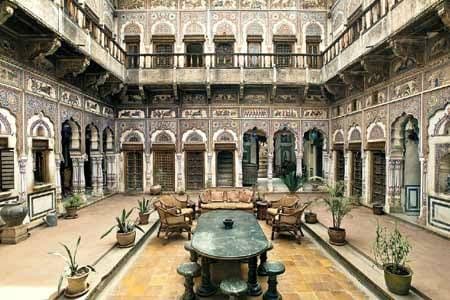
Goenka Double Haveli
Image via wikipedia
Goenka Double Haveli
Murmuria Haveli, one of Mandawa's most photographed buildings, is a pair of linked homes with frescoes covering nearly every surface. The walls tell stories from mythology, framed with flowers and figures in deep, richly set colours.
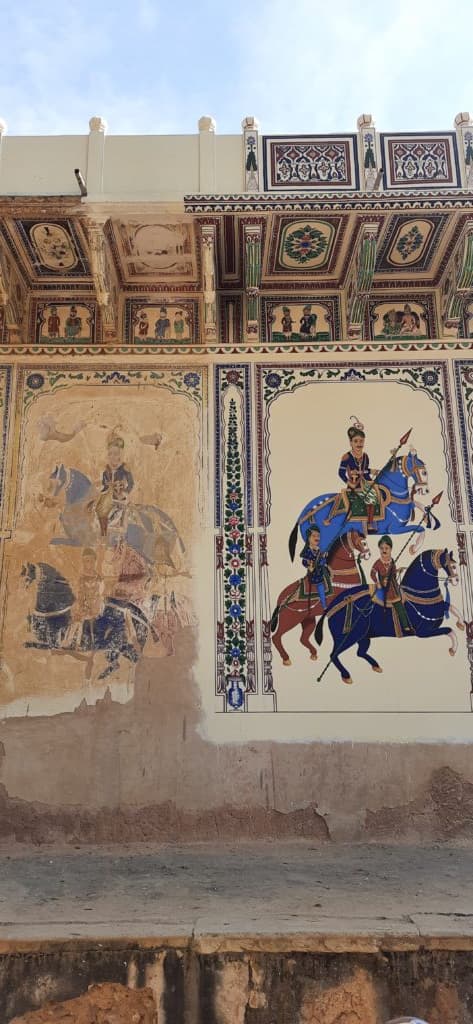
Murmuria Haveli
Image via wikipedia
Murmuria Haveli
People point to the painted faces here. The shapes look bold, with a style that feels close to modern graphic art. Because of that, Murmuria Haveli gets a lot of attention from photographers. It also draws visitors who study haveli design.
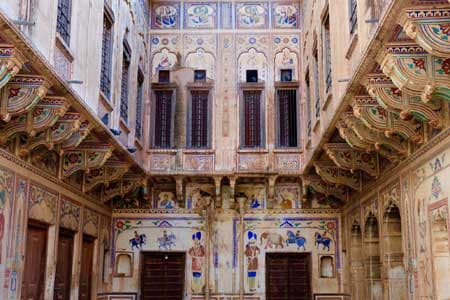
Gulab Rai Ladia Haveli
Image via wikipedia
Gulab Rai Ladia Haveli
Goenka Haveli is a lavishly decorated mansion where myth, history, and early-20th-century life intertwine. Look closely - you'll spot cars and colonial figures alongside traditional Rajasthani motifs.
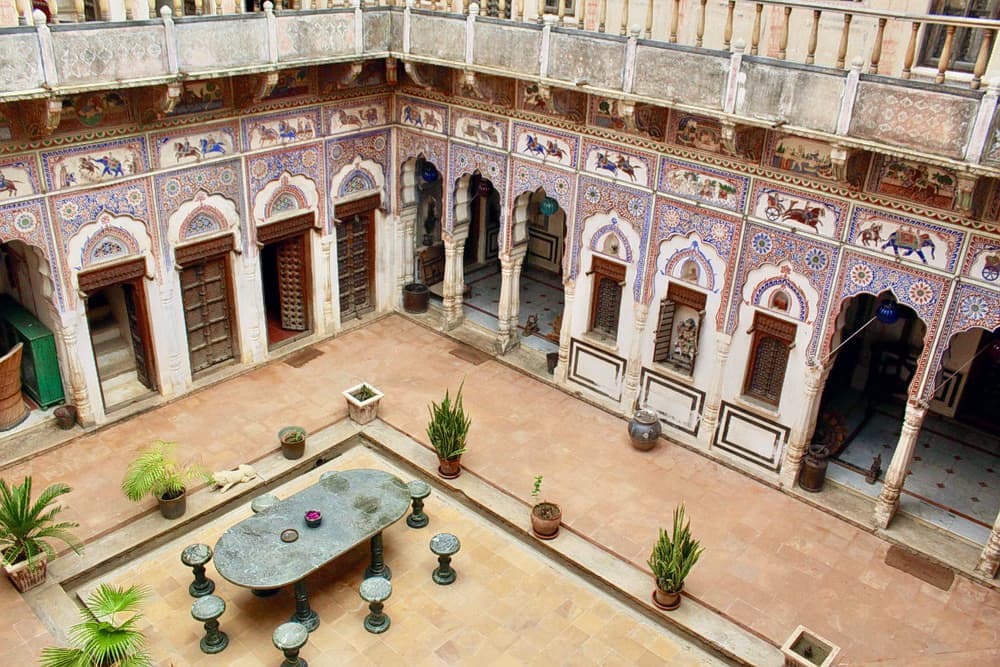
Bansidhar Newatia Haveli
Image via wikipedia
Bansidhar Newatia Haveli
Built in 1920, this haveli's walls depict Hindu deities, Rajput kings, peacocks, and British soldiers side by side - a vivid visual timeline of the era in which it was built.
Hidden Gems Most Tourists Miss
- • Jhunjhunwala Haveli’s Golden Room is not a top pick for most visitors. People often walk past it because they do not know it is there. The room has warm, gold colored wall art.
- • On Mandawa’s side streets, you will find old havelis that feel left behind. Their walls show flaking paint, but the fresco scenes are still easy to spot. The light and mood here make photos look better, and there are fewer crowds.
- • Inside Mandawa Fort there are small craft rooms. Local painting workers, including some who have worked on the fort for more than ten years, make and sell wall style art. It is fresh work, made in the same spirit as the old designs.
- • Go early to the lanes close to the fort. You will see daily life from nearby villages. This part of town keeps its pace, and tourism does not fully take over the streets.
Best Experiences for a Mandawa Heritage Haveli Stay
- • A private haveli walk at dawn, before the sun gets hot and before the tour groups show up.
- • A rooftop meal at night in a renovated haveli, with views of the fort and live folk songs.
- • A small, practical workshop with a local fresco painter, where you learn how lime-plaster painting starts.
- • A short drive by jeep or a ride by camel cart through the Shekhawati villages around golden hour.
- • A calm, late tour of Mandawa Fort’s museum rooms, with less crowding than in the day.
Best Experiences for Discerning Travelers
- • Private guided walk through the pillar galleries of Chaumukha Temple
- • Sunset at the Sun Temple - away from the crowds
- • Afternoon safari across Kumbhalgarh's forests
- • Relaxing evening at a heritage property under the Aravalli silhouettes
Food and Flavors of Shekhawati
Food from Rajasthani culture in Mandawa reflects its dry and resourceful desert origins. Dal Baati Churma - baked wheat rolls with spiced lentils and a sweet crumble - is the signature dish. Gatte ki Sabzi (gram flour dumplings in curd gravy) and Ker Sangri (dried desert berries and beans) both originated here due to the scarcity of fresh vegetables.
For those who prefer richer flavours, Laal Maas - a Rajput-style mutton curry - is a must-try, while Rabri offers a sweet finish with thickened milk flavoured with cardamom.
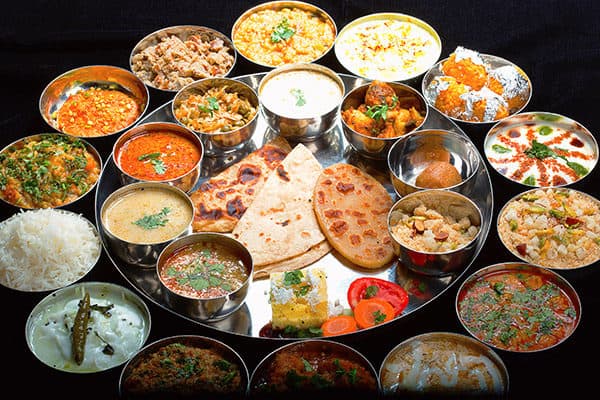
Image via smithakalluraya
Nearby Attractions and Day Trips
- • Nawalgarh is about 35 to 40 km from here. Lots of folks describe it as the well known painted place in Shekhawati. The Podar Haveli Museum is a key stop too.
- • Fatehpur is around 21 to 26 km away. While you are there, you can look at Mohan Saraf Haveli. You can also see Le Nadine Haveli. Both are spoken of as places that were brought back with care.
- • Dundlod sits near 20 to 30 km from this route. The town is connected with Dundlod Fort. You can also find the Goenka Haveli there. The cenotaphs in the area are another major draw.
- • Ramgarh Shekhawati is not far, roughly 27 km. The town is known for a set of well painted chhatris. These are the cenotaphs that locals and travelers point out.
- • Jhunjhunu is the district base. It is also the closest rail point. You can explore older havelis and temple spots within the city.
Practical Travel Guide
Best Time to Visit Mandawa
The period between October and March stands as the optimal season because daytime temperatures stay moderate which enables visitors to explore the area through extended walking tours. The period between April and June brings hot weather because temperatures rise above 40 degrees which creates an unpleasant environment for exploring the havelis. The monsoon season begins to affect the area during the months of July through September.
How to Reach Mandawa
- • By air: The closest airport is Jaipur International which is around 170 to 190 kilometers from Mandawa. It links up with lots of Indian cities and some places outside the country too. Getting there by private car with a driver takes about 3.5 to 4 hours I think.
- • By Rail Mandawa does not have its own train station. The nearest one is in Jhunjhunu roughly 27 to 28 kilometers away and it connects to Jaipur and Delhi along with Bikaner.
- • Mandawa is well-connected by road on National Highway 11. Jaipur is about 3–4 hours away, while Delhi is roughly 260 km (5.5–7 hours, depending on traffic). A private chauffeur-driven car is the most comfortable way to travel and combine Mandawa with other Rajasthan destinations.
Entry and Ticket Details
Mandawa Fort now runs as a heritage hotel and people can usually walk through the public areas plus the museum sections after paying a small fee. Some of the privately owned havelis ask for entry money too and it is collected by the caretaker there. The amount is often fifty rupees up to one hundred fifty.
Suggested Duration
At least a day is required to cover the important havelis and fort of Mandawa; two days will suffice to go on a leisurely haveli walk and undertake trips to other Shekhawati towns nearby.
Budget Estimates
Budget options work fine with simple guesthouses and local meals. A luxury heritage setup with a private guide and a restored suite seems to offer the best value through a specialist operator for Mandawa Heritage Haveli Stay. Pricing shifts quite a bit by season and property though. I think that part gets overlooked sometimes.
Suggested Mandawa Itinerary (1–2 Days)
Half-Day Itinerary
- • Morning: Guided tour of Mandawa Fort along with two-three famous havelis (Goenka Double Haveli, Murmuria Haveli).
- • Mid-morning: Lunch served on roof top having menu Dal Baati Churma & Ker Sangri.
- • Afternoon: Free for photography and visiting artisan’s workshop before departure.
One-Day Itinerary
- • Morning: Walk around the havelis during sunrise when the streets are not yet crowded.
- • Later morning: Visit Bansidhar Newatia Haveli and Gulab Rai Ladia Haveli.
- • Afternoon: Demonstration of fresco art and visiting the local market.
- • Evening: Walking around Mandawa fort’s ramparts during sunset and dining on roof top with folk
Two-Day Itinerary
- • Day 1: Exploring all the forts and famous havelis in Mandawa along with hidden lanes ending the day with dinner in haveli-hotel.
- • Day 2: Trip to other towns Nawalgarh-Fatehpur (or Dundlod-Ramgarh) covering wider area of Shekhawati Region and come back to Mandawa.
Luxury Travel Tips
Image via pexels
Luxury Travel Tips
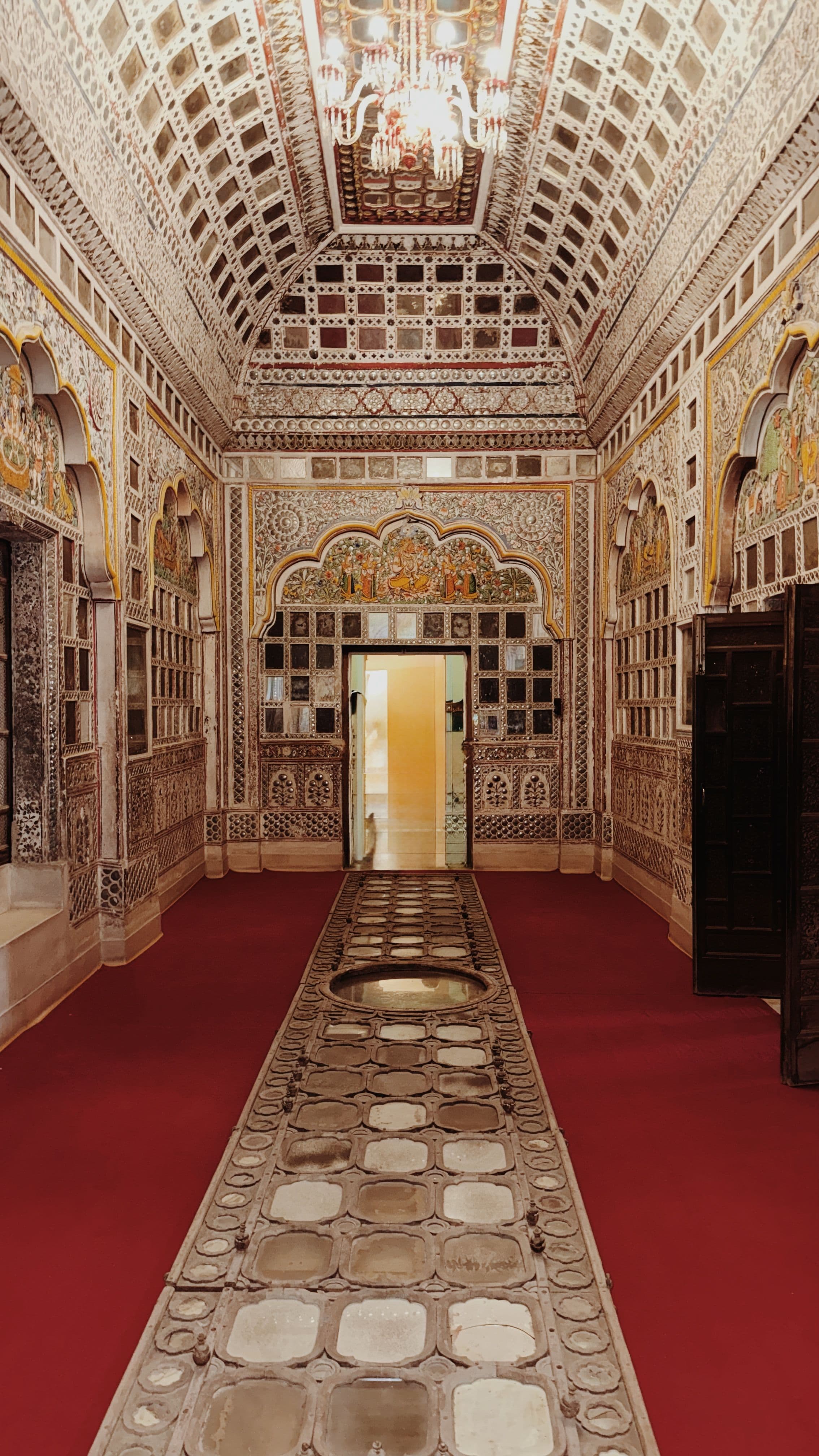
For the best Mandawa experience, book a heritage haveli suite rather than a standard hotel room, and choose a private English-speaking guide over the ones waiting near the fort. Consider combining Mandawa with a chauffeur-led Shekhawati tour instead of a rushed day trip from Jaipur, and request a roof or courtyard-facing room for the best light and views.
Family Travel Tips
Image via pexels
Family Travel Tips
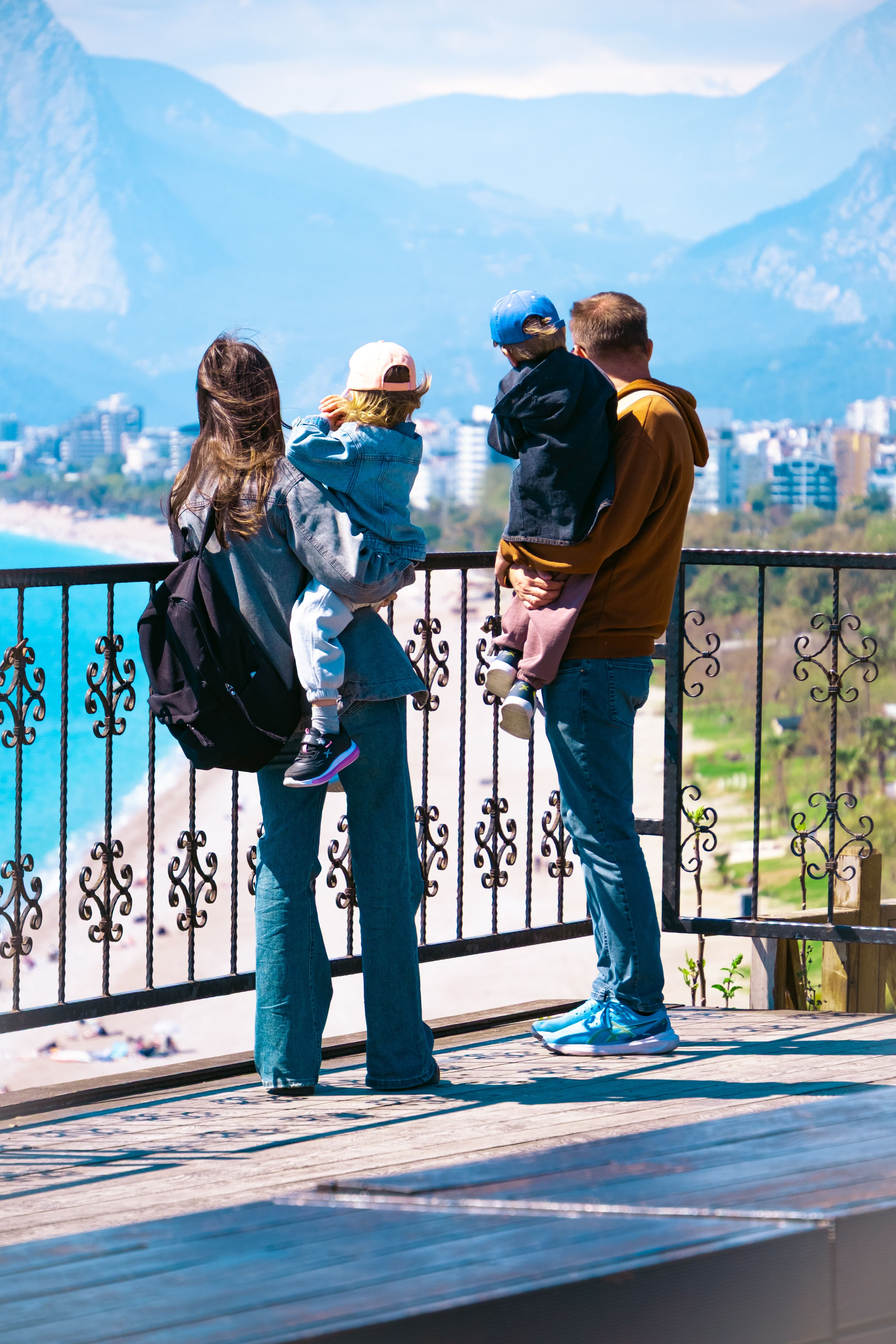
Break haveli walks into shorter stretches - cobblestones and midday heat can tire young children. Choose havelis with courtyards or museums for better engagement, and carry sunscreen and snacks since dining options are limited in the narrow lanes.

Solo Female Traveler Tips
Image via pexels
Solo Female Traveler Tips
Book stays and guides through a reliable, women-friendly operator in advance. Dress conservatively, carry a light shawl for sun protection, and avoid crowded havelis in the morning - opt for guided quiet back streets instead. Always arrange private transport after sunset rather than relying on shared rides.
Why Choose India Heritage Travel
Booking a Mandawa haveli stay on your own often means navigating unauthorised guides and restricted access. India Heritage Travel simplifies it with private transfers between Jaipur, Delhi, and Shekhawati; tailored itineraries across Mandawa, Nawalgarh, Fatehpur, and Dundlod; handpicked heritage havelis; skilled local guides; women-safe travel planning; and seamless end-to-end luxury service.
Frequently Asked Questions
It refers to staying inside a restored merchant haveli or fort-hotel in Mandawa, Rajasthan, rather than a standard modern hotel - allowing travelers to experience original fresco-painted courtyards, carved doorways, and traditional architecture firsthand.
A minimum of one full day covers the core havelis and fort, while two nights allow time for nearby Shekhawati day trips and a more relaxed pace.
October through March offers the most comfortable weather for walking tours, with mild days and cool evenings.
Mandawa is roughly 170–190 km (3.5–4 hours) from Jaipur and about 260 km (5.5–7 hours) from Delhi by road, with Jaipur International Airport as the nearest air link and Jhunjhunu as the nearest railhead.
Many privately owned havelis charge a small entry fee and are shown by an on-site caretaker, while some are viewable only from outside; Mandawa Fort's public areas are generally open to visitors for a fee.
Yes, particularly when guides, drivers, and accommodations are booked through a trusted, women-safe operator rather than arranged informally on arrival.
Planning a Mandawa Heritage Stay?
India Heritage Travel crafts private Rajasthan itineraries featuring Mandawa's painted havelis, fresco walks, and Shekhawati heritage - combined with Jaipur, Bikaner, and Delhi.
Plan My Mandawa Heritage Stay