Bundi Travel Guide: Rajasthan's Forgotten Blue Kingdom
If you ask any visitor about Rajasthan's well-known blue city they will tell you about Jodhpur. There exists an undiscovered destination which people can find within Aravali hills that stands three hours away from Jaipur. The guide to Bundi will discuss this distinct area which features blue-painted walls on buildings and a 14th century fort and human-made structures that extend fifty feet below natural stone surfaces and an art school which thrived for two centuries in complete seclusion.
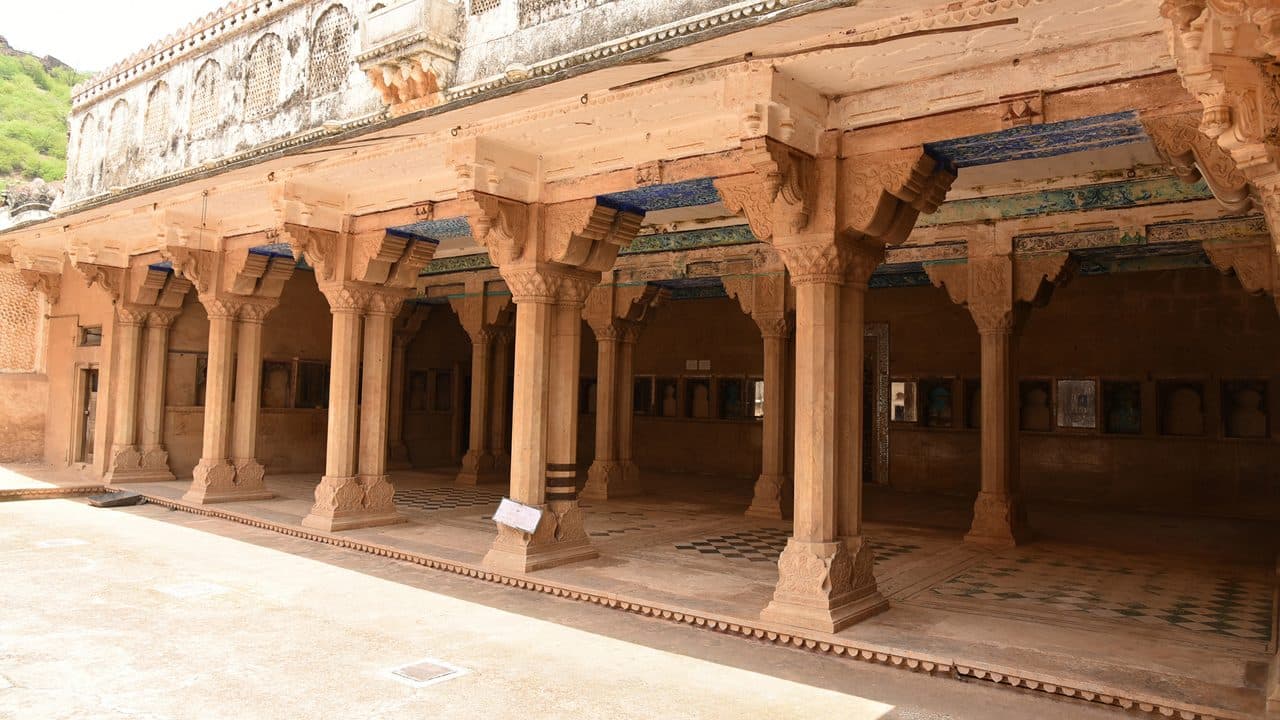
Image via unsplash
Overview: Discovering Bundi
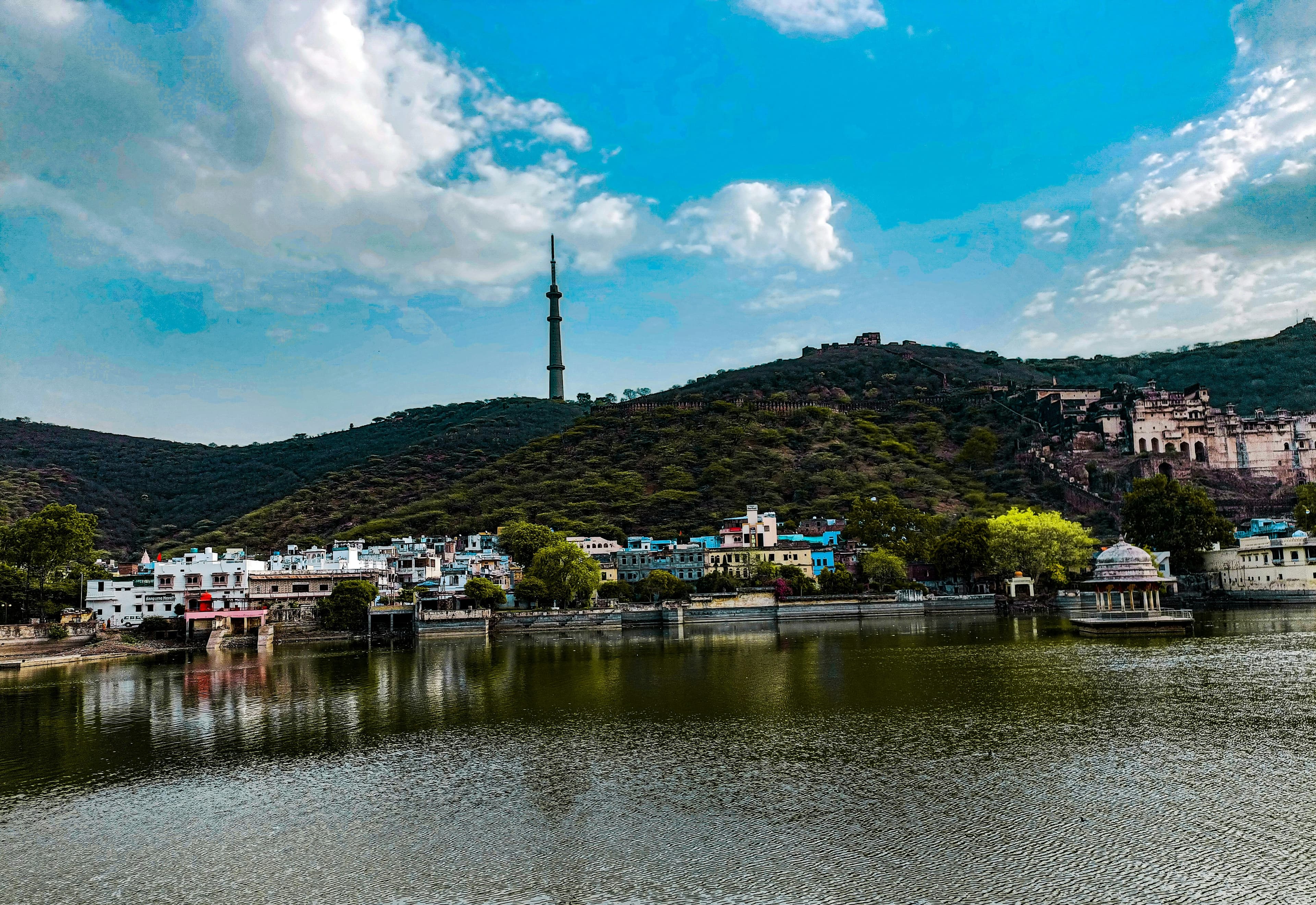
Bundi lies in the Hadoti region of southeastern Rajasthan, cradled by the Aravalli hills with Taragarh Fort standing watch. Unlike Jaipur, Udaipur, or Jodhpur, Bundi has largely escaped mass tourism development - and that's precisely its appeal.
The old city unfolds as a labyrinth of tight streets lined with blue-washed havelis and ancient stepwells. Bundi remains an authentic heritage community - still inhabited, still intact, with properties still owned by the families who have lived there for generations.
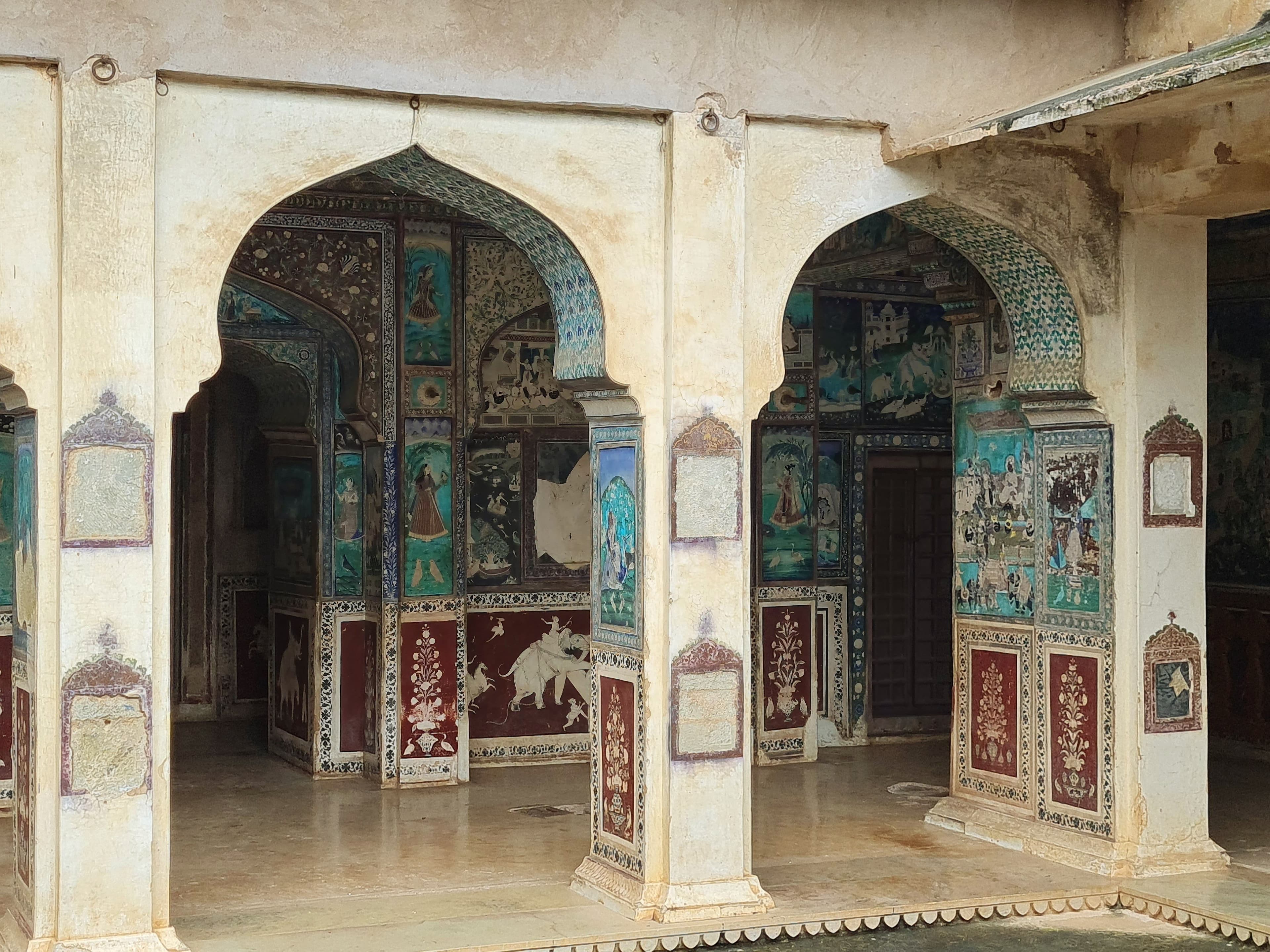
Image via pexels
History of Bundi: From Hada Rajputs to a Forgotten Kingdom
The Hada Chauhan Rajputs founded Bundi during the 12th century after they lost their home in Ajmer. The city features Taragarh Fort as its main landmark which Rao Deva Hada built on a steep hill in 1354 to establish a strong military base for his new kingdom. The state of Bundi continued to support the Rajput dynasty while it maintained its own Rajput princely state until it established strong connections with the Mughal court but kept its unique architectural and artistic traditions.
This structure beneath the fort developed through several generations as different rulers built their own wings until finally Rao Ummed Singh built wings in the 18th century. It was during this period that the famous miniature school of paintings of Bundi thrived. Afterward came the period of the British when the disintegration and conversion of parts of the fort started. Following independence and with the disappearance of royal patronage, Bundi fell into oblivion as it no longer enjoyed the limelight of the bigger cities of Rajasthan. The renowned author, Rudyard Kipling resided at Bundi's Sukh Mahal when he was writing his novel Kim and said, "More the work of goblins than of men," about the palace.
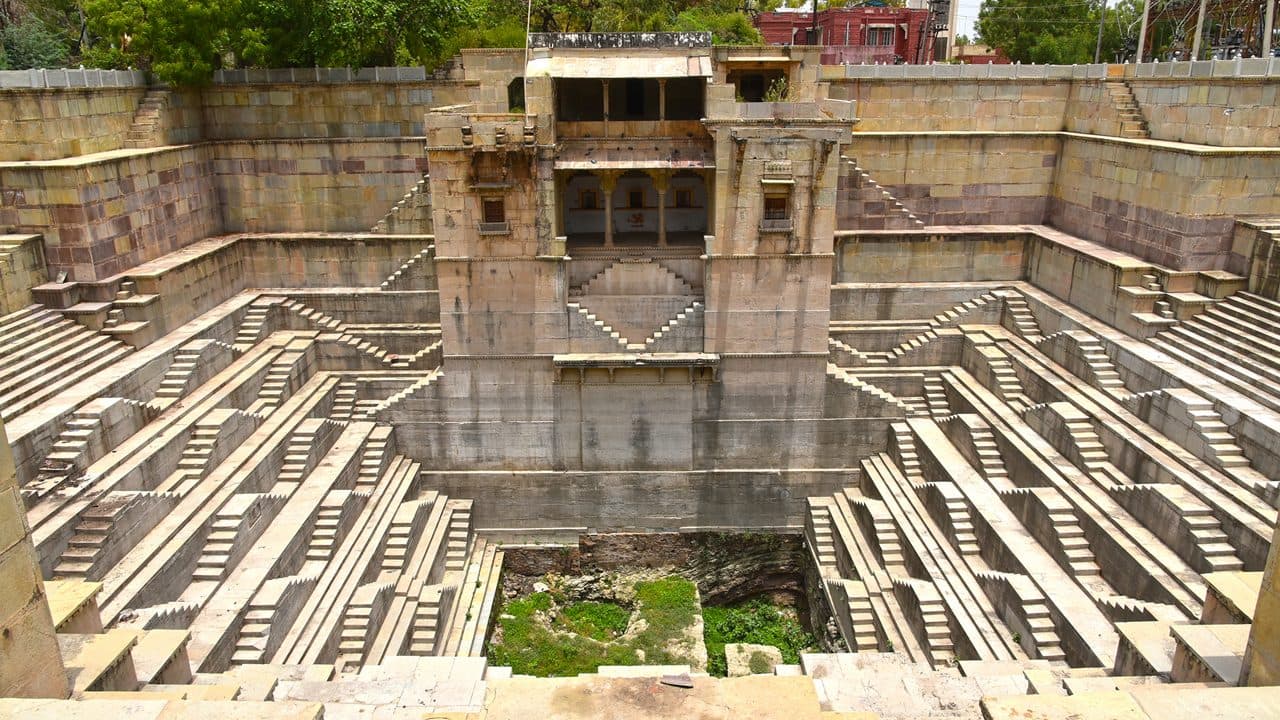
Image via incredibleindia
Architecture & the Blue City Aesthetic
The blue houses in Bundi can be found in the old town area below the palace where the walls are washed with blue color ranging from indigo to cobalt colors in very narrow lanes where even two people can walk barely in them. The blue color, like in Jodhpur, symbolizes the house of Brahmins and is favored for its cooling properties and because it supposedly wards off insects. The unique feature about Bundi is the size and location of the blue area where the blue quarter is small and surrounded by hills on one side and palace and fort just above it on another, making almost every roof viewable from top to photograph.
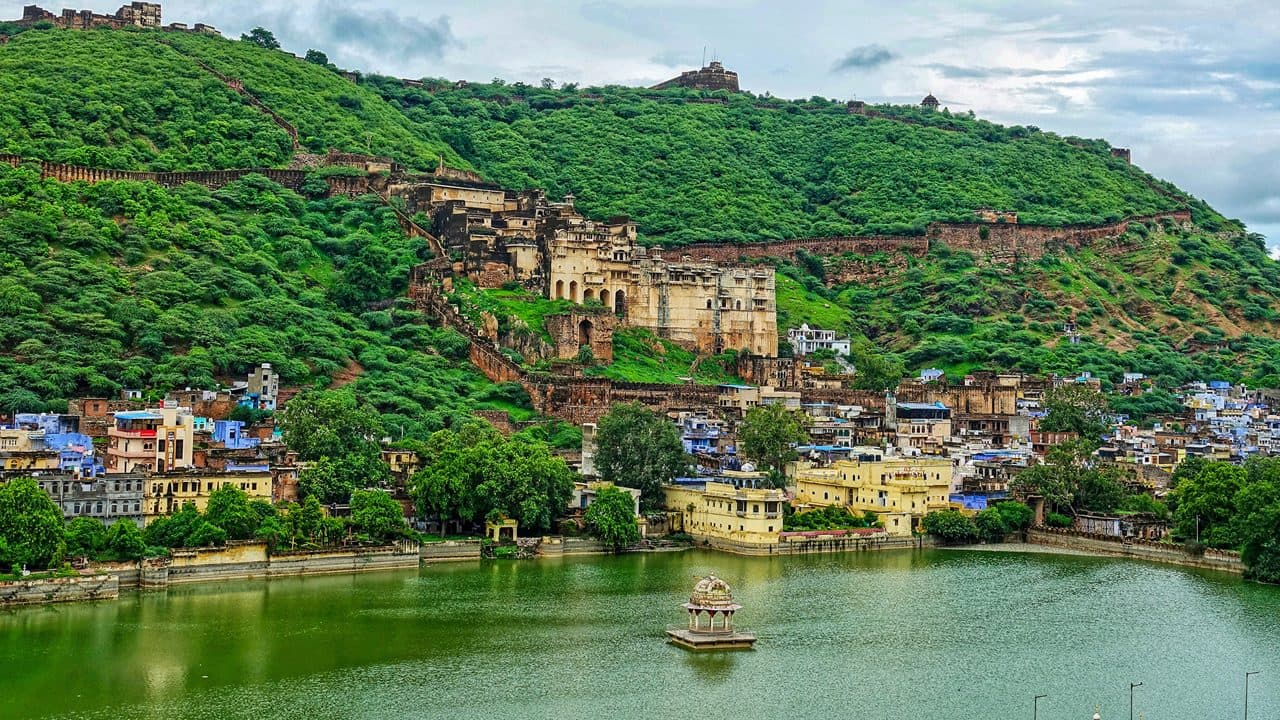
Image via jodhpurfortkhejarla
The buildings in Bundi use stone as their construction material, jharokhas balconies, chhatri domes and richly carved brackets which are not influenced by the Mughals at all.
Cultural Significance: The Bundi School of Painting
Bundi is not merely a fortress city - it is the cradle of one of India's most distinctive miniature painting traditions. The Bundi style, which evolved between the 17th and 19th centuries, fused Rajput and Mughal influences, and is characterised by dramatic skies, turbulent water designs, and profile figures set against rich green backgrounds.
The finest works survive in the Chitrashala - an open-air gallery within Bundi Palace, commissioned by Rao Ummed Singh. The walls and ceilings of this pavilion remain one of the most vivid surviving records of the Bundi style.
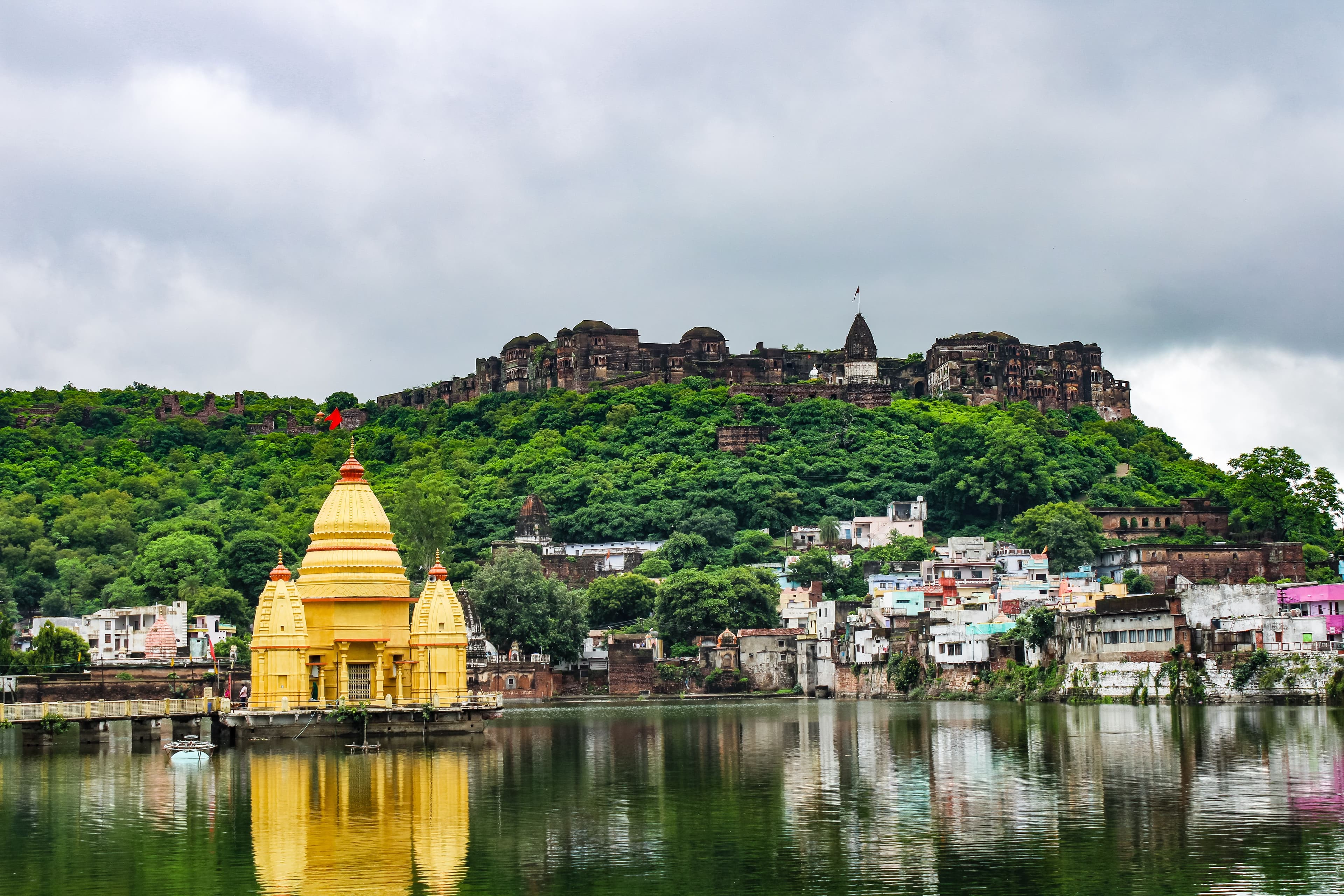
Image via pexels
Major Attractions in Bundi
Taragarh Fort - The Star Fort
Image via wikipedia
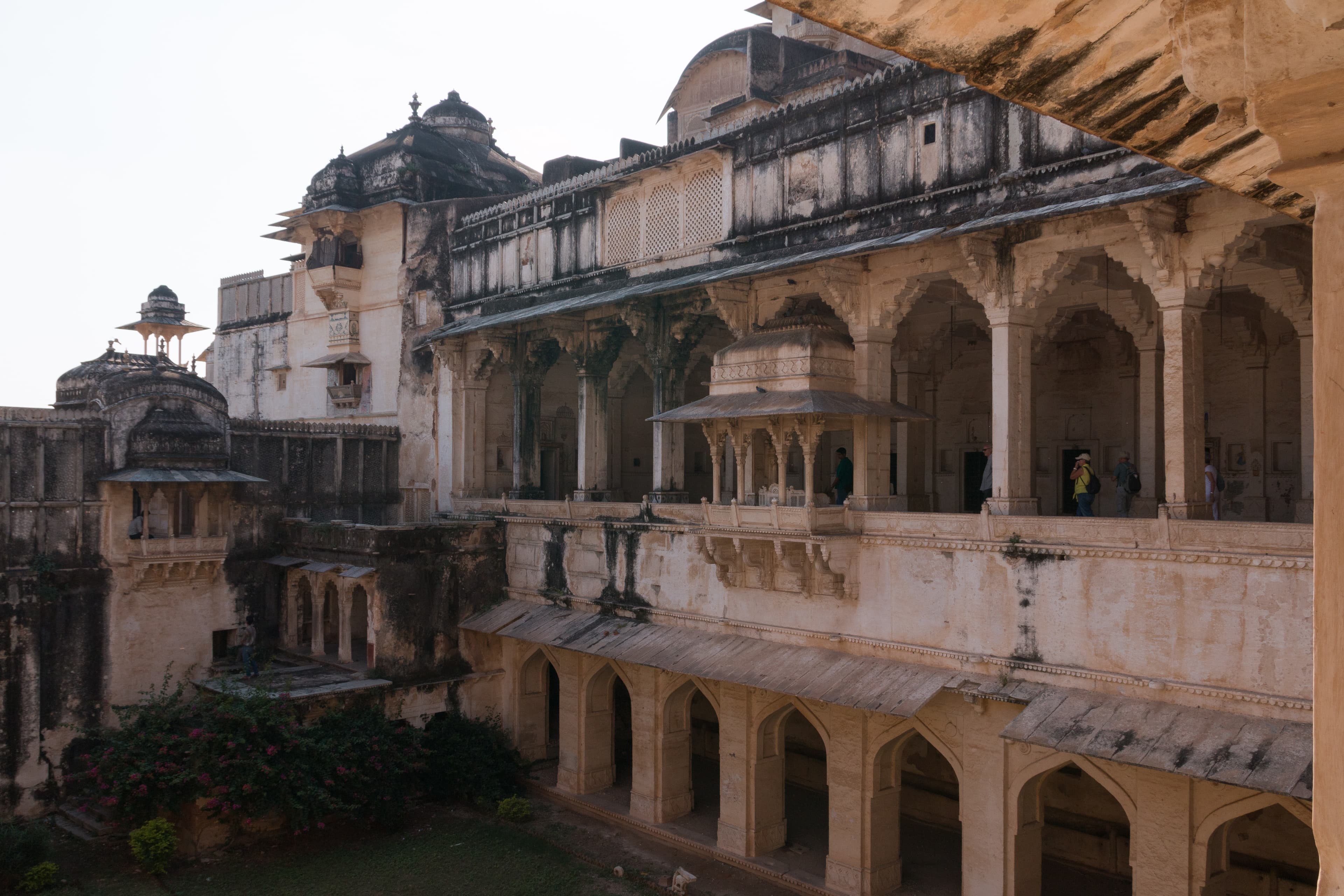
Taragarh Fort - The Star Fort
Taragarh Fort - the "Star Fort" - was built in 1354 on a hill above Bundi, making it one of Rajasthan's earliest hill forts. Its broken walls, escape passages, and defensive bastions offer wide views over the blue city and the Aravalli hills - especially stunning at sunset.
Bundi Palace (Garh Palace) & the Chitrashala
Image via wikipedia
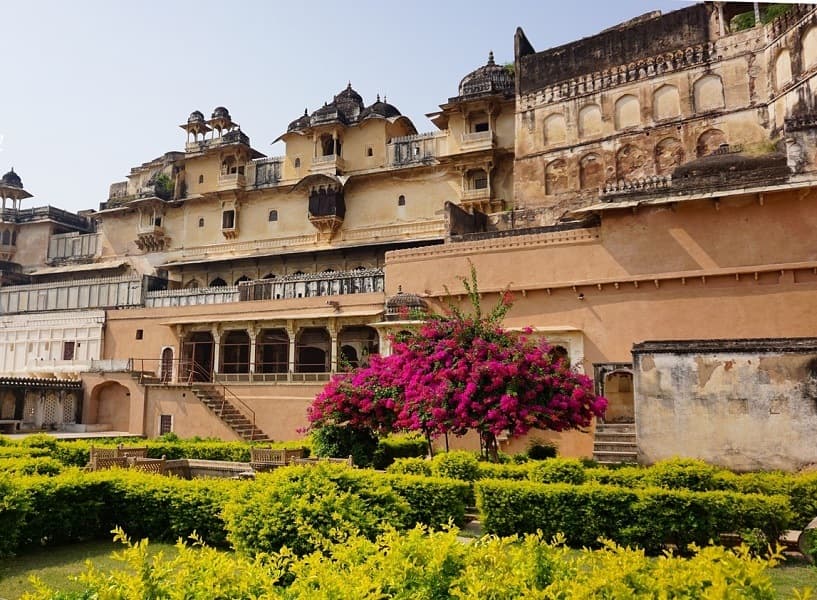
Bundi Palace (Garh Palace) & the Chitrashala
Bundi Palace sits below Taragarh Fort - a sprawling complex of courtyards and halls shaped over time, entered through the Hathi Pol gateway. Inside, Chhatra Mahal and Badal Mahal still hold old frescoes.
Raniji ki Baori & the Stepwells of Bundi
Image via wikipedia
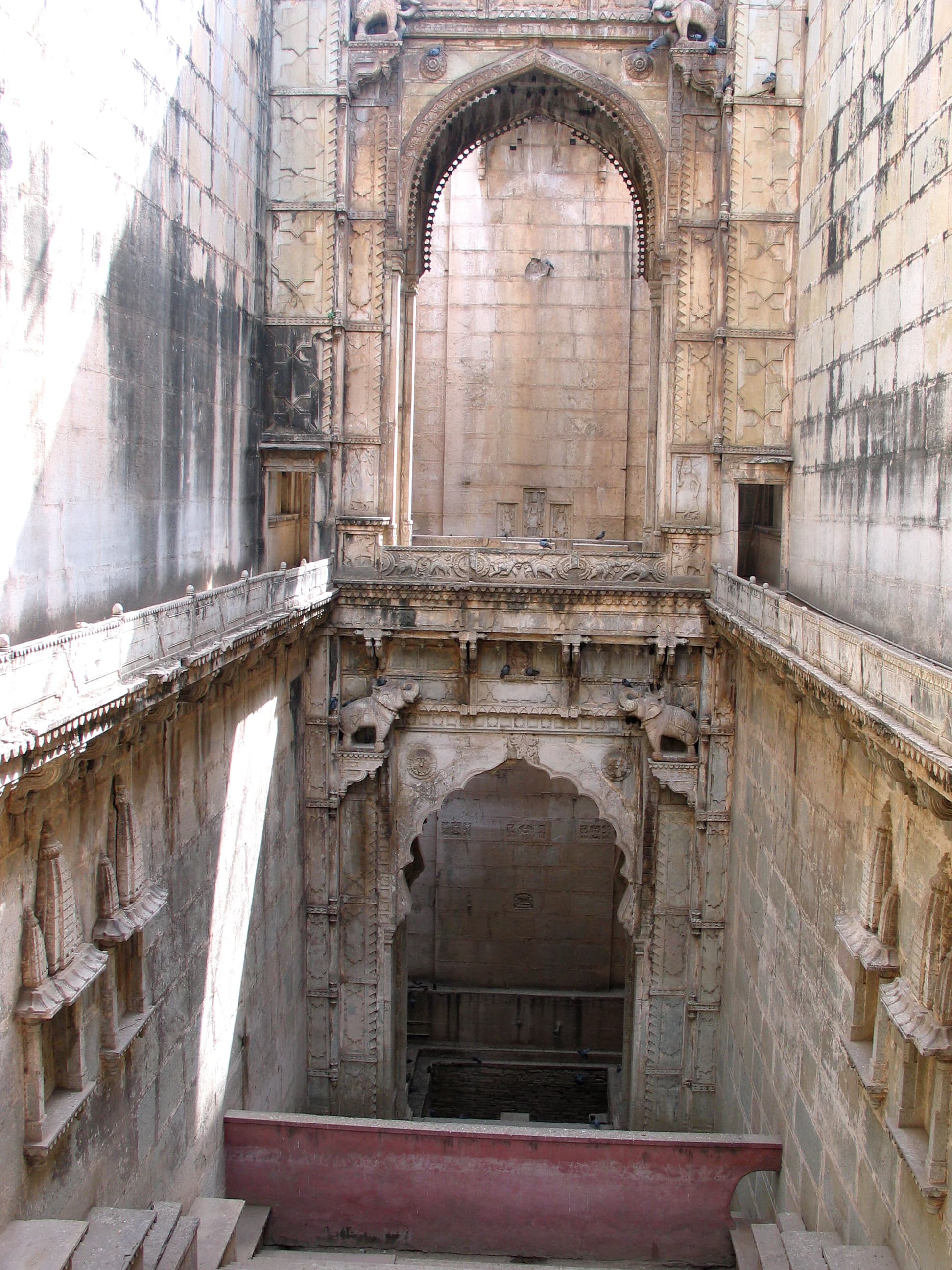
Raniji ki Baori & the Stepwells of Bundi
Bundi is Rajasthan's stepwell hub, with Raniji ki Baori - built in 1699 by Queen Rani Nathavati Ji - descending 46 metres with carved deities along its levels. Nearby, Dabhai Kund and Nagar Sagar Kund offer quieter examples of the region's ancient water-harvesting heritage.
Nawal Sagar Lake & Sukh Mahal
Image via wikipedia
Nawal Sagar Lake & Sukh Mahal
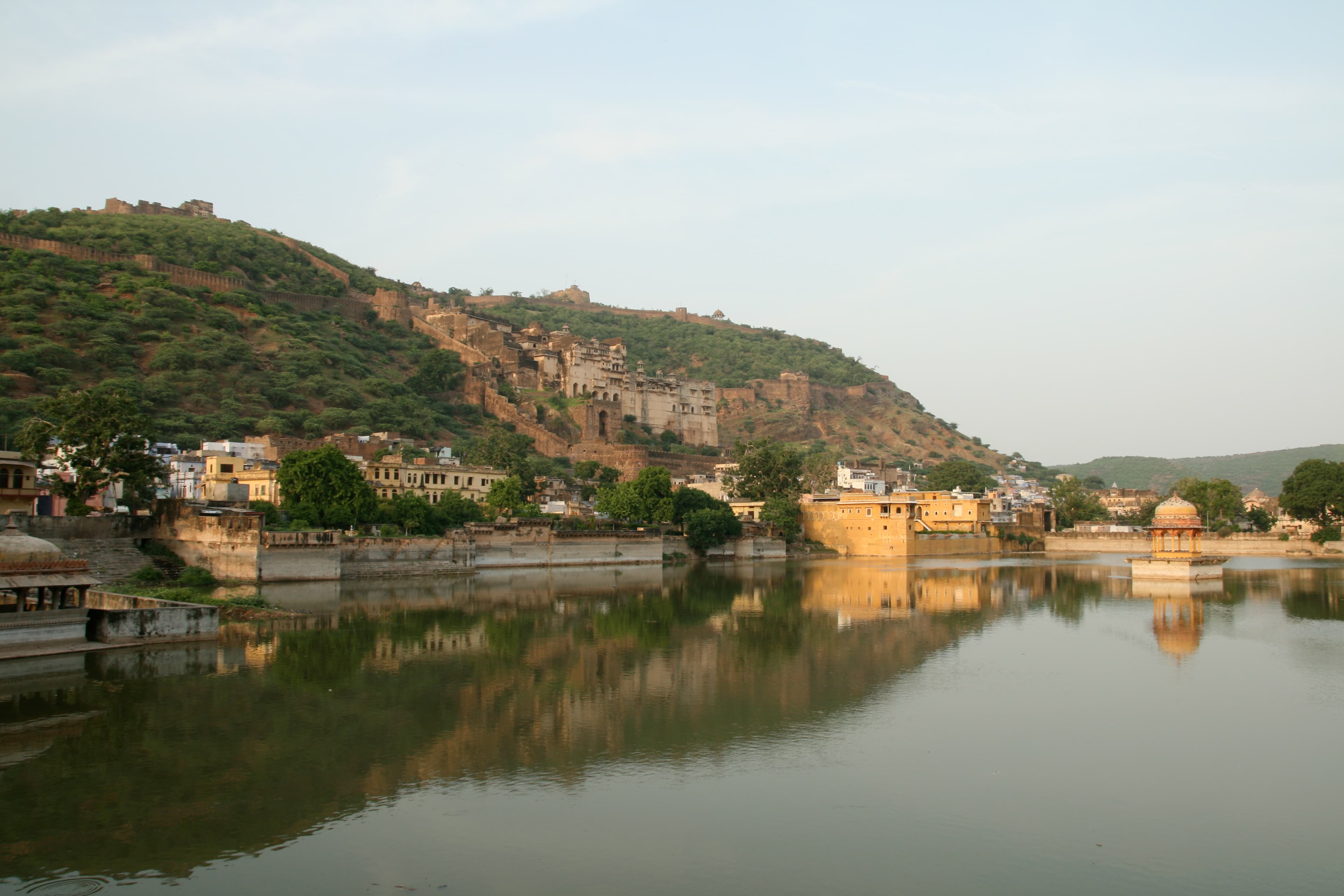
Nawal Sagar Lake reflects the palace and fort on quiet mornings - one of Bundi's most photographed views. Nearby, Sukh Mahal, an 18th-century summer palace where Kipling stayed while writing Kim, now houses a small museum of sculpture and miniature art.
The 84-Pillared Cenotaph
Image via wikipedia
The 84-Pillared Cenotaph
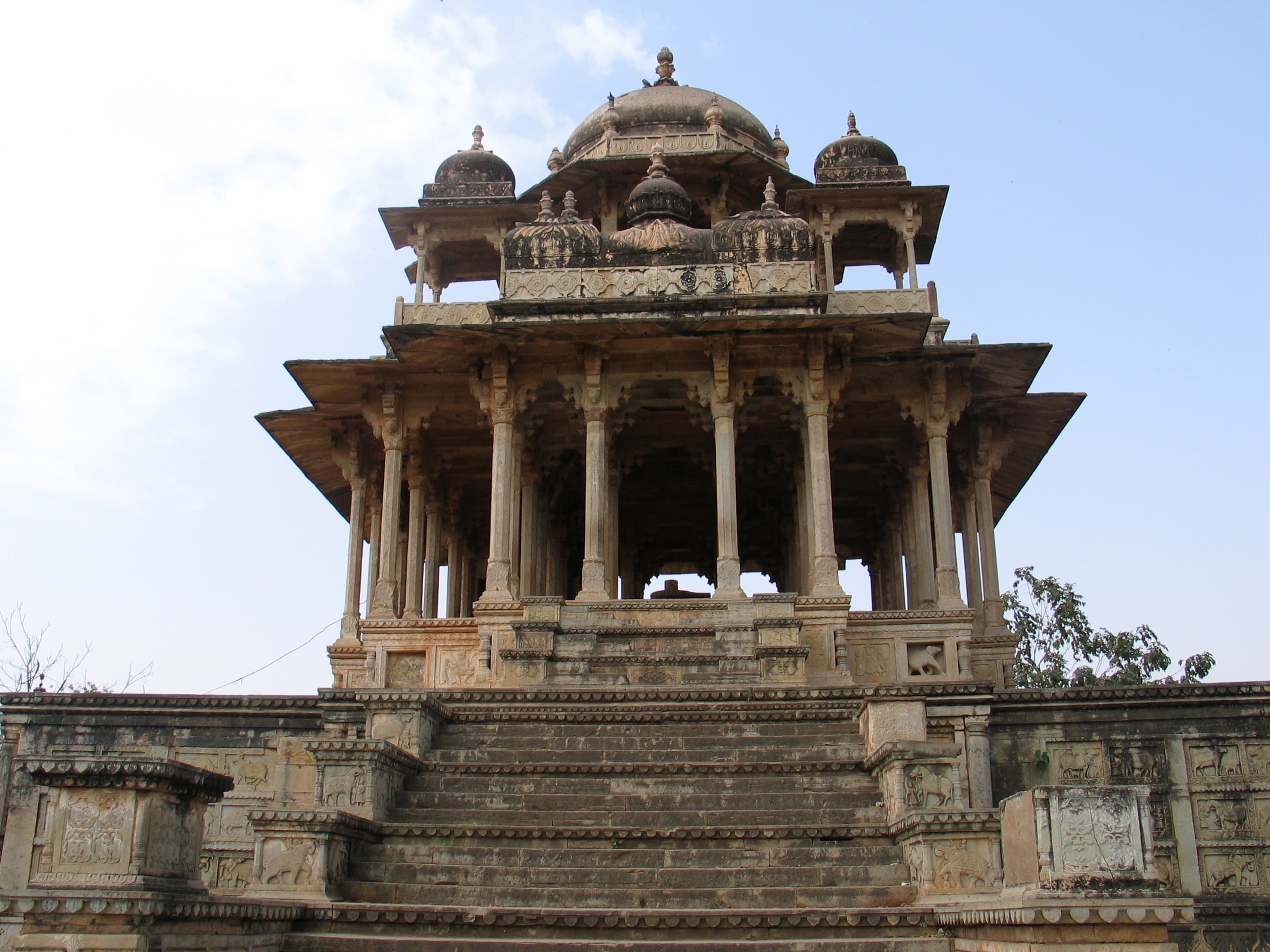
The 84-Pillared Cenotaph, also known as Chaurasi Khambon ki Chhatri, is a striking domed memorial near Bundi's old city. Built in the 17th century, it features 84 intricately carved pillars and offers panoramic views over the surrounding landscape.
Hidden Gems & Offbeat Experiences
- • Bhimlat Waterfall: A scenic waterfall near Bundi, perfect for a short excursion.
- • Prehistoric Rock Paintings: Ancient artworks estimated to date back thousands of years - predating the Rajput period.
- • Phool Sagar Palace: A quieter palace tucked away in the town, away from the main tourist routes.
- • Unrestored Stepwells: Many lesser-known baoris across Bundi remain untouched and unexplored.
Best Experiences in Bundi
- • Go up to Taragarh Fort and watch the sunset spill over the ramparts as the blue houses turn warm.
- • Walk with a guide through the old blue quarter at dawn, while the lanes are still quiet.
- • Spend time on Jait Sagar or Nawal Sagar Lake, then row slow and watch the fort lines mirror back.
- • Join a Bundi miniature painting session led by a local artist family and look closely at how they work.
- • Do the stepwell loop in one calm morning: Raniji ki Baori, Dabhai Kund, and Nagar Sagar Kund.
Food & Culinary Experiences
The pace of life is reflected in the food of Bundi. Everyone walks slowly and steadily, and that is how the food is prepared as well. On the roof you will be able to enjoy Rajasthani thali with dal-baati-churma and laal maas while looking at the palace. You will notice some more food preparations that are typically served when tourists visit the place.
When you need a different kind of food, go to the clock tower area. There are street vendors who work round-the-clock serving kachori and other foods typical of the Hadoti region. The taste of food here is different from what one normally comes across in Jaipur.
Nearby Attractions
- • Kota (35–40 km): Walk along the Chambal River, visit Garadia Mahadev Temple, and explore Kota Palace Museum.
- • Chittorgarh (120 km west): Home to Chittorgarh Fort - one of India's largest and most famous hill forts.
- • Ranthambore National Park: A wildlife safari destination, ideal for adding to a nature-focused Rajasthan itinerary.
Suggested Itinerary for Bundi
Half-Day (4–5 hrs)
- • Start early at Bundi Palace and Chitrashala
- • Stroll slowly through the blue lanes
- • End with a rooftop meal overlooking the palace
Full Day
- • Taragarh Fort - sunrise or late afternoon visit
- • Raniji ki Baori - the largest stepwell
- • 84-Pillared Cenotaph - domed memorial with carved pillars
- • Evening - boat ride or quiet walk along Nawal Sagar Lake
Day 2
- • Morning: Sukh Mahal, Jait Sagar Lake
- • Miniature painting workshop - watch or try the Bundi style
- • Hidden stepwells - off the main tourist route
- • Afternoon (optional): Bhimlat waterfall or a nearby attraction around Kota
Practical Travel Guide
Best Time to Visit
The period between October and March is perfect, since the weather conditions will be moderate during the day, making it easy to walk the fort and stepwell circuit. The period from April to June is hot, and you should visit in the morning hours only.
How to Reach
Bundi also has a train station linking it with Kota, Jaipur, Delhi, and other various cities; however, the city of Kota Junction provides a more extensive rail service and lies around 35-40 km from Bundi. The closest airport with regularly operated flights is that of Kota, while Jaipur (200 km away) and Udaipur (230-290 km away) offer the closest airports with extensive services.
Entry, Tickets & Duration
Monuments have different charges on the basis of whether visitors are Indian or foreign citizens, with camera charges applicable to some monuments; there is a combined ticket for Raniji Ki Baori, Sukh Mahal, and 84-Pillared Cenotaph. It takes one to two days to visit Bundi.
Budget Estimates
It remains cheaper to stay in Bundi compared to the likes of Jaipur and Udaipur. In these cities, one would spend more money for accommodations in havelis. There are also additional costs for meals and for tours. Indian Heritage Travel keeps their rates low compared to others in these cities.
Safety, Packing & Photography Tips
Carry water and wear sturdy shoes for Taragarh Fort's uneven, slippery trails. Dress modestly for temples and stepwells, as weather can shift through the day. The blue city and fort walls look their best at sunrise or late afternoon - ideal for photography. A local guide is essential in the Bundi Palace area, where the maze of lanes can otherwise leave you going in circles.
Luxury Travel Tips
Image via pexels
Luxury Travel Tips
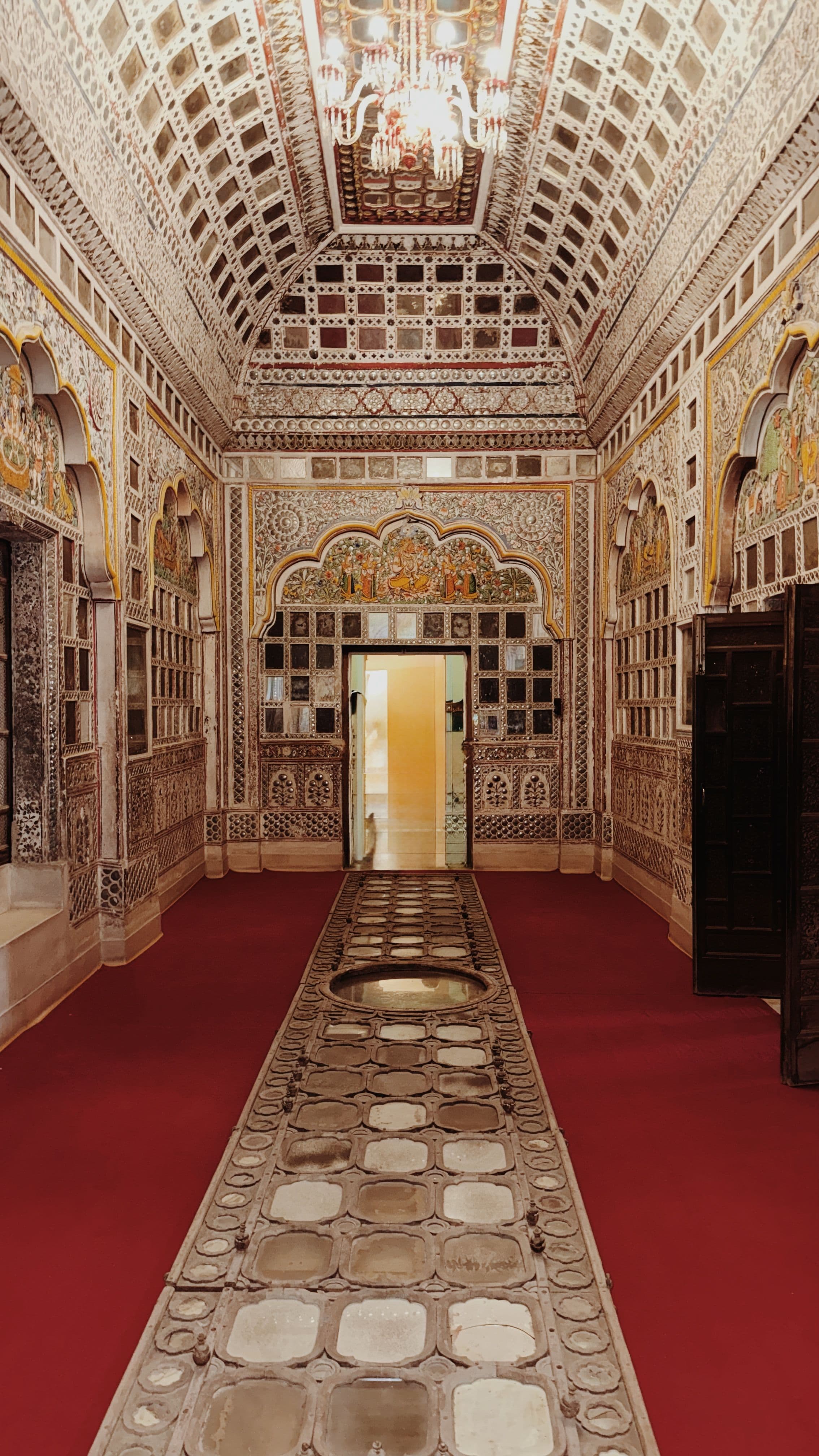
For the best Bundi experience, opt for a private chauffeur, a knowledgeable art historian guide, and a boutique haveli stay instead of a standard hotel. Add a private painting session and a fort dinner - it transforms a day trip into a highlight.
Family Travel Tips
Image via pexels
Family Travel Tips
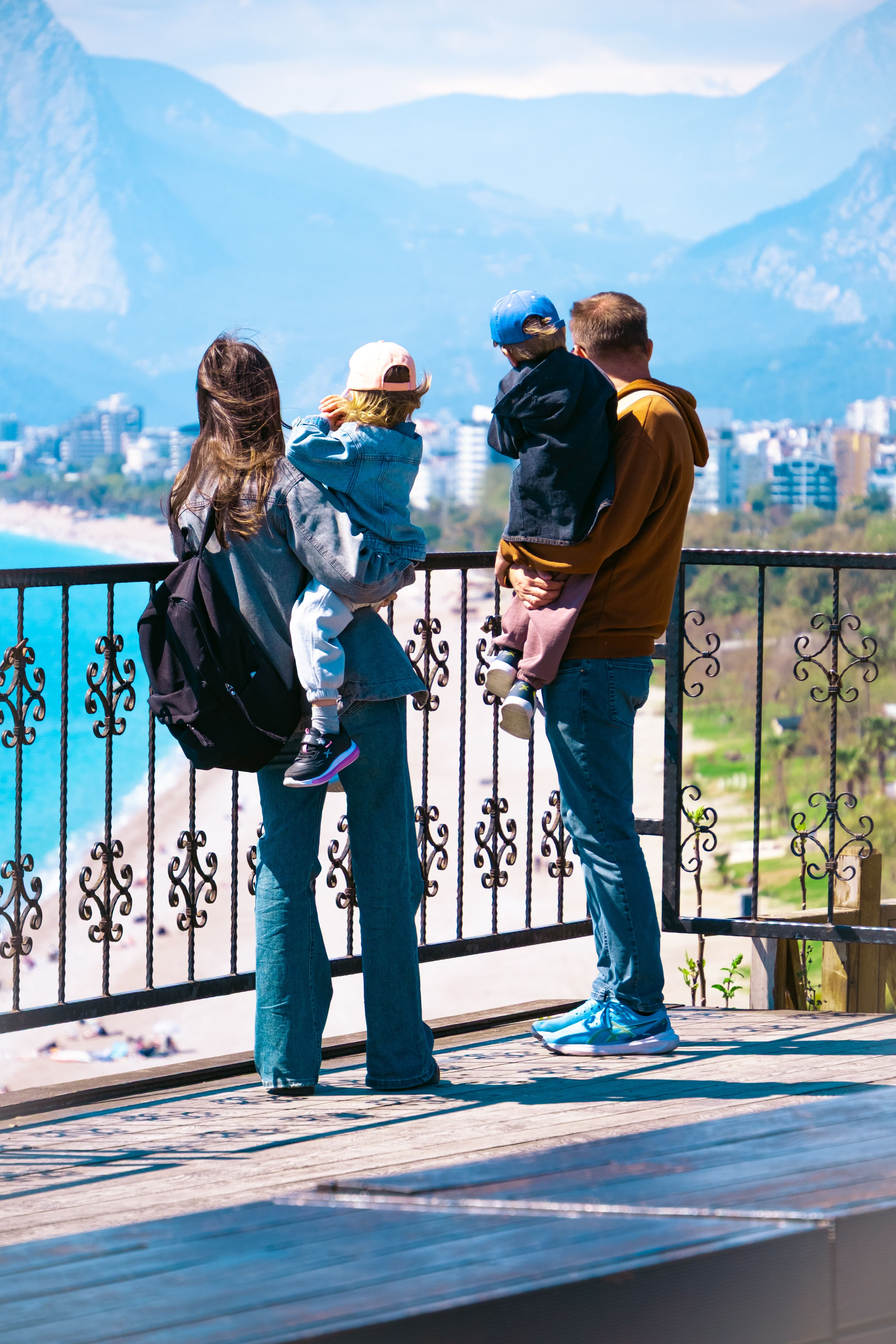
Bundi is compact and easy for family travel - most sights are within walking distance. The only challenge is Taragarh Fort, with its difficult and uneven terrain; adult supervision is essential for children there.

Solo Female Traveler Tips
Image via pexels
Solo Female Traveler Tips
Bundi's small size, low traffic, and walkable old town make it easy and comfortable for women travellers. Still, arrange a private guide or driver for early morning fort visits and night excursions - India Heritage Travel's women-safe tours are designed specifically for this.
Why Choose India Heritage Travel
India Heritage Travel designs private Bundi itineraries with chauffeur-driven transfers, expert local guides, handpicked boutique stays, and women-safe options. Fully shaped to your pace - from a half-day stop to a longer Hadoti heritage trip. If Bundi's blue lanes and painted palace have stayed with you, reach out to start planning.
Frequently Asked Questions
Bundi is a small, largely un-touristed hill town where the fort, palace, stepwells and blue-washed old city sit within walking distance of each other, offering an intimate, slower-paced heritage experience compared to Rajasthan's larger royal cities.
Two full days lets you cover Taragarh Fort, Bundi Palace and Chitrashala, the stepwells, Nawal Sagar Lake and the old blue city without rushing, plus time for a nearby day trip or a hidden gem such as Bhimlat waterfall.
Yes. Bundi's compact old city, low traffic and small-town pace make it one of Rajasthan's more comfortable towns for solo women, especially with a private guide or driver for early morning and after-dark movement.
October to March offers pleasant daytime temperatures for walking the fort and stepwells, while April to June is very hot and better avoided unless you plan mostly indoor and early-morning activity.
Bundi has its own railway station and is roughly 200 km by road from Jaipur and around 230 to 290 km from Udaipur; the nearest airports are Jaipur and Udaipur, with Kota's domestic airport closer but less frequently served.
Yes - the Chitrashala inside Bundi Palace houses some of the best-preserved examples of the Bundi school of miniature painting anywhere in India, with painted walls and ceilings depicting court life, festivals and Krishna legends.
Planning a Bundi Heritage Experience?
India Heritage Travel crafts private Rajasthan itineraries featuring Bundi's Taragarh Fort, palaces, stepwells, and blue city, combined with Jaipur, Udaipur, and Jodhpur.
Plan My Bundi Journey