The Complete Konark Sun
Temple Guide
Everything you need for that, like, unforgettable Konark Sun Temple experience the full story behind it, architectural wonders, the dance festival vibe, ticket prices, best time to drop by, plus nearby places and that ready to go 2 day Odisha itinerary, all in one place.
Konark Sun Temple Overview
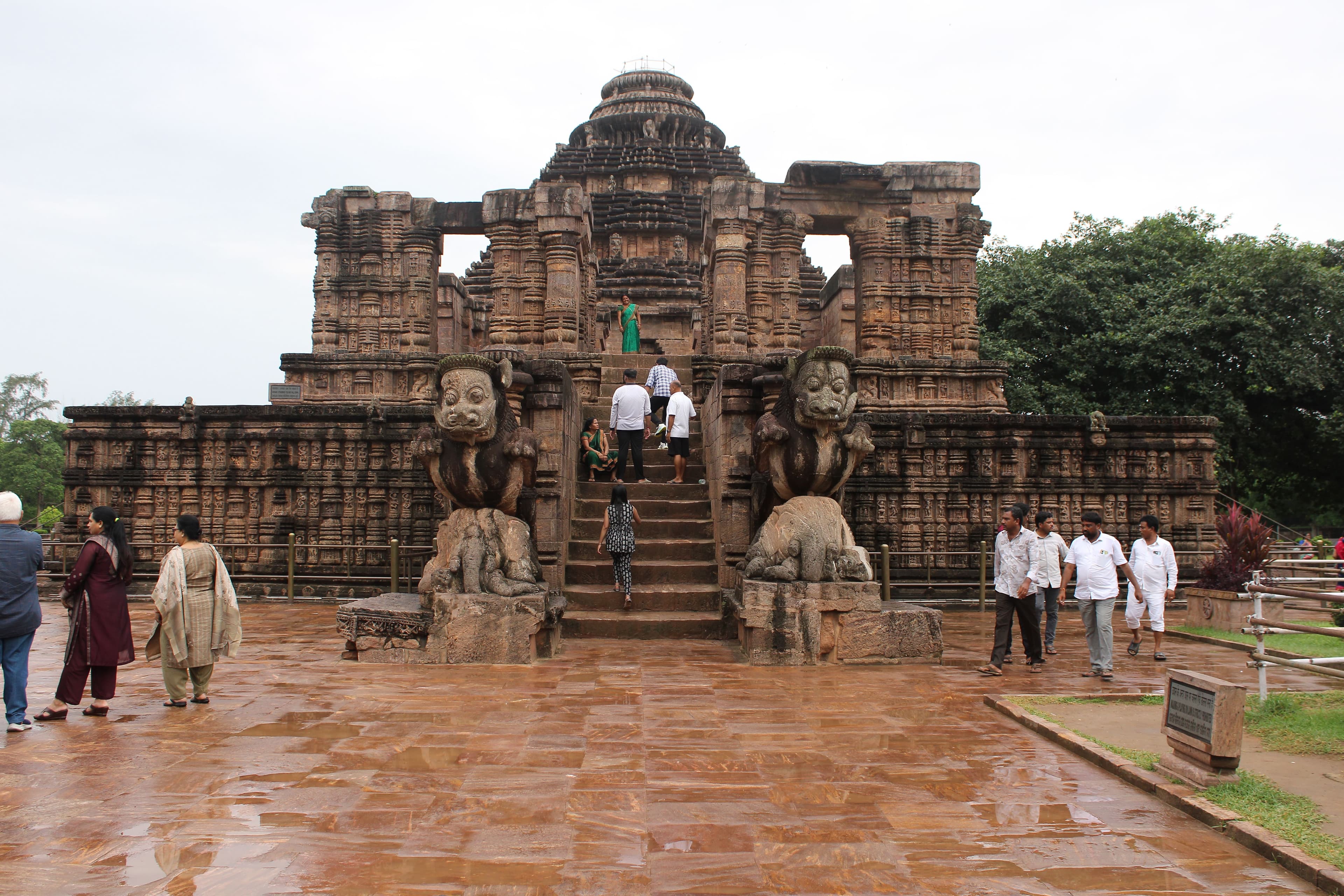
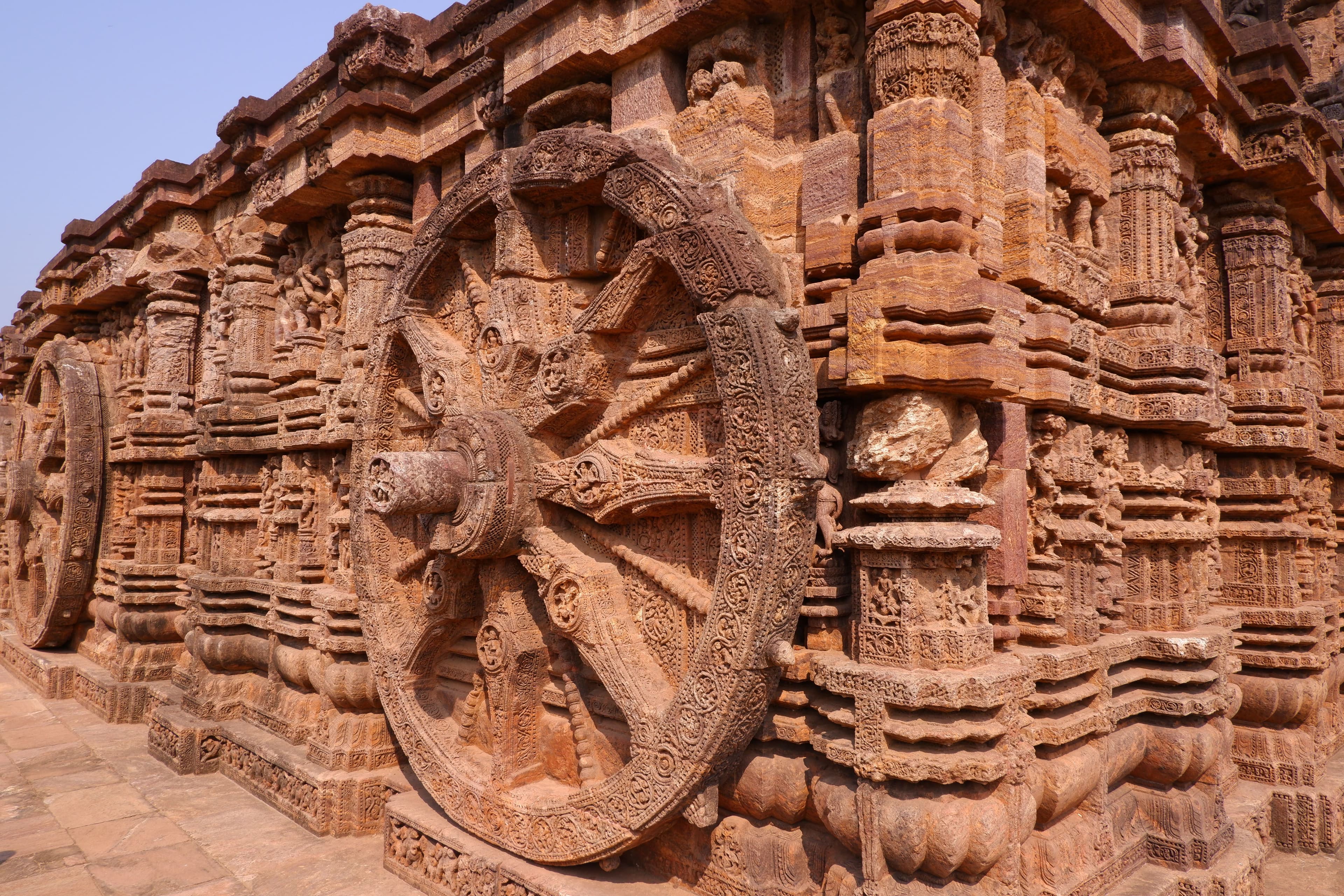
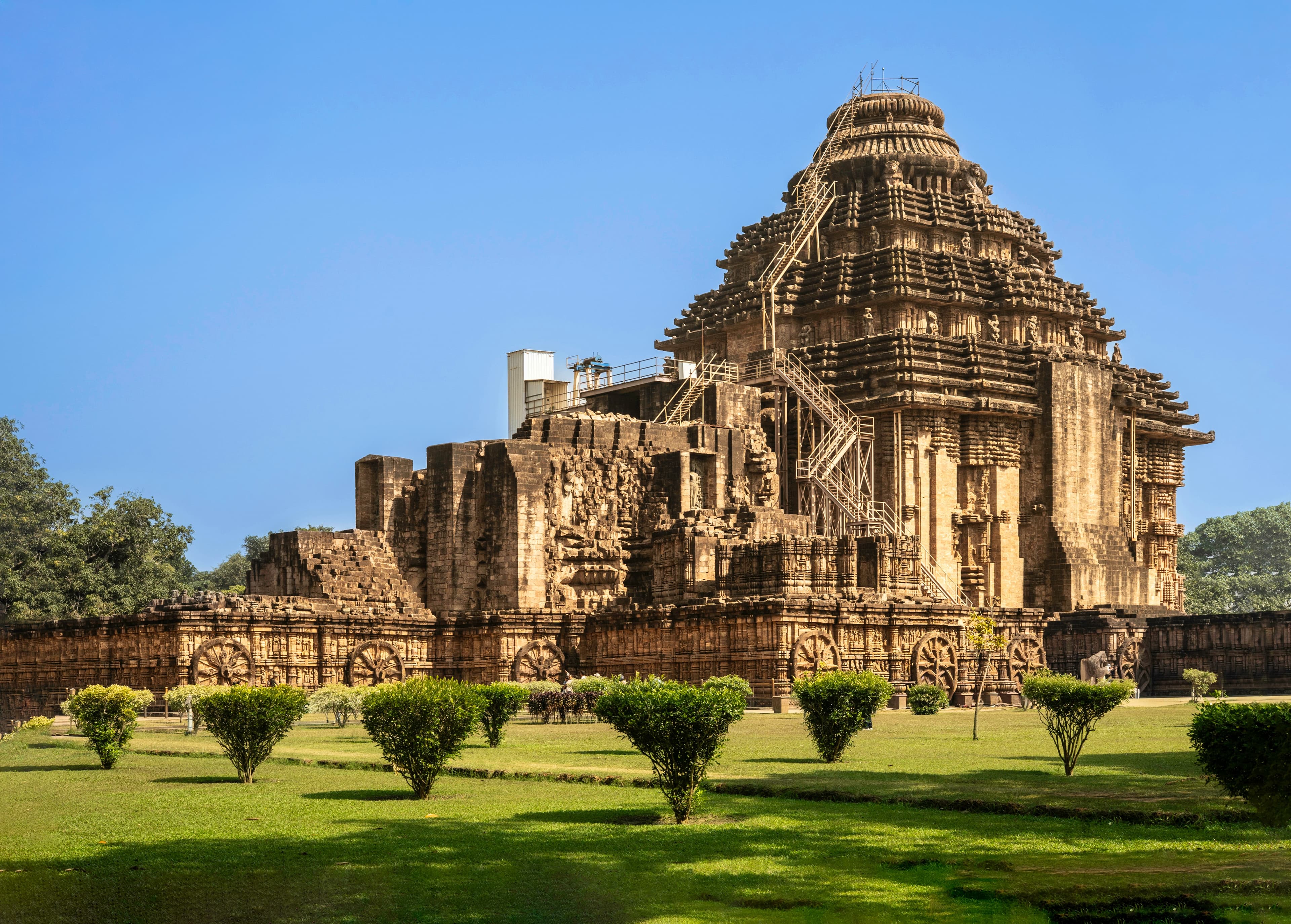
The Konark Sun Temple officially called the Surya Deula sits on the eastern side of Odisha, roughly 35 km to the north east of Puri, and around 64 km away from the state capital Bhubaneswar. It was assembled in the 13th century during King Narasimhadeva I, from the Eastern Ganga dynasty, and yeah the scale is kinda unreal. At the highest point, the main tower, or shikhara , climbed to something near 70 metres, so back then it was among the loftiest structures people could point at without laughing.
via pexels
The whole complex is imagined as a chariot, not just in a symbolic sense, but like, built that way. There are 24 intricately carved wheels that also work as sundials, fitted into the temple base. By the entrance, seven stone horses are standing there, holding on, and pulling with stiff intention, like they are hauling the Sun God over the horizon day after day. It was later named a UNESCO World Heritage Site in 1984, and now the Archaeological Survey of India keeps an eye on it, so it stays preserved.
History: The Story Behind the Chariot of the Sun
via wikipedia
King Narasimhadeva I sort of commissioned the Konark Sun Temple, to honor his military victories, and really most notably his campaigns toward the Delhi Sultanate. In a way it was a devotional act, but also a clear statement of power because the Sun God Surya , worshipped across the Indian subcontinent as the giver of life and justice, would basically “preside” over a monument that announced the strength of the Eastern Ganga dynasty to anyone who took the time to look.
As for how it was built, reports say 1,200 craftsmen worked there for 12 years. They used the region’s rather specific reddish brown chlorite stone (people there call it khandolite) and a greenish khondalite stone for the base. The workmanship they left behind in the carved work erotic sculptures, heavenly nymph like figures, war related scenes, animals, and those tight intricate geometric designs is honestly hard to match, even in Indian medieval art.
Architecture: A Temple Built as a Divine Chariot
via pexels
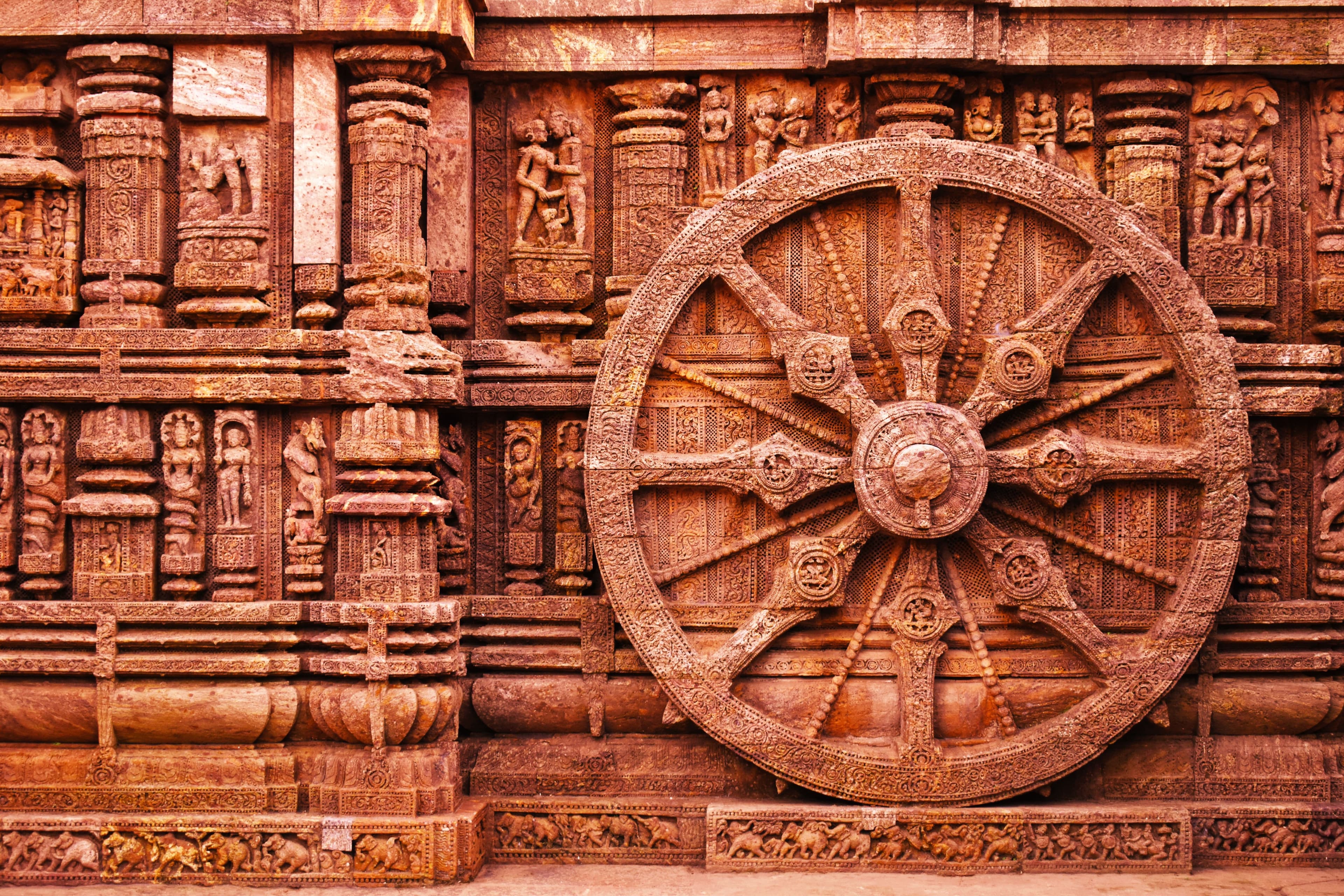
The architectural legacy of Konark is one of the most distinctive and accomplished in Indian history. The Sun Temple draws from the Kalinga style of Odisha, characterised by its chariot-shaped plan, 24 intricately carved stone wheels, seven galloping horses, and a towering shikhara that once rose 60 metres. Unlike Dravidian or Indo-Islamic traditions, Konark's architecture is defined by its symbolic representation of time and the cosmic order, blending temple architecture with mythological storytelling.
Key Architectural Features
The Chariot Concept
Konark's genius is its solar chariot metaphor the plinth as chariot body, 24 wheels as hours/months, and seven horses as days. Every element reinforces this cosmic design.
The 24 Wheels: More Than Decoration
The 24 wheels - 3 metres each - are functional sundials. Their carvings vary from mythology to erotic art, all interpreted as Surya's life-force. Distinct, yet part of one narrative.
Kalinga Architecture at Its Peak
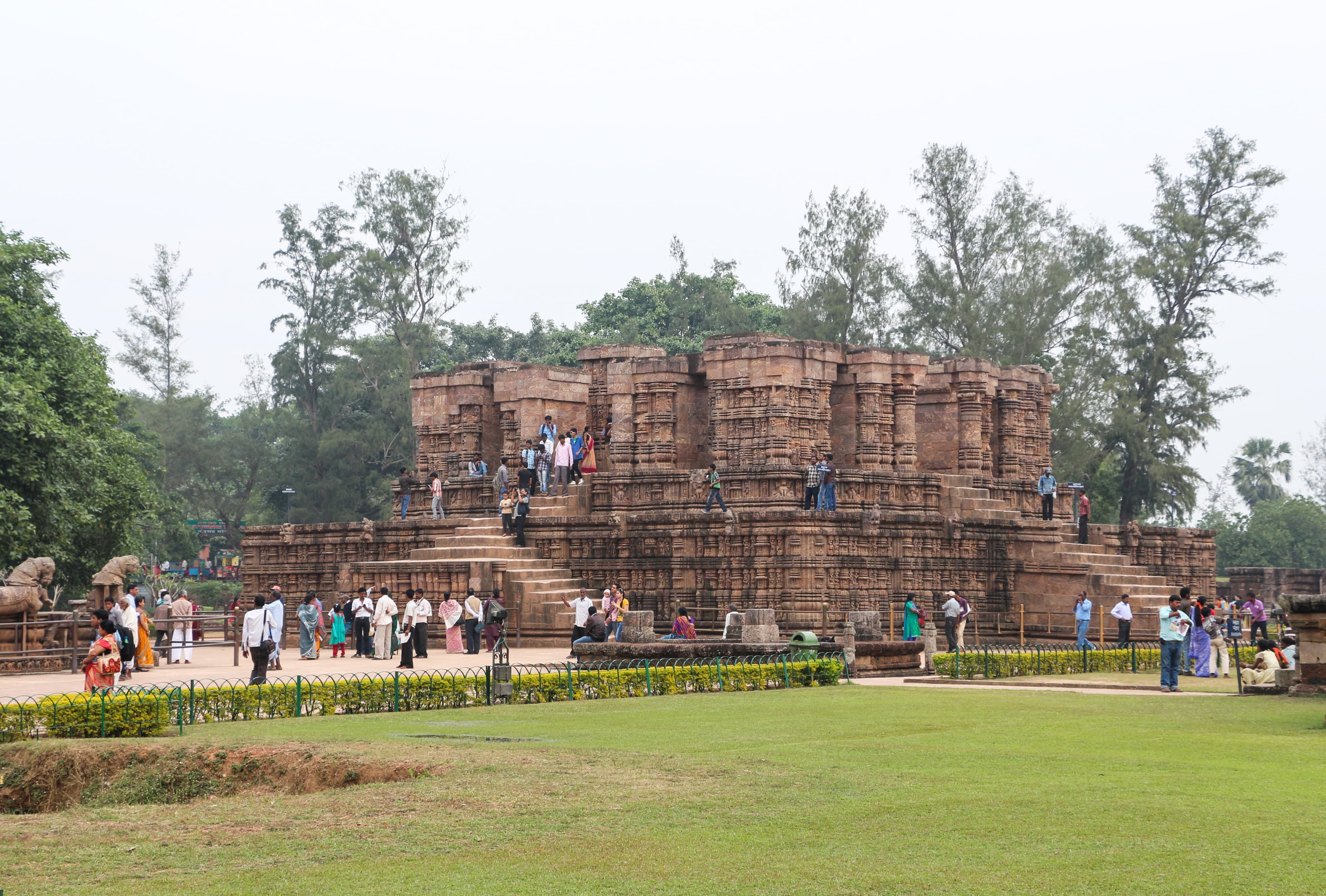
Konark's Kalinga-style shikhara has collapsed, but the 38.5-metre jagamohana and the pillared nat mandir still stand as striking survivors.
UNESCO World Heritage Significance
via wikipedia
King Narasimhadeva I sort of commissioned the Konark Sun Temple, to honor his military victories, and really most notably his campaigns toward the Delhi Sultanate. In a way it was a devotional act, but also a clear statement of power because the Sun God Surya , worshipped across the Indian subcontinent as the giver of life and justice, would basically “preside” over a monument that announced the strength of the Eastern Ganga dynasty to anyone who took the time to look.
Major Attractions Inside the Konark Temple Complex
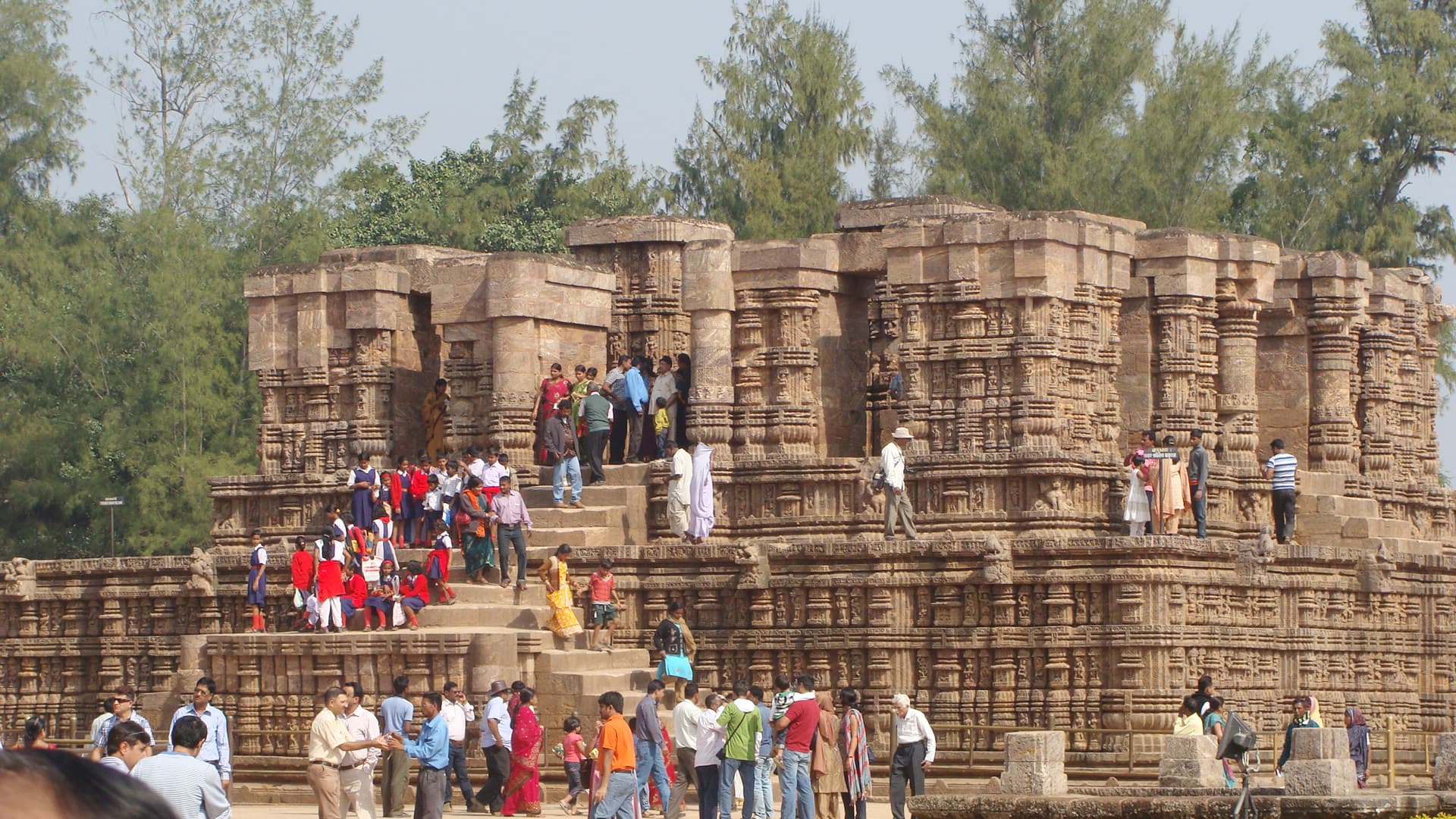
The Nat Mandir (Dancing Hall)
via wikipedia
The Nat Mandir (Dancing Hall)
The nat mandir, near the entrance, once hosted dance performances. Its four pillars feature apsaras carved in Natyashastra poses. Here, the link between Konark's stone and Odissi dance feels immediate and alive.
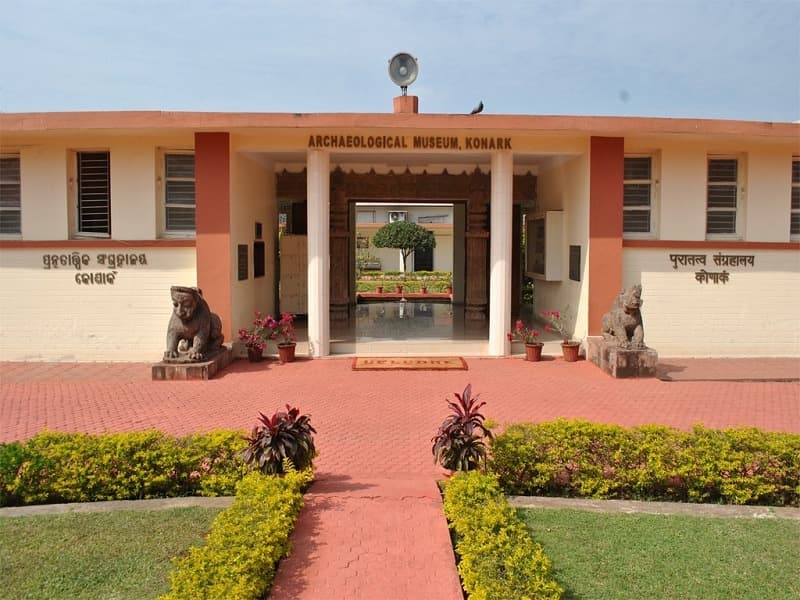
The Konark Museum
via wikipedia
The Konark Museum
The Konark Museum, at the site entrance, displays excavated sculptures and relics including a superb Sun God figure and erotic carvings. Spend 45 minutes here first for context before exploring the main temple.
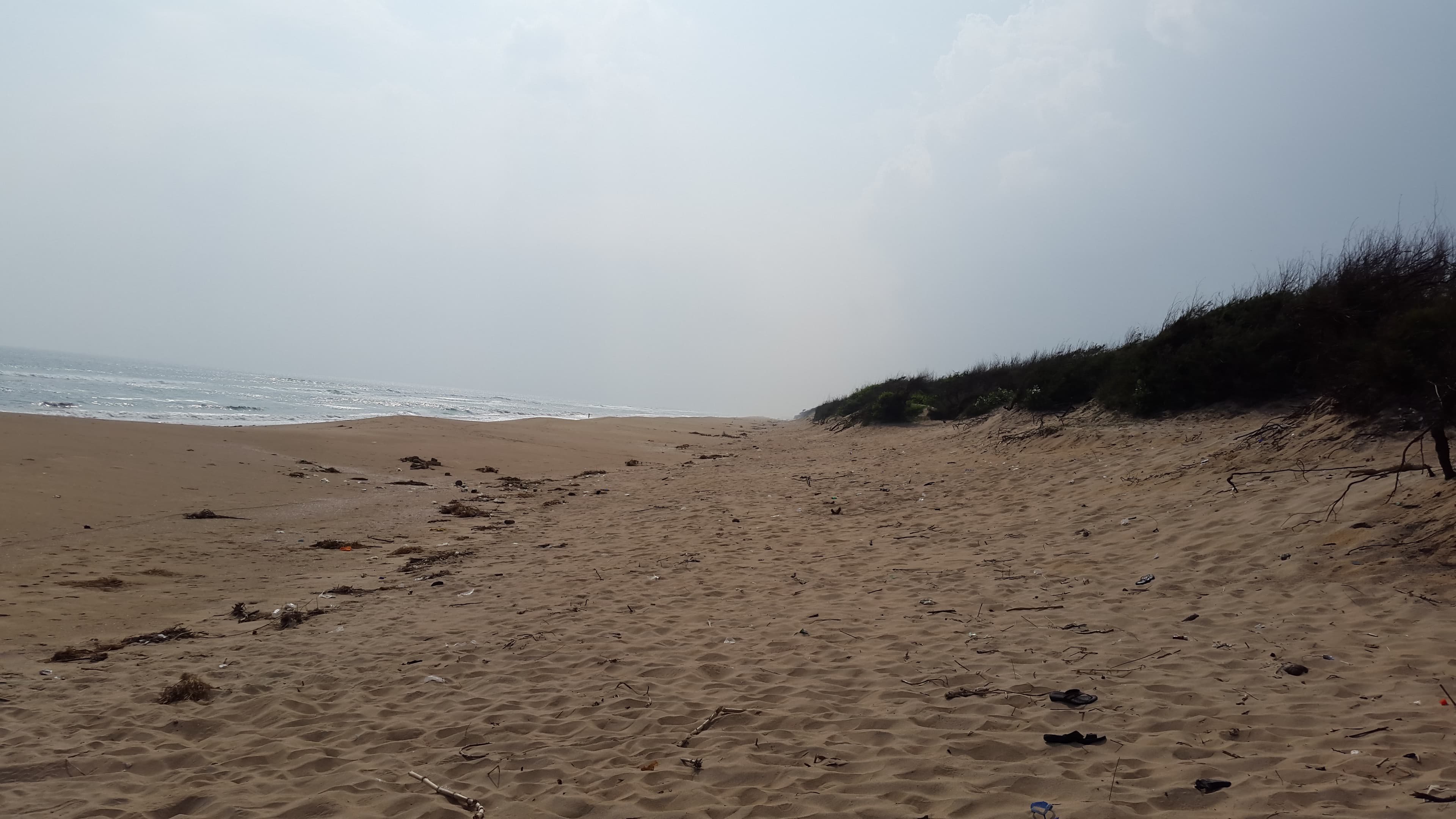
Chandrabhaga Beach
via wikipedia
Chandrabhaga Beach
A quick 3-km drive away from the temple, Chandrabhaga Beach is one of the more untouched stretches of coastline in Odisha . The shore also hosts the Chandrabhaga Mela each year , a holy bathing celebration. At sunrise, the meeting of colors on the sea with the far outline of the temple, makes one of those uneasy , unforgettable scenes that lingers in eastern India."
The Konark Dance Festival: Classical India at Its Most Spectacular
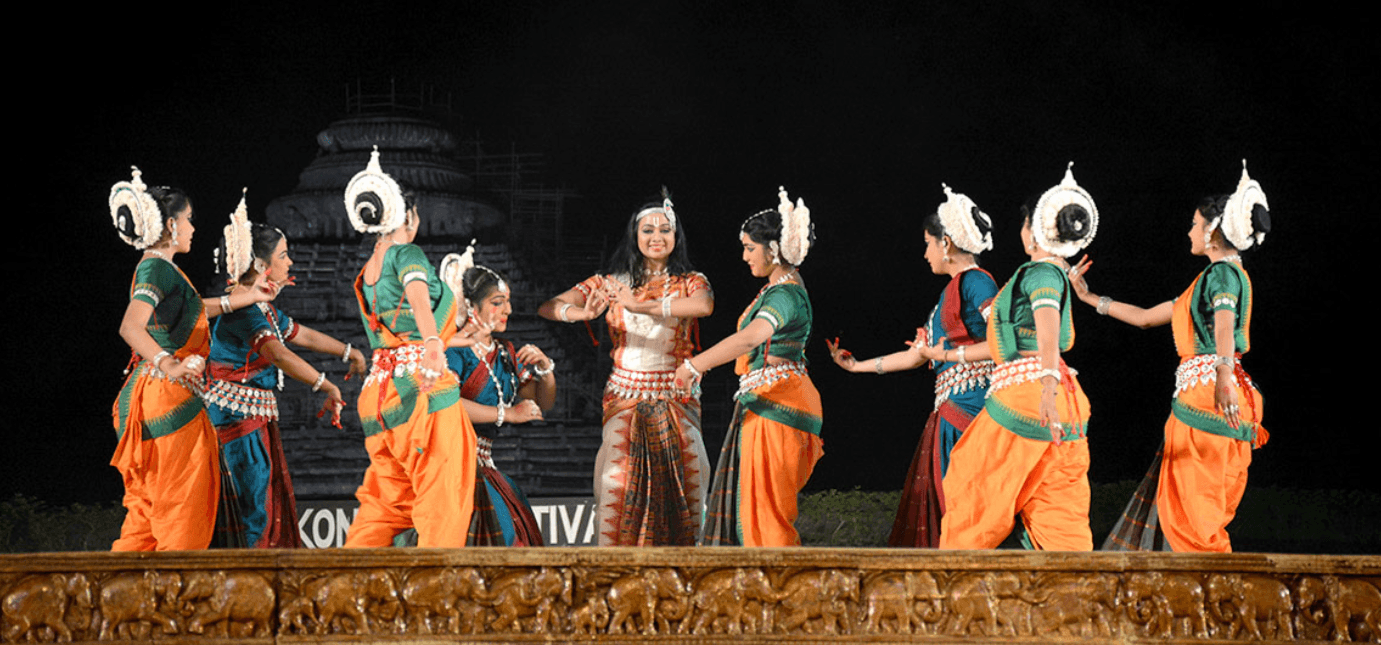
via odishatourism
Each December, the Odisha Tourism Department kind of reshapes the open-air theatre by the Konark Sun Temple into one of India’s most impressive stages. The Konark Dance Festival usually running for around five evenings during the first week of December brings Odissi, Bharatanatyam, Kathak, Kuchipudi, Manipuri and a few other classical Indian dance styles onto the scene, right with the temple in the background lit up so brightly. Seeing Odissi, which is a dance form with the earliest visual clues basically sitting in the carvings on those temple walls, performed right there in front of the same carvings is one of those moments that stays, permanently. Secure tickets ahead of time, because the festival attracts connoisseurs not just from different parts of India but also internationally, so yes, planning helps.
Nearby Attractions: The Odisha Heritage Triangle
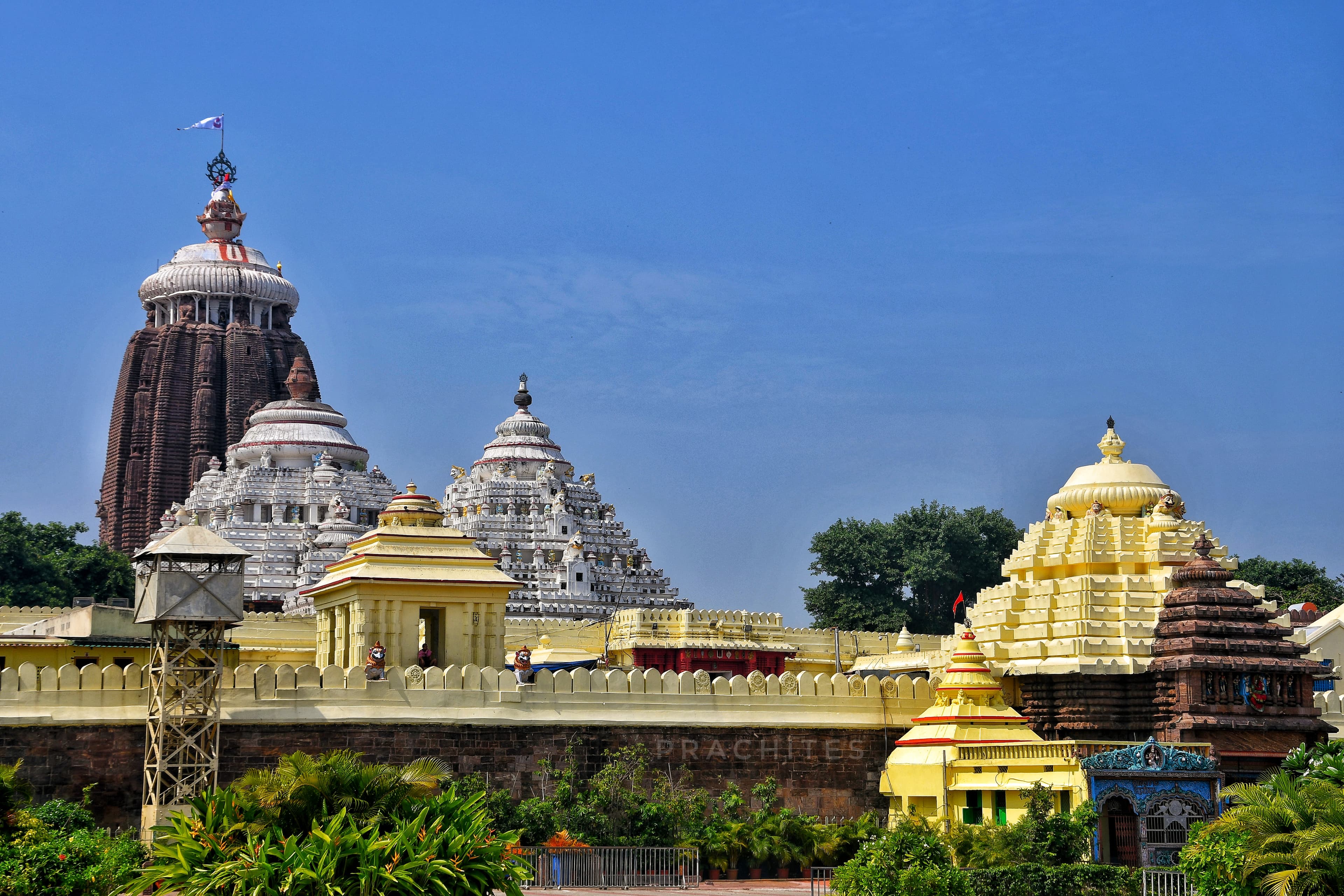
Puri - 65 km
via wikipedia
Puri - 65 km
Puri, one of India's four dhams, is known for the Jagannath Temple and Rath Yatra. It also offers a fine beach, heritage food spots, and boutique stays. Combine Konark and Puri in one day by taxi, or take two days and explore each fully.
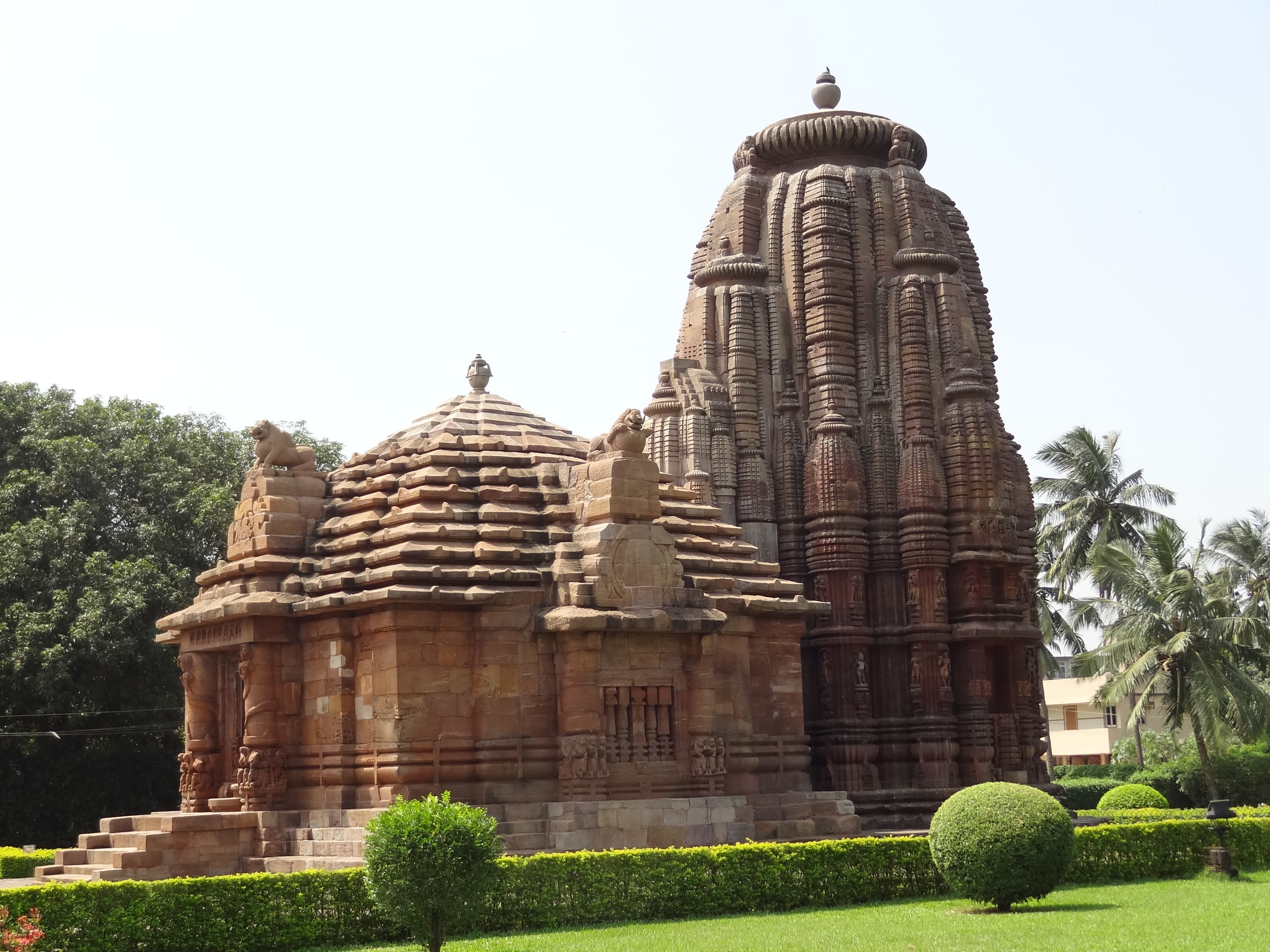
Bhubaneswar - 64 km
via wikipedia
Bhubaneswar - 64 km
Bhubaneswar, India's "Temple City," is home to over 400 temples - including Lingaraj, Mukteshwar, and Rajarani. The Odisha State Museum also stands out. An overnight stay here makes a convenient bookend between Konark and Puri.
Chilika Lake - 100 km
via wikipedia
Chilika Lake - 100 km
Chilika Lake - Asia's largest brackish lagoon and a Ramsar site offers excellent birdwatching and dolphin sightings. Migratory birds flock here from November to January. Combine an early morning boat ride with a Konark afternoon for a perfect nature-and-heritage day."
Ticket & Entry Information
| Foreign tourists | ₹600 per person |
| Indian nationals | ₹40 per person |
| SAARC & BIMSTEC nationals | ₹40 per person |
| Children under 15 | Free entry |
| Timings | Sunrise to sunset, 7 days a week |
Best Time to Visit
October–November
Post-monsoon greenery, clear skies, ideal photography
December
Konark Dance Festival, cool and pleasant the premium month to visit
January–February
Peak season, comfortable temperatures, busy but well-managed
March
Beginning of heat, still comfortable; last pleasant month
April–June
Avoid; extreme heat and humidity
July–September
Monsoon; scenic but infrastructure limited; not recommended for first-time visitors
Why Choose India Heritage Travel for Your Konark & Odisha Journey?
Private chauffeur-driven SUV transfers - airport to temple to beach, in complete comfort
Expert ASI-certified guides who bring the mythology of the Sun Temple to life
Curated Konark Dance Festival experiences with reserved seating and private dinners
Hand-selected heritage hotels and premium beach resorts across the Odisha circuit
Women-only tour options with female guides and carefully vetted accommodation
Completely bespoke itineraries - half-day Konark visits to 10-day Odisha deep dives
Konark Sun Temple FAQ
Essential information about visiting the UNESCO-listed Konark Sun Temple, planning your itinerary, and making the most of your journey through Odisha.
Foreign tourists pay approximately ₹600 per person. Indian nationals and visitors from SAARC and BIMSTEC countries pay ₹40 per person. Children under 15 years of age enter free of charge. A separate camera fee of ₹25 applies for still photography.
Yes. Konark Sun Temple is open every day of the week from sunrise to sunset. Unlike several major heritage monuments in India, there are no weekly closure days.
The most pleasant period to visit Konark is between October and March when temperatures are comfortable and humidity levels are lower. December is especially popular because of the Konark Dance Festival. The summer months from April to June can be extremely hot and humid.
Konark is located approximately 35 kilometres from Puri, a journey of around 45 minutes by road, and about 64 kilometres from Bhubaneswar, which typically takes around 1.5 hours by car. Both cities serve as excellent bases for visiting Konark.
The Konark Dance Festival is a prestigious annual classical dance festival held during the first week of December. Organised by Odisha Tourism, it showcases Odissi, Bharatanatyam, Kathak, Kuchipudi, and other classical Indian dance forms against the illuminated backdrop of the Sun Temple.
Yes. Konark is one of the most popular day trips in Odisha. Visitors staying in Puri can easily combine the Sun Temple with Chandrabhaga Beach, while travellers based in Bhubaneswar often include Konark as part of a full-day heritage circuit covering Puri and nearby attractions.
Planning a Konark Sun Temple Heritage Journey?
India Heritage Travel creates private chauffeur-driven itineraries that combine Konark's Sun Temple, Puri's Jagannath Temple, Bhubaneswar's temples, Chilika Lake, and Odisha's coastal heritage into seamless cultural journeys guided by local experts.
Plan My Odisha Heritage Tour