Jodhpur Travel Guide: The Blue City
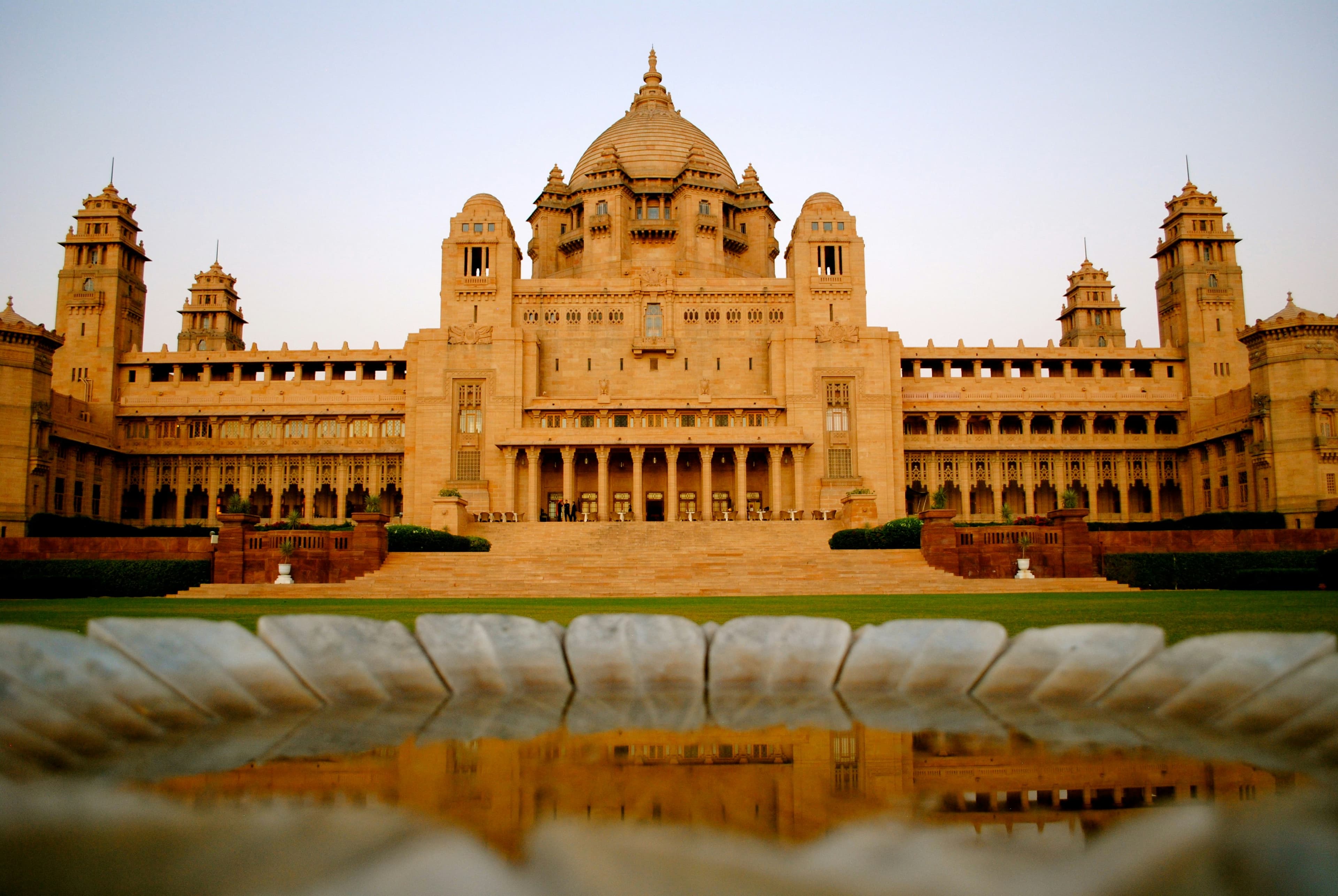
No other skyline makes itself known like that of Jodhpur. Jodhpur travel guide starts where every traveler's experience of the Blue City of Rajasthan starts too – from the roof terrace, during the early evening time, when the indigo-colored homes of the old Jodhpur city turn dark, while the Mehrangarh Fort gets lit up by the last rays of golden sunlight. It is not just any city that one can visit; this place requires slow entry, revealing itself piece by piece, like its narrow streets lead you to the centuries-old Marwar culture.
The second largest city in Rajasthan has always been the point of intersection between the trade route across the desert, royal ambitions, and artists' patronage. At present days, it is one of the must-see travel destinations for those tourists who want to combine their heritage travel experience in India without making compromises – private forts, luxury palace hotels, and a UNESCO-protected old town, which needs slow investigation. Whatever kind of trip you plan – a honeymoon vacation, cultural tour for solo traveler, or a family heritage holiday – this guide will give you all necessary information – history, architecture, attractions, food, itinerary, and practical details.
via unsplash
Overview: Welcome to the Blue City
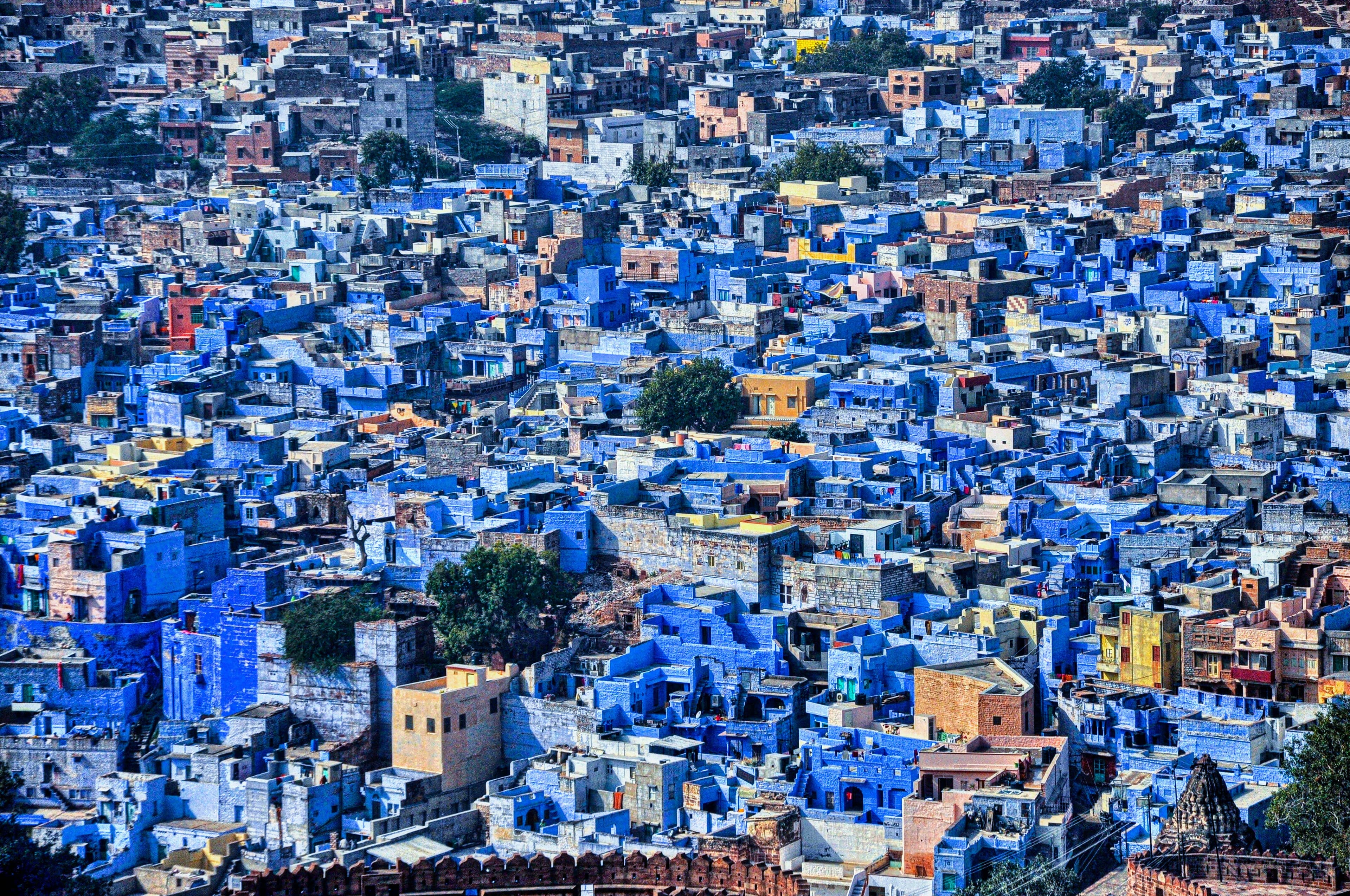
The name of the town is due to the many rows of blue painted houses located on the slope beneath Mehrangarh Fort. It is traditionally used to define the Brahmins and later became the preferred color due to its cooling properties and insect repellency. Today, blue color of the houses in Jodhpur is the main cause of its popularity and the most photographed location in Rajasthan. But the town offers its visitors much more than the color of its houses – it is an outdoor museum of architectural heritage of Rajput era, the town to taste delicious food of the desert area and, most importantly, the entrance to some fantastic view of the desert landscape of India.
A foreign tourist visiting Rajasthan after traveling to Jaipur and Udaipur notices differences between the towns and sees Jodhpur as a rough and silent town that has formed not only through the stories of love of kings but also through the military history of the town.
via unsplash
A Brief History of Jodhpur and the Marwar Kingdom
Jodhpur was founded in the year 1459 when Rao Jodha, the ruler of Rathore dynasty, founded his capital in Jodhpur from Mandore, a small town near Jodhpur. Fort constructed by him was known as Mehrangarh and the city surrounding this fort derived its name from his name. Since then till today, Jodhpur has served as the capital of the Marwar state for about five hundred years. It has always been the toughest and the most warlike princely state of Rajputana.
The cause for the prosperity of the rulers of the Rathore dynasty was their geographic location in such a way that the trade routes of Delhi-Gujarat and western coastline passed through their capital; Marwar was the only way through which opium, silk, sandalwood and copper could be traded and thus the profits earned by them from these trades helped the rulers of Jodhpur build their palaces and temples. Rulers of Jodhpur have won much fame throughout history for their skills in warfare and horsemanship. Jodhpurs are famous breeches named after Maharaja Sir Pratap Singh of Jodhpur.
via unsplash
The Architecture of the Blue City
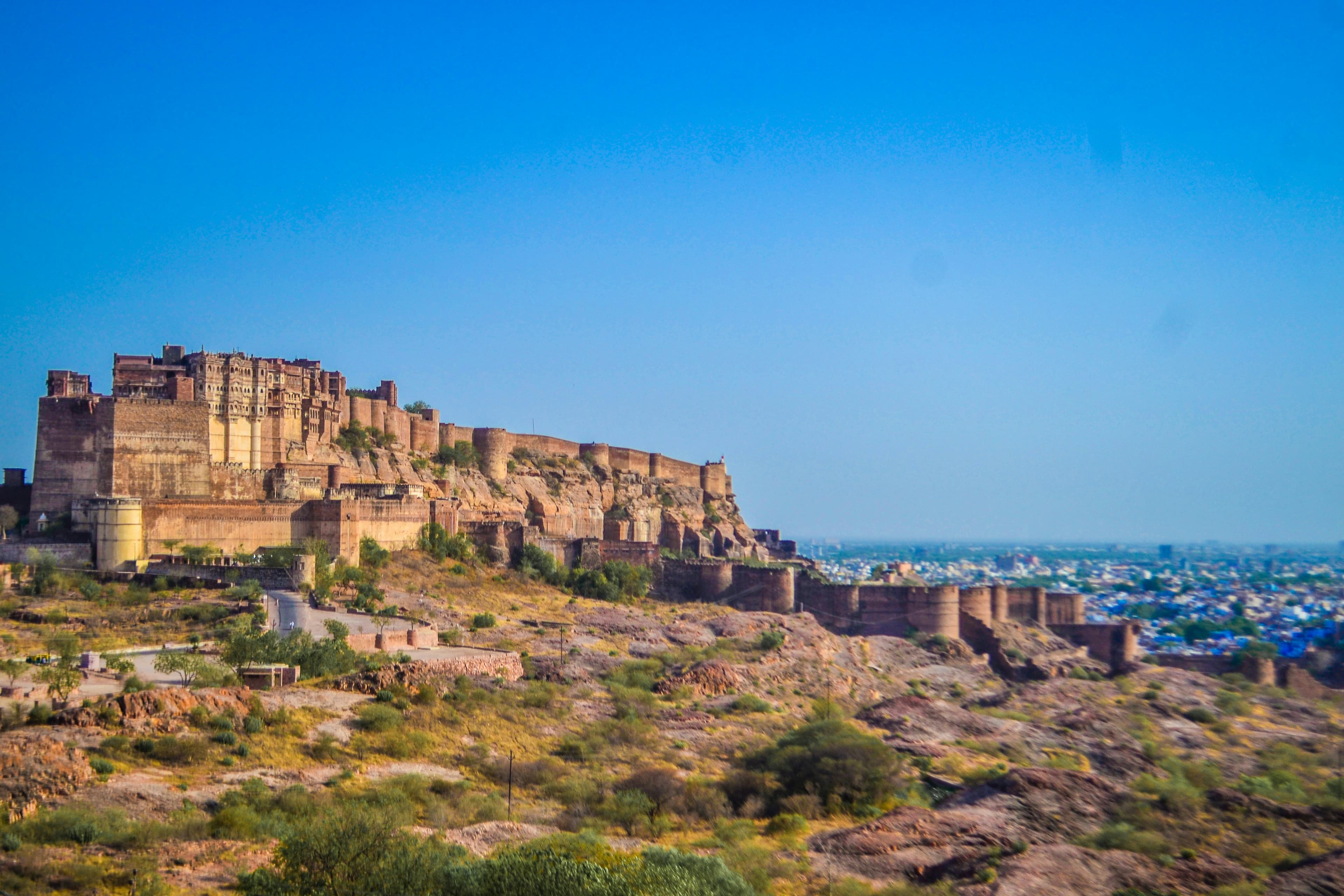
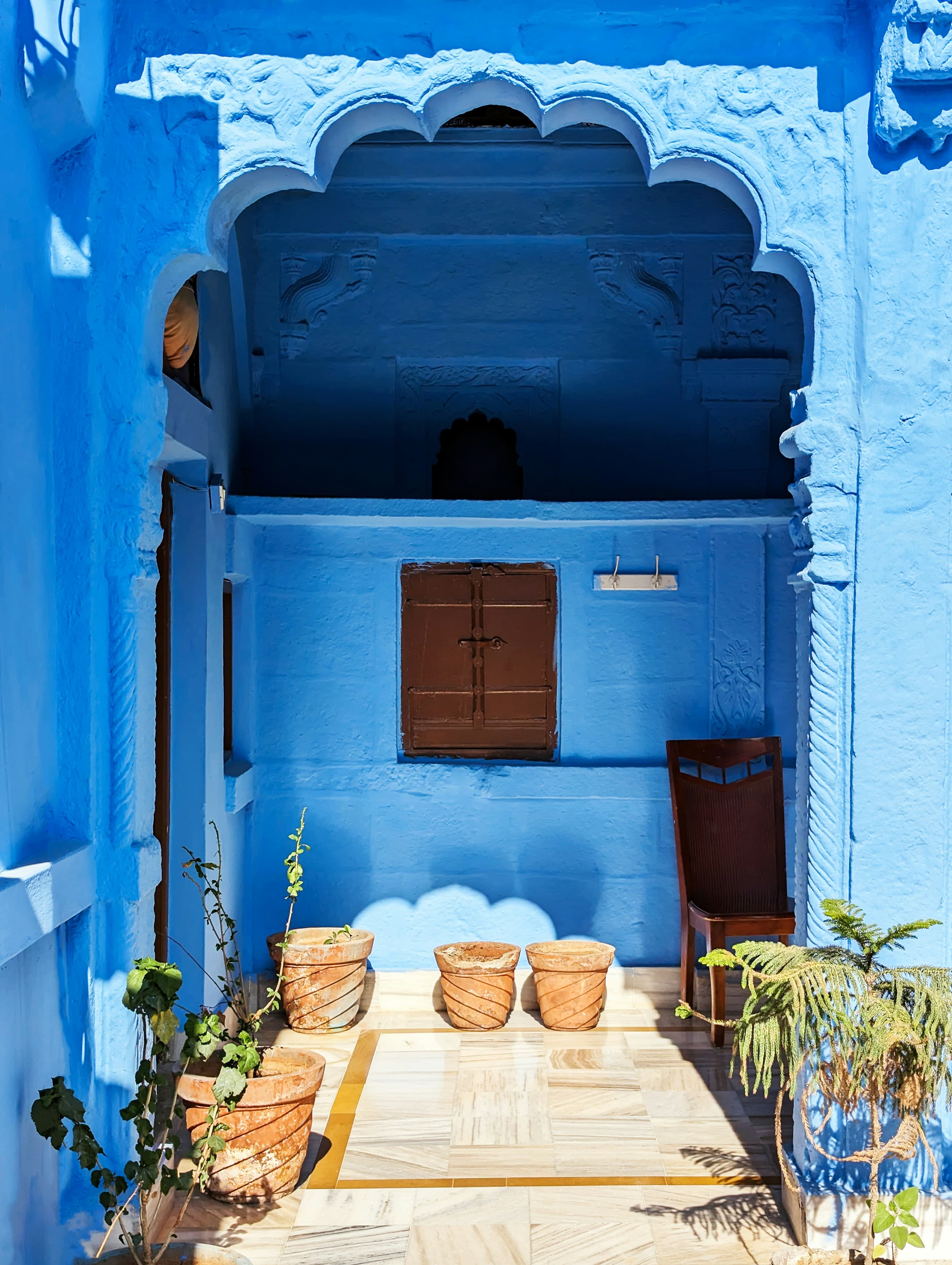
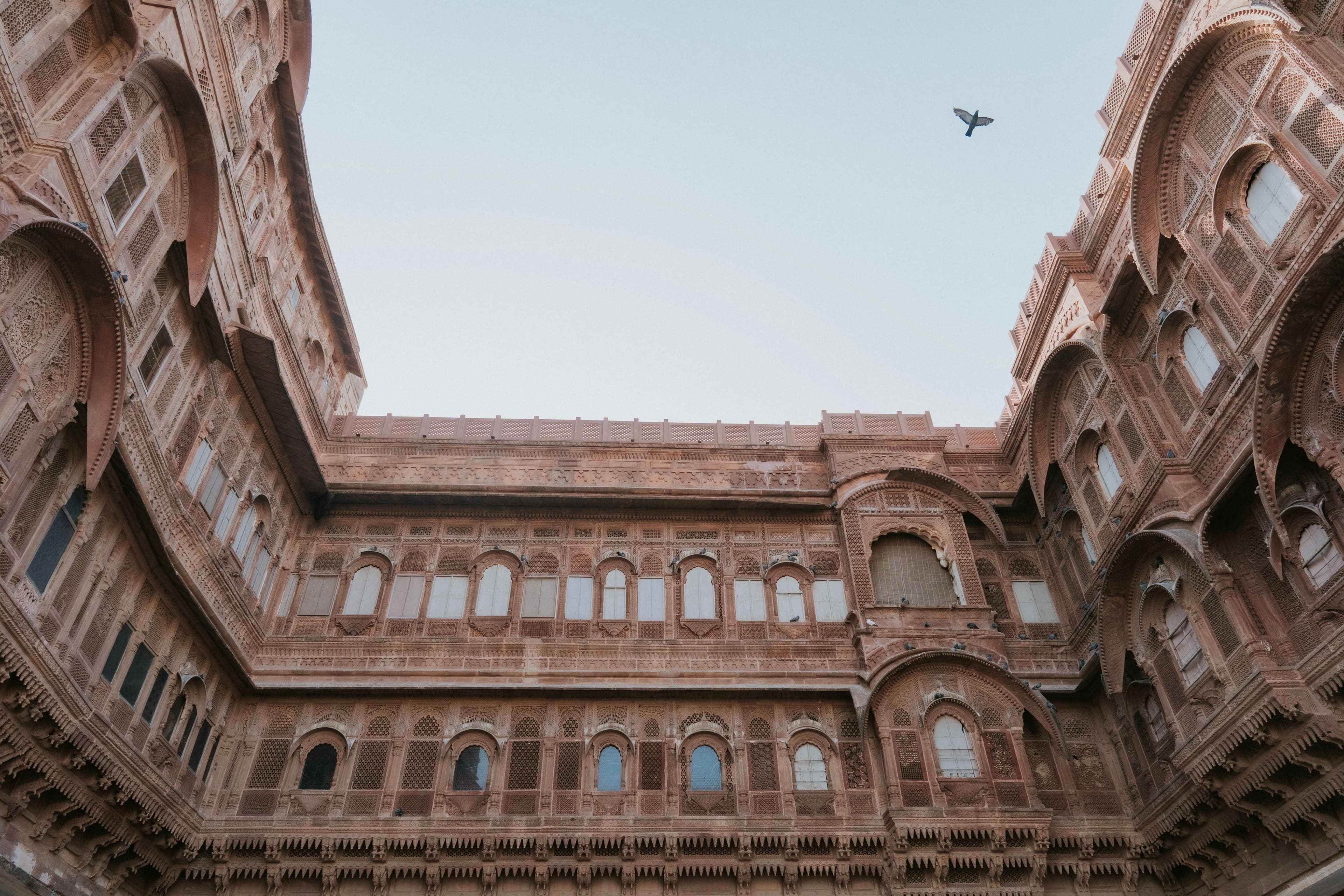
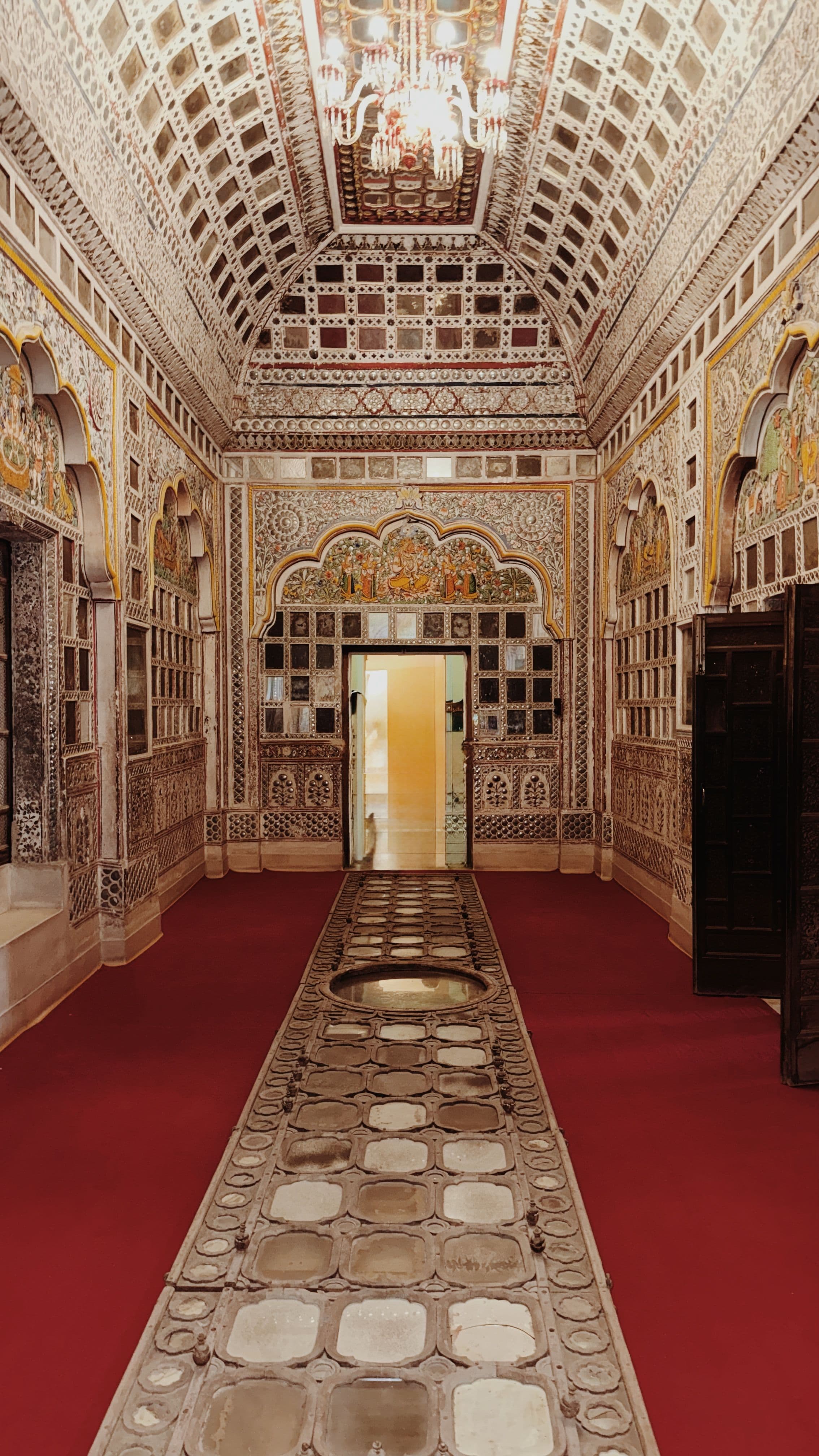
The architecture of Jodhpur works on two entirely different scales. The Mehrangarh Fort high up on Chittar Hill is a brilliant example of fortification of the Rajput style: massive sandstone walls, seven gates, and palatial interiors that are absolutely intricate, with elaborately carved sandstone jaalis, glass mirror rooms, and gilded ceilings that temper the military look of the fort. In contrast, the older part of the city provides great examples of the vernacular architecture: narrow streets, stepped houses in pastel colors, and indigo-washed courtyard houses.
via pexels
Major Attractions in Jodhpur
Mehrangarh Fort
via wikipedia
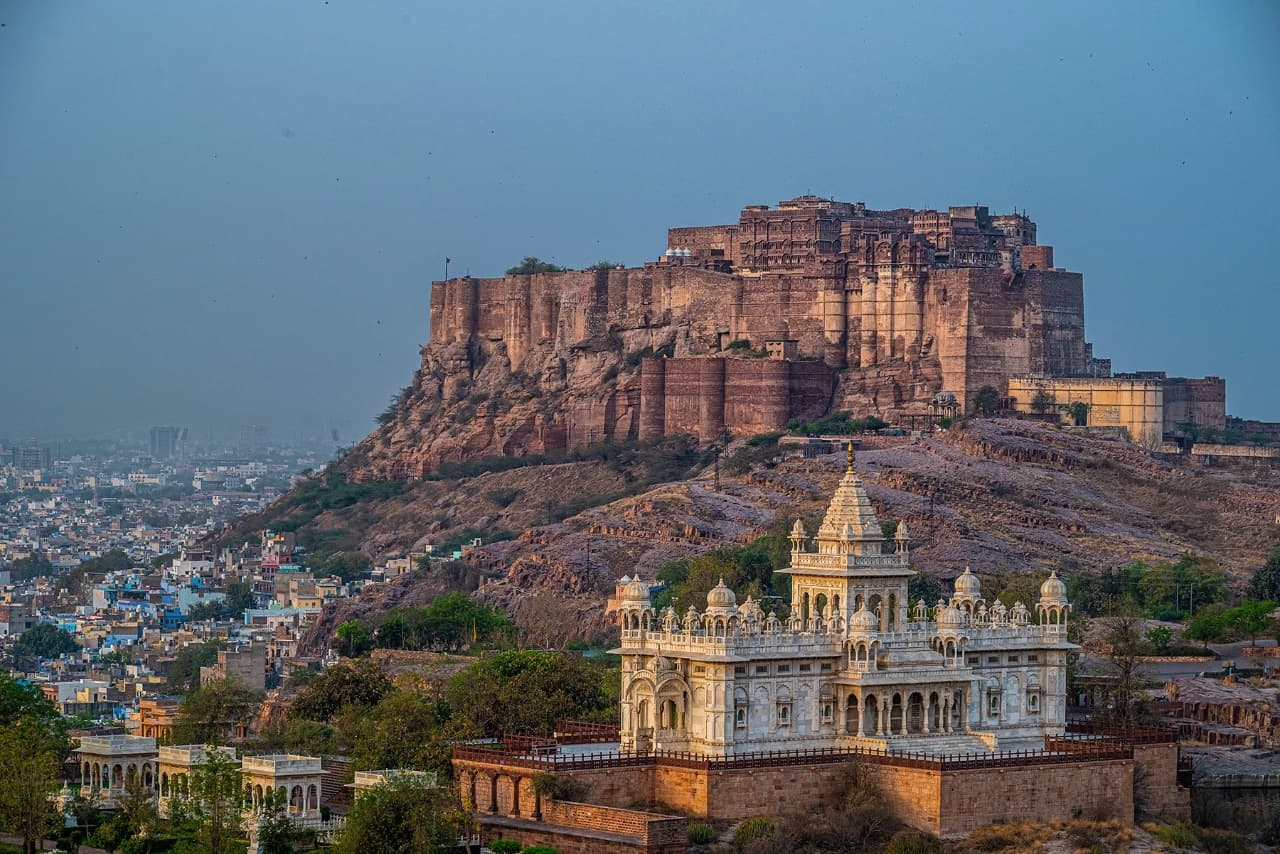
Mehrangarh Fort
Mehrangarh Fort, 125 metres above Jodhpur, is a Rajput architectural gem. Explore Sheesh Mahal, Moti Mahal, and royal collections, take in panoramic city views, or try the zip-line adventure.
Jaswant Thada
via wikipedia
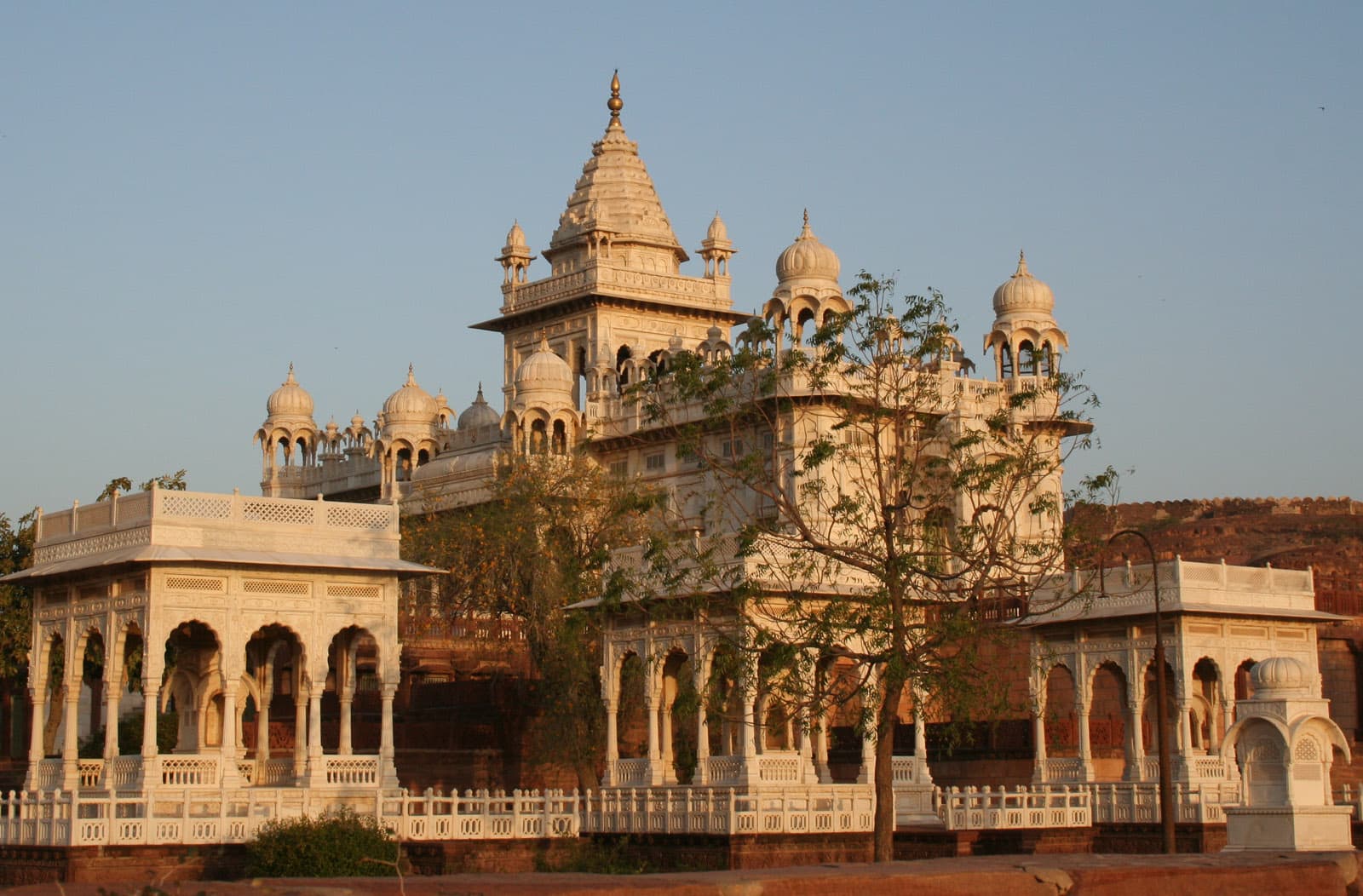
Jaswant Thada
Jaswant Thada - a white marble cenotaph built in 1899 for Maharaja Jaswant Singh II - sits just below Mehrangarh Fort. The complex includes gardens, a lake, and cenotaphs of later Rathore kings, making it one of Jodhpur's most serene spots.
Umaid Bhawan Palace
via wikipedia
Umaid Bhawan Palace
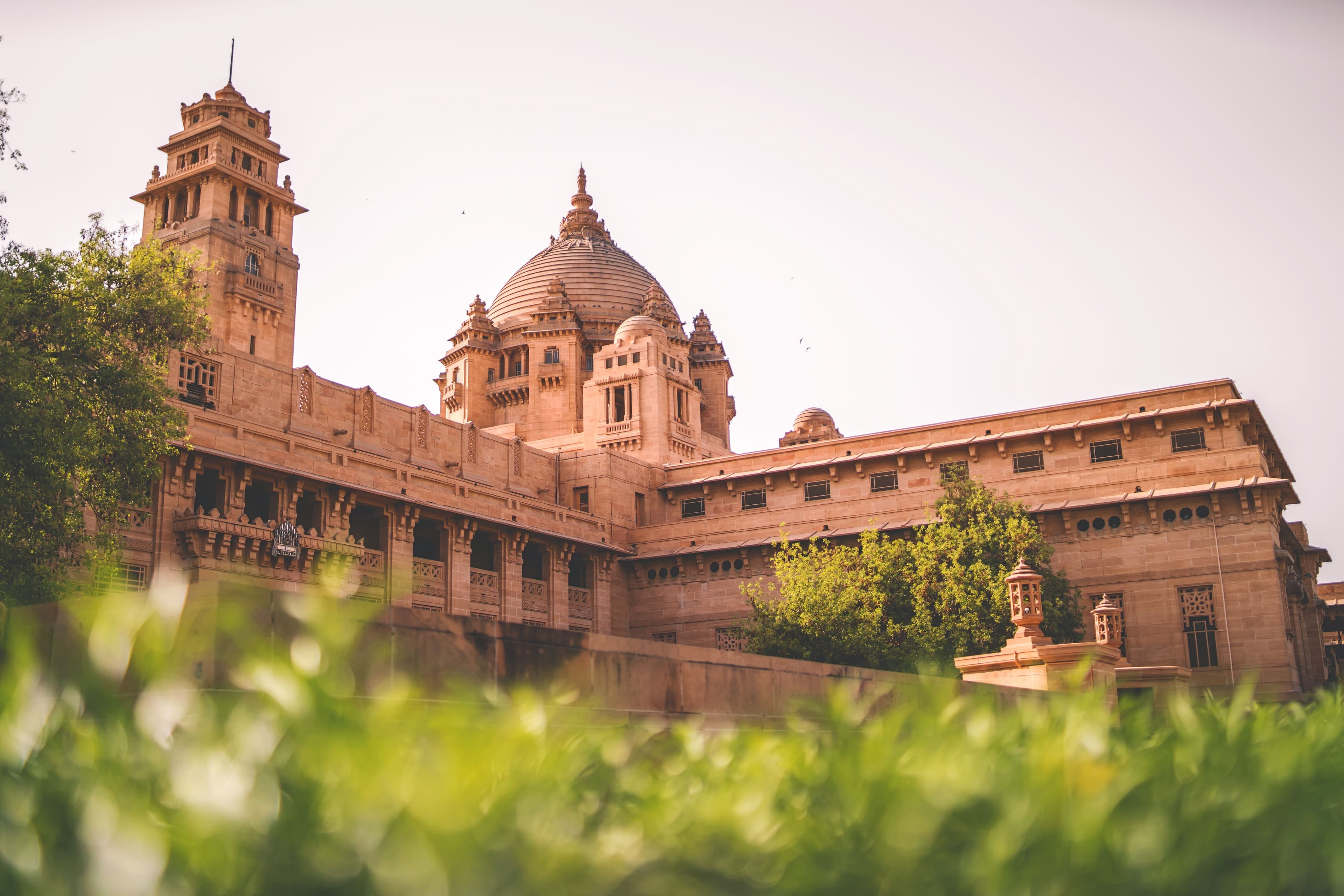
Umaid Bhawan Palace - atop Chittar Hill and completed in 1943 - is one of the world's largest private homes and the last major palace built in princely India. It is divided into a royal residence, a luxury heritage hotel, and a museum showcasing vintage cars and royal memorabilia.
Mandore Gardens
via wikipedia
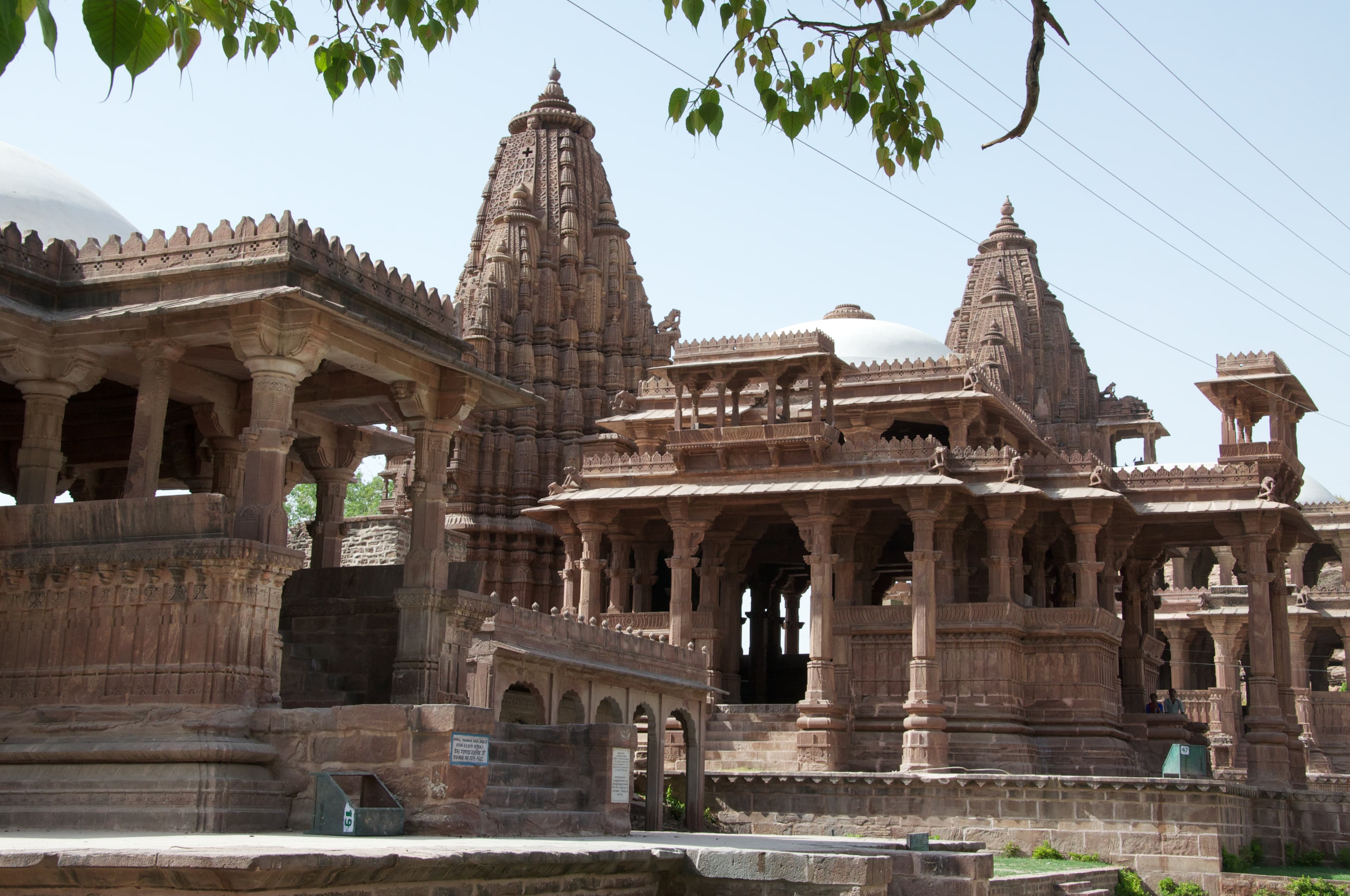
Mandore Gardens
Mandore - the former capital of Marwar before Jodhpur - now features elaborate gardens with ornate cenotaphs, temple ruins, and the unique "Hall of Heroes." It's a quiet retreat from the city's busier forts and palaces.
Clock Tower and Sardar Market
via wikipedia
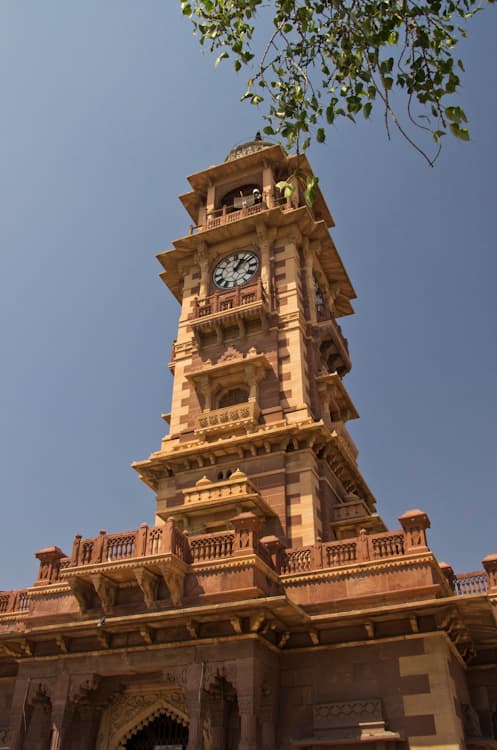
Clock Tower and Sardar Market
The century-old Clock Tower in Jodhpur's old city overlooks Sardar Market - a lively bazaar selling spices, fabrics, silver jewellery, leather mojaris, and antiques. It's the perfect place to experience local life and colour.
Cultural Experiences in Jodhpur
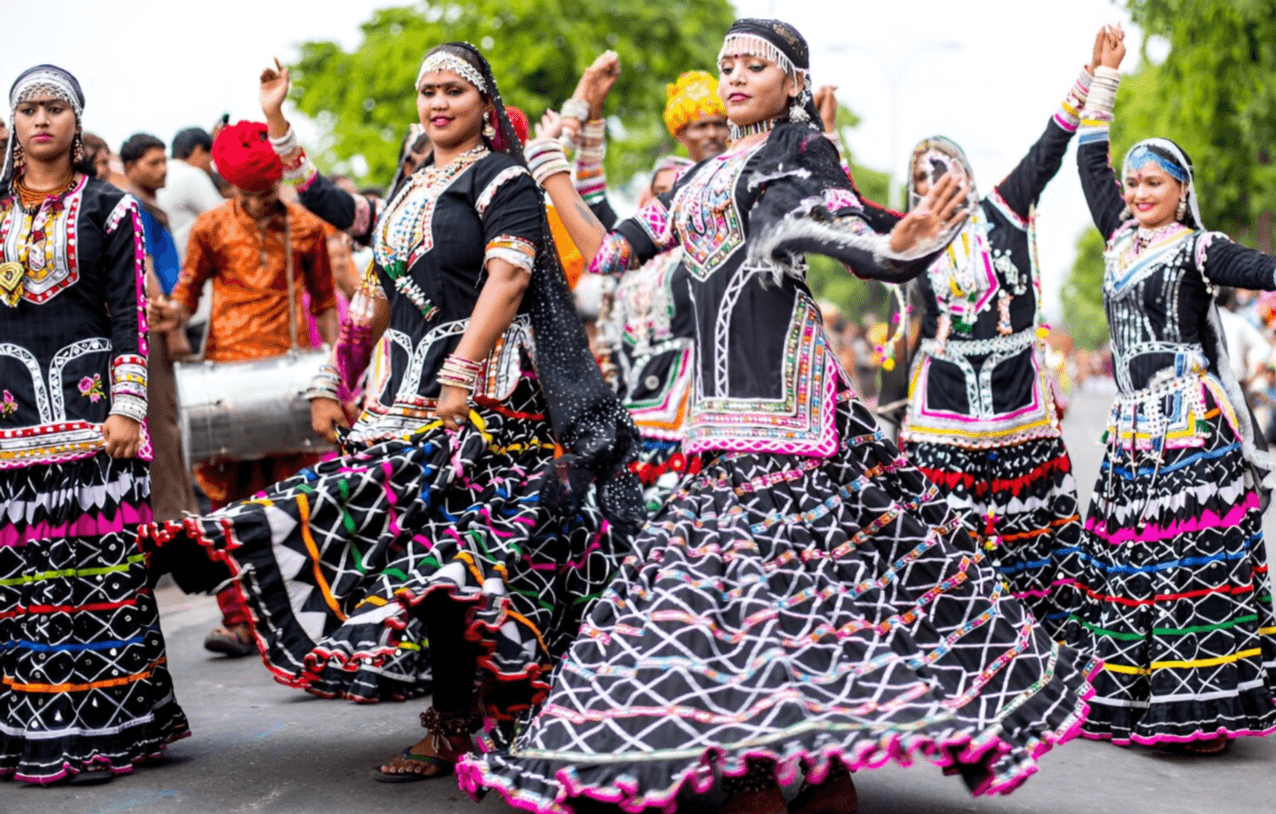
Jodhpur is a culturally diverse destination that has plenty to offer besides being a place of tourism. Jodhpur holds folk and world music festivals throughout the cooler seasons of the year. This attracts musicians from the Manganiyar and Langa communities of Rajasthan. Puppet shows, Ghoomar dances, and turban tying can be organized at heritage hotels and other private tourism organizations. If one wants to experience the culture even more, then a walk through the silversmiths' and tie-dyers' workshops in the old town will be highly recommended.
via bishnoivillage.com
Food and Shopping in the Blue City
The Marwari cuisine, shaped by Rajasthan's arid climate, once lacked fresh vegetable dishes but is now one of India's most distinctive food traditions - with Jodhpur as its unofficial capital. Don't miss local specialities like mirchi vada (spicy stuffed chilli), mawa kachori (sweet nutty pastry), and the famous makhaniya lassi served at a century-old restaurant near the Clock Tower.
The well-known traditional dish of dal baati churma - Rajasthan's signature - should be tasted in a good thali restaurant.
Luxury Palace Hotels and Desert Experiences
The hospitality of Jodhpur has few equals anywhere in India. The Taj Umaid Bhawan Palace Hotel is still the flagship hotel of the city, providing its guests with the feeling of being residents in a living palace of the royalties. Apart from the palace hotels, there are many restored havelis and boutique heritage hotels located in the old town that can provide views of the fort from their rooftops at a much lesser price than what the palace hotels charge. Those who want a desert break can opt for luxury tented camps that are located outside the city where one can enjoy a safari ride in a camel or a jeep along with some excellent dining experience outdoors.
via pexels
Romantic and Honeymoon Travel in Jodhpur
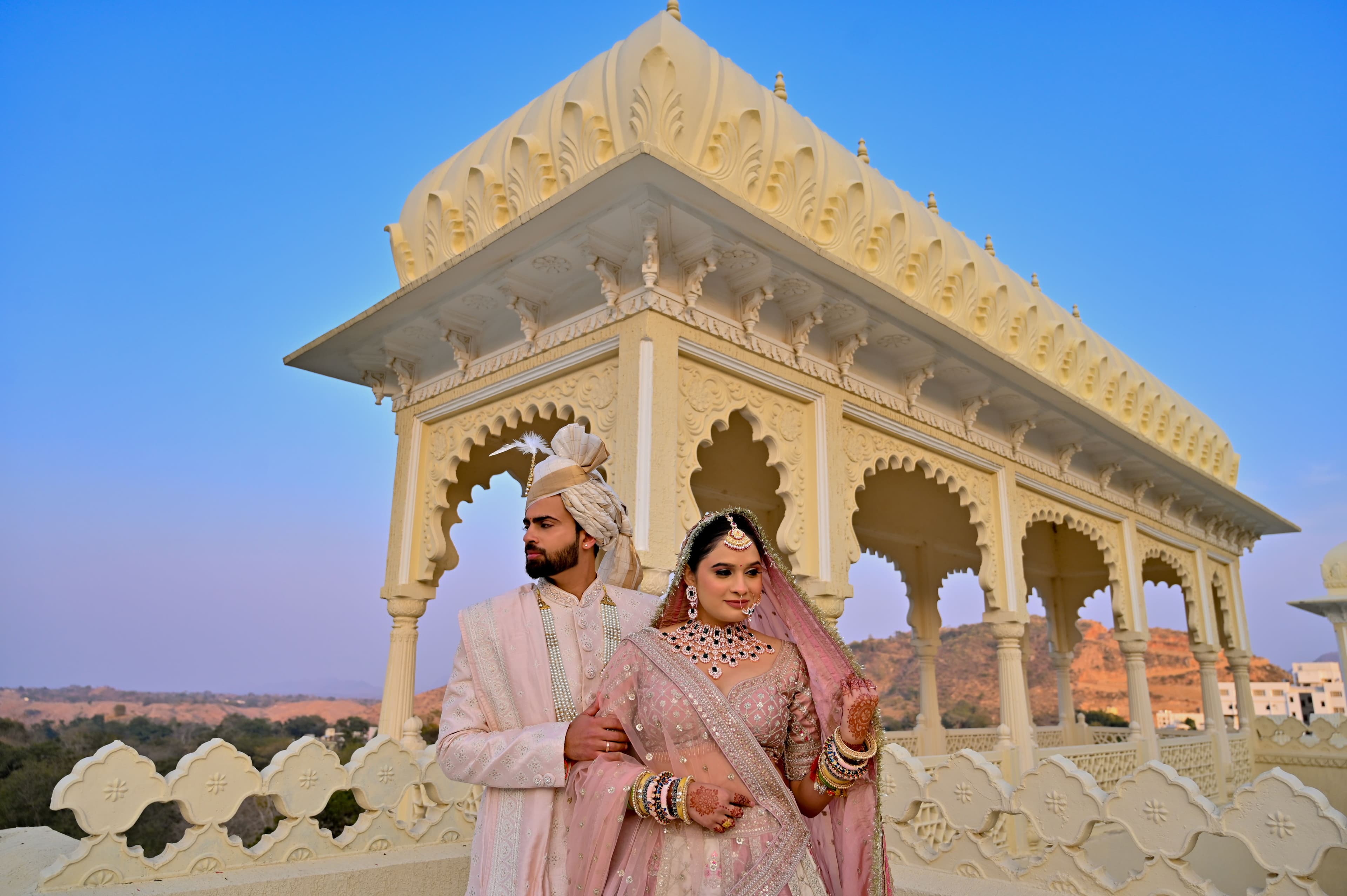
Thanks to the candle-lit palaces, rooftop restaurants surrounded by the flood-lit fort and heritage walks in the old city during golden hours, Jodhpur has gradually emerged as one of the most romantic cities of Rajasthan. Couples usually take a stay at the palace hotel along with the visit to the fort’s ramparts during the sunset hours, which is organized after the closing of the fort in public hours by certain tour operators, followed by the dinner in the candle lit courtyard of the heritage havelis.
via pexels
Practical Travel Guide
Best Time to Visit
The ideal time is from October to March when the weather is pleasant or even warm in the day time, but cool in the evenings. This makes it a wonderful time for dining on rooftops and taking walks in the town. Summer season is from April to June and it is very hot where the temperature reaches over 40 degree centigrade.
How to Reach Jodhpur
Jodhpur Airport (JDH), situated only a couple of kilometers away from the center of the city, provides non-stop services to Delhi, Mumbai, Jaipur and many other major cities in India, and hence, it can be considered one of the most convenient modes of transport for all tourists arriving at India through any major city. Another train station situated in the city of Jodhpur and linking Jodhpur to Delhi, Jaipur, Udaipur and other cities with the luxury train service through the train “Palace on Wheels” is the Jodhpur Train Station. In addition, good condition of the national highways allows easy integration of Jodhpur into the itinerary of Rajasthan.
Entry and Ticket Details
Mehrangarh Fort, Jaswant Thada, and Umaid Bhawan Palace Museum have separate tickets that include different rates for locals and foreigners and camera and audio guide fees. Since the prices and timings vary on occasion, it would be best if you contacted each attraction separately or even your concierge in India Heritage Travel.
Suggested Duration
Two to three days can provide a relaxed schedule, whereby a visit to the fort and the old city is made on the first day, palaces and gardens on the second, and the desert or Osian on the third day.
Budget Estimates
It’s a destination which will suit all kinds of travelers, ranging from budget heritage hotels to luxury palace hotels. The mid-range hotels like boutique havelis will give great value for money, especially since they give views of the fort. The street food and the thalis are cheap, while the rooftop dining is expensive because of the view.
Packing Tips
Lightweight, breathable, modest clothing works best year-round, with a warm layer for winter evenings when desert temperatures can drop sharply after sunset. Comfortable walking shoes are essential for the fort's uneven stone stairways, and a scarf or shawl is useful both for sun protection and for visiting temples and cenotaphs.
Suggested Jodhpur Itinerary
Day 1 - Mehrangarh, Jaswant Thada & Old City
- • Morning: Mehrangarh Fort and museum - arrive at opening time; allow 2.5–3 hours
- • Midday: Jaswant Thada - 10–15 minute walk or short drive from the fort
- • Afternoon: Old city walk: Clock Tower, Sardar Market, Toorji Ka Jhalra - best light for photography in late afternoon
- • Evening: Rooftop dinner with fort views - book ahead during peak season
Day 2 - Umaid Bhawan, Mandore Gardens & Shopping
- • Morning: Umaid Bhawan Palace Museum - combine with a walk through the palace gardens
- • Midday: Mandore Gardens - a quieter, shaded half-day stop
- • Afternoon: Shopping in Sardar Market - textiles, silver, and mojari shoes
- • Evening: Sunset at Rao Jodha Desert Rock Park - ideal for golden-hour photography
Day 3 (Optional) - Desert Experience
- • Desert camp excursion or Osian day trip - camel or jeep safari, luxury tented dining
Luxury Travel Tips
via pexels
Luxury Travel Tips
For the best Jodhpur experience, stay in a heritage palace hotel with sweeping views. Catch the golden hour from Mehrangarh's ramparts after sunset. And opt for a private guide to explore the Blue City's stories at your own pace.
Family Travel Tips
via pexels
Family Travel Tips
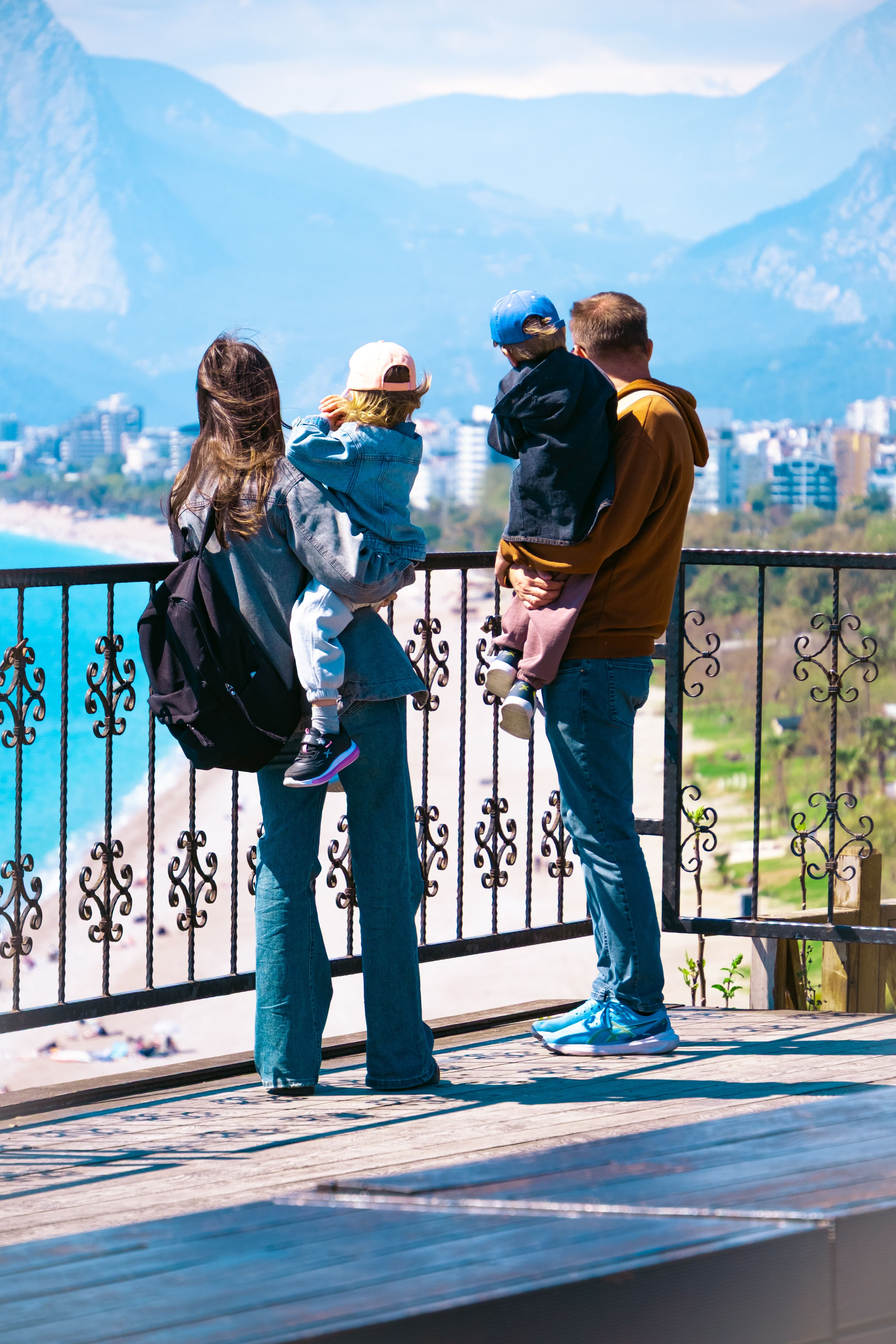
For an unforgettable Jodhpur stay, choose a palace hotel or haveli with fort views. Take a quiet walk along Mehrangarh's ramparts for peaceful sunset photos. And explore the Blue City with a private guide, not a crowded group tour

Solo Female Traveler Tips
via pexels
Solo Female Traveler Tips
Jodhpur's old city and sights are safe and open to explore freely in daylight. Solo female travellers should consider a guide or driver for evening outings and desert stays. And the rooftop cafés around Toorji Ka Jhalra are perfect for connecting with other travellers.
Why Travel to Jodhpur with India Heritage Travel
We use only high-class palace hotels, luxury tents, and heritage properties for accommodation, and our knowledgeable local guides will be able to tell you the history behind every landmark, no matter whether it's Mehrangarh's ramparts or old-city silver markets. Women traveling alone and families will receive safety guarantees at all times as well as comfortable options of women-only tourism. Let India Heritage Travel make the dream of visiting Jodhpur come true!
Frequently Asked Questions
Two to three days is generally enough to cover Mehrangarh Fort, Jaswant Thada, Umaid Bhawan Palace, the old city bazaars, and a short desert excursion at a comfortable pace.
October through March offers the most comfortable weather for sightseeing, with cool evenings and pleasant daytime temperatures ideal for walking tours and rooftop dining.
The old city's homes are traditionally washed in indigo blue, a color historically associated with Brahmin households and later adopted more widely for its cooling and insect-repelling properties.
Jodhpur is generally welcoming and manageable for solo women, particularly with the added comfort of a private guide or chauffeur, which India Heritage Travel arranges as standard on our women-safe itineraries.
Jodhpur is roughly five to six hours from Jaipur by road, with regular train and flight connections also available; a private chauffeured transfer is the most comfortable option for luxury travelers.
Planning a Jodhpur Heritage Journey?
India Heritage Travel creates private chauffeur-driven itineraries that combine Jodhpur's Mehrangarh Fort, Jaswant Thada, Umaid Bhawan Palace, and Blue City heritage walks with Udaipur's lakes and Jaipur's palaces into seamless Rajasthan heritage journeys guided by local experts.
Plan My Jodhpur Tour