Why Hampi? An Introduction to India's Greatest Ruined Empire
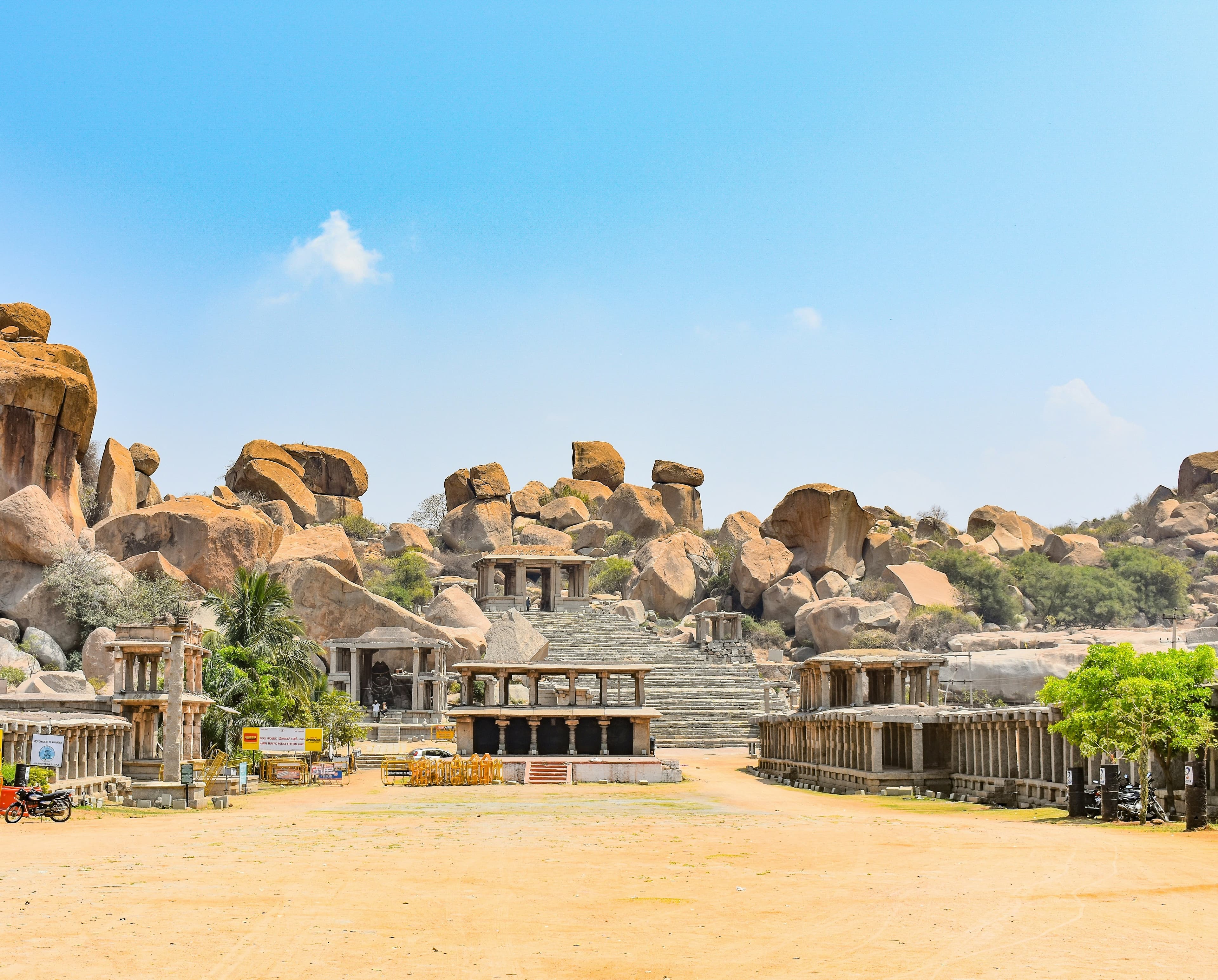
There are ruined cities, and then there is Hampi - sprawled across 41.5 square kilometres of Karnataka's boulder-strewn Deccan plateau, fed by the sacred Tungabhadra. Over 1,600 monuments survive: temples, royal courts, bazaars, elephant stables, pleasure pools, and fortifications that once encircled a city as grand as any in the medieval world.
via unsplash
This was Vijayanagara, the City of Victory - capital of South India's last great Hindu empire and, by 1500 CE, the world's second-largest city after Beijing, with a population of 500,000 to 1 million. Portuguese and Persian travellers wrote of broad streets, temples adorned with gold, and markets trading silk, cotton, and spices across Asia. It rivalled Rome at its peak - for size and confidence. Then 1565 came. The Battle of Talikota ended with the city sacked, pillaged, and burned. What remains is one of the most astonishing and emotional heritage landscapes on earth - and one of India's most underrated destinations for international visitors.
Hampi History: The Rise and Fall of the Vijayanagara Empire
via wikipedia
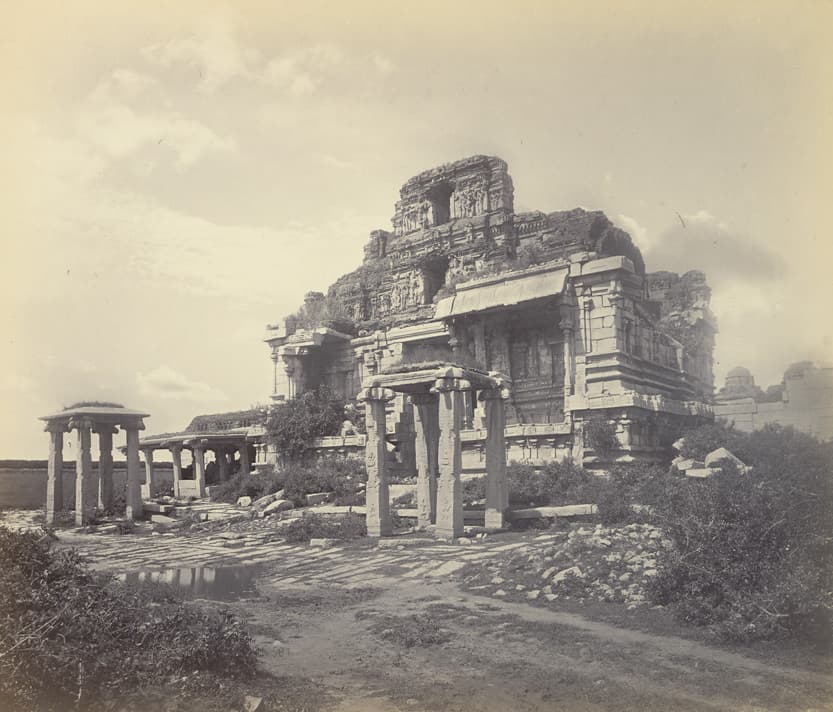
The Vijayanagara Empire was founded in 1336 CE by Harihara I and Bukka Raya I of the Sangama dynasty, likely with guidance from sage Vidyaranya - which is where the city's alternate name, Vidyanagara, originates. The empire rose from the remnants of the Hoysala kingdom, which had been weakened by Delhi Sultanate attacks. Hampi became the capital, and over time, it grew into one of the most breathtaking Hindu cities of the medieval era.
The empire reached its zenith under Krishnadevaraya, widely regarded as its greatest ruler. During his reign, it controlled much of peninsular India known for military strength, literary patronage in Kannada, Telugu, and Sanskrit, trade, and monumental construction. He expanded the Vittala Temple, Hazara Rama Temple, and many other structures. European travellers including Portuguese chroniclers Domingo Paes and Fernão Nunes wrote admiringly of the city's grandeur.
Hampi Architecture: Dravidian Grandeur, Stone Mastery & Indo-Islamic Fusion
via wikipedia
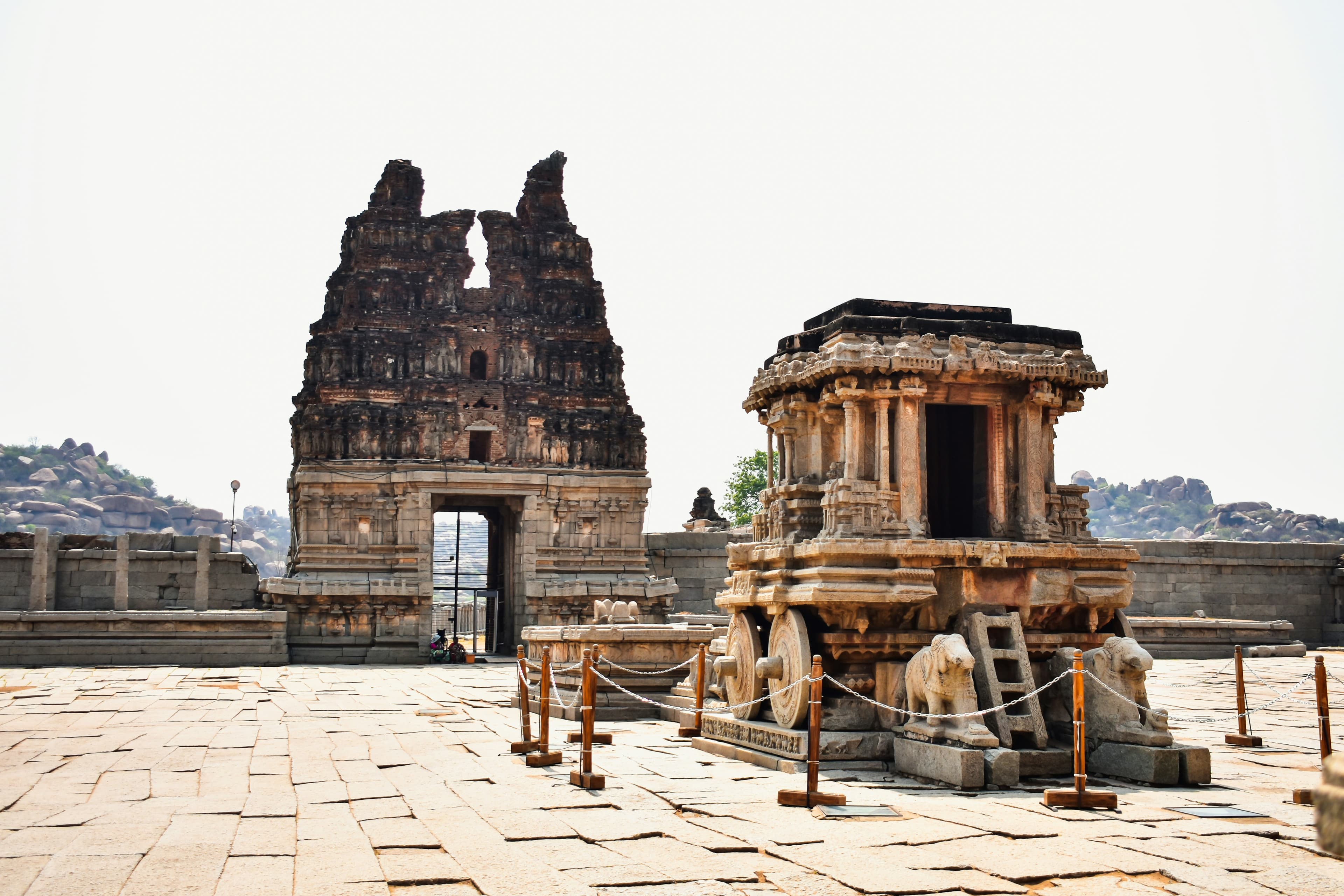
The architectural legacy of Hampi is, pretty much one of the most distinctive and accomplished you’ll find across Indian history. The Vijayanagara style draws mainly from the Dravidian tradition (South Indian), which is characterised by massive dimensions lofty gopurams (entrance towers) cloistered enclosures and pillared mandapas yet it also brings in bits of Indo-Islamic architecture, especially within its secular buildings.
Key Architectural Features
Construction Materials & Techniques
Hampi's buildings are built from local granite, using post-and-lintel masonry often without mortar, relying on the stone's mass for stability.
Sacred Architecture: The Temple Complex
Vijayanagara temples are distinguished by broad chariot streets, pillared mandapas along the sides, and multiple enclosure walls with towering gateway entrances.
Secular Architecture: The Royal Quarter
Hampi's secular buildings Lotus Mahal, Queen's Bath, and Elephant Stables - showcase Indo-Islamic architecture with pointed arches, vaulted ceilings, and ornate plasterwork.
Major Attractions - The Temples in Detail
Vittala Temple Complex
via wikipedia
Vittala Temple Complex
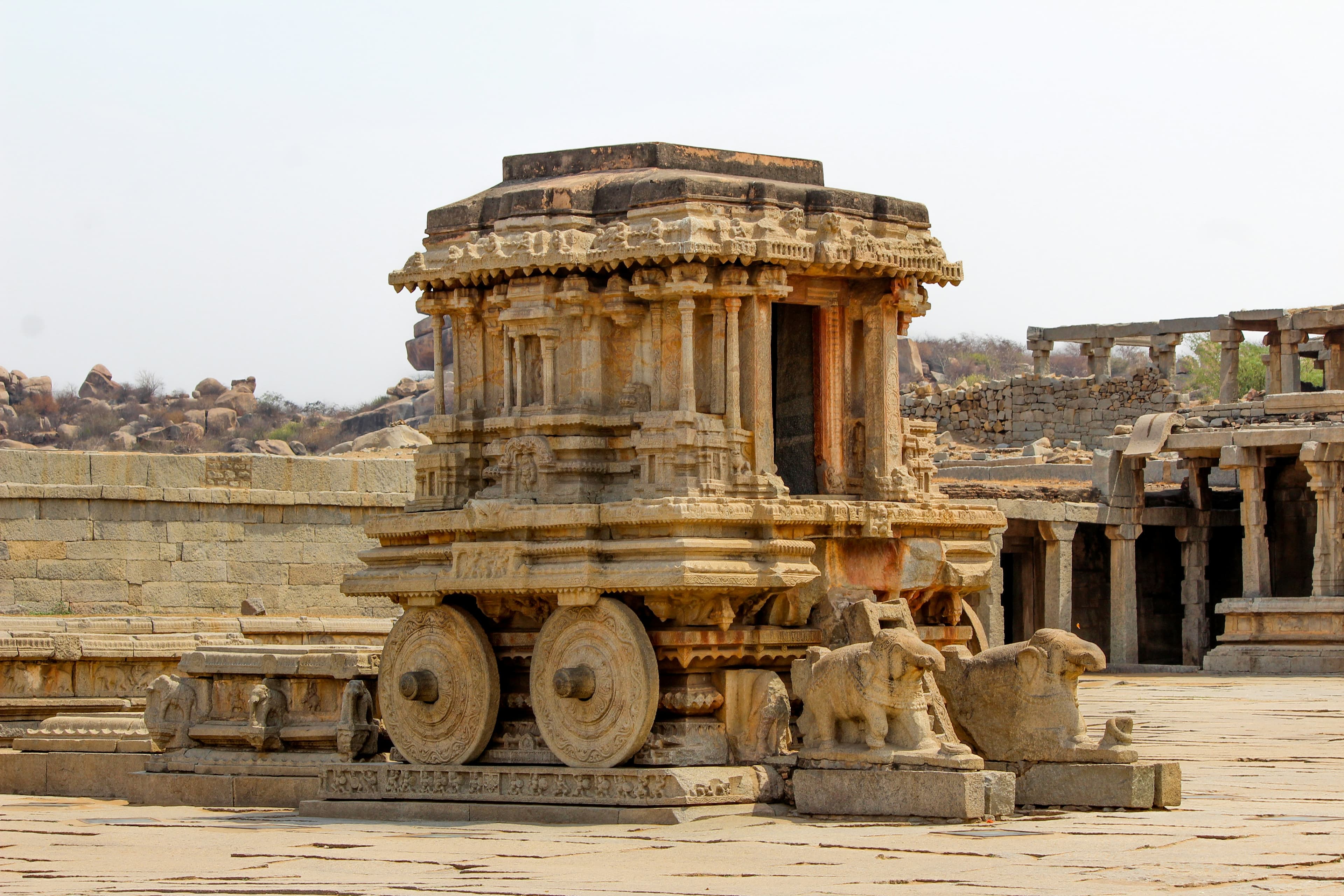
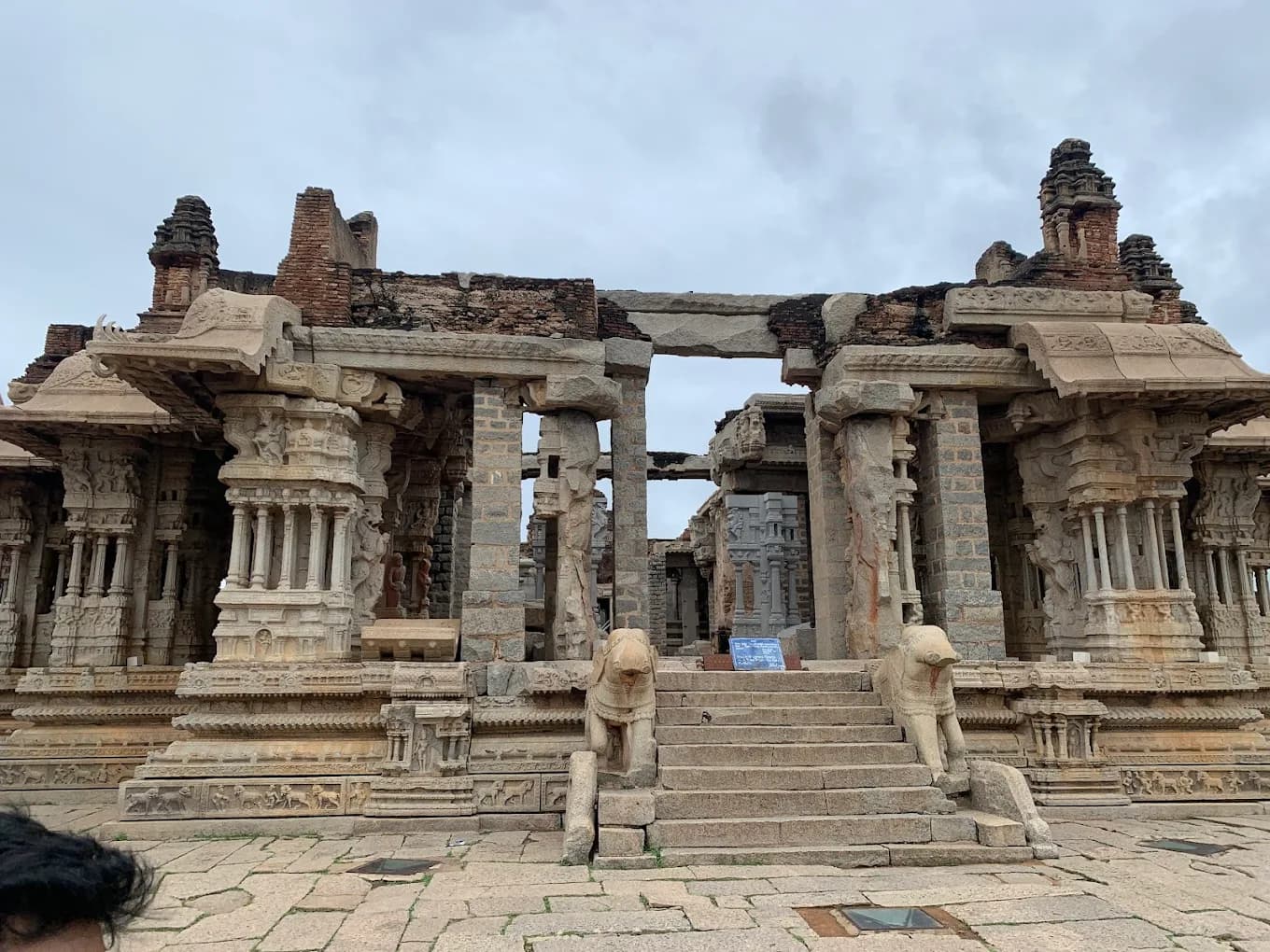
Built in the 16th century under Krishnadevaraya, the Vittala Temple is the undisputed pinnacle of Vijayanagara architecture. The complex is defined by its three gopurams and expansive courtyard. The stone chariot and musical pillars are its most famous attractions.
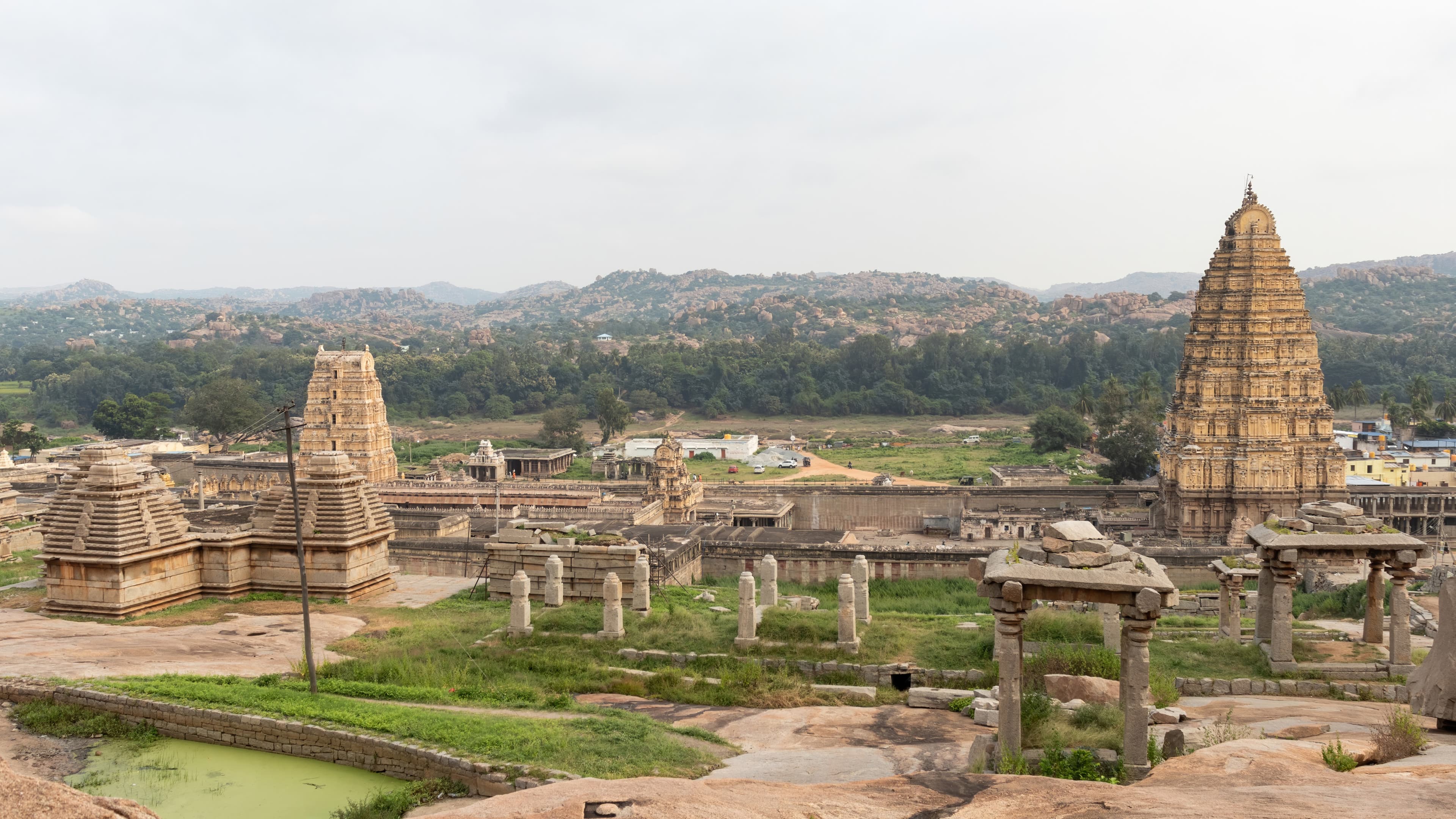
Lakshmana Temple - The Early Masterpiece
via wikipedia
Lakshmana Temple - The Early Masterpiece
Hampi's oldest active temple, Virupaksha, dates back to the 7th century CE 1,400 years of continuous worship. Its 49-metre gopuram towers over the main bazaar. Inside, Vijayanagara-era murals and a camera obscura effect, projecting an inverted gopuram image, add to its enduring mystique.
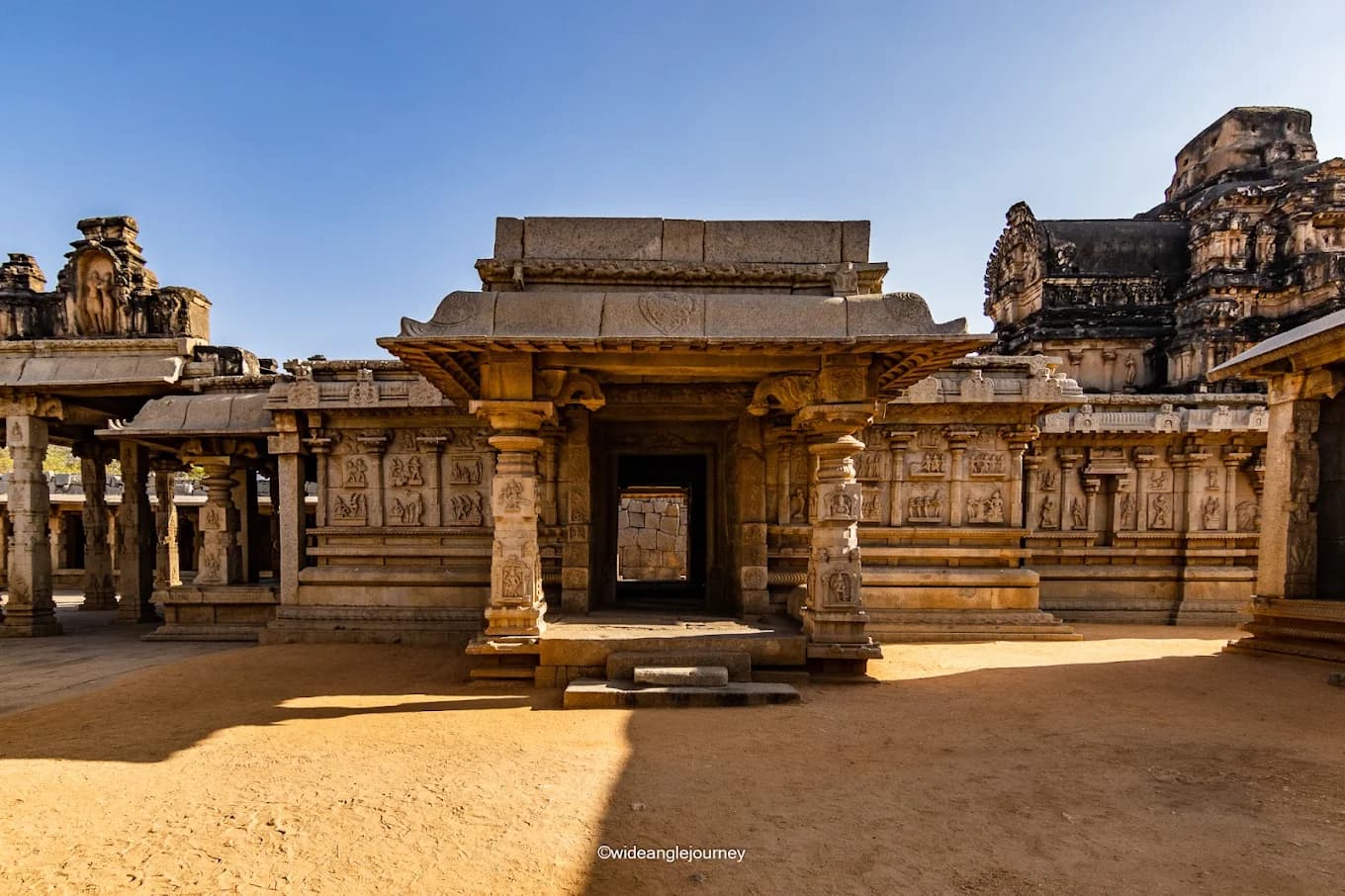
Hazara Rama Temple
via wikipedia
Hazara Rama Temple
The early 15th-century Hazara Rama Temple, inside the Royal Enclosure, served as the Vijayanagara rulers' private shrine. Its exterior walls feature an unbroken frieze of Ramayana scenes thousands of carved figures that give the temple its name, "Thousand Ramas."
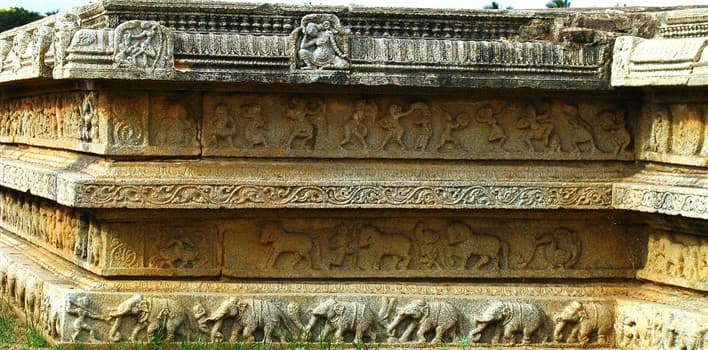
The Royal Enclosure
via wikipedia
The Royal Enclosure
The Royal Enclosure formed the administrative core of Vijayanagara, with the king's audience hall, palace ruins, and a stepped tank. The Mahanavami Dibba, adorned with carved panels of elephants and hunts, served as the king's viewing platform for festival processions.
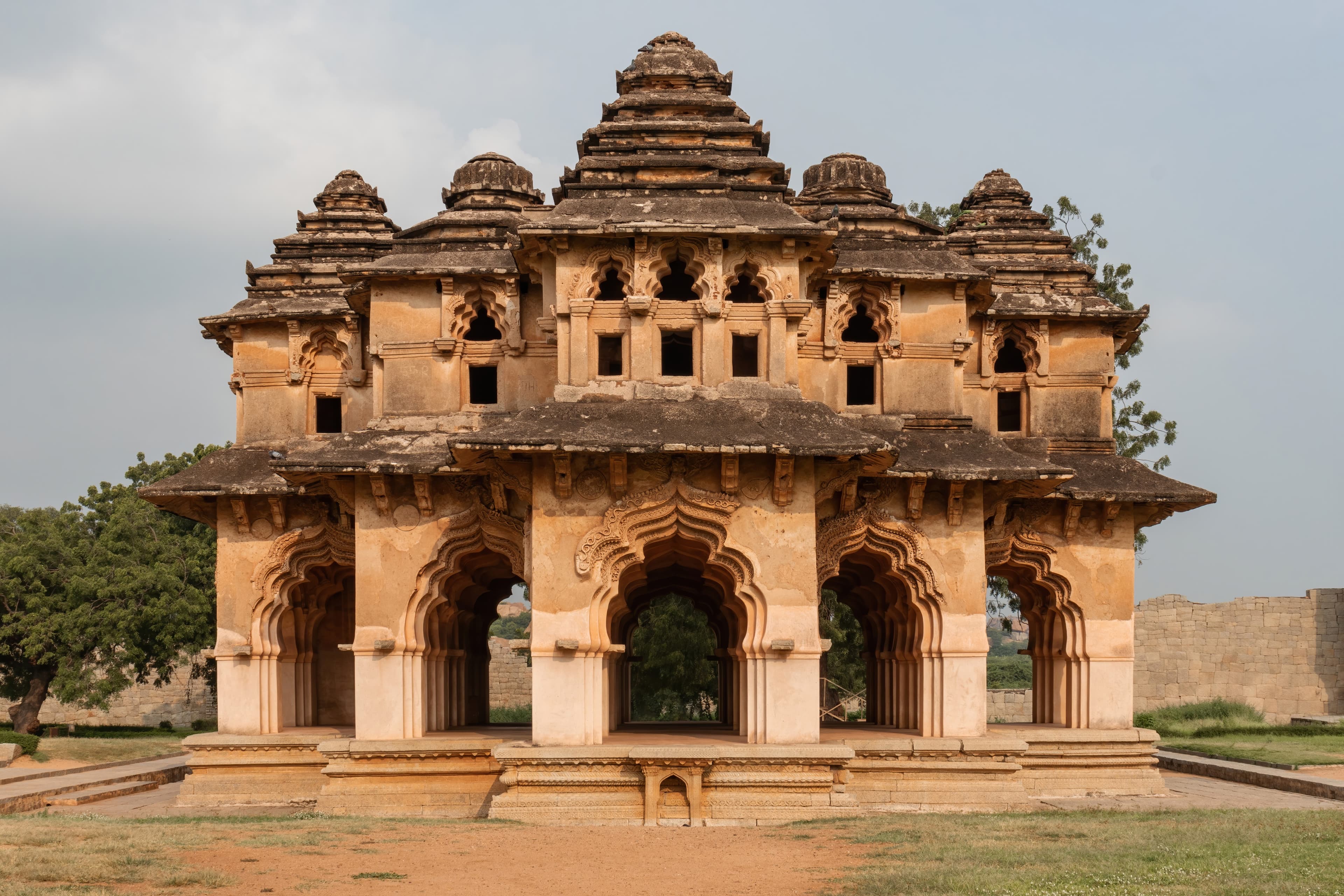
Lotus Mahal (Zenana Enclosure)
via wikipedia
Lotus Mahal (Zenana Enclosure)
The Lotus Mahal is a two-storeyed pavilion within the Zenana Enclosure, blending Dravidian towers with Islamic arched vaults in an elegant, uniquely Vijayanagara style. Built in brick with lime plaster, its lotus-petal ornamentation gives it the name. It sits within the same enclosure as the Elephant Stables.
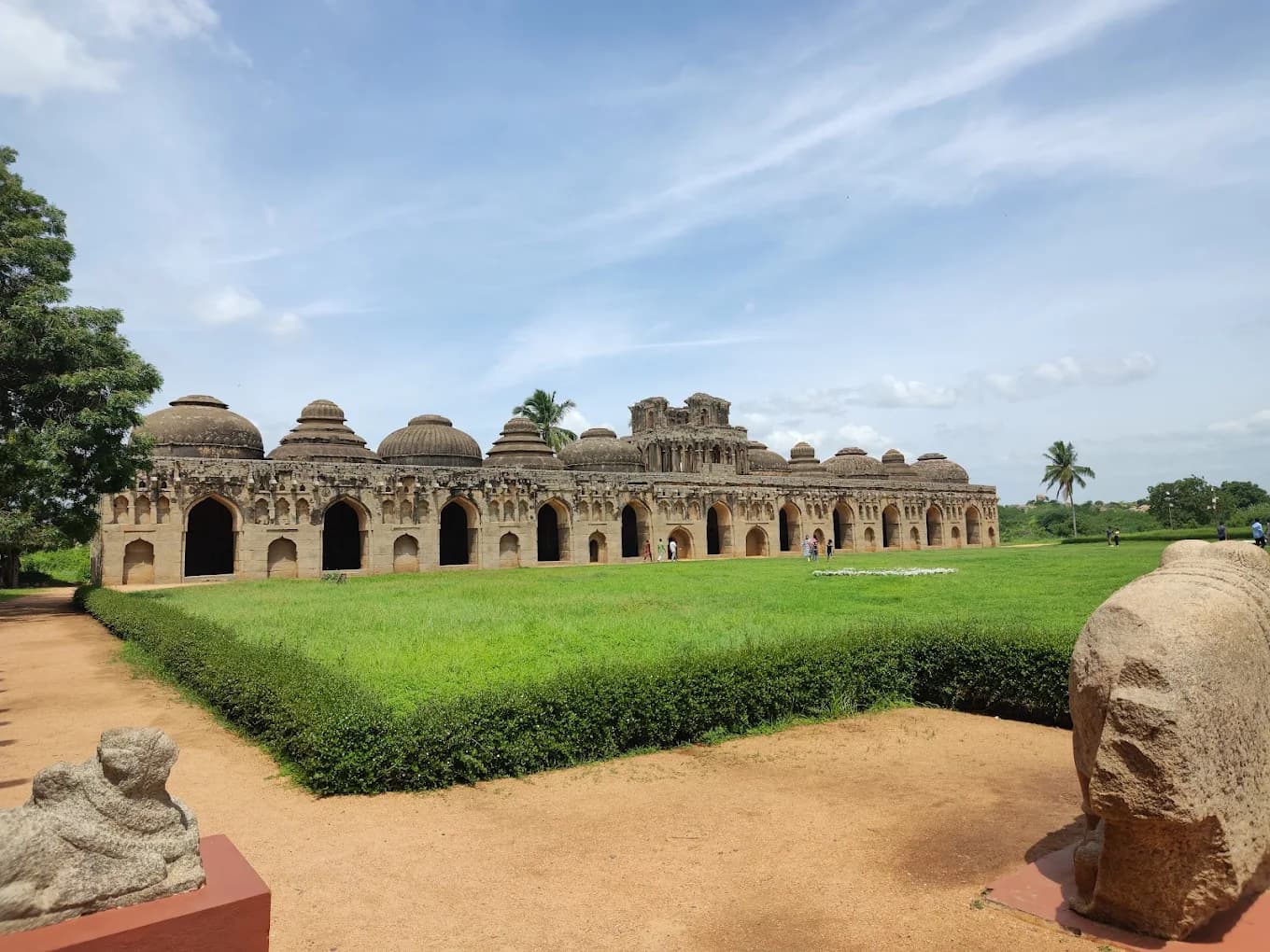
Elephant Stables
via wikipedia
Elephant Stables
The Elephant Stables feature eleven symmetrical domed chambers built for the royal elephants symbols of Vijayanagara's military might. The domes alternate between Hindu and Islamic styles, showcasing the empire's cosmopolitan character. The middle chamber's ribbed vaulting is particularly impressive.
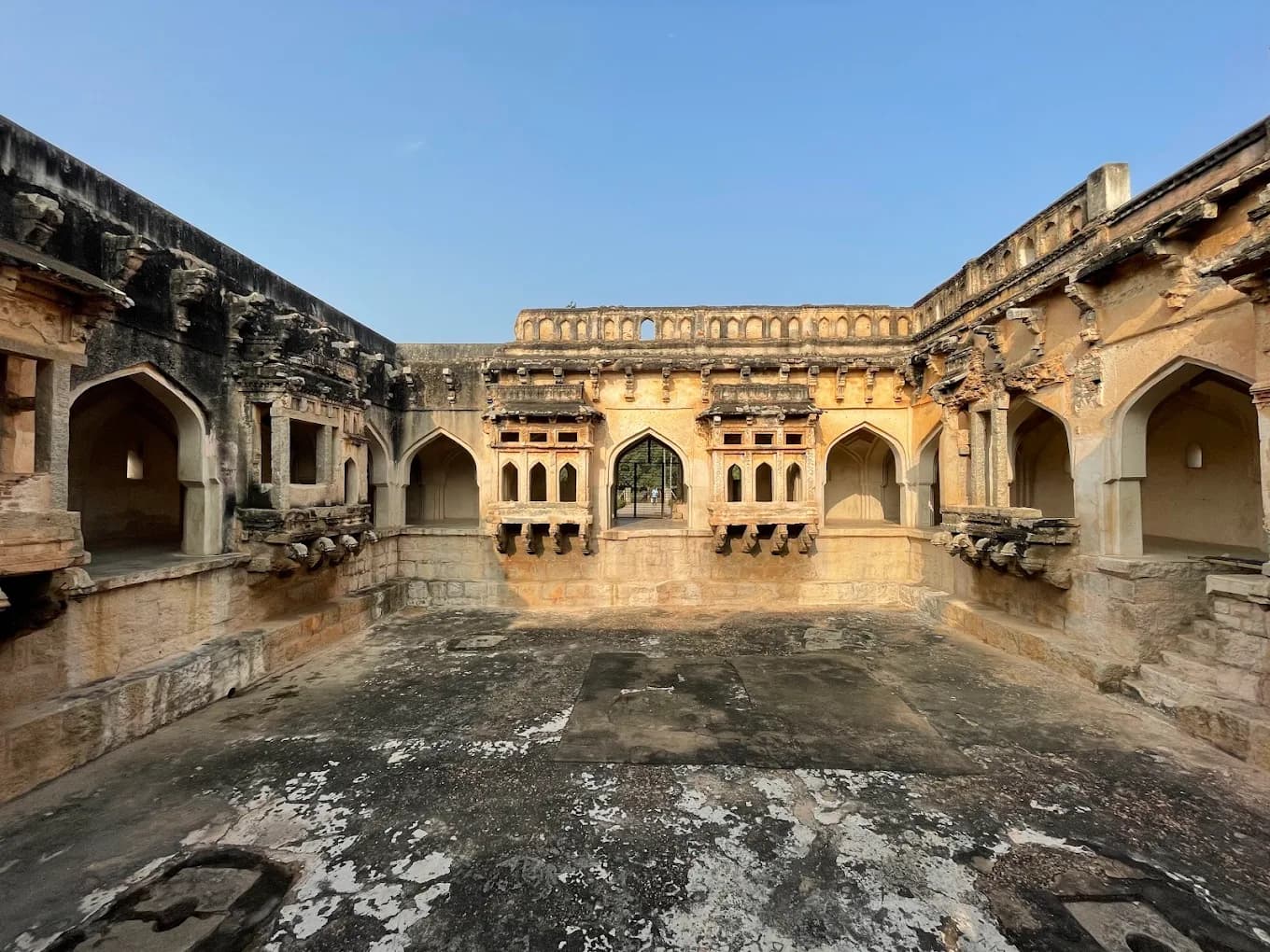
Queen's Bath
via wikipedia
Queen's Bath
The Queen's Bath, outside the Zenana Enclosure, features a rectangular pool surrounded by ornate corridors, balconied walkways, and vaulted ceilings with channels for perfumed water. This fusion of Islamic and Dravidian design offers an intimate glimpse into 15t - 16th century Vijayanagara courtly luxury.
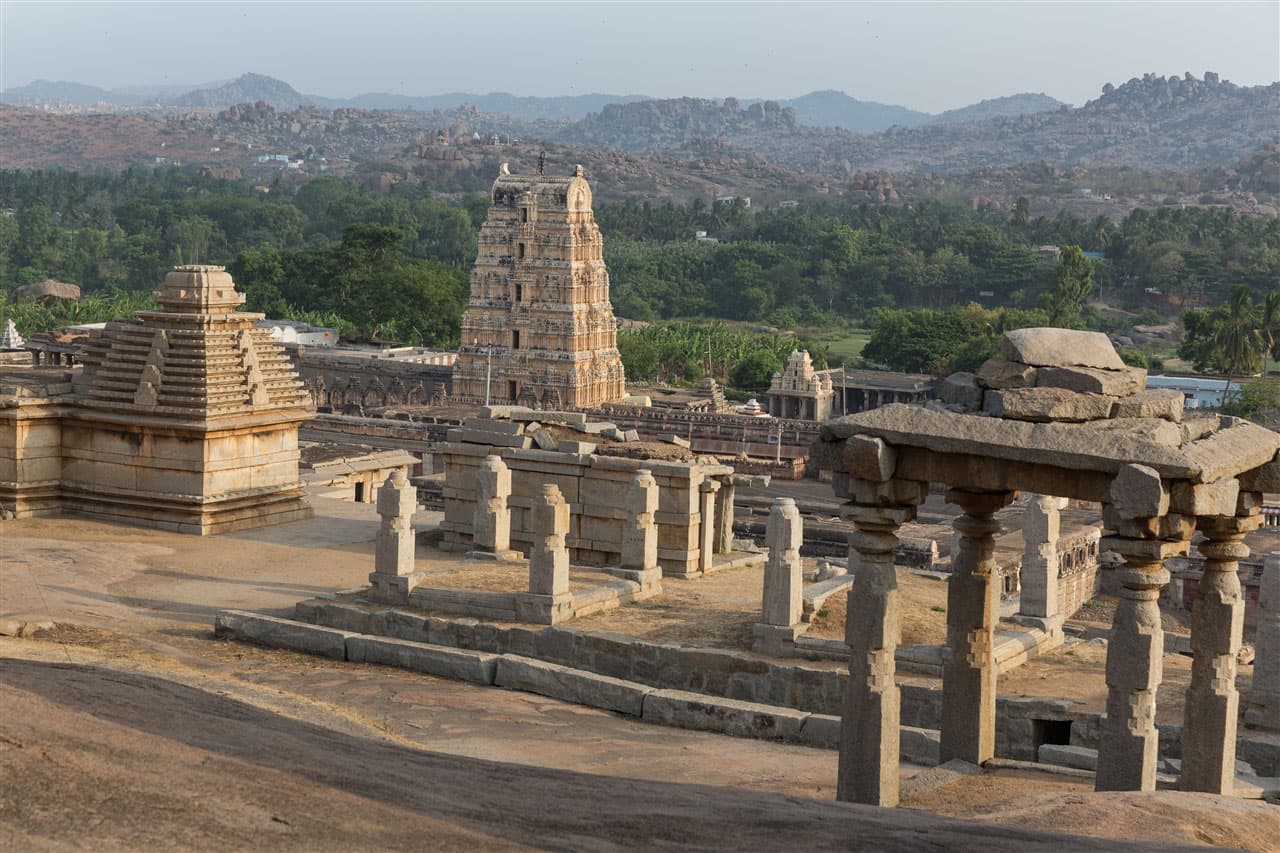
Hemakuta Hill Temples
via wikipedia
Hemakuta Hill Temples
Hemakuta Hill is dotted with pre-Vijayanagara Jain and Hindu shrines dating from the 9th - 12th centuries. It offers the finest sunrise views over the Virupaksha Temple complex and the Tungabhadra valley often missed, but one of Hampi's most atmospheric spots.
Cultural Experiences in Hampi
Hampi is far more than an archaeological site. It remains a living cultural landscape where active temples, traditional communities, and centuries-old pilgrimage practices continue alongside the ruins of the Vijayanagara Empire. Beyond the monuments themselves, these experiences provide a deeper understanding of Hampi's enduring cultural significance.
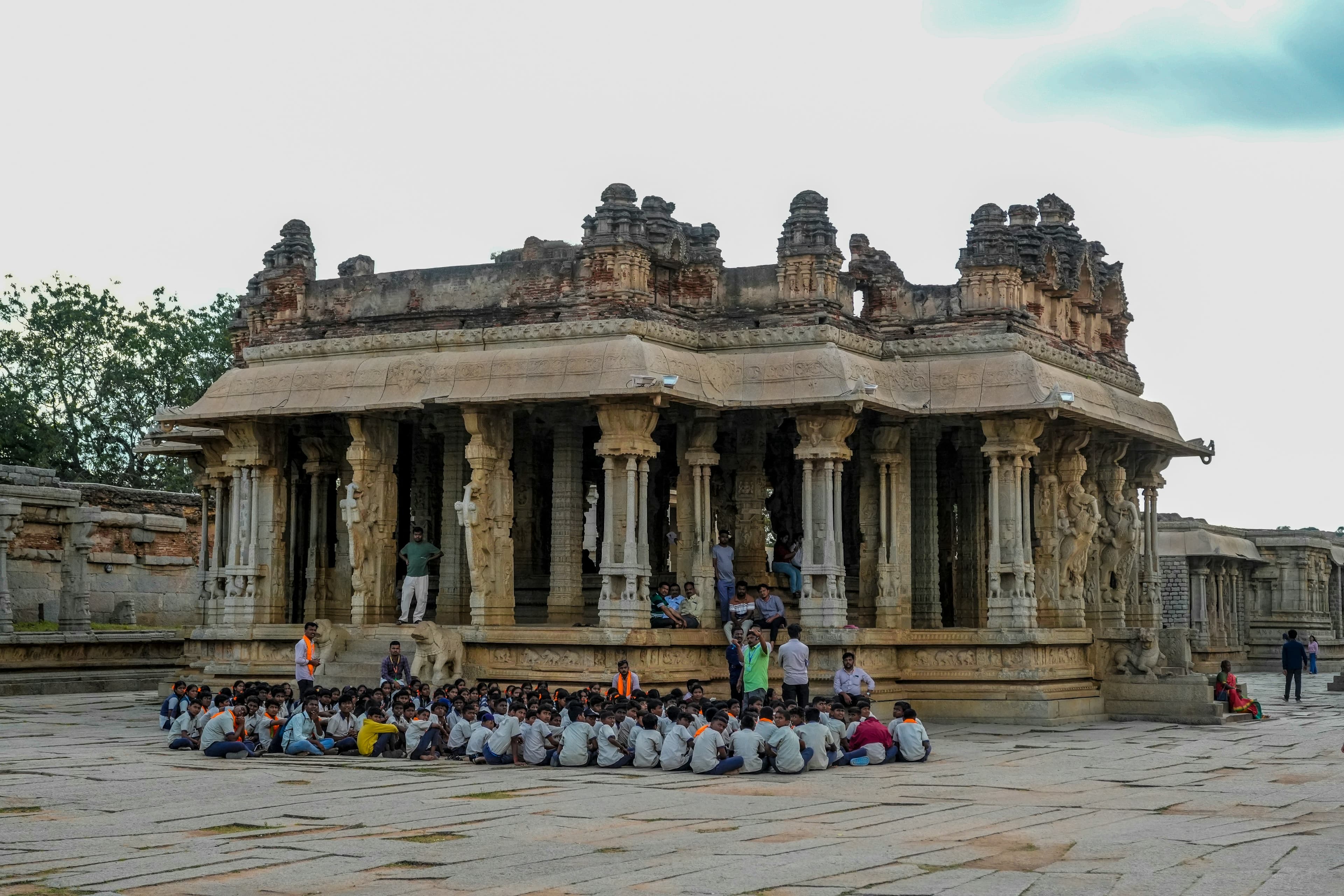
via unsplash
Virupaksha Temple Morning Puja
The early morning puja at Virupaksha Temple incense, bells, and oil-lit murals offers a glimpse into an unbroken tradition centuries old.
Hampi Archaeological Museum
Located in Kamalapura, the Archaeological Museum houses sculptures, coins, inscriptions, and artefacts recovered from across the Vijayanagara capital.
Anegundi Village
Anegundi, across the Tungabhadra, offers a quieter cultural experience traditional homes, shrines, and the Kishkindha Heritage Project, away from the main monuments.
Nearby Attractions: The Wider Deccan Heritage Circuit
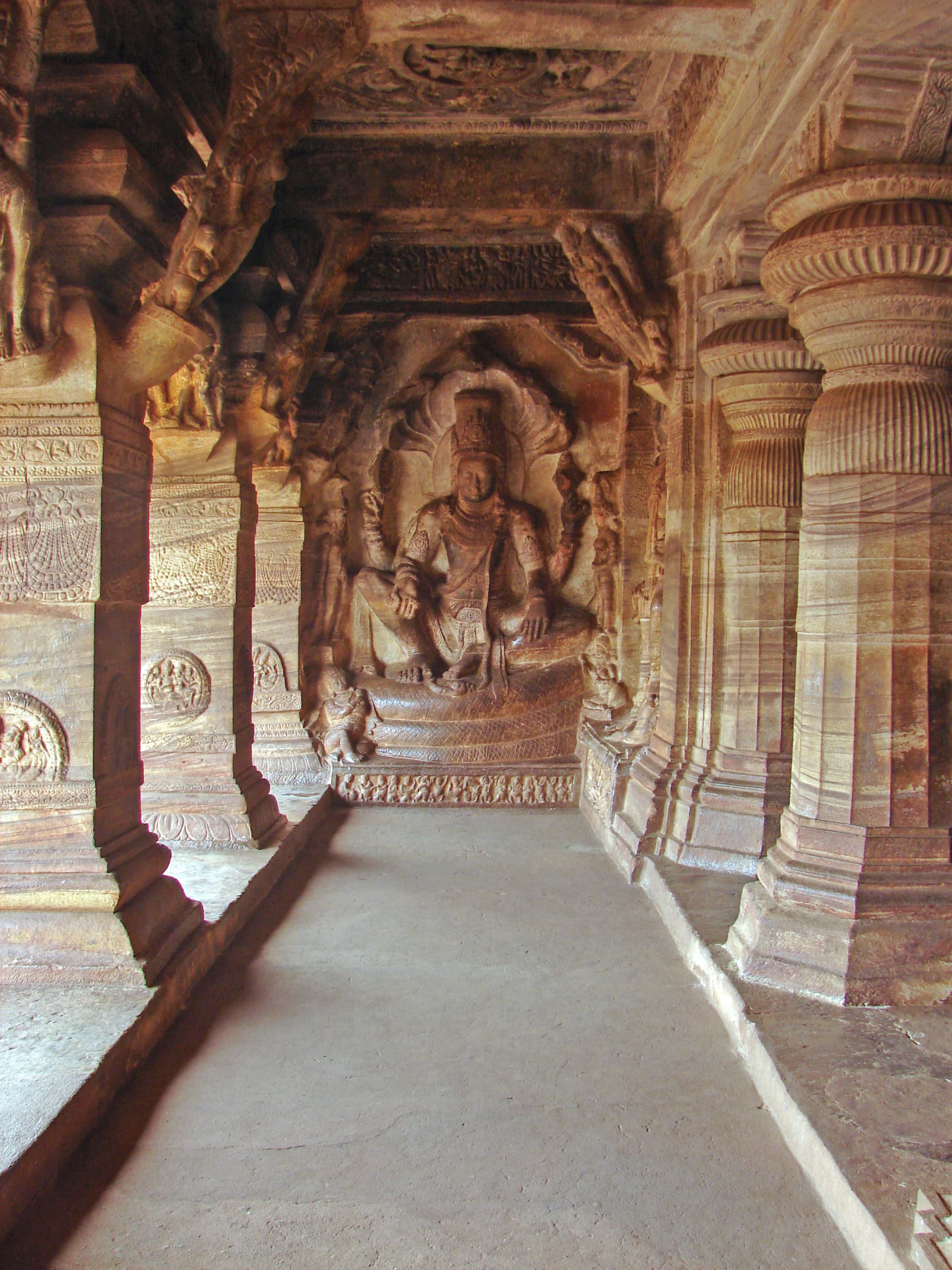
Badami Cave Temples (130 km)
via wikipedia
Badami Cave Temples (130 km)
The 6th-century Chalukya cave temples of Badami are one of the finest examples of early Deccan rock-cut architecture four elaborately carved cave temples overlooking the Agastya lake. Combine with Pattadakal and Aihole for a comprehensive early Karnataka heritage circuit.
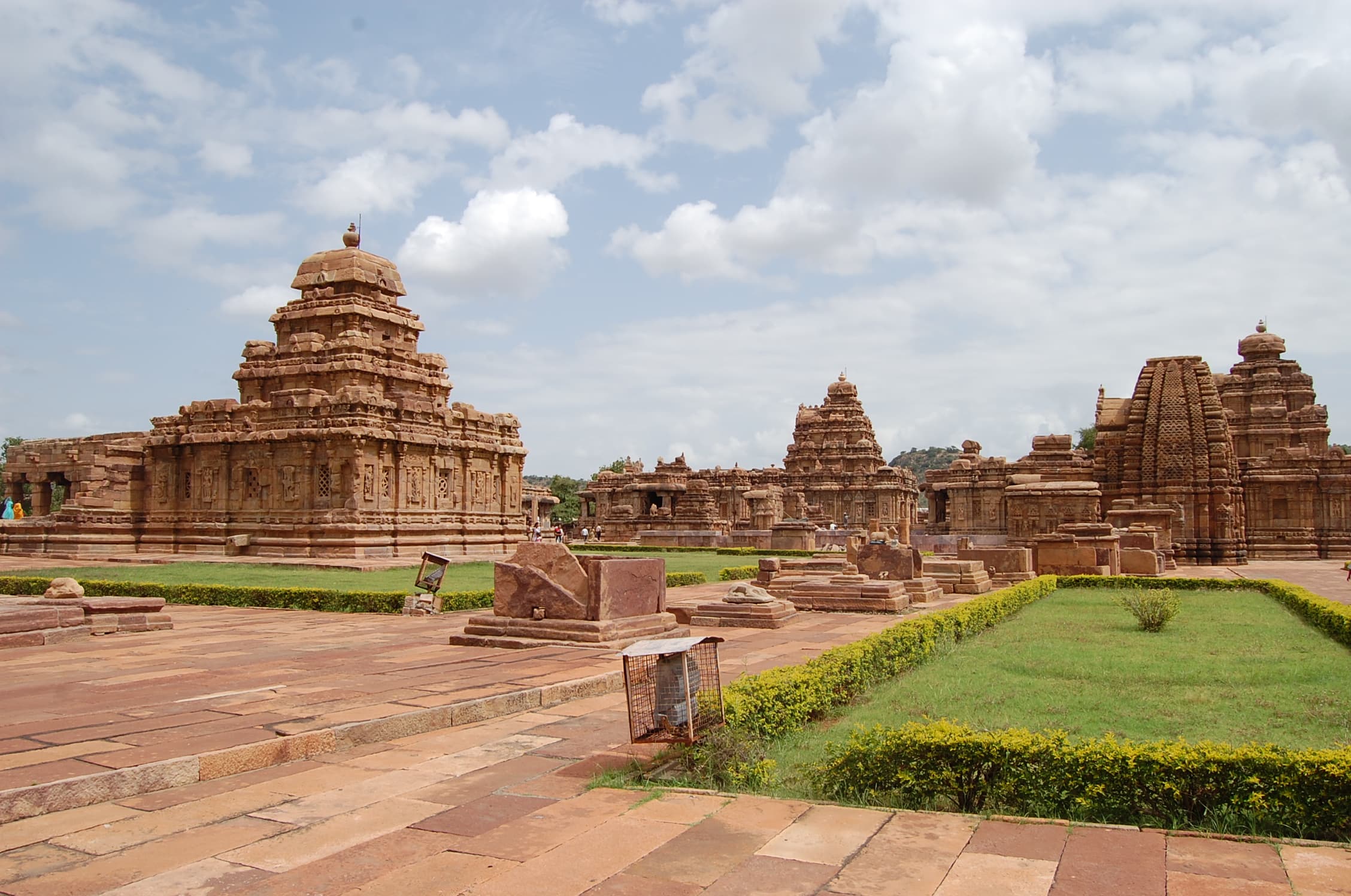
Pattadakal (120 km)
via wikipedia
Pattadakal (120 km)
UNESCO World Heritage Site a group of 8th-century temples representing the evolution of South Indian temple architecture. Most notably, the Virupaksha and Mallikarjuna temples show the Chalukya style at its mature peak.
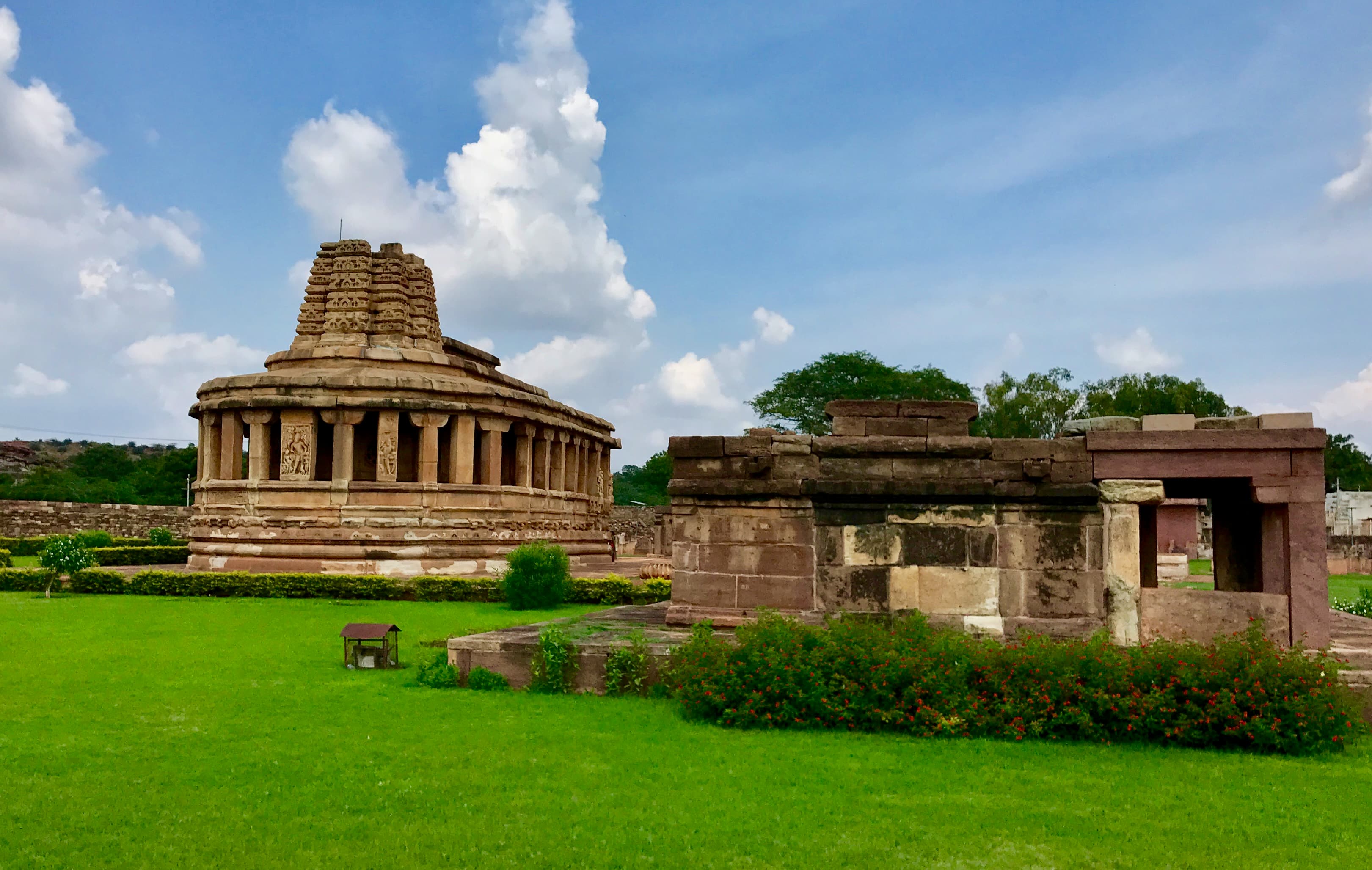
Aihole (115 km)
via wikipedia
Aihole (115 km)
Known as the 'cradle of Indian architecture' - 125 temples spanning 600 years of experimentation from the 4th to 12th centuries. The Durga Temple and Ladkhan Temple are highlights.
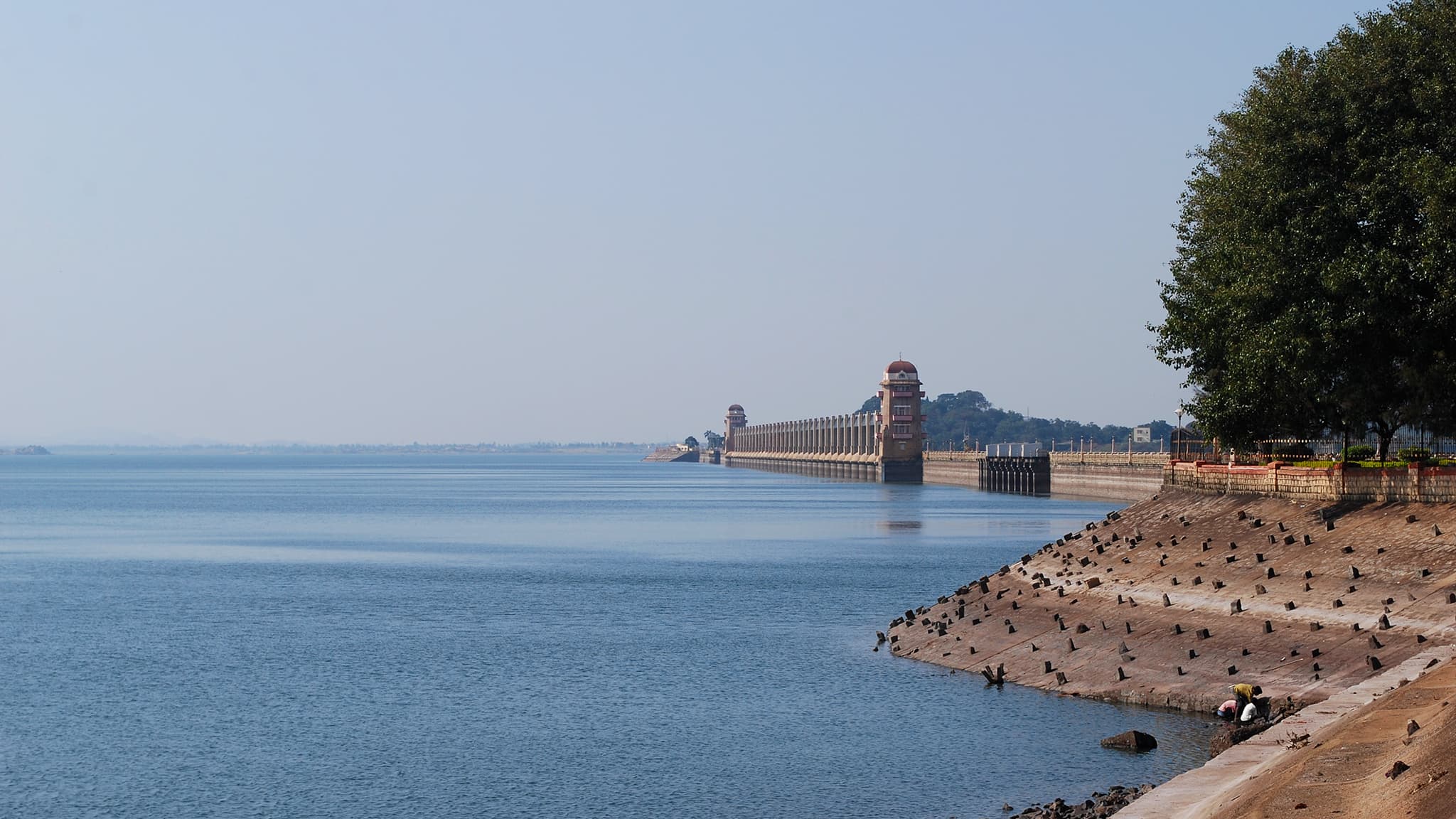
Tungabhadra Dam (6 km)
via wikipedia
Tungabhadra Dam (6 km)
A major dam providing irrigation to the Hampi region. The gardens and reservoir make for a pleasant afternoon excursion, particularly at sunset.
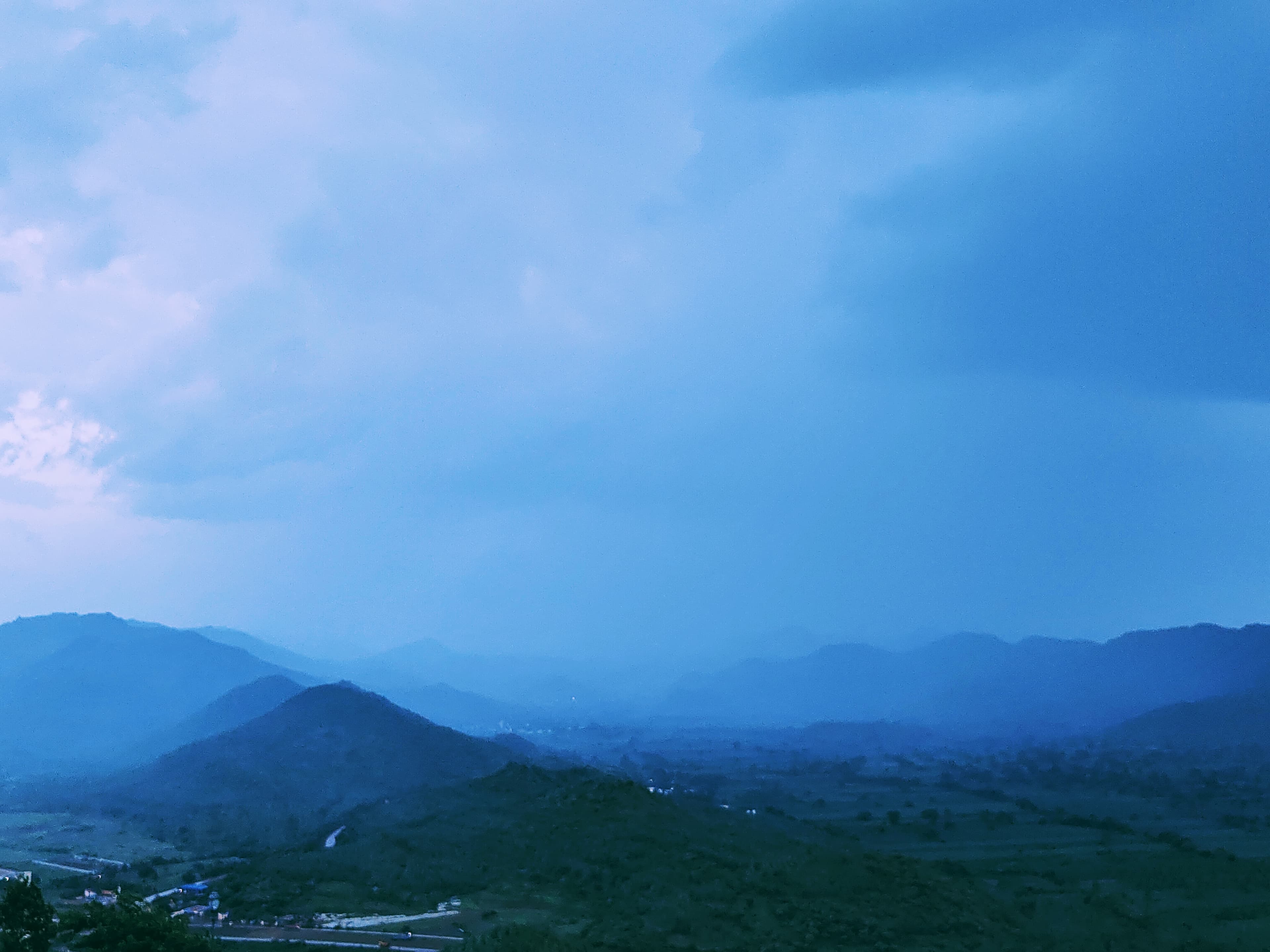
Hospet (Hosapete) (13 km)
via wikipedia
Hospet (Hosapete) (13 km)
The nearest modern city useful for accommodation, banking, and access to Hampi Junction railway station.
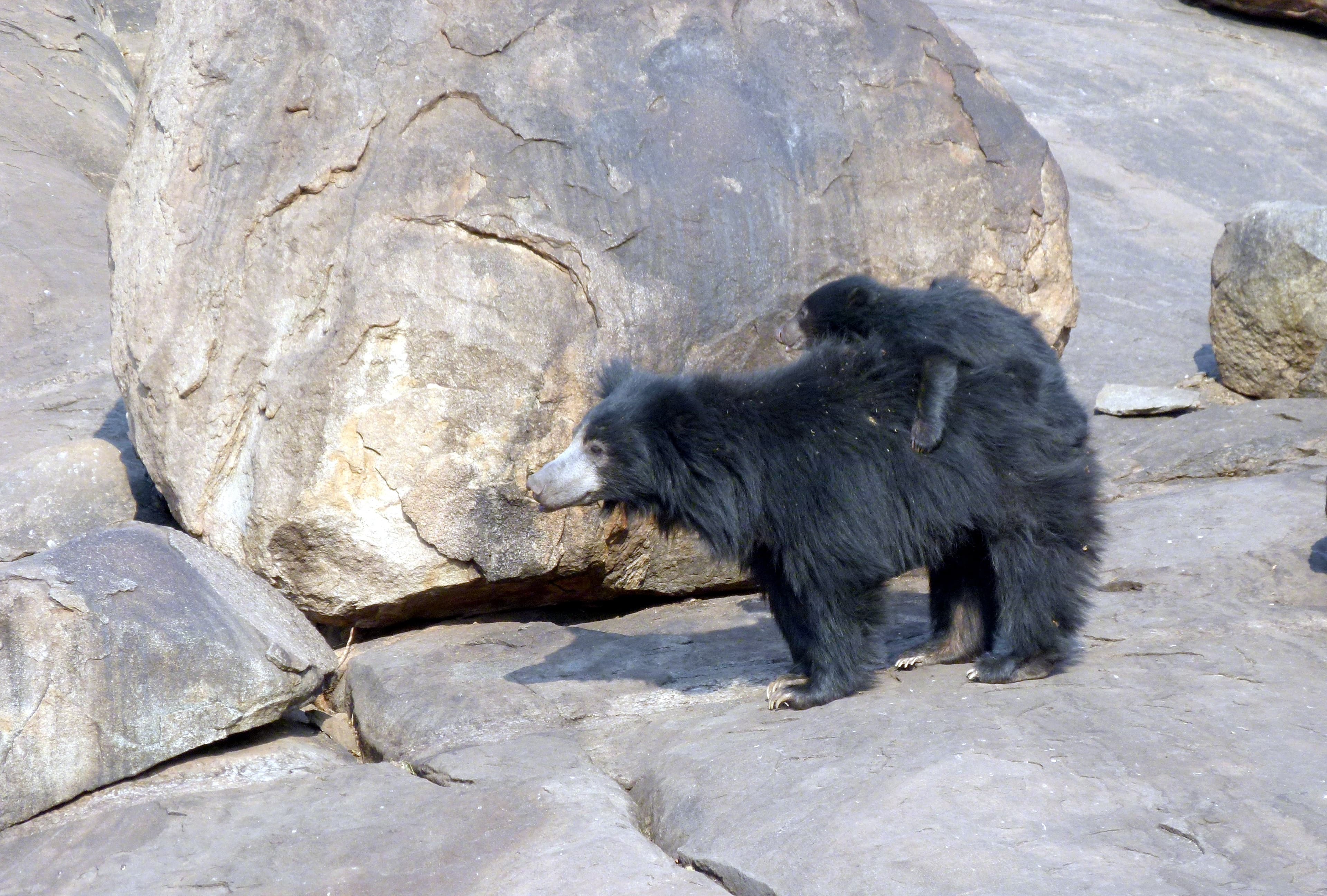
Daroji Sloth Bear Sanctuary (15 km)
via wikipedia
Daroji Sloth Bear Sanctuary (15 km)
One of India's few sloth bear sanctuaries, with a reliable population of Indian sloth bears visible at feeding platforms in the early evening.
Ticket & Entry Information
| Vittala Temple Complex | ₹40 (Indian) / ₹600 (Foreign) |
| Royal Enclosure / Lotus Mahal / Elephant Stables | Included in a single composite ticket with Vittala: ₹40 / ₹600 |
| Virupaksha Temple | Free entry |
| Other Monuments | Free or minimal entry |
| Hampi Museum, Kamalapura | ₹5 (Indian) / ₹100 (foreign) |
| Opening Hours | Sunrise to sunset (generally 6 AM to 6 PM); |
| Official Source | Archaeological Survey of India: asi.nic.in |
Budget Estimates
₹1,000 – ₹1,500
Guesthouse in Hampi/Virupapura Gadde, local restaurants, cycle hire, entry fees
₹3,000 – ₹5,000
Hotel in Hosapete, restaurant meals, auto/taxi transport
₹12,000 – ₹25,000+
Heritage hotel stay, private guide, private vehicle, premium dining
Best Time to Visit
October – February
Best time: October to March with cool weather (18 - 28°C). December January are coolest; Hampi Utsav in November - book in advance.
March – April
Warming temperatures but manageable in the early morning and evening. Fewer crowds than peak season. Budget accommodation is easier to find.
May – June
Extreme heat - temperatures regularly exceed 38-42°C. The site is effectively inhospitable for outdoor sightseeing between 10 AM and 4 PM
July – September
The Tungabhadra floods; some ruins become inaccessible. The landscape
Hampi Travel Guide FAQ
Essential information about planning a visit to Hampi, Karnataka's extraordinary UNESCO World Heritage Site.
Absolutely. Hampi is one of the world's most remarkable archaeological landscapes and among India's greatest UNESCO World Heritage Sites. Its extraordinary monuments, dramatic boulder-strewn scenery, and rich Vijayanagara history make it a destination worth travelling across the world to experience. Two days is the minimum recommended stay, while three days allows a much deeper exploration.
Two days is enough to cover Hampi's major attractions including Vittala Temple, Virupaksha Temple, the Royal Enclosure, Lotus Mahal, Elephant Stables, and a sunset viewpoint. Three days allows time for Anegundi Village, the Hampi Museum, coracle rides, and a more relaxed pace. Four days makes it possible to include nearby destinations such as Badami or Daroji Bear Sanctuary.
Most monuments in Hampi are free or inexpensive to visit. The main ASI composite ticket covering Vittala Temple, Lotus Mahal, and Elephant Stables costs approximately ₹40 for Indian nationals and ₹600 for foreign visitors. Virupaksha Temple is free to enter. The Hampi Museum charges approximately ₹5 for Indians and ₹100 for foreign visitors. Prices should always be verified before travel.
The best time to visit Hampi is between October and February when temperatures are cooler and conditions are ideal for sightseeing. December and January are especially comfortable. November is notable for the Hampi Utsav cultural festival. April to June can be extremely hot, while monsoon months between July and September may affect some outdoor activities.
The most popular option is the overnight Hampi Express from Bengaluru to Hospet Junction, followed by a short taxi ride to Hampi. Travelers can also drive from Bengaluru in approximately six to seven hours. The nearest major airport is Hubli, around 160 kilometres away.
Yes. Hampi is generally considered one of India's safer and more accessible heritage destinations for solo female travellers. The area has a long-established tourism infrastructure and attracts visitors from around the world. Modest clothing, reputable accommodation, and sensible travel precautions are recommended, as with any destination.
Planning a Hampi Heritage Journey?
India Heritage Travel creates private chauffeur-driven itineraries that combine Hampi's Vijayanagara ruins, Badami cave temples, Pattadakal, and Bijapur into seamless cultural journeys guided by local experts.
Plan My Hampi Tour