India Visa Guide for Foreign Tourists: Everything You Need to Know Before You Fly (2026 Edition)
Few countries reward the effort of arriving quite like India - it feels genuinely special. But before marble domes, spice markets, and Himalayan sunrises, every international visitor hits the same first thing: paperwork.
This India visa guide for overseas tourists covers what to expect in 2026 - who needs a visa, which category fits your stay, costs, processing times, and all the small details that trip up even seasoned travellers. Whether you're planning a two-week heritage loop or a longer cultural immersion, getting the visa sorted turns a dream route into something confirmed and real.
Overview: What Is the India Visa for Foreign Tourists?
Almost every foreign national needs authorisation to enter India, and ever since 2014 the government has kept shifting that step online through the Electronic Travel Authorization system, or simply the e-Visa. Instead of going to an embassy in person, eligible travellers fill in an application on the official portal, indianvisaonline.gov.in and then they upload a passport scan plus a photo, pay the visa fee, and later get their approval by email , usually within just a few working days.
Now, the e-Visa isn’t really one tidy product. It comes as several different travel purposes - tourism, business, medical care, conferences and short courses under the e-Ayush label - and each purpose has its own paperwork requirements and also its own validity rules. For most readers of this guide, the relevant option is the e-Tourist Visa, which is what we’ll focus on, plus a quick look at when a standard visa issued by an Indian mission is still the more suitable route.
via unsplash
Who Needs a Visa to Visit India
Nationals of almost every country generally need a visa to go into India, mainly for tourism. There are two obvious holdouts though, Nepal and Bhutan, whose citizens can cross the border using valid identification, so they don’t require a visa at all. For everyone else - and yes, that covers people from the United States, United Kingdom , European Union member states, Canada, Australia , and the Gulf states - you must have either an e-Visa or a regular visa lined up, before you travel.
There are also a few categories that simply won’t work through the e-Visa system no matter what passport you hold. This includes diplomatic or official passport holders, people of Pakistani origin or nationality, and those with laissez-passer or UN travel documents. If any of that applies to you then you’re going to need to request a regular visa via your nearest Indian embassy or consulate instead.
via unsplash
Types of Indian Tourist Visas Explained
30-Day e-Tourist Visa
A double-entry visa designed for short leisure trips, valid for 30 days from the date of arrival. It's the most economical option and suits travellers on a single, well-defined itinerary.
1-Year e-Tourist Visa
A multiple-entry option, valid for 12 months from the date your visa is issued. It works best if you’re planning more than one trip to India during the year, or maybe a longer, multi-stage route with exits, and then re-entries later.
5-Year e-Tourist Visa
A multiple-entry option, valid for 12 months from the date your visa is issued. It works best if you’re planning more than one trip to India during the year, or maybe a longer, multi-stage route with exits, and then re-entries later.
Regular (Embassy) Tourist Visa
This is still needed for travellers who can’t use the e-Visa, or if you need a validity, or an entry setup that the e-Visa simply doesn’t provide. It can also apply if you’re using a passport type not accepted online. In that case, the process is in person or via courier, through an embassy , a consulate , or a handled visa centre like VFS Global, or BLS International.
India e-Visa Eligible Countries in 2026
India’s e-Visa scheme is now, sort of, well over 170 countries and territories, and the roster just keeps growing- the authorities added about two dozen extra nationalities , including a handful across Africa, Latin America, and Eastern Europe, during a mid-2026 push meant to double yearly e-Visa issuance. Since eligibility, smaller categories and reciprocal fees get adjusted from time to time , always double-check your own nationality’s standing on the official portal before you lock in travel dates.
Passport and Document Requirements
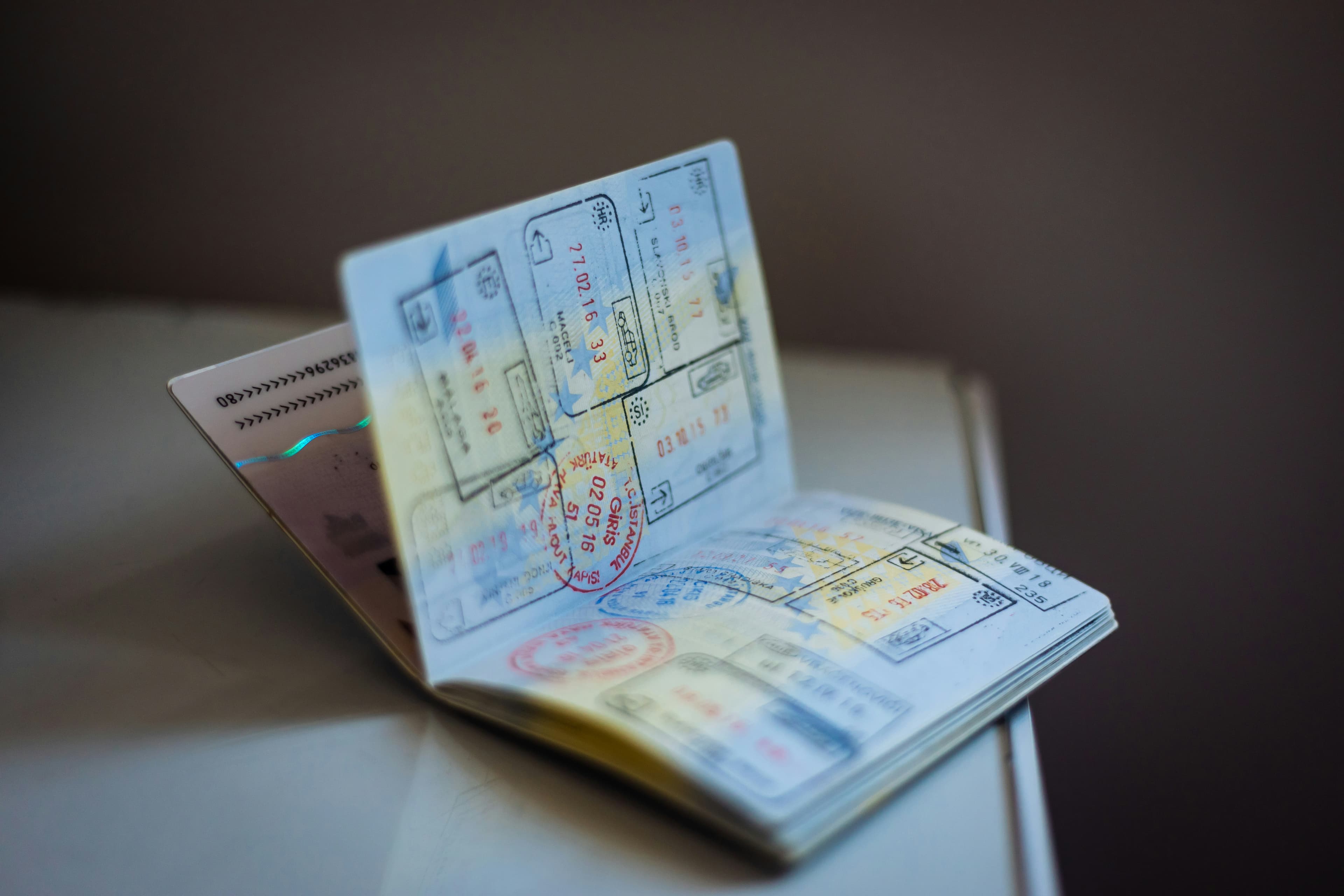
In general, the requirements stay pretty consistent for most e-Tourist Visa applications on the portal: you need a passport that is valid for at least six months past your planned arrival date in India, plus a minimum of two completely blank pages so immigration can place stamps, without any annoying edge cases. Then there’s the recent, front-facing colour photo on a plain white background , it has to match the square-format and the file size limits that the website lists. You also have to upload a clear digital scan of the biographical (photo) page of your passport.
You’ll additionally need a working email address, and of course a debit or credit card for the online payment step. If your purpose is business, medical, or a conference, expect extra backup papers such as an invitation letter, maybe even a business card, or a hospital confirmation. Photo rejections are kinda one of the most common reasons for delays, so it’s smart to verify head size, the background, and the file format against what the official site says, right before you upload anything.
via unsplash
How to Apply for an India Tourist e-Visa: Step by Step
- • Visit the official portal at indianvisaonline.gov.in, this is the only government-authorised site so bookmark it straight away and don’t click through from search ads, ok?
- • Pick Apply for e-Visa, then choose the visa category (e-Tourist) and the length, like 30-day 1-year or 5-year.
- • Fill the online form carefully with your passport data, personal details, and your planned movement dates.
- • Upload the scan of your passport bio page and a photo that matches the requirements, don’t improvise here.
- • Do the visa fee payment online; expect a card-processing extra of about 2.5–3% above the base amount.
- • Save the application ID, then check your status on the site, or keep an eye out for the Electronic Travel Authorization, ETA, via email.
- • Print the ETA, and when you travel carry both a digital copy and a paper copy, just in case.
India Visa Fees and Processing Time (2026)
In 2026 India shifted to a sort of “reciprocal pricing” approach for parts of its e-Visa fee structure, so a few categories can now shift depending on the traveller’s nationality based on what their home country charges Indian citizens. For most people the usual tourist costs stay pretty much the same, but the business class fees and the longer-validity options, have climbed quite a bit for several specific countries. Still, double check the exact amount you owe on the official fee schedule before you pay, because the payment is non-refundable no matter how things go.
| Visa Type | Duration | Standard Fee* |
|---|---|---|
| e-Tourist Visa (30-day) | 30 days | US $10 (Apr–Jun) / US $25 (rest of year) |
| e-Tourist Visa (1-year) | 1 year, multiple entry | US $40 |
| e-Tourist Visa (5-year) | 5 years, multiple entry | US $80 |
| e-Business Visa (1-year) | 1 year, multiple entry | US $120 |
*Fees are indicative as of 2026 and subject to change without notice; a card-processing surcharge of approximately 2.5–3% applies to every online payment. Confirm your nationality's exact fee on indianvisaonline.gov.in before you pay.
Visa Validity, Duration of Stay and Entry Type
Validity and 'duration of stay' are two different things, and confusing them is a common mistake. Validity is the window during which your visa can be used to enter India (for example, one year from issue); duration of stay is how long you may remain per visit, which for most e-Tourist Visas is capped at 90 days at a time, regardless of how long the visa itself remains valid. The 30-day e-Tourist Visa is a double-entry visa, while the 1-year and 5-year options are multiple-entry, letting you exit and re-enter India repeatedly within their validity window.
via unsplash
Where You Can Enter India on an e-Visa
In 2026 India shifted to a sort of “reciprocal pricing” approach for parts of its e-Visa fee structure, so a few categories can now shift depending on the traveller’s nationality based on what their home country charges Indian citizens. For most people the usual tourist costs stay pretty much the same, but the business class fees and the longer-validity options, have climbed quite a bit for several specific countries. Still, double check the exact amount you owe on the official fee schedule before you pay, because the payment is non-refundable no matter how things go.
Business, Medical and Other Visa Categories
Going to India for reasons that aren’t just about relaxing, it kinda changes the whole e-Visa sub-category thing. The e-Business Visa, for example, needs a scanned business card as well as an invitation letter from an Indian company, written on official letterhead. Meanwhile the e-Medical Visa works differently, you’ll need an invitation from a recognised Indian hospital that actually outlines the intended treatment plan, and yes it can be extended, up to six months, but only case-by-case through the local Foreigners Regional Registration Office (FRRO) . That kind of room to move isn’t really there for the usual tourist-like classifications.

via unsplash
Travel Insurance and Supporting Documents
Comprehensive travel insurance isn’t always strictly required for the usual e-Tourist Visa, but honestly it’s still one of the more valuable items you can bring along. India is huge, healthcare standards can swing a lot between metropolitan hubs and rural stretches, and even small travel hiccups—like a missed connection, a monsoon delay, or a stomach bug—feel much easier to handle if you already have solid medical support plus trip coverage. India Heritage Travel advises every guest to carry a policy that covers emergency medical treatment, evacuation, and trip interruption through the entire length of the stay.
Common Visa Mistakes to Avoid
- • Trying to apply too close to the travel date, and then losing flexibility if there is any query or a correction needed, later.
- • Uploading a photo that doesn’t match the exact background, sizing or format specification, even slightly.
- • Letting passport validity drop below the six month threshold, starting from the arrival date.
- • Picking the wrong visa category for a mixed purpose trip, tourism combined with business for example, and then wondering why it doesn’t fit.
- • Assuming a used e Visa can just be extended once you’re already inside the country, no extra steps.
- • Not printing the ETA and depending only on whatever is on your phone at immigration, like a calm little shortcut.
Visa Scams and Fraud Prevention
The single most important piece of advice in this entire guide is: go through only indianvisaonline. gov.in. There is this big ecosystem of look alike websites and paid search ads , that mimic the official portal look and they charge two to five times the real government fee for the same service. And some of them go further, they collect sensitive passport data without ever actually filing a genuine application for you, like for real. Now sure, there are licensed visa assistance agencies that can help with more complex situations, but you want them to be upfront and transparent about their own service fee, and that fee should sit on top of the government charge , not replace it. When in doubt, just type the official URL directly instead of clicking a search result or a social media ad.
Can You Extend Your India Visa?
The single most important piece of advice in this entire guide is: go through only indianvisaonline. gov.in. There is this big ecosystem of look alike websites and paid search ads , that mimic the official portal look and they charge two to five times the real government fee for the same service. And some of them go further, they collect sensitive passport data without ever actually filing a genuine application for you, like for real. Now sure, there are licensed visa assistance agencies that can help with more complex situations, but you want them to be upfront and transparent about their own service fee, and that fee should sit on top of the government charge , not replace it. When in doubt, just type the official URL directly instead of clicking a search result or a social media ad.
Your Pre-Departure Visa Timeline
Think of your visa application as the first leg of your itinerary, sort of before anything else even. It s the part that happens while you haven’t packed a bag yet. India Heritage Travel lays out this timeline for every guest:
120 days before travel | What’s the earliest date you can submit a 30-day e-Tourist Visa application. Usually you can start even sooner for the longer-validity e-Visas, but still, you should check the official portal to confirm the exact application window right now, just to be safe, ok. |
30–45 days before travel | Think of it as the ideal window for applying. Gather your passport scan , a photograph, and your travel details , then just finish the online form in one sitting. Keep it together, no wandering around, it’s like the whole thing should be handled at once. |
At least 4 days before arrival | The portal’s processing buffer is built around this window, so anything tighter might, just maybe, cause a missed departure when a query comes back. |
After approval | Print your Electronic Travel Authorization (ETA) and try to keep both a digital copy and a paper copy. On arrival, immigration officers will check it against your passport, so basically be ready. |
On arrival | Go to the e-Visa immigration counter at your set airport or seaport , where your passport gets stamped and your biometric info is captured. |
120 days before travel
What’s the earliest date you can submit a 30-day e-Tourist Visa application. Usually you can start even sooner for the longer-validity e-Visas, but still, you should check the official portal to confirm the exact application window right now, just to be safe, ok.
30–45 days before travel
Think of it as the ideal window for applying. Gather your passport scan , a photograph, and your travel details , then just finish the online form in one sitting. Keep it together, no wandering around, it’s like the whole thing should be handled at once.
At least 4 days before arrival
The portal’s processing buffer is built around this window, so anything tighter might, just maybe, cause a missed departure when a query comes back.
After approval
Print your Electronic Travel Authorization (ETA) and try to keep both a digital copy and a paper copy. On arrival, immigration officers will check it against your passport, so basically be ready.
On arrival
Go to the e-Visa immigration counter at your set airport or seaport , where your passport gets stamped and your biometric info is captured.
Visa and Entry Tips for Luxury, Family and Solo Travellers

Solo Female Travellers
via pexels
Solo Female Travellers
The visa process doesn't change by gender, but leaving a comfortable buffer before departure helps - giving you time to lock in accommodation and transfers with a trusted, women-safe operator before you arrive.

Family Travellers
via pexels
Family Travellers
Each family member, including infants, needs their own e-Visa application and passport - group applications are only available for registered tour operators in certain cases. Fill all applications in one sitting to keep travel dates and passport details consistent.

Luxury Travellers
via pexels
Luxury Travellers
If your India trip spans multiple regions or includes private charters, the 1-year multiple-entry e-Visa is often a better choice than the 30-day version. It also allows quick side trips to Bhutan or the Maldives without reapplying.
Why Choose India Heritage Travel
Most of the safety advice in this guide, is already baked in to the way India Heritage Travel puts together each itinerary: private, vetted chauffeur transport for the whole duration of every trip, plus fully customised days that are built around your personal comfort level and the kind of things you like to see. We also choose curated luxury and heritage stays, each one hand-inspected for safety and service, and we make sure you have expert local guides on the ground ,including female guides for women-only and solo female itineraries. There s also a dedicated women-safe travel planning approach, from the route logistics to evenings and activities, not just a general plan.
Quick-Reference Practical Guide
Best time to apply:
30–45 days before departure, and never less than 4 days before arrival.
Suggested visa duration:
30-day for a single confirmed itinerary; 1-year or 5-year for multi-trip or flexible travellers.
Budget estimate:
US $10–$25 for most 30-day e-Tourist Visas, plus a 2.5–3% card surcharge; higher for longer validity or reciprocal-priced nationalities.
Safety tip:
Only ever use indianvisaonline.gov.in - never a third-party or ad-driven site.
Packing tip:
FCarry a printed ETA, a printed passport photo page copy, and a spare passport photo in case of an in-country document need.
Photography tip:
Save your visa photo file exactly as specified - many rejections come from resized or cropped images that no longer meet the pixel dimensions.
Frequently Asked Questions
Yes. With the exception of Nepal and Bhutan, whose nationals may enter with valid identification and do not require a visa, every foreign traveller needs either an e-Visa or a regular visa issued by an Indian mission before arrival.
Most e-Tourist Visa applications are processed within 3 to 5 working days, though the portal is built around a minimum four-day buffer before arrival. Applying at least a month ahead avoids any last-minute stress.
Generally, no. e-Tourist and e-Business Visas are non-extendable and non-convertible in almost all circumstances. If your plans might run long, apply for a longer-validity e-Visa or a regular visa before you travel.
The old paper-based Visa on Arrival scheme has largely been replaced by the e-Visa system for most nationalities. A small number of special provisions remain for specific nationalities at select airports, so it should not be relied upon as a general entry route.
As of 2026, e-Visa holders can enter through 31 designated international airports and an expanded network of seaports, bringing the total number of authorised entry points to 51 nationwide - a significant boost for cruise and coastal itineraries.
Planning Your India Journey?
India Heritage Travel creates private, fully escorted itineraries across India's iconic landmarks, royal palaces, and spiritual sites - with dedicated drivers, local guides, and 24/7 support for a seamless and worry-free experience.
Plan My India Journey