How to Plan a Trip to India: The Complete Guide for First-Time and Luxury Travelers
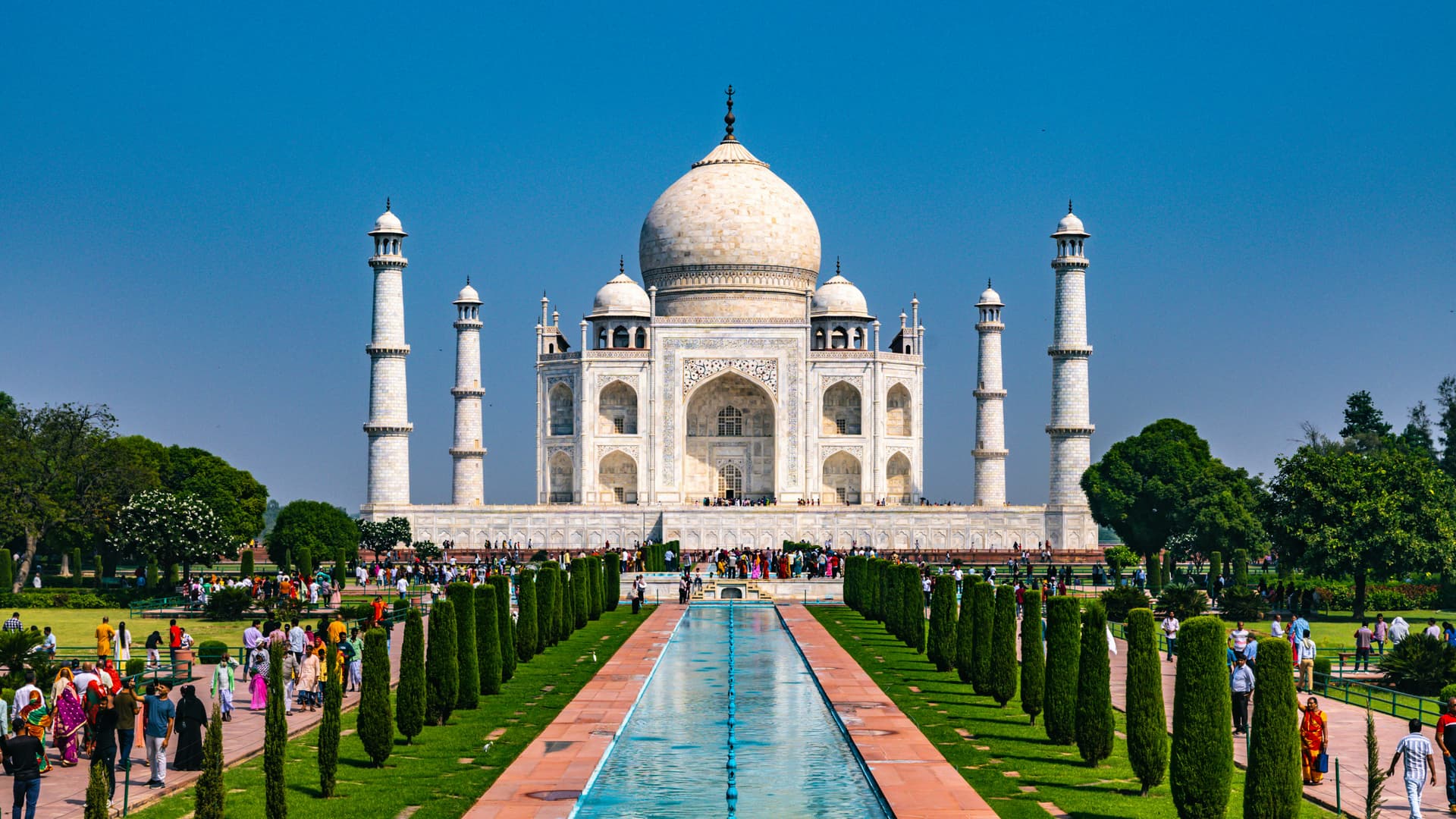
Not many countries reward prep the way India does. Learn how to plan a trip to India right , by matching the right season, region and pace to how you actually like to wander - and you suddenly get access to a place with real, deep layers: marble memorials that glow at sunrise , spice‑scented lanes inside fortress towns, royal palaces now turned into boutique stays, and scenery that shifts from Himalayan high peaks to tropical backwater calmness within one itinerary. If you do the planning wrong though, India can feel like too much fast : scorching heat, long drives between highlights, and this almost bewildering abundance of destinations you can pick from .
In this guide you’ll see all the choices that count - visas, budgets, seasons, health, cultural norms, plus sample day by day routes - all mapped out with the same structure our specialists use when they build private trips for travelers coming from the United States, the United Kingdom , Europe and Australia. When you’re finished, you’ll end up with a clear and practical plan, not just a browser full of open tabs .
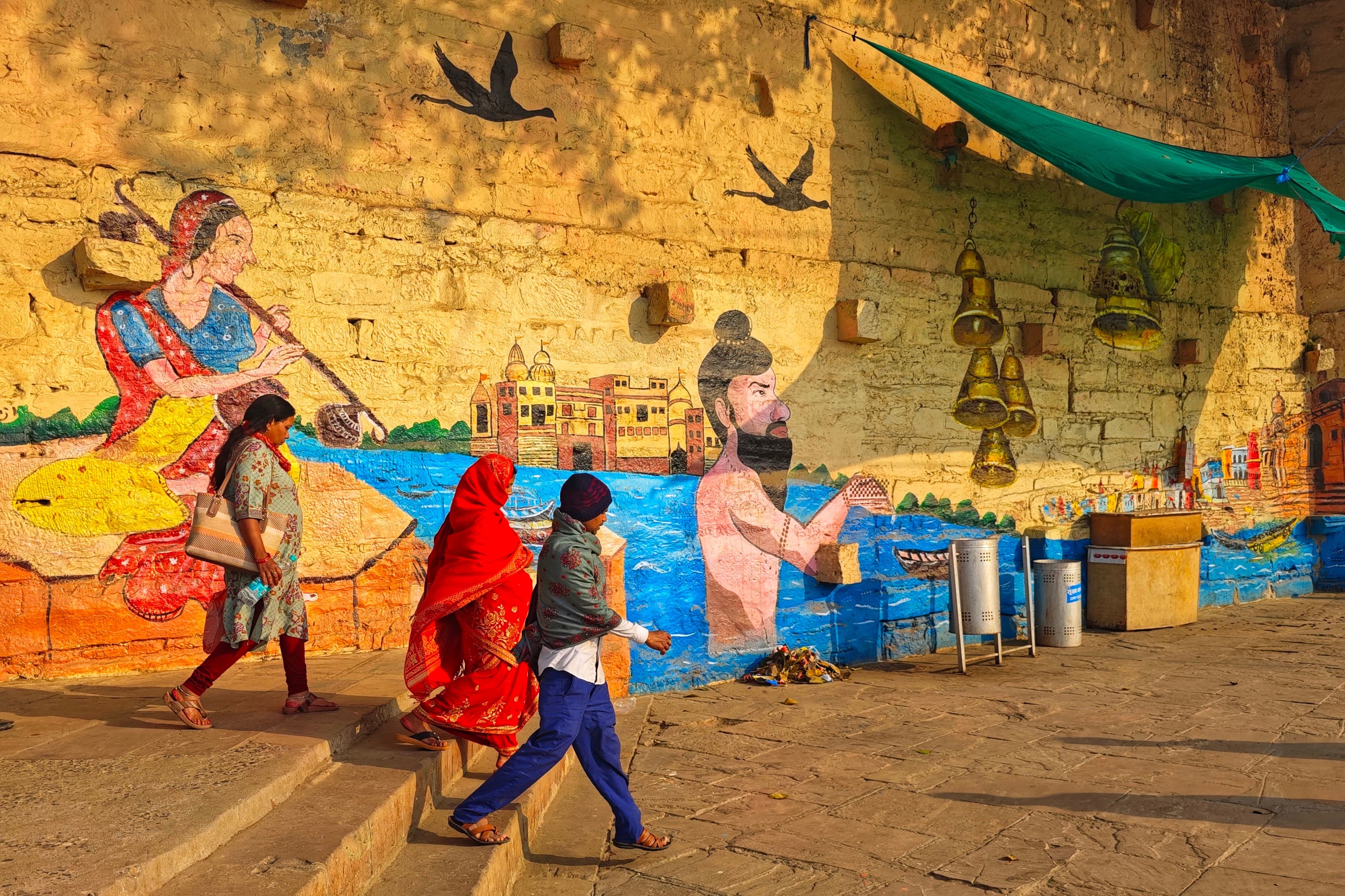
via pexels
Why India Deserves Careful Planning
India is not just one destination, it’s more like a continent honestly . Rajasthan’s desert forts , the Kerala backwaters, the Himalayan foothills, and the temple towns of Tamil Nadu-each of those is kind of a whole trip by itself. They also come with their own weather patterns, cuisine, and travel logistics, and it shows , because it’s not the same kind of flow you get in smaller countries. Distances are huge, Delhi to Kerala feels like about the same flight time as London to Cairo , so the first big planning slip that new visitors make is trying to see too much , too fast.
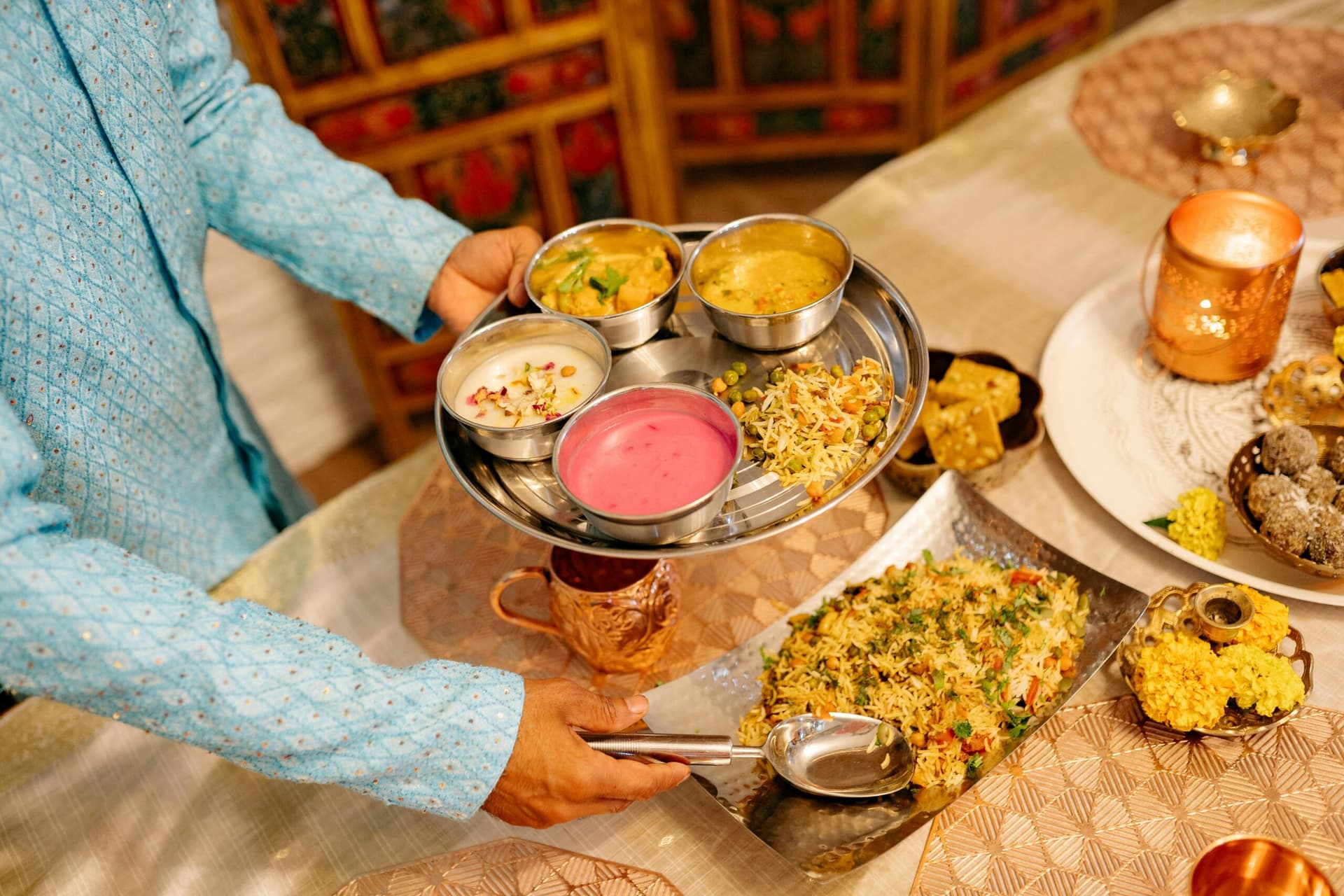
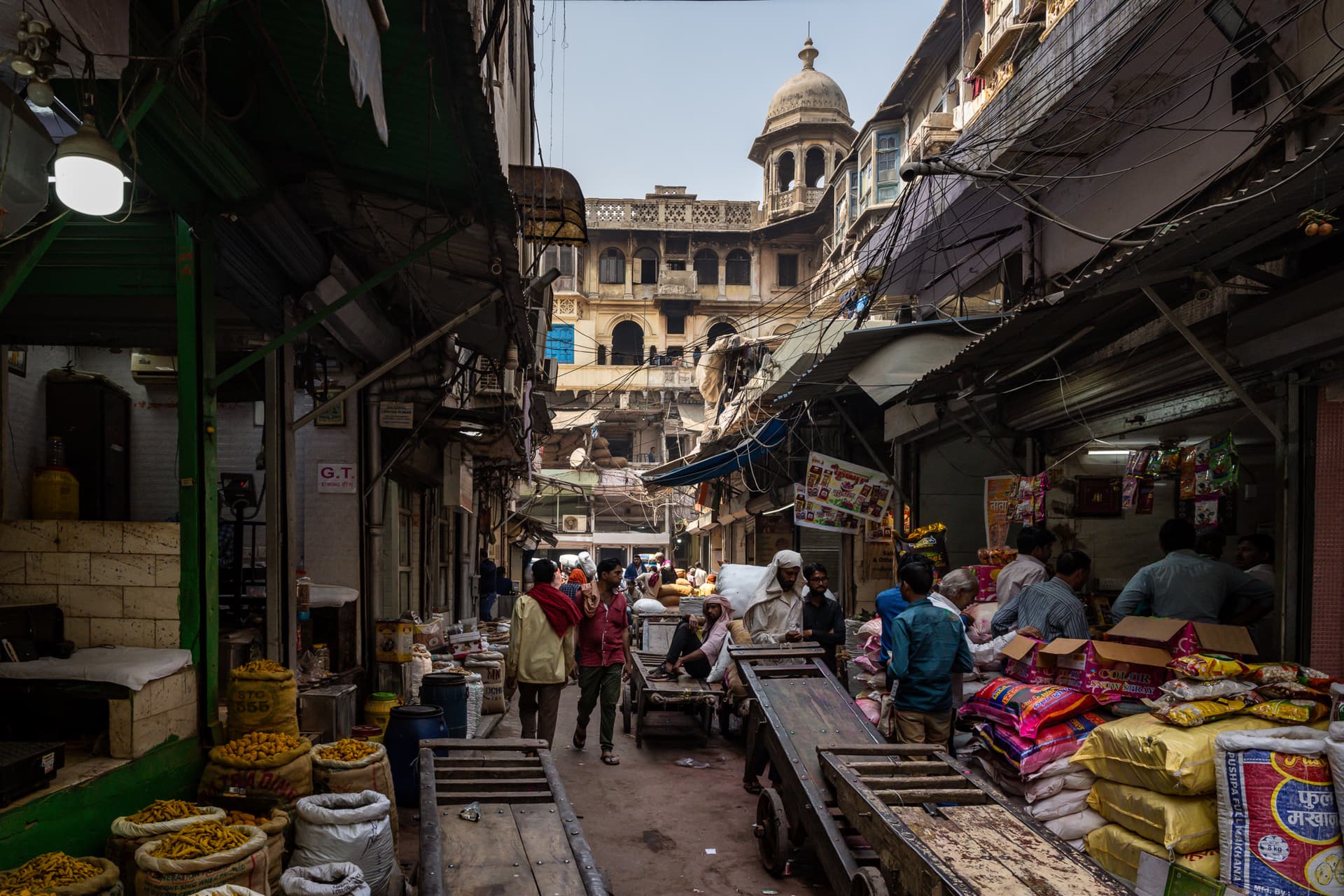
A good India trip plan usually stacks two or three nearby areas together , then adds breathing days after the long travel stretches, and it blends major landmarks with slower, more textured moments. Like pairing headline places such as the Taj Mahal or Jaipur’s City Palace with stuff that lingers: a home-style Rajasthani thali, a dawn boat ride along the Ganges, or even wandering through a spice bazaar with a local historian . That balance is what takes a checklist style itinerary and turns it into something that actually stays in your head.
via unsplash
Best Time to Visit India: A Season-by-Season Guide
Peak Season: November to March
via pexels
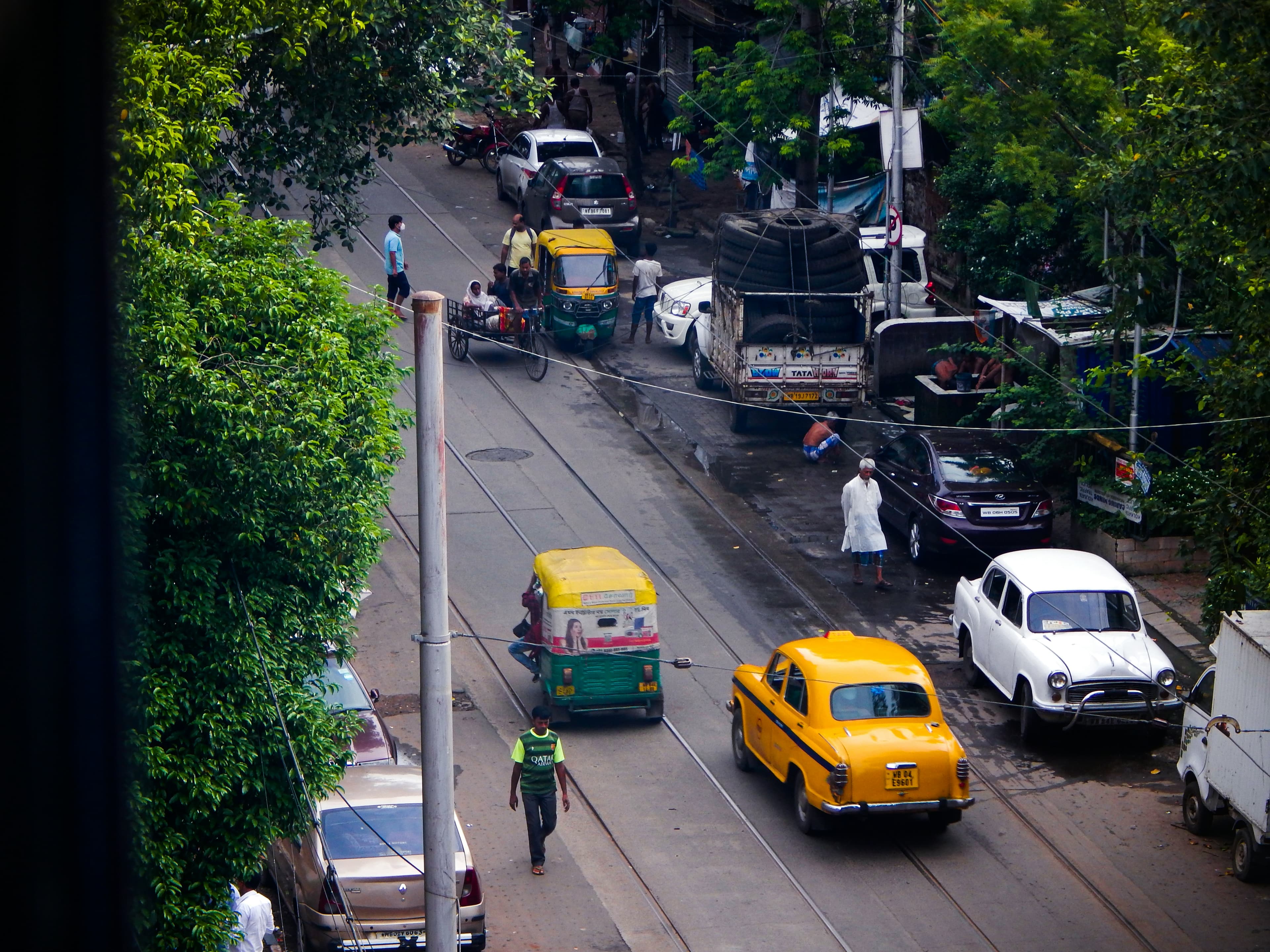
Peak Season: November to March
October to March is the best window for most of India - temperatures are pleasant (20–28°C), skies are clear, and festivals and heritage events are at their peak. It's also high season, so book heritage hotels 4–6 months in advance.
Shoulder Season: April, September and October
via pexels
Shoulder Season: April, September and October
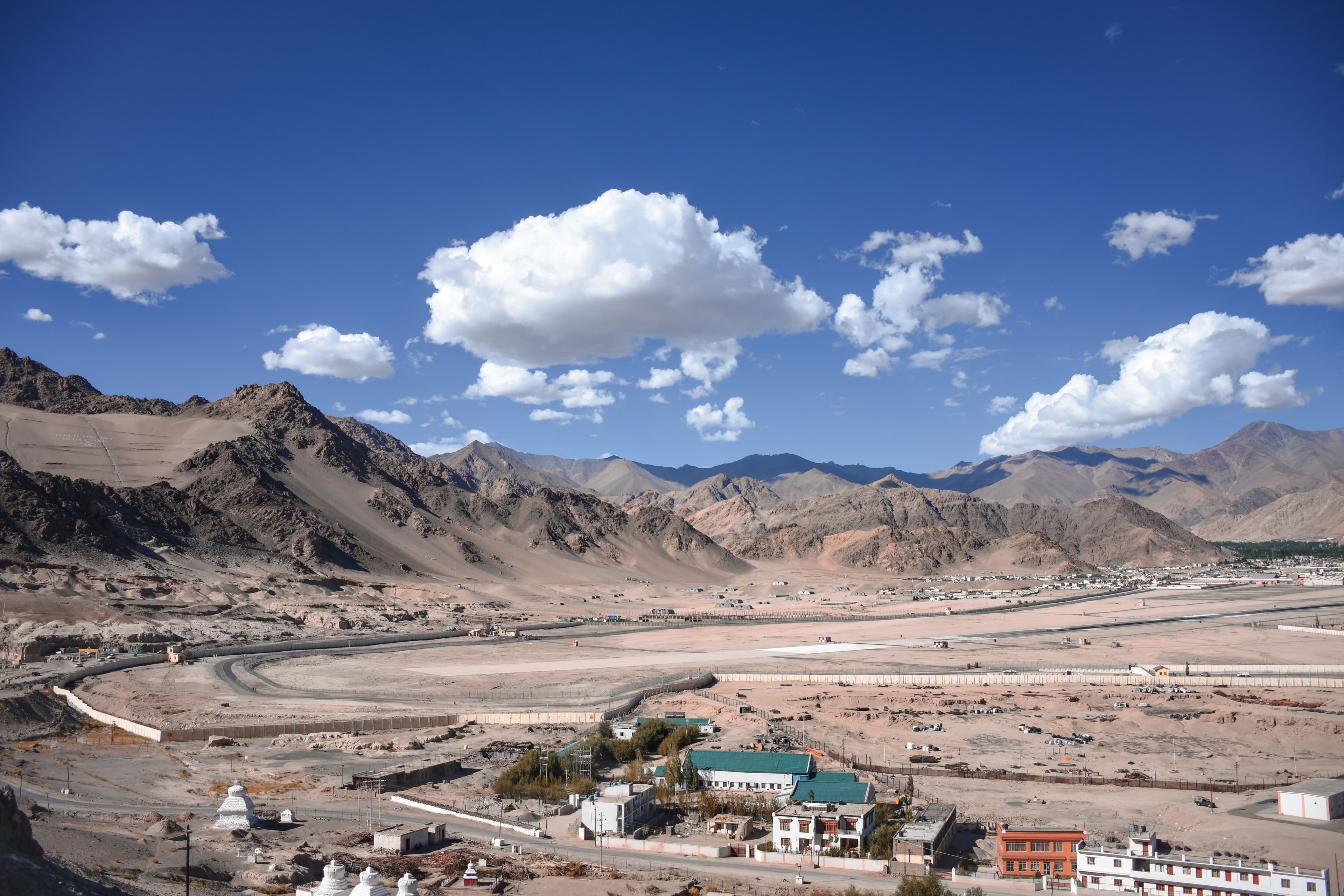
April and May are hot across northern India, but ideal for Himalayan destinations like Shimla, Manali, and Ladakh during early season.
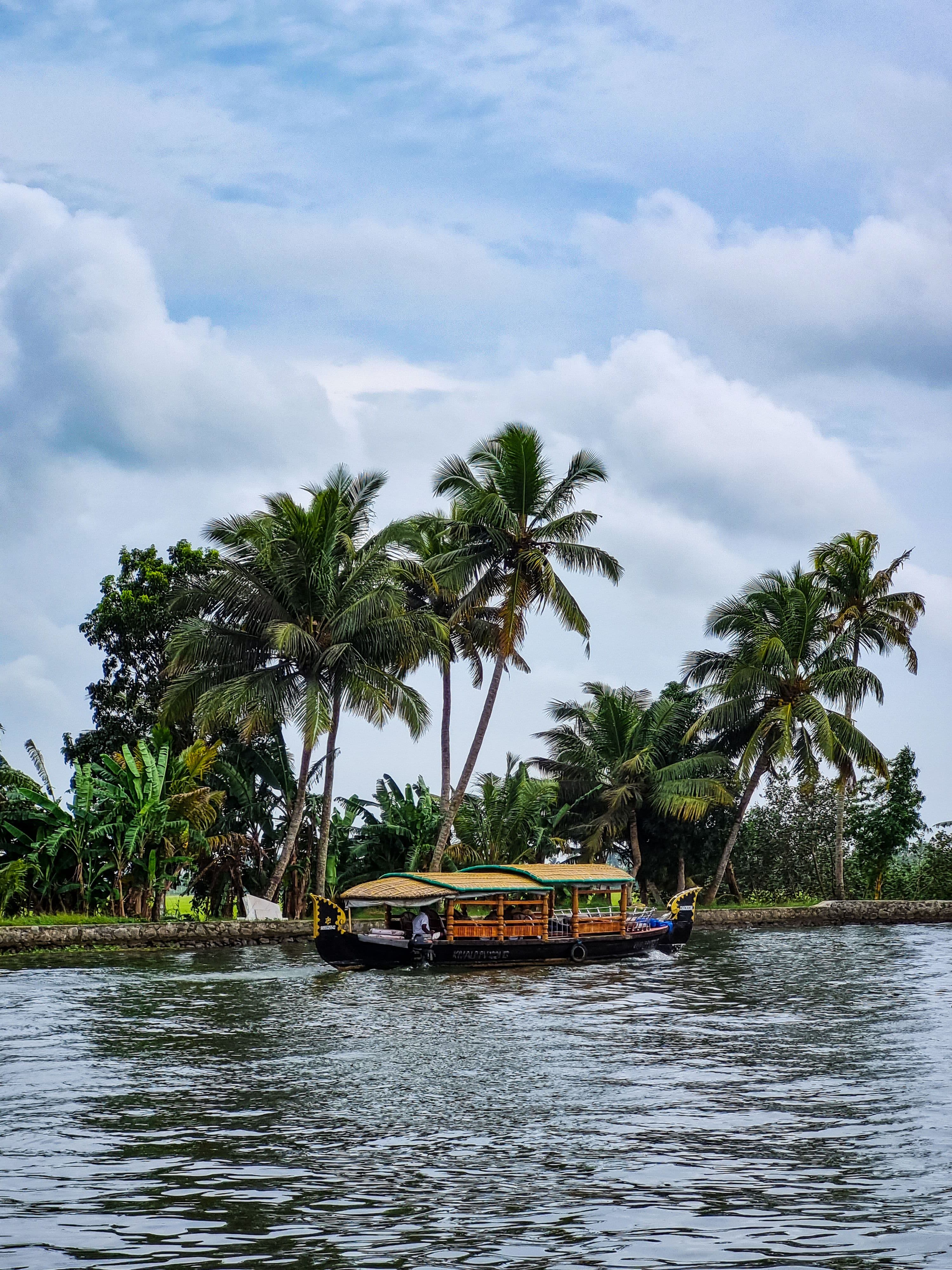
Monsoon: June to September
via pexels
Monsoon: June to September
Monsoon season (June–September) arrives in Kerala first. It's less ideal for northern heritage tours, but beautiful in Kerala and the Western Ghats - with rising backwaters and lush green hills. Expect short, sharp showers rather than continuous rain.
| Region | Best Months | Notes |
|---|---|---|
| Delhi, Agra, Jaipur | Oct – Mar | Cool, clear days; peak festival season |
| Rajasthan | Oct – Mar | Desert heat builds fast after March |
| Kerala & the backwaters | Sep – Mar; Jun – Aug for monsoon | Lush and dramatic during monsoon |
| Himalayan India (Ladakh, Himachal) | May – Sep | High passes close in winter |
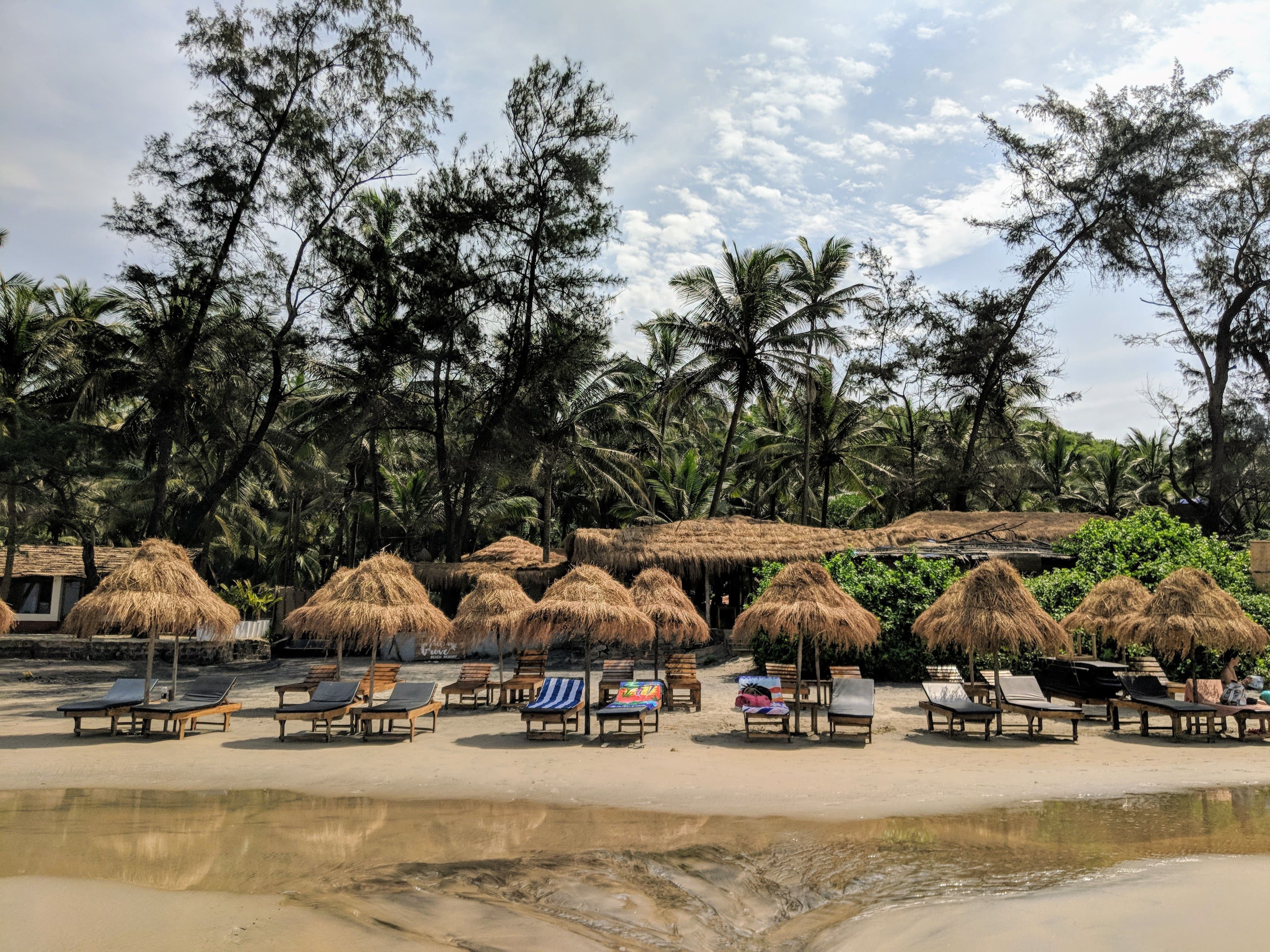
| Goa | Nov – Feb | Warm, dry, festive beach season |
India Visa Guide: Entry Requirements for International Travelers
India Visa Guide, for international people going in
Entry Requirements and stuff to know
So the visa part is basically where you start planning, because it really decides your travel dates and how smooth the whole thing goes. Nowadays, most international leisure travelers enter India using an electronic Tourist e-Visa. You usually apply online before you depart, not do that on arrival, because that’s just how it tends to work.
- • 30-day e-Tourist Visa - double entry, overall one of the quickest and cheap-ish choices if you are doing a single heritage trip.
- • 1-year e-Tourist Visa - multiple entry, good fit for travelers who are thinking about more than one trip within twelve months.
- • 5-year e-Tourist Visa - multiple entry, probably the best value for frequent visitors, but it’s also subject to current availability, so check that part.
Most nationalities can stay up to 90 days per visit, while US, UK, Canadian, and Japanese citizens are allowed up to 180 days. Visa processing takes a few business days, but apply 3–4 weeks before departure to avoid last-minute stress. You'll need a passport valid for six months beyond arrival, a digital photo, and a pre-arrival e-Arrival Card. Since rules and fees change, double-check the official e-Visa portal before booking flights.
Choosing Your Destinations: Building the Right India Itinerary
Once your dates are set the next decision is geography, really. India’s regions kind of group on their own, and most well designed itineraries they tend to choose one cluster only rather than criss crossing the whole country, you know.
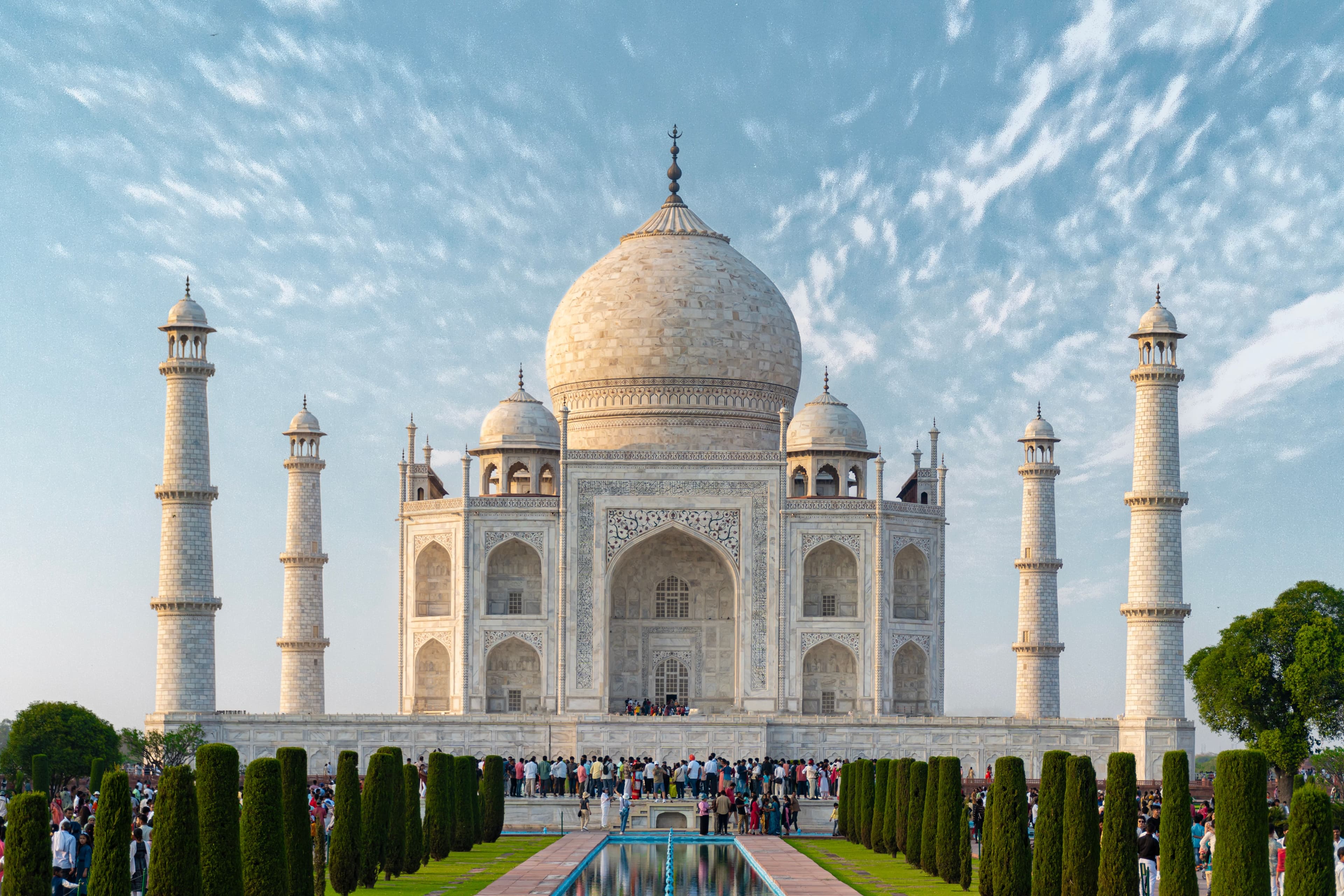
The Golden Triangle: Delhi, Agra, Jaipur
via pexels
The Golden Triangle: Delhi, Agra, Jaipur
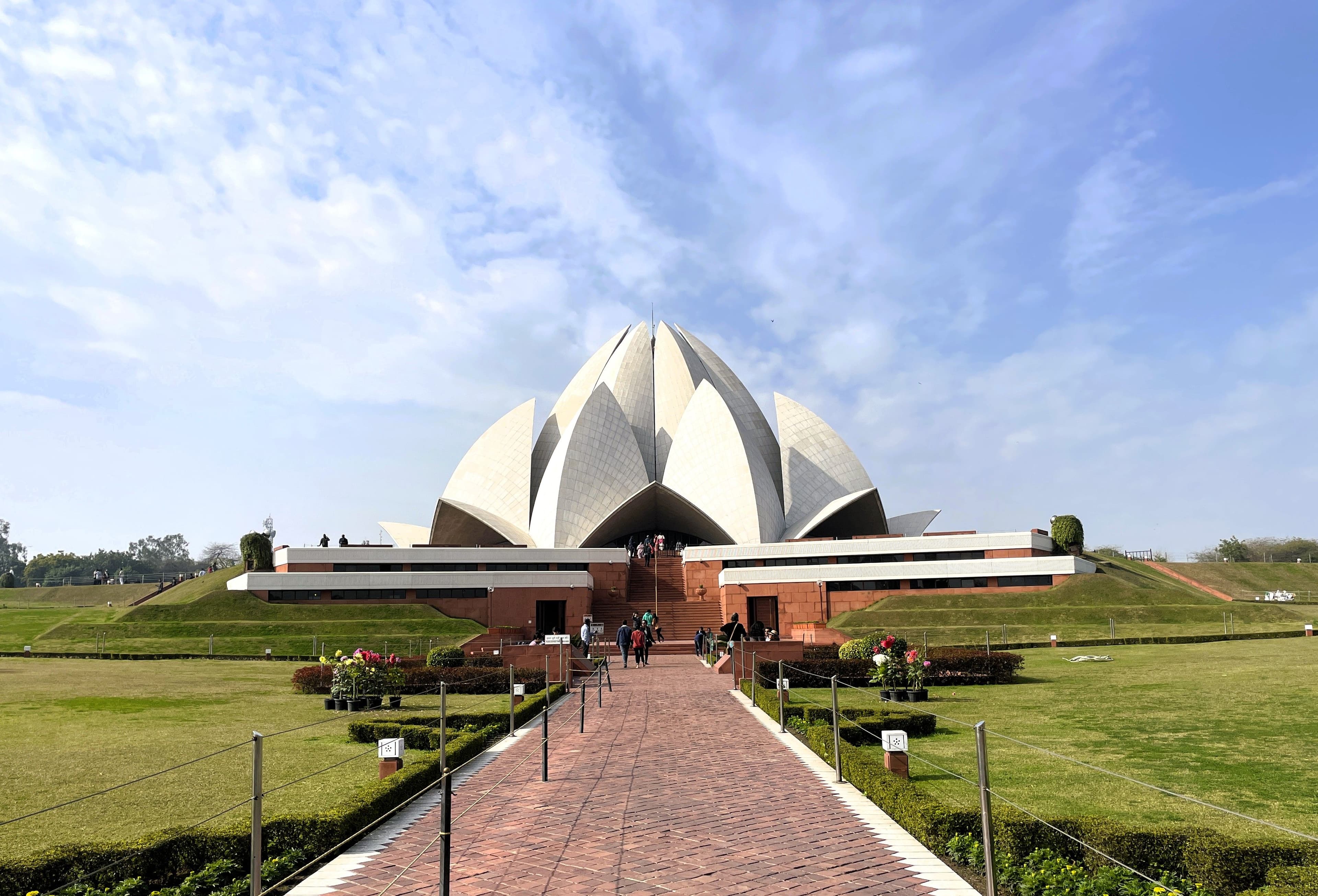
The Golden Triangle - Delhi, Agra, Jaipur - is the classic first-timer loop and it really works. It combines Mughal architecture, Rajasthan's palaces, and the Taj Mahal in a manageable 5–7 day route with comfortable drives between cities.
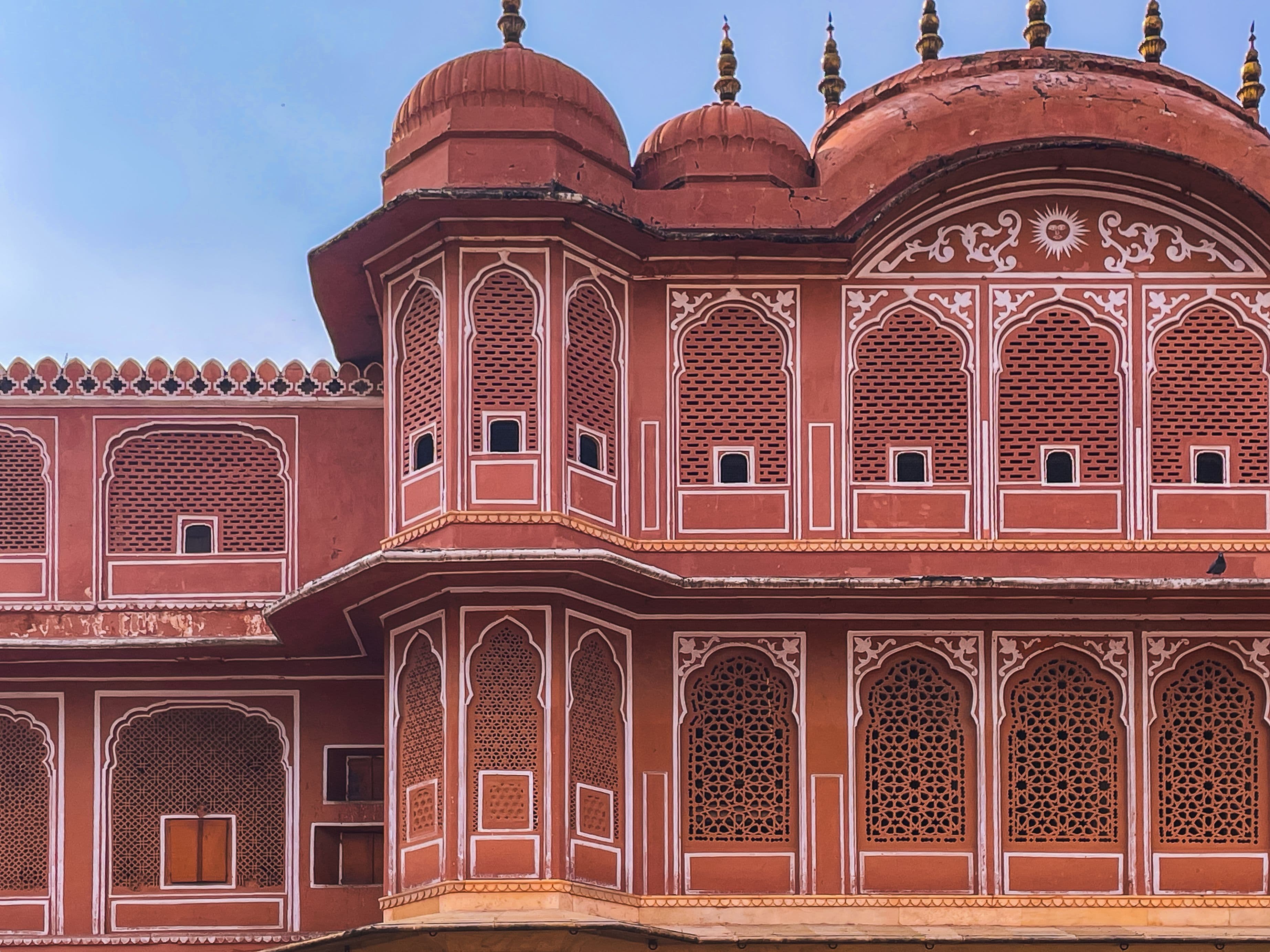
The Rajasthan Heritage Circuit
via pexels
The Rajasthan Heritage Circuit
For a deeper Rajasthan experience, extend west to Udaipur's lakes, Jodhpur's blue quarters, and Jaisalmer's desert fort. This 10–12 day route suits travellers who enjoy palace hotels, calm courtyards, and a slower, more immersive pace.
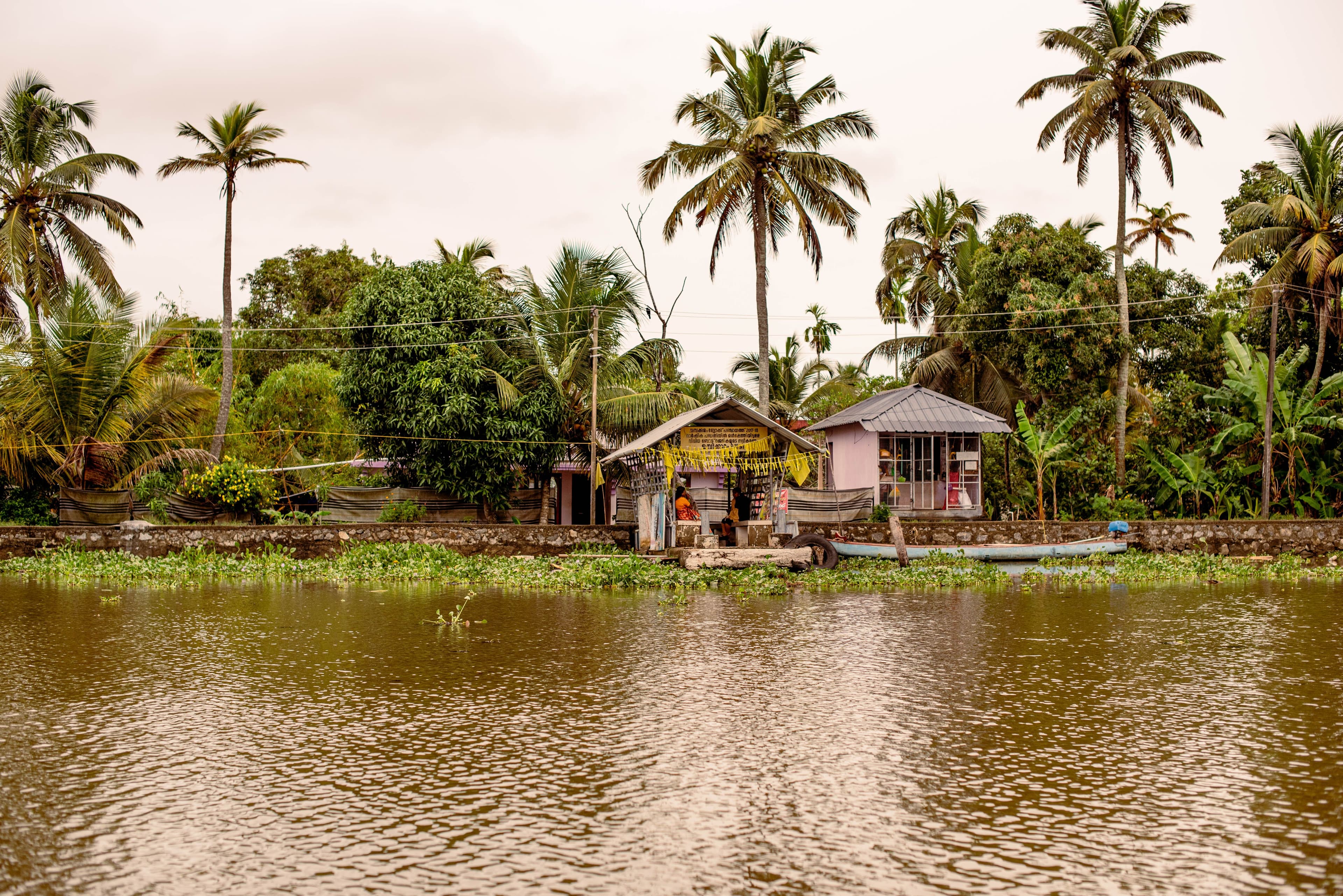
Kerala & the Southern Backwaters
via pexels
Kerala & the Southern Backwaters
A slower, greener alternative: houseboat cruises through the backwaters, tea plantations in Munnar, and Ayurvedic wellness retreats. Pairs well with a few days on the Kerala coast.
Himalayan India
via pexels
Himalayan India
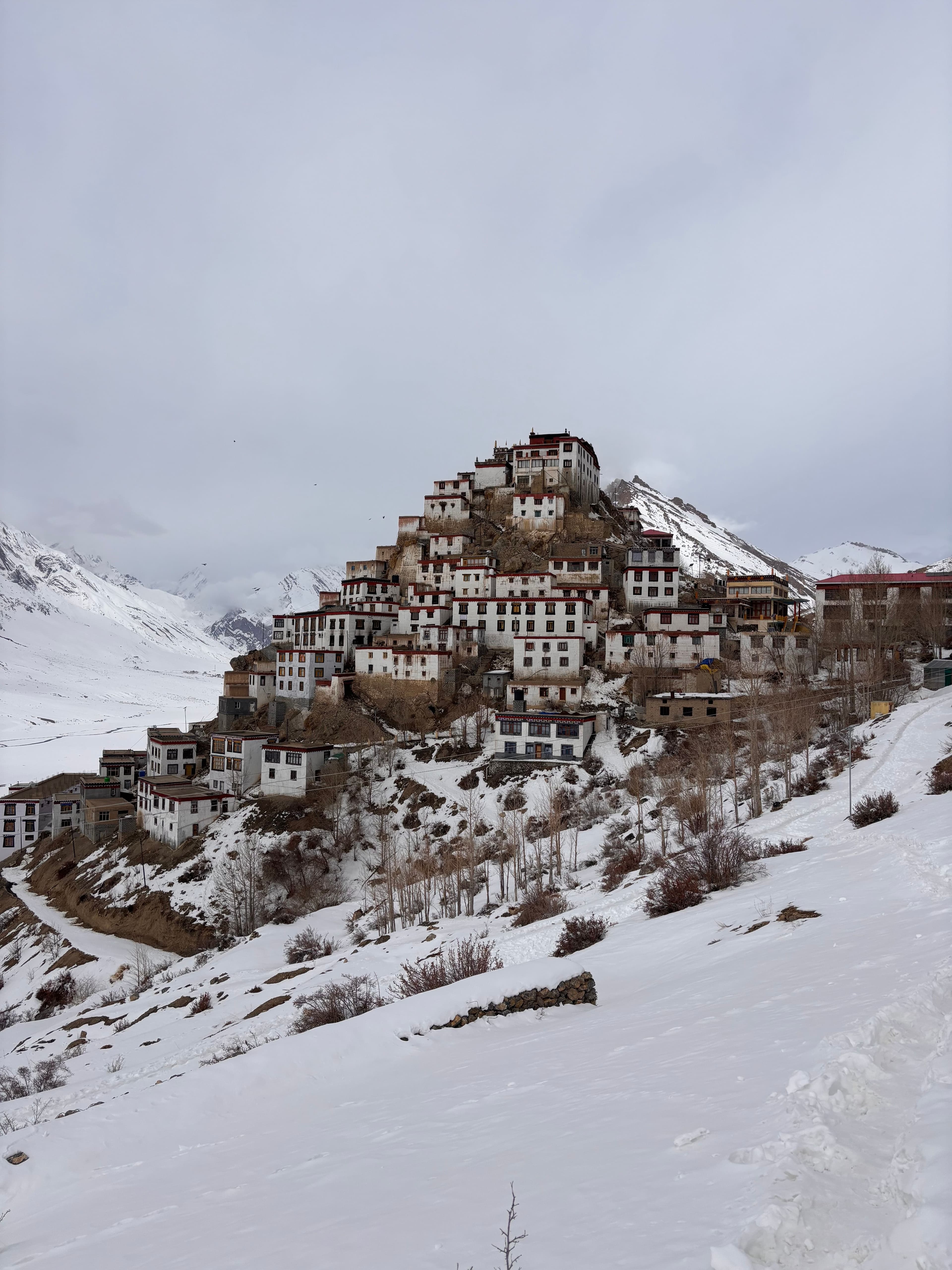
And if monuments aren’t your main thing, but mountains are, then Ladakh, Himachal Pradesh, and Sikkim bring Buddhist monasteries, high-altitude waters, and a totally different rhythm. Best timing is usually between May and September, because otherwise it can get… well, rather challenging.
How Much Does a Trip to India Cost? Budget Planning
India can be genuinely inexpensive or genuinely luxurious, often within the same city block. Setting a realistic budget early shapes almost every other decision, from hotels to transportation.
| Travel Style | Per Person, Per Day | What's Included |
|---|---|---|
| Backpacker / Budget | $40 – $70 | Guesthouses, local transport, street & casual dining |
| Mid-Range | $120 – $250 | 3–4 star hotels, private day drivers, mix of dining |
| Luxury / Private | $400 – $900+ | Heritage & 5-star palace hotels |
Flights & Transportation: Getting Around India
Most folks coming from abroad touch down in Delhi, Mumbai or Bengaluru . From there, the inside connections are pretty extensive , and also not that pricey compared to what Western travelers pay. So, doing short flights is usually the smart move to cross long stretches, like going Delhi to Udaipur , or Kochi .
- • Domestic flights: these are the quickest option when the hop is long; try to book maybe two to four weeks ahead during peak season.
- • Private car with a driver: this is kind of the default for heritage wandering between nearby cities such as Delhi–Agra–Jaipur; it’s comfy, adaptable and honestly far less stressful than going the self-driving route.
- • Trains: Shatabdi and Rajdhani express services feel quite scenic, and they run efficiently for certain well-liked routes.
- • Local transport: auto-rickshaws and ride-hailing apps work nicely inside the cities for quick, laid-back errands.
Hotels & Accommodation: Where to Stay
India has this accommodation range thats kind of oddly wide. You can find converted palaces and havelis, heritage mansions really, right next to big international five-star chains and also those simple family-run guesthouses. If you’re doing a heritage focused itinerary, choosing to sleep inside a converted fort or a palace does something extra , because some of them are still partly lived in by the descendants of the families that originally built them. A normal, standard hotel just can’t fully mimic that sense. Also, try to book these places well ahead of peak season November to February, since the rooms are usually very limited, not just because they want it that way but because the design keeps it that way.

via pexels
Money Matters: Currency, UPI & Payments
India has this accommodation range thats kind of oddly wide. You can find converted palaces and havelis, heritage mansions really, right next to big international five-star chains and also those simple family-run guesthouses. If you’re doing a heritage focused itinerary, choosing to sleep inside a converted fort or a palace does something extra , because some of them are still partly lived in by the descendants of the families that originally built them. A normal, standard hotel just can’t fully mimic that sense. Also, try to book these places well ahead of peak season November to February, since the rooms are usually very limited, not just because they want it that way but because the design keeps it that way.

via pexels
Health, Vaccinations & Travel Insurance
Try to talk with a travel health provider about 6 to 8 weeks before you leave, just so you have enough time. Make sure your routine vaccinations are already up to date, and depending on where you go plus your own personal health history, a clinician might suggest extra steps around hepatitis A, typhoid, or malaria, especially in certain areas. Also, travel insurance that really covers medical care and evacuation is essential, not optional, you know-some people forget that part. As for India, private hospitals in the bigger cities are often very good, but the fees are usually paid up front, and then later you get reimbursed.

via pexels
What to Pack: India Packing Checklist
- • Lightweight , breathable clothes that cover the shoulders and knees for temple and mosque visits—just to be safe, you know.
- • Also bring a warm layer for cool desert nights and the air conditioned interiors, because it can feel kinda chilly.
- • Comfortable walking shoes that slip on easily, no fuss during longer strolls
- • A reusable water bottle with a built-in filter , so you can stay hydrated without stress.
- • Mosquito repellent, plus sun protection , because the heat and the insects are both very real.
- • A portable charger and a universal adapter , for when outlets act weird.
- • And a lightweight scarf or shawl , handy for sun coverage modesty, and even air-conditioned cars.
Food & Water Safety Tips
via pexels
Food & Water Safety Tips
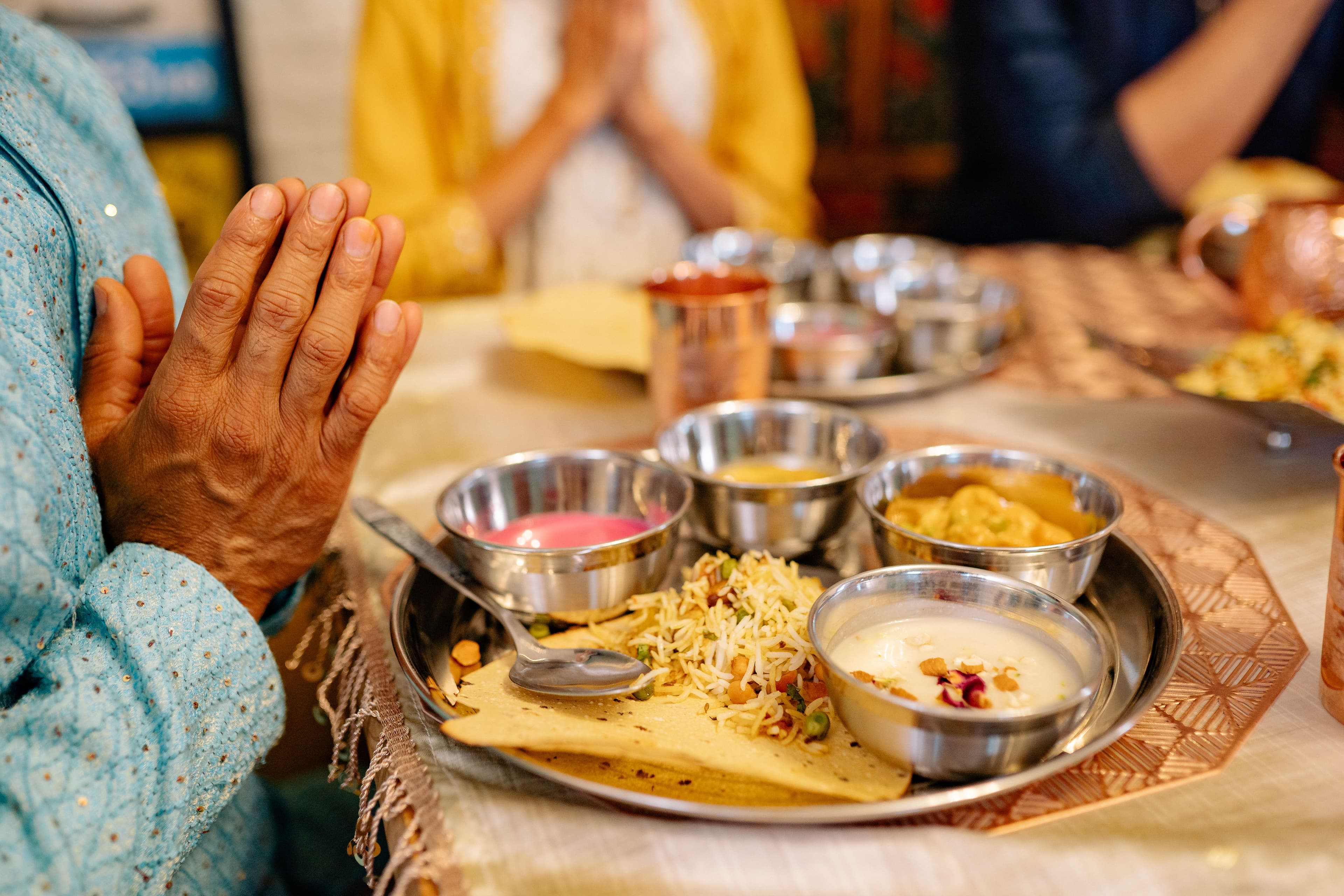
India's food is amazing - just use bottled water, skip untrusted ice, and pick busy street stalls with high turnover. Freshly cooked hot dishes are safest; ease into local food over the first couple of days.

Solo Female Traveler Tips
via pexels
Solo Female Traveler Tips
Solo women can travel India safely with smart planning - vetted stays, private transport, modest dressing, and a local contact. A private guide and driver handle logistics while you stay in control.

Family Travel Tips
via pexels
Family Travel Tips
India is magical for kids - colourful festivals, wildlife, and interactive experiences. To avoid travel fatigue, keep drives short, book hotels with pools, and build in rest breaks.
Luxury vs Budget Travel: Which Style Fits You
Budget travel in India is honestly workable and quite popular with younger, adaptable travelers, who can handle the logistics on their own without much fuss. On the other hand, luxury travel- a private chauffeur, heritage stays that feel carefully selected, expert guides, all that-demand a much higher daily budget, but it buys comfort, a safer rhythm, and some “access” that group itineraries and independent, lower-cost routes can not really offer, like private palace hours, temple visits during quiet off times, and even personal historians for context. Most first-time visitors, honeymooners, and family groups seem to land best in the mid-range to luxury bracket, since it gives the best balance between day-to-day ease and something genuinely authentic.
Suggested Itineraries
One-Day Sample: Old and New Delhi
- • 1. Morning, Jama Masjid , and then a rickshaw ride through Chandni Chowk’s spice textile lanes, like really close together
- • 2. Midday, Humayun’s Tomb . this is often called the architectural starter before the Taj Mahal
- • 3. Afternoon: India Gate and the government quarter of New Delhi
- • 4. Evening: rooftop dinner, looking over the old city skyline, kind of dreamy
Two-Day Sample: Delhi plus Agra
- • 5. Day 1: Delhi heritage as above, overnight staying in Delhi
- • 6. Day 2: early exit for Agra , Taj Mahal sunrise or sunset , Agra Fort . then back to Delhi or keep going toward Jaipur
Ten-Day Sample: Golden Triangle and Rajasthan
- • 7. Days 1–2: Delhi, Old & New Delhi, museums, bazaars, walking without rushing
- • 8. Day 3: Agra, Taj Mahal at sunrise , Agra Fort , Fatehpur Sikri on the way toward Jaipur
- • 9. Days 4–5: Jaipur, Amber Fort, City Palace, Jantar Mantar , plus bazaar shopping for little things
- • 10. Days 6–7: Udaipur , Lake Pichola, City Palace, boat ride, and a stay in a palace hotel
- • 11. Days 8–9: Jodhpur, Mehrangarh Fort, the Blue City , and a desert meal under the stars
- • 12. Day 10: departure, or stretch the trip to Jaisalmer for a camel safari , if you feel like it
Essential Travel Apps for India
- • A dependable ride hailing app for those cities where you dont really have a private driver
- • Maps for offline use, you download them ahead of departure for zones with a patchy signal
- • A money converter with real time exchange rates, so you dont get stuck guessing
- • A translation app that covers Hindi plus some regional languages too
- • Your airline and hotel apps, for mobile boarding passes and for check in without hassle
Why Choose India Heritage Travel
Most of the safety advice in this guide, is already baked in to the way India Heritage Travel puts together each itinerary: private, vetted chauffeur transport for the whole duration of every trip, plus fully customised days that are built around your personal comfort level and the kind of things you like to see. We also choose curated luxury and heritage stays, each one hand-inspected for safety and service, and we make sure you have expert local guides on the ground ,including female guides for women-only and solo female itineraries. There s also a dedicated women-safe travel planning approach, from the route logistics to evenings and activities, not just a general plan.
Frequently Asked Questions
For a first visit, 10 to 14 days is ideal - enough time to cover two or three neighbouring regions, such as the Golden Triangle and Rajasthan, without rushing between cities.
Yes, almost all international leisure travelers need a visa. The e-Tourist Visa, applied for online before departure, is the fastest and most common option, available in 30-day, 1-year and 5-year validities.
November through March is the most comfortable window for most of the country, especially Delhi, Agra, Jaipur and Rajasthan. Kerala and the Himalayas each follow different seasonal patterns, so the best time depends on your specific itinerary.
Budgets range widely: roughly $50 a day for independent budget travel, $120–$250 a day for mid-range comfort, and $400–$900+ a day for private, chauffeur-driven luxury touring, excluding international flights.
Yes, with sensible precautions - pre-arranged private transport, well-reviewed accommodation, modest dress in conservative areas, and ideally a private guide and driver, which is why women-only and private touring options are popular first-trip choices.
Routine vaccinations should be up to date, and a travel health provider may recommend additional precautions depending on your itinerary. Book a travel health consultation six to eight weeks before departure.
Planning Your India Journey?
India Heritage Travel creates private, fully escorted itineraries across India's iconic landmarks, royal palaces, and spiritual sites - with dedicated drivers, local guides, and 24/7 support for a seamless and worry-free experience.
Plan My India Journey