Best Time to Visit India: A Season-by-Season Guide for the Discerning Traveler
India doesn't have one single best time - it has many, each tied to a region, festival, and travel style. The quick answer is October to March for the coolest, driest weather - but that's only part of the story. Kerala backwaters feel completely different in July than in January. Ladakh only opens when passes clear from late May. Rajasthan's forts are magical in December but can feel punishing in May.
This guide walks you through when to go - region by region, season by season, and interest by interest - so your trip lands in exactly the right week.
via pexels
Understanding India's Three Seasons
India’s climate sort of splits into three seasons, but honestly anyone who has walked from the Thar Desert toward the Western Ghats in just one week will tell you that “broadly” is doing way too much work there.
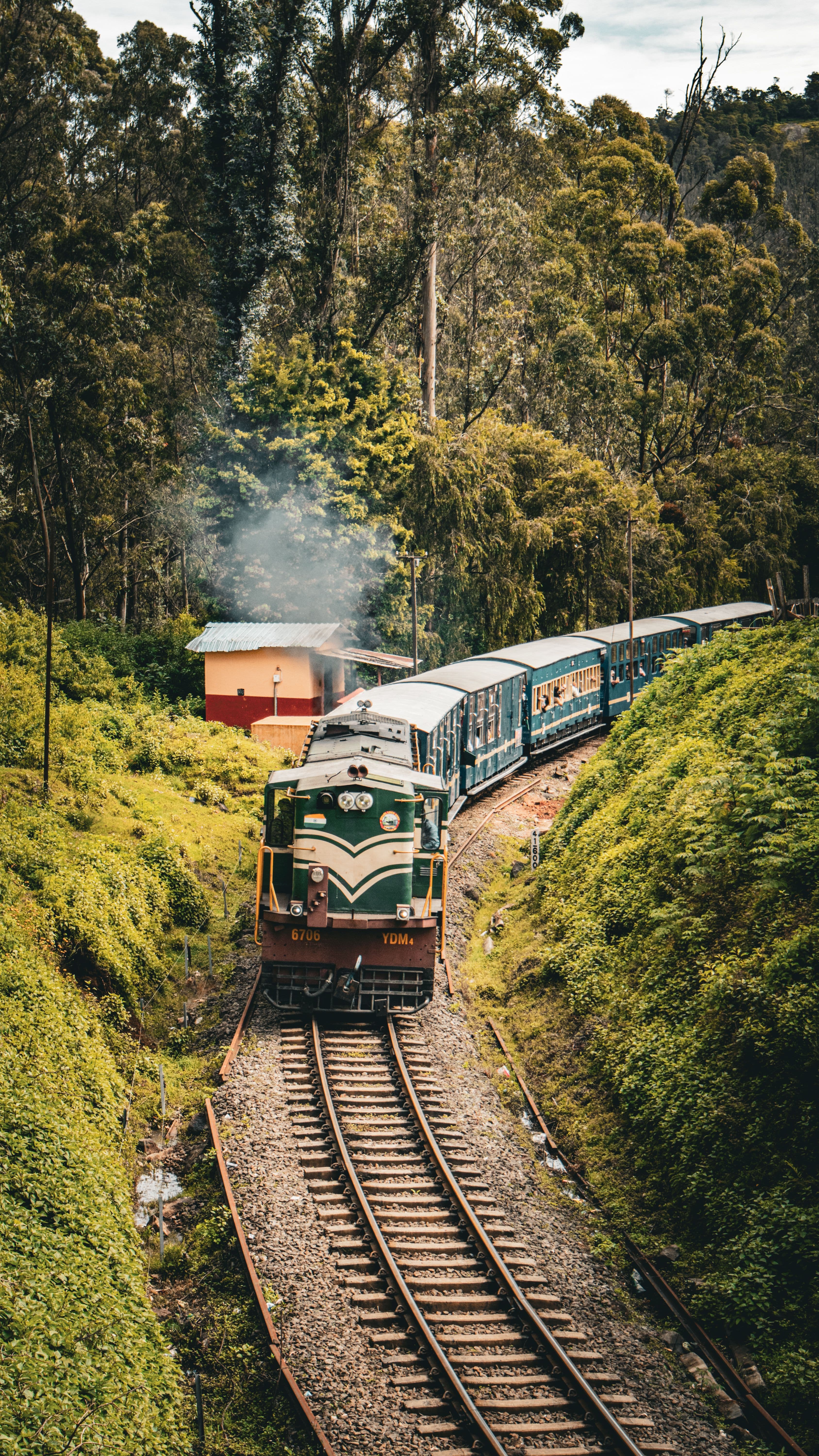
Winter (October/November to March)
via pexels
Winter (October/November to March)
October to March is peak season - clear skies, low humidity, and daytime temperatures of 15–25°C (59–77°F), perfect for heritage touring in the Golden Triangle and Rajasthan. Nights can get chilly in December–January, so pack warm layers.
Summer (April to June)
via pexels
Summer (April to June)
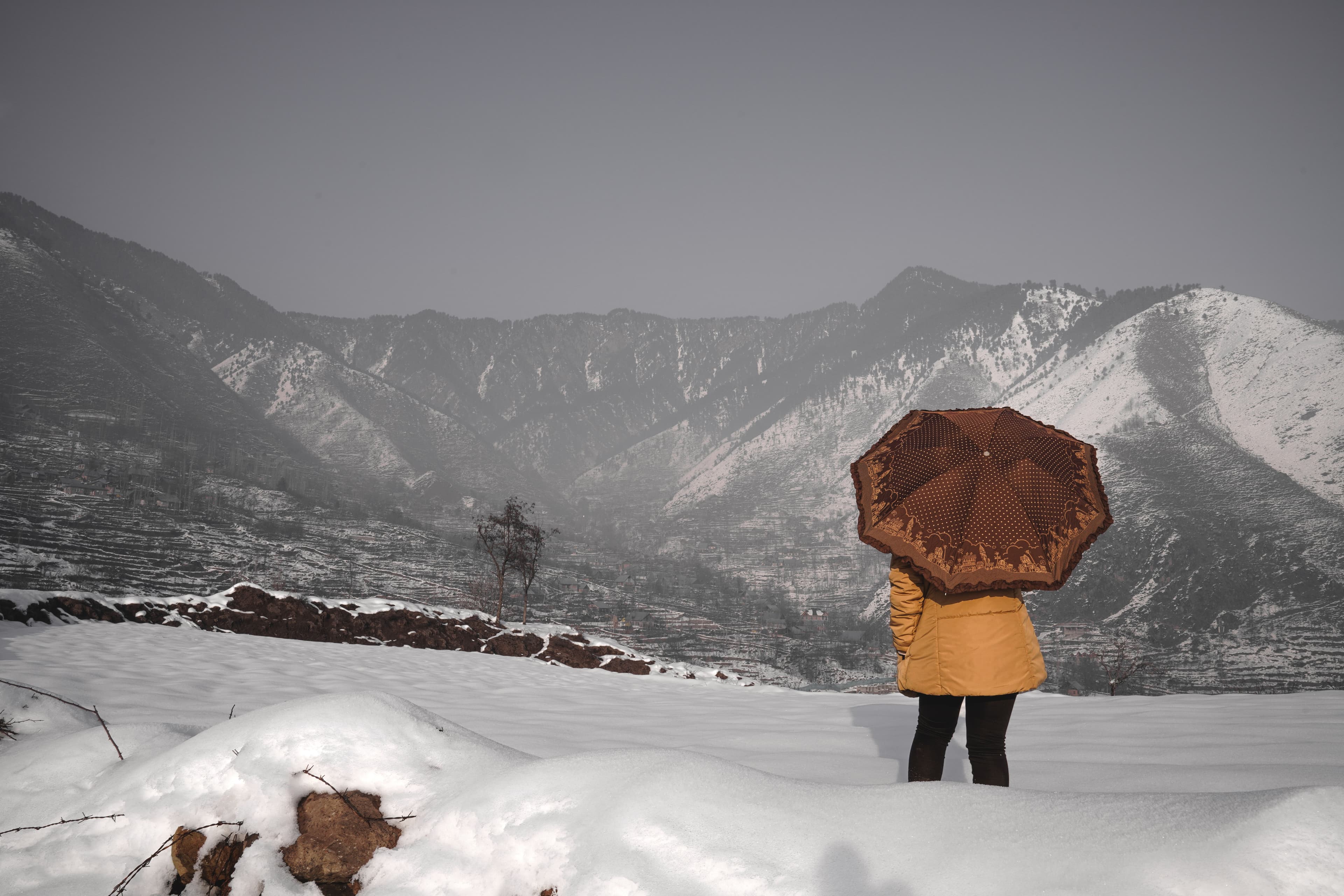
March–June sees heat build across the plains, with 40°C+ common in Rajasthan and central India. But it's the perfect season for hill stations like Shimla, Manali, and Darjeeling - and the only window for Ladakh's high-altitude passes.
Monsoon (June/July to September)
via pexels
Monsoon (June/July to September)
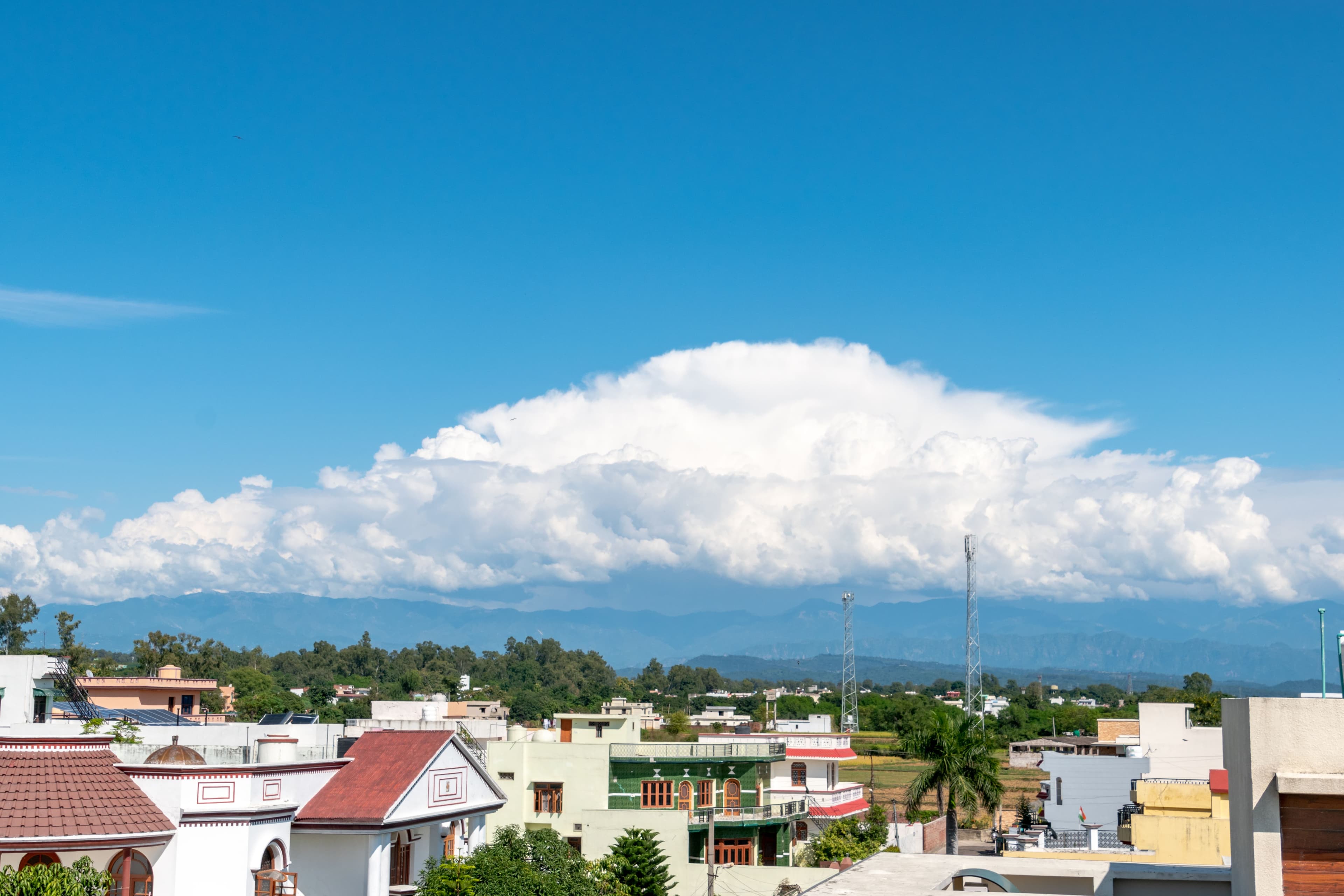
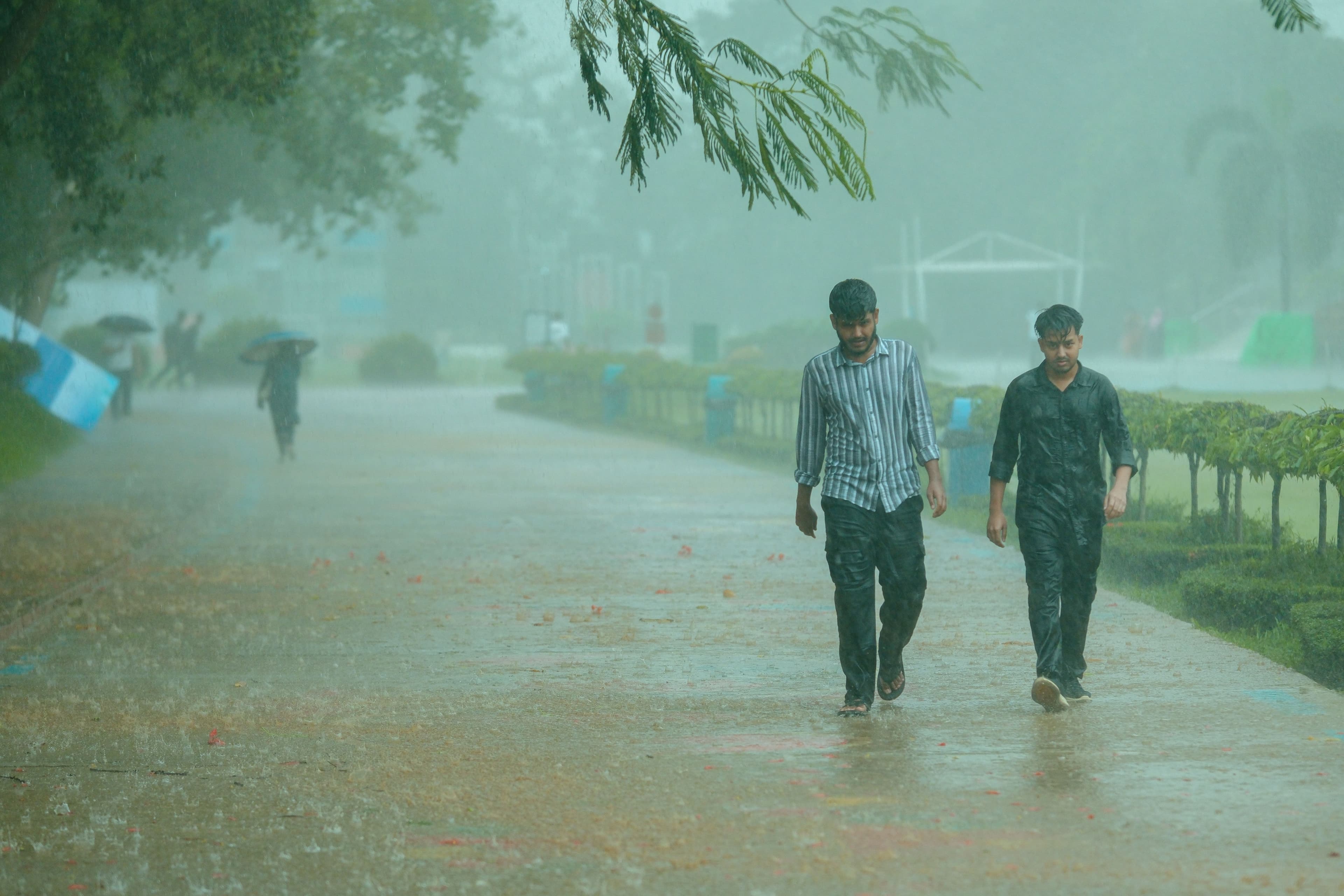
Monsoon hits Kerala in late May–June and moves northeast - ticket prices drop, crowds thin, and the landscape turns a lush green. It's not the easiest season for logistics due to heavy downpours, but for wellness retreats, Ayurveda, and dramatic photography, it has a devoted following.
Best Time to Visit India by Region
Since India has deserts, coastlines, and the Himalaya peaks all in one country, the honest answer about “when should I go” really depends more on where than on when… like, I mean, location does most of the talking.
Best Time to Visit Rajasthan
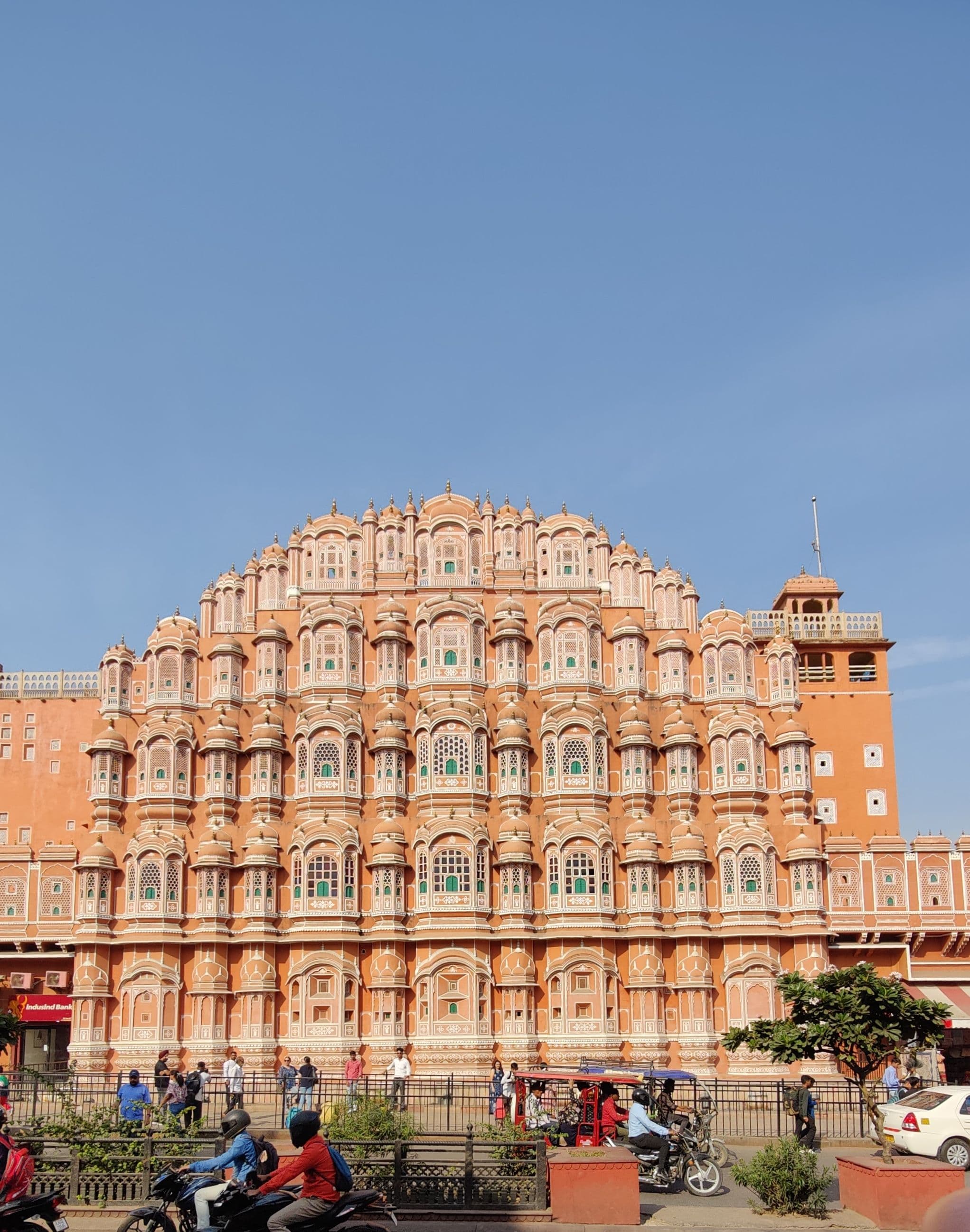
Winter , from November and through February, is really the best time to tour Rajasthan. The days are pleasantly warm and clear, the nights get crisp enough for a bonfire on a palace lawn, and the desert heat that usually turns up in April through June stays away for now. This is also when Rajasthan’s festival season feels at its busiest, with the well known Pushkar Camel Fair right there in the mix.
via pexels
Best Time to Visit Delhi and Agra (the Golden Triangle)
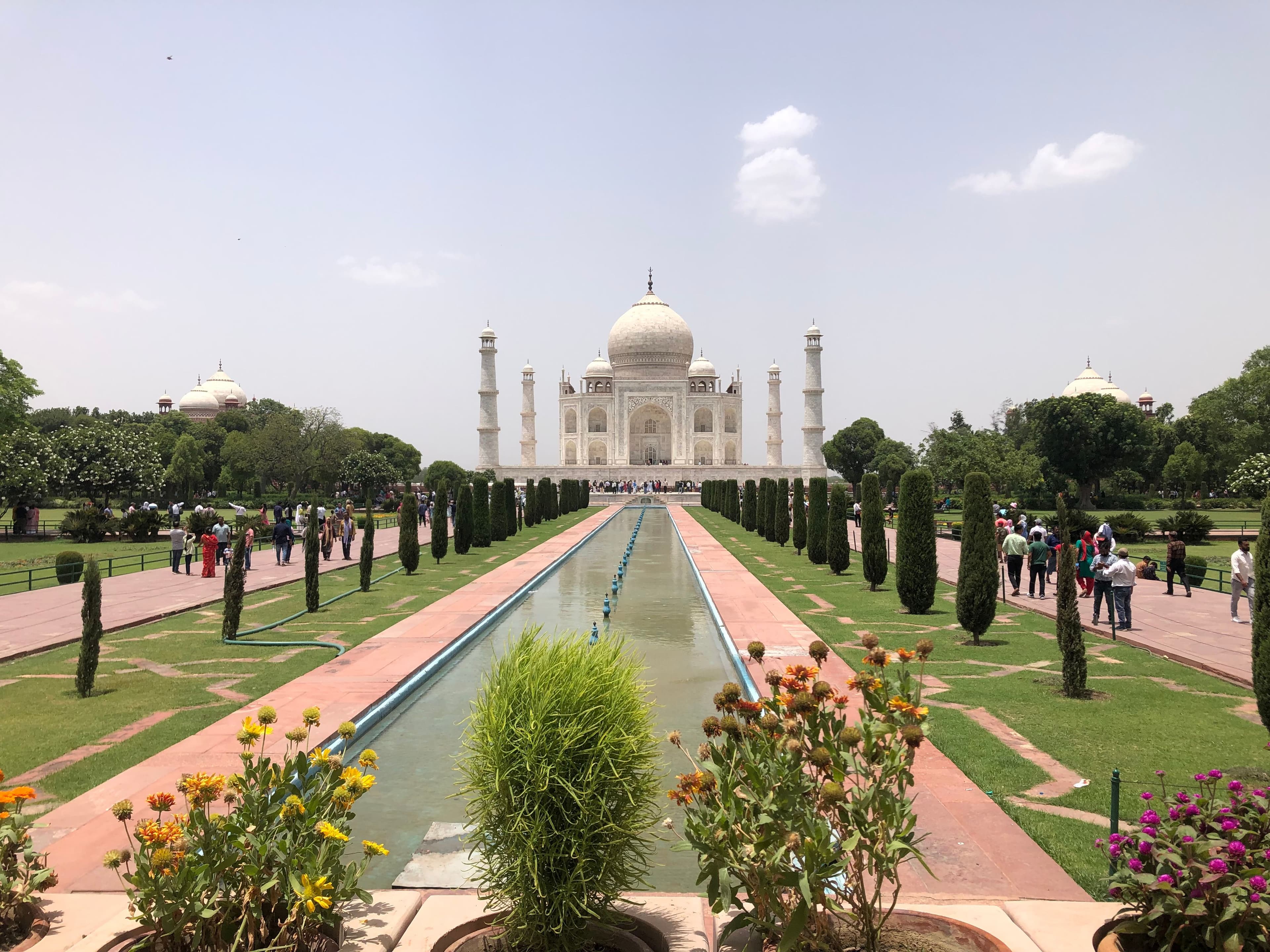
For a Golden Triangle tour in India, the best stretch is usually October to March, because Delhi air feels cleaner and Agra Taj Mahal is shot with those more blue skies ,not that summer kind of haze. But around late December and January you can get thick morning fog, which sometimes pushes back early flights, so if someone’s got a strict timetable it’s smarter to lean toward November, February or March instead.
via pexels
Best Time to Visit Kerala
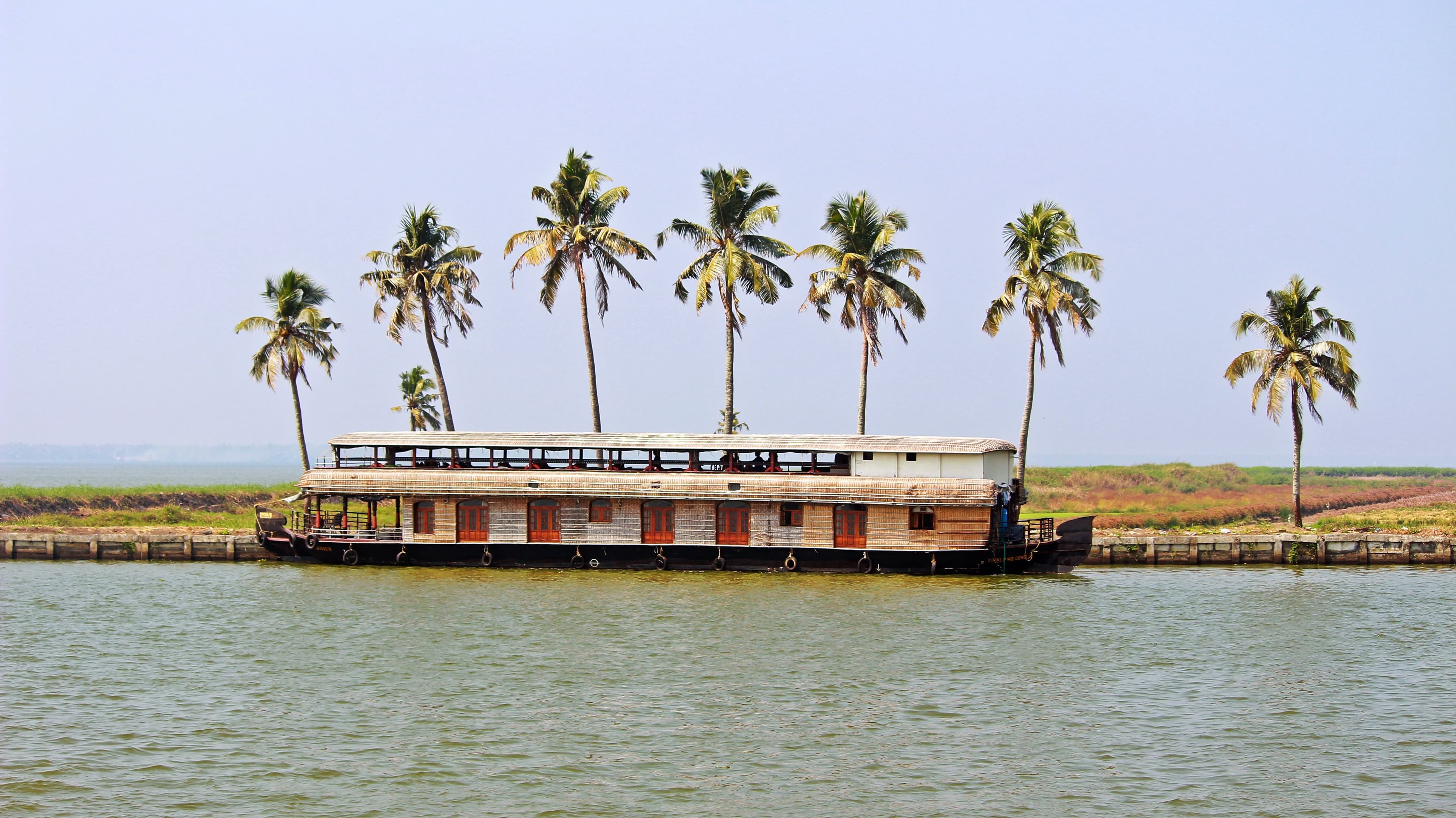
Kerala kind of gives a reward to two really different kinds of travelers, at two very different moments too. For the classic backwater cruise vibe, plus beach time and even wildlife spotting around Periyar, November to February is usually the sweet spot for visiting Kerala, since you get drier days and that comfy level of humidity. But for Ayurvedic, wellness, and “reset” travelers, it’s the monsoon stretch from June through August that’s often seen as more therapeutically ideal. Local practitioners say that the season’s humidity is believed to help the body take in traditional oils, and various treatments a bit better. On top of that, resort rates commonly drop well under what you’d pay during winter pricing.
via pexels
Best Time to Visit the Himalayas and Ladakh
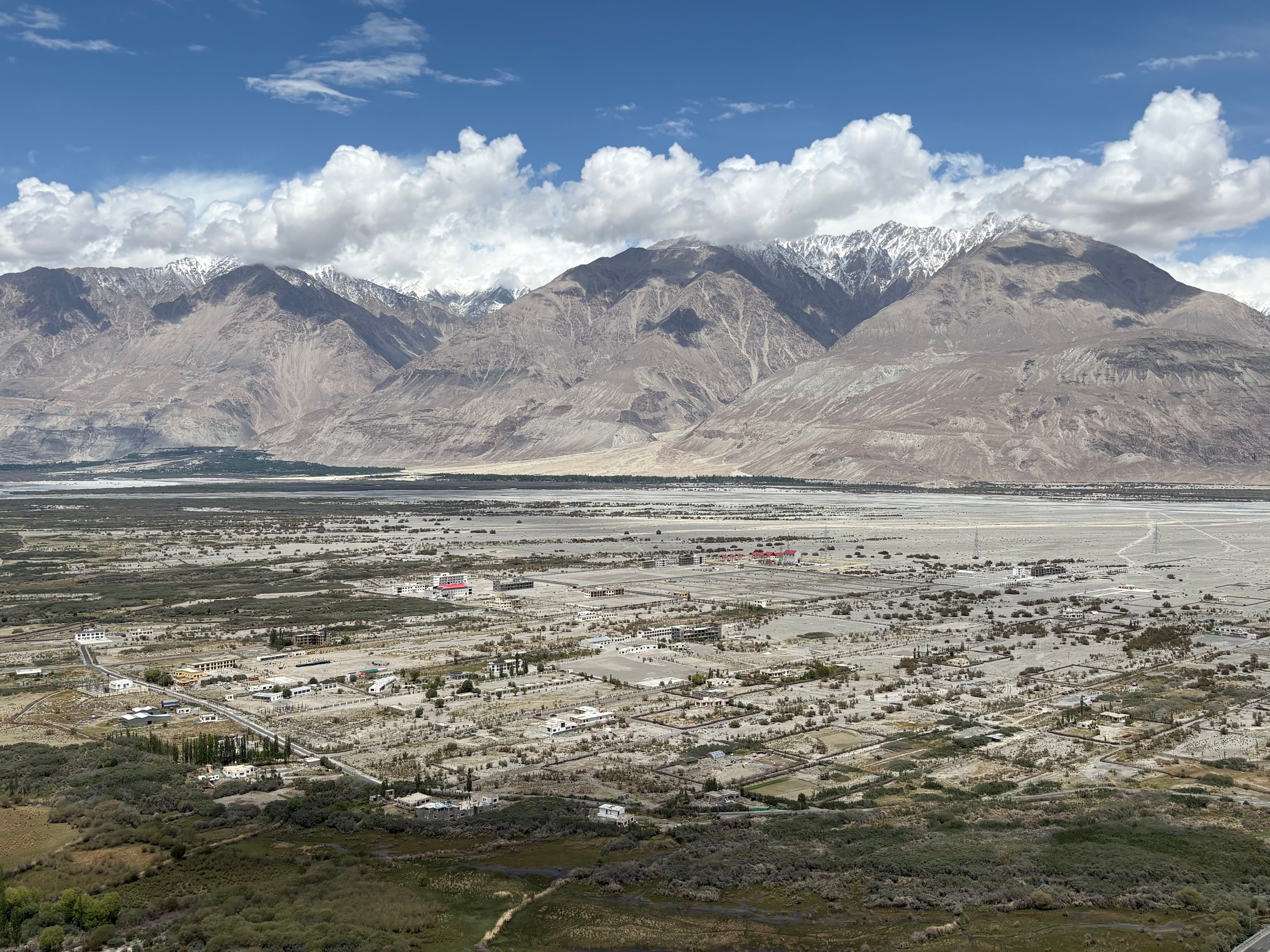
The best time to visit the Himalaya kind of breaks down by altitude. Places like Himachal Pradesh and Uttarakhand, with their hill towns such as Shimla, Manali, Rishikesh, Nainital, feel the most alive from March to June then again, from September through November. Ladakh is sort of a special case, its high passes are usually snowbound and closed for most of the year, so late May to September is effectively the only real window , which means you should plan early, especially because it’s such a remote area.
via unsplash
Best Time to Visit Goa and the Beaches
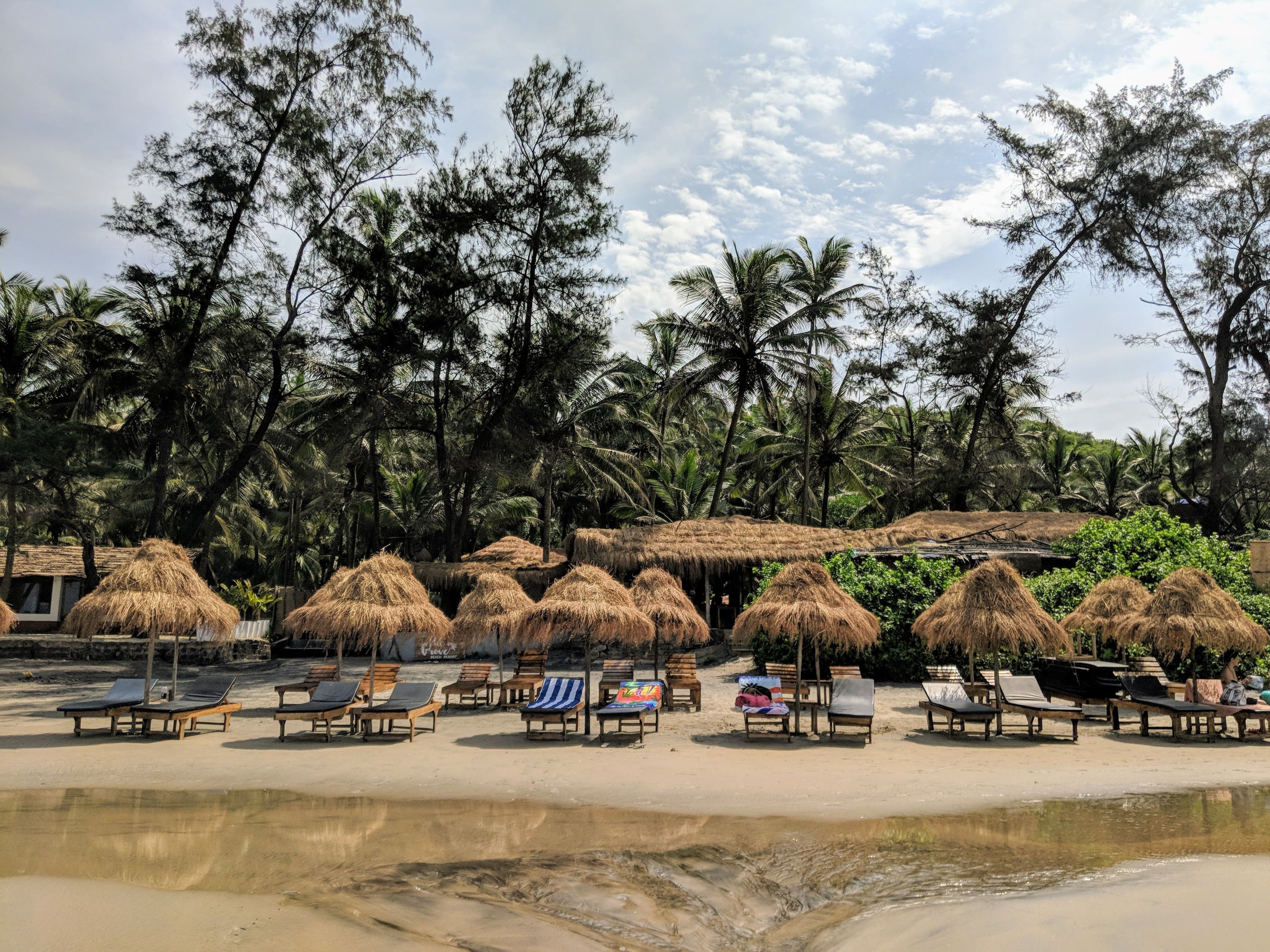
Goa’s beach season runs from November, through February, when the water is comparatively calm, the skies stay clear and somehow the whole place is in the Christmas New Year mood, like the state keeps celebrating nonstop. Once April rolls in, the heat and humidity really start to press in, before the monsoon even shows up. Then in July and August, most beach shacks are closed entirely, quite abruptly, as if the season just flips off.
via unsplash
Month-by-Month Weather in India
A quick-reference guide to India weather by month - use it alongside the regional breakdown above to pinpoint your ideal travel window.
| Month | Season | Typical Conditions | Best For |
|---|---|---|---|
| January | Winter | Cool, dry; occasional Delhi fog | Rajasthan, Golden Triangle, Kerala |
| February | Winter | Mild, clear, low humidity | Best all-round month; heritage tours |
| March | Late winter / spring | Warming; Holi festival | Central India, wildlife safaris, Holi |
| April | Summer begins | Hot in plains, pleasant in hills | Hill stations; shoulder-season value |
| May | Peak summer | Very hot in plains; Ladakh opens | Ladakh, Himachal, Uttarakhand |
| June | Monsoon arrives (south) | Humid; rains begin in Kerala | Kerala wellness retreats begin |
| July | Monsoon | Heavy rains; lush landscapes | Ayurveda, Meghalaya, Western Ghats |
| August | Monsoon | Rains continue; Onam festival | Wellness travel; off-season value |
| September | Monsoon retreats | Rains ease; humidity lingers | Transition month; fewer crowds |
| October | Shoulder season | Clearing skies; Diwali season | Best value; heritage circuits reopen |
| November | Peak season begins | Cool, dry, festival-rich | Golden Triangle, Rajasthan, safaris |
| December | Peak winter | Cold nights, clear days, festival | Rajasthan, Kerala, Goa; luxury peak |
Best Time to Visit India by Travel Style
Heritage & Cultural Travel
via pexels
Heritage & Cultural Travel
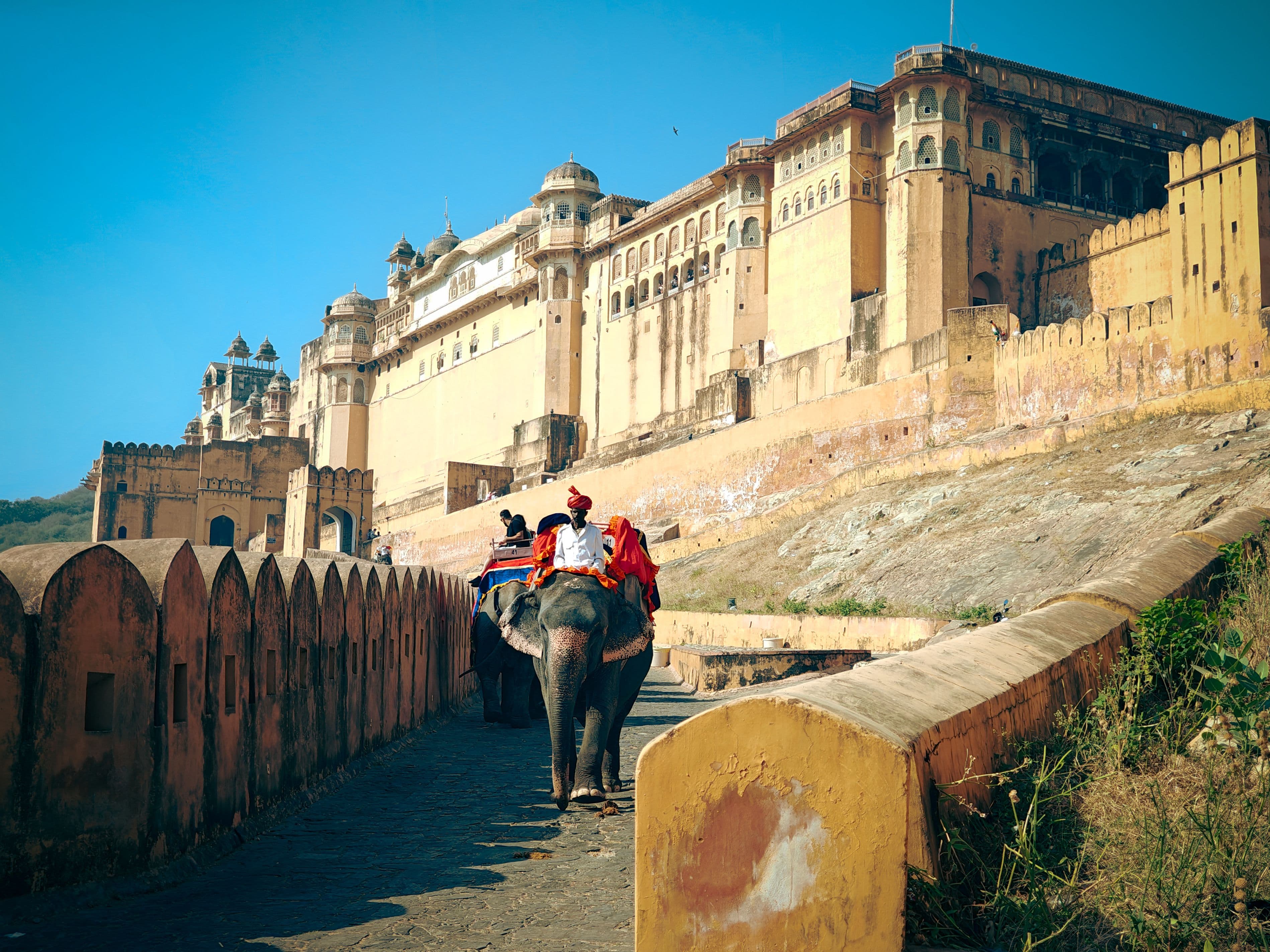
For heritage travellers focused on forts, palaces, and UNESCO sites, November to February is the ideal window - comfortable walking weather for exploring Amber Fort, Fatehpur Sikri, and Hampi without the heat getting in the way.
Wildlife & Safari Season
via pexels
Wildlife & Safari Season
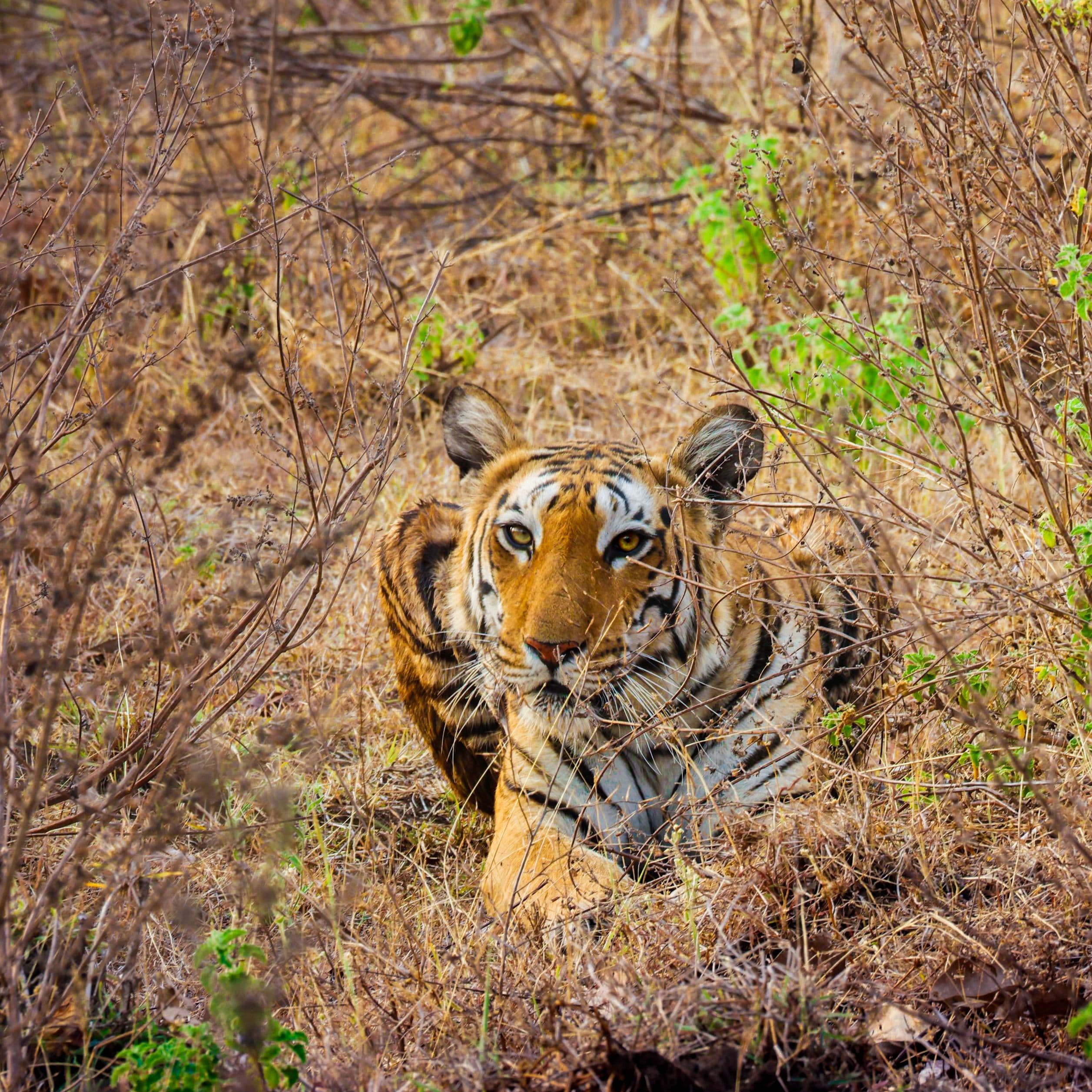
The best time for an India wildlife tour is November to April - cooler weather and thinning vegetation draw animals to waterholes, making tiger sightings more likely in Ranthambore, Bandhavgarh, and Kanha. Most national parks close during the monsoon for breeding and forest renewal.
Luxury Travel Season
via pexels
Luxury Travel Season
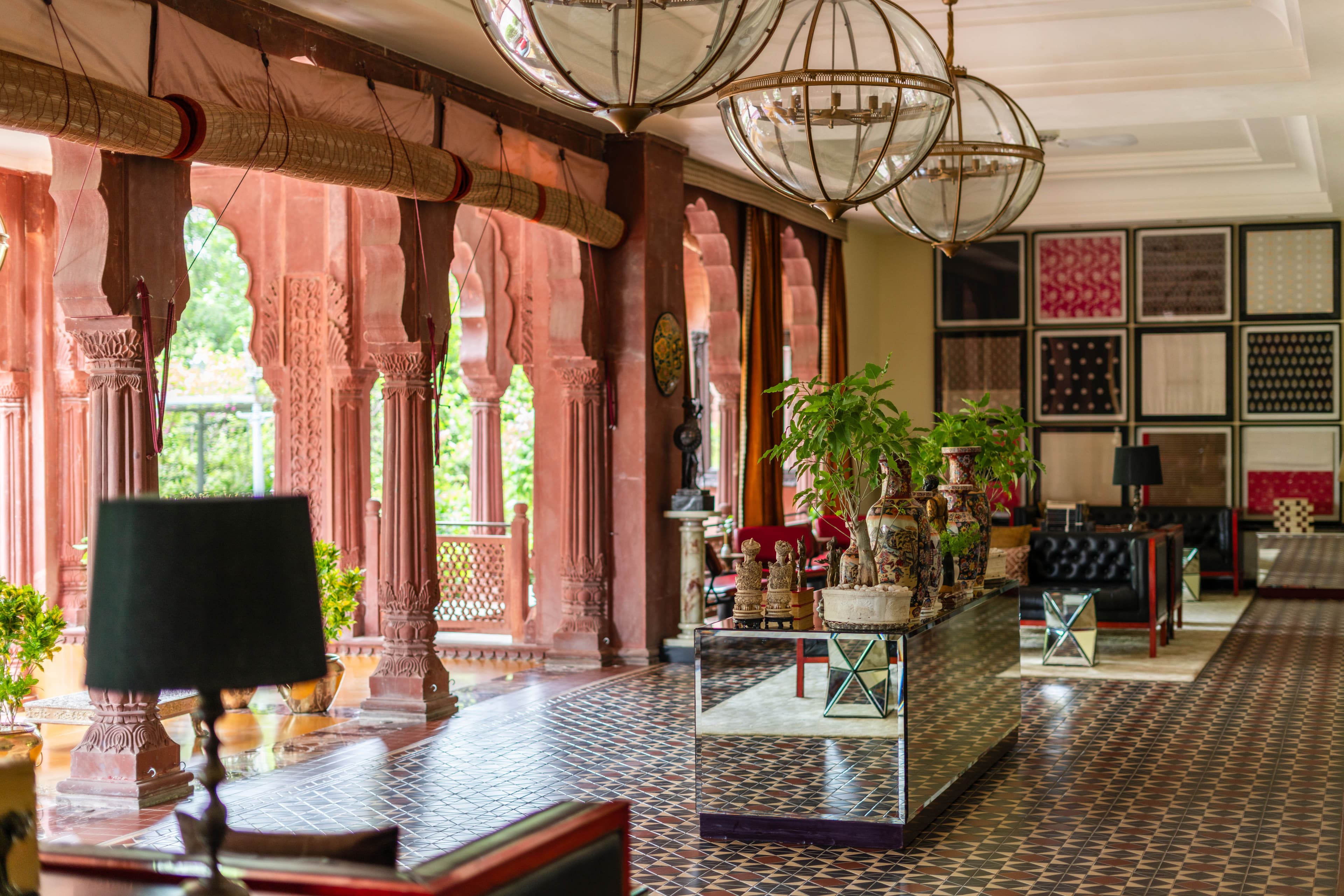
The best time for luxury travel is winter (Nov–Feb), when palace hotels and heritage stays are at their best. For fewer crowds, consider late October, March, or the monsoon wellness season in Kerala - when premium properties offer lower rates without compromising service.
Honeymoon & Couples Travel
via pexels
Honeymoon & Couples Travel
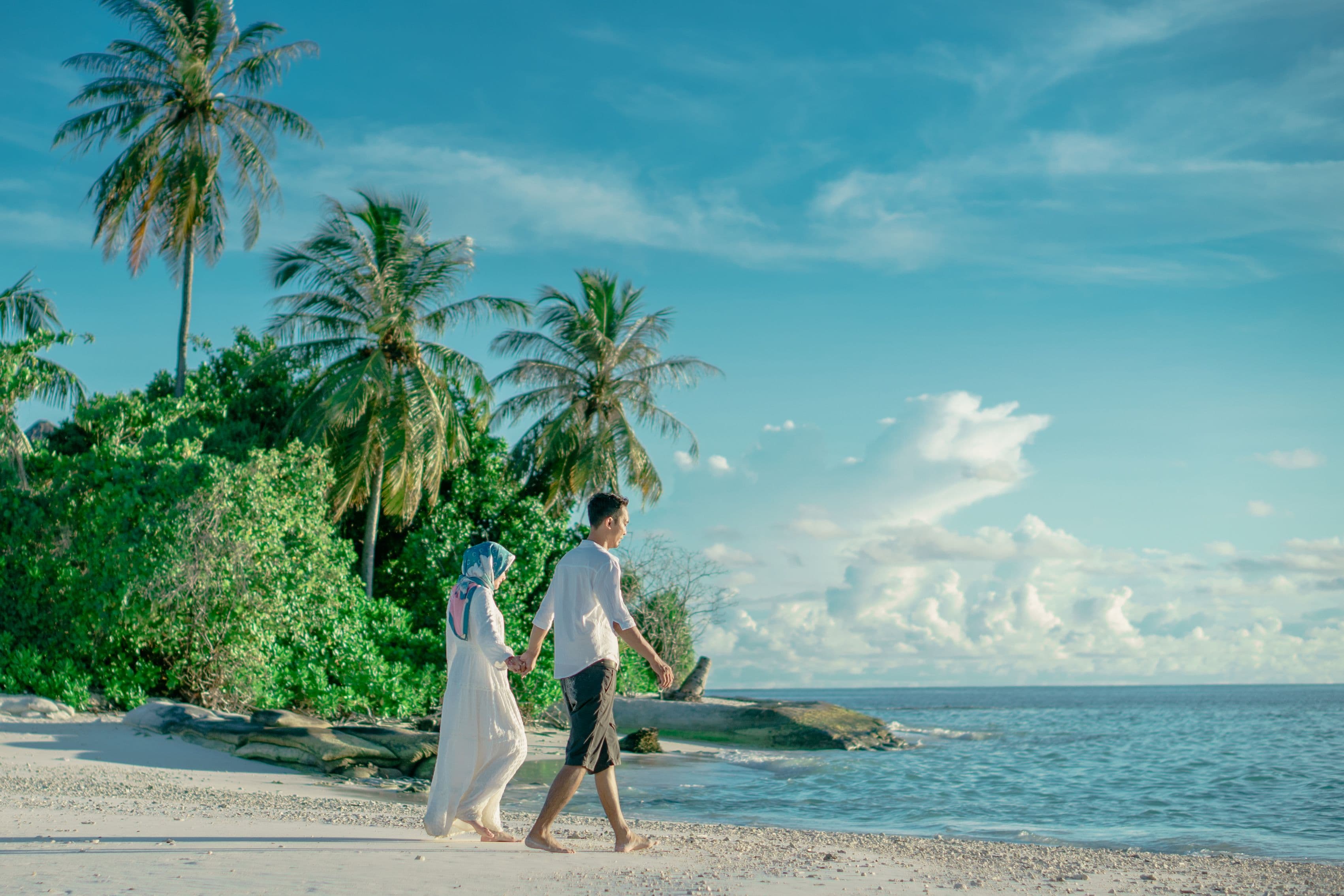
Winter and early spring are ideal for classic honeymoon routes - Udaipur's lakeside palaces, Kerala's houseboats, and Goa's beaches. For couples, the monsoon months offer a romantic rain-soaked alternative in Kerala or Coorg's misty hills.
Solo Female Travelers
via pexels
Solo Female Travelers
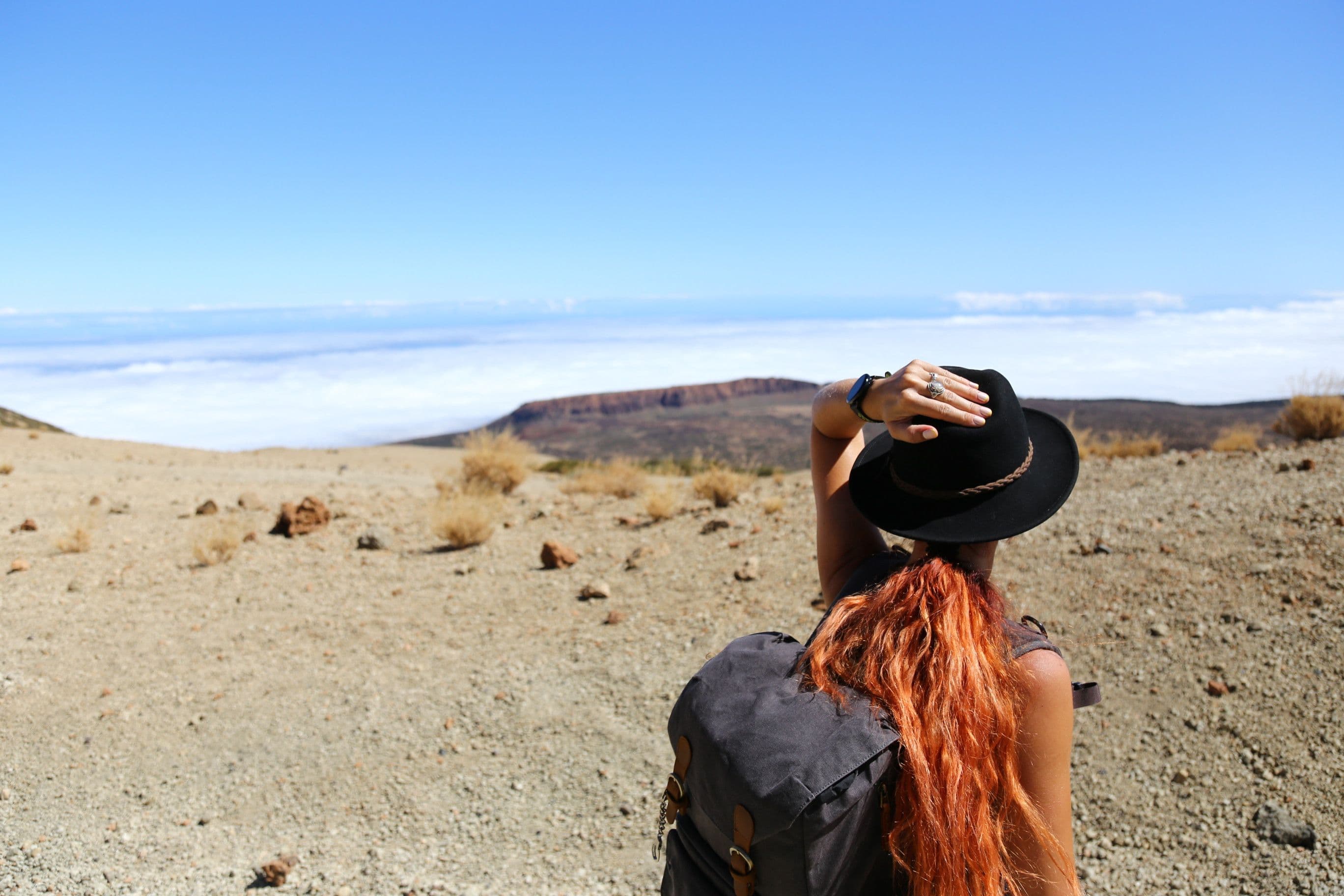
For solo female travellers, October–March offers longer daylight hours, reliable transport, and a more active tourist setup. India Heritage Travel's women-only tours include vetted female-friendly guides and stays - removing logistical guesswork even across changing seasons.
Budget Travel Season
via pexels
Budget Travel Season
For value-based travellers, the shoulder months (April, May, September, October) and the monsoon stretch (June–September) offer the best bargains on hotels and tours. Off-season travel can significantly lower costs compared to the December–February rush
Festival Travel Calendar
India's cultural calendar can make or break your timing - in the best way, if you plan around it.
| Festival | Typical Timing | Where to Experience It |
|---|---|---|
| Republic Day | 26 January | Delhi (parade) |
| Holi | February / March | Mathura, Vrindavan, Jaipur |
| Onam | August / September | Kerala |
| Durga Puja | September / October | Kolkata |
| Pushkar Camel Fair | October / November | Pushkar, Rajasthan |
| Diwali | October / November | Nationwide - especially Jaipur, Varanasi, Udaipur |
| Rann Utsav | November – February | Rann of Kutch, Gujarat |
| Hornbill Festival | December | Nagaland |
What to Pack by Season
Winter (November – February)
- • Layered clothing, warm mornings and evenings but like, mild afternoons too
- • A proper jacket for Rajasthan's desert nights and also northern fog, you know
- • Light gloves + a scarf for early morning sightseeing, otherwise you ll feel it
Summer (Mar – Jun)
- • Loose breathable light-colored clothing, keep it simple
- • Strong sun protection and a wide brimmed hat
- • A reusable insulated water bottle, stays cool longer
Monsoon (Jun– Sep)
- • You’ll want a compact umbrella or a lightweight rain shell, just in case the weather gets moody
- • Quick-dry clothing plus waterproof footwear, so you don’t feel soaked after a short walk
- • A dry bag or a waterproof pouch for your electronics, phone camera etc
Suggested Seasonal Itineraries
5-Day Golden Triangle Winter Itinerary
- • Day 1: Arrive Delhi; a private chauffeur transfer, and then in the evening just a heritage stroll around Old Delhi.
- • Day 2: basically a full day in Delhi, looking around Humayun's Tomb, Qutub Minar, India Gate. then we drive off towards Agra, not too late, just a smooth move over.
- • Day 3: early sunrise stop for the Taj Mahal, then Agra Fort too, and after that we head to Jaipur. Along the route we pass through Fatehpur Sikri, like it’s a kind of detour but still part of it.
- • Day 4: Amber Fort in that morning glow, City Palace, Jantar Mantar , and later the local bazaars in Jaipur.
- • Day 5: Mostly easy morning; private transfer to the airport, for departure.
4-Day Kerala Monsoon Wellness Escape
- • Day 1 arrive Kochi, and have an Ayurvedic consultation plus some welcome treatment at a heritage wellness resort.
- • Day 2 take a backwater houseboat cruise through Alleppey’s monsoon green canals, it feels almost slow motion.
- • Day 3: spend the whole day on tailored Ayurvedic therapies then catch sunset near the lagoon.
- • Day 4 do a spice plantation walk in the rain and then departure, straightforward.
6-Day Ladakh Summer Adventure
- • Day 1: Reach Leh, sort of acclimatization day because of the altitude, you know
- • Day 2: Leh Palace, Shanti Stupa, and the nearby monasteries
- • Day 3: Travel to Nubra Valley through Khardung La, in the day time
- • Day 4: Wander around Nubra’s sand dunes, plus Diskit Monastery as well
- • Day 5: Head back towards Pangong Lake, staying overnight near the water
- • Day 6: Go back to Leh and then departure, finally
Practical Travel Guide
How to Reach India
Main global entry points are Delhi (Indira Gandhi International Airport), Mumbai, and Bengaluru, and usually there are direct long-haul flights from the US, UK, Europe, and Australia. After landing, domestic flights plus India Heritage Travel’s private chauffeur cars help you go further, for example toward Rajasthan, Kerala, and those Himalayan areas.
Entry Requirements
Most travelers from overseas need an e-Visa, sort of arranged online ahead of time. The exact rules are not the same for every nationality, so do verify the most recent instructions on the official Indian government visa portal before you lock in any flight plans.
Suggested Duration
If it’s your first time, and you want the Golden Triangle together with Rajasthan, 10–14 days is usually comfortable. If you also want to include Kerala or Goa, then aim for 16–21 days, otherwise it can feel rushed .
Budget Estimates
- • Luxury: Roughly $400–800+ per day for palace hotels, private guiding, and chauffeur services
- • Mid-range: Roughly $150–300 per day
- • Budget: Roughly $40–80 per day, with a significant trade-off in comfort and access
Safety Tips Recap
Mostly, the right formula is private transport, accommodation that’s been verified, moving during daylight between cities, and having a local guide with you. That covers the overwhelming majority of situations across every region mentioned here
Photography Tips
Early morning light is the best-kept secret across every destination on this list, avoiding both the midday heat and the crowds at the most photographed sites.
Why Choose India Heritage Travel
Most of the safety advice in this guide, is already baked in to the way India Heritage Travel puts together each itinerary: private, vetted chauffeur transport for the whole duration of every trip, plus fully customised days that are built around your personal comfort level and the kind of things you like to see. We also choose curated luxury and heritage stays, each one hand-inspected for safety and service, and we make sure you have expert local guides on the ground ,including female guides for women-only and solo female itineraries. There s also a dedicated women-safe travel planning approach, from the route logistics to evenings and activities, not just a general plan.
Frequently Asked Questions
October to March offers the coolest, driest conditions across most of the country, making it the best time to visit India for first-time travelers and heritage circuits.
February is frequently considered the single best month to visit India, combining comfortable temperatures, low humidity, and fewer crowds than the December–January peak.
Yes - hotel rates, flights, and premium train journeys rise noticeably from November through February. Traveling in October, March, or during the monsoon typically offers meaningfully better value.
The best time to visit Agra and the Taj Mahal is October through March, when clear skies and cooler temperatures make sunrise and sunset viewings far more comfortable.
For many first-time visitors, yes - a women-only or small female-group tour with a local female guide removes most of the logistical uncertainty of a first trip.
Planning Your India Journey?
India Heritage Travel creates private, fully escorted itineraries across India's iconic landmarks, royal palaces, and spiritual sites - with dedicated drivers, local guides, and 24/7 support for a seamless and worry-free experience.
Plan My India Journey