Quick Answer: How Much Does a Trip to India Cost?
The quick India travel cost guide, basically: most international travelers end up spending anywhere from $30 to $500 per person, per day, depending on how you move through things - and that big gap between those amounts comes mostly from where you sleep and how you commute, not from meals or entry fees, which stay pretty much the same no matter what budget you pick.
| Travel Style | Per Day (Per Person) | 10-Day Trip Estimate* |
|---|---|---|
| Budget / Backpacker | $25–45 (₹2,100–3,800) | $250–450 |
| Mid-Range Comfort | $70–120 (₹5,900–10,000) | $700–1,200 |
| Luxury / Heritage | $250–500+ (₹21,000–42,000+) | $2,500–5,000+ |
*Excludes international flights and visa fees; based on two people sharing accommodation.
Visa Costs for India
Your India trip budget starts even earlier , before you ever step onto a flight, with the e-Tourist Visa. The pricing is kind of tiered by how long you stay and, for a small set of nationalities like the United States, it also follows reciprocal fee setups that can push the cost well past the standard rate.
| Visa Type | Standard Fee | Typical US Citizen Fee |
|---|---|---|
| 30-Day e-Tourist Visa | $25 (Jul–Mar) / $10 (Apr–Jun) | $25–40 |
| 1-Year e-Tourist Visa | $40 | $40 |
| 5-Year e-Tourist Visa | $80 | $80–160 |
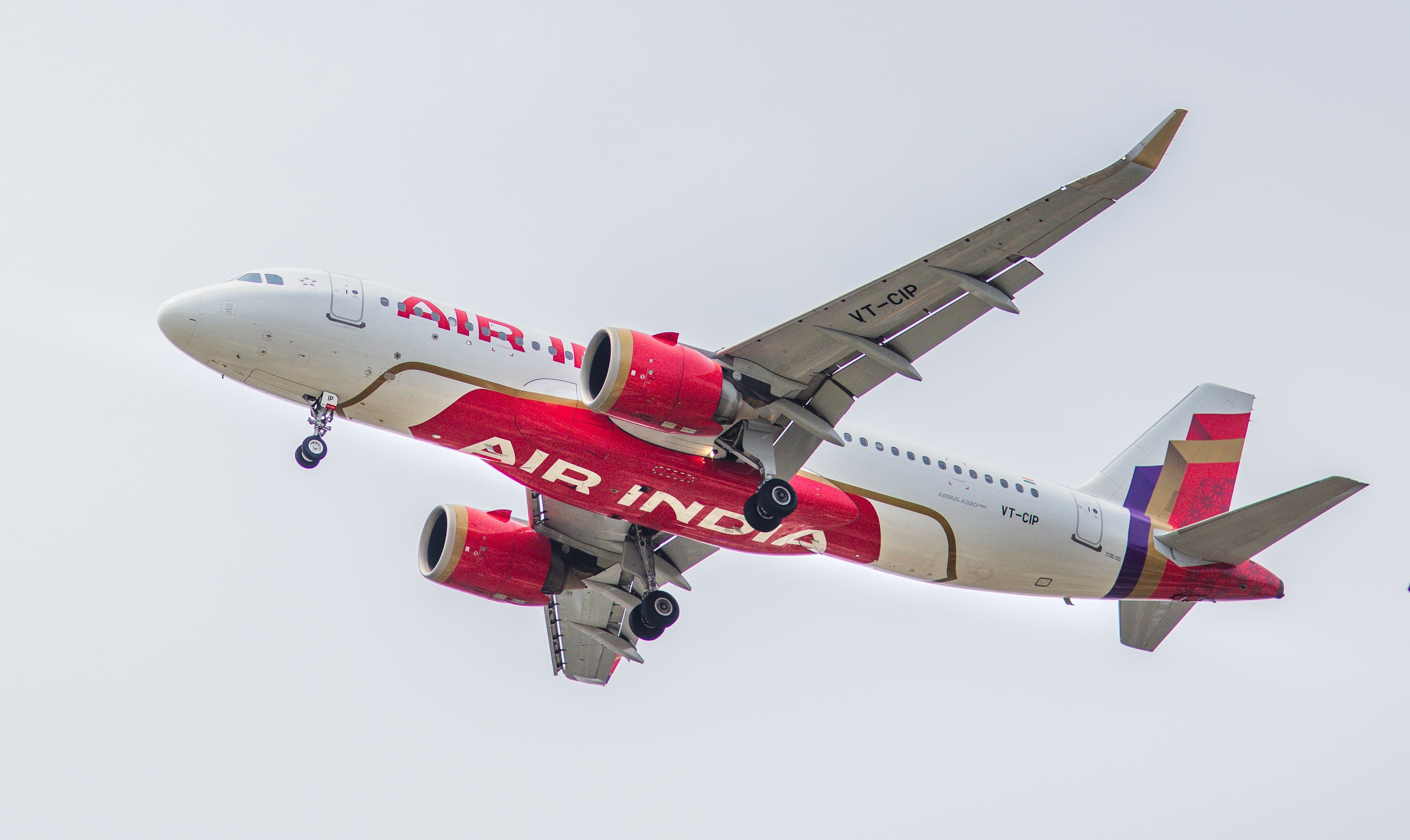
via pexels
There is usually a card-processing surcharge, about 2.5–3% , that sits above the base fee, so it can feel a bit add-on-ish. Also if you want a professional visa-assistance service, you should plan an extra $15–50 for document checking and day-to-day support, because that part is often separate. Make sure you submit through the official Indian government e-Visa portal, or use a verified partner, don’t just pay anywhere. Before you pay, double-check the exact fee for your nationality, since the numbers get updated periodically, sometimes quietly.
Flights to India
There is usually a card-processing surcharge, about 2.5–3% , that sits above the base fee, so it can feel a bit add-on-ish. Also if you want a professional visa-assistance service, you should plan an extra $15–50 for document checking and day-to-day support, because that part is often separate. Make sure you submit through the official Indian government e-Visa portal, or use a verified partner, don’t just pay anywhere. Before you pay, double-check the exact fee for your nationality, since the numbers get updated periodically, sometimes quietly.
via unsplash
Accommodation Costs in India
Accommodation is sort of where the India travel budget spreads the most, like from a $6 hostel dorm to a $3,500 palace suite, and it’s really common for that to happen in the very same city. Once you get how the tiers work you can dodge both overpaying for a pretty underwhelming stay and, on the other side, underspending on that one splurge night that kind of defines the whole trip.
| Category | Typical Price / Night | What You Get |
|---|---|---|
| Hostel / budget guesthouse | $6–20 (₹500–1,500) | Dorm beds or basic private rooms |
| Mid-range boutique / haveli | $25–90 (₹2,000–7,000) | Clean 3-star hotels or heritage havelis |
| 5-star city hotel | $160–500 (₹13,500–42,000) | International-standard chains |
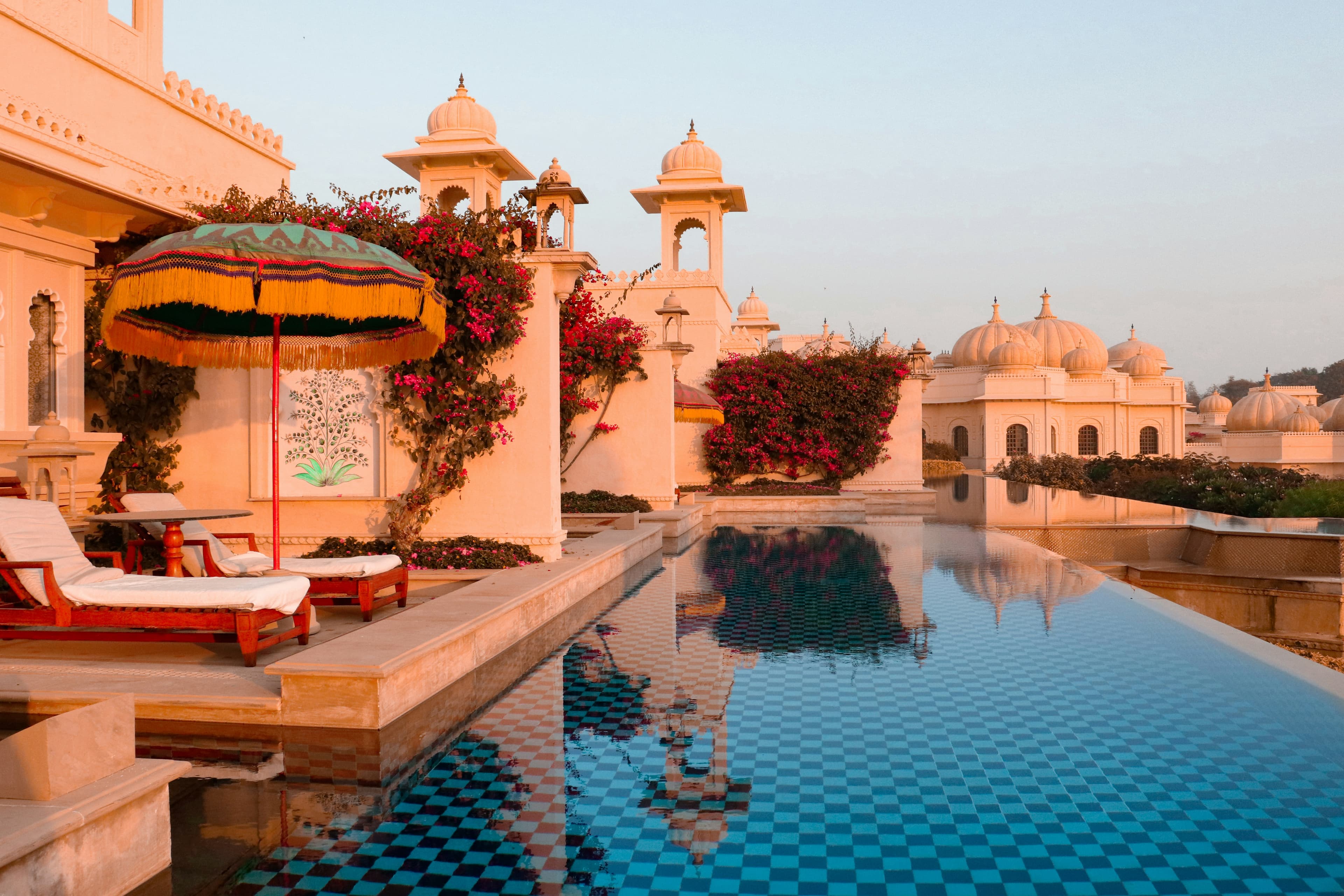
| Heritage & palace hotels | $250–3,500+ (₹21,000–300,000+) | Restored forts and palaces, Kerala houseboats |
via unsplash
Heritage & Palace Hotels
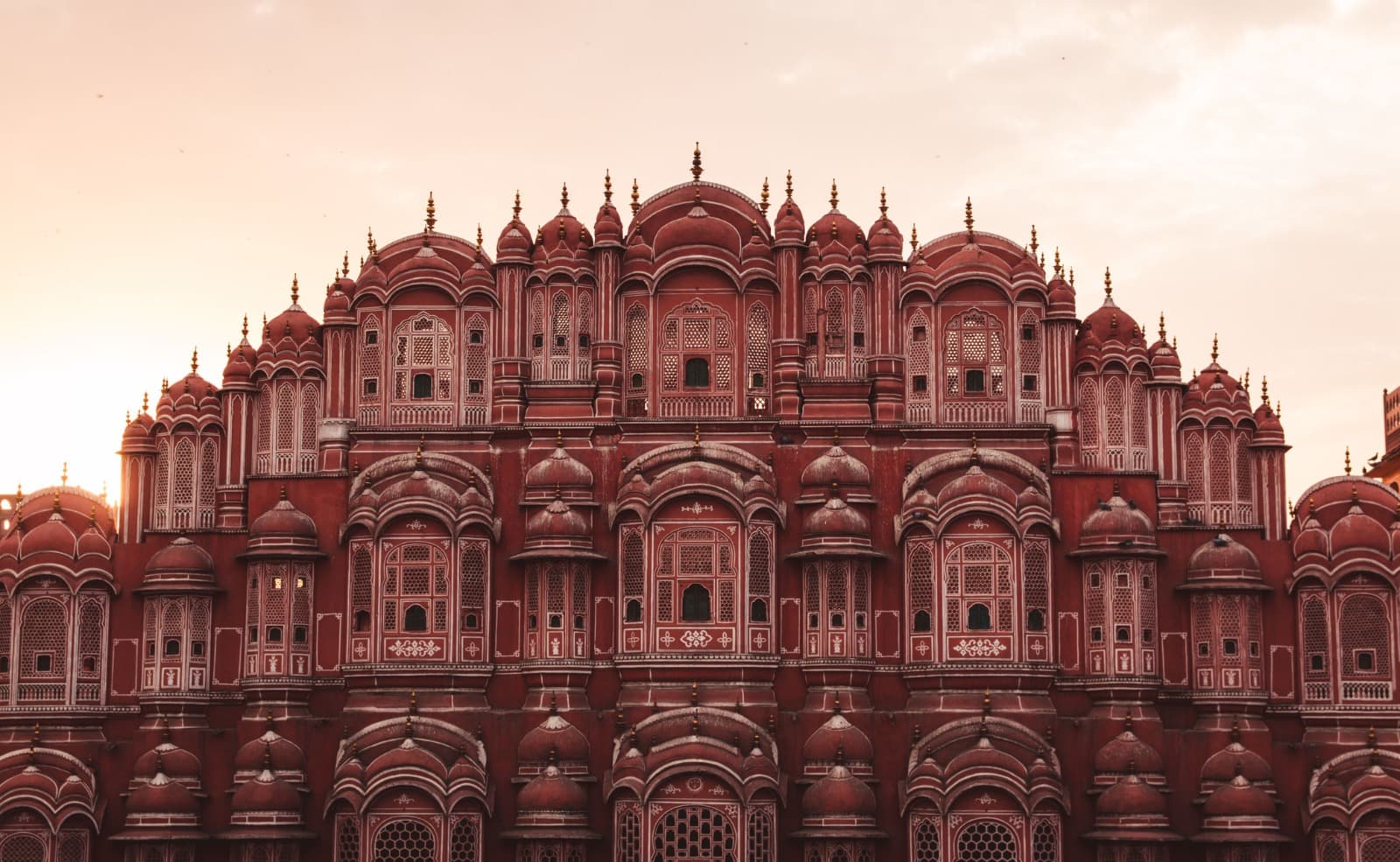
Rajasthan is the epicentre of India's palace-hotel scene - worth digging into as its own category, not just generic five-star ratings. City-based 4- and 5-star hotels in Jaipur, Udaipur, and Jodhpur typically range from $95–$220 per night.
Heritage forts and palace conversions - like Samode Haveli, Raas properties, or suites inside Oberoi and Taj palaces - start closer to $250 and can push over $800 for signature rooms. Headline suites at properties like Udaivilas or Lake Palace can reach $1,500–$3,500+ during peak season.
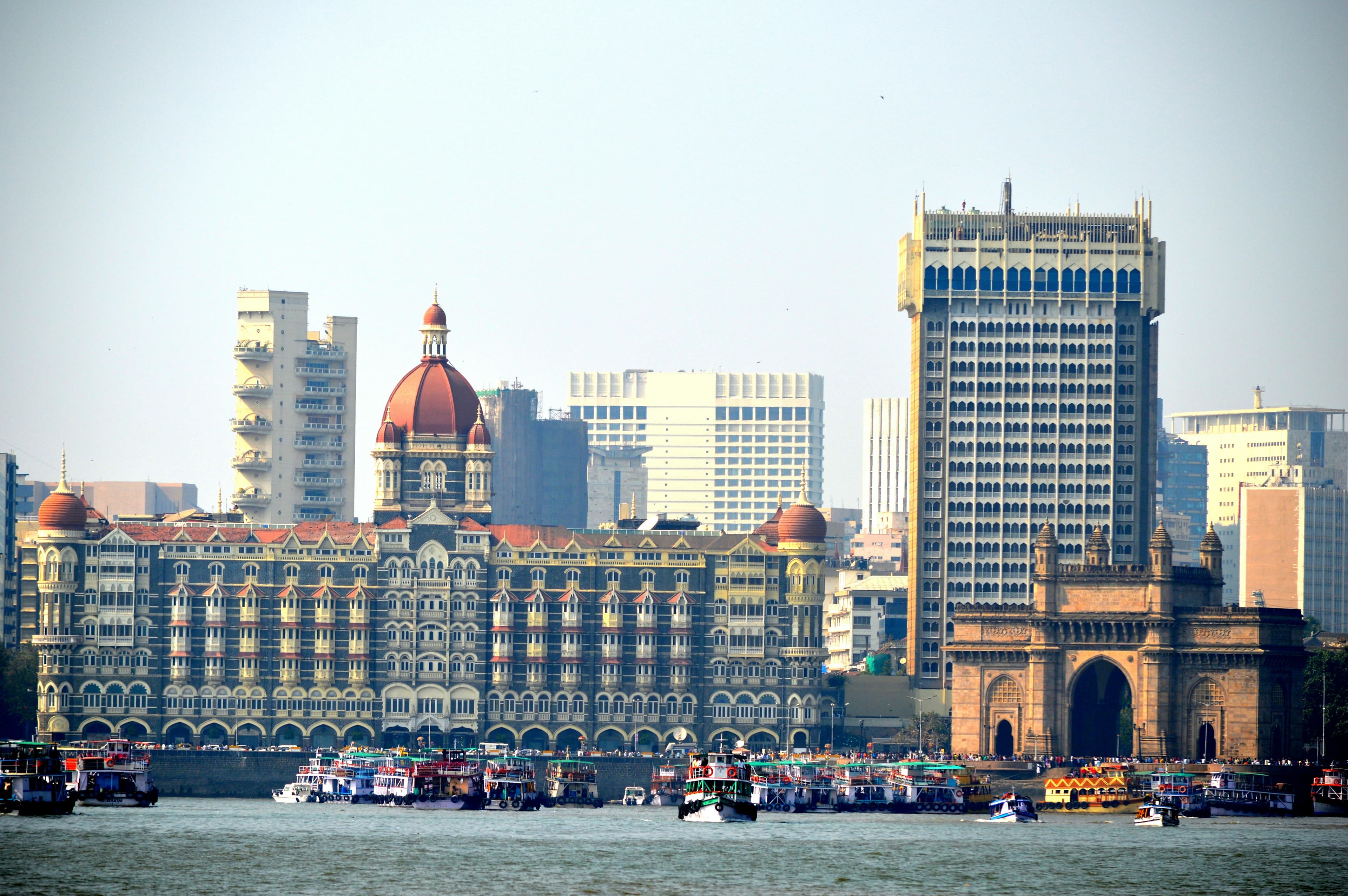
via unsplash
Food & Dining Costs
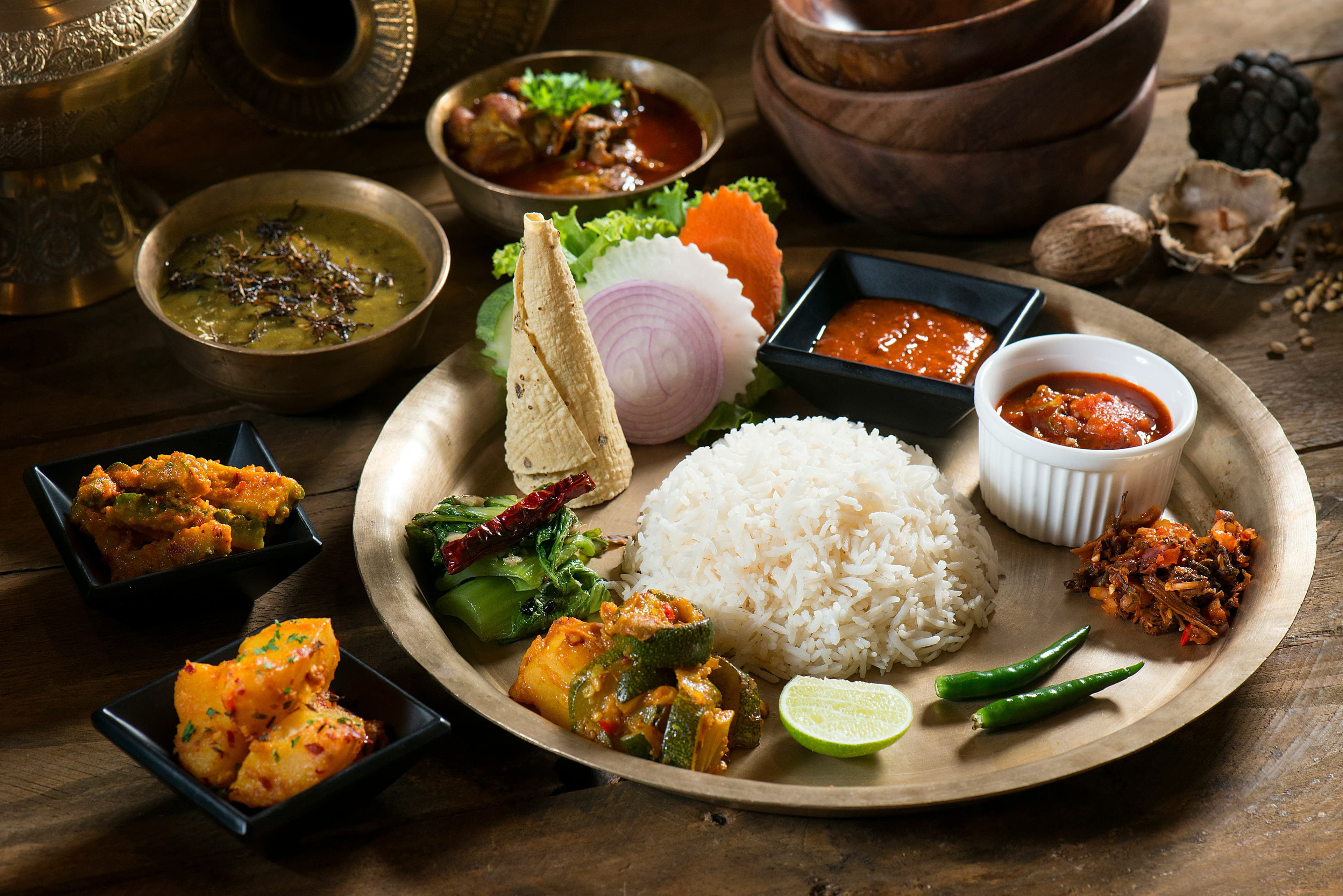
India’s food spend for tourists stays surprisingly low even while other prices creep up. You can grab street snacks and quick local meals for about $1–3 per dish, and then if you go for a full vegetarian or non-vegetarian thali in a mid-range restaurant it’s roughly $4–8. A sit down dinner for two at a solid multi-cuisine spot usually lands around $15–30, while a tasting style menu at a five star hotel restaurant can hit $40–90 per person. Bottled water and soft drinks tack on about $0.50–1.50 per bottle too. So, a sensible everyday food budget often looks like $8–15 for budget tourists, $20–35 for mid range comfort, and $60–120+ if someone is focused on fine dining plus hotel restaurants.
via unsplash
Local Transportation Costs
Inside cities, auto rickshaws tend to be around $1–3 for quick hops, but you should always confirm the meter, or just agree on a fare upfront first . Ride hailing apps like Uber and Ola are often a bit pricier, though they give you fixed pricing options, which can feel like a safer bet. Then the metro systems in Delhi Mumbai Kolkata Bengaluru and Kochi they’re usually very good value, roughly $0.20–0.60 each ride, so yeah, it adds up fast if you use them often.
| Vehicle Type | Outstation Daily Rate | Best For |
|---|---|---|
| Sedan (Dzire, Etios) | ₹4,000–5,000 ($48–60) | Couples or solo travelers, light luggage |
| SUV / MPV (Innova, Ertiga) | ₹6,000–7,500 ($72–90) | Families or small groups, more luggage |
| Premium SUV / luxury sedan | ₹8,000–15,000+ ($96–180+) | Travelers prioritizing comfort and space |
Rates usually cover fuel, toll charges, the driver allowance and some daily kilometer space (often about 250 km), and if you exceed that, the extra is charged somewhere around ₹12–25 per additional km. For example, a 5-day Golden Triangle route from Delhi–Agra–Jaipur, using a sedan, comes out roughly $250–350 per vehicle. Then a bigger 10-day “Rajasthan grand” circuit lands near $500–700, so it’s not really the same ballpark.
Attraction Entry Fees & Tour Costs
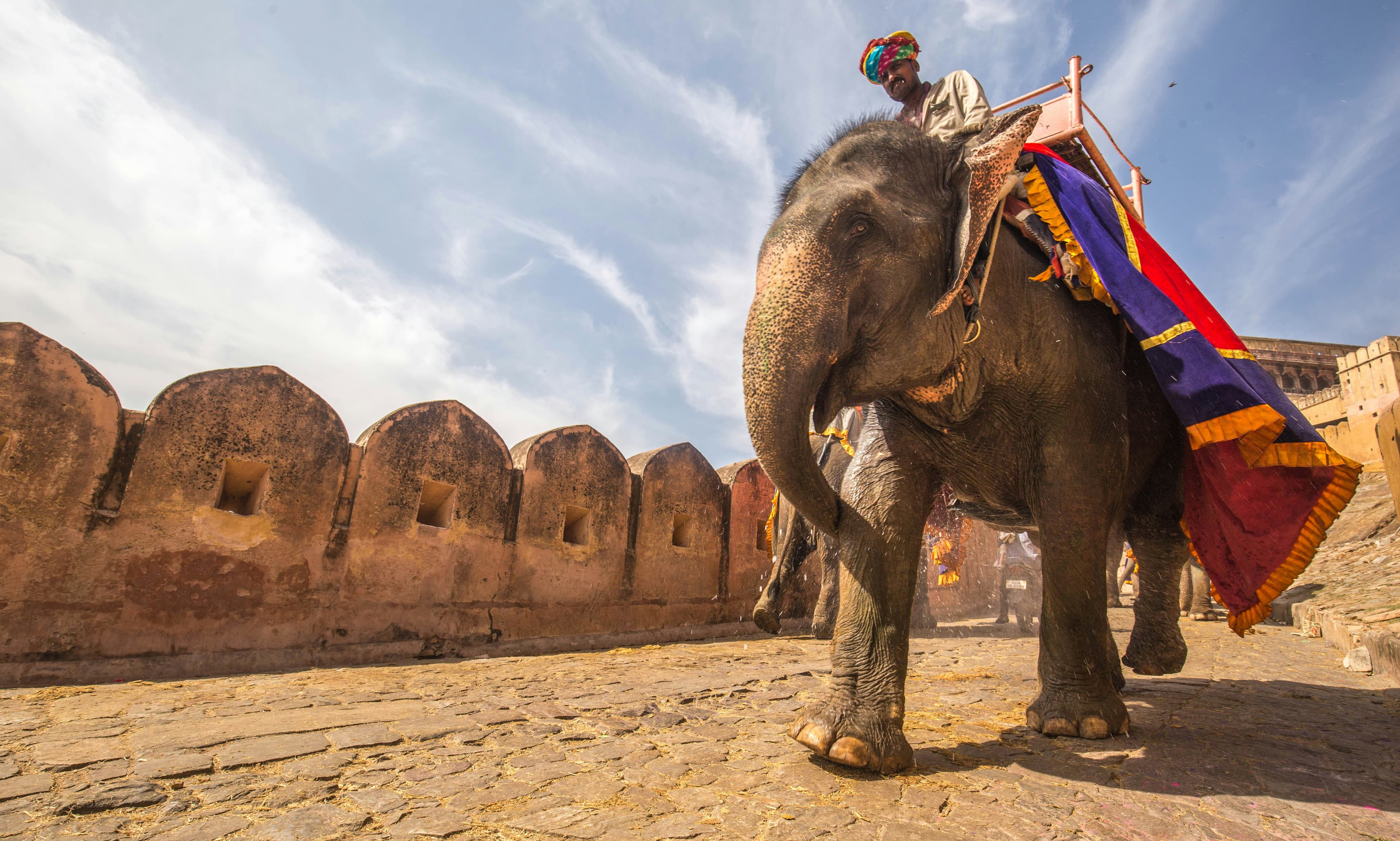
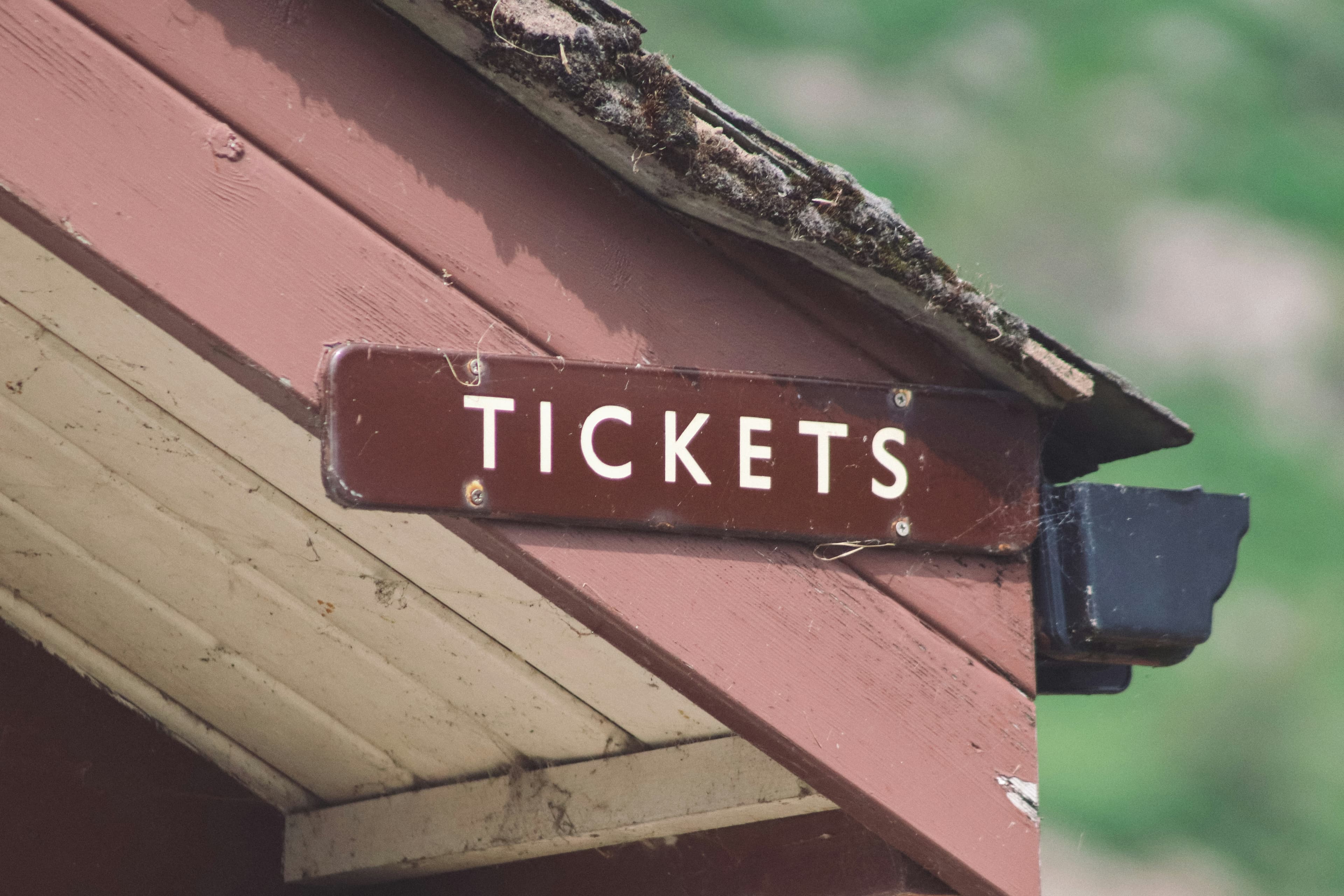
India has this nationality tiered pricing basically on near every ticketed monument, with foreign visitors paying a lot more than Indian nationals, it’s a setup put in place by the Archaeological Survey of India (ASI) and rolled out pretty uniformly. At the Taj Mahal , the standout example, overseas tourists are looking at something like ₹1,100–1,300 (around $13–16) just for base entry , and then there’s a separate ₹200 add on to get into the inner mausoleum chamber; kids under 15 get in free. For the other big sites - Amber Fort, Fatehpur Sikri, Humayun's Tomb, Qutub Minar - foreign visitors usually end up paying roughly ₹300–600 per site.
Then if you go for a licensed private guide , it tends to run about ₹1,500–2,500 ($18–30) for a half-day at one monument. It’s commonly billed per group not per person, which makes it pretty solid value for couples and families. Multi day guided touring packages that bundle a driver, a guide, and a set of curated experiences often tack on about $40–80 per day on top of self directed travel, and for many first time visitors that extra cost feels worth it, because of the context, and the convenience it buys.
via unsplash
Insurance, SIM, ATM Fees & Other Practical Costs
- • Travel insurance, expect like $40–120 for a two week trip, it really swings on age, coverage level , and trip price - basically non negotiable, because India’s private healthcare for foreigners can get expensive fast.
- • SIM & internet: a tourist SIM with data (Airtel, Jio, Vodafone Idea) usually lands around $8–15 for 20–28 days of pretty generous data; eSIMs from places like Airalo are a bit higher, but you dodge the whole paperwork thing.
- • Currency & ATM fees: most ATMs hit you ₹150–250 ($2–3) each withdrawal, on top of whatever foreign transaction fee your home bank charges; withdrawing more money fewer times tends to make the overall pain smaller.
- • Tipping: roughly ₹100–200 per day for a private driver, about 10% at restaurants if there’s no service charge, and ₹50–100 per bag for porters - all of it is pretty normal and people do appreciate it.
- • Shopping & souvenirs: total chaos range, but think a hand block printed textile for $15–40, a smaller pashmina around $30–80, and a Jaipur silver jewelry item $20–150+ , before you even start bargaining.
Regional Cost Breakdown
Rajasthan & Golden Triangle Costs
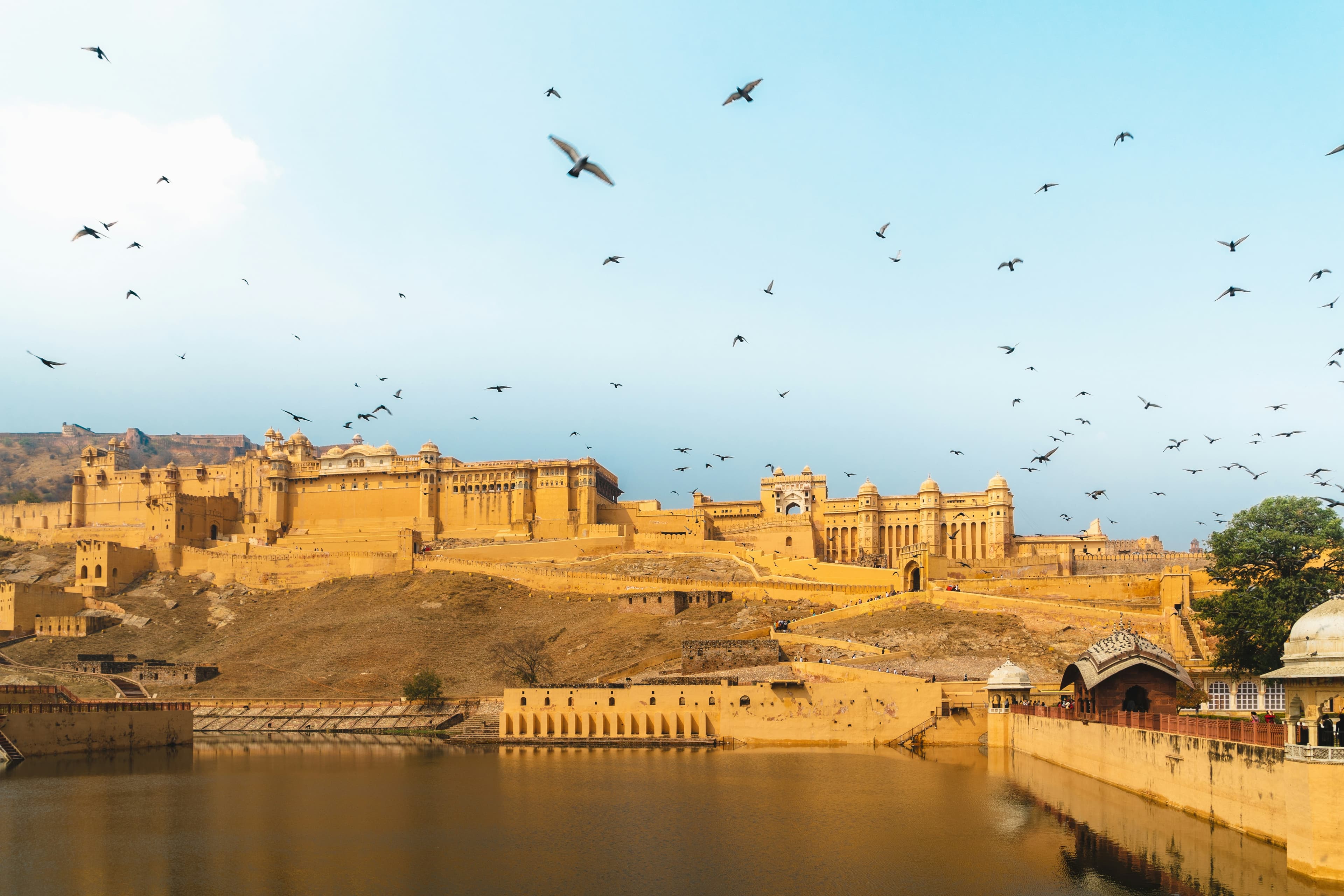
Rajasthan and the Golden Triangle (Delhi–Agra–Jaipur) form the backbone of most first-time India itineraries. Mid-range stays cost about $70–130 per day, while luxury heritage hotels range from $250–600+ daily. A private sedan or SUV for the entire 550 km loop costs around $250–400 total, depending on the schedule and waiting time.
via unsplash
Kerala & South India Costs
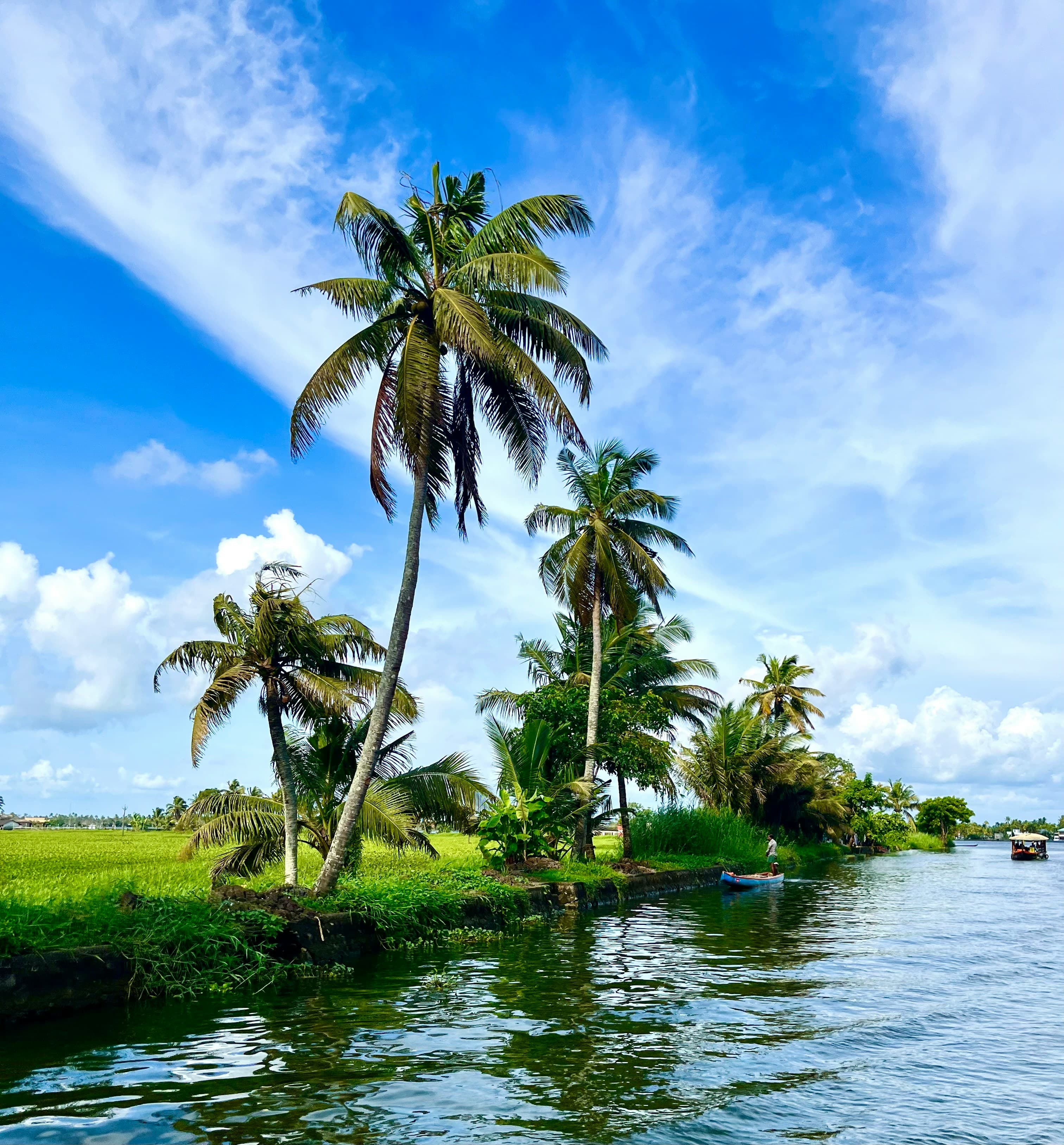
Kerala comes out a bit higher than North India for the big, marquee kind of experience - like, a night on a traditional backwater houseboat might run $100–350, depending on the season and which boat category you pick. But once you zoom out, street food, local transport, and mid-range hotels feel pretty much on par with, or even a tad cheaper than, what you’d see in Rajasthan. If you plan a well paced Kerala loop (Kochi, Munnar, Alleppey, Kovalam) you’re usually looking at around $80–150 per day for mid-range comfort, or roughly $200–450 per day if you go luxury, with the bill boosted by resort stays and that private houseboat night.
via unsplash
India Travel Cost by Traveler Type

Solo Travel Budget
via pexels
Solo Travel Budget
Solo travel in India typically costs 30–50% more per day than sharing with a partner, with a realistic mid-range budget of $90–150 per day. Solo women travellers often find that a private driver and pre-booked heritage stays are worth the extra cost for safety and ease.

Family Travel Budget
via pexels
Family Travel Budget
Families benefit from shared rooms, vehicles, and child discounts - many monuments waive entry for kids under 15. A mid-range family of four can expect $220–380 per day, while luxury stays with connecting rooms range from $500–900+ daily.

Couple & Honeymoon Costs
via pexels
Couple & Honeymoon Costs
Couples get the best per-person value in India - accommodation and transport costs are per room or vehicle. A 10-day honeymoon with heritage hotels, private driver, Kerala houseboat, and curated experiences typically runs $2,500–6,000 for two, excluding international flights.
Money-Saving Tips Without Sacrificing Comfort
- • Travel in shoulder season (late Sept–early Nov or Feb–mid-March) so you get peak-season weather, but you’re paying that off peak prices, which is kinda the whole point.
- • Book the “palace and heritage hotels” about 3–4 months ahead, because early booking is where the real savings live at this tier, and yeah, no haggling makes life smoother.
- • Pick a multi-day private driver package instead of doing city-by-city day rentals, because the per day rate drops a lot once your stay is longer, it really does.
- • Also eat where your driver or guide eats, some of Indias best food is also its most affordable, and skipping the hotel restaurant markups on each meal adds up fast ,like seriously.
- • When it comes to monument visits, bundle the tickets and guides with one operator instead of arranging every site separately, otherwise you keep paying those repeat service fees, over and over.
- • Finally ,withdraw larger sums less often to keep cumulative ATM fees lower, and use a card with no foreign transaction fee for hotels and shopping, that part helps too.
Sample 7-Day Golden Triangle Cost Breakdown
To make these numbers concrete, here's a realistic mid-range, two-person budget for a classic 7-day Delhi–Agra–Jaipur trip, excluding international flights.
| Category | Estimated Cost (2 People, 7 Days) |
|---|---|
| Accommodation (mid-range/boutique) | $420–630 |
| Private car & driver (sedan, full circuit) | $300–380 |
| Meals & dining | $210–350 |
| Entry fees & guides | $120–180 |
| Visas (30-day e-Visa, both travelers) | $20–80 |
| SIM cards, tips, incidentals | $60–100 |
| Estimated 7-day total (2 people) | $1,130–1,720 |
Food & Water Safety Tips
via pexels
Food & Water Safety Tips
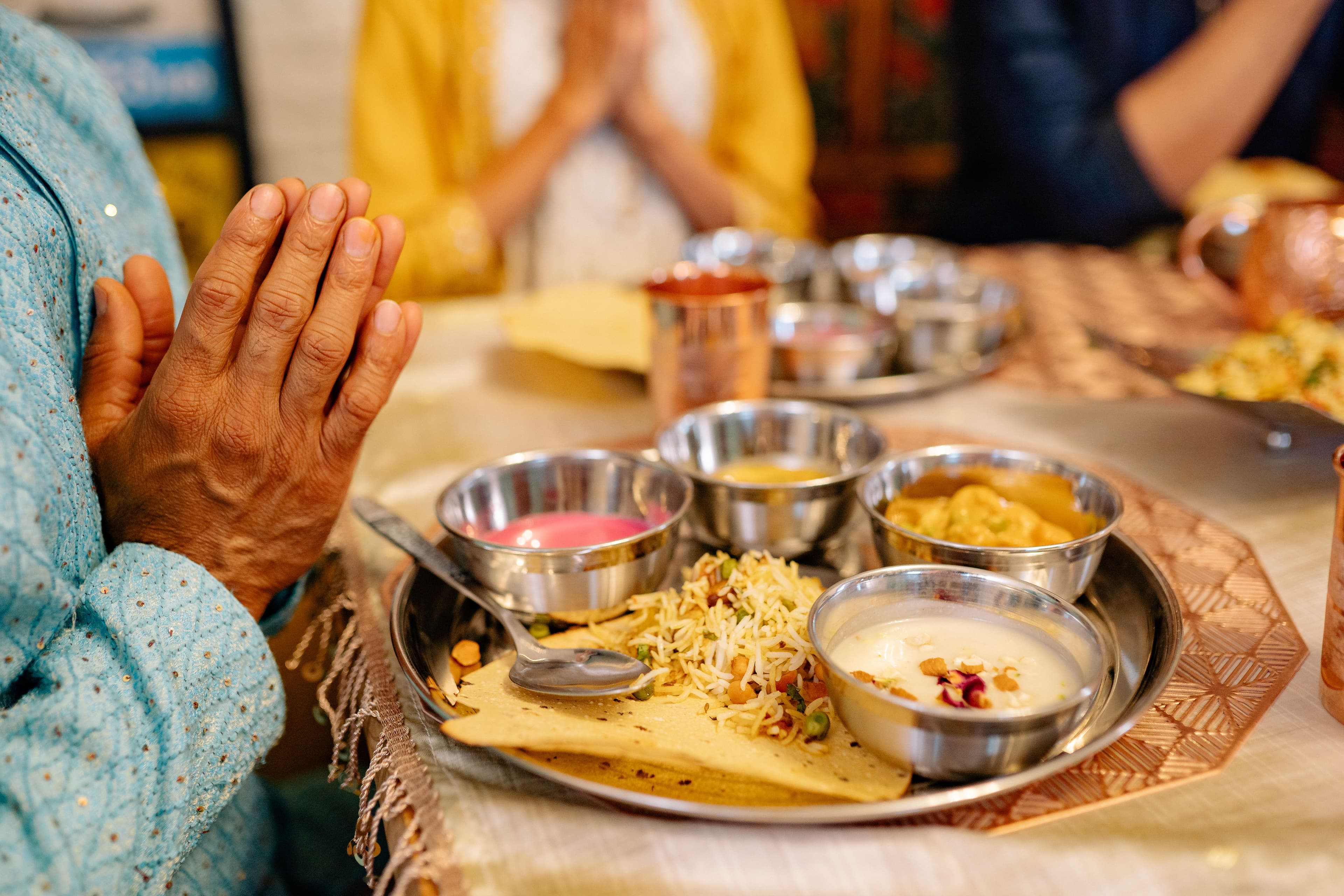
India's food is amazing - just use bottled water, skip untrusted ice, and pick busy street stalls with high turnover. Freshly cooked hot dishes are safest; ease into local food over the first couple of days.
Solo Female Traveler Tips
via pexels
Solo Female Traveler Tips
Solo women can travel India safely with smart planning - vetted stays, private transport, modest dressing, and a local contact. A private guide and driver handle logistics while you stay in control.
Family Travel Tips
via pexels
Family Travel Tips
India is magical for kids - colourful festivals, wildlife, and interactive experiences. To avoid travel fatigue, keep drives short, book hotels with pools, and build in rest breaks.
Why Choose India Heritage Travel
Most of the safety advice in this guide, is already baked in to the way India Heritage Travel puts together each itinerary: private, vetted chauffeur transport for the whole duration of every trip, plus fully customised days that are built around your personal comfort level and the kind of things you like to see. We also choose curated luxury and heritage stays, each one hand-inspected for safety and service, and we make sure you have expert local guides on the ground ,including female guides for women-only and solo female itineraries. There s also a dedicated women-safe travel planning approach, from the route logistics to evenings and activities, not just a general plan.
Frequently Asked Questions
October to March offers the coolest, driest conditions across most of the country, making it the best time to visit India for first-time travelers and heritage circuits.
February is frequently considered the single best month to visit India, combining comfortable temperatures, low humidity, and fewer crowds than the December–January peak.
Yes - hotel rates, flights, and premium train journeys rise noticeably from November through February. Traveling in October, March, or during the monsoon typically offers meaningfully better value.
The best time to visit Agra and the Taj Mahal is October through March, when clear skies and cooler temperatures make sunrise and sunset viewings far more comfortable.
For many first-time visitors, yes - a women-only or small female-group tour with a local female guide removes most of the logistical uncertainty of a first trip.
Planning Your India Journey?
India Heritage Travel creates private, fully escorted itineraries across India's iconic landmarks, royal palaces, and spiritual sites - with dedicated drivers, local guides, and 24/7 support for a seamless and worry-free experience.
Plan My India Journey