India Currency Guide 2026: Cash, Cards, ATMs & UPI for Tourists
The first time travellers open their wallet in India, they realise their usual playbook doesn't apply. A five-star hotel will swipe your card without a second thought, but the chai vendor, tuk-tuk driver, and silk merchant in the old bazaar will want cash or UPI. This India Currency Guide 2026 sorts that mismatch - getting clear on how cash, cards, ATMs, and UPI work in real life separates an easy trip from a stressful one.
This guide walks through every route to getting connected in India - from airport SIM kiosks to Pocket Wi-Fi devices and travel eSIMs - so you can choose the right setup for your trip length, budget, and day-by-day plans. That way, India Heritage Travel's guests can spend their first hour in the country experiencing it, not troubleshooting it.
via pexels
Understanding the Indian Rupee
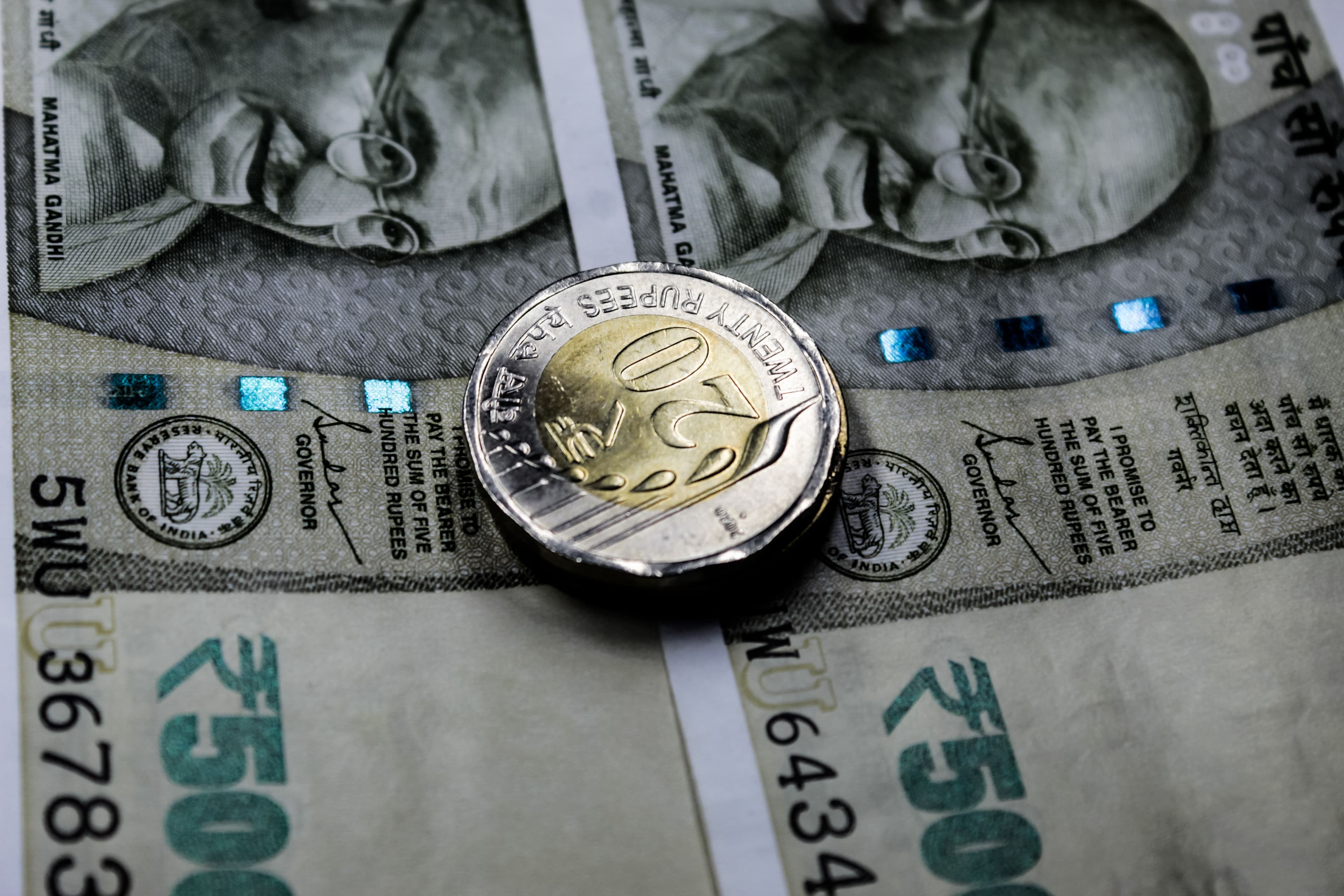
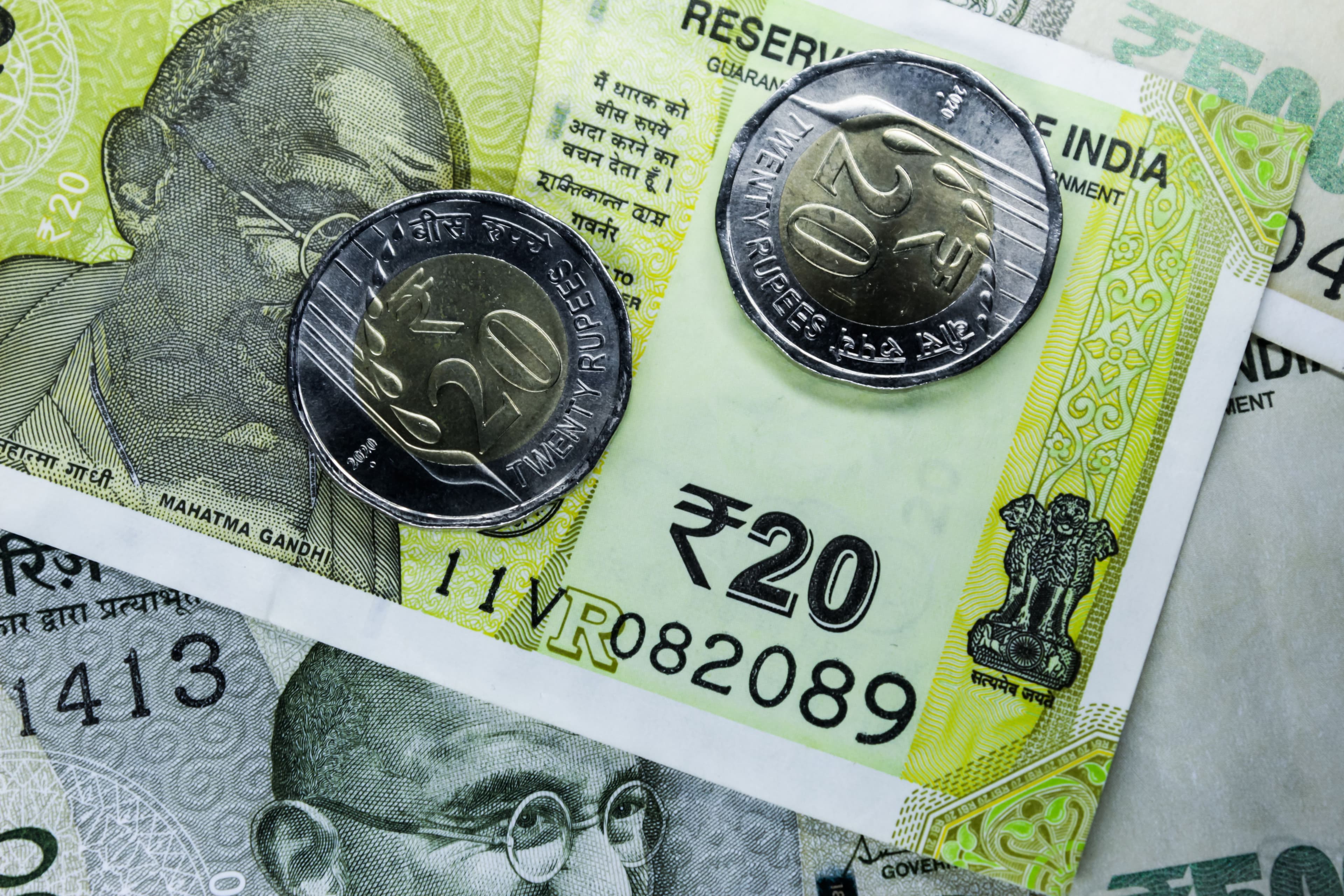
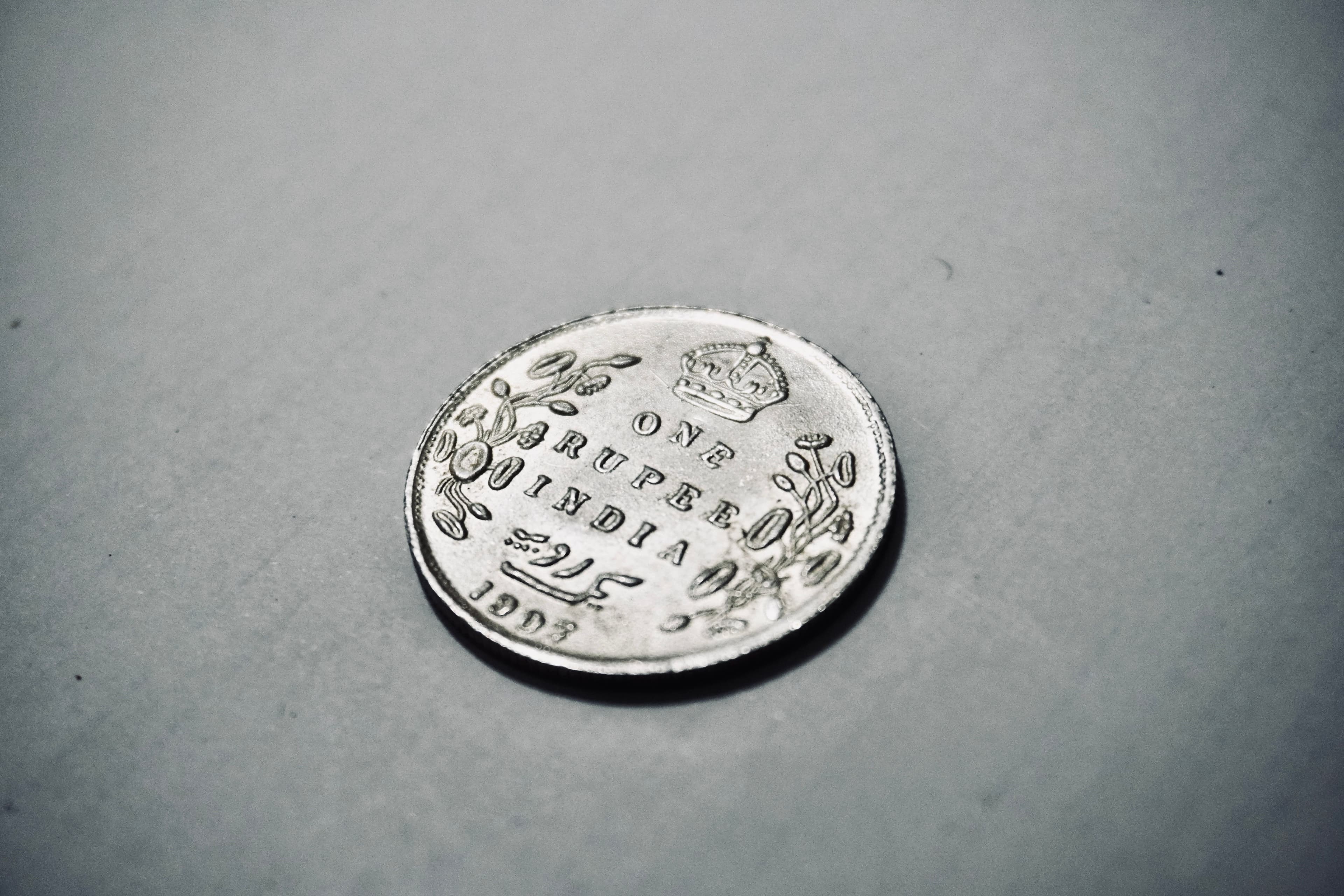
The Indian Rupee , symbol ₹ , ISO code INR , is India’s only real legal tender , basically. Like , there is not much of any shop , hotel , taxi , vendor who is forced to accept US dollars euros or any other outside currency, and most simply won’t , you know. Right now the banknotes that are getting around are ₹10, ₹20, ₹50, ₹100, ₹200, ₹500 , and also ₹1, ₹2, ₹5, ₹10, ₹20 coins are in the mix too. The ₹2,000 note , which used to be pretty common, was pulled from circulation in 2023, and it isn’t valid tender anymore , so if it somehow pops up in your change, just refuse it.
The exchange rates don’t really stay put, they wobble each day , like clockwork but not quite. Still for rough planning in 2026, one US dollar is about ₹94 , one British pound is around ₹125, and one euro comes out near ₹108. Even so, check a live converter right before you travel, don’t rely on one fixed number only, because currency markets shift from week to week, sometimes quite fast.
via pexels
Cash vs Cards in India: What Actually Works Where
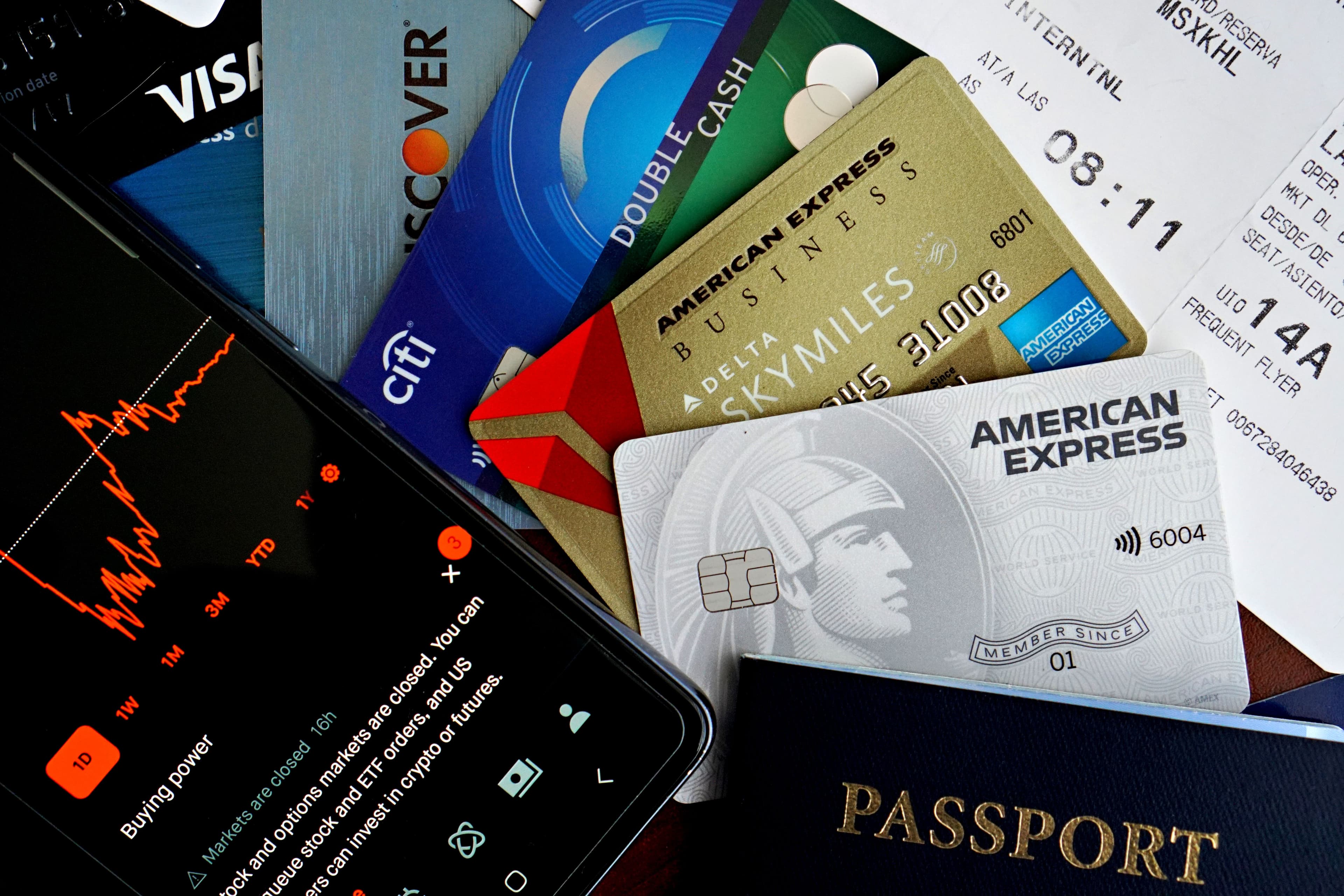
India sort of runs on this layered payment economy, and what works right for you depends completely on the spot where you end up standing. In luxury hotels , fine dining places, airlines, bigger retail chains and a lot of tourist-facing shops in Delhi Mumbai Jaipur and Goa, you’ll usually see Visa, Mastercard and increasingly American Express doing the heavy lifting.
- • Five-star hotels and luxury resorts - usually card and UPI are accepted, cash is rarely needed, except for tips.
- • Fine dining, and city restaurants - cards work well; smaller cafés sometime lean more to UPI or a bit of cash.
- • Local markets, bazaars and street food - mostly cash, or scan a UPI QR code. Cards are almost never taken.
- • Auto-rickshaws and taxis - cash or UPI. App-based rides like Uber, Ola may accept cards inside the app.
- • Temples, monuments, and heritage sites - keep small cash notes for entry, offerings, and even for shoe-minders, just in case.
UPI for Tourists: India's Digital Payment Revolution
There is one shift that has kinda changed the way foreigners spend money in India, and it is UPI - the Unified Payments Interface. Made by the National Payments Corporation of India (NPCI) , UPI allows people to pay straightaway by scanning a QR code, and now it feels like the default everywhere from five star spas to that roadside chai stall situation.
Before, UPI really needed an Indian bank account plus a phone number, so it kinda locked tourists out, like fully. Now it’s different, with UPI One World, a kind of framework that lets overseas visitors add money into a prepaid wallet using their passport and visa , and pay using UPI QR codes, without ever needing to open an Indian bank account.
How to set up a tourist UPI wallet
- • Pick an authorized UPI One World provider - in practice there are kiosks at international arrivals in Delhi, Mumbai and Bengaluru airports, or you can download a approved app before you fly.
- • Finish KYC using your passport along with your Indian visa , (usually the e-visa approval or an entry stamp is enough).
- • Add funds to the wallet via an international debit credit card , or simply trade cash at the counter.
- • Scan any UPI QR code - at a shop, hotel , taxi stand or market stall - and settle it right away in rupees .
- • Temples, monuments, and heritage sites - keep small cash notes for entry, offerings, and even for shoe-minders, just in case.

via pexels
The advantage is kind a real: once your wallet is topped up, transactions come with no extra, per-payment fee, because the money swap happens once, during the loading time, not on every single swipe. So, UPI ends up being one of the lowest-cost options to pay in India as a tourist in 2026, if you load smaller amounts back to back, instead of putting one big lump sum at the beginning. Also, if there’s unused balance left, it can usually be refunded at the airport before you depart, but that involves paperwork, which is kind of a hassle and best to avoid when you can.
ATM Withdrawal Guide for International Visitors
ATMs still are the most reliable way to grab rupees at a fair bank-set exchange rate, far more consistent than most airport exchange counters. International Visa, Mastercard and Maestro cards get accepted at the majority of urban ATMs, especially the ones run by SBI, HDFC, ICICI and Axis Bank. Most Indian ATMs put a cap on one foreign card withdrawal somewhere between ₹10,000 and ₹20,000, and then your home bank plus the Indian bank operating the machine might both tack on a fee. Instead of doing one big withdrawal, it’s usually smarter to plan two or three medium withdrawals across your trip.
| Consideration | What to Expect | Traveler Tip |
|---|---|---|
| Per-transaction limit | ₹10,000–₹20,000 on foreign cards | Withdraw a few times rather than once |
| Local ATM operator fee | ₹100–₹335 per withdrawal. | SBI and PNB ATMs usually charge less. |
| Home bank foreign transaction fee | Often 1%–3.5% plus a flat charge | Check card's ATM fees before travelling. |
| Conversion prompt | ATM may ask 'Accept or Decline Conversion' | Choose 'INR' for the better rate. |
Currency Exchange: Airports, Banks & Authorized Dealers
Airport currency exchange counters are super handy but, honestly, not that competitive-so, expect a larger spread between what they pay you (buy) and what they charge you (sell) than you’d see elsewhere. If you want better value, exchange only the amount you really need to reach the city from the airport, then go with RBI-authorized money changers, bank branches, or even hotel exchange desks (which are often close to market rates for their guests) to swap the rest.
Also, always request a receipt for any exchange above a smallish sum. It’s basically evidence of a proper conversion, and it can really help if you later want to reconvert unused rupees before you leave. Stick only with RBI-authorized dealers, banks, or airport counters. Anything unlicensed, like street changers, is both illegal to deal with and a usual path to counterfeit notes.
via pexels
Currency Exchange: Airports, Banks & Authorized Dealers
Foreign tourists may bring in unlimited foreign currency, but if you are carrying more than USD 5,000 in cash, or more than USD 10,000 combined with travelers' cheques, it must be declared on a Currency Declaration Form at customs on arrival. Foreign visitors are generally not permitted to bring Indian Rupees into the country and should exchange for INR only after landing.
Forex Cards: The Middle Path Between Cash and Cards
A prepaid forex travel card, loaded in your home currency before you leave and used like a debit card in India, gives a kind of halfway option that feels practical. It kind of fixes your exchange rate upfront, cuts down the annoying cycle of repeated ATM fees, and honestly it’s more safer to carry than big stacks of cash, because if it goes missing you can block it right away. Loading fees usually land around 1%–3% , including the taxes that apply, so it’s worth checking different providers before you pour in a big amount, and try to keep a spare or backup card too, just in case the first one gets declined.
via pexels
Payment Safety & Fraud Prevention
- • Try to keep the smaller denominations sort of apart from the larger notes, so you’re not showing this thick wad of cash every single purchase. It seems like a tiny thing but it add up.
- • When you need cash, use ATMs that are inside a bank branch, an airport, or a hotel lobby , instead of those free standing street machines once it gets dark. Also , covering the keypad when you type your PIN helps a lot, and if some stranger offers “help” at the ATM , just decline it right away.
- • Make sure transaction alerts are turned on for your card as well as your UPI wallet , so you catch any weird or unauthorized activity immediately. It’s also smart to keep both a digital copy and a physical note of your bank’s international helpline number, just in case you have to block a card in a hurry.
- • And when exchanging money, photograph or jot down the exchange receipts , then count the cash before you leave the counter , not after.
Tipping Culture in India
In India, tipping feels customary more than mandatory, and it’s mostly done in cash, like basically all the time. As a loose for 2026 kind of guide: ₹50–₹100 for a hotel bellhop, ₹100–₹300 per day for a private driver or guide, and for restaurants try 10% only if there isn’t already some service charge. For small help, like a shoe-minder at a temple, it’s often ₹20–₹50. Keeping a little stack of ₹50 and ₹100 notes, specifically for tipping, helps avoid those awkward “do you have change” moments.
Daily Travel Budget by Travel Style
| Travel Style | Approx. Daily Budget | What It Typically Covers |
|---|---|---|
| Backpacker | ₹2,000–₹4,000 | Budget stays, street food, public transport |
| Mid-range | ₹6,000–₹12,000 | 3-star hotels, restaurant meals, private cabs |
| Luxury (India Heritage Travel style) | ₹20,000+ | Heritage hotels/palaces, private chauffeur |
Banking Hours & GST / Tax Refund Information
Indian banks are usually open from Monday to Friday, around 10:00 AM to 4:00 PM, and then until roughly 1:00 PM on the 2nd and 4th Saturday of every month, plus most are shut on Sundays. The money exchange desks at airports and in bigger hotels commonly run longer, like into the evenings, and often on weekends too.
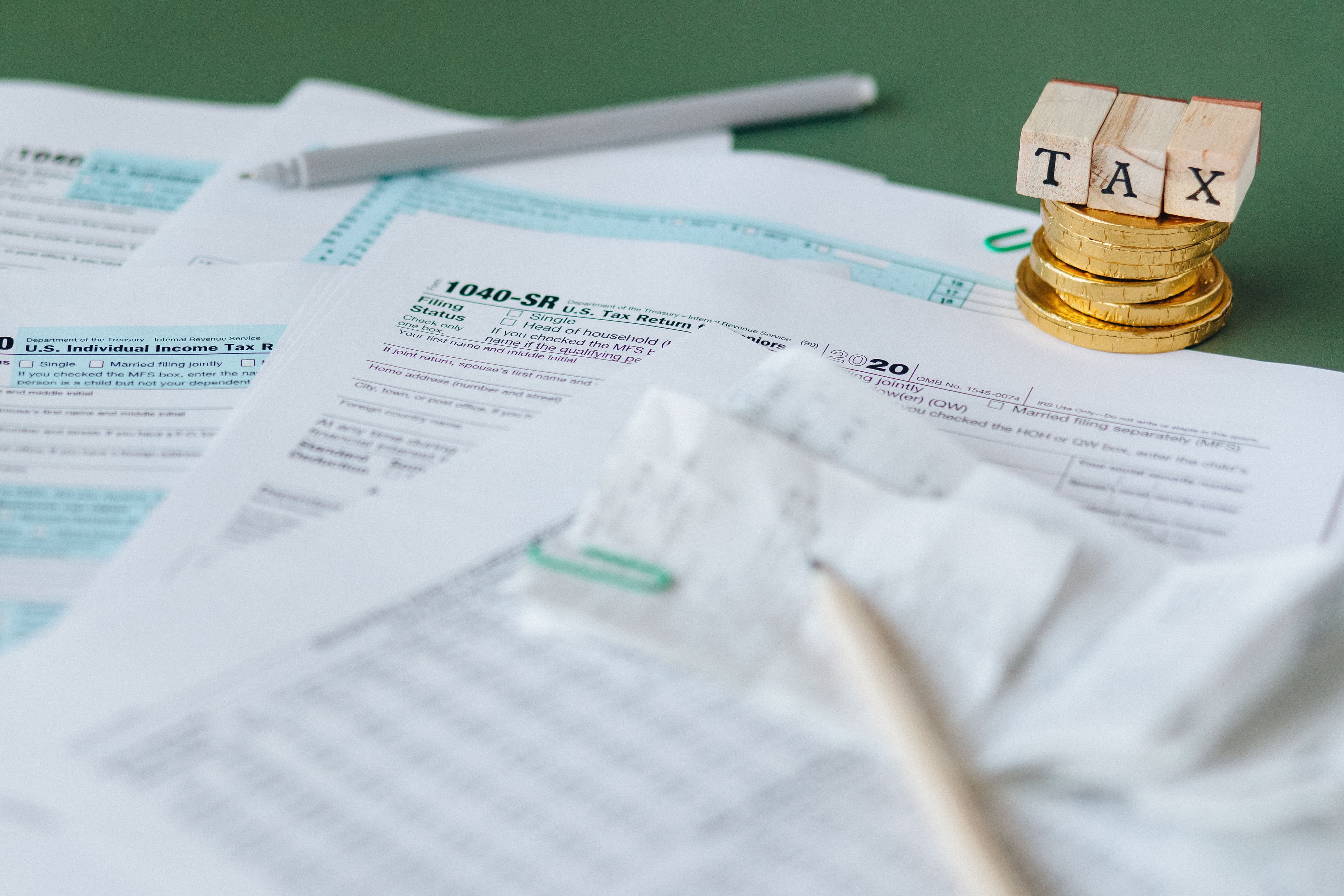
India’s Goods and Services Tax, or GST, sits inside the listed price of most goods and services, and unlike some other places, India does not, at the moment, have a wide, simple GST refund setup for travelers at the airport the way the EU or Singapore do. So, for big ticket buys, jewellery, textiles, that kind of thing, always double-check the most current refund rules directly with the retailer , because the terms can shift over time.
via pexels
Best Payment Methods by Traveler Type

For Luxury Travelers
via pexels
For Luxury Travelers
A premium credit card with no foreign transaction fee covers heritage stays and fine dining, while a modest cash buffer handles markets and tips. India Heritage Travel experiences are typically paid by card or invoice, depending on the property.

For Couples & Honeymooners
via pexels
For Couples & Honeymooners
Split expenses by using one partner's card for major bookings and a shared UPI wallet for daily stops - café visits, rickshaws, and souvenirs. It keeps the budget clear and trackable.

For Solo Female Travelers
via pexels
For Solo Female Travelers
Spread your money across at least two channels - a card plus UPI wallet or forex card plus cash - so you're not stuck if one is lost or blocked. Keep an emergency cash reserve separate from everyday spending.
A 3-Day Pre-Trip Money Checklist
Since getting your finances settled really matters more than any one little attraction when you’re on a money focused trip, here’s a quick pre departure timeline instead of a sightseeing style plan, ok? 3 days before you leave
- • Let your bank and credit card provider know your India dates, so you don’t get random fraud blocks, or whatever.
- • Double check your cards foreign purchase fees and ATM cash withdrawal charges.
- • If your provider offers it, sign up for a UPI One World tourist wallet ahead of time online pre-arrival, setup stuff.
- • 1 day before departure
- • Exchange a small pile of cash for arrival essentials, like a taxi , tiny tips , snacks .
- • Save your bank international emergency helpline number to offline contacts.
- • When you land in India
- • If you didn’t do it already, set up or activate your UPI wallet at the airport kiosk.
- • Pull out a reasonable amount of cash from a bank branded ATM, and if that “dynamic currency conversion” prompt shows up, decline it.
Why Choose India Heritage Travel
Getting connected is this small but kinda important part of a smooth India trip, and honestly it’s the kind of detail India Heritage Travel keeps in mind when we run a fully managed journey. Guests who travel with us don’t really have to sort out airport SIM counters by themselves, or stand there and guess which eSIM provider might work- our team gives connectivity guidance as part of every private tour along with private chauffeur driven transport, carefully picked heritage stays, and experienced local guides, so it all feels seamless.
- • Private chauffeur driven tours, with drivers who can assist with SIM or eSIM setup on arrival.
- • Fully customized itineraries matched to each traveler’s pace and personal interests.
- • Curated stays in India’s finest heritage and luxury hotels, with dependable in-room Wi-Fi.
- • Expert local guides with deep historical and cultural knowledge, at every stop or site you visit.
- • One single point of contact across the entire journey, coordinating with your insurer’s assistance line if ever needed, just in case.
Frequently Asked Questions
Holi, Diwali, Durga Puja, the Pushkar Camel Fair, Navratri and Garba, Onam, Pongal, the Hornbill Festival, the Jaisalmer Desert Festival, and the Kumbh Mela are widely considered the ten best Indian festivals for tourists, chosen for their cultural depth and visual scale.
October to March is the most festival-dense and weather-comfortable window, covering Navratri, Durga Puja, Diwali, Pushkar, Hornbill, the Desert Festival, and Pongal; Holi follows in March.
Yes, with the right preparation. Booking women-only tours, using pre-arranged transport, dressing modestly near temples, and traveling with a local guide make festivals like Holi and Durga Puja very manageable for solo women.
Most street celebrations are free and open to the public. Curated events, premium viewing areas, and the Hornbill Festival require advance tickets, which a tour operator can arrange.
Diwali and Pongal are considered the most family-friendly, with daytime activities, food, and craft traditions suitable for all ages.
Modest, breathable cotton clothing is appropriate for most festivals and temple visits; for Holi, wear old clothes you don't mind staining, and for cooler winter festivals like Hornbill or the Desert Festival, pack a warm layer for evenings.
Planning Your India Journey?
India Heritage Travel creates private, fully escorted itineraries across India's iconic landmarks, royal palaces, and spiritual sites - with dedicated drivers, local guides, and 24/7 support for a seamless and worry-free experience.
Plan My India Journey