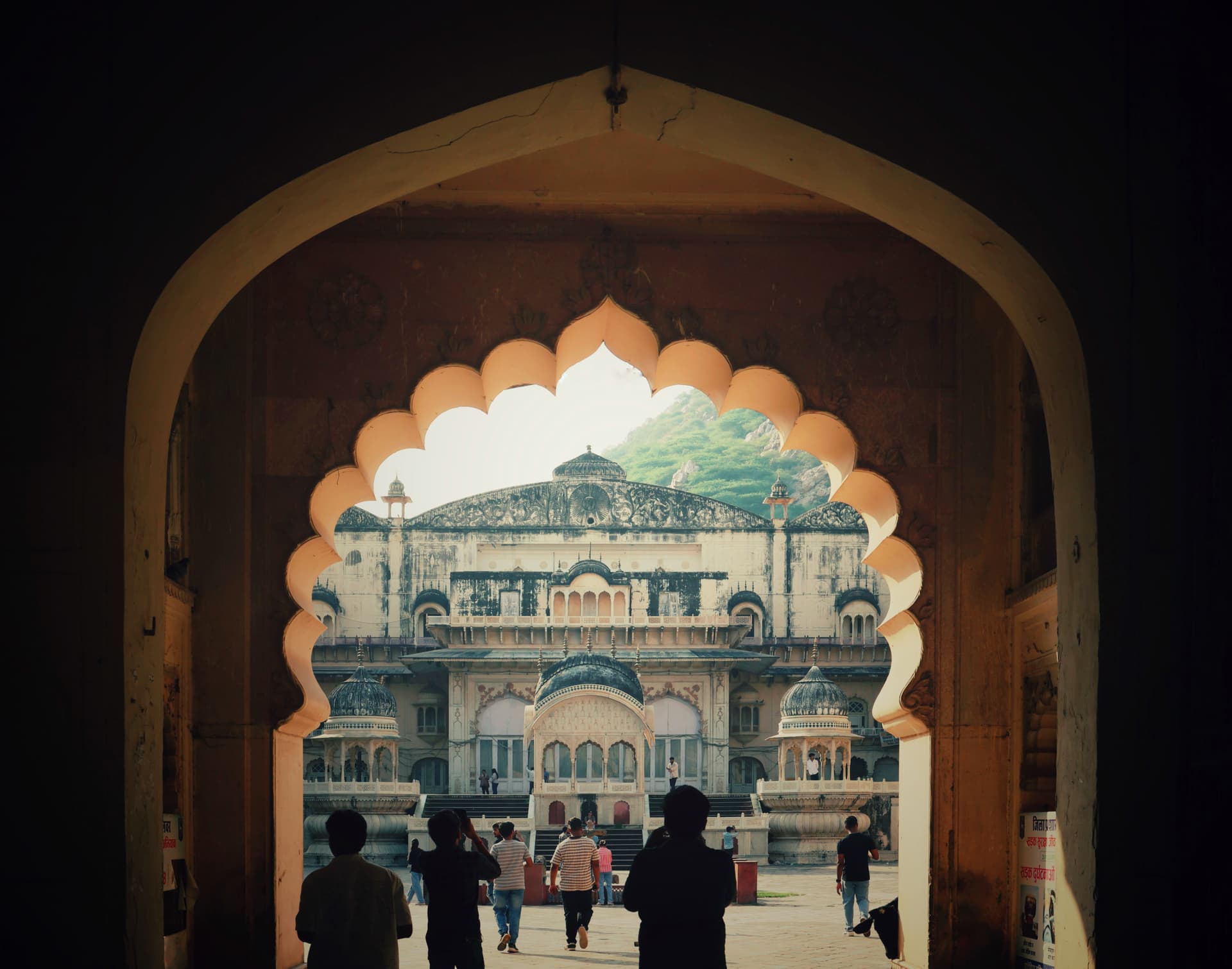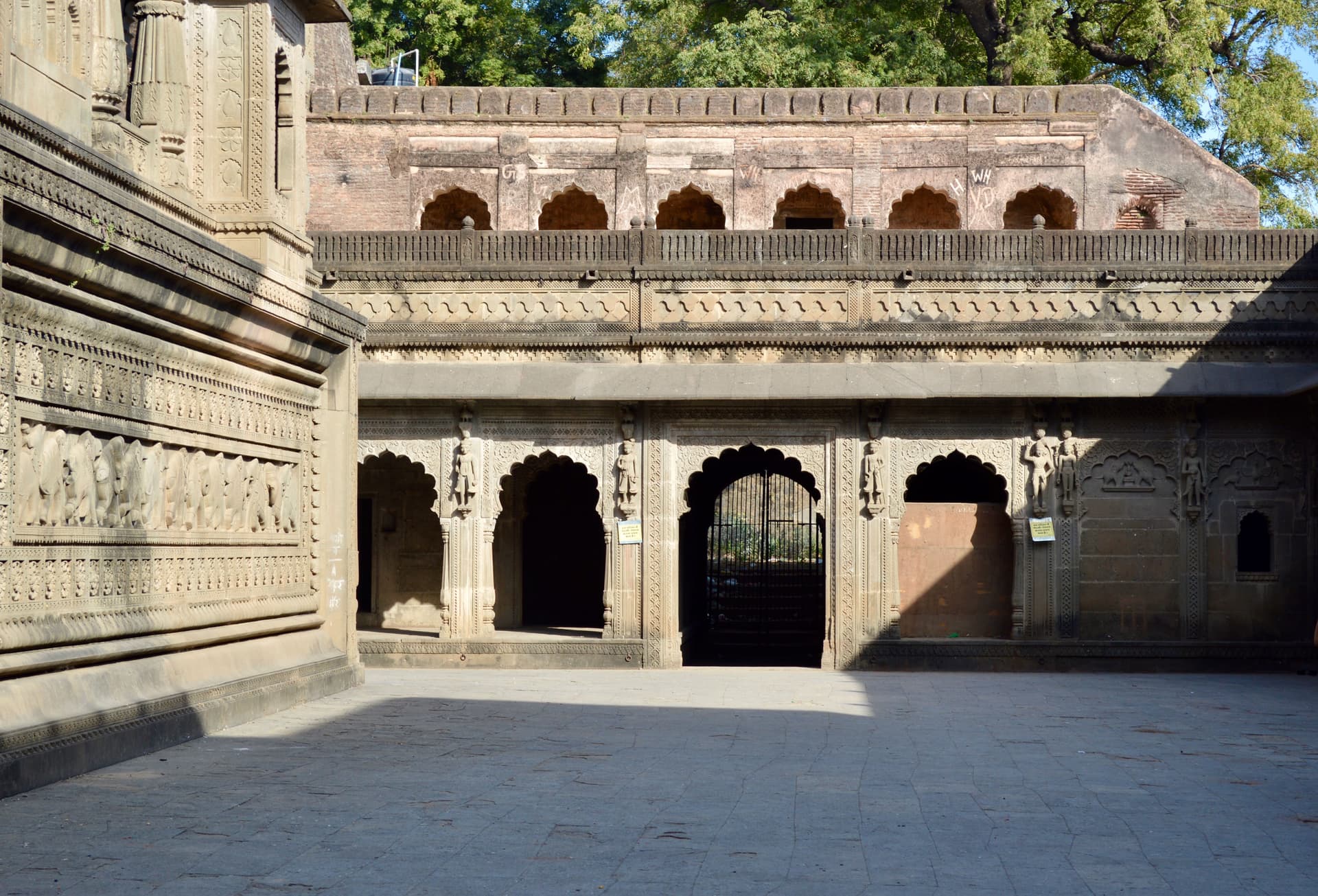
A region shaped by many histories
The Northeast is not a unified historical region. The eight contemporary states comprising the region of Assam, Arunachal Pradesh, Manipur, Meghalaya, Mizoram, Nagaland, Sikkim and Tripura have histories which consist of river-based civilizations, hills tribes, clan/village societies, Buddhism and Hindu influences, trading links and interactions in the Eastern Himalayas and Southeast Asia.
Travelers must remember that a palace, a fort gateway and a village council house cannot be considered the same “heritage destination”. These sites belong to very different worlds. An ideal travel experience is one where the local community can provide insights into the significance of the place not only its history.
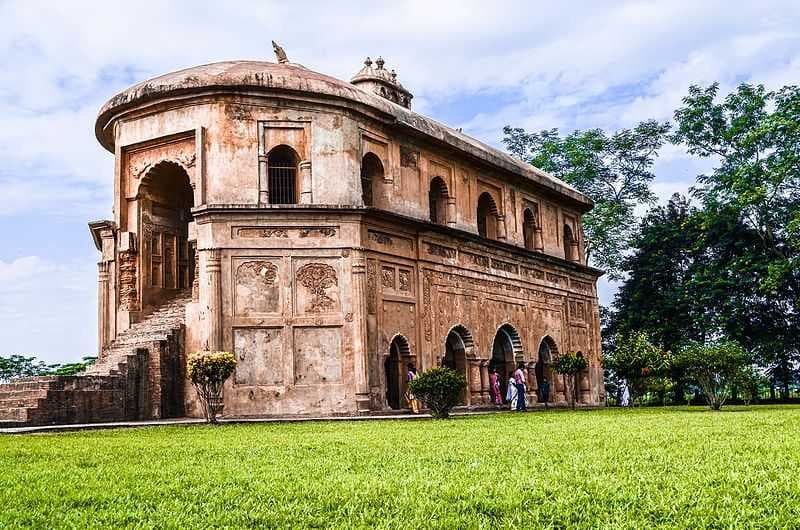
Image via holidify
Historic Kingdoms of Northeast India: Ancient Capitals & Living Heritage
There are places where history is frozen in the glass while there are others where it is a part of the living landscape. The historic towns of Northeast India stand in harmony with living cities, palace ruins sit amid the lush green pastures, monasteries conduct themselves in their traditional ways, and tales that have been repeated by generations and generations in their language, food, weave and festivals. Travelling across the Historic Kingdoms of Northeast India means embarking upon a trip into a country with a rich historical past as varied as its hills, valleys, and people.
The rich history can be traced from the monuments of Ahoms in Assam to heritage of Manipur and Tripura, Khasi and Jaintia Hills and the Buddhist Kingdom of Sikkim; each with its own time line and history.
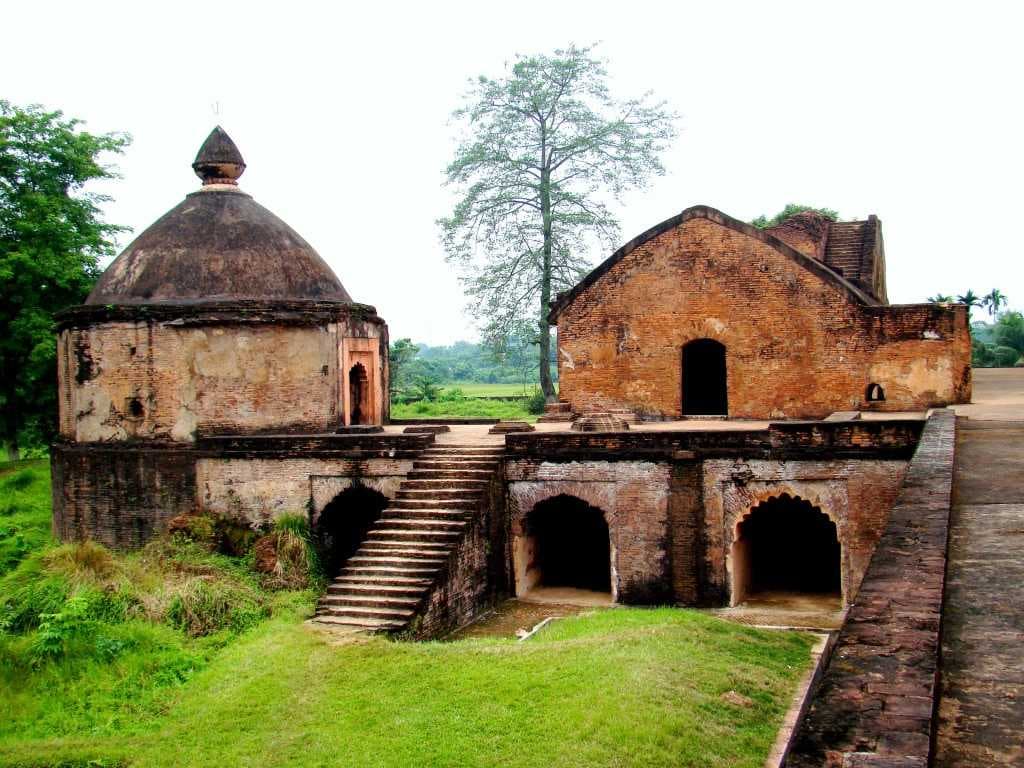
Image via holidify
The kingdoms and their cultural landscapes
1. The Ahom Kingdom of Assam: six centuries of statecraft
The invasion of King Sukaphaa to the Brahmaputra valley in the 13th century is considered as the inception of the dynasty that ruled for about six centuries. The first political capital of the Ahoms, Charaideo, also consisted of the tombs of Ahom kings while the other two political capitals were Garhgaon and Rangpur in the Sivasagar district. Some of the characteristics of the Ahom era were governance, military, diplomacy, rivers and architecture.
The starting point of Sivasagar is quite logical in terms of learning the history of the Ahoms. The Rang Ghar can be viewed as an amphitheater or royal pavilion related to court performances. Talatal Ghar is a palace that is at the same time a military construction, whereas Kareng Ghar in Garhgaon is related to the royal residence. The large Sivasagar pond and Siva Dol temple complex show how far the process of royal patronage and urbanization went.
The significant site is the Charaideo Moidams, the burial ground of Tai-Ahom. The Charaideo Moidams is the UNESCO World Heritage Site inscribed in July 2024. This landscape shows the royal mounds of burial, called the moidams, which is a typical feature of Ahom burial rites and the connection between sacred architecture, forest, water, and landscape. Note the memorial role of the site: do not go.
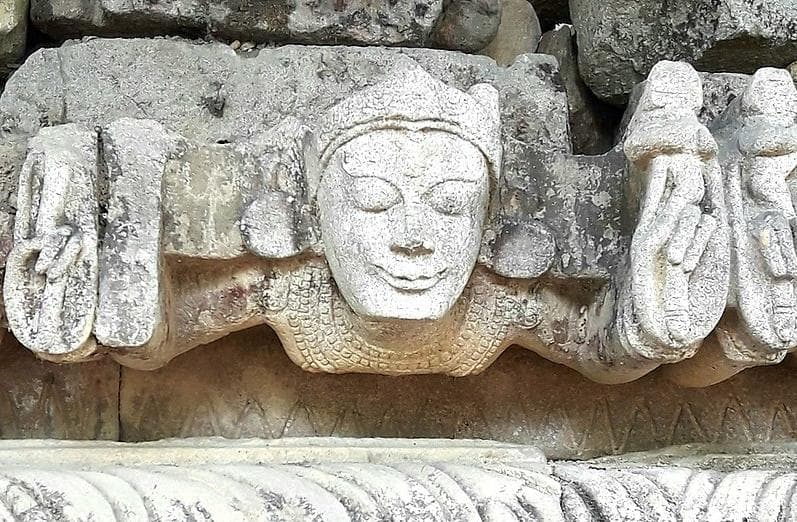
Image via wikipedia
2. The Kachari and Dimasa kingdoms: memory in the Barak Valley
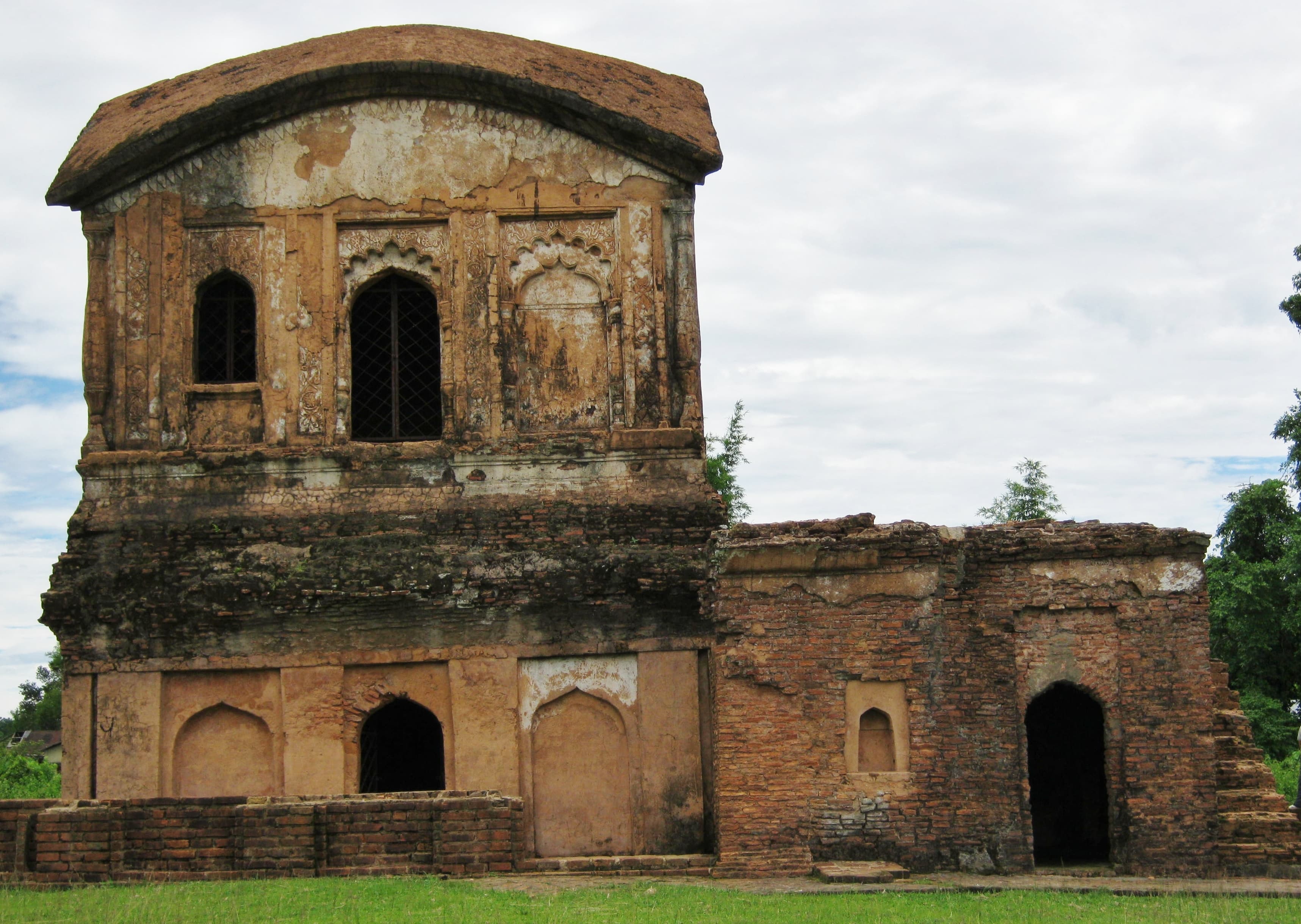
The history of both the Kachari and the Dimasa people is very much associated with the hilly and valley landscapes of Assam and its neighboring states. At different times, the Kachari kings had their political capitals in different places like Dimapur and Maibong before the last capital at Khaspur in Silchar towards the later stages of the kingdom. Khaspur makes for an interesting trip because of its gateways, temples, and ruins of the palaces.
Tourists cannot expect anything grand about the palaces, but they have to realize that the history of the place can be viewed through the eyes of archaeology. It is possible with a little bit of assistance from the locals that visitors can distinguish oral history from physical ruins.
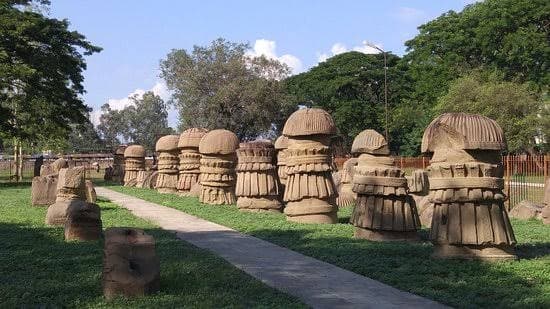
Image via wikipedia
3. Manipur: the Meitei kingdom and Kangla
Manipur valley constituted an ancient Meitei kingdom, which had its own legal system, religion, and literature. The Kangla of Imphal Valley constitutes an ancient seat of power and one of the most important seats of the heritage of Manipur. The Kangla itself conveys to the tourist the feel of the royalty, the religion and politics of the valley through its premises.
Take your time to visit the Kangla Fort along with the spaces around it rather than merely taking photographs at these places. Other places like Ima Keithel market (market known for women traders) give you the economic aspect of the heritage of the valley. The Manipuri classical dance, the handlooms of the valley, and the cuisine of the valley constitute part of the heritage of the valley.
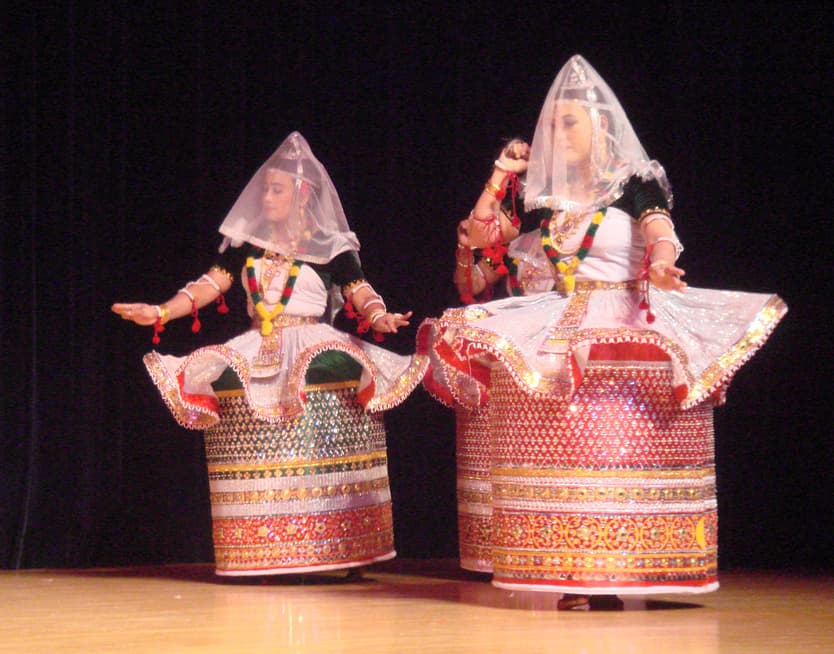
Image via wikipedia
4. Tripura: the Manikya dynasty and royal residences
The rulers of Tripura have also left their mark in the state’s temples, palaces and culture. In Agartala, the Ujjayanta Palace is a symbol of the past state and presently houses the Tripura State Museum. The domes, halls and gardens of this building give the visitor an introduction to the courtly life of the past and to the variety of people in this region.
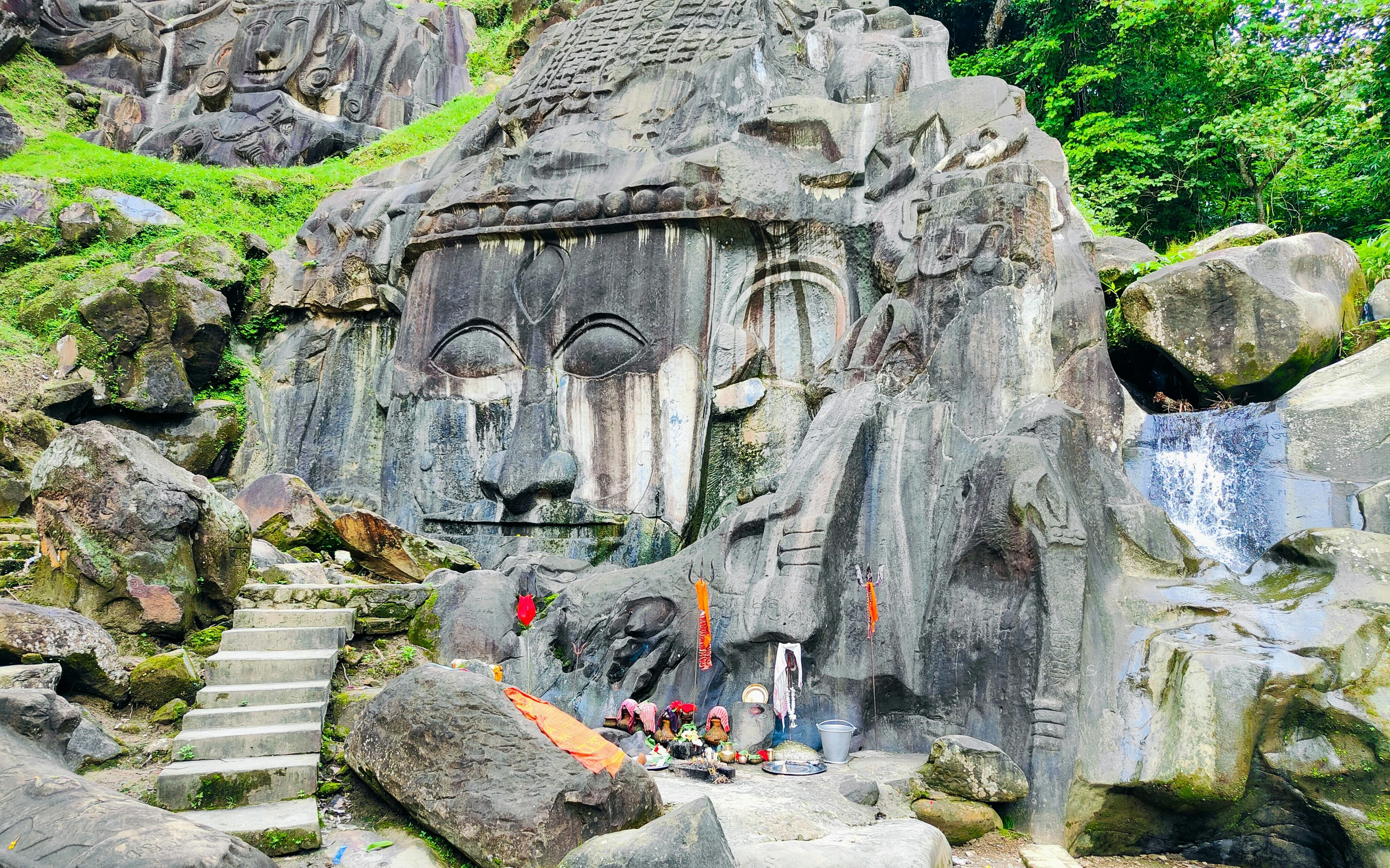
Away from the capital, one finds the palace of Neermahal that is built over the Rudrasagar Lake and was constructed to be used by the ruling princes as a summer palace. Unakoti, an archaeological and sculptural place of great antiquity with huge rock carvings is another attraction for those visiting Tripura. Pilak is another archaeological place that would interest tourists.
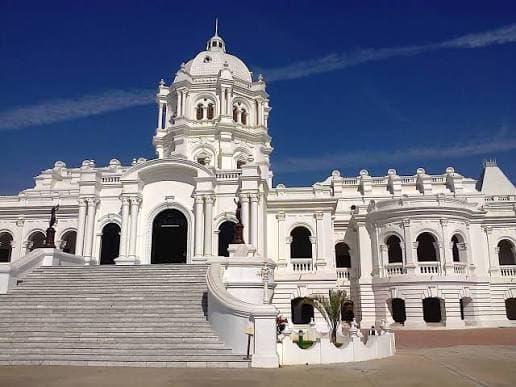
Image via wikipedia
5. Khasi, Jaintia and Garo heritage in Meghalaya
However, the history of Meghalaya cannot be reduced to only the history of kings and kingship. The political system in the Khasi and Jaintia regions was chieftainship and customary laws. The Nartiang region in the Jaintia hills region is said to be the capital of the Jaintia kingdom of olden times. This is the place where you can find the historical Durga temple and monoliths giving an interesting cultural backdrop to the Khasi history.
Garos in the Garo Hills region have their own customs within the society built around the customs and traditions of the society. The Wangala festival and Garo music and dances are some of the instances where you can explore the history of the Garos if you can plan your visit through the local people. Remember to take permissions before taking pictures of rituals, homes, and people.
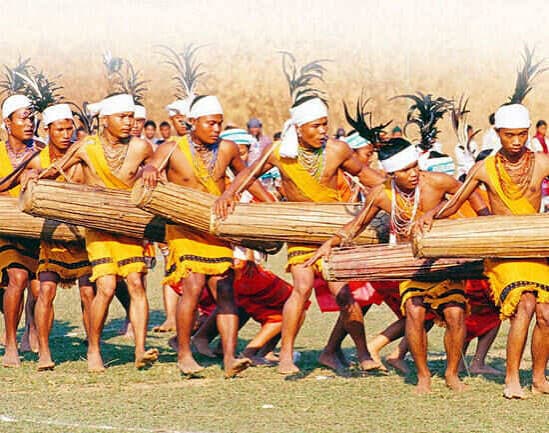
Image via wikipedia
6. Sikkim: the Namgyal dynasty and Himalayan Buddhist heritage
The state of Sikkim was a Himalayan Buddhist kingdom that ruled during the period of Namgyal dynasty. This dynasty had Chogyals who were considered the rulers of this kingdom. Yuksom, a place associated with the kingdom’s history and the coronation practice, is a good point to start with. Rabdentse, which consists of remnants of the capital, will provide visitors with foundations, walls and views from forest-covered hills. Another source of history of Sikkim is the monastery of Pemayangtse Monastery.
The heritage of Sikkim is not restricted by its royalty alone. Monasteries, sacred mountains, the architecture of villages and the culture of Lepcha, Bhutia and Nepali tribes make up the Himalayan landscape of Sikkim. It is required to wear appropriate attire in the religious places.
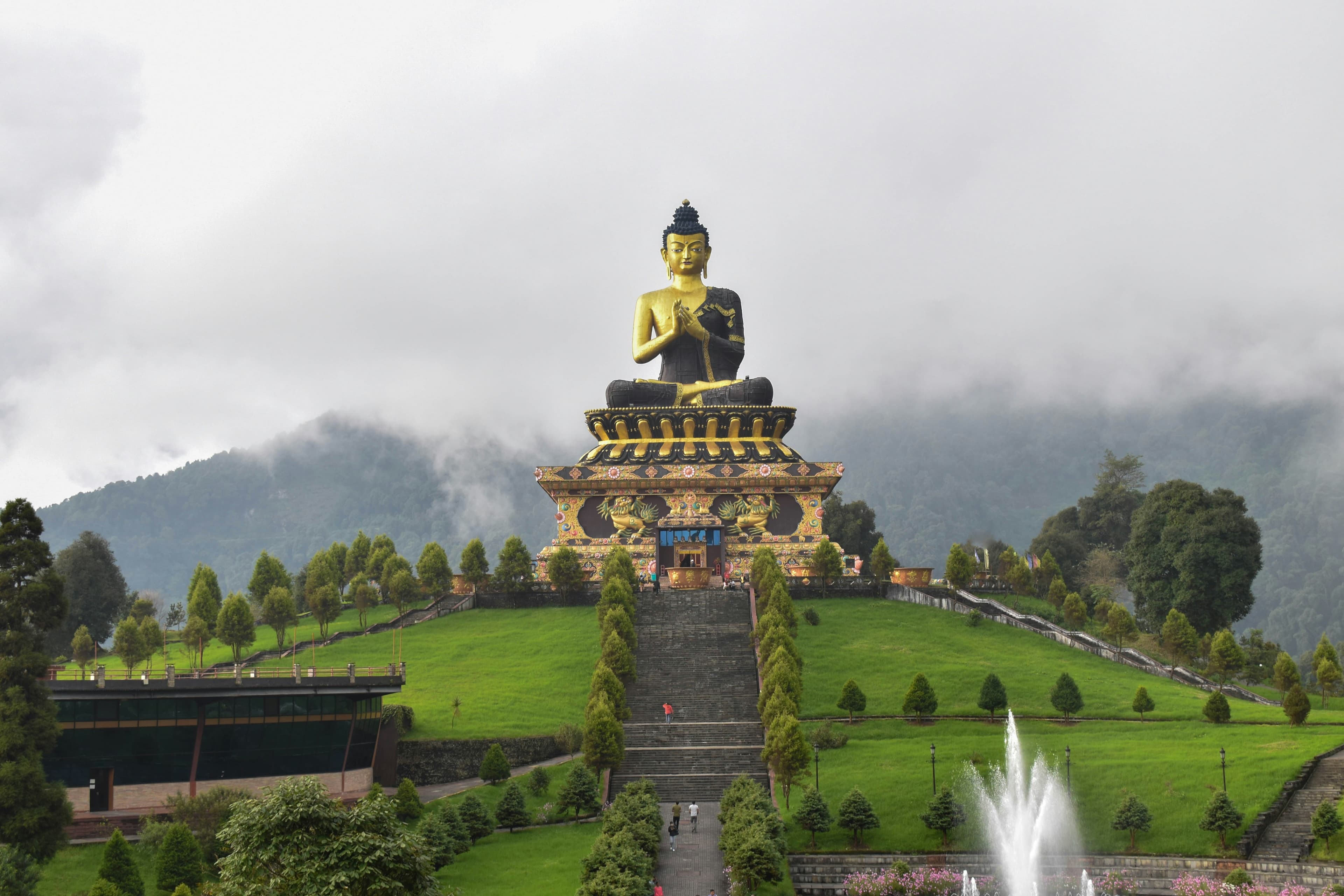
Image via wikipedia
7. Arunachal Pradesh, Nagaland and Mizoram: heritage beyond palace walls
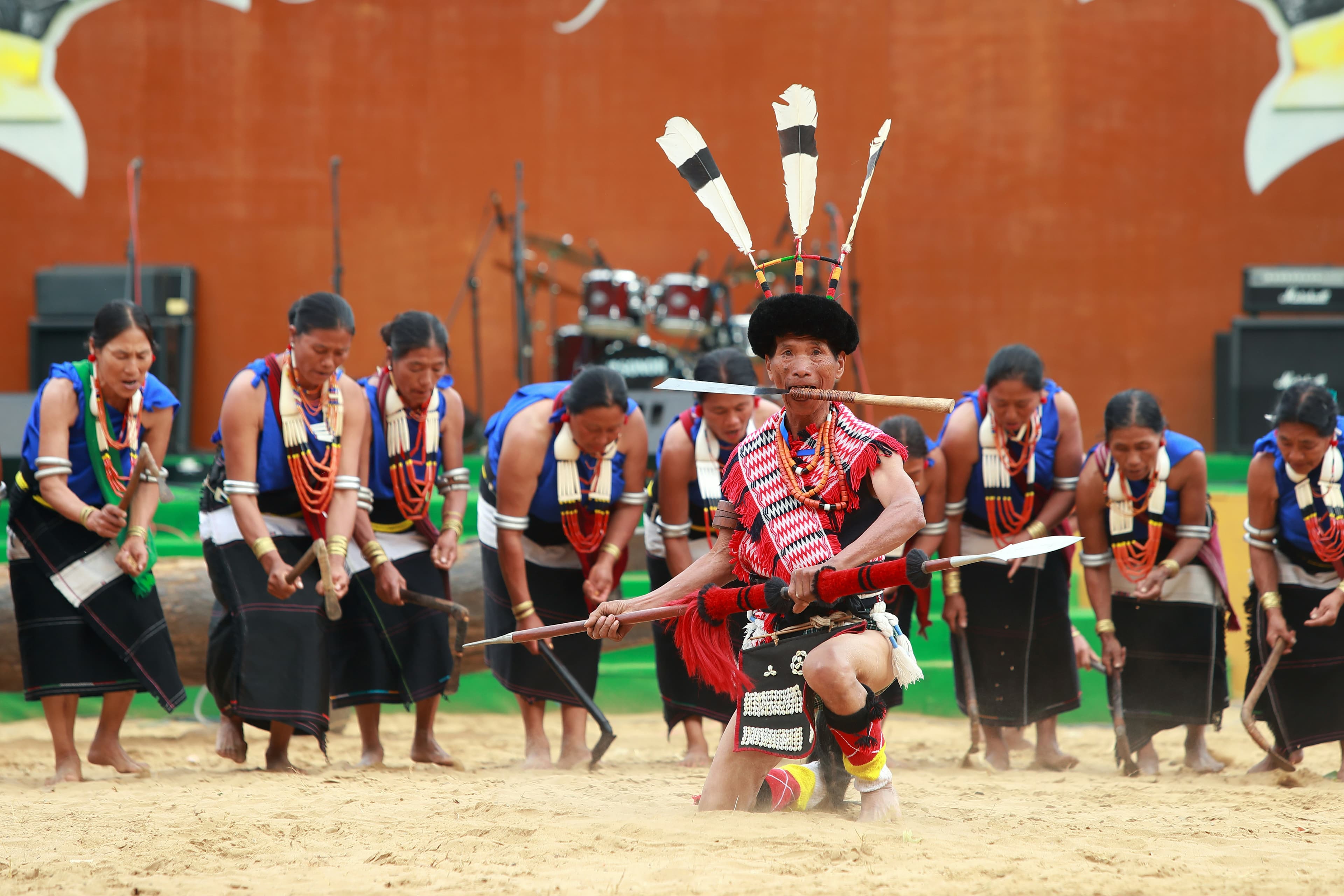
In Arunachal Pradesh, the history of the place can be better appreciated by taking into consideration the monasteries, village groups, culture, and historical routes, but not through the presence of grand royal palaces. Some of the important monuments in the area include the Tawang Monastery, which is a learning place for Tibetan Buddhism, and Ita Fort, which is located in Itanagar. In Nagaland, morungs in the villages, the customs, wood carvings, and Hornbill Festival represent the history of the people.
The culture here is very much alive and is not an open air museum. You should travel with a responsible local guide who has your permission to travel and who will not use any outdated languages or use any props for their ceremonies. The best way to learn about the culture is when the locals decide on what they want to show you.
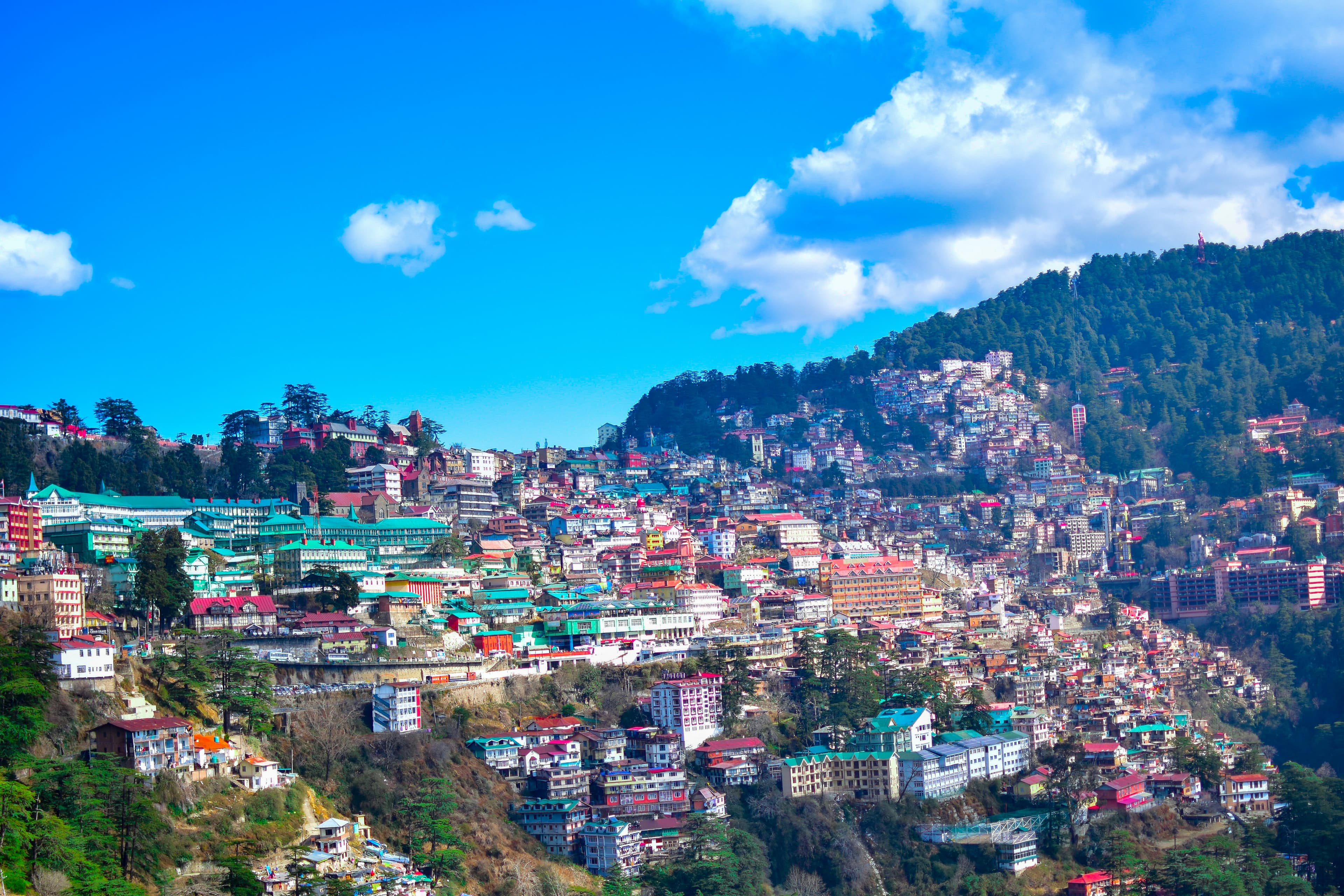
Image via wikipedia
Architecture: stone, brick, timber and sacred space
The architectural structures in this area fall under built heritage as the structures require building materials, climate conditions, religious importance of the monument and politics importance of the monument. Monuments of Assam which fall under the category of Ahoms include brick, masonry, dome and water architecture. The architecture of Rang Ghar can be cited as the example of magnificent aspect of the royal life while Talatal Ghar reflects strategy and residential aspects. Examples of architecture of princes can be seen through Ujjayanta Palace and Neermahal of Tripura.
Architecture in the hills comprises of timber, bamboo, platform and high roof for catering to the climatic conditions, topography and construction technique. There are also sacred groves, monoliths and spaces of village which can be cited as part of the architectural heritage of the region.
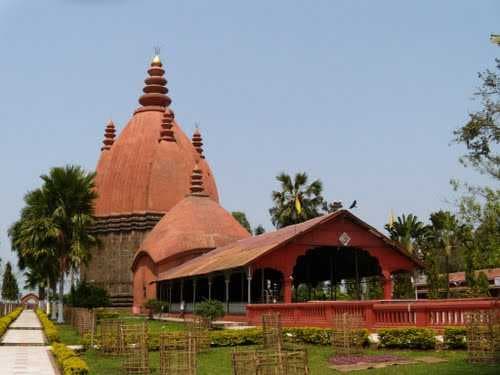
Image via holidify
Living heritage, food and cultural encounters
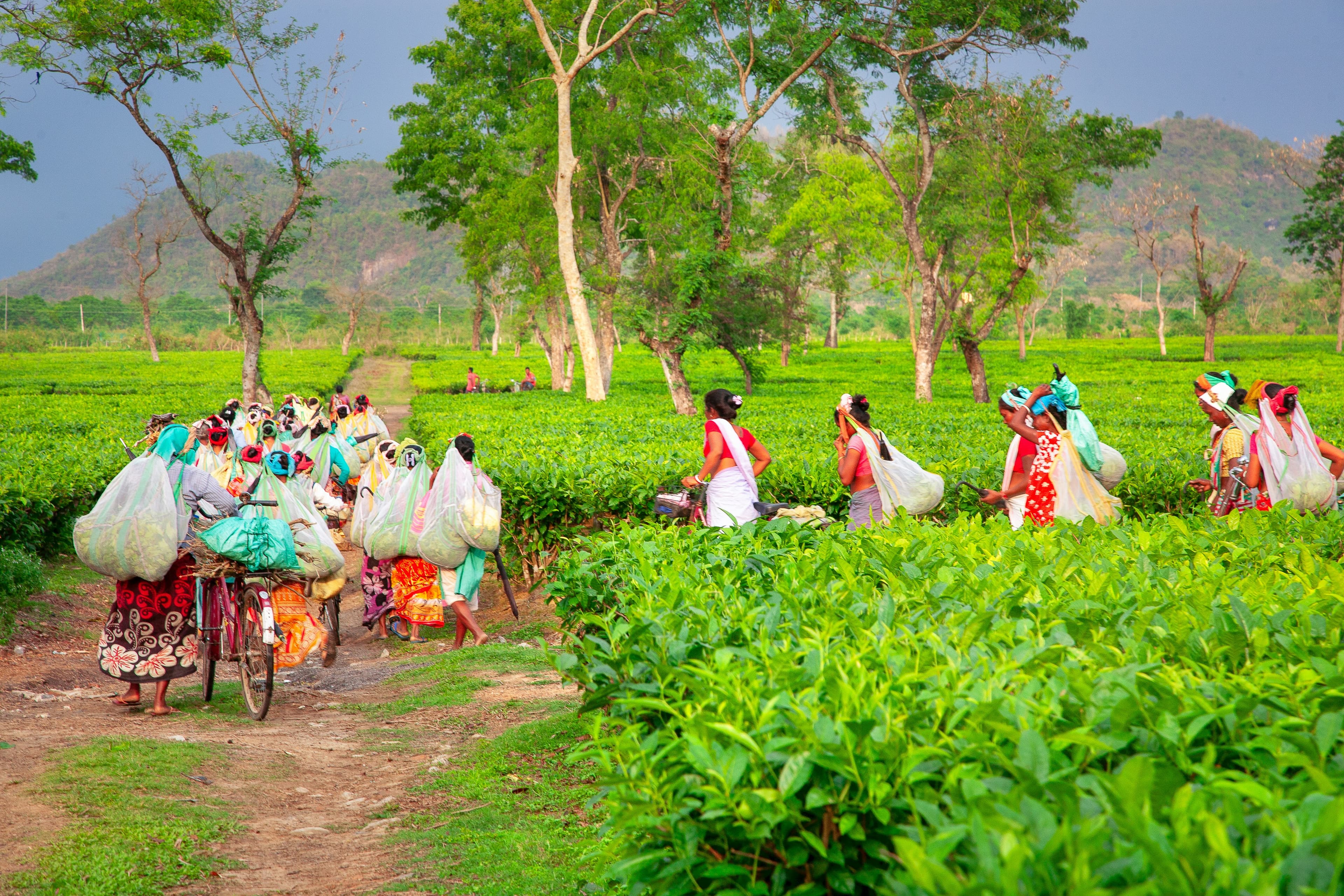
Heritage trails become visible mostly when we do not think about monuments. Regarding the condition of Assam, dishes such as thali, khar, tenga fish curry, seasonal vegetable, and rice become possible to eat. It becomes easy for us to associate the cuisine with tea gardens and hospitality at Sivasagar and Jorhat. In case of the cuisine of the Manipuri valley, there are vegetables, herbs, fish, and eromba. The cuisine of the Tripuri people includes bamboo shoots, fish, and seasonal dishes.
The food is different depending on the community or season in the hills. For this reason, it becomes necessary to gather information regarding the composition of the food as well as its cooking process.

Image via cntraveller
Major attractions and quieter discoveries
Assam
Image via unsplash
Assam
Explore the Ahom legacy through Charaideo Moidams, Rang Ghar, Talatal Ghar, Kareng Ghar and Siva Dol, then experience Assam's living culture with Jorhat's tea heritage, Majuli's satras and mask-making, and local village food experiences.
Barak Valley, Assam
Image via unsplash
Barak Valley, Assam
Explore the Khaspur archaeological remains, then experience Silchar's local market and Dimasa cultural interpretation for a living sense of the region's heritage.
Manipur
Image via unsplash
Manipur
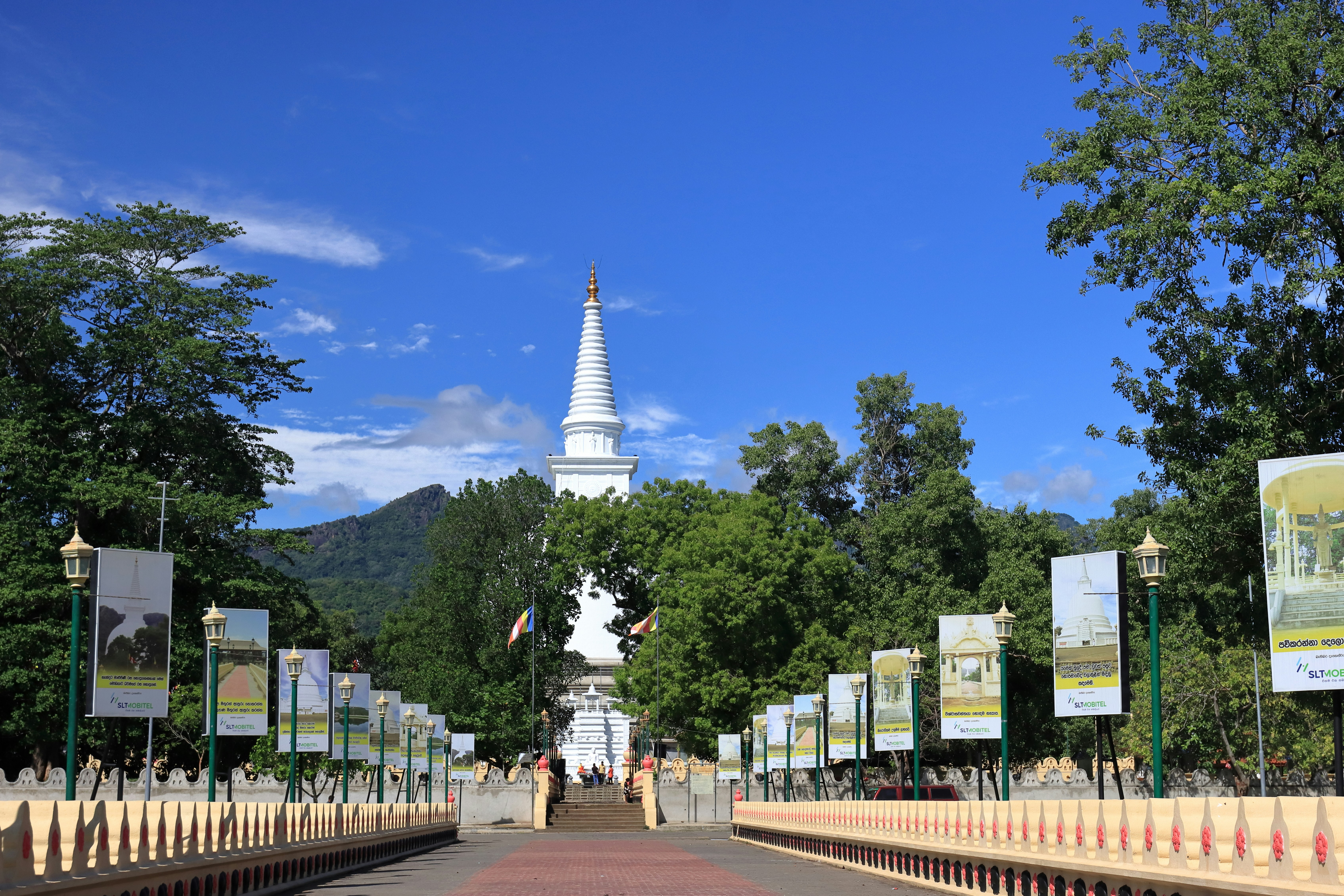
Explore Kangla Fort in Imphal, then experience Ima Keithel and the cultural landscapes around Loktak Lake, subject to current access.
Tripura
Image via unsplash
Tripura
Explore Ujjayanta Palace, Neermahal and Unakoti, along with the Pilak archaeological site and the temples and lakes of Udaipur. Together they trace Tripura's royal, religious and artistic past across the state.
Meghalaya
Image via unsplash
Meghalaya
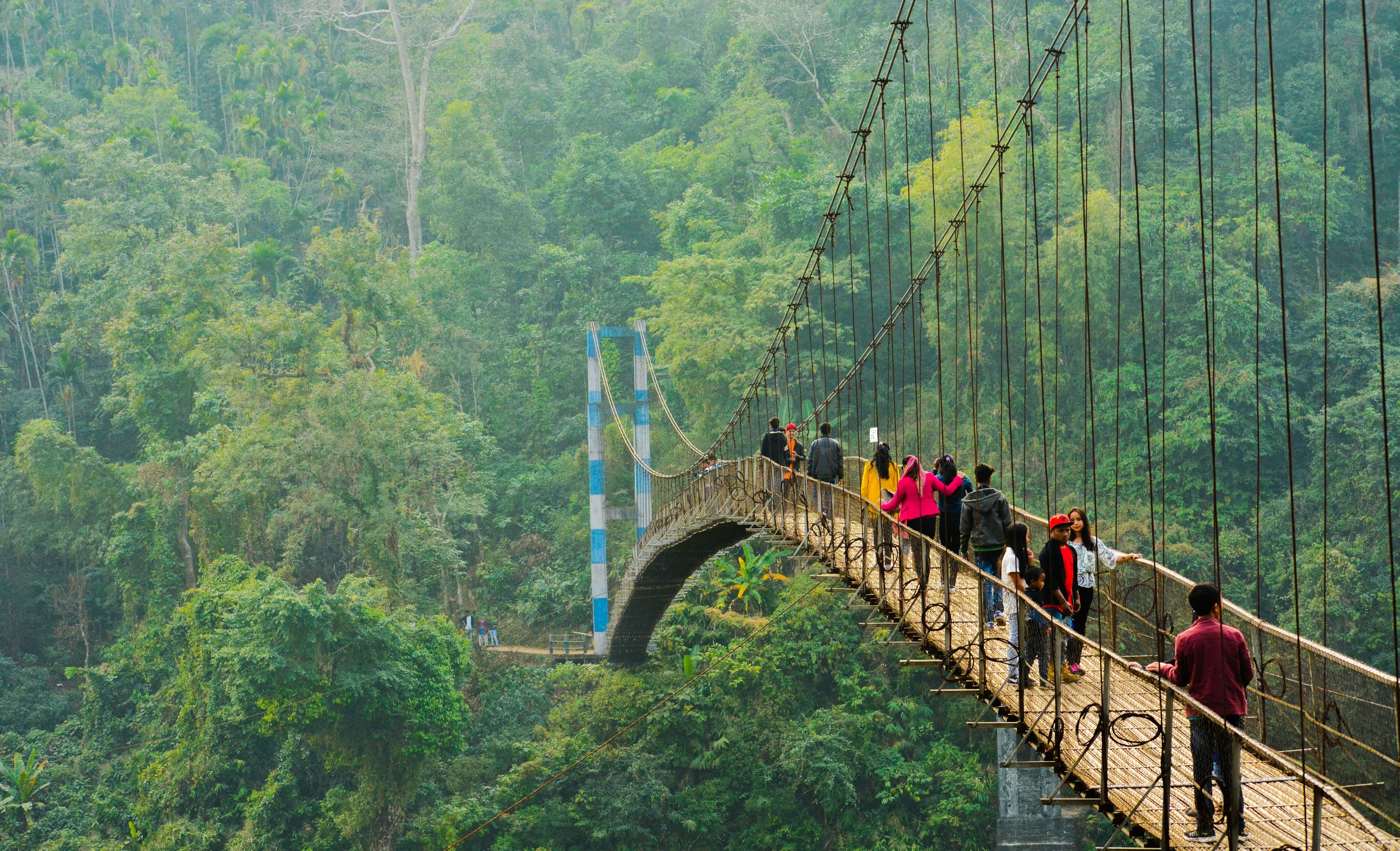
Explore the Nartiang Durga Temple and its monoliths, along with sacred groves, community-led village walks and Wangala cultural experiences that bring Meghalaya's living heritage to life.
Sikkim
Image via unsplash
Sikkim
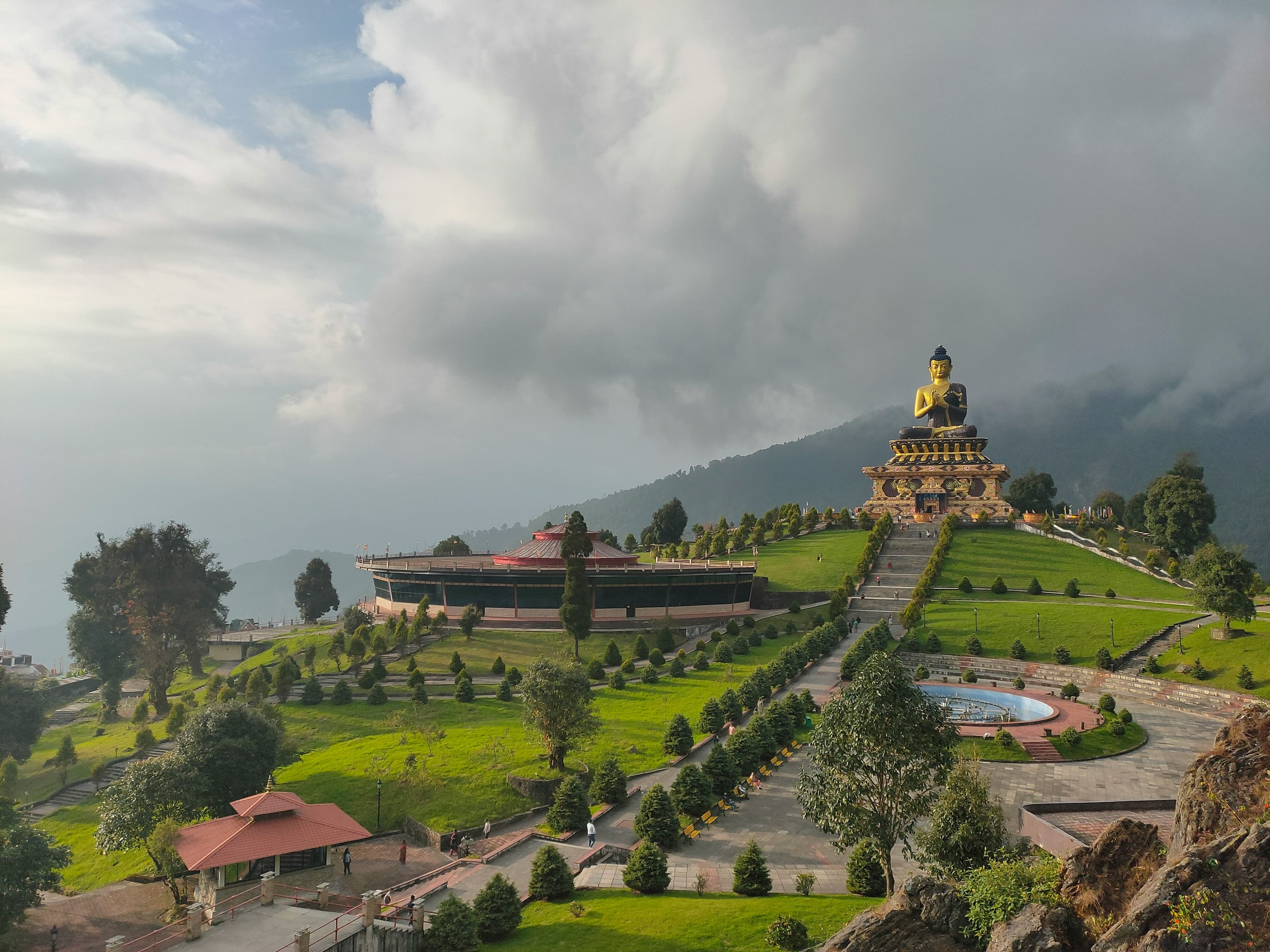
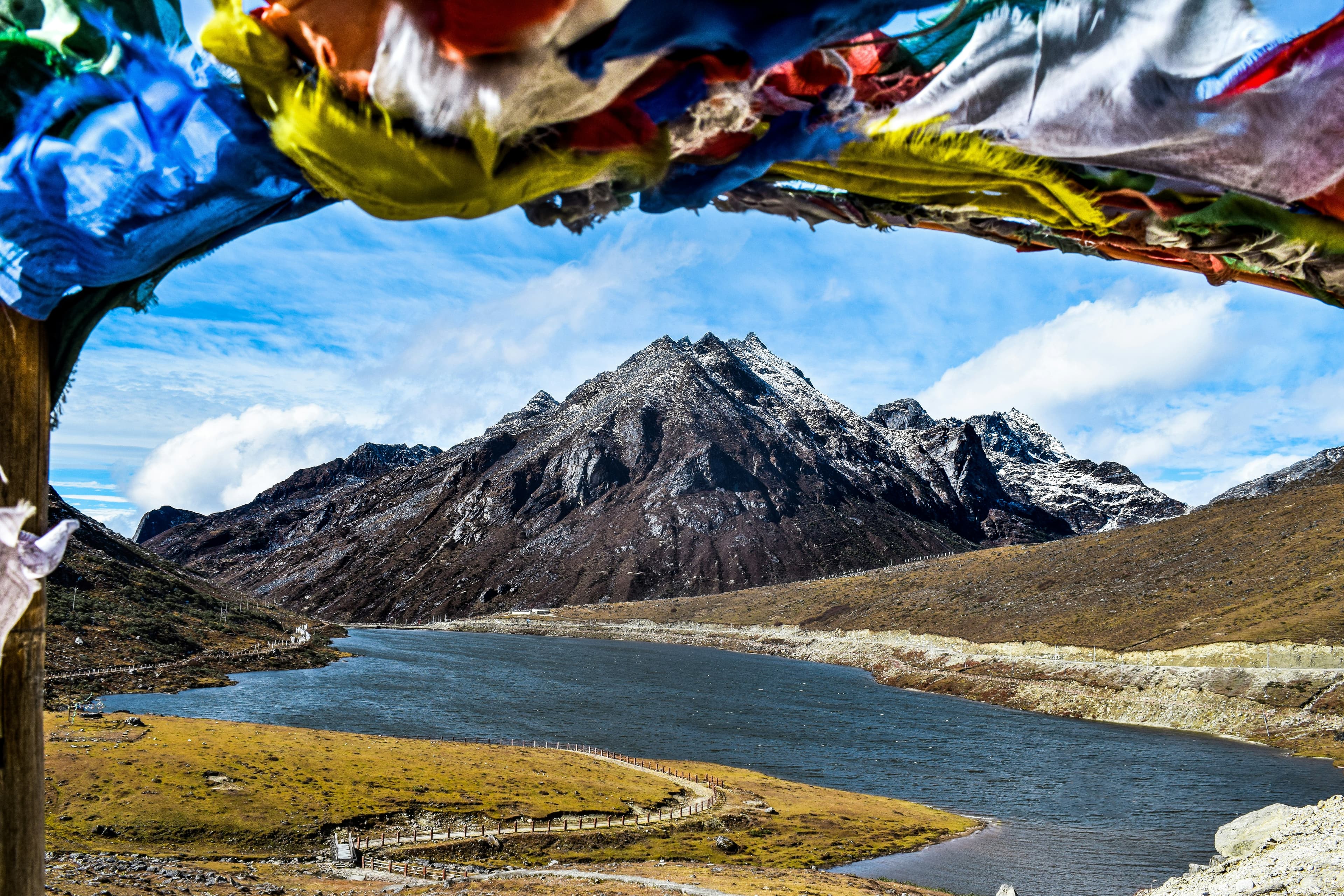
Explore Yuksom, the Rabdentse ruins and Pemayangtse Monastery, along with traditional settlements, local food and monastery visits with permission. Together they trace Sikkim's early royal and Buddhist heritage.
Arunachal Pradesh
Image via unsplash
Arunachal Pradesh
xplore Tawang Monastery, Urgelling Monastery and Khinmey Monastery, along with the Monpa community's traditional crafts, Losar and Torgya festivals, and local cuisine like Zan and Thukpa for a living sense of the region's Buddhist heritage.
Nagaland / Mizoram
Image via unsplash
Nagaland / Mizoram
Explore historic villages and customary cultural sites, along with Morung architecture, weaving, music and locally guided festival visits that keep the region's community traditions alive.
A five-day Ahom heritage itinerary in Assam
| Day | Suggested programme | Overnight |
|---|---|---|
| Day 1 – Arrive in Assam | Travel to Guwahati and take your guide and then drive ahead to either Jorhat or Sivasagar as per your flight timings. | Jorhat / Sivasagar |
| Day 2 – Sivasagar’s royal city | The day should be spent in leisure with a sumptuous Assamese dinner. | Sivasagar |
| Day 3 – Charaideo Moidams | Travel to Charaideo; spend unhurried time at the UNESCO-listed Moidams, following conservation guidance. Return via rural landscapes and local food stops. | Sivasagar |
| Day 4 – Jorhat and living traditions | Explore Jorhat’s tea heritage or arrange a visit to a Majuli satra and craft community if ferry schedules and conditions allow. | Jorhat |
| Day 5 – Departure | Transfer to Jorhat or Guwahati airport according to flight schedule. Add a buffer for road conditions and flight connections. | — |
Practical Travel Guide
Best Time to Visit
Most of the area enjoys sightseeing from October till April, though the best time varies from state to state depending on their altitude. Assam and Tripura are favorable destinations during the colder months; while visiting Meghalaya, it’s often better to avoid the most intense monsoons; in Sikkim and Arunachal Pradesh, weather depends on your route. Monsoons may spoil the roads and ferries, as well as hinder the trip into the mountains.
How to Reach
- • Guwahati – key entry point for Assam by air and rail, and an easy access point for Meghalaya.
- • Jorhat – accessible route for the upper parts of Assam and the Sivasagar heritage route, depending on flight availability.
- • Agartala – access point for visiting Tripura.
- • Imphal – access point for visiting Manipur.
- • Bagdogra and Pakyong – access points for Sikkim, based on available flights.
Permits, entry fees and opening hours
The visa requirements vary based on the destination as well as on your nationality. For instance, in Arunachal Pradesh, the tourist needs the Inner Line Permit in case he is an Indian national, and in case of a foreign tourist he needs the Protected Area Permit; details can be found in the Arunachal Tourism website. Other protected/restricted regions of India could also require some special permits by the Indian government as well as by the state governments for the foreign tourist. Please note that entry tickets, museum entry fees, and photography requirements do change, so please don’t refer to old fee charts.
Suggested duration and indicative budget
Allow 5–7 days for an Assam-focused Ahom heritage journey; 10–14 days for a carefully selected combination such as Assam with Meghalaya or Sikkim. A full sweep of all eight states needs substantially longer and multiple flights.
Safety, comfort and responsible travel
Before leaving, check for recent government travel warnings regarding the area, road conditions, weather and permit requirements. Hire local guides and professional drivers to accompany you through remote and border regions, and give yourself extra leeway in case of weather delays - never schedule same-day connections for flights and roads. Always inform your hotel or a friend about your itinerary, and carry a map and important documents with you.
Women Travellers
Image via pexels
Women Travellers
Female travellers might want to arrange their own drivers and choose good accommodation when going out on day trips. There is no absolutely safe place anywhere, so please do your own research accordingly.

Family Travel Tips
Image via pexels
Family Travel Tips
It would be wise to have family-friendly daily drives, to choose a hotel with heating or air-conditioning facilities, and to have a good blend of monuments and food joints, and of being in touch with nature and doing some craft activities. Older kids could get fascinated by stories associated with Rang Ghar, engineering aspects of the Sivasagar tank and the royal palace of Neermahal.

Solo Female Traveler Tips
Image via pexels
Solo Female Traveler Tips
Individual travellers can make the most of their time in the region through proper planning and scheduling - arranging transport to the airport in advance, booking good accommodation in established places, keeping in touch with the itinerary each day, and getting guides for distant and unfamiliar regions.
Why Choose India Heritage Travel
The best heritage tour is one where logistics allow time for discovery. Indian Heritage Tour designs private Northeast India tours around your interests - Ahom capitals, Tripura's royal heritage, monasteries, villages and crafts. This includes personal car and chauffeur service, itineraries tailored to your pace, capability and accessibility, purposeful accommodation from boutique to practical options, local expert guides on architecture, dynasties, religion and traditions, women-traveller-sensitive services, and full support with permits, planning and local experiences.
Planning a heritage journey through Northeast India? Share your preferred travel dates, interests and comfort level with India Heritage Travel to begin shaping a private itinerary. Explore India Heritage Travel | Contact the team to discuss a tailor-made tour
Frequently Asked Questions
Key polities included the Ahom, Kachari, Dimasa, Meitei, Manikya and Namgyal dynasties, while Khasi, Jaintia, Garo and other communities kept distinct customary institutions.
Charaideo Moidams, the royal mound-burial necropolis of the Tai-Ahom, was inscribed on the UNESCO World Heritage List in 2024 and is a major site. Sivasagar's Rang Ghar, Talatal Ghar, Kareng Ghar and Siva Dol are also essential stops.
Allow around 5–7 days for an Assam-focused Ahom heritage route. A combination of two states usually needs 10–14 days or more, depending on distances, permits, flights and the pace of travel.
October to April is a useful broad planning window for many destinations, but conditions vary by state and altitude. Check local weather, road access and festival dates before booking; heavy monsoon rain can disrupt travel.
Some areas require additional permissions. Arunachal Pradesh requires a Protected Area Permit for foreign tourists, and other protected or restricted areas may have separate rules. Check current requirements with official authorities before travel.
Yes, but it is better planned as a multi-region journey with flights and adequate transfer days. A 12–16-day itinerary may cover selected highlights, while a more complete experience needs longer.
Planning a Northeast India Heritage Journey?
India Heritage Travel crafts private Northeast India itineraries covering Ahom capitals, Tripura's palaces, Manipur's Kangla, Meghalaya's sacred sites and Sikkim's monasteries, plus village, food and craft experiences.
Plan My Northeast India Journey