Hidden UNESCO Heritage Sites in India: The World Heritage Trail No One Told You About
Most travelers plan India around the Taj Mahal, Jaipur's forts, Varanasi's ghats, and Kerala's backwaters - all extraordinary, none truly unknown. But nearly nobody plans for India's hidden UNESCO sites: an abandoned Sultanate capital reclaimed by jungle, a seven-story stepwell carved in devotion, rock shelters painted 30,000 years before the pyramids, and royal burial mounds of a forgotten dynasty. India has 44 UNESCO World Heritage Sites - more than all but five countries - yet international attention stops at just a few. The rest remain quiet, impeccably preserved, and almost empty of tourists. For a certain kind of traveler, that quiet is the point. This guide explores the best lesser-known UNESCO sites in India: why they matter, where they fit into a private, unhurried itinerary, and how India Heritage Travel crafts trips around them - for those who seek depth over checkboxes.
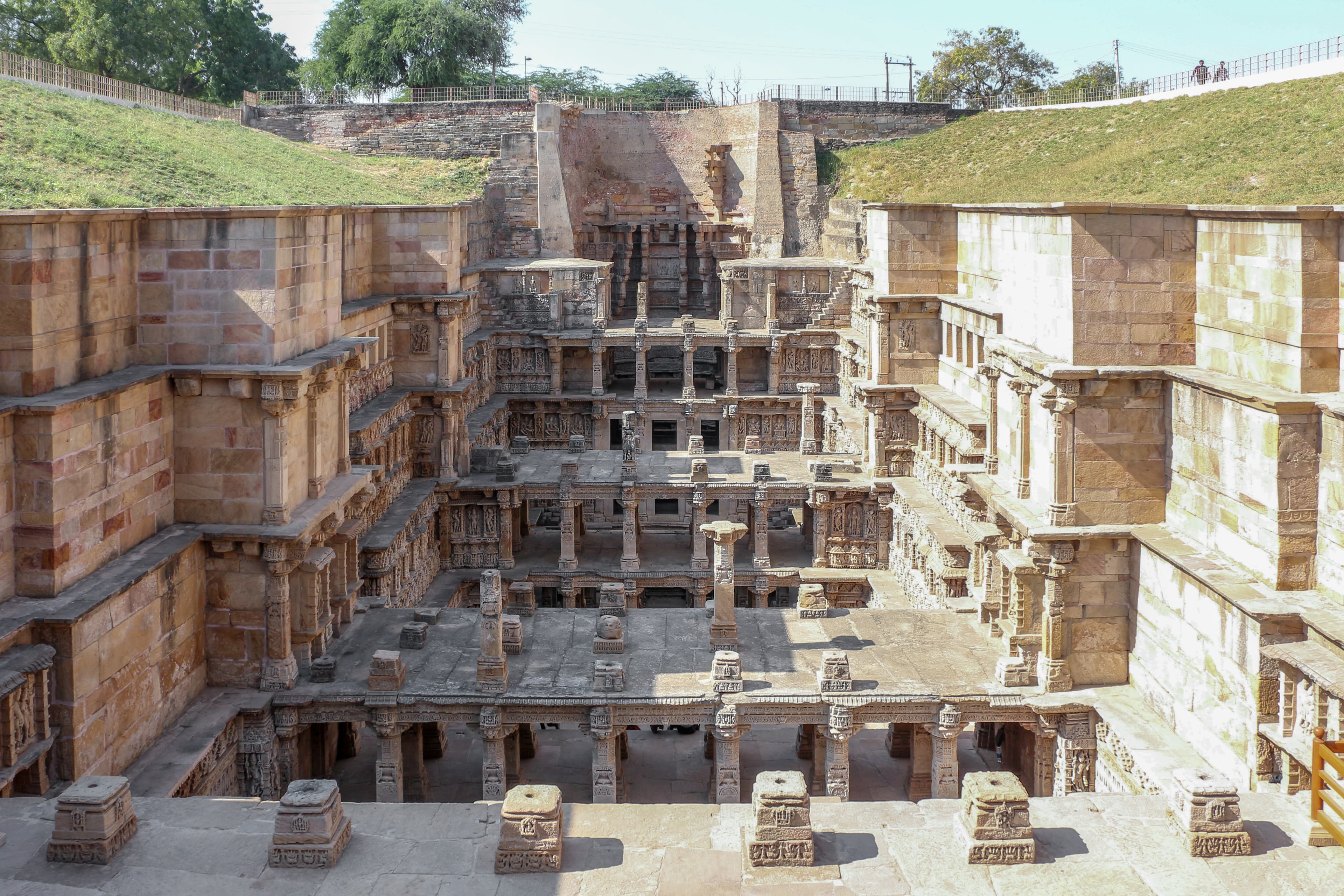
Image via wikipedia
Overview: What Counts as a “Hidden” UNESCO Site in India?
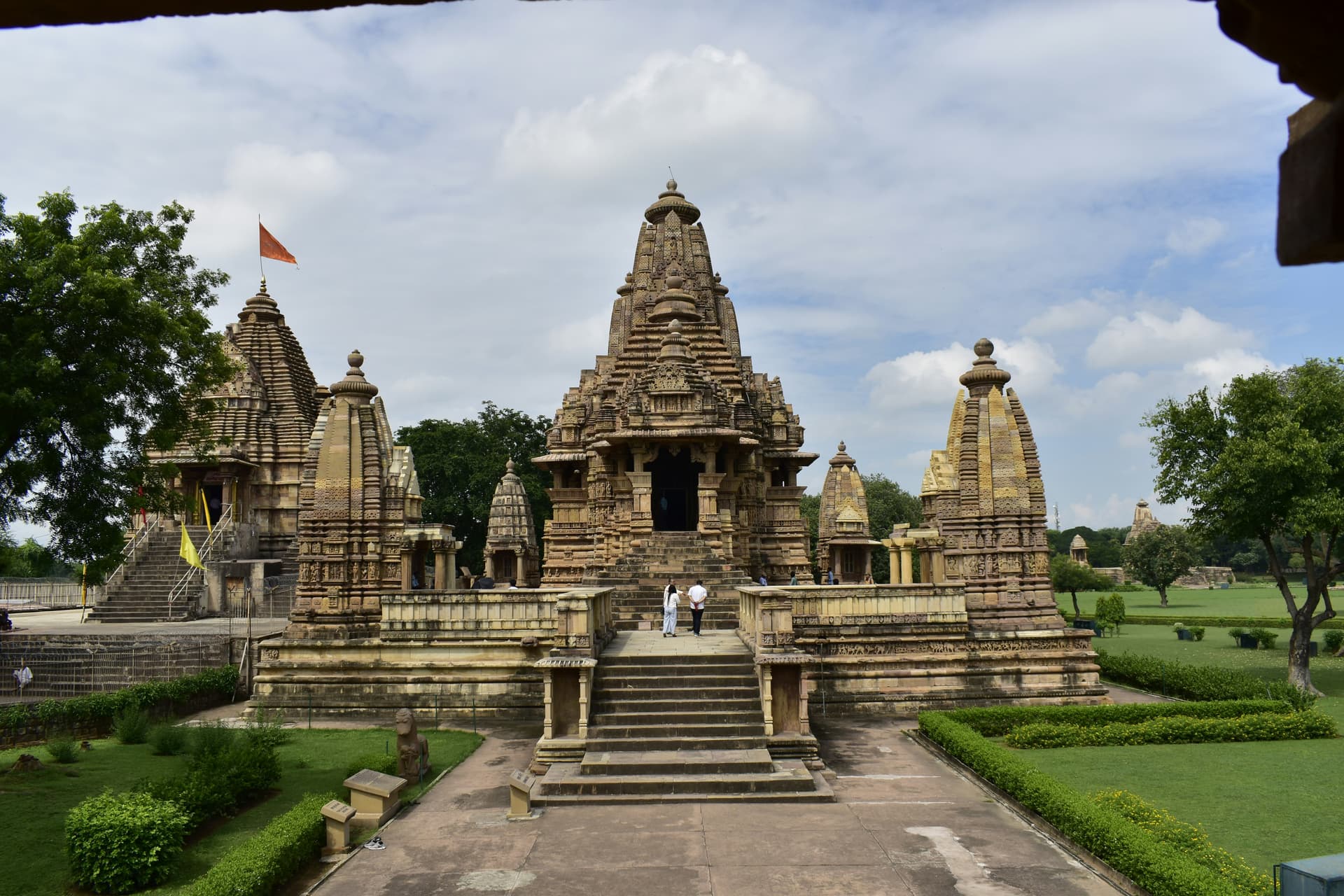
India’s UNESCO list breaks down into 36 cultural places, 7 natural spots, and 1 mixed site, scattered across about nineteen states. There’s a little cluster of them - the Taj Mahal, Agra Fort, Ajanta and Ellora, Jaipur’s Pink City, and Fatehpur Sikri - and they kind of take up most of the attention from foreign visitors. The rest, thirty-plus sites, even when they’re just as important, get a much smaller slice of the footfall. A site doesn’t get on the list because it’s meant to stay hidden or obscure, it’s more that it gives the traveler who actually reaches it something the super famous monuments can’t: quiet. You can stand by yourself in a 500-year-old mosque courtyard, or catch a glimpse of a temple ceiling with those stone bracket figures , and somehow there’s no one else in the frame. That’s basically the experience this guide is built around.
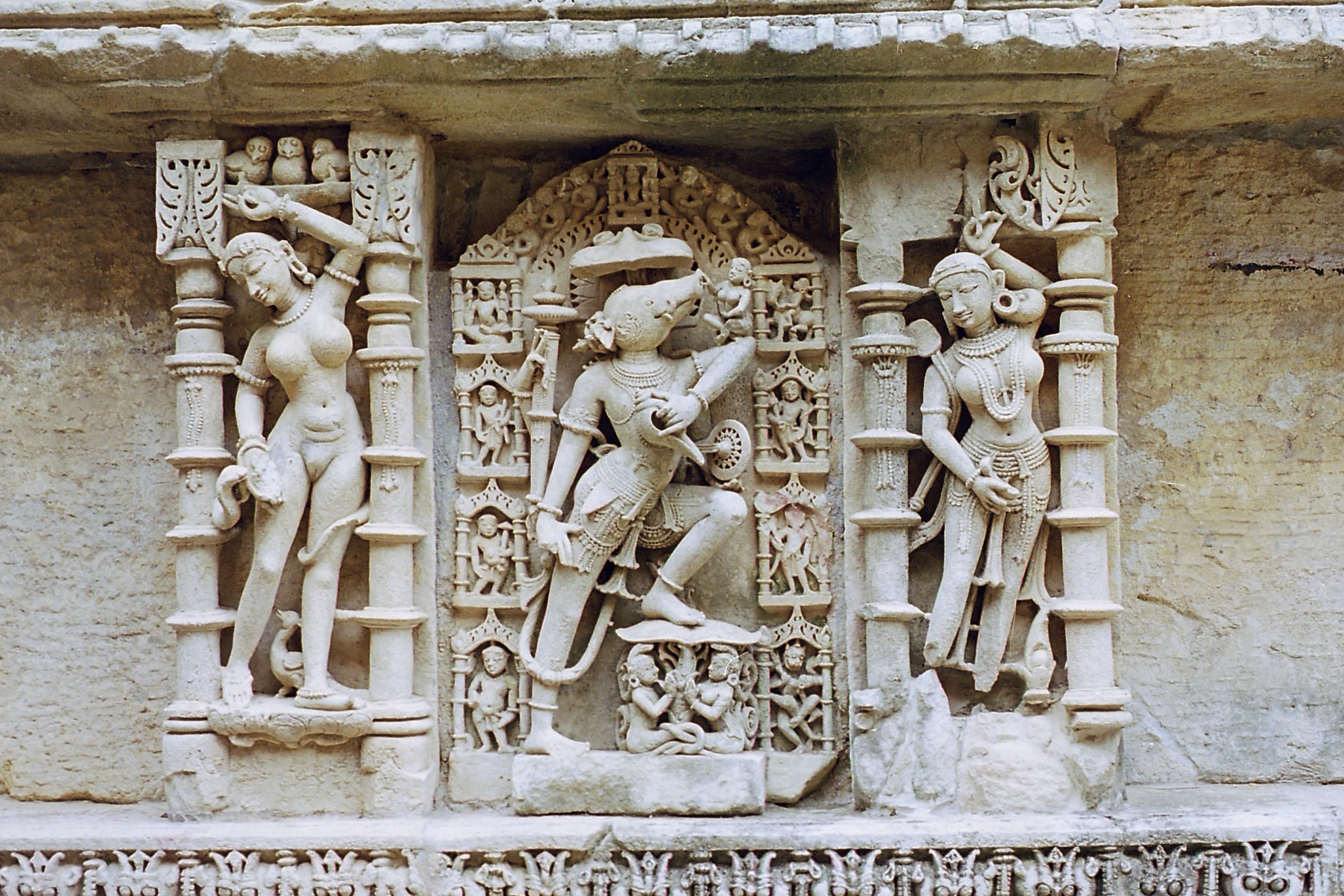
Image via wikipedia
History: Four Millennia in the Shadows of the Famous Monuments
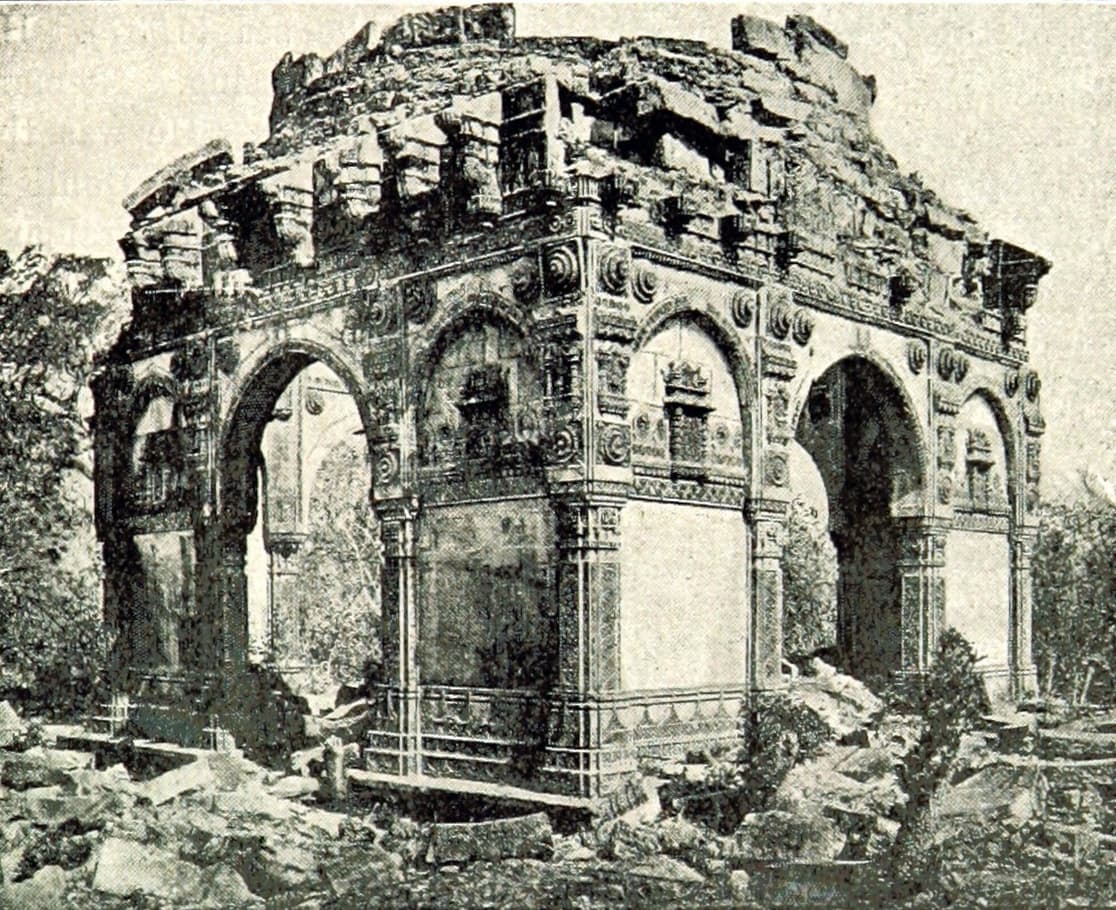
Image via wikipedia
The story of India's hidden UNESCO heritage spans nearly the entire sweep of Indian civilization. It begins at Bhimbetka's rock shelters, where prehistoric art stretches continuously from Paleolithic times onward. Then it moves through medieval dynasties - the Solankis of Gujarat, who built the ornate Rani ki Vav stepwell, and the Hoysalas of Karnataka, whose 12th–13th century craftsmen covered temple walls in intricate relief carving. The work feels like it never paused.
The Sultanate period adds Champaner - a capital designed and built by Sultan Mahmud Begada in the late 1400s, then abandoned within fifty years after the Mughal conquest, frozen mid-narrative. In the far northeast, the Ahom dynasty built Moidams - earthen royal burial mounds, their version of a pyramid tradition, used for nearly six centuries. Together, these stories show India's heritage was never limited to one dynasty, one region, or one religion - and that's why this hidden UNESCO trail rewards those who follow it.
Architecture and Cultural Significance
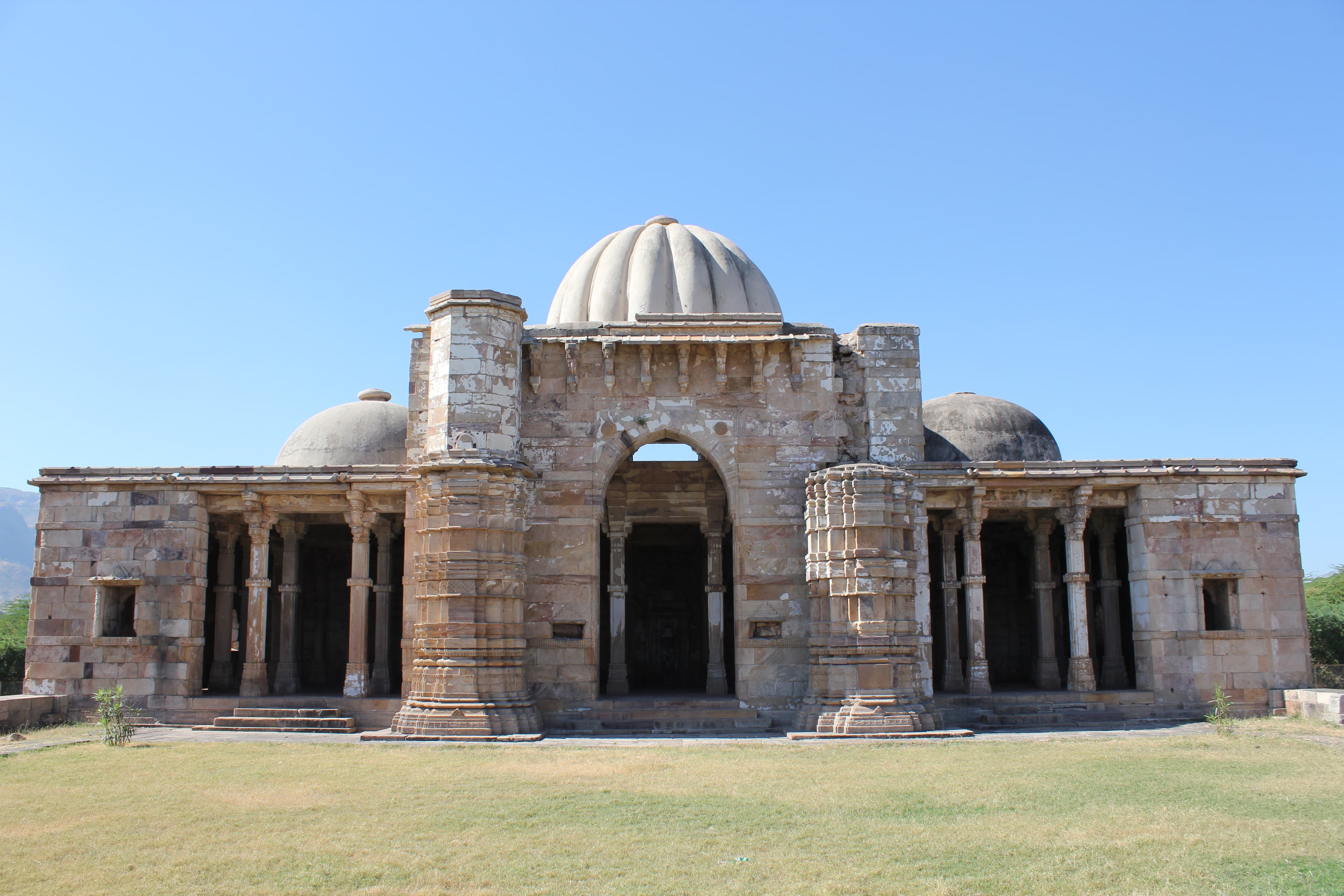
Image via wikipedia
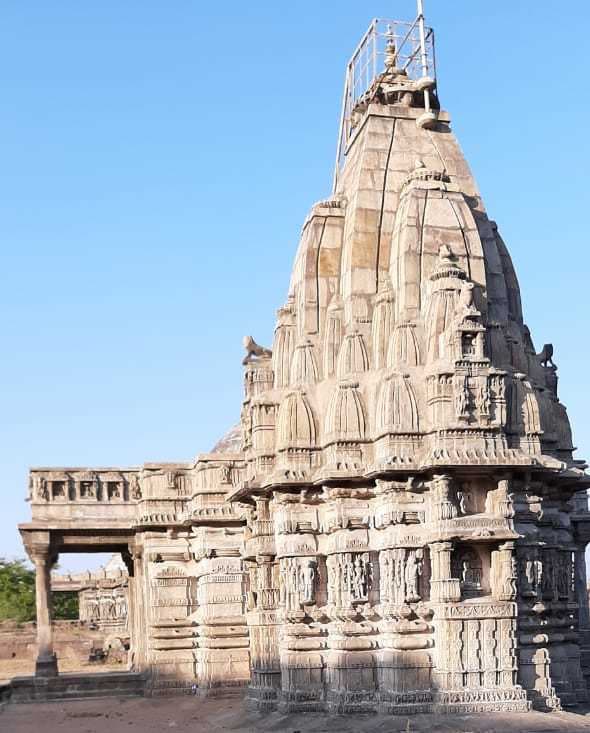
What separates these offbeat heritage sites from random ruins is the craftsmanship still visible on site - stand there long enough and you can almost hear the tools. Rani ki Vav, an inverted temple, descends seven levels with over 500 sculptural panels in the Maru-Gurjara style. The Hoysala temples at Belur, Halebidu, and Somanathapura feature star-shaped layouts with friezes of elephants, warriors, and mythology - poetry carved into stone.
Champaner-Pavagadh mixes two traditions on one hillside: a living Hindu-Jain pilgrimage cluster up on Pavagadh Hill, with the Kalika Mata Temple still active, while below sits the unexcavated Islamic capital of Champaner. Layers stack - devotion above, city remnants below. It's often called the only complete, unaltered pre-Mughal Islamic city surviving in India - a claim that fits.
The Hidden UNESCO Heritage Sites in India Worth Building a Trip Around
Champaner-Pavagadh Archaeological Park, Gujarat
Image via wikipedia
Champaner-Pavagadh Archaeological Park, Gujarat
Champaner-Pavagadh, around 45 km from Vadodara, preserves a 15th-century Sultanate capital with mosques, palaces, gates, and stepwells - much of it still unexcavated, as if history simply left it there.
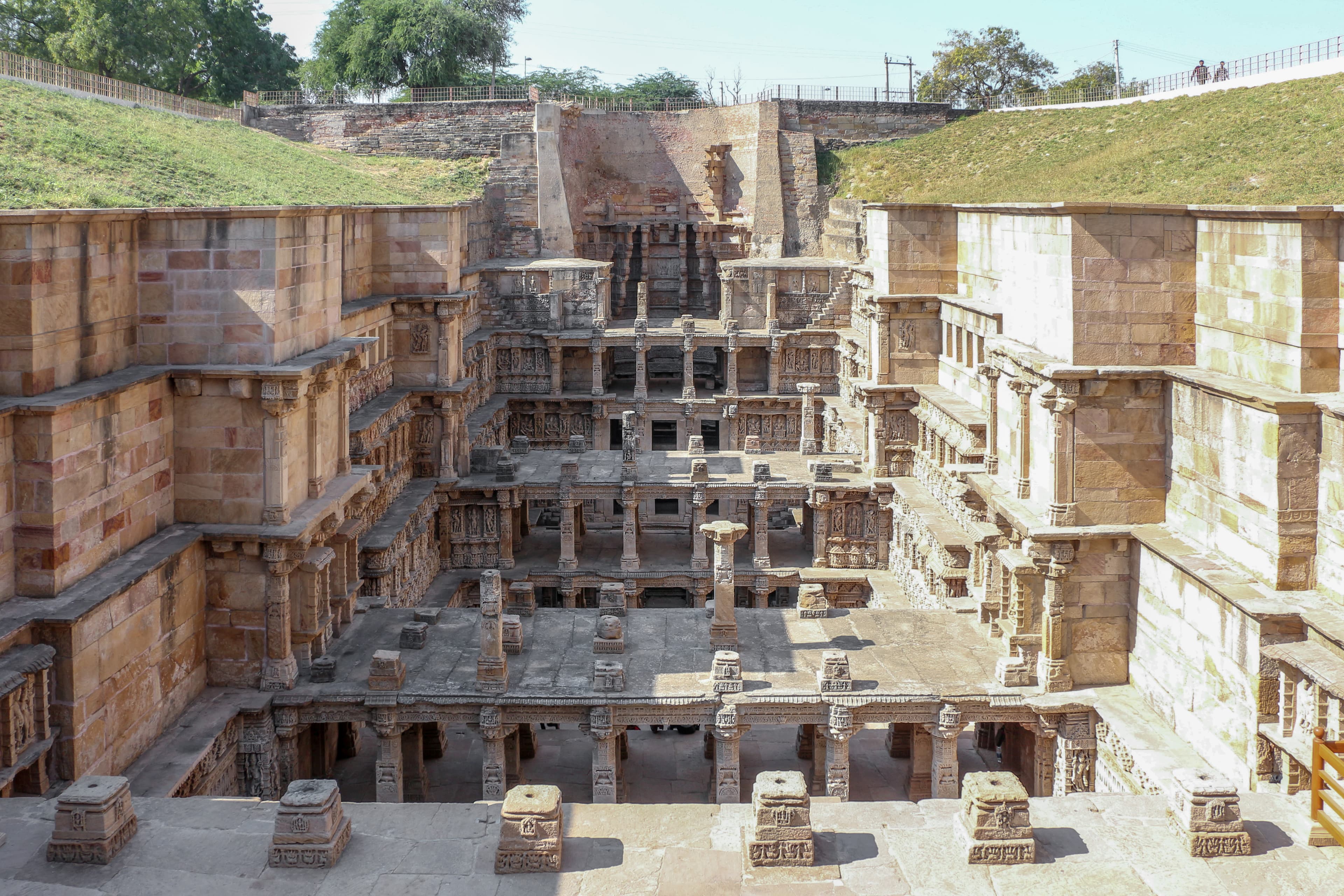
Rani ki Vav, Patan, Gujarat
Image via wikipedia
Rani ki Vav, Patan, Gujarat
This 11th-century stepwell, built by Queen Udayamati for her husband, sinks 27 metres through seven levels with 1,500+ sculptures. Buried by the Saraswati for centuries, restored in the 1980s, it now graces India's ₹100 note. Read our full Rani ki Vav Guide.
Rock Shelters of Bhimbetka, Madhya Pradesh
Image via wikipedia
Rock Shelters of Bhimbetka, Madhya Pradesh
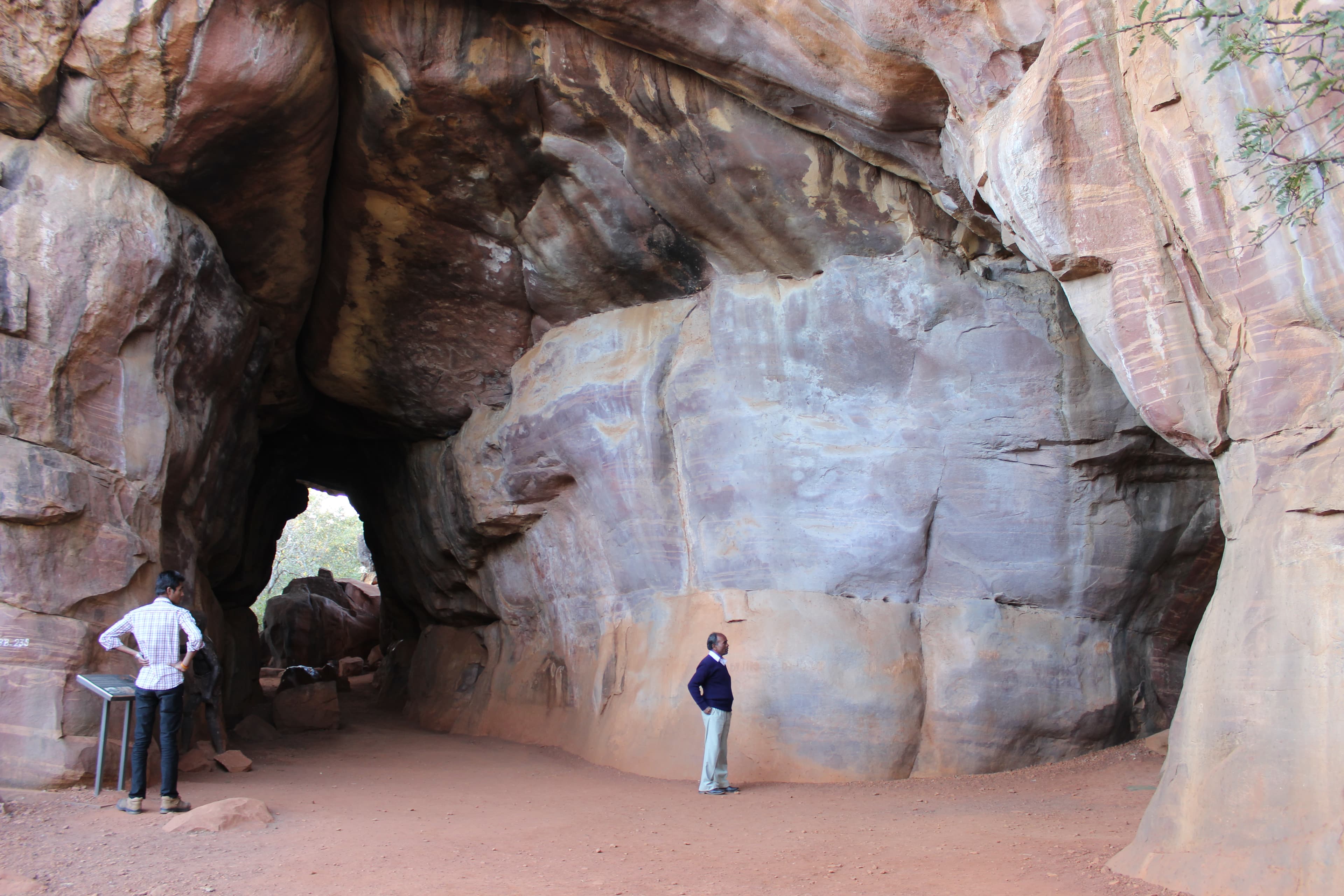
Bhimbetka - about 45 km from Bhopal - shelters over 700 rock cavities, many with paintings. Human activity here dates back 100,000 years, with continuous rock art spanning millennia. Explore our complete Bhimbetka Travel Guide.
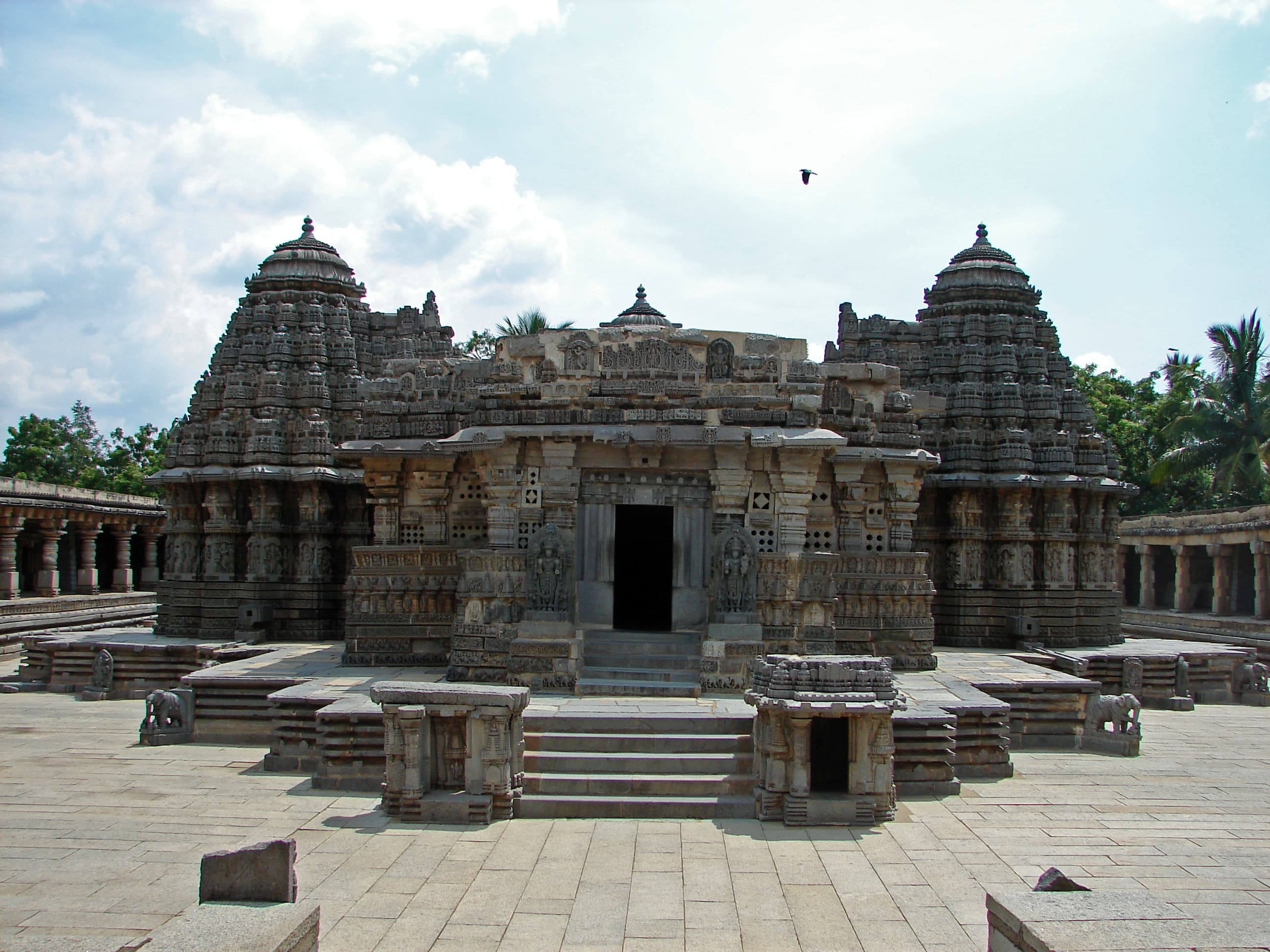
Sacred Ensembles of the Hoysalas, Karnataka
Image via wikipedia
Sacred Ensembles of the Hoysalas, Karnataka
UNESCO listed the Hoysala temples in 2023 - Belur, Halebidu, and Somanathapura - for their stellate architecture and dense carving. Remarkably underrated compared to nearby Hampi and Mysore Palace. Visit our detailed Hoysala Temples Travel Guide.
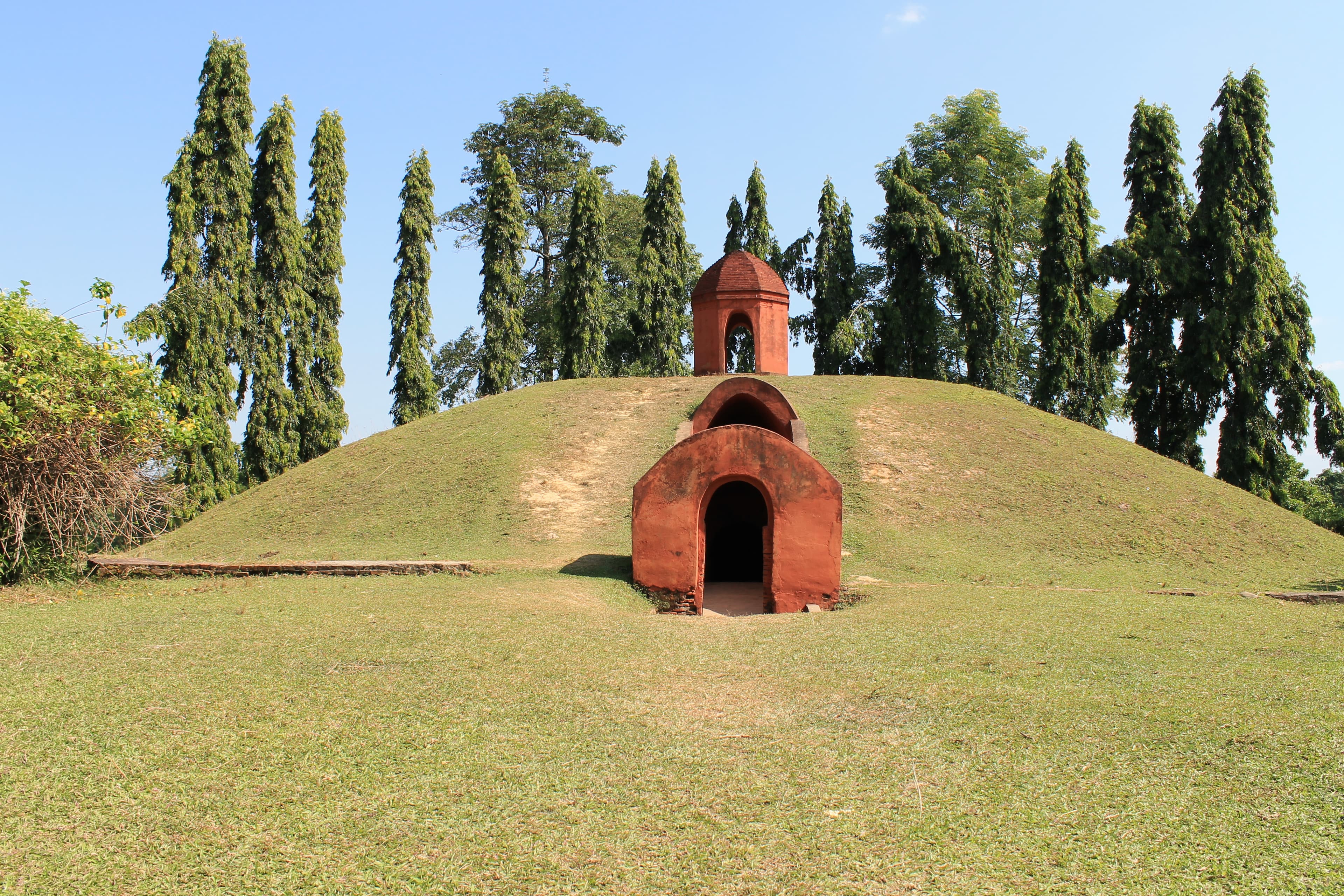
Moidams of the Ahom Dynasty, Assam
Image via wikipedia
Moidams of the Ahom Dynasty, Assam
The Moidams - six centuries of Ahom royal burials in Upper Assam - are cosmology-carved mounds, not mere tombs. Despite being UNESCO's first Northeast Indian cultural site, they're among the least visited. Visit our detailed Moidams Travel Guide.
Hidden Gems Within the Hidden Sites
Image via wikipedia
Even in these somewhat offbeat places, a couple of bits almost always slip by, kind of unnoticed. In Champaner, the Helical Stepwell, and the Saher ki Masjid they get a smaller stream of people than the Jama Masjid, even though the craftsmanship feels pretty comparable. At Rani ki Vav, the lowest gallery-partly underwater for most of the year-shows sculptural nuance that many day trippers miss, mostly because they just glance at the upper terrace. And at Halebidu, the smaller Kedareshwara Temple is only a short walk from the main Hoysaleswara complex, yet it’s often completely empty while its larger neighbor gets at least some modest footfall.
Food to Pair With the Journey
Each region rewards the traveler about as much at the table as it does at the monument, sort of same vibe. In Gujarat , you might expect a classic thali that is built around dhokla undhiyu and shrikhand, and it’s best sampled in Vadodara or Ahmedabad before or after a Champaner day trip. Madhya Pradesh’s Bhopal is known for Mughlai-influenced non-vegetarian cooking, paired with simple sturdy poha for breakfast… which feels almost like it should be there every morning. Karnataka’s Hassan district, gateway to the Hoysala temples , is a really good stop where you can sip Mysore-style filter coffee and also try a traditional Karnataka thali on a banana leaf. And in Assam, look for khar- that distinctive alkaline-based dish-and for black rice, both of these are tightly linked to Ahom-era food culture.
Luxury Travel Tips
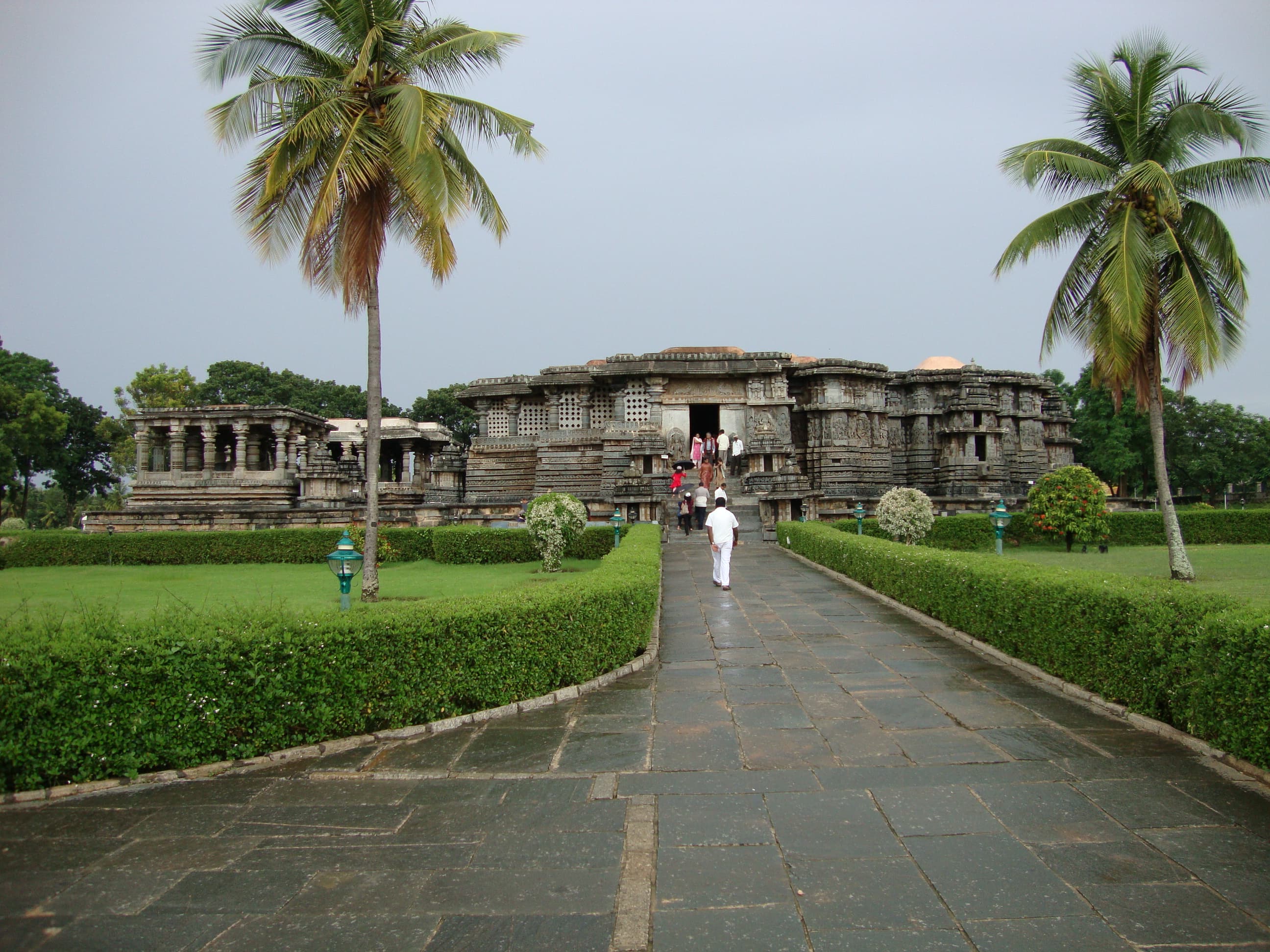
Image via wikipedia
Book a private, air-conditioned vehicle with a dedicated chauffeur for each regional circuit - a lot of these locations are around 1-2 hours from the nearest airport , and honestly public transport options are a bit limited. Try to pair every hidden UNESCO site with a heritage or boutique luxury stay nearby, so for Gujarat you’d do Vadodara and Ahmedabad, for Bhimbetka you go with Bhopal, and for the Hoysala temples you can base in Hassan or Chikmagalur rather than rushing back to a metro city that same night. Also hire a specialist heritage guide , not just a general driver-guide - the finer points in Hoysala carving and the sculptural storyline of Rani ki Vav really do reward someone who’s genuinely expert, not a quick generalist.
Solo Traveler Tips

Image via unsplash
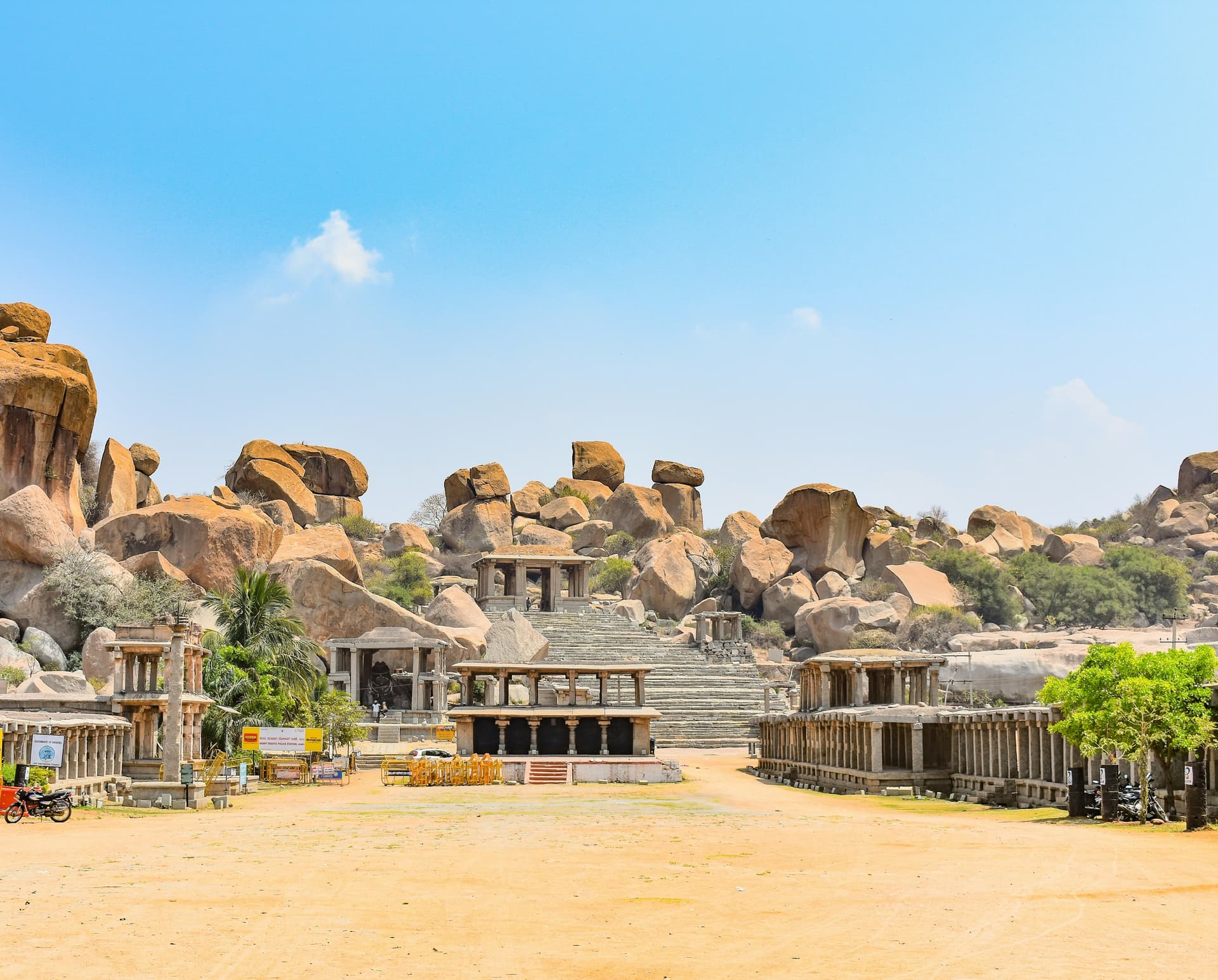
South India’s temple towns and heritage sites are usually pretty manageable for solo travelers, like there’s this steady visitor flow through the day and overall it feels calmer than some of North India’s more hectic cities. For solo female travelers in particular, having pre arranged private transport between towns, plus vetted local guides, and staying somewhere with solid solo traveler reviews really changes things. It matters even more around Hampi where the ruins are more spread out, so moving from place to place can feel less spontaneous and more smooth, if you plan it a bit.
Ticket Prices at a Glance
Approximate entry fees across the region's major heritage sites, current as of 2026. Rates change periodically, so always confirm on the official ASI or state tourism booking portal before you travel.
| Heritage Site | Indian Nationals | Foreign Nationals |
|---|---|---|
| ASI Sites (Champaner, Rani ki Vav, Bhimbetka) | ₹25–40 | ₹300–600 |
| Hoysala Temples | Minimal or free | Minimal or free |
| Camera Access | Varies by site - check ahead | Varies by site - check ahead |
| Drone Clearance | Requires prior permission - confirm before visiting | Requires prior permission - confirm before visiting |
Best Time to Visit
October – March
Ideal across all five regions - comfortable daytime warmth for walking over exposed archaeological ground
April – June
Gujarat and Madhya Pradesh become uncomfortably hot - oppressive for outdoor exploration
July – September
Assam's monsoon season - remote access roads to the Moidams can become difficult
Budget Estimates
₹3,000–5,000
per day (trains, guesthouses, street food, entry tickets).
₹15,000–25,000
per group - includes dedicated vehicle and specialist guide (excludes lodging)
Frequently Asked Questions
Beyond famous names like the Taj Mahal and Ajanta Caves, India's lesser-known UNESCO World Heritage Sites include Champaner-Pavagadh Archaeological Park in Gujarat, Rani ki Vav stepwell in Patan, the Rock Shelters of Bhimbetka in Madhya Pradesh, the Sacred Ensembles of the Hoysalas in Karnataka, and the Moidams of the Ahom dynasty in Assam.
India has 44 UNESCO World Heritage Sites as of 2026 - 36 cultural, 7 natural, and 1 mixed site - ranking sixth in the world by total number.
The Moidams of the Ahom dynasty in Upper Assam, inscribed in 2024 as the first cultural UNESCO site from Northeast India, remain among the least-visited entries on the entire list, largely due to their remote location.
Yes, with sensible precautions. Arranging a private vetted driver or guide, visiting during daylight hours, and sharing your daily route with your accommodation or tour operator are strongly recommended, particularly at more remote sites like Champaner-Pavagadh and the Moidams.
October through March offers the most comfortable temperatures for walking exposed archaeological terrain across Gujarat, Madhya Pradesh, Karnataka and Assam.
Yes. Champaner-Pavagadh and Rani ki Vav combine easily into a single 2-day Gujarat circuit. With more time, Bhimbetka, the Hoysala temples, or the Moidams of Assam can be added as separate regional extensions.
Planning a Hidden UNESCO Heritage Journey?
India Heritage Travel creates private chauffeur-driven itineraries that combine Rani ki Vav, Champaner-Pavagadh, Bhimbetka, Hoysala Temples, and the Moidams - India's most remarkable offbeat UNESCO sites - into seamless hidden heritage journeys guided by local experts.
Plan My Hidden Heritage Tour