Fort Kochi Boutique Hotels: Colonial History & Boutique Luxury
There is a certain time of day in Fort Kochi when the silhouettes of the Chinese fishing nets, suspended on their cantilevers against a rosy-pink sky, look like charcoal drawings - and the old Portuguese, Dutch, and British neighbourhoods breathe out after a long day under the tropical sun. It is precisely then that Fort Kochi reveals its charm as one of India's quietest heritage destinations - a place where colonial history isn't frozen in museums but has kept living, and where many old buildings have been restored into the country's finest boutique hotels.
For the careful traveller, this small peninsula on Kerala's Malabar Coast offers centuries of history alongside authentic boutique comfort. This guide - written for international travellers, couples, solo women, and culture lovers - walks you through Fort Kochi's history, architecture, and its best heritage stays.
via pexels
Overview: Where Three Empires Left Their Mark
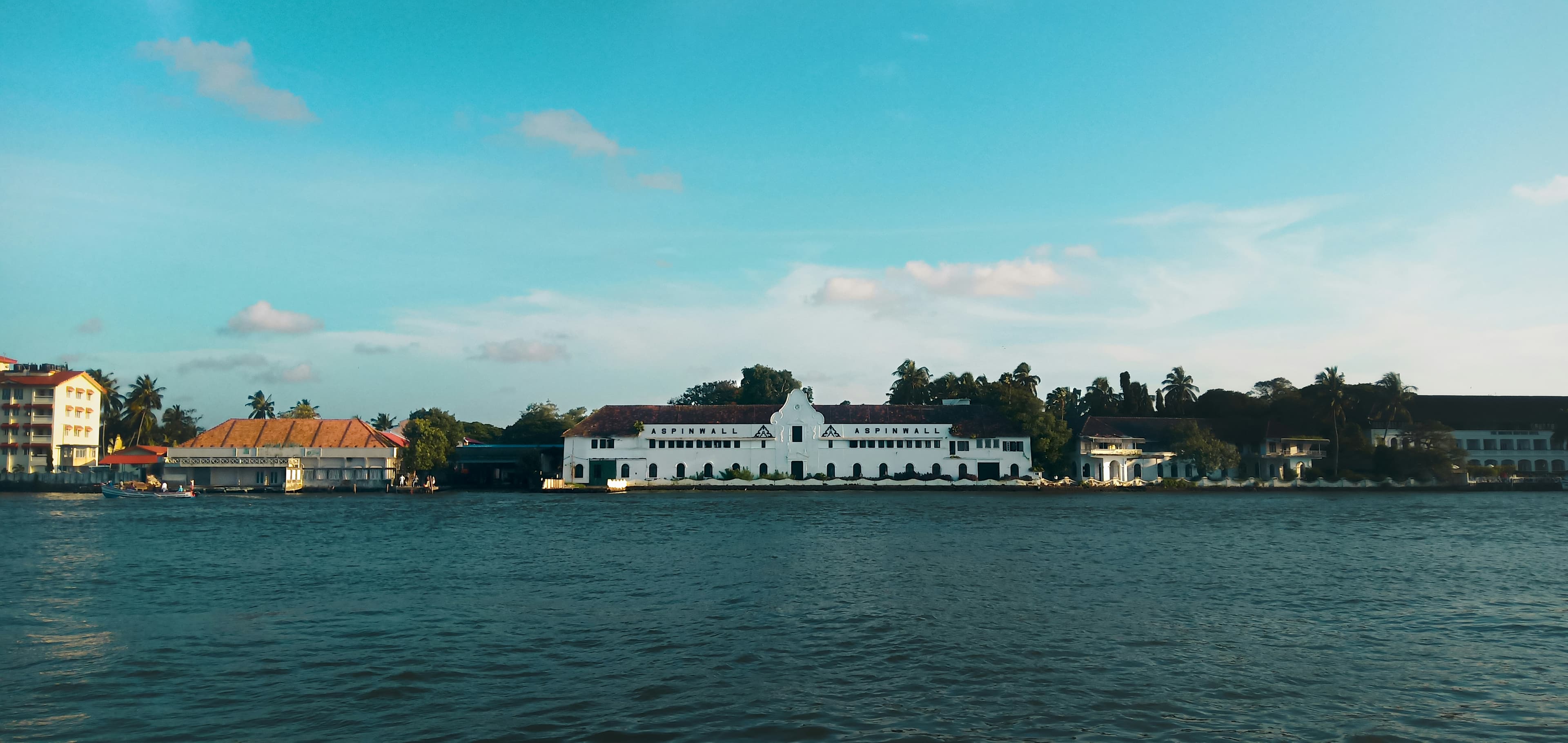
Kochi Fort is situated at the mouth of the backwaters of Kochi and is located in a small stretch of land flanked by the Arabian Sea. Fort Kochi had already existed within the trading network between the Arab countries and China prior to the coming of any European ships, and the Chinese fishing nets which are a distinct feature of this place are believed to be an innovation by the traders who belonged to the period of Kublai Khan before Vasco Da Gama.
The exceptional feature of Fort Kochi is that the historical zones there are densely packed together; thus, within a few kilometres of the heritage area, you can find Portuguese churches, Dutch-modified palaces, a 16th-century Jewish synagogue, bungalows from the time of the British, and a vibrant contemporary art culture all sitting on top of each other. Mattancherry Palace and the Fort Kochi-Mattancherry region have been advocated by locals and heritage organisations to get their name on the tentative list for World Heritage by UNESCO, given the immense historical significance of the coastal area.
via unsplash
The Colonial History of Fort Kochi
The identity of Fort Kochi cannot be separated from the three different colonial forces that remade the institution and built the infrastructure of the town before transferring control of it to the succeeding power.
The Portuguese Era (1503–1663)
Portuguese arrived at the port in 1500, under the leadership of Pedro Alvares Cabral. The fort constructed by them in 1503 after acquiring permission from the Raja of Kochi was named Fort Manuel, and hence the name of the city. There used to be a wooden church inside the fort which later in 1516 became known as St. Francis Church. I believe this is the first church which the Europeans built in the Indian sub-continent. This is the striking part.
The Dutch Era (1663–1795)
In the year 1663, Fort Kochi was captured from the Portuguese by the Dutch East India Company. Many Catholic societies were thus razed to the ground by the Dutch. In 1664, the first municipality of the Indian subcontinent was formed by the Dutch here. They also refurbished the Portuguese Royal palace constructed here and called it Dutch Palace or Mattancherry Palace. The time period of their reign was 112 years.
The British Era (1795–1947)
The British conquered the fort of Kochi from the Dutch in 1795, and by the beginning of the nineteenth century, large sections of the fort were reduced to ruins. During the period of their control, Fort Kochi emerged as a colonial trading station famous for its export of spices and tea, and there were a large number of structures constructed in the British era, including bungalows and other public buildings which have been converted into boutique hotels in modern times. The foreign domination of the fort was put to an end with Indian independence in 1947.
via unsplash
Architecture: Reading the Stone of Ahilya Fort
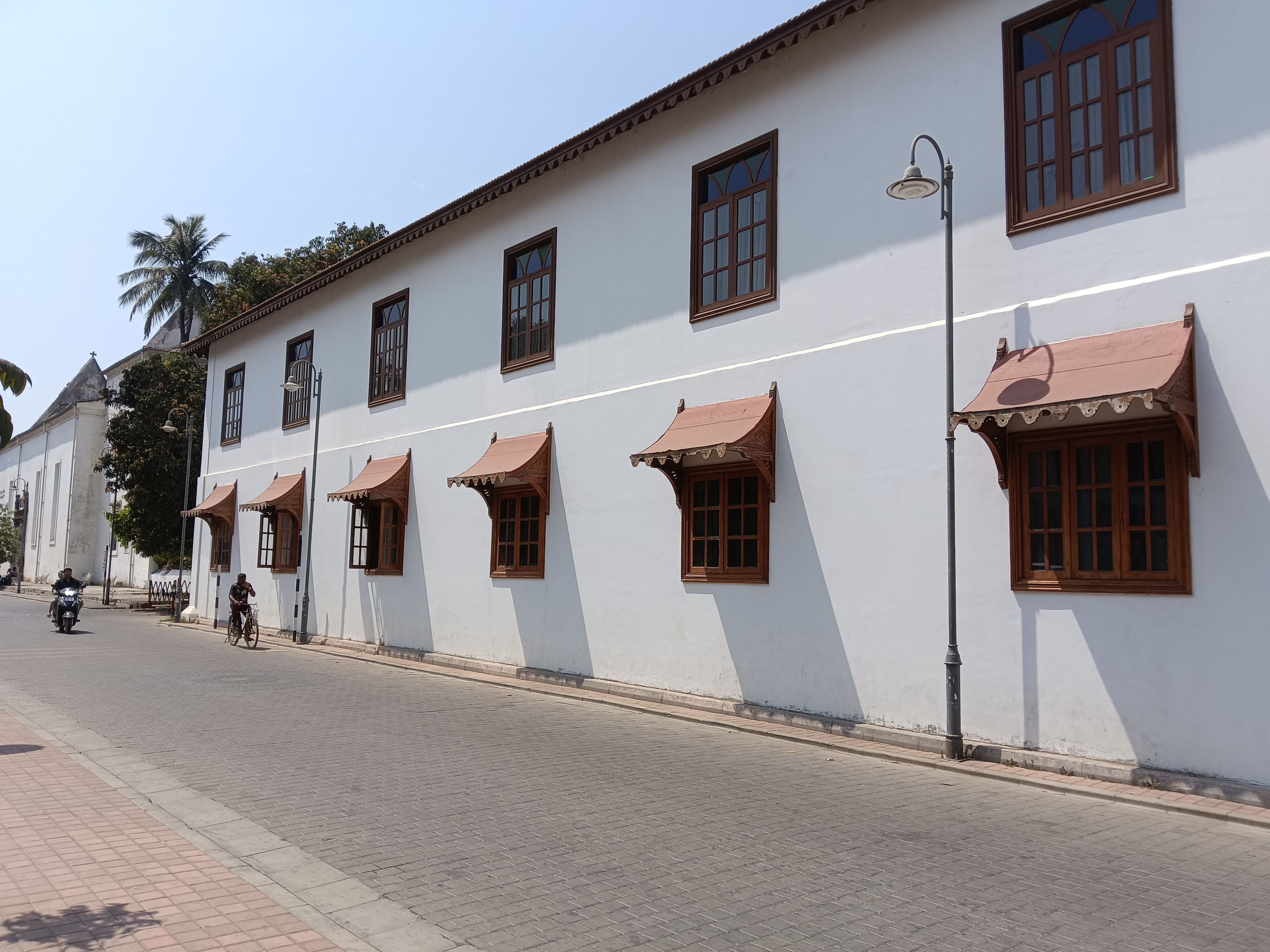
A stroll through Fort Kochi can be seen as a journey through time. Portuguese architecture consists of plain, sturdy constructions with minimal facades and wooden shutters. On the other hand, Dutch architecture included sloping tiled roofs, courtyards and a restrained architectural design that one can see in the Dutch Palace which was made using the 'Nalukettu' concept in a courtyard layout as per the Kerala tradition. The British period architecture saw the use of colonnaded verandas, high ceilings and wide opening windows that were suitable for the climate.
This is the reason why the boutique hotels in Fort Kochi seem different from other luxury hotels in India; because most of them are situated in 16th century, 17th century or 19th century buildings.
via pexels
Cultural Significance: A Living Heritage
Fort Kochi's past exists beyond glass display cases. The Paradesi Synagogue in Jew Town remains an active place of worship, serving a Jewish community present in India since ancient times. Every evening, the heritage zone hosts Kathakali and Kalaripayattu performances across its cultural venues.
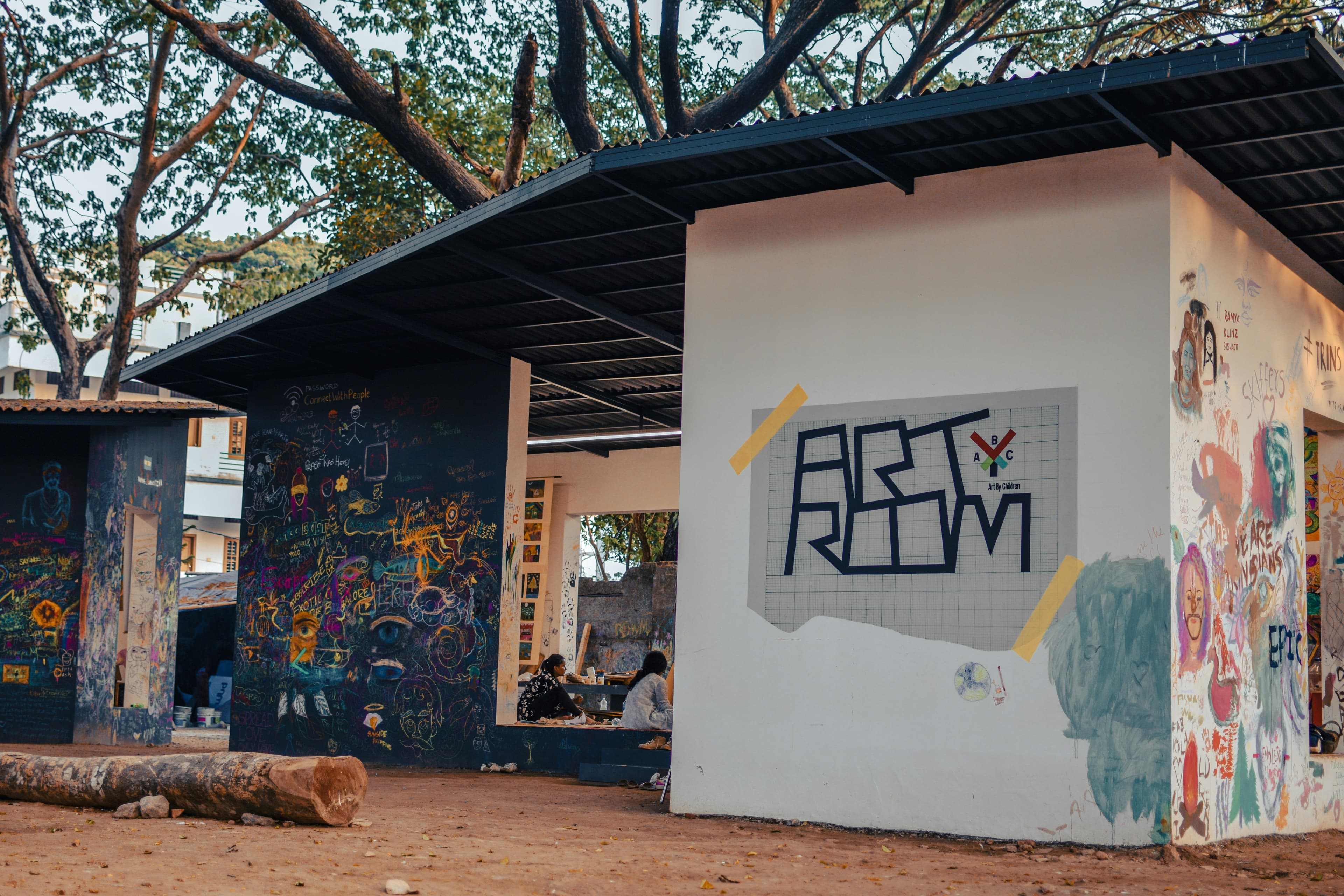
Every two years, the Kochi-Muziris Biennale transforms old spice warehouses into galleries, staging South Asia's largest contemporary art festival. The event bridges modern artistic expression with 16th-century architecture.
via unsplash
Major Attractions in Fort Kochi
St Francis Church
via wikipedia
St Francis Church
Completed in 1503 and rebuilt in stone in 1516, St. Francis Church is India's oldest church and houses Vasco da Gama's tomb. Its whitewashed facade, punkah-cooled interior, and Dutch-era tombstones make it essential on any Fort Kochi heritage trail.
Santa Cruz Basilica
via wikipedia
Santa Cruz Basilica
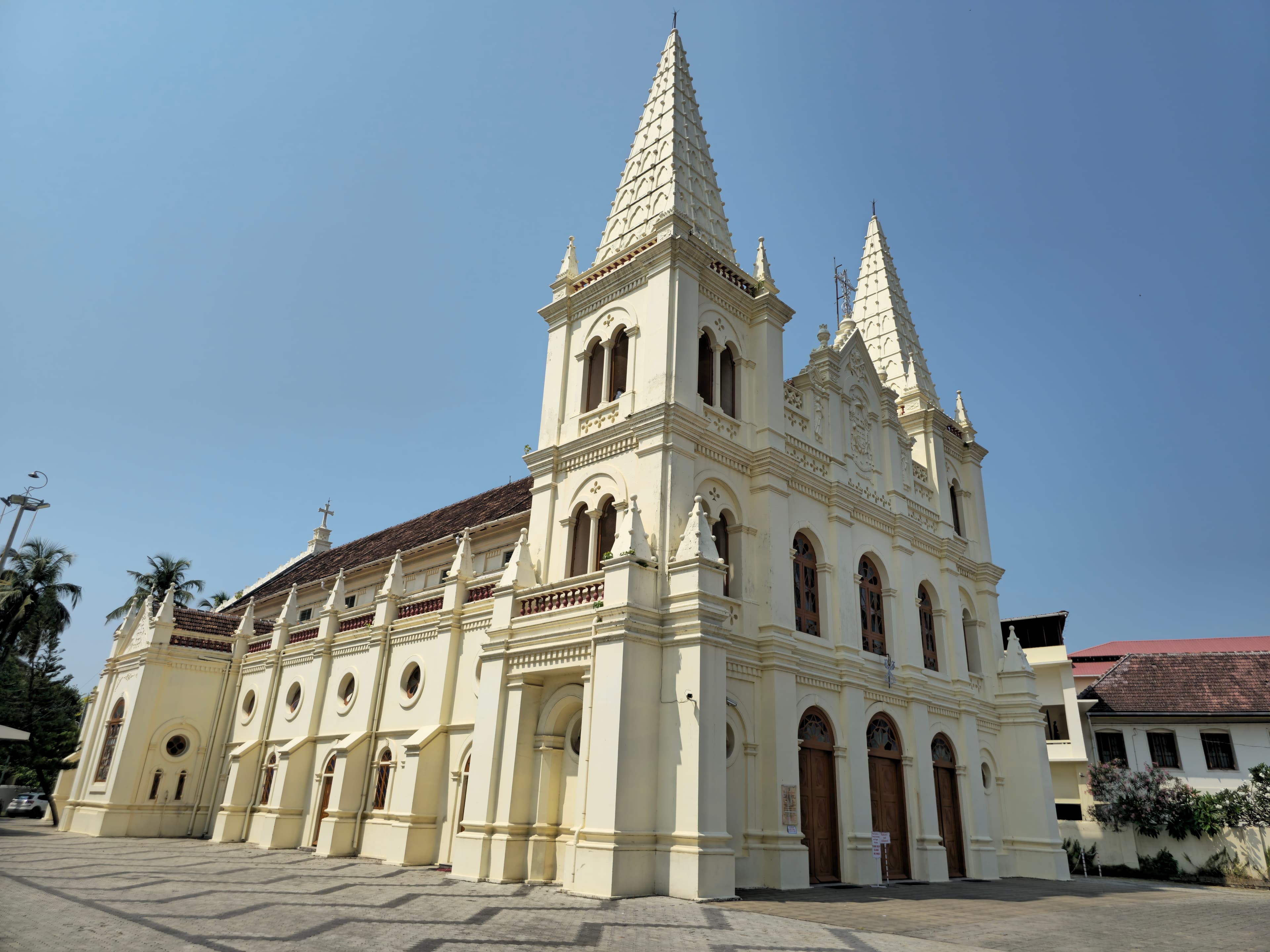
Santa Cruz Basilica was built by the Portuguese in the 16th century, elevated to cathedral status, then demolished by the British and rebuilt in the late 19th century in Indo-European style. Its beautifully painted ceilings and Gothic arches make it a Fort Kochi highlight.
Chinese Fishing Nets
via wikipedia
Chinese Fishing Nets
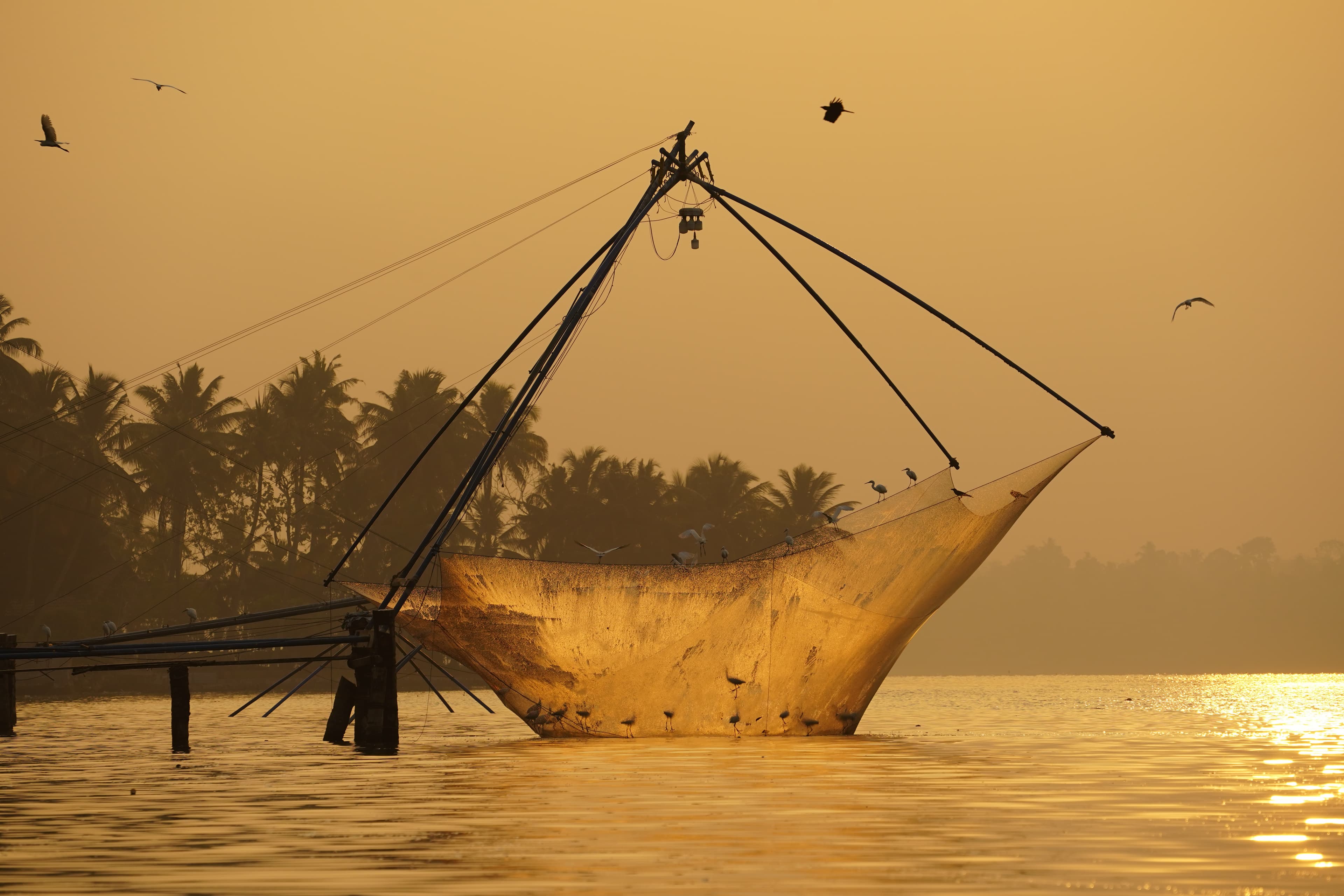
The famous shore operated cantilevered lifting nets, thought to have been introduced along with Chinese traders in the 14th century, are the most iconic sight of Fort Kochi. These nets are best captured during sunrise or sunset when local fishermen operate them under varying lights.
Mattancherry Palace (Dutch Palace)
via wikipedia
Mattancherry Palace (Dutch Palace)
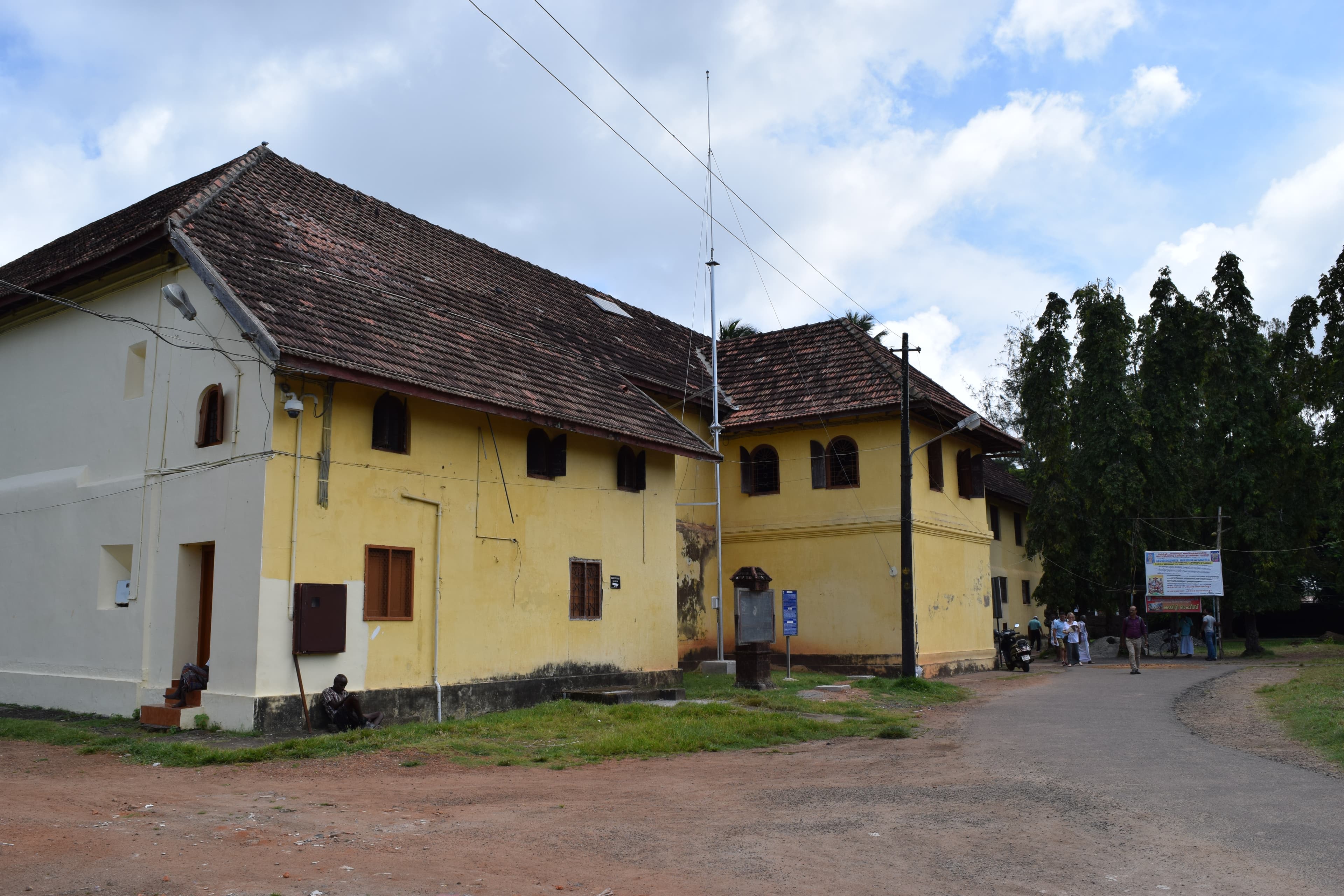
Mattancherry Palace was built by the Portuguese for the Raja of Kochi in 1555 and later renovated by the Dutch. It houses a remarkable collection of mythological murals, royal portraits, and artefacts - and is listed on UNESCO's tentative World Heritage list for its exquisite Kerala temple-style paintings.
Paradesi Synagogue & Jew Town
via wikipedia
Paradesi Synagogue & Jew Town
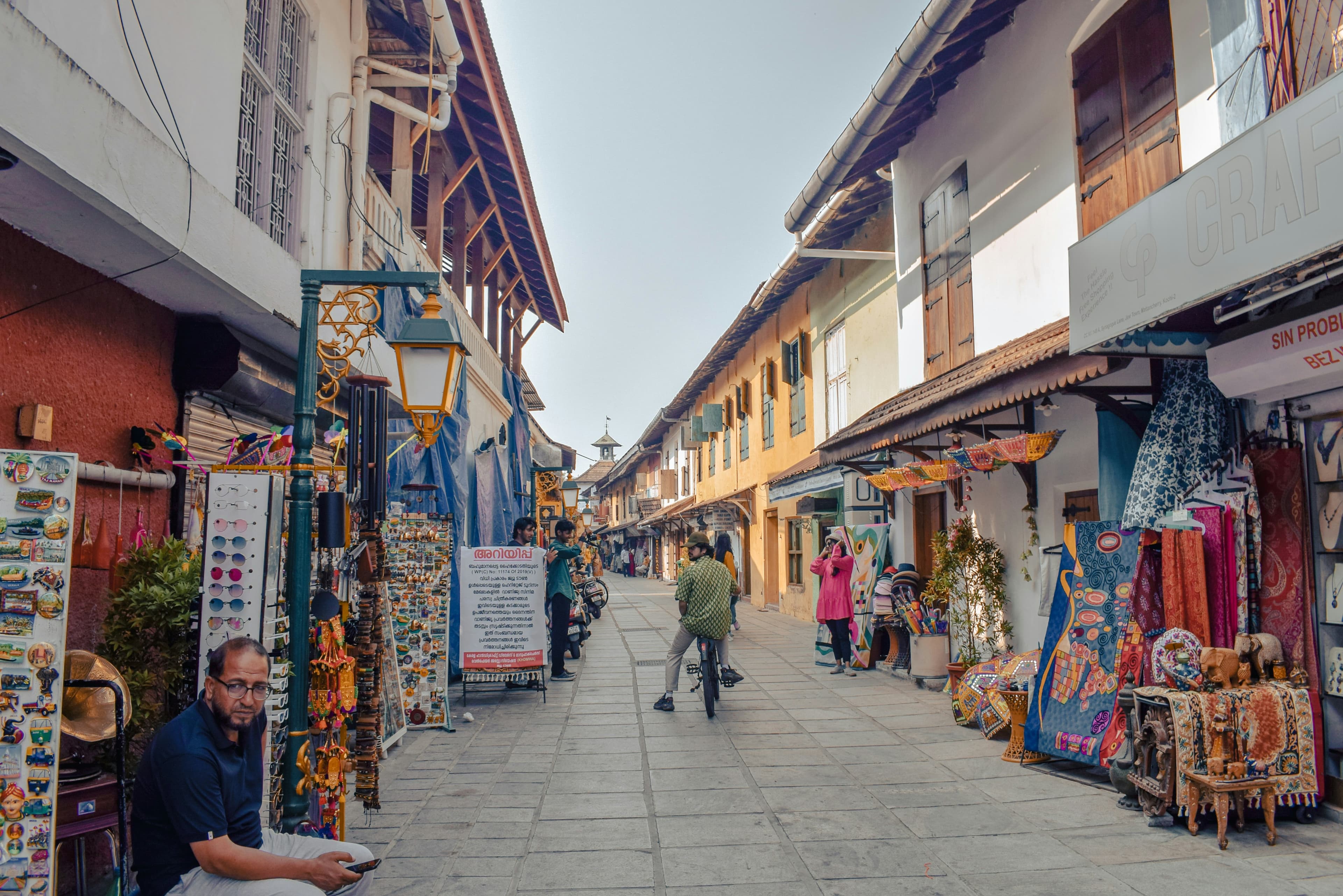
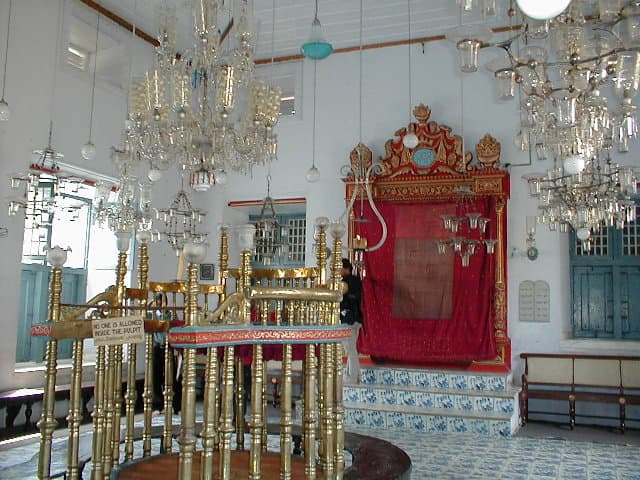
In the historic Jew Town area beside the spice markets stands the Paradesi Synagogue - one of the oldest functioning synagogues in the Commonwealth. The surrounding streets, once the heart of Kochi's spice trade, are now filled with antique shops, art galleries, and cafés housed in old colonial warehouses.
Dutch Cemetery
via wikipedia
Dutch Cemetery
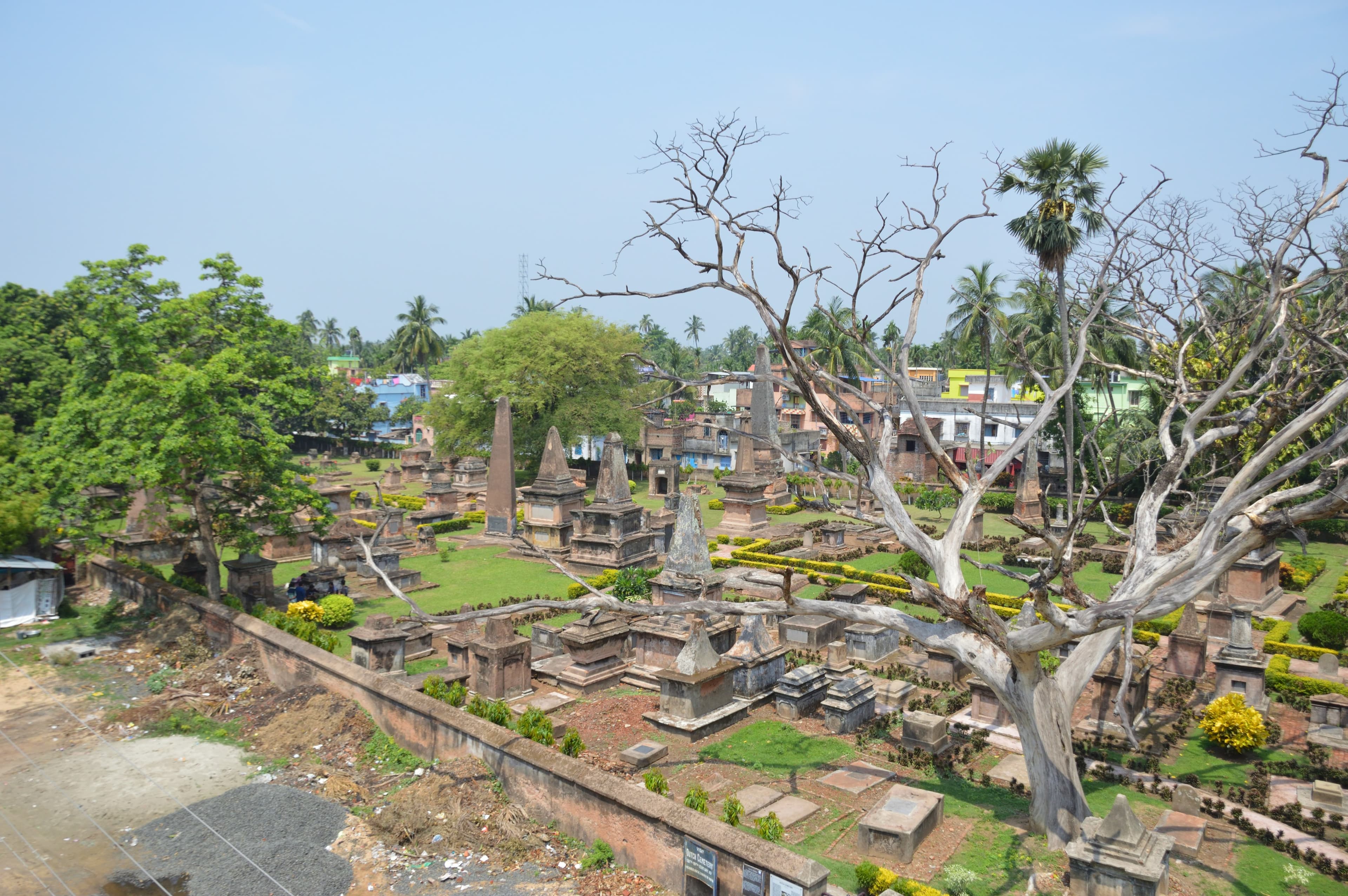
Consecrated in 1724, this quiet, palm-shaded cemetery holds the graves of Dutch and later British colonists - a moving, understated counterpoint to Fort Kochi's grander monuments.
Hidden Gems Beyond the Postcard
- • Vasco House: Said to be one of the oldest buildings owned by the Portuguese people in Fort Kochi with projecting balconies.
- • Indo-Portuguese Museum: A little museum showcasing items relating to the church history of the Portuguese people in Kochi.
- • David Hall: A Dutch-style building of the 17th century which has been converted into a gallery and café.
- • The narrow streets of Bazaar Road: Spice warehouses, antique shops, and old signs which most of the visitors tend to miss.
- • Early morning fishing harbor: Arrive at the site by 7 a.m. for auctions of the day’s catch.
Fort Kochi Boutique Hotels: Where Colonial Luxury Comes Alive
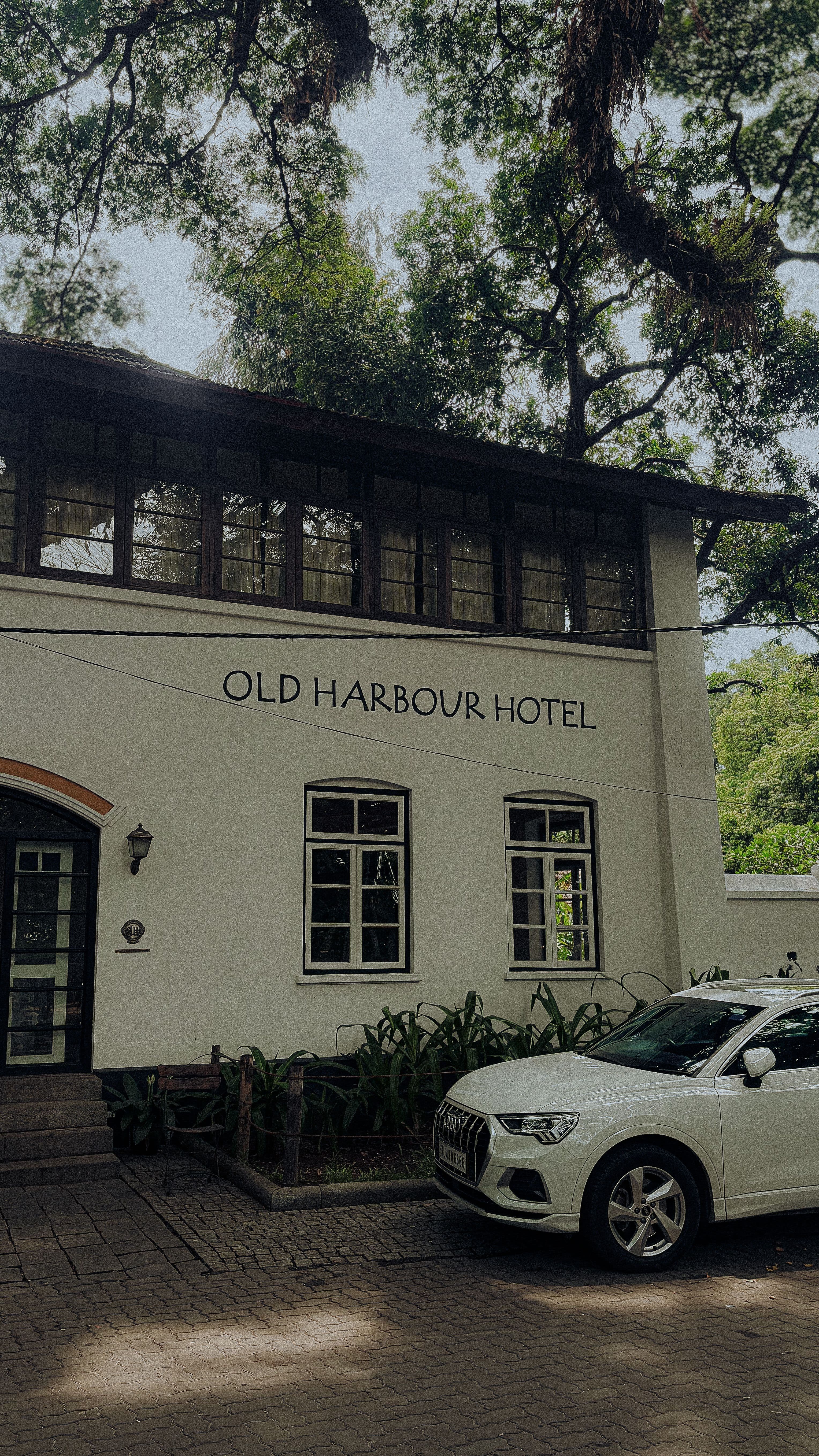
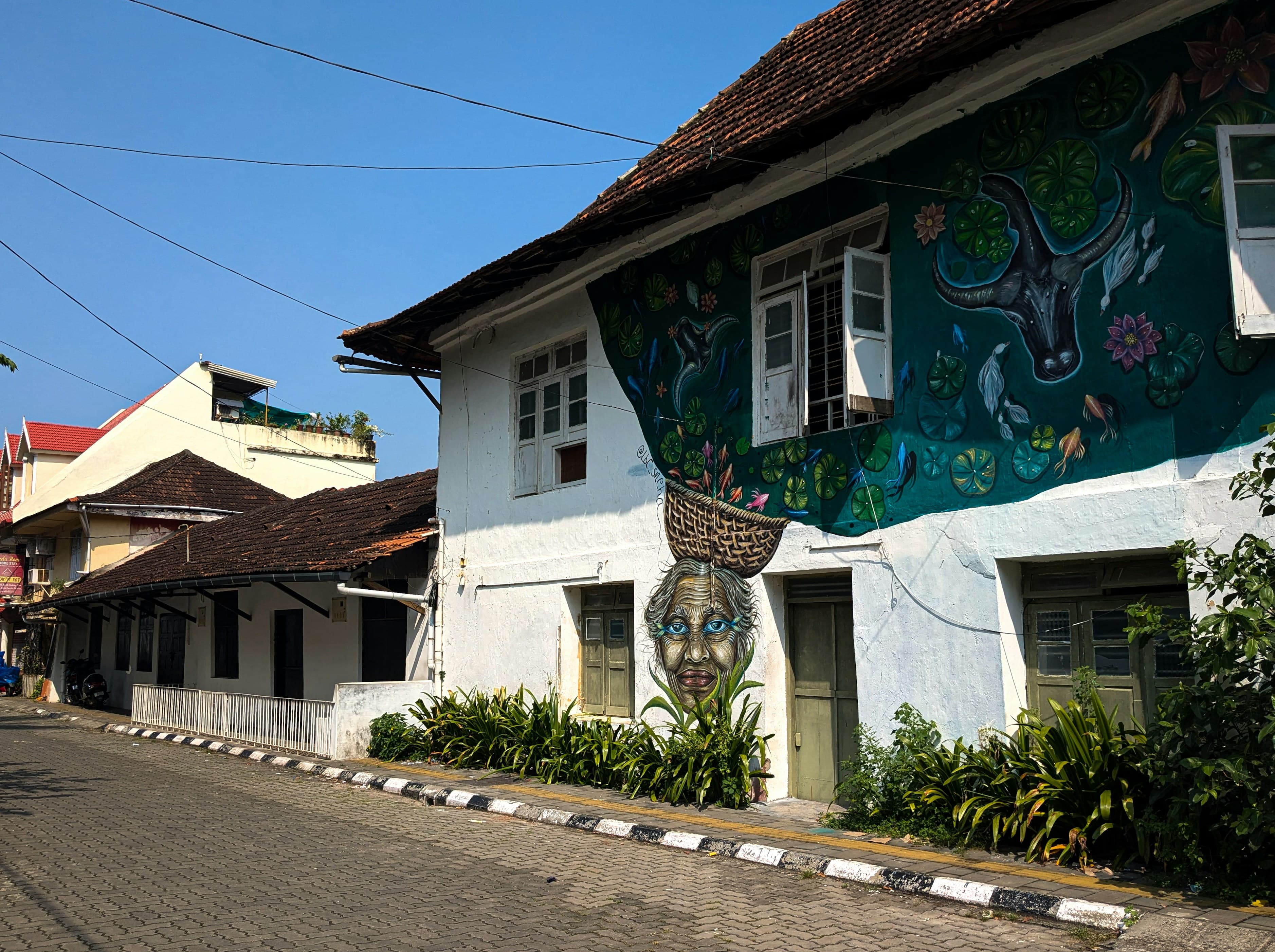
For those traveling here to enjoy a high-end experience, the only thing worth having on their list is being enveloped in the history of the place rather than just experiencing it. Fort Kochi hotels are, for the most part, examples of adaptive renovations, namely 17th century Dutch trading bungalows, Portuguese era merchant houses and British colonial homes which have been renovated to be boutique luxury resorts, normally housing less than 20 rooms.
Here one will encounter antique four-poster beds, wooden ceilings, courtyards covered in rain trees and a mixture of European colonial furniture with the Kerala mural painting and woodwork. The most popular heritage resorts are located near the Chinese fishing nets, Dutch Palace or Parade Grounds which enables one to enter right from a 300 year old door into the heritage walk.
via unsplash
Best Experiences in Fort Kochi
- • A guided walk through Portuguese, Dutch, and British quarters reveals how the town's history connects.
- • Most tours cover St. Francis Church, the Parade Ground, colonial bungalows, and the coast in 2–3 hours.
- • Fort Kochi has developed a rich artistic culture, with old warehouses serving as year-round galleries.
- • The Kochi-Muziris Biennale, held every two years, is South Asia's largest contemporary art exhibition.
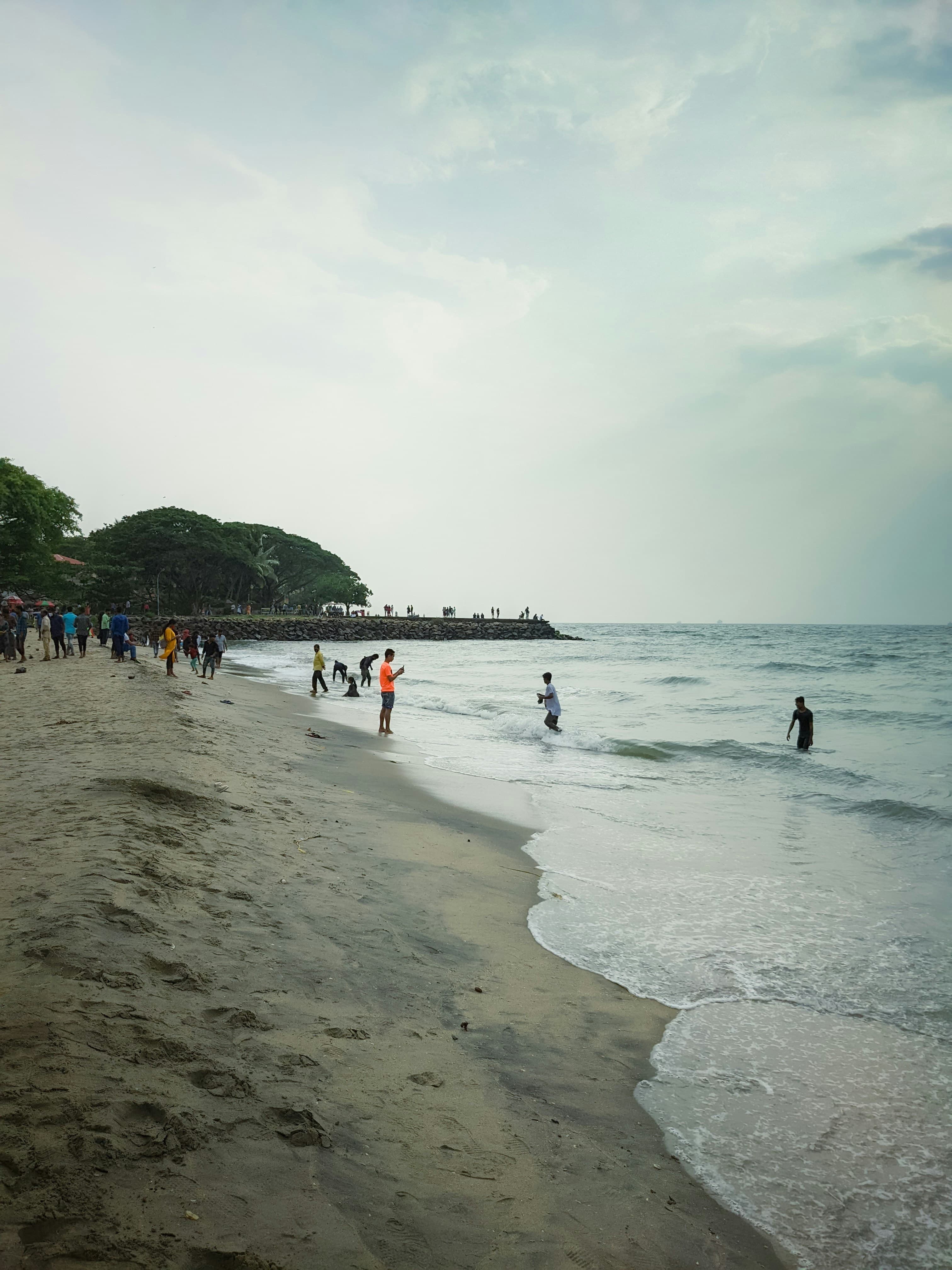
- • The promenade near the Chinese fishing nets is Fort Kochi's best sunset viewpoint.
Food: A Colonial & Coastal Culinary Trail
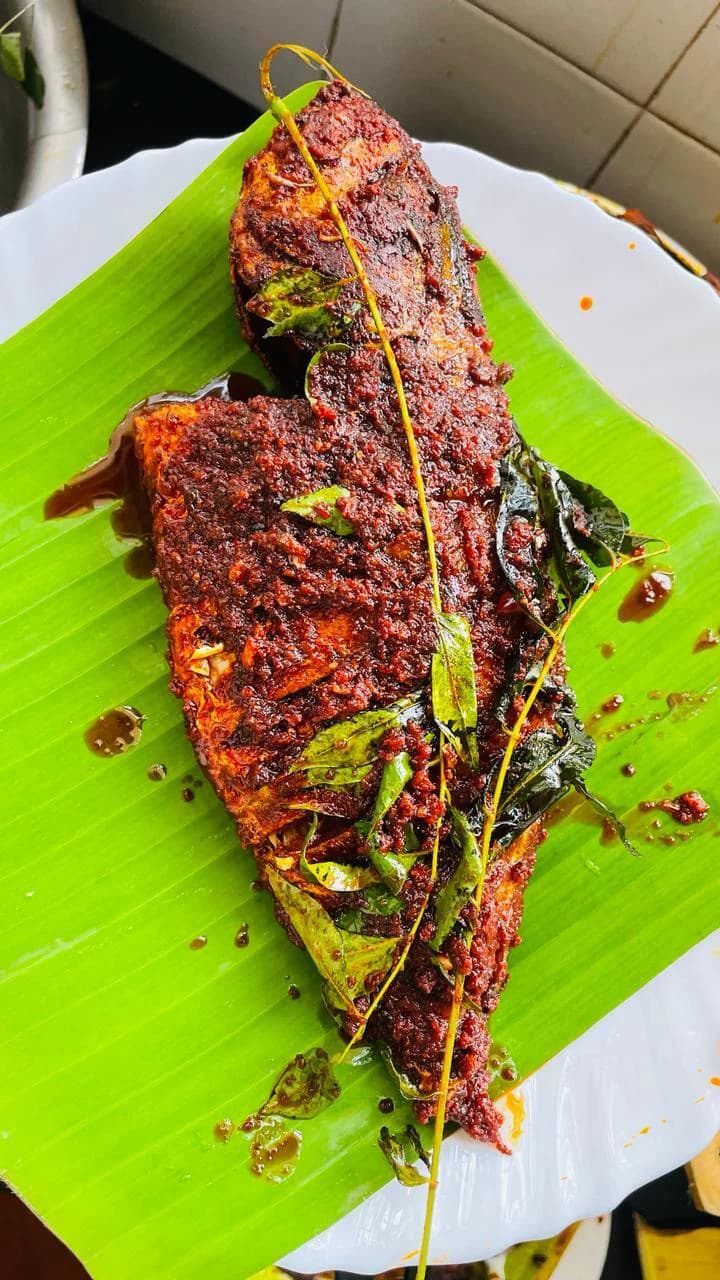
This is evident from the cuisine in Fort Kochi which features Portuguese, Dutch, Jewish and Syrian Christian cuisines along with traditional Keralan sea-coast dishes such as meen pollichathu (fish wrapped in banana leaf and grilled), Kerala style prawn curry, appam with stew and Jewish-Kochi dishes like pastel served at the old bakers in Jew Town.
There has been an explosion of cafés and restaurants around the heritage hotels where many bungalows have been converted into stylish restaurants that serve a range of contemporary Keralan menus as well as foreign wines.
via content.jdmagicbox.com
Nearby Destinations
Beyond Fort Kochi's heritage core, several worthwhile extensions await. The Mattancherry Spice Market, within walking distance of the palace and synagogue, still trades in pepper, cardamom, and ginger. Willingdon Island hosts a naval base and upscale waterfront hotels, reachable by road and water. A short boat ride reaches Vypin Island's beaches and lighthouse, while Cherai Beach lies an hour away for a full day of relaxation. Further afield, Alleppey's backwaters are best experienced over two nights on a houseboat.
Suggested Fort Kochi Itinerary
Half-Day (4–5 hrs)
- • Core Heritage Walk: St. Francis Church, Chinese Fishing Nets, Dutch Cemetery, and Parade Ground - the essential Fort Kochi circuit.
One-Day
- • Heritage + Culture + Food: Add Mattancherry Palace, Paradesi Synagogue, Jew Town shopping, and a sunset dinner by the waterfront.
Two-Day
- • Immersive & Boutique: Day 1 as above; Day 2 - art galleries, David Hall, a backwater cruise, cooking demonstration, and a leisurely boutique-hotel afternoon.
Practical Travel Guide
Best Time to Visit
October through February is the best time frame, with cooler weather and low humidity, making it perfect for guided walks. March through May sees hot weather with high humidity, while June to September witnesses the southwest monsoon season that tourists may prefer due to Kerala’s rains, although sightseeing outdoors is limited.
How to Reach
- • By Air: Cochin International Airport (COK), located at around 40–45 km; private transports take around an hour’s time.
- • By Rail: Ernakulam South railway station, nearest to the city; around 13 km away from Fort Kochi.
- • By Ferry: Frequent passenger ferries between the main jetty of Ernakulam and Fort Kochi & Mattancherry; a cheap and pleasant mode of transport.
- • • By Road: Good road connectivity to various parts of Kerala via bus and private cars.
Entry and Ticket Details
Most Fort Kochi heritage sites are inexpensive or free to enter. St. Francis Church and Santa Cruz Basilica have no entry fee (donations welcome), though access may be limited during religious ceremonies. Mattancherry Palace charges a nominal fee for adults, is free for children under 15, closed on Fridays, and photography is not permitted inside. The Paradesi Synagogue has a small entry fee and is closed on Saturdays. The Chinese fishing nets area is free to visit, with a small charge when the nets are operated.
Suggested Duration
One full day covers the essentials comfortably; two days allow for a genuinely unhurried, boutique-paced experience with time for galleries, food and a backwater excursion.
Luxury Travel Tips
via pexels
Luxury Travel Tips
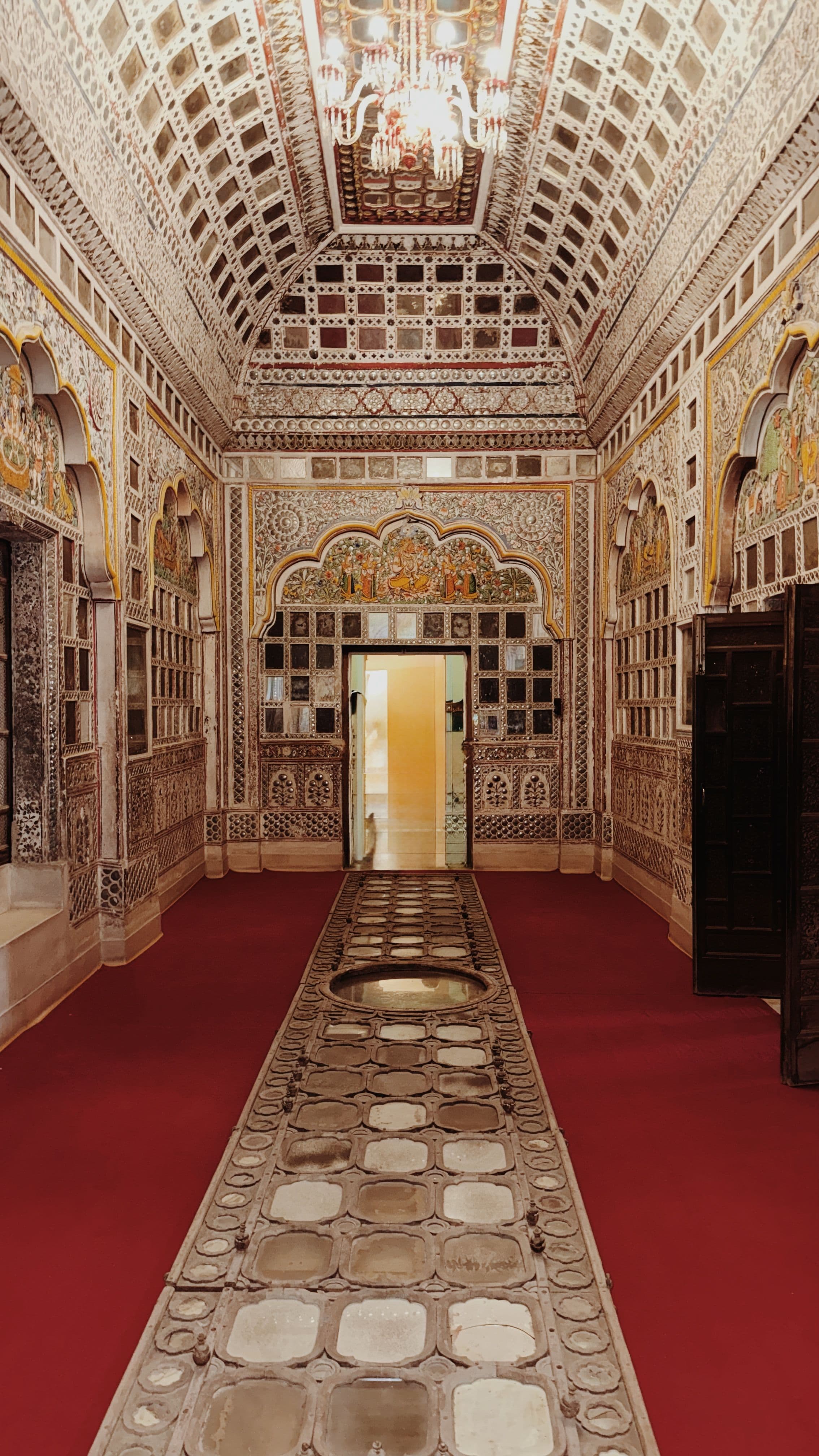
Make sure to reserve a heritage boutique hotel way ahead of time, as the best-revived hotels usually have very limited room availability. Combine your accommodation with an escorted private tour in a limousine, thus avoiding awkwardness that may be encountered while touring around churches, palaces, and museums with other people.
Family Travel Tips
via pexels
Family Travel Tips
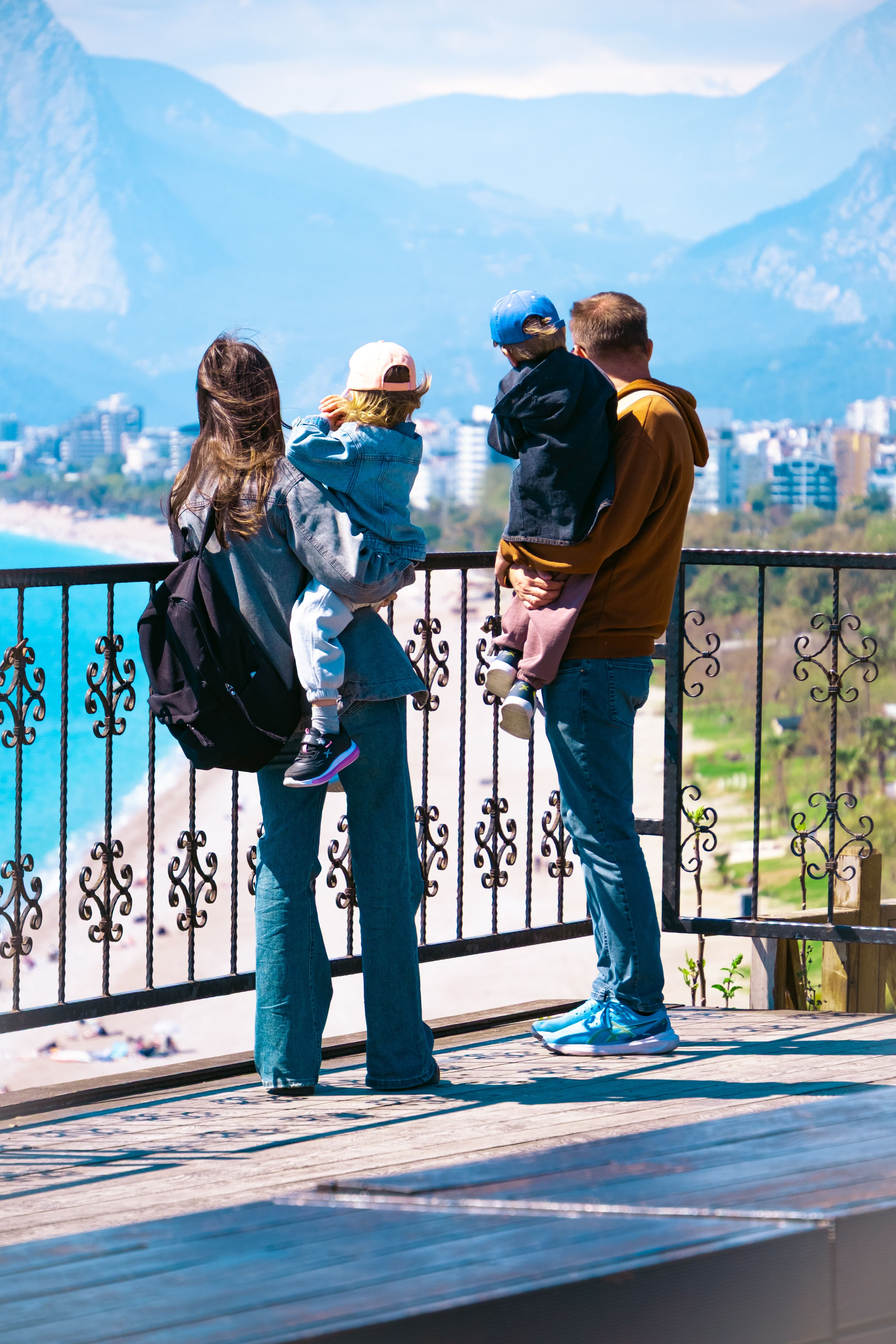
Fort Kochi is small and easily walkable for strollers through its heritage core. Plan to mix your palace and museum visits by relaxing at the beach promenade, as well as a private guide who can cater the history lessons to kids.

Solo Female Traveler Tips
via pexels
Solo Female Traveler Tips
The Fort Kochi region happens to be one of the more relaxed places in Kerala for solo travelers and women in particular, given that there is a clearly defined tourist area that is quite safe and sees plenty of traffic throughout the day. In order to ensure complete safety and avoid any hassles related to solo traveling, we recommend a customized itinerary especially for women.
Why Choose India Heritage Travel
Fort Kochi rewards travellers who explore with local depth - and that's exactly what India Heritage Travel offers. We arrange luxury chauffeur-driven tours, customised itineraries (including Biennale-season visits), handpicked boutique hotels, and experienced guides who bring Portuguese, Dutch, and British history to life. With women-specific itineraries and end-to-end service from airport pickup to drop-off, we turn this guide into a personally curated journey. Reach out to start planning.
Frequently Asked Questions
Fort Kochi is known for its layered Portuguese, Dutch, and British colonial history - landmarks like the Chinese fishing nets, St Francis Church, and Mattancherry Palace - plus its growing reputation for boutique heritage hotels and contemporary art, including the Kochi-Muziris Biennale.
Yes. Few places in India offer this density of intact colonial-era architecture from three successive European powers within a single walkable neighbourhood, making it one of the country's richest heritage destinations.
October to February offers the most comfortable weather for walking tours and outdoor sightseeing, with cooler temperatures and lower humidity than the summer months.
A full day covers the major landmarks comfortably, while two days allow time for art galleries, boutique hotel experiences, food exploration and a backwater excursion.
Yes. Several Portuguese, Dutch and British-era buildings have been carefully restored into intimate boutique hotels, typically with a small number of rooms, period architecture and personalized service.
Fort Kochi is generally considered one of Kerala's more comfortable destinations for solo and women travelers, particularly within its well-trodden central heritage zone, though standard evening precautions and trusted transport are recommended.
Planning a Fort Kochi Heritage Stay?
India Heritage Travel crafts private Kerala itineraries featuring Fort Kochi's colonial landmarks, Chinese fishing nets, and boutique heritage hotels - combined with Alleppey's backwaters, Munnar's hills, and the Malabar Coast.
Plan My Fort Kochi Heritage Stay