Ancient Indian Port Cities and Maritime Trade: Where India Met the World
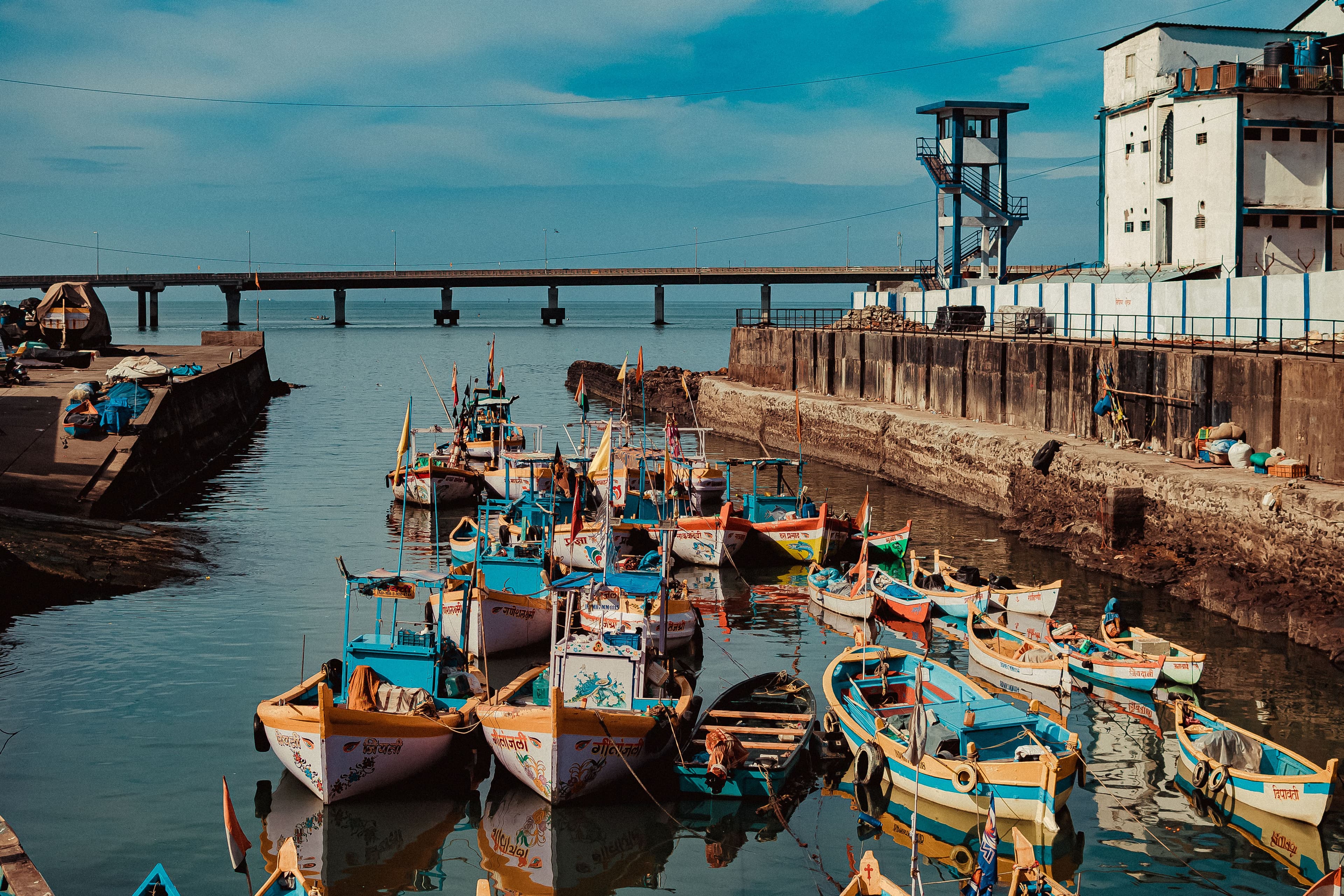
In the days of sailing before the era of container shipping and ocean navigation, the coasts of India featured extensive commercial relations. Ships were delivering pepper, pearls, textiles, precious stones and other cargo to the coasts of Arabian Sea and Bay of Bengal; traders brought coins, porcelain, stories and other items from their travels. Therefore, the research of ancient Indian ports and maritime trade is not only a historical issue – this is the function of coastal geography as a factor of economical, architectural and cultural ties between India and Africa, Arabia, Mediterranean countries and South-Eastern Asia.
The ancient Indian ports have turned into ruins or mounds by now, and some of them can be studied only according to literature sources, museums, temples and folklore. Not all of them can be considered absolutely credible – sometimes archaeologists are not able to tell for sure where certain famous ports have been located, and the presence of item which was delivered from somewhere else does not always mean that it belonged to this site. Nevertheless, ancient Indian ports provide interesting subject to study the maritime history of India and tourism destination not only to see monuments but to enjoy something else.
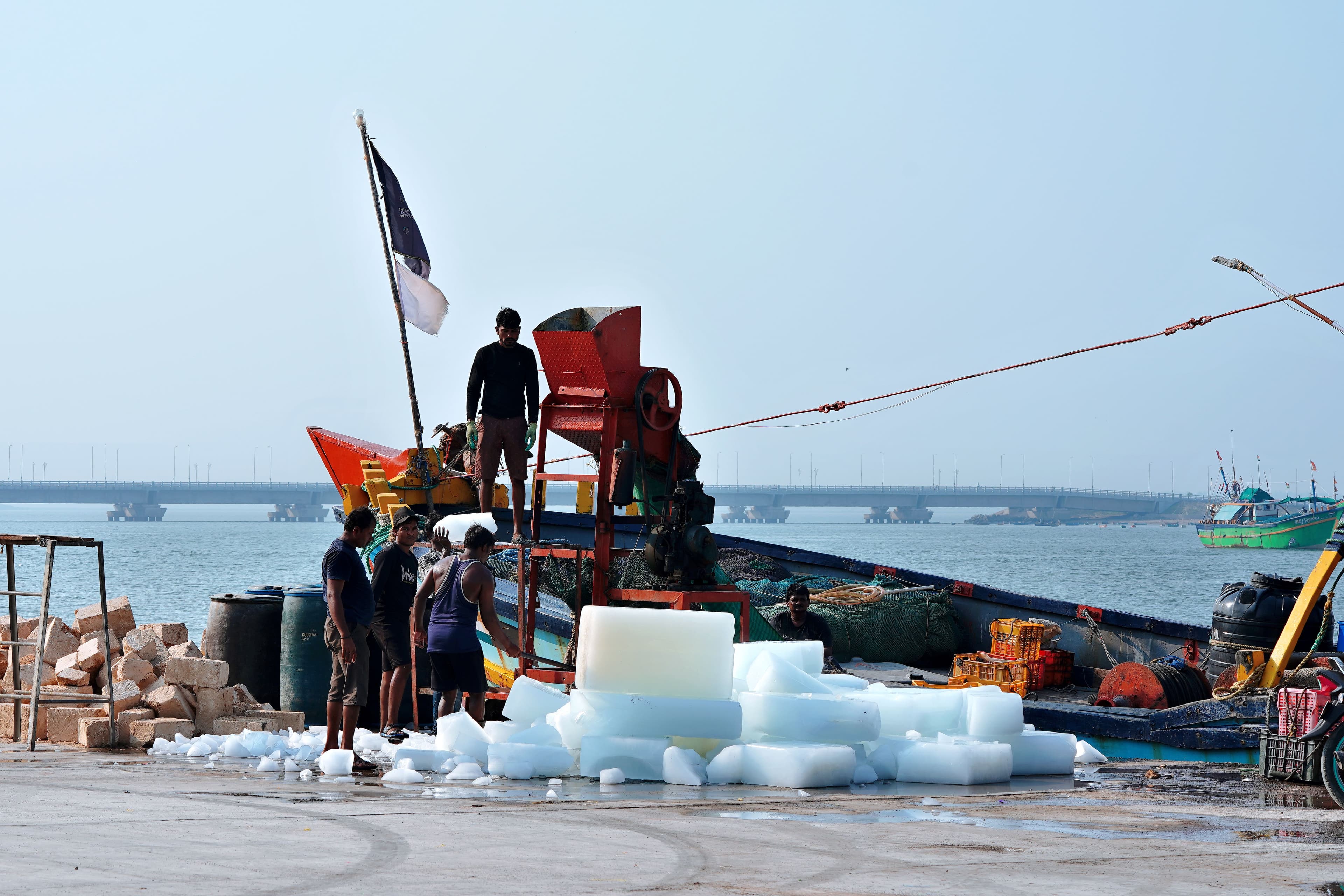
Image via pexels
How maritime trade connected ancient India
The naval history of India has been formed over a number of centuries and not in an unbroken golden period. The Harappans engaged in trade with their neighbouring areas around third and second millennia BCE. In the early historic era, the harbors located in the western and southern coastline gained significance as trading centers in the Indian Ocean.
The monsoon as a natural timetable
Monsoon winds were seasonal and helped make sailing easier. Monsoons taught sailors when to start their journey depending on the wind patterns. River voyages and voyages along the coastline helped link ports to smaller markets. Vessels did not travel directly from India to one destination but could go through various hands until reaching their destination. The ocean was just one of the many channels for commerce.
What travelled across the sea?
Malabar pepper was in particular demand in Western markets. Some other goods were cotton textiles, beads, precious stones, ivory, and aromatic products, whereas the incoming goods may have included wine jars, glassware, metals, pottery, and coinage. This varied depending on the port and time. This is not solely a story of the Roman consumer but of the Indian trader and sailor as well. In recent times, there has been an increasing tendency to highlight the agency and networks created by Indians in the Arabian Sea and Bay of Bengal, rather than limiting the trade narrative to the Roman purchaser.
Image via unsplash
Architecture and the cultural significance of port cities
Ports were more than just docks; they required facilities like warehouses, workshop complexes, water supply, market places, transportation systems, and meeting places for merchants from other countries. In Lothal, the planning of the settlement and the basin is of utmost importance in understanding the facilities of the ports. In Pattanam, the wharf-like structures, pottery, bead findings and the evidence of settlements allow scholars to understand the lifestyle. In most cases, the stories are written on paper and in artifacts and geography.
The maritime trade carried with it cultures, languages, arts, technology, and culinary traditions. Buddhist and Hindu religious connections existed along with the commercial ones, but cultural interactions did not take place only one way. The architecture of the coastal towns might show multiple phases of patronages, therefore do not assume that all forts and temples around the sea coasts were there solely for trading.
Image via pexels
Hidden Gems
- • Warehouse and dockyard remains - quietly revealing the scale of Indus Valley maritime planning, often overlooked by casual visitors.
- • Excavation trenches at Pattanam - modest in appearance but significant for confirming Muziris's existence.
- • Lesser-visited Muziris Heritage Project sites - small museums and restored structures away from the main tourist route.
- • Scattered Roman-era remains - brick structures and pottery fragments near the Ariyankuppam river, easy to miss without a guide.
- • Lesser-known rock-cut mandapas and rathas - beyond the famous Shore Temple, quieter carvings reward those who linger.
Best experiences for a thoughtful heritage traveller
- • Visit the site informally with a guide who can explain the artifacts and their historical period and answer your questions.
- • You need to visit a regional museum either before or after your site visit because it demonstrates why pottery and beads and coins and inscriptions hold their value.
- • Observe the river mouth and lagoon and estuary from a remote position because your geographical understanding will help you find answers about how this civilization achieved its wealth.
- • You should meet local artists while joining food tours which members who pay their hosts generously organize.
- • Take pictures of the landscapes and buildings but refrain from touching the artifacts and climbing on the buildings.
Suggested itinerary: two days around Kerala’s maritime heritage
| Day / time | Plan | Why it works |
|---|---|---|
| Day 1 morning | Start from Pattanam with a pre-booked guide/local expert. | Introduction of archaeological finds and the issue of locating Muziris of the past. |
| Day 1 afternoon | Visit some of the sites of Muziris Heritage Project, depending upon the openings/access. | Connects excavations with the wider region’s layered history. |
| Day 1 evening | Stay at a good heritage boutique hotel in the larger Kochi region. | Allows time to unwind and enjoy Kerala’s cuisine. |
| Day 2 morning | Explore Kochi with a guided tour, with an emphasis on the layers of interaction with the port city in its later history. | Illustration of maritime links that developed through time. |
| Day 2 afternoon | Have some leisure time for the backwaters or waterfront visit with a responsible agency/local museum. | Location of the history within the present-day coastal landscape. |
Practical Travel Guide
Best Time to Visit
Generally, the months between November and February make for an enjoyable time for heritage tours because of their relative coolness and dryness. However, the months of March to May tend to be rather warm. At times, the months of the monsoon will vary with the specific coast and may affect the roads and boating.
How to Reach
- • Lothal: Usually organised as a road trip from Ahmedabad.
- • Pattanam (Muziris): Located in Ernakulam district, Kerala - can be combined with Kochi. Check the best mix of train, air, and road for your route.
- • Arikamedu: Usually organised from Puducherry.
- • Tamluk: Arrange local transport in advance - details vary.
- • Bharuch / Sopara: Also require planning around local transport options.
Entry and Ticket Details
Do not assume that all archaeological sites will have an entrance booth where they operate as per certain timings and have sufficient facilities available for tourists. Entry fees and rules may vary; and there are some archaeological sites that have restricted access. Get in touch with the Archaeological Survey of India, state archaeology department, state tourism or the management of the site in advance.
Suggested Duration
Indicative costs per person range from ₹2,000–6,000 for a half-day guided visit, ₹5,000–14,000 for a one-day private heritage outing (private transport, guide, and food), and ₹15,000–45,000+ for a two-day premium trip with boutique hotels and personalised experiences. These are general estimates - season, group size, hotel rating, distance, and inclusions all affect pricing, while international flights and intercity transfers add significantly more.
Safety
You should wear comfortable clothing while walking with proper shoes and protect yourself from the sun with hats and sunscreen. Bring enough water and all your necessary medications during your trip.
Why Choose India Heritage Travel
India Heritage Travel turns research into a personal journey rather than a packaged tour. Our tailor-made itineraries include private chauffeur tours with realistic driving times, focused routes across Gujarat, Kerala, Tamil Nadu, or Bengal, carefully selected accommodations, experts who distinguish documented fact from folklore, women-safe planning, and concierge service for couples, families, and culture-focused travellers. Tell us which stories fascinate you most - Harappan urban culture, spice trails, Indo-Roman interactions, coastal temples, or culinary heritage - and we'll shape them into a personalised India tour.
Frequently Asked Questions
Important historic ports and trading centres included Lothal, Muziris, Arikamedu, Kaveripattinam or Puhar, Tamralipta, Bharuch and Sopara. Their roles varied by period and some identifications or archaeological interpretations remain debated.
Trade goods varied by region and era. They included pepper and other spices, cotton textiles, beads, gemstones, ivory and aromatics, alongside imported ceramics, glassware, metals and coinage.
Muziris is mentioned in classical accounts and early Tamil literary traditions as an important port on the Malabar Coast. Pattanam has produced evidence of a major early historic settlement and is often associated with Muziris, but the exact identification remains a subject of research.
Lothal is an archaeological site in Gujarat. Access arrangements, visitor facilities and ticket details can change, so confirm current information with official archaeological or tourism sources before travelling.
Lothal appears on India’s UNESCO World Heritage Tentative List. It should not be described as an inscribed UNESCO World Heritage property unless its status changes.
For many regions, November to February offers more comfortable weather for outdoor heritage visits. Conditions differ by coast, so check local forecasts and seasonal access before booking.
Planning an Ancient Ports Heritage Journey?
India Heritage Travel crafts private itineraries featuring India's ancient port cities - Lothal, Pattanam (Muziris), Arikamedu, and Tamralipta - combined with Ahmedabad, Kochi, Pondicherry, and Bengal's coastal heritage.
Plan My Ancient Ports Journey