Rajasthan's Royal Legacy Lives Through Its Forts & Palaces
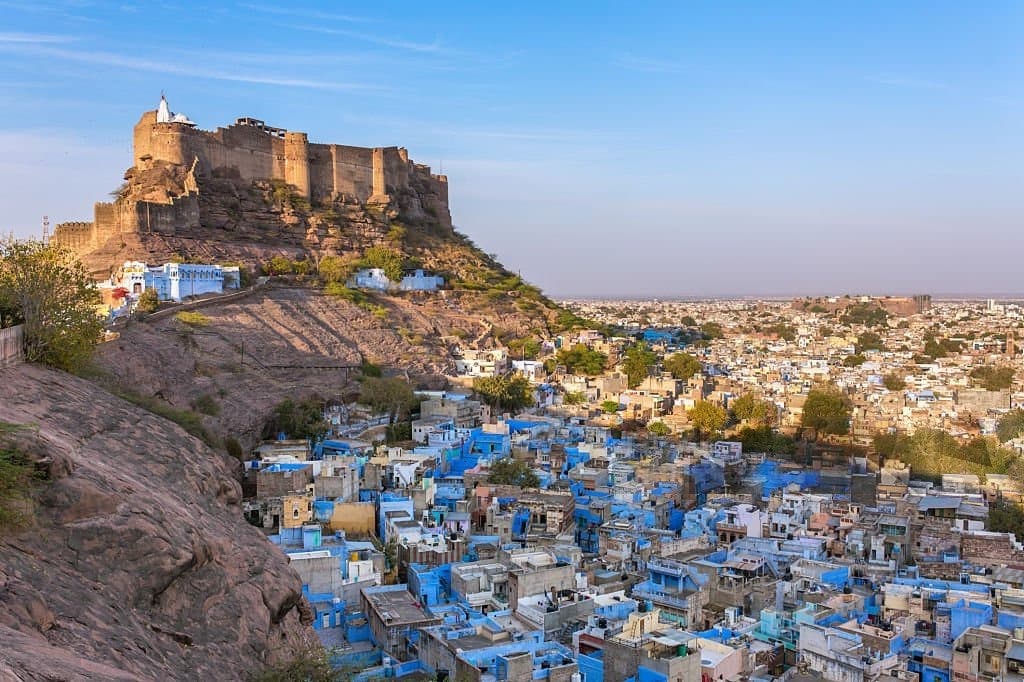
I'll never forget standing at the foot of Mehrangarh Fort for the very first time. It wasn't because I had a plan or a checklist in mind. It was simply the overwhelming scale of a fortress built more than five centuries ago that made me stop in my tracks. Rajasthan has a way of doing that. You may have seen the photographs, watched documentaries, or read countless travel guides - but nothing truly prepares you for experiencing these magnificent monuments in person.
Rajasthan is rightly known as India's royal state. This isn't merely a phrase used in travel brochures - it's history carved into stone. Across centuries, Rajput rulers built mighty hill forts, magnificent palaces, and royal residences that today form one of the richest collections of heritage architecture anywhere in India. Six of these remarkable forts are recognised as UNESCO World Heritage Sites, making Rajasthan one of the world's greatest destinations for history, architecture, and cultural travel. Choosing which forts and palaces deserve a place on your itinerary is often the most difficult part of planning a Rajasthan journey.
via pexels
Why Rajasthan's Forts & Palaces Became World Famous
Rajasthan's extraordinary collection of forts and palaces is the result of centuries of rivalry between powerful Rajput kingdoms. Every kingdom needed mighty hill forts to defend its territory, while every Maharaja sought to build magnificent palaces that reflected his wealth, influence, and military victories. Some became near-impregnable fortresses perched high above rugged landscapes, while others evolved into elegant royal residences filled with intricate courtyards, mirror work, and exquisite craftsmanship that continue to amaze visitors today.
via unsplash
Top 15 Forts and Palaces in Rajasthan
Amber Fort, Jaipur
via unsplash
Amber Fort, Jaipur
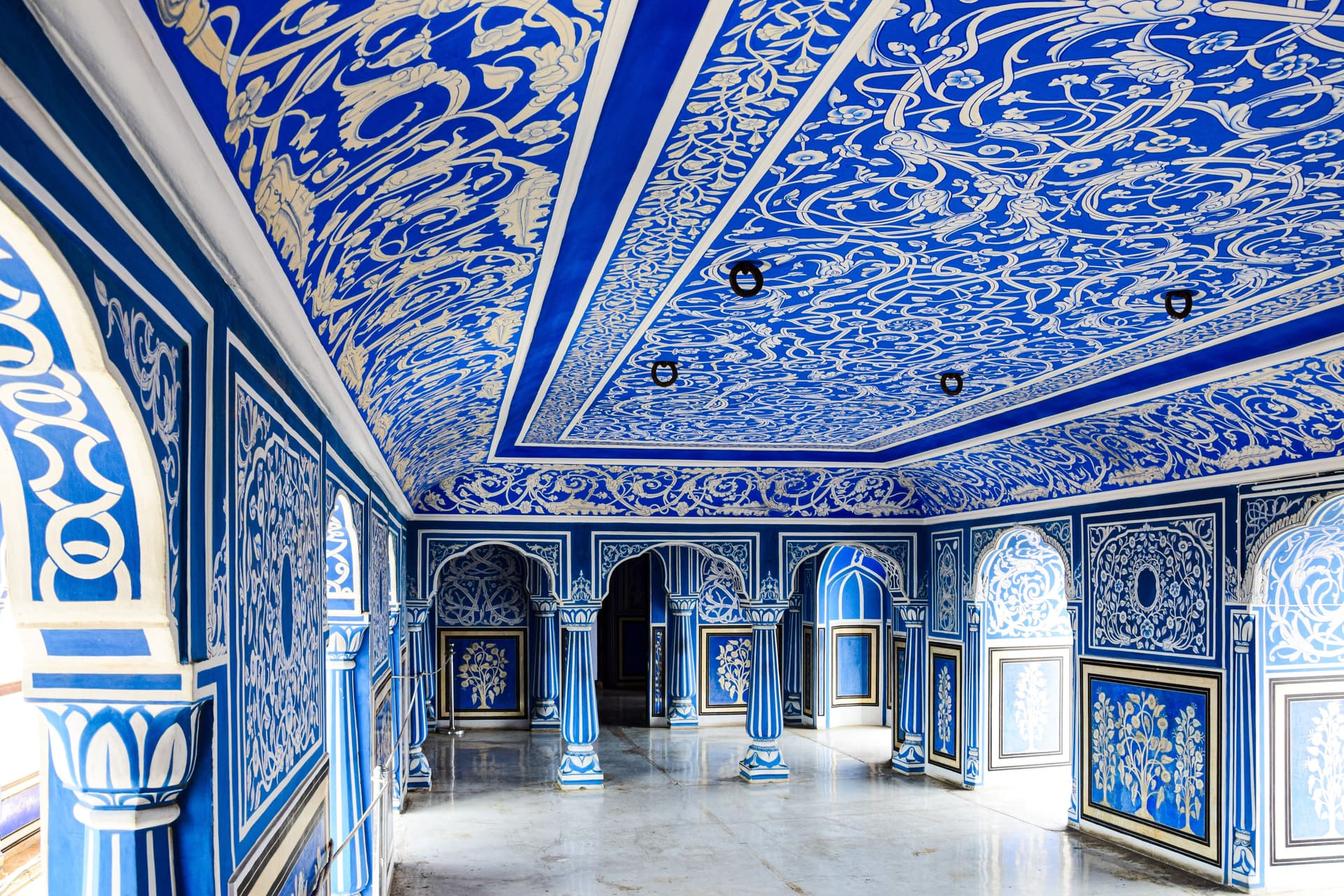
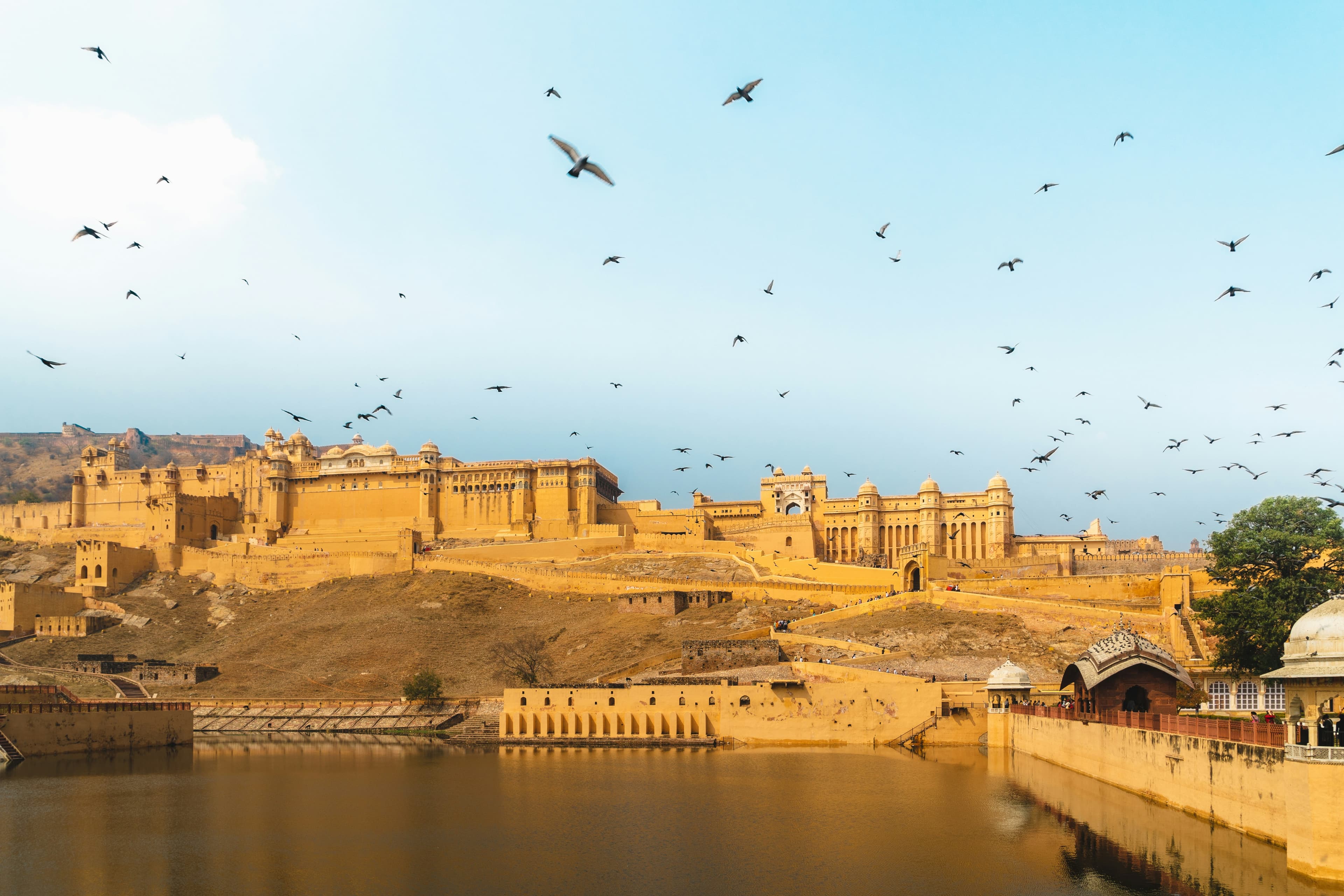
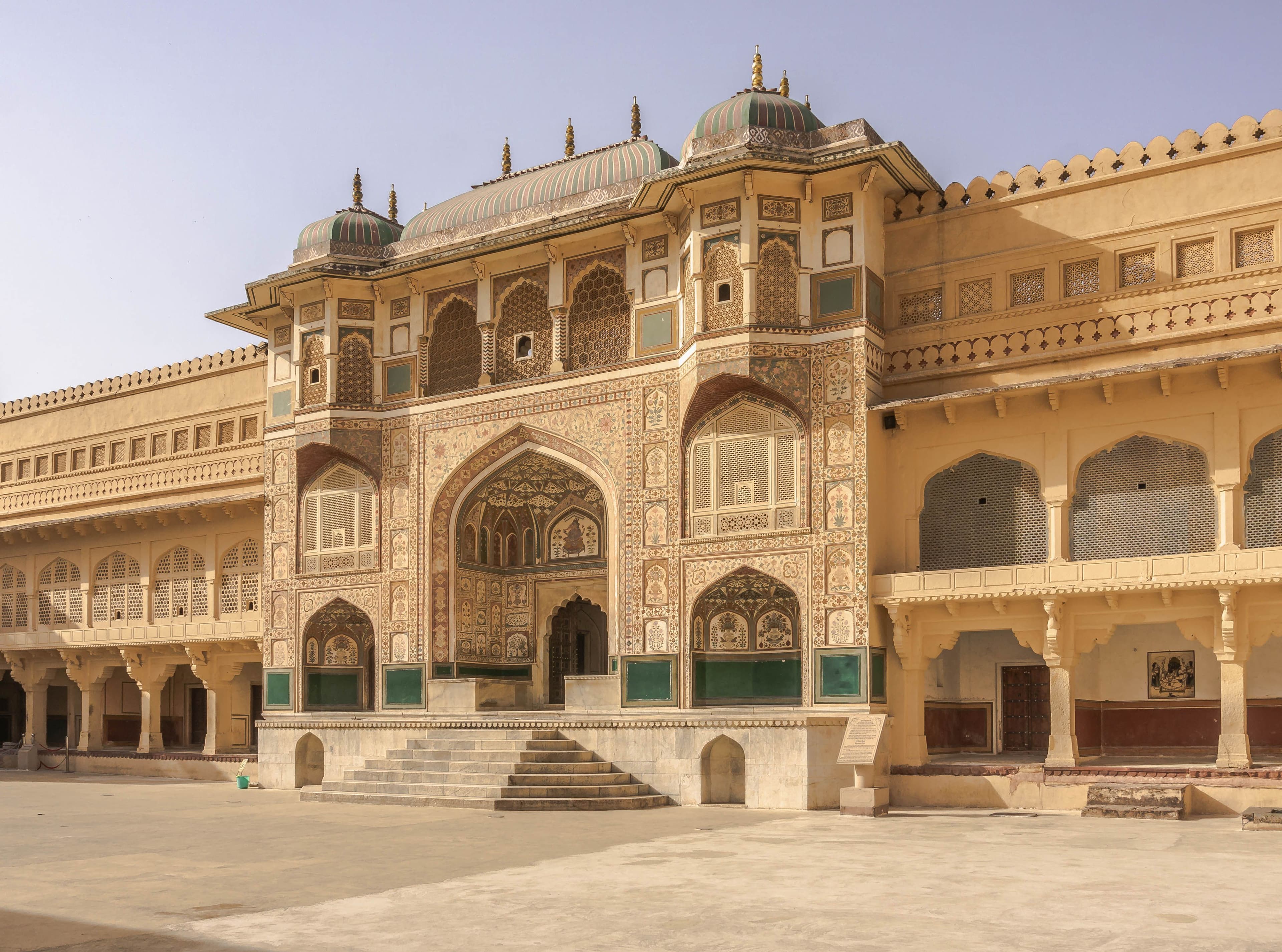
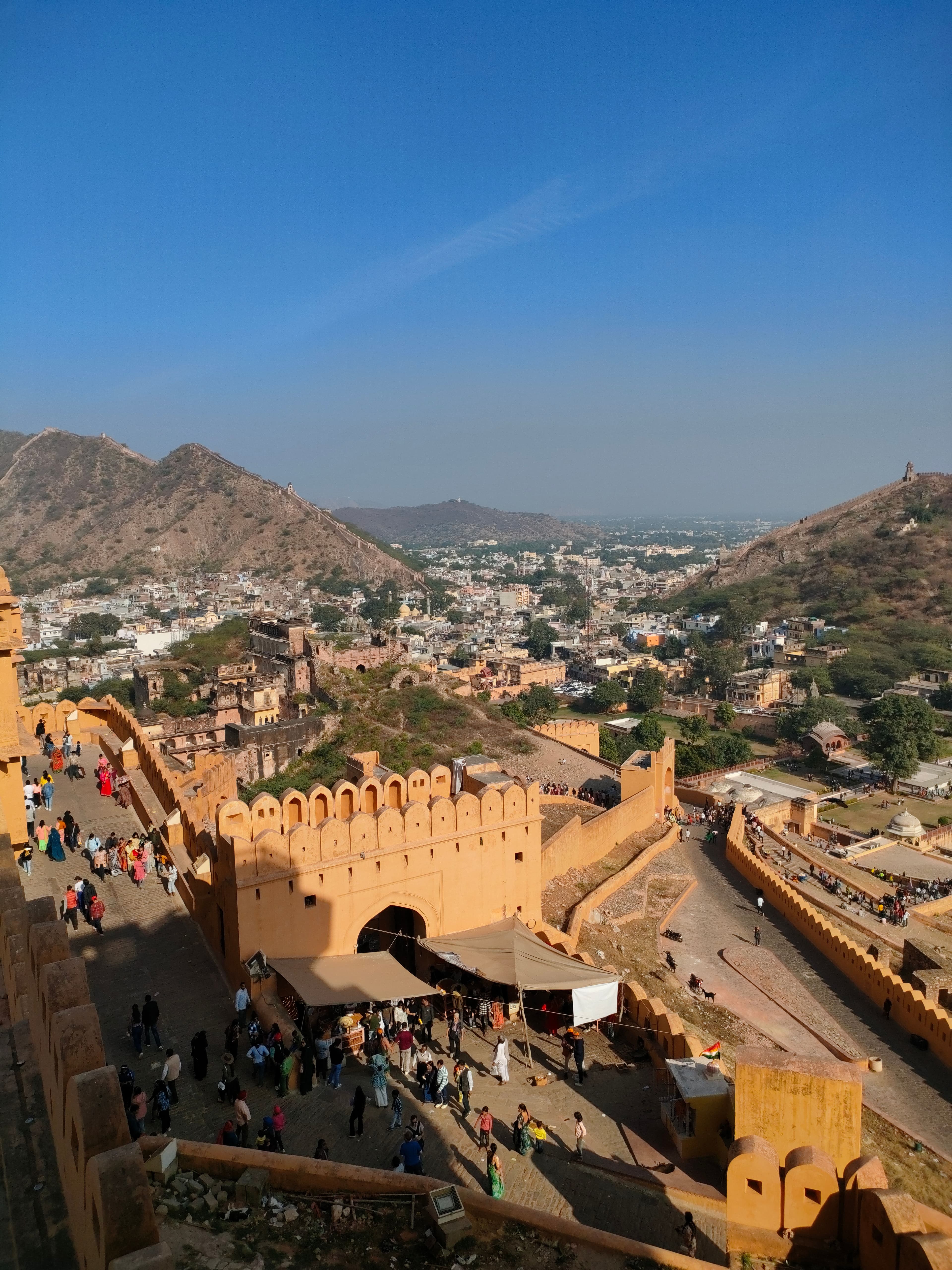
Amber was built in 1592 by Raja Man Singh, located on a hilltop near Maota Lake, 11 kilometers away from Jaipur. Amber Fort is famous for its Sheesh Mahal – mirrors that cover the entire ceiling, creating an illusion of a starlit sky out of just one candle. Go there early in the morning; by 9 am there will be many jeep caravans turning this peaceful place into a theme park.
City Palace, Jaipur
via unsplash
City Palace, Jaipur
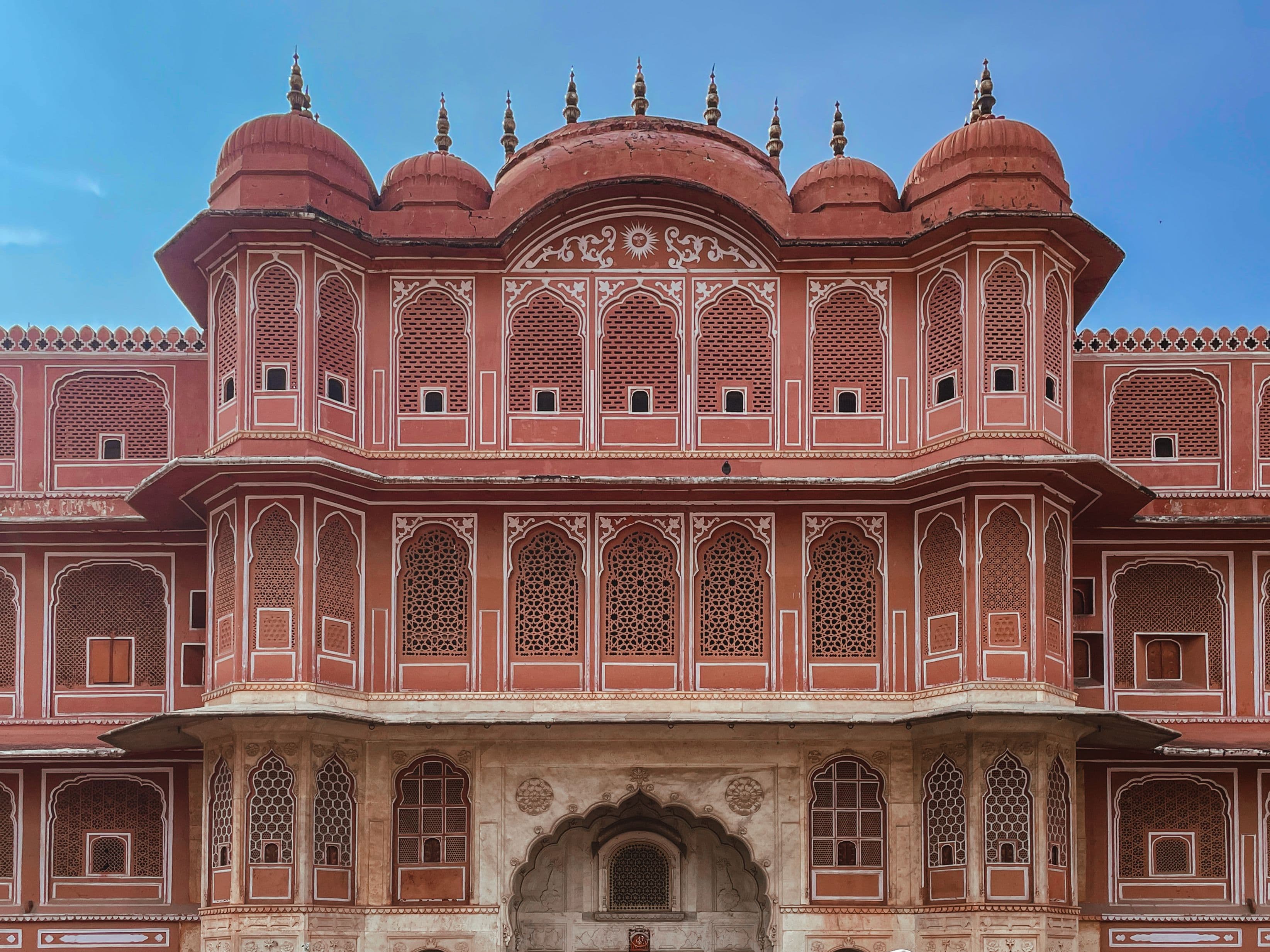
Part of City Palace is still used by the current rulers of Jaipur; the rest can be visited by tourists. Spend at least half a day in the palace. The Mubarak Mahal Museum exhibits a collection of fabrics, including the robes of a maharaja whose physical appearance was unusually imposing – you will get a very peculiar impression looking at those robes.
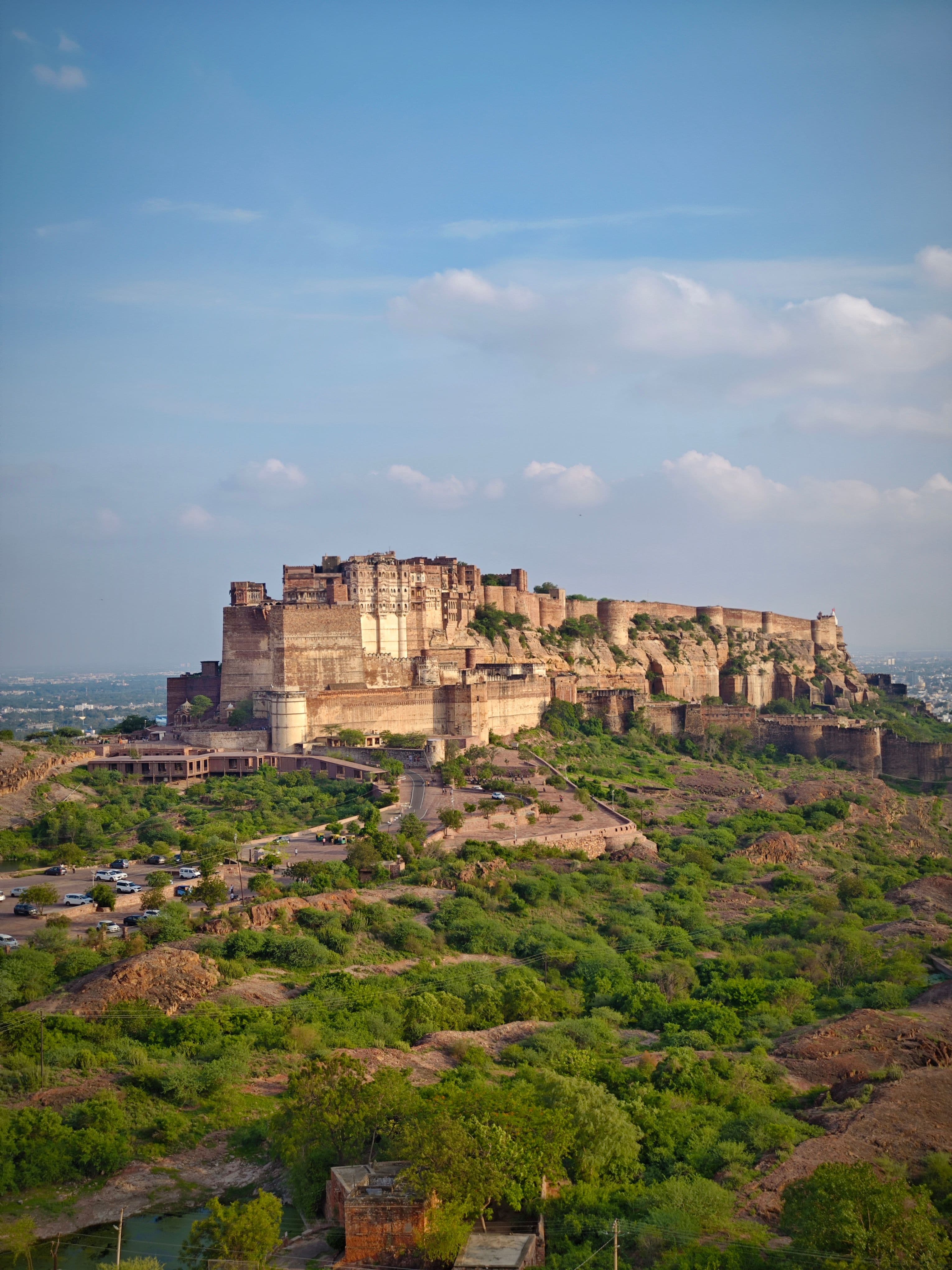
Mehrangarh Fort, Jodhpur
via unsplash
Mehrangarh Fort, Jodhpur
Elevated 122 meters above Jodhpur, with scars of cannonballs embedded into its walls from a siege carried out in 1808. With such a golden roof in the Phool Mahal, it would be easy to forget that you had another appointment twenty minutes back. Don't be an idiot and avail yourself of the audio guide at this place – it is told by the present-day Maharaja, and it is one of the best heritage audio guides in India.
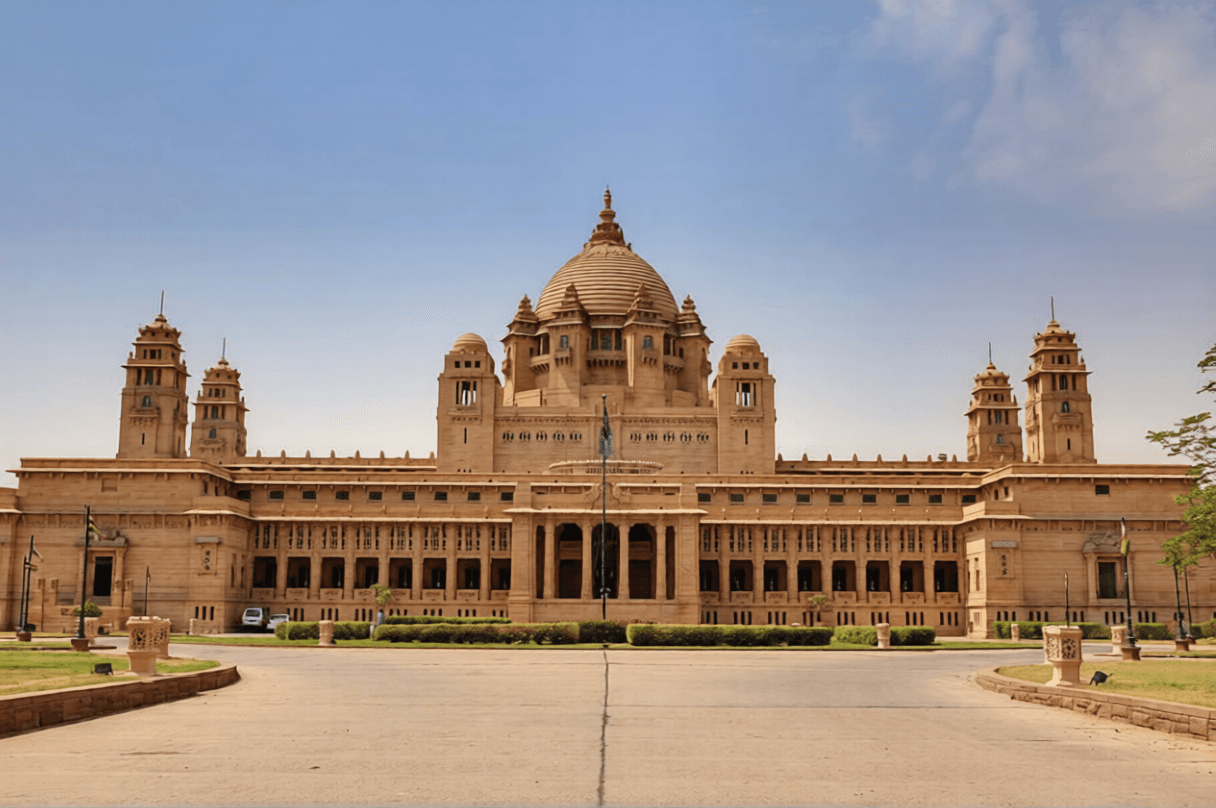
Umaid Bhawan Palace, Jodhpur
via unsplash
Umaid Bhawan Palace, Jodhpur
Built way later than the previous two, in 1943. Not medieval in the sense, but definitely worth seeing. It is one of the largest private buildings on Earth, and its interior design style is Art Deco, which appears surrealistically odd in this desolate environment. There is a section that serves as a Taj hotel. Even if you are not a guest there, you can visit the museum part and the garden area.
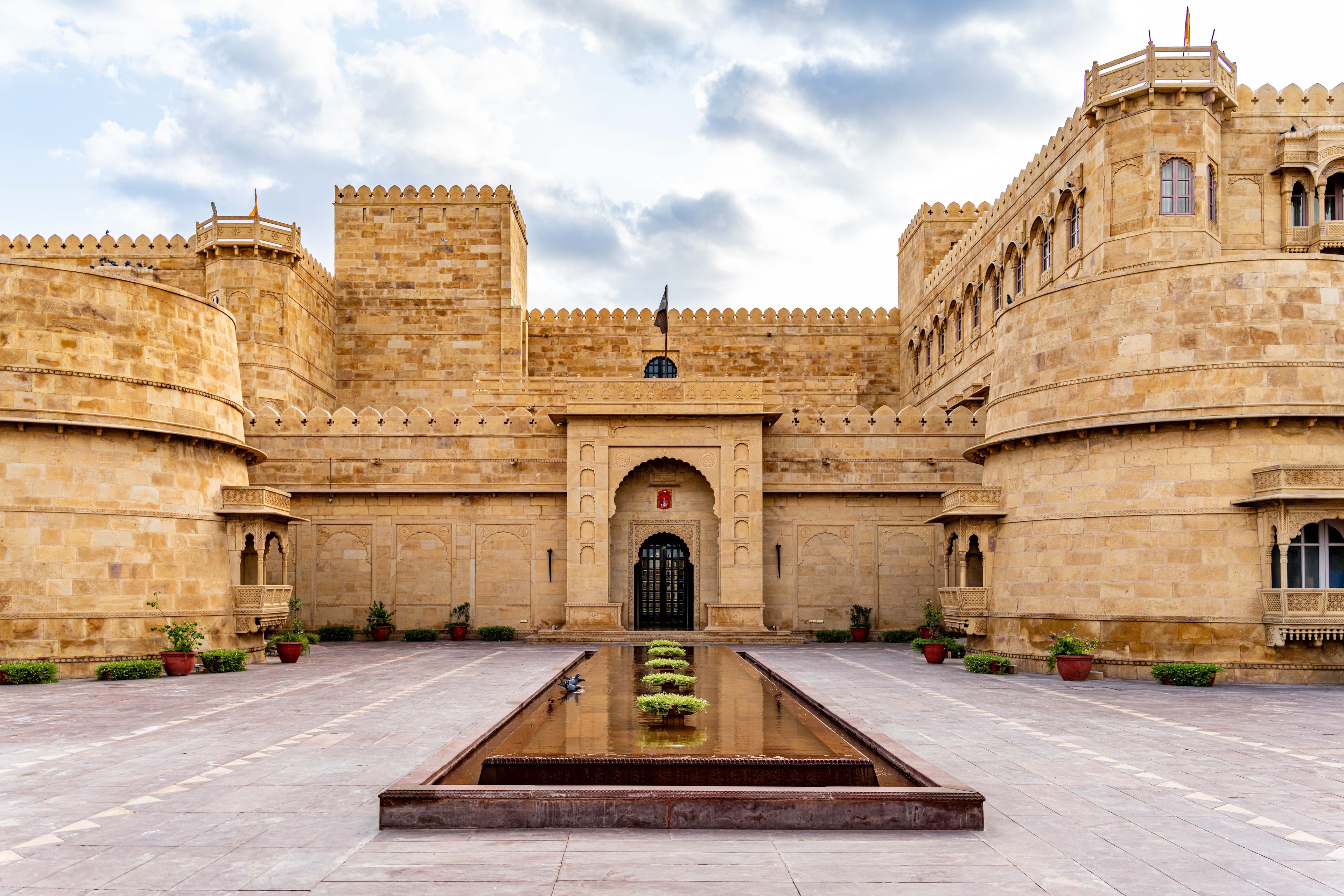
Jaisalmer Fort
via unsplash
Jaisalmer Fort
It was established in 1156 by Rawal Jaisal. It still holds almost 3,000 residents within its boundaries. One thing that comes true about the sandstone is that its color turns to a deep amber at dusk, in a manner which might seem cliché until experienced personally. Make sure to spend at least one night within the fort, rather than being close to it. Some of the restaurants located atop the fort have beautiful views of the setting sun, making it all worth the trouble.
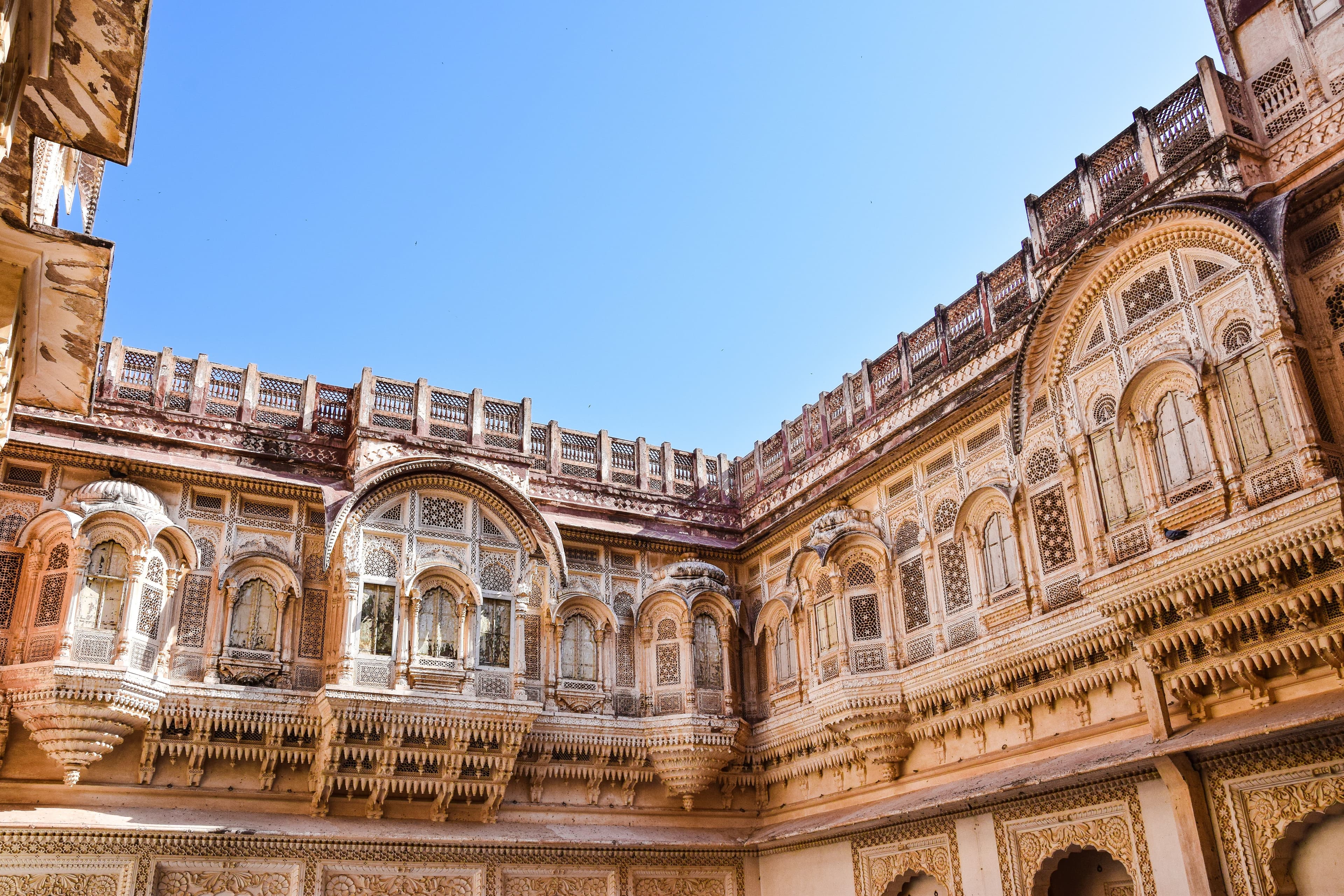
Junagarh Fort, Bikaner
via unsplash
Junagarh Fort, Bikaner
The City of Lakes is romance personified for Rajasthan, with the City Palace towering along the lakeshore and the Lake Palace Hotel floating in the middle of the lake.
Chittorgarh Fort
via unsplash
Chittorgarh Fort
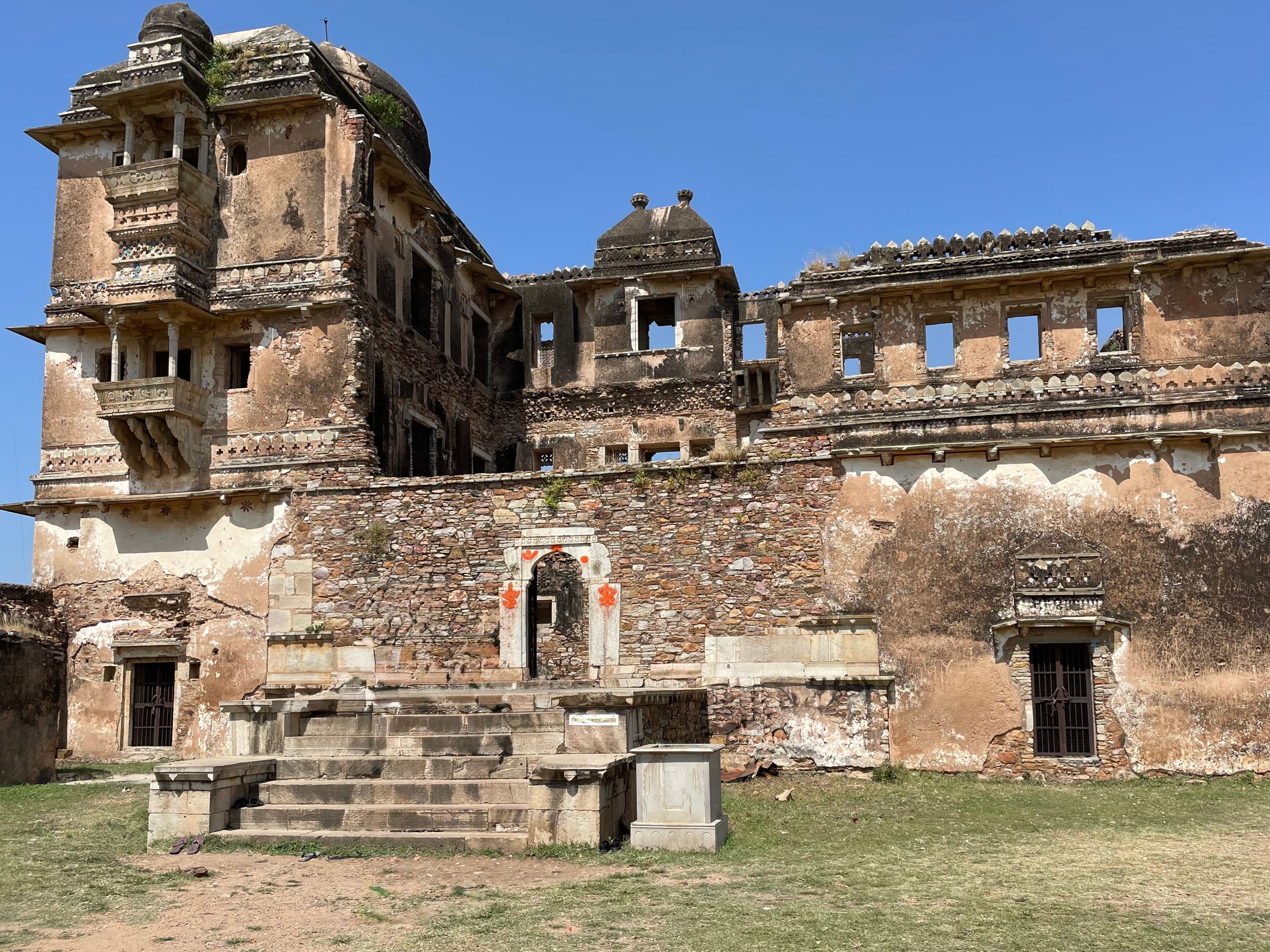
The biggest fort in Rajasthan and the heaviest in emotion. Three jauhars (self-immolation by Rajput women to avoid dishonor) have taken place here. This fort carries an aura unlike any other forts in the country. The Vijay Stambha, a 15th century tower made of carved figures that celebrate a victory, is definitely worth your while.
Kumbhalgarh Fort
via unsplash
Kumbhalgarh Fort
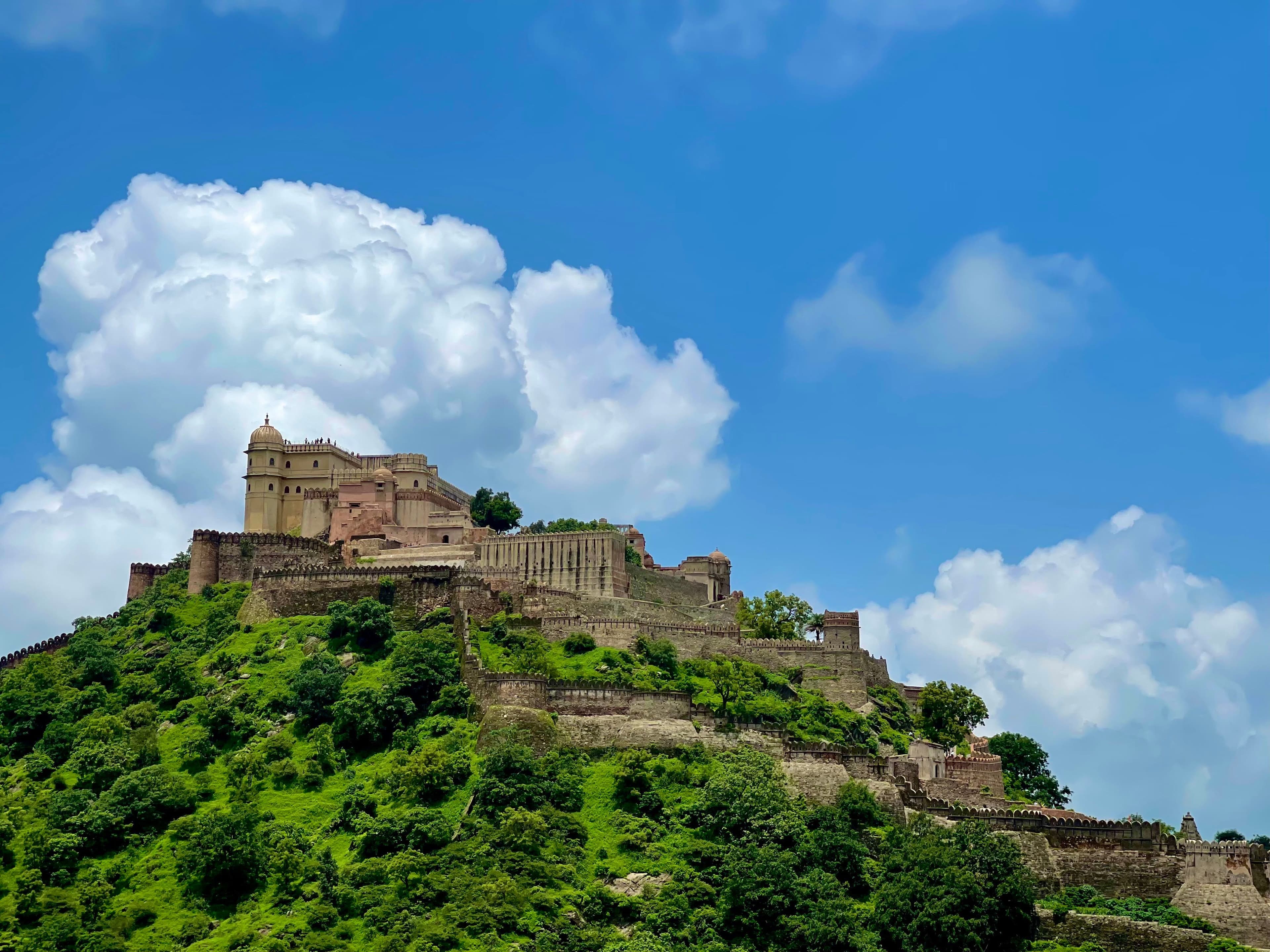
The walls here stretch to 36 km, making them only next to the Great Wall of China. Until you walk a portion of it yourself and see the ridge stretching on infinitely in both directions, you don’t realise how long it is. This is the place Maharana Pratap grew up in, having been brought here when he was an infant, from Chittorgarh. The light and sound shows are quite good on weekends – ignore the cynics.
City Palace, Udaipur
via unsplash
City Palace, Udaipur
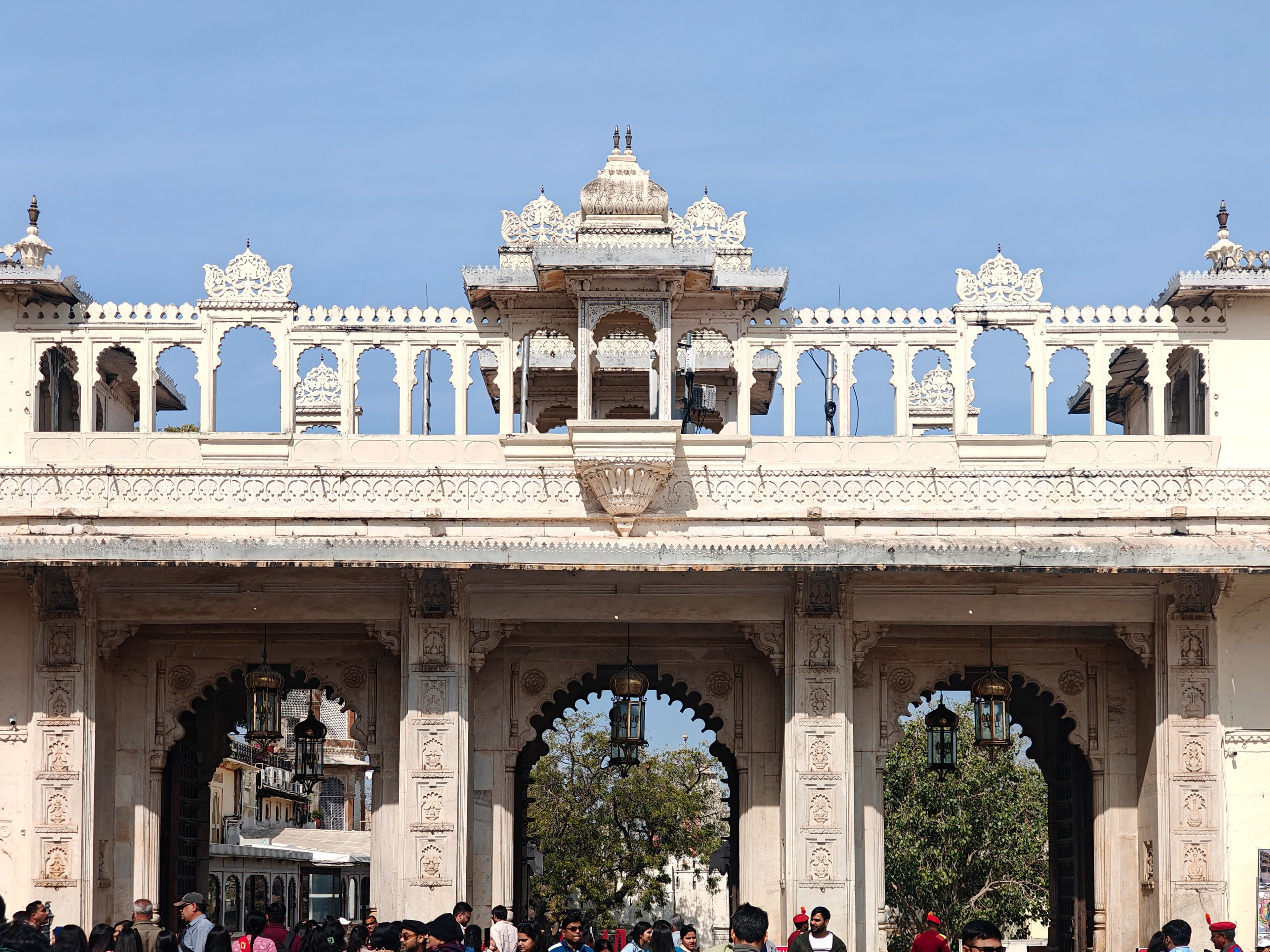
Over a span of 400 years, 14 different rulers have added sections to this palace and this makes the feeling of visiting the palace like walking around multiple buildings that happen to be interconnected. In particular, the Crystal Gallery – an English crystal set brought in 1877 but unpacked only after the Maharana’s death – is one of those rooms that you wouldn’t have expected to remember but cannot forget.
Nahargarh Fort, Jaipur
via unsplash
Nahargarh Fort, Jaipur
Constructed in 1734 as a defence fort, Nahargarh is the place to visit when you wish to admire the city of Jaipur without being in the middle of it. For example, the view from the fort during sunset, when the pink city lights up, is worth the ride to it in itself.
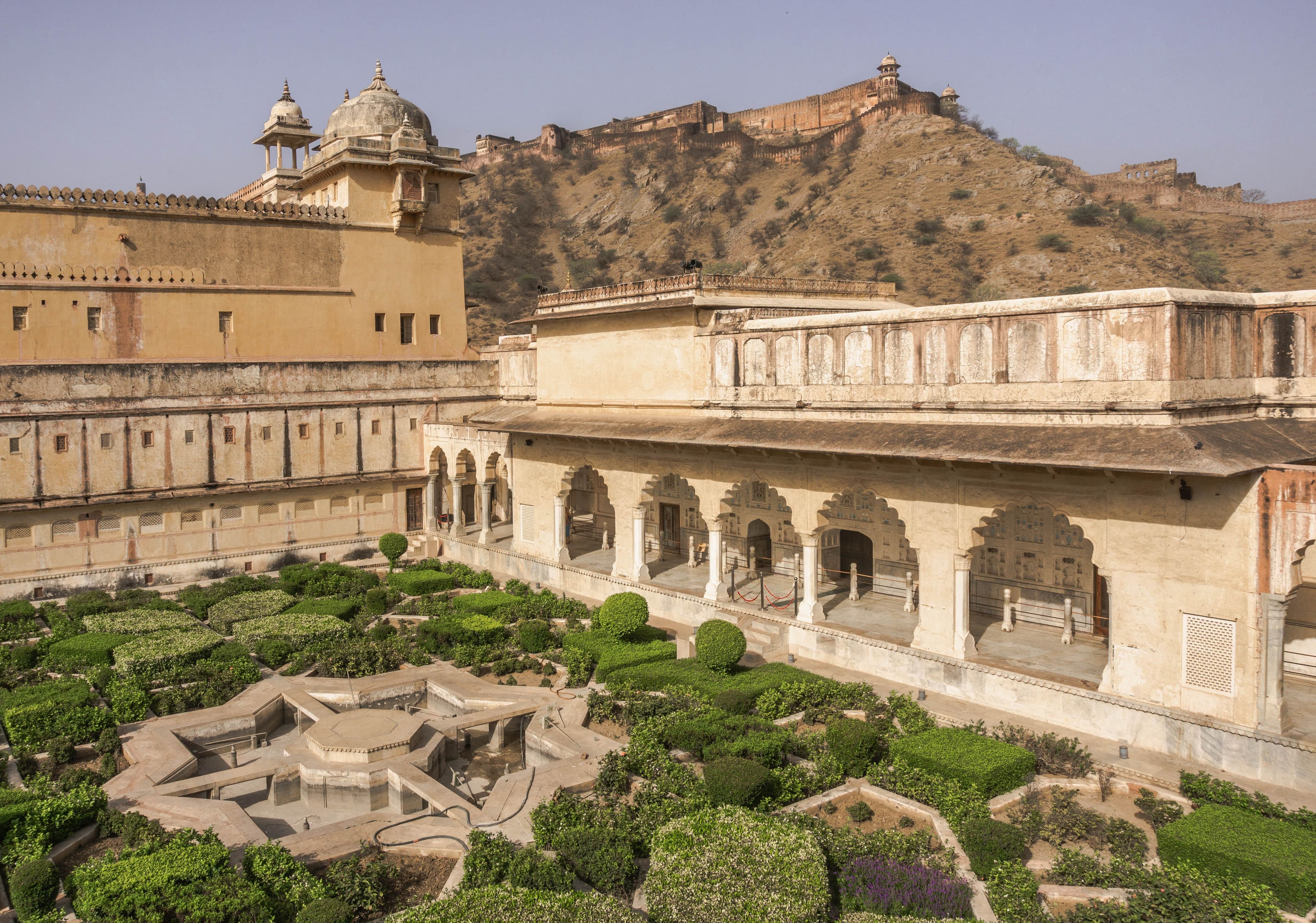
Jaigarh Fort, Jaipur
via unsplash
Jaigarh Fort, Jaipur
Jaigarh was the actual cannon foundry of the royal house of Jaipur. The cannon named Jaivana, created in 1720 at this foundry and the biggest wheeled cannon ever built, has been fired only once throughout its existence. Whatever you can conclude from that! It is joined with Amber through an underground passage, and your Amber Fort ticket allows you entry here as well. Fewer tourists take the additional effort here, which gives you an opportunity to enjoy the fort alone.
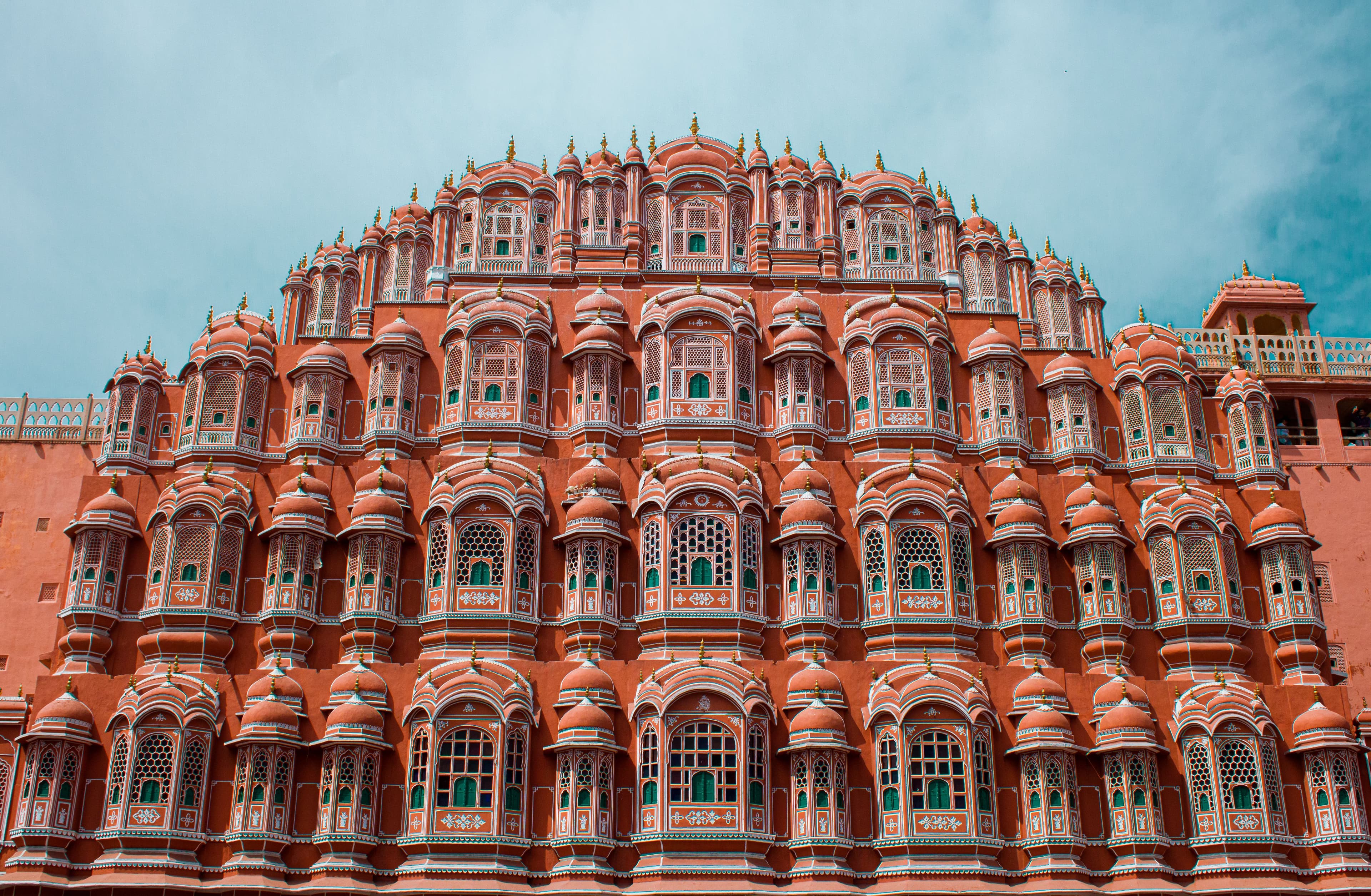
Hawa Mahal, Jaipur
via unsplash
Hawa Mahal, Jaipur
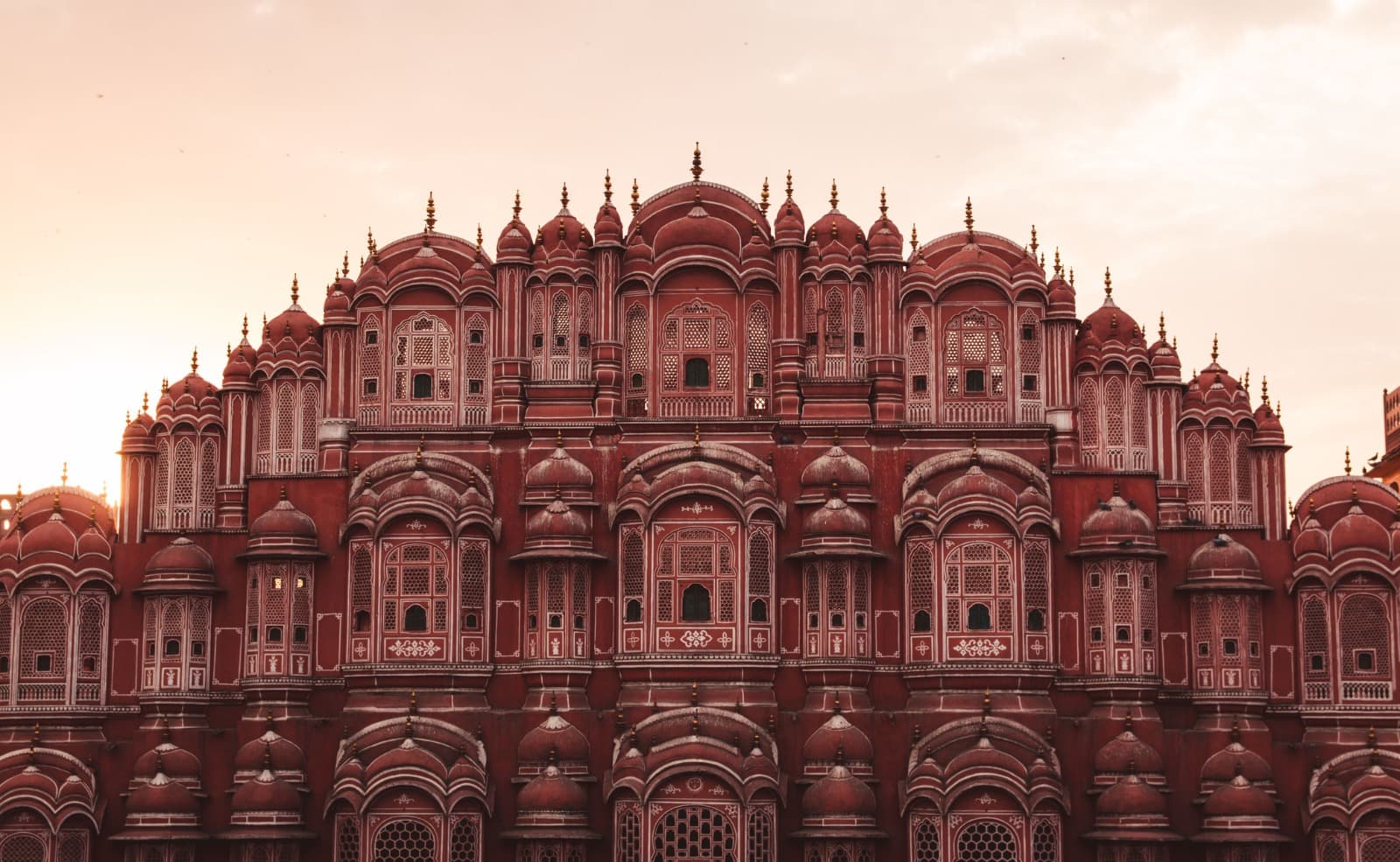
953 lattice windows spread across five stories of pink sandstone. Maharaja Sawai Pratap Singh ordered its construction in 1799 so that the ladies from the royal family could see street processions without anyone seeing them. Most tourists take a picture of this palace while standing on the road. Enter the palace. The view of the city of Jaipur from the screened windows is one perspective that the tourists miss out on.
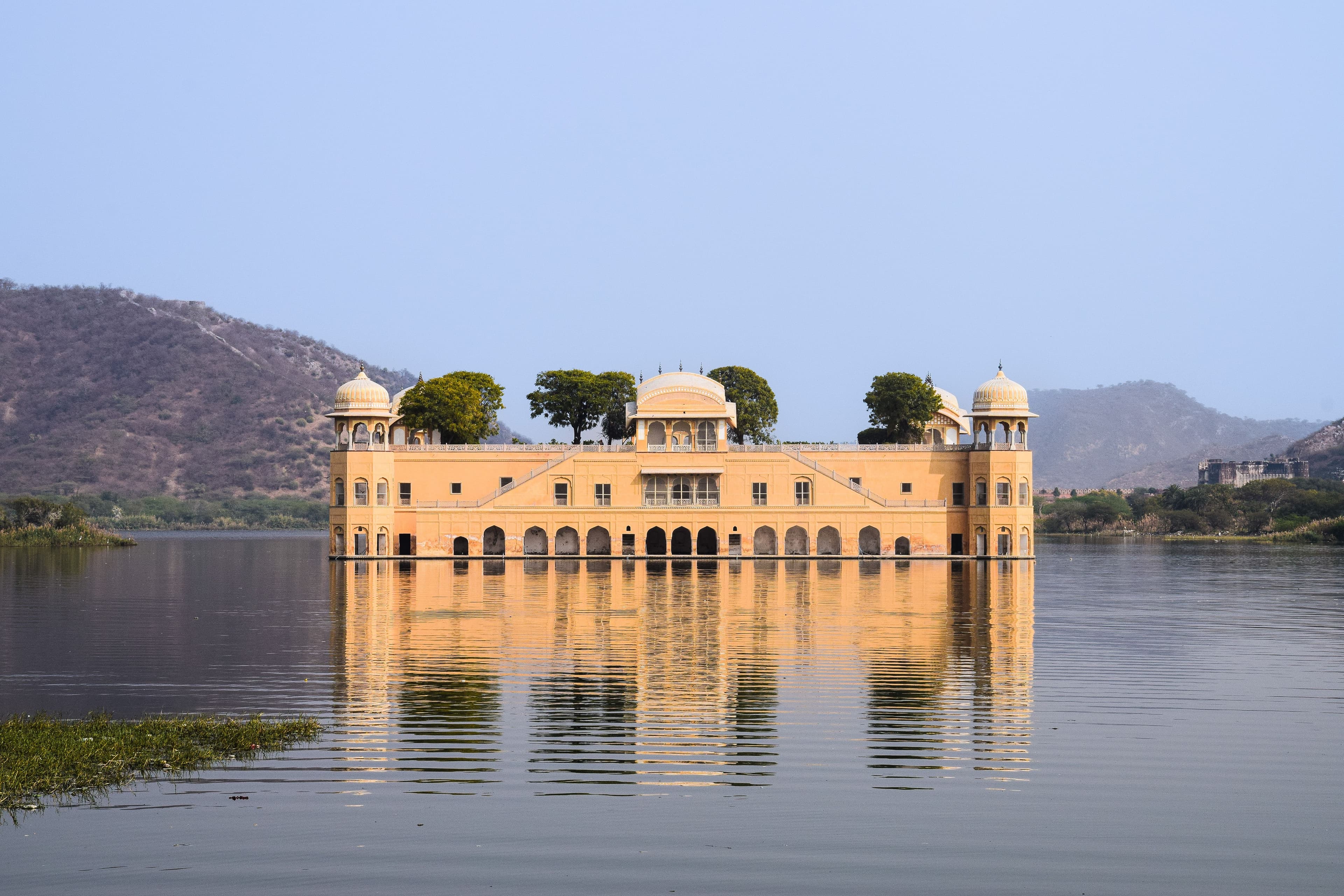
Jal Mahal, Jaipur
via unsplash
Jal Mahal, Jaipur
Four of its five floors are under water. This palace stands in the middle of Man Sagar Lake and was used by the maharajas for duck shooting - it seems like a rather exclusive use for a palace. Access inside this palace is not possible at present, but the lakeshore walk during dawn is really enchanting. For birdwatchers, the birds found in the lake itself can be reason enough to make a visit.
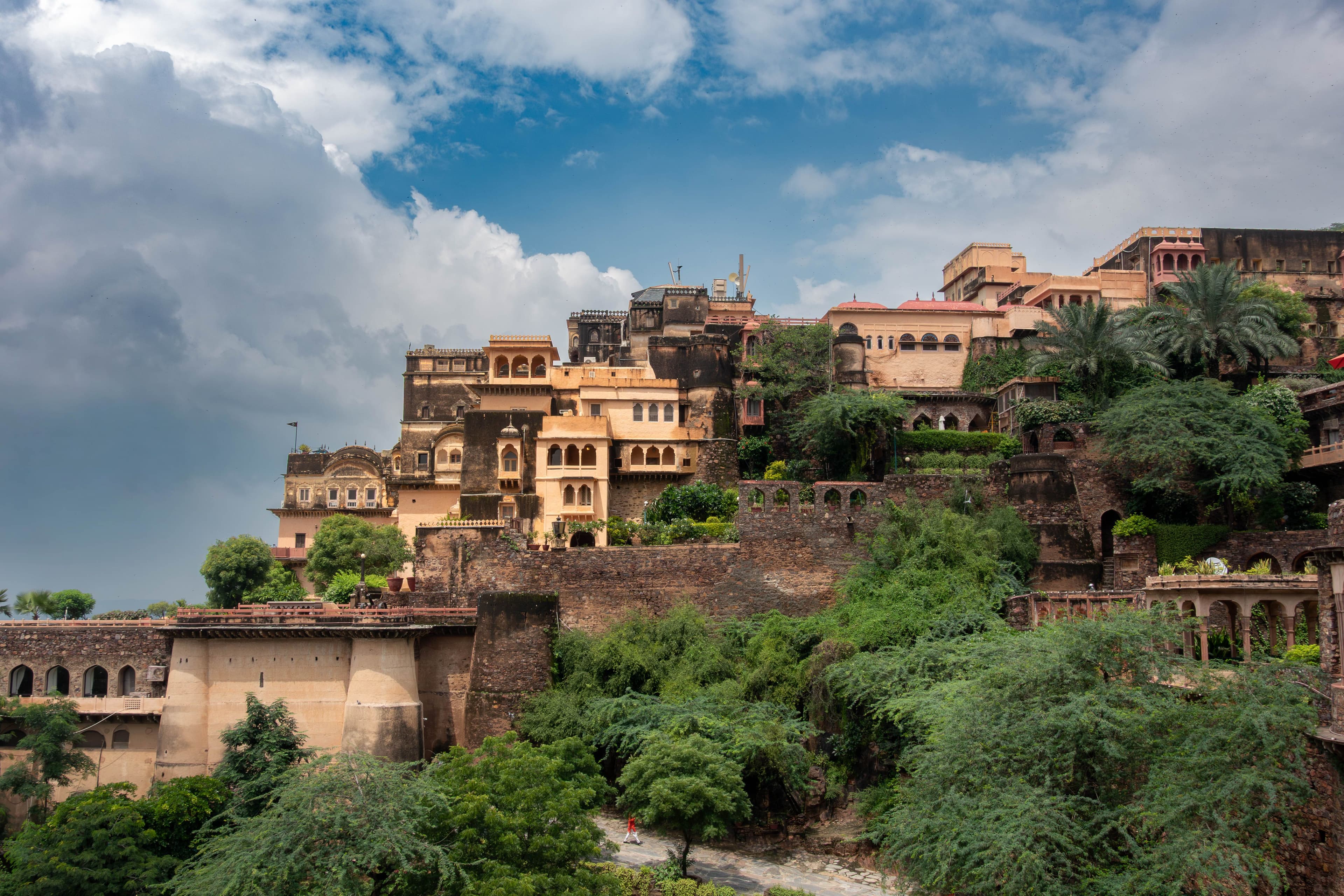
Neemrana Fort Palace
via unsplash
Neemrana Fort Palace
A fort dating back to the 15th century located on the Delhi–Jaipur highway and renovated as a heritage hotel. One of the oldest and among the best of its kind in India. It has several tiers of terraces built around a rocky hillside looking out onto the arid Aravalli landscape. Staying there overnight is not necessary.
Taragarh Fort, Bundi
via unsplash
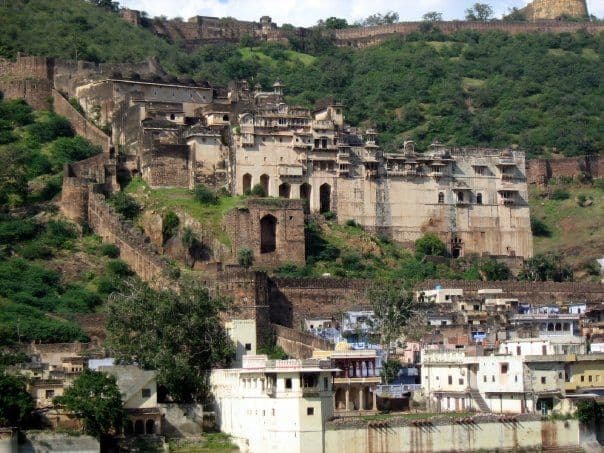
Taragarh Fort, Bundi
Everyone passes up Bundi. It is a shame that is becoming rarer, yet still frequent enough that visiting the fort seems an accidental discovery. 14th century battlements are half engulfed by the forest. The reservoirs are full. The summit will most likely be all yours. Visit it along with Bundi’s stepped wells and painted houses and make it your overnight halt - it’s worth doing so.
Frequently Asked Questions
Planning to explore Rajasthan's magnificent forts and palaces? Here are answers to some of the questions travellers ask us most before planning their heritage journey.
While Amber Fort is the most visited fort in Rajasthan, many travellers who complete the full circuit consider Mehrangarh Fort in Jodhpur the most memorable. Its exceptional preservation, dramatic setting above the Blue City, and outstanding museum make it one of India's finest heritage attractions.
The City Palace in Udaipur is an excellent place to begin exploring Rajasthan's royal palaces. Overlooking Lake Pichola, it combines magnificent architecture, beautifully curated museums, royal courtyards, and spectacular lake views that provide a wonderful introduction to Rajput history.
Yes. Six forts - Amber Fort, Chittorgarh Fort, Kumbhalgarh Fort, Jaisalmer Fort, Ranthambore Fort, and Gagron Fort—were collectively recognised as the 'Hill Forts of Rajasthan' and inscribed as UNESCO World Heritage Sites in 2013.
A journey covering Jaipur, Jodhpur, Jaisalmer, Udaipur, and Bikaner generally requires between 10 and 14 days. If you wish to visit only four or five major destinations, a well-planned seven-day itinerary is usually sufficient.
Nahargarh Fort provides one of the finest panoramic views over Jaipur, particularly at sunset when the city's lights begin to appear. For dramatic natural scenery, Kumbhalgarh Fort offers breathtaking views across the Aravalli Hills from its famous defensive walls.
Ready to Explore Rajasthan's Royal Heritage?
Let India Heritage Travel design a personalised Rajasthan itinerary featuring magnificent forts, royal palaces, luxury heritage hotels, and unforgettable cultural experiences - all planned around your interests, travel style, and preferred pace.
Plan My Rajasthan Journey