Rohet Travel Guide: Palace Life & Authentic Village Experiences
Most travellers see Rajasthan's forts and palaces from behind a velvet rope. Rohet is different. This Rohet travel guide is built around a small desert-lake village roughly 45 to 75 minutes south of Jodhpur, where a nearly four-hundred-year-old fort called Rohet Garh still functions as a family home, and where the neighbouring Bishnoi villages welcome guests the way they always have - with tea, quiet conversation, and a landscape that hasn't been dressed up for anyone. If you want Rajasthan without the tour-bus choreography, Rohet is where to find it.
What Is Rohet? A Quick Overview
Rohet is a small village in the Marwar region of Rajasthan , kind of sitting right on the edge of the Great Thar Desert , and built around a rather modest lake that has pulled in wildlife and settlers for centuries . Unlike Jodhpur or Jaipur , Rohet has no crowds, no ticketed monument circuit, and not really any obvious “sight” except the fort itself , which is sort of the point. It feels like the everyday rhythm of rural Rajasthan just keeps going on, pretty much undisturbed, even if you’re looking at it from the outside.
The place sort of grew around two main communities : the Rajput family , who have kept Rohet as their ancestral estate since the 1600s, and the Bishnoi farming communities in the nearby hamlets. Their religious commitment to conservation, has shaped the whole landscape, and not in a small way. Together, they make Rohet one of those more genuine stops in Rohet’s wider area for anyone actually chasing an authentic Rajasthan experience rather than something curated.
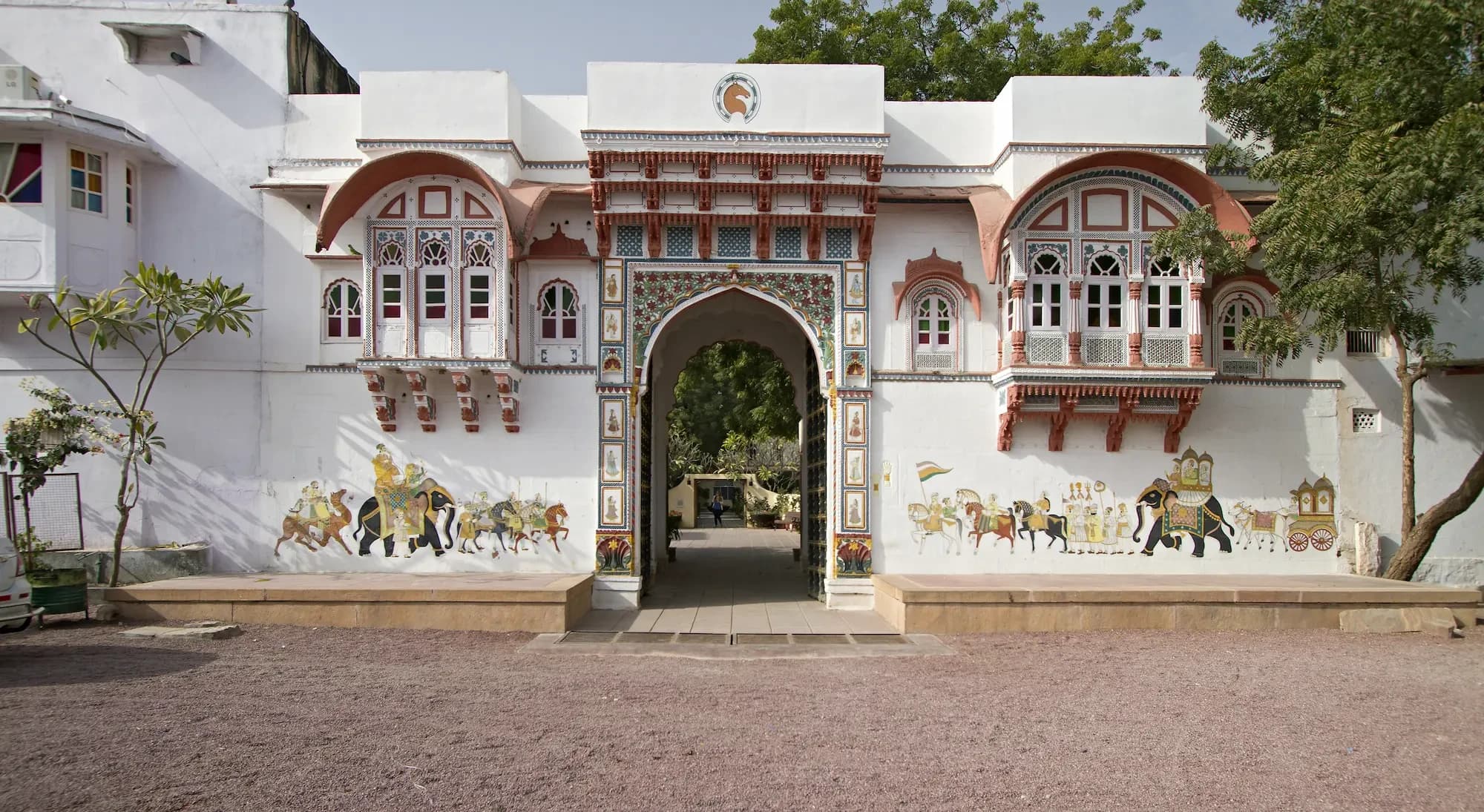
Image via rareindia.com
The History of Rohet Garh
In that lineage, one especially remembered person was Thakur Dalpat Singh II, who took the seat at Rohet in the early 1900s. He turned into a well known polo player, and he was linked with one of the time’s most admired international polo squads. Later he commanded the Jodhpur Lancers cavalry regiment and acted as a military advisor to the Maharaja of Jodhpur. When the twentieth century started reshaping India’s aristocratic world, the family’s part moved away from being strictly landowners, and more toward hospitality as a way of life.
That change got more formal around 1990, when the family opened the gates of Rohet Garh to paying guests for the first time. It was an early, and honestly unusual, trial back then for what people now call heritage tourism. The place also started the “village safari” idea in 1989, a style that let visitors reach Bishnoi hamlets in a respectful manner, with real local entry, instead of showing up like detached watchers. And even now, decades later, the same idea is still the top requested experience around the region.
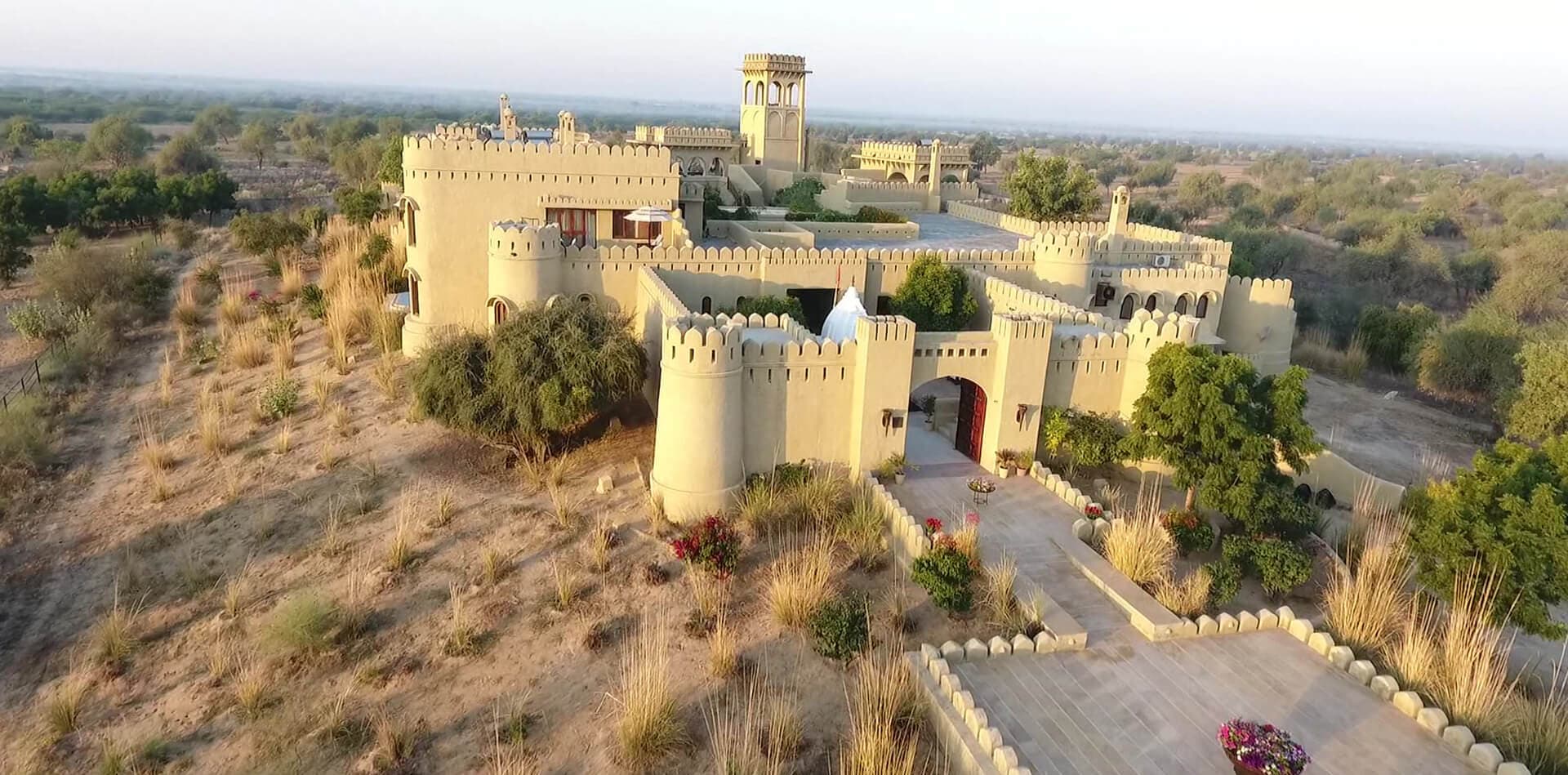
Image via houseofrohet.com
Architecture & Design of the Palace
Rohet Garh’s architecture sort of shows a long working life, more than one single big design moment, you know. The central courtyard was carefully restored, with marble flooring, a traditional arched veranda, and this small marble fountain tucked in and framed by bougainvillea - it feels calmer, almost more domestic. Like a quieter echo of the grand durbar halls you might see in Jodhpur’s city palaces, but scaled down in mood.
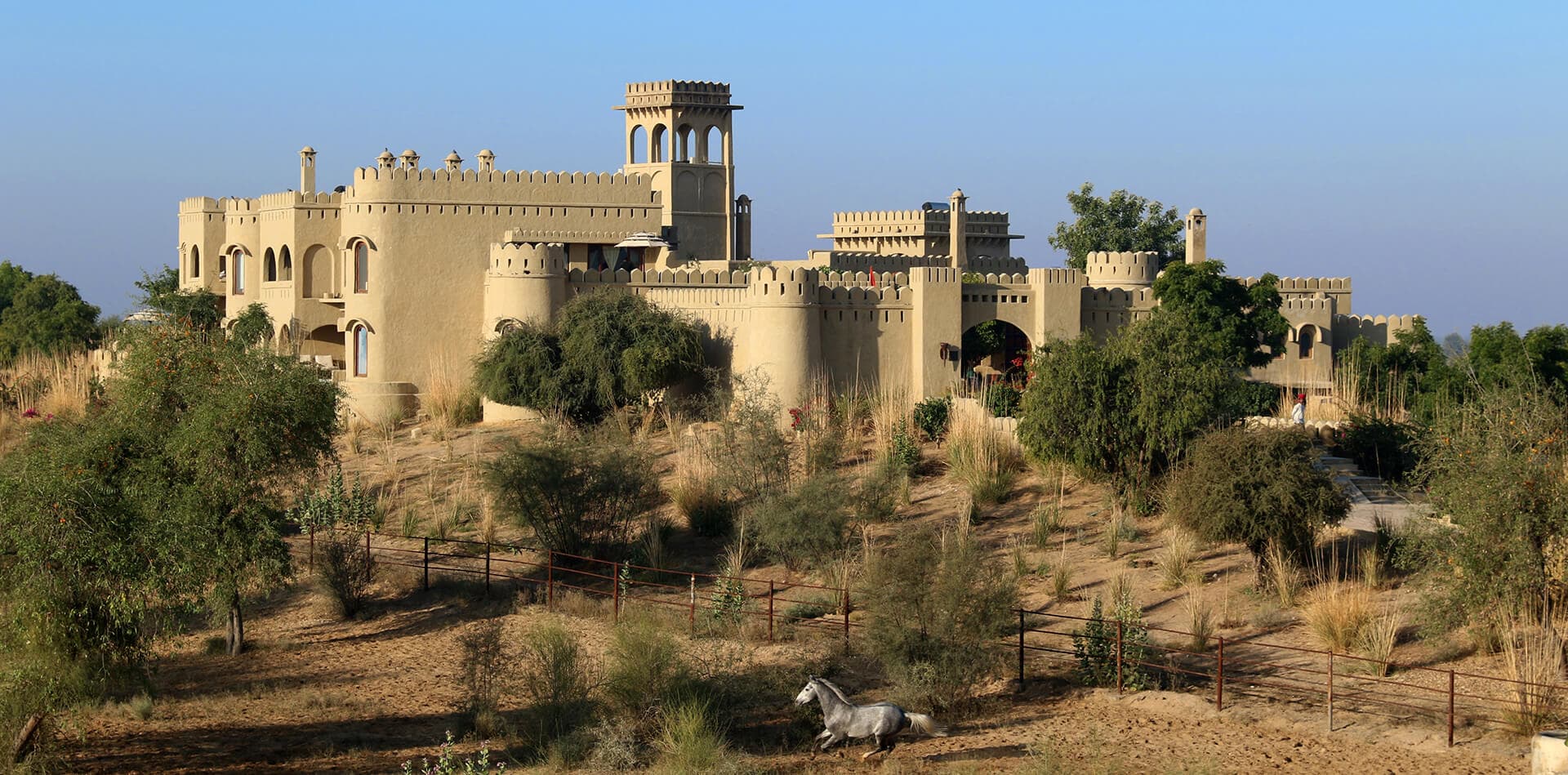
Image via houseofrohet.com
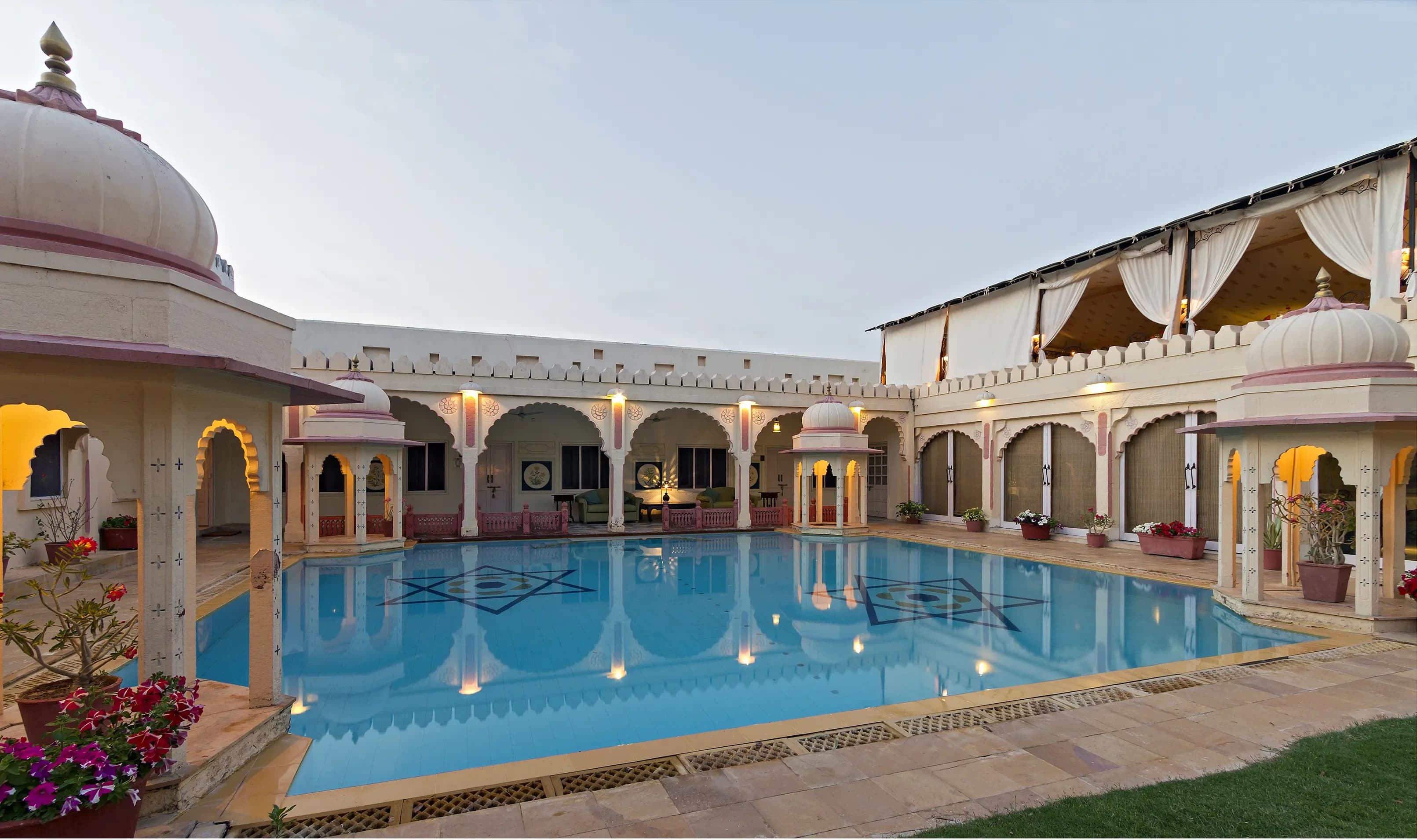
The palace features cream-coloured cupolas, painted mosaics, and colonial-era murals layered over Rajput architecture. Guest rooms are individually themed with hand-painted frescoes, carved ceilings, antique furniture, and traditional bedcovers - no two alike. Outside, a pavilion-lined pool, manicured lawns, and a lake-view terrace make it feel like a lived-in family home, not just a hotel.
The Bishnoi Community: Cultural Significance
No Rohet travel guide is really complete without the Bishnoi community, whose villages ring Rohet and somehow give the whole area that distinct, lived in feeling. The Bishnoi faith was started in 1485 by Guru Jambheshwar, who set down 29 guiding principles- the name Bishnoi basically comes from “bish” (twenty) and “noi” (nine), so it feels like a quiet count and most of those rules were about guarding trees, water and wildlife .
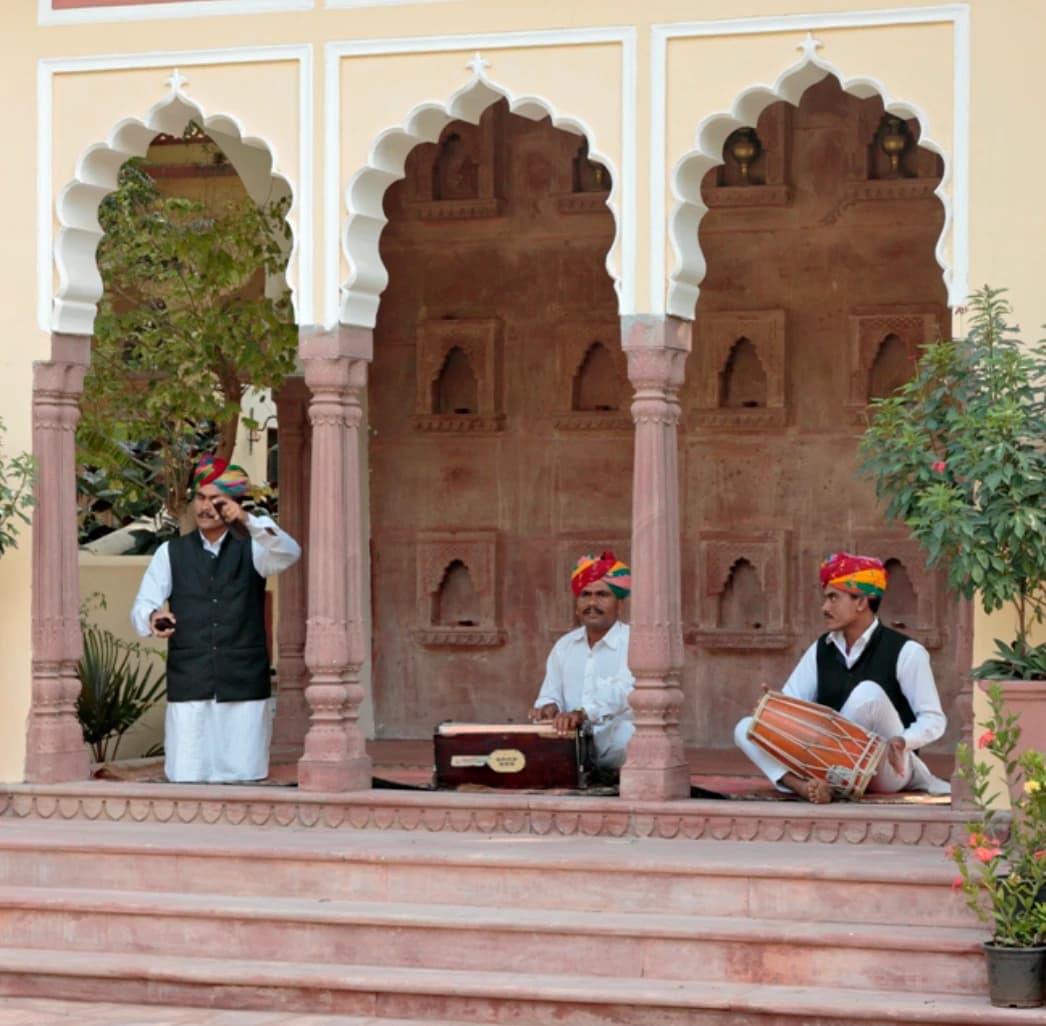
Image via rareindia.com
That resolve got tested in a big way in 1730, at Khejarli, a Bishnoi village not too far from here. When the soldiers of Maharaja Abhay Singh came, to cut khejri trees for palace building, a woman named Amrita Devi stepped forward in front of them, and said, a tree still matters even if it costs your own head. She, plus her daughters, were killed while holding onto the trees, no gentle space between them and the bark. Then the news kept traveling , reaching dozens of nearby villages, and eventually 363 Bishnois from 49 villages offered their lives to protect that grove. After that, the Maharaja stopped the felling, and issued a decree that permanently forbade tree cutting and hunting across Bishnoi land.
Major Attractions in Rohet
- • In Rohet the list of things to do is shorter than a city’s, but honestly each item runs deeper. Like you don’t just “see” it, you kind of get pulled in, quietly and a bit stubbornly.
- • Rohet Garh itself - the fort’s architecture, the family lineage, plus their stud of Marwari horses, one of the finest in the country.
- • Rohet Lake - not huge, but properly atmospheric, it holds resident and migratory birds, especially during winter.
- • Bishnoi villages around Rohet - you can do home visits with Bishnoi families, meet Raika shepherds in their distinctive clothing, and also hear about Meghwal and Paliwal weaving and farming life.
- • Village craft demonstrations - pottery, block printing, and hand-weaving, you’ll often catch them mid action, rather than something set up for visitors.
- • The Marwari horse stables - an opportunity to watch (and ride) this desert breed with that inward-curving eared look.
Best Experiences & Things to Do in Rohet
The Bishnoi Village Safari
So this is Rohet’s signature thing,and honestly for a lot of guests it’s also the whole reason they even show up in the first place. You hop onto a jeep or go by horseback and you move between Bishnoi hamlets , with little pauses to meet local families,see weavers and potters up close while they work, and basically get a feel for how the community handles conservation , not just as a concept but as everyday practice. And because getting in there really depends on personal ties built over decades, this is one kind of Rajasthan village experience that can’t be done the same way with some generic day tour.
Wildlife & Blackbuck Safaris
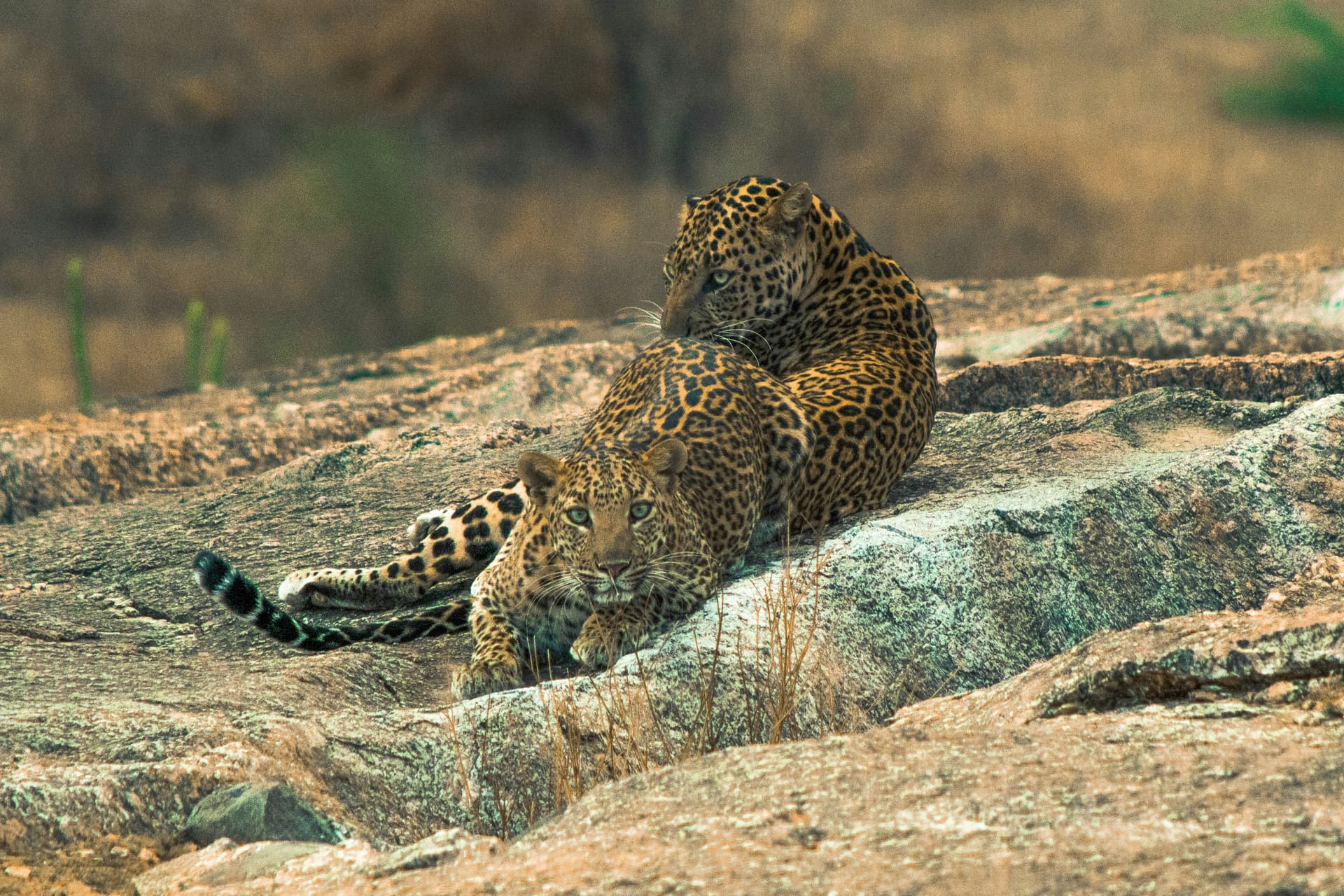
A Rohet wildlife safari is kind of equal parts ecology and scenery. The Bishnoi tradition is protective in a way that’s more than just “tolerating” animals. so blackbuck and chinkara graze near human homes without bolting away,and that makes for a rare, almost close-up wildlife encounter,for Indian safari standards anyway.
Horse & Camel Safaris
At Rohet Garh, Marwari horses are there for guided rides through the nearby scrubland, and if you prefer something gentler,camel safaris cover that same desert landscape at a slower pace, still atmospheric as anything, especially when the sun is dropping toward sunset.
Photography
Photography, with palace architecture kind of in the mix, plus desert light that can feel unreal, and those Bishnoi village routines too. Then there’s the resident wildlife that keeps showing up… Rohet really suits people who shoot for photographers, and who plan their whole session around that early morning softness, and the late afternoon golden spell.
Responsible & Sustainable Tourism
Village visits here run through long-established family relationships, not through rigid fixed ticketed stops,so Rohet’s approach ends up leaning very naturally toward community-based tourism and sustainable travel.
Nearby Attractions
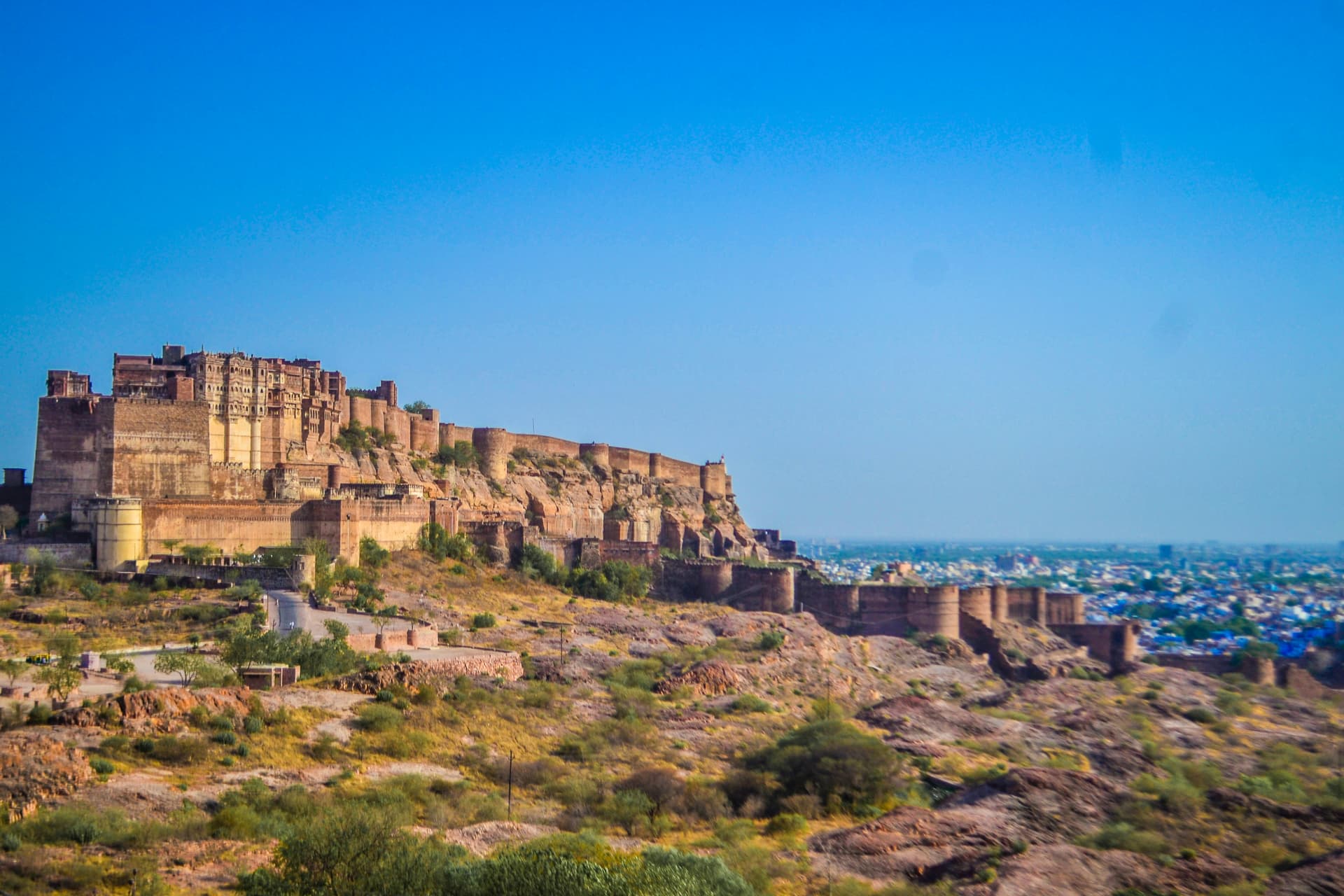
- • Jodhpur (about 45–75 minutes) - you can wander at Mehrangarh Fort, drop by Umaid Bhawan Palace, and then drift through the Sardar Market lanes, spice and textile style, kind of noisy but nice.
- • Jodhpur (about 45–75 minutes) - you can wander at Mehrangarh Fort, drop by Umaid Bhawan Palace, and then drift through the Sardar Market lanes, spice and textile style, kind of noisy but nice.
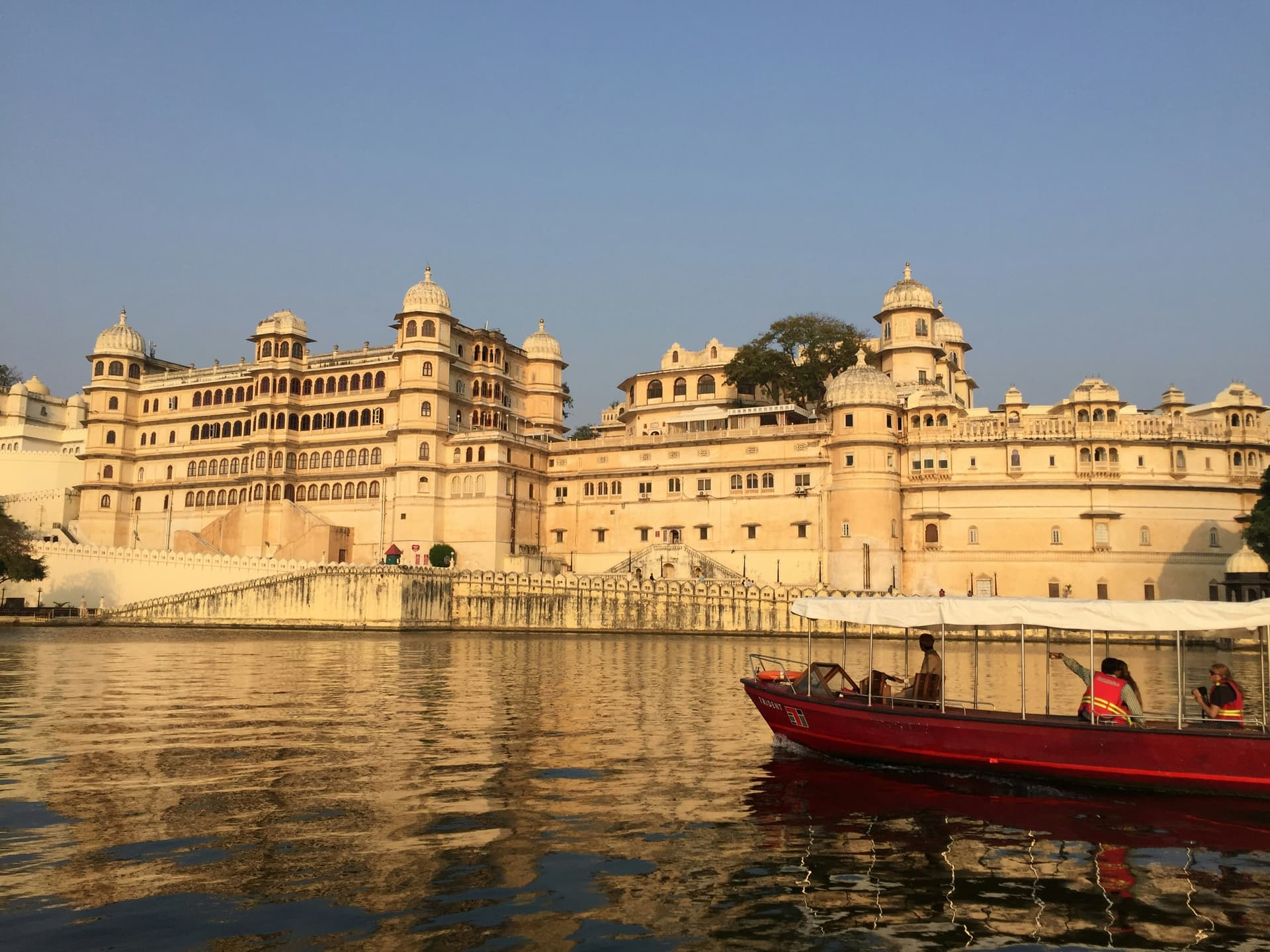
- • Ranakpur - those intricately carved marble Jain temples, really worth the detour while you’re heading towards Udaipur.
- • Ranakpur - those intricately carved marble Jain temples, really worth the detour while you’re heading towards Udaipur.
- • Ranakpur - those intricately carved marble Jain temples, really worth the detour while you’re heading towards Udaipur.
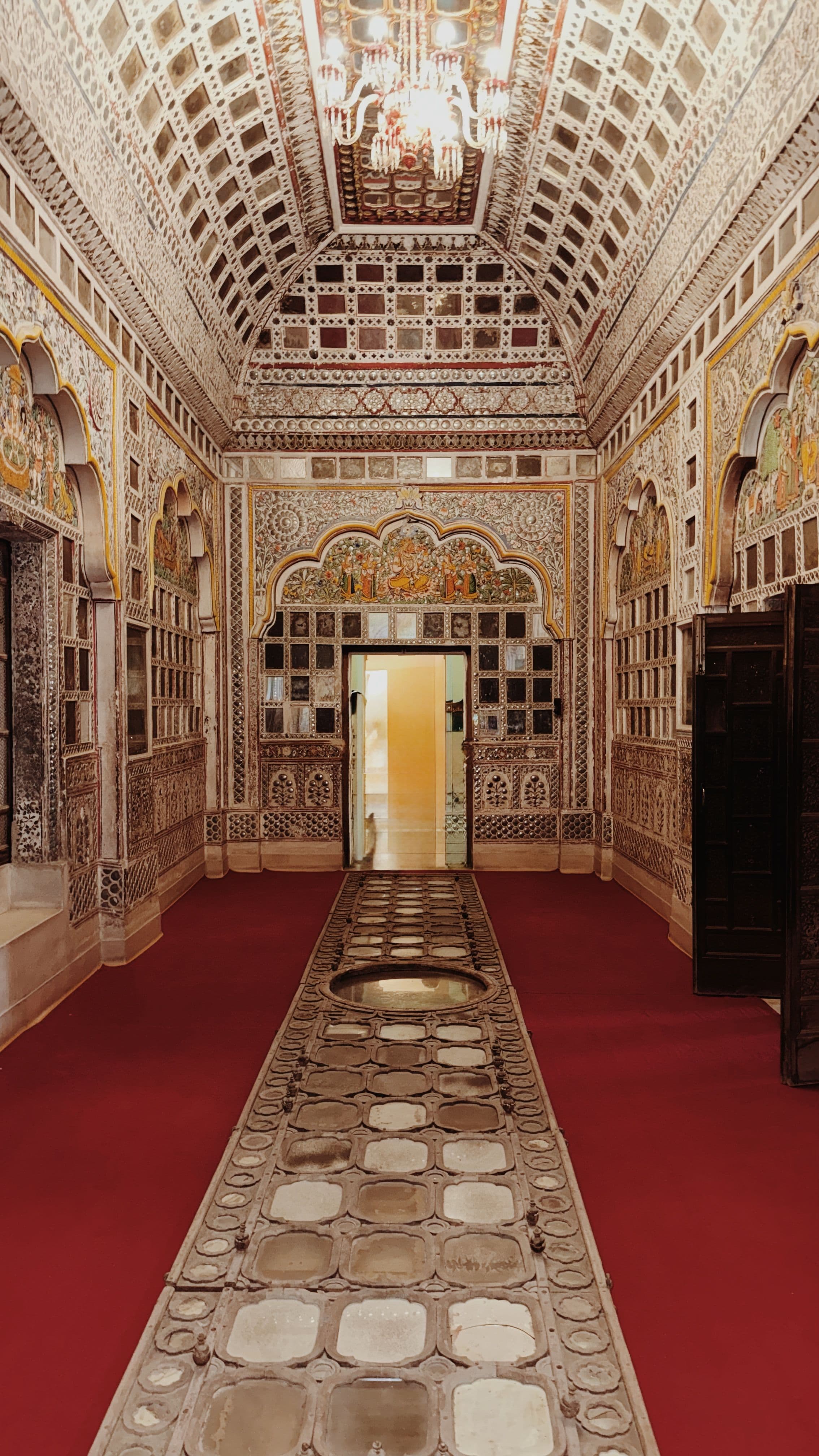
Luxury Travel Tips
Image via pexels
Luxury Travel Tips
Opt for private transfers and book lake-view suites early to secure the best themed rooms. Request a private after-hours safari to explore beyond the usual schedule. Pair Rohet with Mihir Garh for a perfect blend of heritage and ultra-luxury desert living.
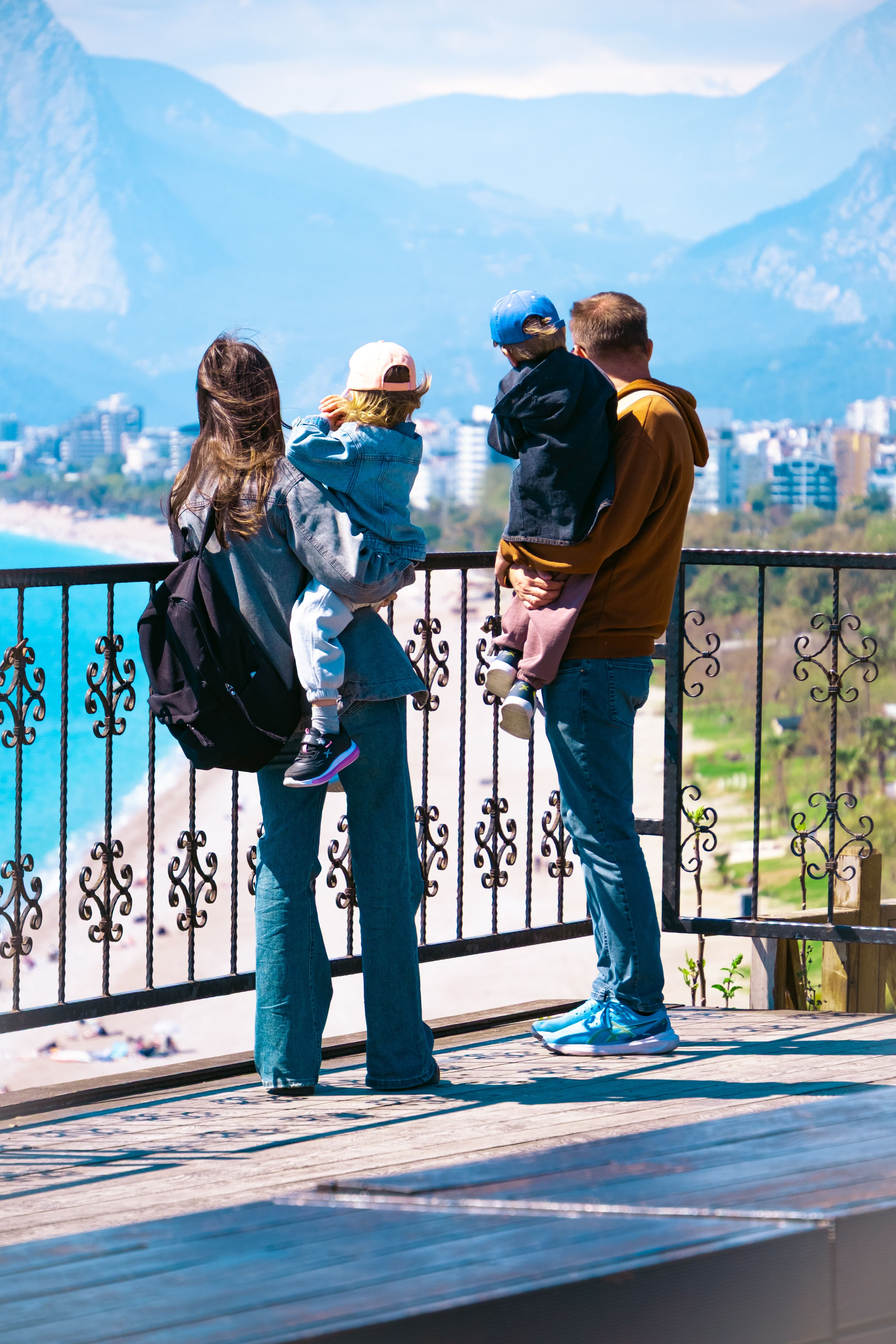
Family Travel Tips
Image via pexels
Family Travel Tips
ohet's jeep safaris are great for children with minimal crowding. Book interconnecting rooms early and limit activities to one safari and one village visit per day. The pool and lawns make for easy, low-effort afternoons between outings.
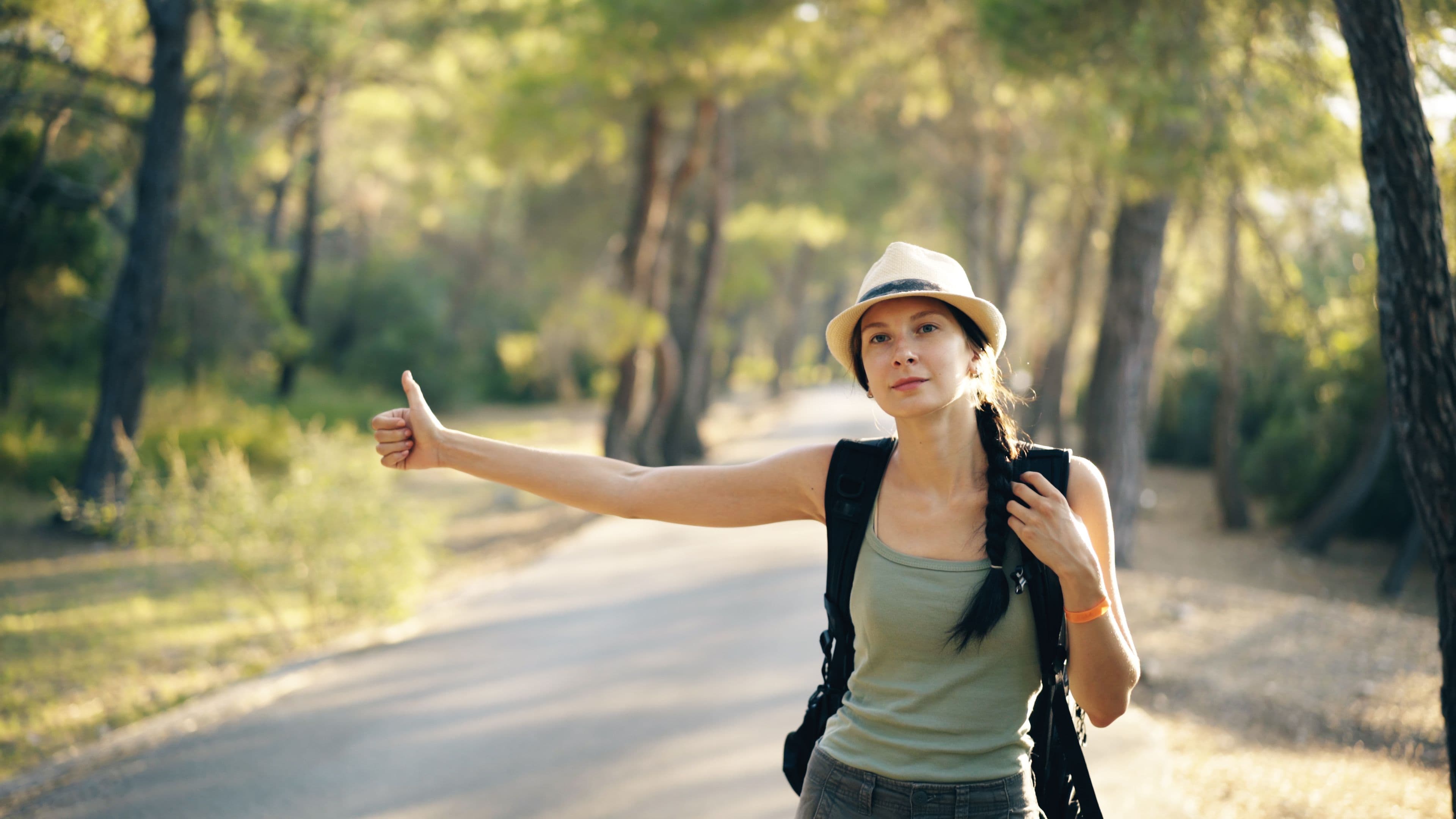
Solo Female Traveler Tips
Image via pexels
Solo Female Traveler Tips
Rohet Garh's family-run hospitality offers personal safety and warmth. Dress modestly for villages, book safaris through the property, and avoid rural lanes after dark. India Heritage Travel ensures women-safe logistics - checked drivers and guided access - for solo female travellers.
Practical Travel Guide
Best Time to Visit Rohet
Honestly October till March is usually best, days feel easy and warm enough for safaris and horse rides, but nights turn cool. Also November to February is when you can spot migratory birds coming by Rohet’s lake, quite lovely. Summer, April–June can be pretty intense with heat so it’s better to skip outdoor plans then. Monsoon, July–September is quieter though it can reduce some village-road access and that can be a bit annoying.
How to Reach Rohet
The closest airport and railhead is Jodhpur, it’s around 45 to 75 minutes by road, depends on route and traffic. This is the straightforward and most common path people use to get to Rohet. If you’re coming from Udaipur, expect roughly a five-hour drive, so Rohet works well as an overnight pause on the way, not really as a big detour.
Entry and Ticket Details
Rohet Garh is privately owned, family-run, and it’s not a government-ticketed monument. So there isn’t some separate public entry fee. Village visits plus safaris are set up straight Image via the heritage hotel, or through a tour operator like India Heritage Travel, and in many cases they’re included with your stay or added on as an extra experience.
Suggested Duration
One night usually covers the basics without rushing. Two nights gives you a dawn wildlife safari, a village craft demonstration, and more breathing room between those longer Rajasthan drives.
Packing Tips
Lightweight, breathable, modest clothing works best year-round, with a warm layer for winter evenings when desert temperatures can drop sharply after sunset. Comfortable walking shoes are essential for the fort's uneven stone stairways, and a scarf or shawl is useful both for sun protection and for visiting temples and cenotaphs.
Suggested Itinerary for Rohet
Half-Day Stopover
- • Morning: Arrival, welcome tea, palace walk-through
- • Midday: Rajasthani lunch on the veranda
- • fternoon: Short jeep ride to a nearby Bishnoi hamlet
Full One-Day Visit
- • Morning: Heritage tour of Rohet Garh, Marwari horse ride
- • Midday: Lunch, rest by the pool
- • Afternoon: Full Bishnoi village safari - homes, crafts, weavers
- • Evening: Sundowners at the lake, folk music, dinner
Two-Day Immersion
- • Day 1 - Morning: Arrival, courtyard breakfast, lake walk
- • Day 1 - Midday: Leisurely lunch, siesta in a frescoed room
- • Day 1 - Afternoon: Village safari
- • Day 1 - Evening: Sundowners, folk music, dinner
- • Day 2 - Morning: Dawn blackbuck & chinkara safari
- • Day 2 - Midday: Craft demonstration
- • Day 2 - Afternoon: Farewell lunch, departure
Why Choose India Heritage Travel
Rohet rewards travellers who move beyond the surface - and that's where India Heritage Travel excels. We craft every Rohet plan with private chauffeur transfers, customised pacing, curated luxury stays, expert local guides with genuine Bishnoi village connections, women-safe planning, and seamless end-to-end service. Reach out to weave Rohet into a private, fully customised Rajasthan itinerary.
Frequently Asked Questions About Rohet
Rohet is best known for Rohet Garh, a 16th-century fort-turned-heritage-hotel owned by the same Rajput family for four centuries, and its neighbouring Bishnoi villages - where centuries-old conservation traditions allow blackbuck and chinkara to live comfortably alongside people.
Rohet Garh is a working heritage hotel and private family home - best experienced by guests booked for a stay, meal, or scheduled village safari, not as a walk-in stop. India Heritage Travel can arrange a lunch visit, half-day safari, or full overnight stay to suit your itinerary.
Rohet sits roughly 45 to 75 minutes south of Jodhpur by road, depending on traffic and the exact route, which makes it an easy add-on to a Jodhpur stay or a natural stopover between Jodhpur and Udaipur.
October to March is the ideal time - cool mornings and evenings are perfect for horse rides, jeep safaris, and Bishnoi village walks. November to February adds migratory birds to Rohet's lake - a bonus for birdwatchers.
One night is enough to cover the palace, a village safari, and a wildlife drive at an unhurried pace; two nights allow time for a dawn safari, a craft demonstration, and a proper rest between longer Rajasthan drives.
Planning a Rohet Heritage Experience?
India Heritage Travel crafts private Rajasthan itineraries - Rohet Garh, Bishnoi village safaris, and wildlife experiences - combined with Jodhpur, Udaipur, and the broader Marwar region.
Plan My Rohet Heritage Tour