India Weather by Month: A Complete Season-by-Season Travel Guide
Getting to know India weather by month is the one single most useful bit of research you can do before booking a trip, because no other big travel destination puts so many different climates into one country. On the same January day, Rajasthan may wake up to a crisp 8°C desert chill while Kerala is sitting in humid 30°C, and Ladakh is, essentially tucked under snow at minus temperatures. If you treat India like it’s just one climate then you can end up in Delhi during peak summer heatwave or in Mumbai when the monsoon decides to fully open its curtain, all without really meaning to.
This guide breaks India weather down month by month and region by region, so you can line up your travel dates with the exact vibe you’re chasing—like dry desert evenings in Jodhpur, monsoon-dark backwaters in Kerala, or wildflower season creeping through the Himalayan foothills.
via pexels
Understanding India's Climate: Why One Country Has So Many Weathers
India’s climate kinda gets pulled by three main forces, latitude, the Himalayan wall sitting up north, and these monsoon winds that switch direction twice in a year. The Himalayas act like a barricade so cold Central Asian air can’t just sweep down south easily, so most of the country stays warmer than you’d expect from its latitude alone. At the same time, the southwest monsoon plus the northeast monsoon, bring almost all of India’s yearly rainfall in heavy bursts, more like sudden downpours rather than a smooth, even spread across the months. So you end up with tropical coastlines, then an arid desert around the west, subtropical plains further north, and even alpine conditions up in the Himalayan region, sometimes all within only a few hours of each other by flight.
India's Four Seasons Explained
Winter (November – February)
via pexels
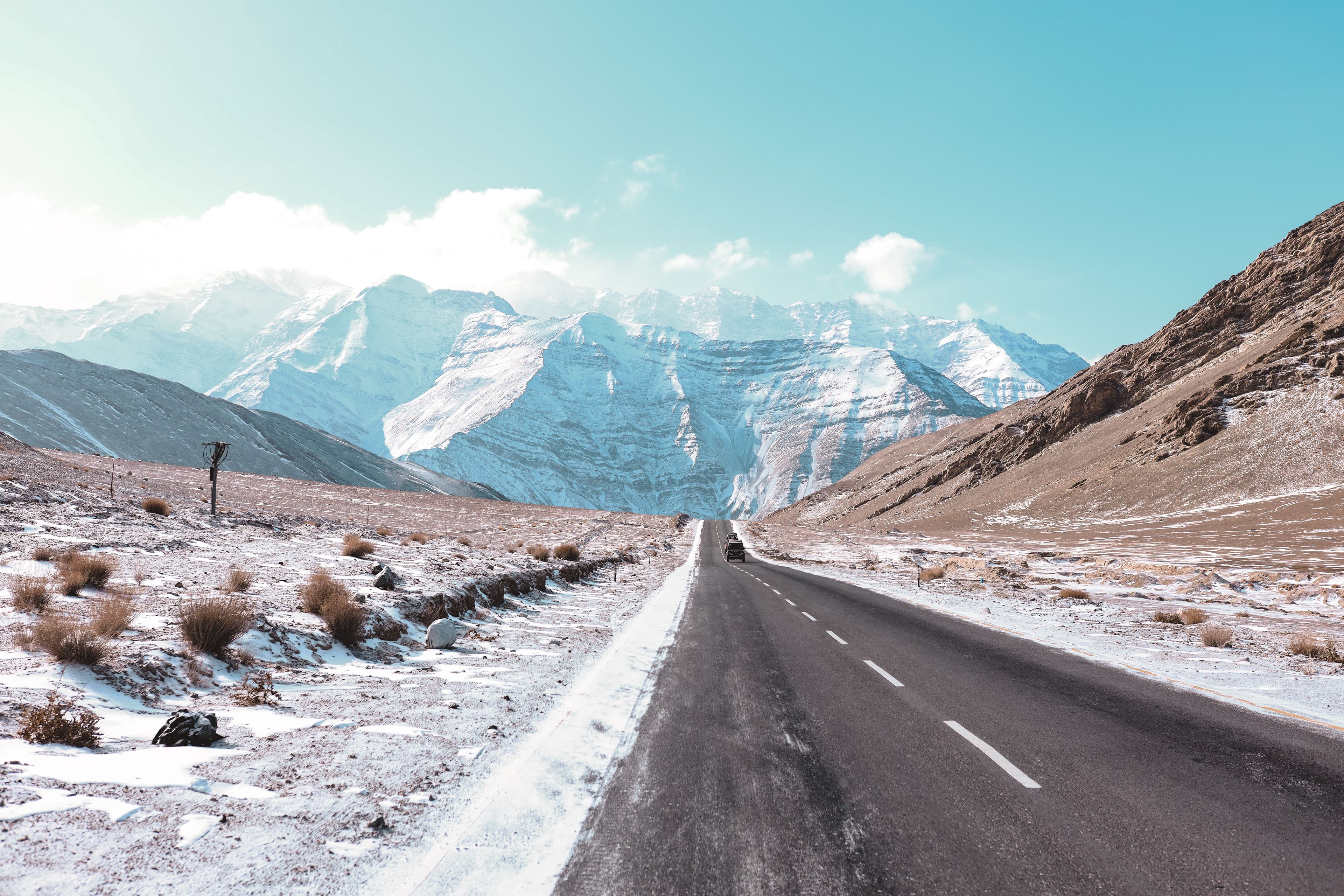
Winter (November – February)
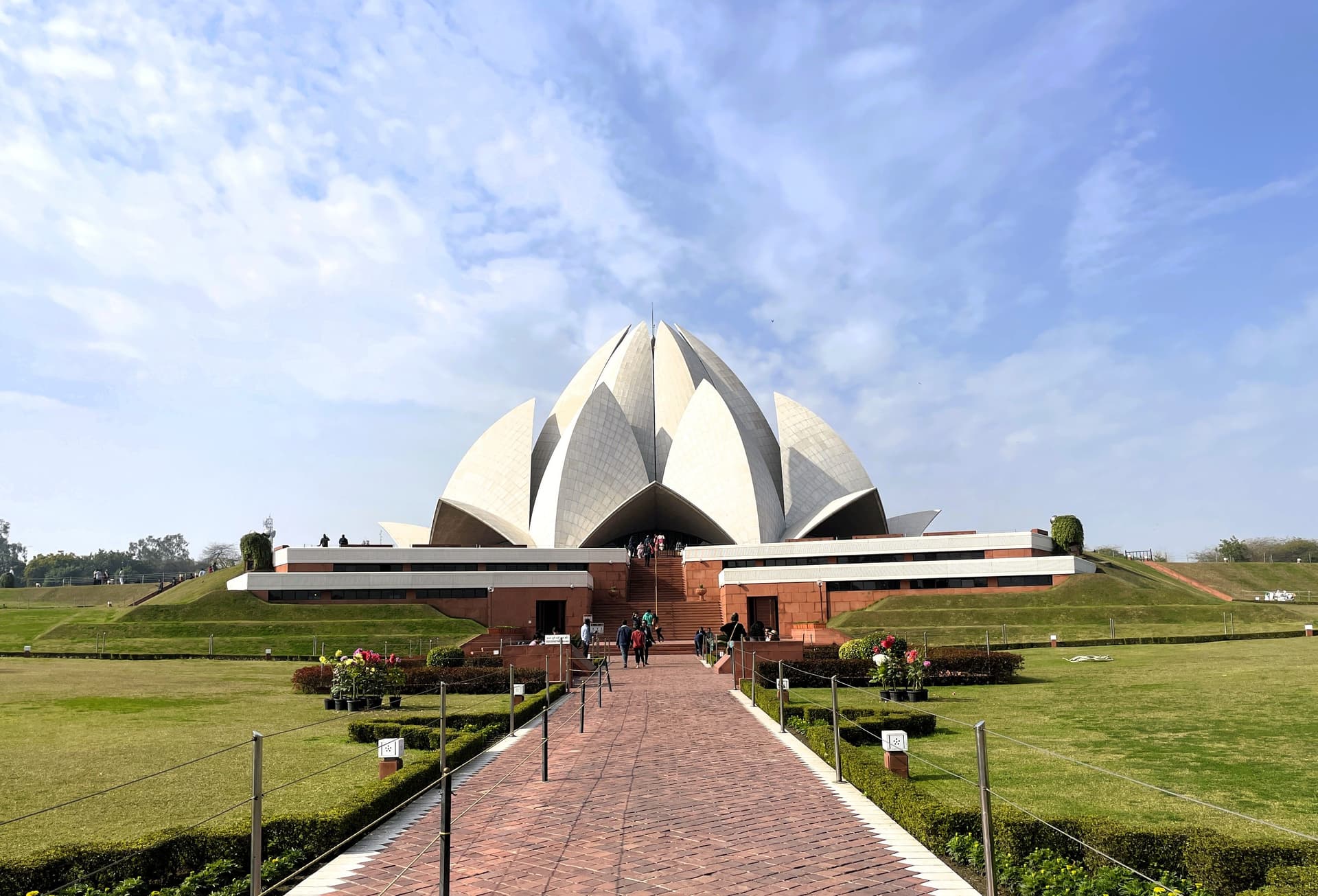
October to March offers warm, dry days across most of India, with cold nights in Rajasthan and the north - perfect for heritage touring. This is peak season for the Golden Triangle and Rajasthan, when conditions feel "just right.
Summer (March – June)
via pexels
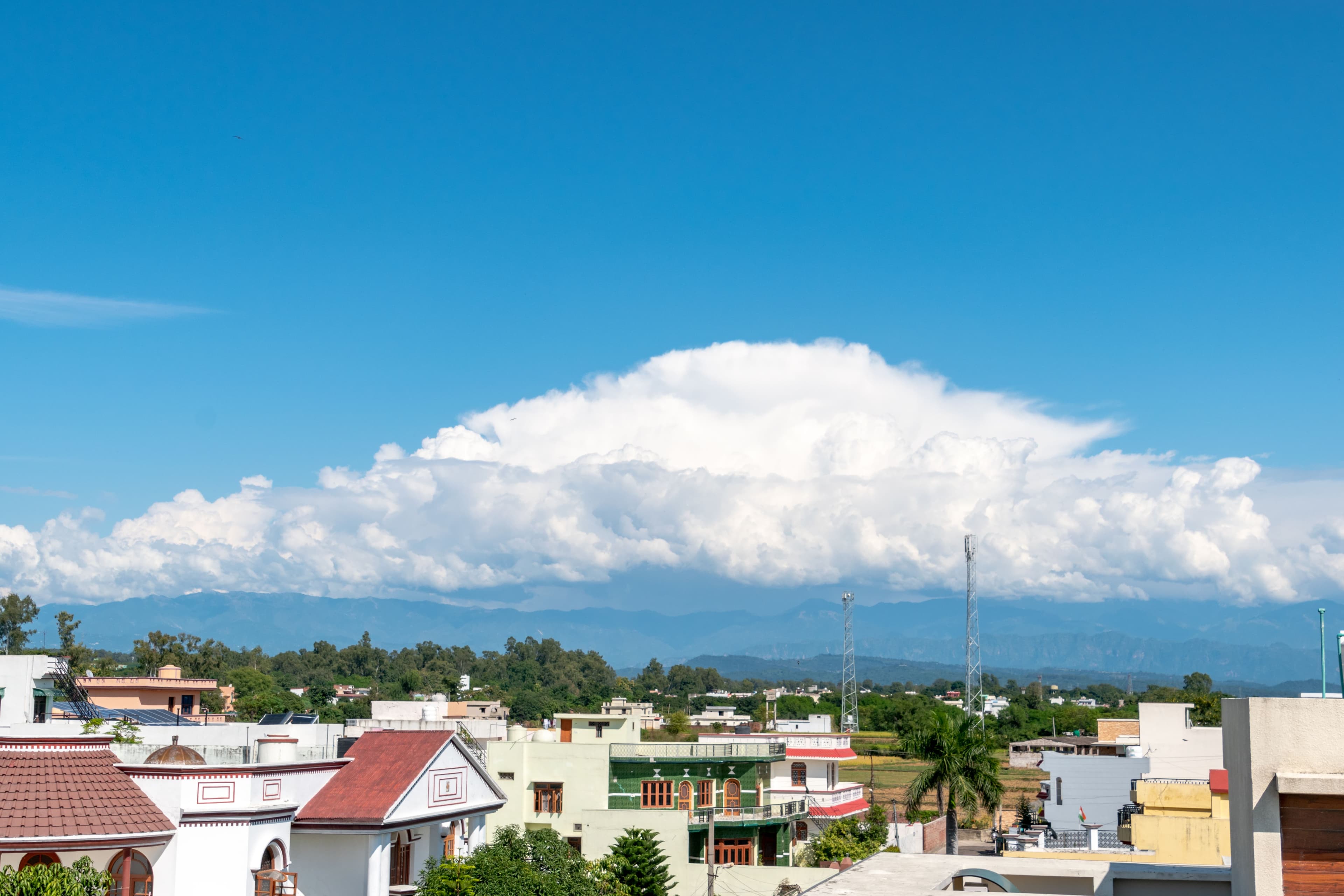
Summer (March – June)
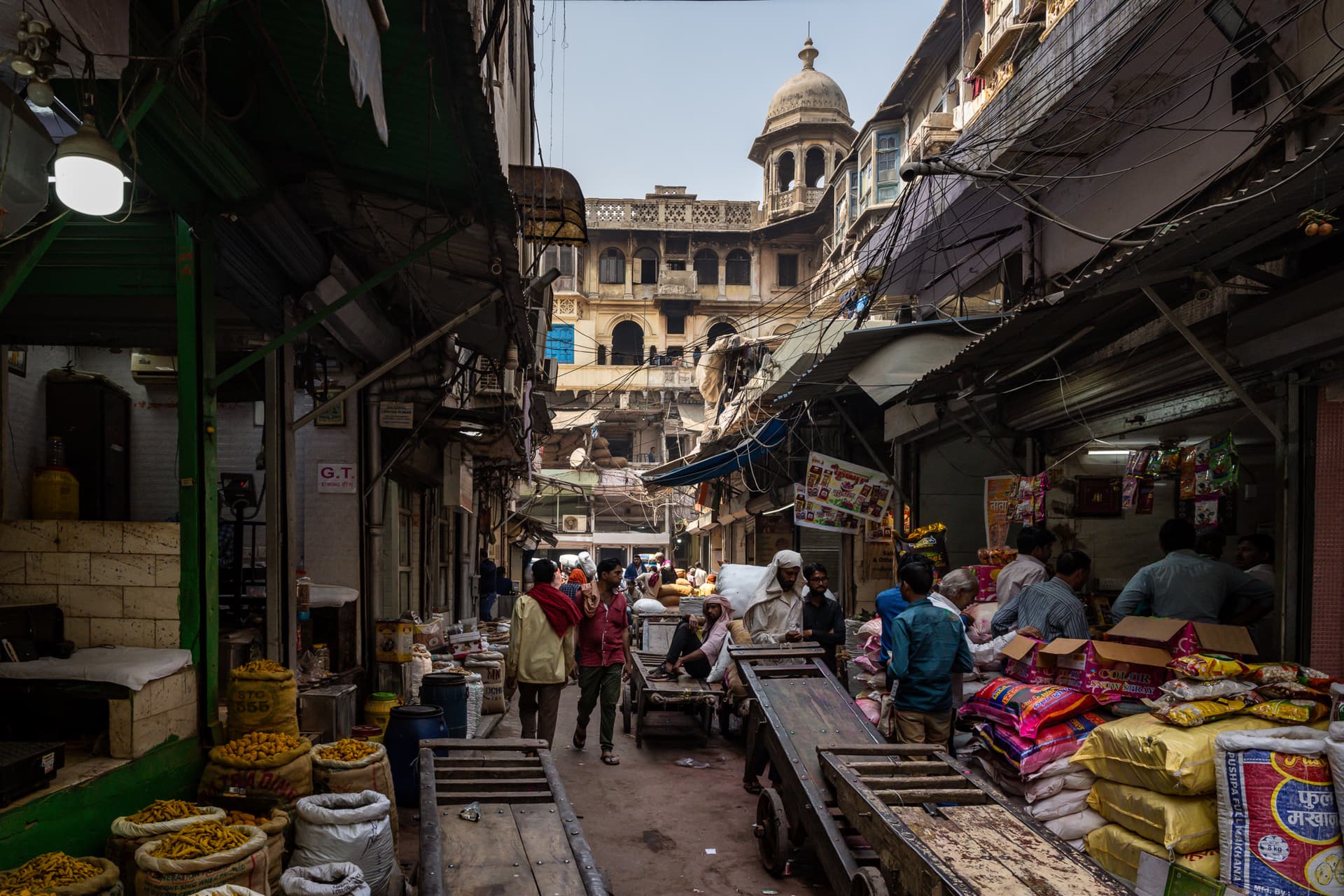
Temperatures climb from March, peaking at 40°C+ in May–June across the northern plains and Rajasthan - not ideal for desert heritage touring. However, it's a great time to head to the Himalayan foothills for cooler mountain air.
Monsoon (June – September)
via pexels
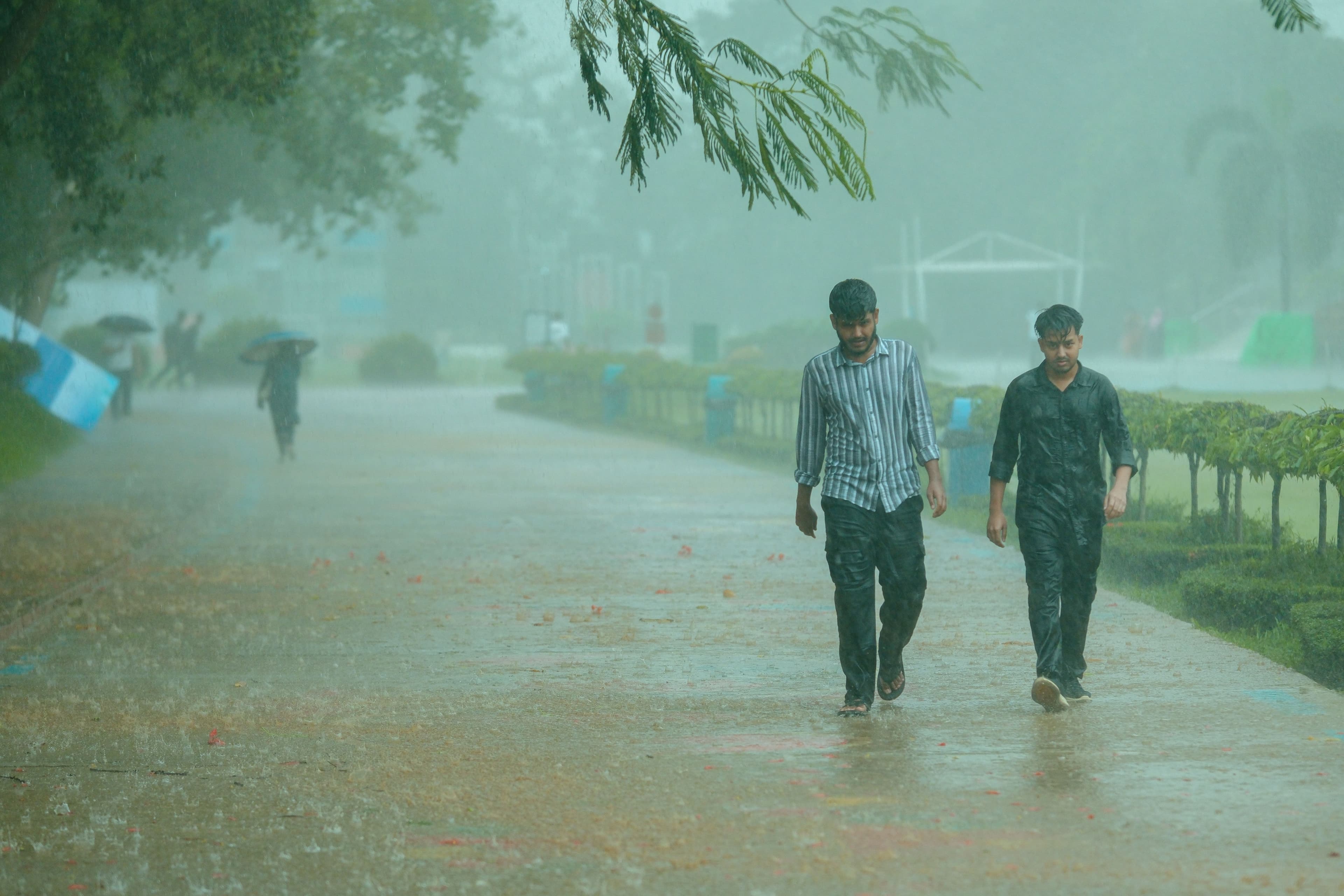
Monsoon (June – September)
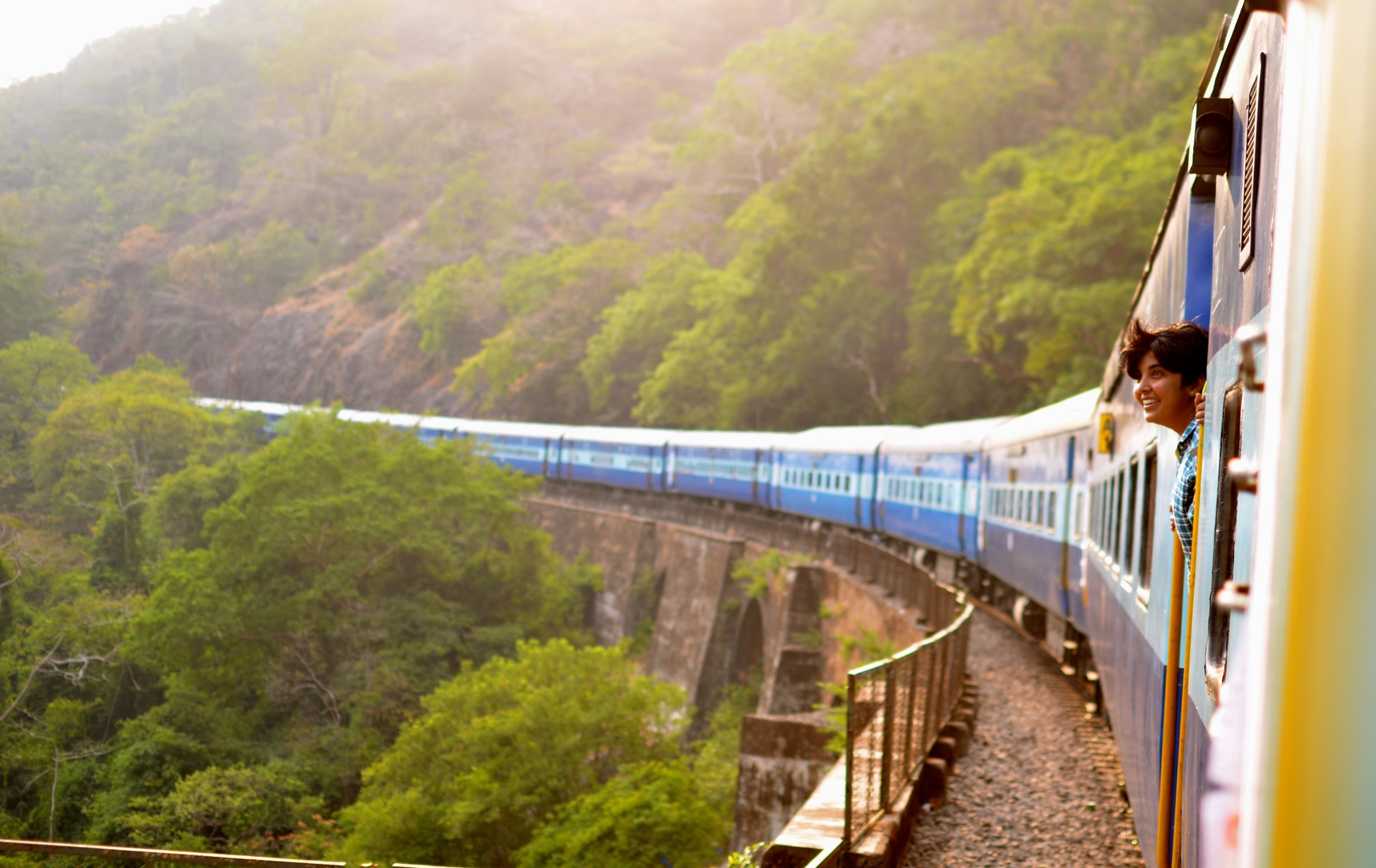
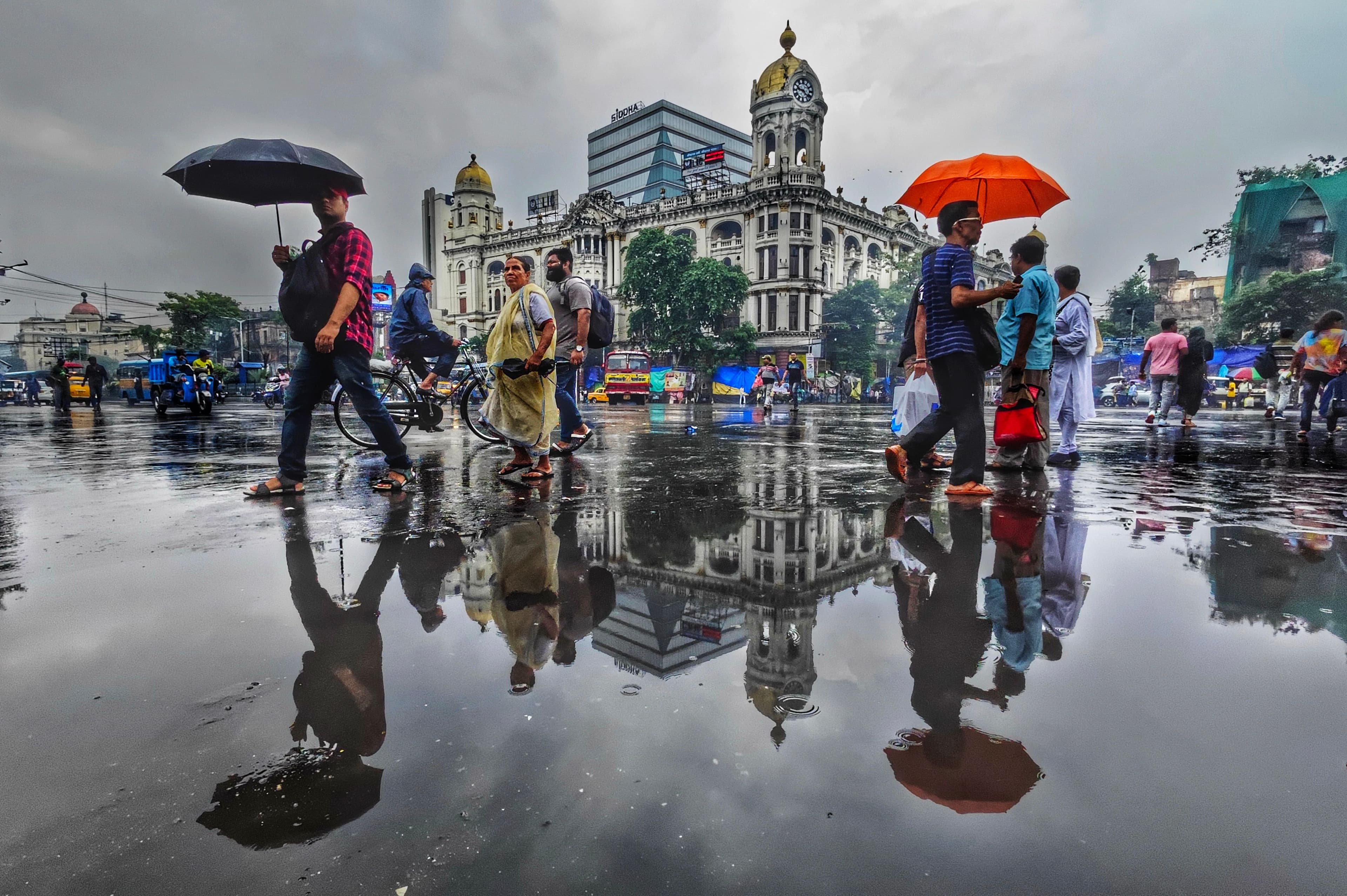
The southwest monsoon arrives in Kerala in early June, reaching the north by July - with intense, short bursts rather than steady drizzle. Humidity rises and heritage tours slow, but Kerala and the Western Ghats become lush and visually dramatic.
Post-Monsoon / Autumn (October – November)
via pexels
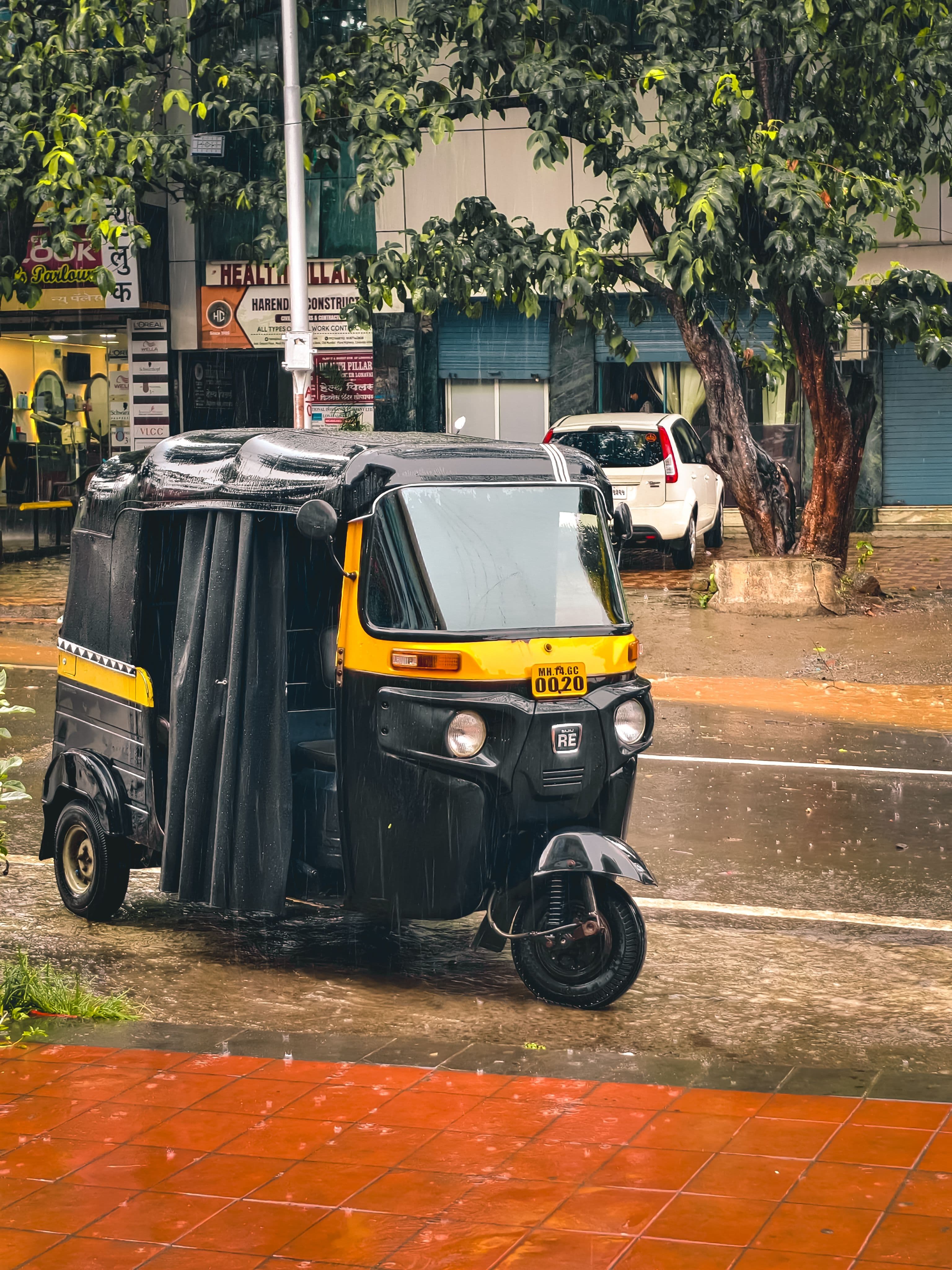
Post-Monsoon / Autumn (October – November)
September–October is an often-overlooked shoulder season - the monsoon clears, humidity drops, and the landscapes stay lush and green. Daytime temperatures are pleasant, with thinner crowds and lower rates than the December–February peak.
India Weather by Month: Quick Reference Table
This table, roughly sketches typical conditions in North India (Delhi/Rajasthan) and South India (Kerala/Tamil Nadu) for each month, basically at the two ends of India’s climate spectrum or something similar. It’s kind of a broad picture… you know.
| Month | North India (avg.) | South India (avg.) | Best For |
|---|---|---|---|
| January | 8–20°C, dry | 20–31°C, dry | Golden Triangle, Rajasthan |
| February | 11–24°C, dry | 22–33°C, dry | Heritage touring, gardens in bloom |
| March | 16–30°C, warming | 24–34°C, dry | Holi festival, early Himalayan trips |
| April | 22–36°C, hot | 26–35°C, humid rising | Himalayan foothills, hill stations |
| May | 26–41°C, very hot | 27–36°C, pre-monsoon | Ladakh opens, Himachal & Sikkim |
| June | 28–40°C, monsoon arrives north | 24–31°C, monsoon begins | Kerala monsoon experiences begin |
| July | 26–35°C, monsoon | 23–29°C, heavy monsoon | Western Ghats waterfalls |
| August | 26–34°C, monsoon | 23–29°C, monsoon | Lush Kerala backwaters |
| September | 25–34°C, monsoon | 23–30°C, monsoon easing | Transitional, fewer |
| October | 20–33°C, clearing | 23–31°C, clearing | Post-monsoon touring, Diwali |
| November | 13–27°C, cool & dry | 22–31°C, dry | Ideal all-round travel month |
| December | 8–21°C, cool & dry | 20–30°C, dry | Peak season, Christmas & New Year |
Month-by-Month Weather Guide
January
via pexels
January
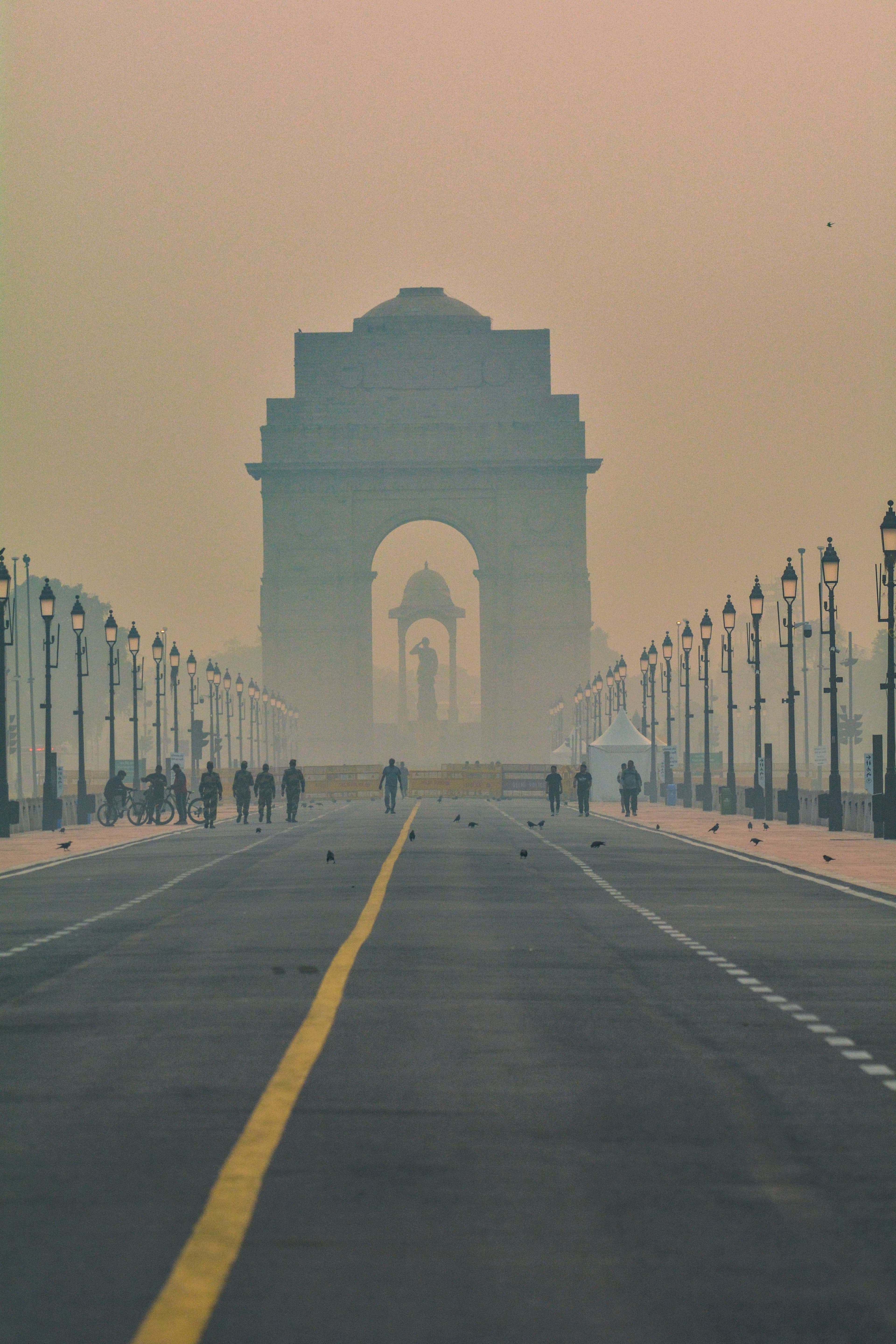
December offers sunny, dry days across Rajasthan and the north - perfect for heritage tours. Desert nights are cold, but the south stays warm, making it a good time for a north–south combination.
February
via pexels
February
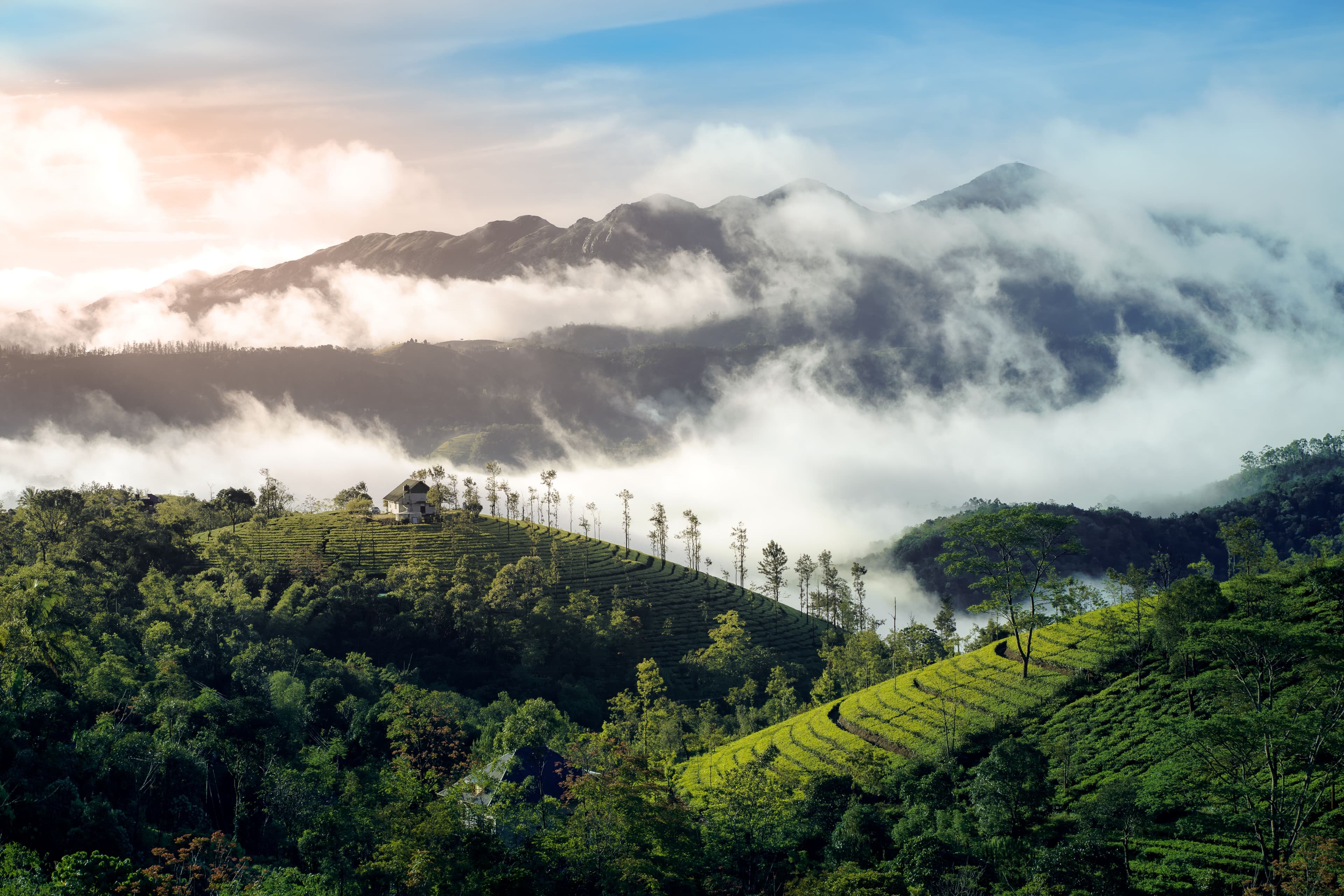
Feels a bit like January, only it’s slowly getting warmer. Mornings are still cool , afternoons turn comfortably warm, and in northern India the gardens start to wake up.

March
via pexels
March
March offers warm days and cool evenings - a late-season window for the Golden Triangle before summer arrives. Holi's colourful celebrations make it lively, but expect more crowds around the main festival.
April
via pexels
April
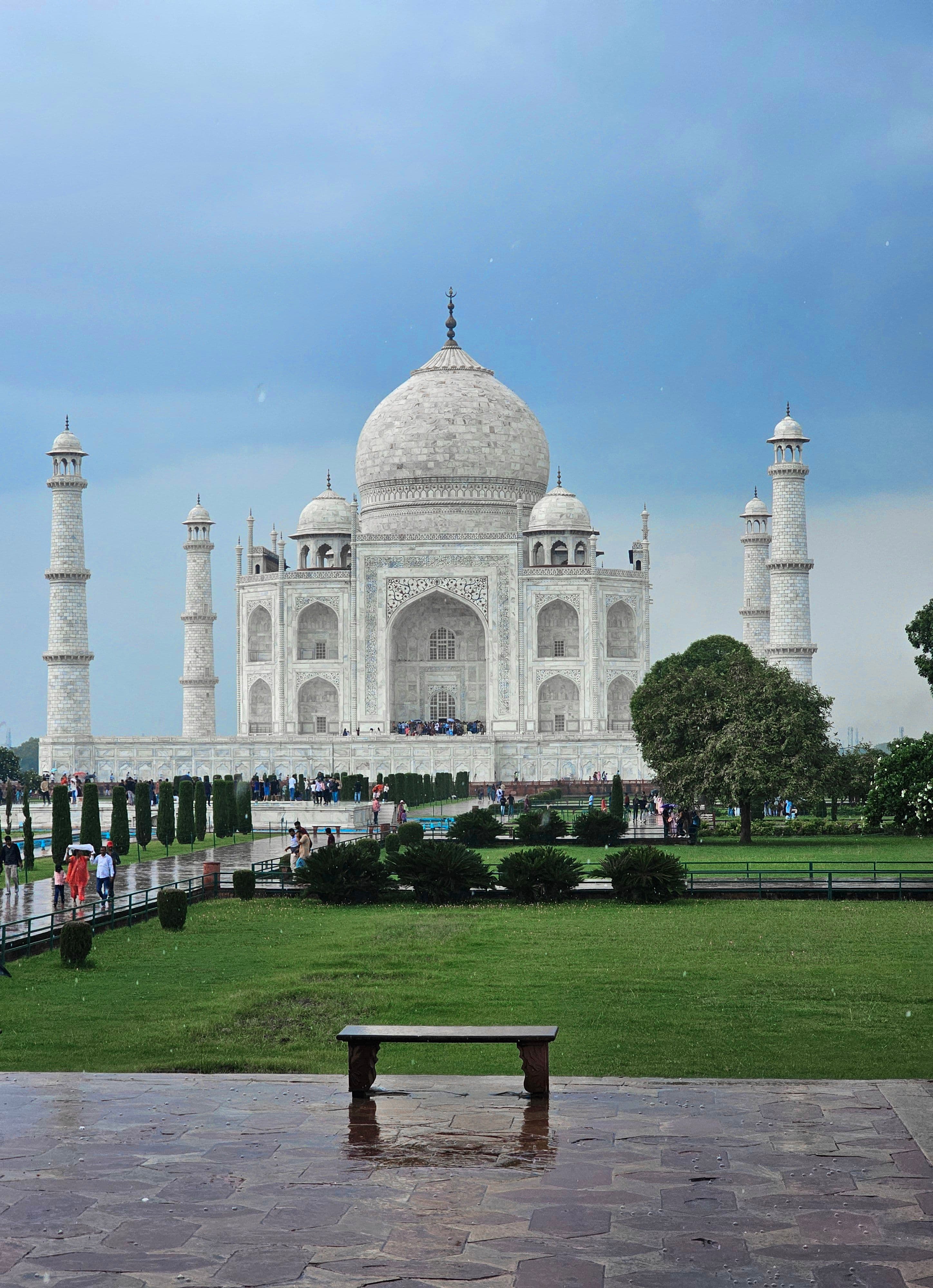
April sees heat rising fast across the north, especially Rajasthan - midday temperatures can make outdoor sightseeing uncomfortable. Most travellers head to the Himalayan foothills - Shimla, Manali, and Darjeeling - for a refreshing retreat.
May
via pexels
May
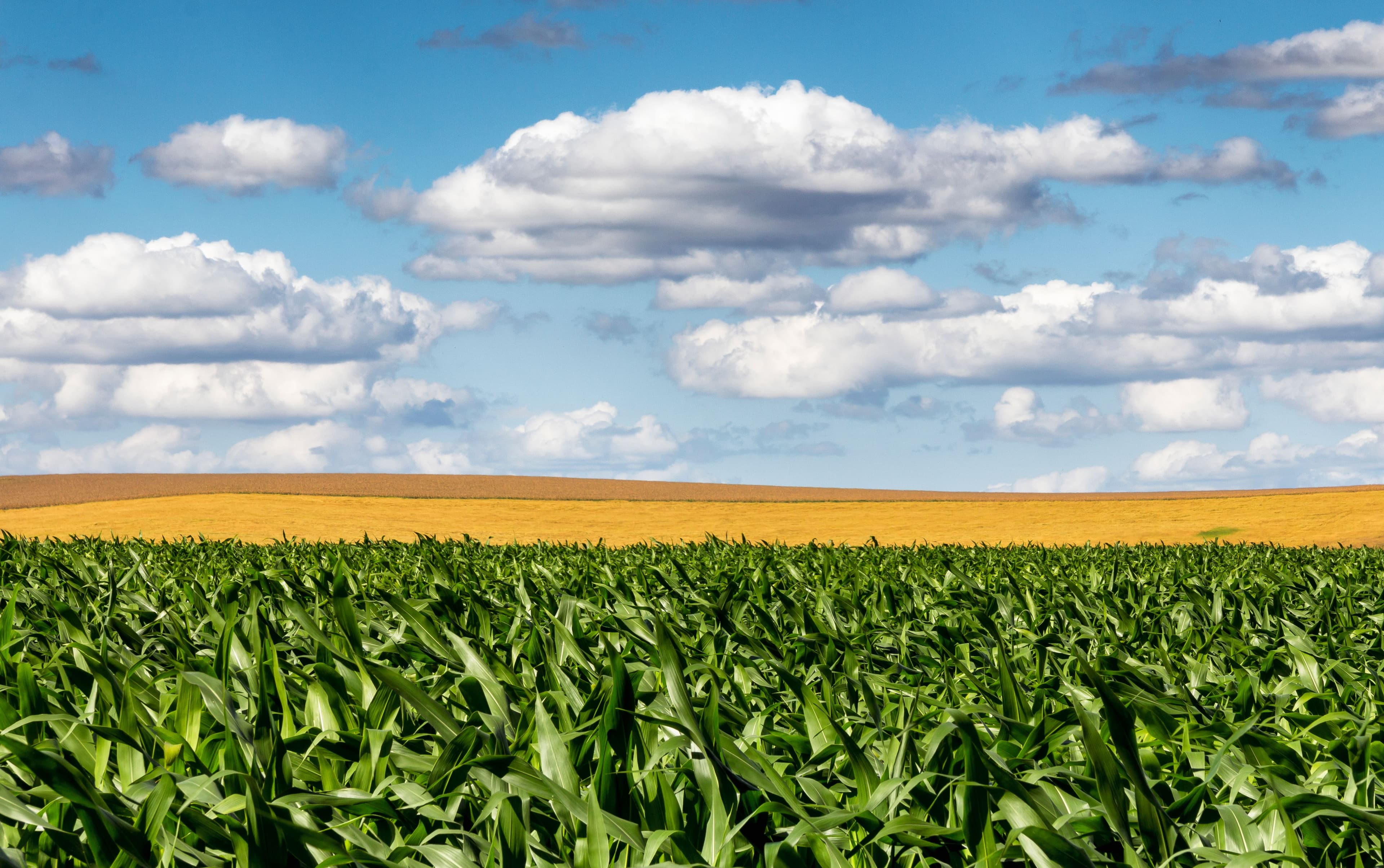
May is the hottest stretch across the northern plains and deserts - making heritage touring risky. But it's peak season for the Himalayas - Ladakh's passes open, and Himachal Pradesh and Sikkim are at their most inviting.
June
via pexels
June
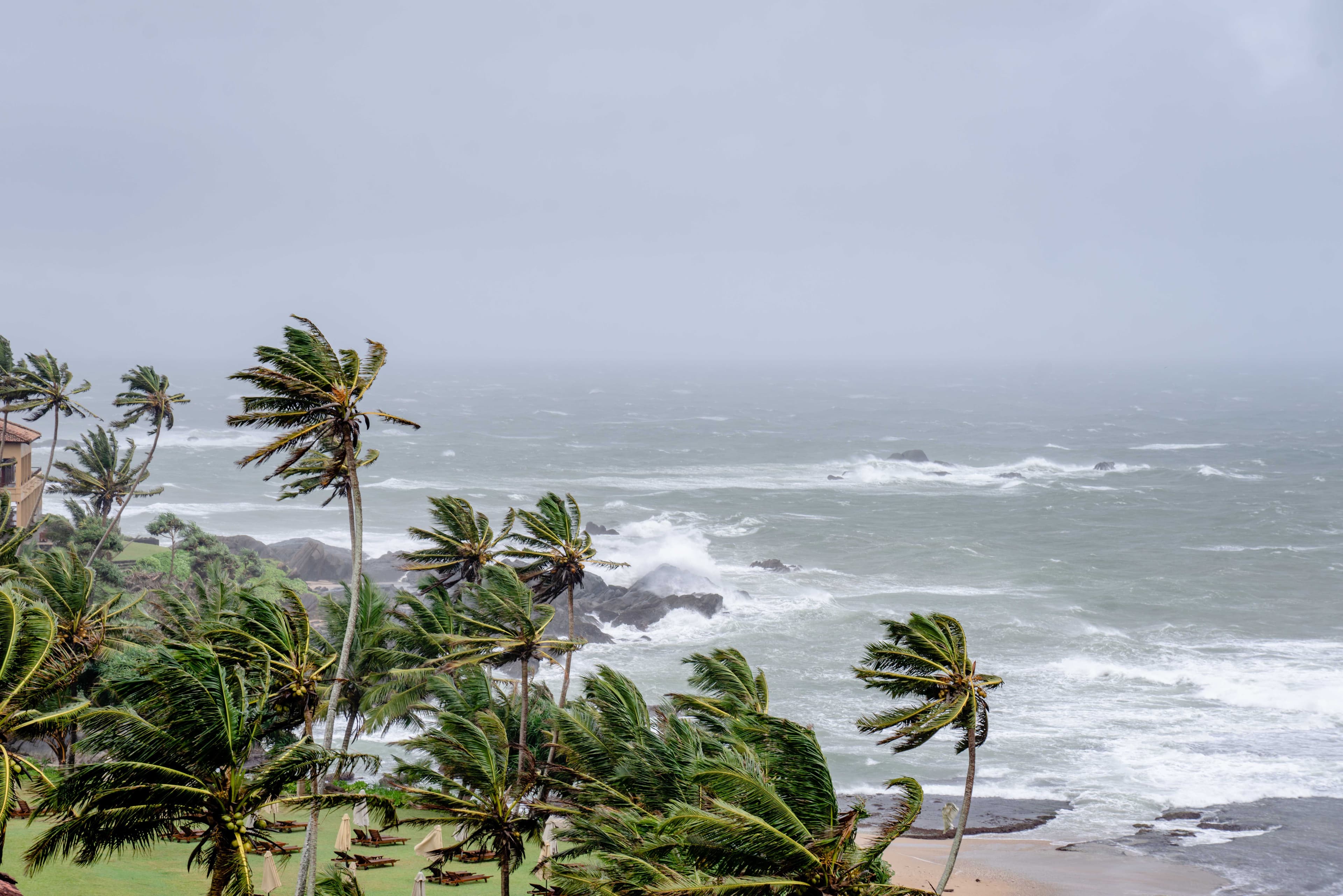
June brings the southwest monsoon to Kerala in the first half - marking the start of the wet season in the south. The north stays hot and becomes more humid, though the main rains are still weeks away.
July
via pexels
July
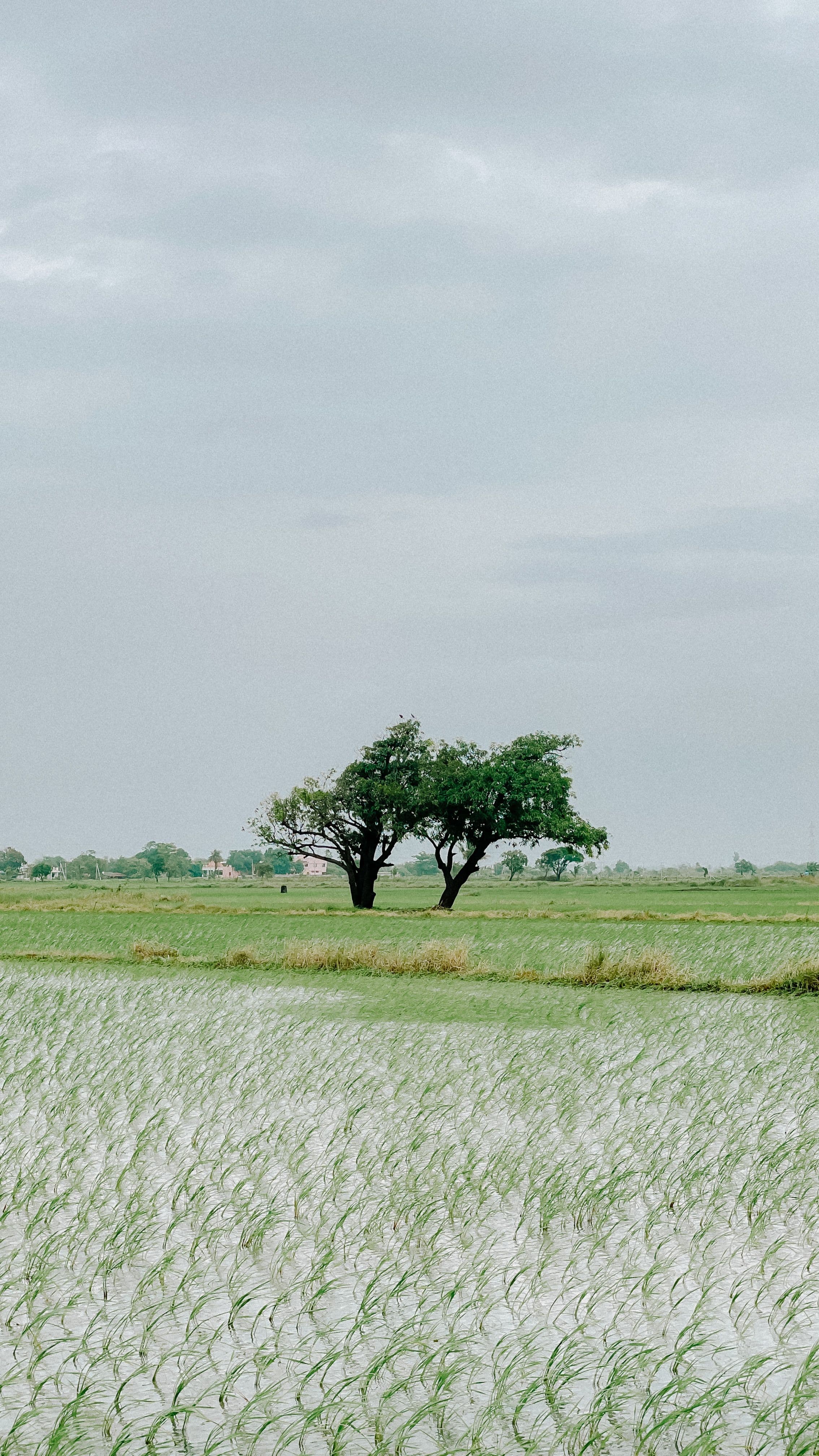
By July, the monsoon is fully underway across most of India, with heavy rainfall concentrated in Kerala, Goa, and the Western Ghats - making their waterfalls and hills look their most dramatic. Heritage touring in Rajasthan and the north slows down considerably.
August
via pexels
August
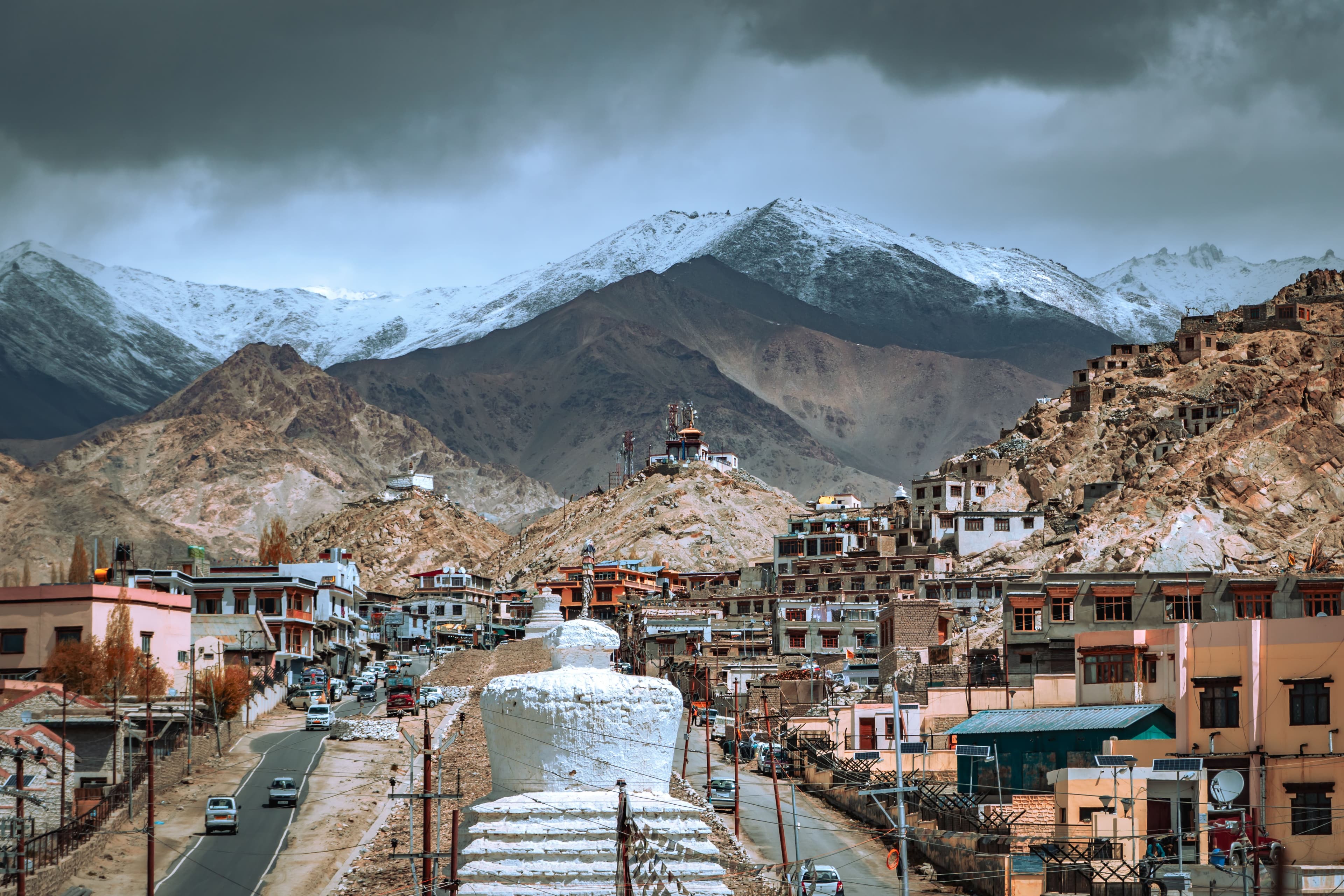
August continues the monsoon with steady rain along the west coast - Kerala's backwaters swell into a deep, lush green, offering stunning visuals despite the humidity. It's also when Onam festival preparations begin.
September
via pexels
September
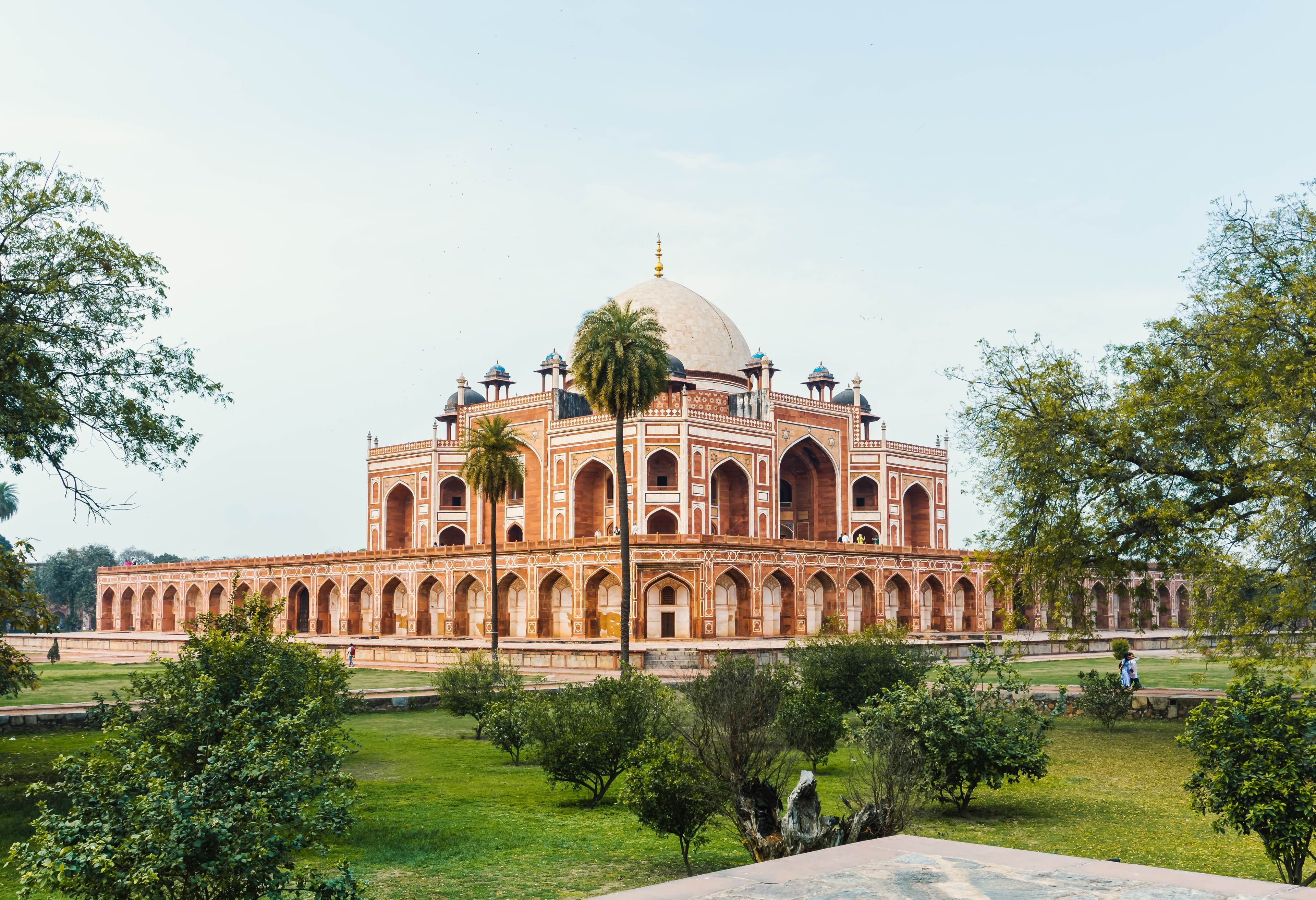
September sees the monsoon receding from the north, while southern and central India may still experience significant rainfall. It's a transitional pause - offering lower rates for travellers who can work around occasional showers.
October
via pexels
October
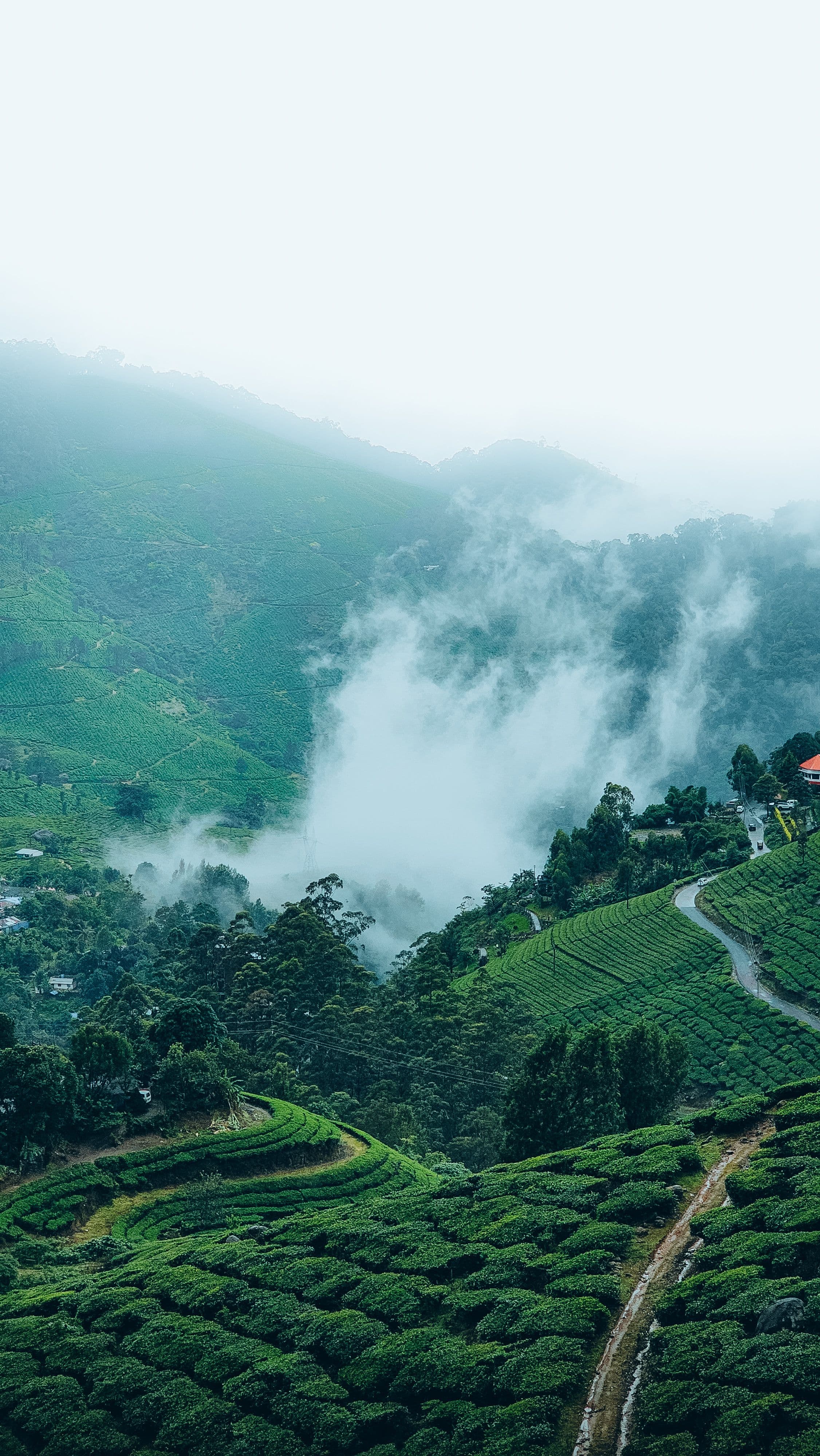
November sees the monsoon fully retreat, leaving behind green landscapes and pleasant weather. Diwali's glow continues into the month, with festive lights and celebrations still filling the air.
November
via pexels
November
November sees the monsoon fully retreat, leaving behind green landscapes and pleasant weather. Diwali's glow continues into the month, with festive lights and celebrations still filling the air.
December
via pexels
December
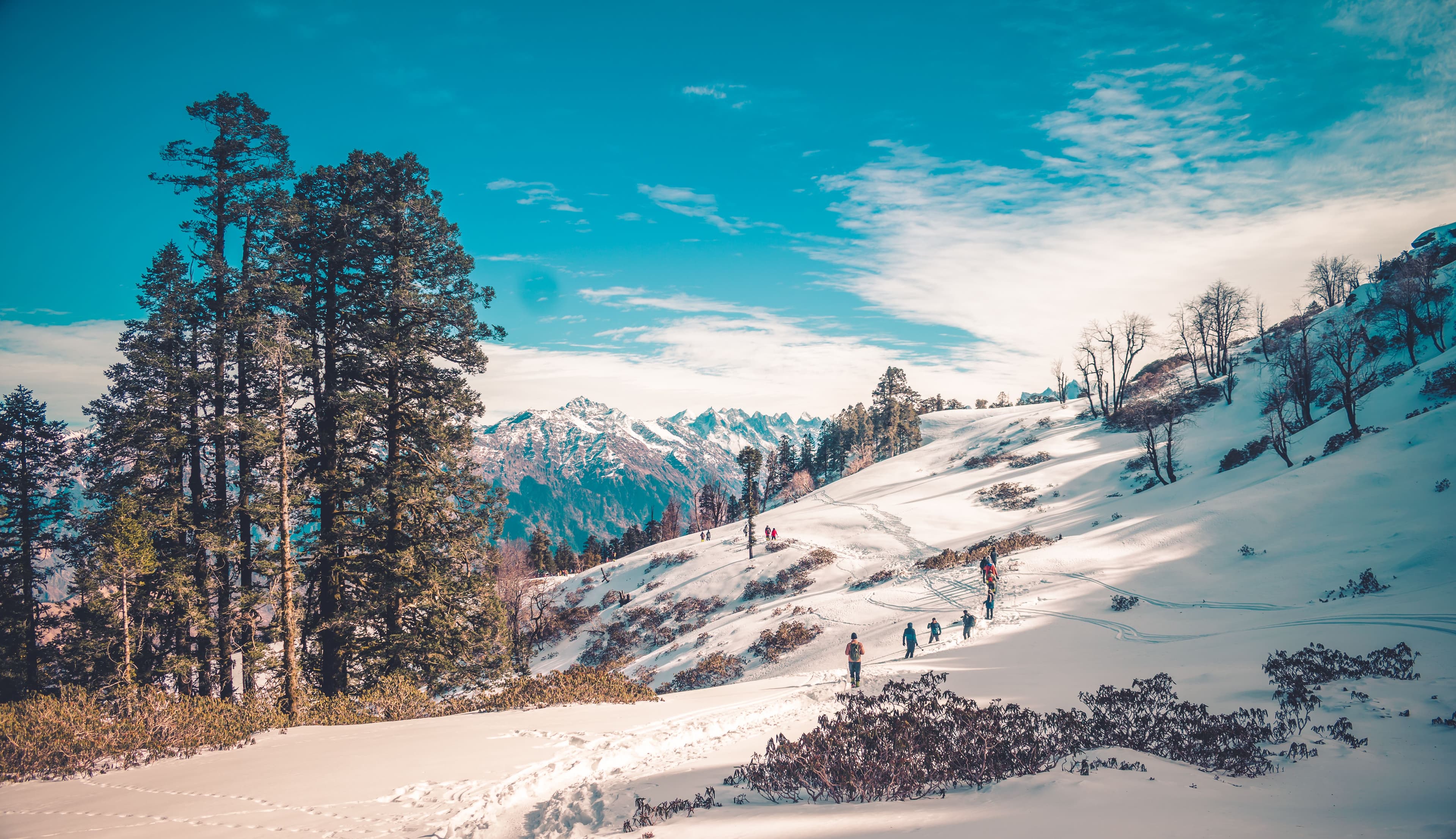
December is peak season in the Golden Triangle and Rajasthan - cool, dry, sunny days with cold desert nights. Hotels and heritage stays get snapped up fast, especially around Christmas and New Year - so plan ahead.
Regional Climate Differences Across India
North India Weather
via pexels
North India Weather
Delhi and the Gangetic plains experience four distinct seasons — cold winters (Nov–Feb), hot summers (Mar–June), a monsoon (Jun–Sept), and mild autumn (Oct–Nov). Winter fog in December–January can delay early flights — keep some buffer in your schedule.
South India Weather
via pexels
South India Weather
Kerala and Tamil Nadu remain warmer and more humid year-round than the north, with far less seasonal temperature contrast. Two monsoons — the southwest (Jun–Sept) and northeast (Oct–Dec) — bring rain across a longer season than northern India.
Rajasthan Weather
via pexels
Rajasthan Weather
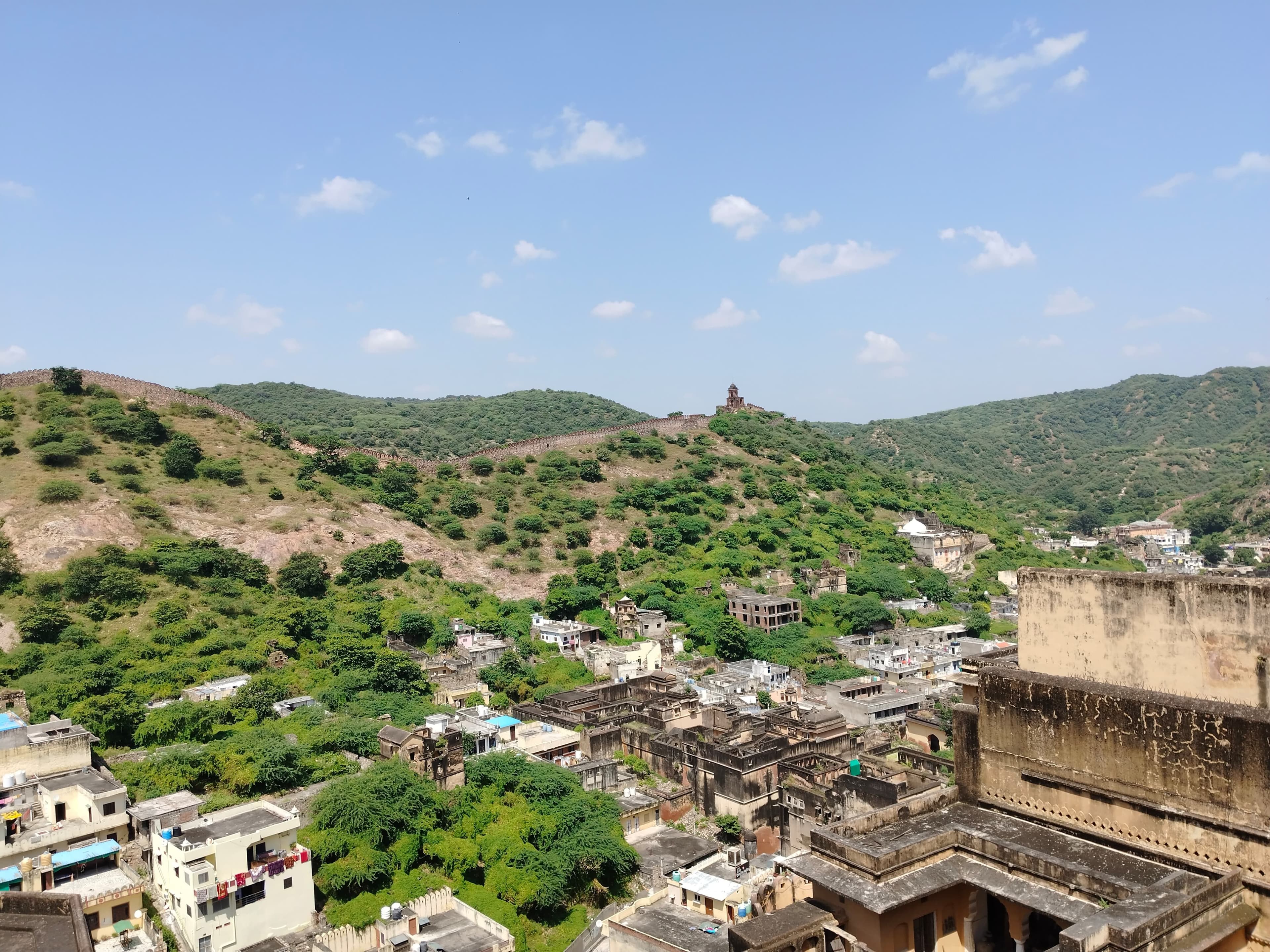
Rajasthan has a desert climate — low humidity, dramatic day-to-night temperature swings, and some of India's coldest winter nights and hottest summer days. November through February is the most comfortable window for Jaipur, Jodhpur, Udaipur, and Jaisalmer.
Kerala Weather
via pexels
Kerala Weather
Kerala's tropical climate stays humid year-round, with a dramatic monsoon (June–September) that draws travellers for lush backwaters and waterfalls. December–February brings drier, comfortable conditions — ideal for beaches and houseboat cruises.
Himalayan Weather
via pexels
Himalayan Weather
The Himalayas are snowbound and difficult to reach in winter, but glorious from May to September when high-altitude roads — like Ladakh's passes — open. Hill stations like Shimla and Darjeeling are milder and accessible for a longer window.
| Travel Style | Per Person, Per Day | What's Included |
|---|---|---|
| Golden Triangle & Rajasthan | Nov – Feb | May – Jun (extreme heat) |
| Kerala & South India | Dec – Feb (dry); Jun – Aug | Mar – May (very humid) |
| Himalayan India & Ladakh | May – Sep | Dec – Mar (passes closed) |
| Goa | Nov – Feb | Jun – Sep (heavy monsoon) |
| Mumbai & the West Coast | Nov – Feb | Jun – Sep (heavy monsoon) |
What to Pack by Season
Winter (Nov – Feb)
- • Layered clothing, warm mornings and evenings but like, mild afternoons too
- • A proper jacket for Rajasthan's desert nights and also northern fog, you know
- • Light gloves + a scarf for early morning sightseeing, otherwise you ll feel it
Summer (Mar – Jun)
- • Loose breathable light-colored clothing, keep it simple
- • Strong sun protection and a wide brimmed hat
- • A reusable insulated water bottle, stays cool longer
Monsoon (Jun– Sep)
- • You’ll want a compact umbrella or a lightweight rain shell, just in case the weather gets moody
- • Quick-dry clothing plus waterproof footwear, so you don’t feel soaked after a short walk
- • A dry bag or a waterproof pouch for your electronics, phone camera etc
Post-Monsoon (Oct– Nov)
- • Light layers, warm days but the evenings can turn a bit cooler, so be ready
- • Comfortable walking shoes for longer sightseeing sessions, like hours at a stretch
- • A light scarf or shawl for temple visits and those air-conditioned interiors, you know the type
Should You Travel to India During Monsoon?
Monsoon travel is way more workable than the reputation says, if you pick the correct region. Rajasthan and the desert states are honestly challenging in full monsoon, but Kerala, Goa, and the Western Ghats are arguably at their most beautiful, lush and dramatic, and also far less crowded. You’ll often see lower prices on luxury stays too. The trick is flexibility, don’t lock in too many fixed outdoor plans, choose lodging with covered areas, and try to see those quick heavy downpours as a feature, not a problem.
Festival & Seasonal Travel Calendar
| Festival | Typical Timing | Best Region to Experience It |
|---|---|---|
| Holi | March | North India, especially Rajasthan & Uttar Pradesh |
| Summer hill season | April – June | Himachal Pradesh, Ladakh, Sikkim |
| Onam | August – September | Kerala |
| Diwali | October – November | Nationwide, especially North India |
| Winter heritage season | December – February | Rajasthan & the Golden Triangle |
Food & Water Safety Tips
via pexels
Food & Water Safety Tips
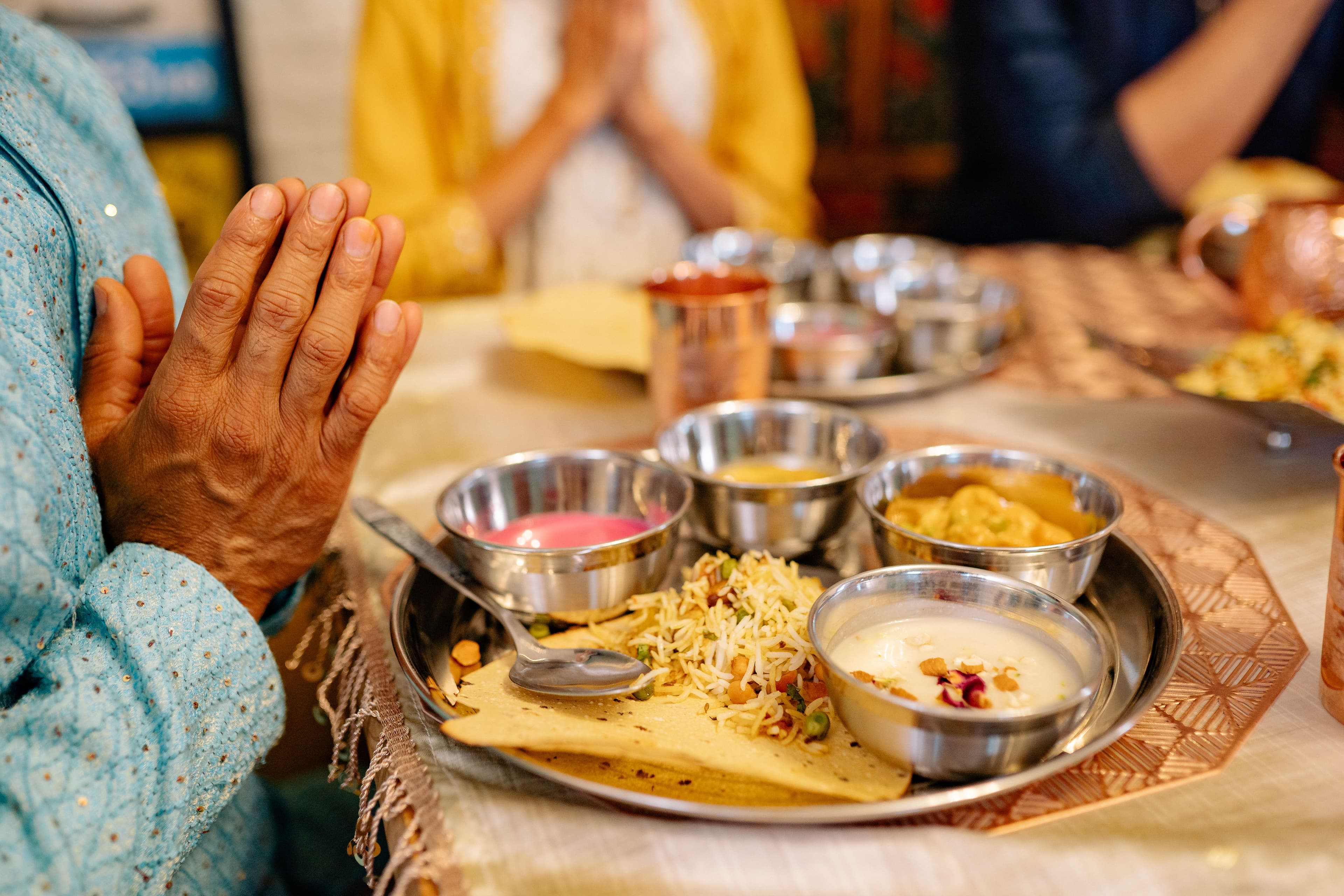
India's food is amazing - just use bottled water, skip untrusted ice, and pick busy street stalls with high turnover. Freshly cooked hot dishes are safest; ease into local food over the first couple of days.

Solo Female Traveler Tips
via pexels
Solo Female Traveler Tips
Solo women can travel India safely with smart planning - vetted stays, private transport, modest dressing, and a local contact. A private guide and driver handle logistics while you stay in control.

Family Travel Tips
via pexels
Family Travel Tips
India is magical for kids - colourful festivals, wildlife, and interactive experiences. To avoid travel fatigue, keep drives short, book hotels with pools, and build in rest breaks.
Why Choose India Heritage Travel
Most of the safety advice in this guide, is already baked in to the way India Heritage Travel puts together each itinerary: private, vetted chauffeur transport for the whole duration of every trip, plus fully customised days that are built around your personal comfort level and the kind of things you like to see. We also choose curated luxury and heritage stays, each one hand-inspected for safety and service, and we make sure you have expert local guides on the ground ,including female guides for women-only and solo female itineraries. There s also a dedicated women-safe travel planning approach, from the route logistics to evenings and activities, not just a general plan.
Frequently Asked Questions
November is often considered the single best all-round month - dry, comfortably warm across most regions, with clear skies and thinner crowds than the December–February peak.
May is typically the hottest month across the northern plains and Rajasthan, with daytime temperatures often exceeding 40°C. Coastal and southern regions stay warm but slightly less extreme.
The southwest monsoon reaches Kerala around early June and moves northeast, typically covering most of the country by July, with rains generally easing by September.
Yes, in the right region. Kerala, Goa and the Western Ghats are lush and dramatic during monsoon, though Rajasthan and desert touring are better suited to drier months.
Rajasthan is a desert climate: cool, dry and comfortable from November to February, warming sharply from March, and extremely hot from April to June, with a short monsoon window from July to September.
May through September, when high-altitude mountain passes are open and conditions are mild. Winter brings heavy snow and limited accessibility to much of the region.
Planning Your India Journey?
India Heritage Travel creates private, fully escorted itineraries across India's iconic landmarks, royal palaces, and spiritual sites - with dedicated drivers, local guides, and 24/7 support for a seamless and worry-free experience.
Plan My India Journey