Best Indian Festivals for Tourists: A Luxury Traveler's Guide
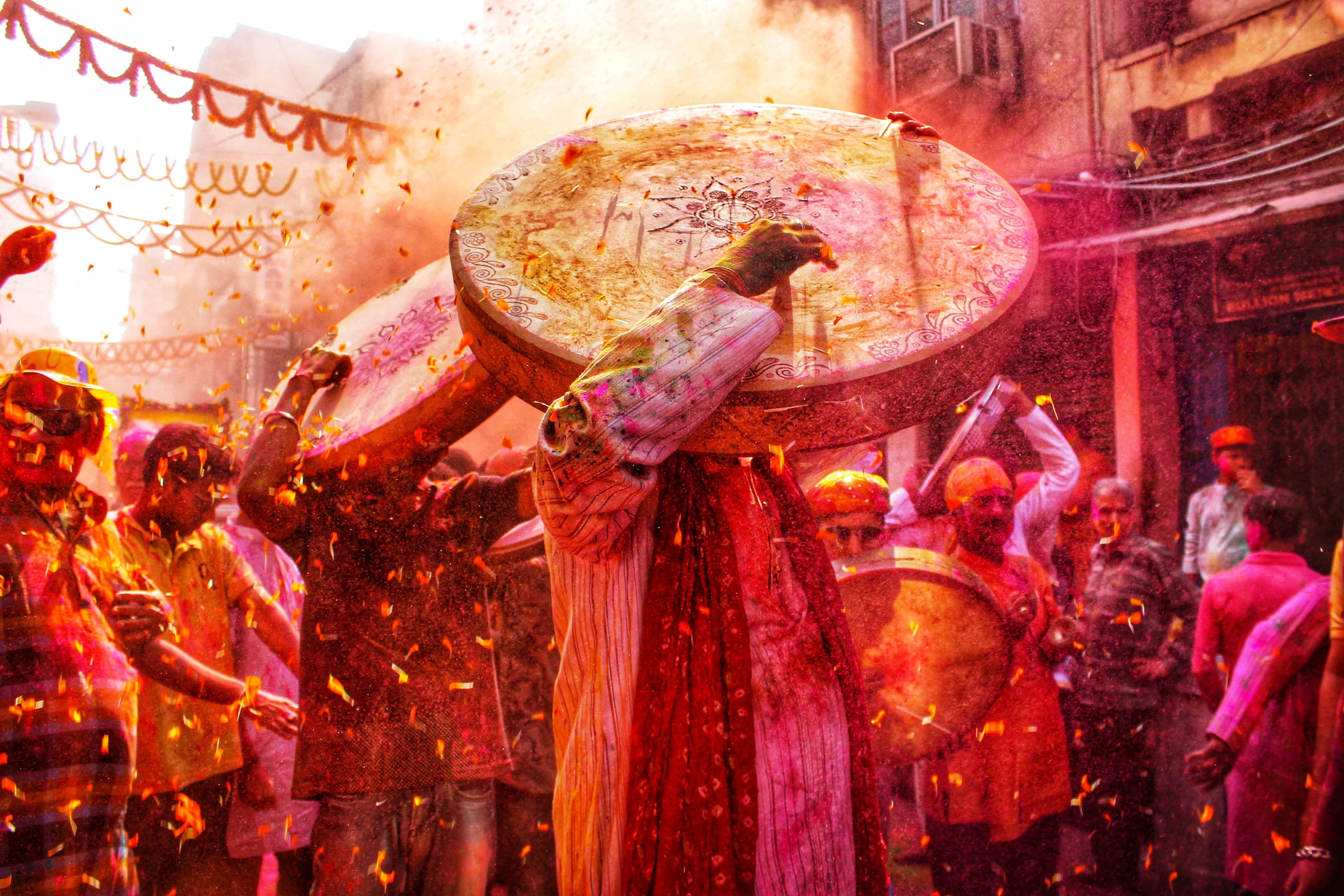
Few countries celebrate life as loudly, colorfully, or even as often as India. For travelers, trying to decide where to put a milestone trip, the best Indian festivals for tourists give you something that no monument tour can really match, a front row seat to living culture, still carried out the very same way it has been for centuries. Whether it’s the night sky lit orange with a million lamps, or a city square suddenly dissolving into clouds of pink and
turquoise powder, these moments turn an ordinary plan into a tale you end up repeating for years. This guide pulls together ten festivals that are most worth designing your travel around, plus the history behind each one. It also includes the practical detail that makes the difference between a merely good festival getaway and a genuinely great one , dates, budgets, safety, and etiquette. And because India only feels better when you experience it comfortably, we’ve added the luxury, family, and solo-travel guidance that India Heritage
via pexels
Why India's Festivals Belong on Every Travel Bucket List
In India, the festival calendar seems to run on lunar cycles, harvest rhythms , and local deities, so basically no two states celebrate in the exact same way. If you plan a trip around a festival, you get to catch a place at its most lively-like markets staying open later , kitchen teams cooking dishes only for that specific season, and whole neighborhoods changing shape with lights, flowers, or some brief temporary art setups. And for cultural and heritage travelers, this is kind of the difference between seeing history in a museum and being, well, in it.
It also counts a lot for planning, because quite a few of the festivals below bring really strong domestic crowds. That means flights , trains and heritage stays close to the festival cities get booked out months early. So yeah, building your route around the festival calendar-rather than running into it too late-ends up being the biggest edge a carefully planned itinerary can give.
via unsplash
A Living Heritage: The History Behind Indian Festivals
Many of India’s most photographed festivals are now well known way beyond its borders, and honestly a lot of folks don’t really clock how deep those roots go. Take Durga Puja in Kolkata, it’s a ten day honoring of Goddess Durga, centered on hand sculpted clay figurines and those fancy neighborhood pavilions, it was placed on UNESCO’s Representative List of the Intangible Cultural Heritage of Humanity in 2021- the first festival from Asia to get that level of recognition. Then there’s the Kumbh Mela, UNESCO calls it the largest peaceful gathering of pilgrims on Earth and it was inscribed in 2017. Gujarat’s Garba, that circular prayer dance performed across the nine nights of Navratri, got included in 2023, and even Diwali was later added in 2025.
And no, these aren’t just marketing labels, because they point to centuries of oral tradition, real craftsmanship, and everyday community practice that has kept going, mostly without getting rewritten, even if the world around it changed. When you understand that background, standing in a pandal in Kolkata feels different, and joining a Garba circle in Ahmedabad does too, you’re not only watching a spectacle… you’re experiencing a kind of living heritage that international scholars have acknowledged, in a formal way, as globally significant.
via pexels
Best Time to Visit India for Festivals
- • India’s festival season sort of feels like it runs almost year-round, but really there are three big windows that matter most for tourists planning a trip around them, seriously.
- • October to November: this is when Navratri, Durga Puja, Diwali, and also the Pushkar Camel Fair end up crowding together into one long golden stretch, across parts of North and East India. It’s a lot, but in a good way.
- • December through February, the weather kind of turns cool, and stays dry, so generally it feels the most comfortable stretch. This also matches up nicely with the Hornbill Festival, then the Jaisalmer Desert Festival, and Pongal, sort of all in one long run of months, like you get several things back to back.
- • March: Holi shows up with the first real hint of spring, most often early to mid March, and it’s best felt in Mathura, Vrindavan, or Rajasthan’s heritage towns, where the atmosphere just carries differently.
- • Now, the exact dates can shift year to year, because many festivals follow the lunar Hindu calendar. So yeah, it’s smart to confirm the current year’s dates with a specialist before you book flights, just to be safe.
The 10 Best Indian Festivals for Tourists
Holi: The Festival of Colors
via pexels
Holi: The Festival of Colors
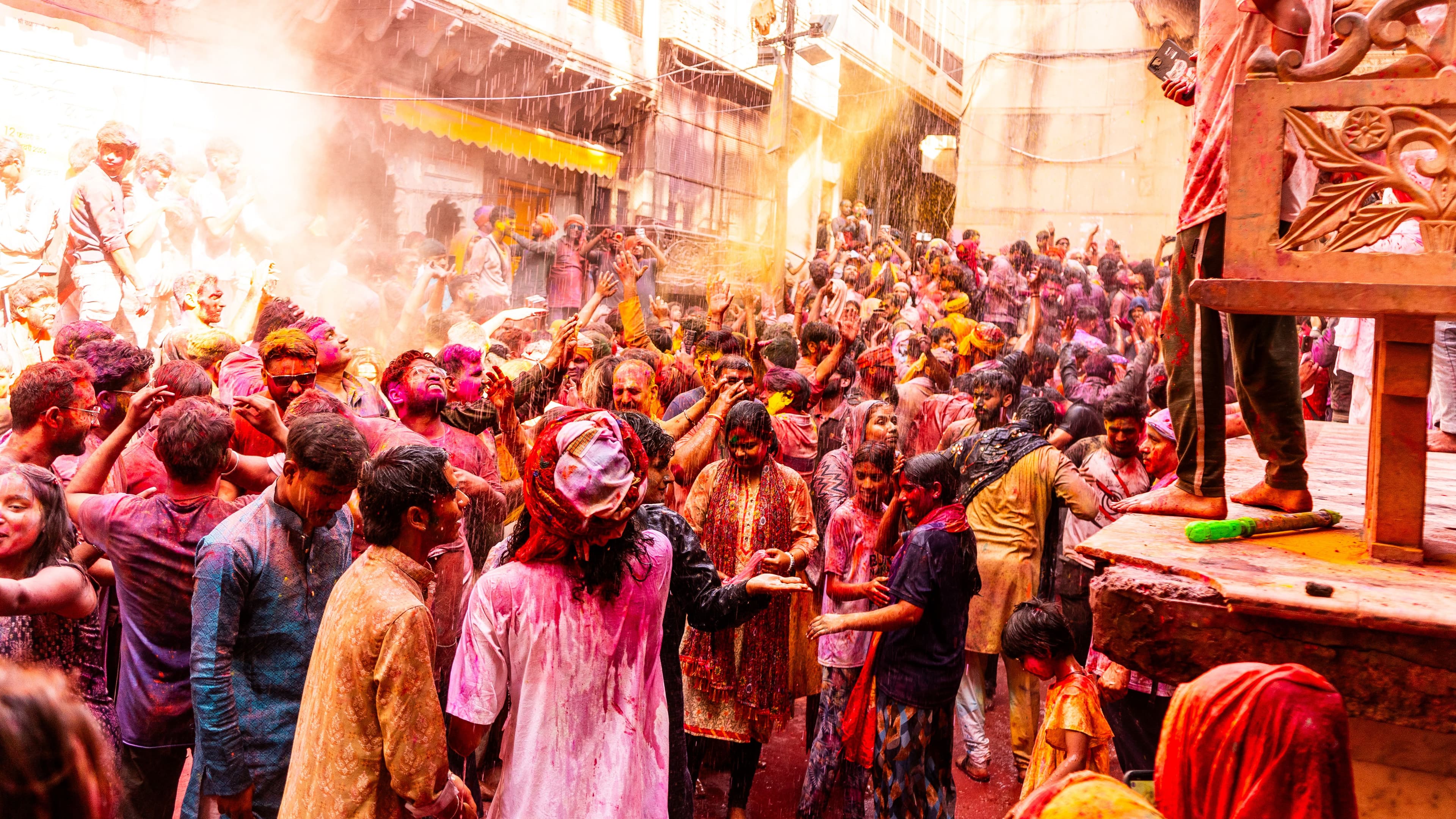
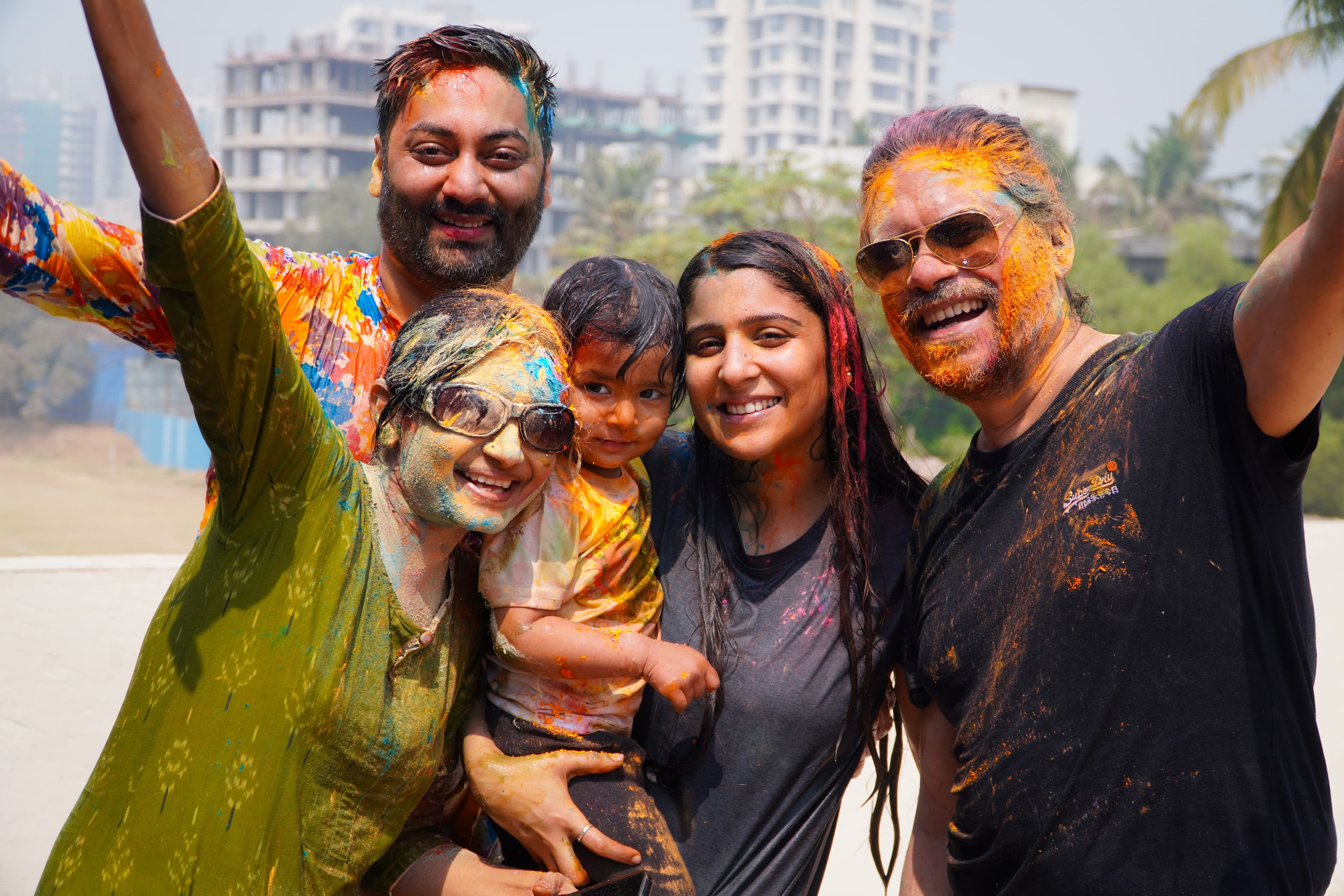
Holi - the Festival of Colours - brings joyful celebrations with coloured powder and water. Mathura and Vrindavan are the most famous spots for its vibrant, multi-day festivities. For a more refined celebration, Rajasthan's heritage hotels offer curated Holi experiences with natural colours.
Diwali: The Festival of Lights
via pexels
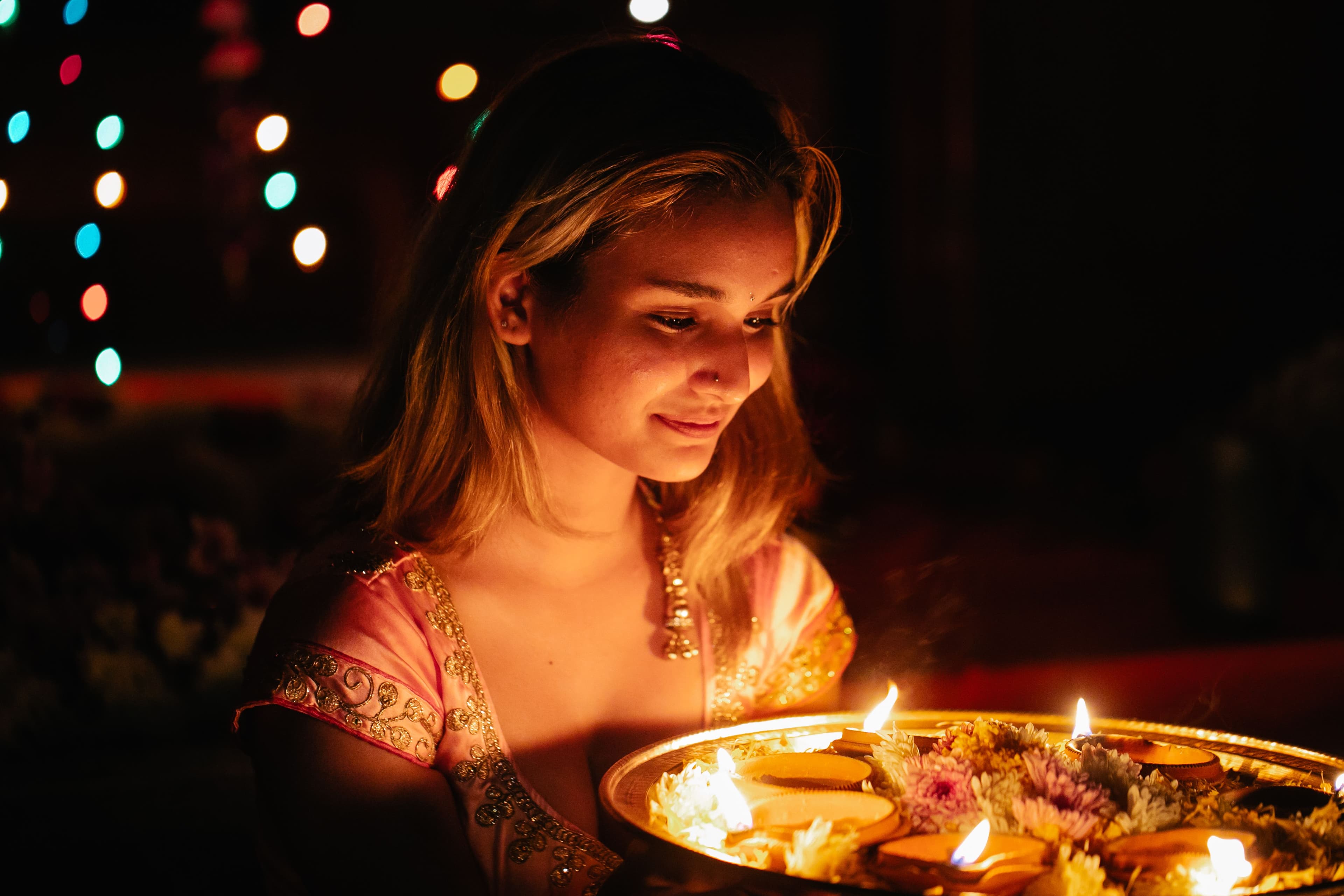
Diwali: The Festival of Lights
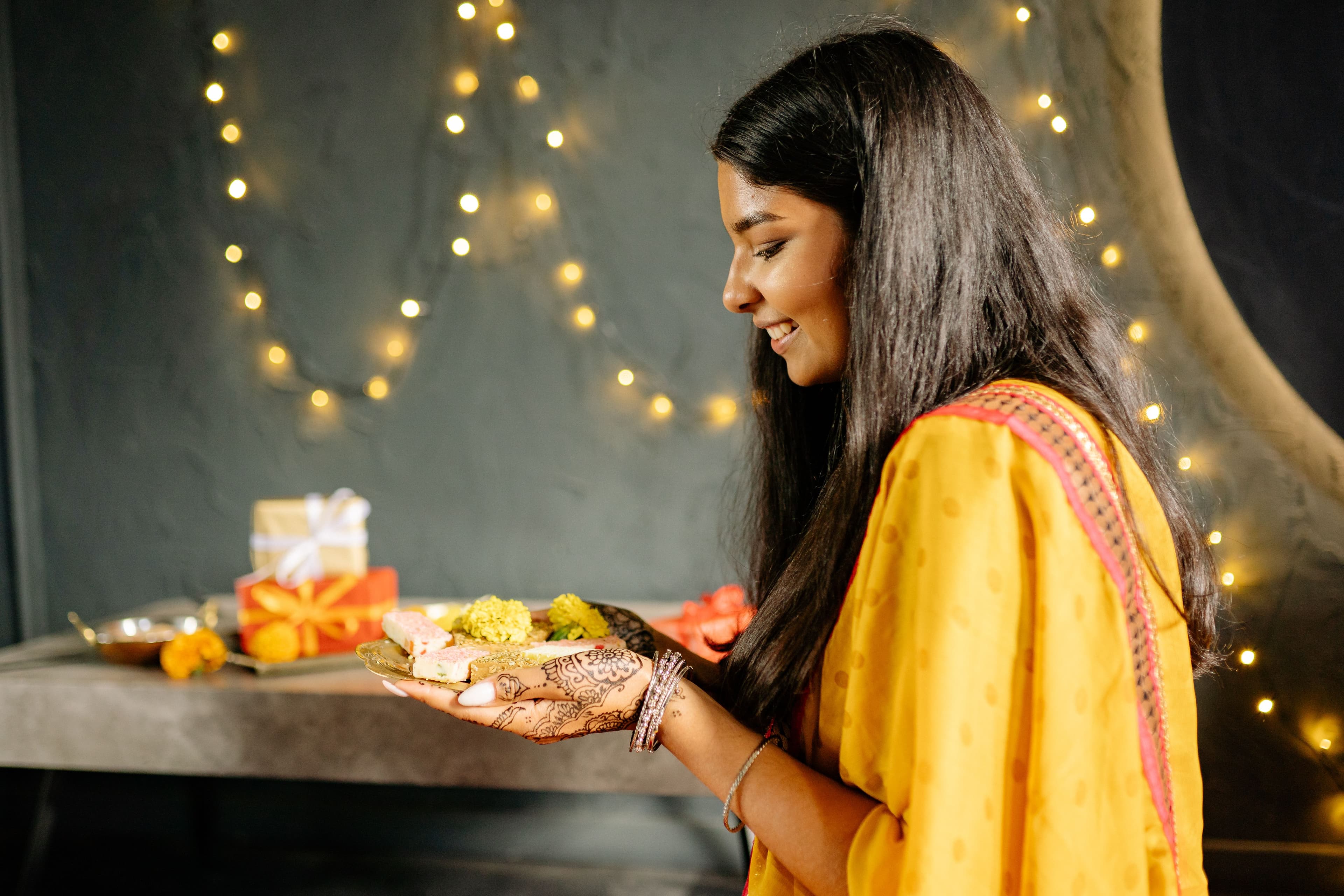
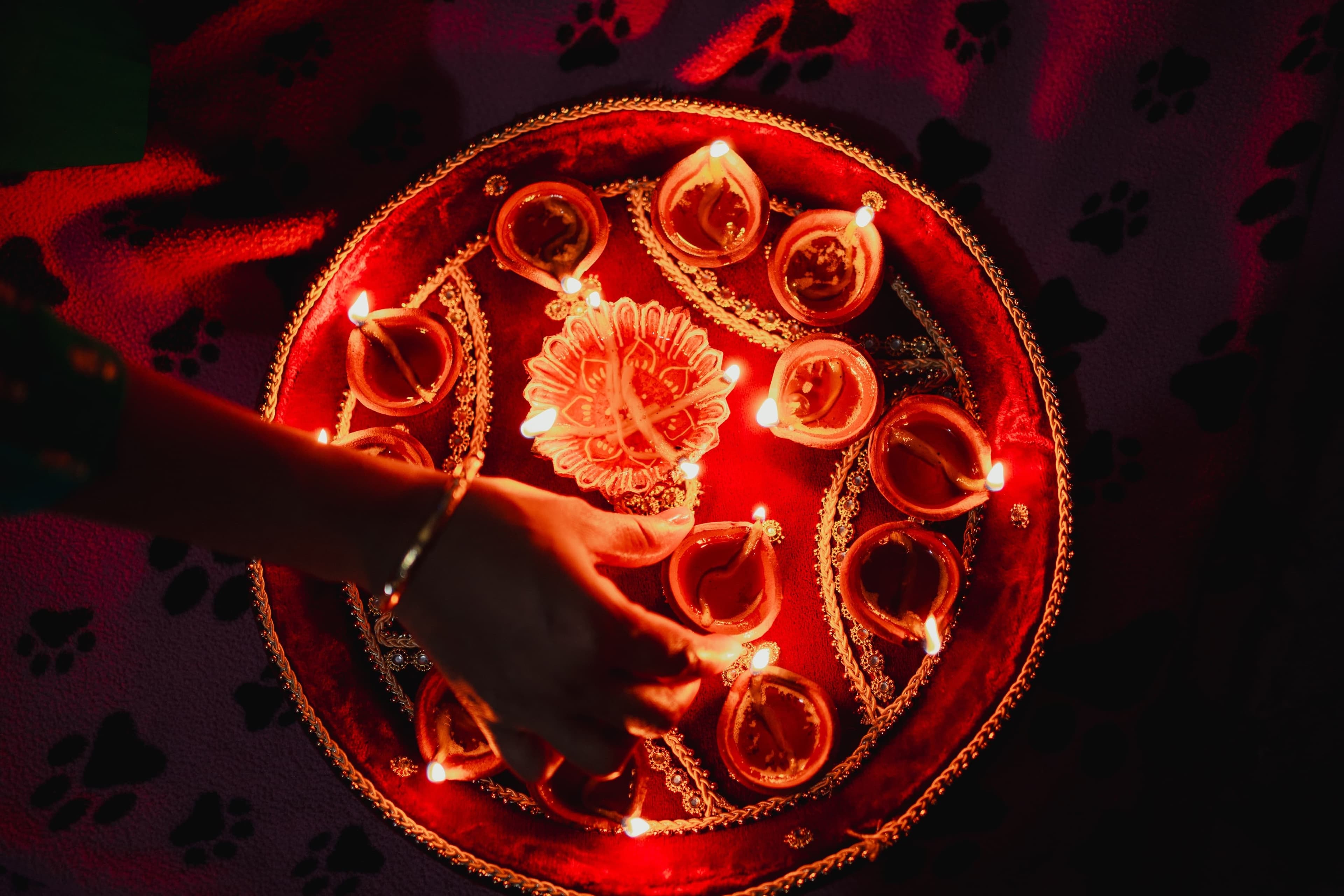
Diwali marks the victory of light over darkness, with lamps, rangoli, and fireworks lighting up the country. Jaipur and Varanasi are particularly stunning, and Varanasi's Dev Deepawali festival illuminates the ghats about two weeks after.
Pushkar Camel Fair: Rajasthan's Desert Spectacle
via pexels
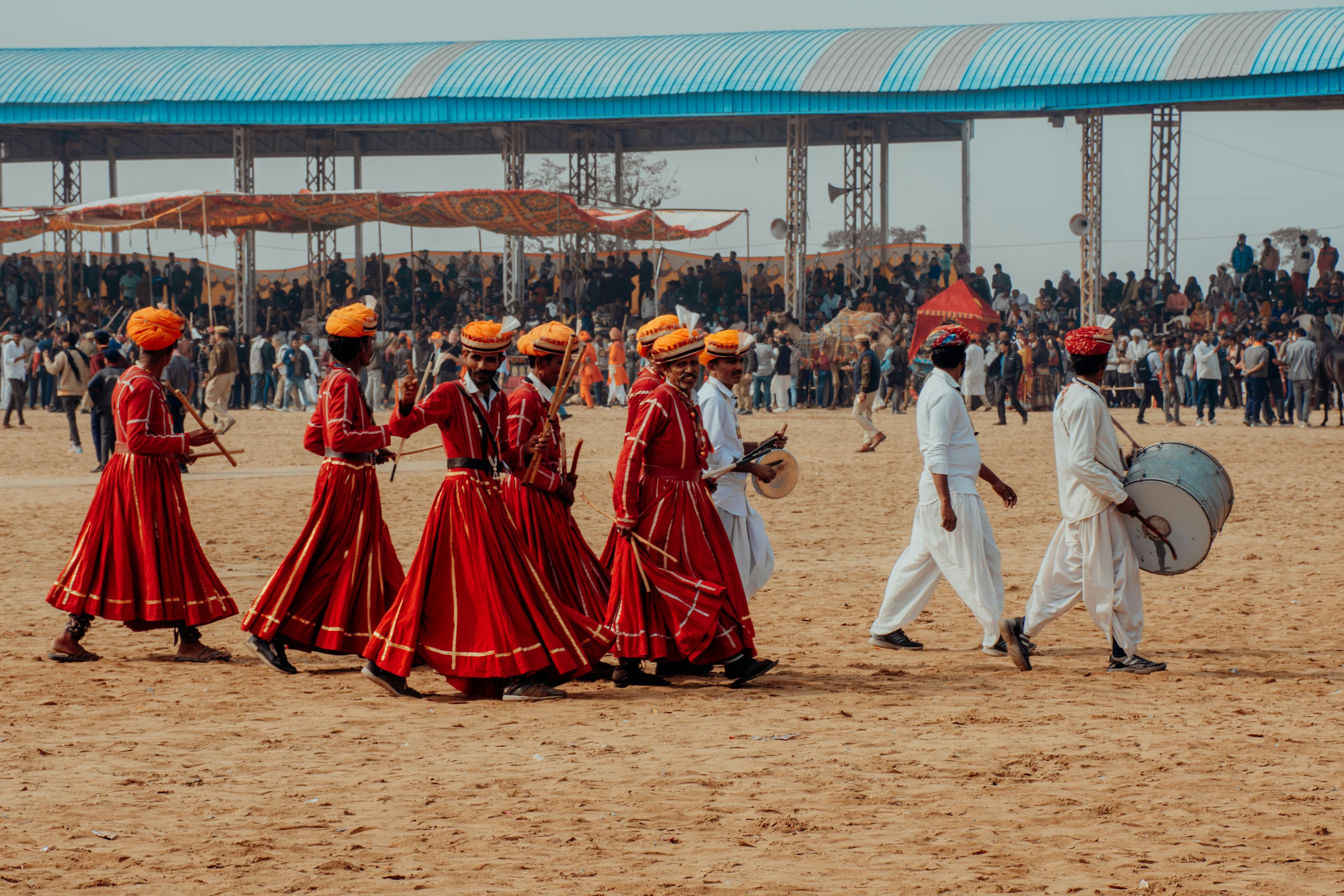
Pushkar Camel Fair: Rajasthan's Desert Spectacle
This week-long fair in the Thar Desert - once a cattle market - now features camel races, folk music, and hot-air balloon rides over golden dunes. Held in October–November, it coincides with Kartik Purnima and the sacred Pushkar Lake pilgrimage.
Durga Puja, Kolkata: UNESCO-Listed Art on the Streets
via pexels
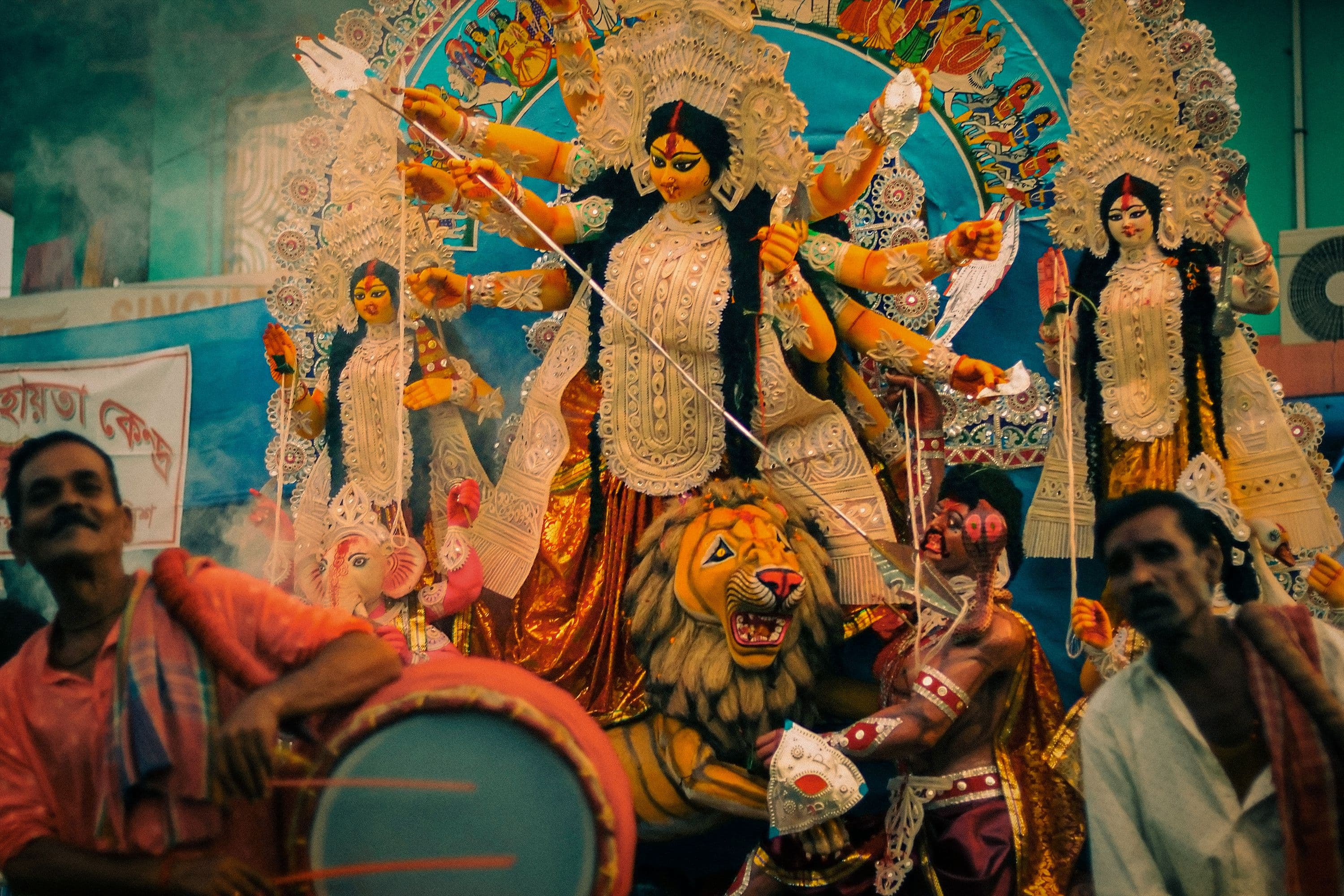
Durga Puja, Kolkata: UNESCO-Listed Art on the Streets
Durga Puja in Kolkata brings ten days of creative pandals with handmade clay idols, each with its own theme. The immersive evening walks between celebrations - with drummers and glowing streets - are unforgettable.
Navratri & Garba: Nine Nights of Dance in Gujarat
via pexels
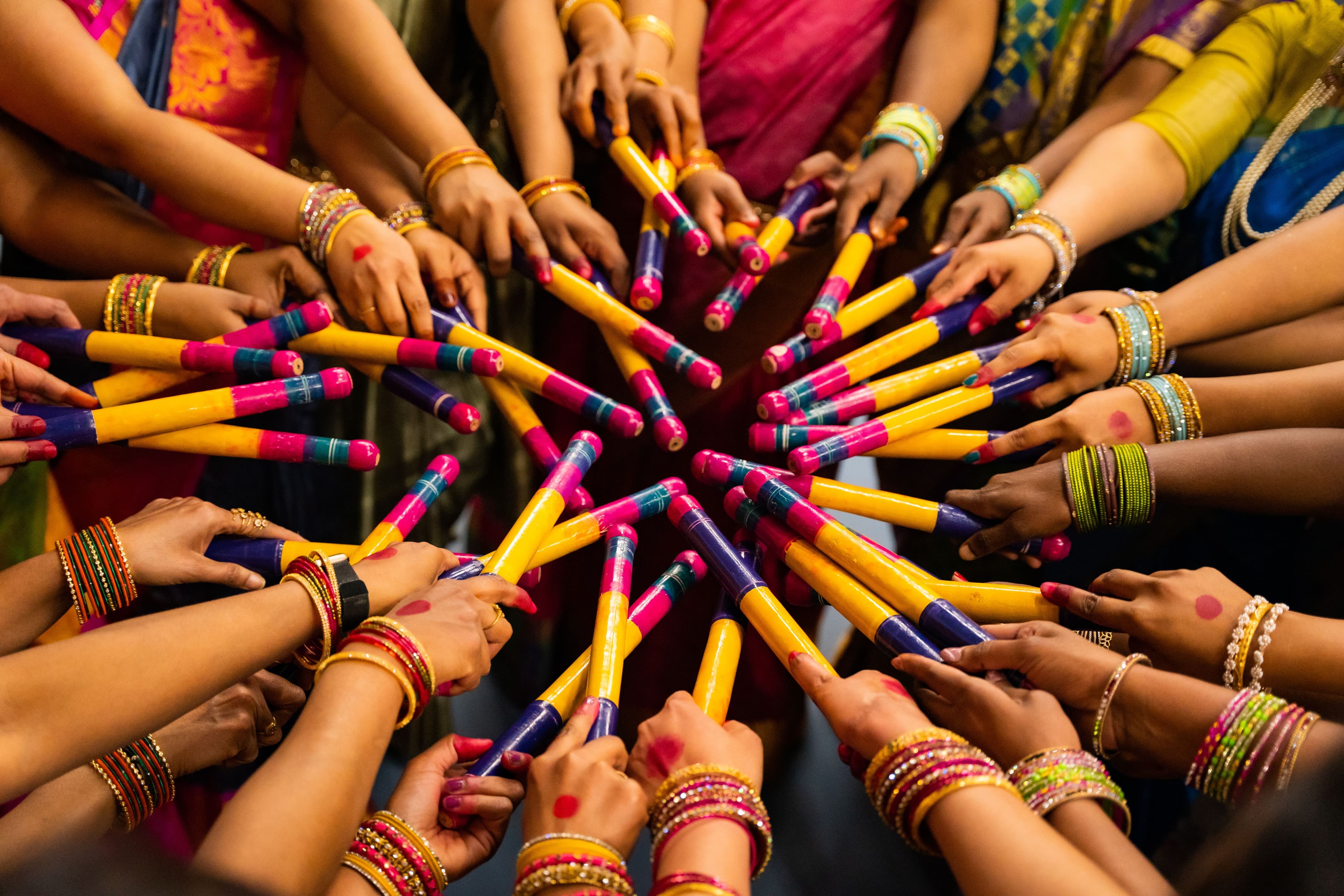
Navratri & Garba: Nine Nights of Dance in Gujarat
Navratri honours Durga's nine forms with nine nights of celebration. Gujarat's Garba dances - circling a lamp - start slow and rise to a festive finale. Ahmedabad hosts big gatherings, but smaller venues offer a cozier feel.
Onam: Kerala's Harvest Celebration
via pexels
Onam: Kerala's Harvest Celebration
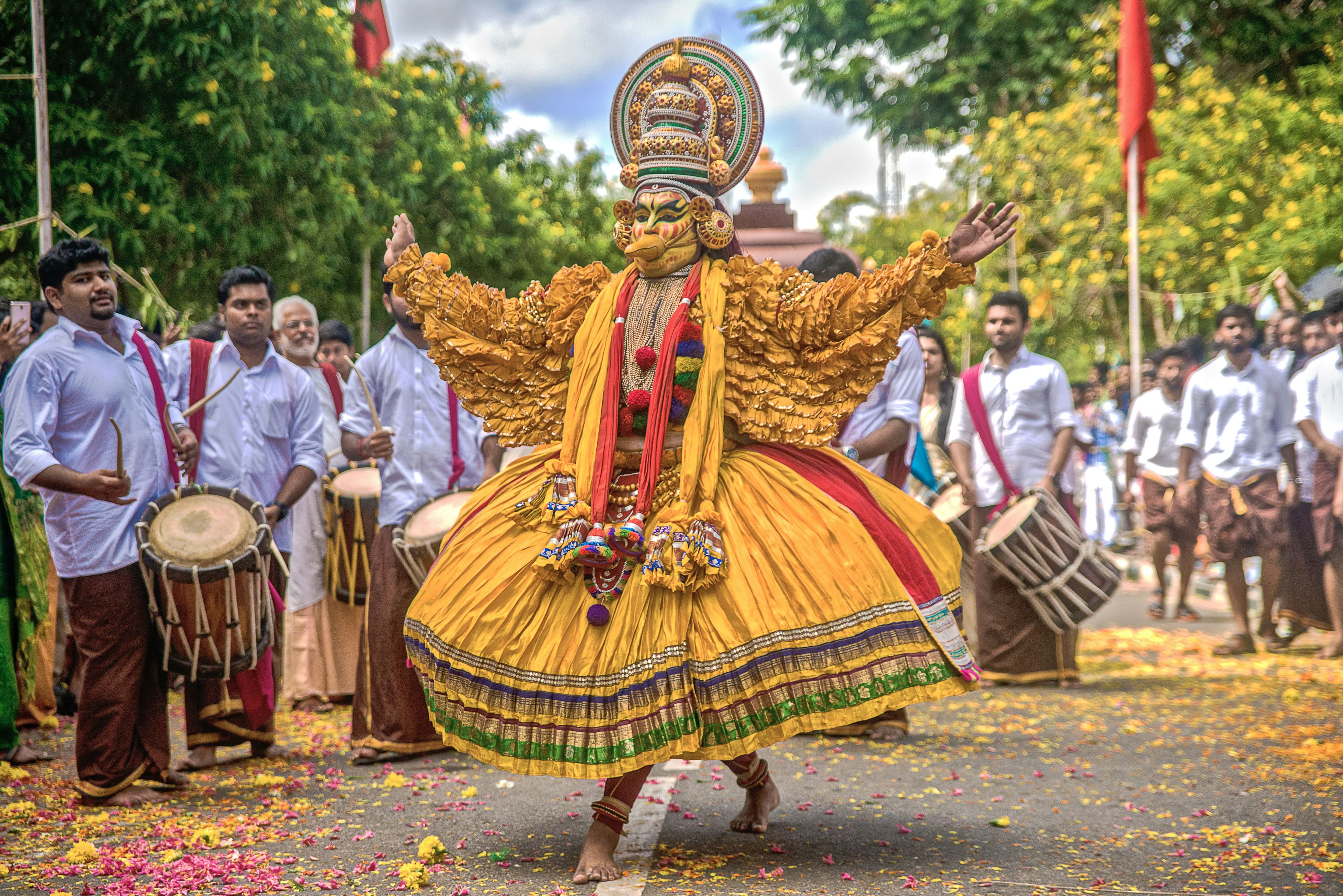
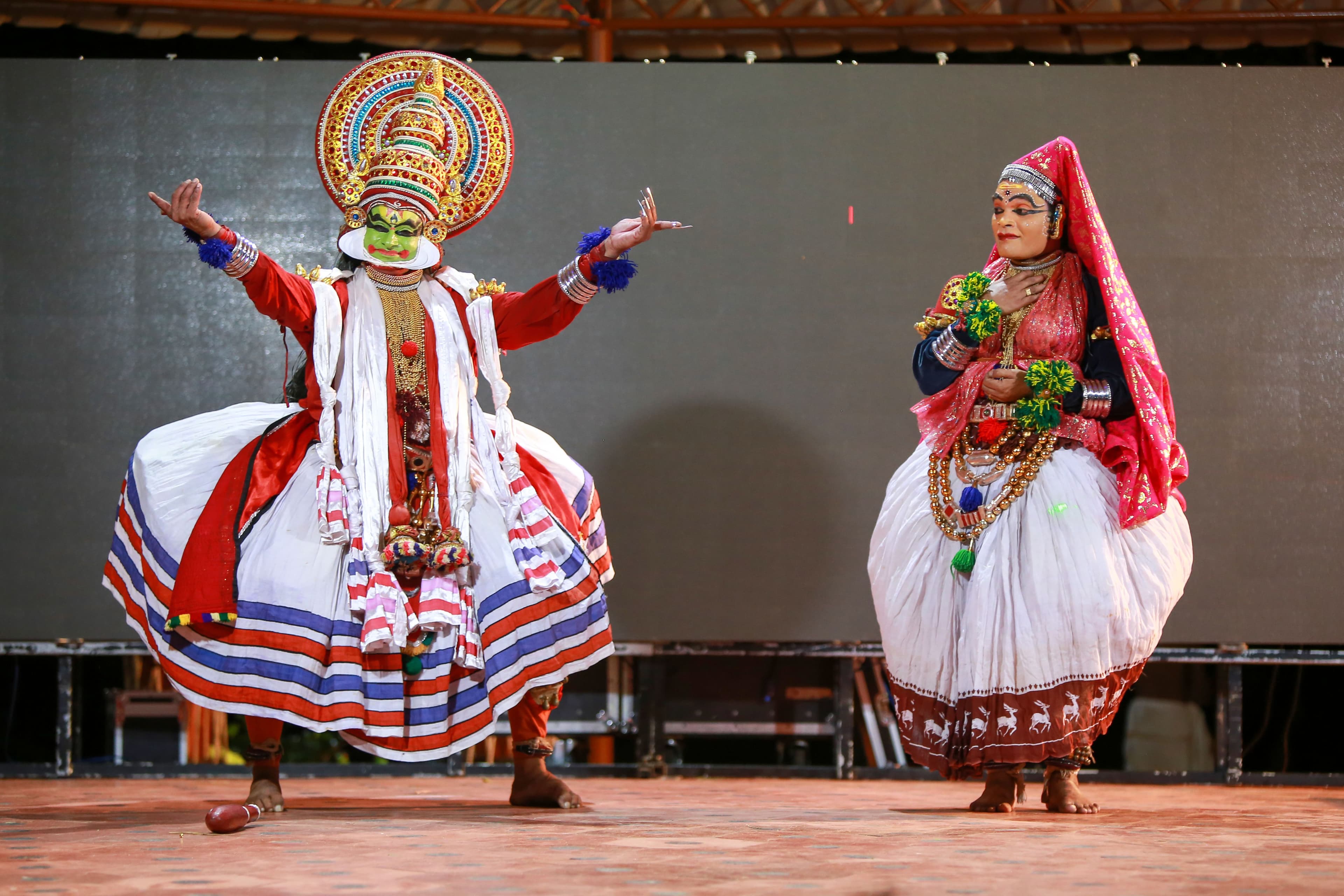
Onam celebrates Kerala's harvest with flower carpets, festive feasts, Kathakali, and the famous snake boat races. Held in late August or early September, it's best combined with a houseboat stay in the Alleppey backwaters.
Pongal: Tamil Nadu's Thanksgiving Festival
via pexels
Pongal: Tamil Nadu's Thanksgiving Festival
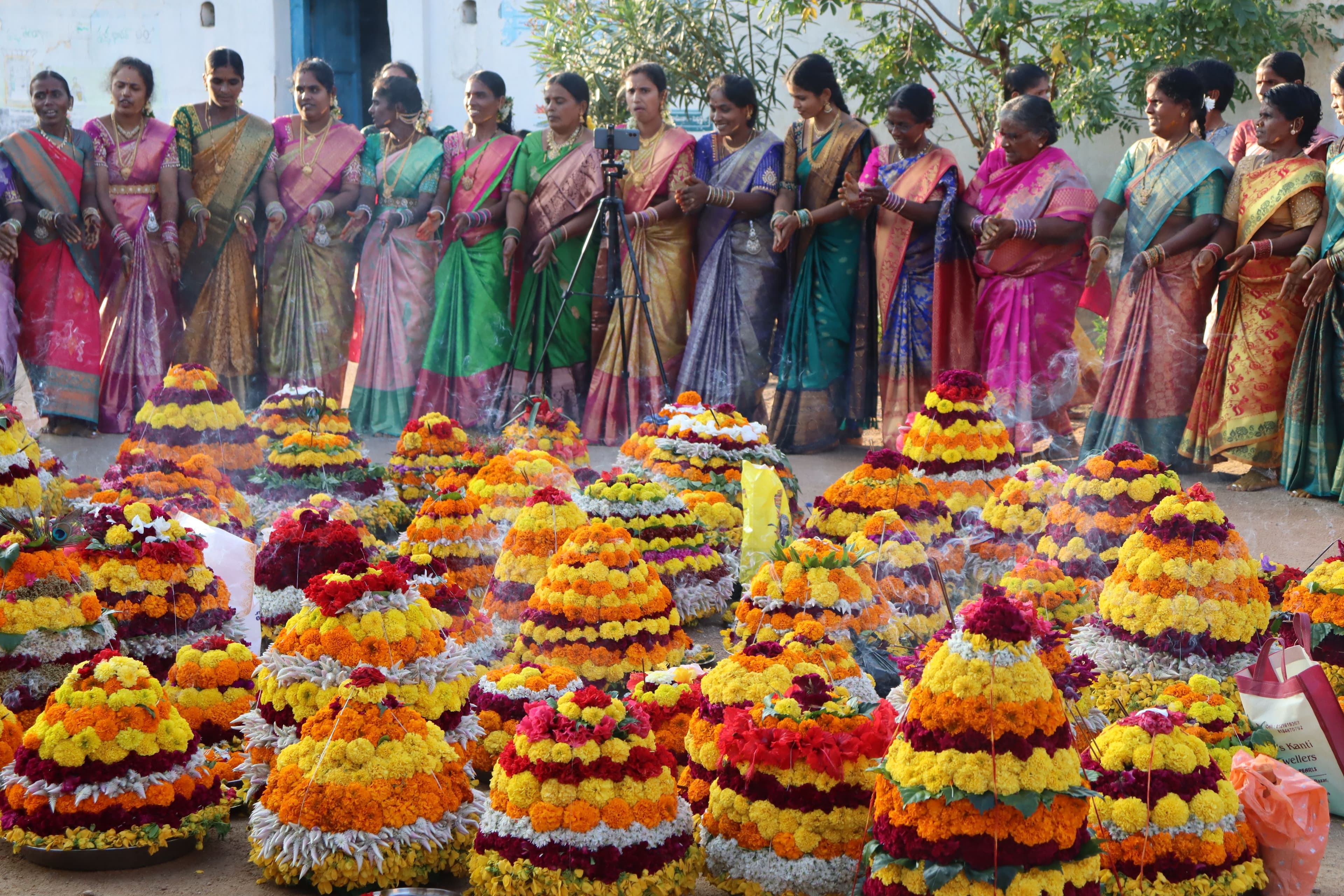
January's Pongal is a four-day harvest festival honouring the sun god, with overflowing rice and jaggery symbolising abundance. Jallikattu bull-taming in rural Tamil Nadu adds a unique cultural dimension to the celebration.
Hornbill Festival: Nagaland's Tribal Showcase
via pexels
Hornbill Festival: Nagaland's Tribal Showcase
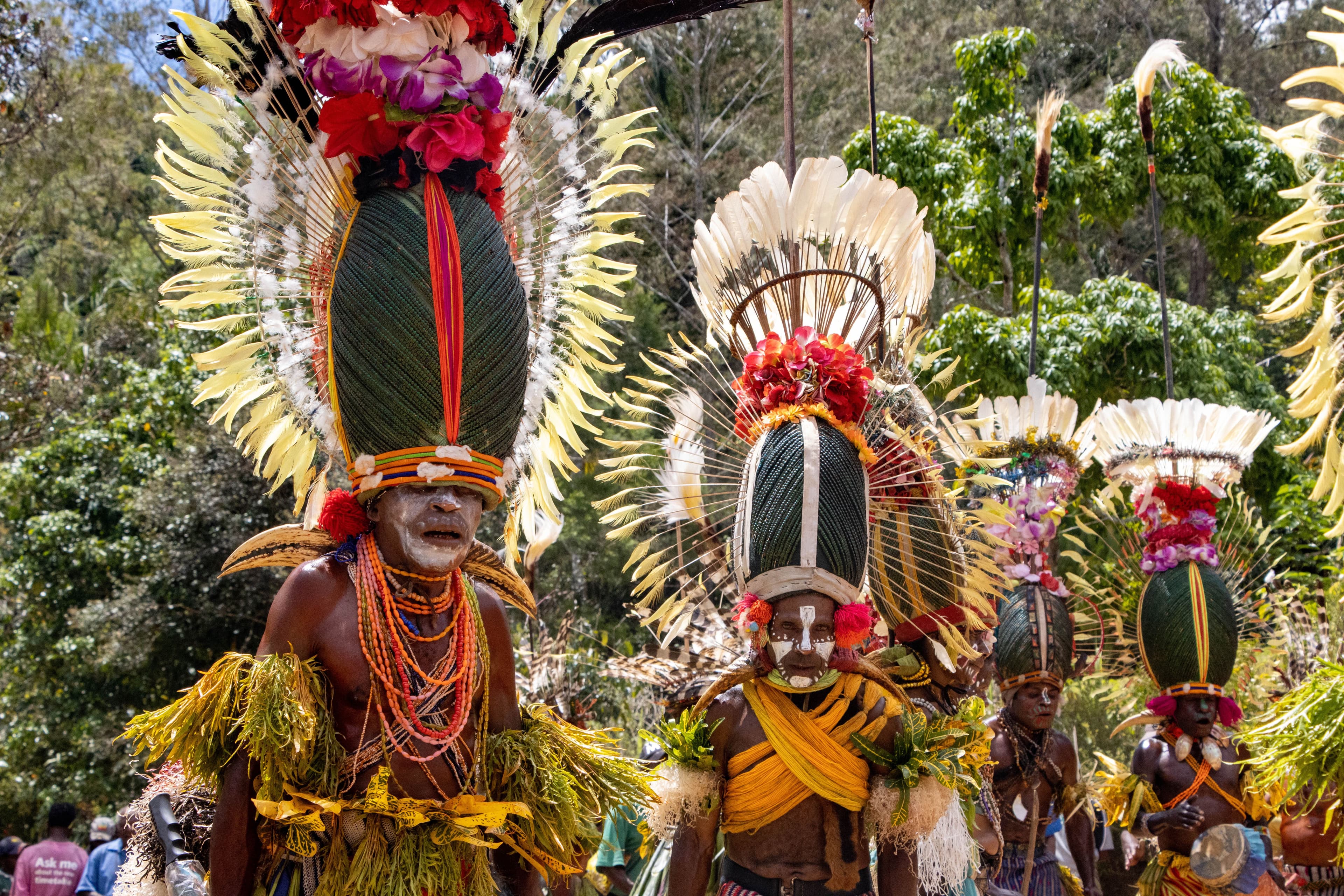
Nagaland's Hornbill Festival (December) gathers tribes from across the state for ten days of authentic dance, music, and craft displays. For many, it's the finest entry point into Northeast India's tribal traditions - a region still underrated on the global travel map.
Desert Festival, Jaisalmer: Rajasthan's Winter Carnival
via pexels
Desert Festival, Jaisalmer: Rajasthan's Winter Carnival
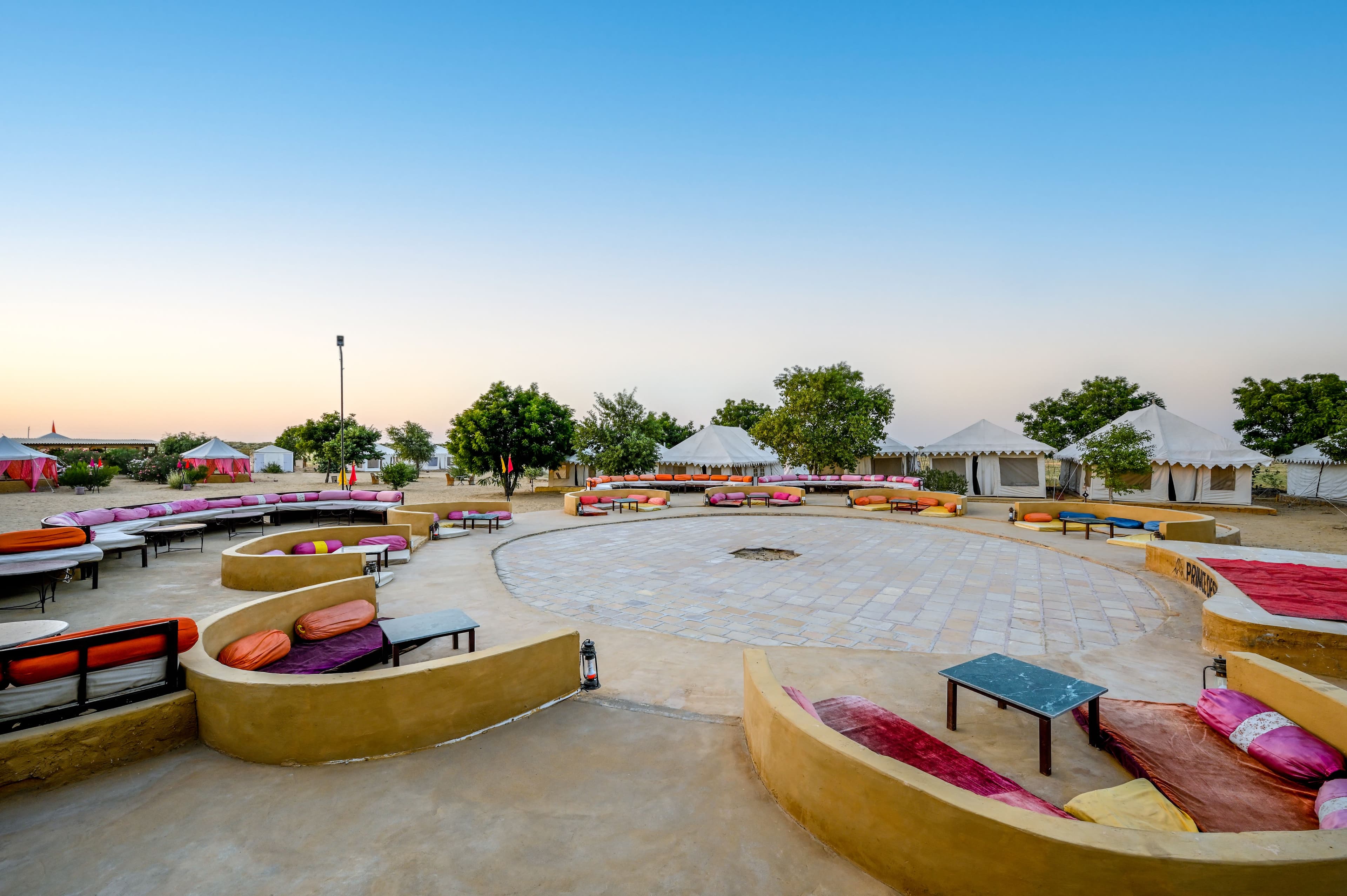
Jaisalmer's Desert Festival, held in winter, transforms the Sam sand dunes with camel polo, folk dance, turban-tying contests, and moonlit music against the Golden Fort backdrop. It pairs perfectly with a luxury desert camp or sunset camel safari.
Kumbh Mela: The World's Largest Peaceful Gathering
via pexels
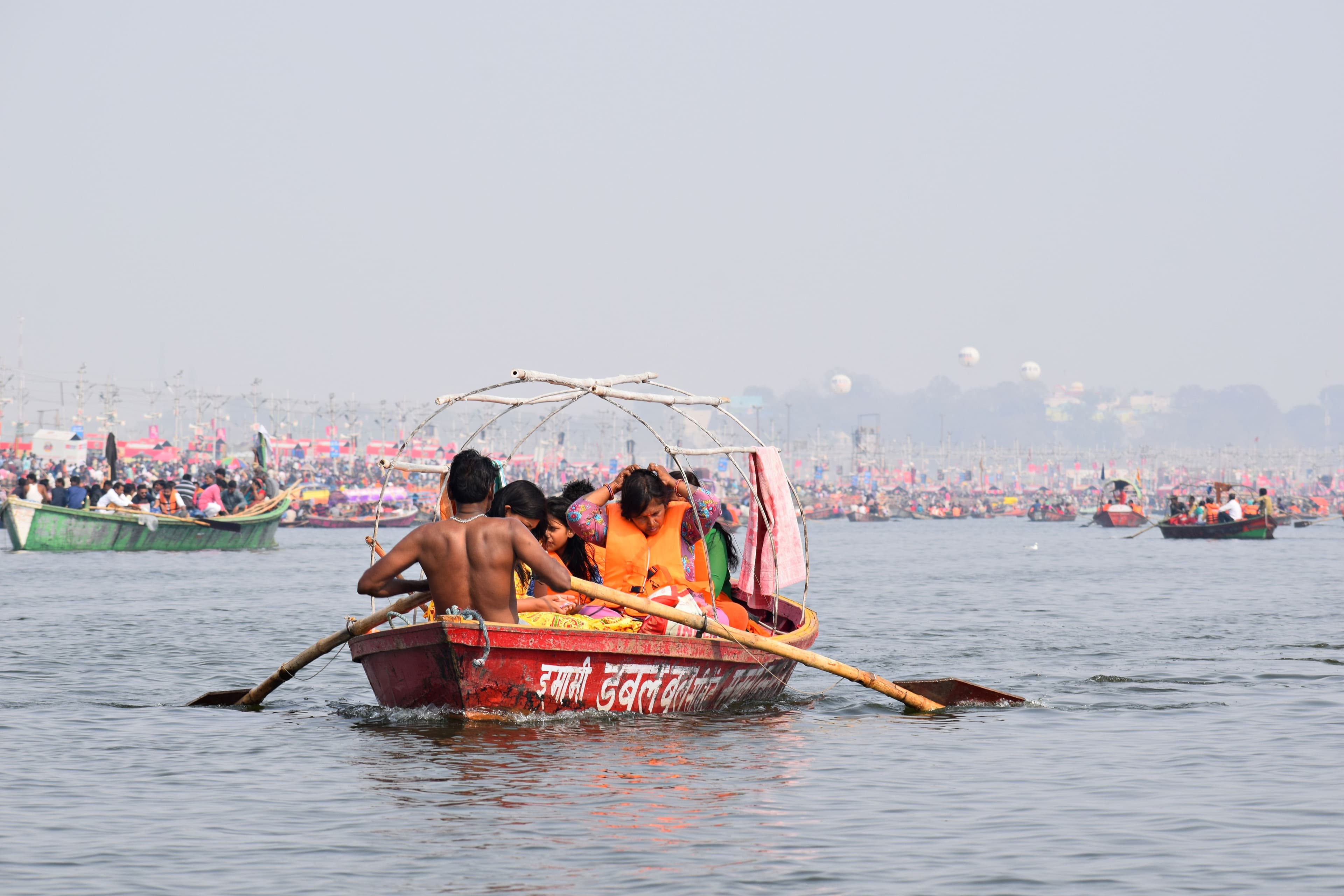
Kumbh Mela: The World's Largest Peaceful Gathering
The Kumbh Mela's sacred river dips are believed to wash away sins and break the cycle of rebirth. The 2027 Ardh Kumbh in Haridwar and Simhastha in Nashik are unforgettable but require careful planning - yet they're a lifetime experience.
What to Eat: Festival Food Across India
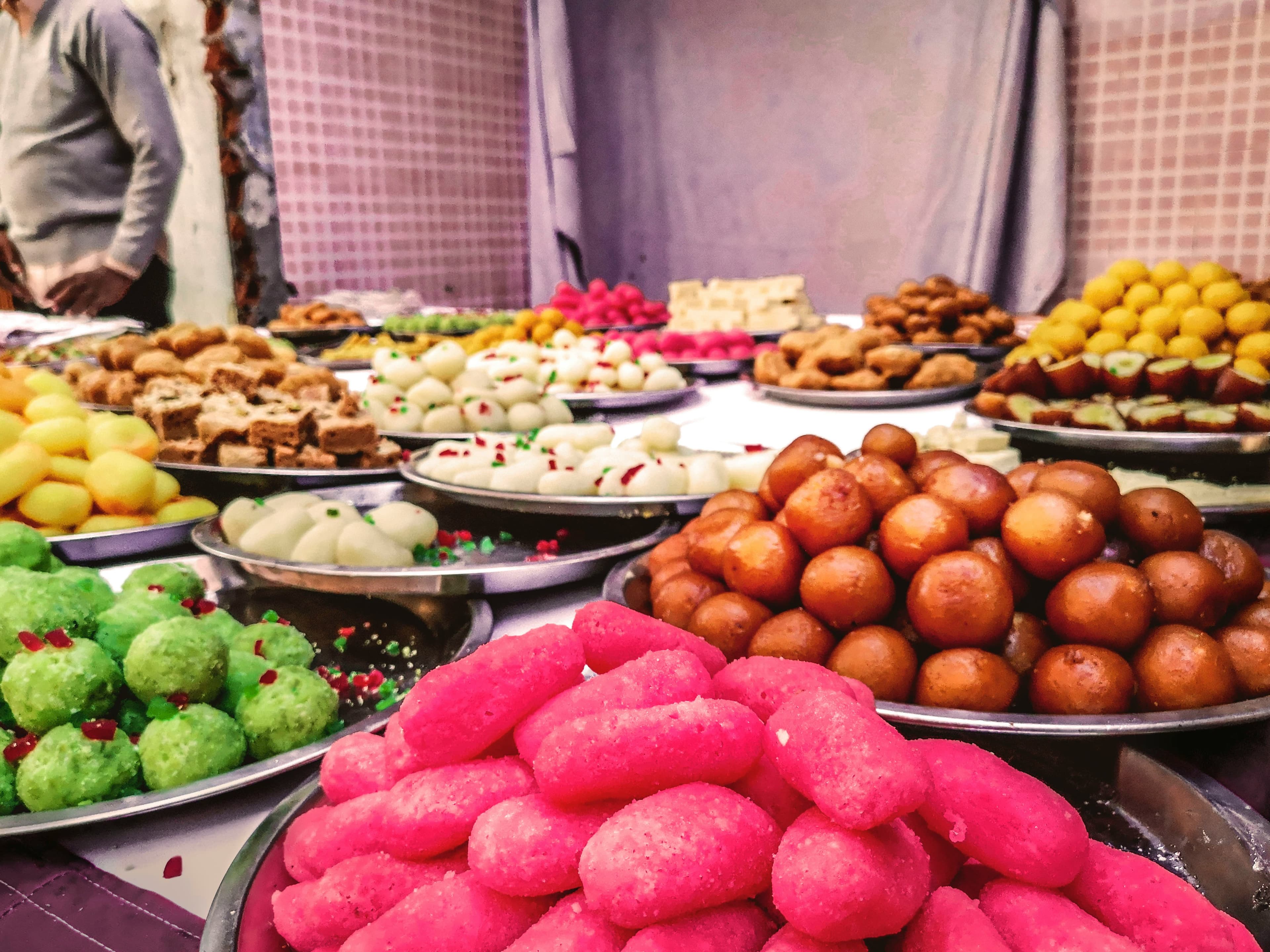
Festival food in India feels deeply regional, seasonal, and often cooked just once a year - like people wait for it. Holi brings gujiya (sweet dumplings with khoya and nuts) and chilled spiced thandai. Diwali tables fill with mithai - barfi, laddoo, and kaju katli - exchanged among relatives and neighbours. In Kerala, the Onam Sadhya is a vegetarian feast of up to 26 dishes served on a banana leaf, while Pongal is celebrated with jaggery-sweetened rice eaten straight from the pot as it boils over.
Trying these foods where they actually come from - instead of months later at a restaurant - is one of the easiest ways to make a festival trip feel deeper and more authentic.
via pexels
Luxury Travel Tips for Festival Season
- • Indian festivals tend to be communal in vibe, so you get crowds, but that doesn’t automatically translate into chaos for travelers who actually plan a bit ahead. Like yes, it’s packed, yet with the right setup it can feel… controlled, in a good way.
- • Try booking heritage hotels, and yes even havelis, ideally with private terraces or courtyards that face the festival routes. Do this well in advance, like months before Diwali , Holi, or Durga Puja. Also consider arranging a private , chauffeur-driven vehicle instead of depending on public transport during the busiest festival days, when roads in places like Kolkata and Jaipur turn basically pedestrian-only.
- • Another thing is hiring a local cultural guide . They can interpret the ritual meaning in real time, and help you get access to smaller pandals, or more intimate ceremonies, away from the biggest swirl of people.
Family Travel Tips
Diwali and Pongal are a bit more family friendly, with daytime happenings-food too, plus craft activities that work well for children. With Holi, it’s better to look for a hotel hosted get together with organic colors, and also bring along old clothes you can simply throw away after , no big deal. As for the busier ones, like Durga Puja and Kumbh Mela, they tend to feel easier for families if you plan to go to the pandals or the ghats in the late morning instead of the very peak evening time. And please, always keep a paper copy of your hotel address with you, plus the local guide phone number, just in case, especially when traveling with young children.
via pexels
Solo Female Traveler Tips
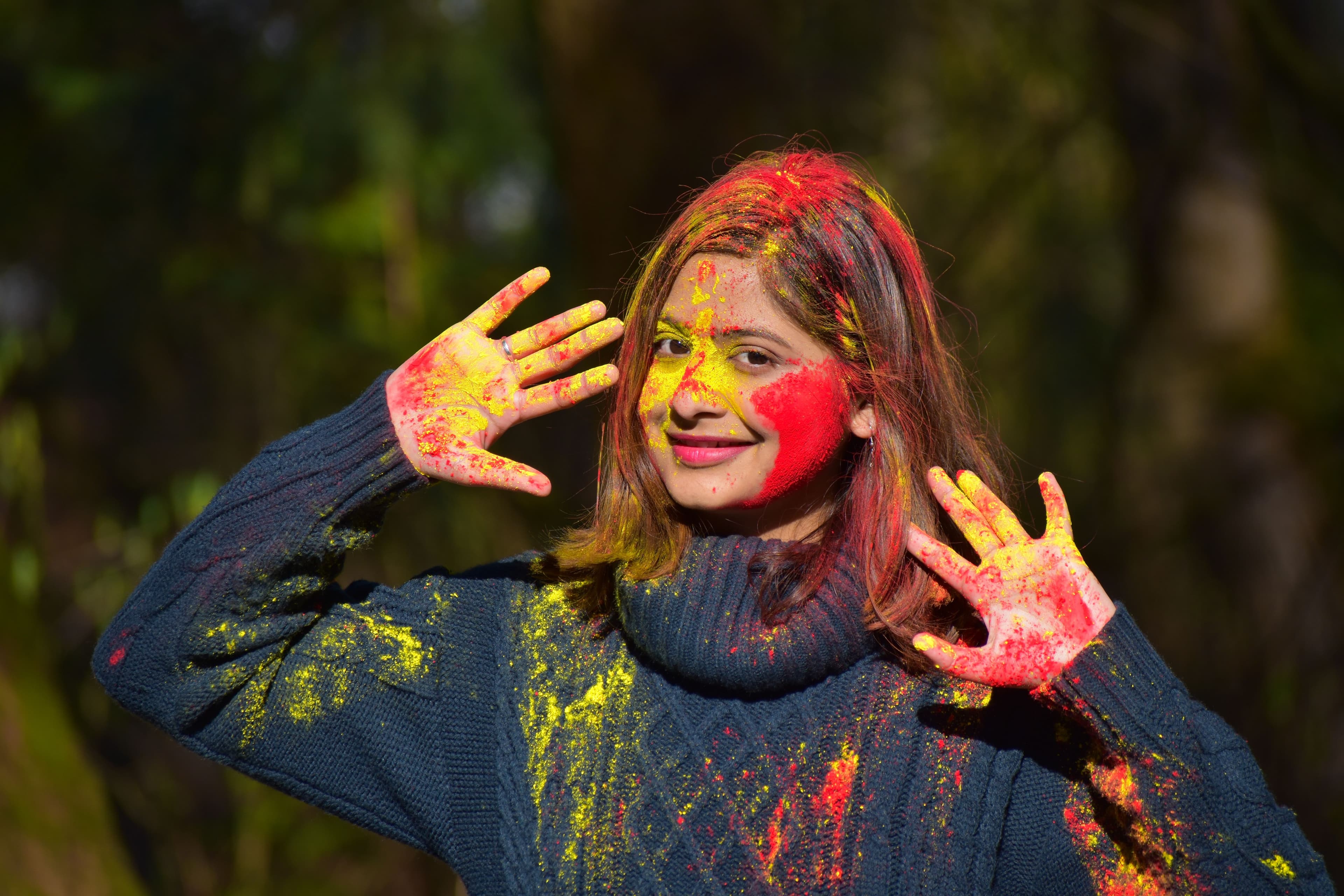
India’s festivals are now often made with women travelers in mind, and going solo doesn’t really mean you’re going without support either. Try to book women-only or small group tours when they’re available, especially around Holi or those very crowded night scenes like Navratri’s Garba evenings. In temple zones, dress modestly, and keep your valuables in a cross body bag. Also, use a trusted pre-arranged driver, don’t just stop random transport on festival nights, it can get messy.
via pexels
Practical Travel Guide
Best Time to Visit
October through March pretty much hits the sweet spot, because it lines up with most of the big festivals and the weather is usually easy going across the country. Do still double check the exact lunar calendar dates for the year you’re going, since they shift a bit.
How to Reach
If you are coming from outside , most people land in Delhi, Mumbai or Kolkata. After that, you just go on with a domestic flight, or you arrange a private chauffeur driven transfer , to the festival hotspots like Jaipur, Varanasi, Ahmedabad, or Kohima.
Entry and Ticket Details
A lot of street-style celebrations, like Holi and Durga Puja pandal hopping , are totally free to join. But the Hornbill Festival and Rann Utsav sometimes ask for a little entry fee, and then a few special zones—say premium viewing decks, curated Holi get-togethers, or Kumbh Mela VIP ghats— usually demand advance booking via a tour operator, not really a casual walk in.
Suggested Duration
Try for three to five days centered on one festival city, so you get time for the main program, plus a little “heritage drifting” nearby. For Kumbh Mela and the Hornbill Festival, it’s worth stretching it to five to seven days, because honestly they’re huge and you’ll want the extra breathing room.
Budget Estimates
For mid-range festival trips you’re probably looking at something like $150–$250 per day for each person, with hotel transport ,and a guide more or less already figured in. If you’re going luxury, like heritage stays plus private transport and a more curated festival setup, it can tip into $400–$800 per day per person, pretty fast.
Safety Tips Recap
Keep photocopies of your passport, use hotel safes for valuables, avoid isolated areas after dark during large gatherings, and always confirm crowd-control advisories for the Kumbh Mela and other mass events before traveling.
Packing Tips
Bring clothes you don’t mind getting a little stained for Holi, plus modest cotton clothing for temple visits. For the whole pandal-hopping situation, comfortable closed-toe shoes are a lifesaver, and for the cooler winter evenings , toss in a light shawl or jacket for Rajasthan and Nagaland.
Photography Tips
If you want Diwali lighting to look really good, go for early morning or blue-hour shots when the light is softer and the crowds haven’t fully formed yet. For Holi, a waterproof phone case works, or an action camera dedicated to movement can be better. And yes, always ask for permission before you photograph worshippers during religious ceremonies.
Suggested Two-Day Festival Itinerary
- • Day 1, morning: We’ll do a guided walk through Jaipur’s Old City, and we’ll pass by nearby markets as they get busy with diyas, sweets, and rangoli supplies for the festival.
- • Day 1, evening: There’s a private rooftop dinner with views over the illuminated City Palace, after that you can wander through lantern lit bazaars, slowly, like no rush.
- • Day 2, morning: Head out to a local artisan workshop to try learning rangoli basics and the diya-painting techniques in a traditional way.
- • Day 2, evening: Enjoy the Diwali celebration hosted with a local family or from a heritage haveli, you’ll get a home-style feast and then fireworks watching from a private terrace.
Why Choose India Heritage Travel
Getting connected is this small but kinda important part of a smooth India trip, and honestly it’s the kind of detail India Heritage Travel keeps in mind when we run a fully managed journey. Guests who travel with us don’t really have to sort out airport SIM counters by themselves, or stand there and guess which eSIM provider might work- our team gives connectivity guidance as part of every private tour along with private chauffeur driven transport, carefully picked heritage stays, and experienced local guides, so it all feels seamless.
- • Private chauffeur driven tours, with drivers who can assist with SIM or eSIM setup on arrival.
- • Fully customized itineraries matched to each traveler’s pace and personal interests.
- • Curated stays in India’s finest heritage and luxury hotels, with dependable in-room Wi-Fi.
- • Expert local guides with deep historical and cultural knowledge, at every stop or site you visit.
- • One single point of contact across the entire journey, coordinating with your insurer’s assistance line if ever needed, just in case.
Frequently Asked Questions
No. The Indian Rupee is the only legal tender, and shops, taxis and most vendors will not accept foreign currency directly. You'll need to exchange or withdraw INR.
Yes. Through the UPI One World framework, foreign tourists can set up a prepaid wallet using their passport and visa and pay via UPI QR codes without an Indian bank account.
Widely accepted in cities at hotels, malls, and larger restaurants, but far less common at local markets, street stalls, and rural areas, where cash or UPI is expected.
Most Indian ATMs cap a single withdrawal on a foreign card between roughly ₹10,000 and ₹20,000, depending on the bank, with additional withdrawals possible for a fee.
You can bring unlimited foreign currency, but amounts over USD 5,000 in cash, or USD 10,000 combined with travelers' cheques, must be declared on a Currency Declaration Form at customs.
Airport counters are convenient for a small initial amount, but city banks, RBI-authorized money changers, and hotel desks typically offer better rates for the bulk of your exchange.
Planning a Festival Journey in India?
India Heritage Travel creates private, fully escorted itineraries timed around India's most vibrant festivals - Holi, Diwali, Pushkar Fair, and Durga Puja - with dedicated drivers, local guides, and 24/7 support for a seamless cultural experience.
Plan My Festival Journey