Why Dholpur Belongs on Your Itinerary
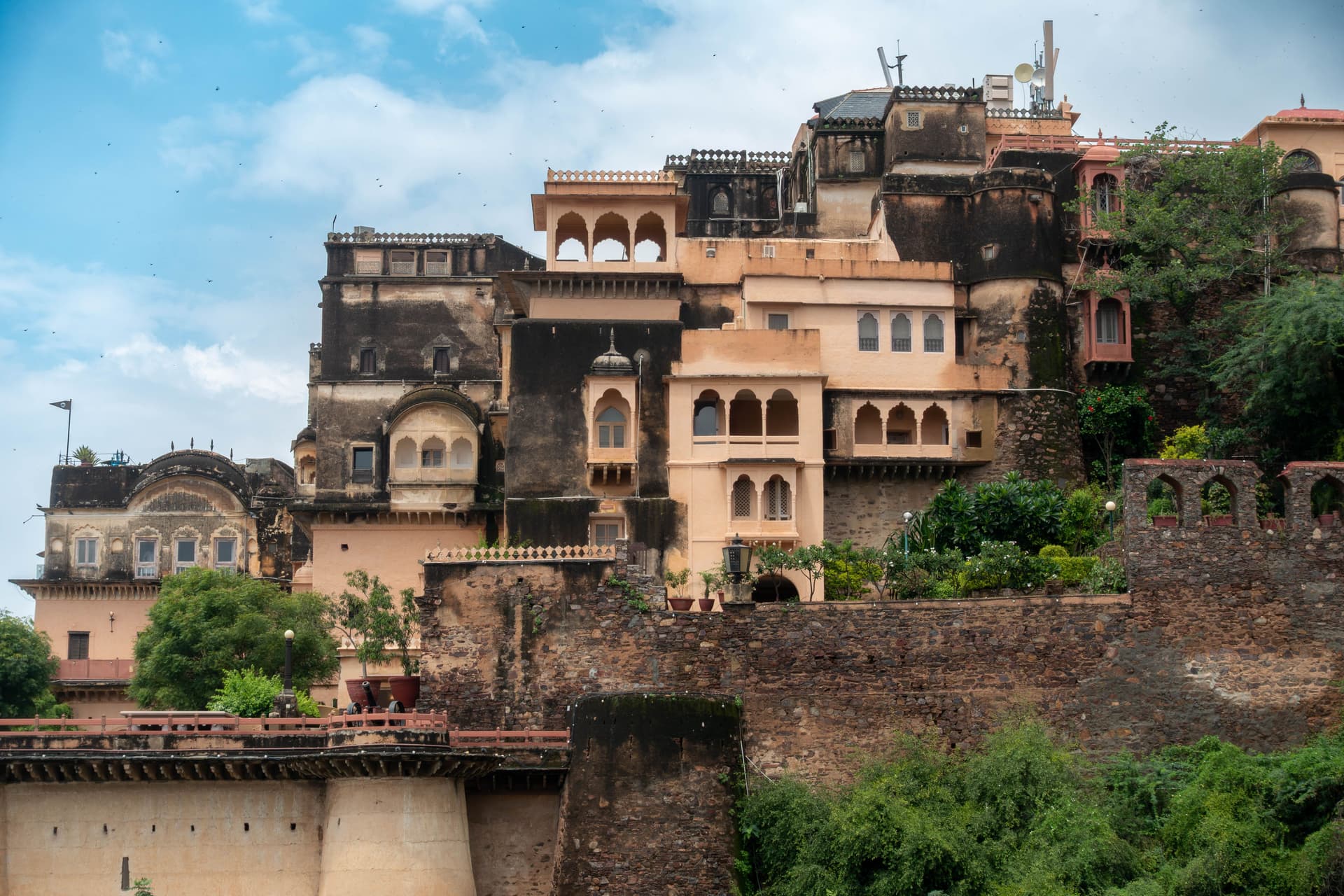
While most tourists who visit Agra make their way to Delhi or Jaipur, very few venture down the small road leading to Dholpur, a small royal town near Rajasthan where the ravines of Chambal commence. The Dholpur royal legacy is an unique combination of an elegant royal palace that combines Dutch and Belgian architecture, ruins of a lotus garden constructed by Babur, a temple next to a lily pond, and a river where the gharials and Gangetic Dolphins still live.
It is certainly not a place that screams of its presence. Rather, it caters to the leisurely tourist who is looking for a night in the newly restored royal palace, a ride in a boat early in the morning, and a day filled with both Mughal history and the local wildlife. Dholpur is indeed the perfect destination for tourists who want to experience the Rajasthan and Chambal beyond the Taj Mahal.
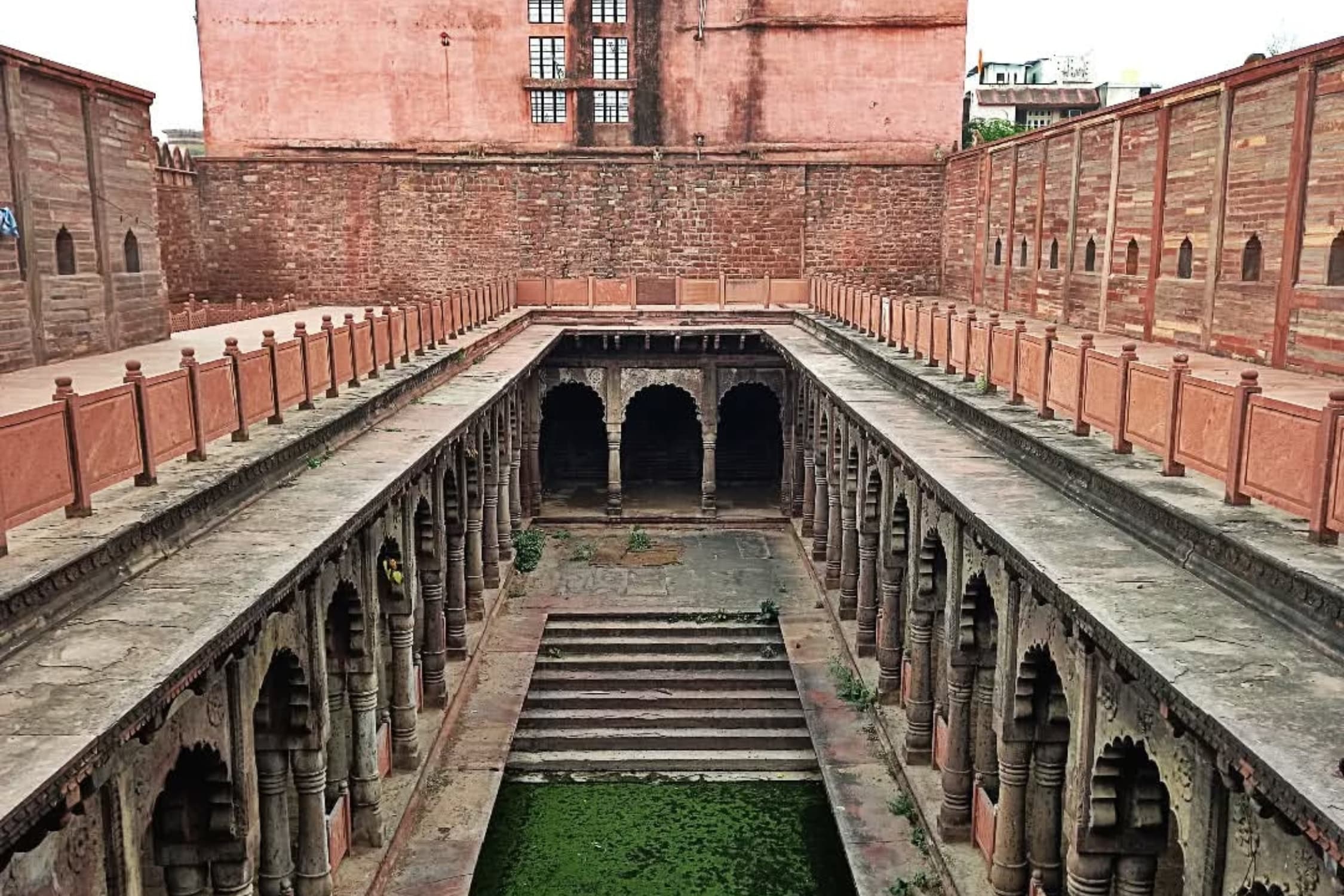
Image via encrypted-tbn0
The following guide will give you information on the history, places you should visit, wildlife of the region, choice of lodging, and how to reach Dholpur from Agra and Jaipur.
Dholpur at a Glance
| Detail | What to know |
|---|---|
| Location | Eastern Rajasthan, near the Madhya Pradesh and Uttar Pradesh borders, about 4 km from the Chambal River. |
| Distance from Agra | Roughly an hour by road; Agra is the nearest major airport and a natural base |
| Known for | Raj Niwas Palace, Babur's Lotus Garden, Machkund Temple, Shergarh Fort, Talab-e-Shahi, red sandstone, Chambal safaris |
| Heritage stay | Raj Niwas Palace, a restored royal residence with heritage suites and villas |
| Character | Quiet, rural, riverine; palace comfort and wild landscape |
| Ideal for | Heritage lovers, wildlife and birdwatching enthusiasts, couples, Agra-based travellers seeking an offbeat day or night |
| Ideal stay | One to two nights, often combined with Agra, Bharatpur or Karauli |
A Short History of Royal Dholpur
There are layers of history associated with Dholpur. According to tradition, the earlier name of the settlement was Dhawalpuri and it is attributed to be founded by Raja Dholan Deo Tomar in the 8th century, but the documentation dates from a much later period. Jadu rulers of Karauli are documented as building a fort here in the early 12th century. Due to its location near the Chambal River, the town served as a passage for the armies moving towards Malwa and Gwalior and appears many times in the records of the Delhi Sultanate and Mughals.
The founder of the Mughal dynasty, Babur, arranged a garden in this place between 1527 and 1530 on a red-sandstone ridge above the Chambal River. Further, in 1540 Sher Shah Suri reconstructed the fort in the river and called it Shergarh. In the early 17th century there was a lake and lodge of Talab-e-Shahi erected as the hunting place for Prince Shah Jahan.
In 1805 the modern princely state was formed with the transfer of Jats of the Bamraulia family from Gohad to Dholpur. Dholpur became a British protectorate in 1806. Rana Kirat Singh was the ruler until 1836, then followed by Bhagwant Singh (1836)
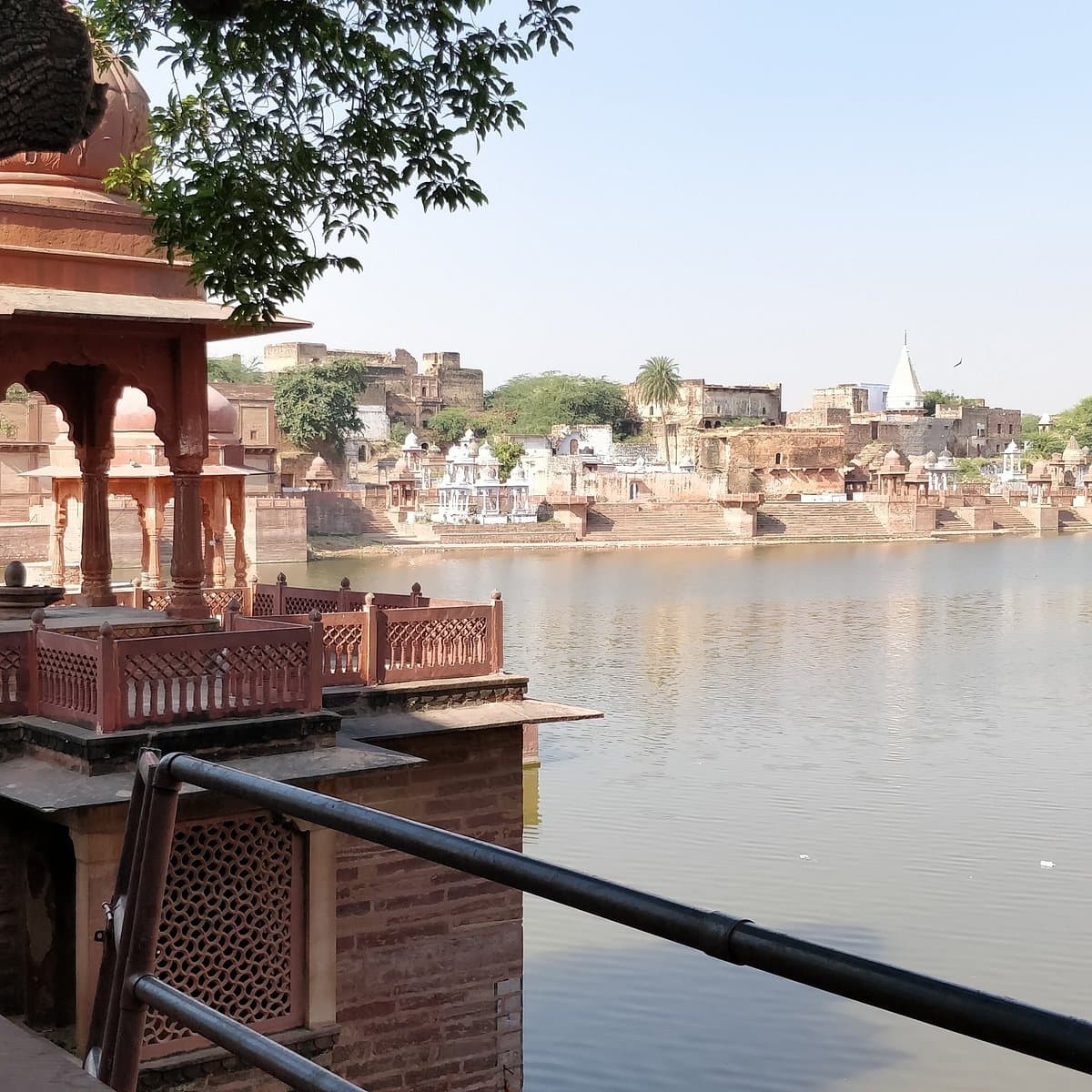
Image via encrypted-tbn0
Dholpur Royal Heritage: The Major Attractions
Raj Niwas Palace (Dholpur Palace)
Image via wikipedia
Raj Niwas Palace (Dholpur Palace)
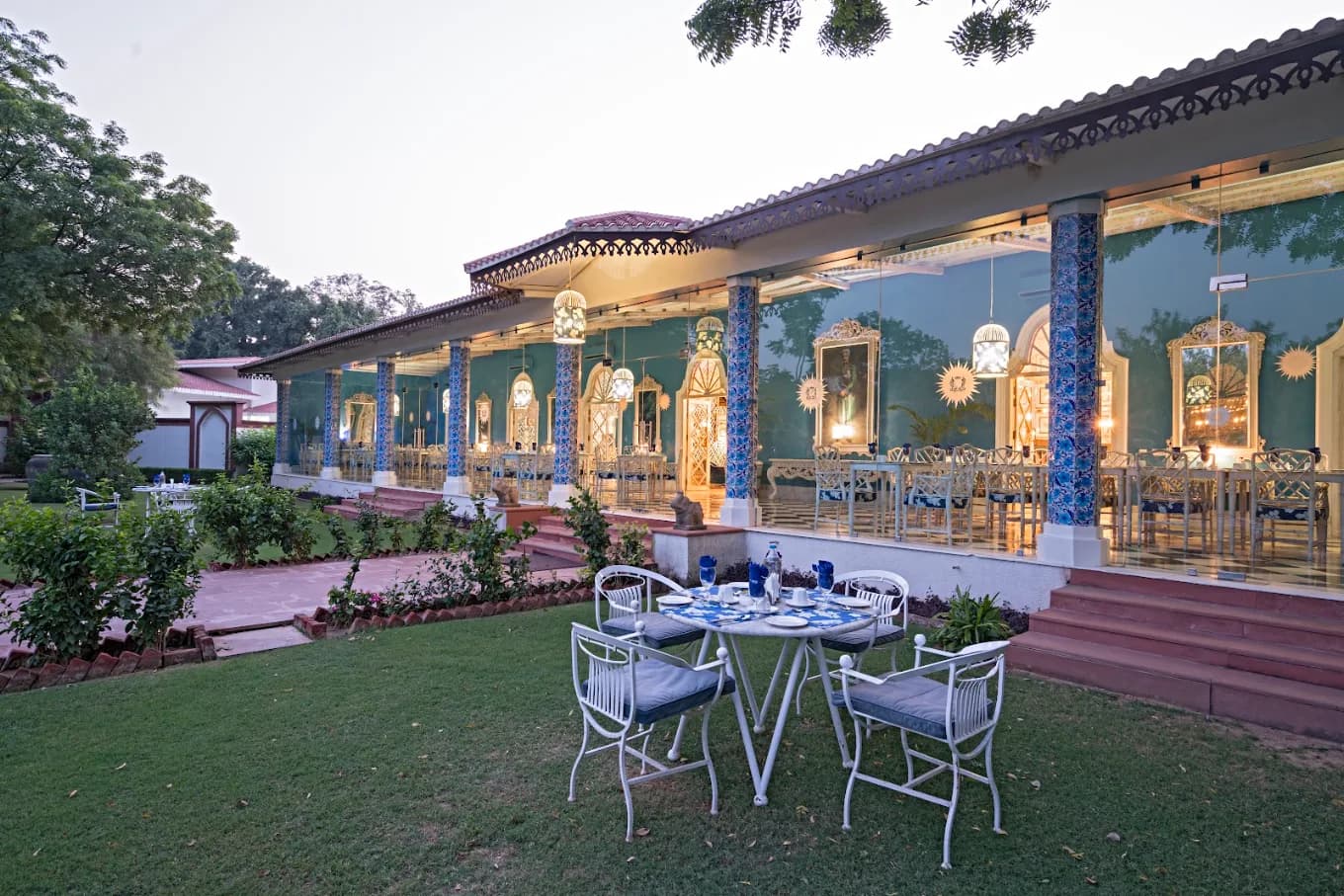
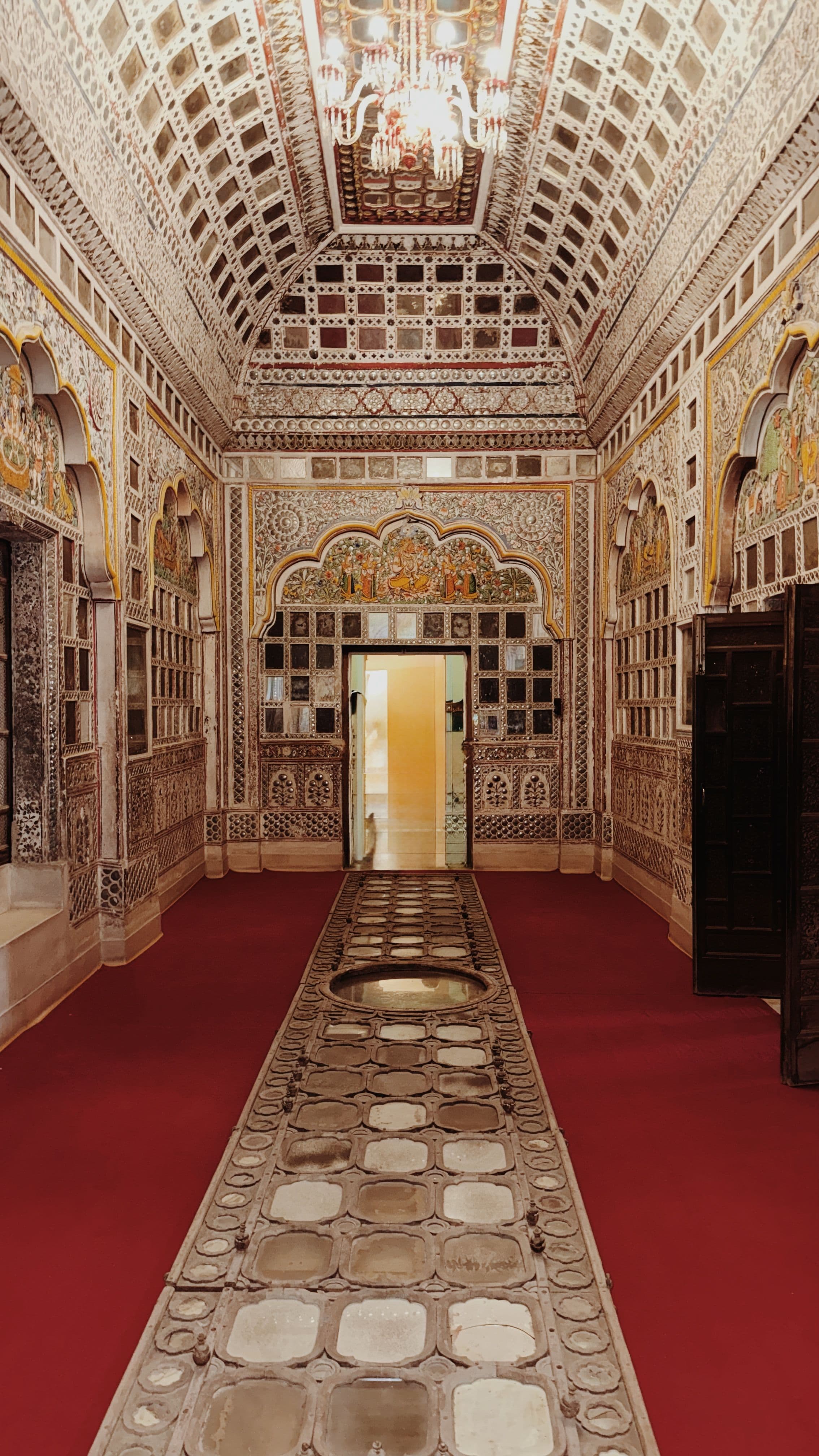
Dholpur Palace, built from red sandstone, commands the Chambal valley across 13 acres. Its rooms blend European décor - Dutch tiles and Belgian glass chandeliers - with a Great Hall of period furniture, while the royal suite is reached via a staircase painted with birds and foliage.
Babur's Lotus Garden (Badshahi Bagh)
Image via wikipedia
Babur's Lotus Garden (Badshahi Bagh)
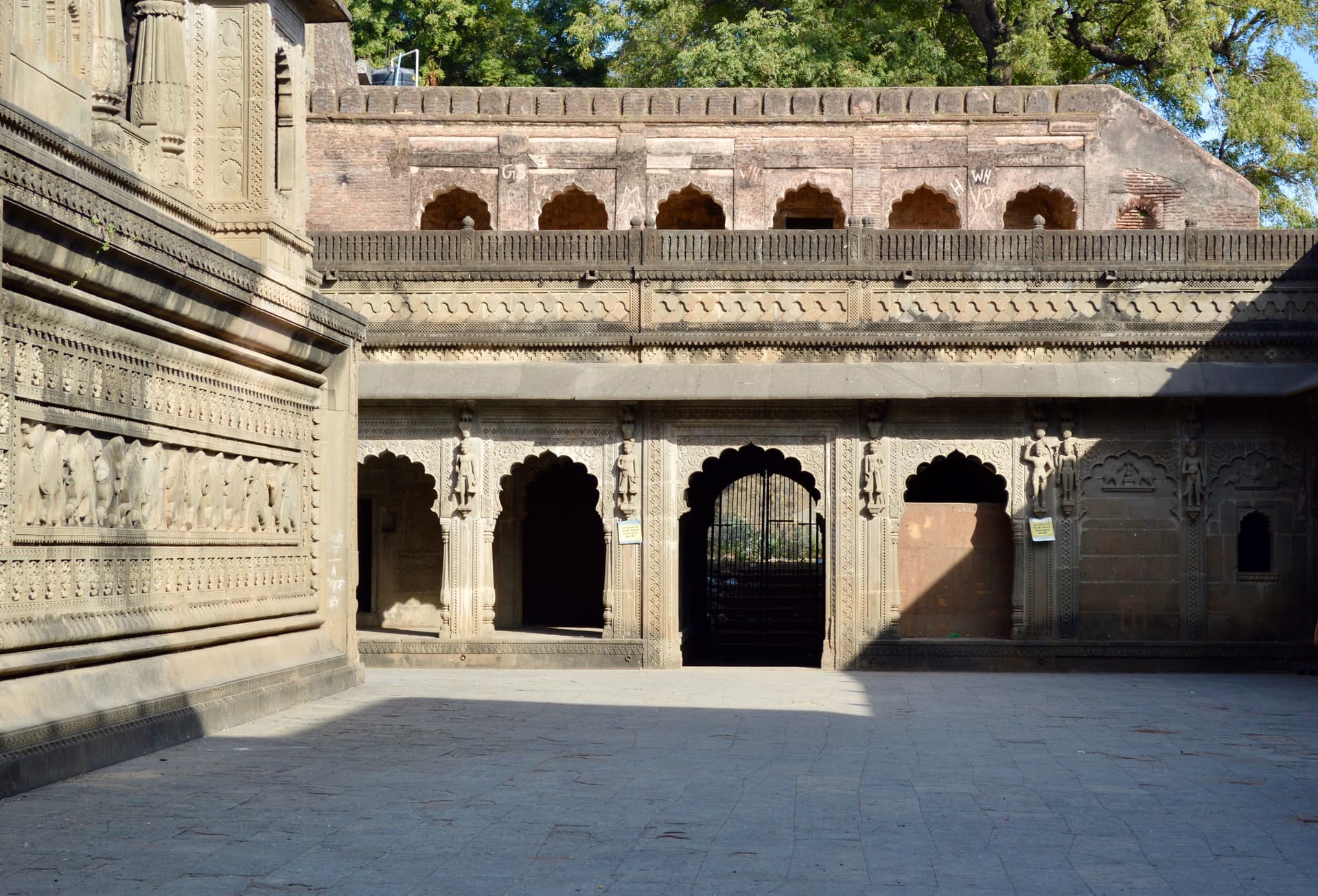
Located on a hill about 50 kilometers south of Agra, the Lotus Garden represents one of the few Mughal gardens that were constructed in ancient times and have survived in fragments. According to Babur's writings, the garden had features like a mosque, a bath, a well, rock-cut water spouts, and, at present, its display of a step well
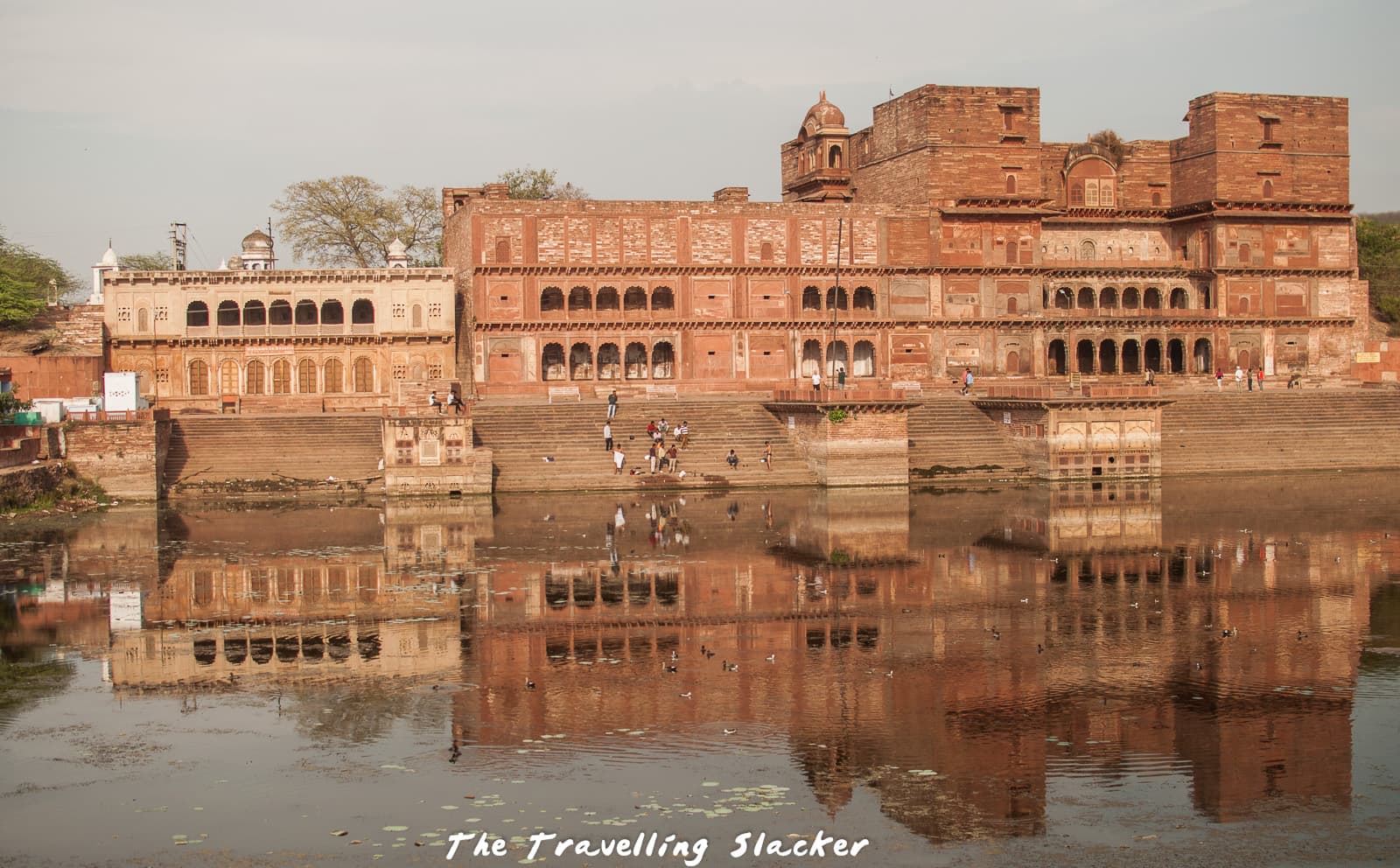
Machkund Temple
Image via wikipedia
Machkund Temple
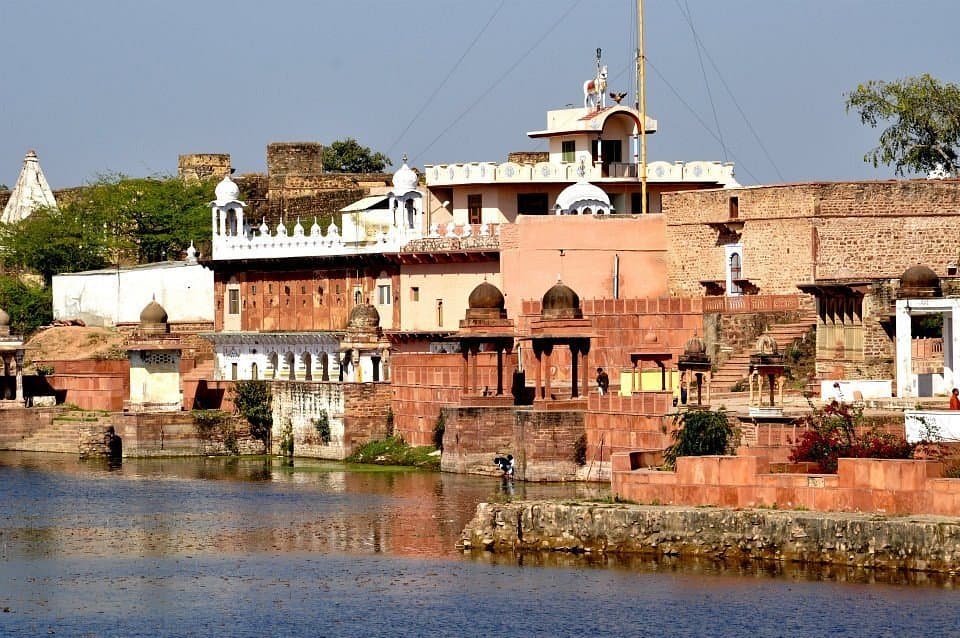
Machkund, about 4 kilometers away from the town, is considered to be a pilgrimage spot associated with King Muchchchukand, located next to a tank filled with lotuses and shrines that are considered to be hundreds of years old. It is visited by devotees, mainly during festive occasions, and provides a picturesque view early in the morning.
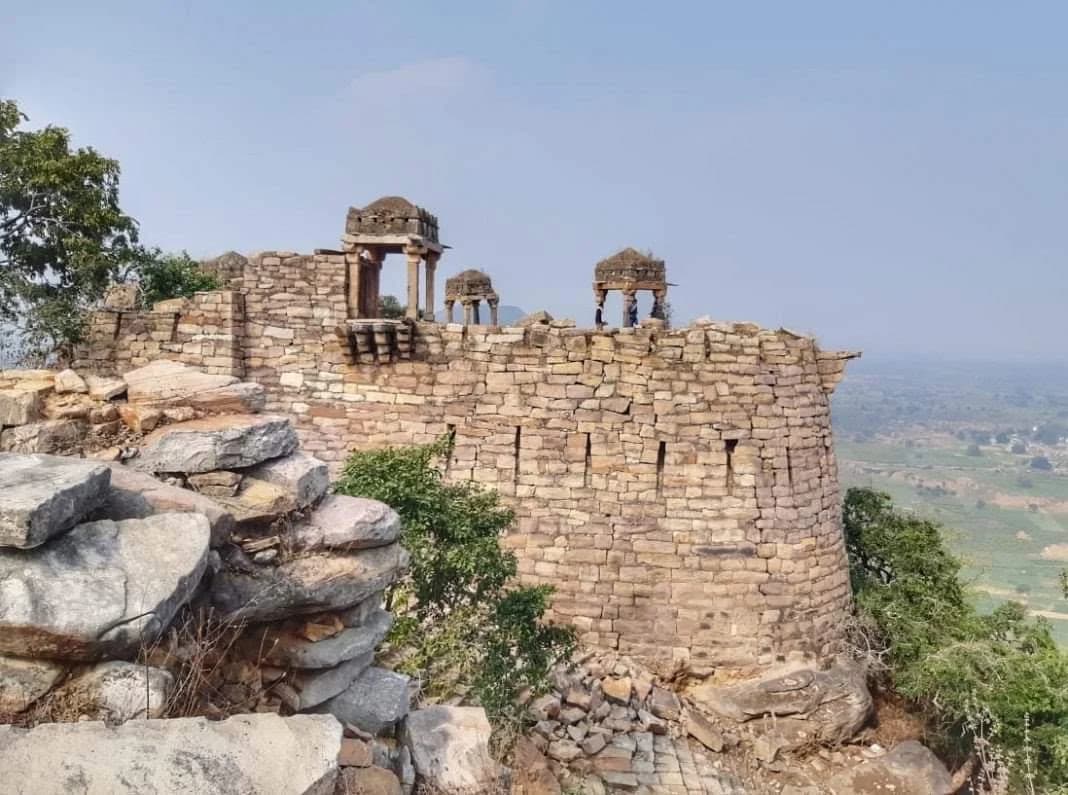
Shergarh Fort
Image via wikipedia
Shergarh Fort
Shergarh Fort, located near the river Chambal, belongs to the time of Sher Shah Suri, who rebuilt and renamed it in 1540. Now it is a ruined fort located in a picturesque place where an additional guide should help to find it.
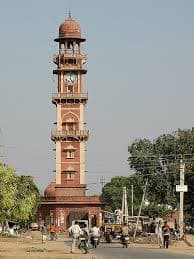
Talab-e-Shahi and Nihal Tower
Image via wikipedia
Talab-e-Shahi and Nihal Tower
The lake of Talab-e-Shahi, with its hunting house for the royal family, is a good place to observe birds in winter as migratory birds gather here. Distance varies from source to source; hence, a drive should be expected from the city. The Nihal Tower was erected in the memory of Raja Nihal Singh.
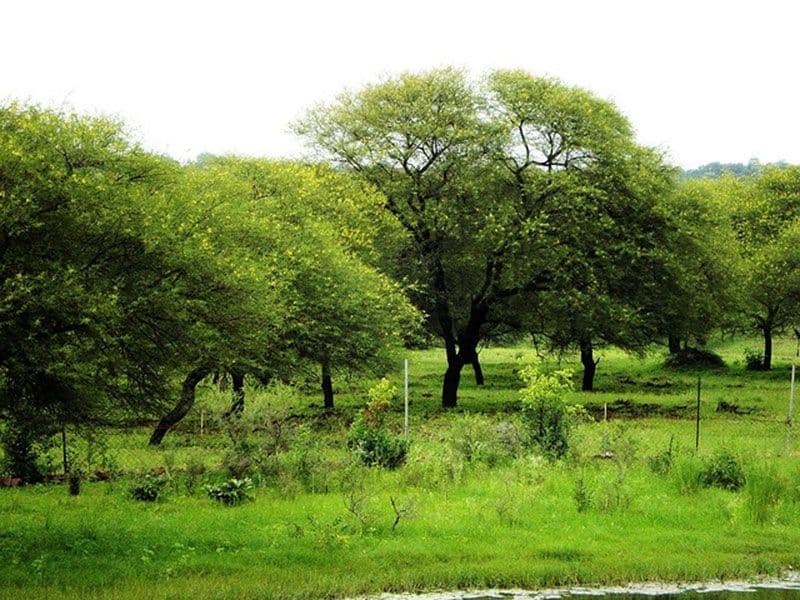
Van Vihar and Ramsagar Sanctuaries
Image via wikipedia
Van Vihar and Ramsagar Sanctuaries
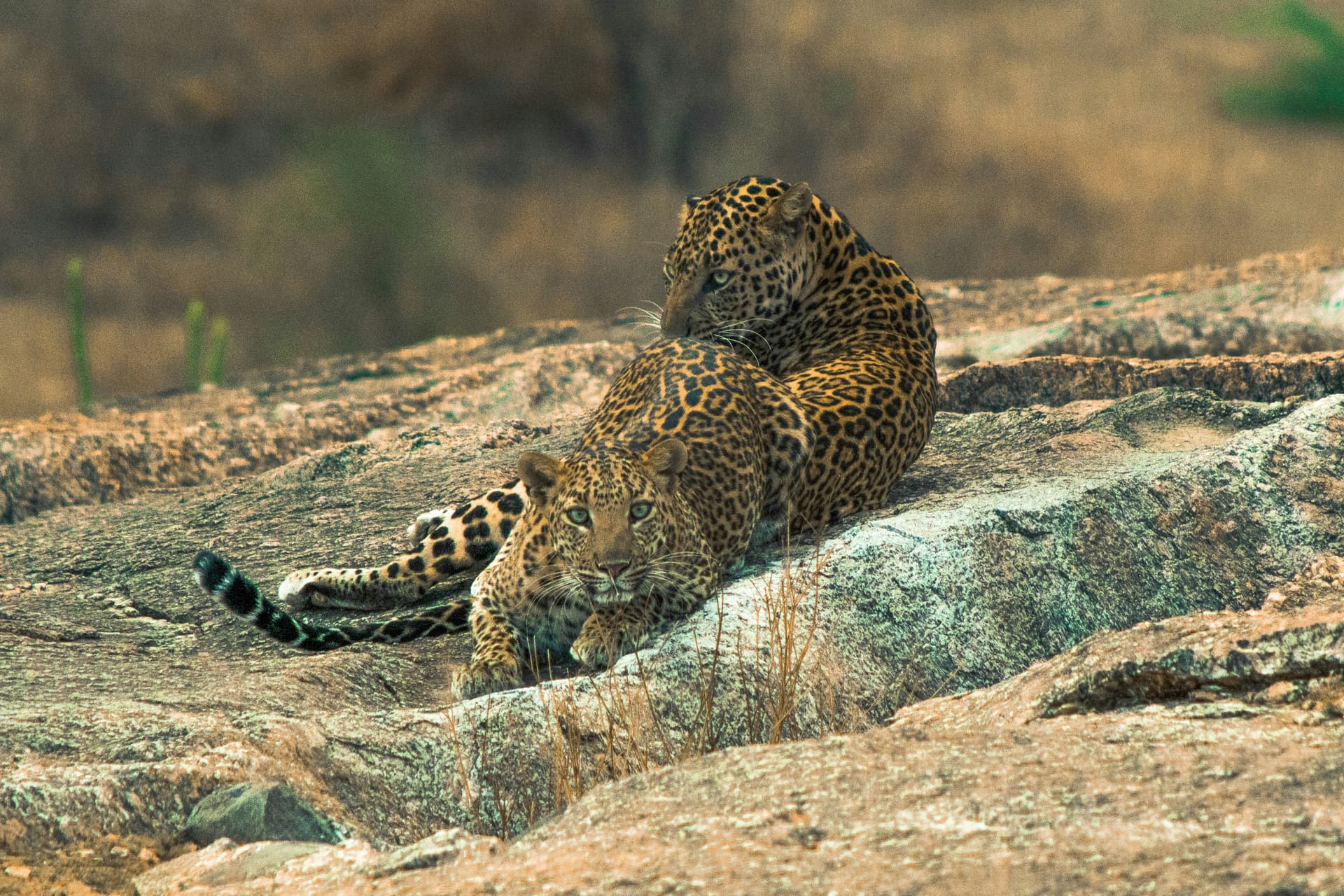
Van Vihar, a former royal game reserve of around 25 sq km on the Vindhyan plateau, and Ramsagar, a lake wildlife sanctuary of around 34 sq km, provide habitat for deer, crocodiles, and various species of birds. These places are more suited for nature drives than for sighting large animals.
Palace and Stone Architecture: What to Look For
- • Red Sandstone. The red stone of Dholpur is well known all throughout India and it is claimed that it was used in some of the greatest monuments in India such as the Red Fort of Delhi.
- • Imported Ornamentation. The princely taste of Raj Niwas is evident from the mixture of Indian architecture with European tiles, chandeliers and furniture.
- • Mughal Garden Designing. The designing of Babur's Garden involves terrace, canals and lotus shaped pond based on the Persian chahar bagh pattern.
- • Fort on river bank. The location of Shergarh on the bank of the river Chambal reflects the influence of the rivers on defense and trade.
- • Temple tanks. Machkund pond is an example of the connection of water and temple in the same space.
The Chambal: Rivers, Gharials and Dolphins
One of the pristine rivers of the country is Chambal, and includes the National Chambal Sanctuary, which was instituted in the year 1978. This sanctuary has a vast stretch of 400 km long in the states of Rajasthan, Madhya Pradesh, and Uttar Pradesh. There are many species of animals available in this sanctuary such as gharial that is a critically endangered crocodile species.
One can enjoy the thrilling experience of witnessing wildlife by making a boat safari in Chambal river near Dholpur. The boat service is available during day times in the morning and evening; also the best time to visit this place is during dry season from the month of November to June. You must confirm the timing and noise restrictions beforehand. The Conservation farm at Devri takes care of both gharials and crocodiles.
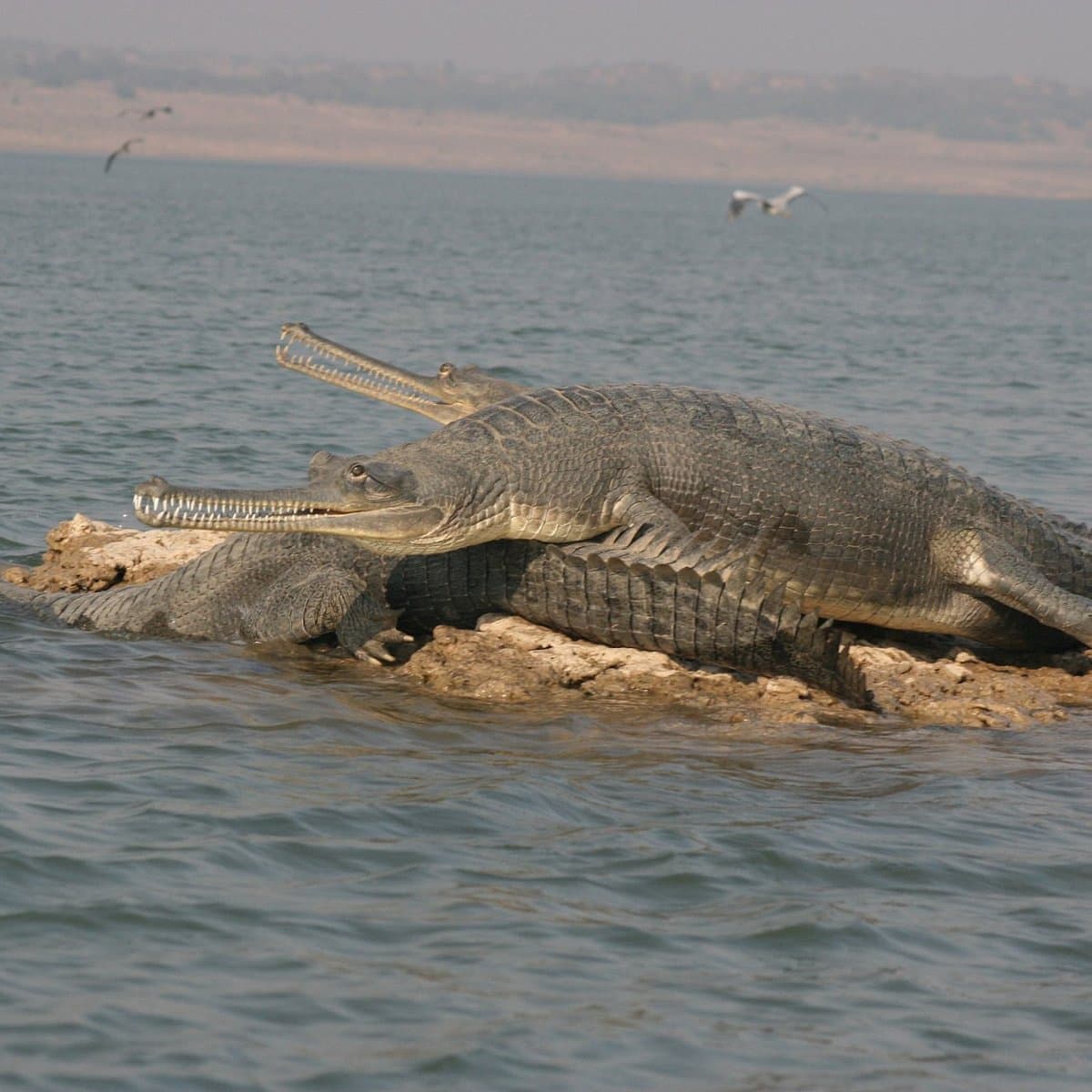
Image via rajras.in
Cultural Significance
Dholpur lies at the intersection of Rajasthan, Braj, and the Chambal valley - a region shaped by its princely Jat origins, ancient Mughal sites, and temples that remain active today. Teej, Holi, and Diwali are celebrated with particular fervour.
Folk songs and riverside occupations remain central to rural life here. When visiting, be respectful and always ask permission before taking photographs.
Best Experiences
- • Dawn Chambal boat safari. Mist, sandbanks and gharials in soft light.
- • A night in a royal palace. Dinner on the lawn, then breakfast overlooking the valley.
- • Babur's garden at golden hour. A rare chance to stand in an early Mughal landscape.
- • Winter birdwatching at Talab-e-Shahi. Migratory waterfowl against a royal lodge.
- • Machkund at sunrise. Temple bells, lotus pond and few visitors.
- • Ravine camel or jeep ride. A different side of the Chambal landscape.
Hidden Gems
- • Damoh (Damoye) waterfall. A monsoon-season cascade in the Sarmathura area, best from July to September.
- • Sarmathura sandstone quarries. A look at the stone industry behind India's famous red monuments.
- • Ramsagar Lake. Quiet birdlife and freshwater crocodiles.
- • Village lanes near Bari. Everyday rural Rajasthan, with few visitors.
- • Devri gharial conservation farm. A close and responsible look at conservation work.
What to Eat
Dholpur's cuisine draws strong influence from eastern Rajasthan and the Braj region - dal baati churma, bajra and besan roti, seasonal vegetables, kadhi, and milk-based desserts.
Palace kitchens serve home-cooked Indian and continental meals, but dining options outside town are simple - so plan your lunch before heading out. Special dietary requirements can usually be arranged in advance.
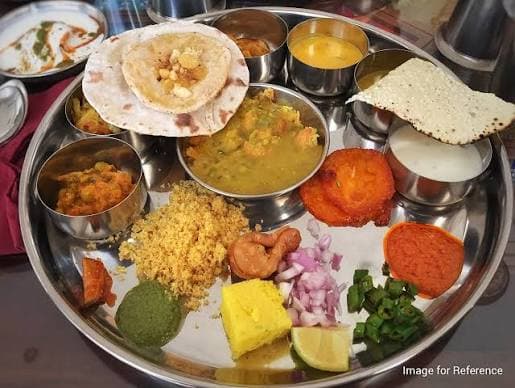
Image via encrypted-tbn0
Nearby Attractions
- • Agra. The Taj Mahal, Agra Fort and Fatehpur Sikri, about an hour's drive away.
- • Bateshwar Temples. A collection of many temples in an 8th century style situated near the Chambal River.
- • Karauli. The secret city state that houses the City Palace along with the Madan Mohan and Kaila Devi temples.
- • Bharatpur (Keoladeo National Park). A premier site for bird watching.
- • Gwalior. The famous hill fort and palaces extending from south to north
Luxury Travel Tips
Image via pexels
Luxury Travel Tips
Book a palace suite, a private chauffeur and a guide, and arrange a private boat safari at the best light. Pair Dholpur with Agra's five-star hotels for contrast.
Family Travel Tips
Image via pexels
Family Travel Tips
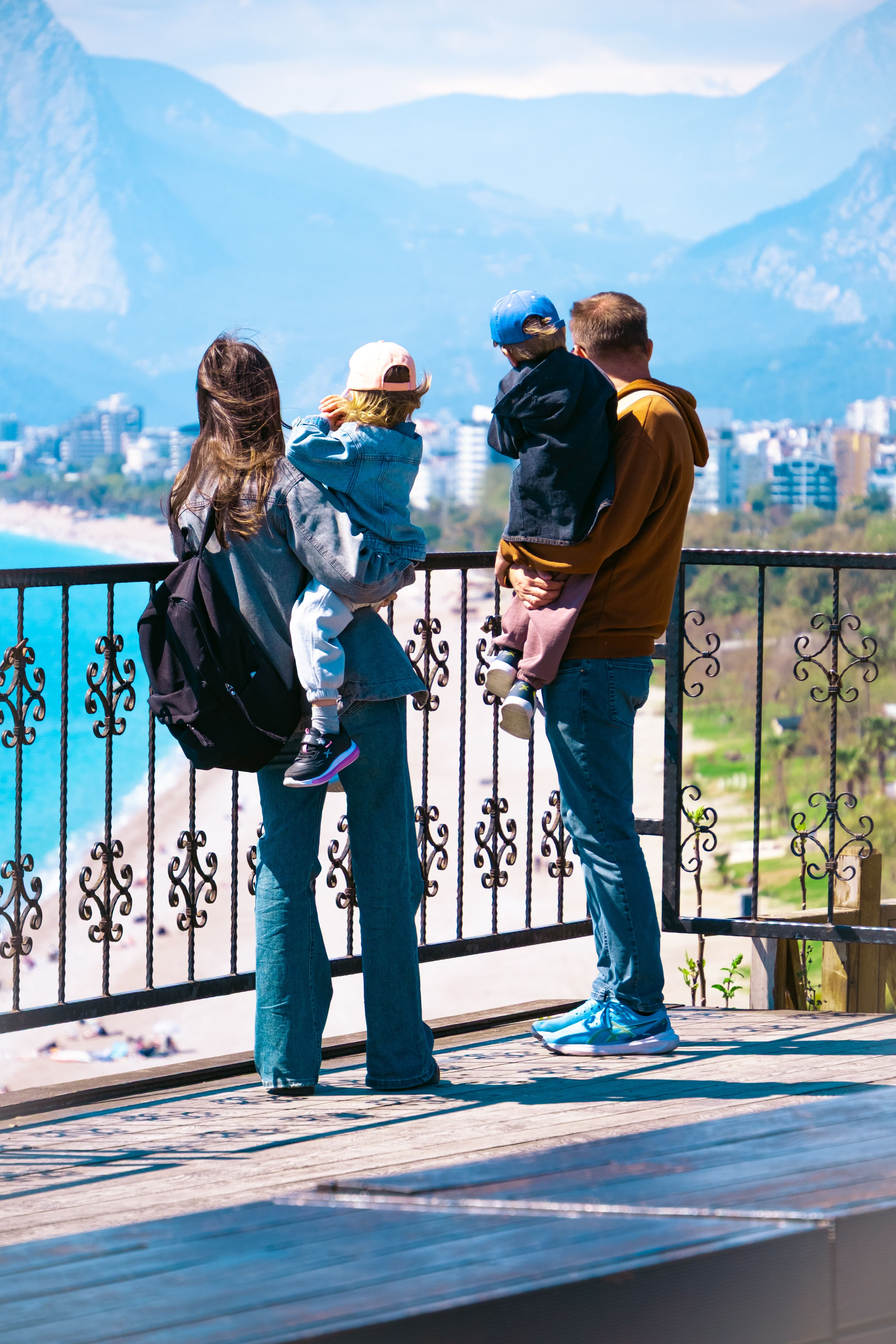
Children enjoy boat rides, ravine drives and palace lawns. Keep safe distances from the riverbank, carry sun protection and water, and follow guide instructions on wildlife.

Solo Female Traveler Tips
Image via pexels
Solo Female Traveler Tips
Dholpur is small and generally quiet. Dress modestly, use a vetted driver, avoid remote ravine areas after dark and choose secure accommodation. India Heritage Travel can arrange women-safe itineraries with trusted guides and stays.
Practical Travel Guide
Best Time to Visit
For bird watching, weather conditions during the months of November through February are ideal, whereas Chambal safaris occur between the months of November to June. The summer months are usually hot, making travel difficult; on the other hand, the monsoon season which runs from July through September is full of greenery and waterfalls.
How to Reach
- • By Air: Nearest major airports are Agra and Gwalior.
- • By Rail: Dholpur Junction is the main railway station.
- • By Road (from Agra): Approximately one hour by car.
- • By Road (from Jaipur/Delhi): Longer journeys - a private vehicle is recommended.
Entry and Ticket Details
The timings for monuments, boat safari, and palace will vary; please check before you come. "Raj Niwas" is a hotel, hence a visit by non-guests requires prior arrangement. "Chambal" sanctuary has reportedly been open from 6 AM to 6 PM.
Suggested Duration
Minimum: one long day from Agra. Recommended: one to two nights to include a safari and the palace.
Safety
Respect the guidelines regarding the boats and the animals, stay away from the river and animals, stay off the ravine road after dark, and have money on you.
Photography
The golden hours in the palace and dawn in the Chambal area are fantastic. Wildlife photography requires a telephoto lens, and the use of drones is not permitted in sanctuaries.
Suggested Itineraries
One-Day Dholpur Itinerary from Agra
| Time | Plan |
|---|---|
| 7:30 AM | Private chauffeur pick-up from your Agra hotel |
| 9:00 AM | Babur's Lotus Garden |
| 10:30 AM | Machkund Temple and lily pond |
| 12:30 PM | Lunch at Raj Niwas Palace (arranged in advance) |
| 2:30 PM | Chambal boat safari for gharials and birds |
| 5:00 PM | Tea overlooking the river; return to Agra |
Two-Day Palace and River Escape (Recommended)
- • Day 1. Arrive by noon, visit Babur’s Garden and Machkund and check into Raj Niwas Palace. Take a walk and have a candlelight dinner.
- • Day 2. A dawn Chambal boat safari, breakfast, then Talab-e-Shahi or Shergarh with a guide. Continue to Karauli, Bharatpur or Jaipur, or return to Agra.
Why Choose India Heritage Travel
Dholpur rewards careful planning, as access, safari conditions, and property standards vary - and India Heritage Travel builds journeys around that reality. We arrange chauffeur-led tours from Agra, Jaipur, or Delhi; customised routes linking Dholpur with Agra, Karauli, or Ranthambore; personally verified palace and riverfront stays; naturalist and historian guides for the Chambal; women-safe drivers and accommodations; and fully serviced tours from enquiry to departure.
Frequently Asked Questions
Yes, for travellers who want an offbeat mix of palace, early Mughal heritage and river wildlife. Dholpur is quiet, easy to combine with Agra, and offers the Chambal river and a restored royal residence.
Dholpur is roughly an hour by road from Agra, which has the nearest major airport. Dholpur Junction is the local railway station, and a private car is the most flexible option.
Raj Niwas Palace, Babur's Lotus Garden, Machkund Temple, Shergarh Fort, Talab-e-Shahi, Nihal Tower, Van Vihar and Ramsagar sanctuaries, and the Chambal river are the highlights.
November to February is the most comfortable, and the Chambal safari season runs roughly November to June. The monsoon brings waterfalls and greenery but can limit access.
The National Chambal Sanctuary protects gharials, mugger crocodiles and Ganges river dolphins, and boat safaris are the best way to see them. Sightings are never guaranteed, but early mornings in the dry season give the best chances.
Raj Niwas Palace is the best-known heritage stay, with riverside lodges as an alternative. Many travellers also stay in Agra and visit Dholpur by private car.
Planning a Dholpur Heritage Journey?
India Heritage Travel crafts private Rajasthan itineraries featuring Dholpur Palace, the Chambal ravines, and gharial safaris - combined with Agra, Karauli, and Ranthambore.
Plan My Dholpur Heritage Journey