Cultural Etiquette for Women Travellers in India
The single fastest way to feel at ease in India isn’t a safety app, or a confirmed itinerary. It’s more like… really understanding cultural etiquette for women travellers well enough that you stop, second guessing every little interaction. Dress a bit different than you would at home, pick up a few greeting and dining customs, and suddenly the whole country opens up in a way that guidebooks almost never capture.
Shopkeepers seem to loosen up. Temple priests smile instead of doing those quick gestures about your clothing, and strangers tend to treat you as a respectful guest, not as a clearly marked outsider. This guide pulls together what we brief our own India Heritage Travel clients with, right before every trip. It’s the specific regionally accurate etiquette that basically separates a traveller who blends in from someone who spends the week feeling slightly out of step. None of it is about “losing yourself” just to fit in. It’s closer to the same instinct experienced travellers use anywhere in the world: dressing and behaving in a way that shows the place you’re visiting, genuine respect.
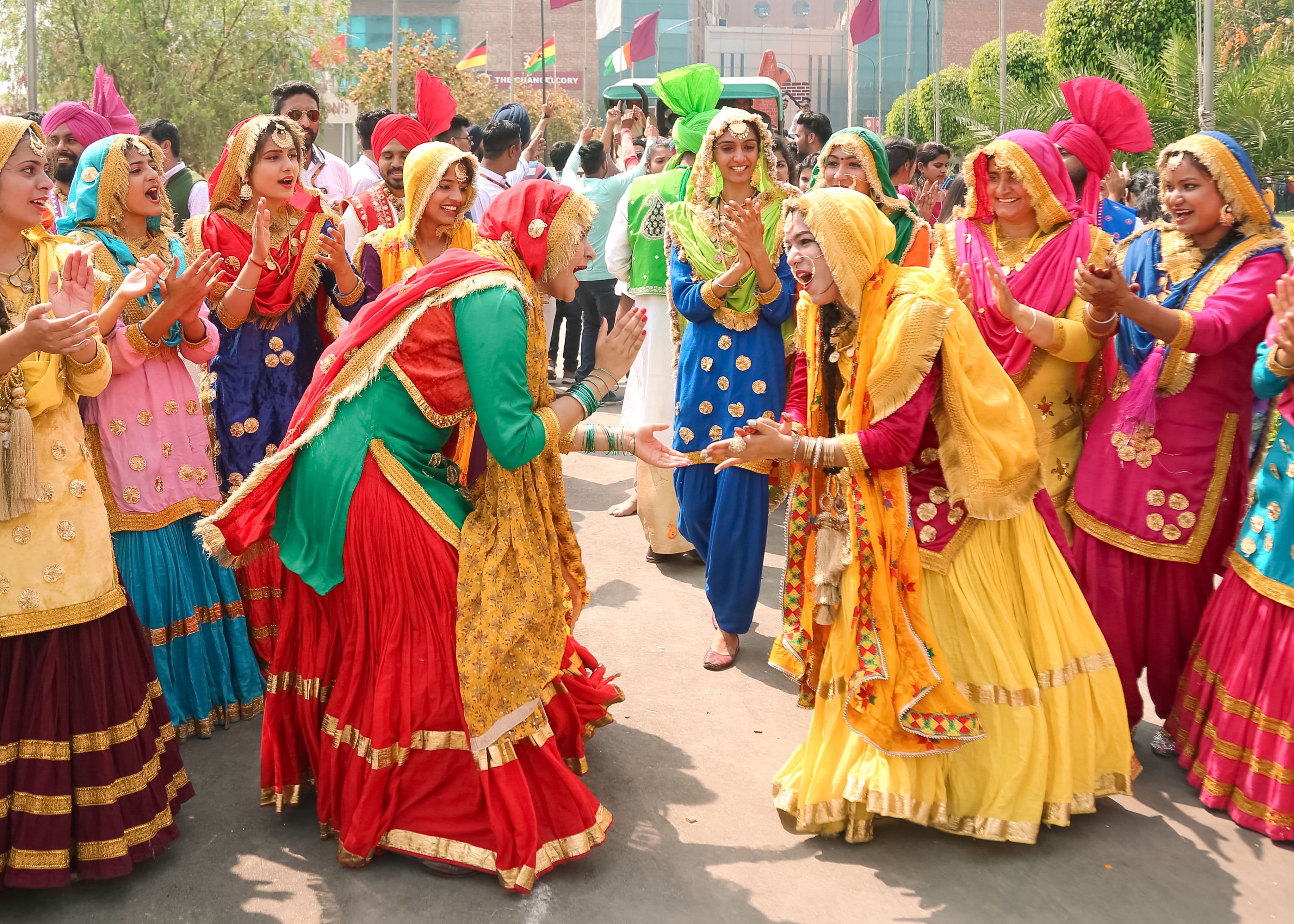
Image via pexels
Why Cultural Etiquette Matters for Women Travellers
India’s customs are not really uniform , like, a rule that works in a Kerala temple might not work in a Delhi market, and manners that feel normal in a five-star hotel lobby can suddenly feel strangely stiff in a rural village. What seems to stay the same, though , is the main idea underneath it all: modesty, quiet respect in places that are sacred , and a kind warmth in daily interactions. People read these things the same way in almost every part of the country, even if the surface details shift. When you get that right, you usually do more for how at ease you’re treated, than any one safety precaution ever could.
Dress Codes: What to Wear in India as a Woman
India’s customs are not really uniform , like, a rule that works in a Kerala temple might not work in a Delhi market, and manners that feel normal in a five-star hotel lobby can suddenly feel strangely stiff in a rural village. What seems to stay the same, though , is the main idea underneath it all: modesty, quiet respect in places that are sacred , and a kind warmth in daily interactions. People read these things the same way in almost every part of the country, even if the surface details shift. When you get that right, you usually do more for how at ease you’re treated, than any one safety precaution ever could.
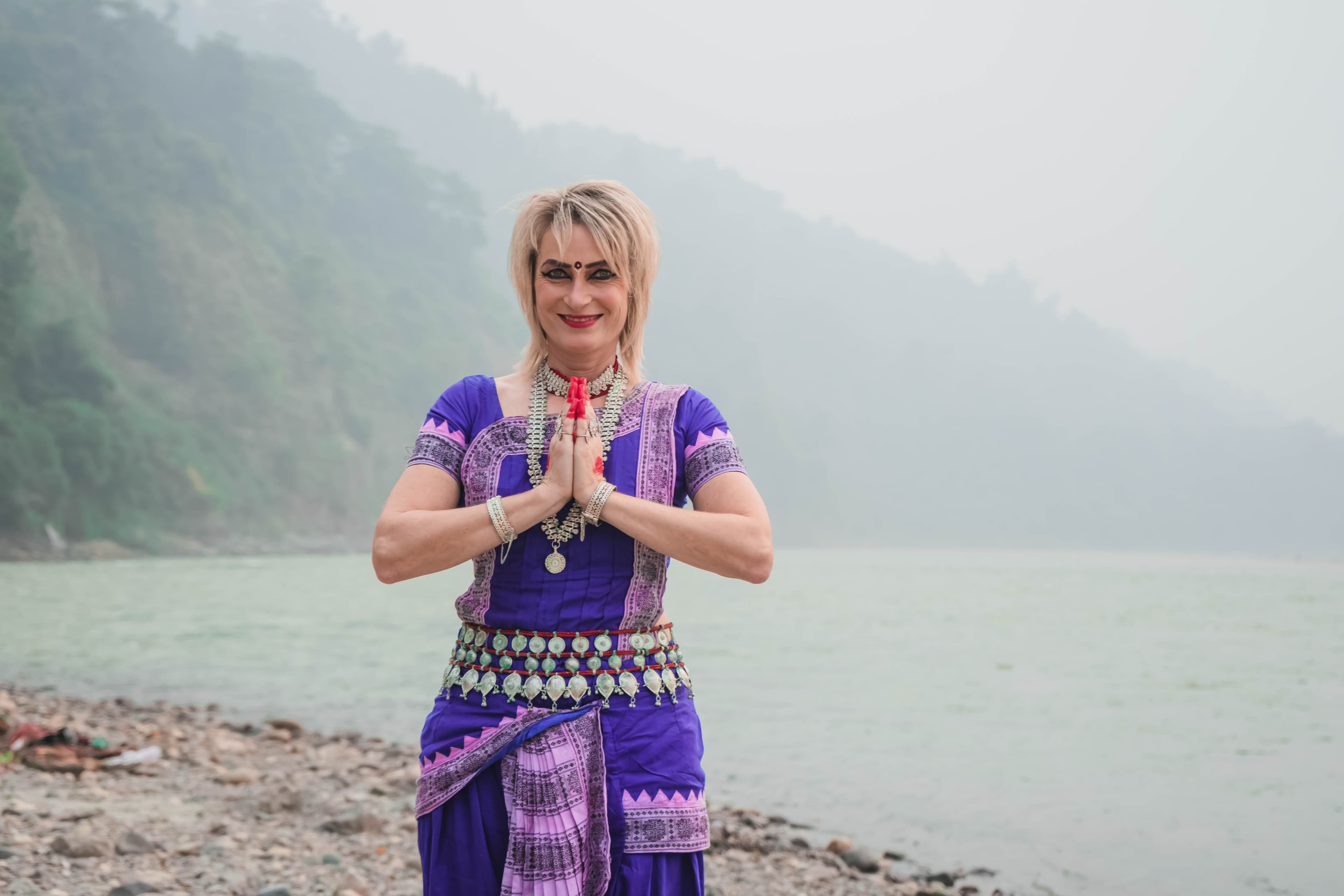
Image via pexels
Temple and Sacred Site Etiquette
Temple dress codes in India are enforced, not really “suggested” like, some travelers expect, and this kind of thing catches a lot of first-time visitors off guard.
- • Wear a saree, salwar kameez, or a long kurta with a dupatta; in certain South Indian temples they can be picky about traditional clothing rather than just “modest” Western clothes.
- • Take off your shoes before you go in to any temple, mosque, gurudwara, or dargah - using flip flops or slip-on sandals makes this bit much easier.
- • Cover your head with a scarf when it’s asked for, especially at gurudwaras and many mosques.
- • Don’t touch idols, sculptures, or other sacred items unless a priest or staff member actually signals you to.
- • Keep your voice low around prayer spaces, silence your phone, and be patient in the darshan line instead of pushing ahead.
Greetings and Social Interactions
A namaste , palms together at chest height with a slight bow of the head - well it tends to be the safest warmest greeting basically anywhere in India , and it avoids that little uncertainty around handshakes, hugs or cheek kisses, which are less common in traditional or rural places . Address elders and folks in positions of authority with a respectful title if you know one, and take your lead from your host or guide, on whether a handshake is appropriate in more westernised , urban settings .
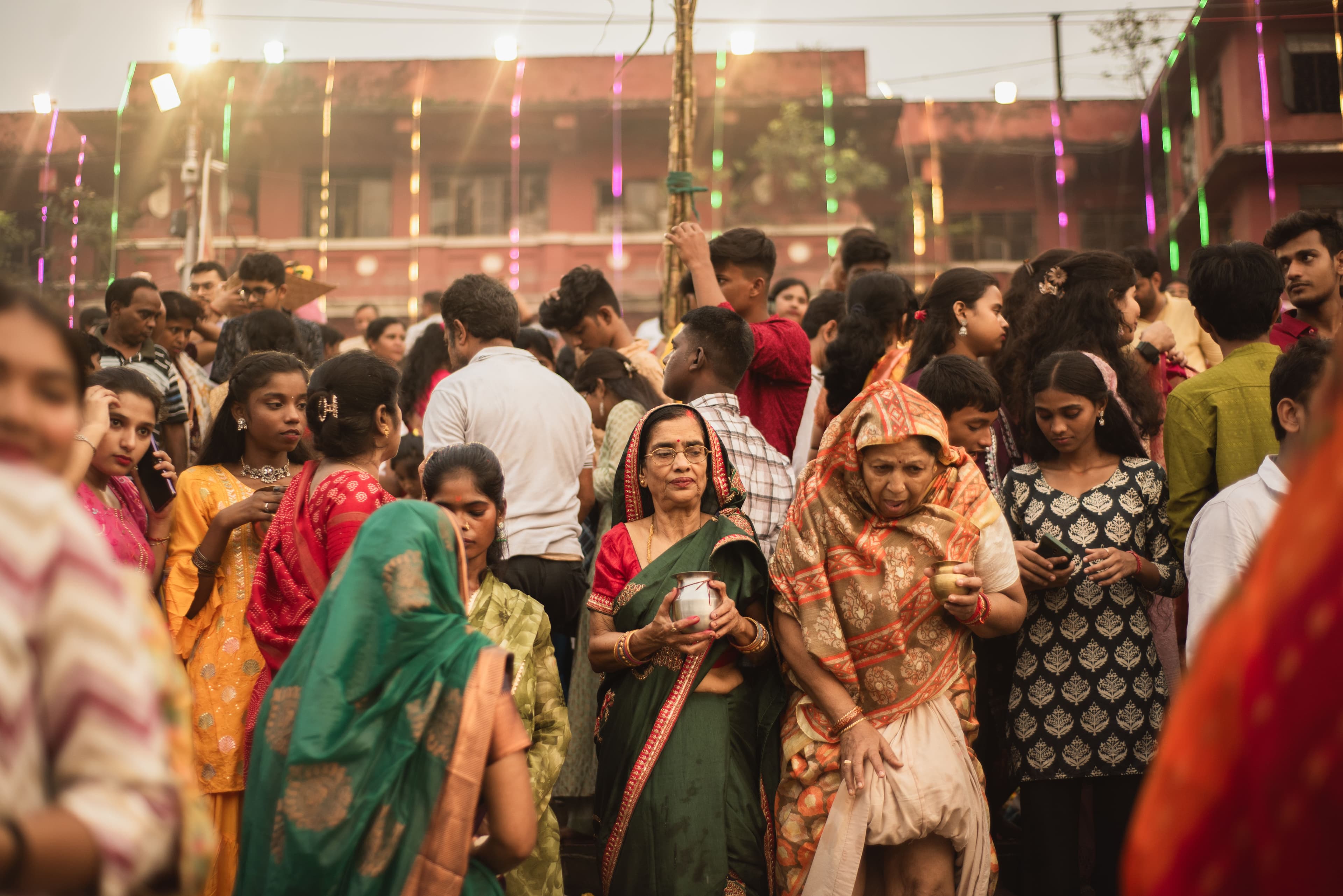
Image via pexels
Public Behaviour and Personal Space
Physical affection between couples is generally kept sort of low key in public across most of India, and sort of mirroring that quieter tone tends to feel more comfortable, then standing out too much. Pointing with just a single finger is often considered impolite in a lot of contexts - use an open hand instead - and it’s pretty common for personal space in queues and markets to feel closer than what travellers from the US, UK, or Australia are used to; a little patience goes a long way rather than visible frustration.
Dining Etiquette
Many Indians eat with their right hand rather than using cutlery, especially in traditional restaurants and at home kinda settings; follow your host’s lead and use your right hand for offering or receiving food and, money too. It’s pretty common, and actually welcomed, to remove your shoes before entering a traditional home, like no big deal. If you are at a home dinner, leaving a small amount of food on the plate is generally fine, but fully finishing everything can sometimes be interpreted as a kind of signal that you’re asking for more. Alcohol is not served everywhere and some religious or family environments are “dry” by tradition rather than by law, so check first before assuming it’s available there.
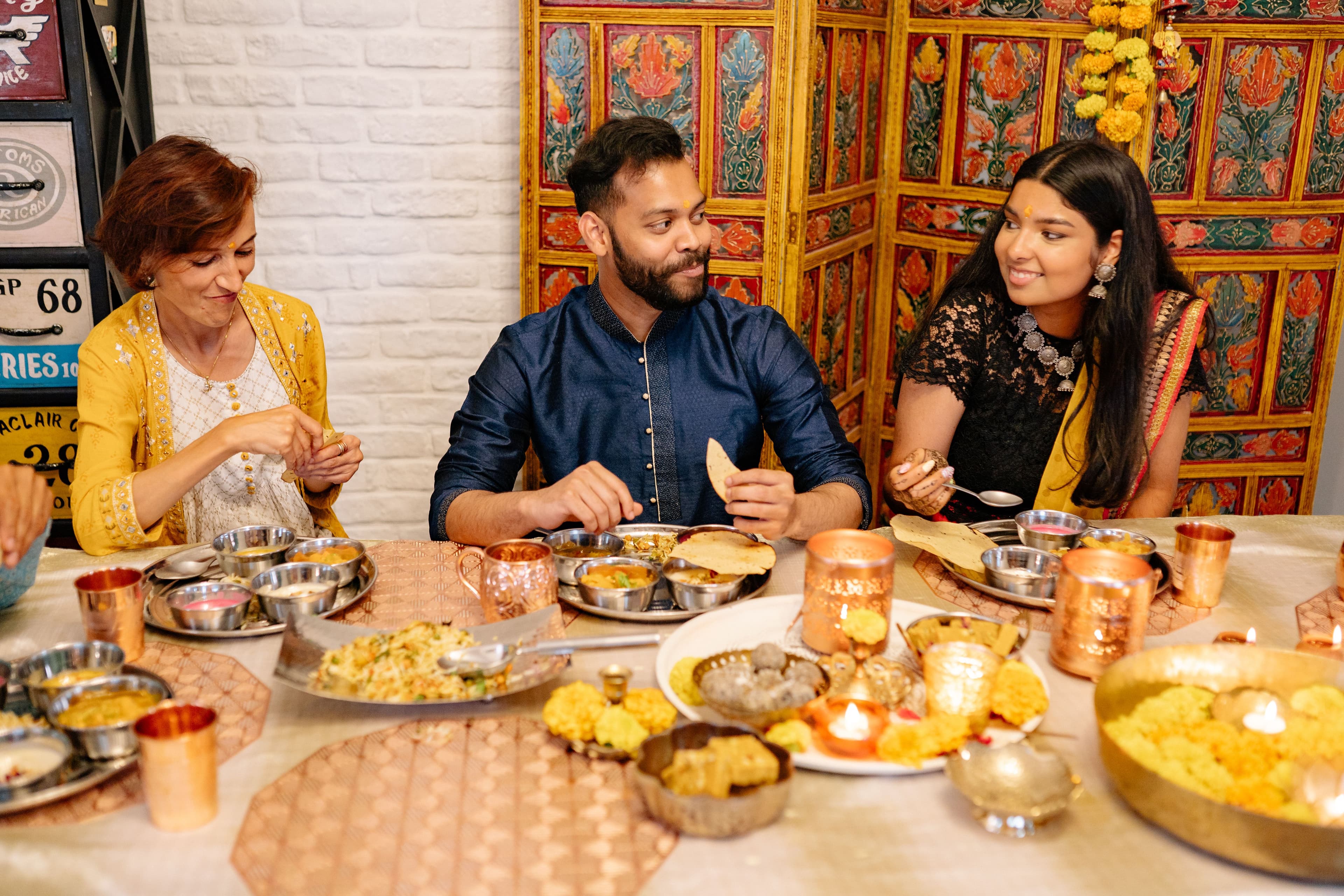
Image via pexels
Photography Etiquette
Always ask first before photographing anyone, especially in rural zones, at religious places, and when there’s a ceremony going on. A lot of temple interiors restrict photography, or they stop it completely,so keep an eye out for any posted signs, or just ask the temple staff before you lift your camera. Drone photography in India needs its own permissions, and it can be limited, or outright prohibited near many heritage sites and government areas. For the best shots at most heritage sites try early morning light, it gives a nicer look while also dodging the heat, and those most crowded times.
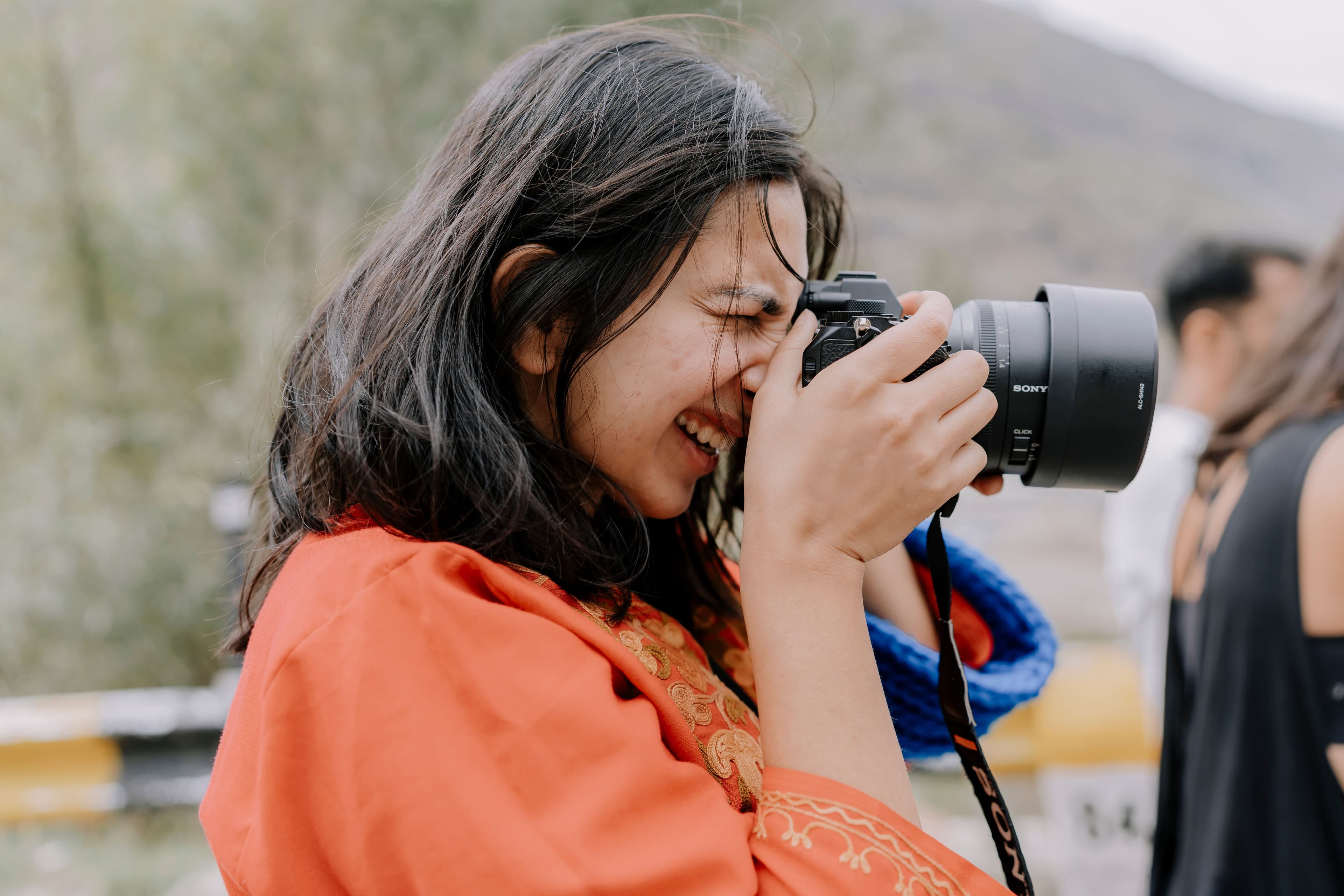
Image via pexels
Shopping and Market Etiquette
Bargaining is usually expected in most markets, and even with independent vendors, however in fixed price shops , malls, or government emporiums it’s not really a thing. A friendly, unhurried back-and-forth is more like part of the whole experience than a showdown , so see it as a conversation not a confrontation. It’s also pretty normal to end up in the middle somewhere between the first asking number and your first offer, even if it feels a bit casual at the start.
Festivals and Cultural Events
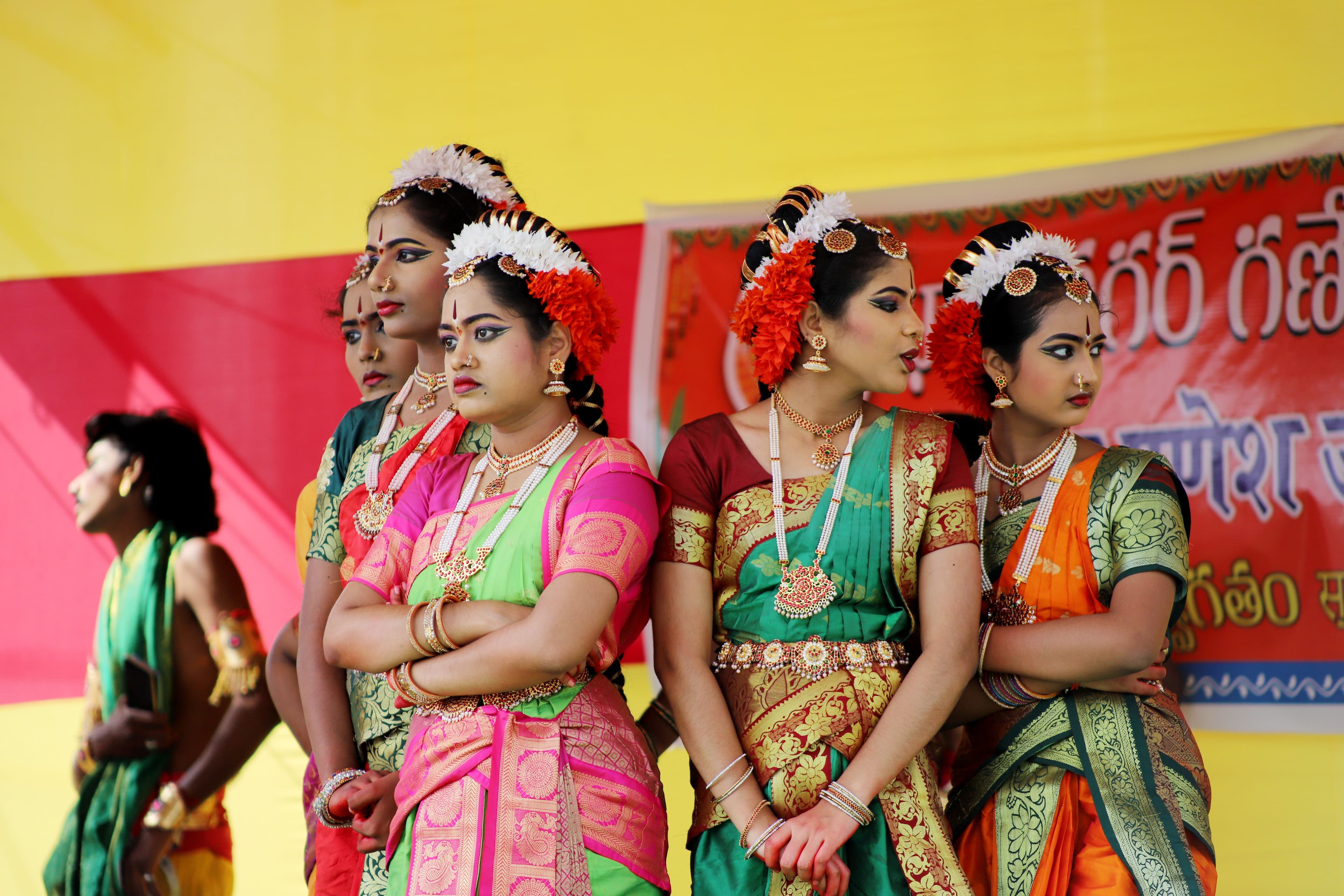
If your trip lines up with a big festival - Diwali, Holi, Navratri, or a regional temple festival - dress in a modest way, even while you are still outdoors at the celebrations. Before you photograph rituals or the celebrants, ask first, because it really can vary. Also, do not be surprised if crowds get much denser than you expect and the noise level is noticeably higher than on a normal day. Going into a festival for even a short moment, is honestly one of the most memorable cultural moments any traveller can run into, and having a local guide can make it easier to join in respectfully, not just stand there awkwardly as a distant observer at the edge of things.
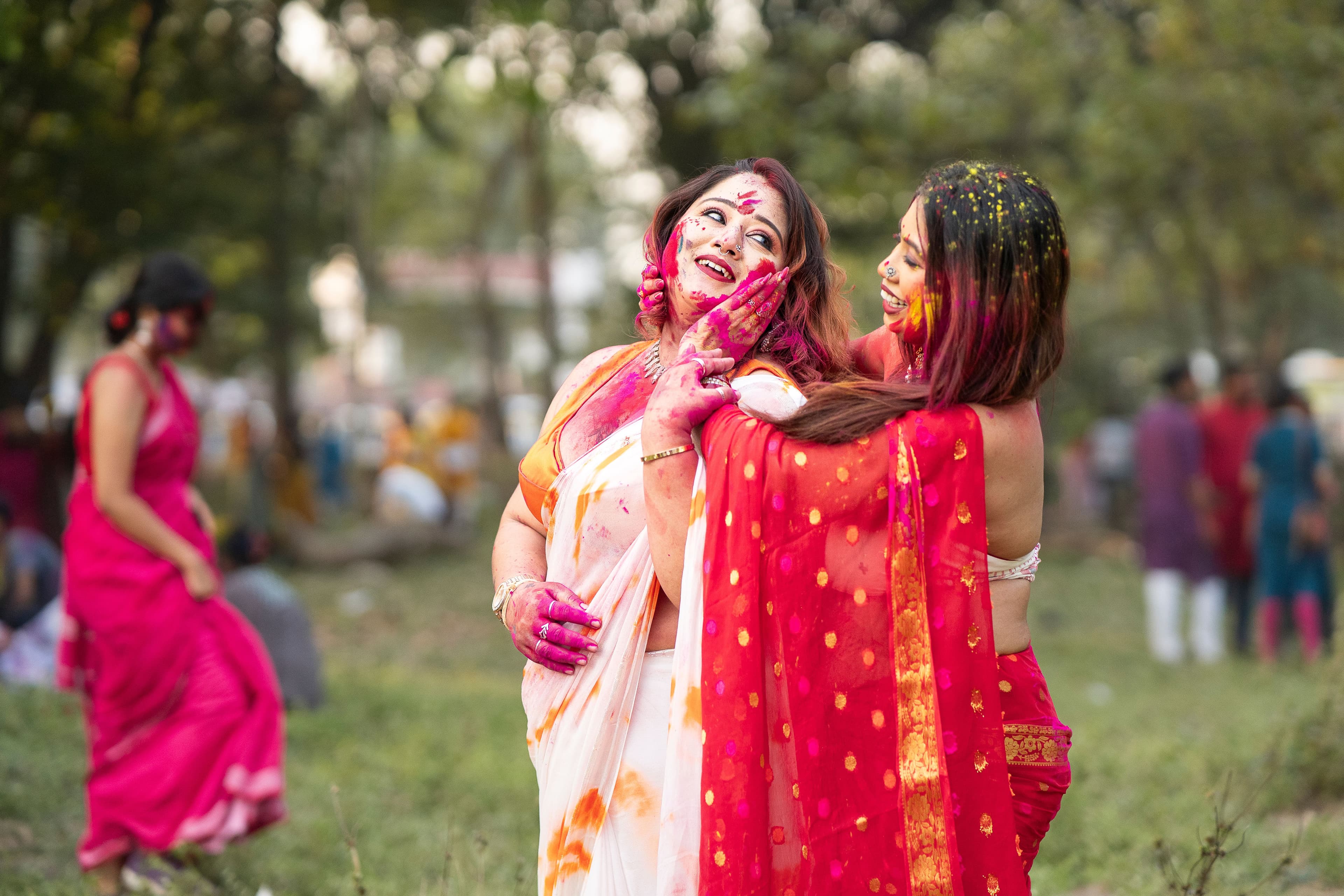
Image via pexels
Rural and Village Etiquette
Village settings tend to be more traditional than the cities, and dress modesty matters even more there, honestly. Start with elders when you arrive, greet them first , and ask for permission before you take photos of people or their homes. Also, just expect a slower, more conversational tempo compared to urban India. Rural hospitality can be extraordinarily warm , so a bit of patience and real curiosity are typically rewarded many times over, in ways you don’t really plan for.
Heritage Site Etiquette
At forts, palaces and monuments, try not to touch carvings, murals or the original stonework, just stay within marked pathways, and really follow the posted rules about food drones and tripods. A lot of India’s most important heritage sites are UNESCO World Heritage listings, so treating them with that same kind of care you’d want in a major museum abroad goes a long way towards keeping them safe for the travellers who come after us.
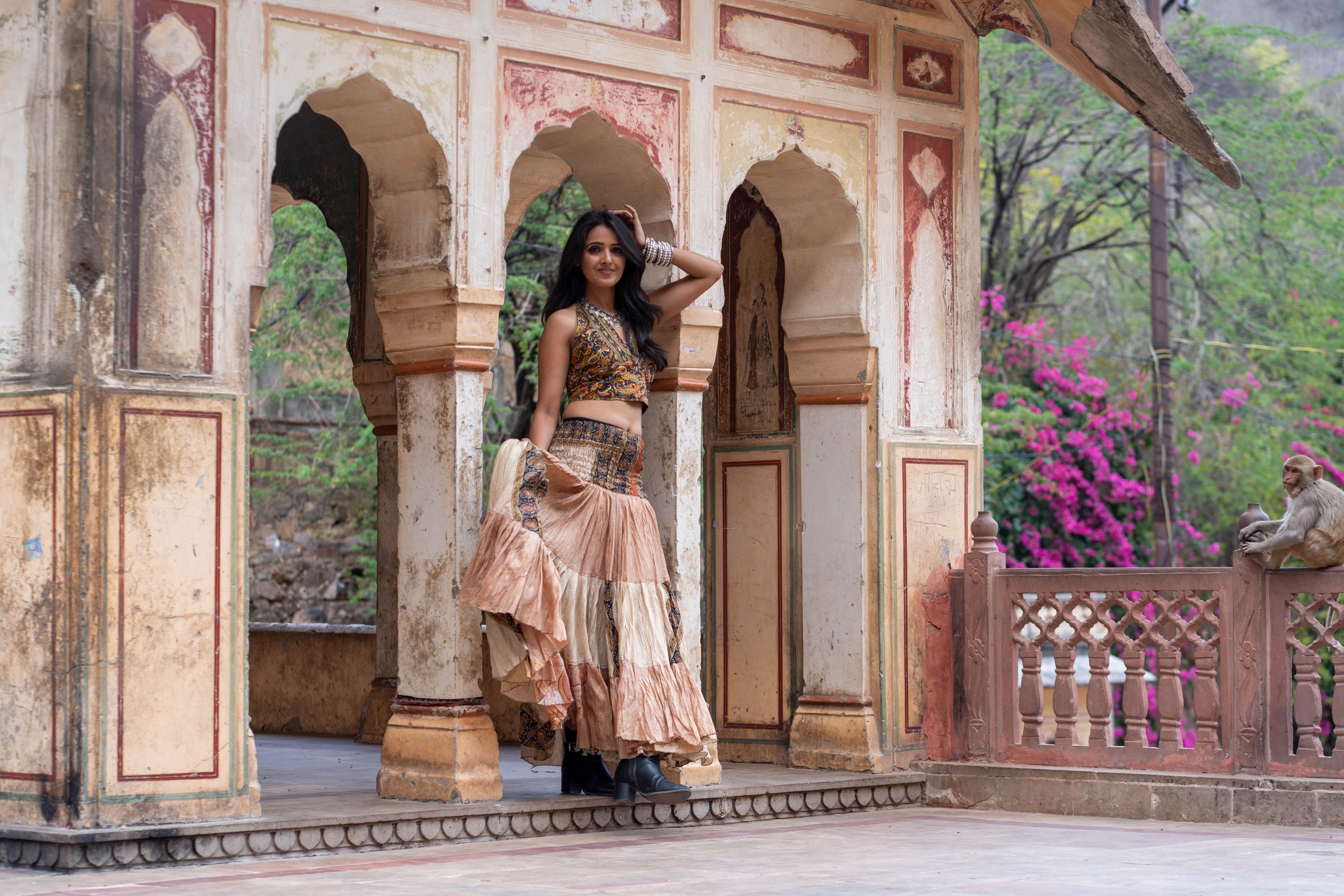
Image via pexels
Luxury, Solo and Family Travel Tips
Luxury Travellers
Image via pexels
Luxury Travellers
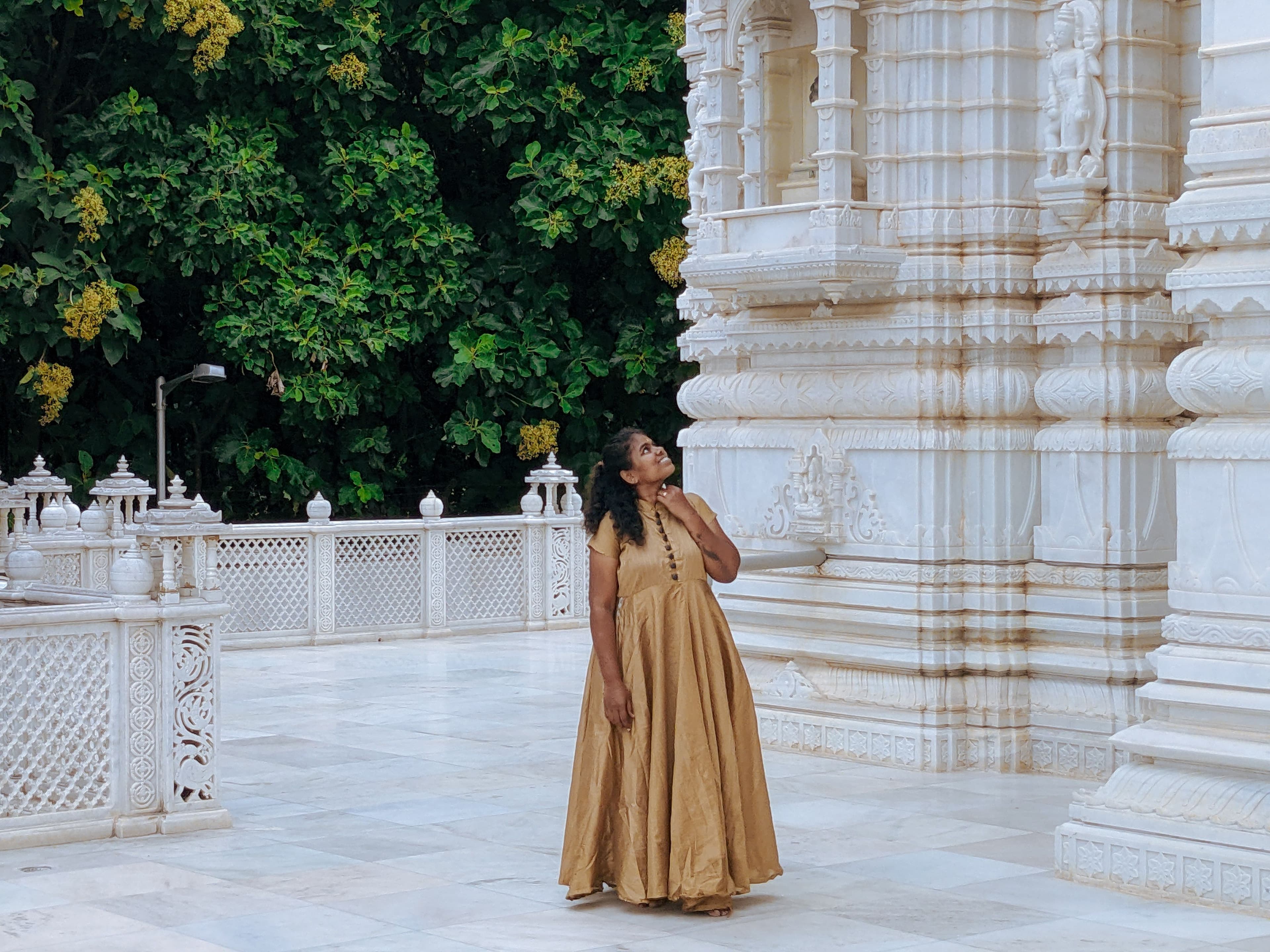
A private chauffeur, pre-vetted heritage hotels, and a dedicated local guide handle most safety logistics - the difference between steering your own safety and letting it be handled for you.
Solo Travellers
Image via pexels
Solo Travellers
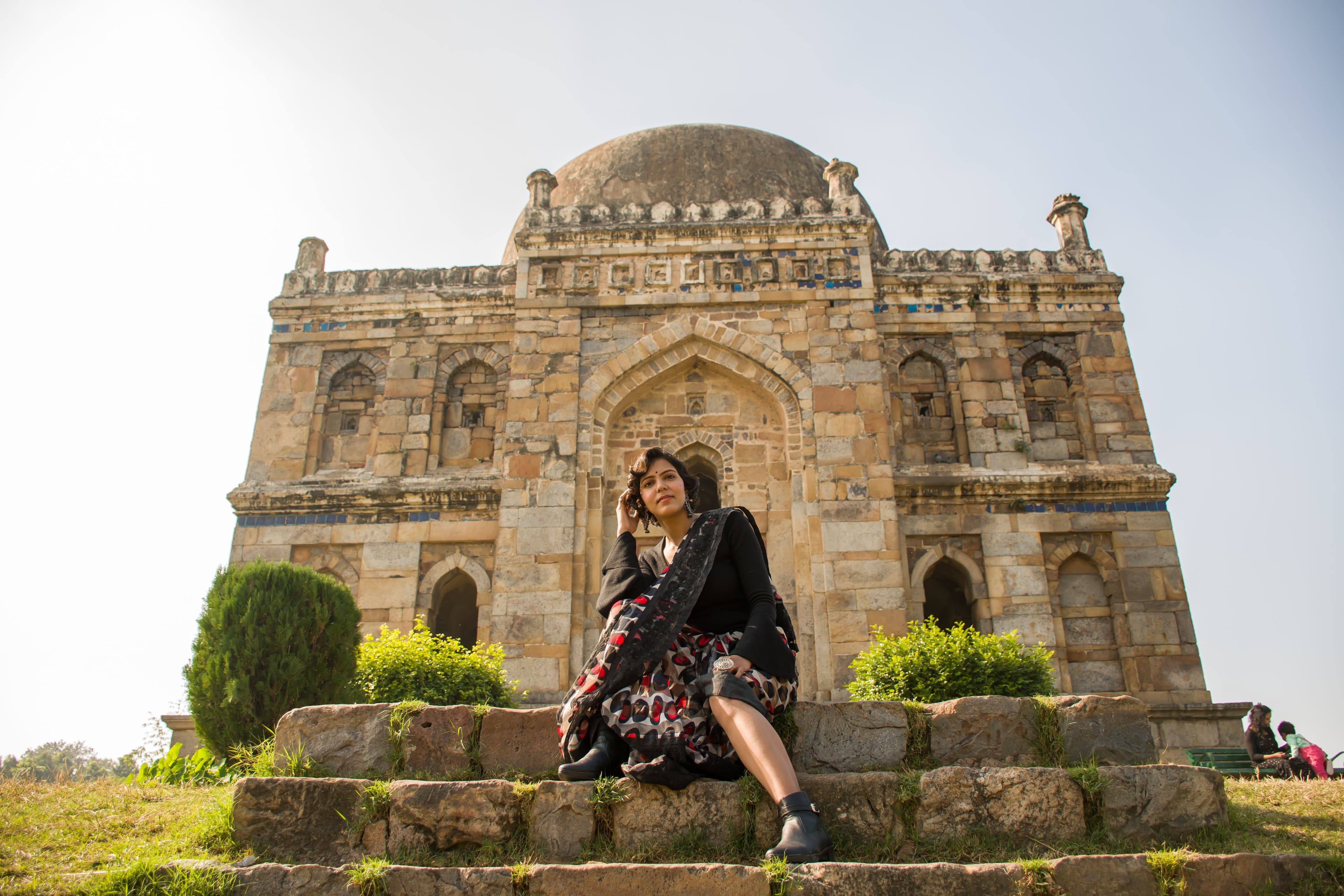
Start with a well-known circuit - book your first few nights and airport transfer in advance. A short guided tour for the first 2–3 days helps build local confidence quickly and quietly.

Family and Multi-Generational Travellers
Image via pexels
Family and Multi-Generational Travellers
Private vehicles, pre-arranged family accommodation, and a set itinerary remove the stress of public transport and last-minute bookings - ideal for travelling with mothers, daughters, or grandmothers.
Practical Travel Guide
Best Time to Visit
Normally, from October to March , North India feels more comfy for wandering around heritage spots, like temples and old forts. Kerala and the southern area are still quite pleasant, even if it can lean a bit later in the year, so plan with that in mind.
How to Reach
You can arrive at major international airports in Delhi, Mumbai, Bengaluru and Chennai. After that, domestic flights keep running quite a lot, and rail connections are also pretty well arranged. Many of the heritage locations get covered by trains, so it’s usually not too tricky.
Entry and Ticket Details
For most nationalities, an e-Visa is needed , arranged before your trip. Also, a lot of heritage sites charge their own separate entry fee, and those can usually be booked online ahead of time. That helps you move past the long queues, more smoothly.
Suggested Duration
A first trip that covers the Golden Triangle or Rajasthan, comfortably falls in that 7–10 day window.
Budget Estimates
Luxury heritage journeys can run from small boutique stays all the way up to five-star palace hotels, and you often get a private chauffeur plus a guide-priced differently depending on the specific route.
Safety Tips Recap
Private transport, verified accommodation, modest dress, daytime travel between cities, and a local guide cover the vast majority of situations a female traveller will encounter.
Packing Tips
Loose cotton or linen layers, a scarf, comfortable closed-toe walking shoes for heritage sites, sun protection, and a compact daypack that zips closed.
Photography Tips
Early morning light at heritage sites avoids both the heat and the crowds; always ask before photographing individuals, particularly in rural or religious settings.
A One-Day Etiquette-Aware Itinerary: Jaipur
Morning
- • Go to the City Palace in a proper full coverage outfit, take off your shoes where it’s needed and ask permission first before you photograph the staff in traditional dress , just in case.
Midday
- • Walk around the Old City bazaars with a guide, doing some light friendly haggling ,and trying a thali with your right hand, the way your host does.
Afternoon
- • Head to a temple with your dupatta ready for a head covering and keep a quiet mood near the prayer area, you know, no sudden talking or stuff.
1 Day Before
- • Photocopy your documents, split your cash and cards, and pack your daypack with essentials.
Evening
- • Try to catch a cultural performance or a festival event if the timing fits, dress modestly and ask before photographing the performers, even for quick shots.
Why Choose India Heritage Travel
Most of the safety advice in this guide, is already baked in to the way India Heritage Travel puts together each itinerary: private, vetted chauffeur transport for the whole duration of every trip, plus fully customised days that are built around your personal comfort level and the kind of things you like to see. We also choose curated luxury and heritage stays, each one hand-inspected for safety and service, and we make sure you have expert local guides on the ground ,including female guides for women-only and solo female itineraries. There s also a dedicated women-safe travel planning approach, from the route logistics to evenings and activities, not just a general plan.
Frequently Asked Questions
Rajasthan, Kerala, Rishikesh, Goa and the Himalayan hill stations are consistently rated among the best destinations for women travellers in India, thanks to their tourist infrastructure and welcoming communities.
Jaipur is often recommended as the easiest starting point, with strong tourist infrastructure, walkable heritage areas, and widely available English-speaking guides.
Both are well suited to solo travel; South India, especially Kerala, is often considered slightly calmer and easier to navigate for a first trip, while North India's Golden Triangle offers more established infrastructure.
Yes - women-only and small female-group tours, led by experienced female guides, are increasingly available across Rajasthan, Kerala and the Golden Triangle.
For many first-time visitors, yes - a women-only or small female-group tour with a local female guide removes most of the logistical uncertainty of a first trip.
Planning a Women-Only Heritage Tour in India?
India Heritage Travel creates safe, enriching women-only heritage journeys across India's iconic landmarks, royal palaces, and spiritual sites, guided by expert female tour leaders for a truly comfortable experience.
Plan My Women-Only Heritage Tour