Discover India's Most Extraordinary UNESCO World Heritage Sites
India is home to some of the world's most remarkable cultural, historical, and natural treasures. From magnificent Mughal monuments and ancient cave temples to royal cities, mountain railways, and breathtaking national parks, the country's UNESCO World Heritage Sites represent thousands of years of human achievement, artistic excellence, and living traditions.
via pexels
What You'll Discover in This Guide
Planning a UNESCO-focused journey through India can feel overwhelming because the country is home to dozens of UNESCO World Heritage Sites spread across different regions. Some celebrate the rise and fall of great empires, while others preserve unique ecosystems, sacred traditions, or architectural masterpieces that have survived for centuries.
This guide highlights some of the most significant UNESCO World Heritage Sites in India, explains why they are important, when to visit them, and how they can be incorporated into a memorable travel itinerary. Whether your interests lie in history, architecture, photography, wildlife, or culture, these destinations represent the very best of what India has to offer.
List of Top UNESCO World Heritage Sites in India
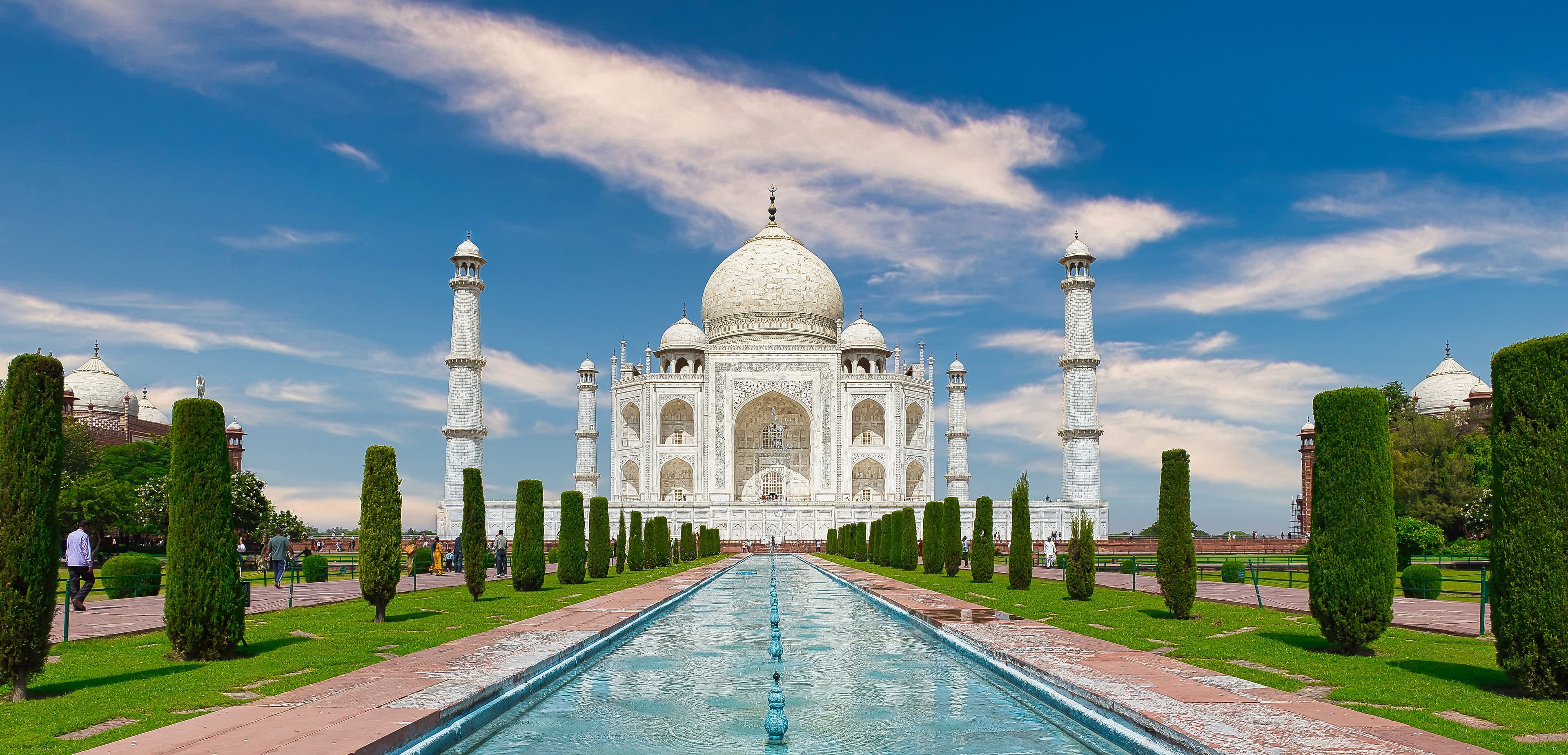
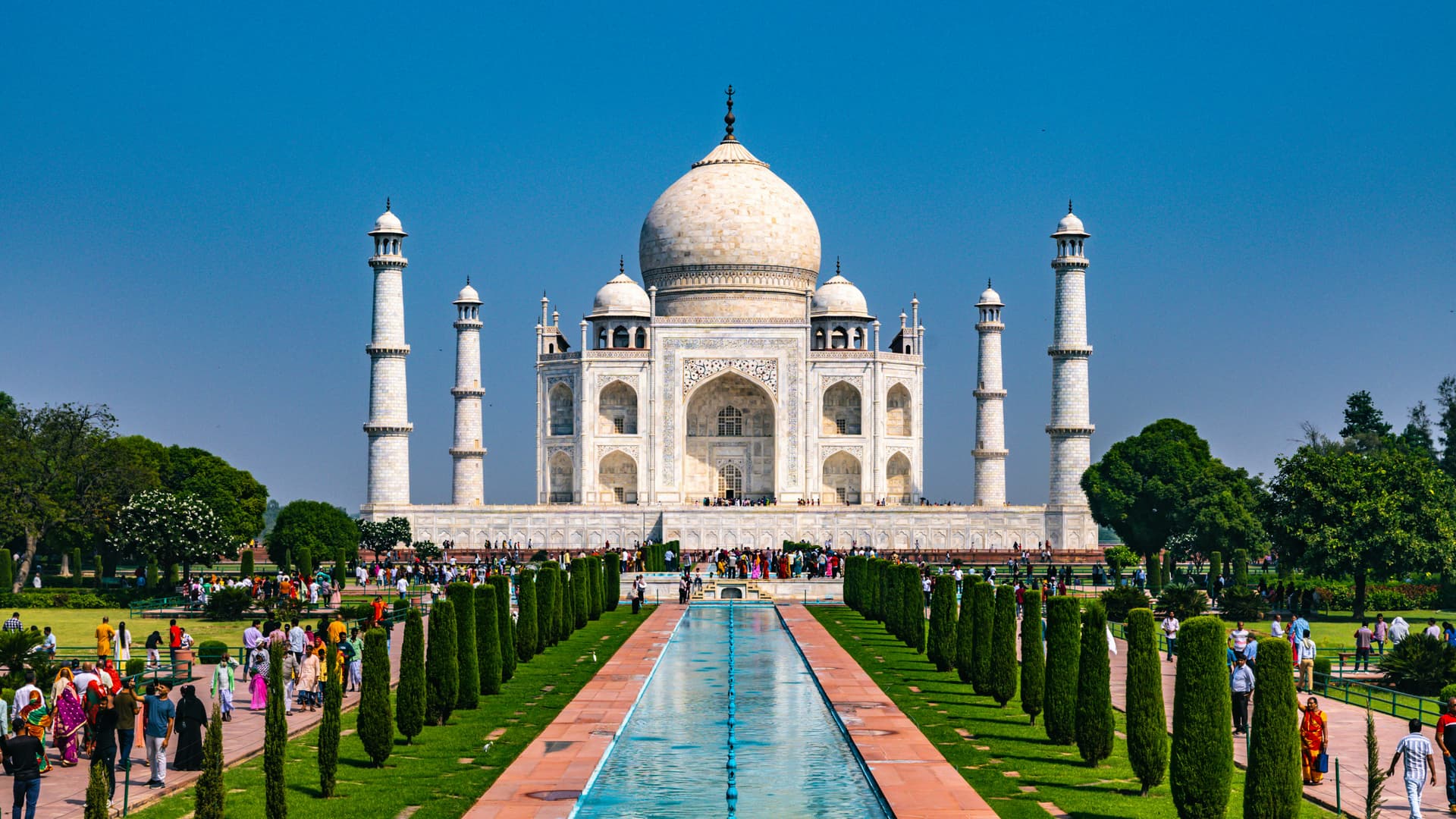
Taj Mahal - Agra, Uttar Pradesh
via pexels
Taj Mahal - Agra, Uttar Pradesh
Built by Shah Jahan over 22 years with 20,000 workers in memory of Mumtaz Mahal. A UNESCO site since 1983. Midday is the most crowded - visit early morning instead.
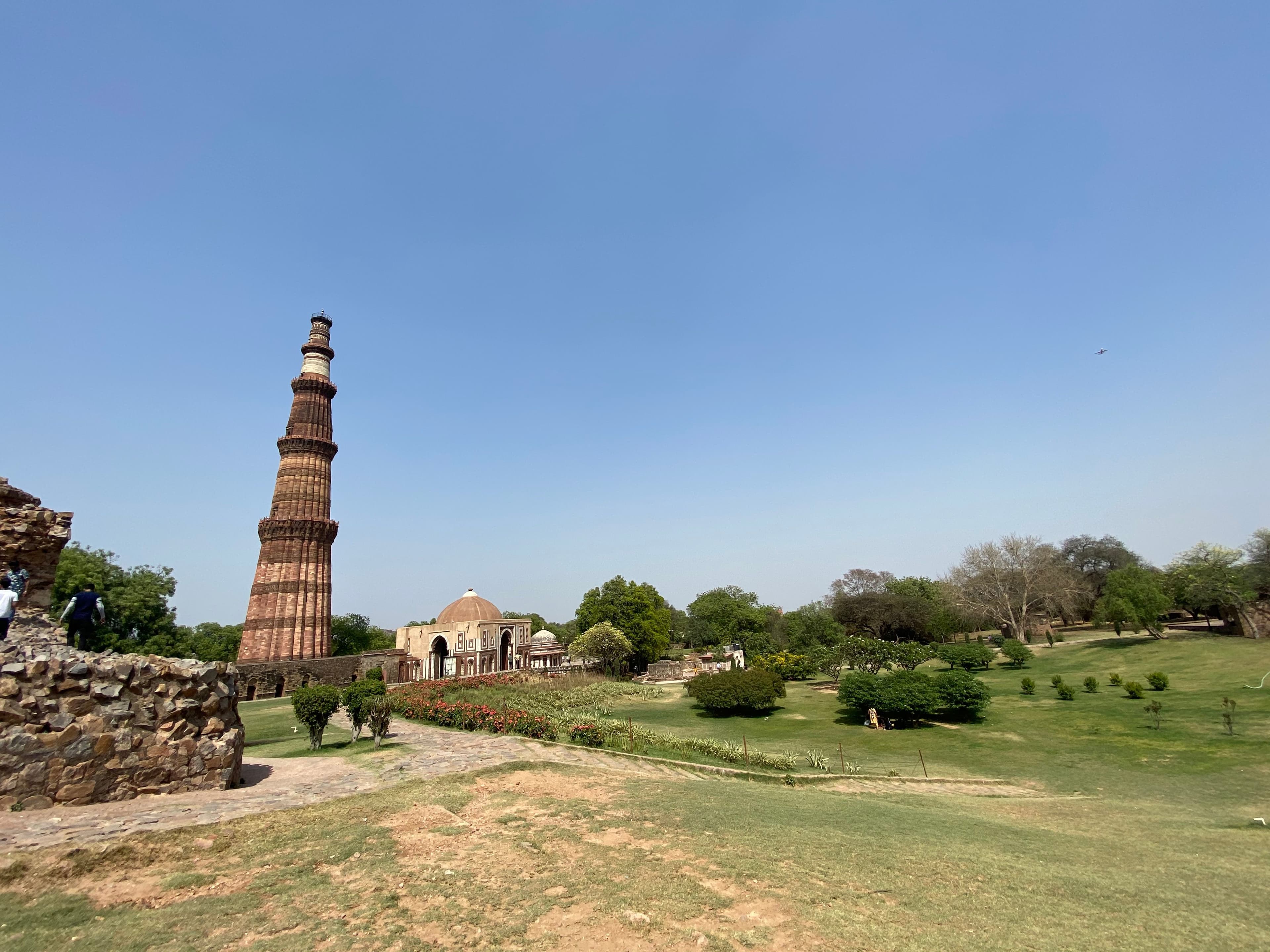
Qutub Minar - Delhi
via pexels
Qutub Minar - Delhi
The 73-meter Qutub Minar, India's tallest brick minaret, took three rulers to complete. The complex also features a 1,600-year-old iron pillar that has never rusted.
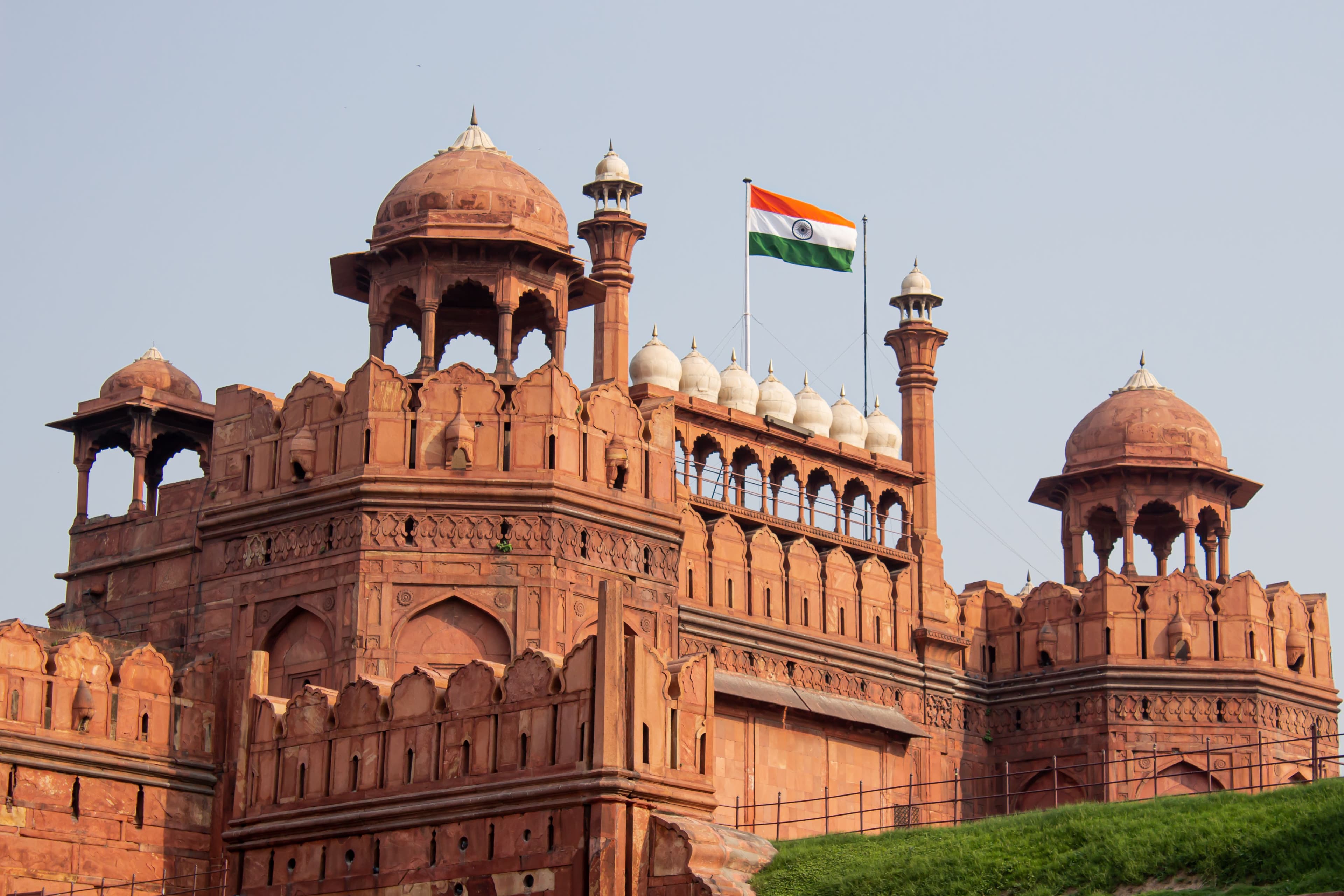
Red Fort Complex - Delhi
via pexels
Red Fort Complex - Delhi
Constructed by Shah Jahan in 1639, this red sandstone fort was the centre of Shahjahanabad for almost 200 years. It became a UNESCO site in 2007.
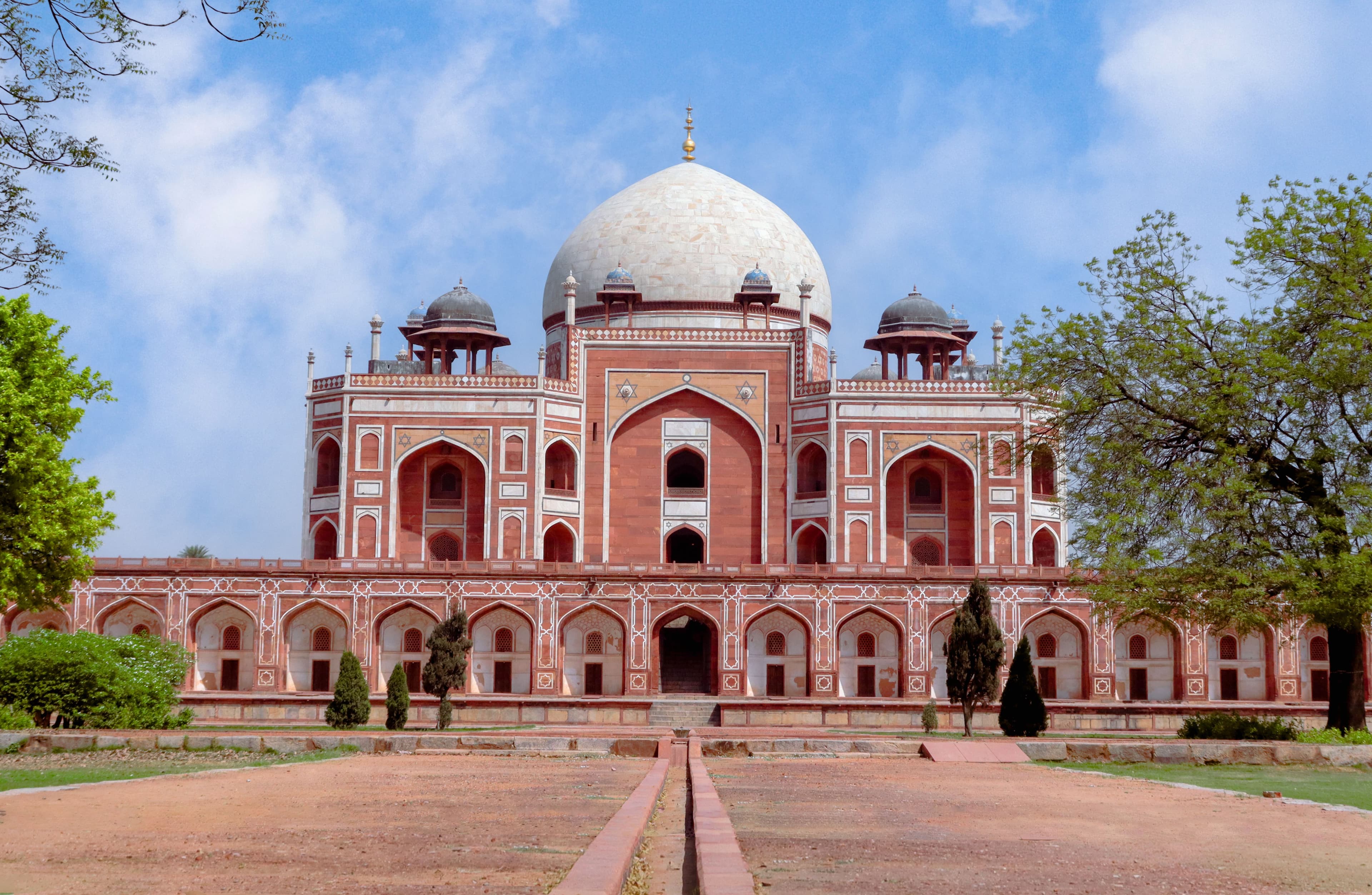
Tomb of Humayun – Delhi
via pexels
Tomb of Humayun – Delhi
Humayun's Tomb, built in 1569, inspired Mughal architecture including the Taj Mahal. UNESCO World Heritage Site since 1993.
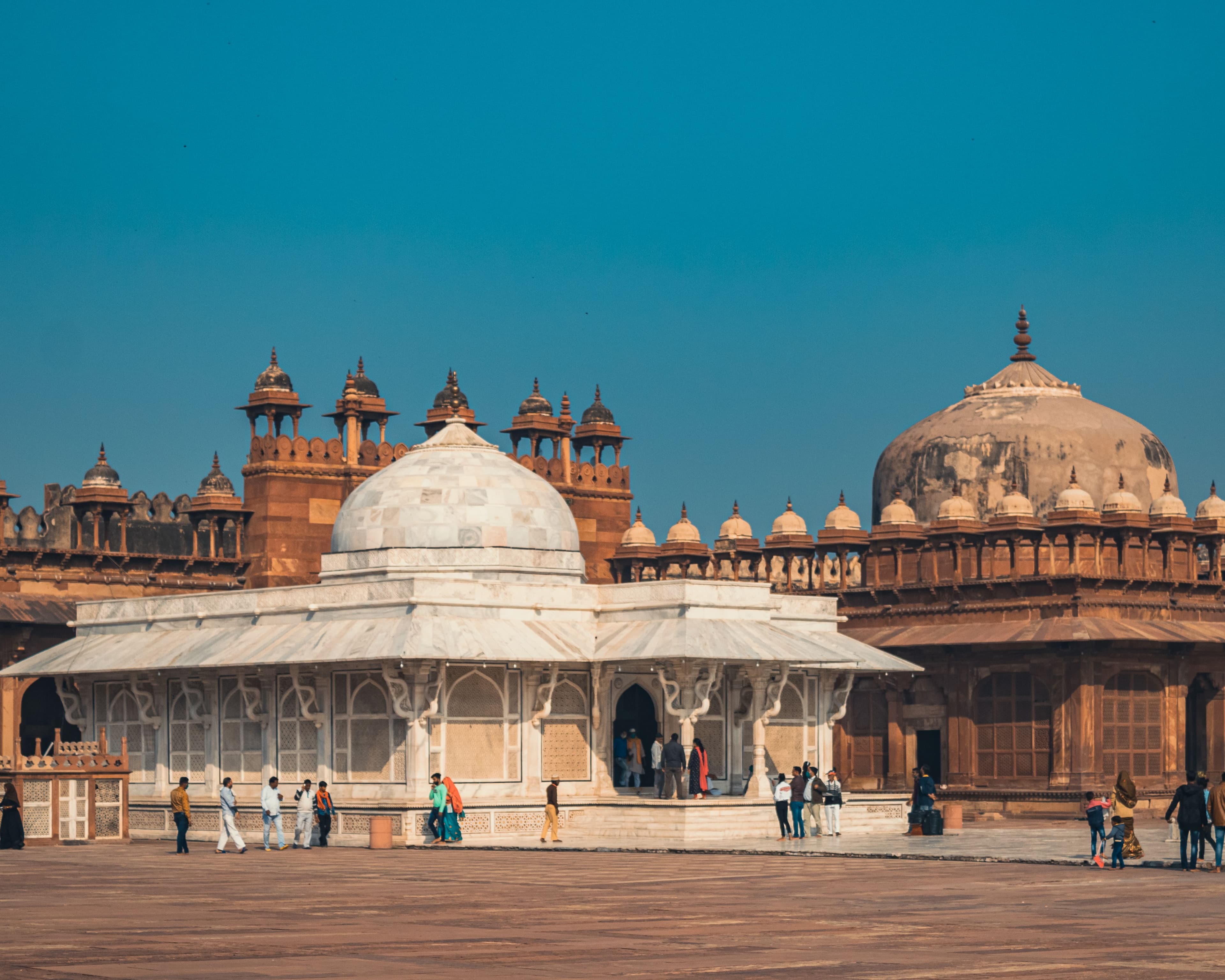
Fatehpur Sikri – Uttar Pradesh
via pexels
Fatehpur Sikri – Uttar Pradesh
Akbar's 1571 sandstone city, abandoned after 14 years due to water or administrative issues. UNESCO World Heritage Site since 1986.
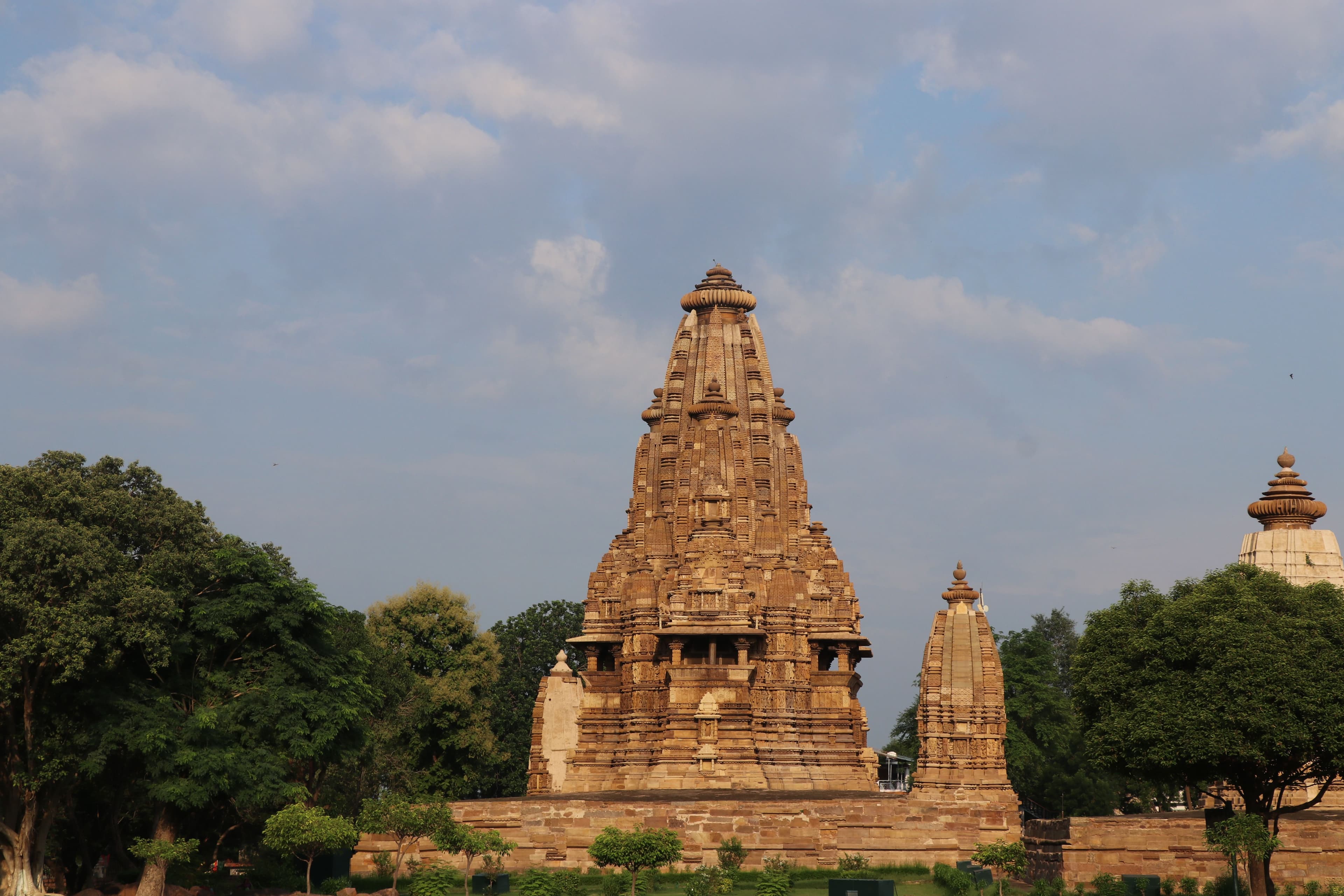
Khajuraho Group of Monuments - Madhya Pradesh
via pexels
Khajuraho Group of Monuments - Madhya Pradesh
9th–11th century Chandela temples, renowned for India's finest stone carvings with ruler sculptures on the walls. UNESCO World Heritage Site since 1986.
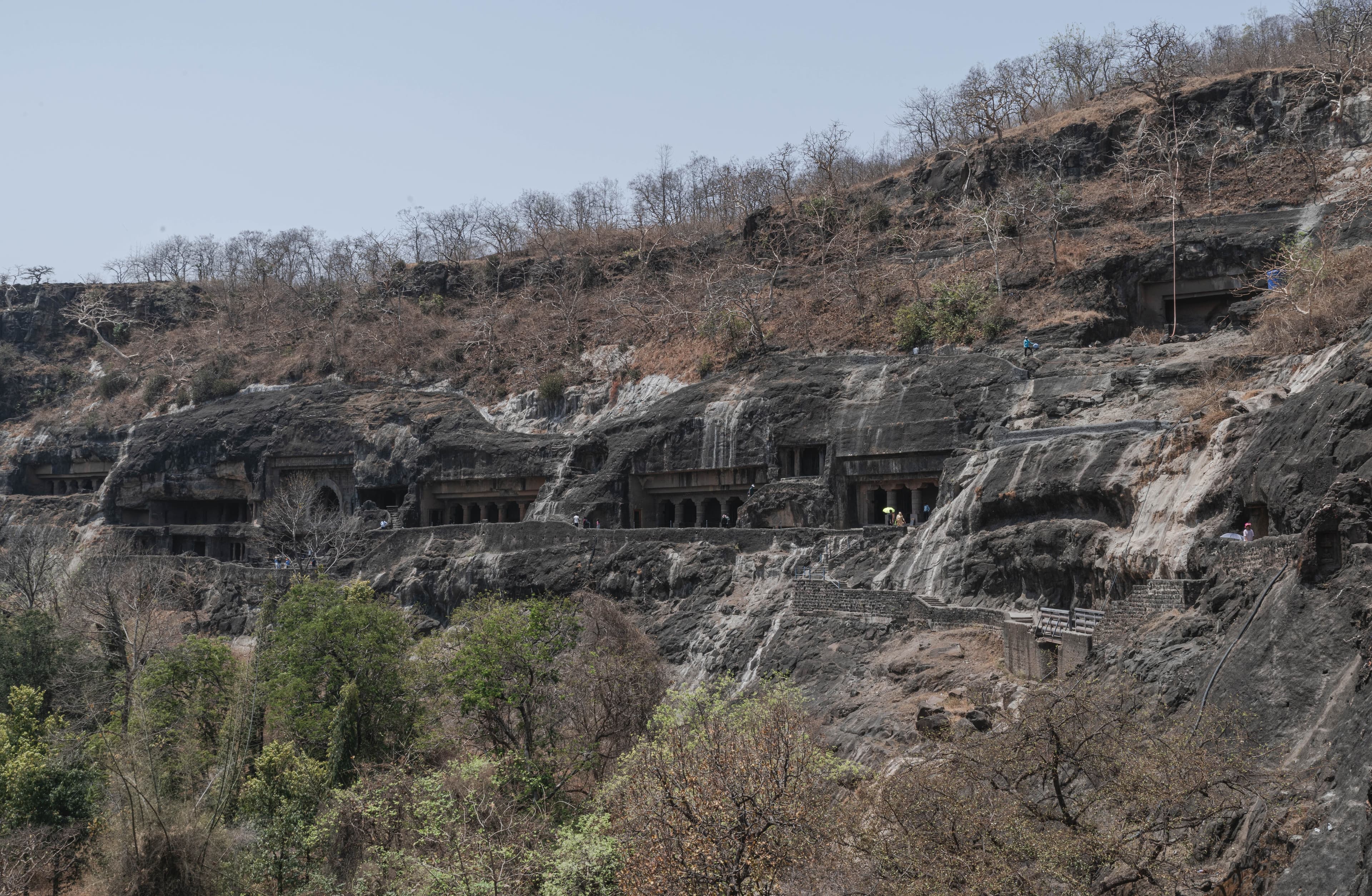
Ajanta Caves - Maharashtra
via pexels
Ajanta Caves - Maharashtra
2nd-century BCE to 5th-century CE Buddhist caves carved along the Waghora River, featuring 1,500-year-old murals of Buddha and gods. UNESCO World Heritage Site since 1983.
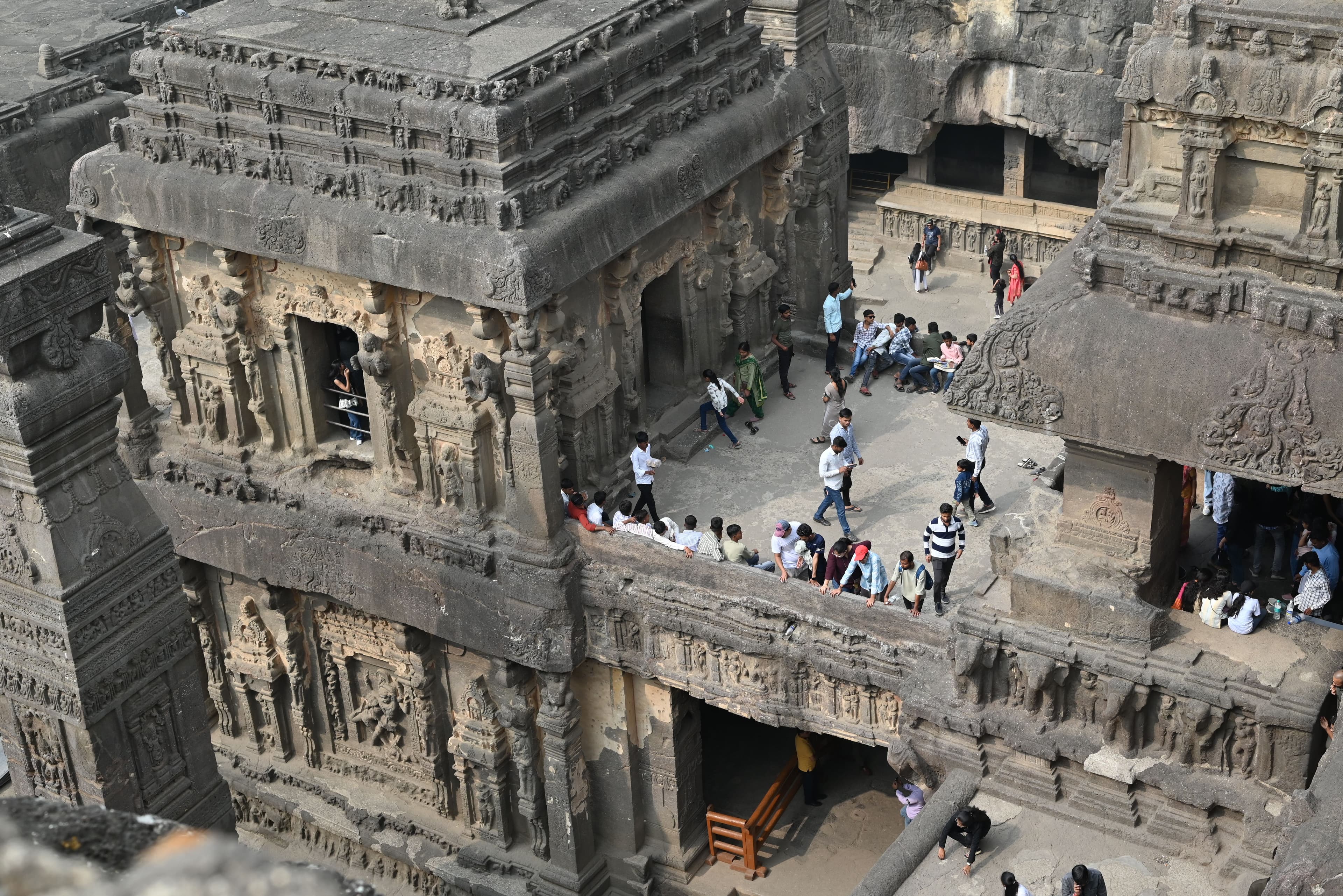
Ellora Caves - Maharashtra
via pexels
Ellora Caves - Maharashtra
Ellora's 34 caves, built over six centuries, showcase Buddhist, Hindu, and Jain traditions. The Kailasa Temple was carved top-down from basalt. UNESCO site since 1983.
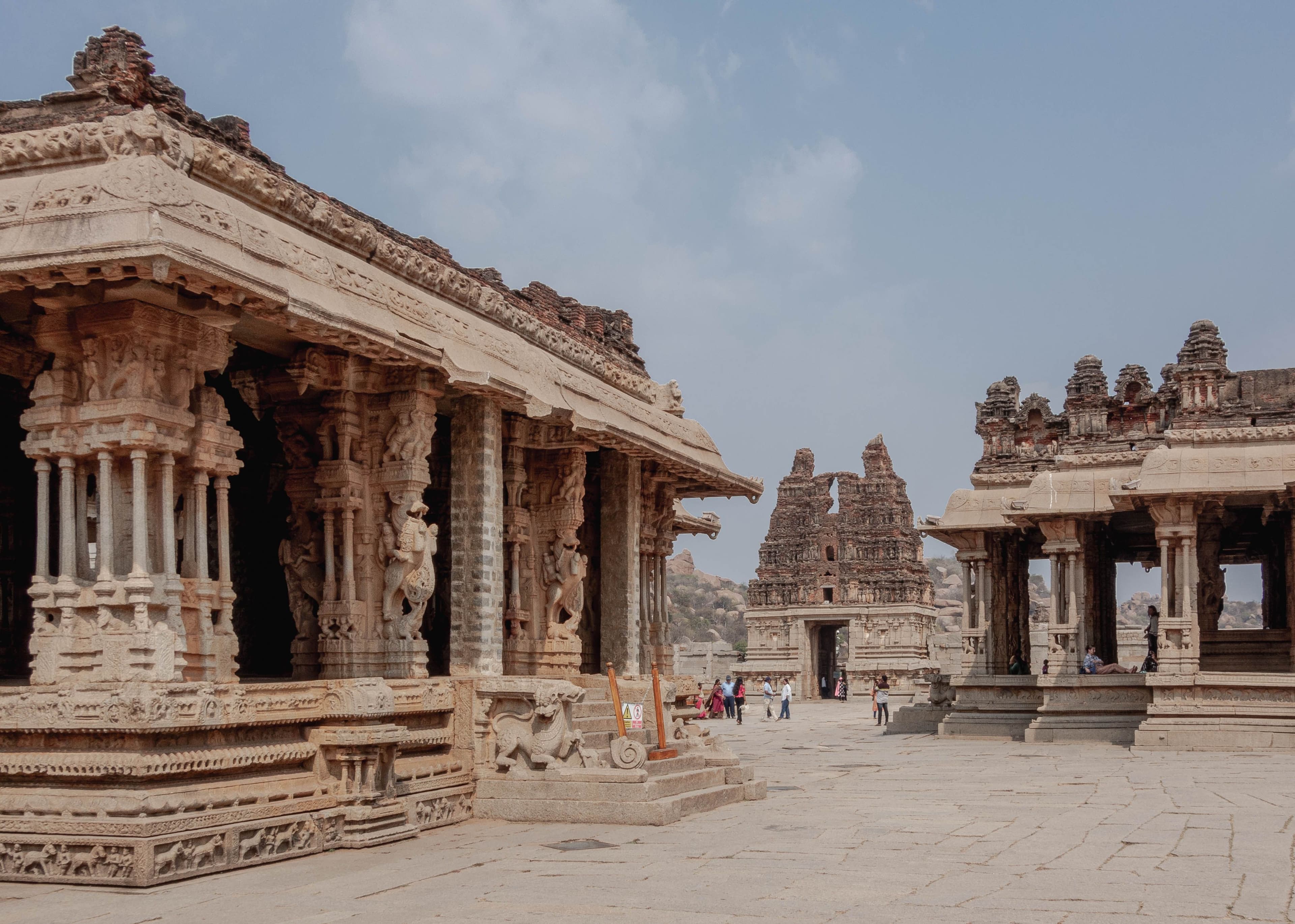
Hampi - Karnataka
via pexels
Hampi - Karnataka
14th–15th century Vijayanagara capital, plundered and burnt in 1565, now in ruins. UNESCO World Heritage Site since 1986.
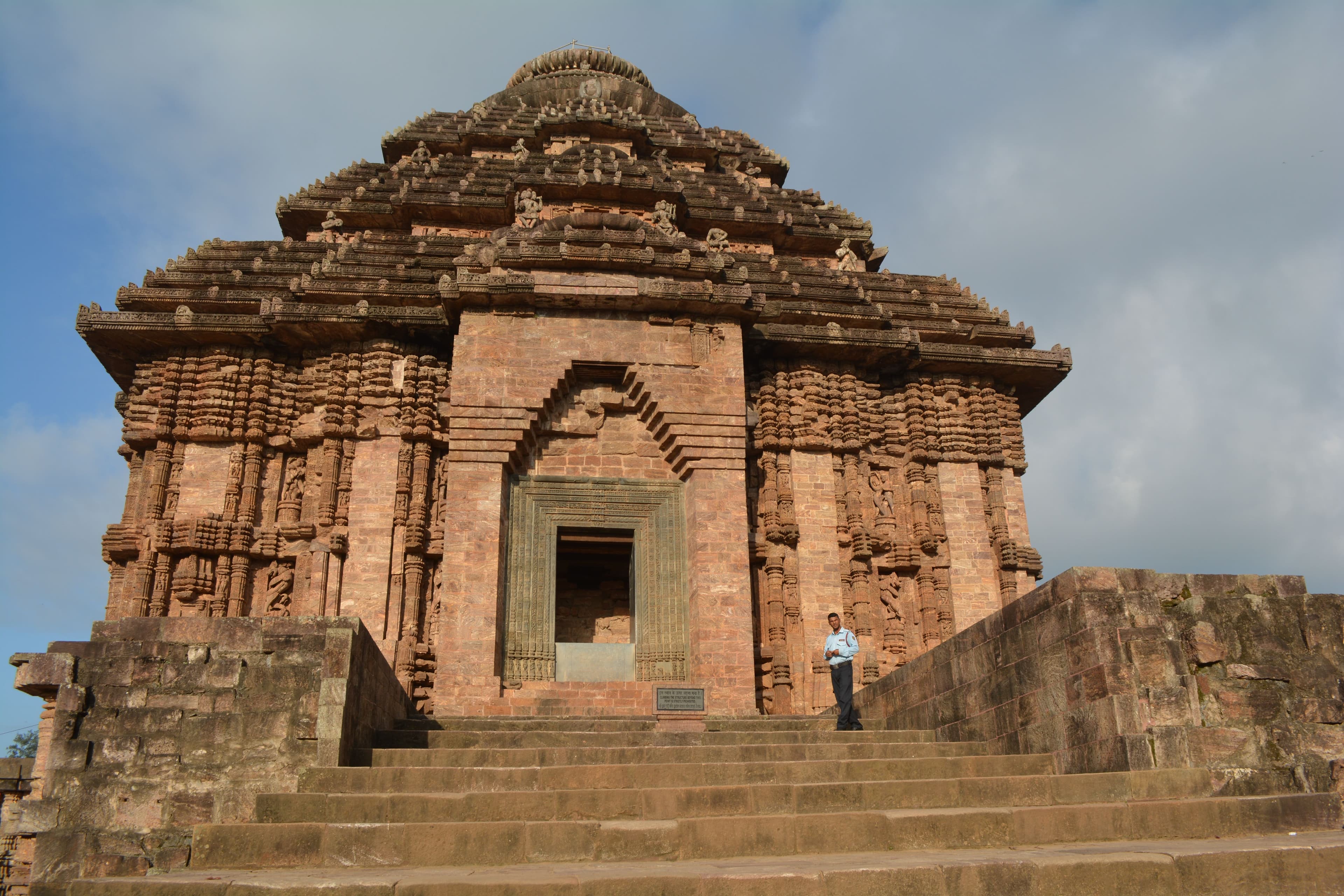
Sun Temple of Konark - Orissa
via pexels
Sun Temple of Konark - Orissa
King Narasimhadeva I built this 13th-century temple in honour of Surya, designed as a grand chariot with 24 wheels, seven horses, and a towering structure that once stood 60 metres before collapsing.
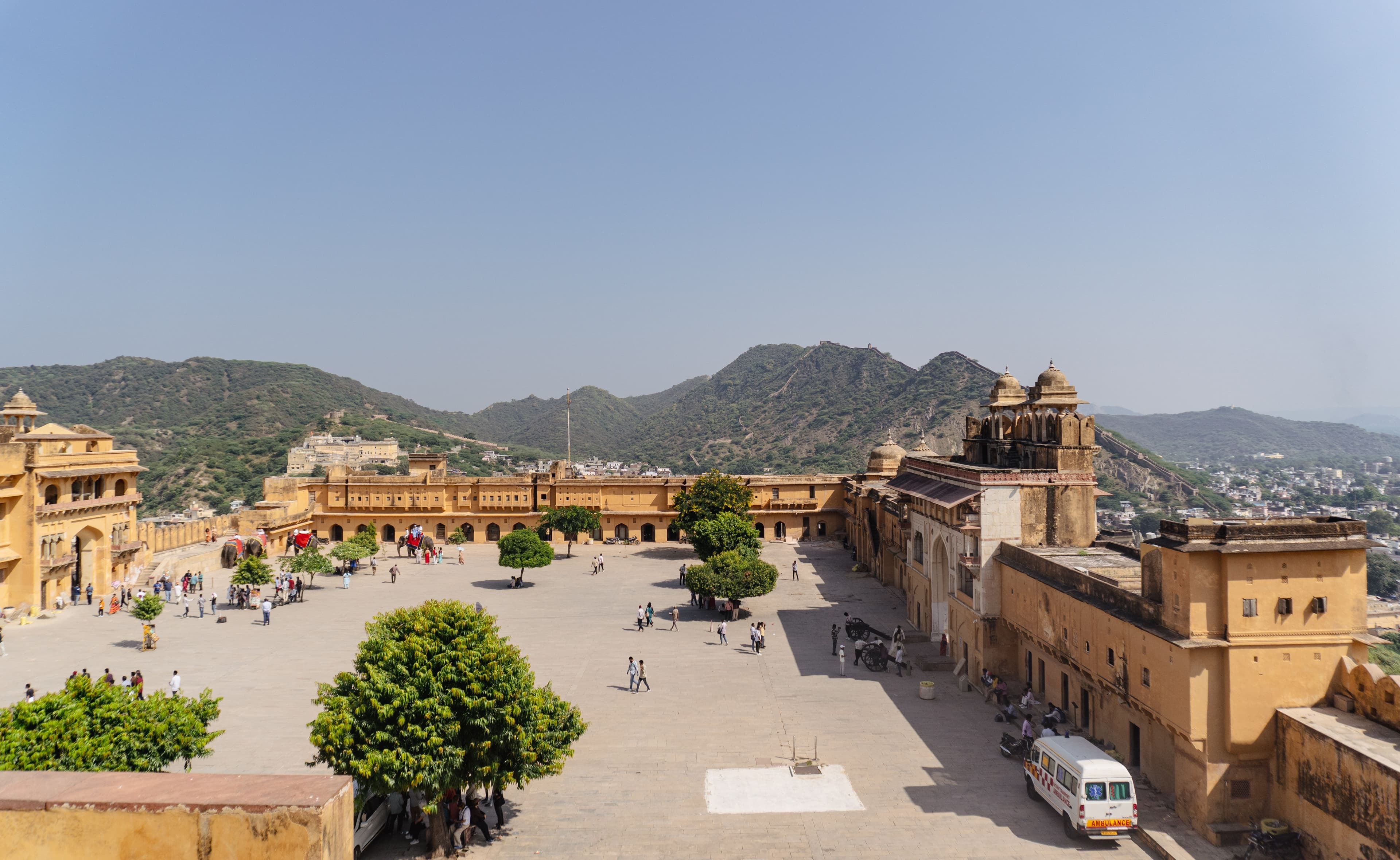
City of Jaipur - Rajasthan
via pexels
City of Jaipur - Rajasthan
Designed in 1727 by Maharaja Jai Singh II, Jaipur was planned as a grid city. Its walled precincts were declared a UNESCO World Heritage Site in 2019 - celebrated for both architectural grandeur and its thriving living culture.
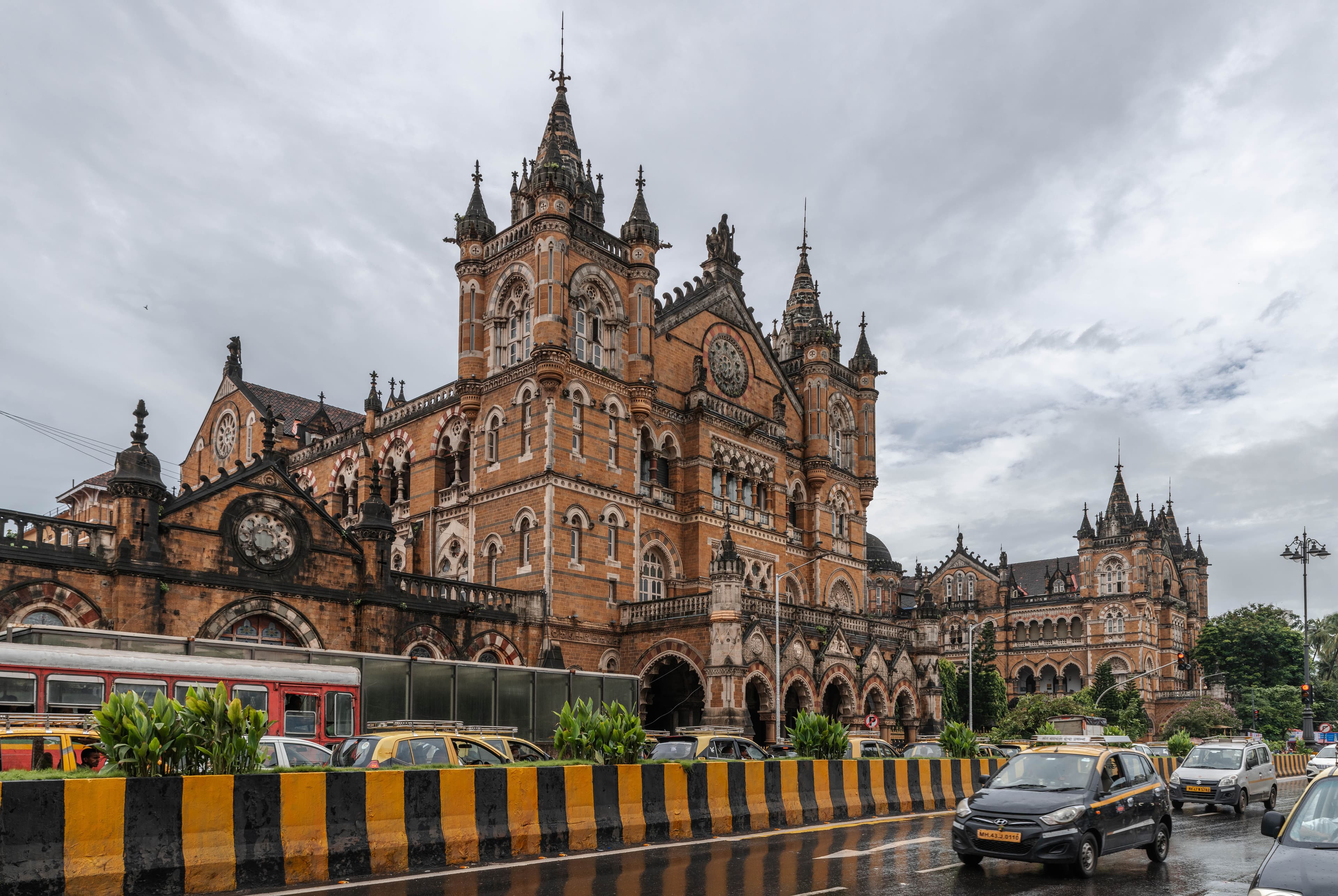
Chhatrapati Shivaji Maharaj Terminus - Mumbai
via pexels
Chhatrapati Shivaji Maharaj Terminus - Mumbai
F.W. Stevens' 1878 masterpiece blends Indian and Victorian Gothic architecture. UNESCO listed it in 2004. Unlike most heritage sites, it remains functional - serving millions daily.
Best Time to Visit UNESCO World Heritage Sites in India
For most travellers, the period between October and March offers the most comfortable conditions for exploring India's UNESCO World Heritage Sites. Temperatures across much of the country are pleasant, making it easier to spend long hours discovering historic monuments, ancient cities, archaeological complexes, and cultural landmarks without the intense heat experienced during the summer months.
UNESCO sites located in western and southern India, including destinations across Maharashtra and Karnataka, are generally best visited between November and February. During this period, temperatures are more comfortable for exploring places such as the Ajanta and Ellora Caves, Hampi, and other archaeological treasures. The cooler weather also provides better conditions for photography, walking tours, and extended cultural exploration.
Practical Tips for Visiting UNESCO World Heritage Sites in India
A little preparation can greatly improve your experience when exploring India's UNESCO World Heritage Sites. These simple tips will help you travel responsibly while making the most of your visit.
Respect Preservation Rules
Photography restrictions and protected areas exist to preserve fragile artwork, carvings, murals, and historical surfaces. These rules help safeguard UNESCO sites for future generations.
Avoid Touching Carvings and Murals
Even small amounts of moisture and oils from human skin can gradually damage ancient stone carvings, paintings, and decorative surfaces that have survived for centuries.
Hire a Licensed Local Guide
A knowledgeable guide can transform a visit from simple sightseeing into a deeper understanding of the site's history, architecture, legends, and cultural significance.
Carry Water and Light Snacks
Large UNESCO sites such as Hampi and Konark often involve considerable walking distances. Staying hydrated and carrying a few snacks can make exploration far more comfortable.
Wear Comfortable Walking Shoes
Ancient pathways, stone steps, uneven surfaces, and archaeological ruins are common across many UNESCO sites, making sturdy footwear essential.
Book Tickets Online When Available
Popular monuments such as the Taj Mahal, Red Fort, and several major heritage attractions offer online ticketing, helping visitors avoid queues and save valuable sightseeing time.
Frequently Asked Questions
Planning a journey through India's UNESCO World Heritage Sites? Here are answers to some of the questions travellers ask most often before exploring the country's most celebrated cultural and natural treasures.
India currently has 42 UNESCO World Heritage Sites, including 34 cultural sites, 7 natural sites, and 1 mixed site. This places India among the countries with the largest number of UNESCO-listed destinations in Asia.
The Taj Mahal is the most visited UNESCO World Heritage Site in India, attracting millions of visitors every year. It is widely regarded as India's most iconic monument and one of the world's most recognised architectural masterpieces.
Yes. The Taj Mahal was inscribed as a UNESCO World Heritage Site in 1983. UNESCO recognises it for its exceptional architecture, craftsmanship, and cultural significance, describing it as one of the masterpieces of the world's heritage.
The Golden Triangle route includes several UNESCO World Heritage Sites, including the Taj Mahal and Agra Fort in Agra, Humayun's Tomb, Qutub Minar, and the Red Fort Complex in Delhi, Fatehpur Sikri near Agra, and the historic Walled City of Jaipur.
For most destinations, October to March offers the most comfortable weather conditions. November through February is particularly popular because of pleasant temperatures, clear skies, and excellent sightseeing opportunities across much of the country.
Ready to Explore India's UNESCO Heritage?
From the Taj Mahal and Jaipur to Hampi, Ajanta, Ellora, and beyond, India Heritage Travel creates customised journeys that connect India's most remarkable UNESCO World Heritage Sites into one unforgettable travel experience.
Plan My Heritage Journey