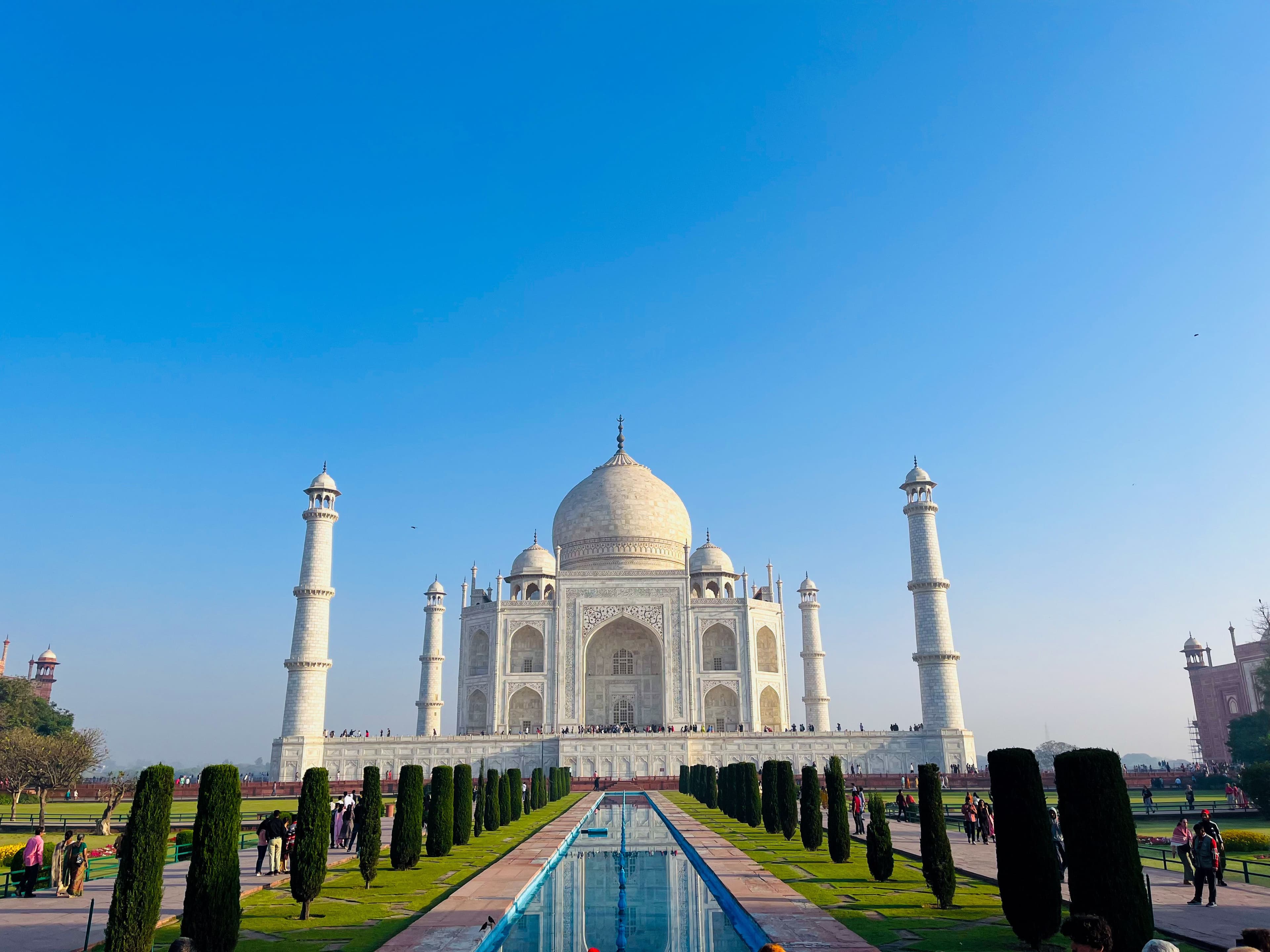
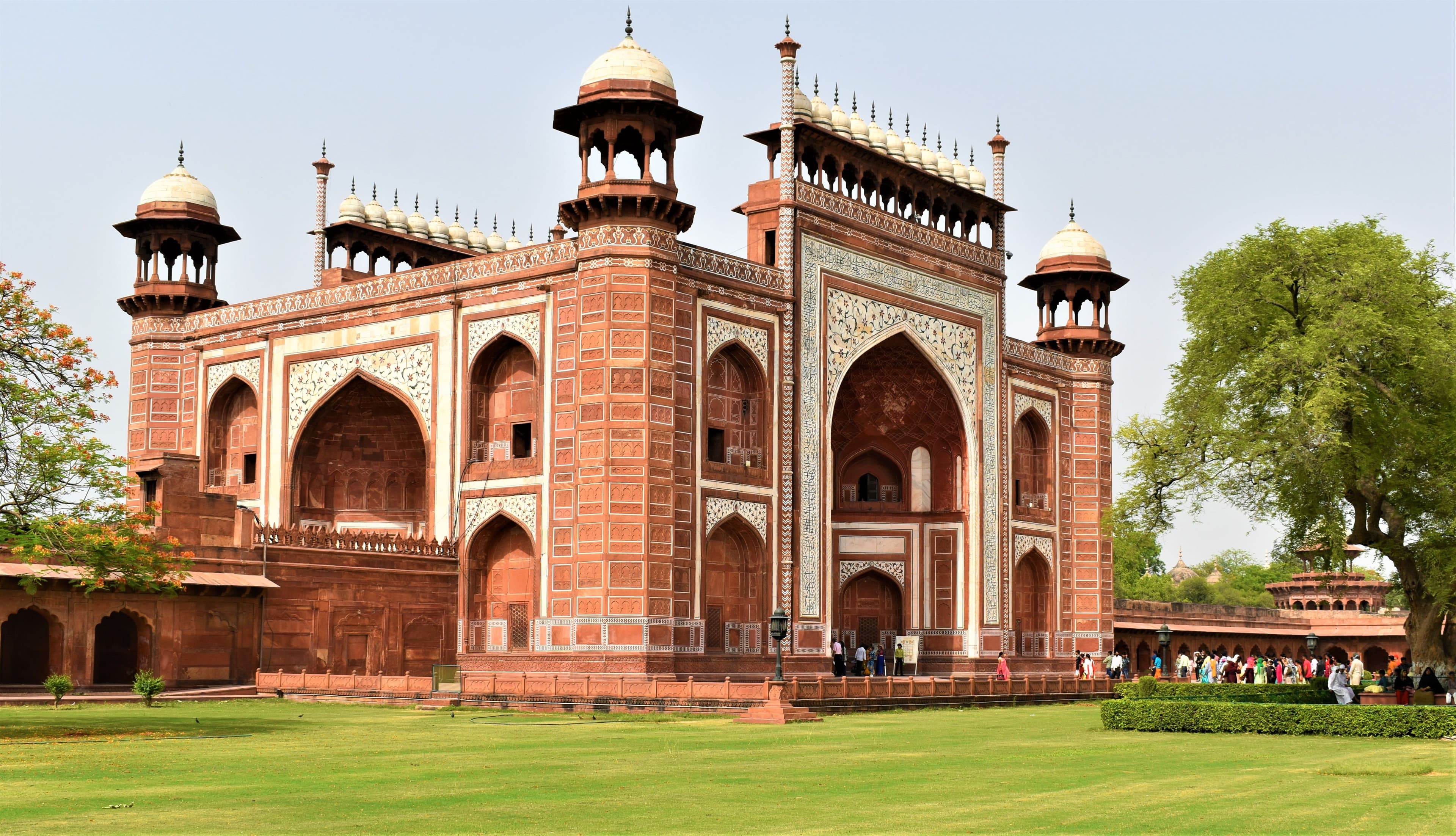
There are many extraordinary monuments in India, yet very few create the same feeling as the Taj Mahal. For many travellers, arriving at the great red sandstone gateway and catching the first glimpse of the white marble mausoleum beyond is a moment they have imagined for years. Despite countless photographs, documentaries, and travel stories, the experience of standing before the Taj Mahal feels entirely different in person.
Taj Mahal Overview
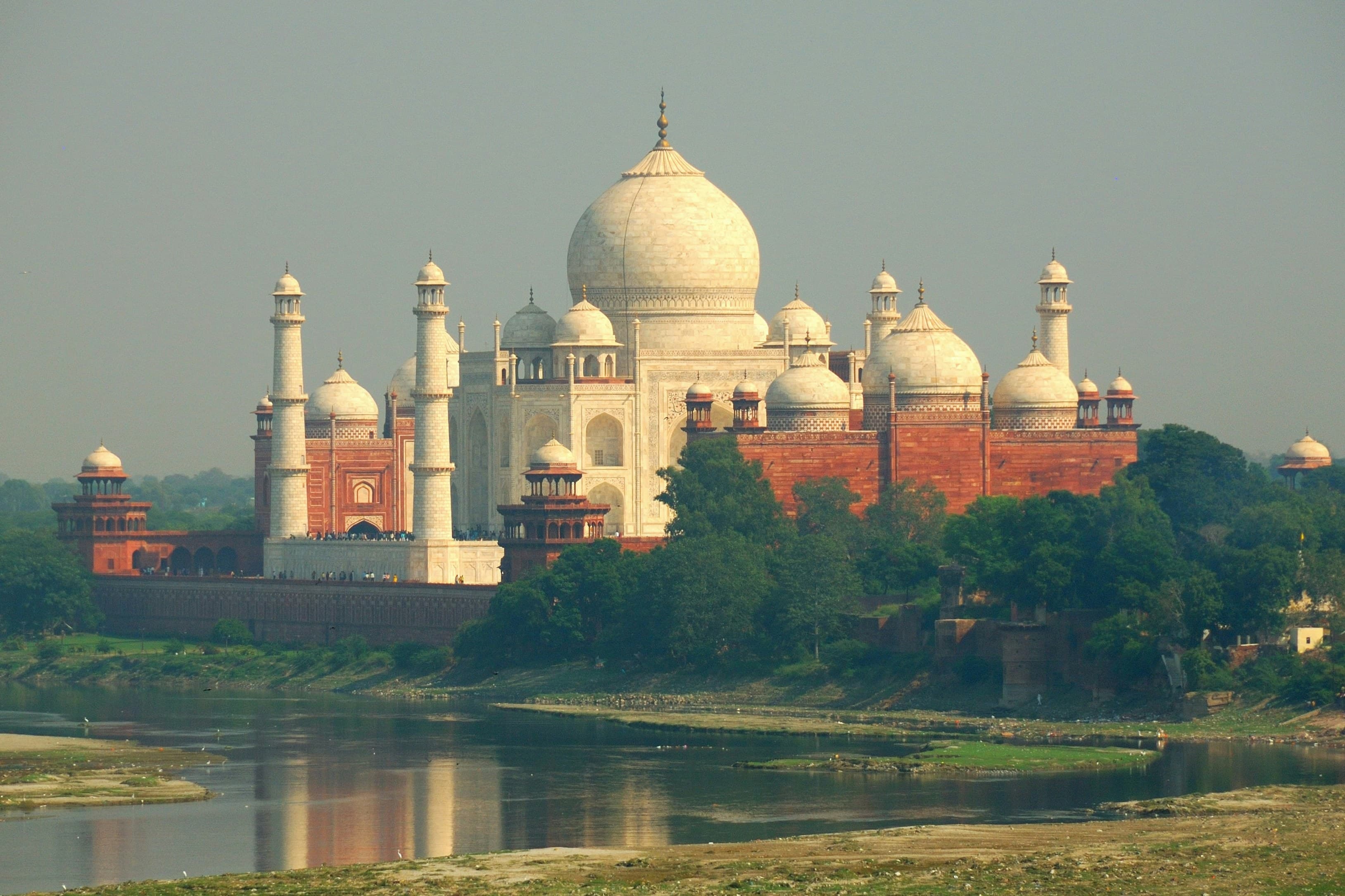
The Taj Mahal stands on the southern bank of the Yamuna River in Agra, Uttar Pradesh. Built entirely from white Makrana marble, it is widely regarded as the finest example of Mughal architecture and remains one of the Seven Wonders of the World. In recognition of its universal cultural significance, UNESCO designated the Taj Mahal a World Heritage Site in 1983.
History and Architecture of the Taj Mahal
How the Taj Mahal Was Built
The story of the Taj Mahal begins in 1631 when Mumtaz Mahal, the beloved wife of Mughal Emperor Shah Jahan, died while giving birth to their fourteenth child. Deeply affected by her death, Shah Jahan commissioned a grand mausoleum that would serve as a lasting tribute to her memory and become one of the greatest architectural achievements of the Mughal Empire.
via pexels
What Makes the Architecture Extraordinary
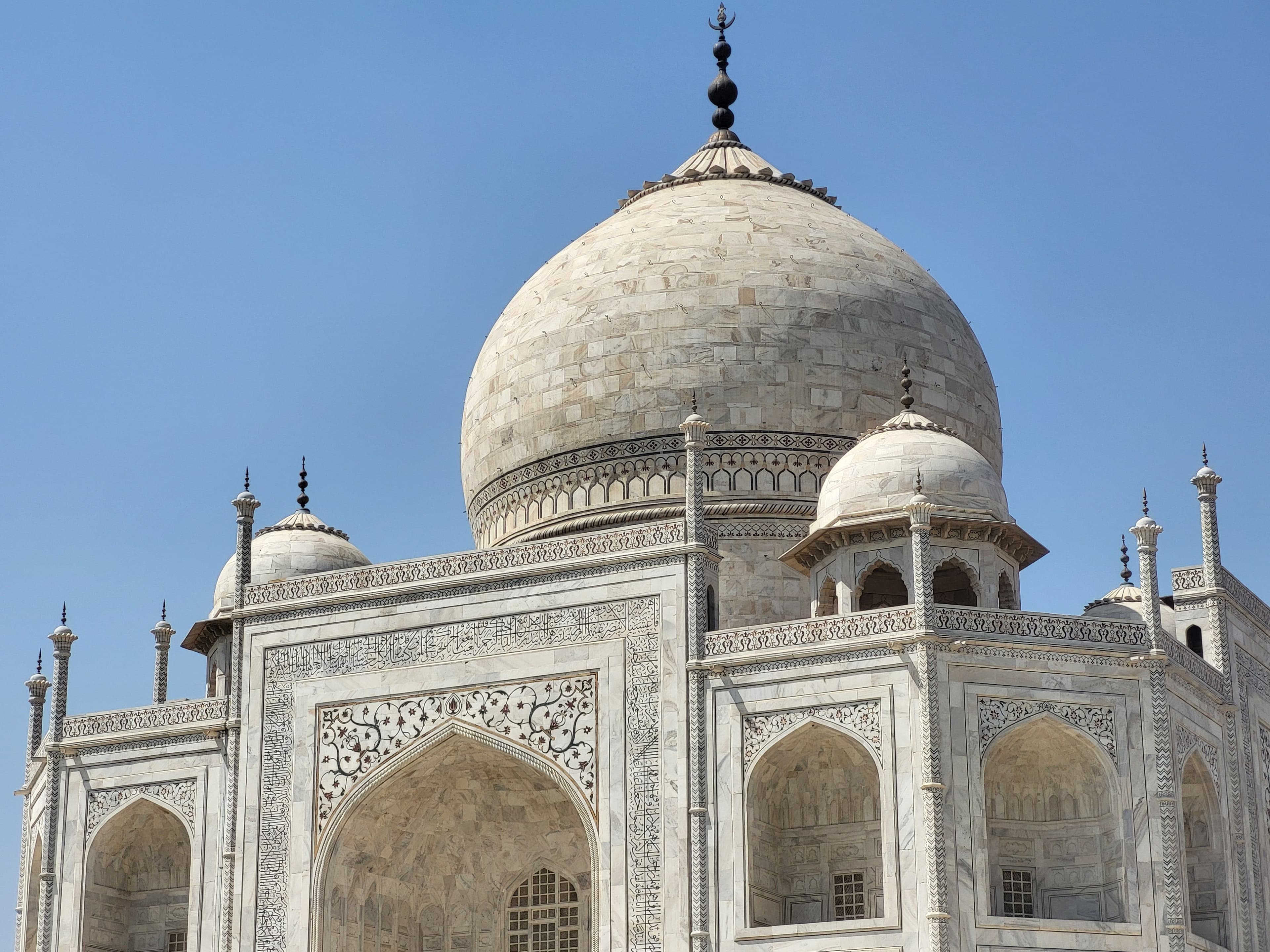
The Taj Mahal was constructed using white marble sourced from Makrana in Rajasthan, a material renowned for its strength, purity, and ability to reflect changing light conditions throughout the day. Delicate floral motifs were created using the celebrated pietra dura technique, where semi-precious stones such as carnelian, jasper, lapis lazuli, and onyx were carefully inlaid into marble surfaces.
How to Reach the Taj Mahal
As there are no direct flights from Agra airport and most people tour around Agra to see the Taj Mahal; here we will learn about different means of traveling from Delhi to Agra. The quickest railway option for reaching Agra from Delhi would be Gatimaan Express that reaches Agra from Delhi within a period of two hours covering a distance of around 200 kilometers. There are also some other trains available to travel from Delhi to Agra but they take a relatively longer time to reach. On the contrary, if you decide to travel by road then Yamuna Expressway would take 3-4 hours to cover the distance.
Taj Mahal Ticket and Entry Information
Taj Mahal ticket prices vary according to nationality. One detail that surprises many first-time visitors is that admission to the main marble mausoleum requires an additional ticket beyond the standard complex entry fee. The standard ticket allows access to the gardens, walkways, and viewing platforms, while the optional mausoleum ticket grants entry to the central marble structure.
| Visitor Category | Complex Admission | Mausoleum Entry |
|---|---|---|
| Foreign Tourists | ₹1,100 | ₹200 |
| SAARC & BIMSTEC Visitors | ₹540 | ₹200 |
| Indian Citizens / OCI | ₹50 | ₹200 |
| Children Under 15 | Free | Free |
via pexels
Important Entry Information
- •
The Taj Mahal opens approximately 30 minutes before sunrise and closes around 30 minutes before sunset.
- •
The monument remains closed every Friday for prayers at the mosque within the complex.
- •
Entry is usually available through the Eastern and Western Gates, while the Southern Gate is generally not used for regular tourist entry.
- •
Carry a valid photo ID and keep your ticket accessible throughout the visit.
Best Time to Visit the Taj Mahal
It is absolutely necessary that you go to the Taj Mahal at the time from October to March because during this time, it is quite possible for you to take walks around the gardens as well as stand in queues without being affected by the heat. There are certain months which you need to remember when planning to go and they are December and January because in these months, there usually are foggy mornings.
The Sunrise and Sunset Experience
However, the best way to witness all the magic would be a tour to see Taj Mahal at sunrise, and this is because there would not be many crowds at this time of the day, the light would immediately turn the pink marble into gold, and the day would not be too warm yet. However, if you want to watch the sunset, you should visit the other side of the river.
via unsplash
Nearby Attractions in Agra
It would be incorrect to focus exclusively on the Taj Mahal when preparing your itinerary for Agra. Apart from the Taj Mahal, there is one more World Heritage Site located in Agra. It is located 2.5 kilometers from the Taj Mahal and is known as Red Sandstone Fort. It used to be the capital of Mughal Empire until Shah Jahan built the Taj Mahal. You should definitely not miss the opportunity to visit Khas Mahal and Musamman Burj, where Shah Jahan resided being kept in custody by his son, admiring his masterpiece.
Agra Fort
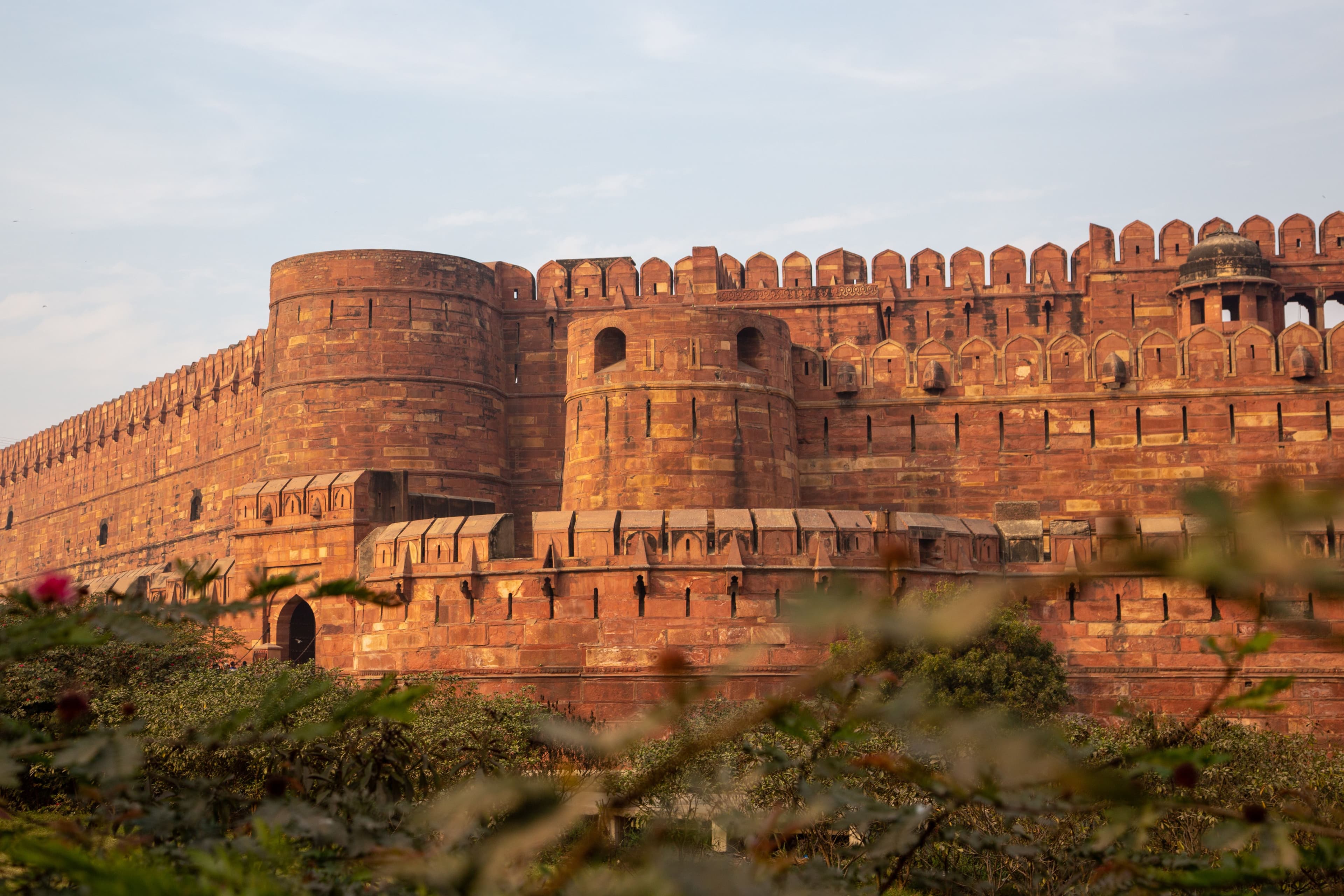
Located just 2.5 kilometres from the Taj Mahal, Agra Fort is another UNESCO World Heritage Site and one of the most important Mughal monuments in India. Constructed primarily from red sandstone, the fort served as the imperial residence of Mughal emperors before Shah Jahan shifted his attention toward the construction of the Taj Mahal.
via unsplash
Baby Taj & Mehtab Bagh
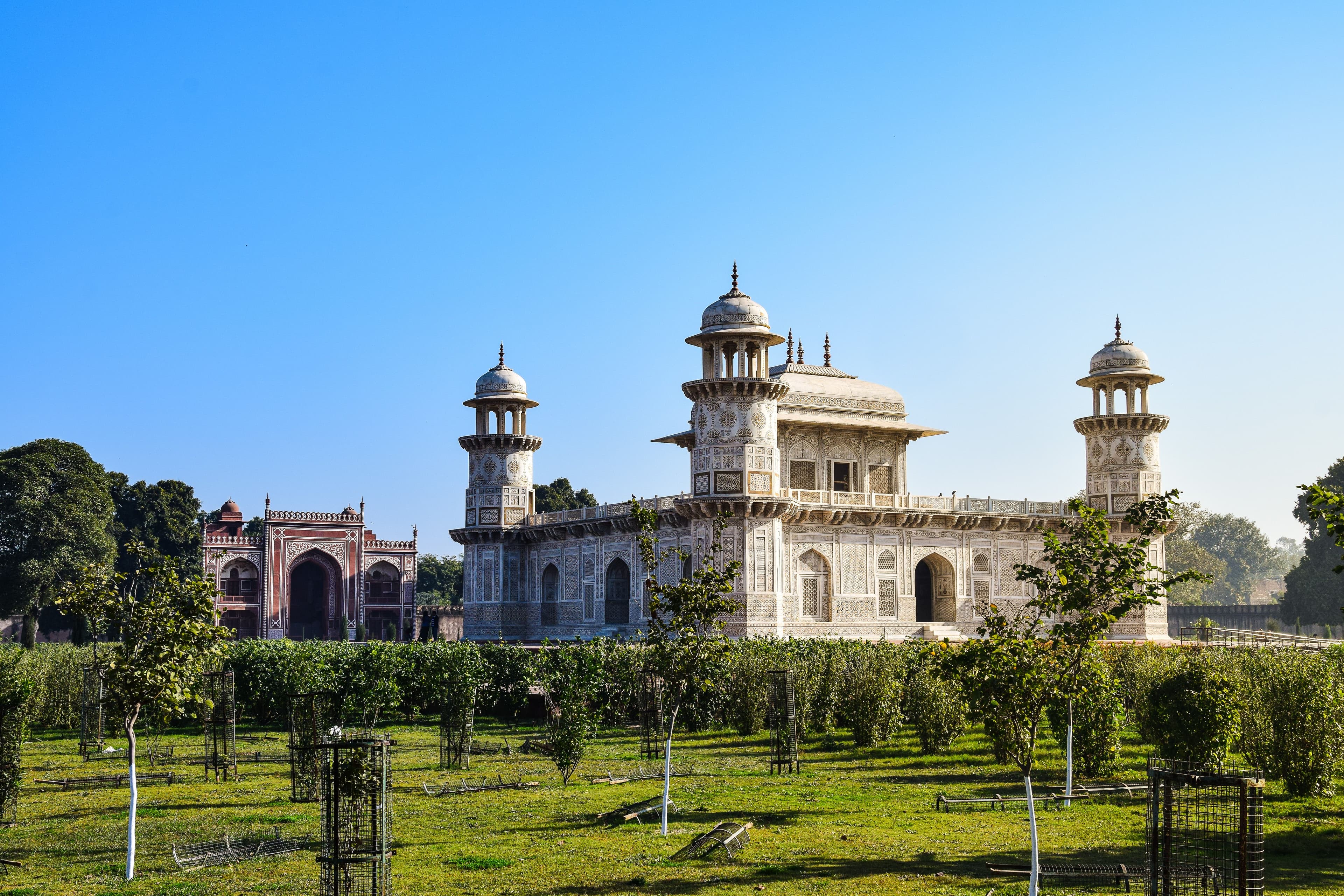
The Tomb of Itimad-ud-Daulah, often called the "Baby Taj", is widely considered a precursor to the Taj Mahal. Built entirely in white marble, it introduced many of the decorative techniques and intricate inlay details that would later reach perfection at the Taj Mahal itself.
Across the Yamuna River lies Mehtab Bagh, also known as the Moonlight Garden. This peaceful riverside garden offers one of the finest panoramic views of the Taj Mahal and is particularly popular at sunset when the monument glows beneath the changing colours of the evening sky.
via pexels
A Typical 2-Day Trip to Agra
Two days is usually enough to experience Agra's major attractions without feeling rushed. This itinerary combines the Taj Mahal, Mughal history, local culture, and nearby UNESCO sites into a comfortable and rewarding visit.
Taj Mahal
Enter through the Eastern Gate and spend around two hours exploring the Taj Mahal, its gardens, reflecting pools, and marble mausoleum.
Agra Fort & Baby Taj
Visit Agra Fort, followed by the Tomb of Itimad-ud-Daulah (the Baby Taj), before enjoying lunch in Agra's historic old city.
Mehtab Bagh Sunset
Cross the Yamuna River to Mehtab Bagh for sunset views of the Taj Mahal before ending the day with a traditional Mughlai dinner.
Fatehpur Sikri or Jaipur
Take a half-day excursion to Fatehpur Sikri or depart early for Jaipur to continue your Golden Triangle journey.
Food and Local Experiences in Agra
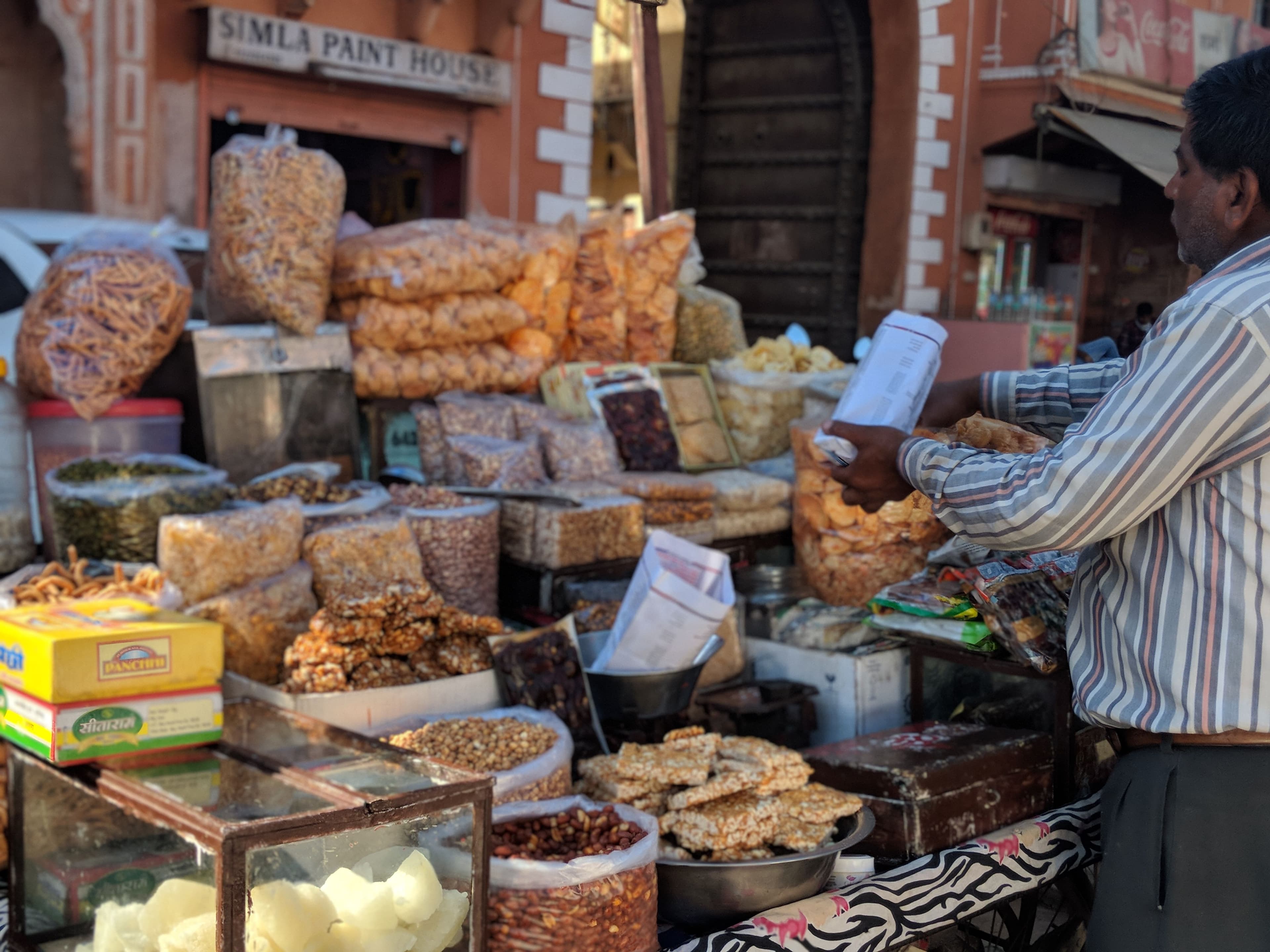
While the Taj Mahal dominates every Agra itinerary, the city also rewards visitors who take time to explore its food culture and traditional neighbourhoods. Agra's culinary identity extends beyond Mughal cuisine and includes several local specialties that have become closely associated with the city itself.
via pexels
Petha
Agra's most famous sweet is undoubtedly Petha, a translucent confection made from ash gourd and cooked in sugar syrup. Available in numerous varieties, it has become one of the city's signature foods. For the most authentic experience, purchase petha from a traditional sweet shop in the old city rather than from airport souvenir counters.
Bedai Breakfast
Another local favourite is Bedai, a deep-fried bread typically served with spicy potato curry. It remains one of the most popular breakfast dishes in Agra and is commonly enjoyed by locals in the morning before the city becomes busy with visitors.
Frequently Asked Questions About Visiting the Taj Mahal
Planning your first visit to the Taj Mahal? These are some of the questions travellers ask most often before visiting India's most famous monument.
Foreign visitors pay ₹1,100 for entry to the Taj Mahal complex, with an additional ₹200 required to enter the main marble mausoleum. Indian citizens and OCI cardholders pay ₹50 plus the optional ₹200 mausoleum ticket, while visitors from SAARC and BIMSTEC countries pay ₹540 plus ₹200 for mausoleum access.
Yes. The Taj Mahal remains closed every Friday for general visitors because the mosque within the complex is used for weekly prayers. The monument is open to tourists on all other days of the week.
The best period to visit the Taj Mahal is between October and March, when temperatures are cooler and more comfortable for sightseeing. Sunrise is generally considered the most rewarding time to visit because of the softer light and smaller crowds.
For most travellers, the Gatimaan Express is the fastest and most convenient option, taking approximately two hours to reach Agra from Delhi. Travelling by road via the Yamuna Expressway usually takes between three and four hours depending on traffic conditions.
Yes. Night viewing is available on selected dates around the full moon, usually for five nights each month, except Fridays and during the month of Ramadan. Advance booking is required for this special experience.
Visitors should dress modestly and comfortably, especially during warmer months. Comfortable walking shoes are recommended, and international visitors should carry their passport while Indian citizens should carry valid identification.
Visit to Taj Mahal - Plan Now!
India Heritage Travel designs private chauffeur-driven journeys covering the Taj Mahal, Agra, the Golden Triangle, and Rajasthan with expert guides, carefully selected hotels, and personalised itineraries.
Plan My Taj Mahal Tour