Female Travel Safety Guide for India
A genuinely useful female travel safety guide doesn’t start with a list of things to fear, it starts with a plan. Most of the incidents that make women hesitate about visiting India trace back to the same handful of gaps, unverified transport, a hotel booked purely on price, an evening spent improvising rather than pre-arranged, or maybe you just don’t know which number to call if something goes wrong.
Close those gaps before you land, and the rest of the trip tends to sort itself out, mostly. This guide is built the way we prepare our own clients at India Heritage Travel as a practical , step by step female travel safety guide covering everything from pre trip research to what’s actually in a well prepared traveller’s phone. Whether you’re a first time solo visitor or planning a mother daughter trip, treat this as a working checklist rather than a one time read.
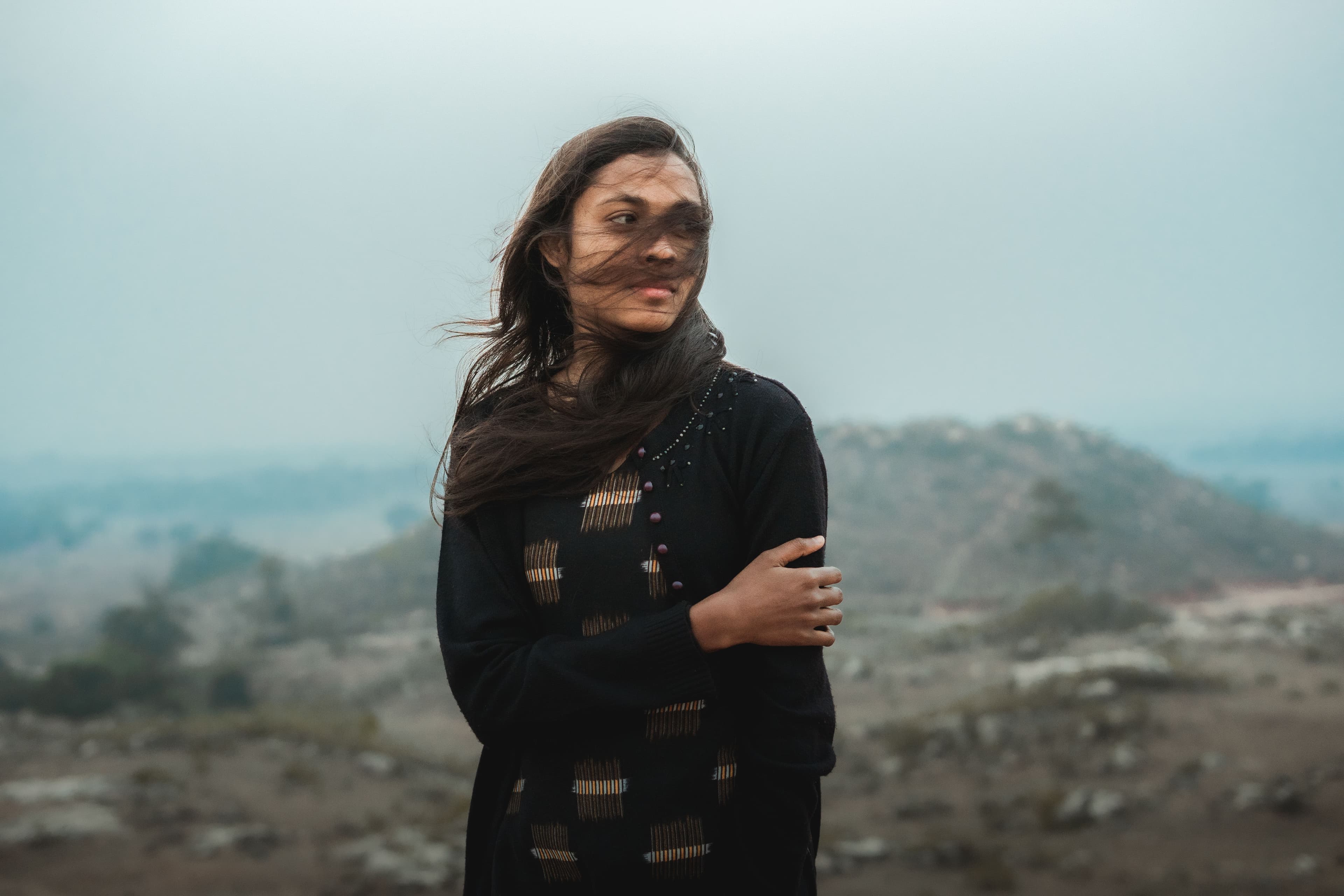
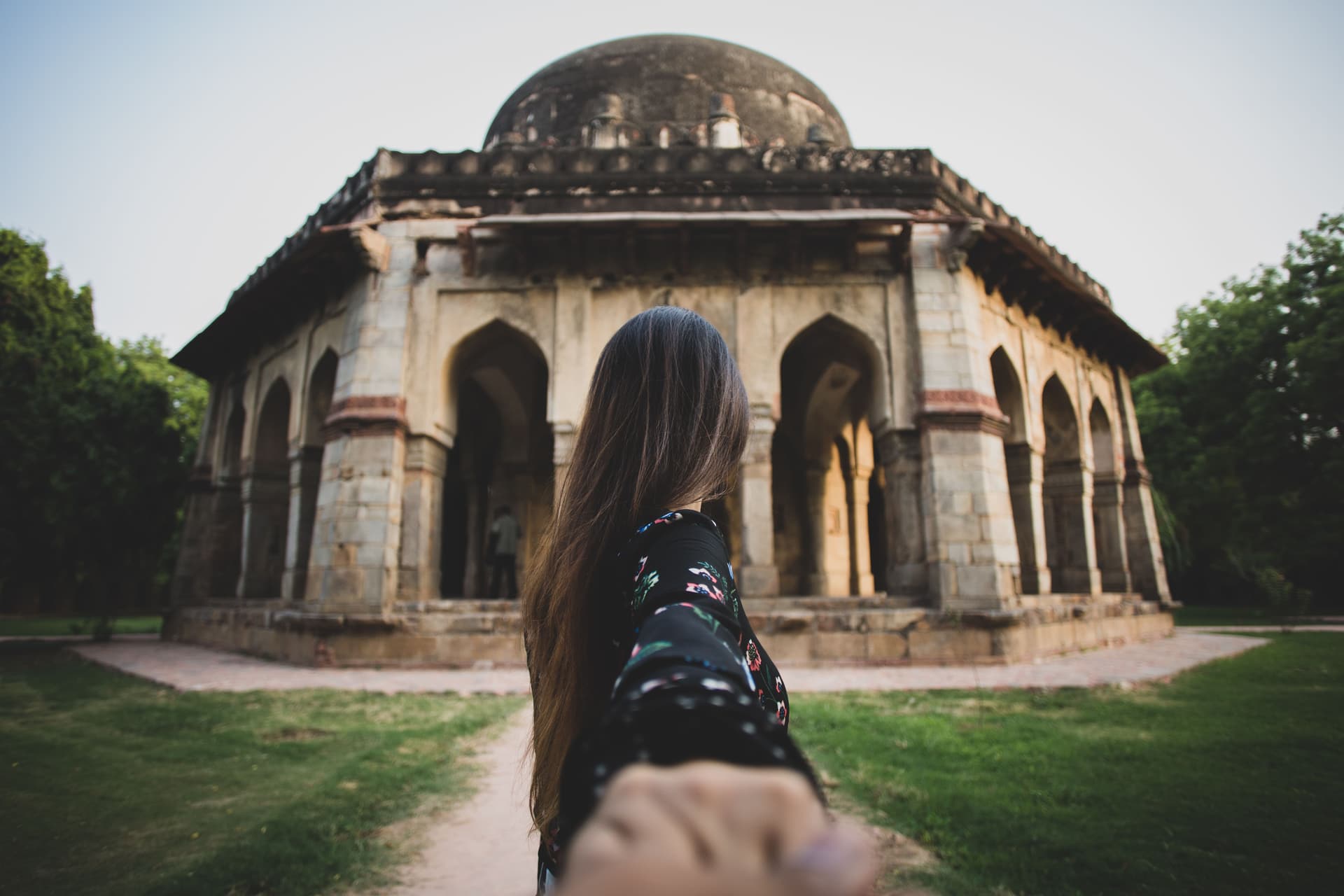
Image via pexels
Before You Go: Pre-Trip Safety Planning
The most important safety move happens weeks before departure - locking in your route, booking verified transport and accommodation, and sharing your plans with someone back home. Travelers who arrive with confirmed pickups and a basic itinerary feel calmer than those who plan to "figure it out" on arrival.
- • Confirm your full route and pre-book your first three to four nights before departure.
- • Arrange a pre booked, verified airport transfer instead of trying to sort out transport after you land.
- • Register your trip with your embassy - MADAD for Indians, STEP for Americans, and similar services for other nationals.
- • Share your full itinerary, your hotel names, and your flight details with a trusted person at home.
Researching Your Destination
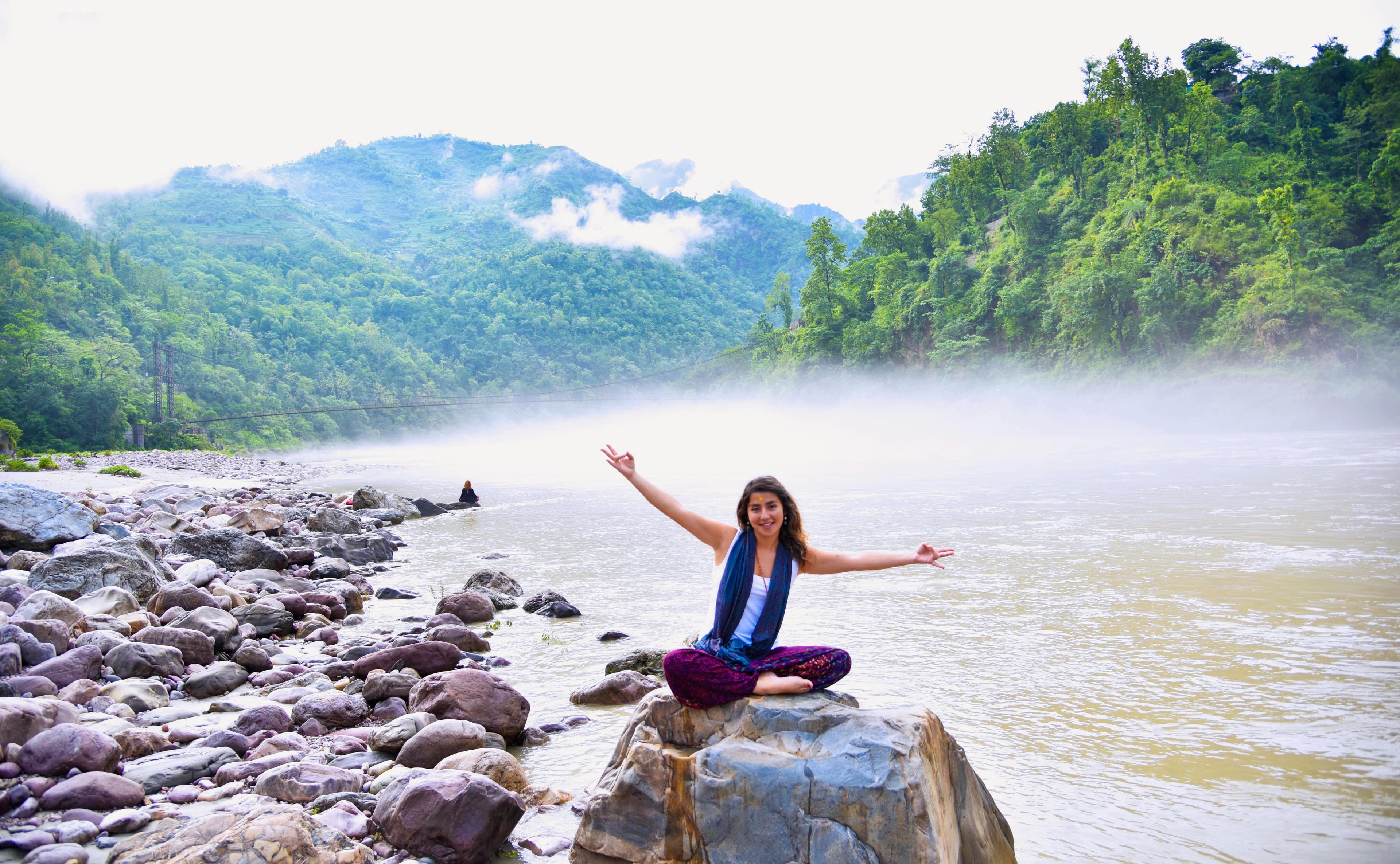
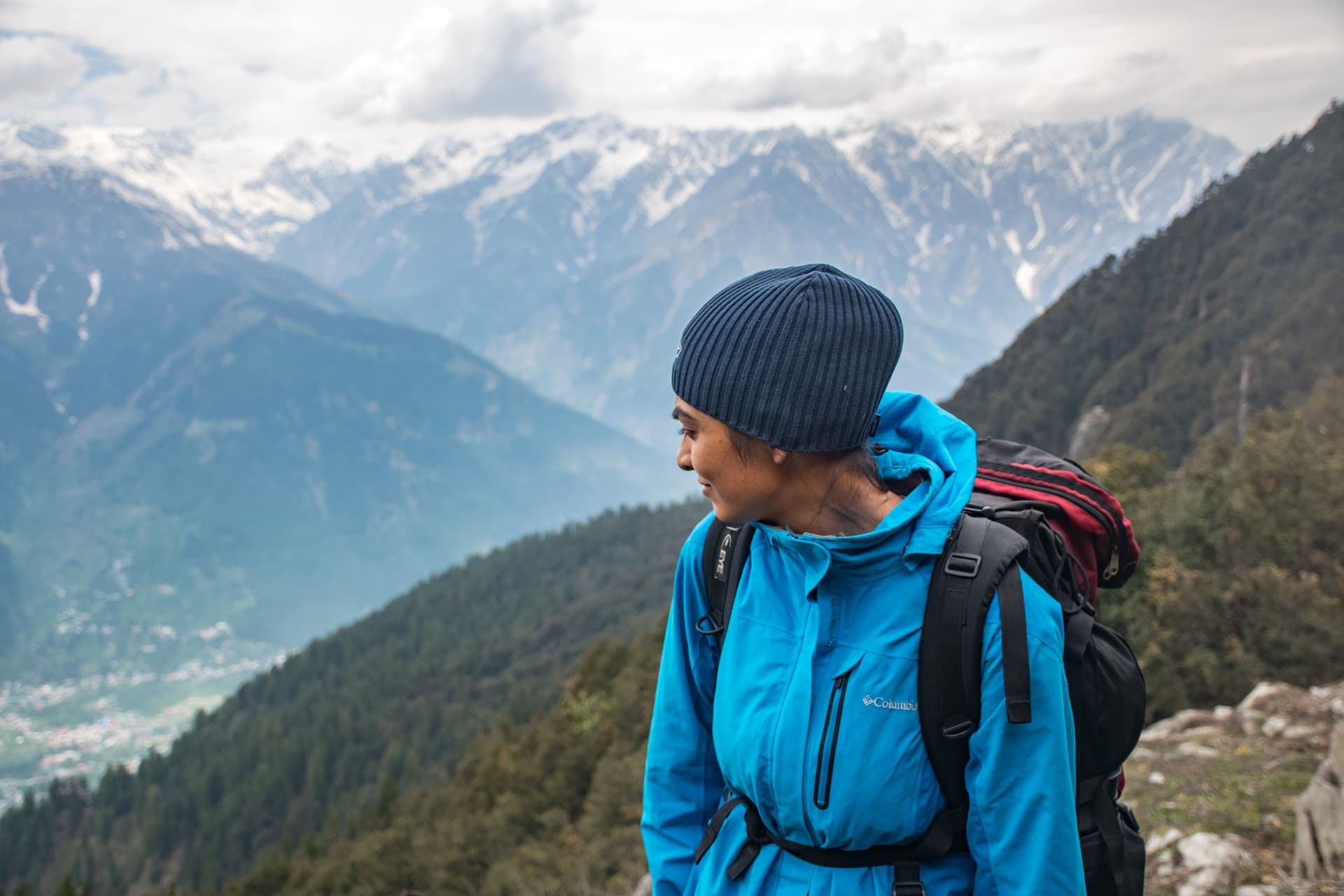
Image via pexels
Not every Indian city or region, really needs the same degree of caution, you know, and honestly a little bit of destination research goes a long way, like way more than people expect. Try to stay with the well known tourist routes for a first trip- Rajasthan, Kerala, Delhi-Agra-Jaipur, and Rishikesh are all very documented, also they’re well supported by tourist infrastructure. Then go ahead and read recent reviews from other women travellers, instead of leaning on general forum noise, or those old blog posts that don’t quite match what’s happening now.
Booking Safe Accommodation
Accommodation is usually worth spending a bit more on , overall. Do your best to locate places with a 24 hour front desk and then go through verified recent feedback from solo women guests , not only the star score.
- • Before you book, skim the reviews from solo female travellers, and dont trust the overall rating alone.
- • When you arrive, request a room that is at a sensible distance from ground floor windows and, if possible, away from stairwells as well.
- • Use the in-room safe for passports and valuables. Boutique and luxury hotels provide stronger security and staff accustomed to solo female guests.
Airport and Railway Station Safety
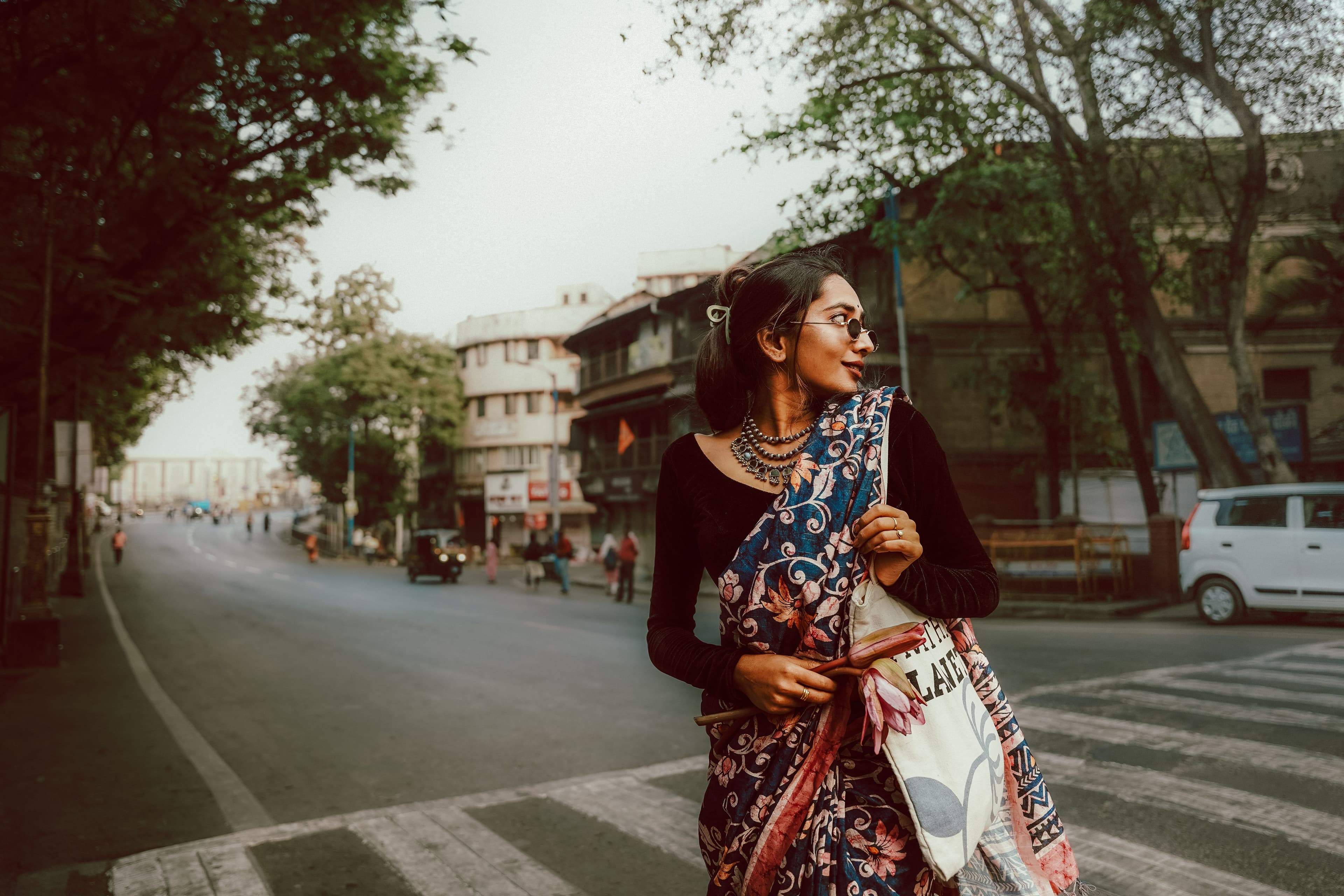
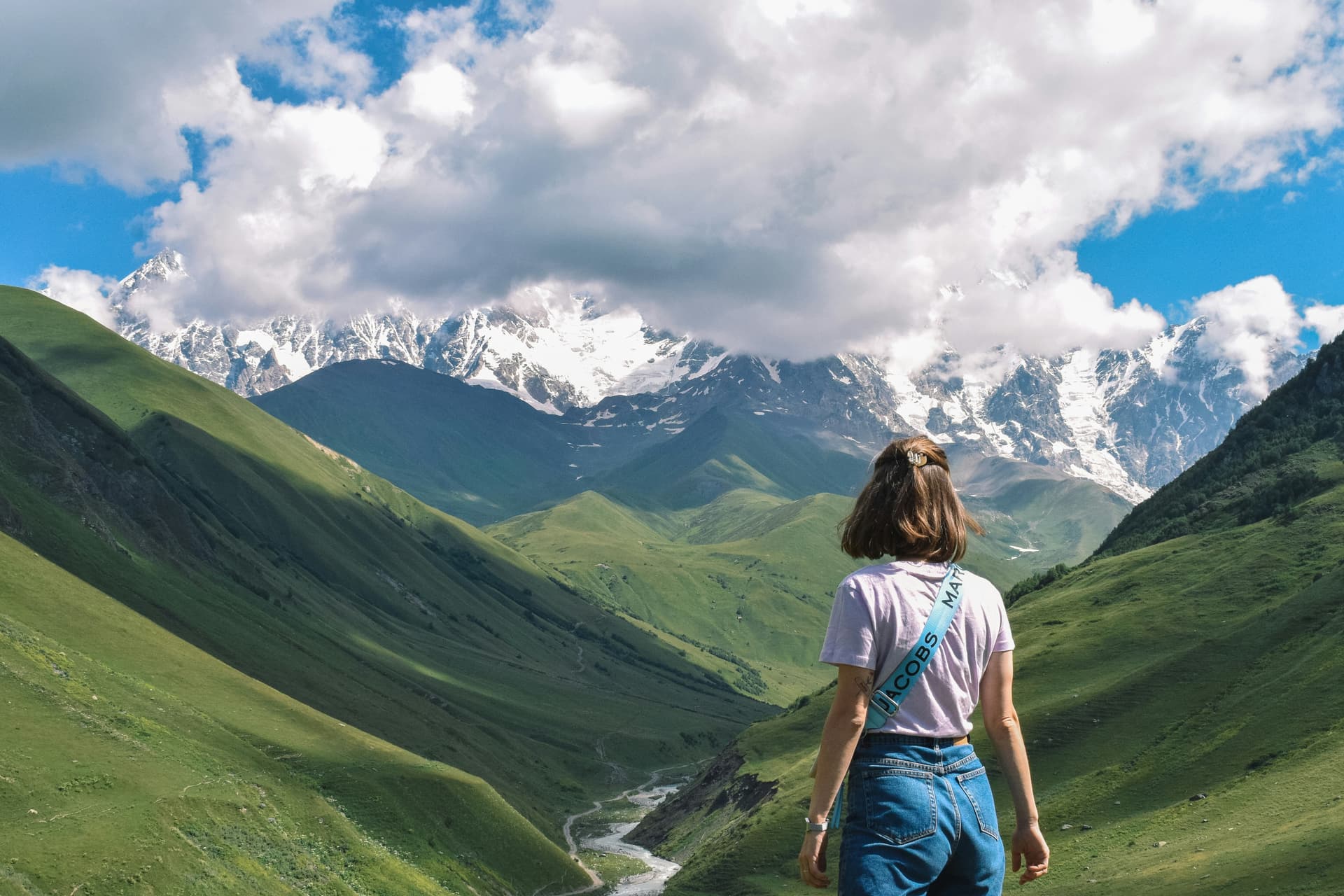
Image via pexels
Transit hubs are where most unsolicited offers and little scams seem to pop up, mainly because so many newcomers are just arriving for the first time. If you can, pre book your airport transfer, so you kind of glide past the taxi touts without having to negotiate, and keep those luggage claim tags on hand until you’re fully out of the terminal space. Also, on railway platforms, try to remain near the women’s waiting area when that option is available, then board straight into a reserved coach, not linger on an open platform after dark.
Transportation and Taxi Safety
More incidents kind of happen while in transit than in any other part of a trip, so this category is the biggest deal on the checklist.
- • Use app based cabs (Uber, Ola) with license plate verification, or hire a private driver who’s vetted and arranged beforehand.
- • In India, on avoidable Railways, choose the women-only compartments that are available on many long distance and suburban trains.
- • Share your live route position with someone at home for any taxi or rideshare trip , most ride hailing apps already have this option built in.
Night Travel Precautions
Evenings are basically doable with a few changes, like keep to well lit, busier places, hotel districts and markets for example. Also use pre booked transport, instead of trying to walk back late on your own. I mean, it helps to favour group moments- say a guided evening food walk, or a hotel arranged boat ride, and maybe a small cultural show. Those sort of options give you the same feeling, but with way less uncertainty than a random, improvised night out.
Cultural Etiquette and What to Wear
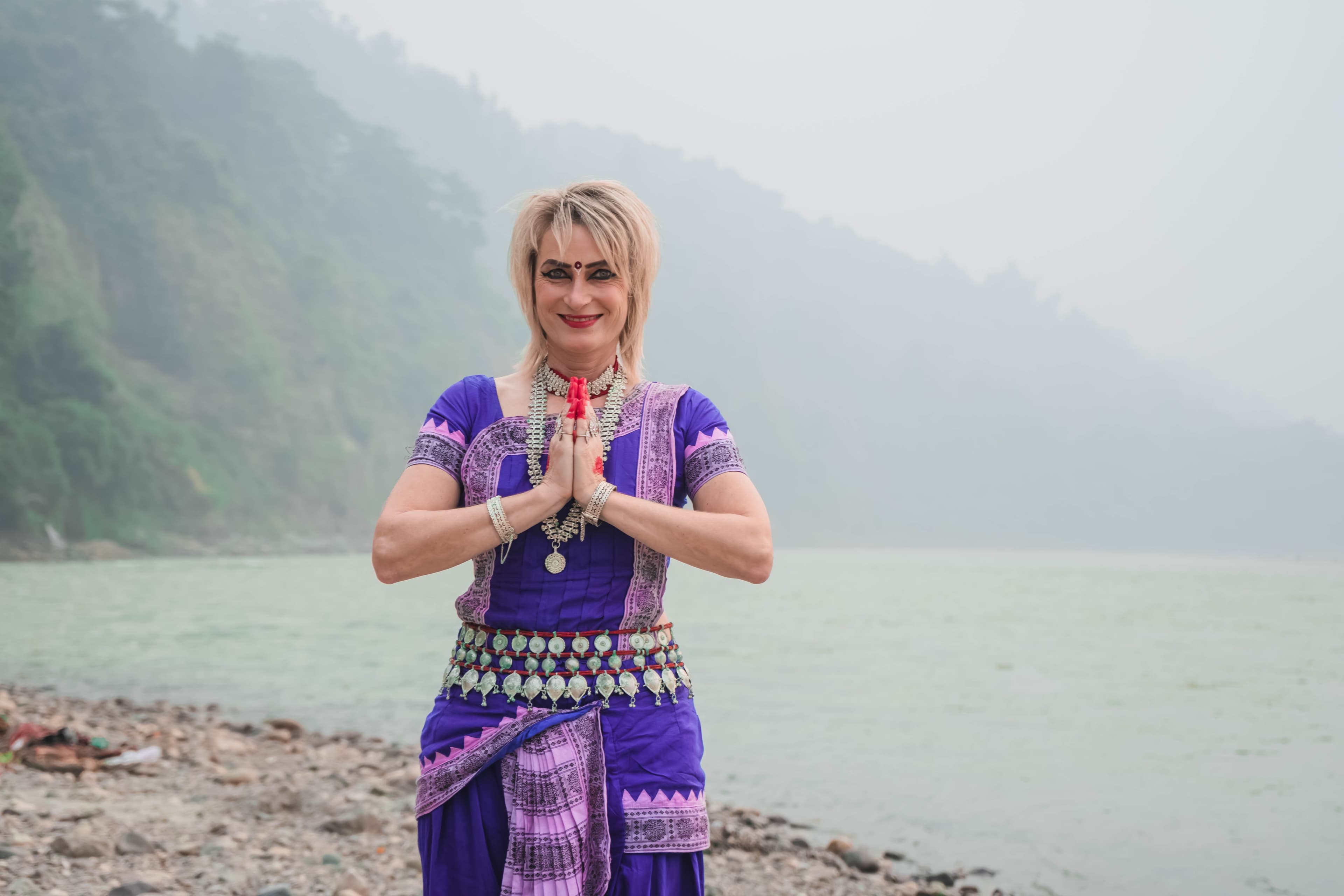
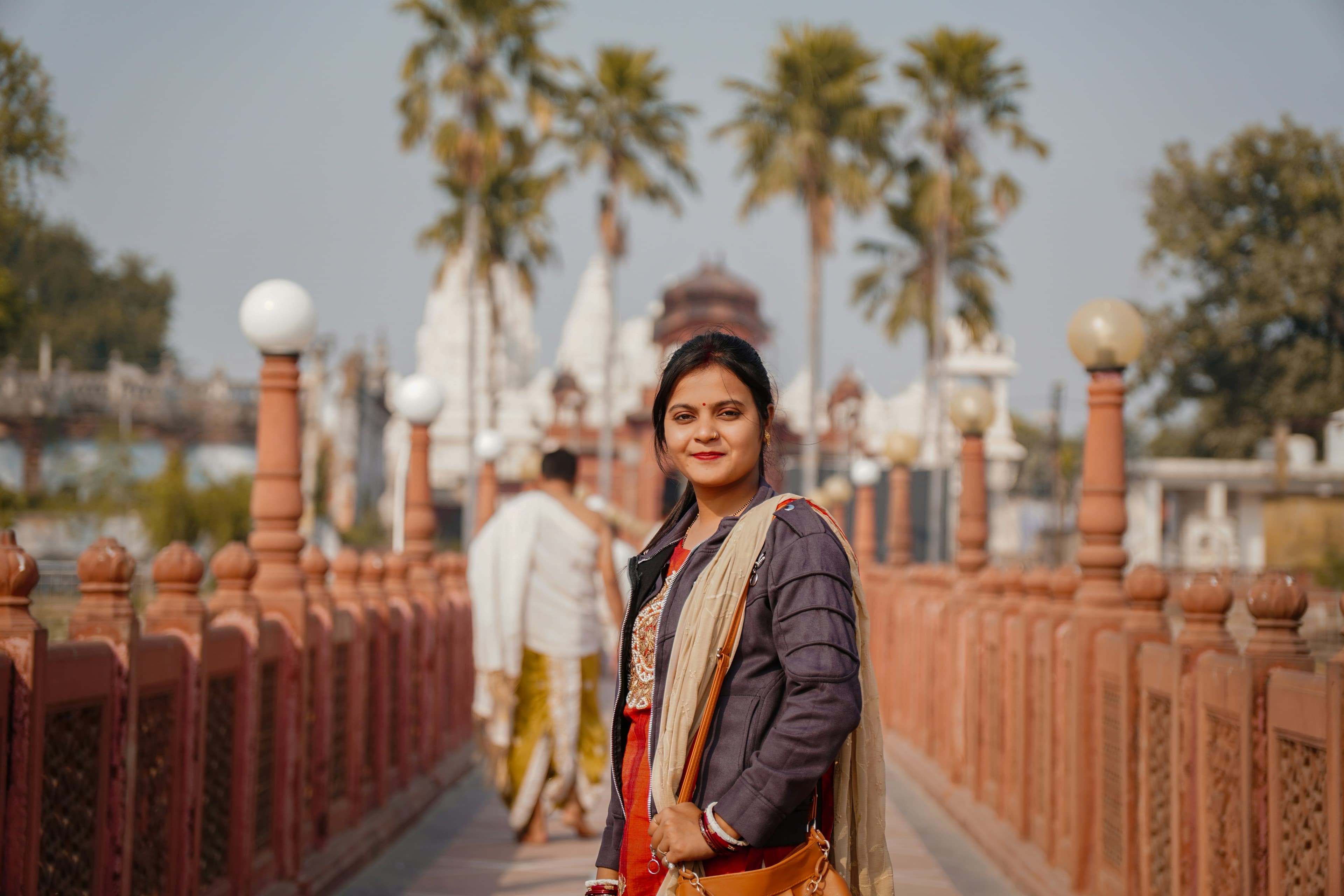
Image via pexels
Outfit is one of the simplest and honestly most effective tools you can use as a female traveller in India not really about restriction, more about blending in, like rather than drawing attention, you know . When you do it right, people kinda see you as “just another one”, not the obvious stranger. Try to go with loose, breathable fabrics that cover shoulders and knees… linen and cotton kurta sets plus wide trousers tend to work great in the heat. Always keep a light scarf on you, because it turns almost any look into temple appropriate clothing in a second, no drama, no extra planning. Save the more fitted pieces or sleeveless styles for hotel pools , resort grounds, and the more relaxed beach areas like Goa, where the vibe is different. And walk with confidence, not in a rushed manner; keep engagement low with those unsolicited approaches. That calm, unhurried pace comes off as local savvy, instead of rudeness.
Common Tourist Scams and How to Avoid Them
Petty scams aimed at tourists show up in India too, basically like in most of the places that get a lot of visitors, and honestly awareness neutralises almost all of them.
- • When you can, book transport, guided tours and entry tickets Image via official websites or a trusted operator, instead of taking random offers from people hanging around transport hubs.
- • For taxis , settle the price up front, or insist on the meter, before you start moving.
- • Watch out for strangers who keep saying a monument or a shop is “closed” and then try to steer you somewhere else. it’s a well-known diversion thing. • Turn down politely any unsolicited “free” items like gifts, blessings, or those bracelets someone offers on the street, because after that they usually expect you to pay, and yeah it’s quite common.
Money, Documents and Personal Belongings
Evenings are basically doable with a few changes, like keep to well lit, busier places, hotel dKeep some photocopies, like physical ones , and also digital files of your passport, visa, and insurance papers , but keep them away from the originals, ok? Try to split cash and cards across your daypack, and also the hotel safe, instead of stuffing everything in one place, all at once. Choose a bag that actually zips shut , and wear it across your body, especially in busy markets or station areas where it gets crowded. Let your bank know your travel dates ahead of time, so your cards don’t suddenly get blocked at the most annoying time, right when you need them.
Mobile Connectivity and Safety Apps
A local SIM, or an eSIM, arranged on arrival or pre-booked, keeps maps, ride-hailing and translation tools running most of the time. Not just for basic connectivity, a tight little set of dedicated safety apps has turned into standard kit for solo female travellers by 2026 , like live-location-sharing and SOS apps such as bSafe or Hollie Guard. You also want offline maps and translation for places where the signal is a bit spotty , plus a solid VPN so your data stays protected on hotel or café Wi-Fi. None of this is a substitute for good judgement , of course , but taken together they narrow the distance between “something feels off” and getting help quickly.
Emergency Contacts and Family Check-Ins
Before you travel, make sure to save India’s national emergency number (112) , and also keep your embassy contact details some where you can reach quickly. - Set up a plain daily check in routine, with a family member or a friend, even if it is just a short note at the end of each day. - Save your guide’s, or your driver’s contact number too, and then share that same info with the person at home who you check in with. - Bring a small printed card with your hotel address , translated into the local language, in case you need to hand it to a driver, or even to a passer-by.
Health, Hygiene and Food Safety
In the first few days, try to stick to bottled or filtered water and freshly cooked, hot food, okay, you know, the safest option. Also carry rehydration salts, hand sanitiser and anything you might need as prescription medication in your daypack, not only in checked luggage. Get comprehensive travel insurance that includes medical evacuation too; in India private healthcare is really quite good but it is not free, so plan for that. And with the spicier regional food, don’t jump in too fast, ease into it gradually instead of tasting everything on day one.
Luxury, Solo and Family Travel Tips

Luxury Travellers
Image via pexels
Luxury Travellers
A private chauffeur, pre-vetted heritage hotels, and a dedicated local guide handle most safety logistics - the difference between steering your own safety and letting it be handled for you.
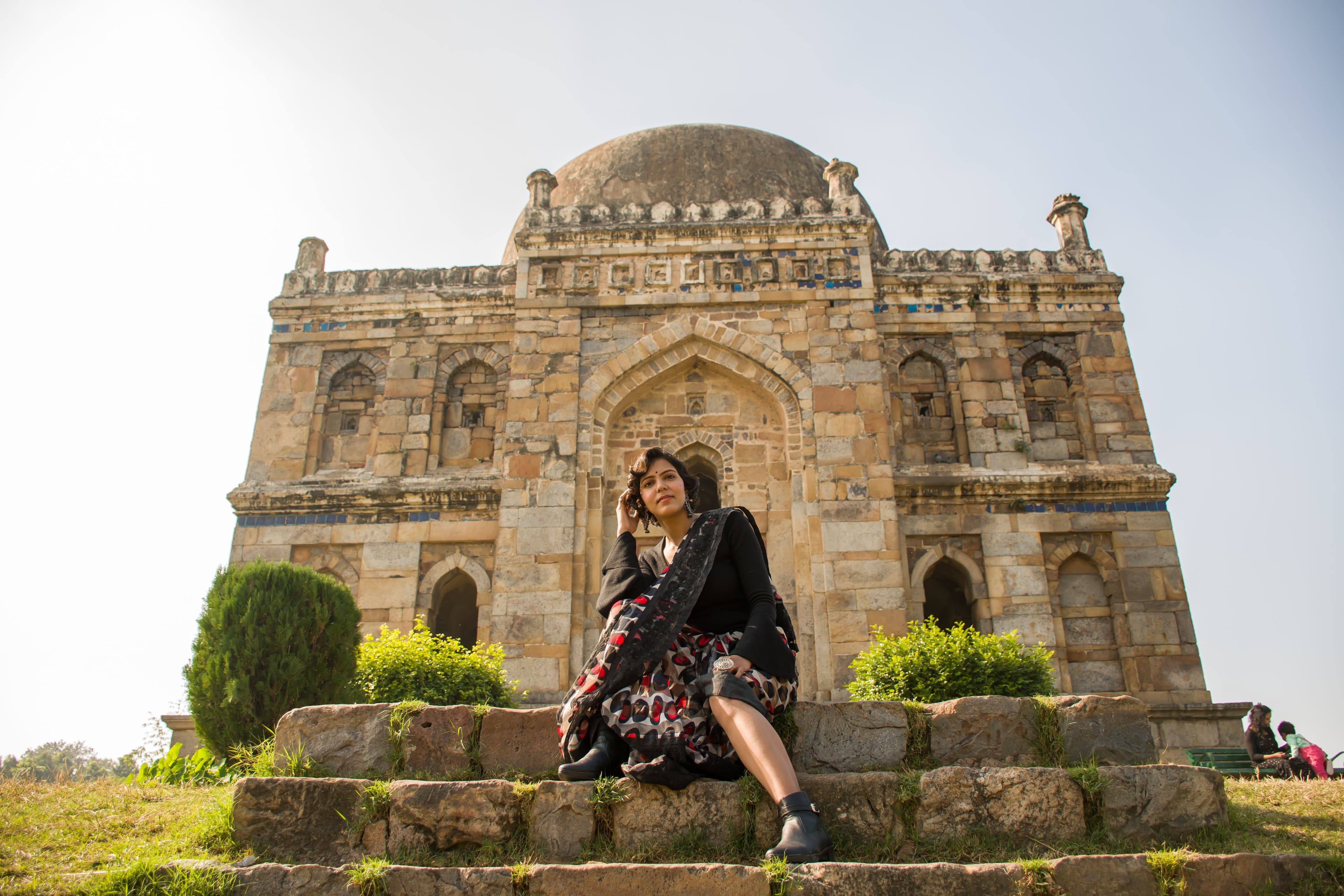
Solo Travellers
Image via pexels
Solo Travellers
Start with a well-known circuit - book your first few nights and airport transfer in advance. A short guided tour for the first 2–3 days helps build local confidence quickly and quietly.

Family and Multi-Generational Travellers
Image via pexels
Family and Multi-Generational Travellers
Private vehicles, pre-arranged family accommodation, and a set itinerary remove the stress of public transport and last-minute bookings - ideal for travelling with mothers, daughters, or grandmothers.
Practical Travel Guide
Best Time to Visit
Normally, from October to March , North India feels more comfy for wandering around heritage spots, like temples and old forts. Kerala and the southern area are still quite pleasant, even if it can lean a bit later in the year, so plan with that in mind.
How to Reach
You can arrive at major international airports in Delhi, Mumbai, Bengaluru and Chennai. After that, domestic flights keep running quite a lot, and rail connections are also pretty well arranged. Many of the heritage locations get covered by trains, so it’s usually not too tricky.
Entry and Ticket Details
For most nationalities, an e-Visa is needed , arranged before your trip. Also, a lot of heritage sites charge their own separate entry fee, and those can usually be booked online ahead of time. That helps you move past the long queues, more smoothly.
Suggested Duration
A first trip that covers the Golden Triangle or Rajasthan, comfortably falls in that 7–10 day window.
Budget Estimates
Luxury heritage journeys can run from small boutique stays all the way up to five-star palace hotels, and you often get a private chauffeur plus a guide-priced differently depending on the specific route.
Safety Tips Recap
Private transport, verified accommodation, modest dress, daytime travel between cities, and a local guide cover the vast majority of situations a female traveller will encounter.
Packing Tips
Loose cotton or linen layers, a scarf, comfortable closed-toe walking shoes for heritage sites, sun protection, and a compact daypack that zips closed.
Photography Tips
Early morning light at heritage sites avoids both the heat and the crowds; always ask before photographing individuals, particularly in rural or religious settings.
A 7-Day Pre-Trip Safety Checklist
7 Days Before
- • Confirm accommodation, airport transfer and internal transport for your full route.
5 Days Before
- • Register with your embassy's traveller programme and share your itinerary with a contact at home.
3 Days Before
- • Set up an eSIM or arrange a local SIM on arrival, and install your chosen safety and translation apps.
1 Day Before
- • Photocopy your documents, split your cash and cards, and pack your daypack with essentials.
Day of Arrival
- • Meet your pre-booked transfer, complete a check-in message home, and confirm your first two days' plan with your guide or hotel.
Why Choose India Heritage Travel
Most of the safety advice in this guide, is already baked in to the way India Heritage Travel puts together each itinerary: private, vetted chauffeur transport for the whole duration of every trip, plus fully customised days that are built around your personal comfort level and the kind of things you like to see. We also choose curated luxury and heritage stays, each one hand-inspected for safety and service, and we make sure you have expert local guides on the ground ,including female guides for women-only and solo female itineraries. There s also a dedicated women-safe travel planning approach, from the route logistics to evenings and activities, not just a general plan.
Frequently Asked Questions
Rajasthan, Kerala, Rishikesh, Goa and the Himalayan hill stations are consistently rated among the best destinations for women travellers in India, thanks to their tourist infrastructure and welcoming communities.
Jaipur is often recommended as the easiest starting point, with strong tourist infrastructure, walkable heritage areas, and widely available English-speaking guides.
Both are well suited to solo travel; South India, especially Kerala, is often considered slightly calmer and easier to navigate for a first trip, while North India's Golden Triangle offers more established infrastructure.
Yes - women-only and small female-group tours, led by experienced female guides, are increasingly available across Rajasthan, Kerala and the Golden Triangle.
For many first-time visitors, yes - a women-only or small female-group tour with a local female guide removes most of the logistical uncertainty of a first trip.
Planning a Women-Only Heritage Tour in India?
India Heritage Travel creates safe, enriching women-only heritage journeys across India's iconic landmarks, royal palaces, and spiritual sites, guided by expert female tour leaders for a truly comfortable experience.
Plan My Women-Only Heritage Tour