
Travel Insurance for India: The
Complete 2026 Guide for International Travellers
Travel insurance is usually not legally mandatory for most e-Tourist Visa holders , yet almost every dependable travel authority really strongly recommends getting it for a trip to India
Travel Insurance for India: Why Every International Traveller Needs It
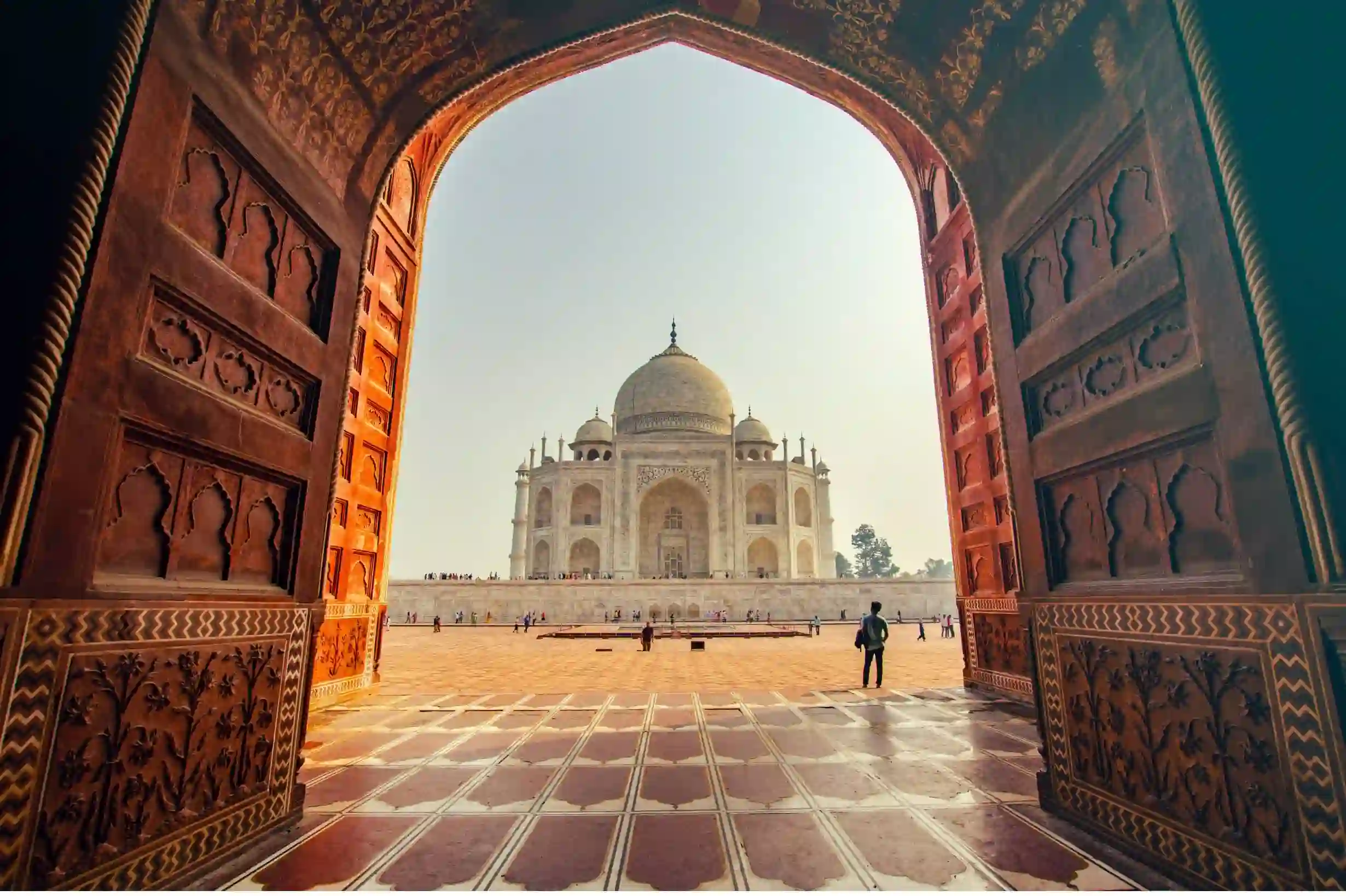
Few countries reward the equipped traveler quite like India does. One week you’re watching the sun rise over the marble domes of the Taj Mahal, and the next you are winding through those Himalayan passes or sailing the backwaters of Kerala. It’s a land of striking contrasts - and that same mix of scenery, altitude and infrastructure is kind of exactly why travel insurance for India should sit at the very top of every pre-departure checklist, right next to your visa and your flight confirmation.
At India Heritage Travel, we craft private, luxury trips for discerning travelers from the United States the United Kingdom, Europe and Australia. And in nearly two decades of curating heritage tours, the question we hear again and again after “What should I pack?” is, “Do I actually need travel insurance for India?” This guide answers it properly and in full: what the policy should cover, how much it costs, how visa rules view it, and how to choose a plan that fits the way you mean to roam- whether it’s a private car through Rajasthan’s forts, a wildlife safari in Ranthambore, or a high-altitude getaway to Ladakh.
via pexels
Why You Need Travel Insurance for India
India’s healthcare scene is kinda a real strong point for the country - private hospitals are among the most respected in Asia, and international patients often travel here just for care, more or less on purpose. Still, that level of quality comes with a private-sector price tag, and your home health insurance almost certainly stops working the moment you step outside your home country.
None of these events are apt to happen on one single trip, but, India’s scale sort of makes it easy for an itinerary to shuffle around, like from a five-star heritage haveli, to some mountain homestay, and then a jungle lodge within the same week. And each place has its own different kind of risk profile. Insurance is the thing that lets you go between them, more or less without a second thought.
Is Travel Insurance Mandatory for India? Visa & Entry Requirements
This is where a lot of confusion exists online, so let’s be a bit more exact about it. As of 2026 , the Government of India does not really impose a blanket legal requirement that international tourists must hold travel insurance in order to enter the country on an e-Tourist Visa or on an e-Business Visa. And that’s pretty different from, for example the Schengen zone, where a minimum medical cover of €30,000 is basically a non negotiable visa condition.
That said, three nuances matter:
Some nationalities, and certain visa categories, like student and medical visas , can be asked to provide proof of coverage during the application.
Airlines and tour operators, India Heritage Travel included, may ask for confirmation that the insurance is valid, before departure, as part of the usual duty of care work.
The rules get revisited from time to time , so it’s smart to check the present requirement for your nationality on the official Indian e-Visa portal not long before you travel.
What Does Travel Insurance for India Actually Cover?
Medical Coverage
This is basically the backbone of any policy, it’s the thing that really matters. it should take care of outpatient consultations, emergency room visits, hospitalisation, surgery , and the prescribed medication you might need for sudden sickness or accidental injury. Try to aim for a sum insured of at least USD 50,000, and if your itinerary includes remote areas, or places with high altitude, ideally go for USD 100,000.

via unsplash
Emergency Medical Evacuation
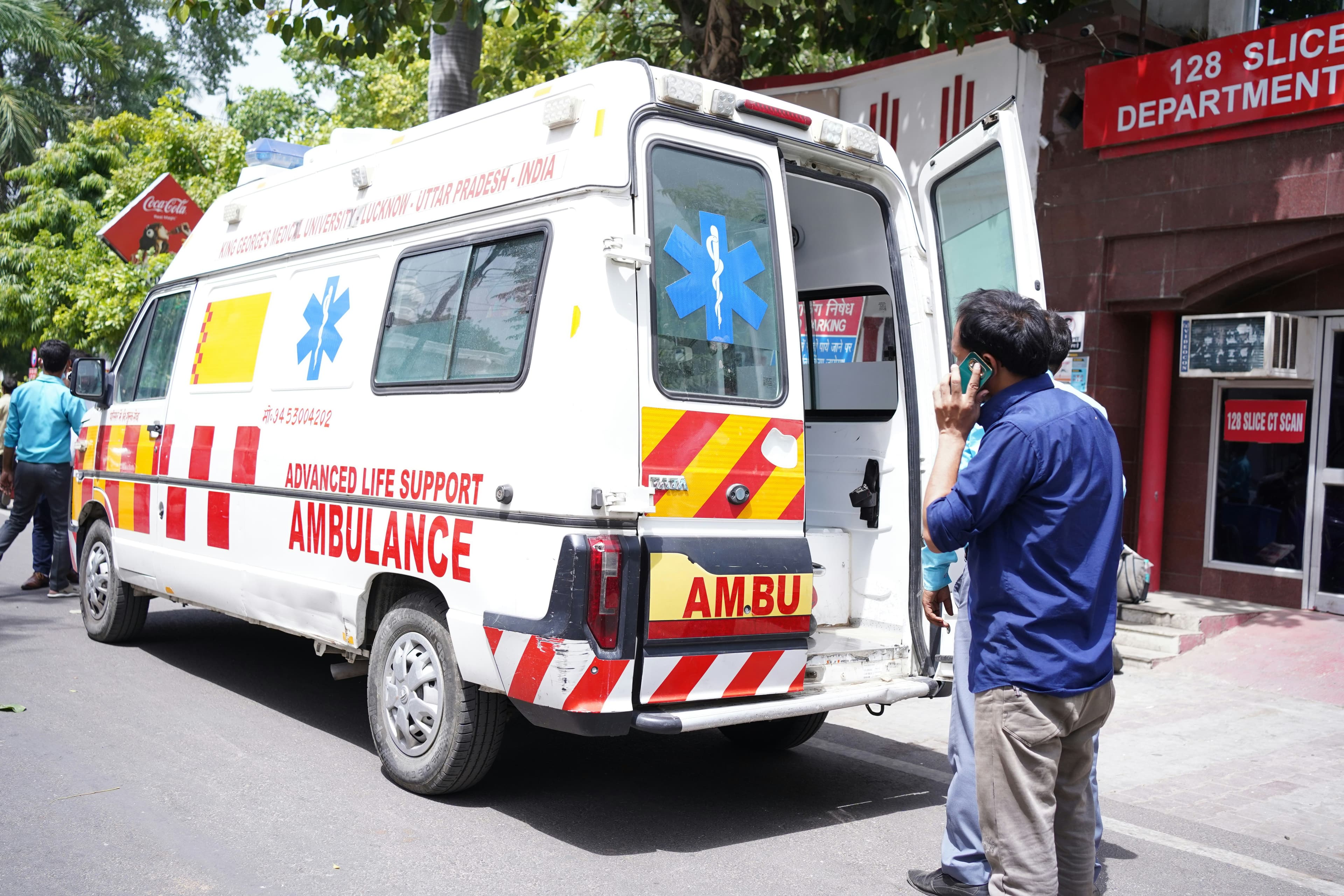
If you get seriously ill , or you get hurt somewhere that doesn’t have decent local facilities, this benefit handles transport. usually it’s an air ambulance, and it gets you to the nearest hospital that can actually treat you, or in some cases back to your home country. Honestly, this is often the most expensive situation an uninsured traveller can run into, so don’t buy a plan without it , not even “just this once”.
via pexels
Trip Cancellation & Interruption
This part reimburses non-refundable costs like flights, hotels, private guides, permits, and similar payments if you need to cancel , or shorten your trip because of covered reasons. Think sudden illness , a family emergency, or even a natural event that wipes out your original plan.
Flight Delay & Missed Connections
This is for those moments when your flight gets nudged back, and then you miss the next onward leg… maybe you also had that pre-booked experience lined up already. It can help cover reasonable extra spending (like meals, a place to sleep, rebooking charges ) even if the whole thing feels a bit tangled.

via unsplash
Lost or Delayed Baggage
If your luggage is late, it reimburses essential basics, and it also gives support for loss, theft, or any sort of damage, but only up to the itemised limits. Really useful if you’re bringing camera gear, formalwear for a destination wedding, or trekking kit for the long haul.
Adventure & Wildlife Activity Coverage
A lot of standard policies tend to quietly exclude things such as white-water rafting, high-altitude hikes beyond a specific height, camel safaris across very remote desert areas, or wildlife drives on open jeeps. If your plans include any of those, make sure the activity is actually listed as included , or consider the proper add-on rider before you lock it in.

via pexels
COVID & Infectious Disease Coverage
Most 2026 policies now treat COVID-19 like any other illness, covering diagnosis, treatment and quarantine-related expenses, though limits and waiting periods vary by insurer - confirm this explicitly rather than assuming it is included.
Healthcare in India: What Foreign Travellers Should Know
India’s private hospital world is kind of genuinely world class in the big cities and the heritage routes, so a lot of the bigger facilities have international accreditation and they handle patients from all over the globe, even when it’s elective surgery or anything planned ahead. Public hospitals are different though, they’re basically set up for local residents only , so they’re not really the first choice for international visitors.
When you look at costs, reputable private hospitals come out a lot cheaper than the US the UK or Australia , at least in simple dollar terms. But they are not free. You still get billed straight to you unless you have some cashless insurance setup already arranged. For example a small emergency room stop - stitches, an X-ray - can easily land around USD 90 to 100, out of pocket. And if it’s a more serious situation, a hospital admission can climb into the thousands. If you have no cover, then that’s totally on you, and you pay right there at the time of care.

via pexels
| Scenario | Typical Out-of-Pocket Cost (Uninsured) | With Comprehensive Insurance |
|---|---|---|
| Minor ER visit (sutures, X-ray) | USD 90–100 | Fully covered, often cashless |
| Multi-day hospitalisation | USD 1,500–6,000+ | Covered up to policy limit |
| Air ambulance / evacuation | USD 25,000–150,000 | Covered up to policy limit |
| Trip cancellation (flights, hotels, guides) | Full cost of prepaid bookings | Reimbursed per policy terms |
How Much Does Travel Insurance for India Cost?
Pricing is kinda tied to your age, how long the trip is, your sum insured and the home country too, but as a rough sort of rule of thumb, comprehensive cover for a healthy adult usually comes out to about USD 1–3 each day of travel. So it’s a modest line item really, especially when you compare it against the overall cost of a luxury heritage itinerary.
| Traveller Profile | Typical Trip Length | WIndicative Cost Range (USD) |
|---|---|---|
| Solo adult (30–50), standard plan | 10–14 days | USD 25 – 45 |
| Couple, comprehensive plan | 14 days | USD 60 – 110 combined |
| Family of four, floater plan | 14 days | USD 120 – 220 |
| Senior citizen (65+) | 10–14 days | USD 70 – 160 |
| Business / luxury traveller, premium plan | 7–10 days | USD 50 – 120 |
Choosing the Right Insurance Plan for Your India Trip
Not every policy is built for the same kind of journey. Use this quick reference to match your travel style to what you should prioritise:

via pexels
| Traveller Type | Priority Coverage | Why It Matters |
|---|---|---|
| Solo female traveller | 24/7 assistance line | Verified help on call - direct insurer access when plans shift. |
| Couples / honeymooners | Trip cancellation, baggage, medical for two travellers | Protects non-refundable luxury bookings and shared itineraries |
| Families with children | Family floater medical cover, trip interruption, baggage | One policy covering everyone, with paediatric-inclusive medical terms |
| Business & luxury travellers | Trip cancellation for short notice changes, premium assistance | Fast-changing schedules need flexible, high-limit cover |
The Claims Process, Simplified
A claim is usually far less stressful than travellers expect, provided you keep good records from the outset. In an emergency, head to the nearest reputable hospital first - deal with admin later. Cashless network hospitals will speak directly with your insurer. Keep every original receipt, medical report, and prescription. Contact your insurer's assistance line as soon as possible - most policies require notification within 24–48 hours of hospitalisation, or they may treat it as late.
For luggage troubles or flight delays, get a written report before leaving the airport - a Property Irregularity Report for baggage or official delay confirmation from the airline. Submit the claim via the insurer's app or portal. Most comprehensive plans process ordinary claims in about two to four weeks, depending on the details.
Practical Safety Tips for a Worry-Free India Trip
There are a few things it kinda won’t cover, pre existing medical conditions, unless you actually state them and they are specifically included which is usually tied to a higher premium. Also injuries that happen while somebody is under the influence of alcohol or drugs, that sort of thing. Then there’s unlicensed adventure activities, or adventure sports that go past a set altitude or level of intensity, and without a rider. Travel to places that are under an official government travel advisory when you book it, not after. And claims that pop up because you did not seek treatment promptly, or because there was a change in your itinerary that you didn’t declare.
Your Pre-Departure Insurance Checklist
Before you go, double check the latest e-Visa insurance guidance for your nationality, like right now. Make sure you pick a policy with at least USD 50,000 in medical cover, plus named evacuation benefits, not just general support. If your plans involve trekking, safaris, or rafting, consider adding an adventure rider too. Also, when you buy the plan, be truthful about any pre existing conditions you already have, even if they seem minor. Save your insurer assistance number and your policy number both in your phone and on paper, just to be safe. Lastly, send your policy details to your India Heritage Travel trip coordinator before departure.
Why Travel With India Heritage Travel
Insurance protects your well-being and bookings. The right operator handles the rest - every India Heritage Travel itinerary is private and fully escorted, reducing daily risks and ensuring faster, informed help if anything goes wrong.
- • Private chauffeur driven touring with vetted, experienced drivers on every heritage circuit, basically all the way through.
- • Fully customised itineraries, made around your pace and interests plus your travel dates too.
- • Hand picked luxury heritage stays like palaces, havelis and boutique properties, nothing generic.
- • Expert local guides with deep historical and cultural knowledge, at every stop or site you visit.
- • One single point of contact across the entire journey, coordinating with your insurer’s assistance line if ever needed, just in case.
Frequently Asked Questions
No - as of 2026, most e-Tourist and e-Business Visa holders are not legally required to hold travel insurance to enter India, though certain nationalities and visa categories may be asked for proof, and it is strongly recommended for everyone regardless.
A minimum of USD 50,000 in emergency medical cover is a reasonable baseline for most trips; USD 100,000 or more is advisable if your itinerary includes remote, high-altitude, or adventure segments.
Only if declared and specifically covered at the time of purchase, usually at a higher premium. Undeclared pre-existing conditions are one of the most common reasons claims are denied.
Yes, in most cases. Standard travel insurance often excludes adventure activities such as high-altitude trekking, river rafting or open-jeep safaris unless you add a specific adventure activity rider.
For a healthy adult, comprehensive cover generally works out to roughly USD 1–3 per day of travel, though the exact premium depends on age, trip length, sum insured and home country.
Planning Your India Journey?
India Heritage Travel creates private, fully escorted itineraries across India's iconic landmarks, royal palaces, and spiritual sites - with dedicated drivers, local guides, and 24/7 support for a seamless and worry-free experience.
Plan My India Journey