The second you step outside of the airport in India, everything just hits you. The noise. The colours. The crowds.
It’s a lot to take in at first, but when you settle in, the place starts making sense. This straightforward guide leaves no room for confusion and tells you what actually matters on your first trip.
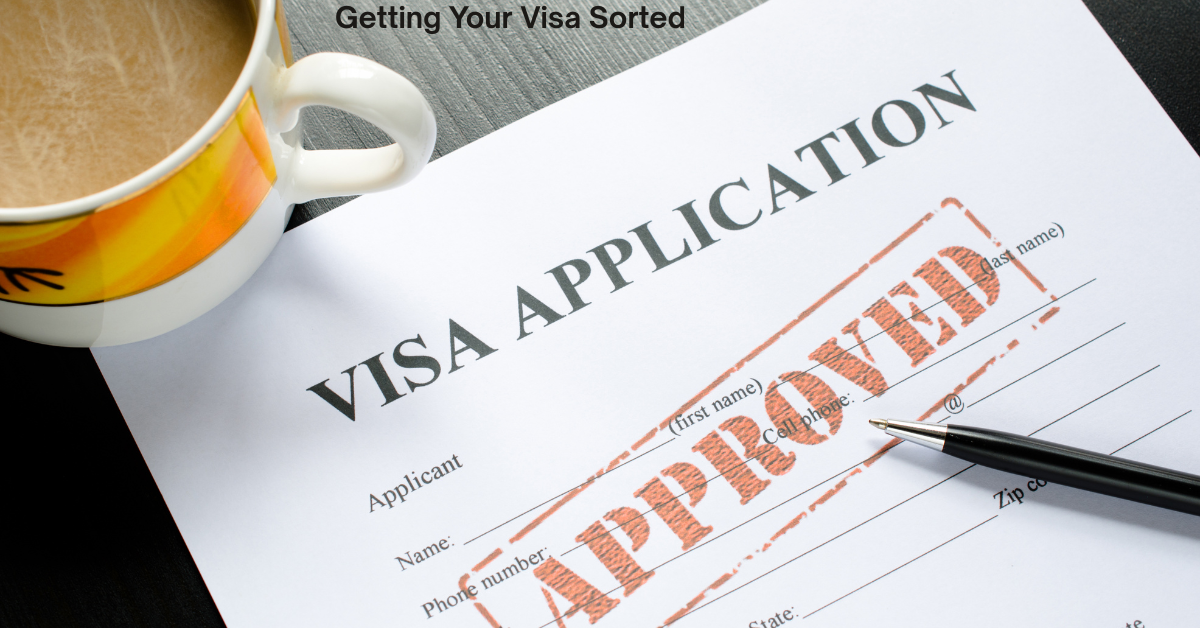
Getting Your Visa Sorted
Get your e-Tourist Visa in place before you fly. Ensure to apply at least four days in advance before you are going to take the flight, but you’re probably better off with three weeks.
Since late 2025, an online e-Arrival Card has been necessary. You complete it 72 to 24 hours prior to arrival, and it replaces the tiny paper slip they used to give you on planes. Immigration will photograph and fingerprint you. Print your visa and e-Arrival confirmation before your trip. Also keep copies on your phone. Ensure that your passport has at least six months of remaining validity.
There are many India travel agencies that will help with visa paperwork if you book India tour packages through them.
Understanding the Weather
The majority of people come October through March. The weather is fine, there are plenty of festivals and you can walk around without turning into sweat-stained mush by midday.
April to June is very hot throughout most of the country. Rajasthan is 45 degrees Celsius, except in the mountains.
The hill towns of Shimla, Manali and others are cooler than the rest of India, which is scorching under the heat.
The monsoon season, which runs from July to September. Expect heavy rain, frequent closures and flooding in some places. But the bright side is that everything turns green and the tourist hordes disappear. Prices dip as well.
When Should You Actually Go?
If it’s culture and festivals you’re after, October to March is your time. The same months are also good for beaches.
The best time to visit Goa and Kerala is from November till February. Those who love wildlife should consider March and April. During these dry months, water sources drop, so sightings are better.For honeymoons, November through February is perfect.” Its palace hotels in Rajasthan and backwaters in Kerala are dreamy at this time.
Solo women travellers should be mindful around festival days like Holi. Streets can get too rowdy, so go with people you trust.
Cultural Stuff Worth Knowing
• Namaste is a greeting that’s appropriate anywhere. Put your palms together at your chest and say it. • Dress modestly in temples. Keep those shoulders, chest and knees covered. Carry a scarf. • Take off your shoes before entering temples, homes and select shops. • Ask before photographing people. Some temples outright ban the cameras. • In small towns, people may strike up friendly conversations. Many are just enquiring, but trust your gut. If you sense something is off, walk away.
Staying Safe (Especially for Solo Women)
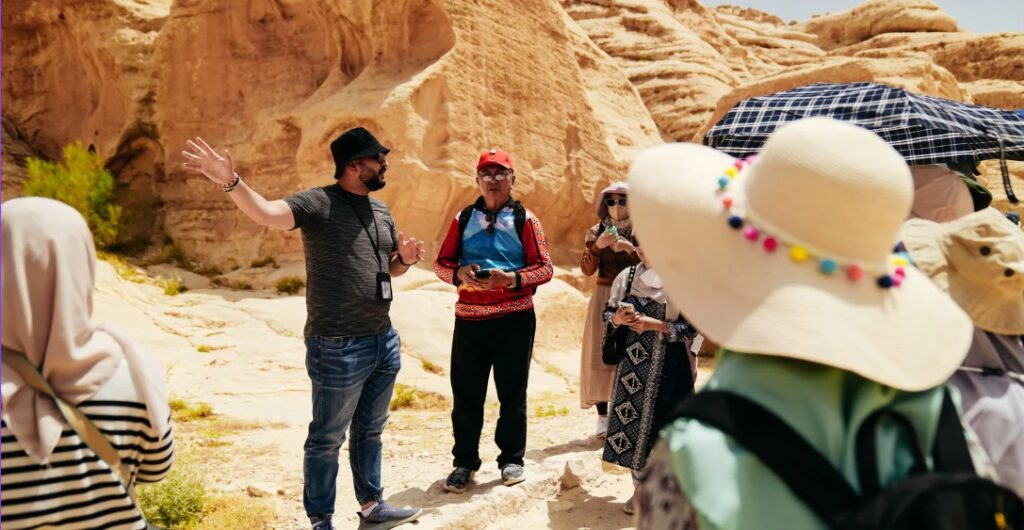
Women can travel solo in India. Just stay alert and trust your judgement. • Book hotels with solid, recent reviews. • Avoid night trains and night buses when alone. • Stick to licensed guides from known India travel agencies. • Stay in busy areas after dark. • Lock your room properly. Avoid ground-floor rooms. • Keep your phone charged. • Use women-only train coaches when available. • Keep your bag in front of you in crowds. Common scams include taxi overcharging and fake guides and drivers who take you to commission-based shops. Booking structured India travel packages removes most of these problems.
Money Matters
India accepts digital everywhere, but you will need some cash for markets, villages and street food. ATMs are no problem to locate in larger cities. • Divide your money among pockets and bags. • Carry small bills for tuk-tuks and stalls. • Hotels and restaurants take cards. • Markets usually want cash. • Many India tour packages cover hotels, transport and main activities so you pay only for food, tips and shopping.
Getting a SIM Card
Get a local SIM at the airport. Airtel and Jio counters at airports issue tourist plans quickly. You will need your passport, visa and one passport photo. One month of data runs about $15. A local SIM is useful for maps, cab bookings and for keeping in touch.
Quick Do’s and Don’ts
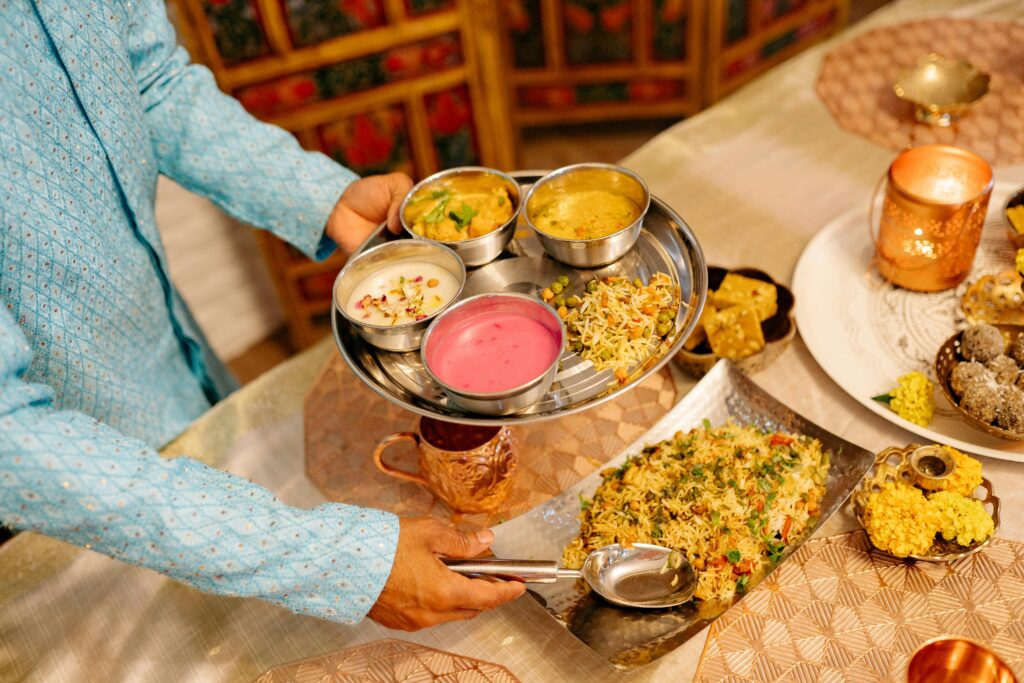
Do: • Eat street food from busy stalls • Drink bottled water • Haggle politely • Carry toilet paper • Learn a few Hindi phrases
Don’t: • Accept food from strangers • Wear heavy jewellery • Point your feet at someone • Touch anyone’s head • Skip travel insurance
The Real Talk
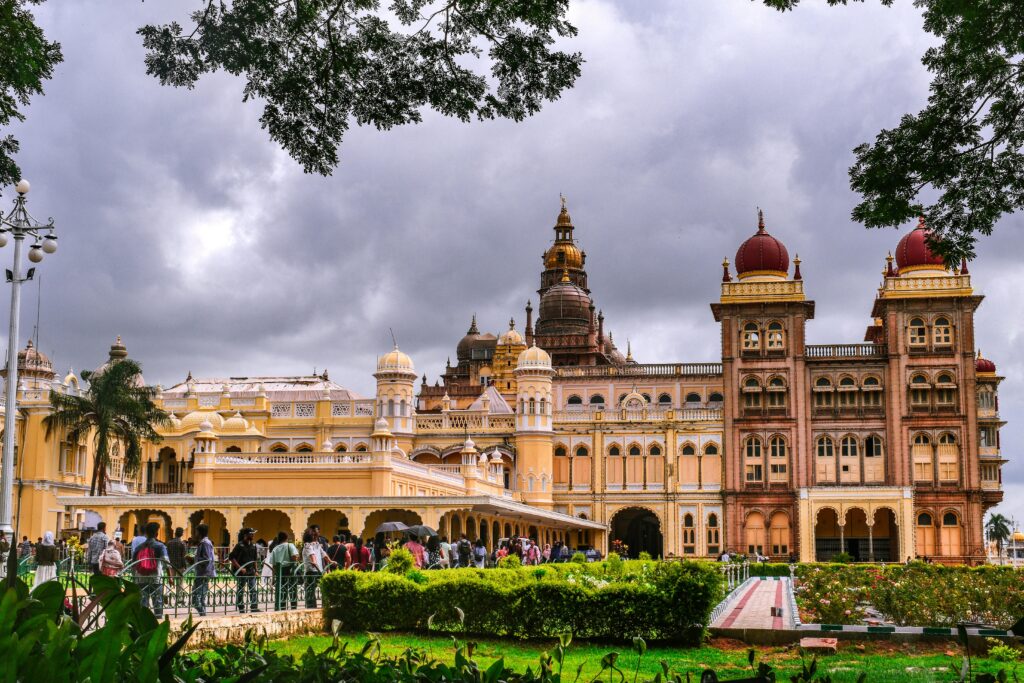
India does its own thing. Trains run late. Roads close because of sudden parades. Restaurants run out of the dish you came for. What feels stressful at the start often becomes part of the charm later. For first-timers, organised India travel packages can be helpful. You get reliable transport, trusted guides and a structure to fall back on. Once you feel confident, add a few free days to wander on your own. India has something for everyone: Rajasthan’s forts, Goa’s beaches, Varanasi’s river rituals, the Himalayan mountains, the food, the chaos and the warmth. Arrive prepared, stay aware and let the place surprise you in its own way.
If you prefer a smooth start, working with an experienced company like indiaheritagetravel keeps things simple so you can actually enjoy your trip instead of worrying about logistics.