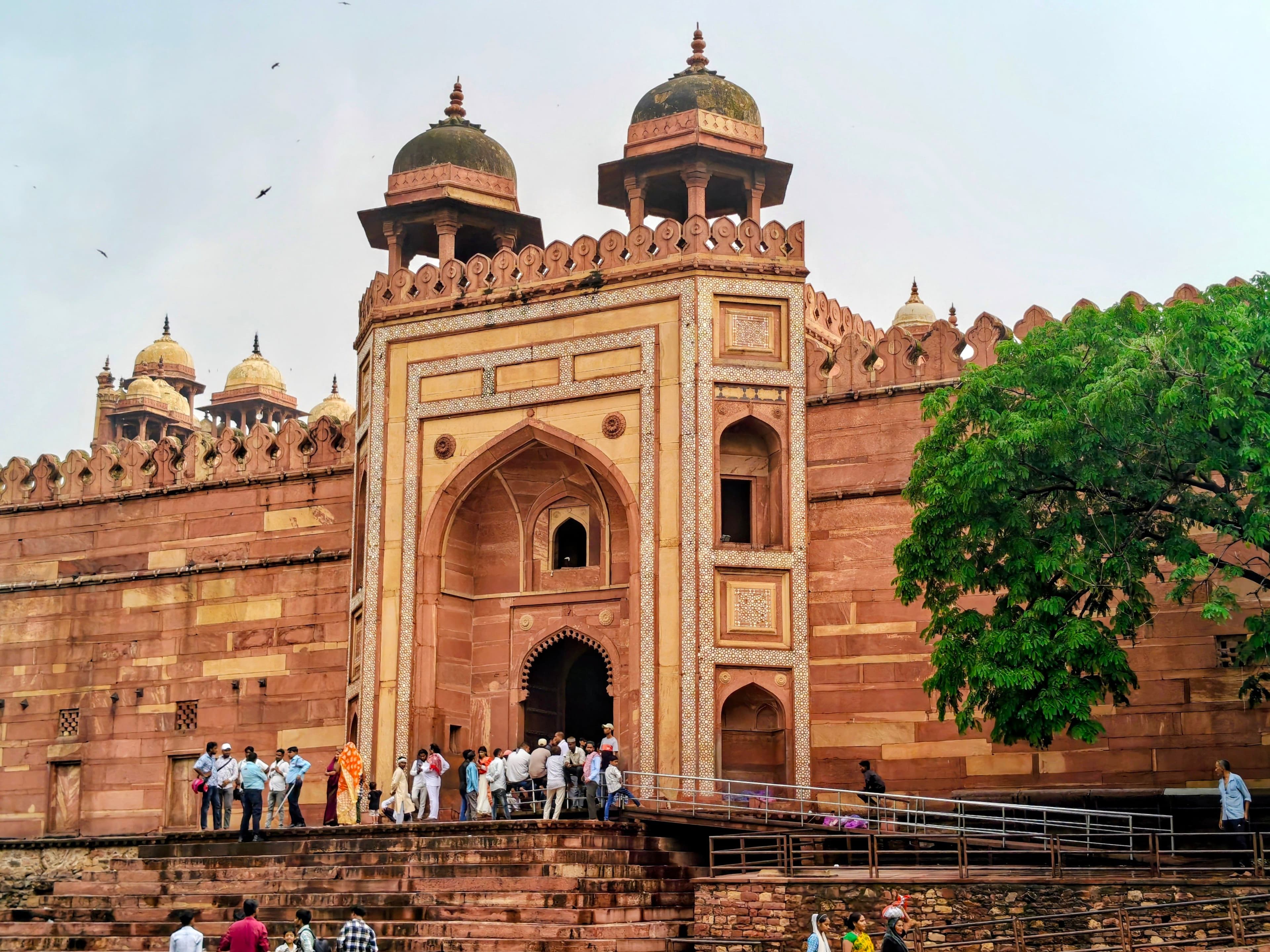
The silence in Fatehpur Sikri feels oddly special for this type of place, because, well, there aren't many other places like it in India. If you walk around the big courtyard of Jama Masjid early in the morning, and you look at the lovely white marble Tomb of Salim Chishti tucked between those red terracotta walls, you suddenly feel like you've been placed, right into the heart of the empire.
History & Origins - Akbar's Vision and a Sufi Saint's Prophecy
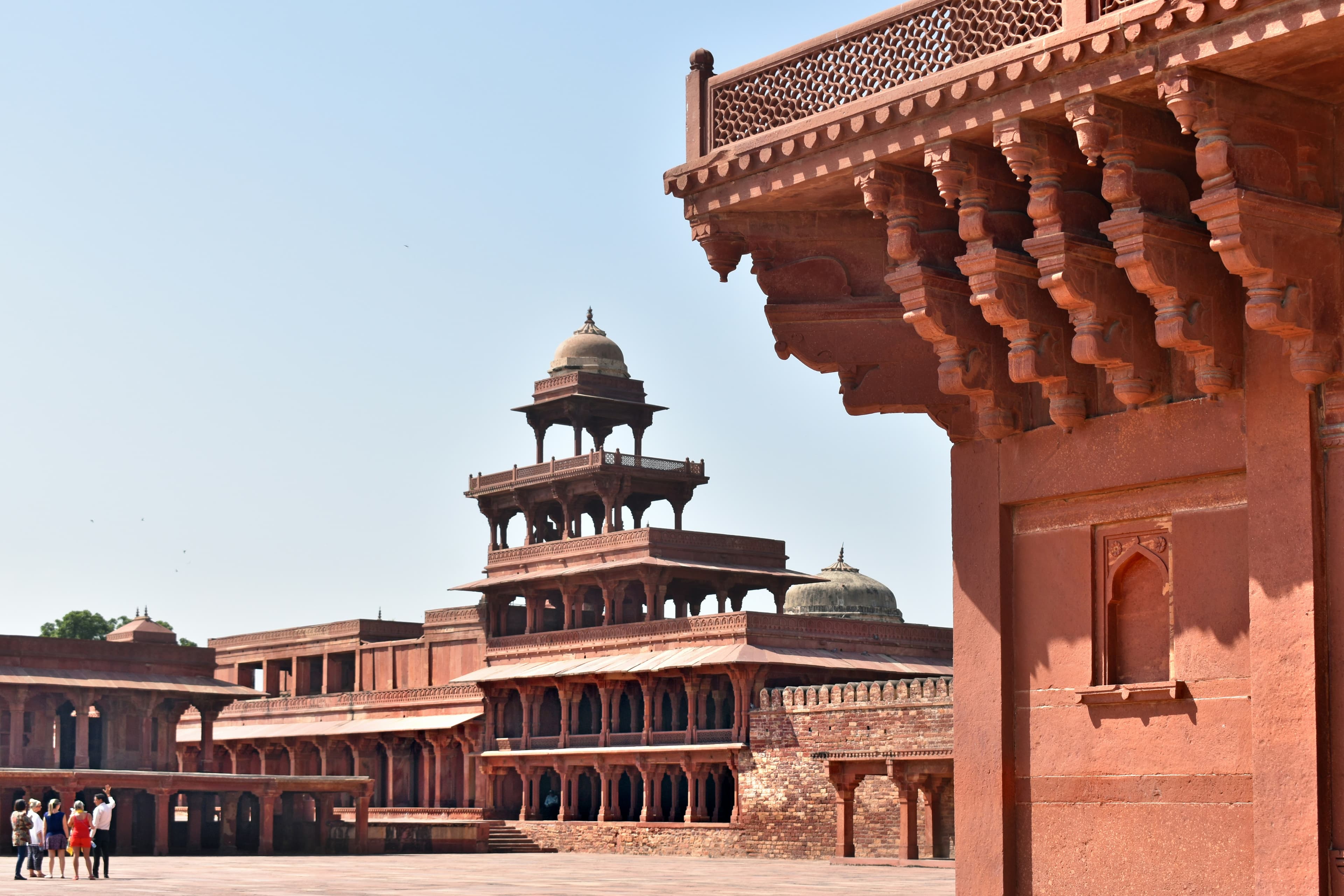
via unsplash
The story of Fatehpur Sikri starts, kind of in a roundabout way, not with some big emperor ambition first, but with a prayer. In 1569 Akbar at that moment one of the strongest monarchs on earth, ruler of a Mughal realm running from Kabul to Bengal - was without an heir. And he came, as he often did, to the village of Sikri on the west side plains from Agra, to see a revered Sufi mystic named Sheikh Salim Chishti.
The Mysterious Abandonment
And then, in 1585, just fourteen years after construction started, Akbar kinda packed up his court and left. He never really returned, like ever. The reasons are still debated to this day, not in a clean way though. The most accepted explanation sounds almost boringly prosaic, chronic water scarcity. The same ridge site that made the city look so dramatic in the first place also made it nearly impossible to supply enough fresh water. In a sense the surrounding landscape simply could not sustain an imperial population.
Architecture - A Masterpiece Written in Red Sandstone
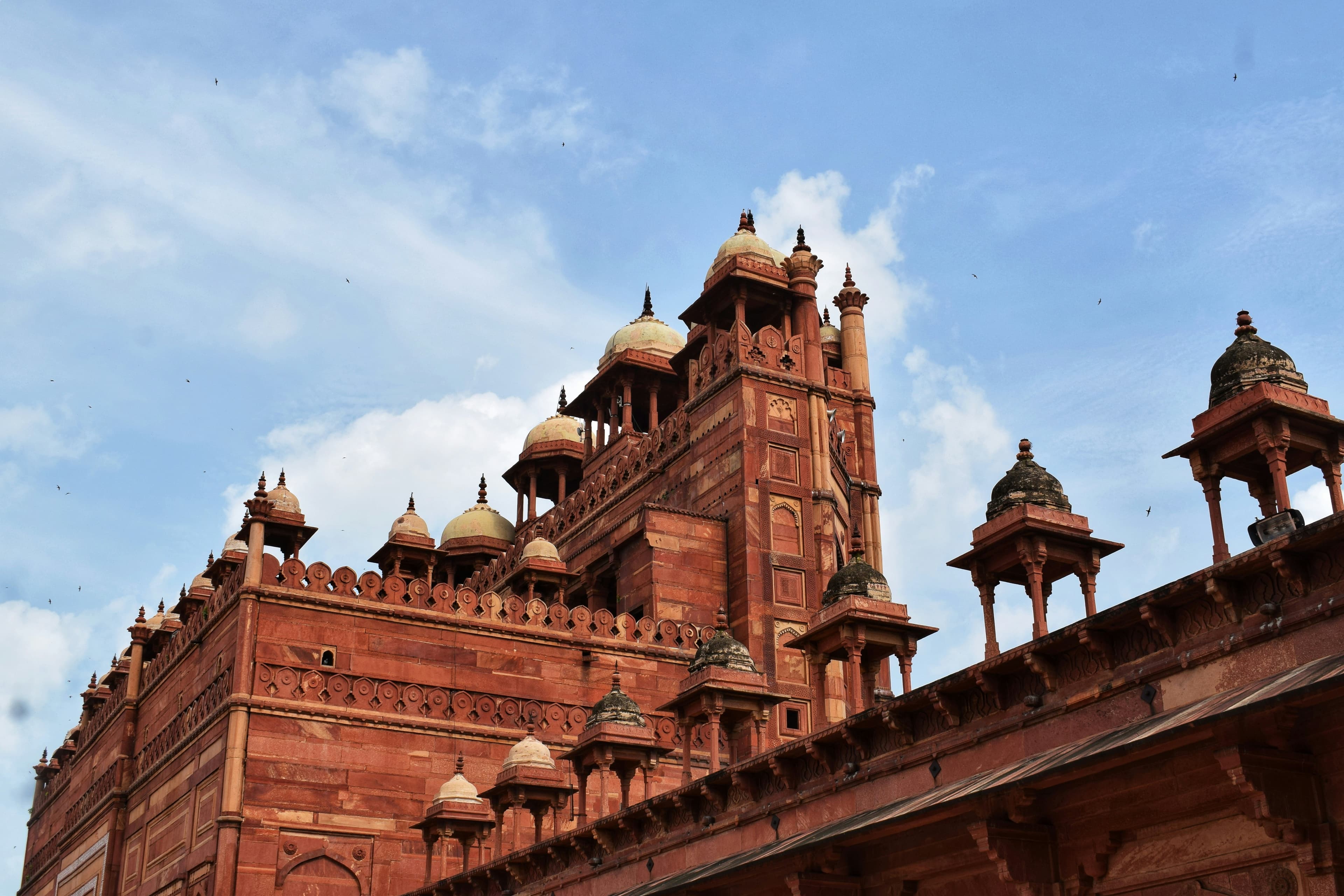
via unsplash
The main material is Agra red sandstone, quarried nearby and shaped by thousands of artisans into forms with breathtaking intricacy. But if you look a little more carefully, you'll notice Hindu elements right next to Islamic ones - carved brackets that really belong in a Rajput haveli, lotus-petal motifs taken from Hindu temple work, serpentine columns with no real precedent in Persian architecture. And no, these aren't random, they aren't accidents either. They are Akbar's architectural philosophy put into the physical world: a truly Indian Mughal style that fuses the empire's diversity, into something brand new, something that feels almost singular.
Major Attractions - The Must-See Monuments Inside Fatehpur Sikri
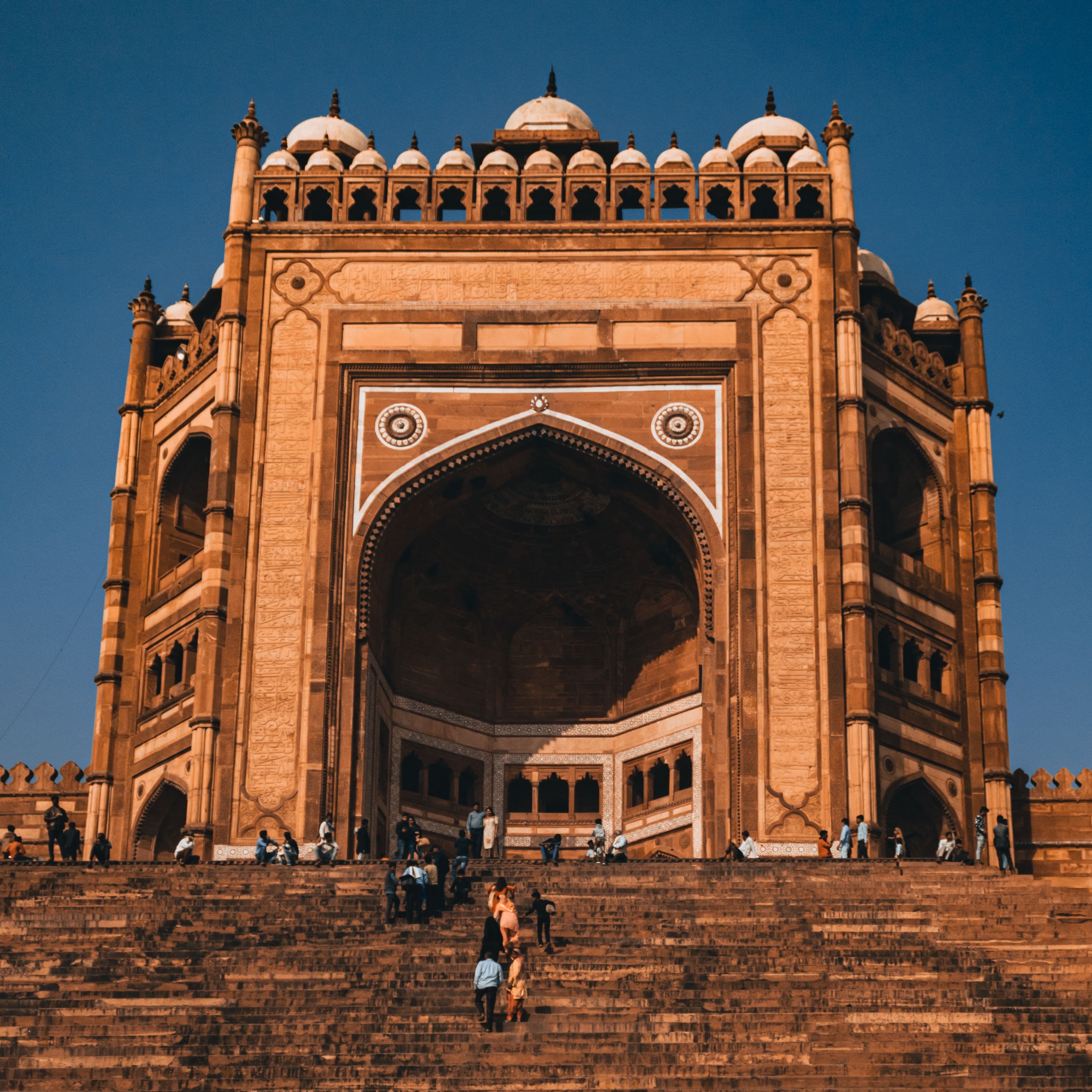
Buland Darwaza - The Gate of Magnificence
via pexels
Buland Darwaza - The Gate of Magnificence
At 54 metres, the Buland Darwaza is India's tallest gateway and Fatehpur Sikri's most photographed marvel. Built in 1601 to mark Akbar's Gujarat victory, it rises over 42 steps to Jama Masjid, its red sandstone and marble inlay simply breathtaking.
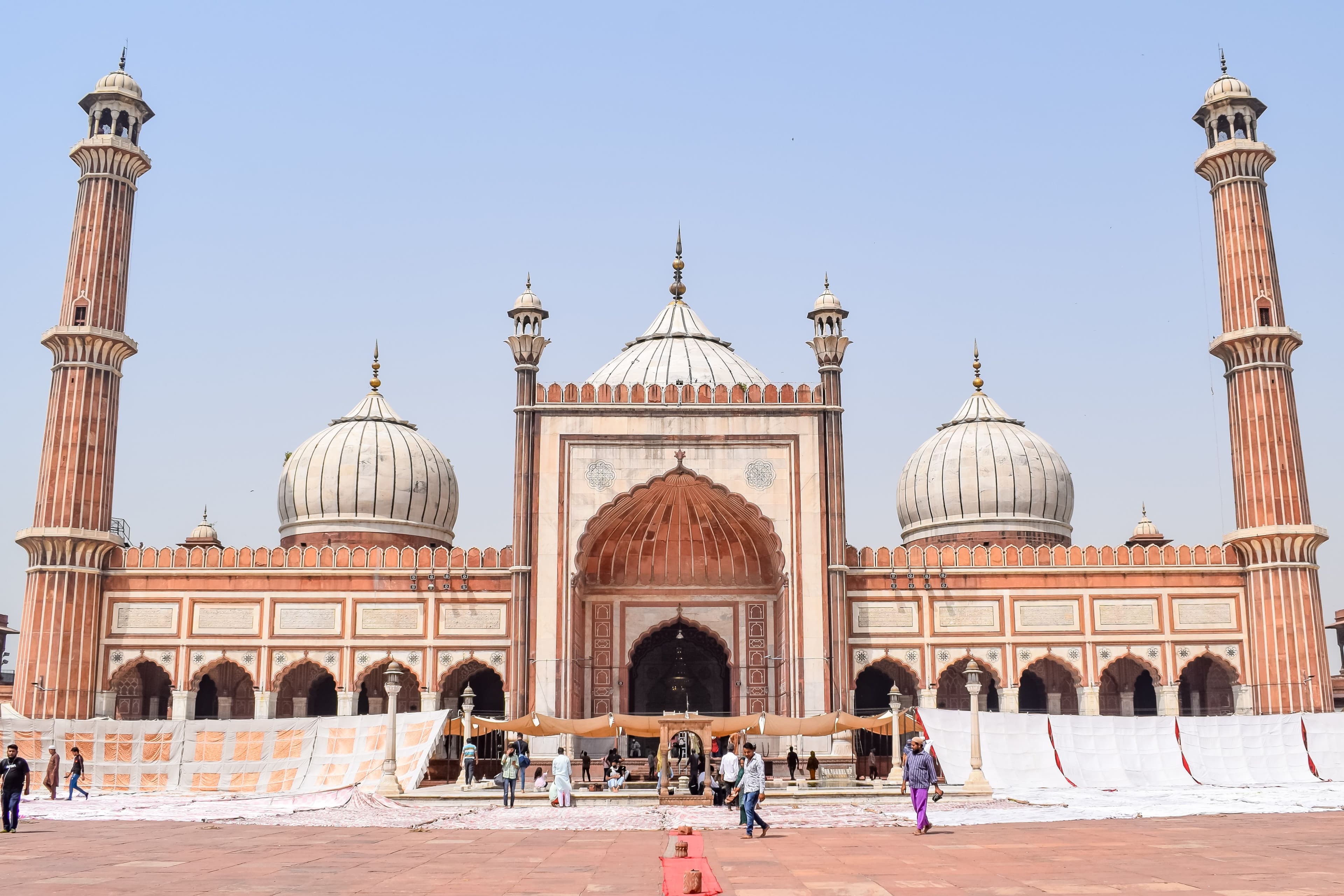
Jama Masjid - One of India's Greatest Mosques
via pexels
Jama Masjid - One of India's Greatest Mosques
One of the first buildings at Fatehpur Sikri, the Jama Masjid impresses with its grand scale and serene elegance. The sprawling courtyard accommodates tens of thousands of worshippers comfortably.
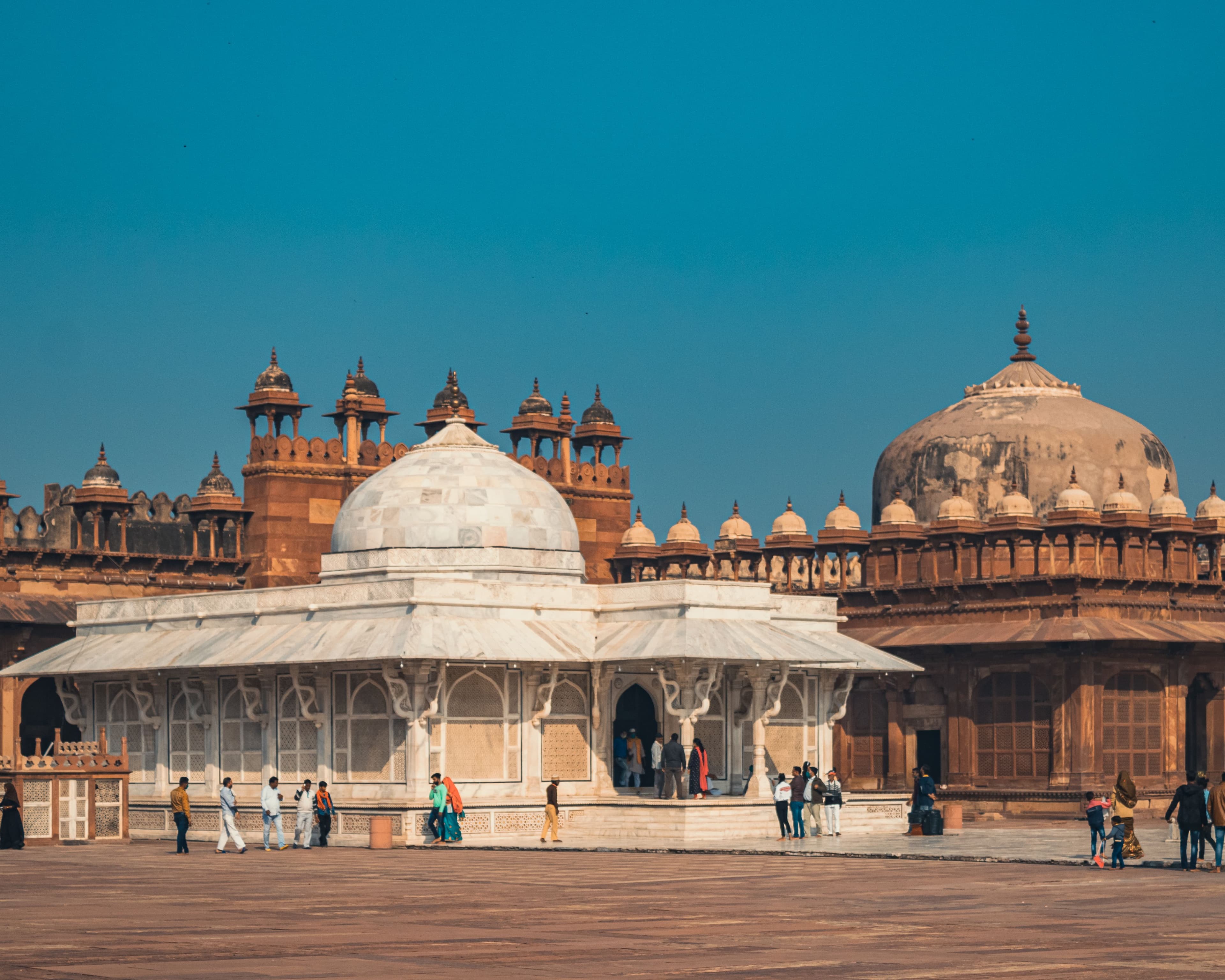
Tomb of Salim Chishti - A Marvel of White
via pexels
Tomb of Salim Chishti - A Marvel of White
The Tomb of Salim Chishti, positioned like a jewel in Jama Masjid's courtyard, is Fatehpur Sikri's finest building - possibly one of India's most beautiful small-scale monuments.
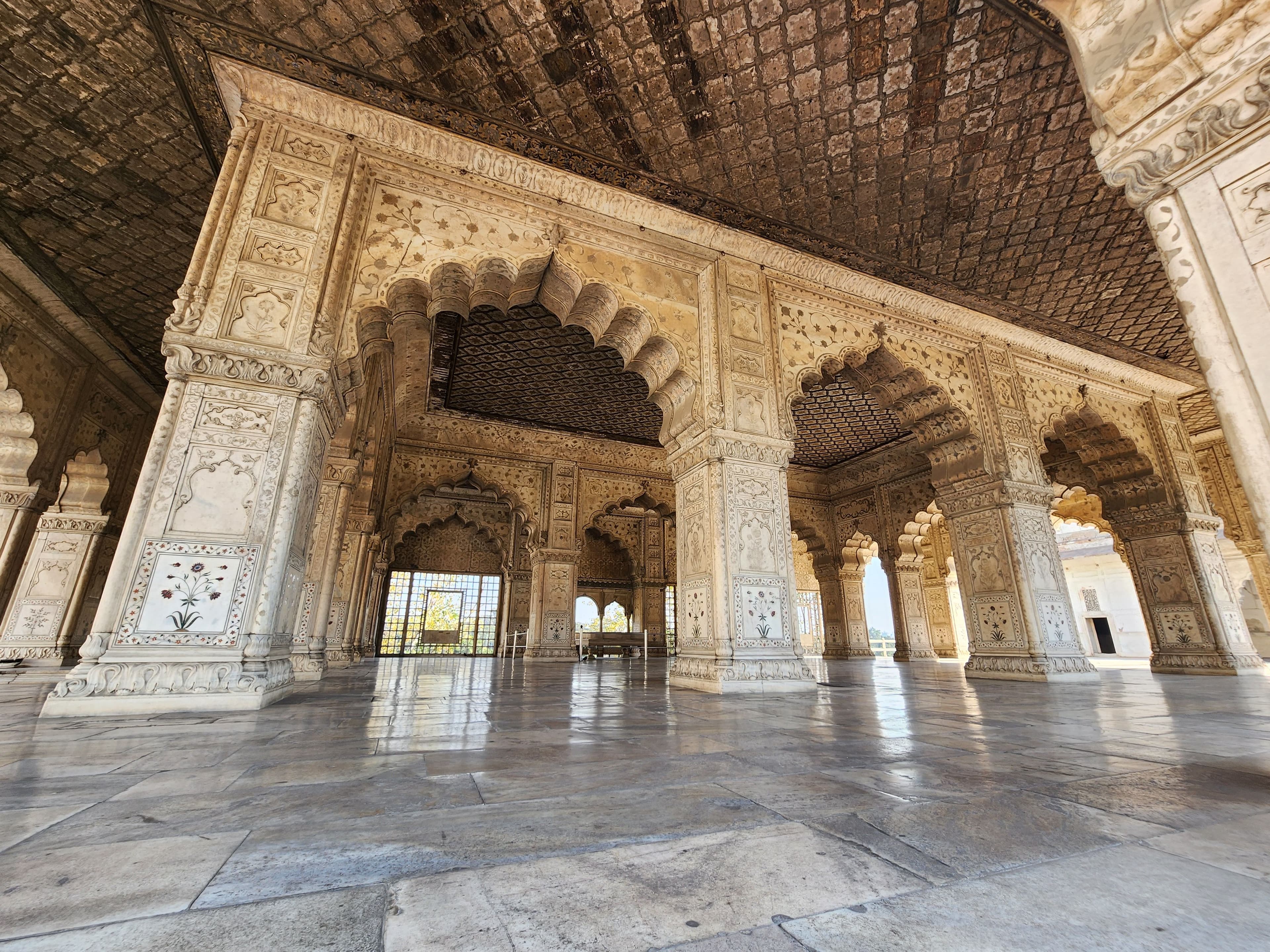
Panch Mahal - The Five-Storey Wind Palace
via pexels
Panch Mahal - The Five-Storey Wind Palace
A unique five-storey open pavilion at Fatehpur Sikri, the Panch Mahal rises in diminishing tiers with 176 varied columns. Designed to catch the breeze, it served as a pleasure pavilion and ladies' court.
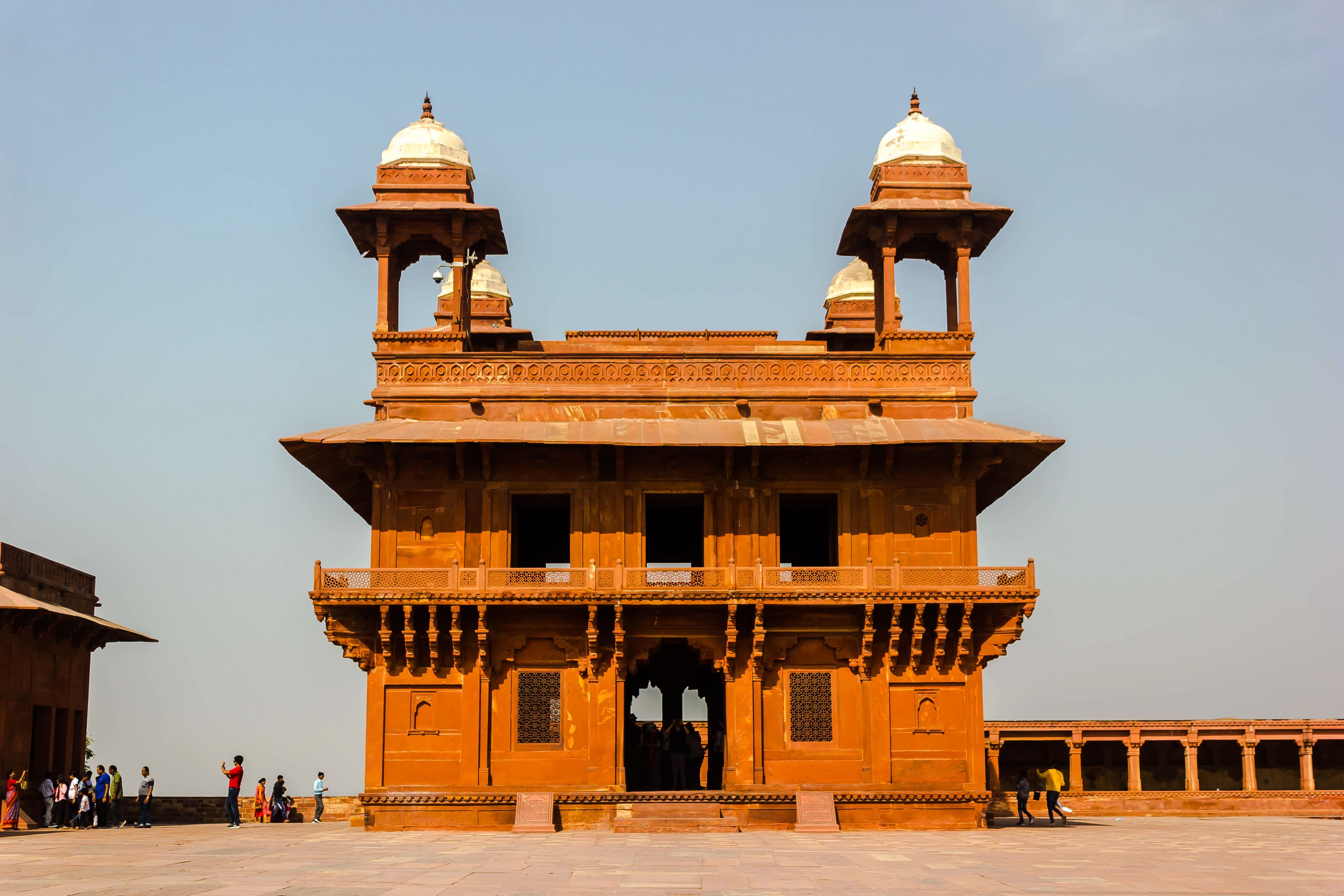
Diwan-i-Khas - The Hall of Private Audience
via pexels
Diwan-i-Khas - The Hall of Private Audience
Fatehpur Sikri's most intriguing structure, the Diwan-i-Khas looks ordinary outside but opens into a grand chamber. A carved central pillar supports a suspended walkway circling the upper level.
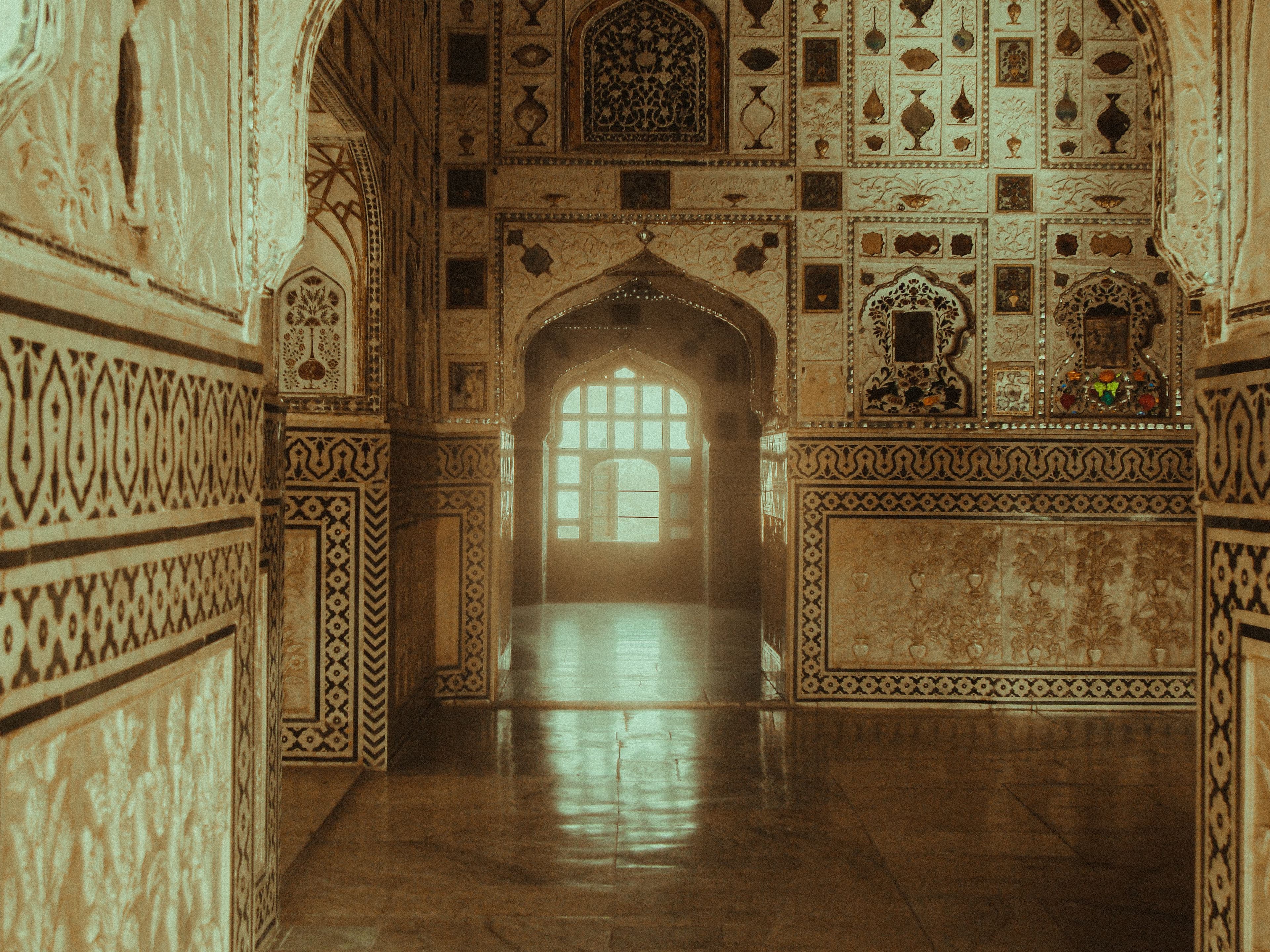
Jodha Bai's Palace - The Largest Royal Residence
via pexels
Jodha Bai's Palace - The Largest Royal Residence
The largest building at Fatehpur Sikri, built for Akbar's wife Jodha Bai, showcases a Hindu-Islamic blend - Rajput haveli design with peacock carvings and brackets, set within a Mughal complex of courtyards and gateways.
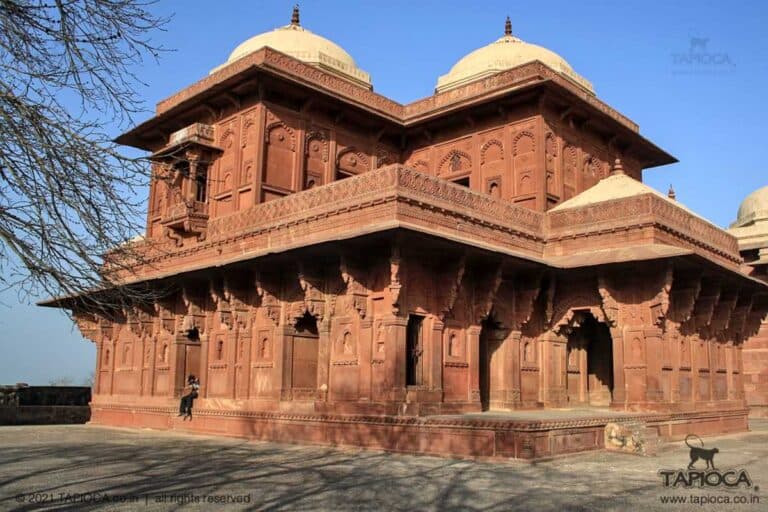
Birbal's House - The Minister's Jewel
via pexels
Birbal's House - The Minister's Jewel
Birbal was Akbar's most celebrated courtier — the ninth and most famous of his 'Navaratnas' (Nine Gems), renowned for his wit, wisdom, and the famous stories that have been told about him across India for four centuries.
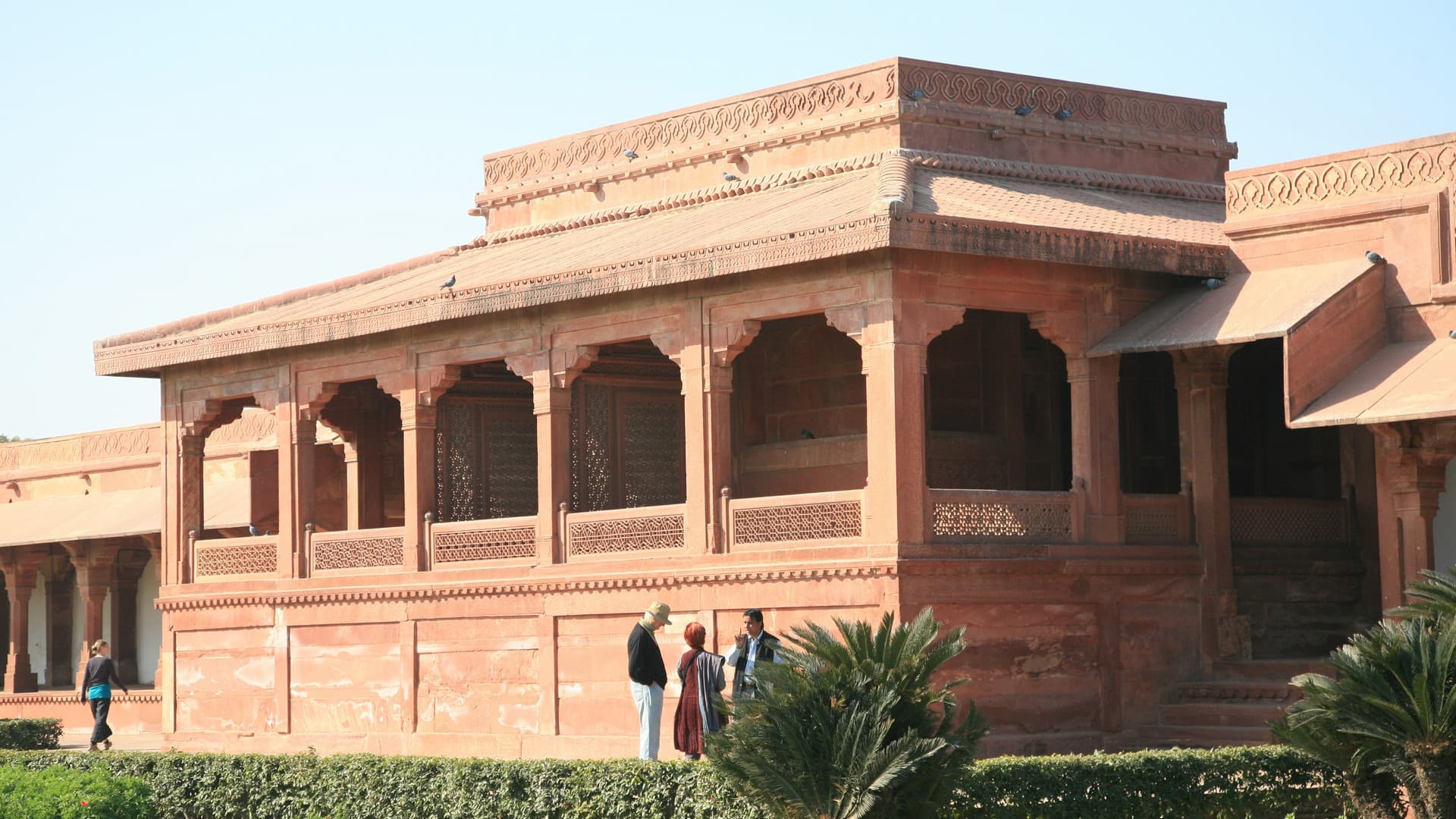
Kumbhalgarh Fort
via pexels
Kumbhalgarh Fort
Akbar heard public petitions at the Diwan-i-Aam, a massive red sandstone hall facing a wide courtyard. The overwhelming scale was meant to convey the absolute power of the Mughal throne.
Nearby Attractions - What to Combine With Fatehpur Sikri
via pexels
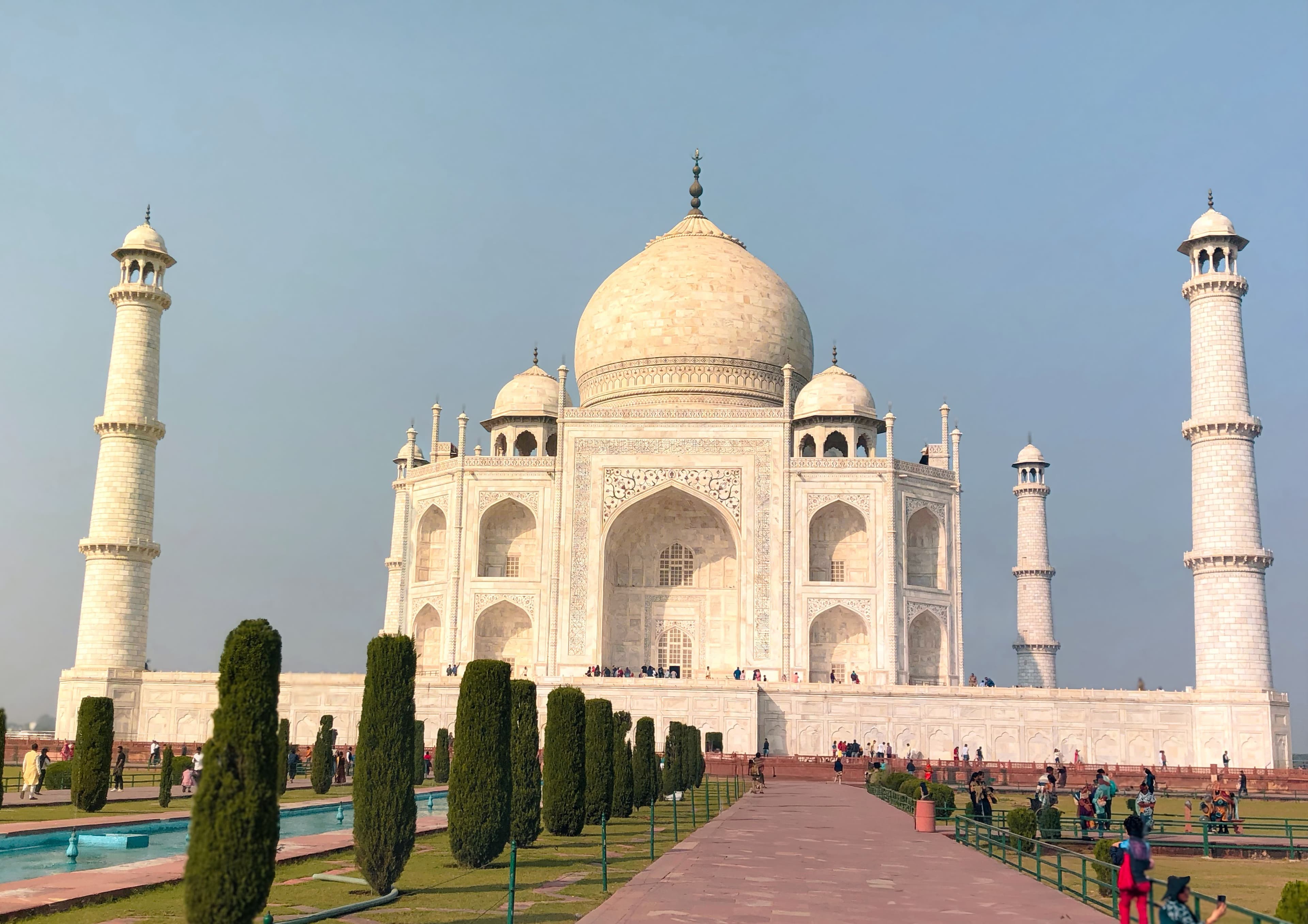
Taj Mahal, Agra (40 km)
It may be an obvious choice, but it's one of the best single-day experiences anywhere. Reach the Taj Mahal at sunrise in Agra, explore the complex with a private guide, and absorb its beauty without feeling rushed.
via pexels
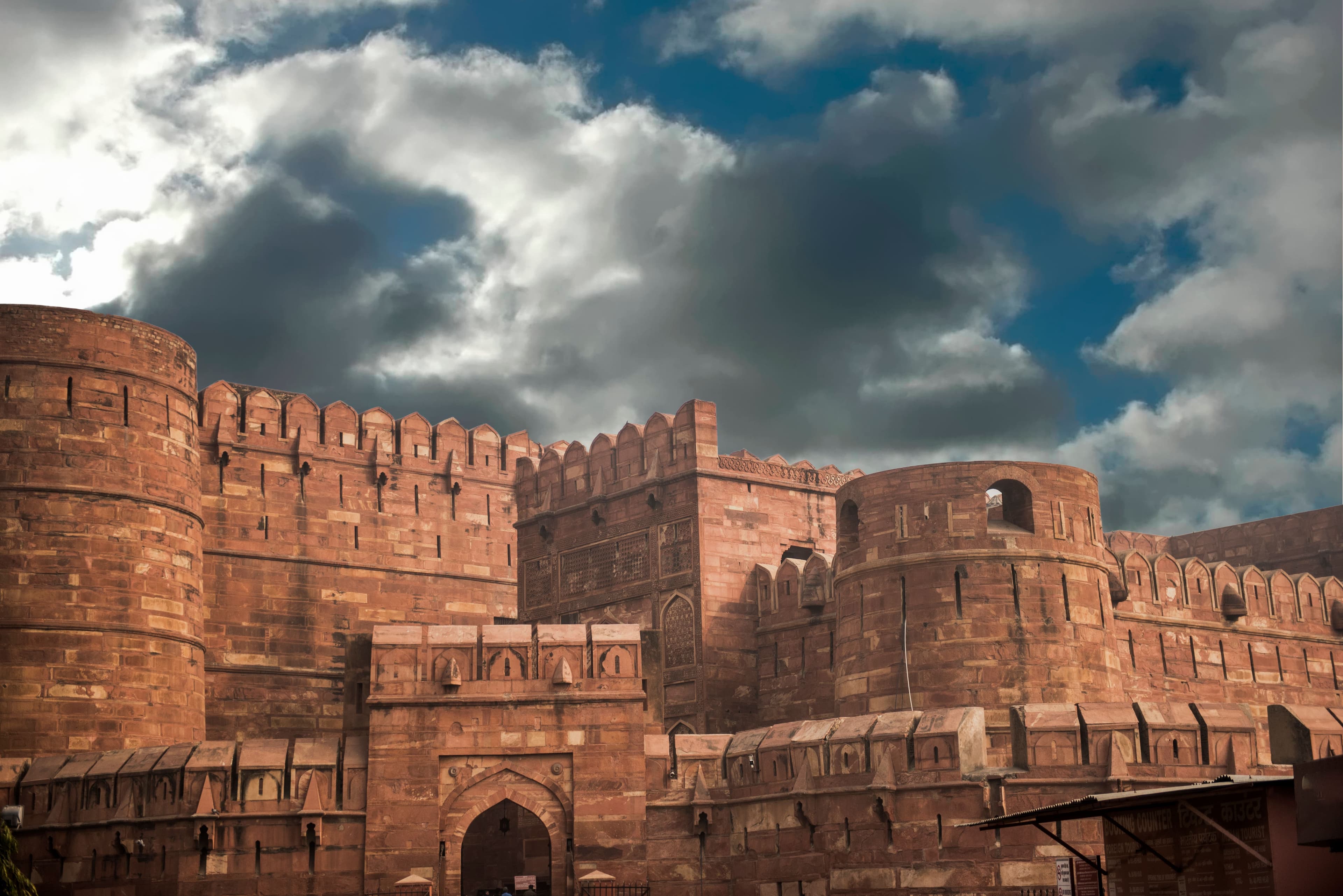
Agra Fort (40 km)
Akbar's big Agra Fort is where you can almost read the Mughal story in red sandstone and white marble, starting from Akbar's earlier works, then moving through Shah Jahan's smoother, more refined additions.
via pexels
Chand Baori Stepwell, Abhaneri (120 km)
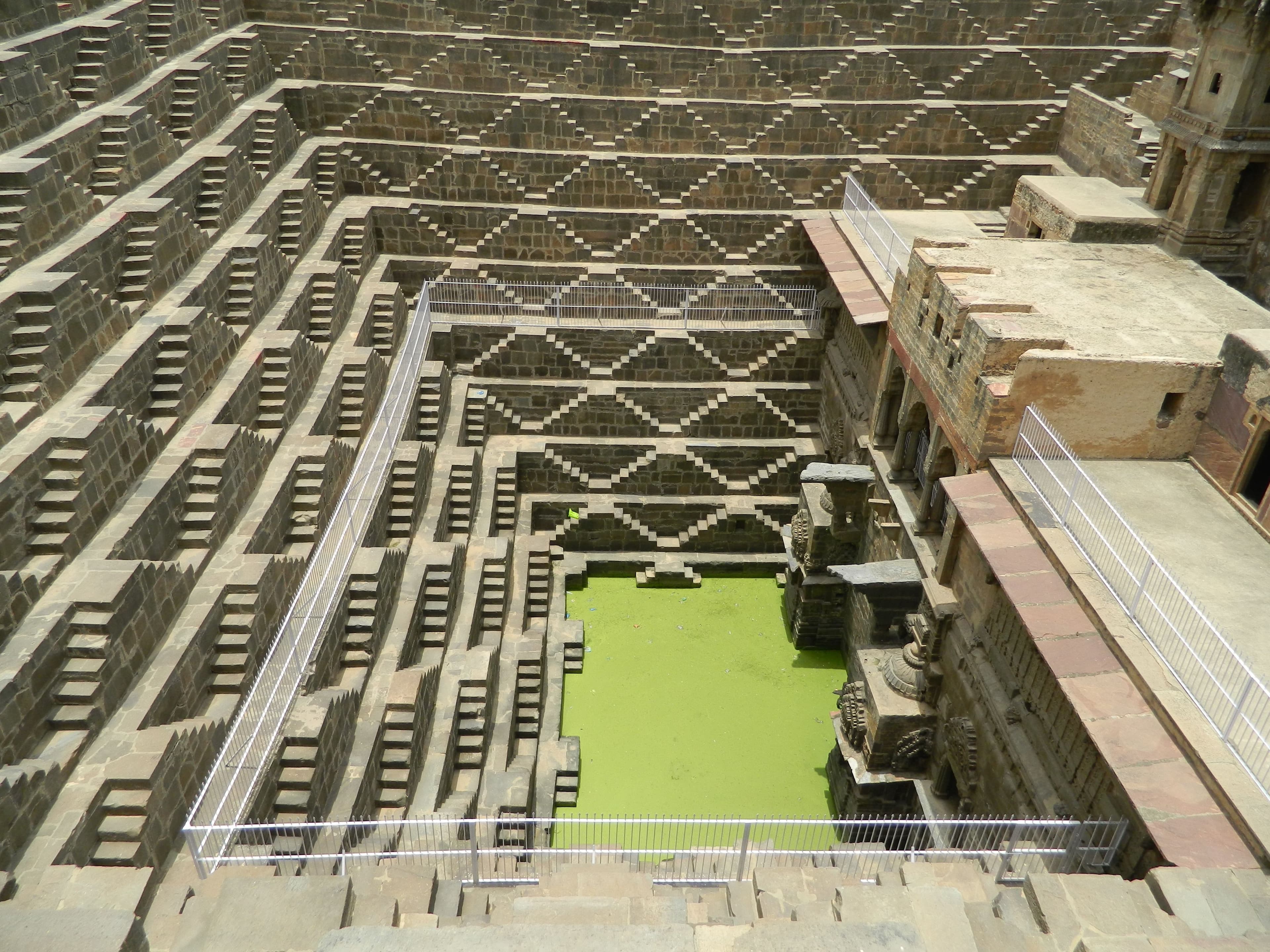
This is one of those astonishing places that feels unreal. It's a 9th-century stepwell with 3,500 narrow steps placed in strict geometric symmetry, and they drop about 20 metres down into the ground.
via pexels
Bharatpur Bird Sanctuary - Keoladeo National Park (30 km)
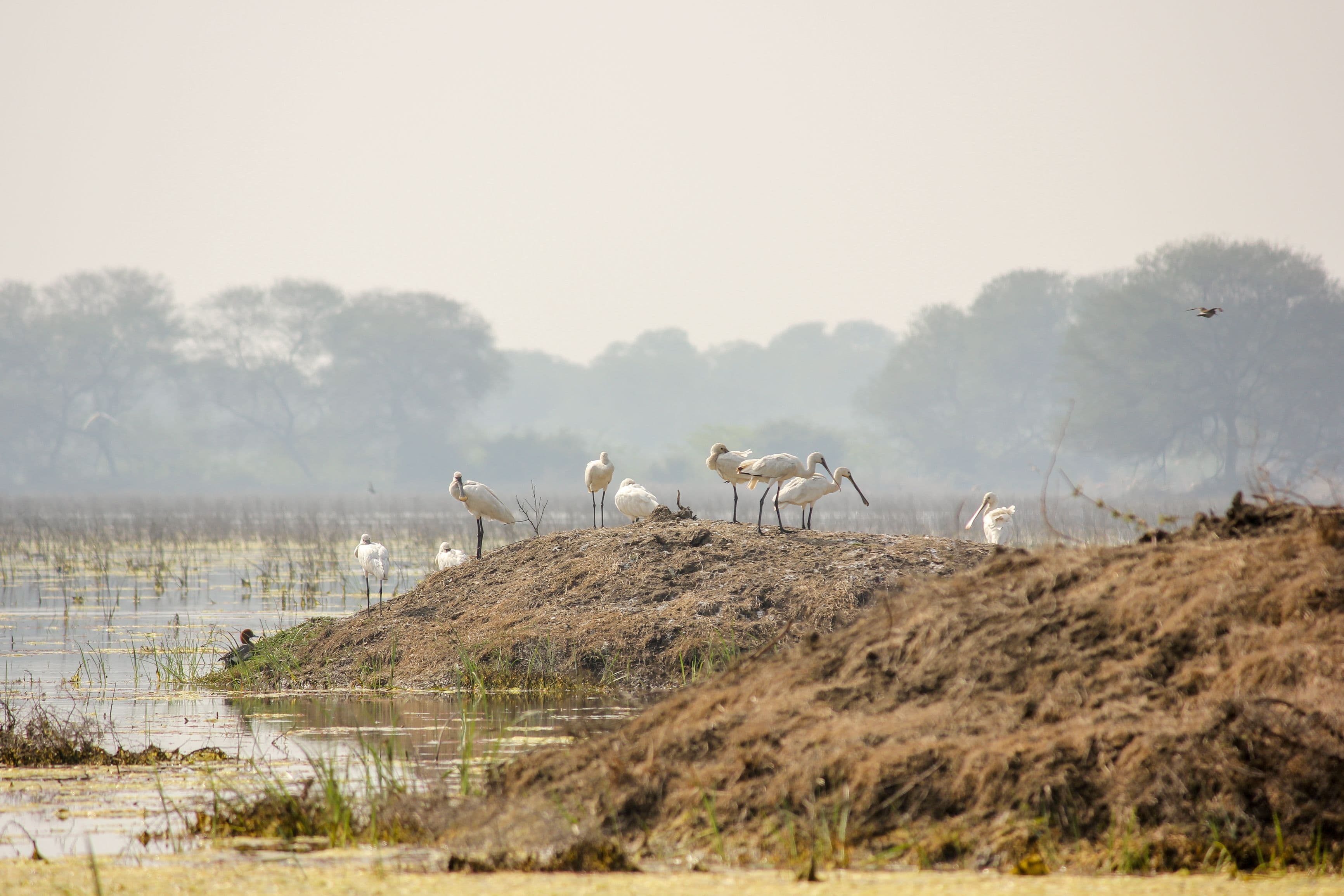
Asia's finest bird sanctuaries, just 30 km from Fatehpur Sikri. From October to March, it teems with migratory birds. Pair an early morning rickshaw ride here with a visit to Fatehpur Sikri for an unforgettable day.
via pexels
Mathura and Vrindavan (70 km via Agra)
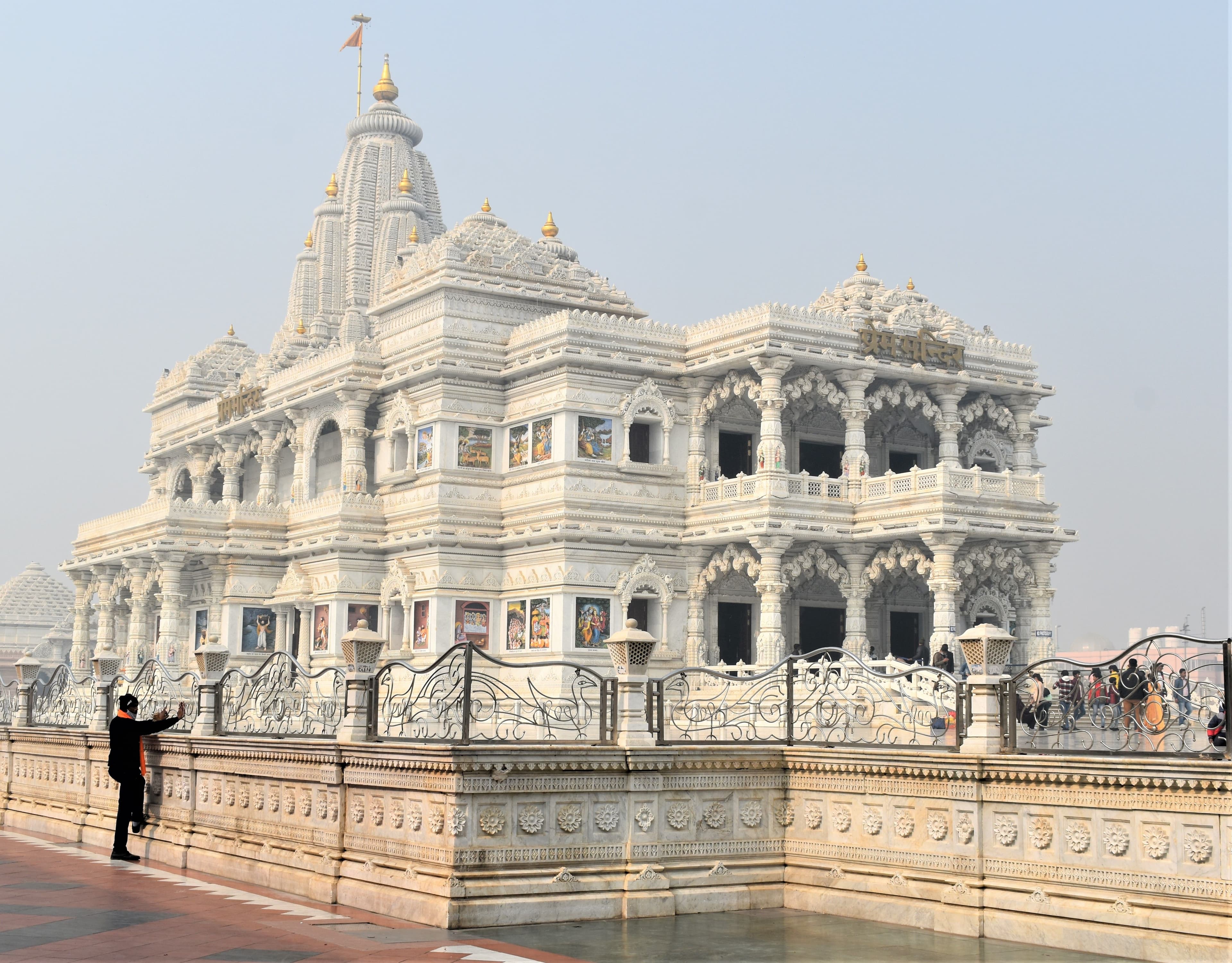
These sacred cities are closely tied to Lord Krishna, offering a calmer, more reflective experience a peaceful counterpoint to the grandeur of India's famous forts and palaces. The spiritual atmosphere, temple chants, and riverside rituals create a deeply soulful contrast.
Practical Travel Guide - Everything You Need to Know
Before visiting Fatehpur Sikri, it is worth understanding the latest ticket prices, opening hours, photography rules, and recommended arrival times. A little planning goes a long way toward making your visit more enjoyable.
Ticket Prices & Entry Fees
| Indian Nationals | ₹40–50 per person |
| SAARC / BIMSTEC Countries | ₹20–510 per person |
| Foreign Visitors | ₹550 per person |
| Children (Under 15) | Free |
| Jama Masjid / Buland Darwaza | ₹20 (Indian) / ₹200 (Foreign) |
| ASI Museum | Free Entry |
| Photography | Free for Personal Use |
Online Booking: Tickets can be booked in advance through official ASI portals, helping visitors avoid queues during peak travel periods.
Budget Estimates
Fatehpur Sikri is one of the most affordable UNESCO World Heritage Sites in India to visit. Whether you're travelling independently, as part of a Golden Triangle itinerary, or on a luxury private tour, there are options available for every budget level.
₹600 – ₹1,200
Suitable for independent travellers using shared transport, purchasing entry tickets directly, and eating at local cafés or street-food stalls.
₹2,500 – ₹5,000
Includes a private taxi, licensed guide, monument entry, and lunch in Agra. Ideal for travellers seeking comfort without moving into luxury territory.
₹8,000 – ₹25,000+
Typically includes a chauffeur-driven vehicle, expert heritage guide, curated experiences, premium dining, and seamless integration into a luxury heritage itinerary.
Best Time to Visit
Fatehpur Sikri is an outdoor destination, and weather plays a significant role in shaping the experience. The quality of light, walking conditions, and crowd levels vary considerably throughout the year.
October – March
The golden season for visiting Fatehpur Sikri. Temperatures generally range between 10°C and 25°C, offering pleasant conditions for extended exploration, architectural study, and photography.
November & December
Widely considered the finest months of the year. Clear skies, dry weather, and exceptional winter light make these months particularly attractive for photographers.
April – June
Temperatures frequently reach between 35°C and 45°C. Visits remain possible but are best limited to the early morning hours before the heat becomes overwhelming.
July – September
The monsoon season brings intermittent rain and humidity. While the site remains open, this period is generally less favourable for long walks and photography.
Frequently Asked Questions About Fatehpur Sikri
Everything visitors commonly ask before exploring Akbar's remarkable abandoned capital and UNESCO World Heritage Site.
The entry fee for Fatehpur Sikri in 2025 is approximately ₹40–50 for Indian nationals and ₹550 for foreign visitors. Children under 15 years of age enter free of charge. The Jama Masjid and Buland Darwaza may carry a small additional charge (₹20 for Indians / ₹200 for foreigners). Tickets can be purchased online through the ASI website or at the on-site ticket counters.
The best time to visit Fatehpur Sikri is between October and March, when temperatures remain pleasant and skies are generally clear. November and December are particularly attractive for photography because of the soft winter light. Arriving shortly after sunrise offers the quietest atmosphere and the fewest crowds.
Fatehpur Sikri is located approximately 40 kilometres west of Agra on the route toward Jaipur. A private car or taxi usually takes around one hour, while public buses from Agra take approximately ninety minutes. Private transportation remains the most convenient option for most travellers.
Most visitors require two to three hours to explore the major attractions including Buland Darwaza, Jama Masjid, the Tomb of Salim Chishti, Panch Mahal, and Jodha Bai's Palace. Travellers interested in architecture, photography, or Mughal history may comfortably spend four to six hours at the site.
Yes. This is one of the most popular heritage itineraries in northern India. Many travellers visit the Taj Mahal at sunrise, explore Agra Fort during the morning, enjoy lunch in Agra, and continue to Fatehpur Sikri in the afternoon before returning in the evening.
Personal photography is permitted throughout most of the Fatehpur Sikri complex without additional charges. Photography inside the Tomb of Salim Chishti is not allowed because it remains an active place of worship. Professional shoots, tripods, and drones may require special permissions.
Fatehpur Sikri was abandoned around 1585, roughly fourteen years after becoming the Mughal capital. Historians generally cite chronic water shortages as the primary reason, although strategic military priorities along the empire's northwestern frontier also contributed to Akbar's decision to relocate his court.
Yes. Fatehpur Sikri is a well-maintained UNESCO World Heritage Site that receives visitors from around the world throughout the year. Solo female travellers visit regularly without difficulty. As with any heritage destination, modest clothing and normal travel awareness are recommended.
Planning a Fatehpur Sikri Journey?
India Heritage Travel creates private chauffeur-driven itineraries that combine Fatehpur Sikri, the Taj Mahal, Agra Fort, Jaipur, and Rajasthan into seamless heritage journeys guided by local experts.
Plan My Heritage Tour