Internet & SIM Card Guide for Tourists in India
Few things derail the excitement of arriving in India quite like standing in an airport arrivals hall, jet-lagged and unable to book a cab, check into a hotel, or let loved ones know you've landed. This complete internet and SIM card guide for tourists solves that problem before it starts. India is one of the most connected countries in the world, with some of the most affordable mobile data anywhere - yet getting online as a foreign visitor still involves a few things worth knowing in advance: mandatory identity verification, a choice between three major carriers, and a fast-growing eSIM landscape that doesn't always work exactly as advertised.
This guide walks through every route to getting connected in India - from airport SIM kiosks to Pocket Wi-Fi devices and travel eSIMs - so you can choose the right setup for your trip length, budget, and day-by-day plans. That way, India Heritage Travel's guests can spend their first hour in the country experiencing it, not troubleshooting it.

via pexels
Overview: Your Connectivity Options in India
Tourists landing in India typically choose between three main ways to get online:
- • Local prepaid SIM (Airtel, Jio, or Vi) - often the best price for data heavy trips, though it kinda needs in-person identity verification, so not super quick.
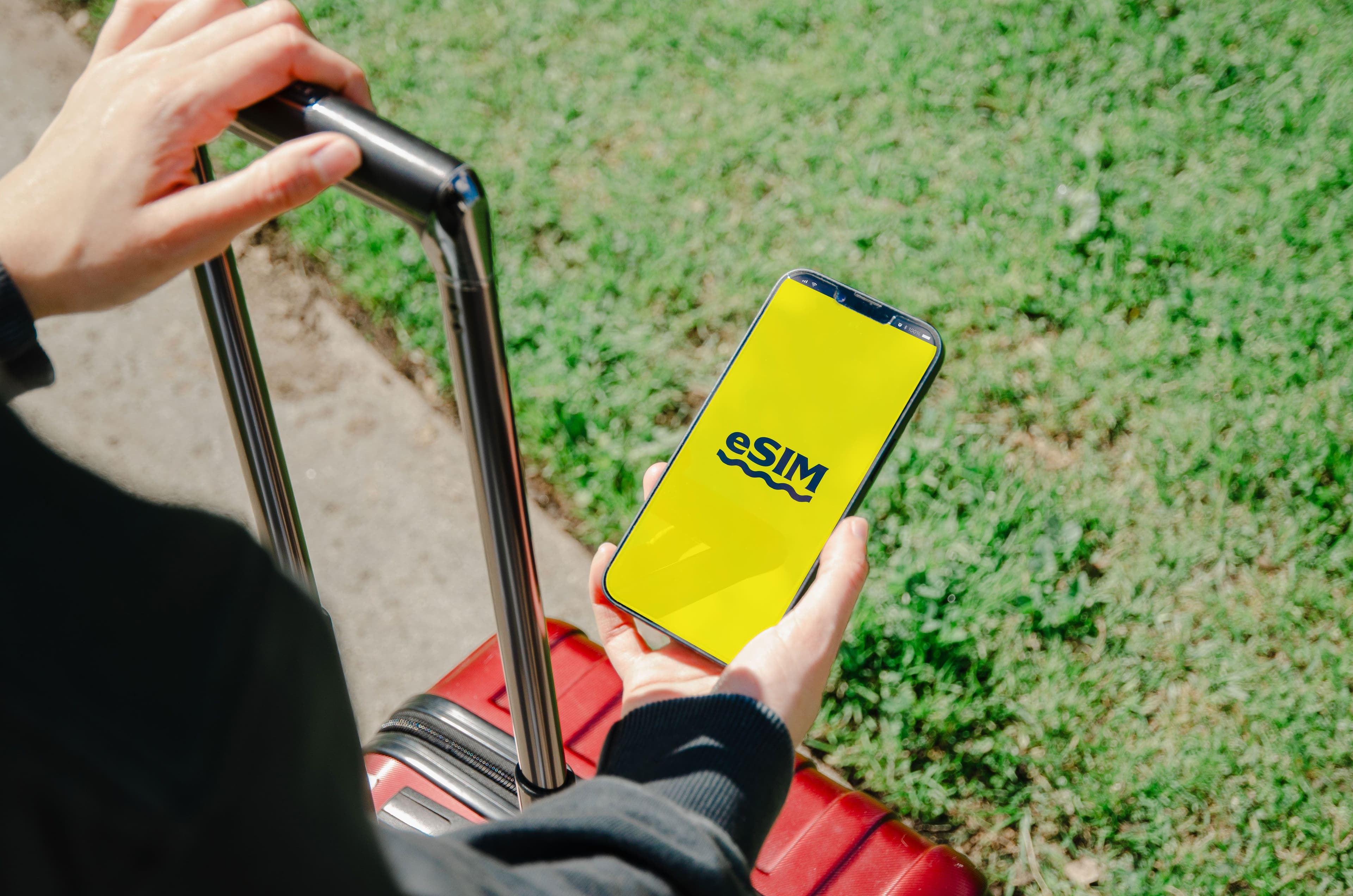
- • International travel eSIM (Airalo, Holafly, Saily, and similar providers) - typically the fastest setup, because you can install it before departure, but the per GB cost is usually higher than a local SIM.
- • International roaming on your home carrier - simplest in the sense of no extra SIM to deal with, yet it’s usually the priciest, works best for super short stays… or as a backup, just in case.
- • Most independent travelers on trips of several days or longer find that a local SIM offers the best value, while an eSIM suits shorter visits or anyone who wants connectivity the moment they land.
Best SIM Cards for Tourists
For most visitors it kinda comes down to Airtel and Jio. The table below sort of summarizes the best tourist SIM plans you can get from each operator, as a quick reference , before you compare the full detail in the next section.
via pexels
| Operator | Best For | Typical Tourist Plan |
|---|---|---|
| Airtel | Widest coverage | ₹300–₹400 / 28–30 days, 1.5–2.5GB/day |
| Jio | 5G speed & value | ₹299 / 28 days, 1.5–2GB/day |
| Vi | Lowest priority | Varies by circle |
Physical SIM Cards: Airtel vs Jio vs Vi

Airtel
via pinterest
Airtel
Airtel works well for tourists - good coverage even in hills, villages, and parks. Plans start at ₹300–₹400 (28–30 days) with 1.5–2.5GB data per day and unlimited calls. For wildlife or rural routes, Airtel's network reach makes it the practical pick.
Jio
via pinterest
Jio
Reliance Jio offers the best 5G speeds and data value, especially in cities. Tourist plans start at ₹299 for 28 days with 1.5–2GB daily data - no local reference needed. For smoother activation, buy at an airport counter or official store rather than random retail shops.

Vi (Vodafone Idea)
via pinterest
Vi (Vodafone Idea)
Vi (Vodafone Idea) offers a reliable network with good coverage in most areas. Plans are competitively priced, and the service is known for its customer support. It's a solid choice for tourists looking for a balance of performance and value.
International Roaming vs Local SIM
Home-carrier roaming is consistently the least data-efficient option - often several dollars per megabyte once you exceed a carrier's bundled roaming pack. It can still make sense for a very short trip of a day or two, mainly as a fallback for calls and texts, or for travelers who strongly prefer to keep their existing number rather than manage a second SIM or eSIM. For anything longer, a local SIM or travel eSIM will beat roaming on both cost and data allowance.

via pexels
Documents Needed: Passport, Visa & Photo
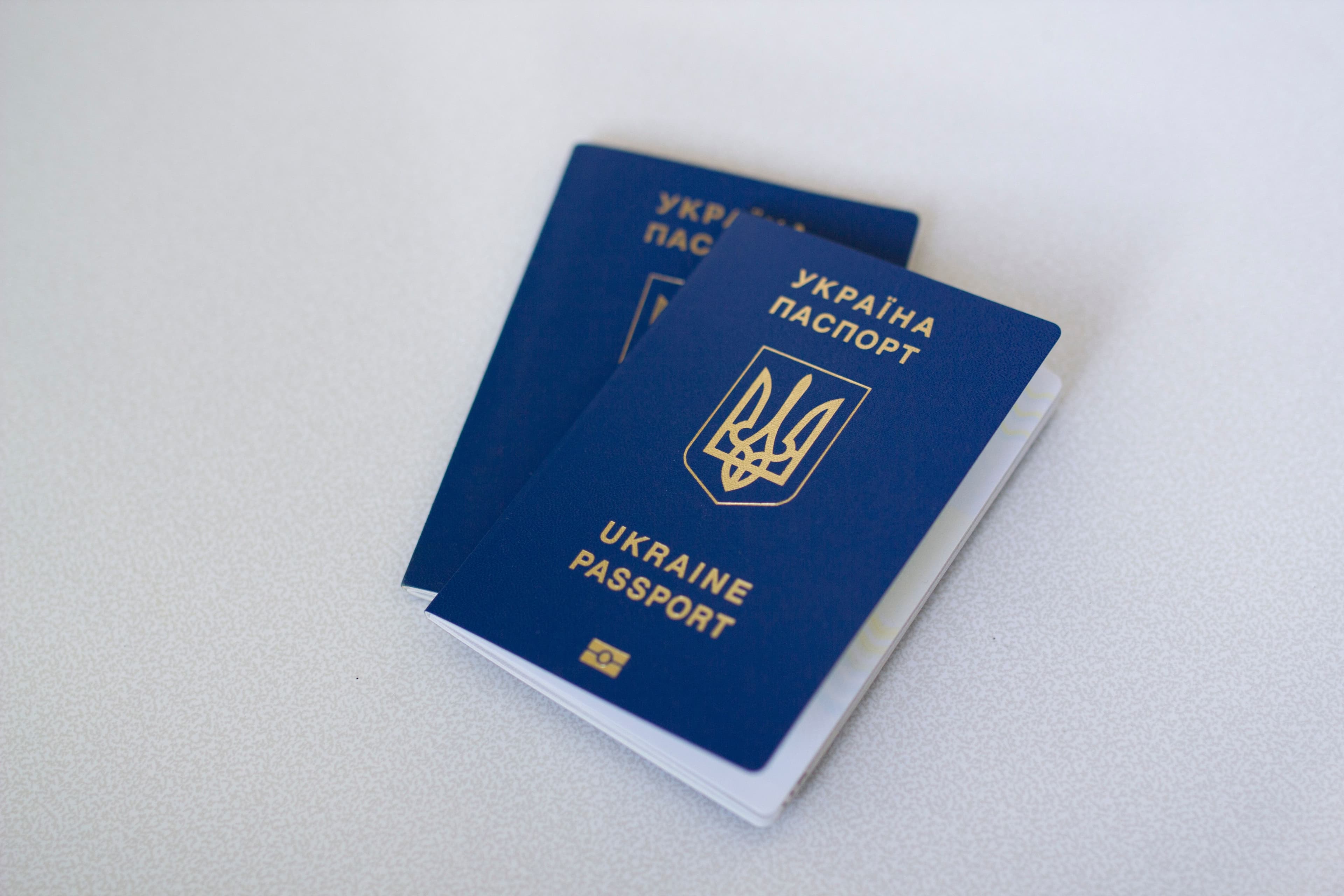
Every SIM and eSIM activation in India - for residents and tourists alike - must pass Know Your Customer (KYC) verification, a requirement set by India's telecom regulator. For foreign visitors, in practice this means bringing the following:
via pexels
Where to Buy: Airport vs Local Shop vs eSIM
Where you buy your connectivity affects price, speed of activation, and convenience. Here's how the main options compare.
| Option | Speed | Cost |
|---|---|---|
| Airport kiosk | Fastest - often same-day | Highest |
| Official carrier store | Slower - possible queue | Lower than airport |
| Hotel-arranged SIM | Fast, handled by staff | Often marked up |
| eSIM (pre-departure) | Instant on landing | Higher per GB than local SIM |
Data Plans & Pricing
So as a kind of rough 2026 benchmark, entry level tourist SIM plans on Airtel and Jio they usually start around ₹300–₹400, like about $4–$5, for 28–30 days. Most of the time they toss in roughly 1.5–2.5GB of data each day, plus unlimited local calls, and something like 100 SMS per day , give or take. Then the higher tier ones, say 2GB per day and up, with longer validity, like 56–90 days, cost a bit more but it’s still pretty cheap compared to international prices.
| Plan Type | Typical Price | Data |
|---|---|---|
| Airtel/Jio entry tourist plan | ₹300–₹400 (~$4–$5) | 1.5–2.5GB/day |
| Airtel/Jio extended plan | Higher, still budget-friendly | 2GB+/day |
| eSIM - capped bundle | $2–$10 | A few GB total |
| eSIM - unlimited daily rate | $40–$75 | Unlimited (fair use) |
4G, 5G Coverage & Rural Connectivity
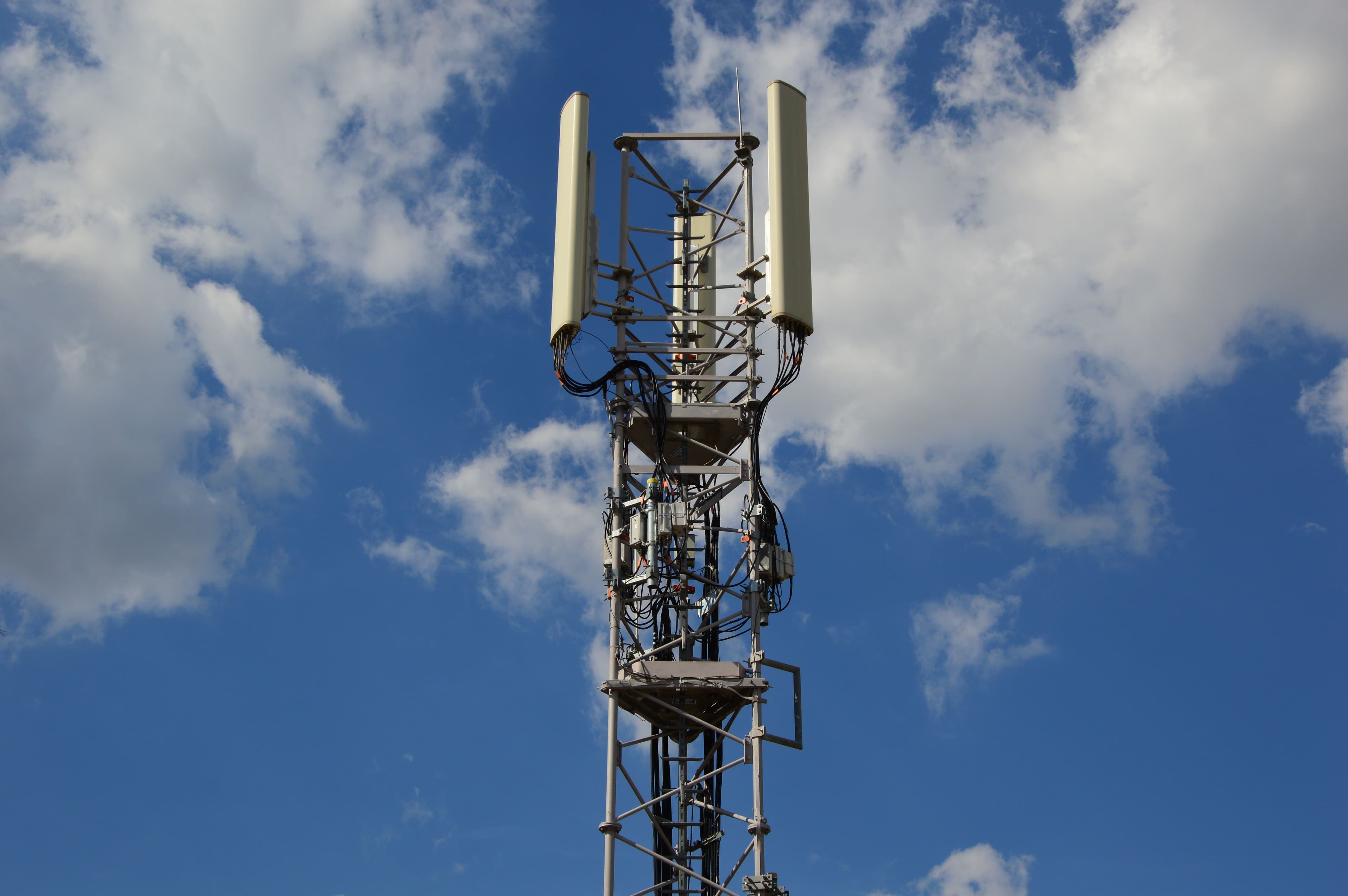
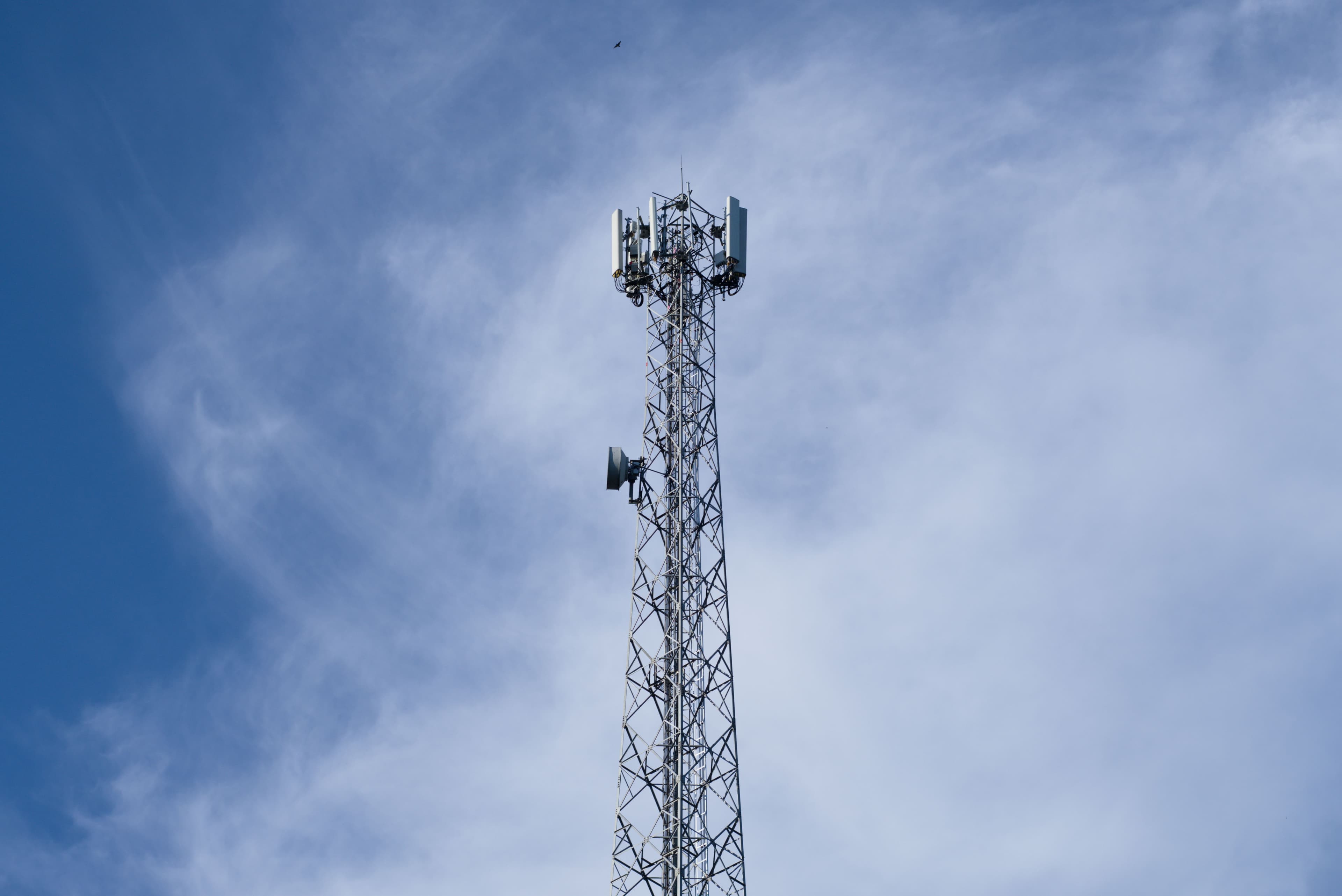
4G is widely available across cities and highways, with 5G in major metros. But coverage dips in remote spots like Ladakh or rural Rajasthan - download offline maps and have backup contact plans for your driver.
via pexels
Wi-Fi Availability Across India
Wi-Fi is sort of widely there in hotels , cafés and shopping malls around India’s main cities, though speed and reliability kind of drift depending on the place-like, a five-star heritage hotel will usually give you fast and stable access through the whole stay, but budget guesthouses may end up with slower, or even patchy connections. Public Wi-Fi can also show up at some airports and metro stations, but you should treat it with a bit of caution, especially for anything touching banking or sensitive logins. For day to day use, having your own SIM or eSIM data connection is still the safer default, honestly.
Digital Payments, OTPs & Travel Apps
4G is widely available across cities and highways, with 5G in major metros. But coverage dips in remote spots like Ladakh or rural Rajasthan - download offline maps and have backup contact plans for your driver.

via pexels
Safety & Cybersecurity Tips
- • Try not to log into any banking apps, or type in payment details, when you’re on open public Wi‑Fi, it ’s safer to use your own personal SIM or eSIM data connection instead.
- • Make sure your phone has a lock screen PIN, or a biometric lock, because it will be the key tool for payments, bookings, and basically messaging during the whole trip.
- • Also, save your carrier’s customer care number and your accommodation’s contact info, offline, so if you’re in some remote place and signal drops you can still reach them.
- • Be a bit wary about random SIM swap offers, or any KYC related calls/messages, most carriers don’t usually ask for OTPs over the phone.
- • When you’re installing an eSIM app or travel apps, stick to official app stores only. And before you buy any plan, double-check the provider’s India coverage first.
Troubleshooting & Customer Support
If a SIM doesn’t activate within the expected time window, the quickest “do this” is going back to the place of purchase with your original paperwork, because most activation delays end up being about a document mismatch more than a network fault, yes. Airtel and Jio both have customer care lines and in-app chat support (Airtel Thanks and MyJio) for tourists who have already done the registration part. Also most eSIM providers give you 24/7 live chat, which is usually the fastest route to sort out an activation snag or an APN configuration matter, sometimes.
Luxury, Solo & Family Traveler Tips
For luxury travellers, an international eSIM active from day one offers instant connectivity, while a private guide or driver can help with a local SIM for better long-term value. Solo female travellers benefit from steady data for navigation and staying in touch with trusted contacts - making verified ride-hailing apps easier to use. Families with multiple devices should consider a mobile hotspot or tethering plan to share one connection instead of separate SIMs.
Why Choose India Heritage Travel
Getting connected is this small but kinda important part of a smooth India trip, and honestly it’s the kind of detail India Heritage Travel keeps in mind when we run a fully managed journey. Guests who travel with us don’t really have to sort out airport SIM counters by themselves, or stand there and guess which eSIM provider might work- our team gives connectivity guidance as part of every private tour along with private chauffeur driven transport, carefully picked heritage stays, and experienced local guides, so it all feels seamless.
- • Private chauffeur driven tours, with drivers who can assist with SIM or eSIM setup on arrival.
- • Fully customized itineraries matched to each traveler’s pace and personal interests.
- • Curated stays in India’s finest heritage and luxury hotels, with dependable in-room Wi-Fi.
- • Expert local guides with deep historical and cultural knowledge, at every stop or site you visit.
- • One single point of contact across the entire journey, coordinating with your insurer’s assistance line if ever needed, just in case.
Frequently Asked Questions
It isn't legally required, but a local SIM or eSIM makes navigation, ride-hailing, digital payments, and staying in touch significantly easier, and is inexpensive relative to international roaming.
Both are strong choices. Airtel generally offers wider coverage in rural and hill regions, while Jio often edges ahead on 5G speed in major cities. Either is a reliable pick over Vi for most tourists.
Yes - Airtel and Jio counters operate in the arrivals halls of major airports including Delhi, Mumbai, Bengaluru, Chennai, Hyderabad, and Kolkata, offering same-day activation for a modest premium over city stores.
You'll need your original passport, a valid Indian visa, proof of local accommodation such as a hotel booking, and a photo taken at the point of sale for KYC verification.
An eSIM offers faster setup and works from the moment you land, which suits short trips well. A physical local SIM usually offers better data value for longer stays, provided you're comfortable completing in-person KYC.
Planning Your India Journey?
India Heritage Travel creates private, fully escorted itineraries across India's iconic landmarks, royal palaces, and spiritual sites - with dedicated drivers, local guides, and 24/7 support for a seamless and worry-free experience.
Plan My India Journey