A Guide to Indian Food: What to Try & What to Avoid
Indian food terrifies some travellers. I get it. Just the spices could bring tears to your eyes from across the room.
But here’s what no one tells you. Most visitors to India who get sick don’t actually do so because of the food. It’s usually the water. Or ice cubes. Or maybe that seemingly harmless salad you thought was so fresh and healthy.
We’ve seen friends fall ill within three days of landing in Mumbai; I have seen solo female travellers navigate the best tourist places in India for months without a single stomach issue. The difference? Knowing what to nosh on and what to politely decline.
What Makes Indian Food Different
Indian cuisine is very different from region to region. North Indian food is richer and more dairy-laden.
South Indian cuisine has rice and coconut as the main constituents. For travellers, some places have milder alternatives that are easier on foreign stomachs, while others bring serious heat.
The Dishes You Actually Need to Try
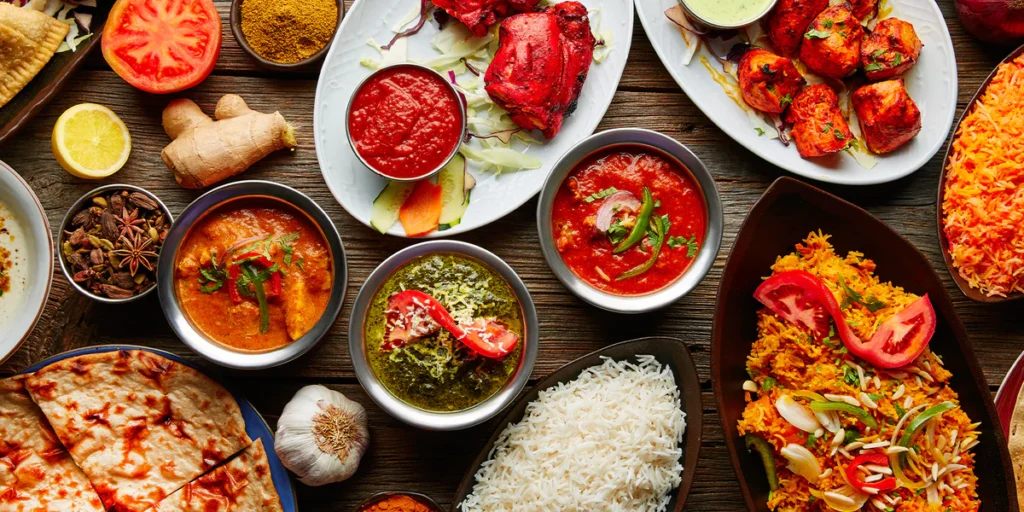
Butter chicken feels cliché since it’s everywhere, but the creamy tomato sauce isn’t spicy enough to set your mouth on fire. Ideal for those first few days as your tummy gets used to things.
Dosa, a crispy rice and lentil pancake from southern India, is filled with spiced potatoes. It’s vegetarian and made fresh on a hot griddle directly in front of you. Watch them make it—that’s your safety check.
Thali is not one dish but a sampler platter of curries, rice, bread and dessert. A Gujarati thali, meanwhile, is sweeter and vegetarian. Thalis are brilliant for travellers who want to try everything but don’t feel like ordering 10 dishes.
Biryani is rice and meat layered with spices, slow-cooked until the ingredients merge. Hyderabadi biryani is most famous. Just order it mild if you’re concerned about the heat level.
Chole bhature is spicy chickpea curry with huge puffy fried bread, chole bhature from Punjab. Heavy but satisfying. A lot of India travel companies incorporate this into food tours, as it’s a classic.
Street food needs caution. Samosas are usually ok, as they’re deep fried. The same principle works with pakoras (vegetable fritters). High temperature kills bacteria. Just check the oil looks clean.
Travel Tips in India
Choose busy stalls. Locals lining up leads to fresh food, not stuff sitting around collecting flies.
Eat piping hot food. Lukewarm? Skip it. Heat kills bacteria.
Skip raw vegetables and salads. Even fancy hotel buffets. The vegetables were rinsed with tap water.
Ice cubes are trouble. Even in expensive restaurants. Please bring bottled water with the original safety seal intact. Many tour packages for top tourist places in India include daily bottled water because this is so common.
Dairy needs caution. Lassi drinks sometimes come with ice or dodgy milk. Cooked curries with paneer are okay.
Morning chai from the street vendors gets a pass. The water’s been boiled, so it’s safe. It’s worth it if you can sit and watch India wake up over tea.
What to Definitely Avoid
Tap water. Do not drink it, brush your teeth with it, or use it as a rinse. Non-negotiable.
Pani puri and street food with uncooked water. They taste great, but your tummy is not acclimatized to local bacteria.
Cut fruit from the vendor, as the knife might be rinsed with tap water. Purchase whole fruit and peel it yourself.
Dodgy street stalls. No customers, flies all around them, poor hygiene. Trust your instincts.
For Vegetarians and Vegans
India’s brilliant for plant-based eating. Some 30 to 40 percent of Indians are vegetarian, so dining out usually means plenty of options.
You’ll find many places to be purely vegetarian with green signs only. Vegans need to inquire about ghee (clarified butter) and paneer.
There is a fair amount of ghee in North Indian cooking.
South Indian cuisine relies on coconut oil, which is more vegan-friendly. Dal, vegetable curries, dosas, and idlis. You’ll never go hungry.
The Reality for Solo Female Travellers
Getting sick whilst travelling alone isn’t fun. Pack hand sanitiser. Use it before meals. Bring rehydration salts just in case. These tiny precautions matter.
Start conservatively. Stick to cooked foods in reputable places your first few days. Once your stomach adjusts, you can be slightly adventurous. But never ignore water and ice rules.
Ask other female travellers where they’ve eaten safely. The solo travel community in India shares information about reliably safe places. Many India travel agencies now offer women-only groups because solo female travel has increased dramatically.
Final Thoughts
Indian food is genuinely spectacular. The spices, the variety, the sheer creativity involved in creating so many distinct regional cuisines. But it requires respect and caution from foreign visitors.
You don’t need to be paranoid, just sensible. Choose busy restaurants. Avoid raw foods and tap water. Watch how your food is prepared when possible. Listen to your body. If something feels off, don’t eat it.
Most India travel packages nowadays include food safety briefings and recommend reliable restaurants, which takes some guesswork out.
If you’re planning an extensive trip, consider connecting with India Heritage Travel, who understand both the culinary highlights and the safety requirements that make the experience enjoyable rather than medicinal.
The goal isn’t avoiding Indian food. The goal is enjoying it without spending half your trip in a bathroom. Follow these guidelines and you’ll return home with incredible food memories instead of horror stories.
Because honestly, once you’ve had proper biryani or fresh dosa, Western Indian restaurants will never taste quite the same again.